New Zealand: The Ultimate North Island Road Trip Itinerary
A slow travel campervan route from Auckland to Cape Reinga, Coromandel, East Cape, Taranaki and Wellington
New Zealand’s North Island is often rushed or even skipped. Most international travelers pick up their rental campervan in Auckland, visit Rotorua and Taupō, maybe stop at Hobbiton or Waitomo, then continue straight to Wellington or the South Island. And while that route already includes some incredible places, it only scratches the surface of what the North Island has to offer.
For us, the North Island became much more than a quick starting point. We arrived in New Zealand on a working holiday visa, bought an empty van and slowly turned it into our little home on wheels. What started as a fairly loose route became a much longer journey through beaches, geothermal landscapes, wine regions, remote coastlines, caves, volcanoes, small towns and some of the best campervan memories of our year in New Zealand.
This itinerary brings together the main stops from our North Island road trips, shaped into a route that is easier to plan than the very low-key way we traveled a few years ago. We had a lot of flexibility, followed local recommendations and sometimes drove long detours simply because someone told us a place was worth it. Having a good plan does not take away that sense of freedom. Some of our best memories came from spontaneous detours and local tips and you can still leave plenty of room for those moments while having a clearer idea of what to expect before setting off.
So this guide is designed as a practical slow travel framework rather than a strict day-by-day plan. The main route takes you from Auckland to Wellington, with time for Northland, Coromandel, Rotorua, Taupō, Hawke’s Bay, the East Cape, Waitomo, Taranaki and Whanganui along the way. At the end, you can either finish in Wellington, continue to the South Island or take a longer return route back toward Auckland with optional stops like the Wairarapa, Putangirua Pinnacles and Castlepoint Lighthouse.
Because some of the most memorable places are also the least convenient, I have separated the route into main stops and optional additions. That way you can keep the itinerary smooth if you only have a few weeks or slow it down with remote beaches, longer hikes and scenic detours if you have more time.
If you enjoy road trips that mix iconic places with quieter corners, this North Island itinerary gives you a bit of everything: tropical beaches in Northland, the golden beaches and coastal scenery of the Coromandel, geothermal valleys around Rotorua, lake views in Taupō, wine and farmers markets in Hawke’s Bay, wild coastal roads around the East Cape, glowworm caves in Waitomo, volcanic landscapes in Taranaki and a proper city finale in Wellington.
It is not the fastest way to see the North Island. That is exactly the point. :)
Quick guide
Recommended duration: 4 - 5 weeks
Minimum duration: 3 weeks, with a few cuts
Best time: November to April
Best for: Campervan travelers, slow road trips, beaches, geothermal stops, hikes, forest walk, wine regions, food, coffee and remote coastal drives
Route: Auckland → Northland → Coromandel → Bay of Plenty → East Cape → Hawke’s Bay → Taupō → Rotorua → Hobbiton → Waitomo → Taranaki → Whanganui → Wellington
Optional return route: Wellington → Wairarapa → Pūtangirua Pinnacles → Castlepoint → Auckland
How much time do you need?
The North Island looks smaller on the map than it feels once you start driving. Roads are often slower than expected, especially around the coast, through forested areas or on more remote routes like the East Cape, northern Coromandel and parts of the Wairarapa. If you are traveling by campervan, you also need time for practical things like groceries, laundry, fuel, water, dump stations and the occasional slow morning when you simply do not want to move on yet.
For this itinerary, I would say around 4 weeks is the sweet spot. This gives you enough time to include the main regions without turning every day into a driving day, while still leaving room for beach stops, hikes, markets, food, weather changes and a few spontaneous detours.
With 3 weeks, I would treat this as a highlights route and skip at least one of the more remote sections. If you have 5 weeks or more, you can slow the trip down, add longer detours like the Coromandel Coastal Walkway or Castlepoint and spend more time in places you do not want to leave yet.
Best time to do this road trip
The North Island can be visited year-round, but November to April is generally the prime window for a campervan trip. These months bring warmer temperatures, longer daylight hours and the best overall conditions for camping, hiking and beach days.
December to February (Peak Summer): This period offers the warmest beach weather, but it is also the busiest time to travel. Popular holiday spots and Department of Conservation (DOC) campsites can book out well in advance, particularly around Christmas and New Years.
The Shoulder Seasons (November, March and April): For many slow travelers, this is the ideal balance. You get great weather, fewer crowds on the roads and much more flexibility with finding campsite availability on the go.
Good to know
New Zealand weather can change quickly. Build in some flexibility, especially for boat trips, coastal drives and alpine hikes.
Before you start
The suggested stops below are the places I would prioritize, but the North Island is at its best when you adapt the route to your own interests, travel style and energy levels. Some travelers will want to spend an extra week surfing and exploring hidden bays, while others will want to focus entirely on volcanic hiking tracks or cultural experiences. Use this itinerary as a steady guide, but never hesitate to throw the plan out the window if a local points you toward an unexpected discovery.
Stop 1: Auckland and getting organized
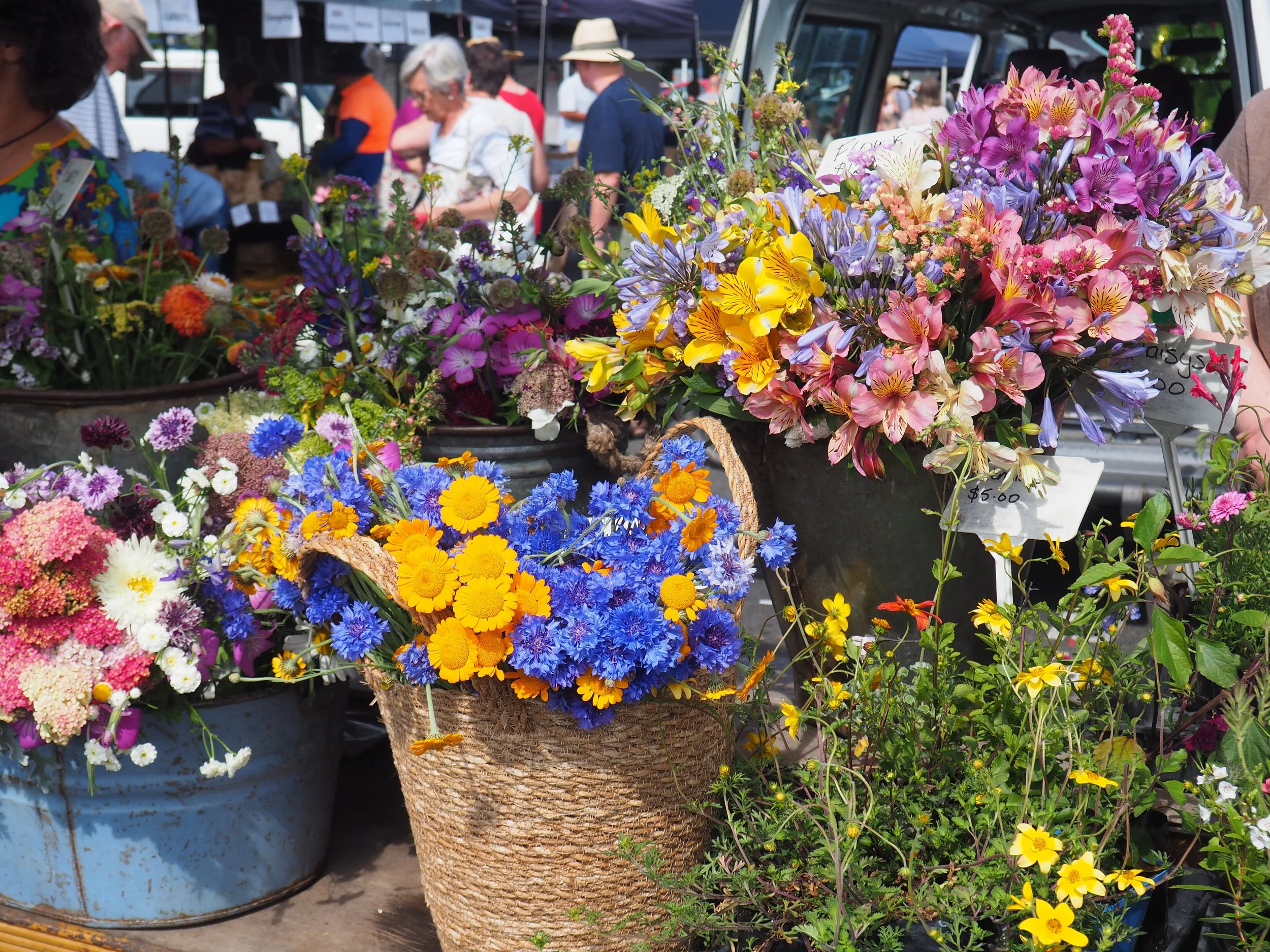
Most North Island road trips begin in Auckland and while it is often treated as a practical transit hub, the New Zealands largest city is well worth giving some time to. It has a vibrant food scene, waterfront walks, volcanic viewpoints like Maungawhau/ Mount Eden, weekend markets and nearby islands that can easily fill a few days before you hit the road. If you're visiting during rugby season, you could even watch an All Blacks game at Eden Park, which is a lot of fun and a great way to experience New Zealand's sporting culture.
For campervan travelers, Auckland is the logical place to pick up your rental, buy your first supplies and get organized. Use your first days here to stock up on groceries, buy a local SIM or get an eSIM, download offline maps and familiarize yourself with your camping apps. It is also worth taking time to understand the current freedom camping rules before you set off. Regulations around self-contained vehicles can be strict and knowing where you are legally allowed to stay will save you stress, confusion and potential fines later.
We spent more time exploring Auckland later during our year in New Zealand, but if this is your first stop, I highly recommend planning at least one or two nights here. It gives you space to adjust to the time zone, sort out the practicalities of van life and ease into the rhythm of the country before the driving properly begins. Once you are ready to go, your first major leg takes you north, away from the city buzz and toward the beaches of Northland.
Suggested time: 1– 3 nights
Best for: Great food, harbor walks, volcanic views, markets, and van preparation
Optional additions: Taking the ferry to Waiheke Island, exploring historic Devonport, or a day trip to the black-sand surf beaches of Piha.
Slow travel tip: If you are arriving after a long-haul flight, do not pick up your campervan and try to drive a long distance on the same day. Give yourself at least 24 hours to land, rest and adapt to driving on the left side of the road.

Stop 2: Northland and Cape Reinga
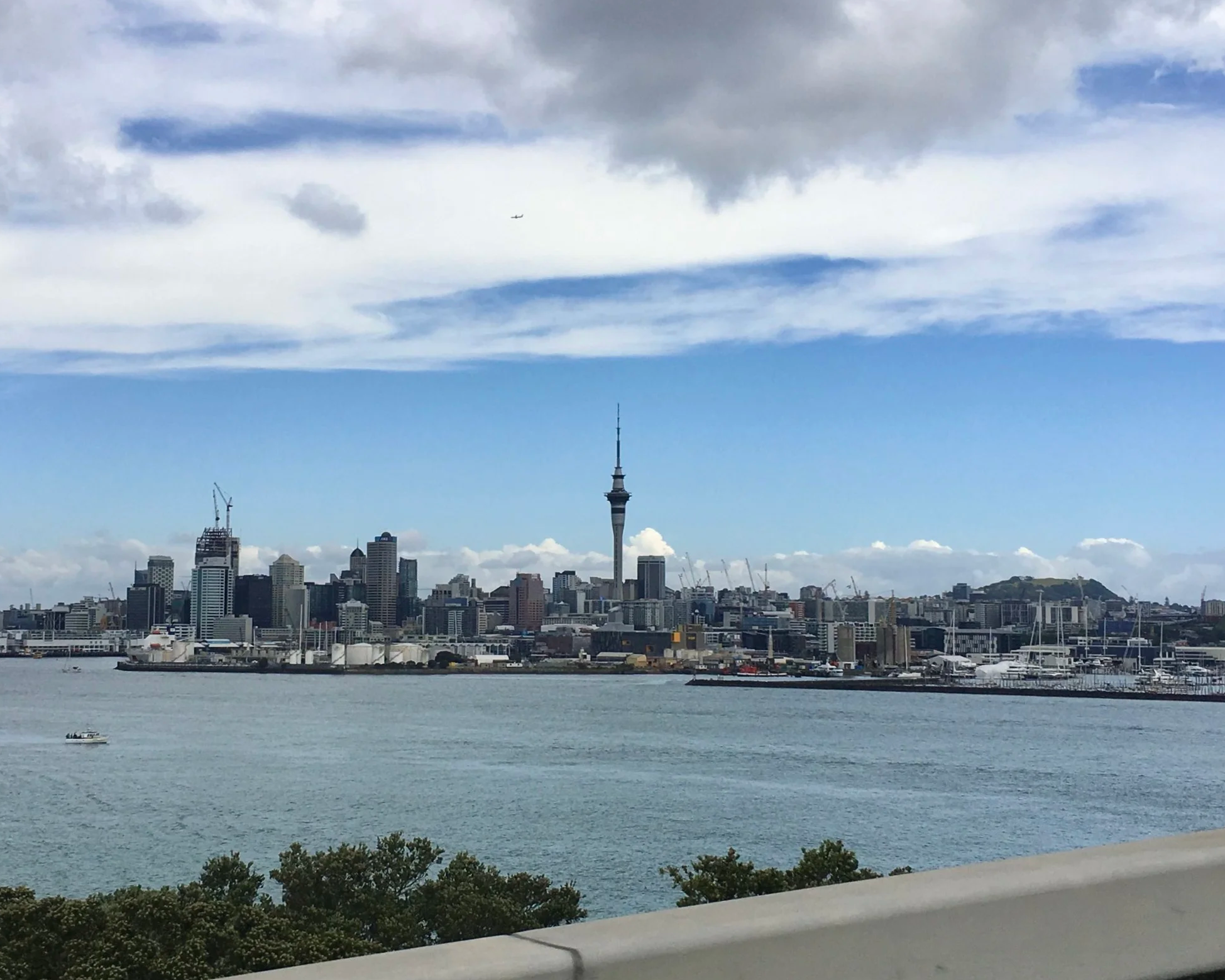
Northland is the long, subtropical region stretching north of Auckland toward Cape Reinga / Te Rerenga Wairua, the northern tip of New Zealand. It is known for warm weather, wide sandy beaches, sheltered bays, kauri forests, Māori history and a slower coastal rhythm that feels different from the rest of the North Island.
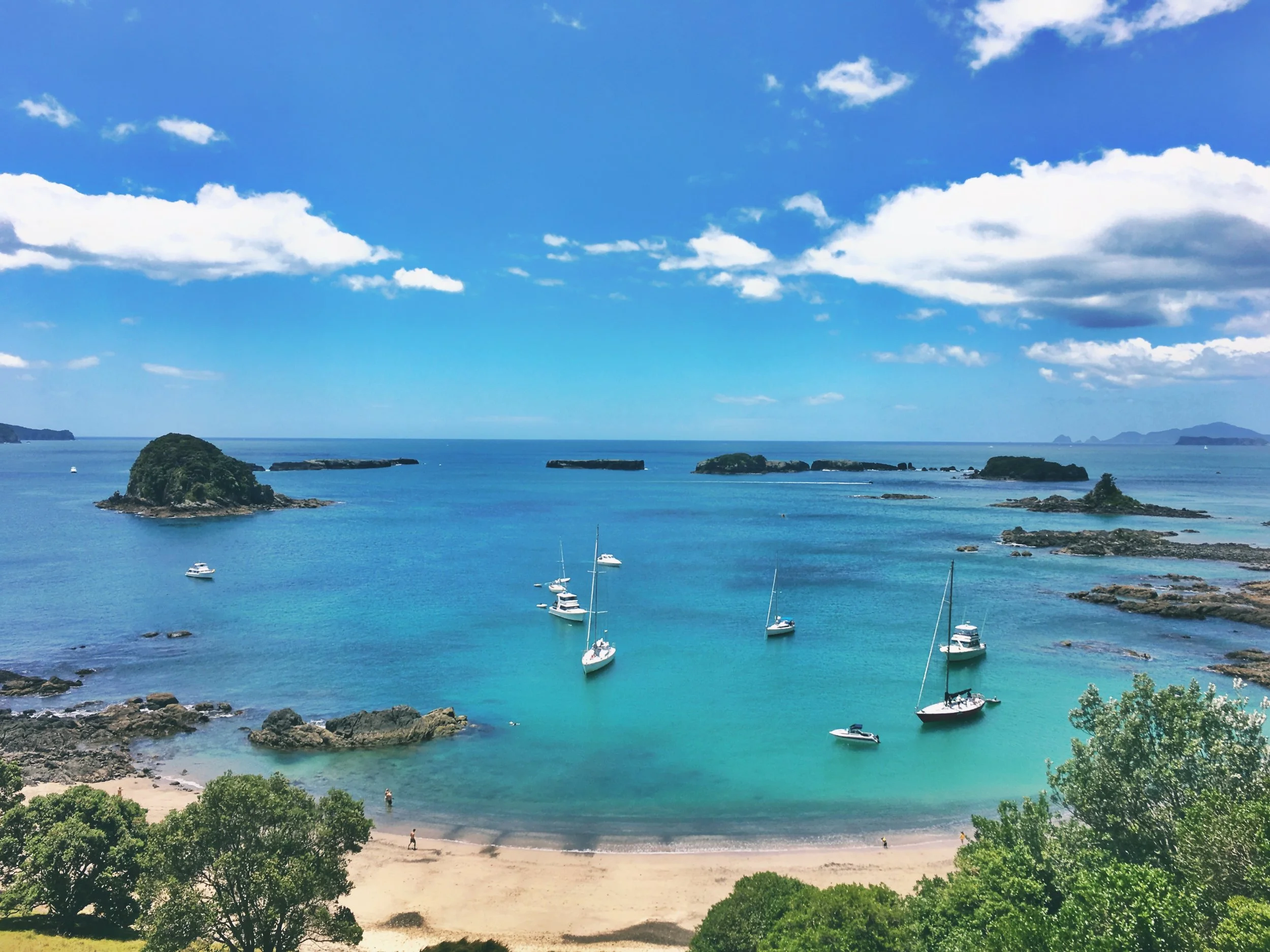
Driving north from Auckland, Mangawhai makes an easy first stop, with surf beaches and a laid-back atmosphere. Whangārei can also be useful for supplies, coffee or a short break before continuing deeper into Northland. From there, the Bay of Islands is the next natural base. Around Paihia, Russell and Kerikeri, you get a beautiful mix of maritime history, good food, beaches and island-hopping. Russell feels charming with its historic buildings and relaxed seaside vibe, while Kerikeri is worth a stop for its heritage sites and the beautiful Rainbow Falls waterfall just outside town. From Paihia we did a half-day sailing tour here, which was an absolute highlight. We even spotted a hammerhead shark, penguins and dolphins.
Farther north, the landscape starts to feel more remote. Doubtless Bay and the Karikari Peninsula are worth a detour if you want quieter stretches of coastline and a slower beach stop. Maitai Bay particularly stands out, with its twin crescent bays and clear water. Not much farther up the peninsula, Rarawa Beach is another memorable stop, known for its bright white silica sand that squeaks under your feet as you walk.
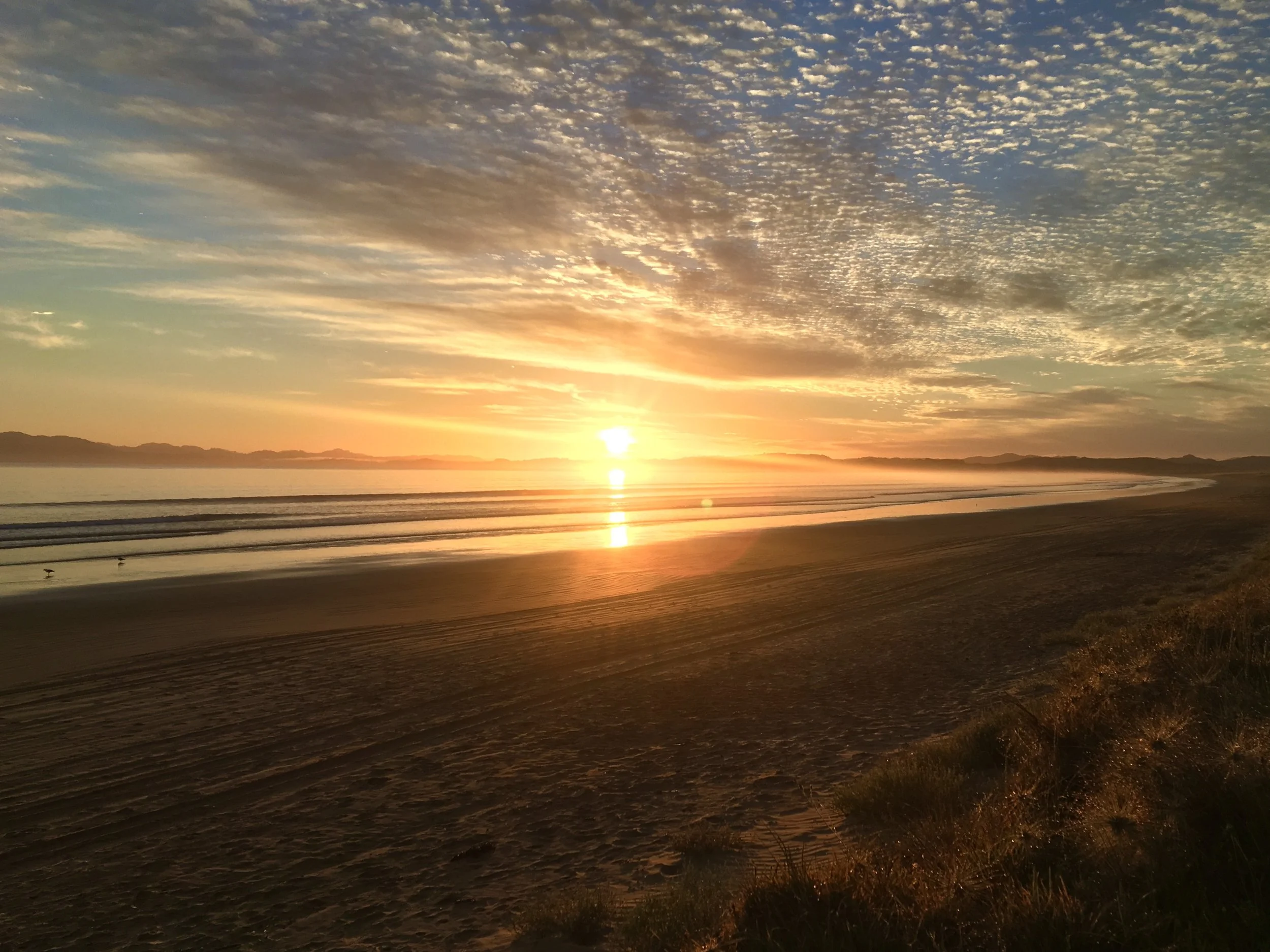
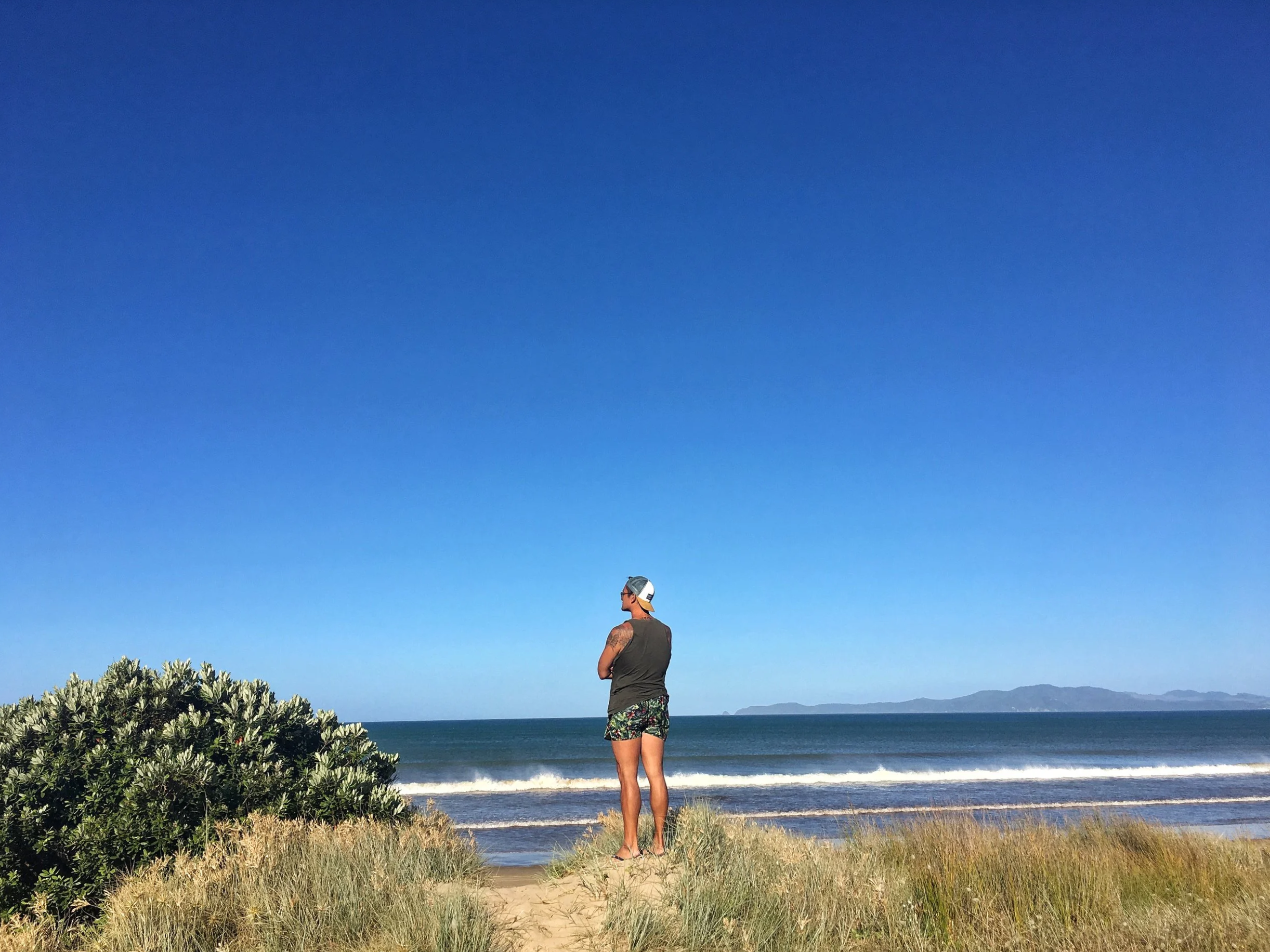
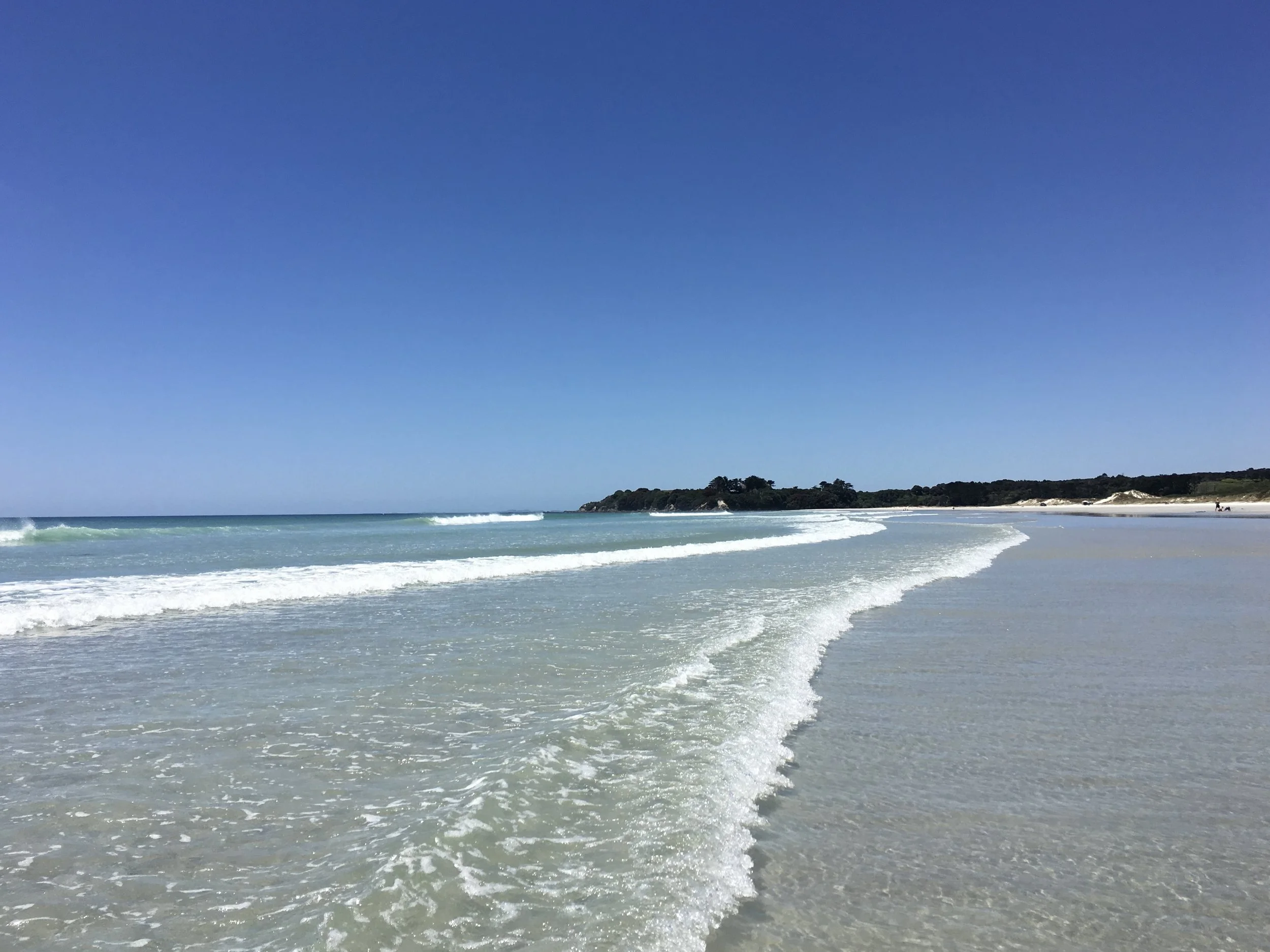
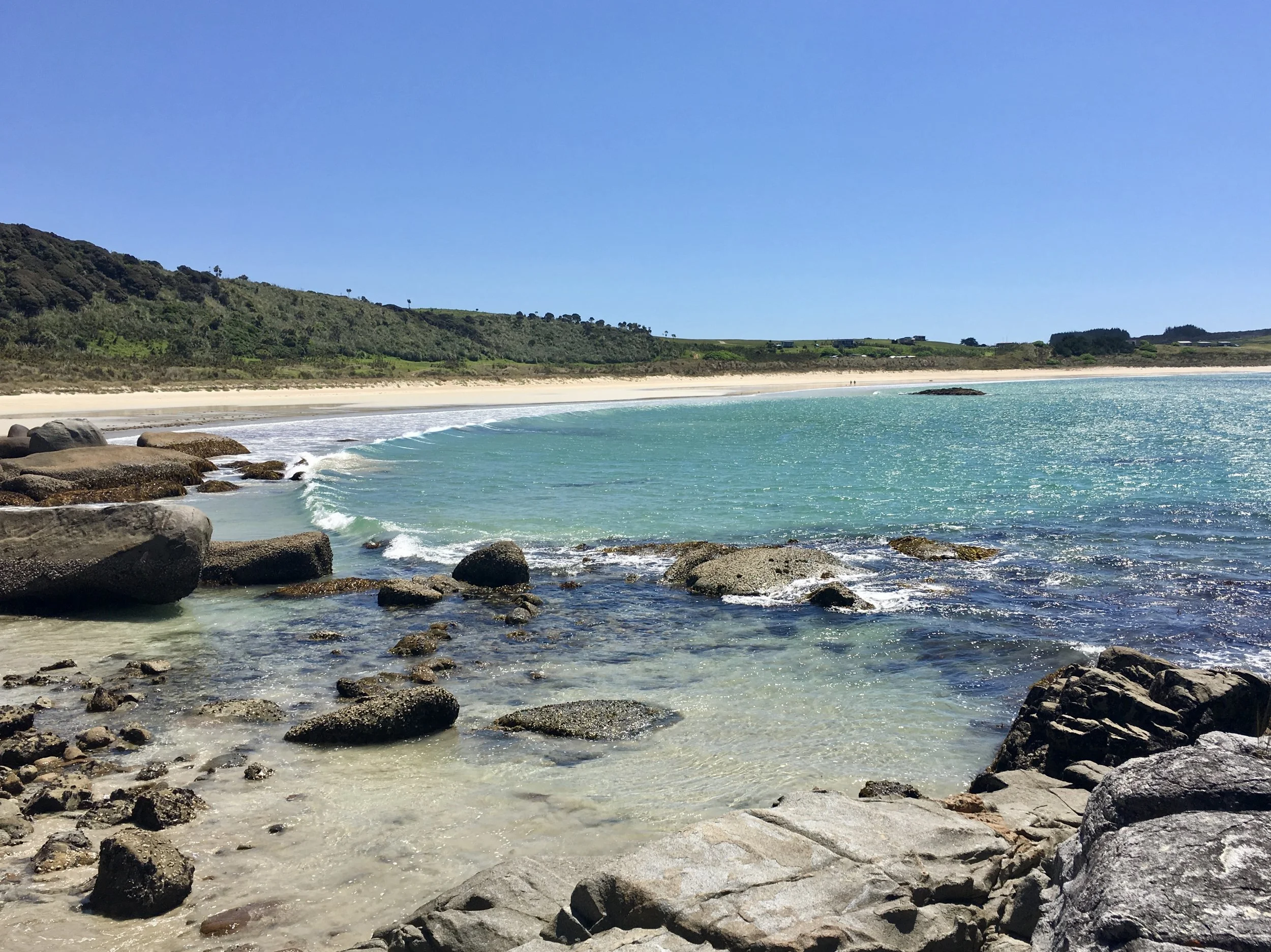
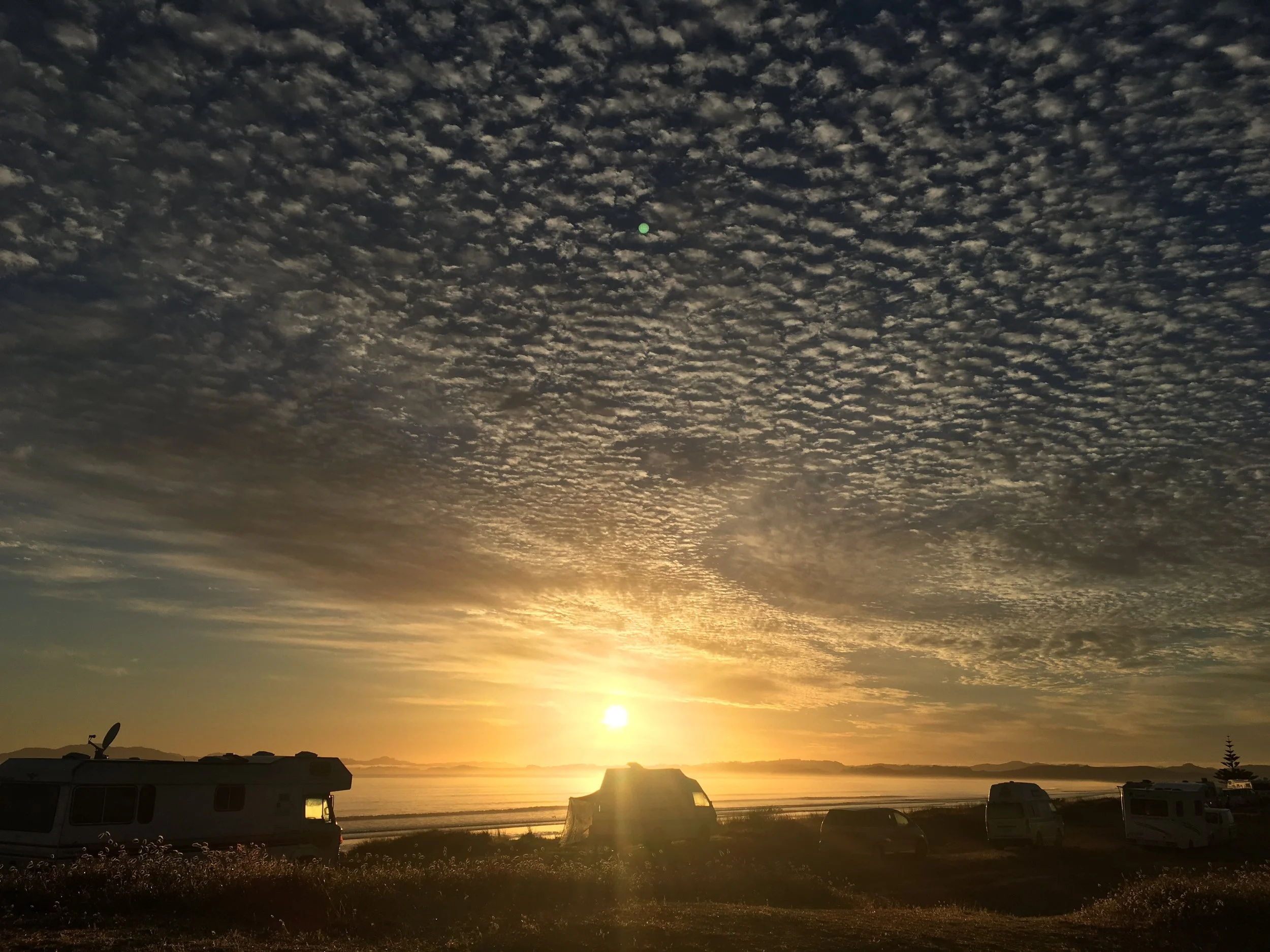
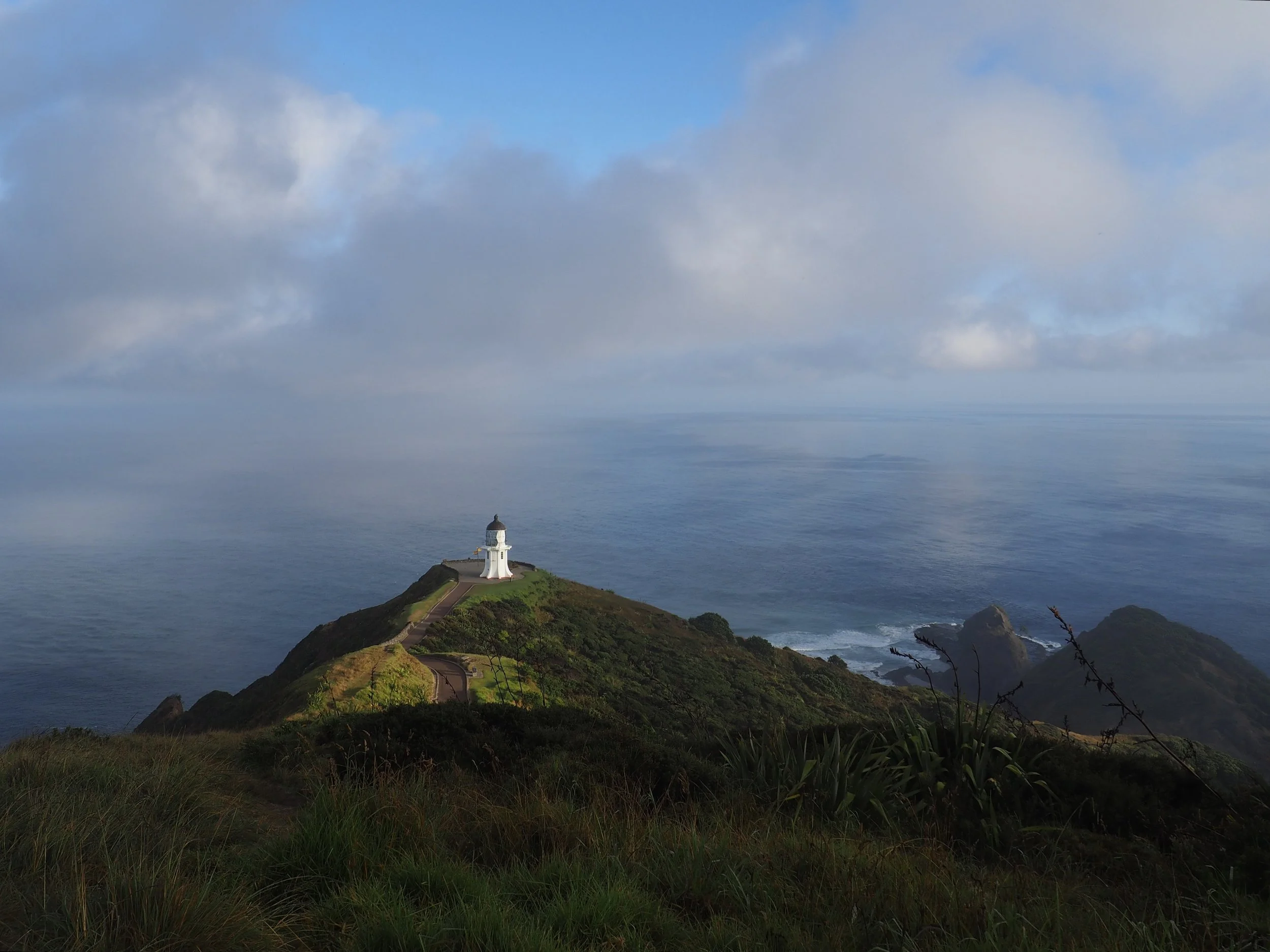
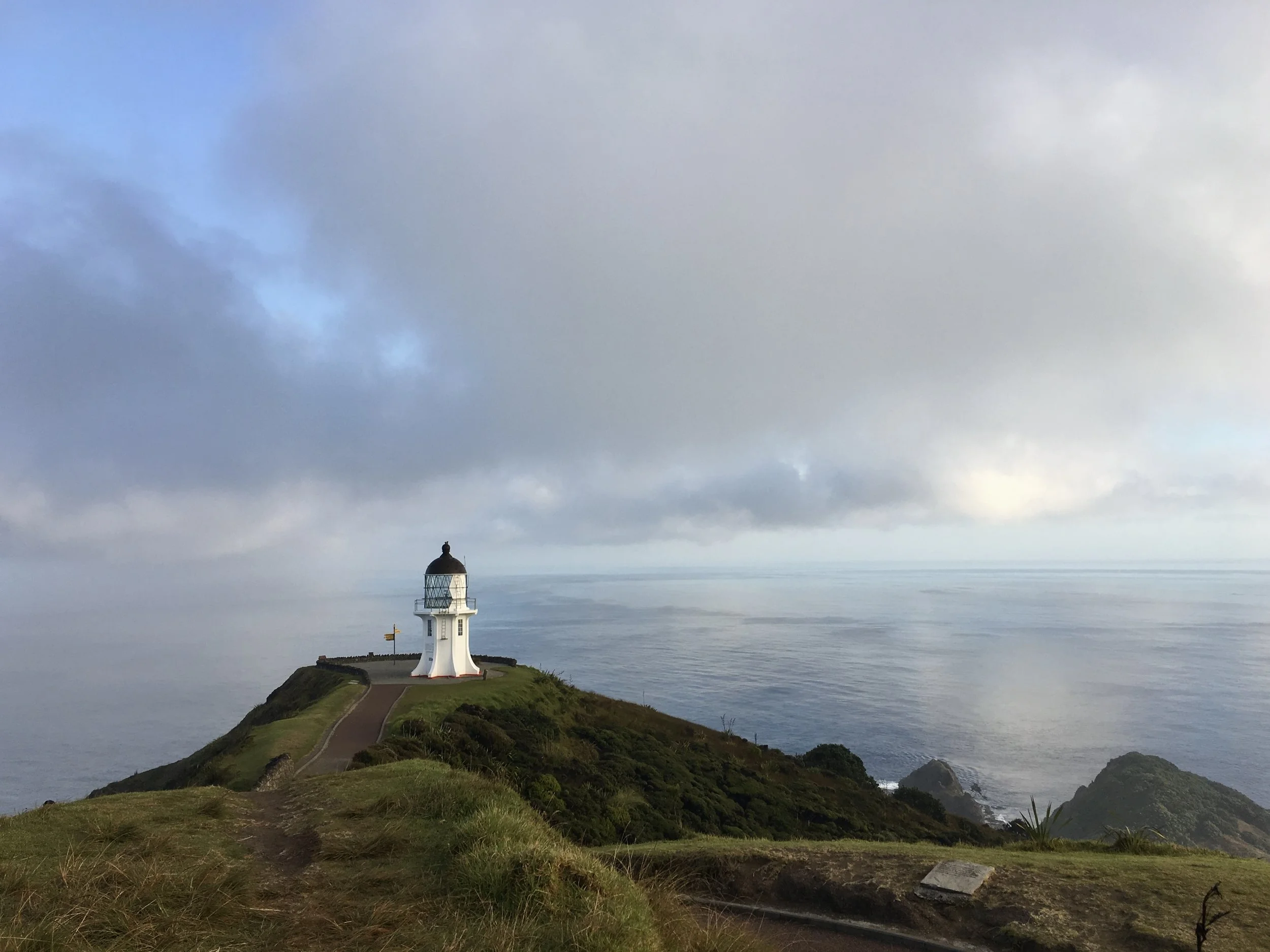
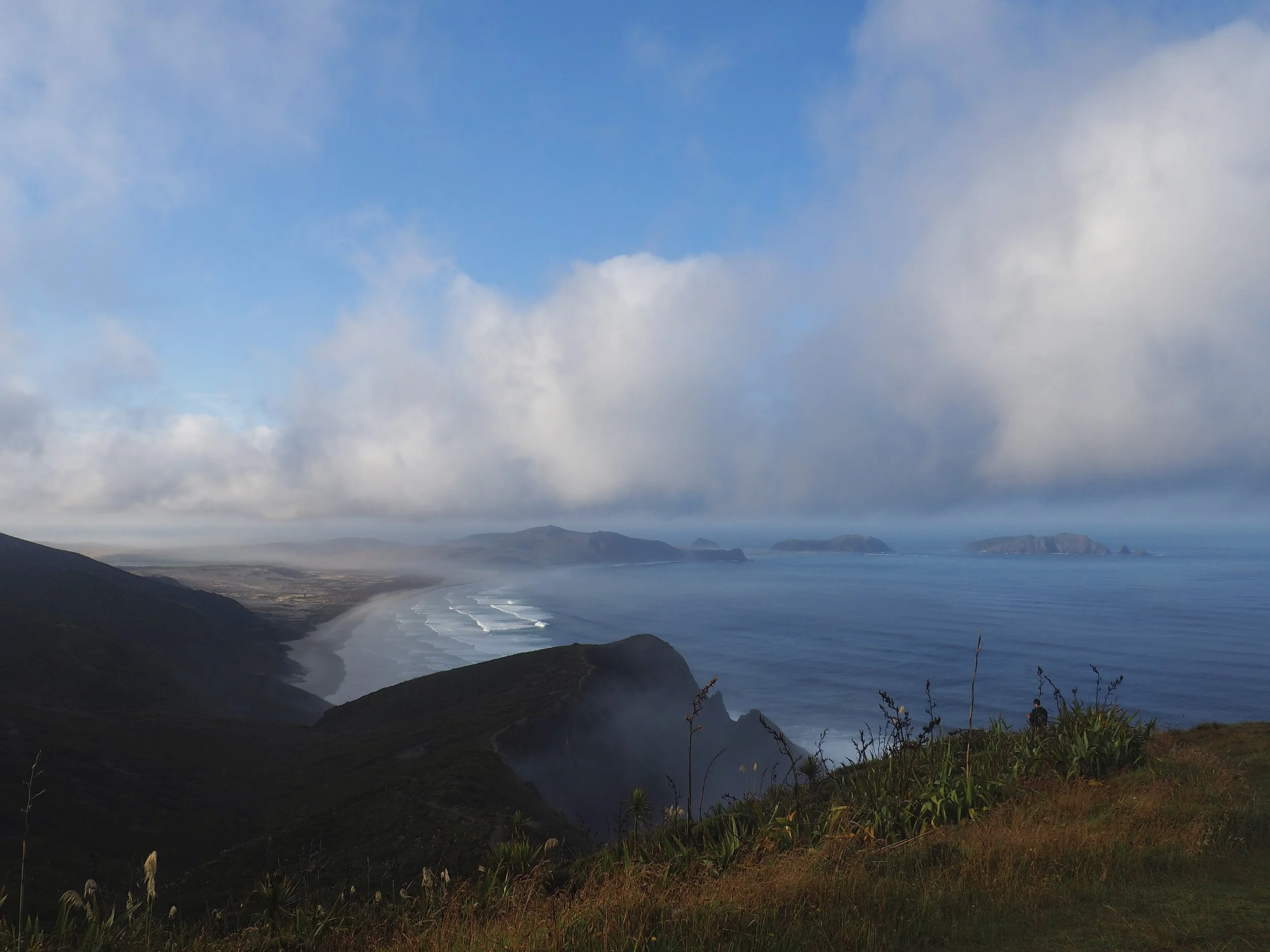
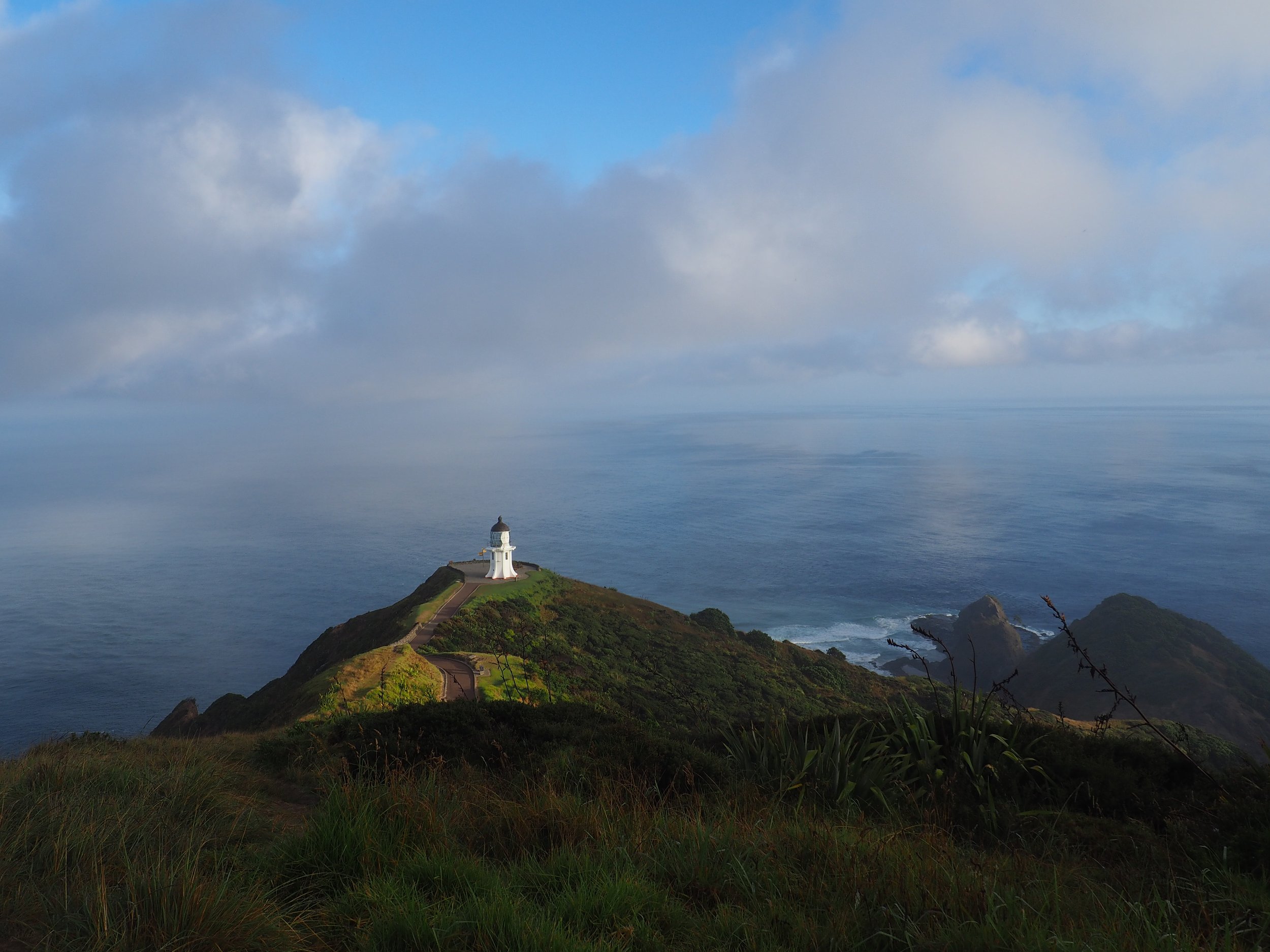
When we arrived for sunrise at Cape Reinga, it was misty and slightly foggy, which created a quiet, atmospheric mood for visiting this special place where the Tasman Sea meets the Pacific Ocean. Standing by the lighthouse felt symbolic as much as scenic: remote, windswept and dramatic without needing much explanation.
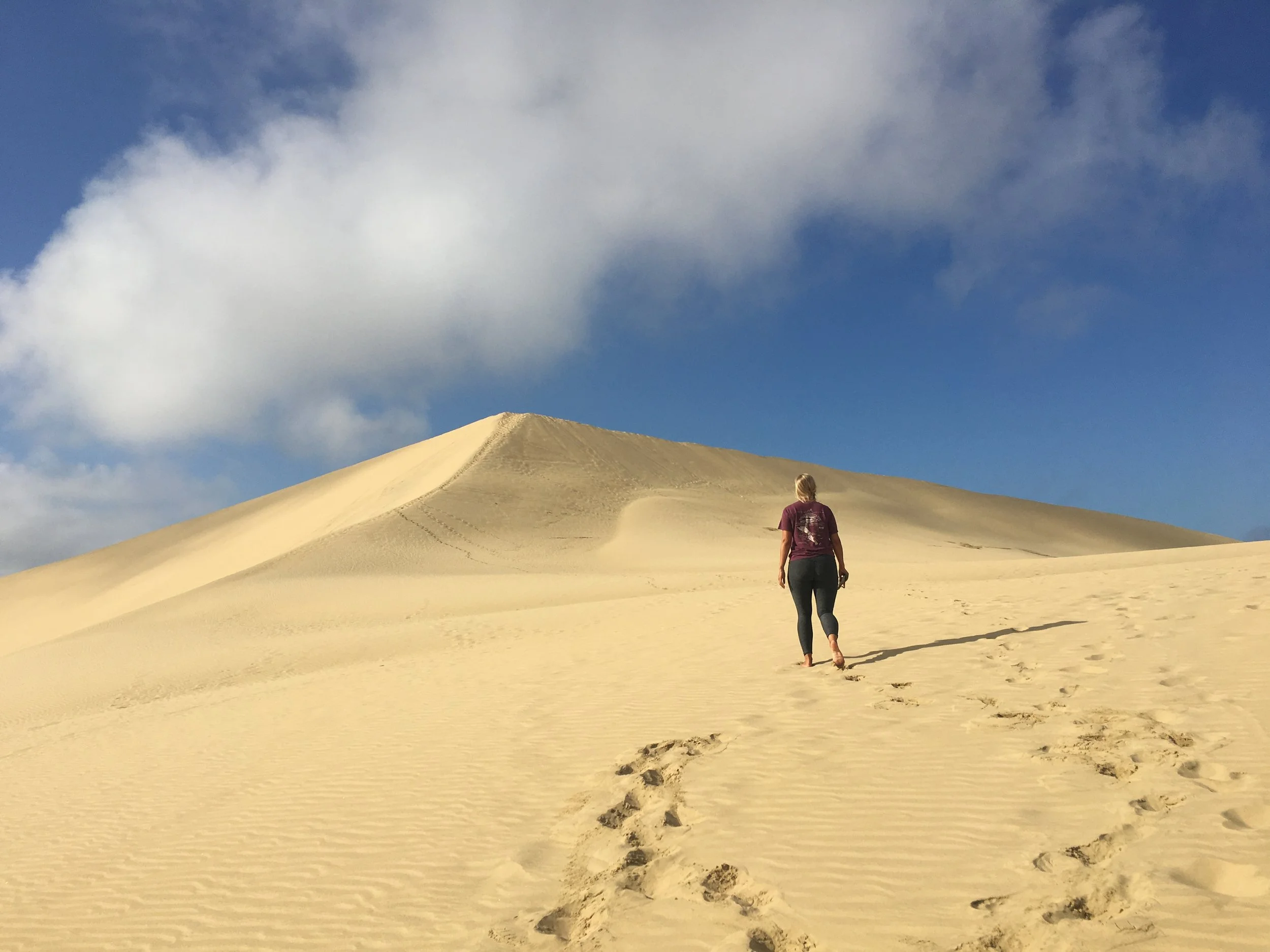
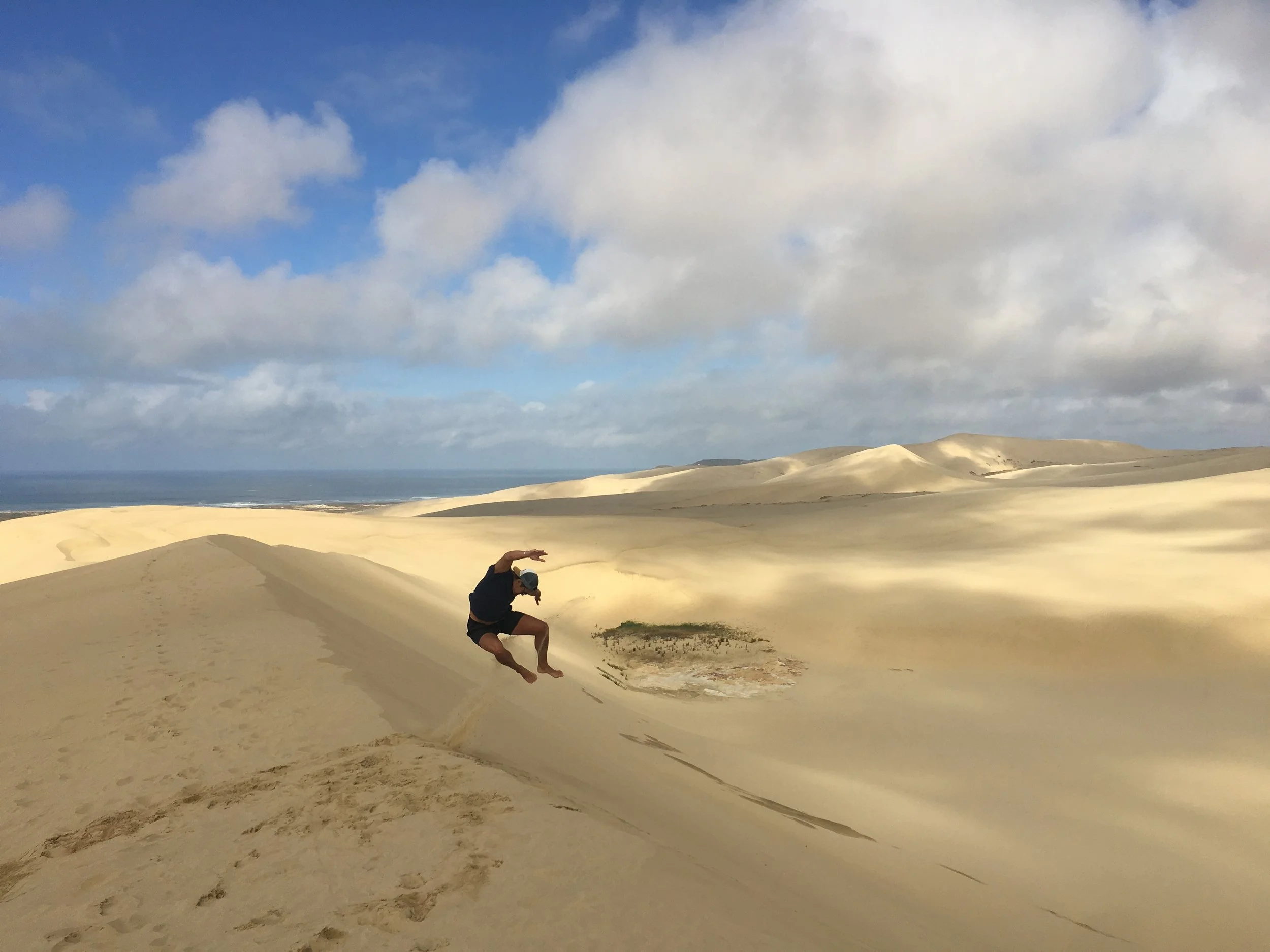
On the way back south, you can stop at the Te Paki Giant Sand Dunes, where you can rent boards to slide down the dunes or simply walk up and take in the view. It is a completely different landscape from the beaches and bays, and it makes a good stop before continuing back down the peninsula.
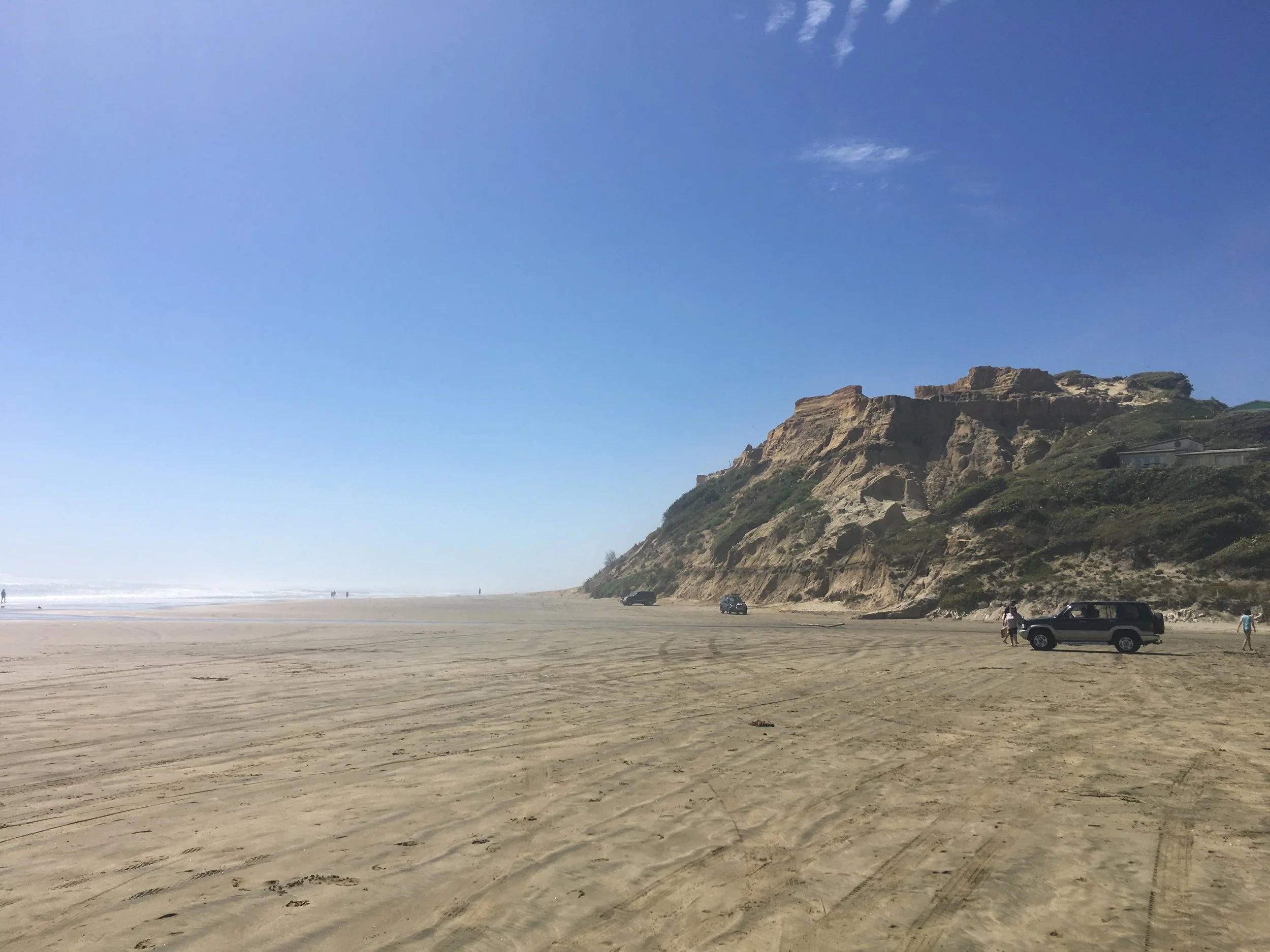
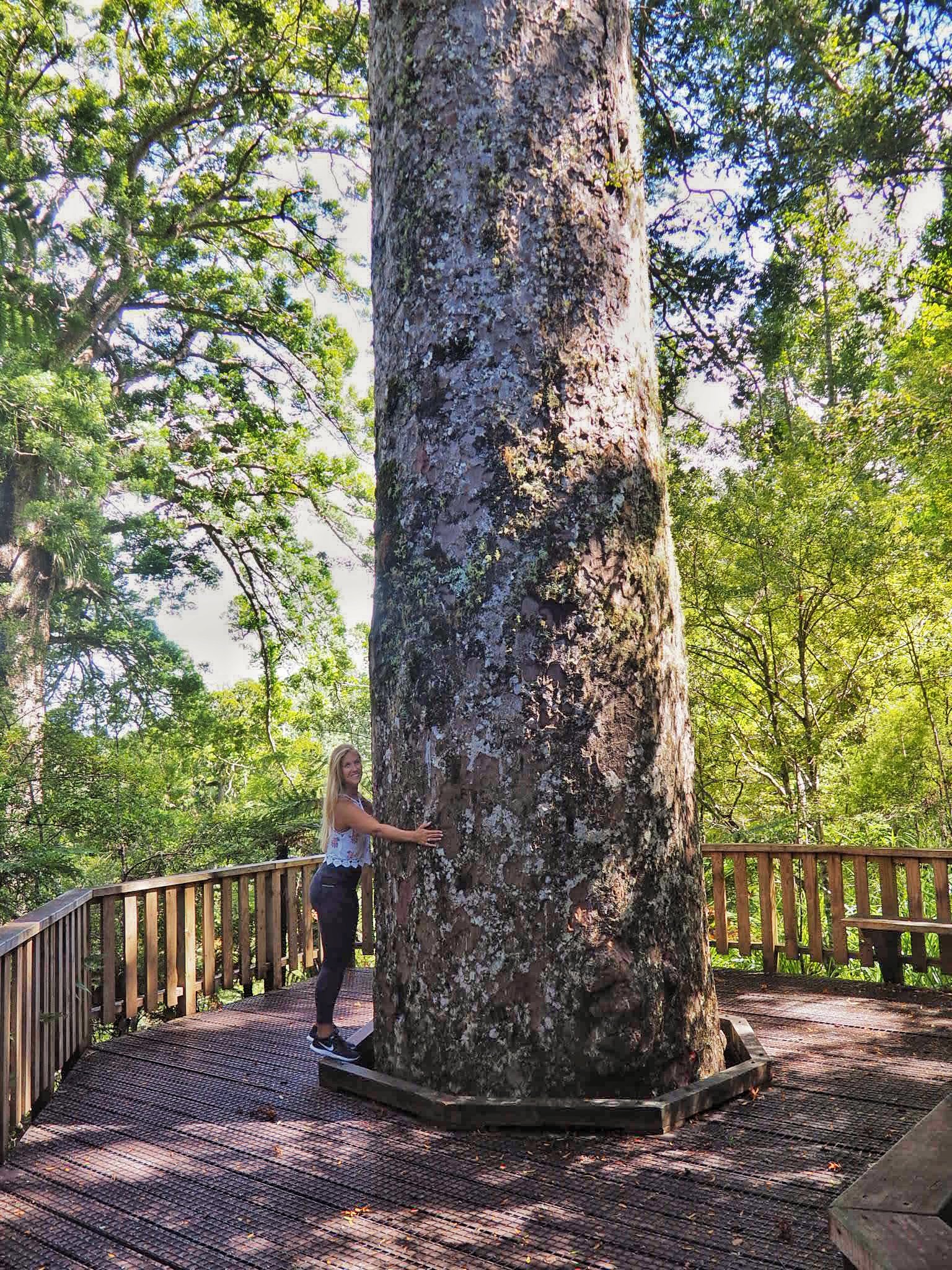
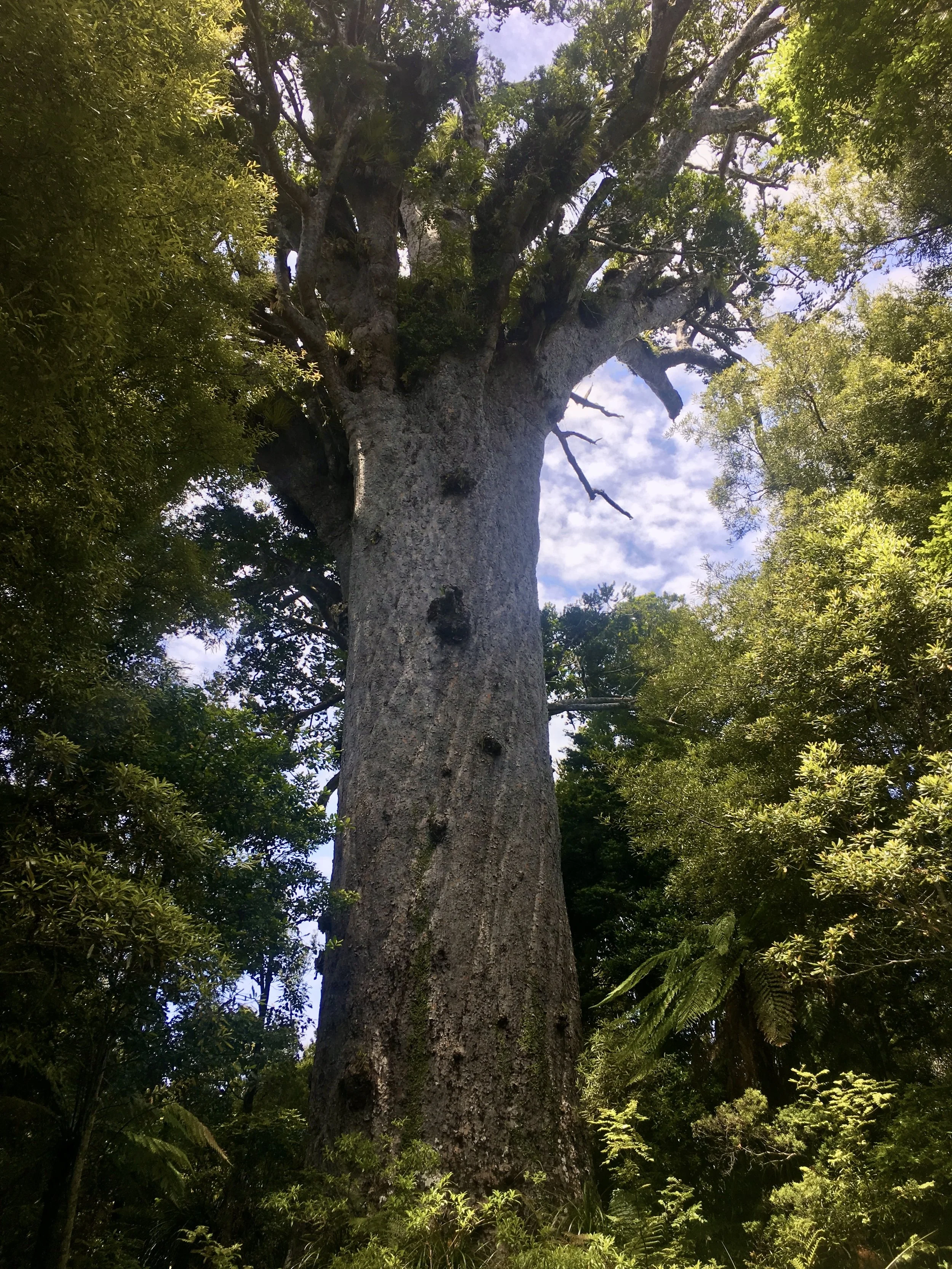
As you continue, the west coast gives the route a different, more unpolished mood. Another famous stop is Ninety Mile Beach, but driving on the beach is best left to suitable 4WD vehicles. We stuck to the main highway to protect our home on wheels. Instead, focus your time on the quiet Hokianga Harbour and the ancient Waipoua Forest. If you visit the forest to see Tāne Mahuta, the Lord of the Forest, take your time to appreciate what makes this tree so special. It is the largest known living kauri tree in New Zealand and is estimated to be over a thousand years old. Standing beneath it is deeply humbling, and the dense, cool forest feels worlds away from the coastal bays you left behind just hours earlier.
Northland is easy to underestimate on a map, but the roads are winding, the distances are longer than they look and the best stops reward lingering. If you rush it, it simply becomes a lot of driving. But if you give it time, it can easily become one of the most memorable chapters of your North Island trip.
Suggested time: 7–10 days
Best for: Beaches, warm weather, coastal camping, Cape Reinga, relaxed towns and kauri forest
Main stops: Whangārei, Mangawhai, Bay of Islands, Russell, Kerikeri, Doubtless Bay, Karikari Peninsula, Maitai Bay, Rarawa Beach, Cape Reinga, Te Paki Sand Dunes, Ninety Mile Beach, Hokianga and Waipoua Forest
Optional additions: Extra beach days, a slower Bay of Islands stay, more time around the Karikari Peninsula or a longer west coast return
Slow travel tip: Give Cape Reinga the time it deserves by spreading the journey over a few days. Breaking up the drive allows you to enjoy the far north at a more relaxed pace and makes the experience much more rewarding.
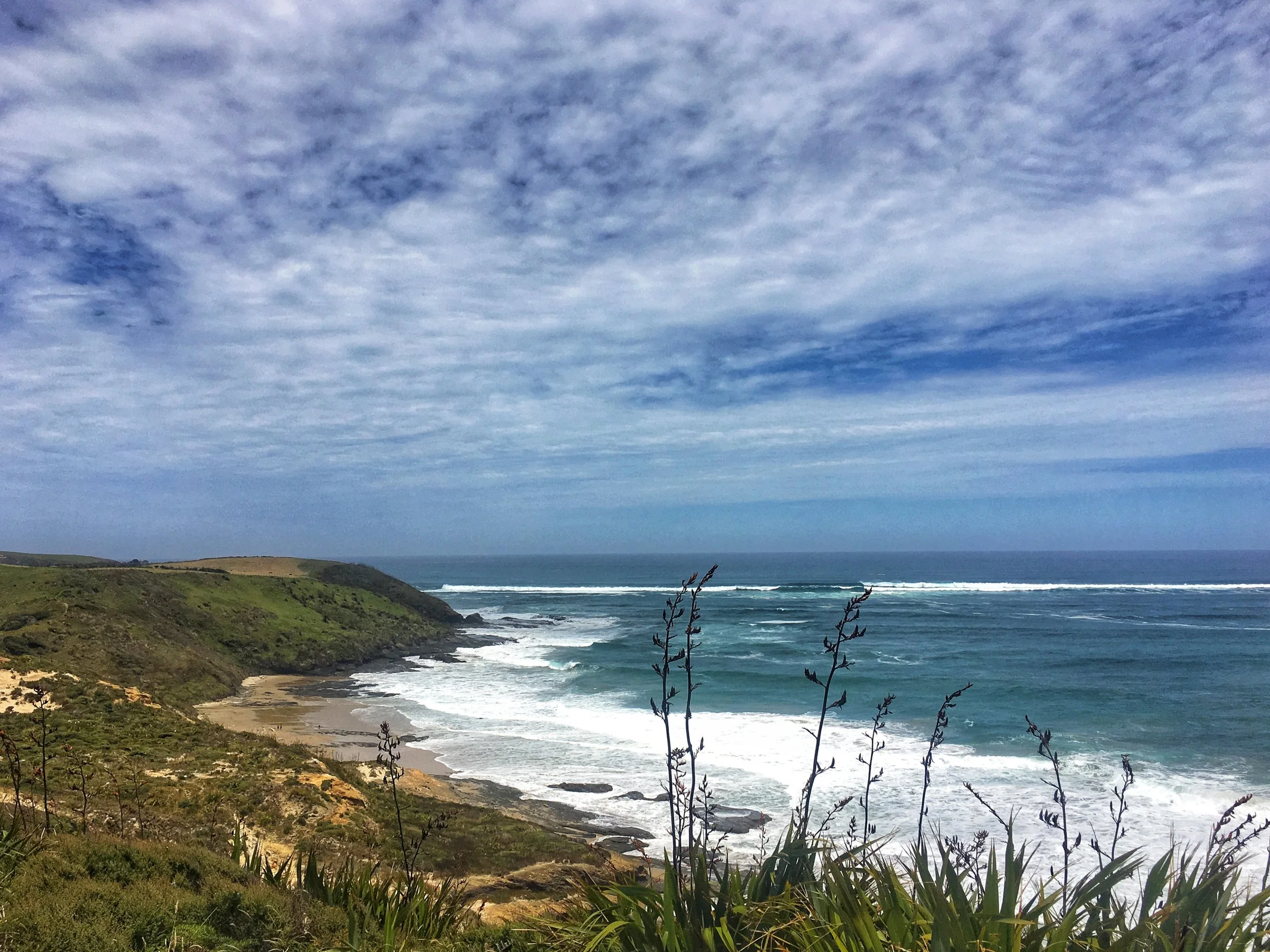
For a more detailed Auckland to Cape Reinga road trip guide, read the full Northland itinerary here:
Stop 3: Coromandel Peninsula
After Northland, the Coromandel Peninsula is the next major coastal region on the route. You will likely pass back through or around the edges of Auckland before heading east, making this a good moment to visit the city, restock and move into one of the North Island’s most scenic beach regions.
The Coromandel is popular for good reason. This is where you get forested hills, winding coastal roads, golden beaches, turquoise water and that classic campervan feeling of moving from one bay to the next. It is generally a little busier in some areas, but it still has plenty of places that feel relaxed and remote.
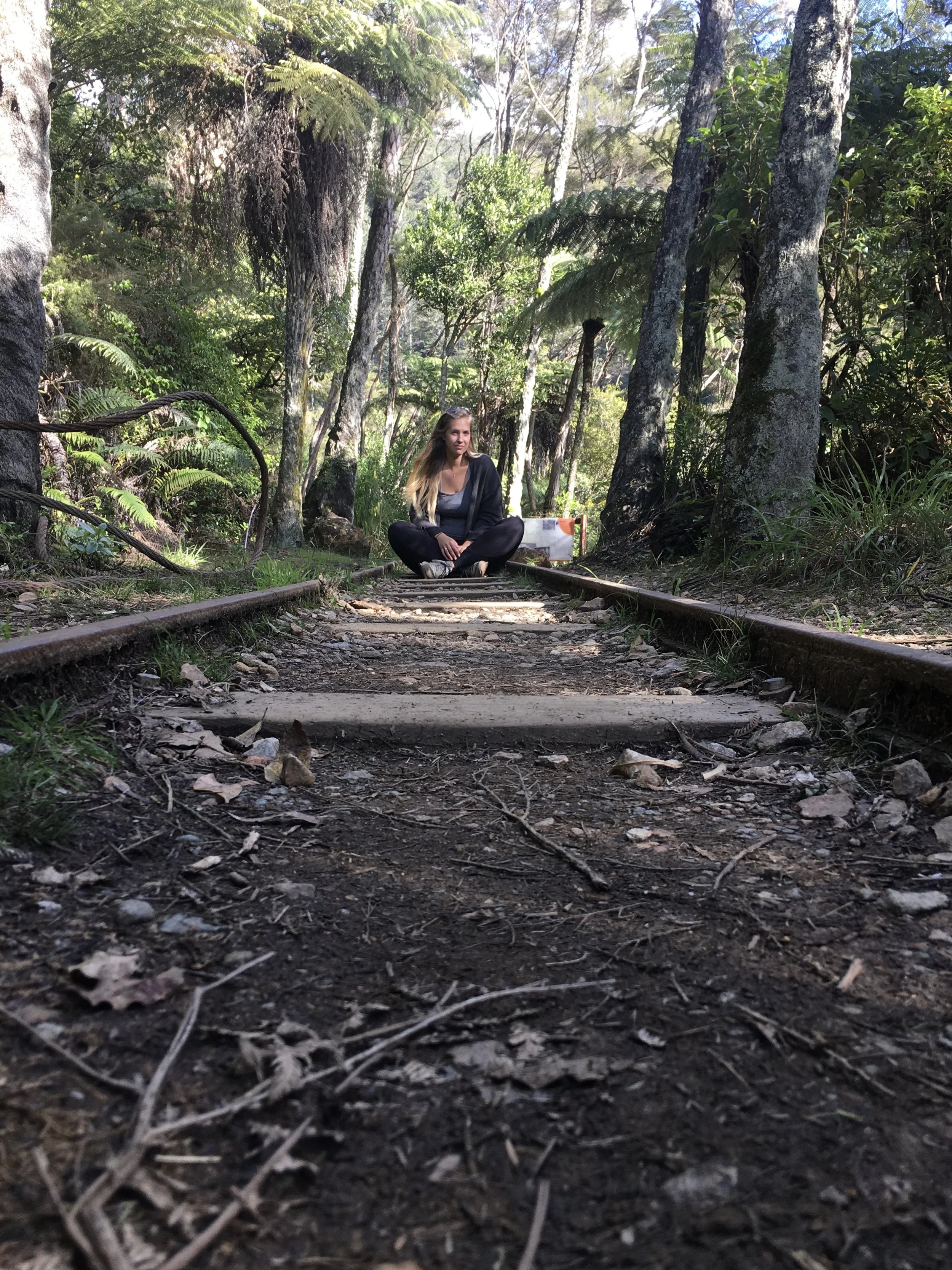
If your route brings you into the peninsula from the south, Karangahake Gorge is worth adding before you switch into full beach mode. The trails take you through river scenery, old railway tunnels and gold-mining history, giving this part of the route a completely different feel from the coast.
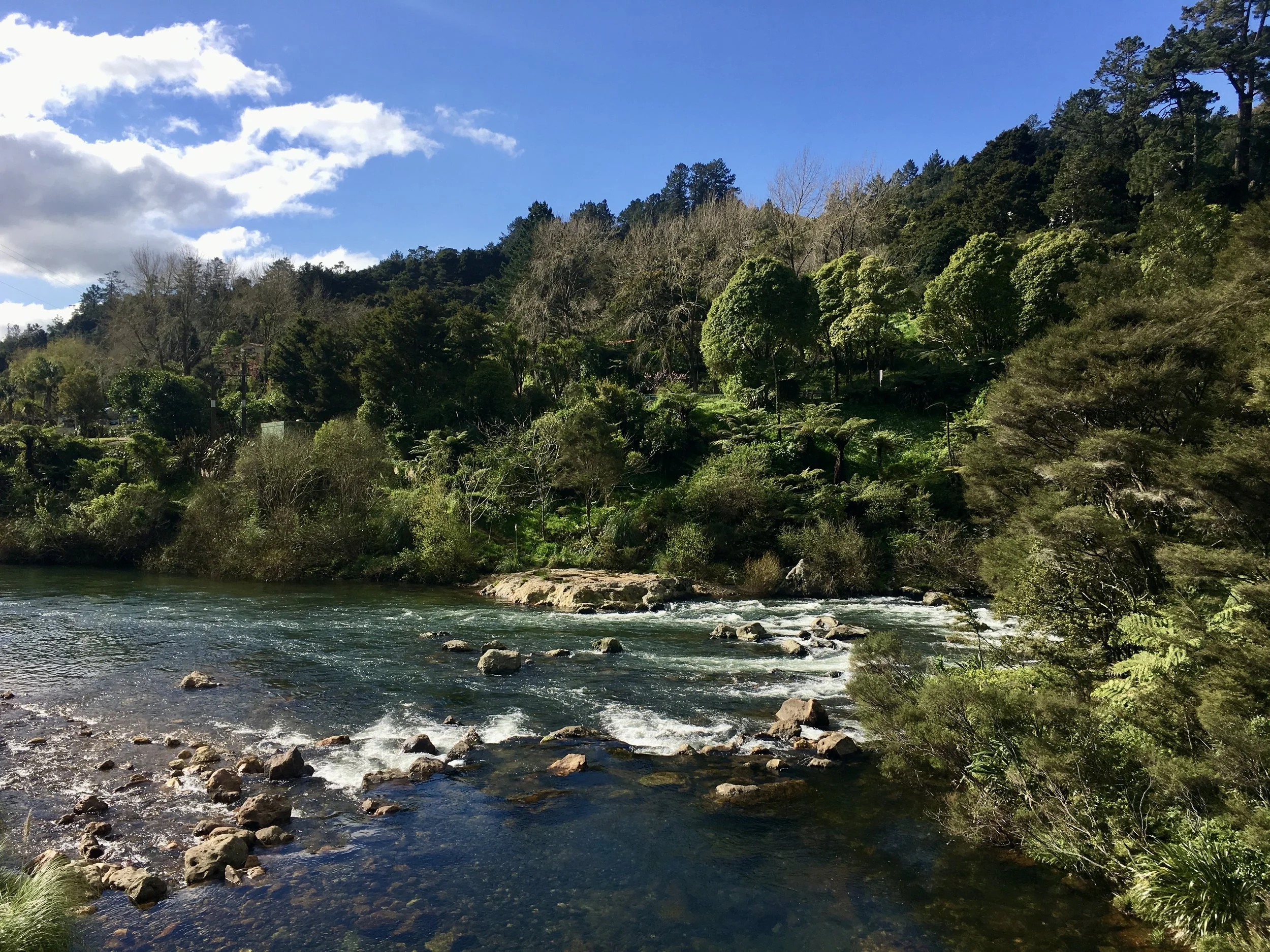
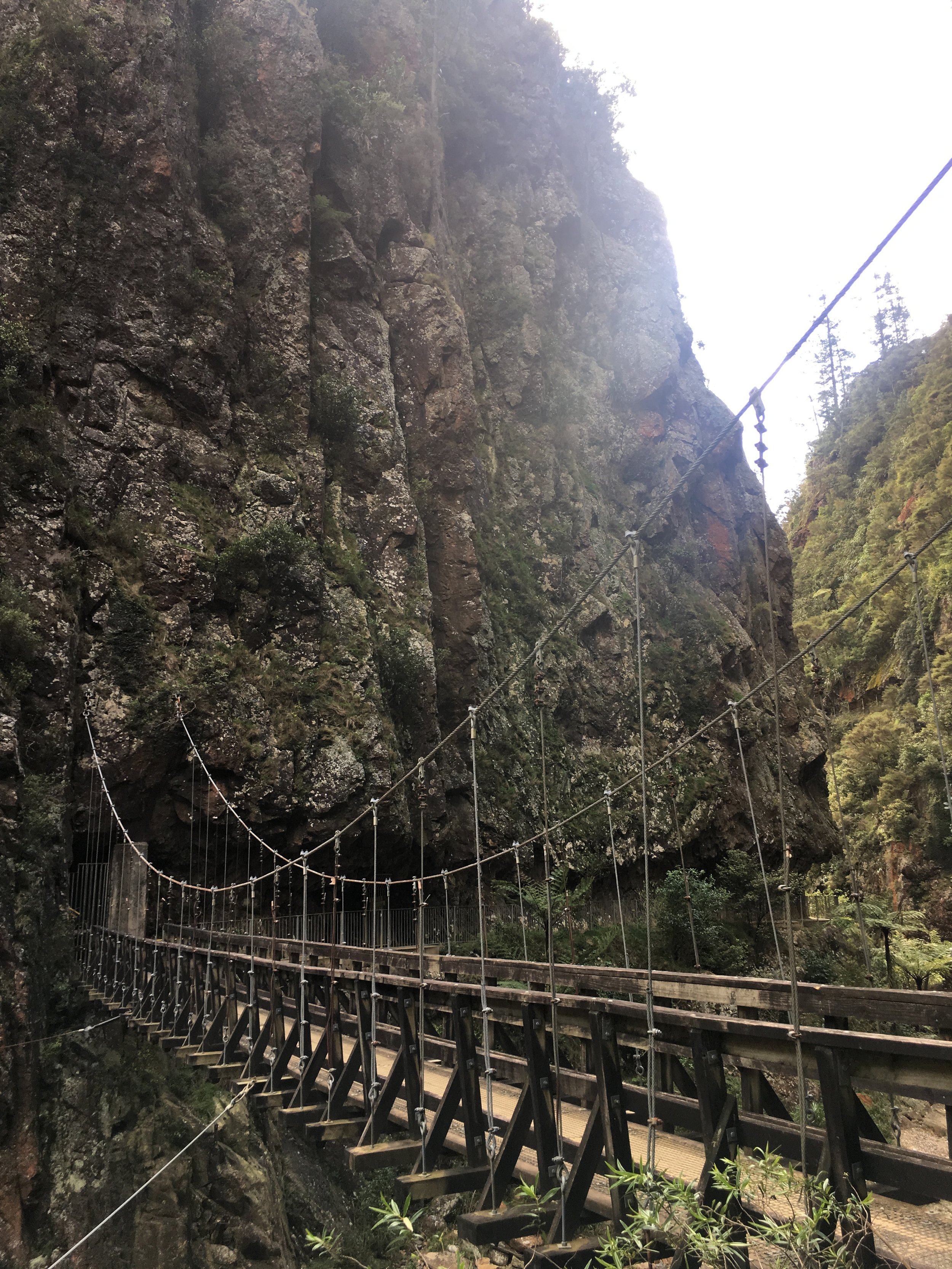
Whangamatā also makes a good stop on the southeast coast, especially if you want a beach town with a surfy, laid-back feel. If conditions are right, you can also kayak or paddleboard to Whenuakura/ Donut Island, a protected island with a hidden lagoon inside. This is one to plan properly with tides, weather and local guidance in mind.
Continuing up the eastern side, Tairua is a useful stop before Hahei and Whitianga. The short climb up Mount Paku gives you wide views over Tairua, Pauanui, the estuary and the surrounding coastline and it fits easily into a driving day. From here, Cooks Beach, Hahei and Whitianga make great bases for exploring some of the Coromandel’s most famous coastal stops.
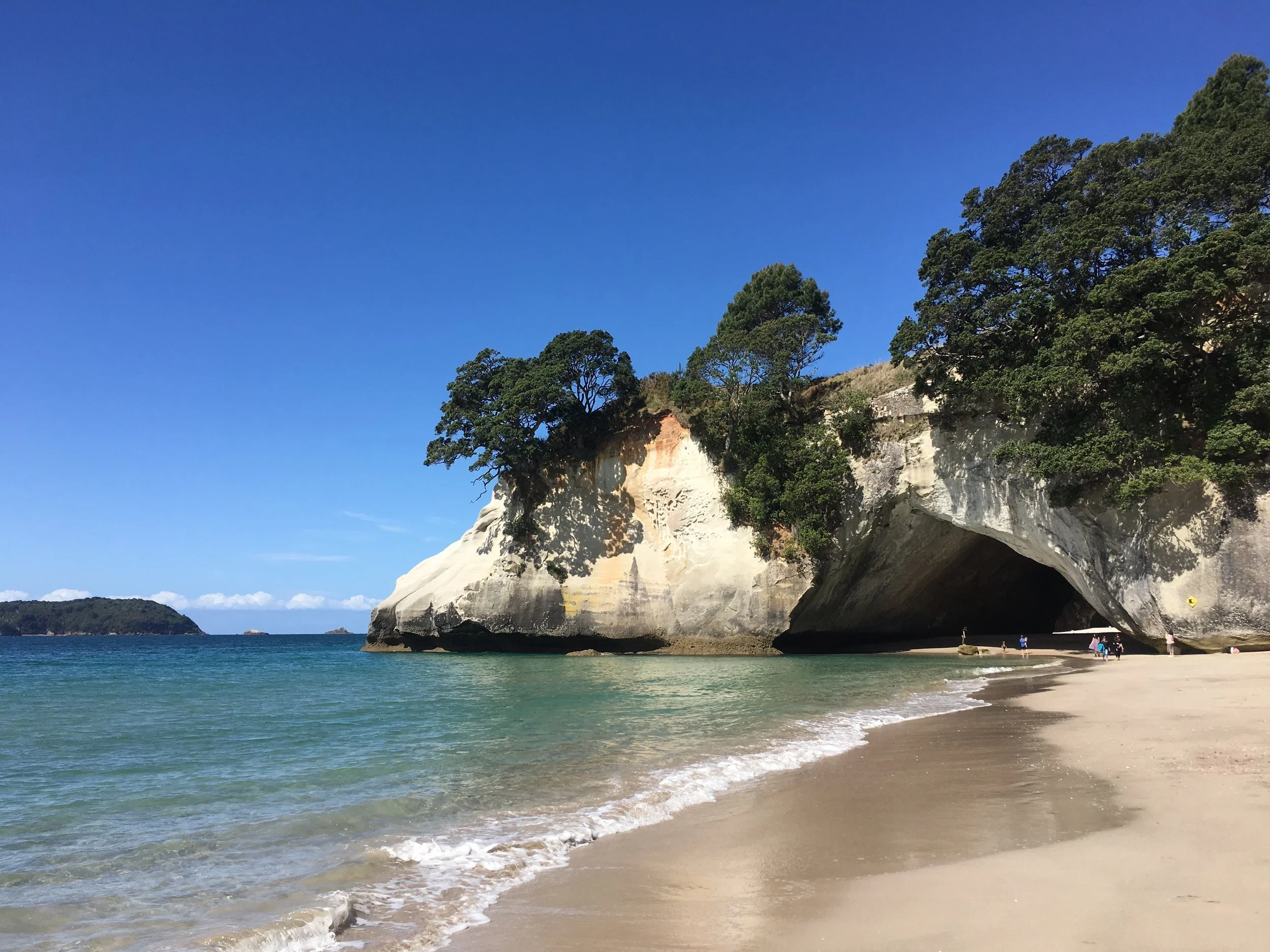
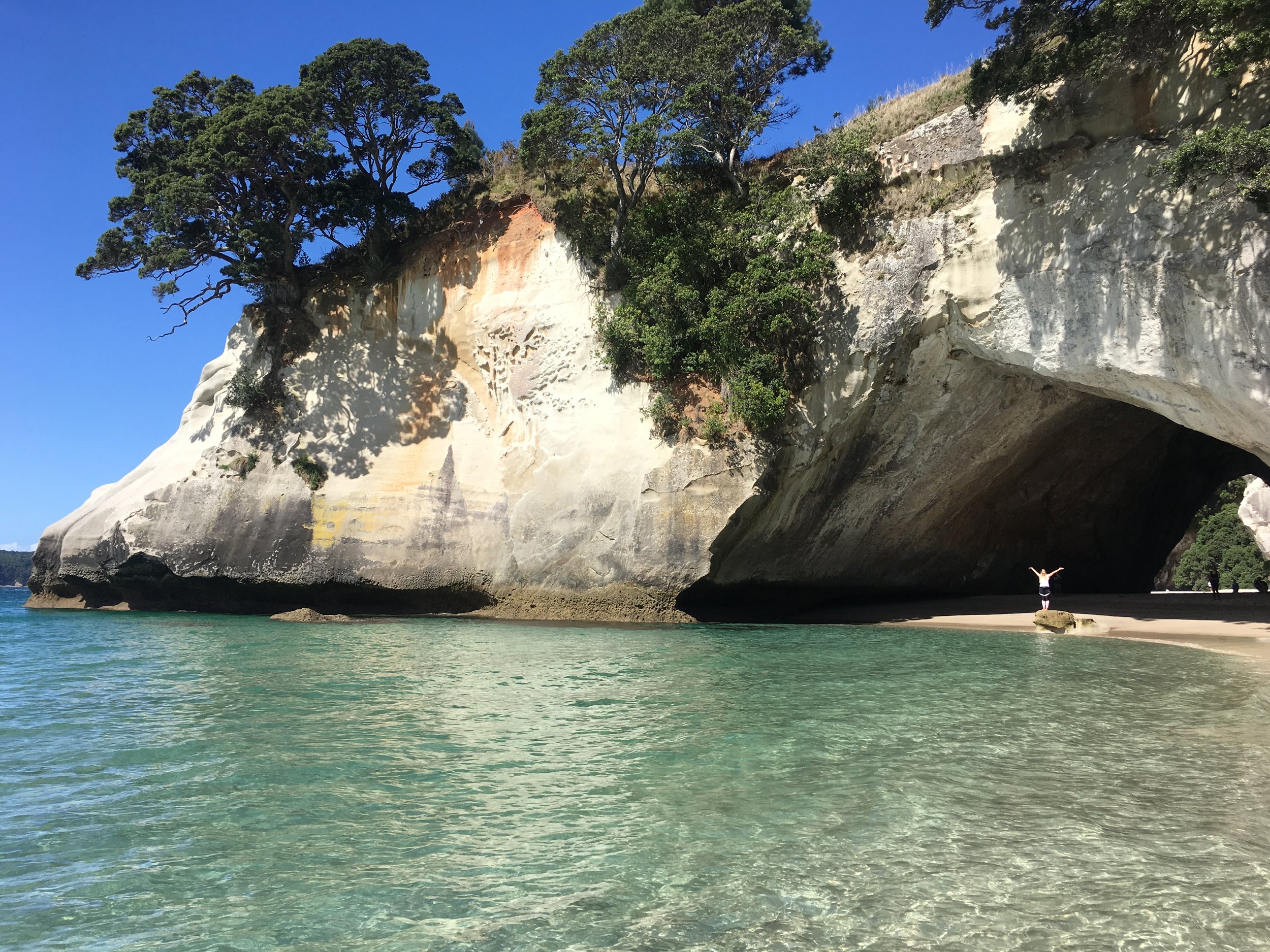
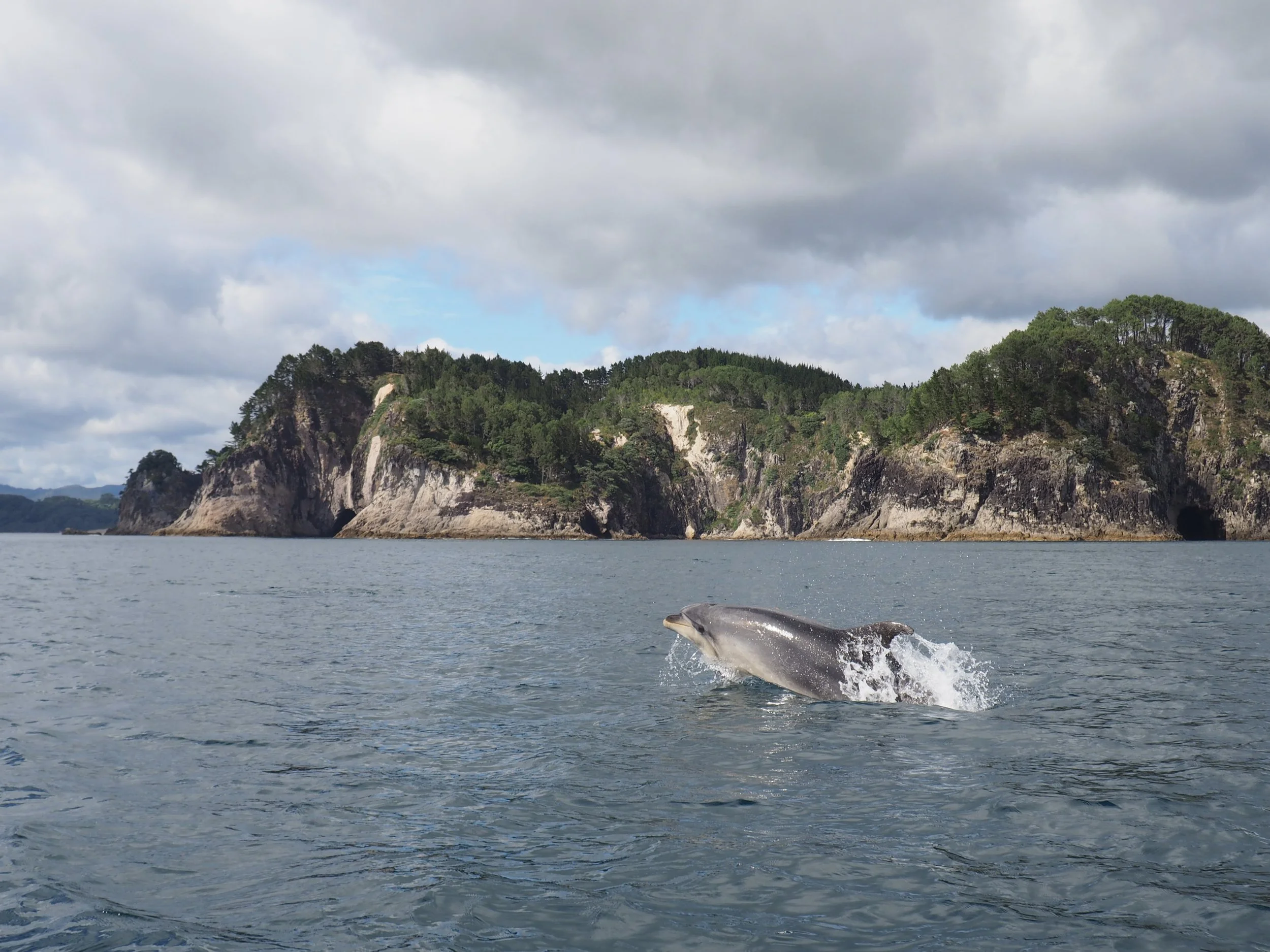
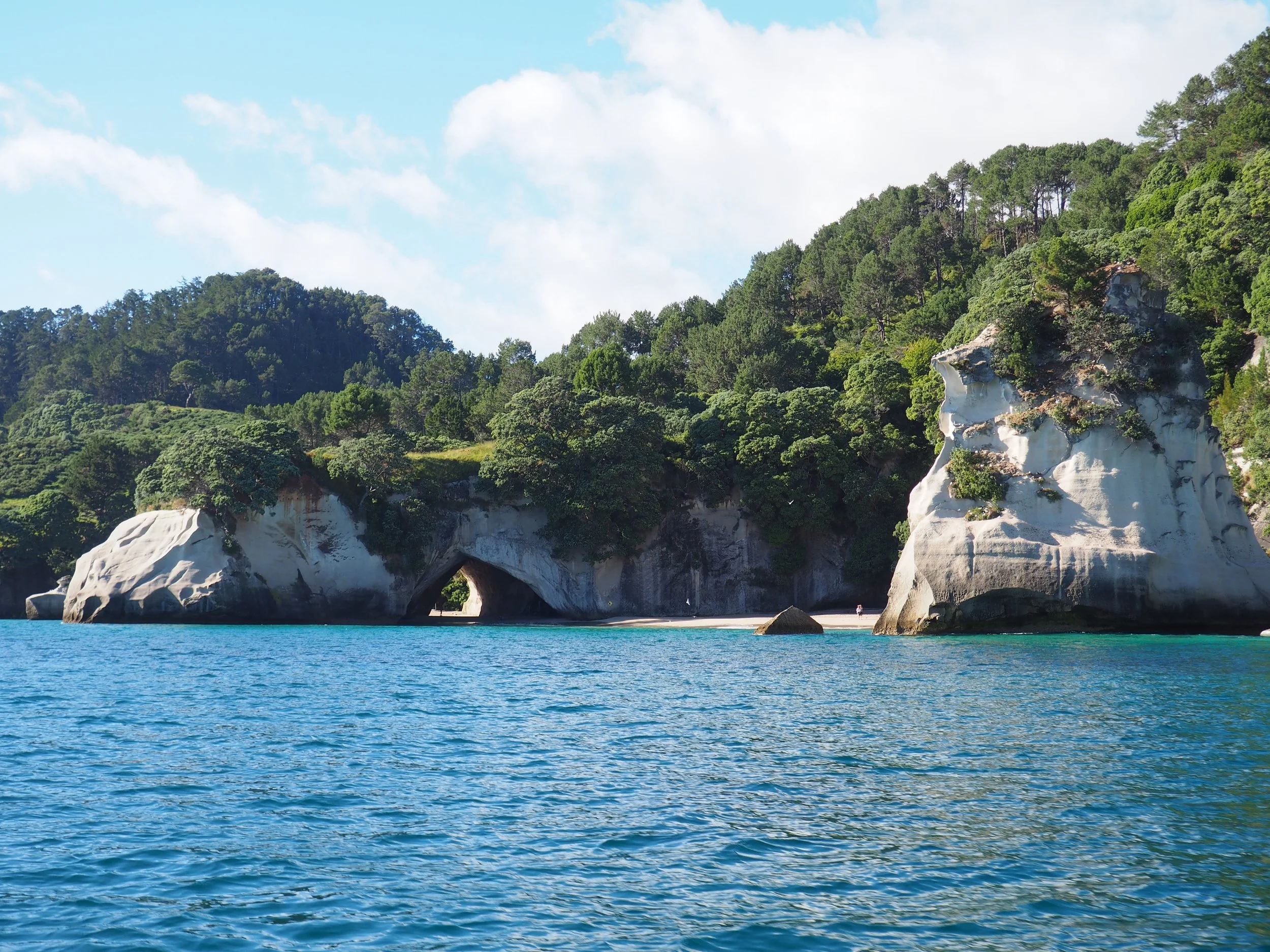
Cathedral Cove is the classic highlight, known for its rock arch, clear water and sculpted coastline. You can visit by boat, kayak or by walking from the Hahei area when track conditions allow. Before planning the walk, check the latest access updates, as conditions and closures can change after heavy rain or storm damage. From Whitianga, we joined a small coastal boat tour toward Cathedral Cove and were lucky enough to see a large pod of bottlenose dolphins playing right alongside the boat.
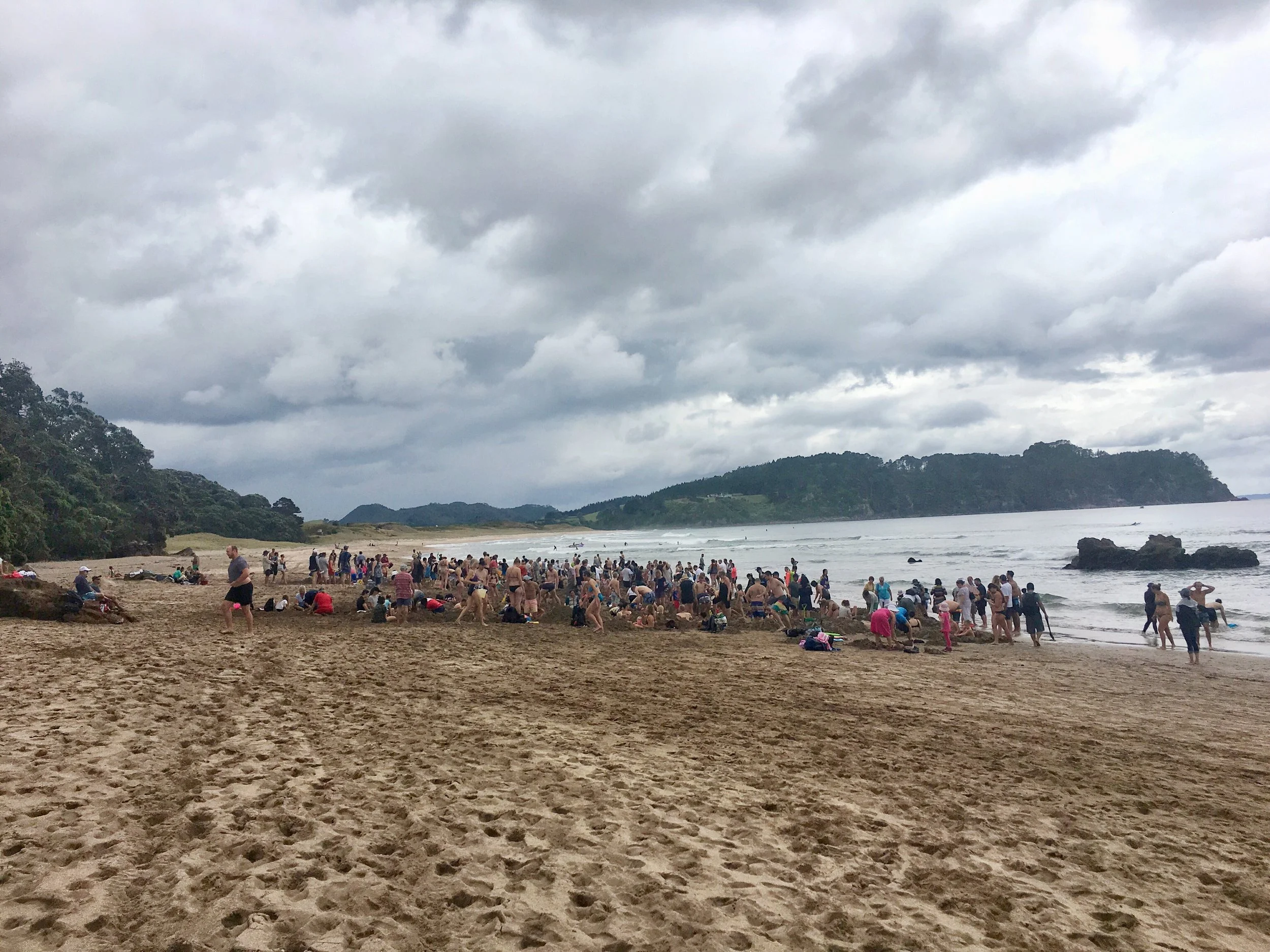
Hot Water Beach is another iconic stop, where natural thermal water bubbles up through the sand around low tide and you can dig your own little hot pool. It is a fascinating natural phenomenon, but the actual digging area can feel crowded. We visited on a cloudy day and decided to walk a bit down the beach away from the crowds, jump into the waves and enjoy the wider coastline. We also spotted more dolphins swimming past us and surfers. The hot pools were great for warming up afterwards.
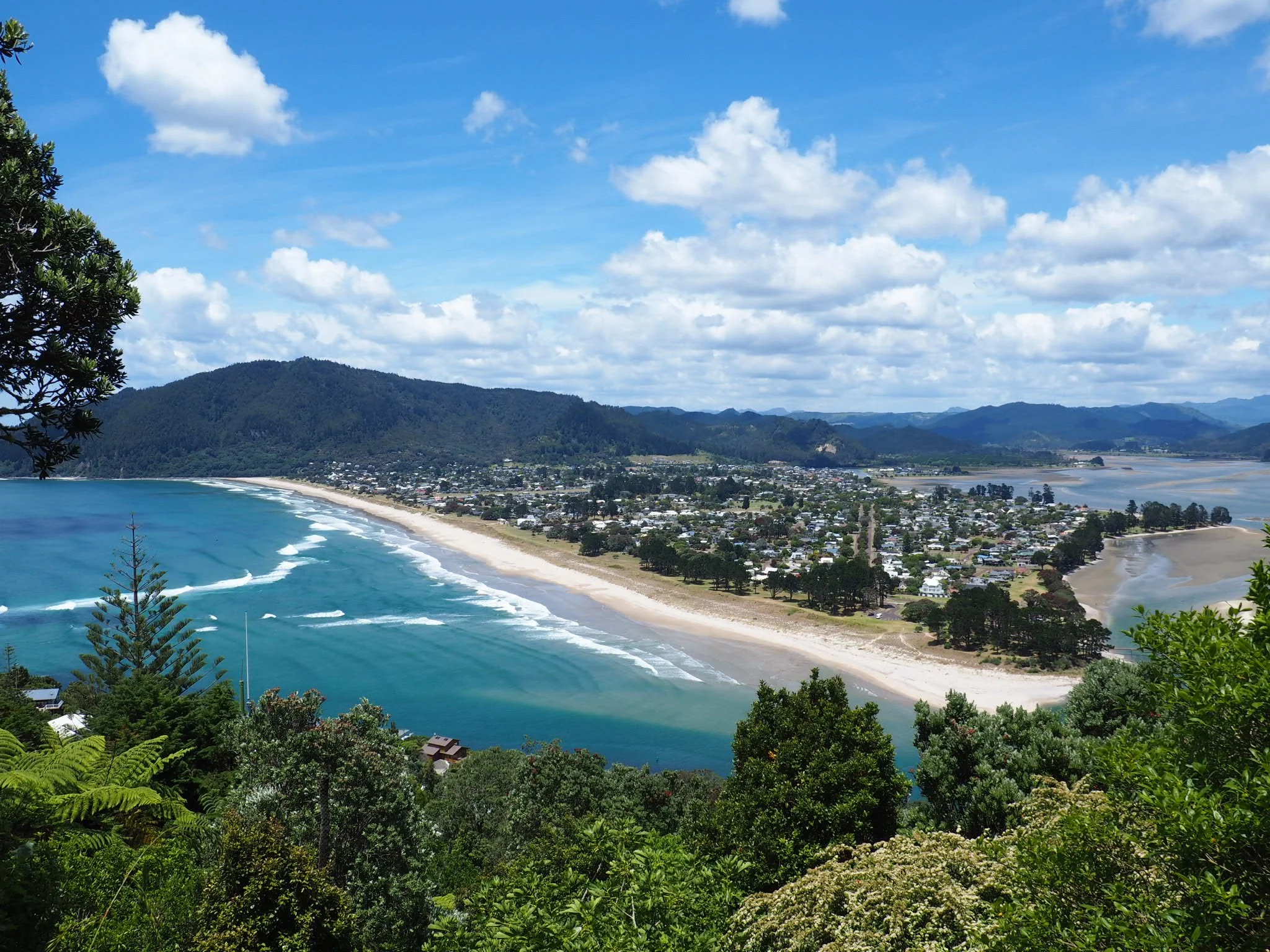
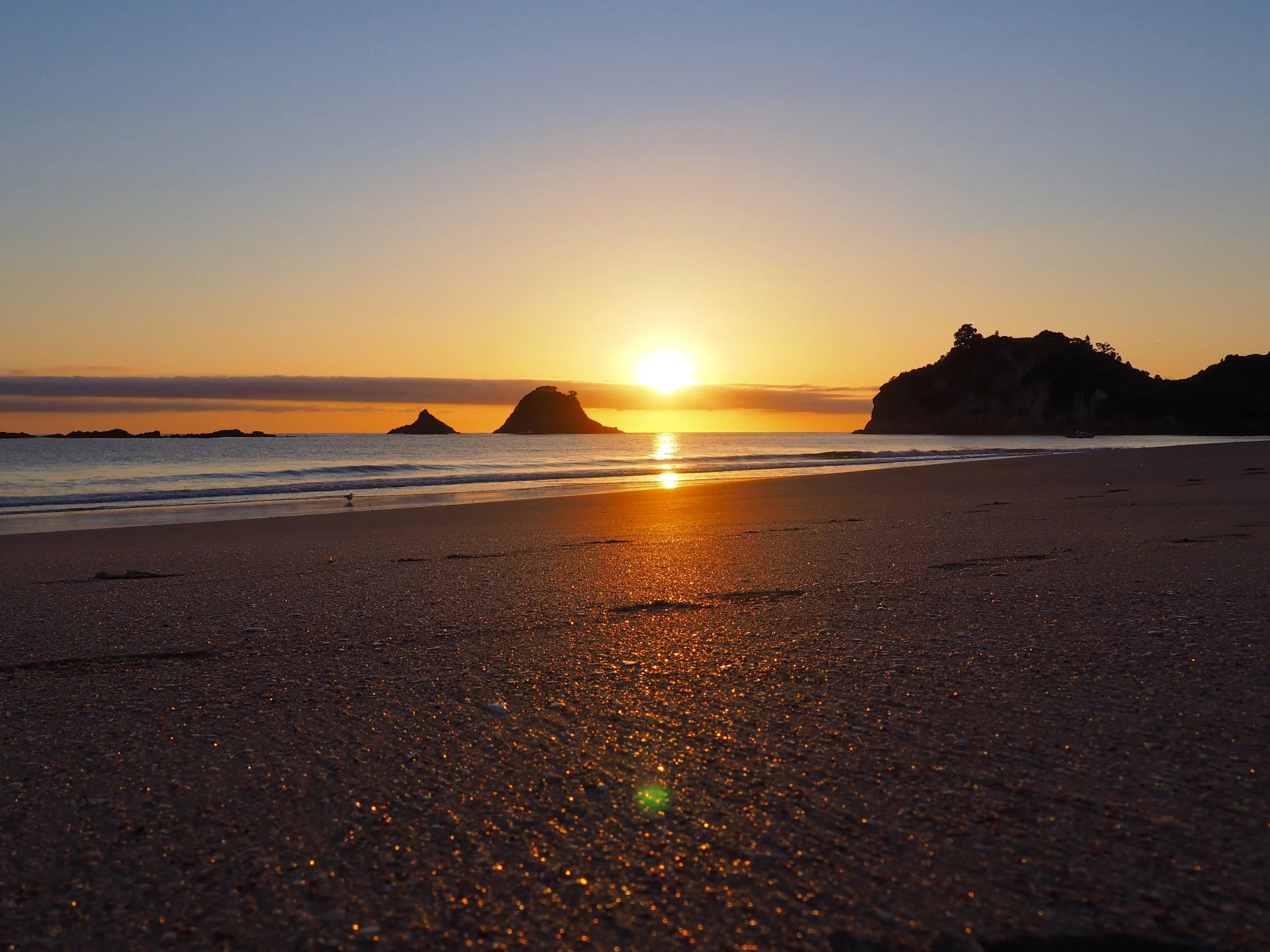
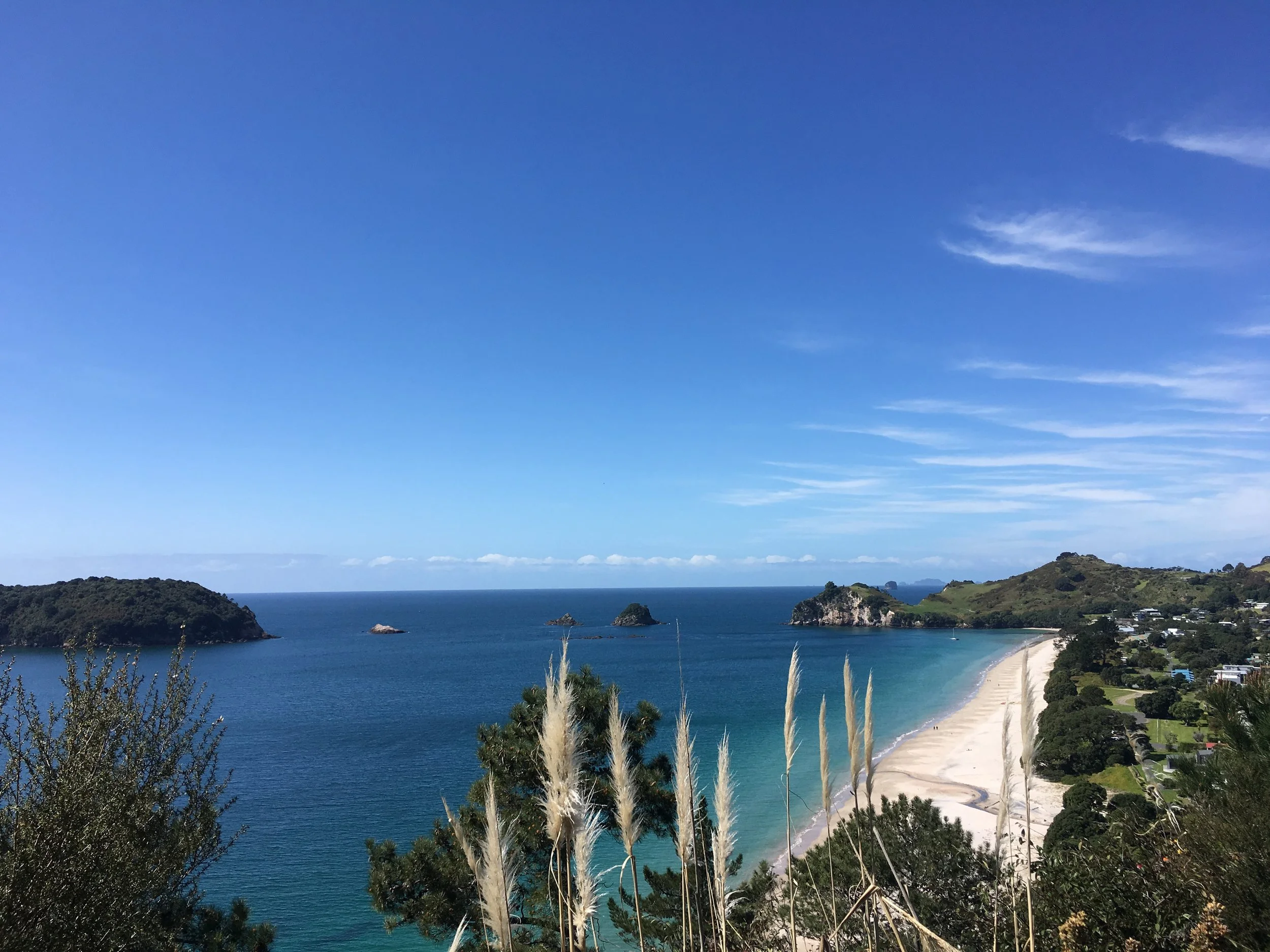
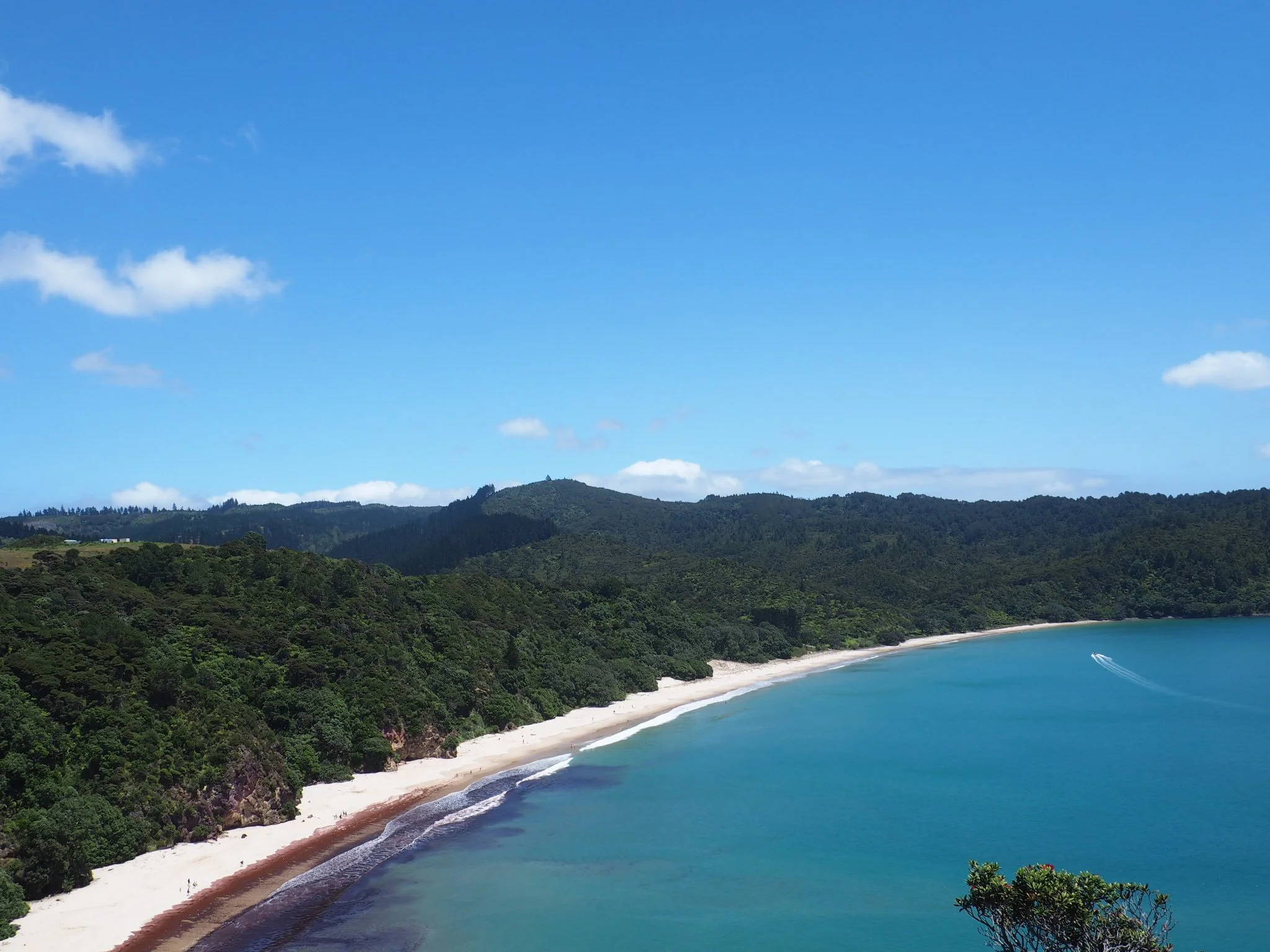
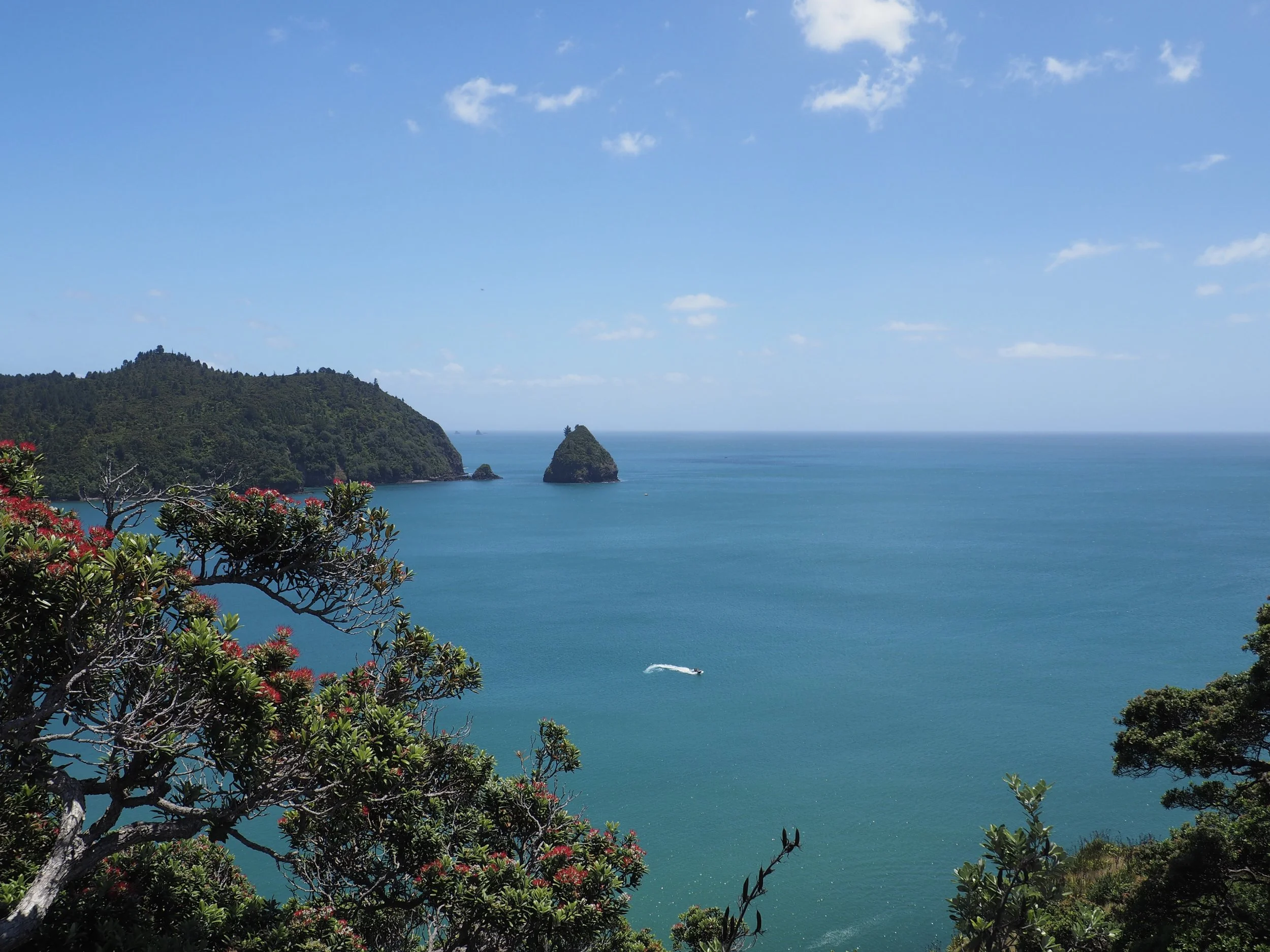
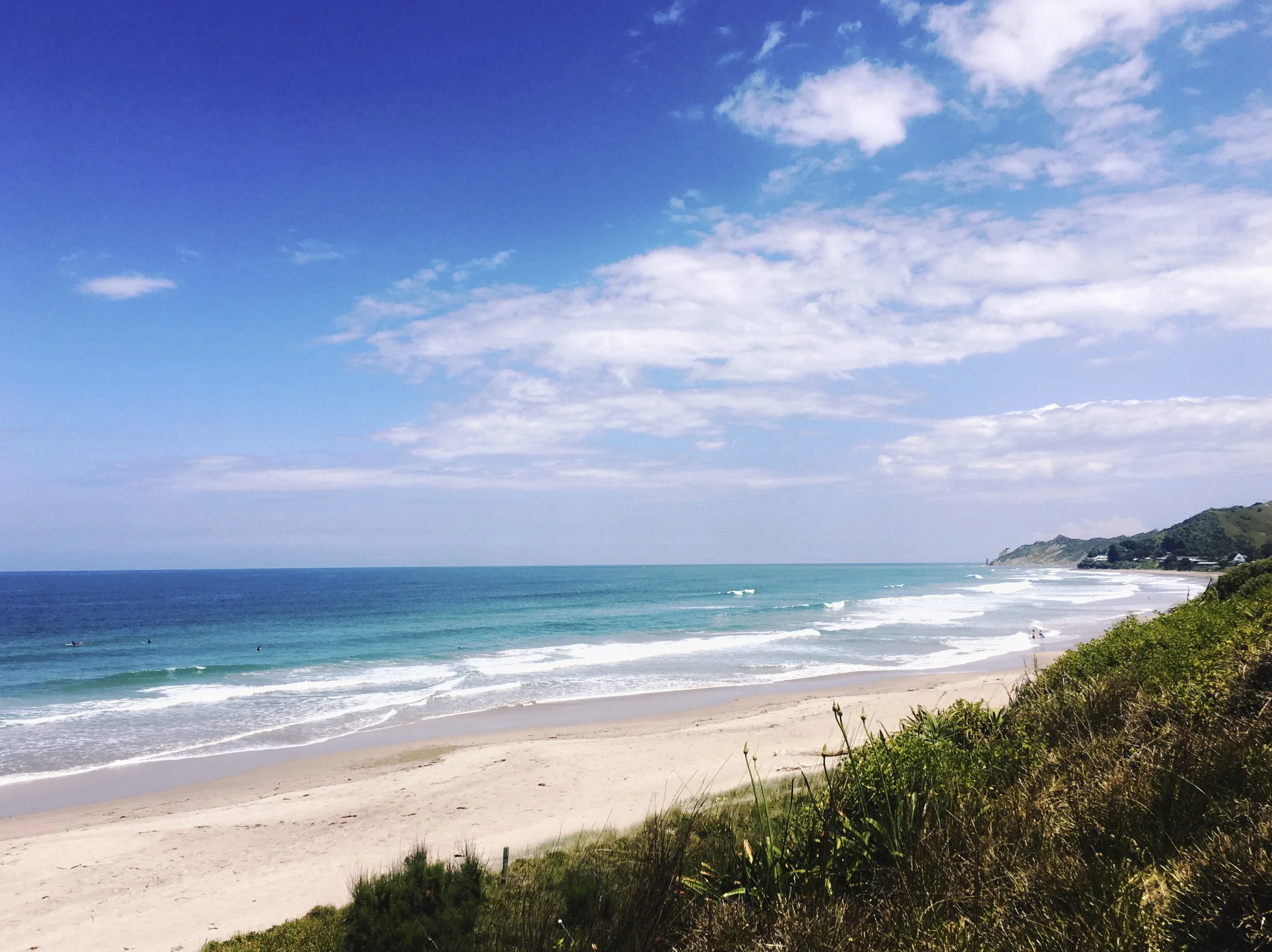
Once you drive farther north, the peninsula starts to feel quieter and more rugged. Matarangi, Opito Bay and the wider Mercury Bay area are worth considering if you want quieter beaches, coastal views and a slower beach day between the better-known stops. New Chums Beach remains a standout, reached by a short walk over a rocky shoreline and through native bush until you arrive at a sheltered white-sand beach.
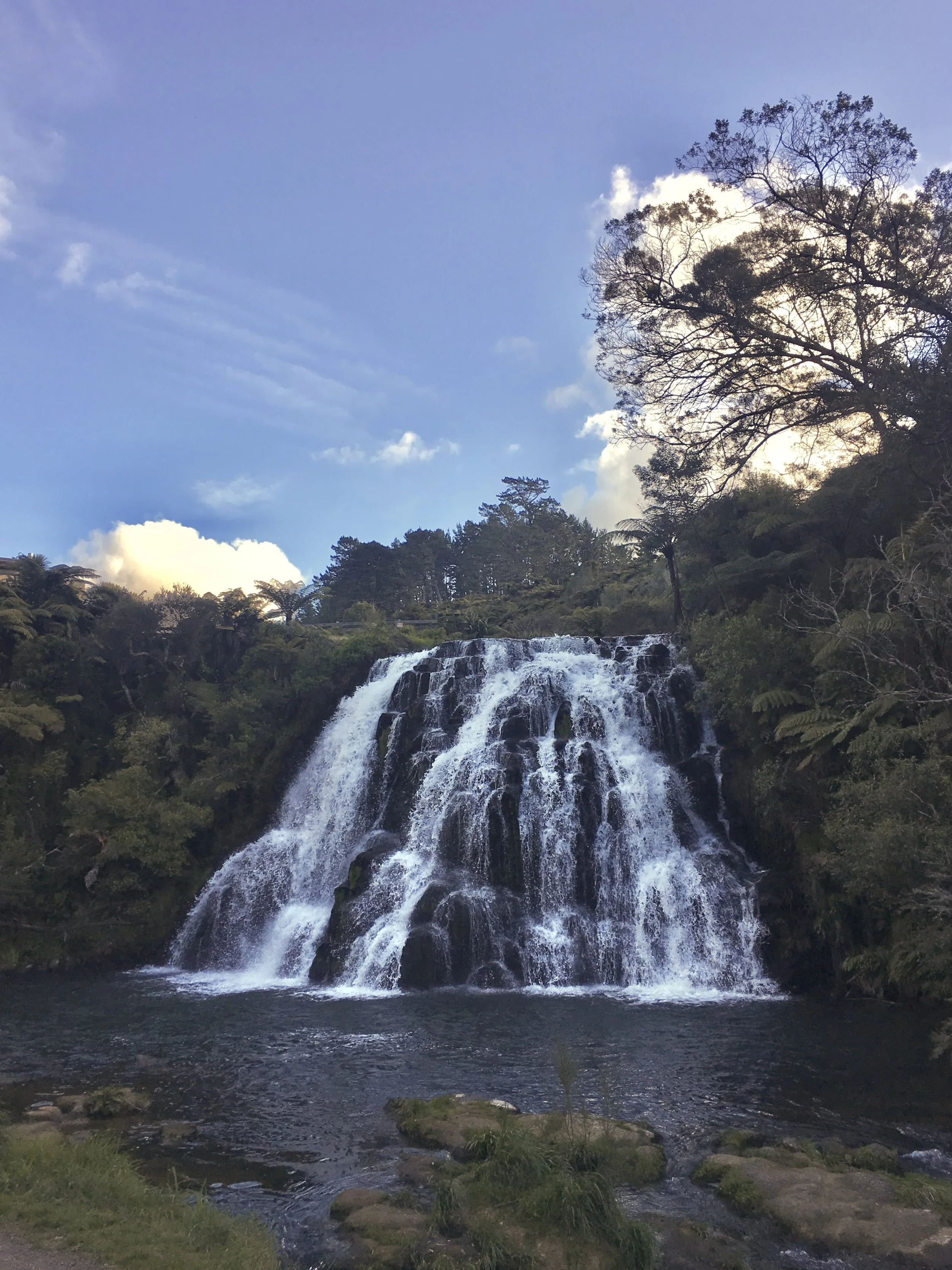
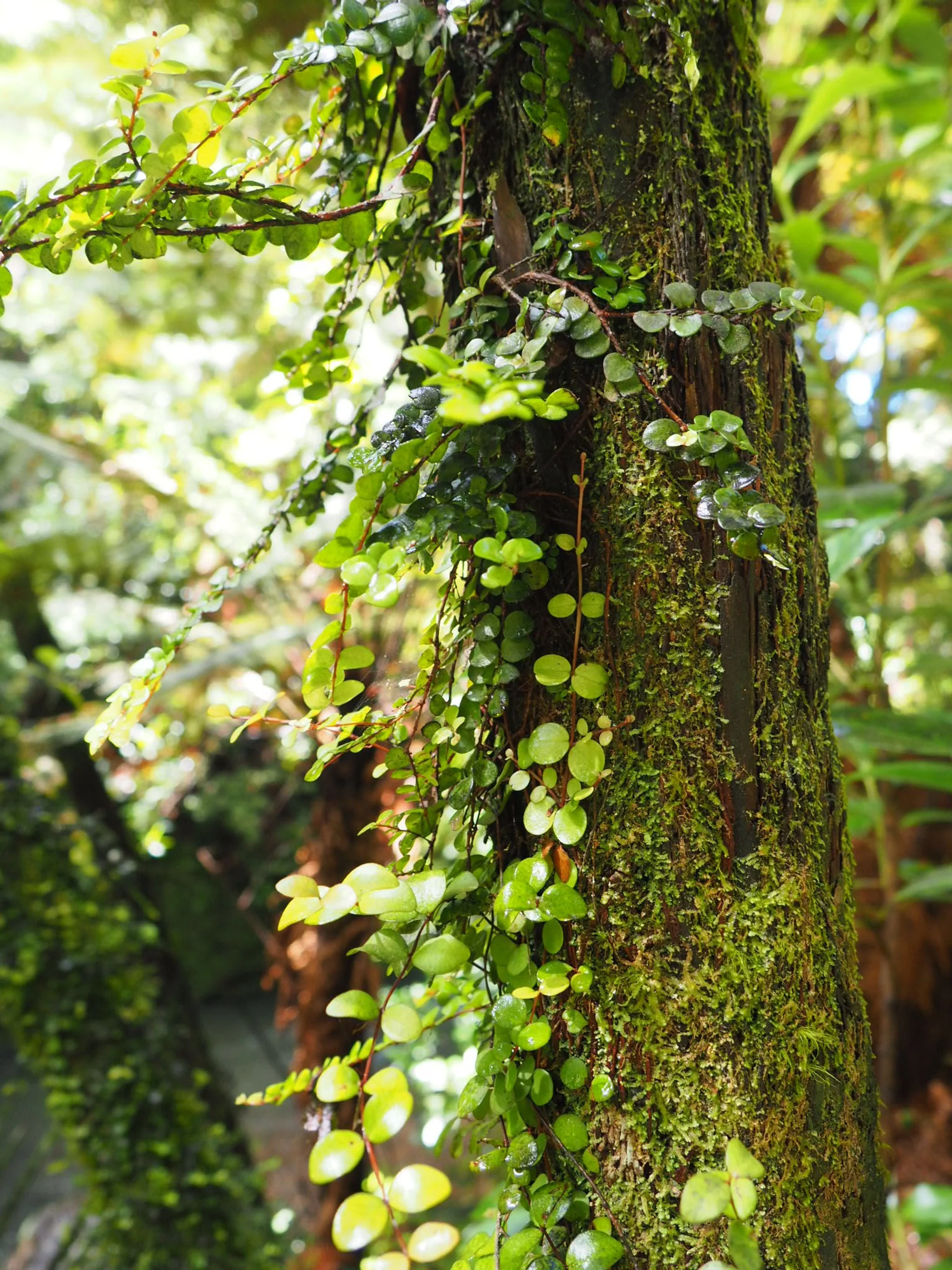
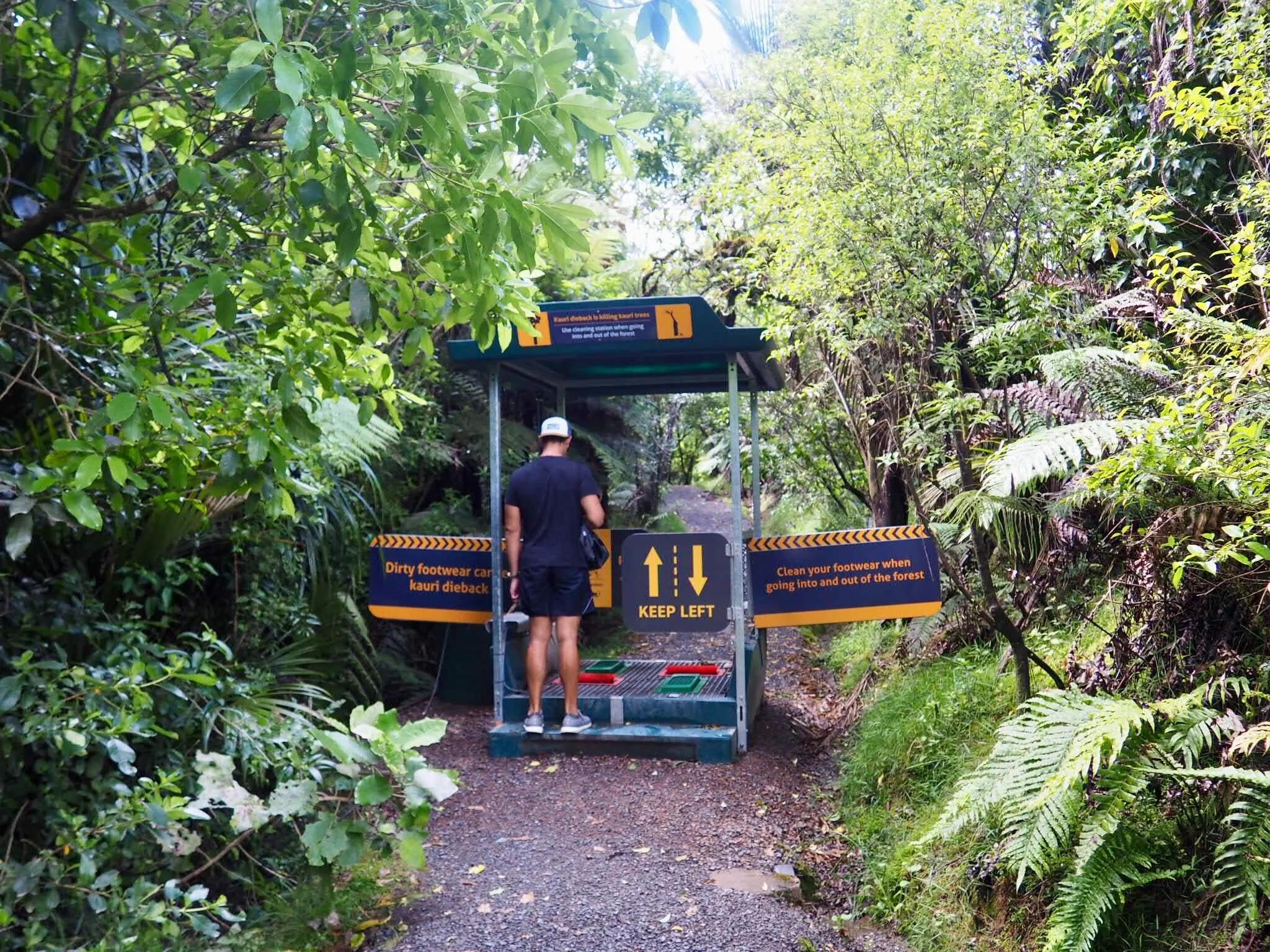
In Coromandel Town, you will find cute cafés, local stops and nearby nature spots along the 309 Road, including Waiau Falls and Waiau Kauri Grove. If you visit any kauri forest areas, always use the footwear cleaning stations to help prevent the spread of kauri dieback disease. Driving Creek Railway is another worthwhile stop here if you like quirky local projects, forest views and a slower change of pace from the beach towns.
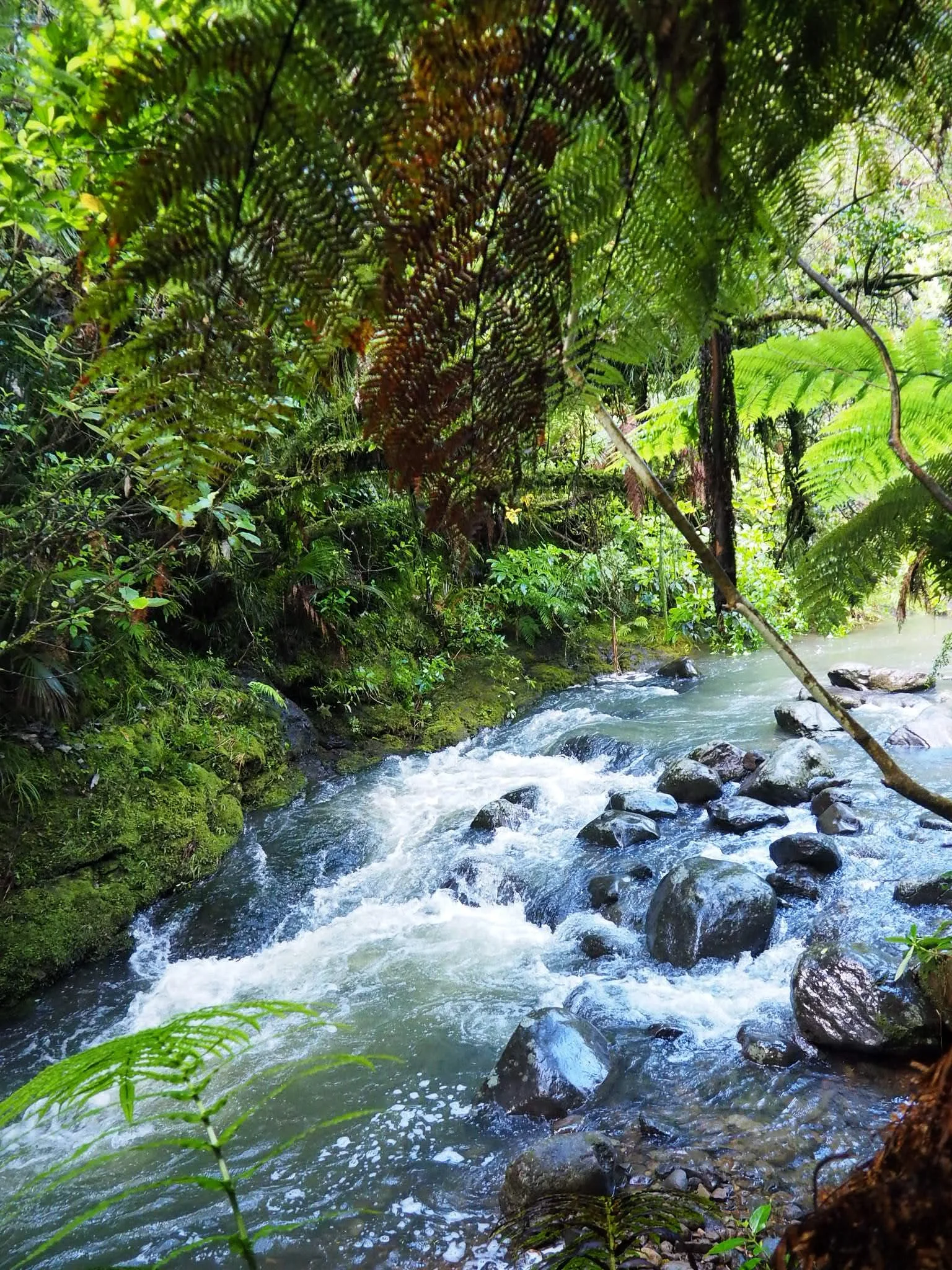
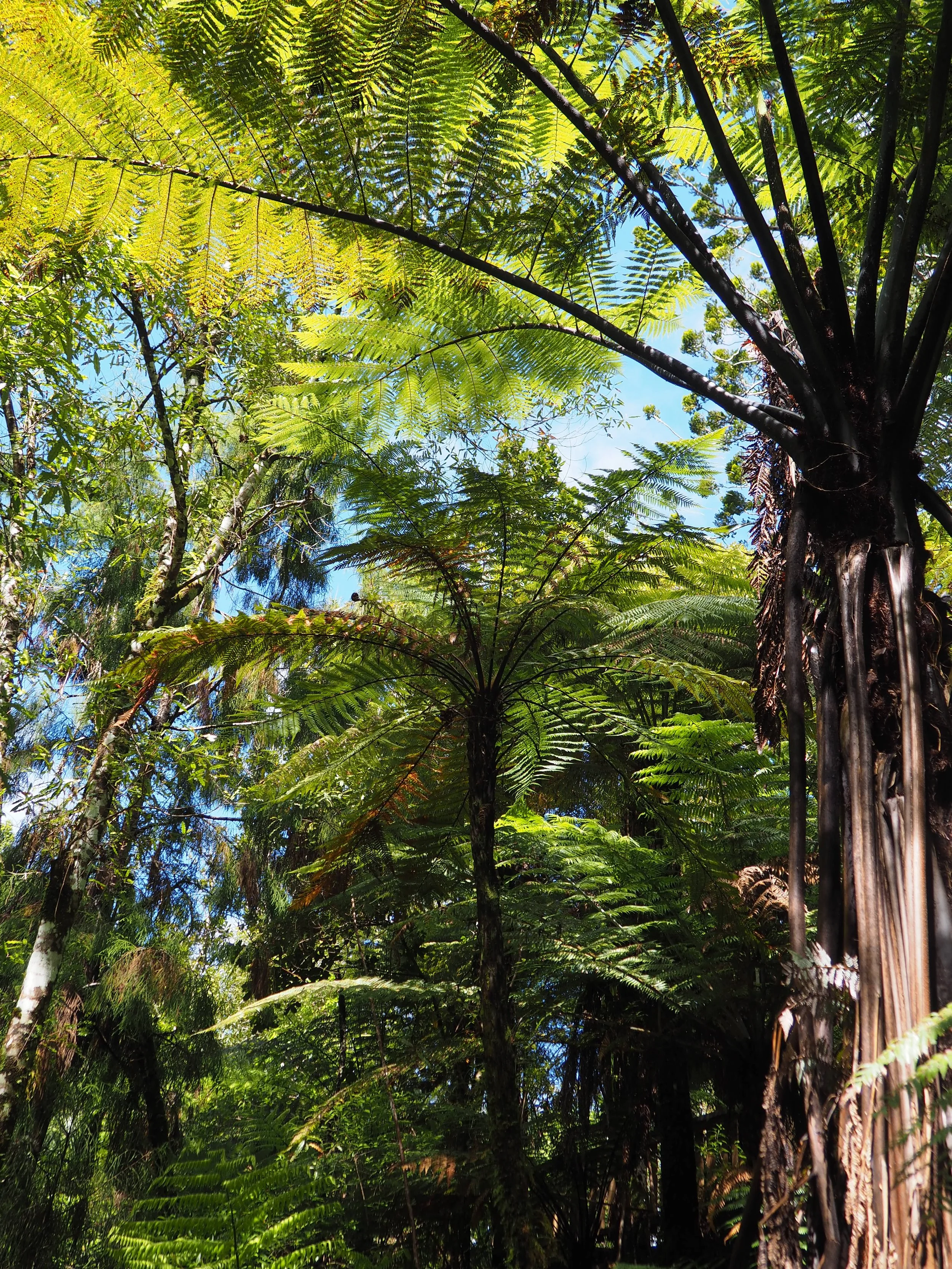
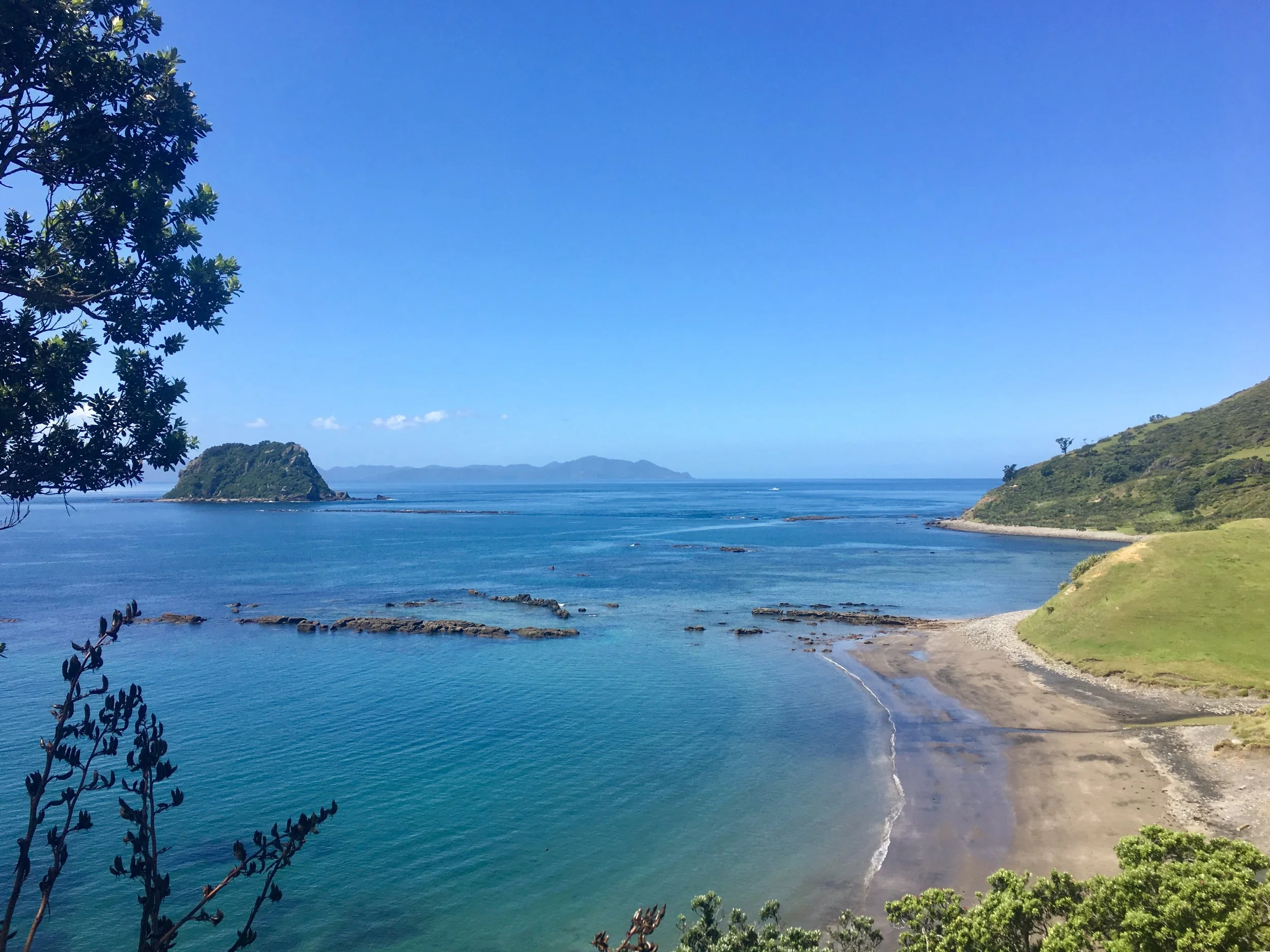
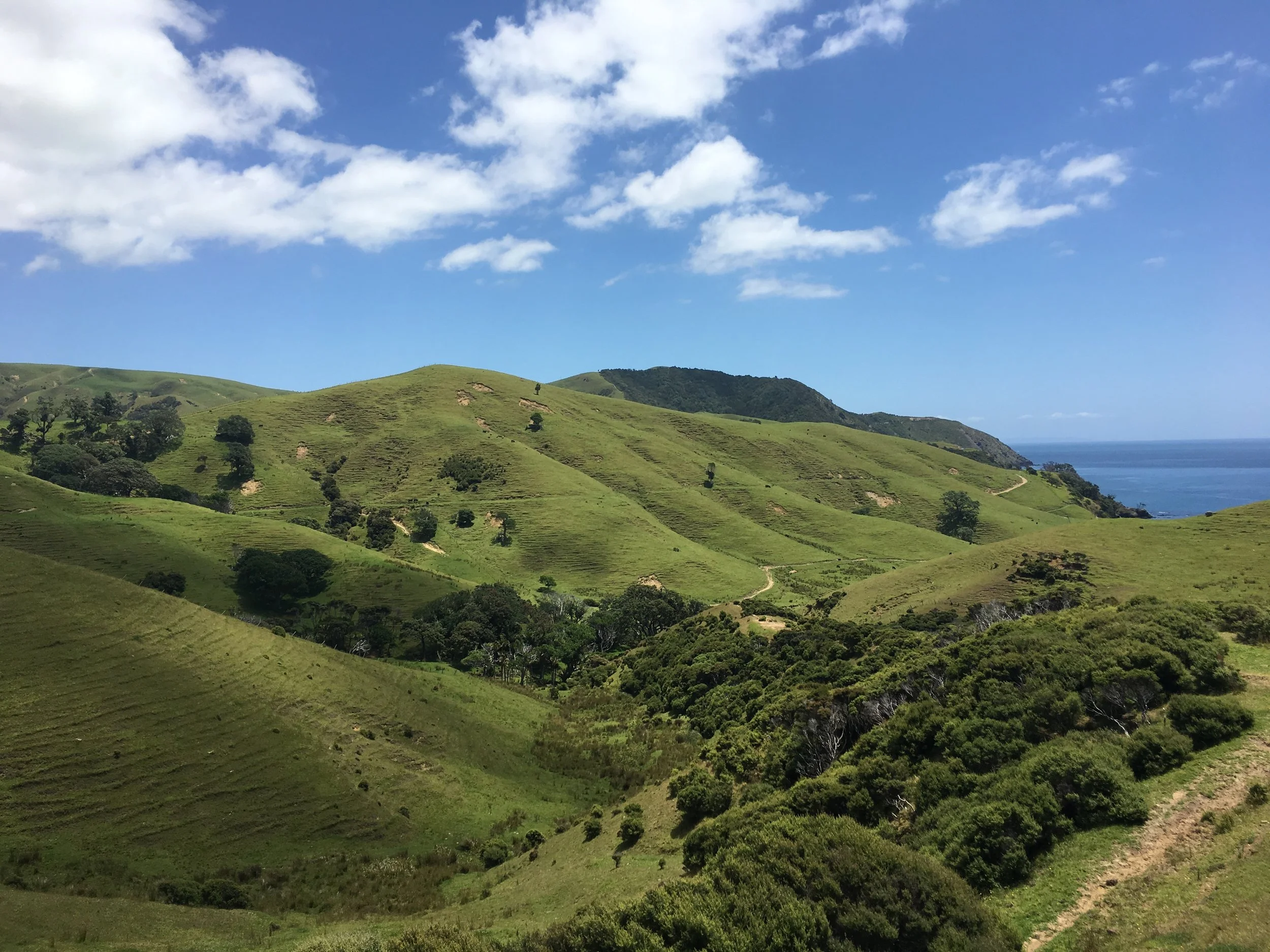
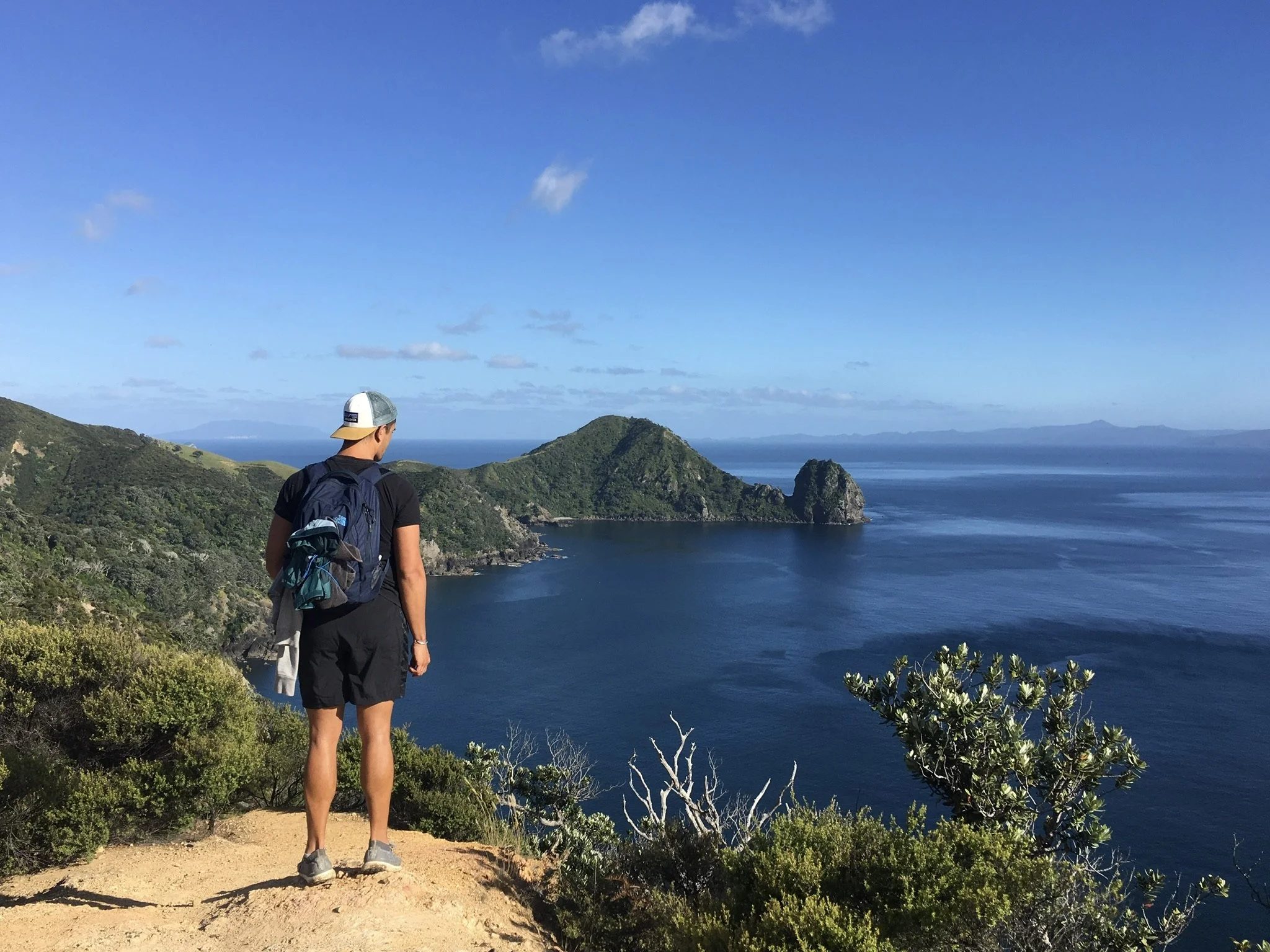
If you have extra time and want a more remote adventure, Fletcher Bay and the Coromandel Coastal Walkway are worth considering. We camped right by the beach at Fletcher Bay and it was off this quiet coastline that we spotted a pod of orcas close to shore. The roads up here are slow, so this is one to plan properly rather than squeeze in at the last minute. Since the area is so remote, it also makes a perfect place for stargazing and counting shooting stars.
Another excellent optional addition is The Pinnacles in the Kauaeranga Valley near Thames, a more demanding full-day hike with spectacular ridge views.
Suggested time: 5–7 days
Best for: Golden beaches, coastal roads, marine wildlife, short walks, campervan cooking and scenic detours
Main stops: Thames, Whangamatā, Tairua, Cooks Beach, Hahei, Cathedral Cove, Hot Water Beach, Whitianga, New Chums Beach and Coromandel Town
Optional additions: Karangahake Gorge, Whenuakura / Donut Island, Mount Paku, the 309 Road, Driving Creek Railway, Fletcher Bay, Coromandel Coastal Walkway, The Pinnacles or extra beach days
Good to know: Check current Cathedral Cove access before you go and do not underestimate drive times on the northern Coromandel roads.
For a more detailed Coromandel guide, read the full Coromandel itinerary here:
Stop 4: Bay of Plenty and the East Cape
Leaving the Coromandel behind, the road leads you along the wide curve of the Bay of Plenty before winding around the remote edges of the East Cape toward Gisborne. This is where the pace of the trip shifts again. The beaches remain beautiful, but the farther east you go, the quieter, wilder and less polished the route becomes.
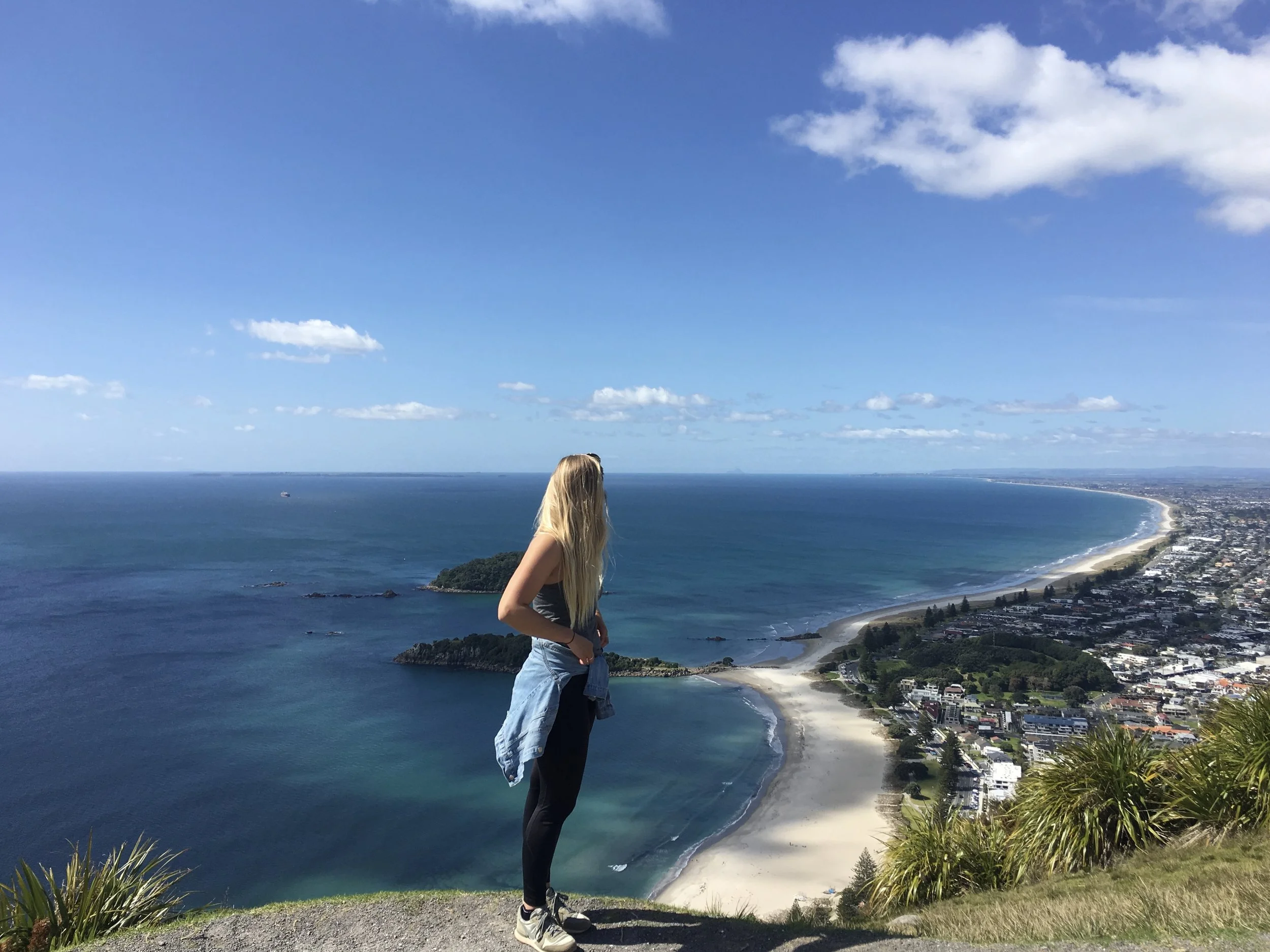
Mount Maunganui and Tauranga offer a lively beach-town break if you want cafés, beach walks, surf and a more developed stop between coastal regions. Mauao is usually one of the main reasons to stop here, but it is currently closed due to a major landslide in January 2026, with repair and safety work ongoing, so check the latest updates before planning your visit. Even without the hike, Mount Maunganui is still worth considering for the beach, waterfront cafés and an easy reset before continuing east.
If you prefer somewhere quieter, continue toward Whakatāne and Ōhope. Ōhope Beach is a good place to pause before the more isolated roads of the East Cape. At night, we heard a shrill, echoing call that sounded like a kiwi. As it turns out, the surrounding forests are known for strong kiwi conservation efforts, which makes this very likely.
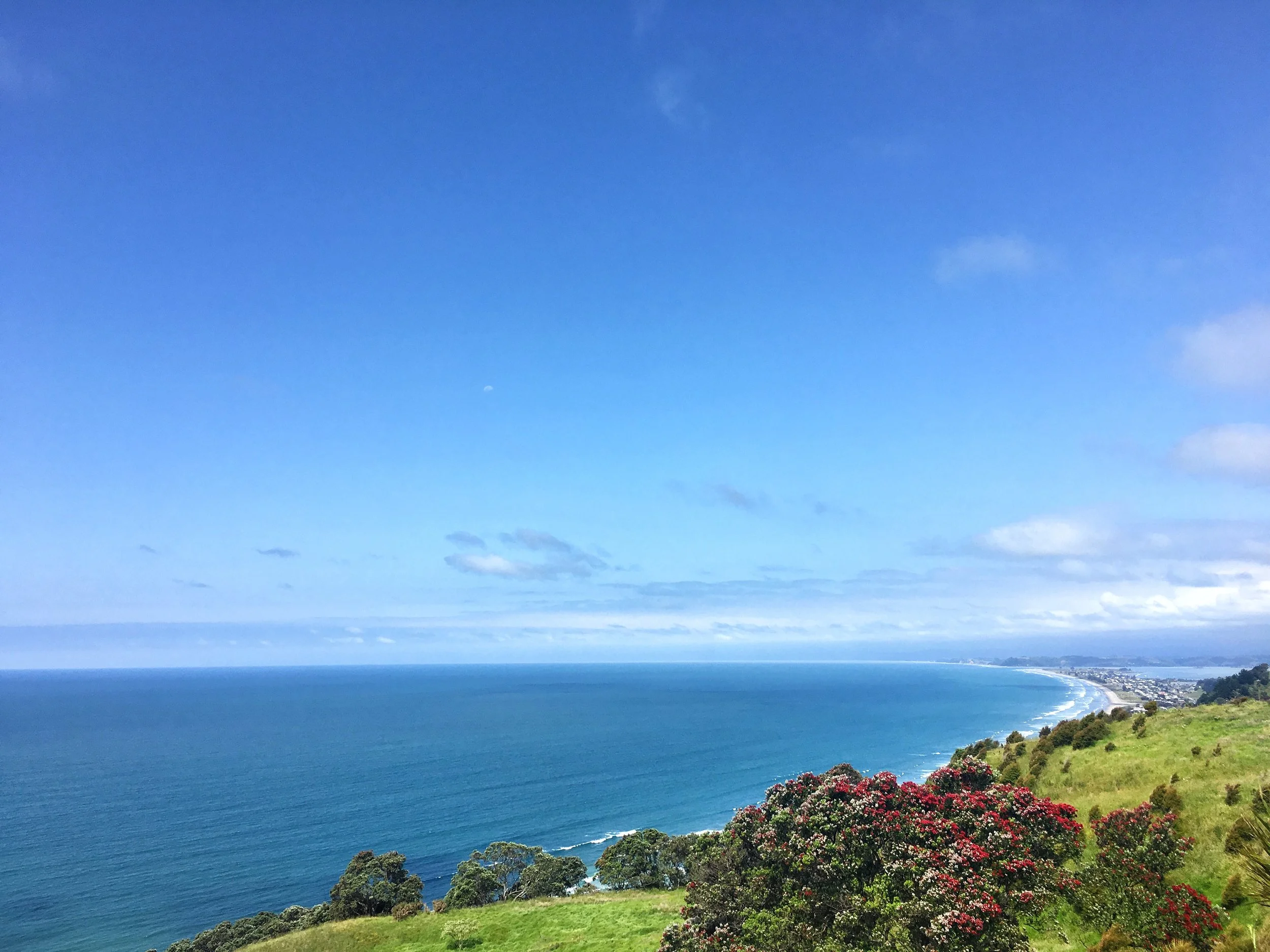
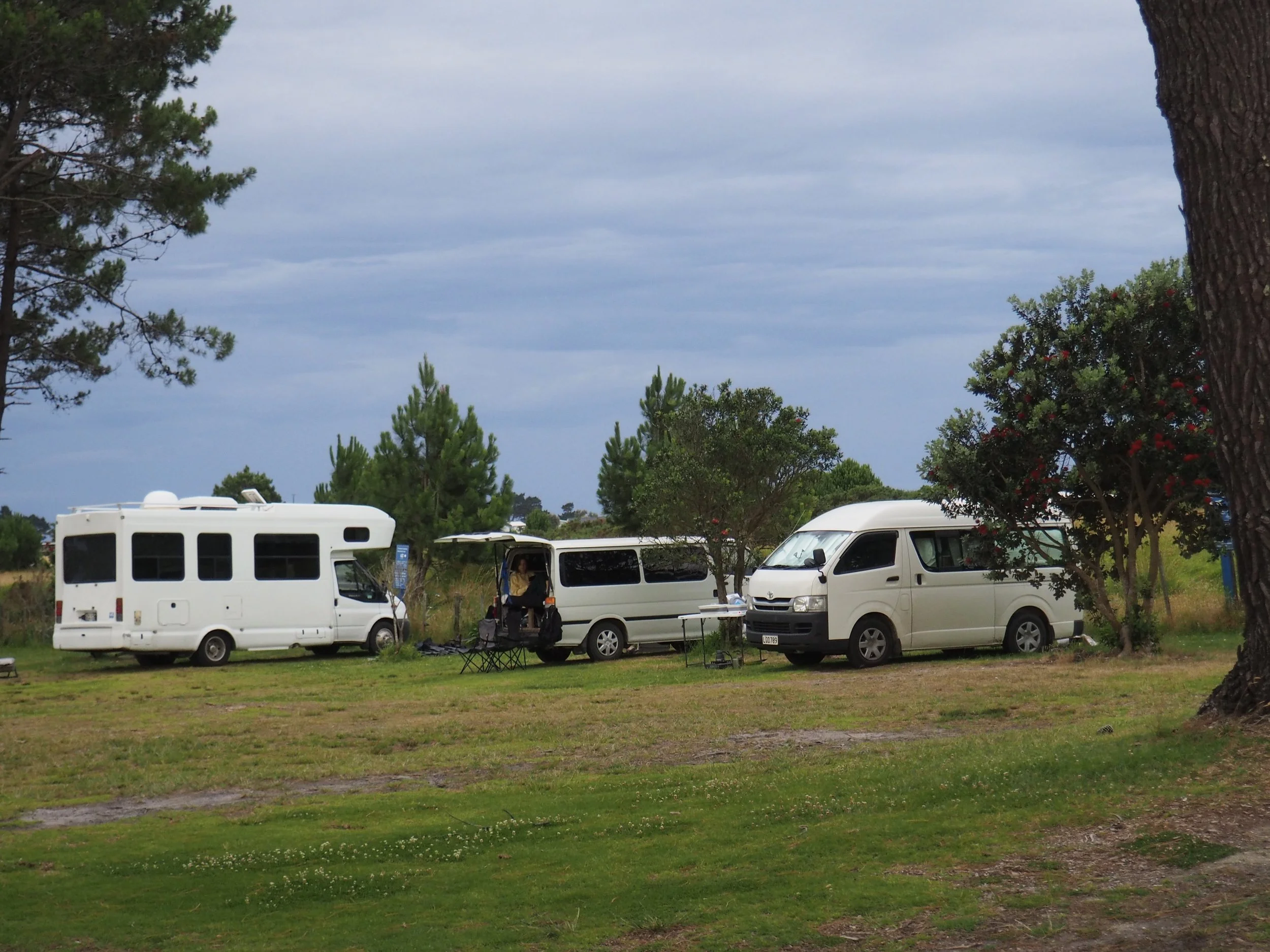
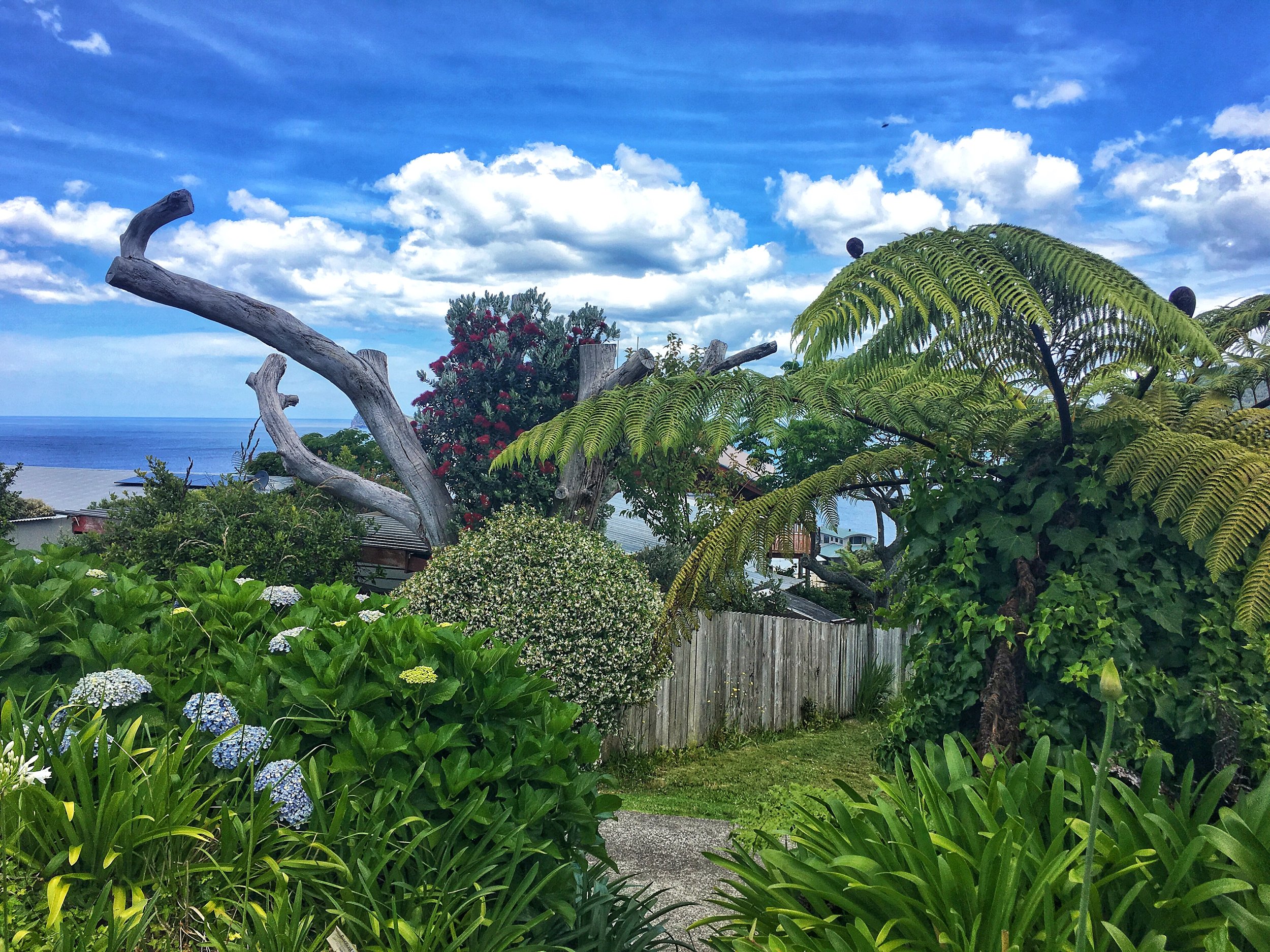
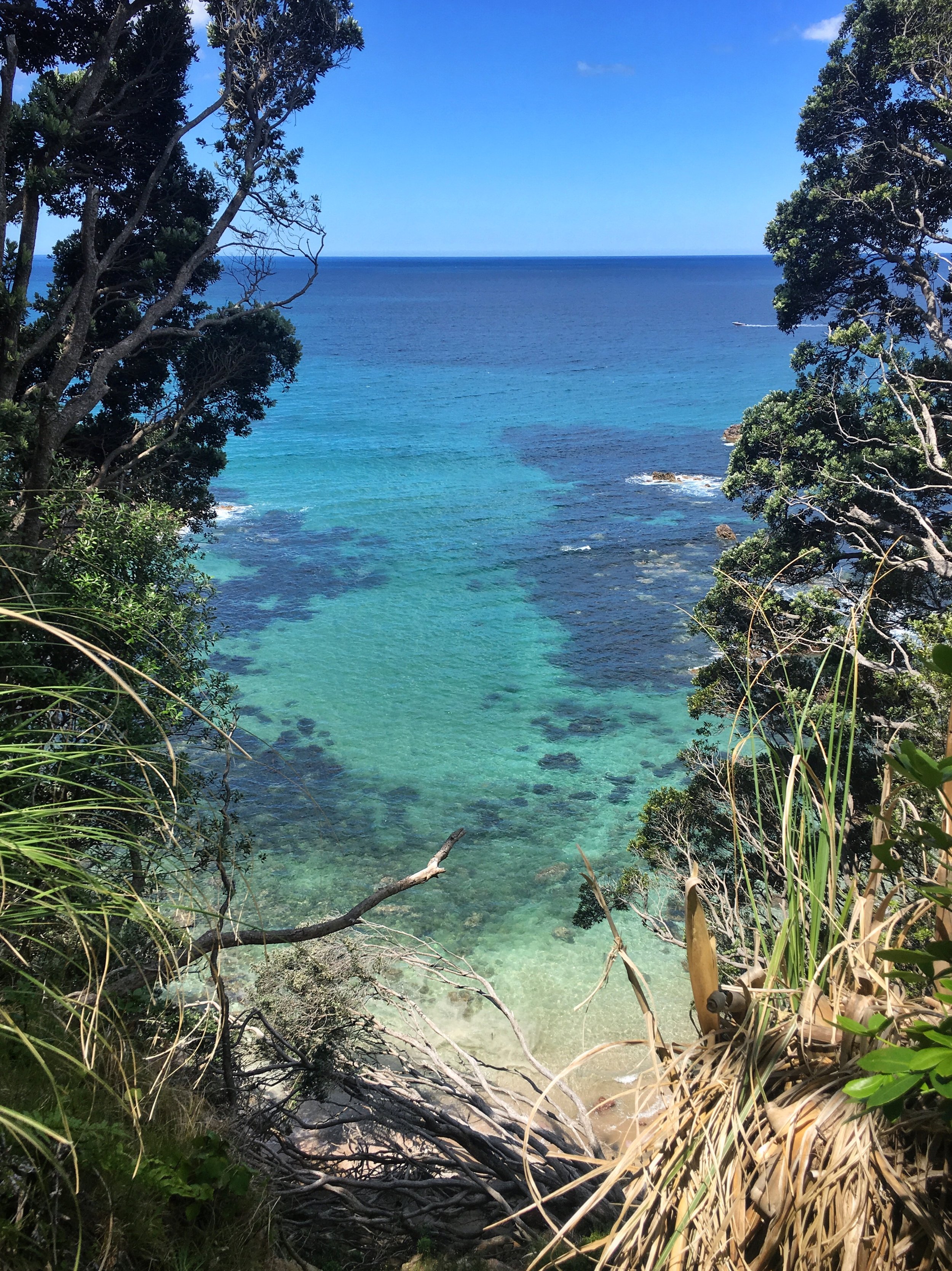
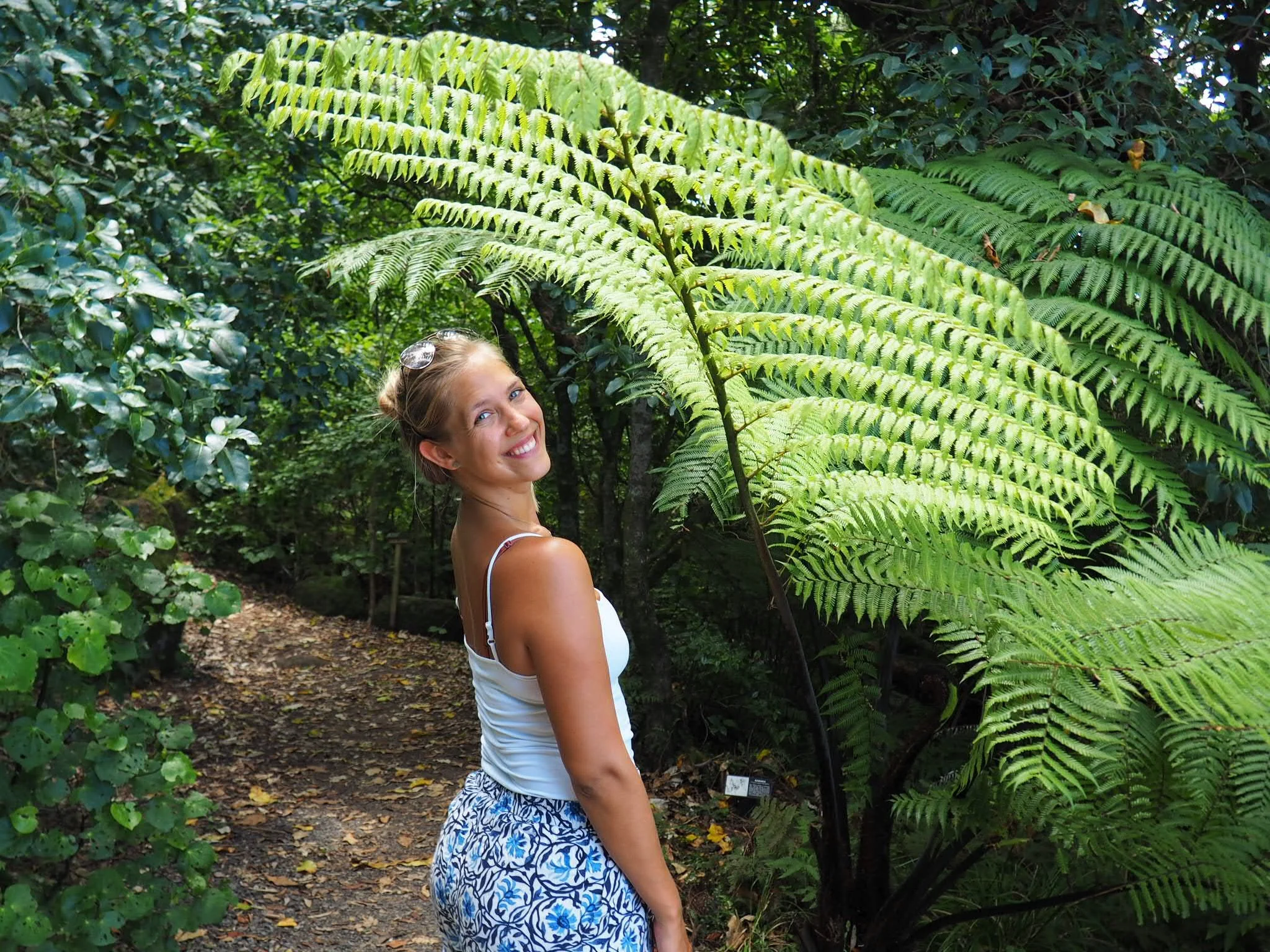
From Whakatāne, you can either take the more direct route toward Gisborne or commit to the longer loop of State Highway 35 around the East Cape. Choosing the cape road is not the most efficient option and that is part of the appeal. Many travelers skip it because it adds driving time, but if you enjoy rugged coastlines, slower roads, empty beaches and small coastal communities, it can become one of the most memorable parts of the trip.
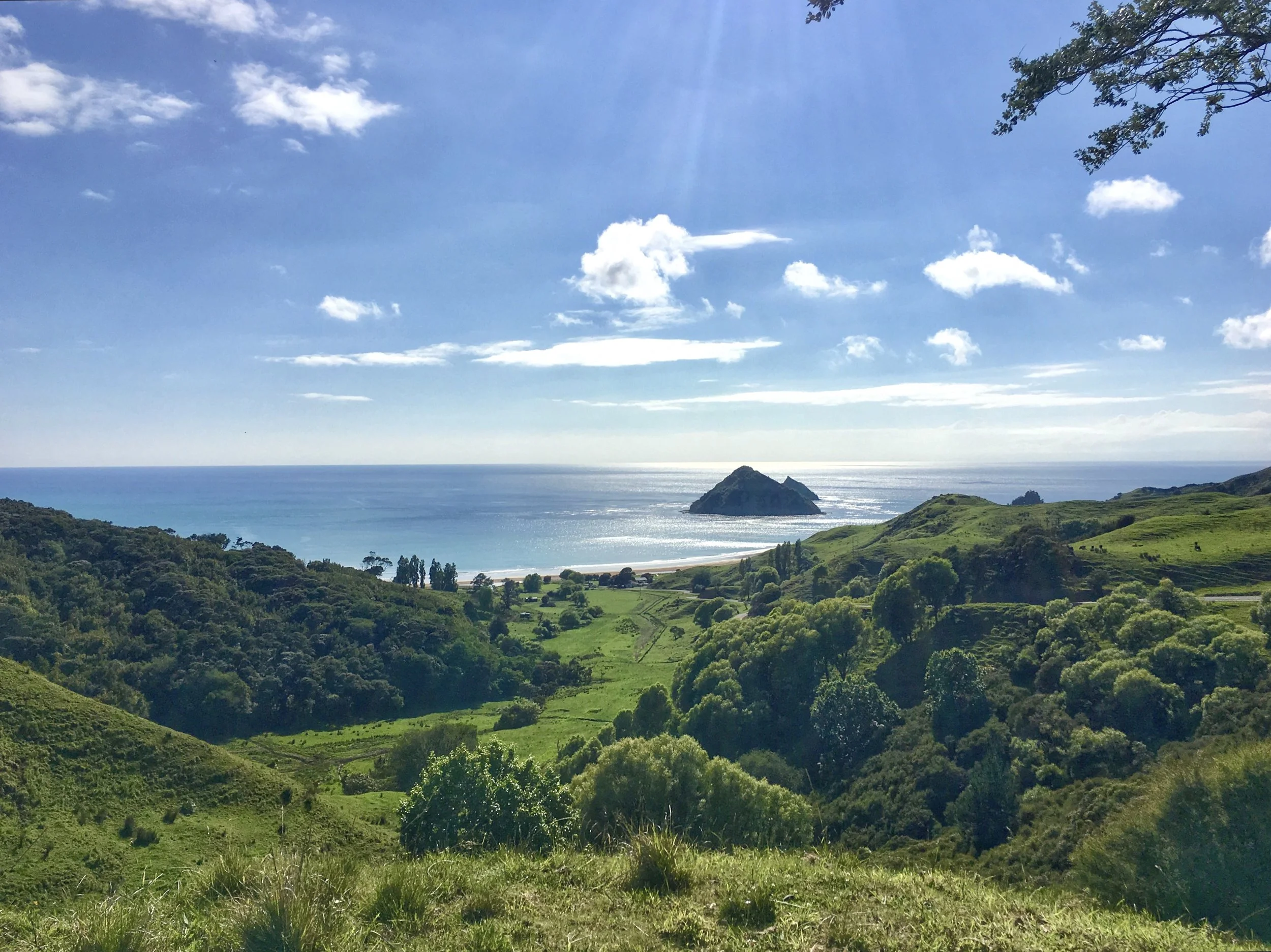
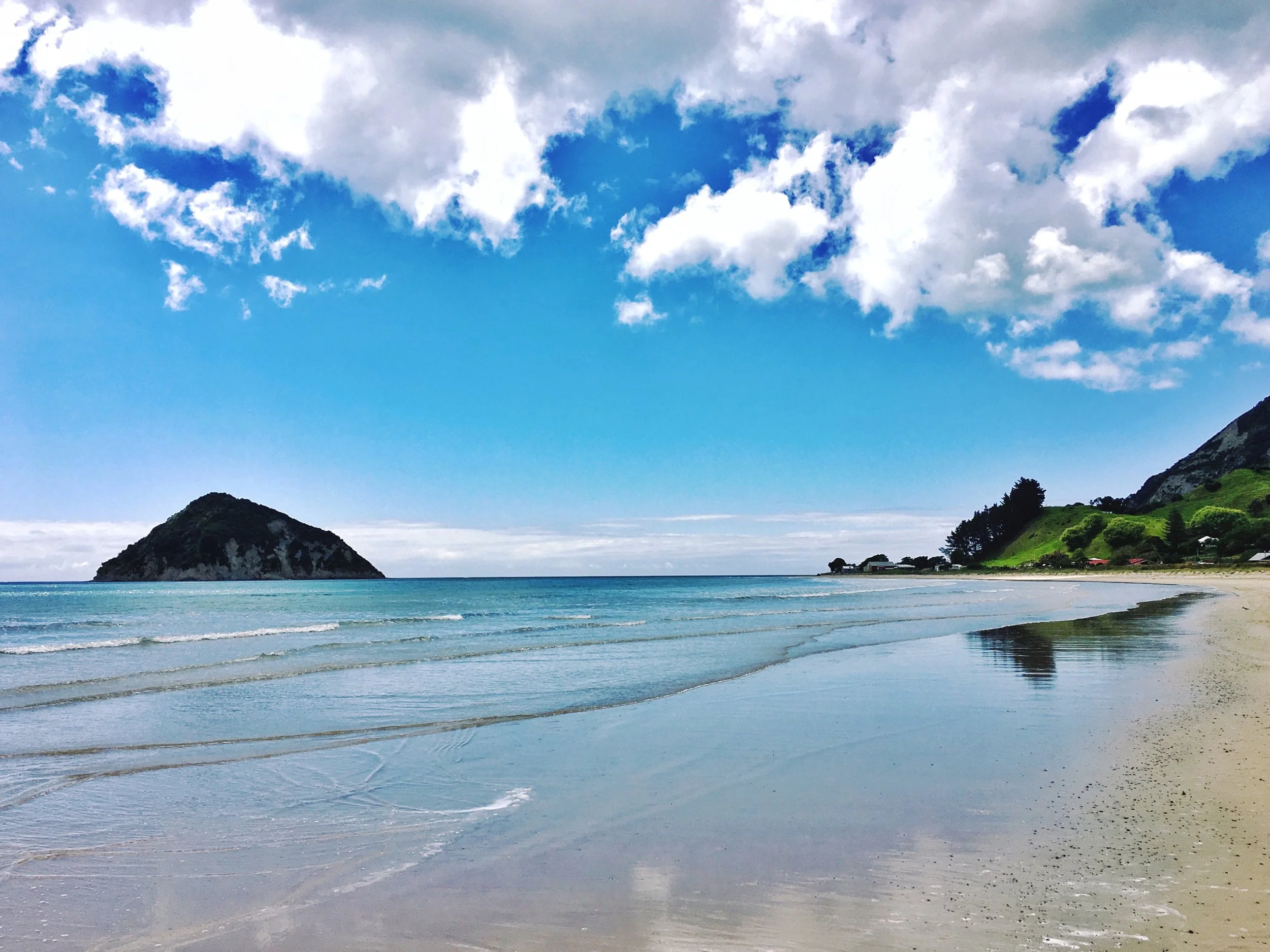
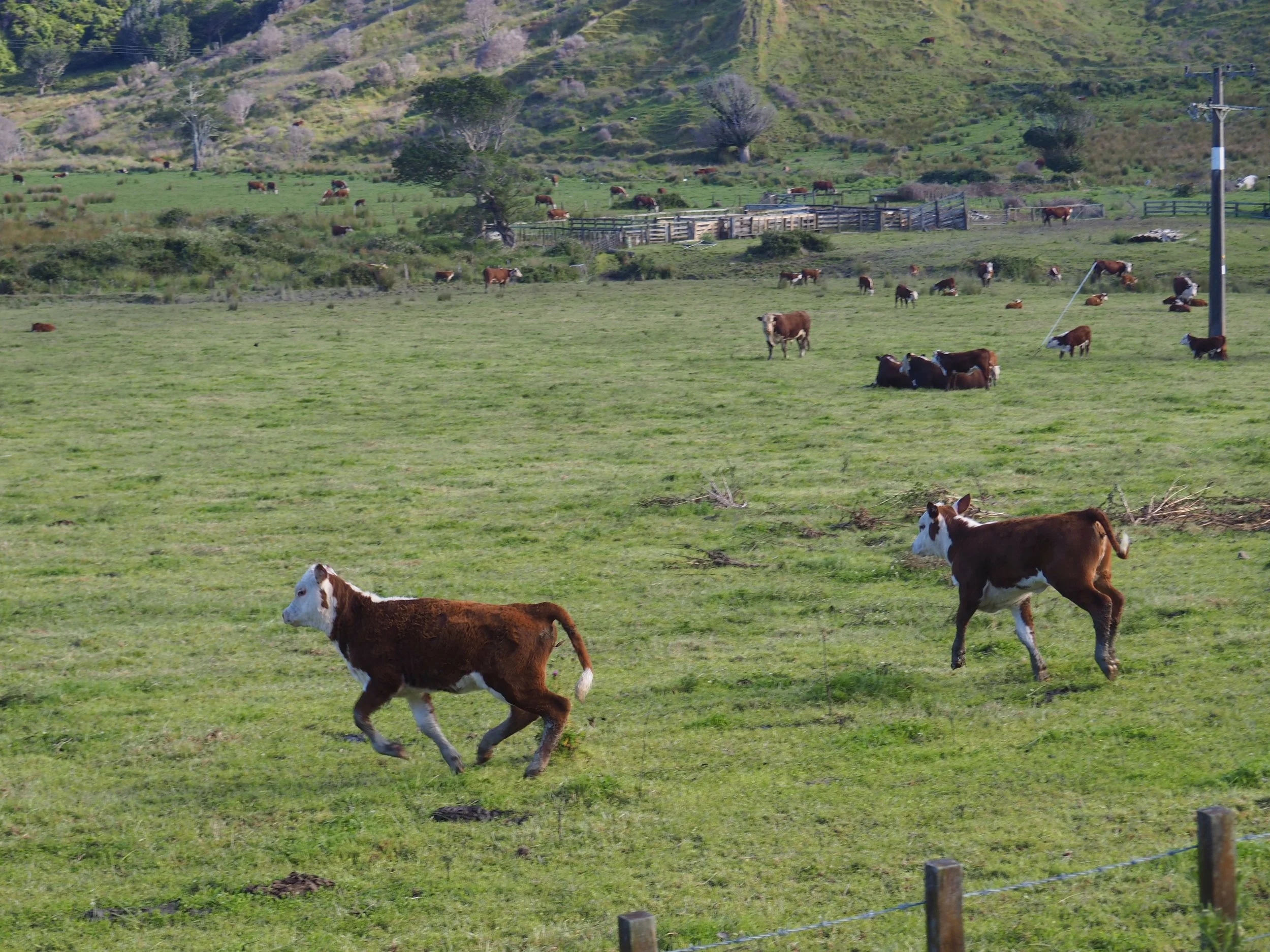
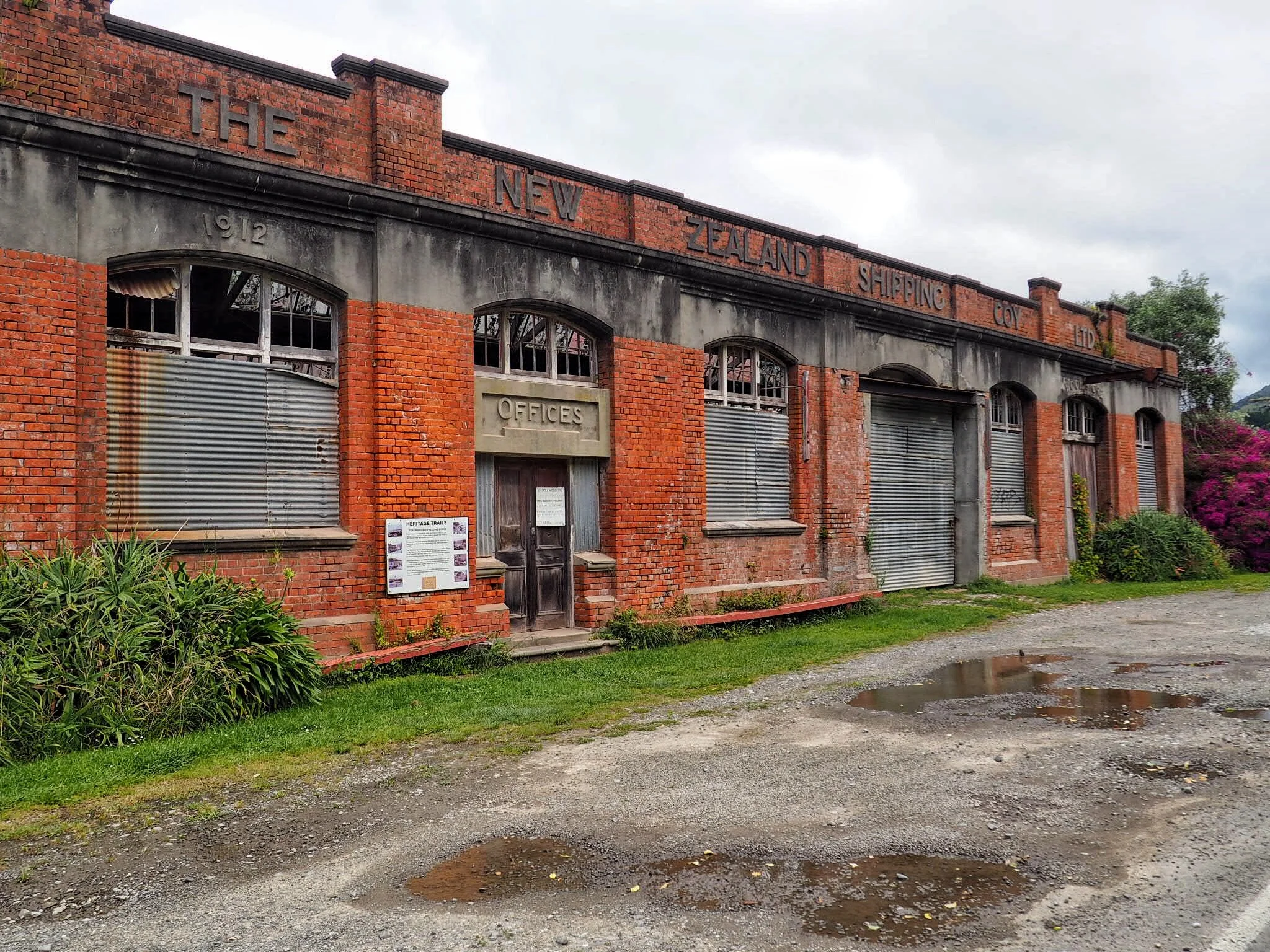
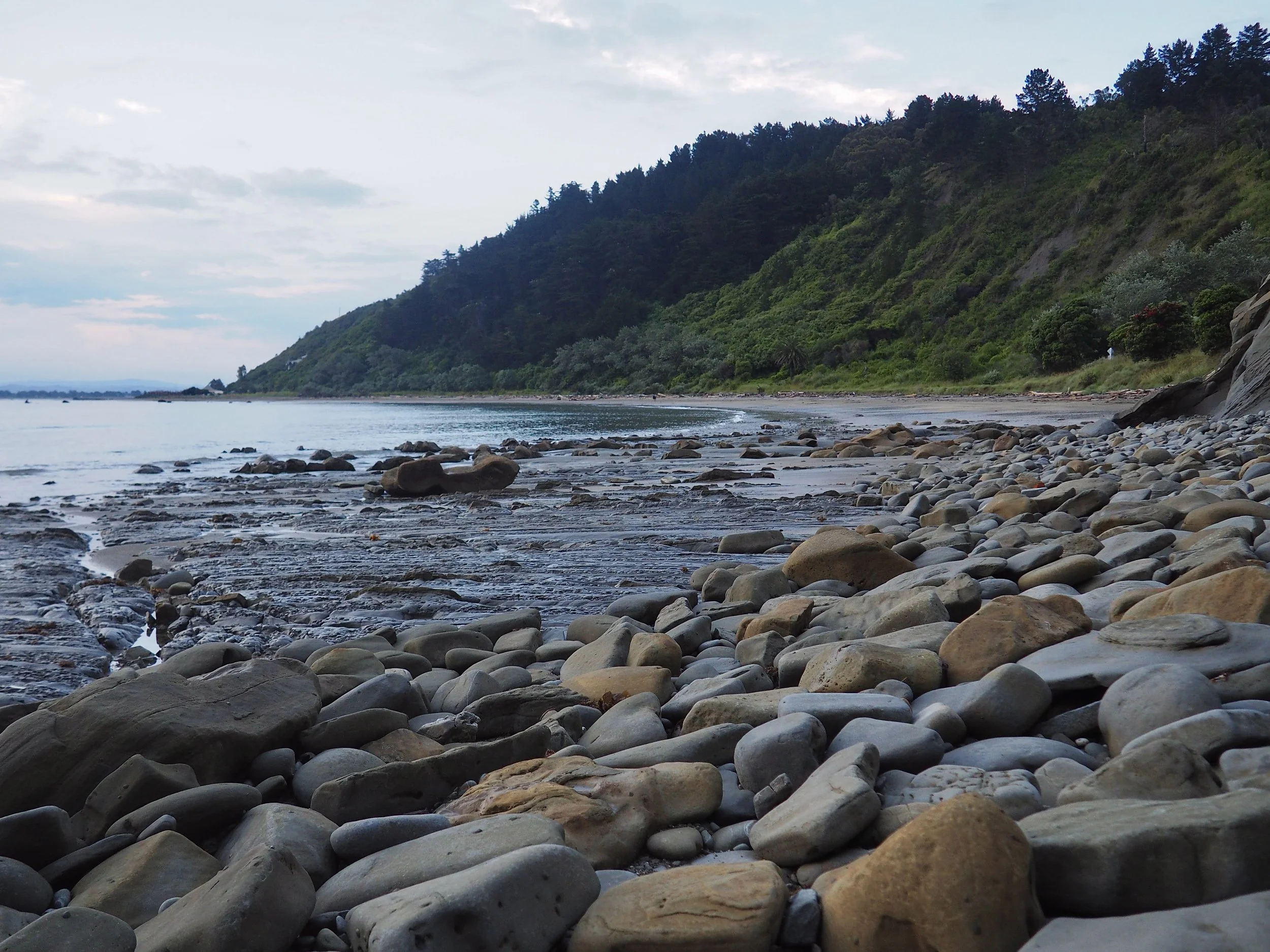
For us, the East Cape was less about ticking off one specific landmark and more about the feeling of the drive itself. There were so many beautiful bays along the way: quiet, windswept and often almost empty. It felt like a very different side of the North Island, more remote and less polished than the better-known stops around Rotorua, Taupō or the Coromandel.
Gisborne marks the end of this wild coastal section. It has a working, industrial edge and might not look picture-perfect immediately, but it rewards you with surf beaches, a vibrant Saturday farmers market and a refreshing sense of space before turning south toward Hawke’s Bay. If you have extra time, Rere Falls and Rere Rockslide make a fun inland detour from Gisborne, especially in warm weather.
Suggested time: 3–5 days
Best for: Beach towns, empty bays, kiwi conservation, surf beaches, remote driving and a less polished side of the North Island
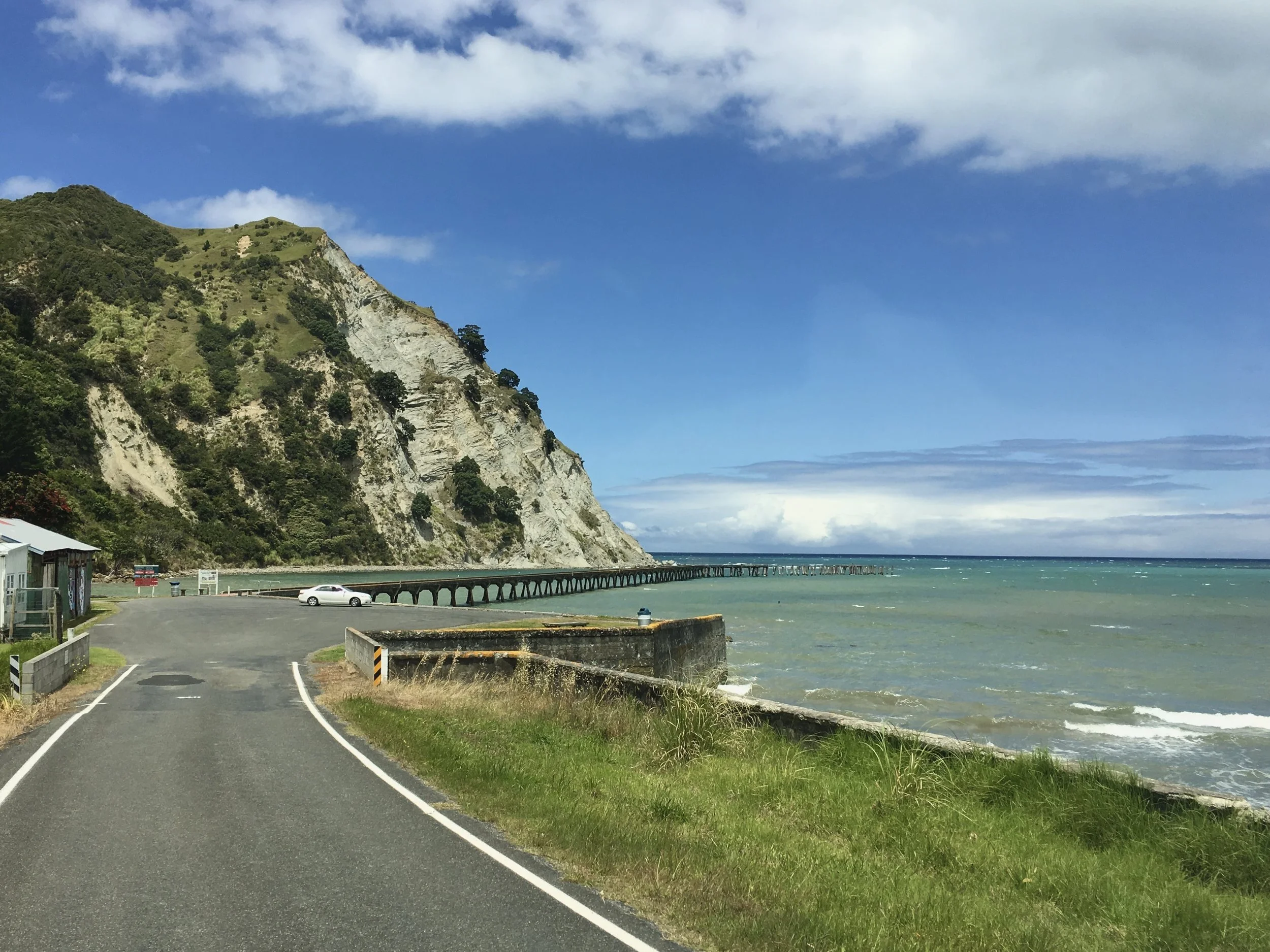
Main stops: Mount Maunganui, Tauranga, Whakatāne, Ōhope Beach, State Highway 35, Tolaga Bay Wharf and Gisborne
Optional additions: East Cape Lighthouse, Rere Falls + Rockslide, Tokomaru Bay, Anaura Bay, Kaiaua Bay, beaches around Gisborne
Good to know: Check current Mauao access before planning the Mount Maunganui climb and do not start the East Cape with a low fuel tank.

Stop 5: Hawke’s Bay
South of Gisborne, the landscape begins to open up into the sunny, rolling valleys of Hawke’s Bay. This region stands out as one of the best parts of the North Island for food, wine, farmers markets and a slower, more indulgent style of travel. After the ruggedness of the East Cape, this part of the journey feels gentler. The roads widen, vineyards appear and the focus shifts toward good coffee, local produce and long views over the plains.
Napier and Hastings anchor the region, each with a different character. Napier draws people in with its beautifully preserved Art Deco architecture, much of it rebuilt after the devastating 1931 earthquake, while Hastings feels more local and understated. Staying near either city gives you easy access to wineries, cafés, markets, beaches and nearby viewpoints.
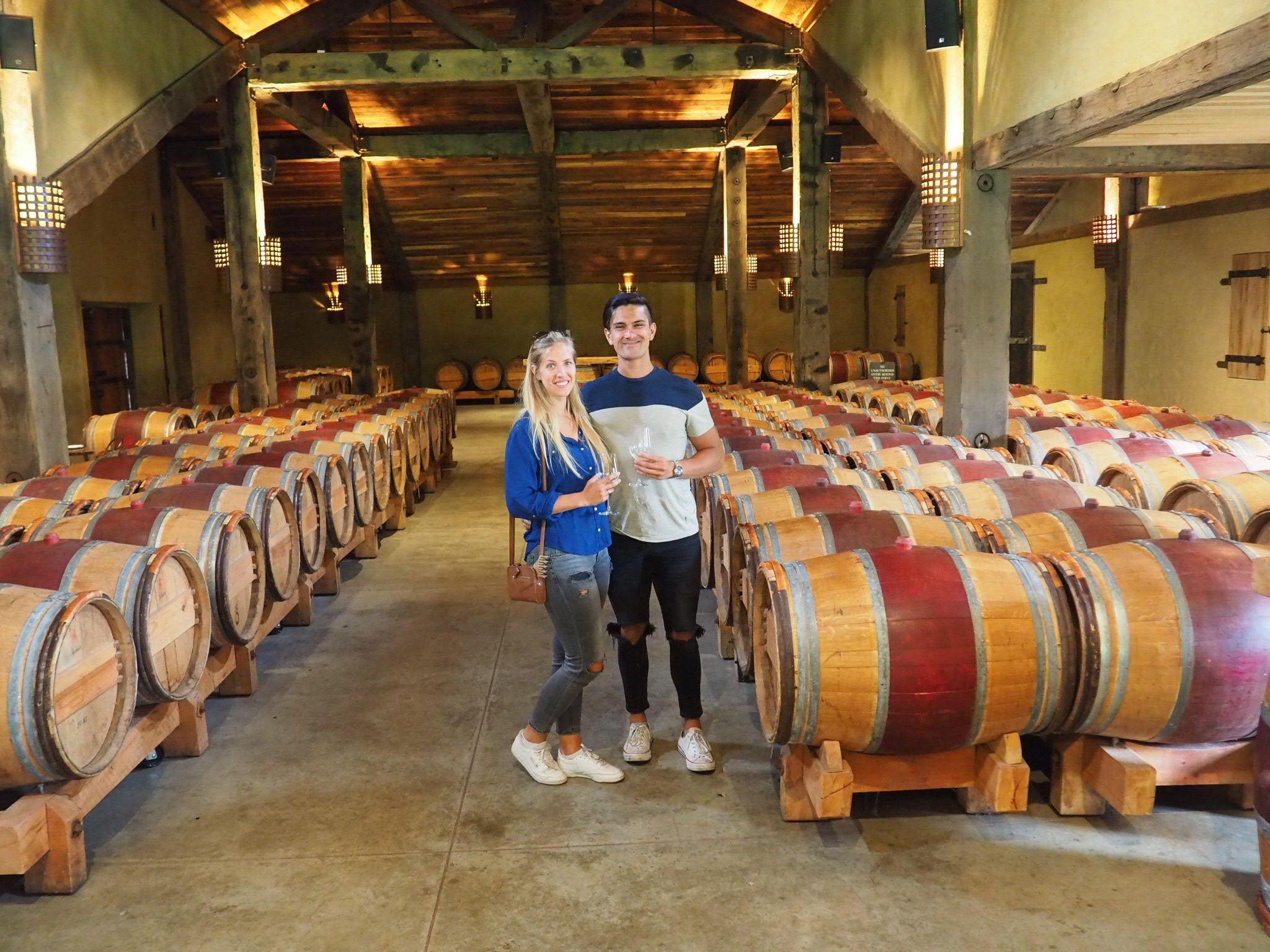
Hawke’s Bay was where we experienced our first New Zealand wine tasting and even after visiting many markets during our year in New Zealand, the Hawke’s Bay Farmers Market still stayed with us. If you can time your visit for a Sunday morning, it is well worth planning around. Between the fresh produce, local food, hot coffee and relaxed weekend atmosphere, it is a great place to slow down and restock your campervan with real, local ingredients.
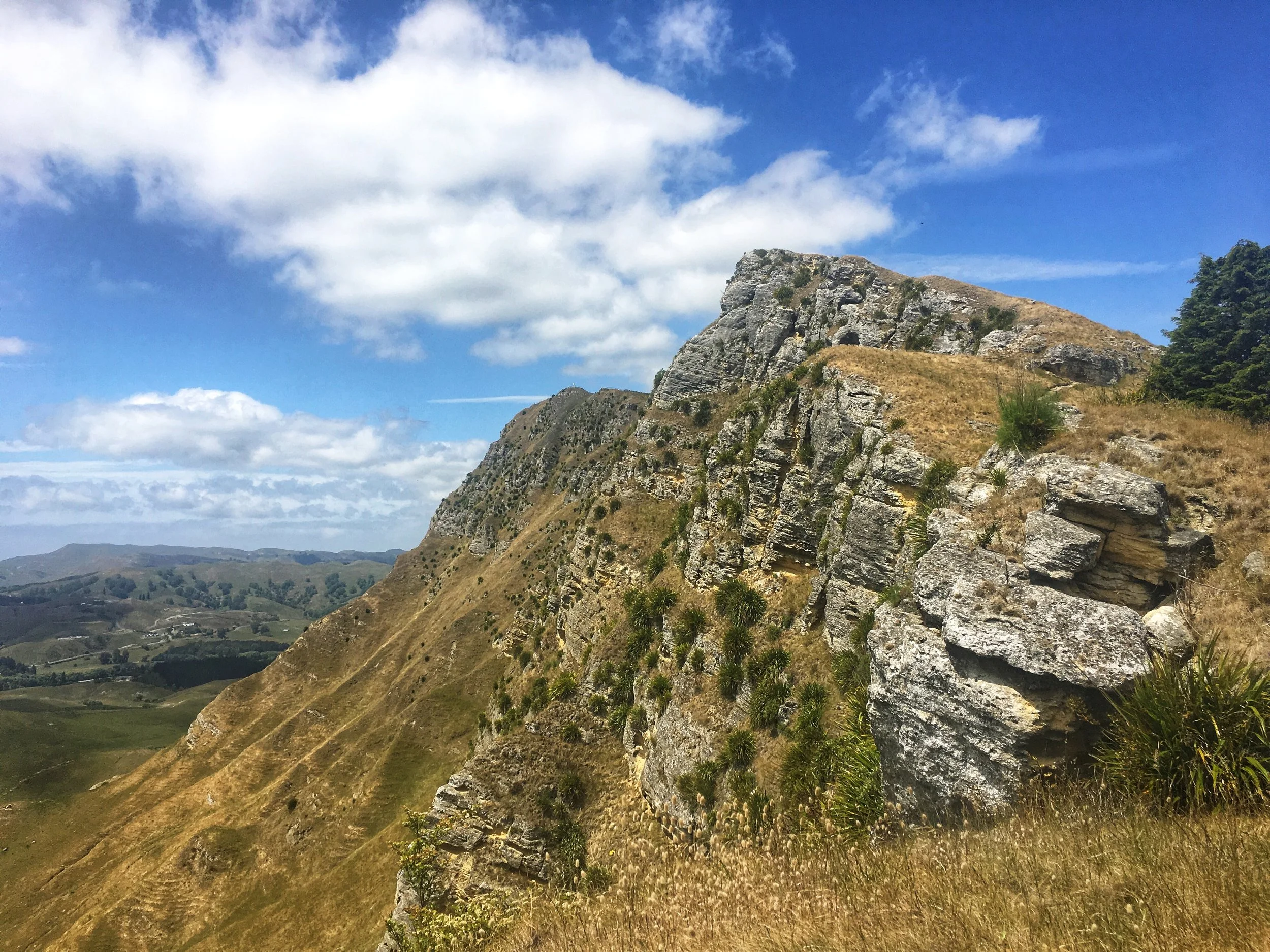
For a panoramic view over the region, drive or hike up to Te Mata Peak. From the ridgeline, you get wide views over vineyards, orchards, farmland and the distant blue curve of the Pacific. Hawke’s Bay is also a great region for cycling, with easy trails connecting wineries, coast, small towns and food stops.
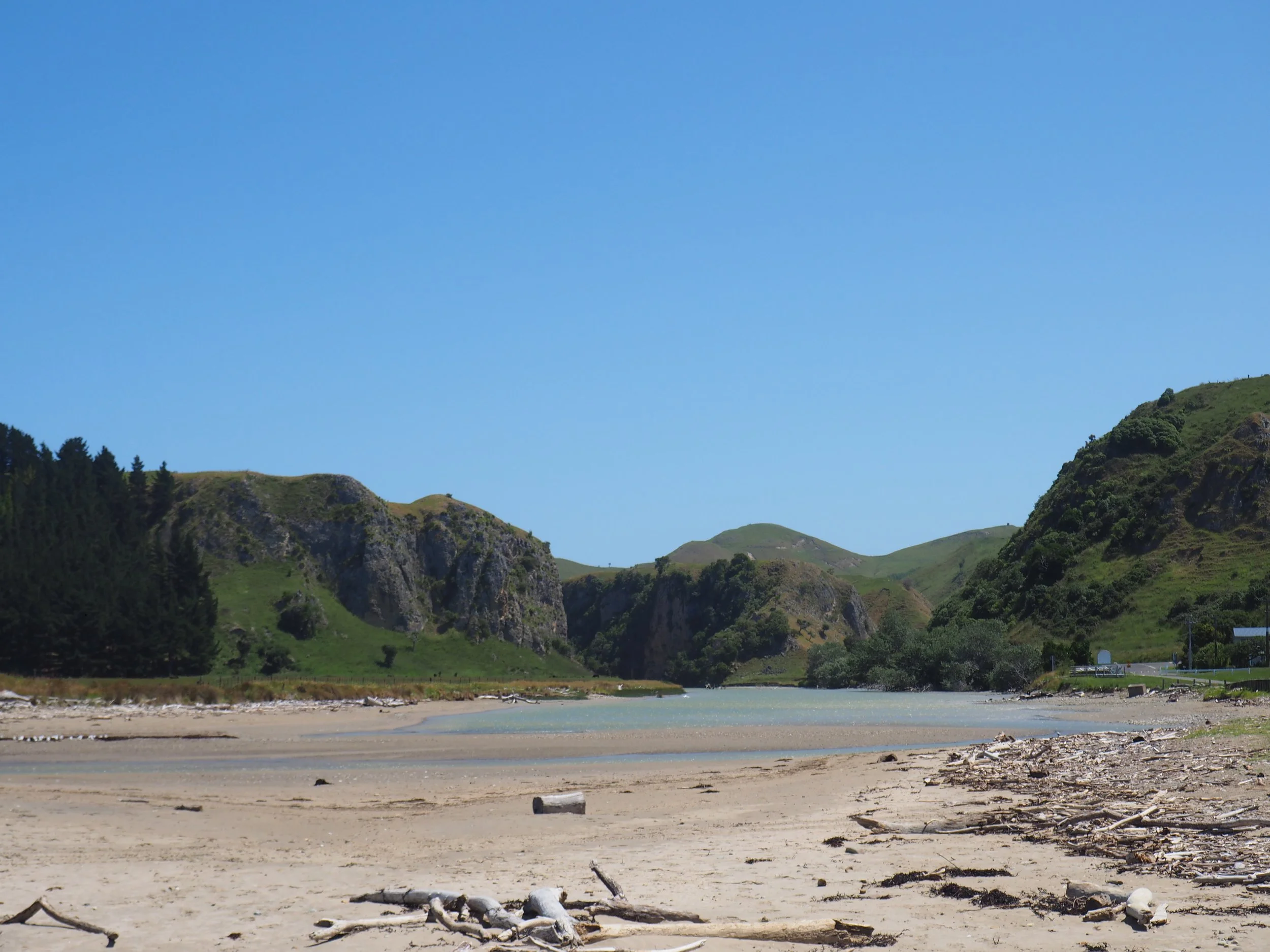
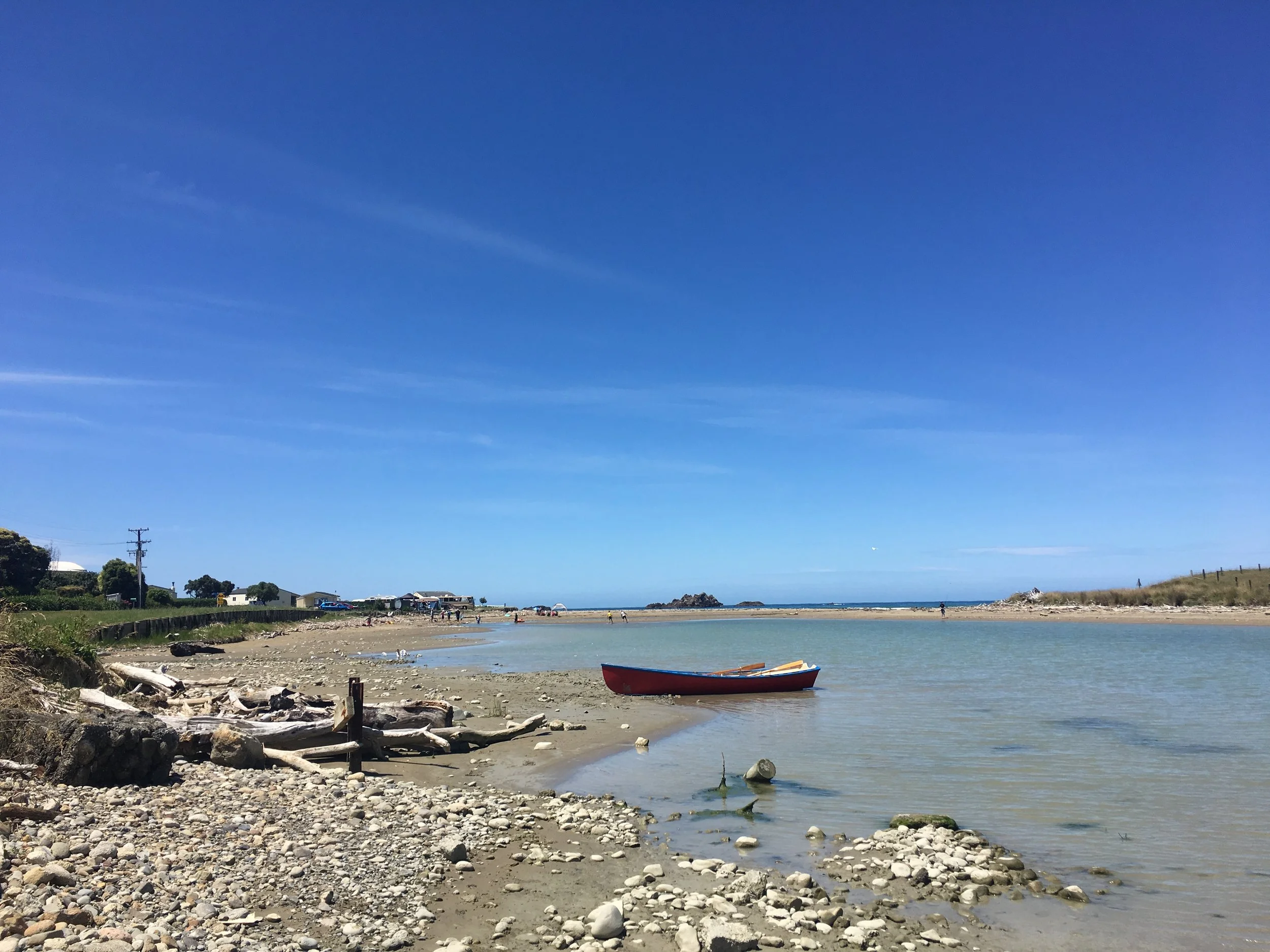

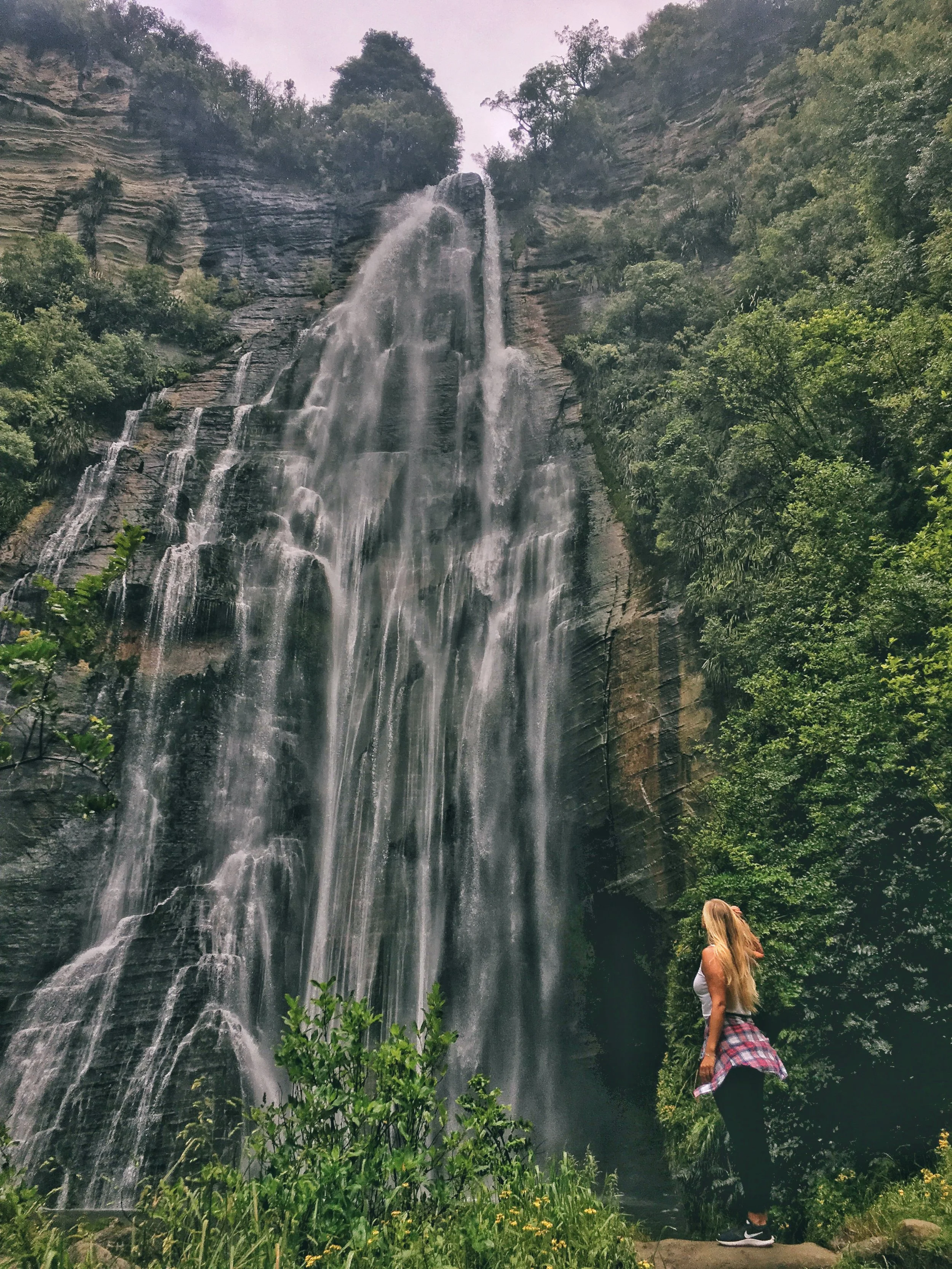
If you want a nature detour, Maraetotara Falls is good for a shaded freshwater swim, while Shine Falls makes a more dramatic side trip farther north. Cape Kidnappers / Te Kauwae-a-Māui is another worthwhile option if you are interested in the gannet colony, but check current access before you go, as walking routes can be affected by weather, tides and landslide risk.
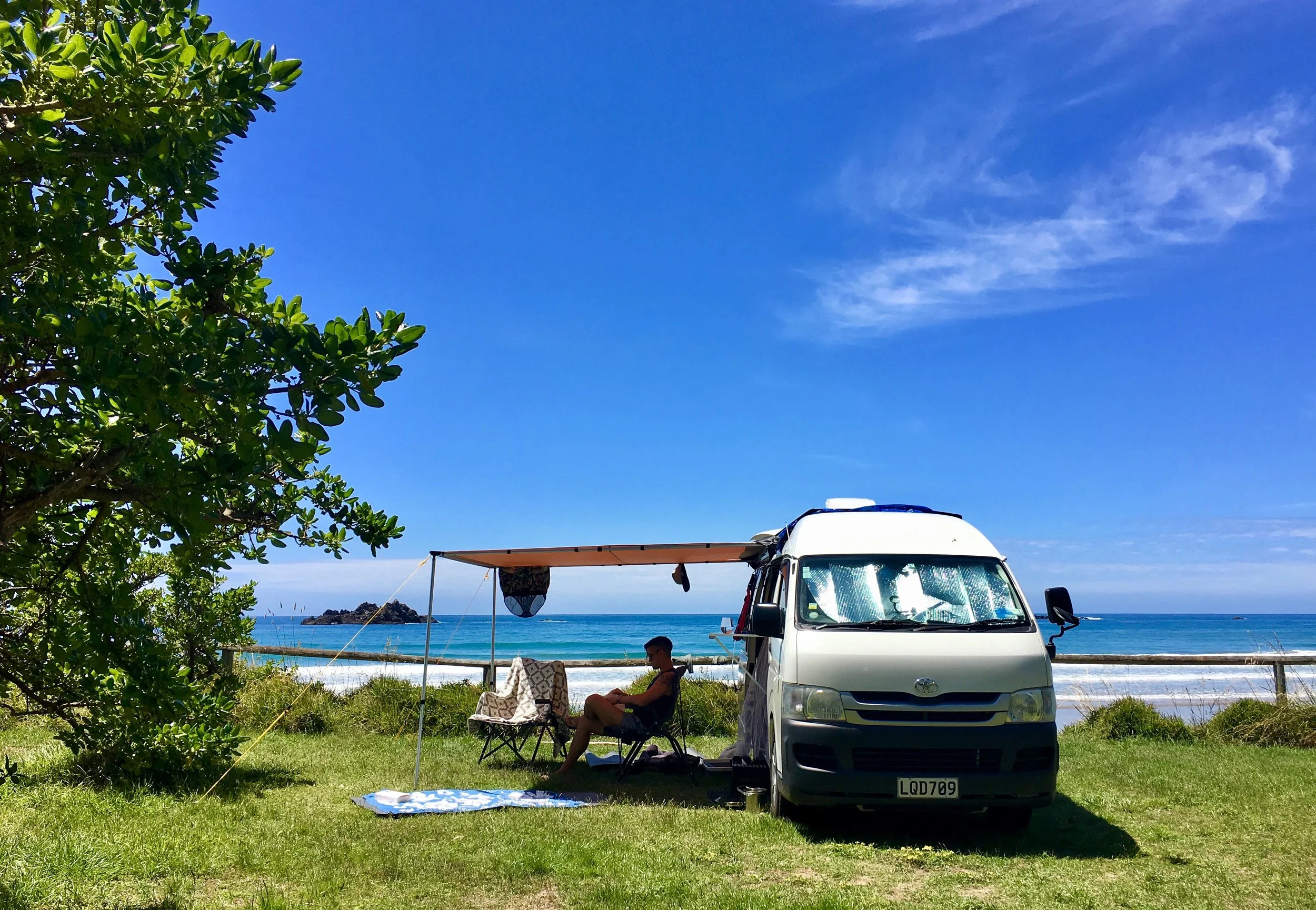
If you have extra time, Kairakau Beach is worth considering as a slower campervan stop away from the main towns. It was the first beach campsite we stayed at when we began travelling in our van and it remains one of our most nostalgic memories from the trip. You do not need to force it into a tighter itinerary, but it is a beautiful place to park up if you have a few days to spare.
Suggested time: 2–4 days
Best for: Wine tastings, farmers markets, Art Deco architecture, local food, panoramic viewpoints and relaxed travel days
Main stops: Napier, Hastings, Hawke’s Bay Farmers Market, wineries and Te Mata Peak
Optional additions: Kairakau Beach, Maraetotara Falls, Shine Falls, Cape Kidnappers, winery cycling or extra vineyard time
Good to know: Try to plan your visit around the Sunday morning farmers market and check access conditions before visiting Cape Kidnappers.
Stop 6: Taupō, Rotorua and Hobbiton
From Hawke’s Bay, the highway turns inland toward the volcanic heart of the North Island. This is where the landscape shifts from vineyards and coastlines to lake views, geothermal valleys and rugged volcanic peaks. It is a region packed with some of New Zealand’s most famous natural features.
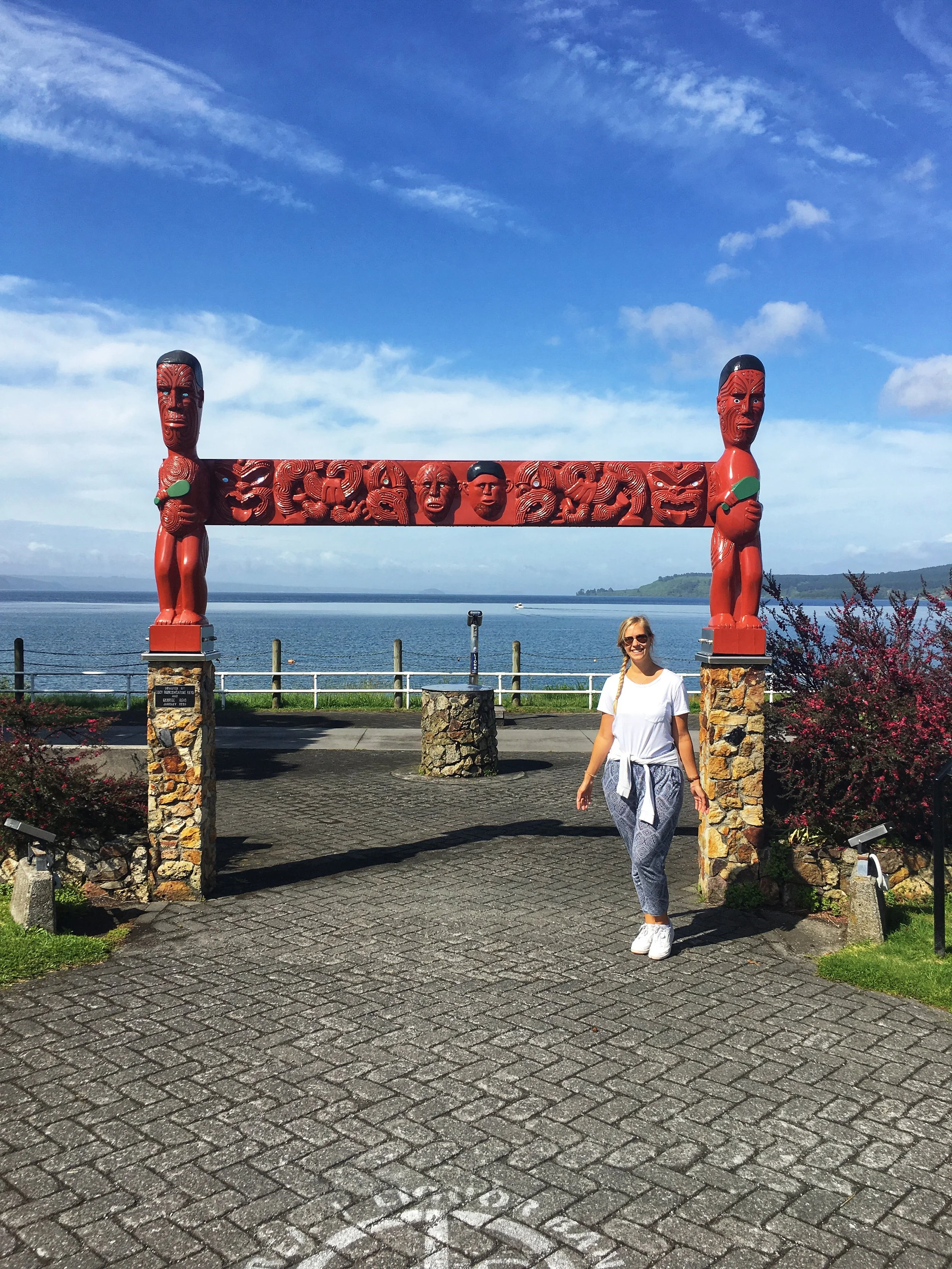
Taupō is an excellent base for this central section. The town sits right on the edge of Lake Taupō, New Zealand’s largest lake and has a laid-back, outdoorsy energy. Taupō was also where we finished building out our campervan, Wallace, and where it finally became road-trip ready. Because of that, it will always feel like the place where our journey properly began.
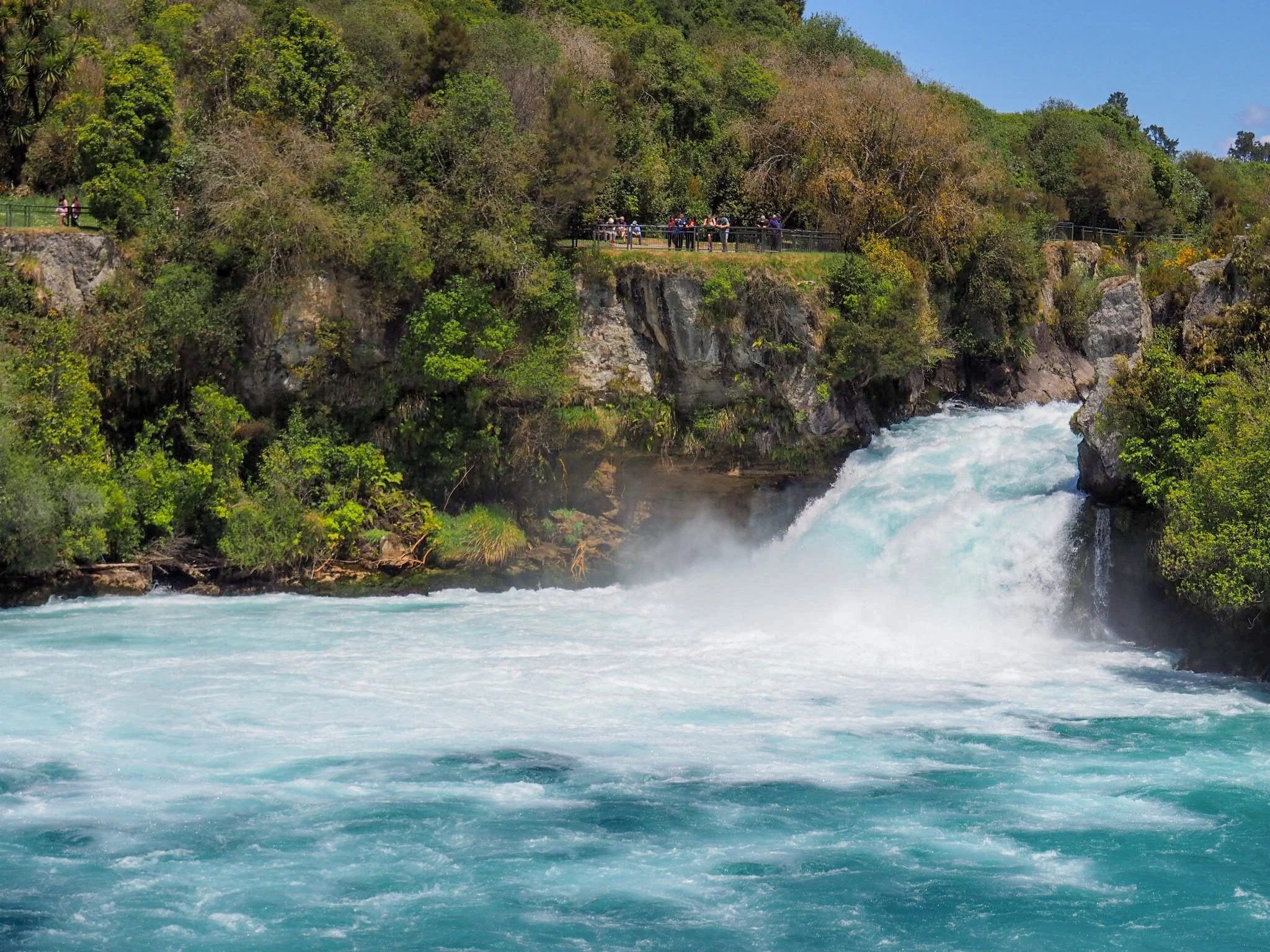
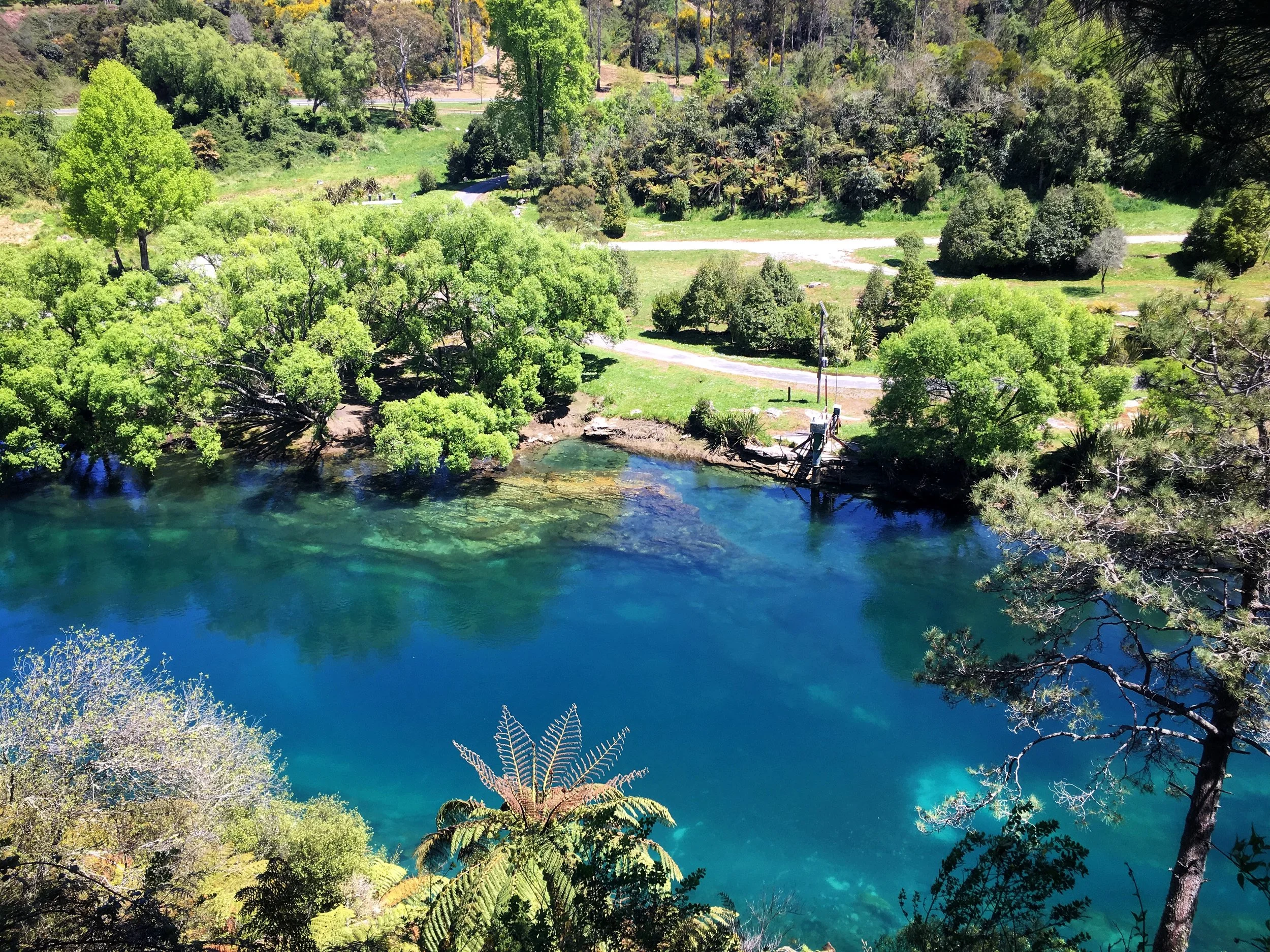
Even with just a couple of nights here, you can cover a lot without rushing. Huka Falls draws most people first, where the bright blue Waikato River squeezes through a narrow rock chasm with incredible force. From there, a walking track follows the river toward Spa Thermal Park, where you can soak at Otumuheke Stream. If you want a solid uphill hike with wide lake views, Mount Tauhara sits just outside town, while the lakefront itself is perfect for a quieter afternoon reset with laundry, groceries and fuel.
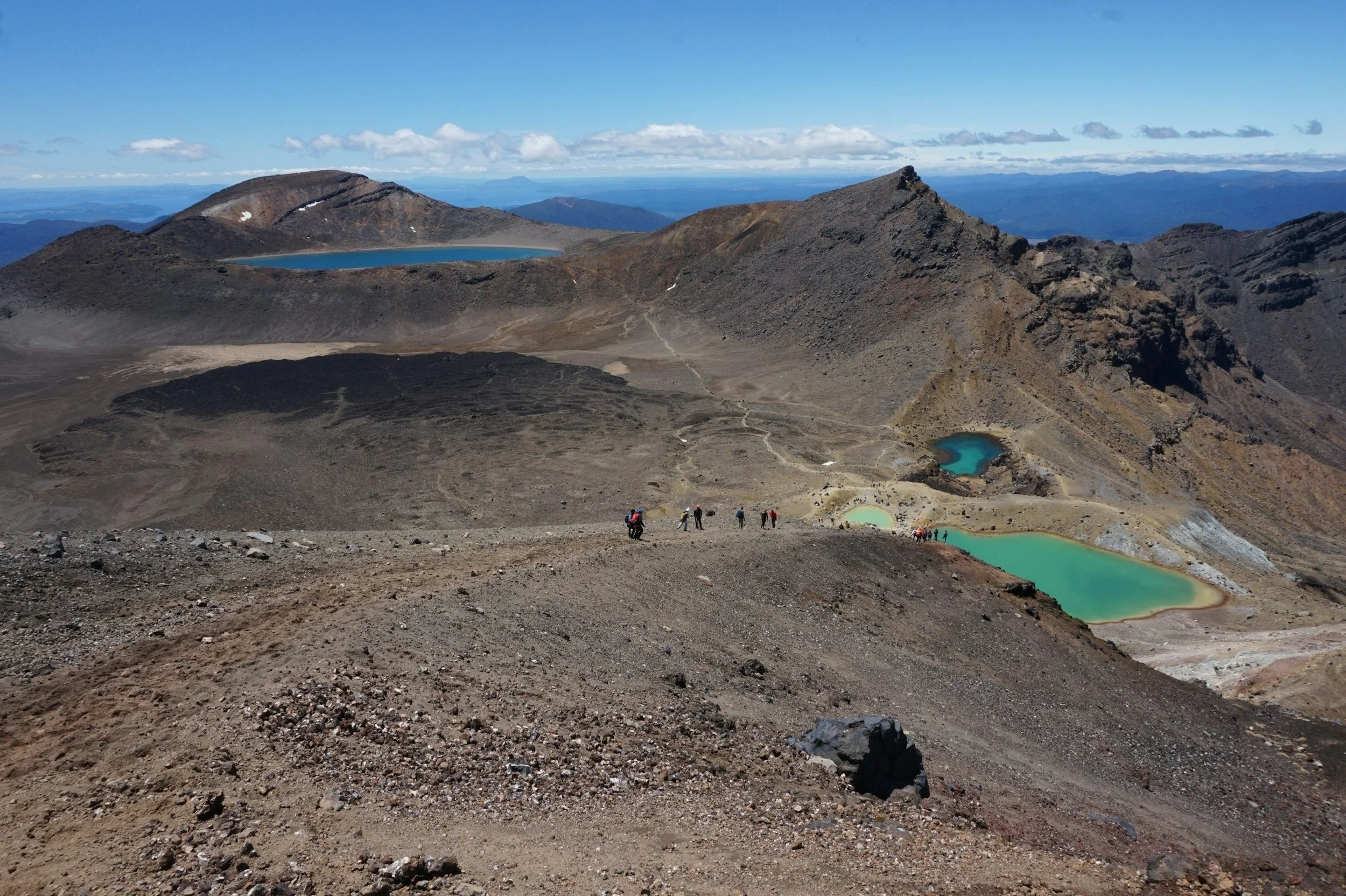
Just south of the lake lies Tongariro National Park, home to the famous Tongariro Alpine Crossing. We had to skip this day hike because of poor weather, which is also an important reminder for van travel: never force an alpine hike if the conditions are not right. The mountains change quickly and it is far better to adjust your itinerary than take unnecessary risks.
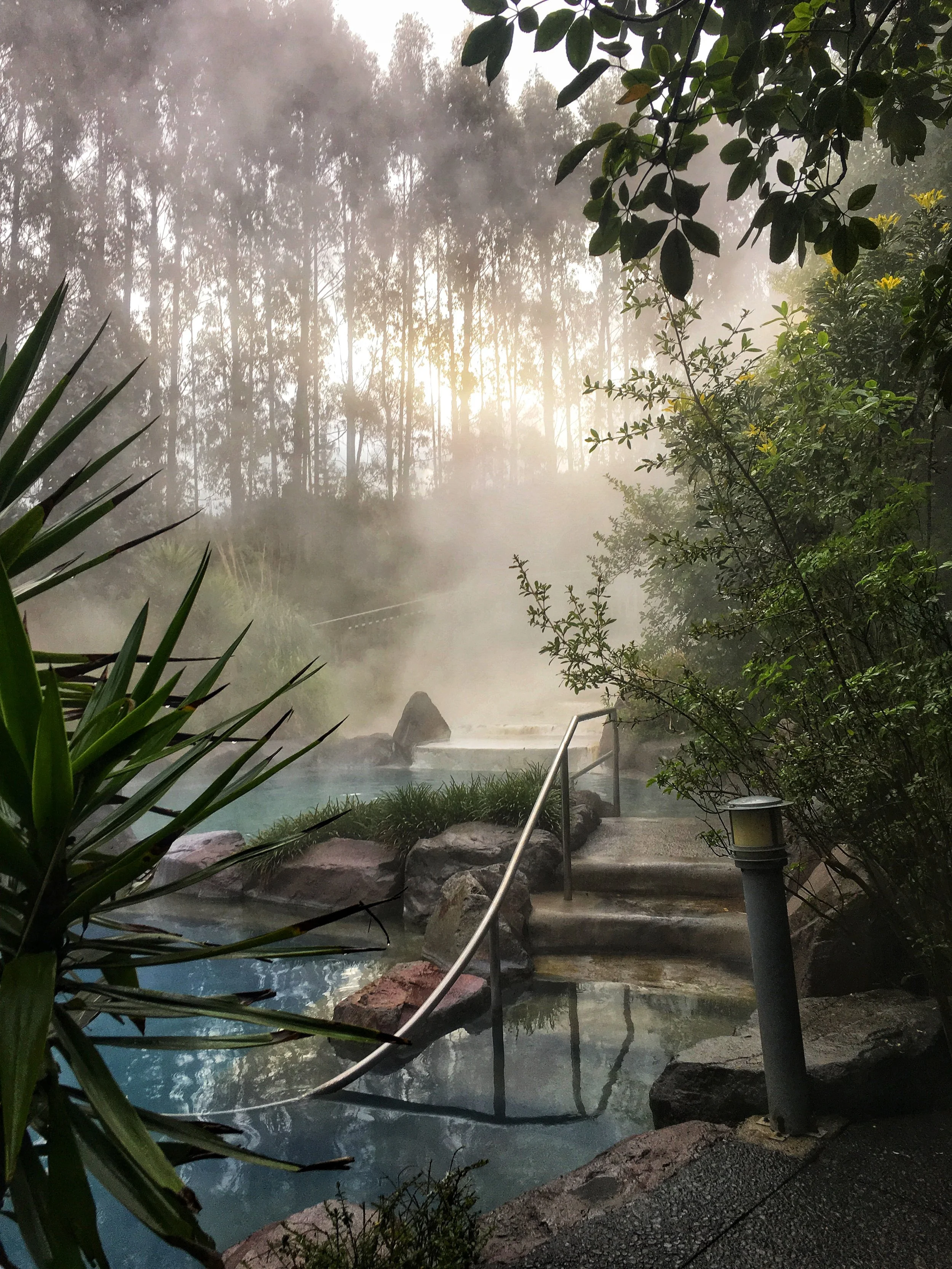
Heading north from Taupō, the unmistakable scent of sulphur signals your arrival in Rotorua. The landscape here is completely different from anywhere else on this route, with steaming vents, bubbling mud pools and natural hot springs. Parts of Rotorua can feel commercialized, but it is absolutely worth including if you choose your activities intentionally. Instead of trying to tick off every paid attraction, pick one main geothermal area, such as Wai-O-Tapu, walk through the towering redwoods in Whakarewarewa Forest and leave time for a hot pool or lake stop. That gives you a good feel for the region’s geothermal landscapes without draining your budget.
Rotorua is also one of the best places on the North Island to learn more about Māori culture through a guided cultural experience, performance or hāngī dinner. As with the geothermal attractions, I would choose carefully rather than trying to do everything.
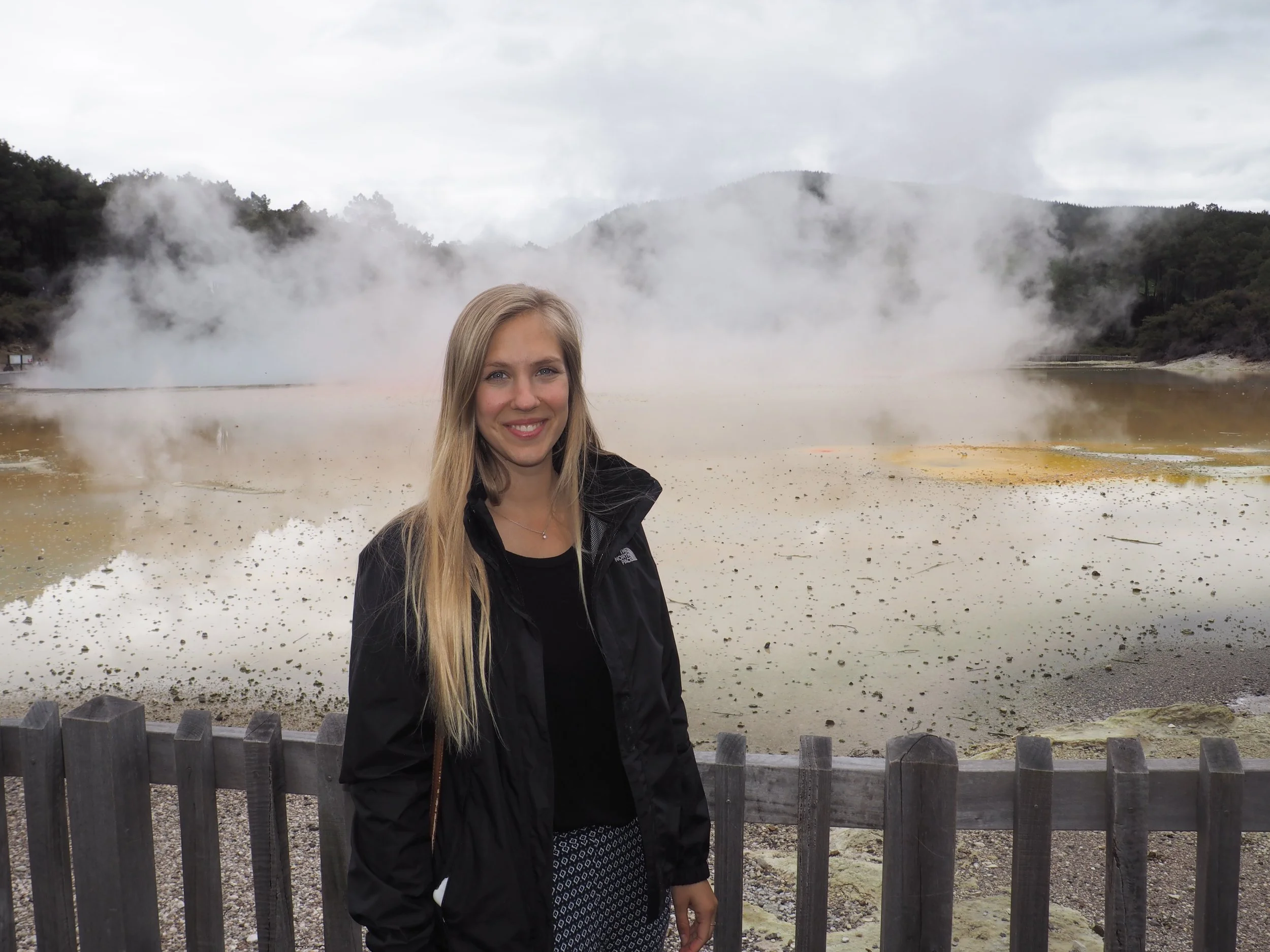
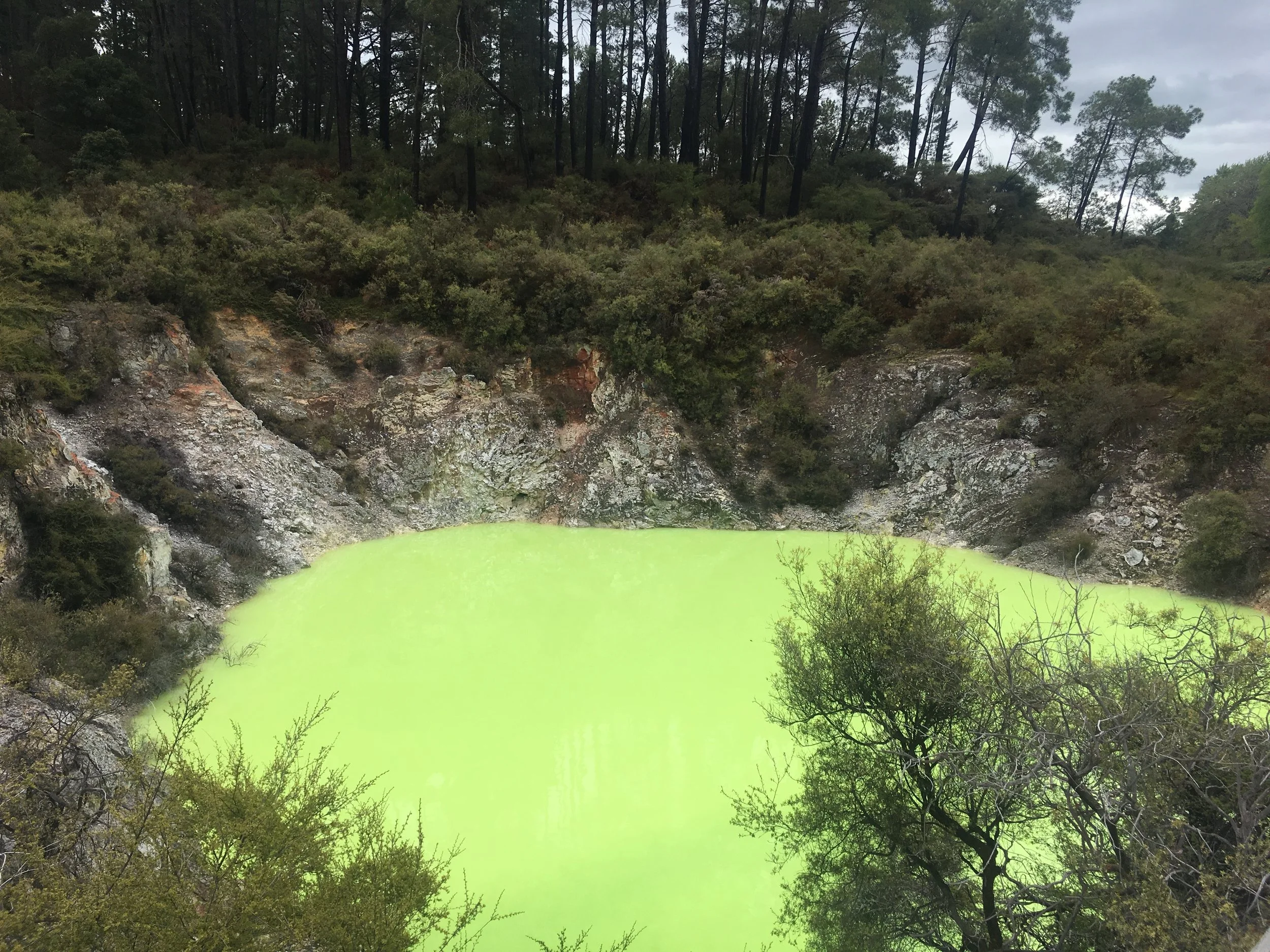
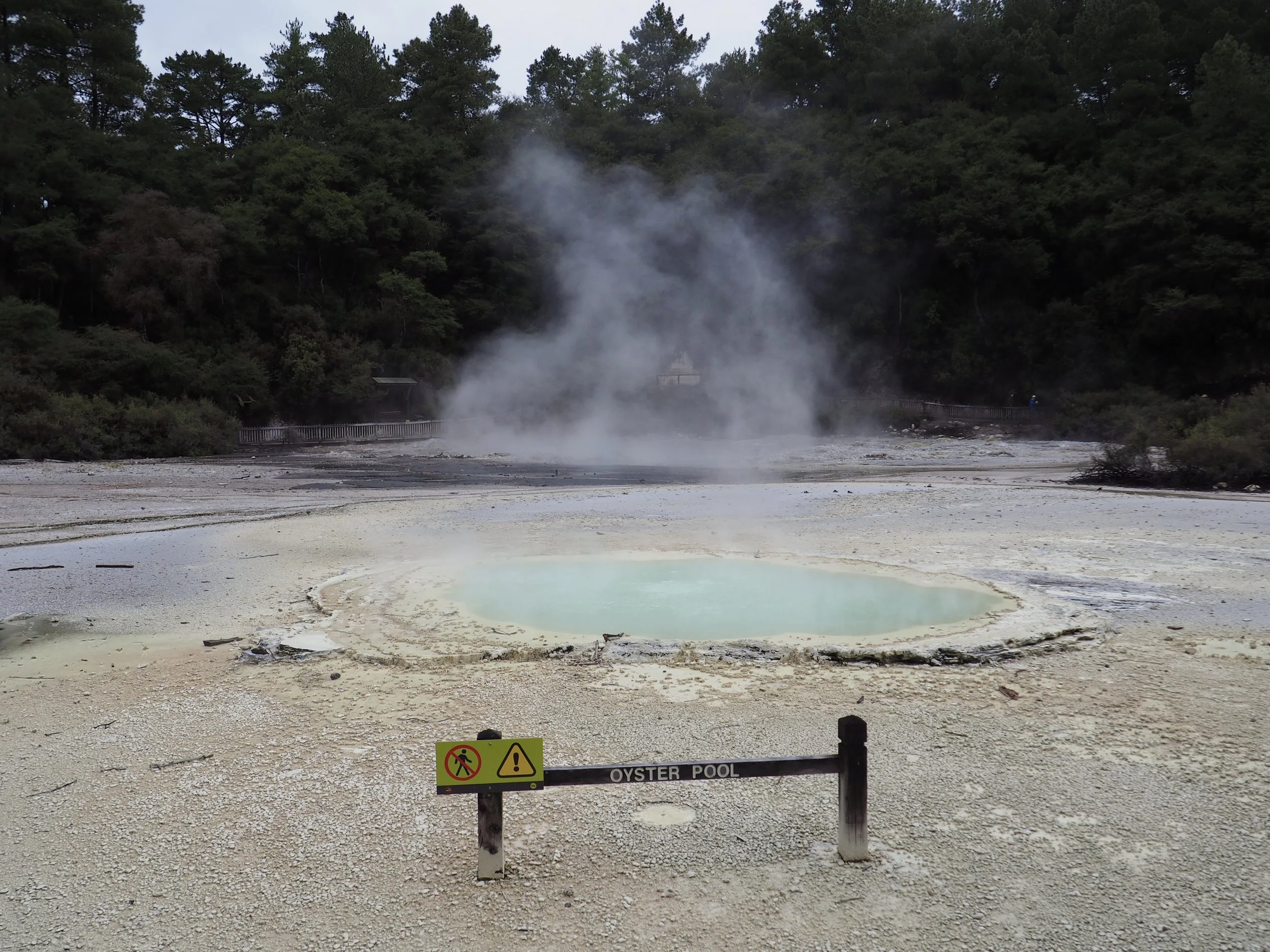
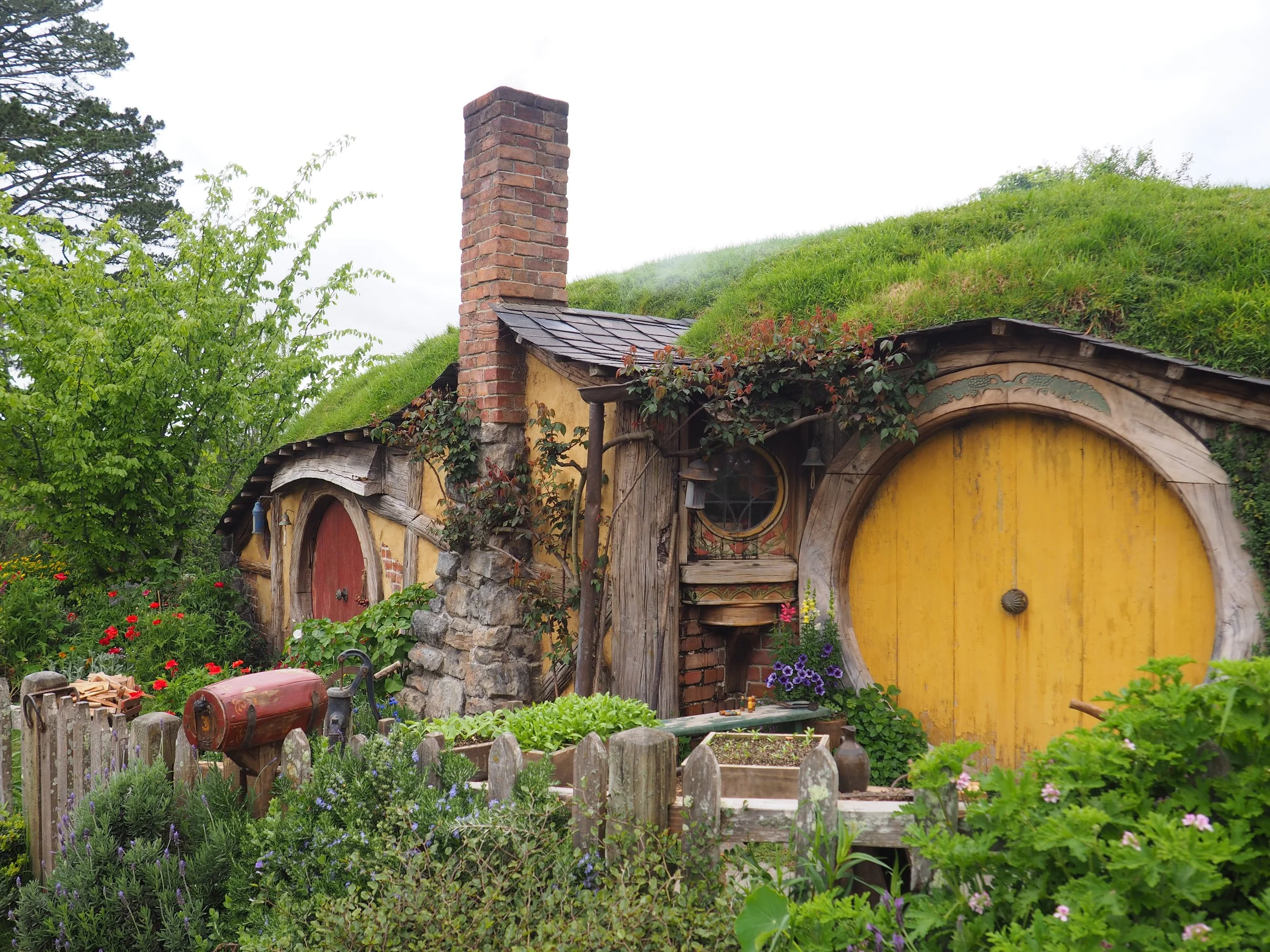
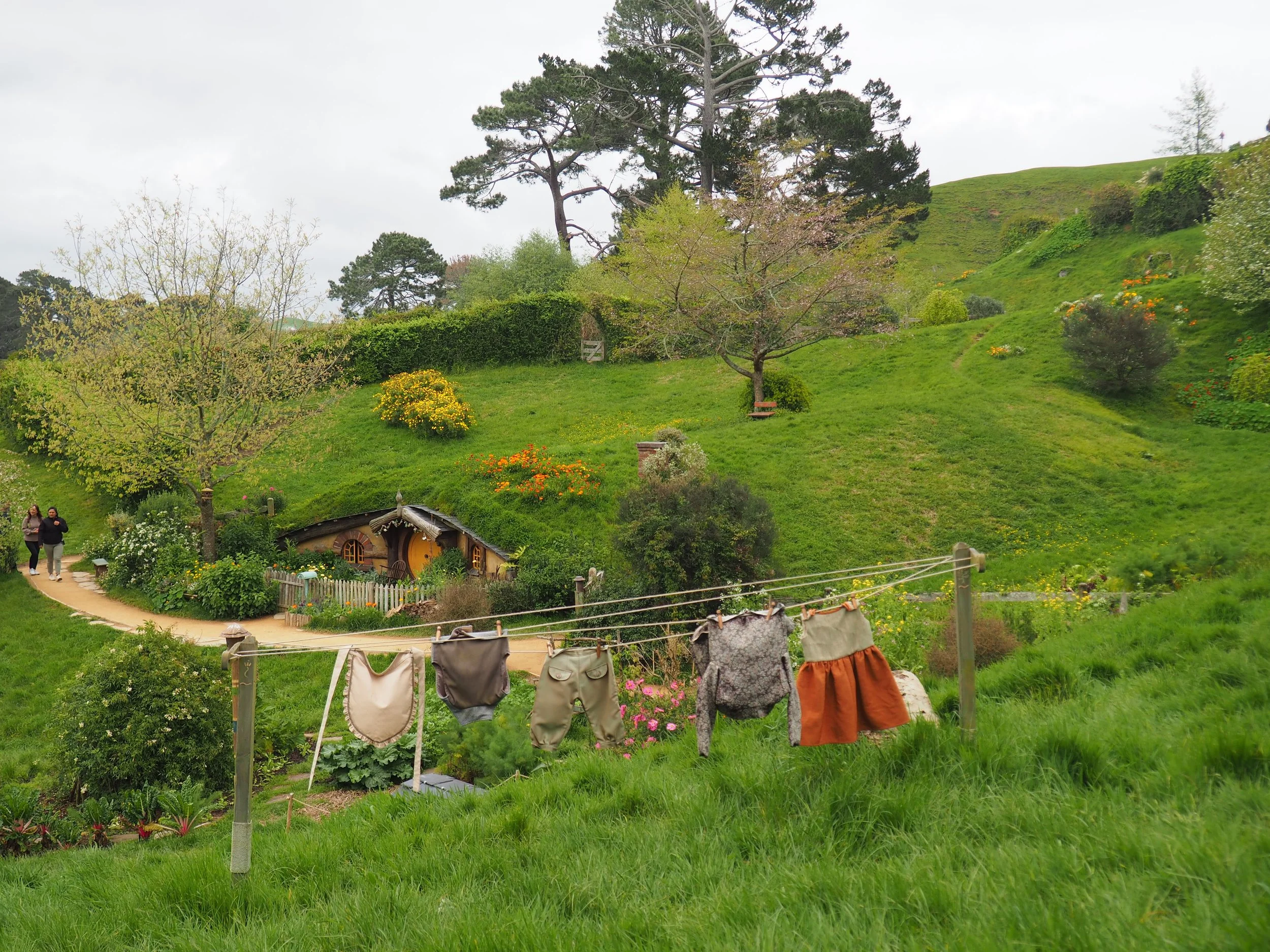
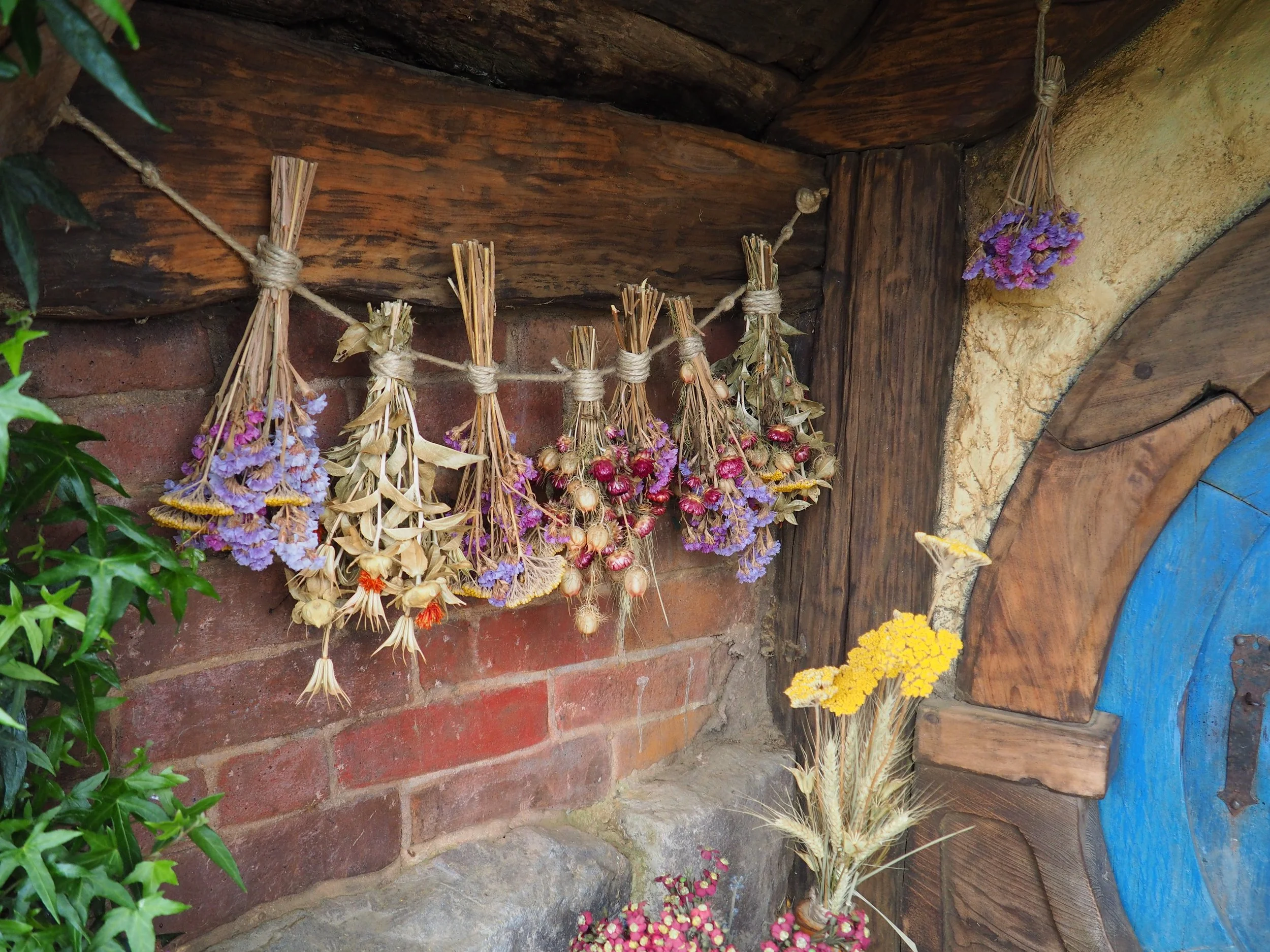
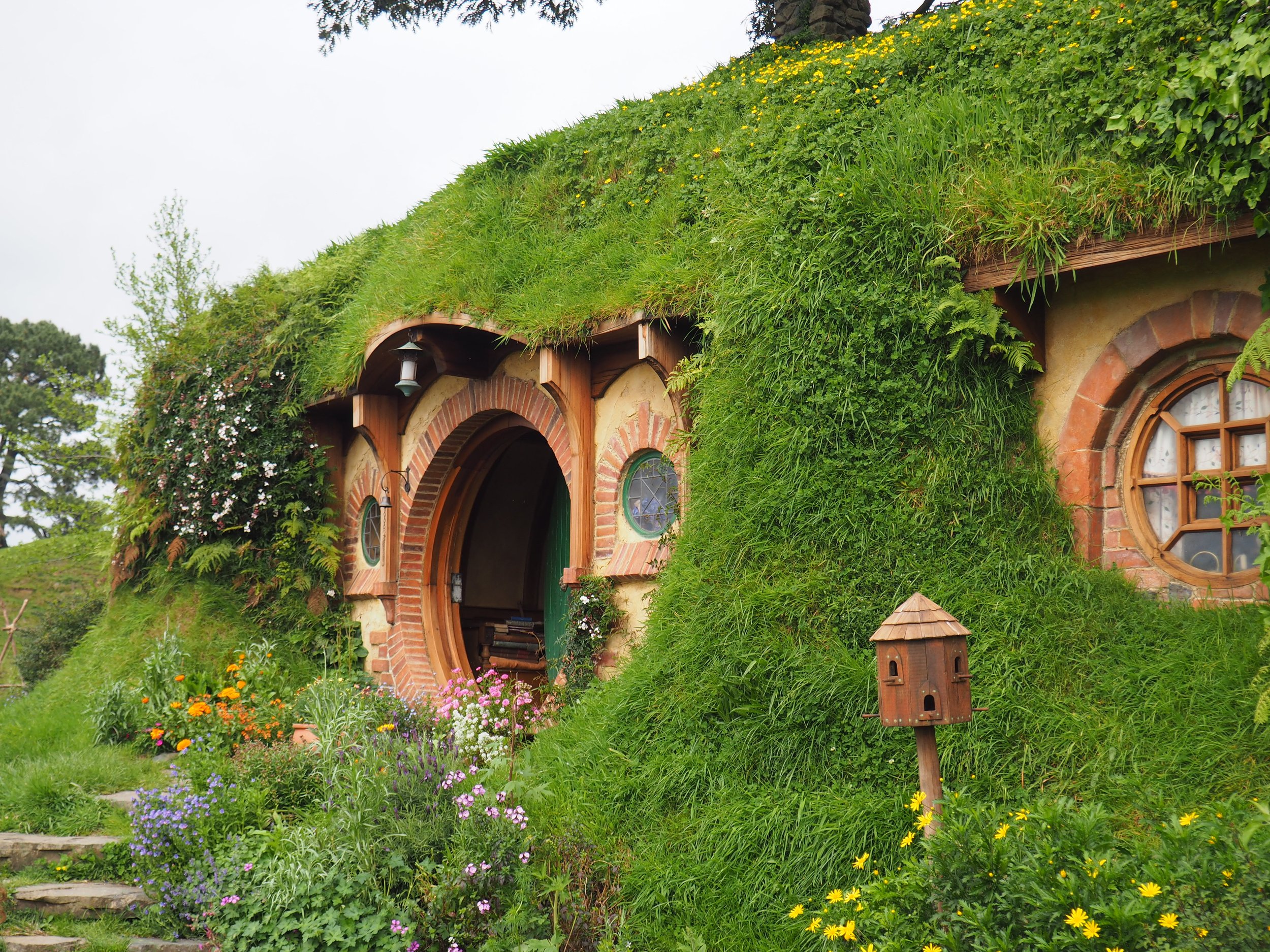
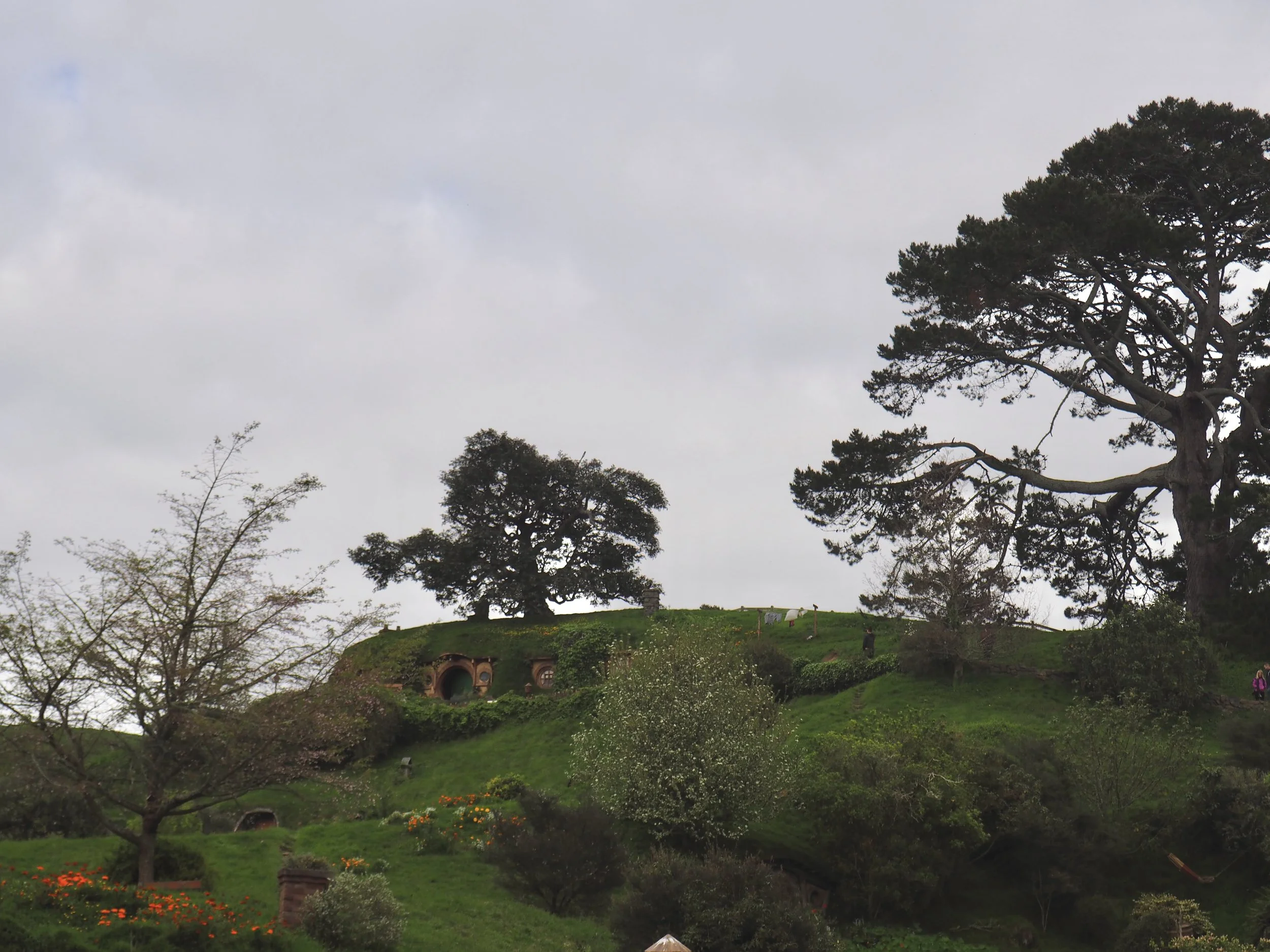
Hobbiton makes a logical half-day stop as you drive from Rotorua toward Waitomo. Yes, it is touristy, but the attention to detail on the movie set is genuinely impressive. Even if you are not a die-hard Lord of the Rings fan, walking through the rolling green hills of the Shire is a memorable experience that fits easily into this part of the route.
Because this central hub is packed with well-known activities, it is easy to overload your schedule. The best way to experience it is to choose a few highlights and protect time for the quieter moments: a lakeside coffee, a free hot stream soak or a clear evening view across the water after the weather finally shifts.
Suggested time: 5–7 days
Best for: Geothermal landscapes, lake views, hot pools, volcanic scenery and practical campervan resets
Main stops: Taupō, Huka Falls, Otumuheke Stream, Rotorua, Whakarewarewa Forest / Redwoods and Hobbiton
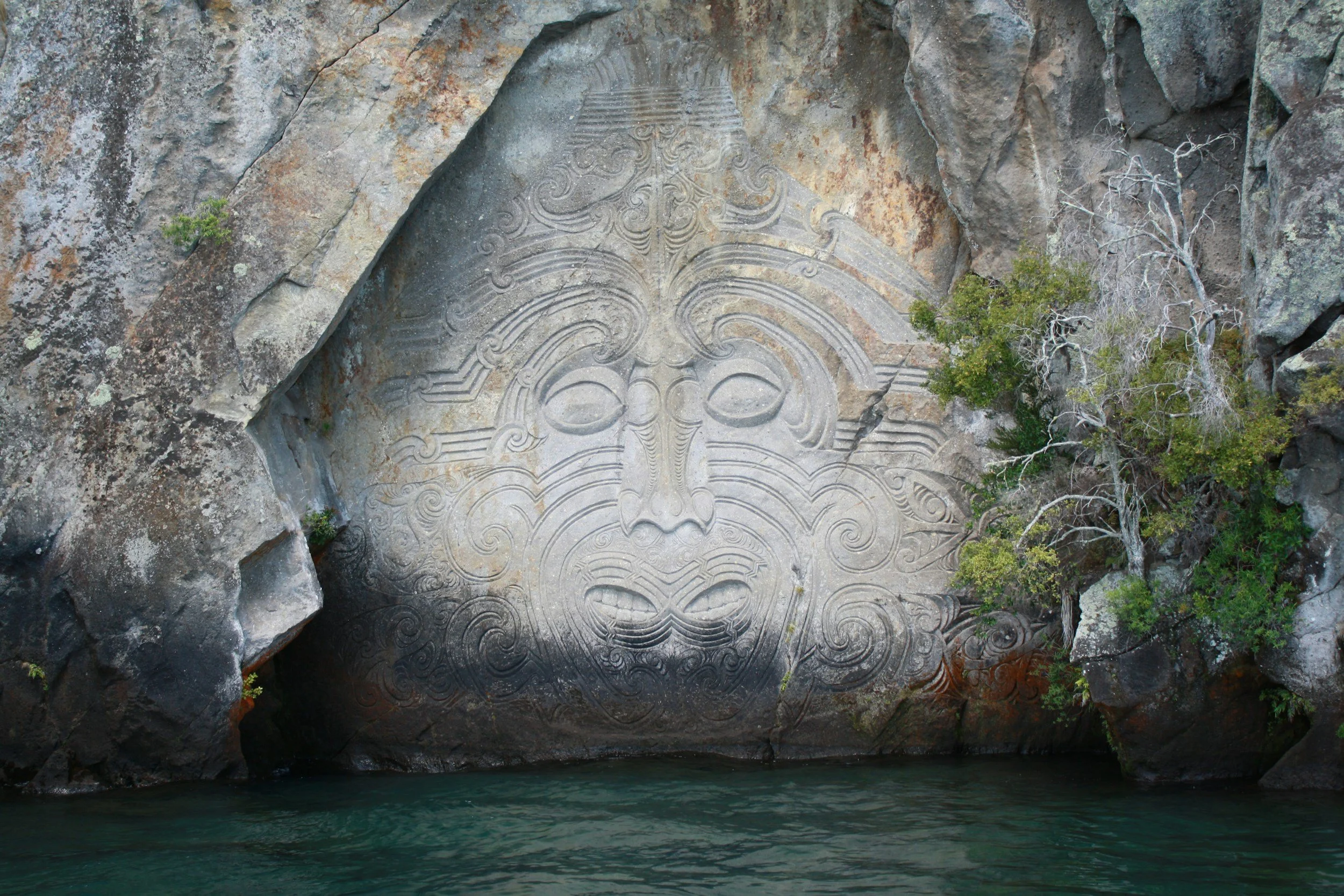
Optional additions: Tongariro Alpine Crossing, Mine Bay Māori Rock Carvings, Wairakei Terraces, Wai-O-Tapu, Kuirau Park, a Māori cultural experience, Mount Tauhara, extra hot pools or more lake stops
Good to know: Rotorua and Taupō have a lot of paid activities, so choose the ones that interest you most and leave breathing room for weather shifts, rest and simple outdoor time.

Stop 7: Waitomo and the road toward Taranaki
Leaving the central lakes behind, the route heads west toward the limestone hills of Waitomo before continuing toward the Taranaki coast. This pocket of the island might look small on the map, but it introduces a completely different landscape: caves, underground rivers, glowworms and quiet rural roads.
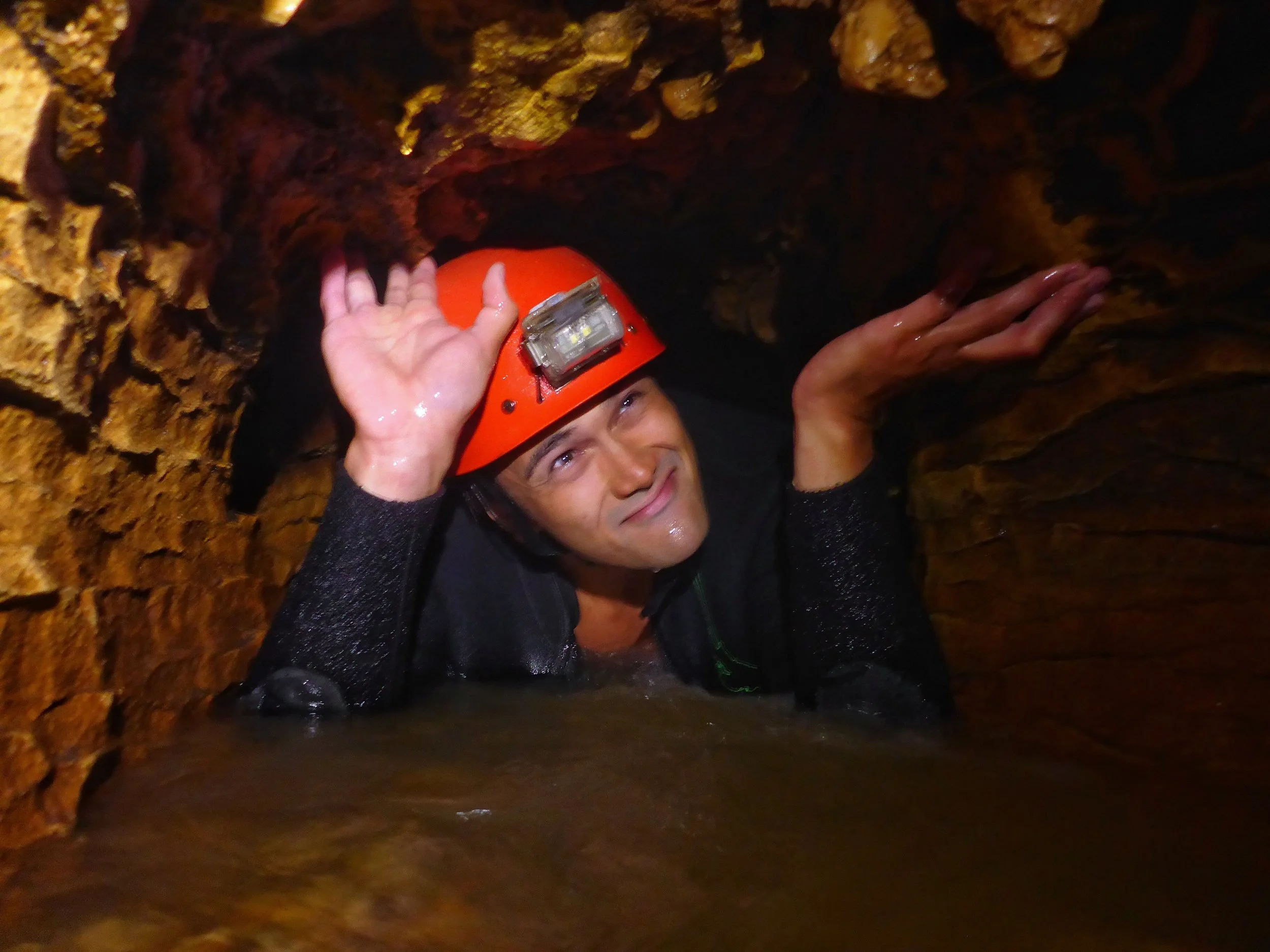
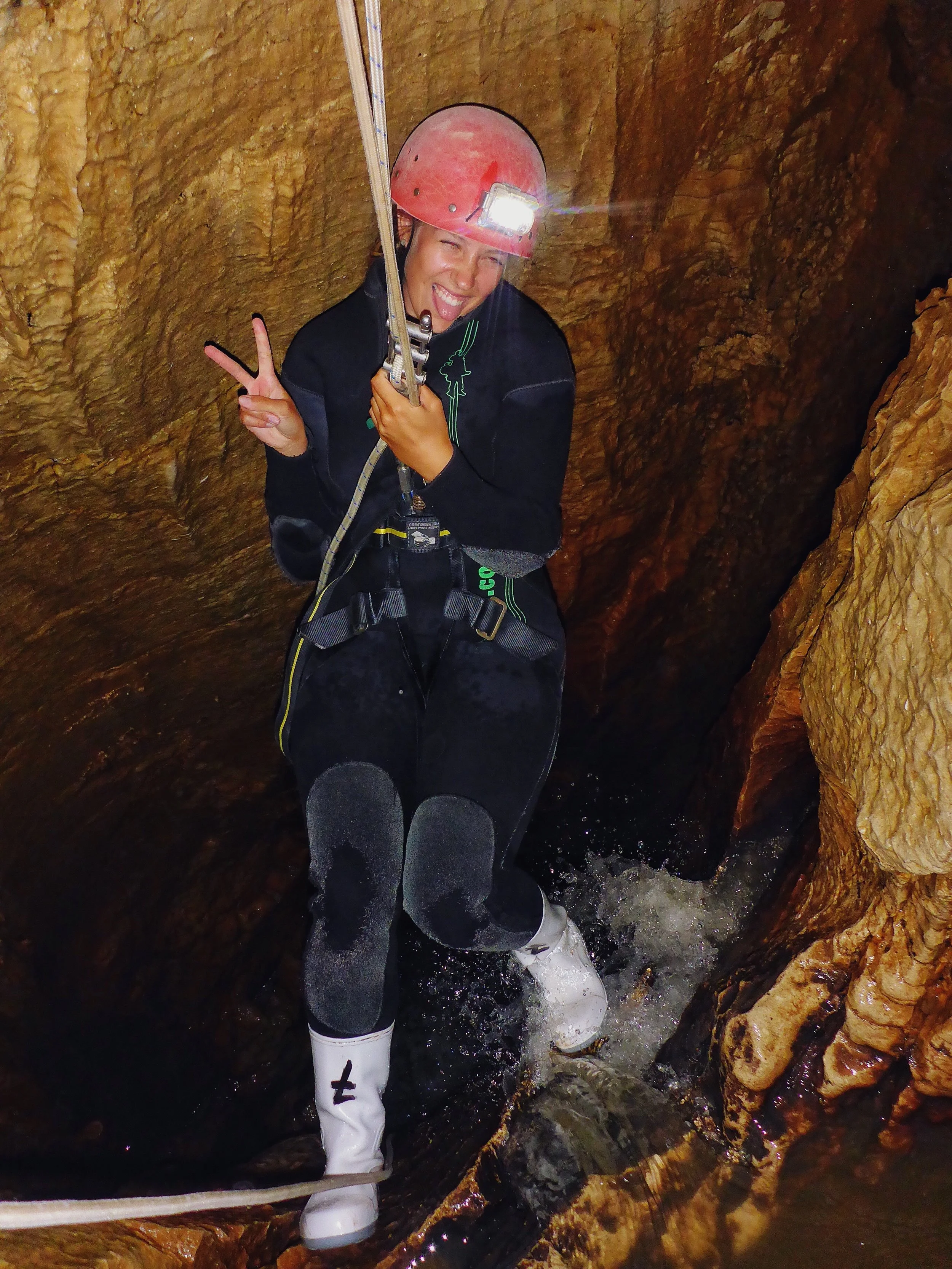
The caves are the main reason to stop here. You can keep it simple with a walking and boat tour, but Waitomo is also known for more adventurous black-water rafting and guided caving experiences. We chose a guided caving tour, which pushed us slightly outside our comfort zone but was completely worth it. Moving through narrow cave passages, floating through dark underground water and looking up at glowworms above us made it feel like a real adventure rather than a quick roadside stop.
Above ground, there are several easy nature stops around Waitomo. Mangapohue Natural Bridge takes you through a limestone gorge beneath a natural arch, while Marokopa Falls makes a worthwhile waterfall detour farther west. If your route takes you toward Raglan, Bridal Veil Falls / Wairēinga Falls is another beautiful stop, with a short walk to viewpoints over the waterfall.
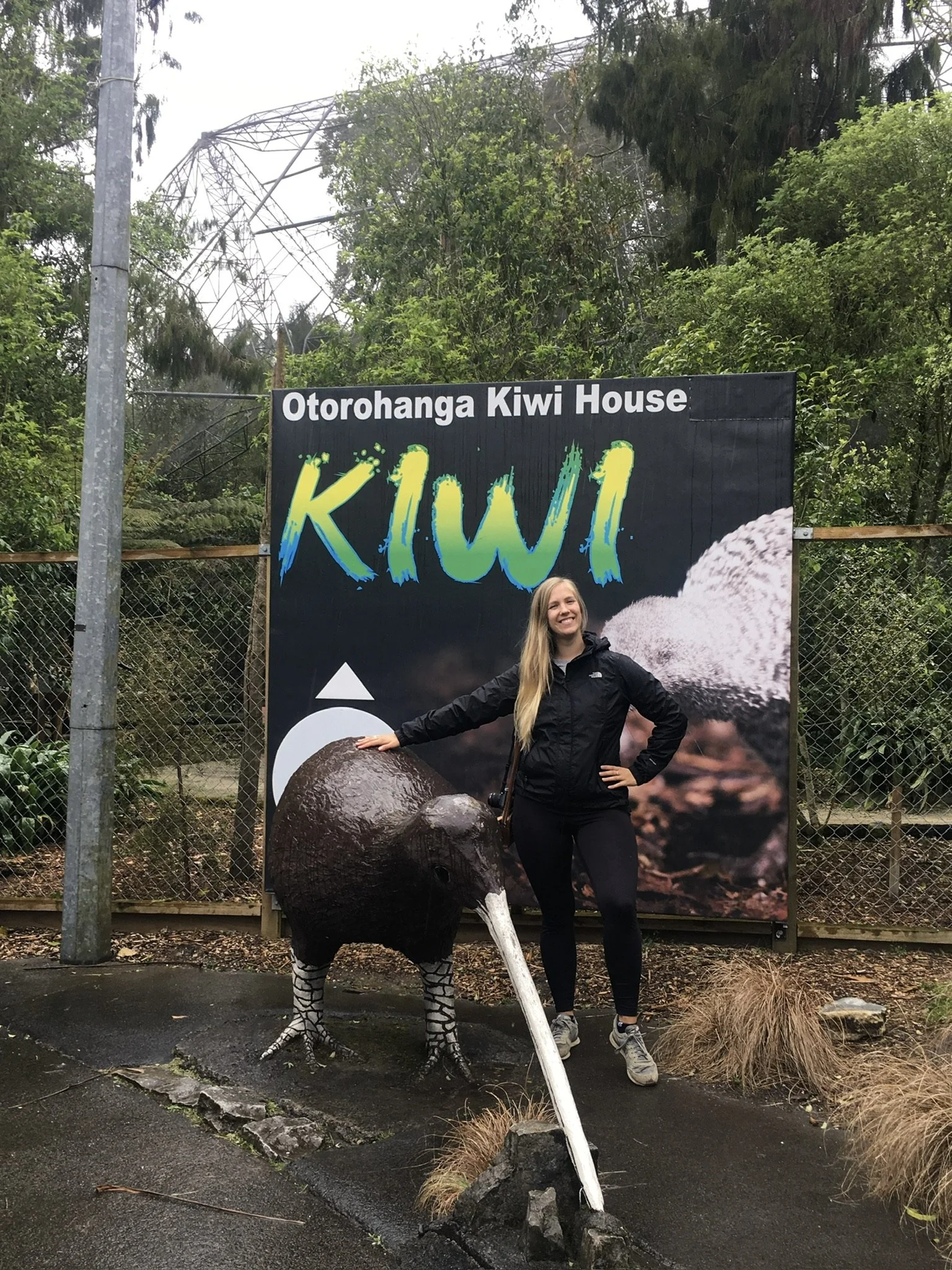
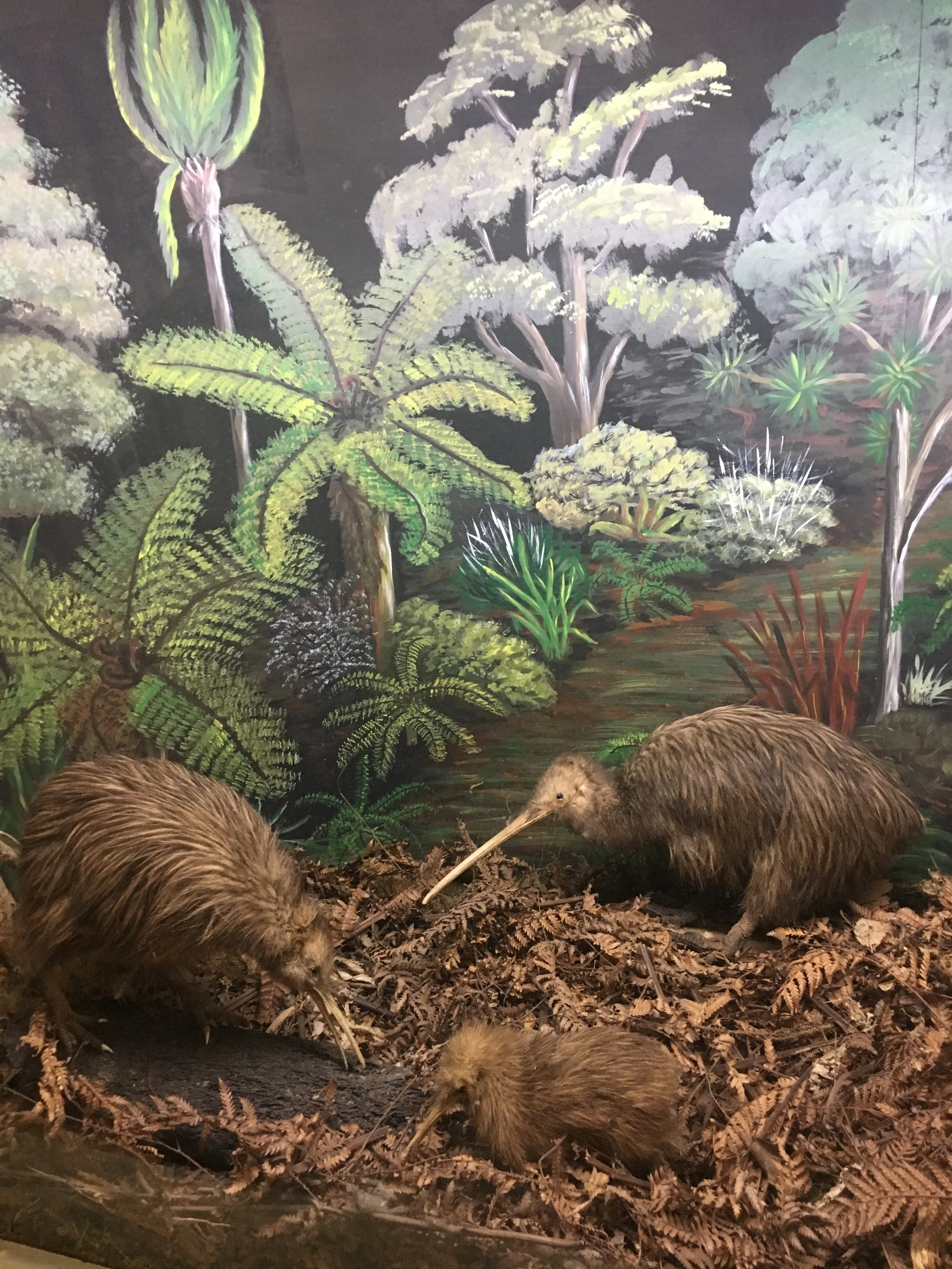
Ōtorohanga Kiwi House is close by and can be worth considering if you would like a better chance of seeing a kiwi up close. Spotting one in the wild takes a huge amount of luck and patience, so a sanctuary visit can be useful, but I would treat it as an optional stop rather than a must-do.
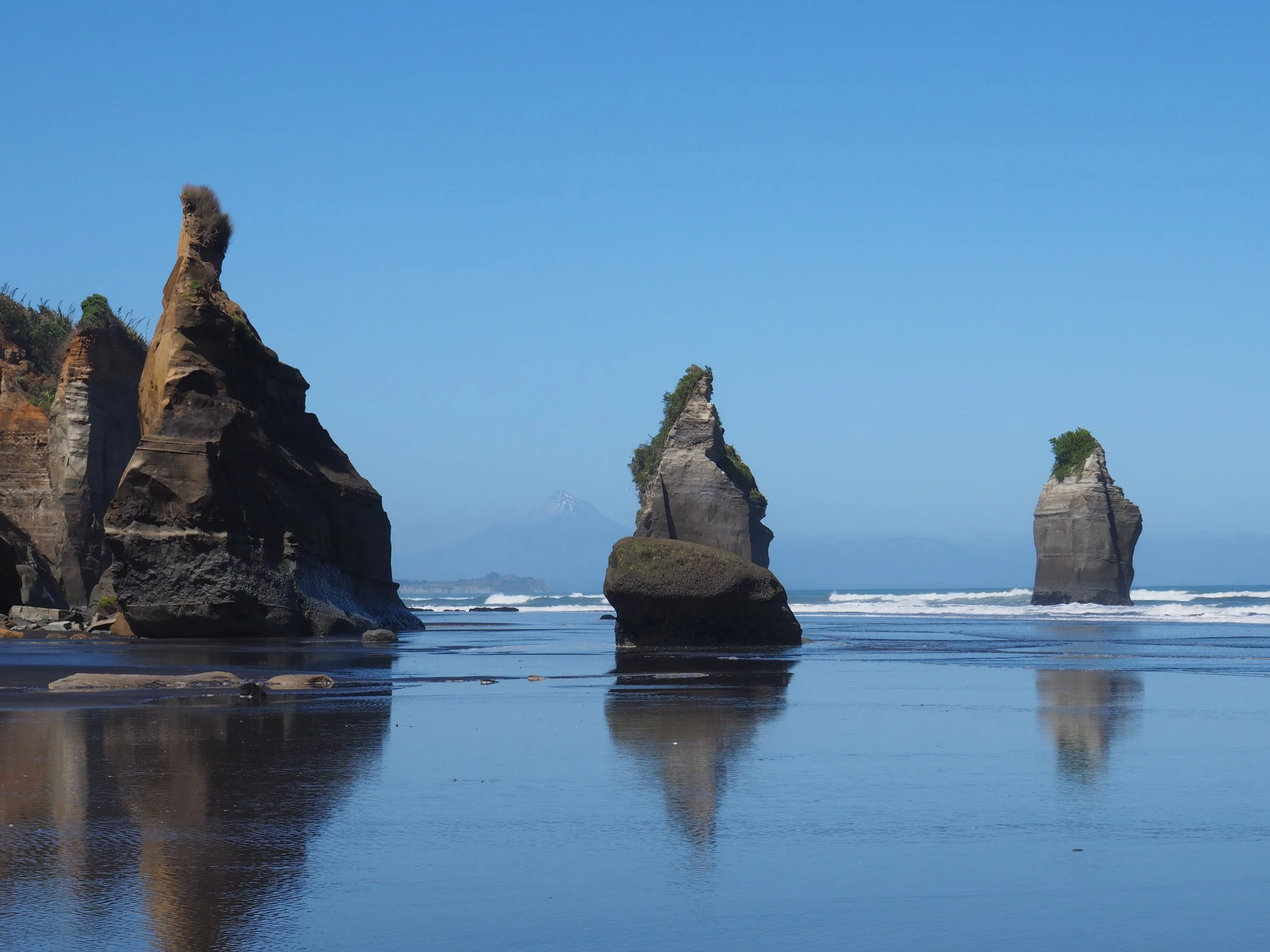
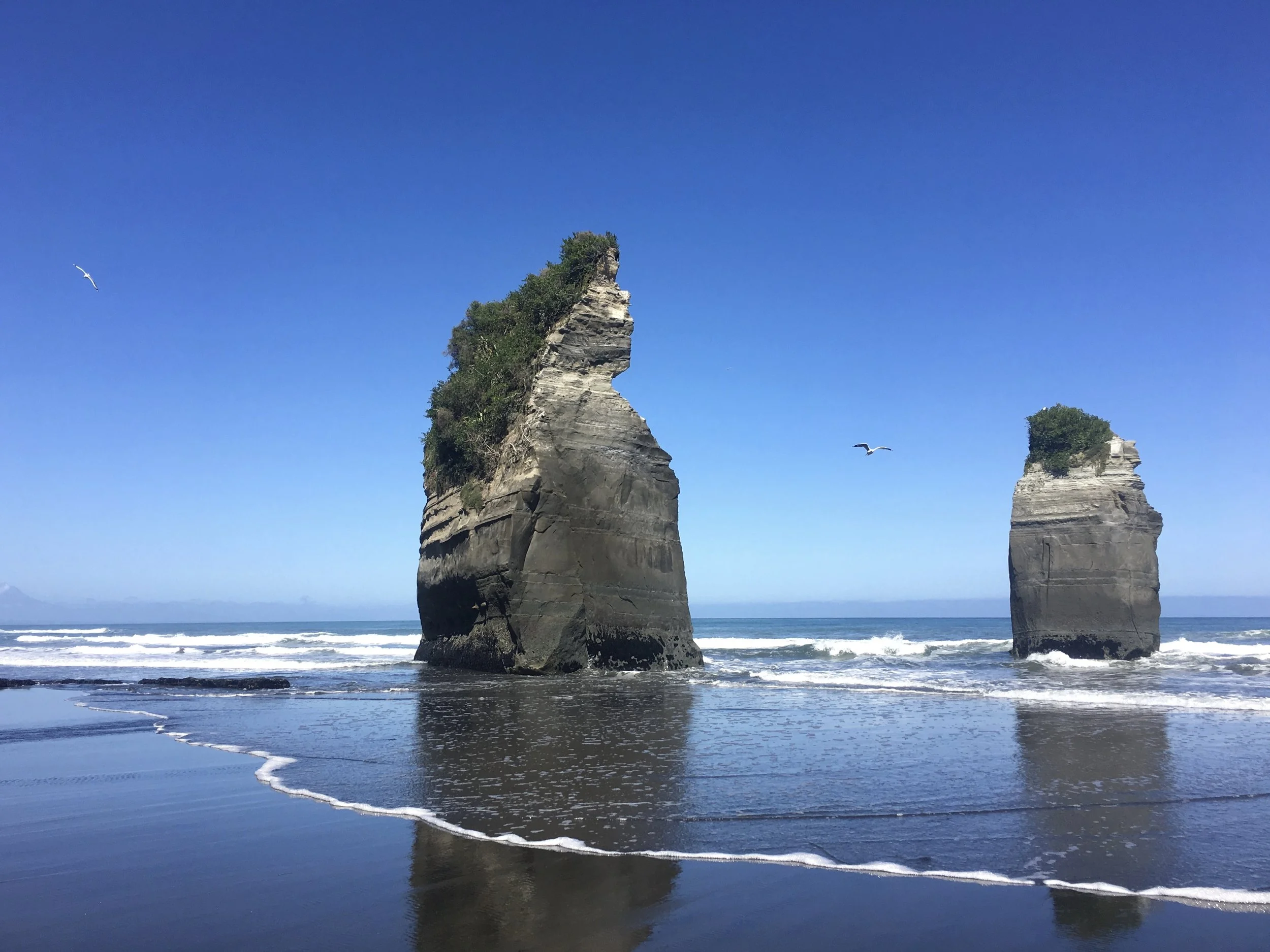
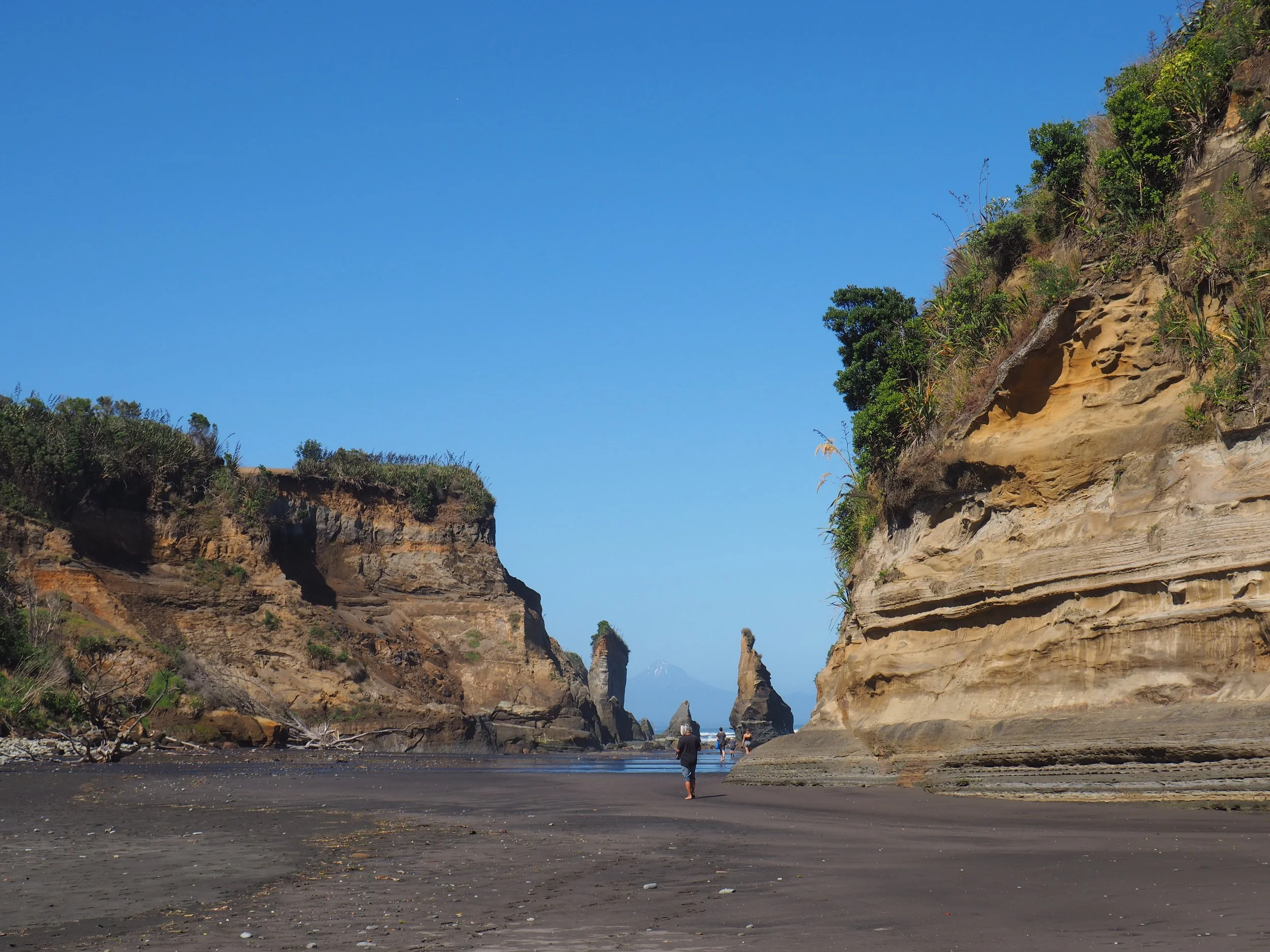
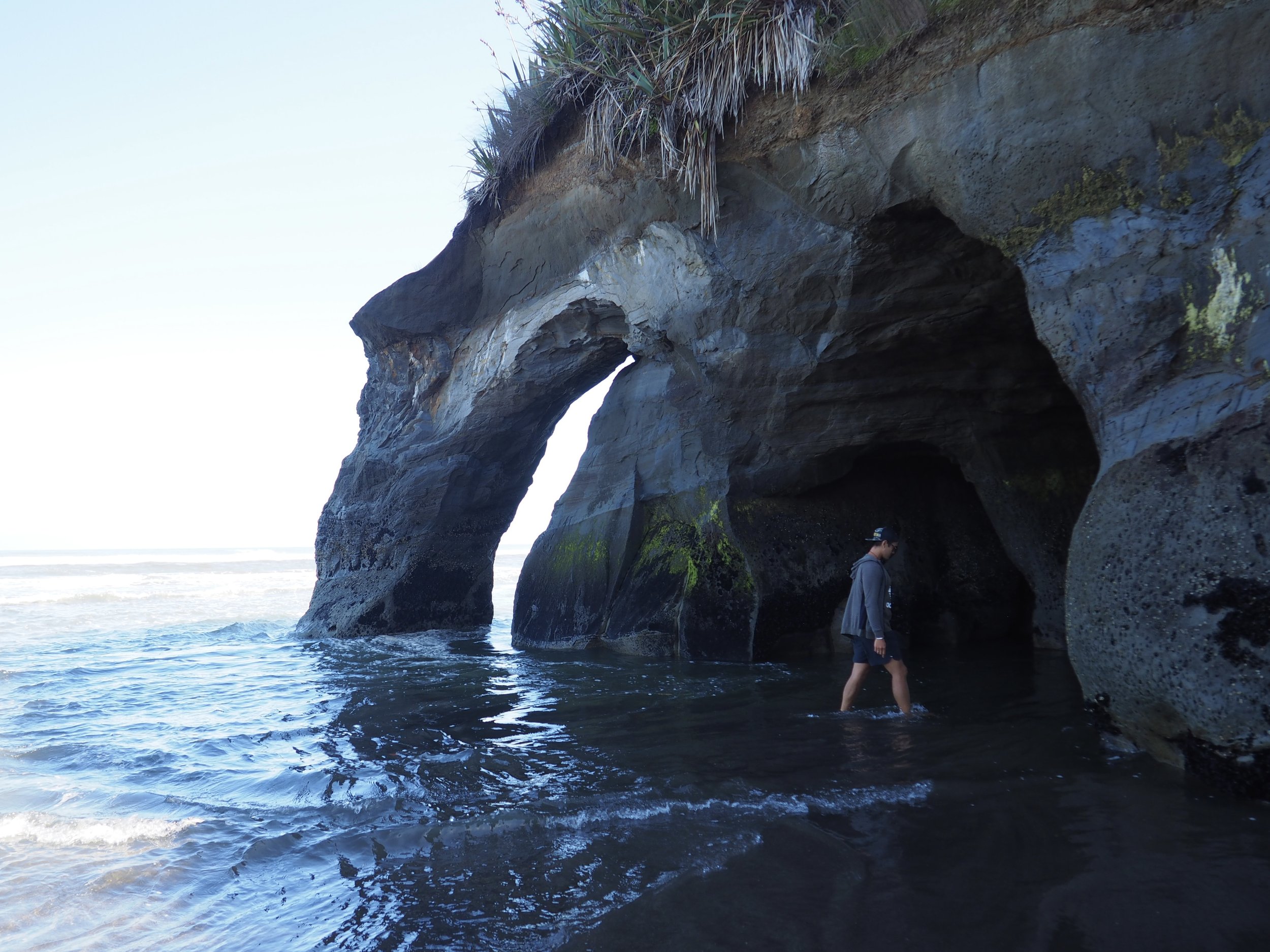
From here, you can either continue toward the west coast and Taranaki or adjust the route inland if you plan to include the Forgotten World Highway. We stumbled upon Three Sisters and Elephant Rock near Tongapōrutu on the way to New Plymouth and found it to be a really special stop. At low tide, you can walk along the beach, explore caves and unique rock formations, with Mount Taranaki visible on the horizon.
Suggested time: 1–3 days
Best for: Glowworms, caves, black-water rafting, limestone scenery, waterfalls and west coast views
Main stops: Waitomo Caves, a glowworm or caving tour, Mangapohue Natural Bridge and Marokopa Falls
Optional additions: Ruakuri Cave, Ōtorohanga Kiwi House, Bridal Veil Falls / Wairēinga Falls, Raglan, Three Sisters / Elephant Rock or a slower west coast detour
Good to know: Book your cave experience in advance during busier months, and check the tide before visiting Three Sisters / Elephant Rock.
Stop 8: Taranaki, New Plymouth and the Forgotten World Highway
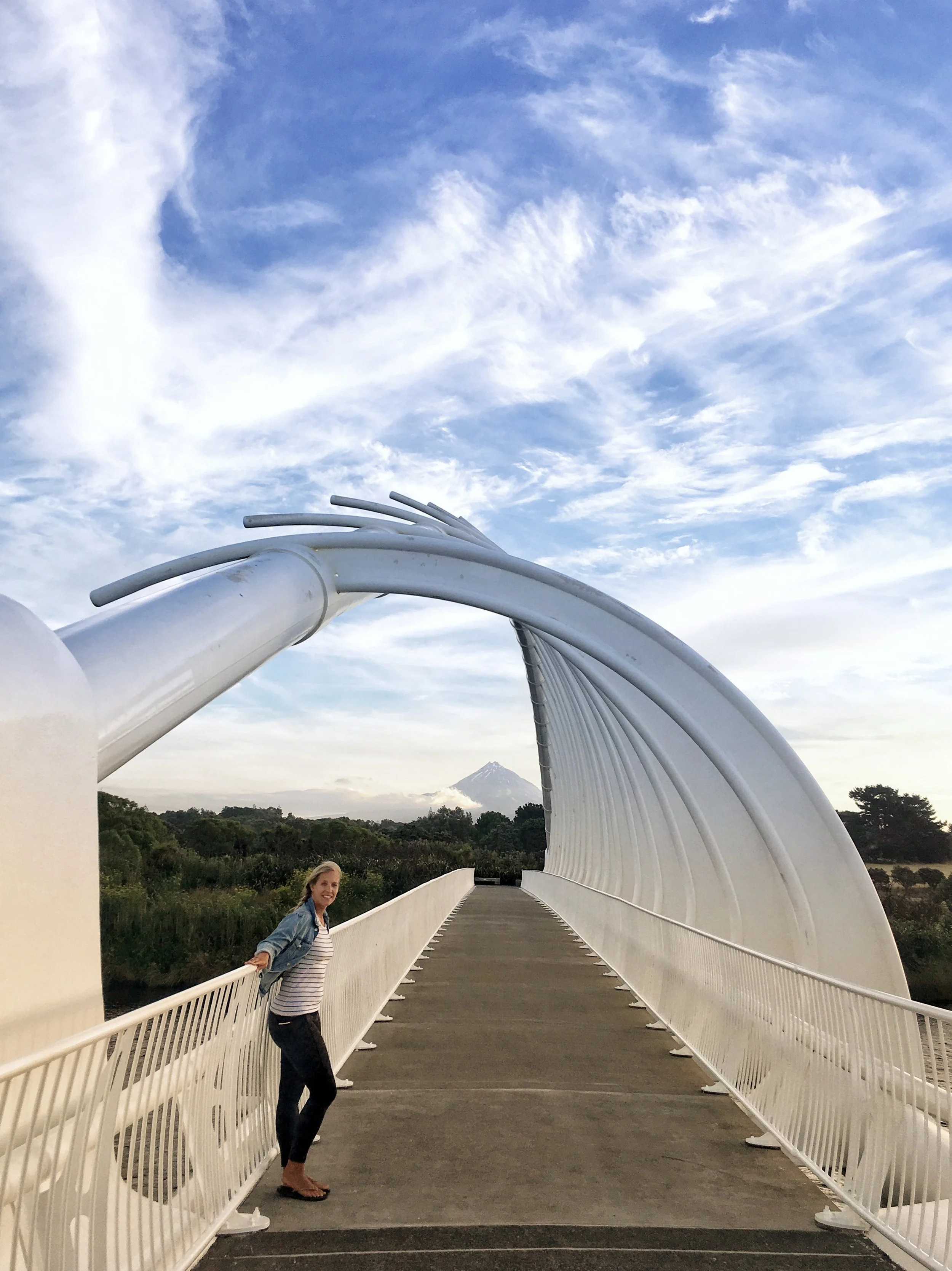
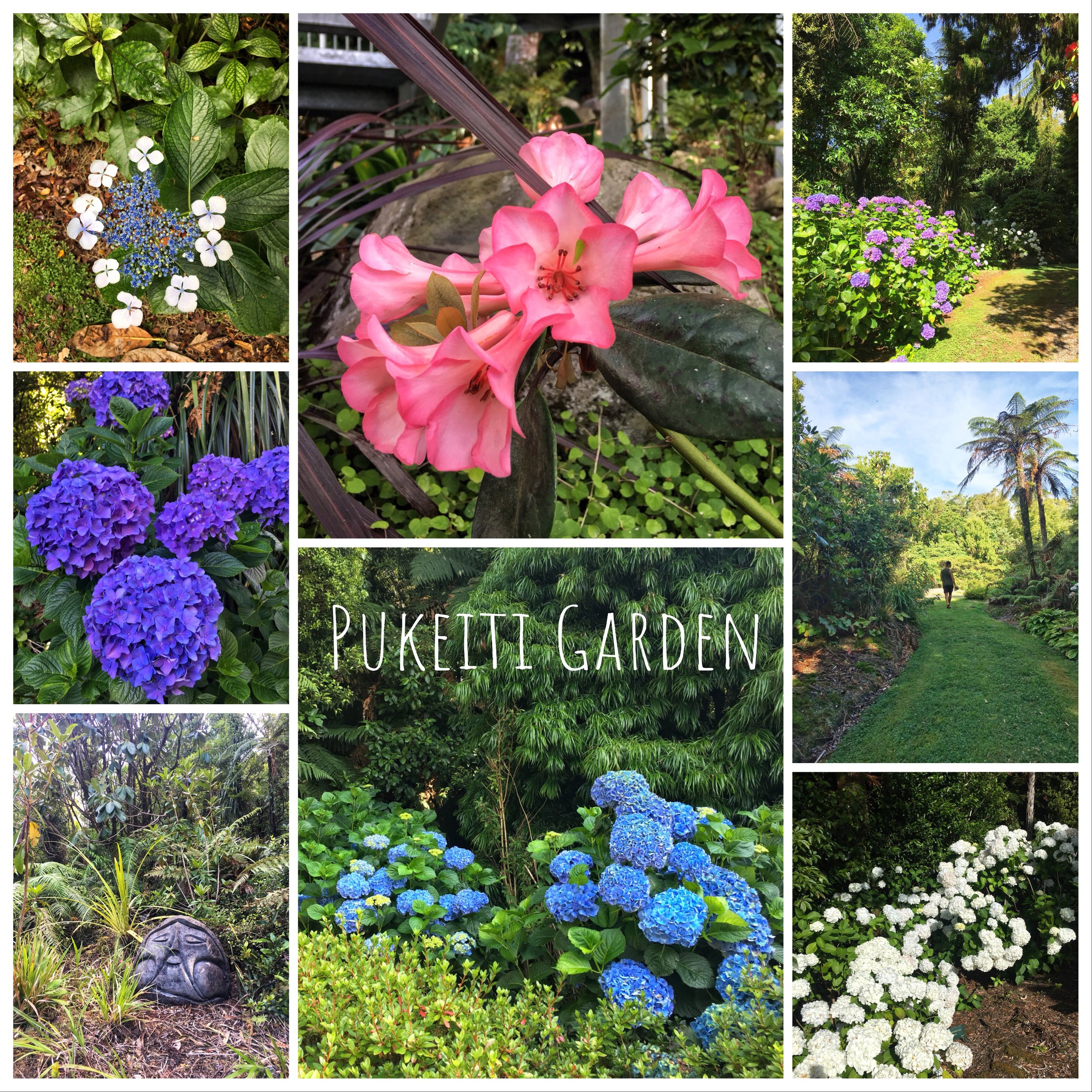
New Plymouth is the ideal base for this western part of the island. It is a compact, creative coastal city with good cafés, a scenic waterfront walkway, bike-friendly paths, Pukekura Park and easy access to the mountain. What makes New Plymouth especially unique is how naturally it blends art, nature and coastal living, with Mount Taranaki rising behind the city while the Tasman Sea stretches out in front. The New Plymouth Coastal Walkway is one of the easiest ways to enjoy that mix, whether you walk or cycle it. It also takes you past Te Rewa Rewa Bridge, the striking white bridge that has become one of the city’s most recognizable landmarks, especially when Mount Taranaki is visible in the background. The Len Lye Centre / Govett-Brewster Art Gallery is also worth adding if you like architecture, art or just want a different kind of stop after days of beaches, caves and rural roads.
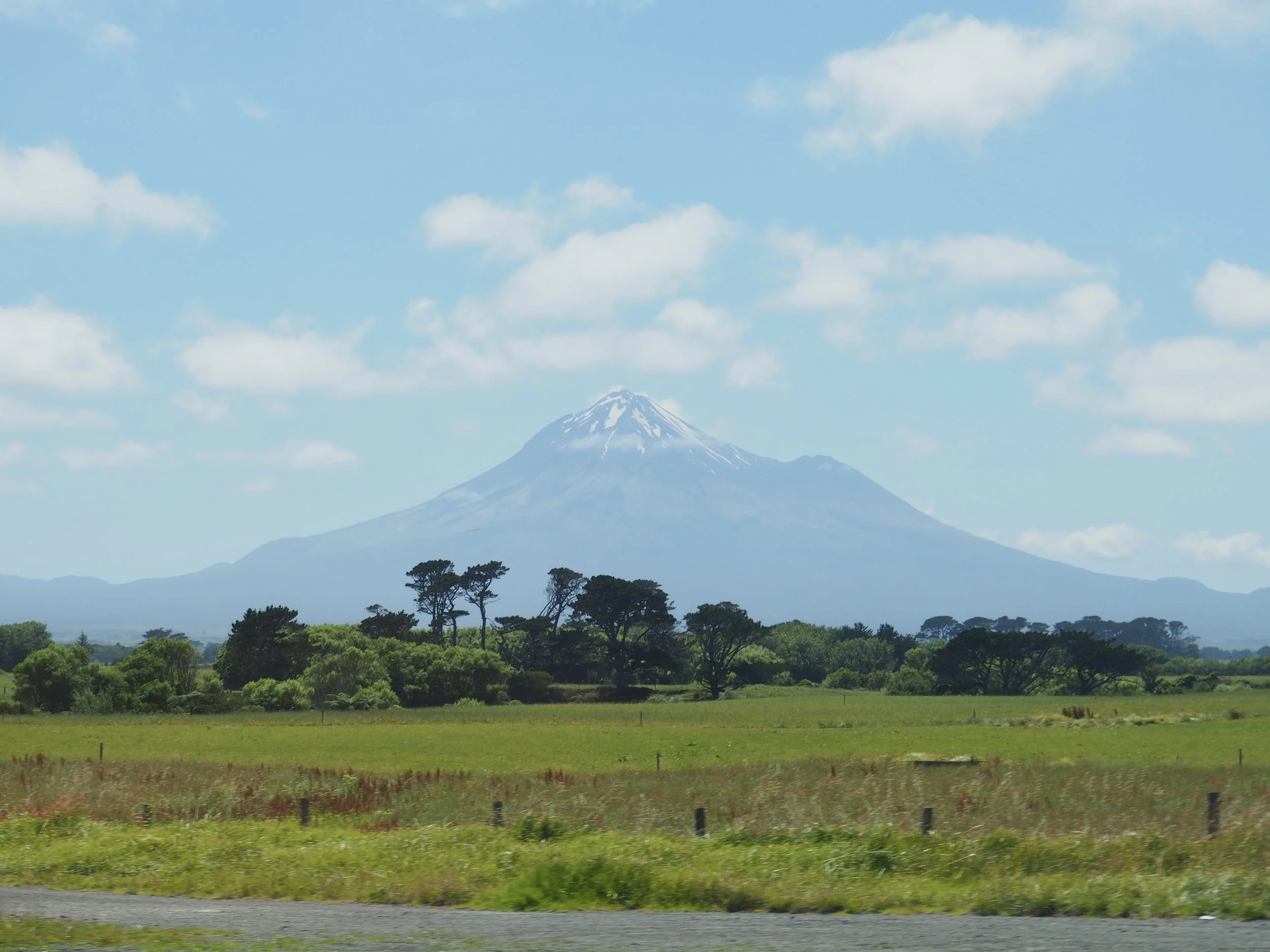
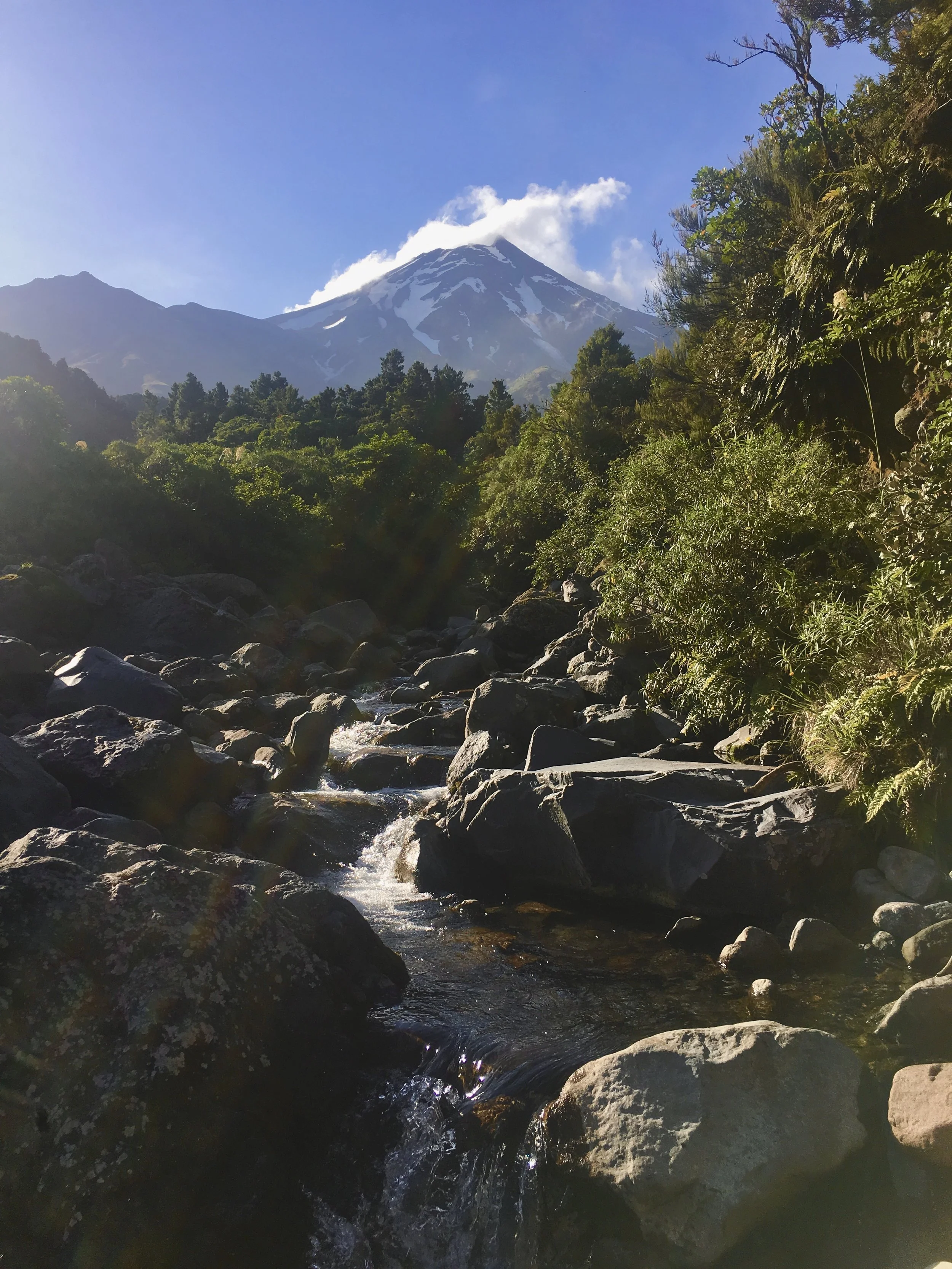
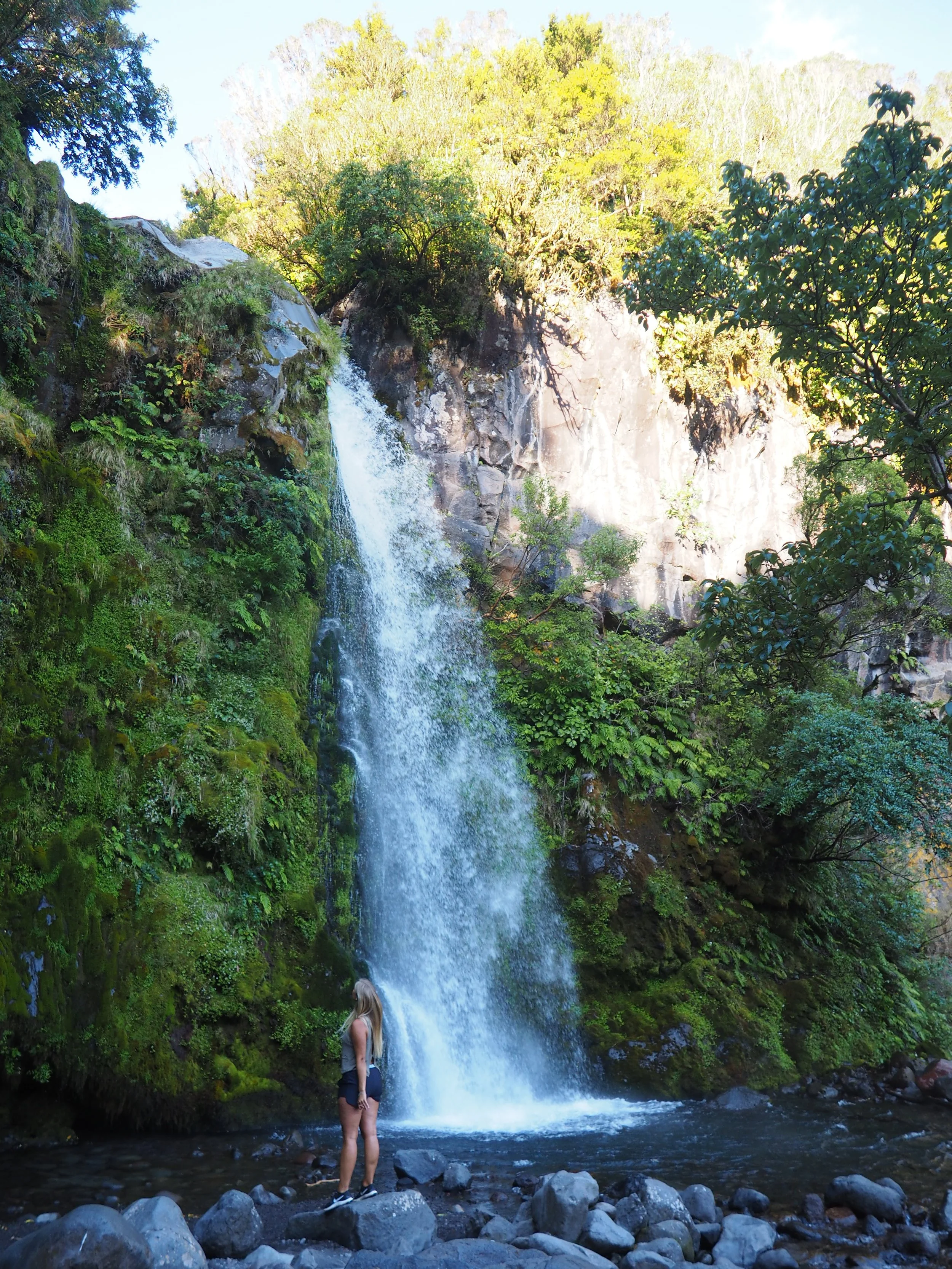
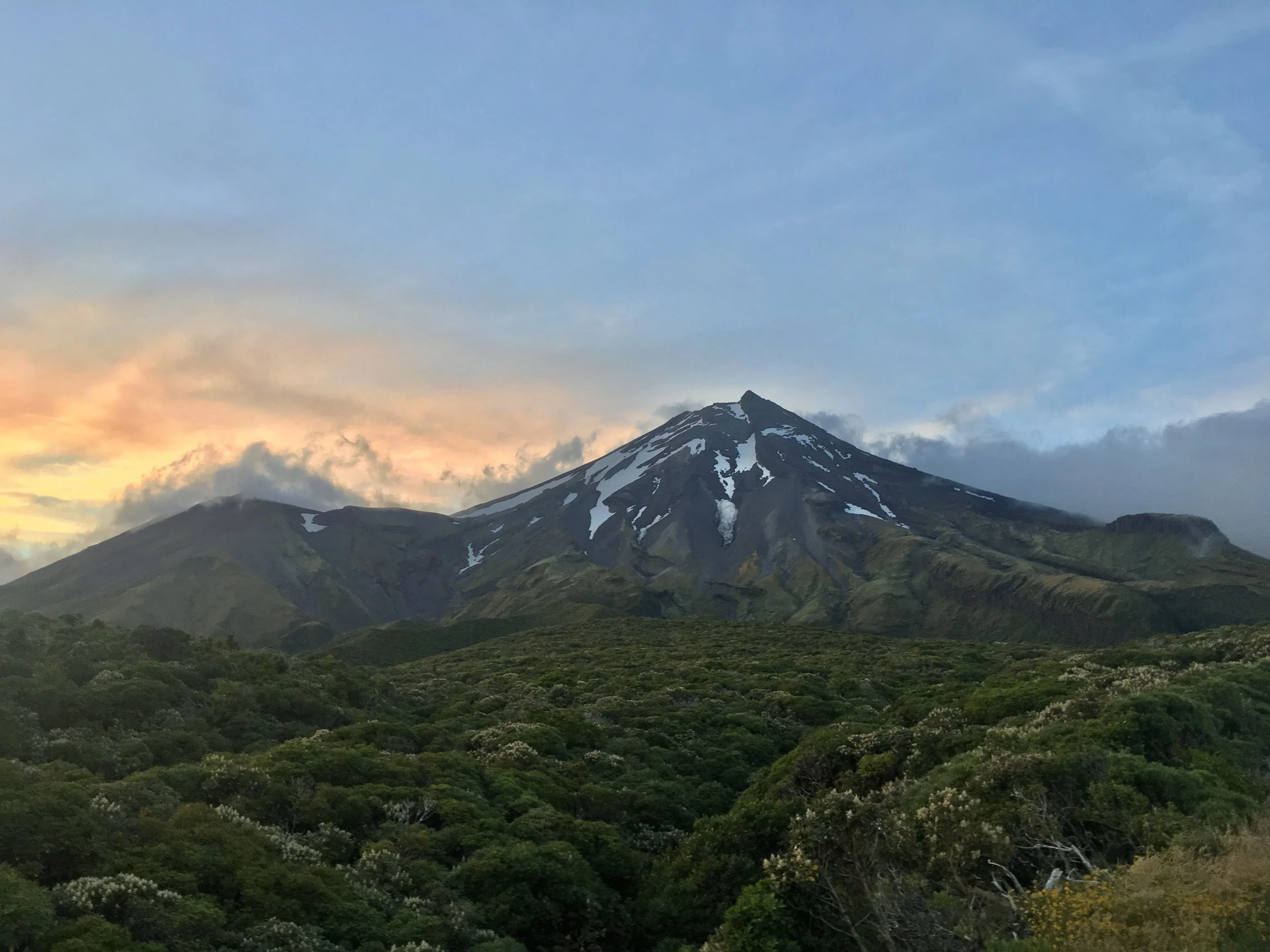
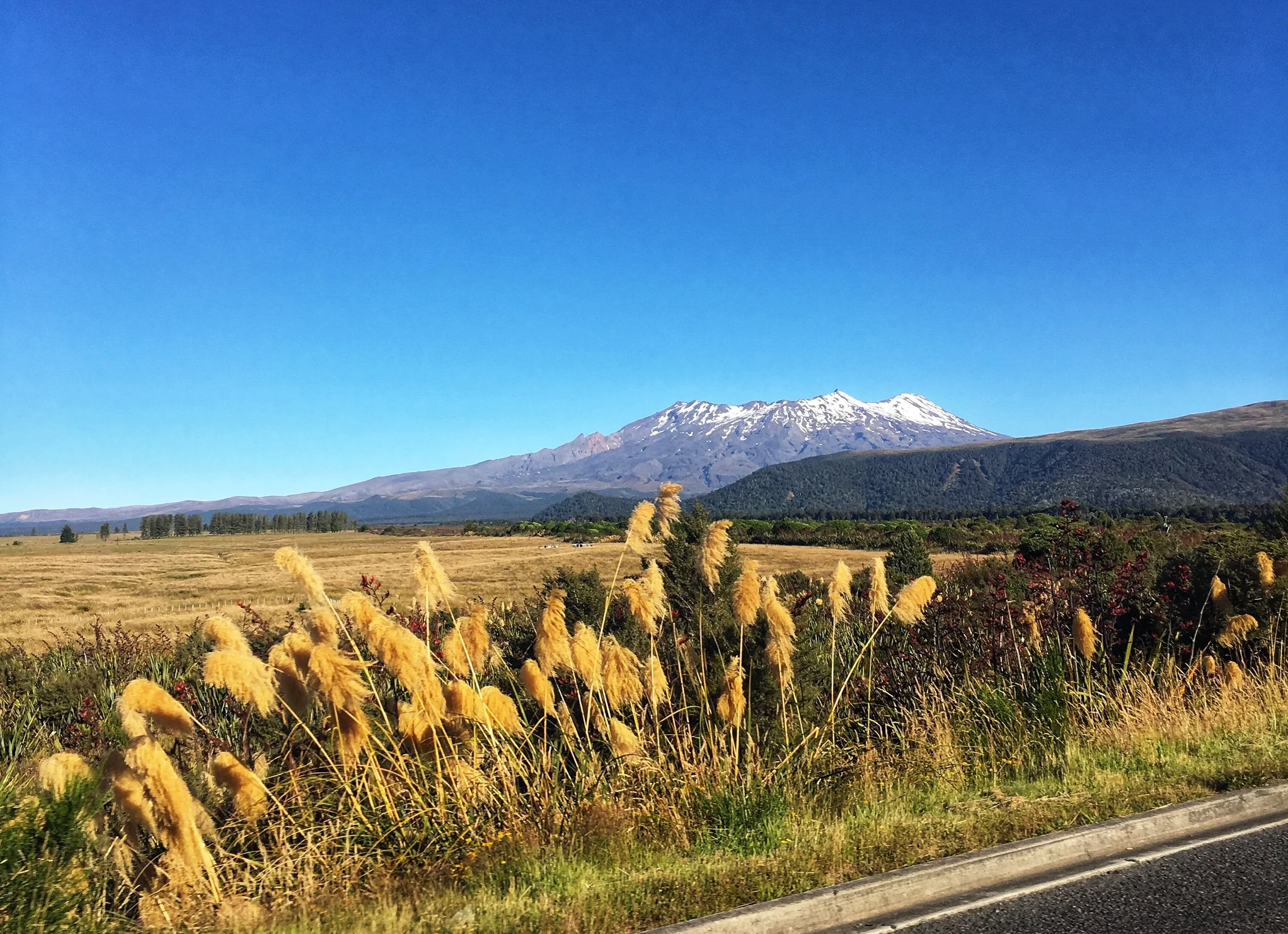
What draws many travelers to this region is Taranaki Maunga within Egmont National Park (Te Papa-Kura-o-Taranaki). The mountain dominates the landscape and on a clear day it becomes one of the most striking views on the North Island. If you are up for a bigger hiking day, the Pouākai Tarns or the Pouākai Crossing are the classic choices. Check conditions before heading out, as the weather can change quickly and the tracks can become muddy, exposed and more demanding than expected. But there are also shorter trails. Lake Mangamahoe is a good spot for views of the mountain reflected in the water.
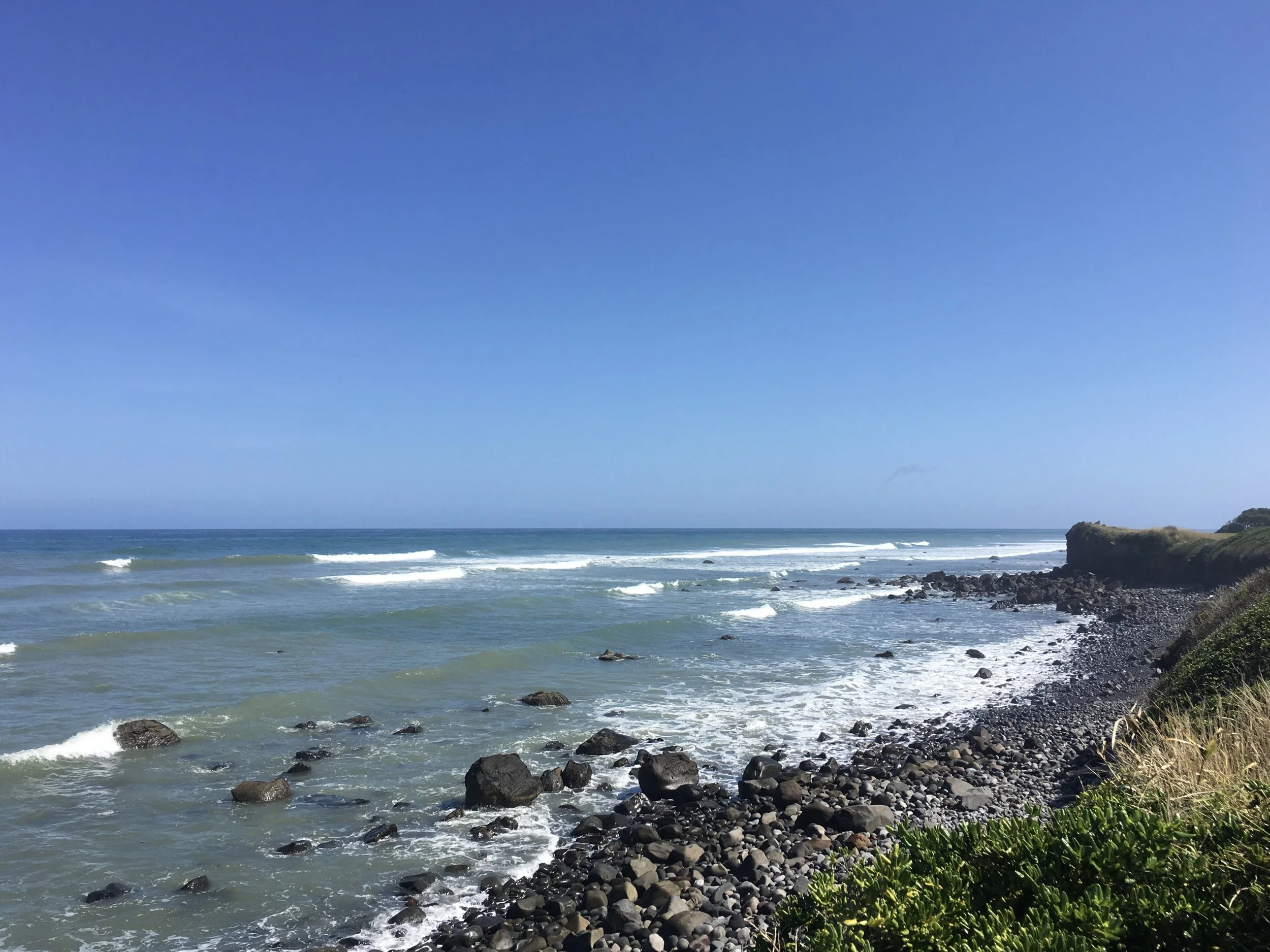
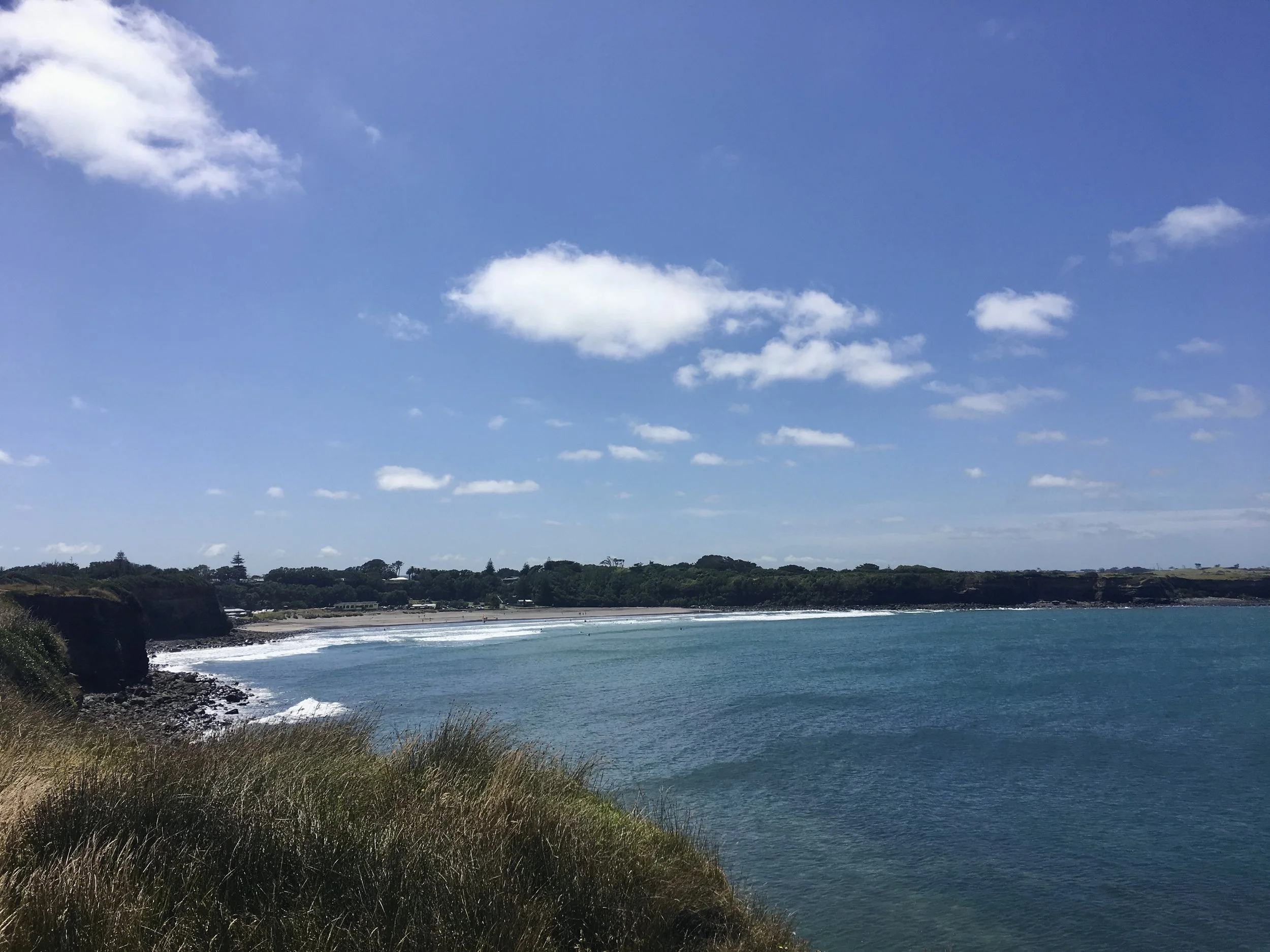
If you have more time, Surf Highway 45 loops around the coast south of New Plymouth, passing beaches, surf breaks, small towns and views back toward the mountain. You do not need to be a surfer to enjoy it. It is a good route for slow stops, coastal views and seeing a more relaxed side of Taranaki beyond the city and mountain trails.
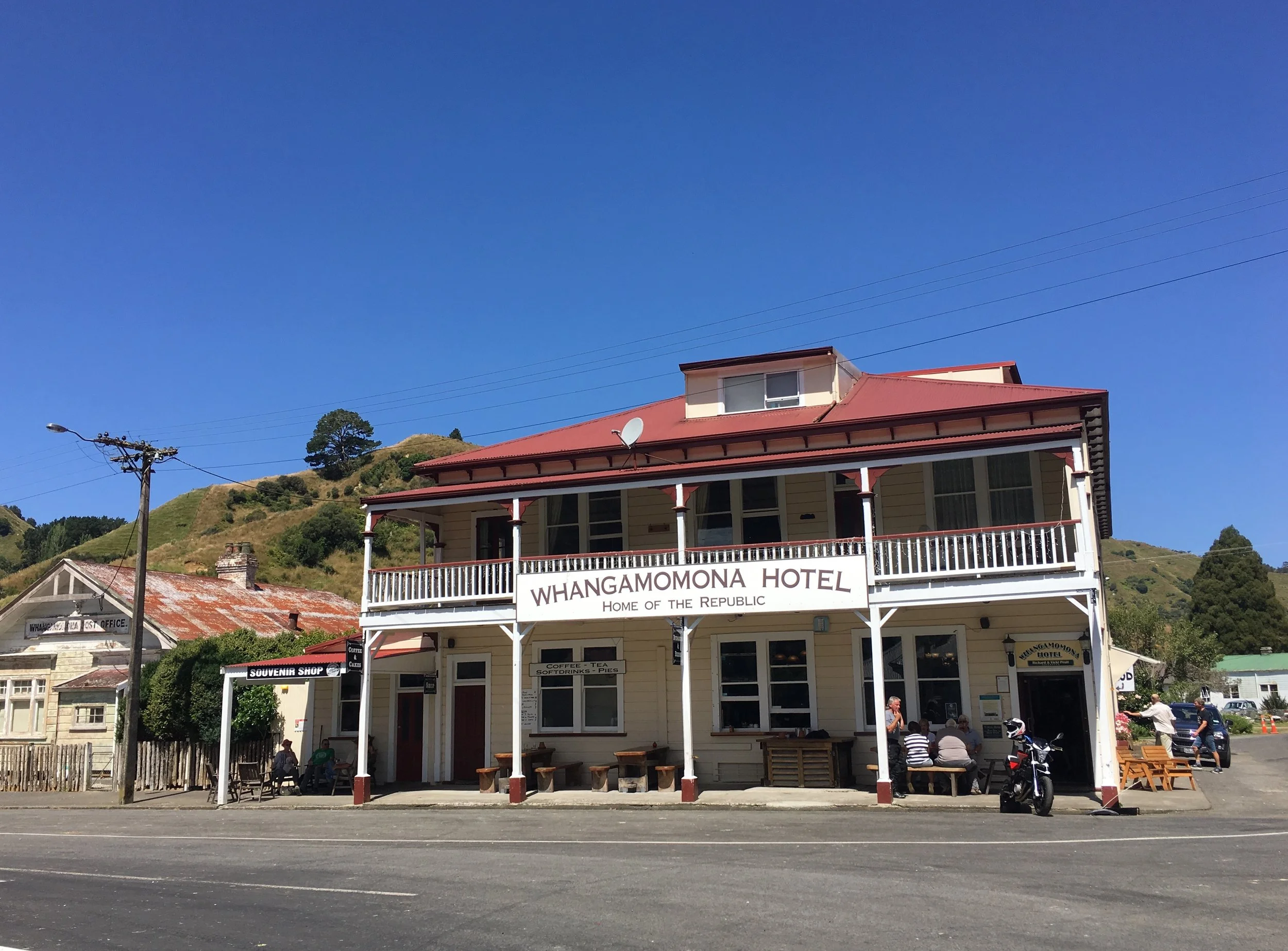
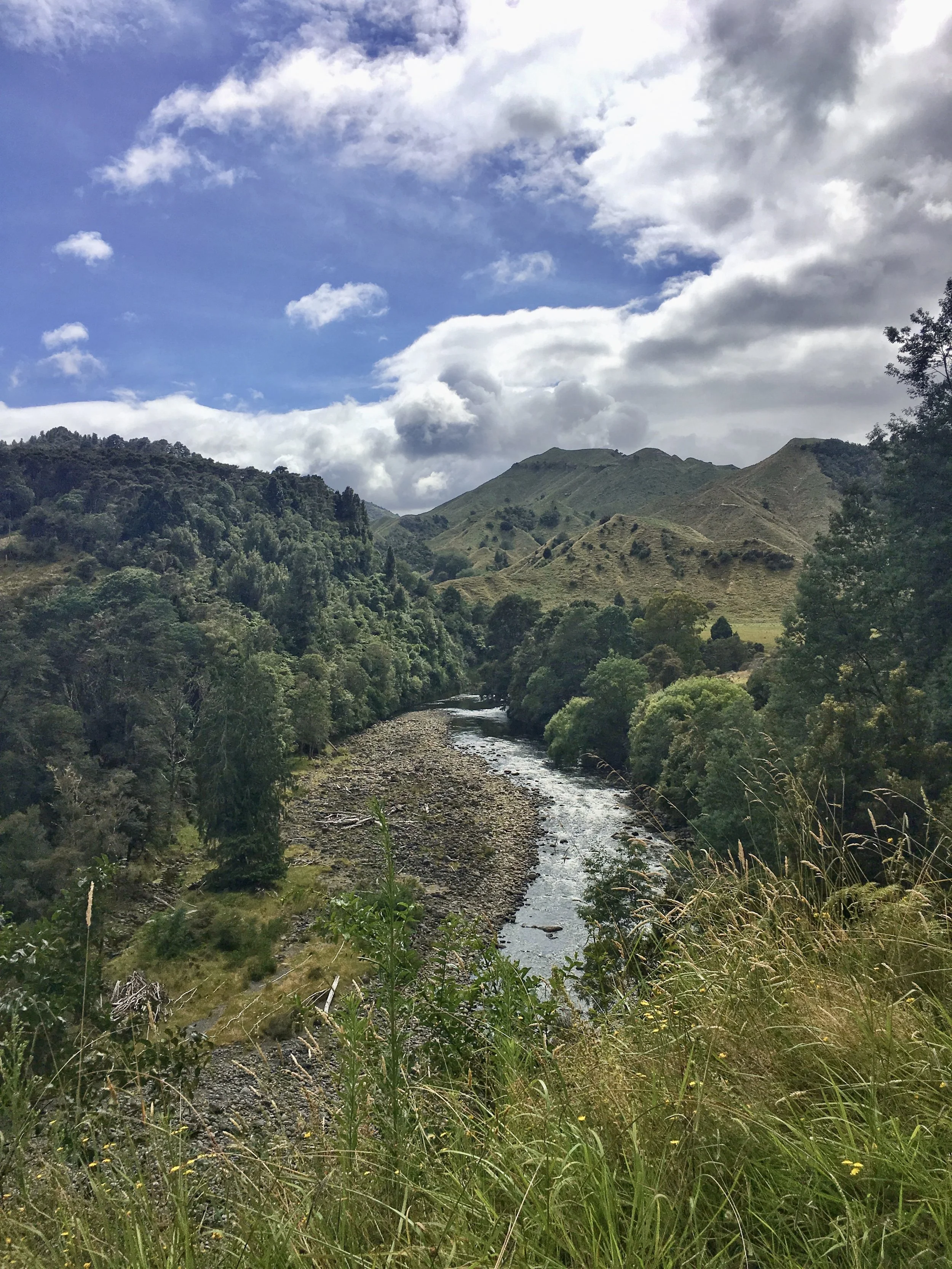
From Taranaki, the Forgotten World Highway is one of the most memorable inland drives on the North Island. It connects Stratford and Taumarunui through remote hill country, narrow roads, saddles and small historic places like Whangamōmona. It is not a fast road, but that is part of its appeal. Long stretches feel cut off from the rest of the country, with little traffic, no petrol stations and landscapes that shift from farmland to dense bush and rugged valleys. It has a quiet, old-fashioned atmosphere that feels very different from the coastal sections of the trip.
Depending on your route, Whanganui can either be a stop after the Forgotten World Highway or part of the journey south toward Wellington. The town has a relaxed riverside feel, heritage buildings and a slower pace that fits well after the mountain and inland roads. If you have extra time, the Whanganui River Road is worth considering for a more scenic detour through river country and small communities.
Suggested time: 3–5 days
Best for: Mountain views, west coast beaches, New Plymouth, hiking, cycling, scenic drives and quieter inland roads
Main stops: Three Sisters / Elephant Rock, New Plymouth, Coastal Walkway, Te Rewa Rewa Bridge, Taranaki Maunga, Lake Mangamahoe, Surf Highway 45, Forgotten World Highway, Whangamōmona and Whanganui
Optional additions: Pouākai Tarns, Pouākai Crossing, Len Lye Centre, Pukekura Park, Paritutu Rock, extra surf coast stops, mountain bike trails or Whanganui River Road
Good to know: Fill up before driving the Forgotten World Highway, and check the tide before visiting Three Sisters / Elephant Rock.
Stop 9: Wellington and optional Wairarapa return route
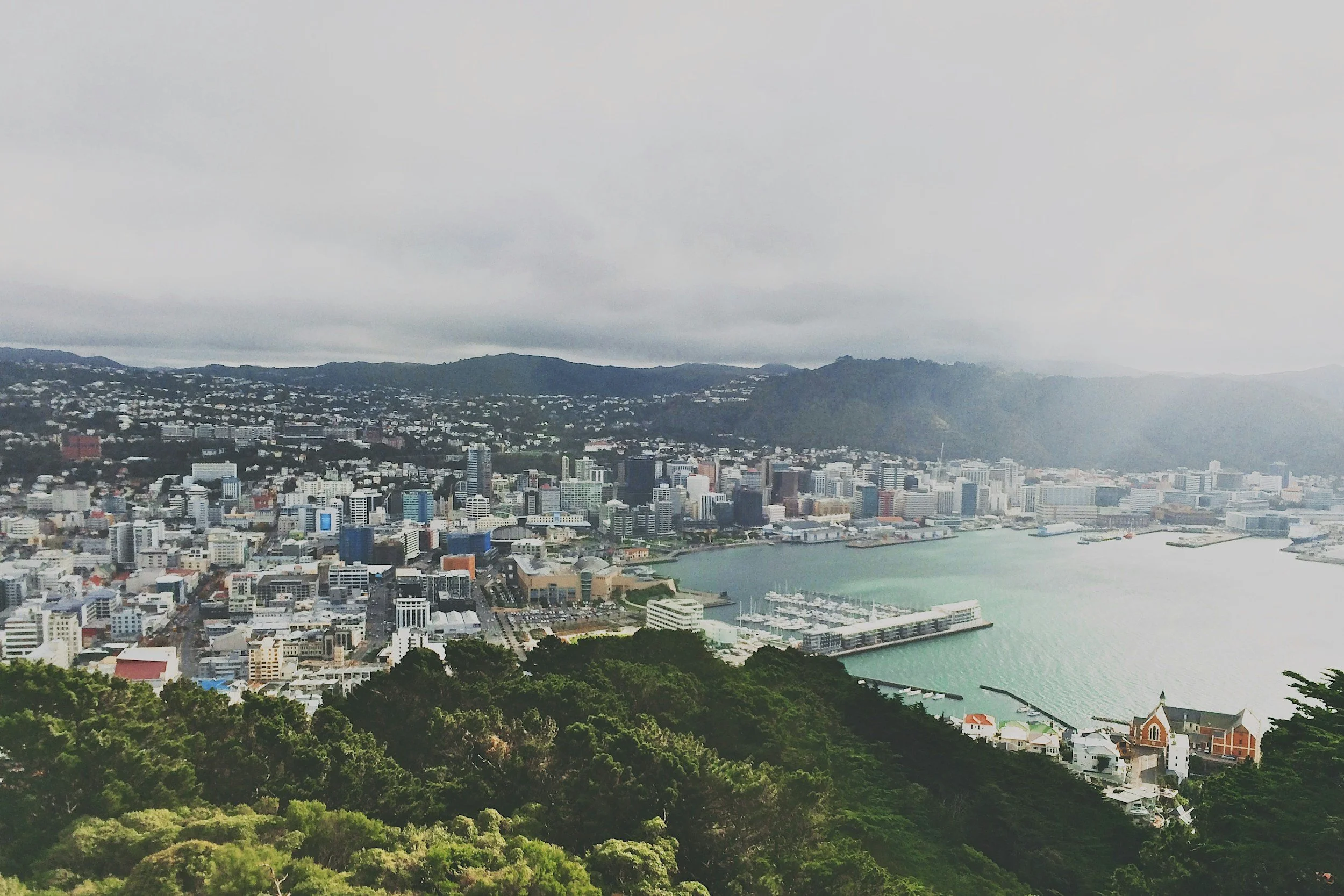
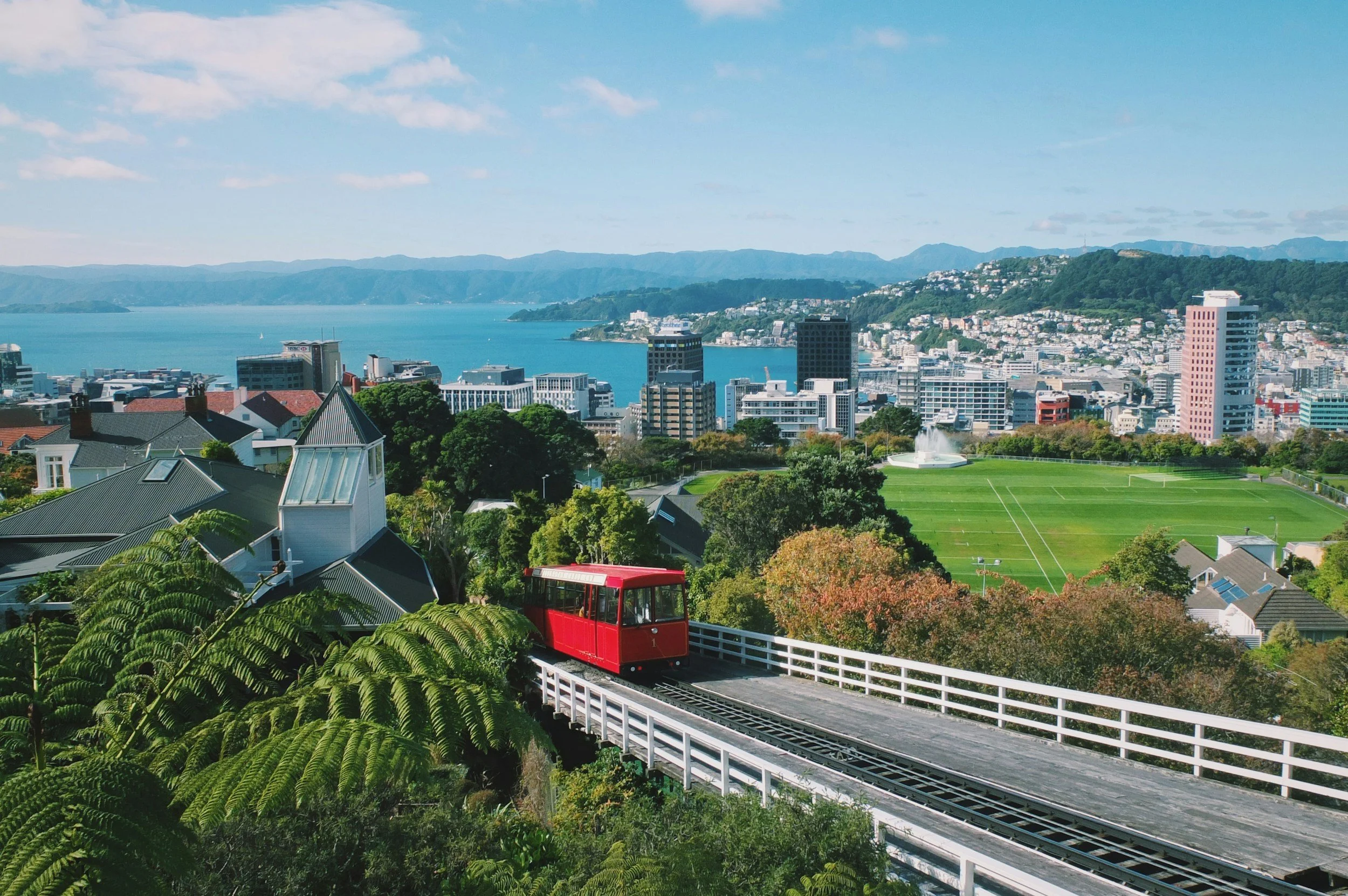
Wellington, New Zealand’s capital, makes a fitting final stop for an Auckland-to-Wellington North Island road trip. After weeks of beaches, small towns, geothermal areas, caves and mountain roads, the city brings a completely different energy. It is compact, creative and easy to enjoy on foot, with a strong food scene, good coffee, waterfront walks and enough culture to make it feel like more than just a place to return the van.
For a first visit, keep the plan simple. Walk along the waterfront, spend time around Cuba Street, visit Te Papa, take in the view from Mount Victoria and leave room for cafés, restaurants and a slower city day. If you want nature without leaving the city, Zealandia is a good addition, especially if you are interested in native birds and conservation.
Many travelers finish their North Island road trip here and continue by ferry to the South Island. Others return the campervan in Wellington, fly out or drive back north toward Auckland. If you are continuing to the South Island, leave a little buffer before the ferry, as weather and wind can affect travel plans.
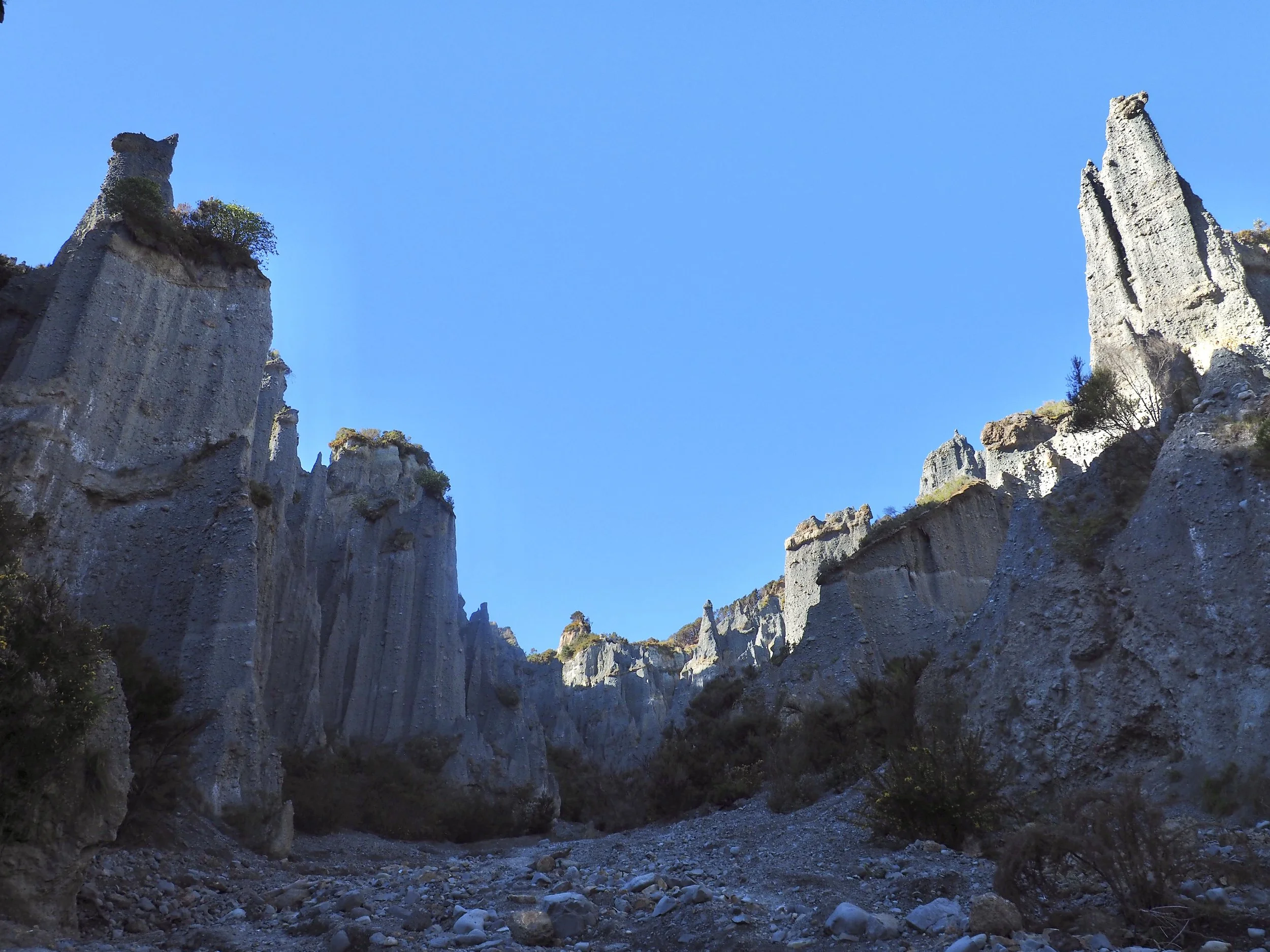
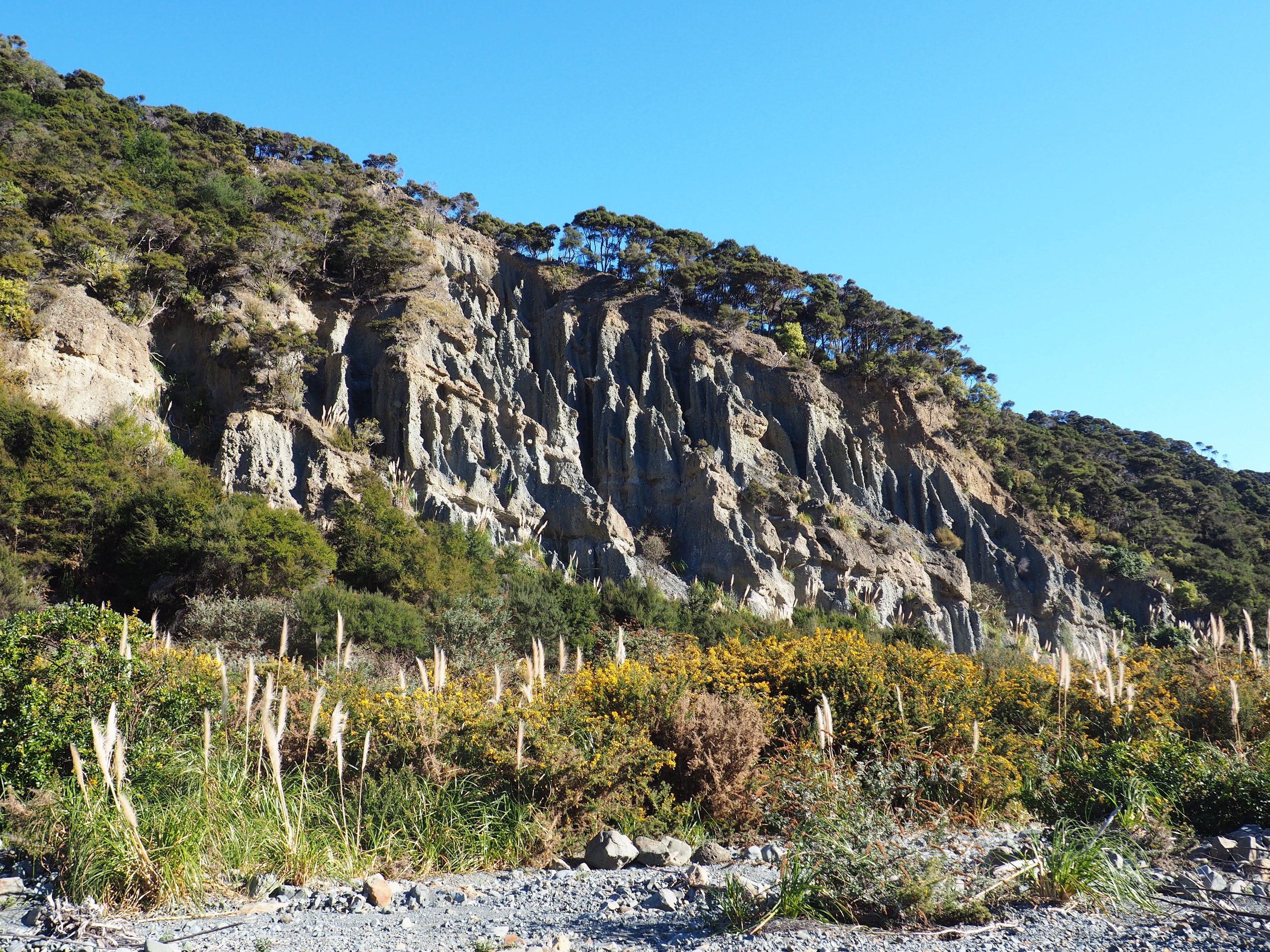
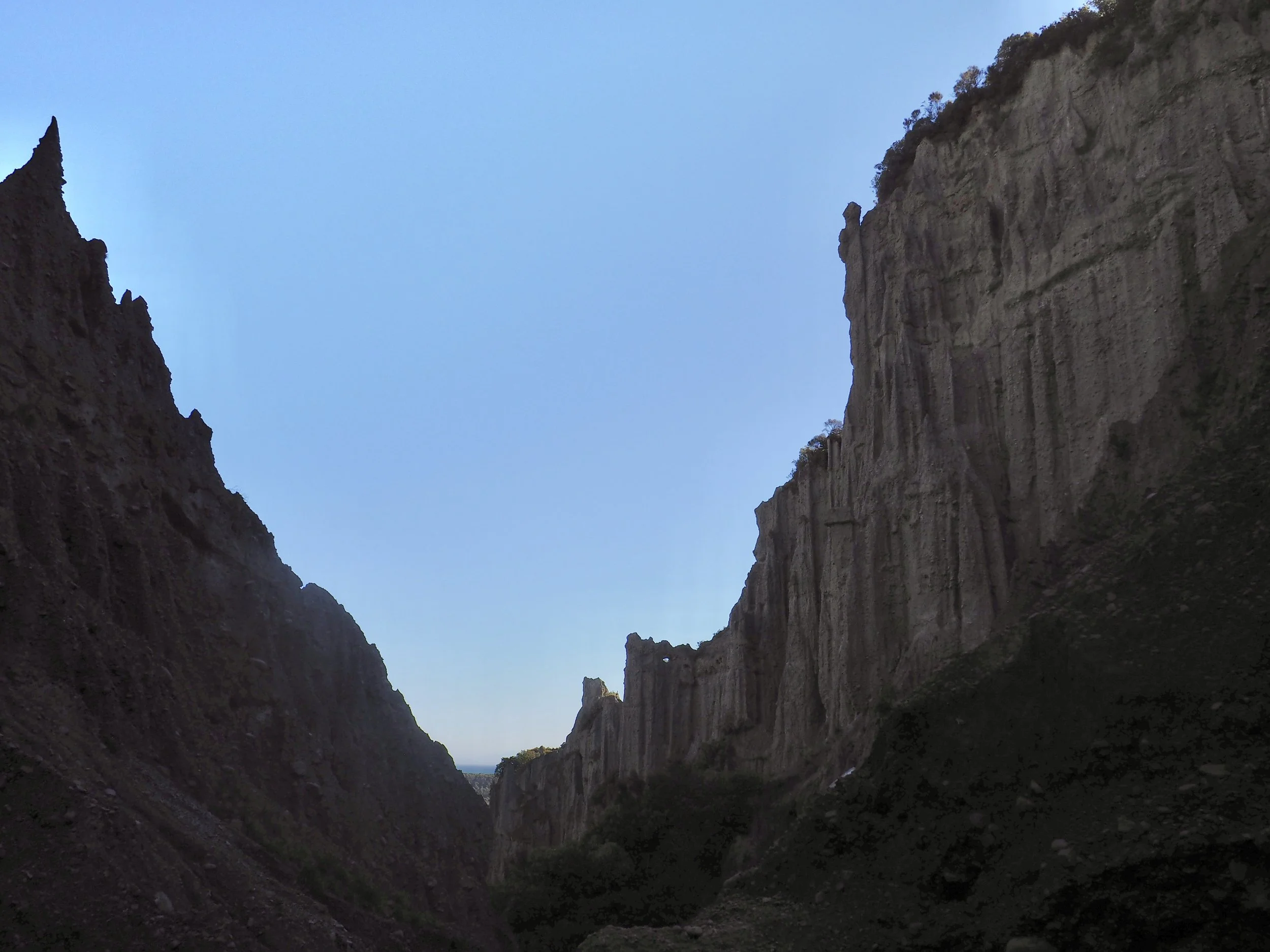
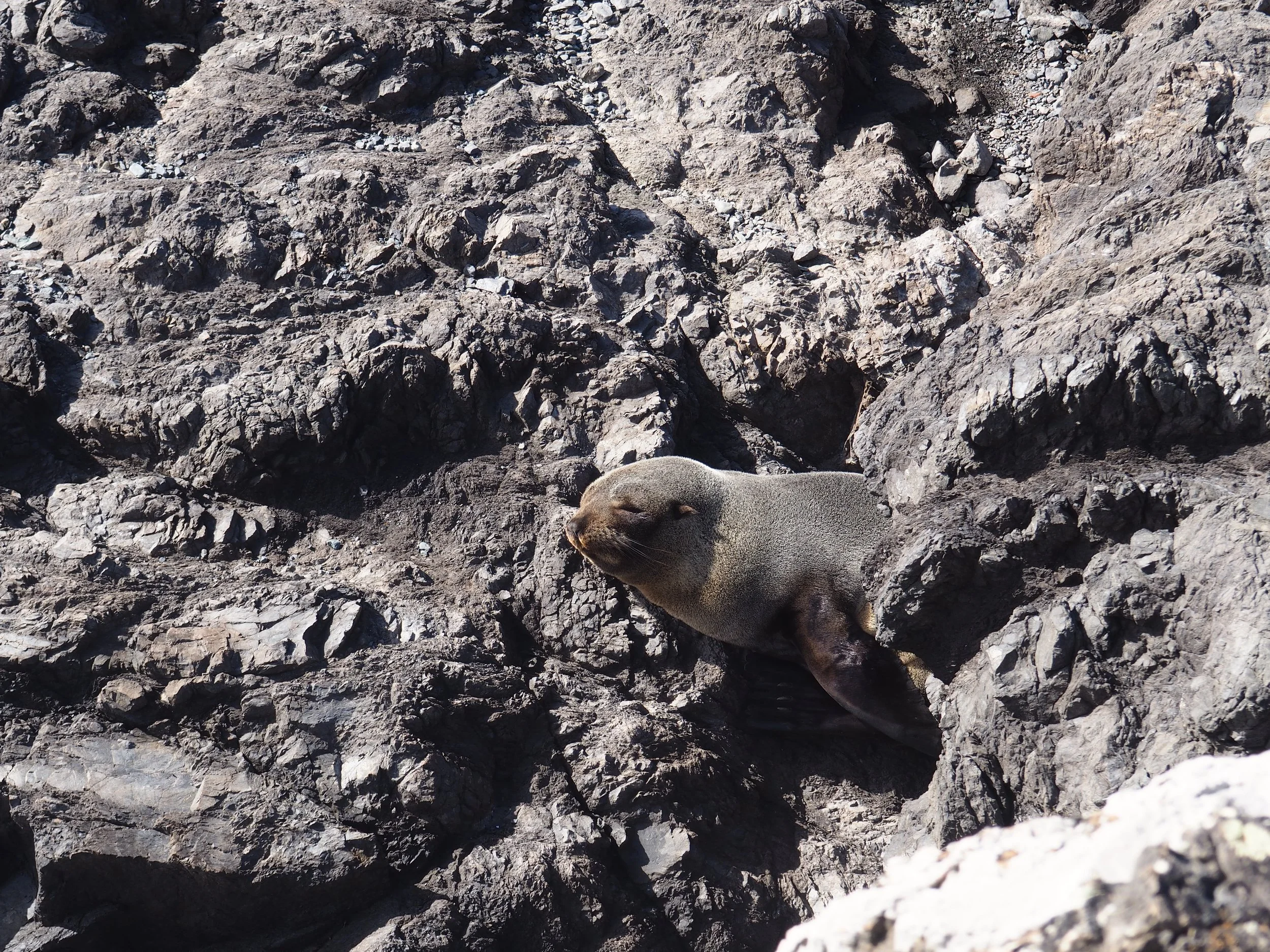
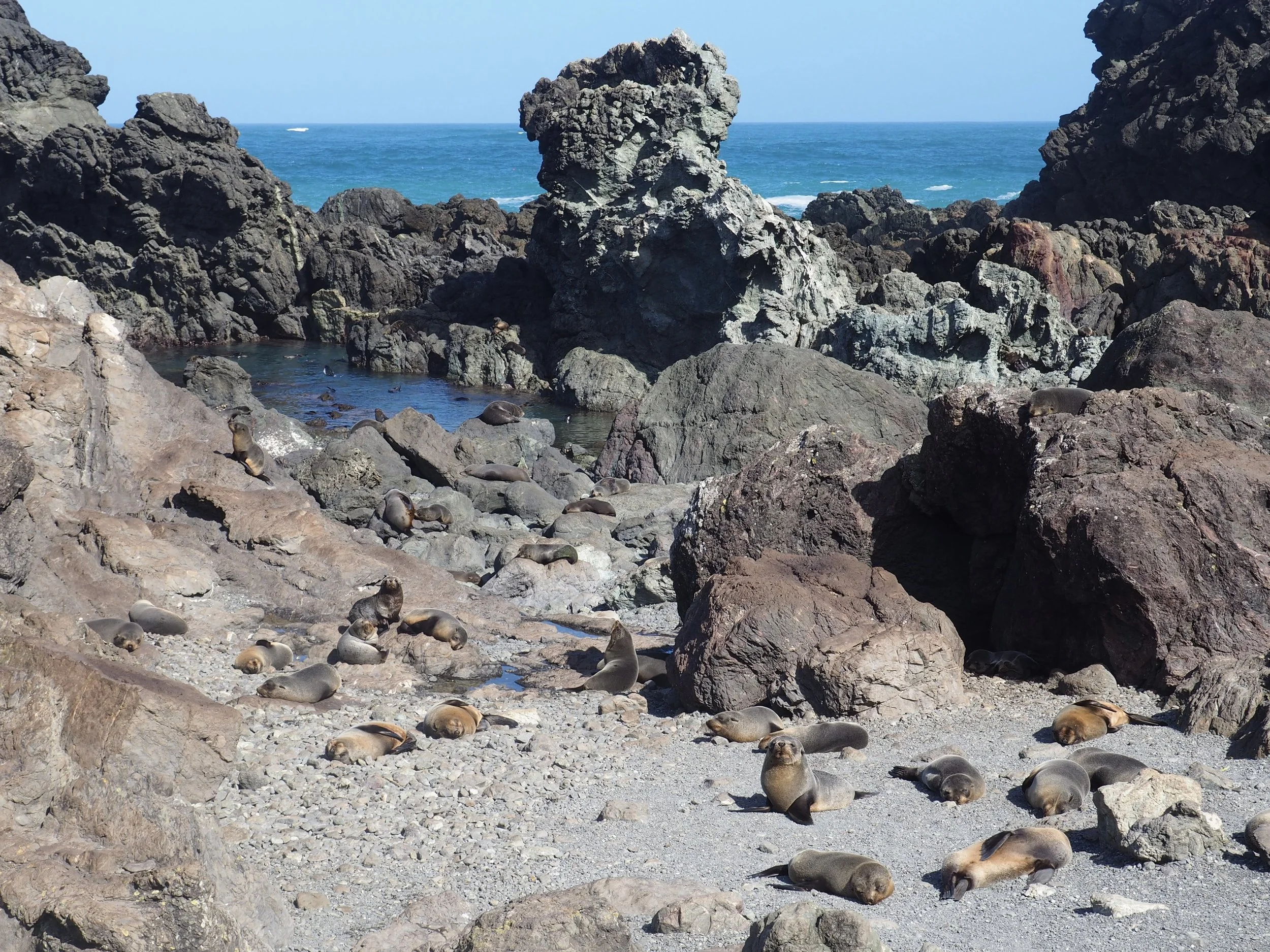
If you are looking to extend your trip farther south before the long drive back to Auckland, or if you plan to end your journey in Wellington, the Wairarapa gives the route a more remote final chapter. Martinborough works well for wine and food, while the south coast feels much wilder. Pūtangirua Pinnacles are unusual hoodoo-like earth pillar formations shaped by erosion over time. At the time of writing, there is no access to the base of the pinnacles due to rockfall and landslide risks, but the Ridge Track leads to a viewing platform overlooking the tall, narrow columns. It is one of the more distinctive landscape stops near Cape Palliser and is also known as a Lord of the Rings filming location, which makes it interesting even if you are not usually into movie sites. Cape Palliser adds a rugged coastal drive with a lighthouse, sea views and the chance to spot fur seals along the rocks (or even the road).
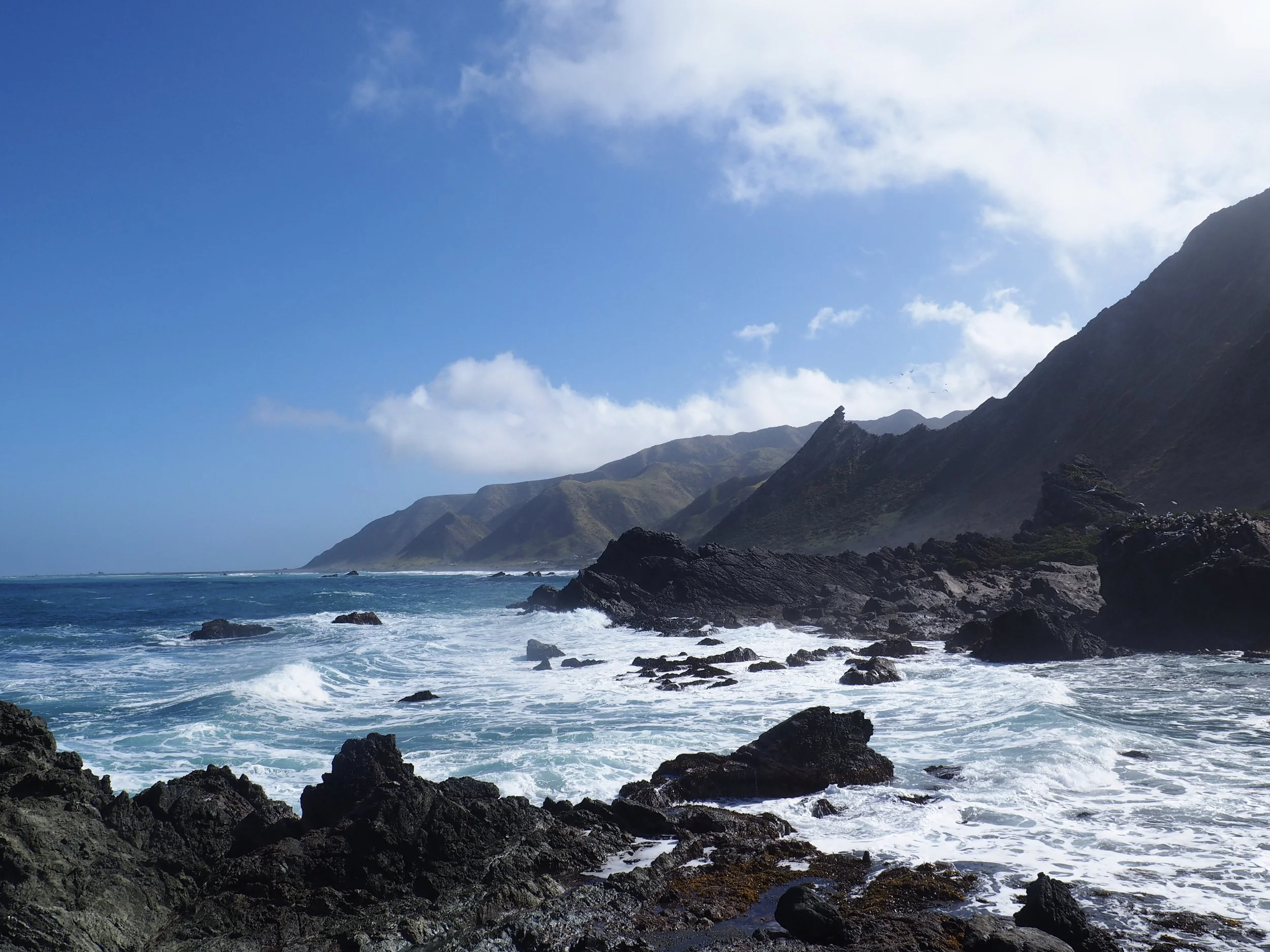
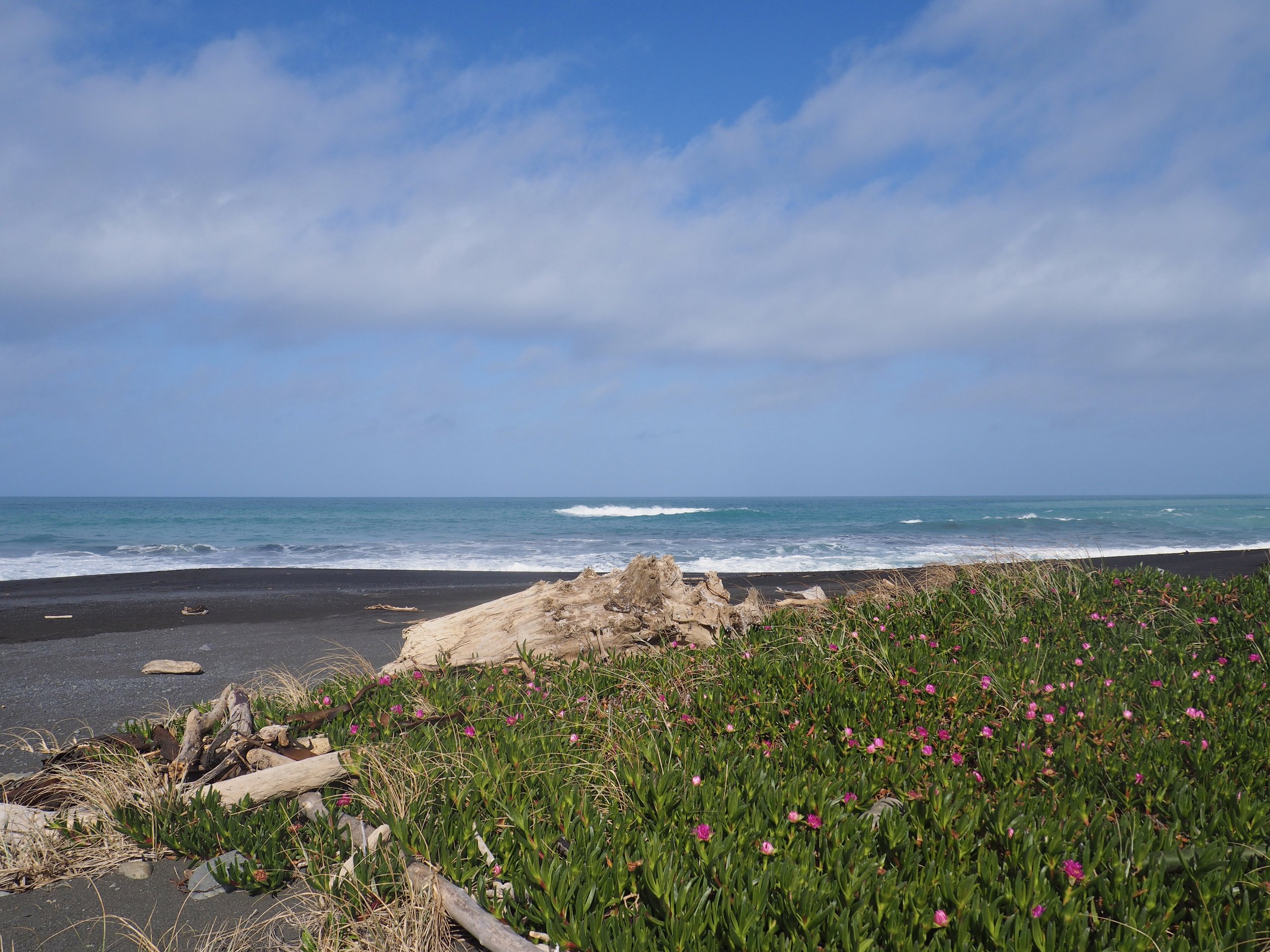
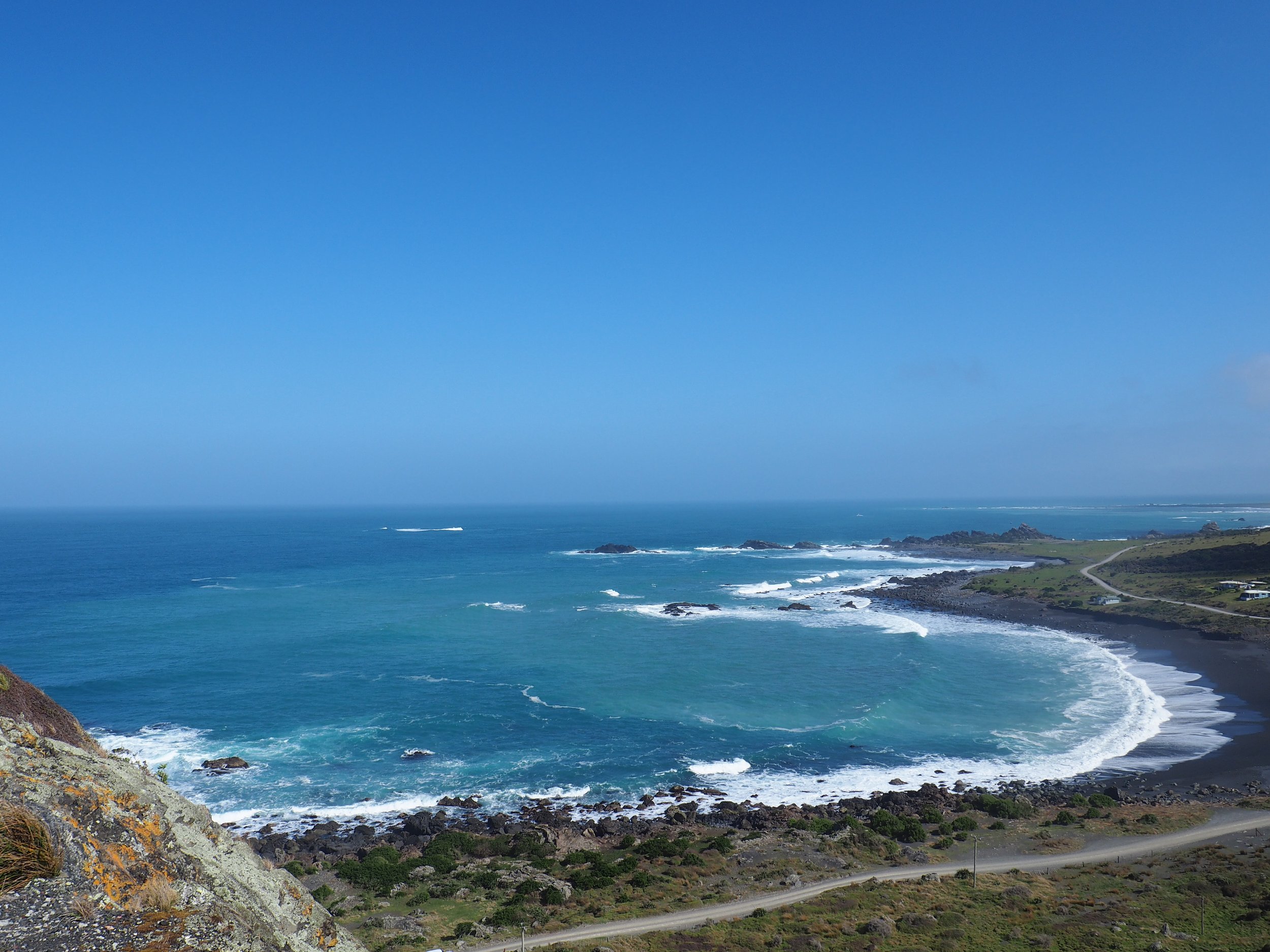
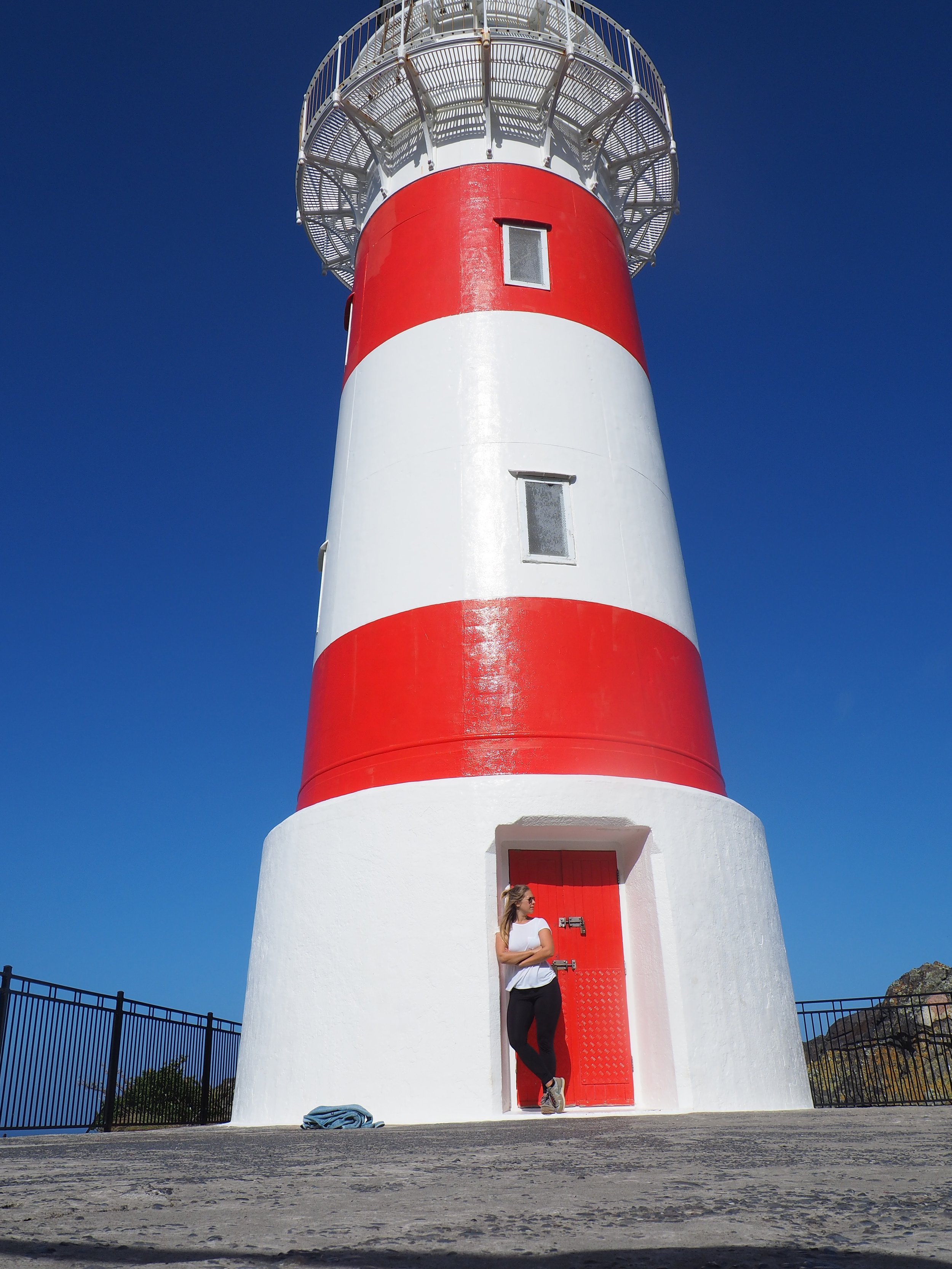
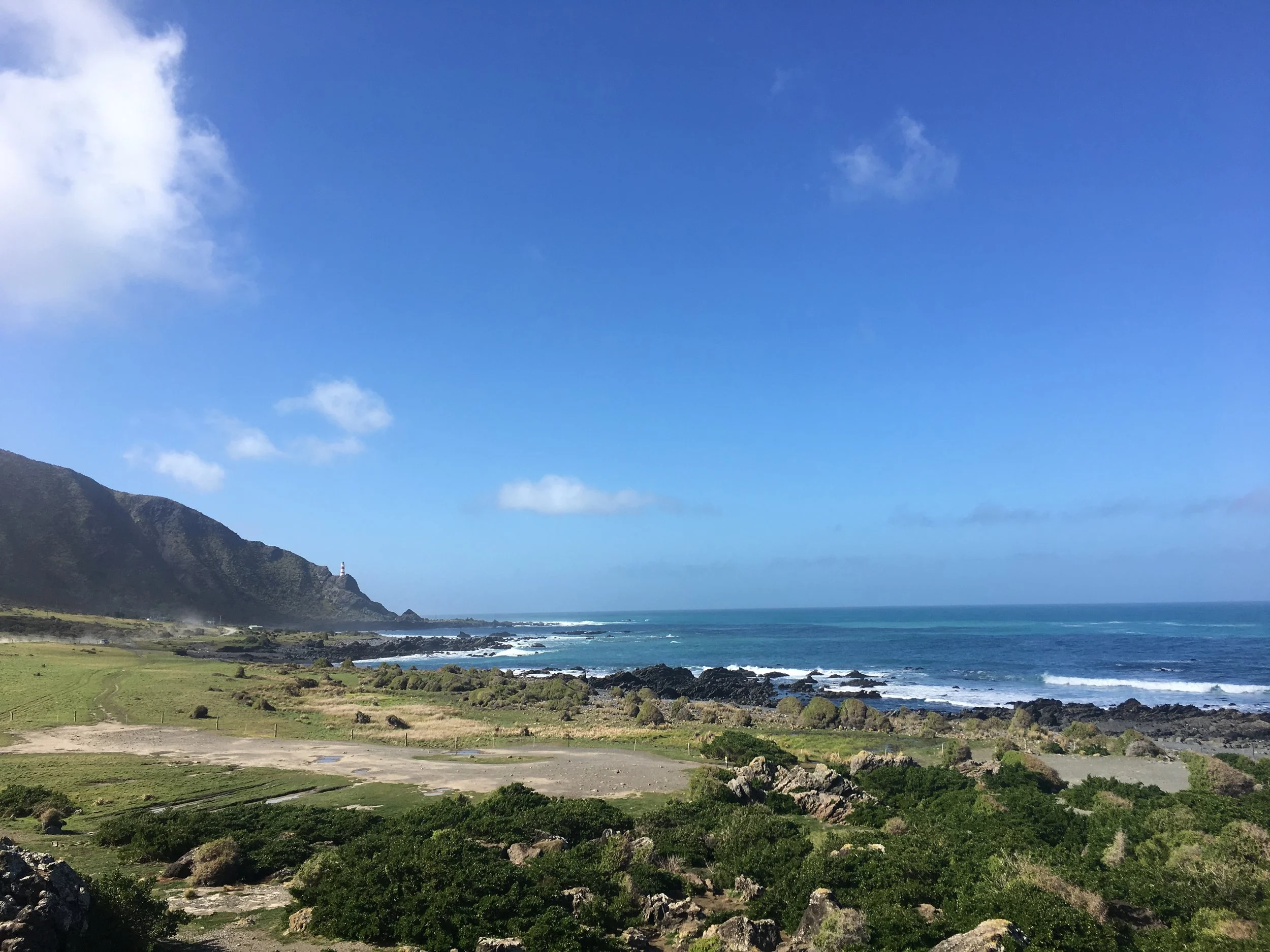
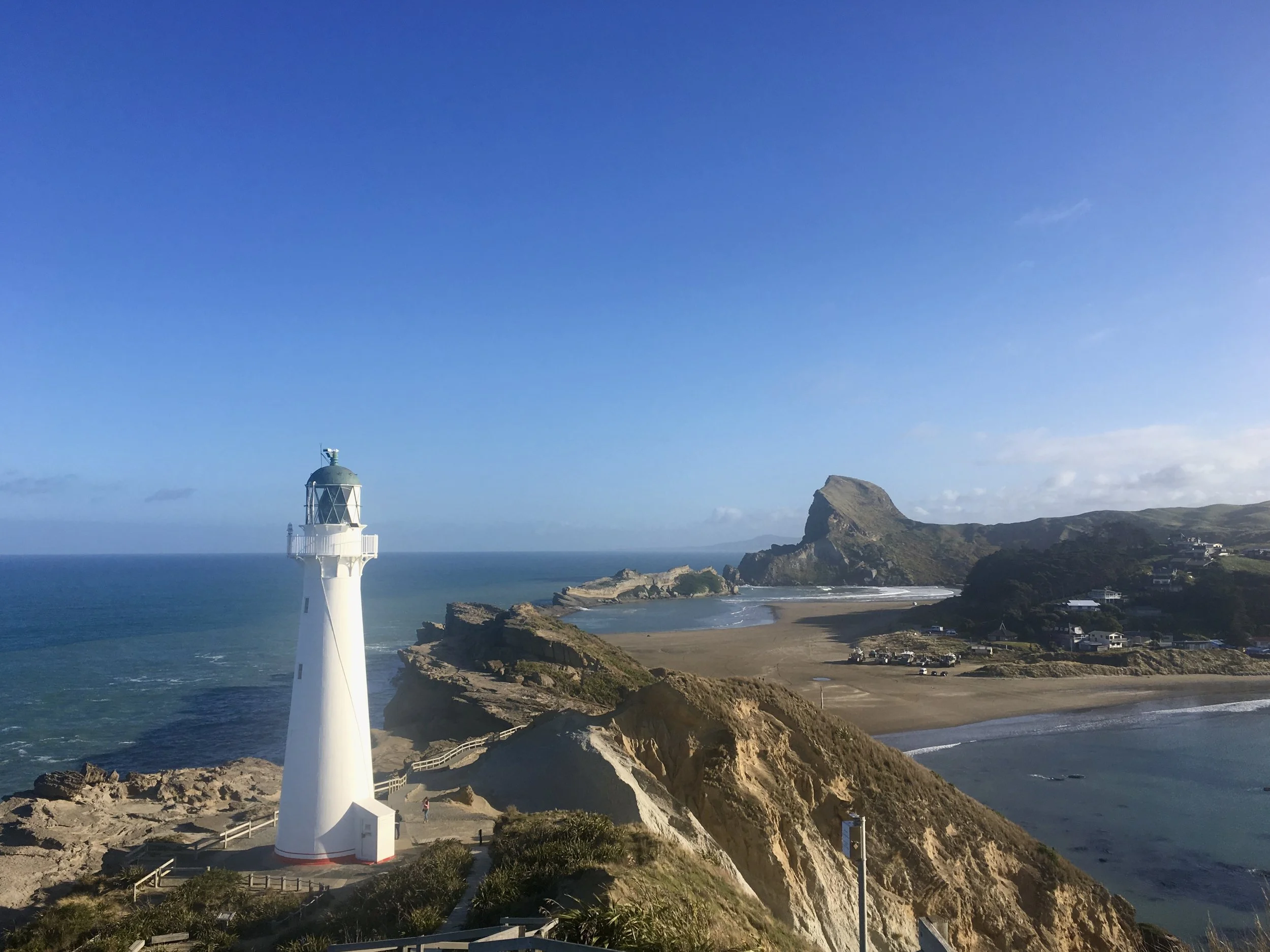
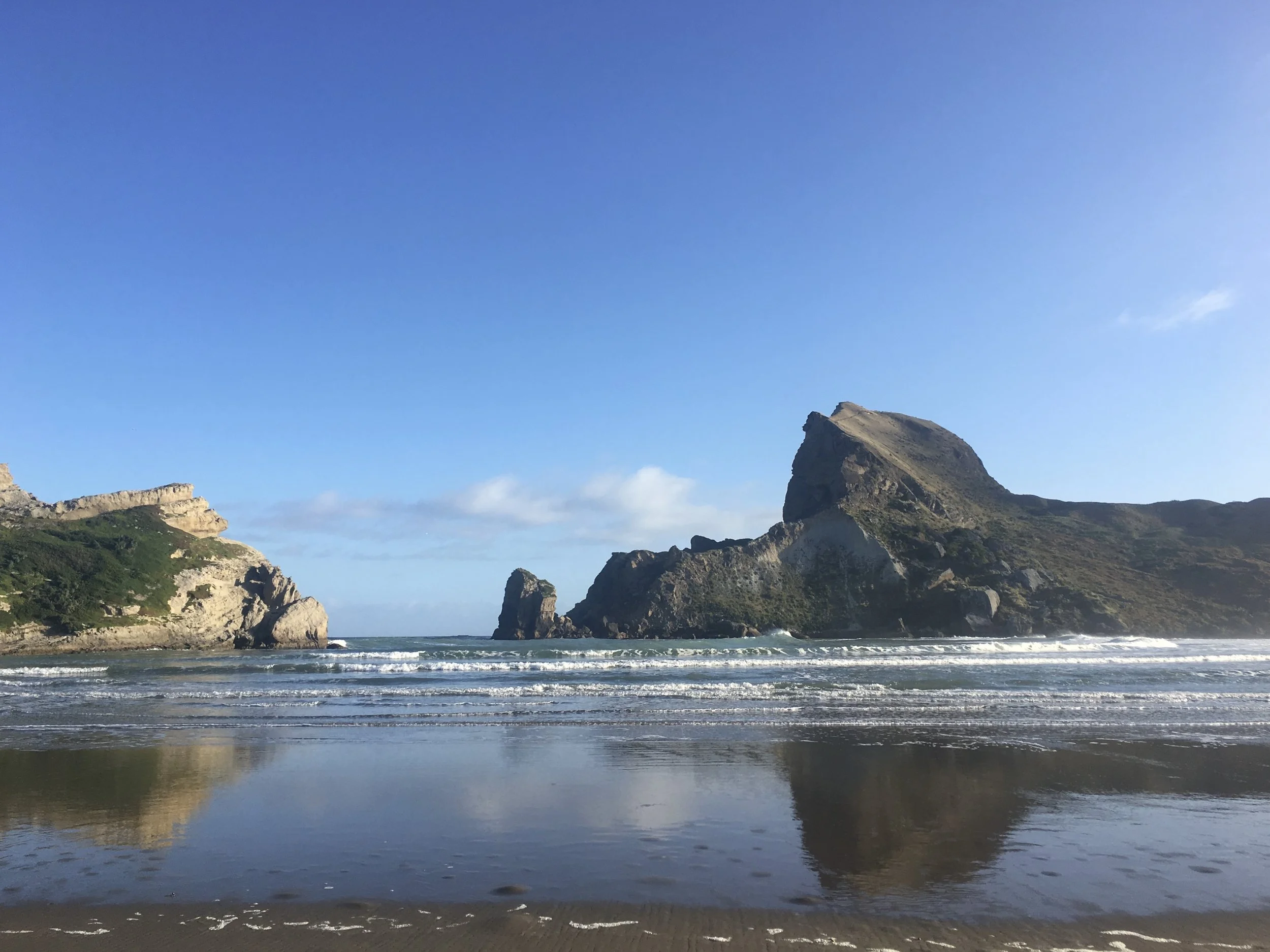
The Castlepoint Lighthouse is another memorable stop, but it is not a small detour. Expect about an hour of driving each way from Masterton, so it is best added if you have time and enjoy remote coastal roads. We visited after a recommendation and found it beautiful, with the lighthouse, fossil-rich limestone reef, lagoon and wild coastal scenery all packed into one small area. Stick to the marked tracks and avoid the exposed reef by the lagoon, as sea conditions here can be unpredictable. It is a rewarding place to visit, but not one I would squeeze into an already busy travel day.
For most travelers, Wellington is a strong ending on its own. The Wairarapa, Cape Palliser and Castlepoint can make the route feel more complete if you are looping back north, but they are best treated as optional extensions rather than essential stops.
Suggested time: 2–4 days in Wellington, plus 2–3 extra days for Wairarapa and Castlepoint
Best for: Food, coffee, culture, waterfront walks, city energy and optional coastal detours
Main stops: Wellington waterfront, Cuba Street, Te Papa, Mount Victoria and Zealandia
Optional additions: Wellington Cable Car, Oriental Bay, Martinborough, Pūtangirua Pinnacles, Cape Palliser, Castlepoint or a return drive toward Auckland
Good to know: Cape Palliser and Castlepoint are both beautiful but remote. Add one or both if you have time, not because every scenic detour needs to make the itinerary.
Final thoughts on this North Island road trip
The North Island is easy to underestimate, especially if your wider New Zealand trip also includes the South Island. But this route shows just how much variety there is between Auckland and Wellington: lively cities, kauri forests, geothermal valleys, surf beaches, wine regions, caves, quiet bays, mountain views and remote coastal roads.
You do not need to follow this itinerary exactly for it to be worthwhile. Use it as a flexible framework, choose the regions that fit your travel style and leave enough room for weather, local recommendations and the places you unexpectedly want to stay longer.
For us, the North Island was where our campervan journey really began. It gave us our first taste of slow travel in New Zealand and years later, many of those quieter stops are still the ones we remember most.
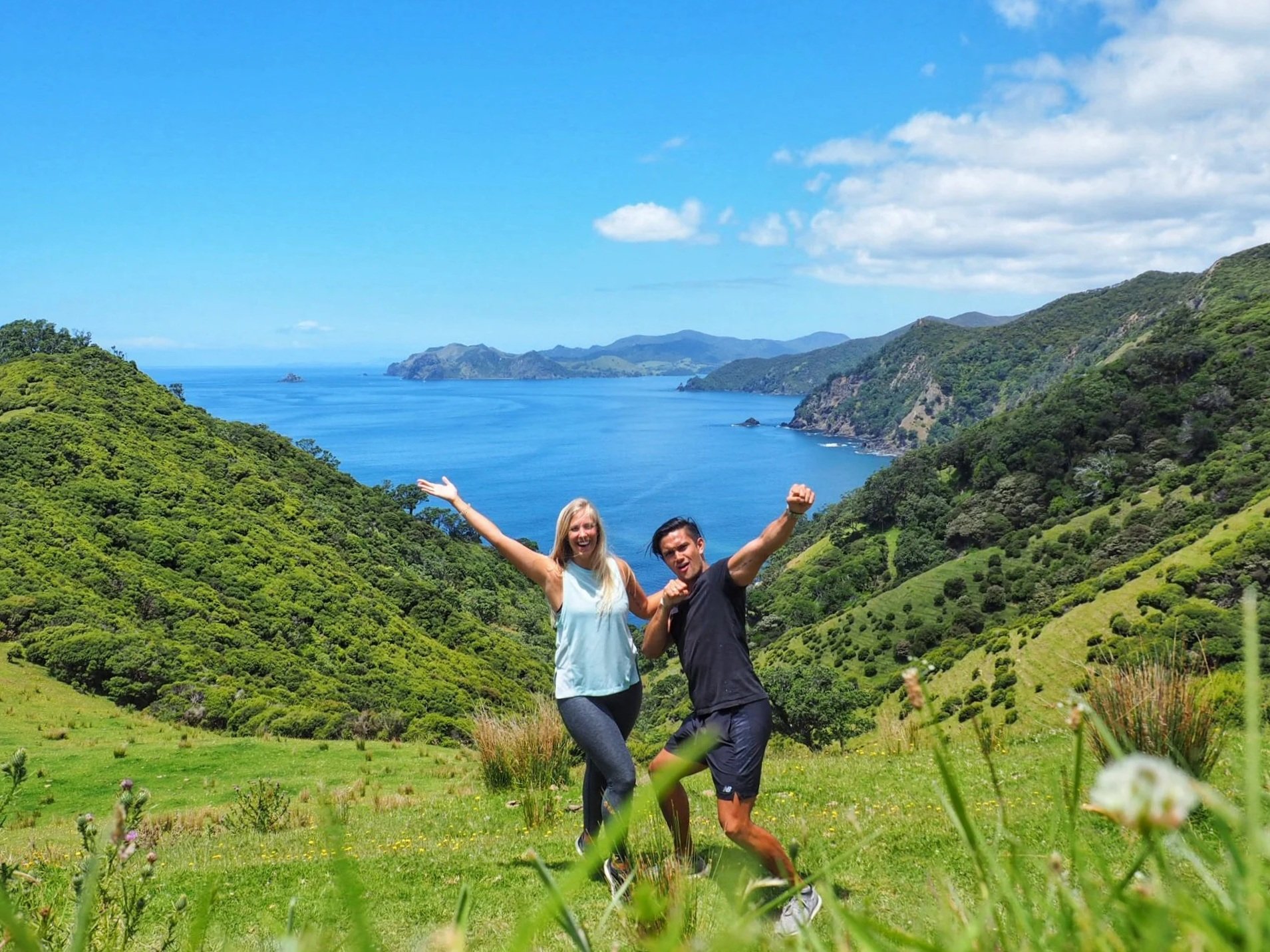
Coromandel Coastal Walk
More of the North Island: