New Zealand North Island Road Trip: East Coast, Taupō and Coromandel
A slow travel campervan guide from the geothermal valleys of Rotorua to the wild coastlines of the East Cape and the Coromandel Peninsula
New Zealand’s North Island is often squeezed into a rushed itinerary: Auckland, Rotorua, Hobbiton, maybe Taupō, then straight down to Wellington or across to the South Island. But if you have a campervan, a little more time and the kind of curiosity that makes you follow coastal roads just because they look interesting on the map, this part of the North Island deserves to be slowed down.
This route brings together some of the best things about traveling New Zealand by campervan: geothermal landscapes, lake views, wine country, farmers markets, remote beaches, coastal hikes, native wildlife, relaxed beach towns and the kind of unplanned moments that often end up being the highlight of the trip.
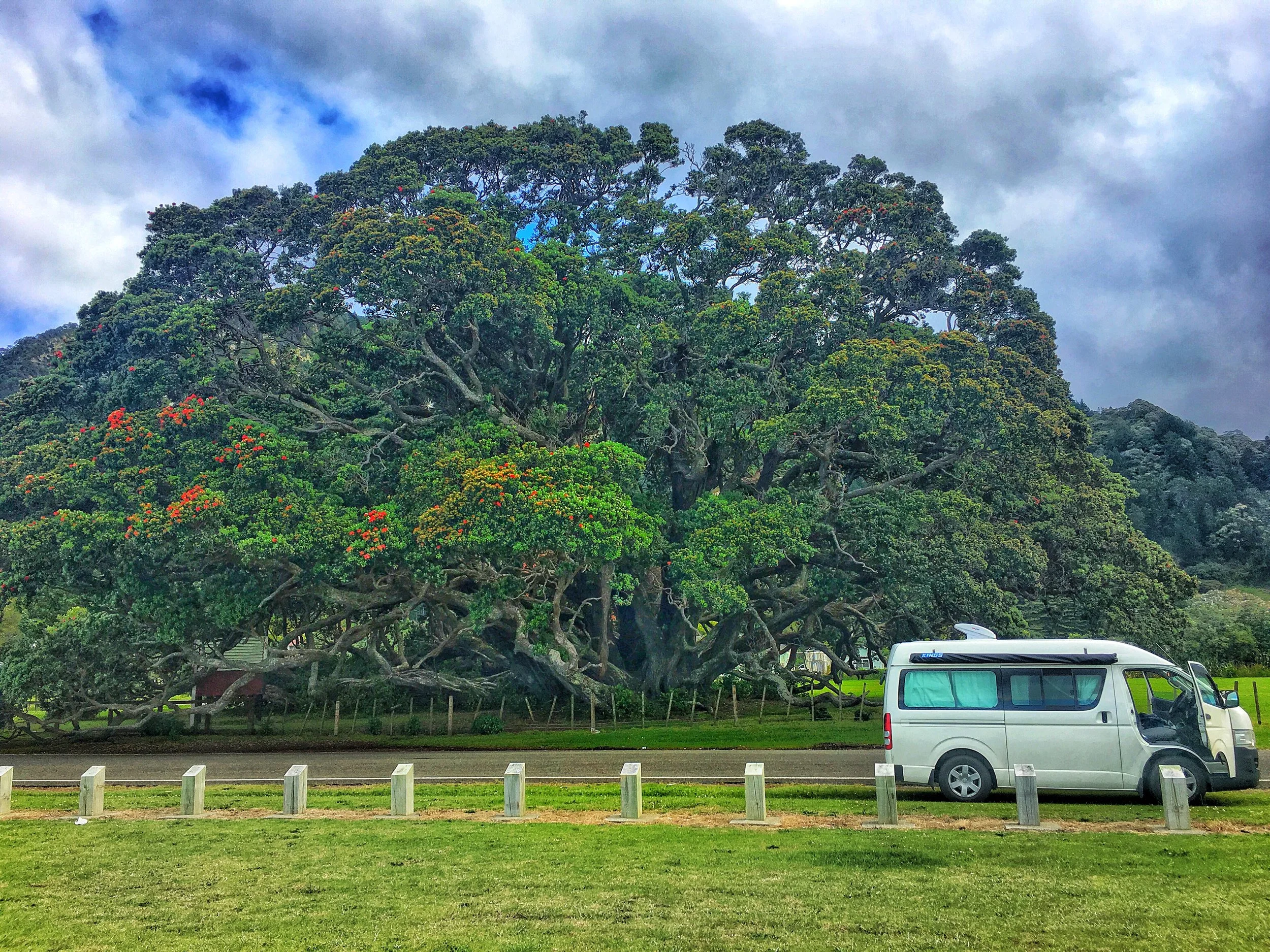
Our journey started slightly differently from a classic North Island itinerary. After arriving in Auckland, we bought an empty van because we were planning to spend a full year in New Zealand and wanted to convert it ourselves. We then drove directly to Taupō, where we had a family friend and the time to finish turning our van, Wallace, into our cozy home on wheels. What began as a practical starting point became the place where the trip slowly came together.
For most travelers, though, this route can easily begin in Auckland and loop through Hobbiton, Rotorua, Taupō, Hawke’s Bay, Gisborne, the East Cape, Bay of Plenty and the Coromandel before returning toward Auckland.
Quick guide
Recommended duration: 3 weeks
Best time: November to April
Best for: Camping, beaches, geothermal stops, wine country and remote coastal walks
Route: Auckland → Hobbiton → Rotorua → Taupō → Hawke’s Bay → Gisborne → East Cape → Bay of Plenty → Coromandel Peninsula → Auckland
Route overview
Auckland → Hobbiton → Rotorua → Taupō → Hawke’s Bay → Gisborne → East Cape → Bay of Plenty → Coromandel Peninsula → Auckland
Best time to do this North Island road trip
We traveled this part of the North Island in December, which felt like a great time. The days were long, the weather was warming up and it was still a little quieter before the busy Christmas and New Year holiday period.
In general, November to April is a good time for this route, especially if you want warmer weather for camping, swimming, beach days and hiking.
How long do you need?
You could technically drive this route in 10 to 14 days, but it would feel rushed. The beauty of this part of the North Island lies in the slower stops: lingering at a beach campsite, visiting a farmers market, taking the scenic detour, finding a swimming spot or spending an extra morning somewhere simply because it feels good.
A realistic pace would be:
10 – 14 days: possible, but selective
3 weeks: a good balance for most travelers
4+ weeks: ideal for slow travel, campervan life and unplanned detours
Best for
Campervan or camping slow travel
Beaches and coastal drives
Geothermal landscapes
Wine regions and farmers markets
Scenic hikes
Quieter places beyond the main tourist loop
A mix of iconic stops and less polished, more remote areas
Starting in Auckland
Most international travelers will arrive in Auckland, pick up a rental campervan or car and spend a little time getting organized before heading out. Auckland is absolutely worth exploring, especially if you enjoy good food, city viewpoints, waterfront walks and nearby islands. We spent more time there later on the road trip, so for this particular route, Auckland was more of a practical starting point than a main stop. If you have a few extra days at the beginning or end of your trip, it is definitely worth adding time for the city.
Stock up on food, download offline maps, check your camping apps and make sure your vehicle is properly certified if you plan to freedom camp. New Zealand is a fantastic country for campervan travel, but the rules matter and they do change. Always check current local restrictions before relying on older blog posts or outdated camping advice.
Hobbiton
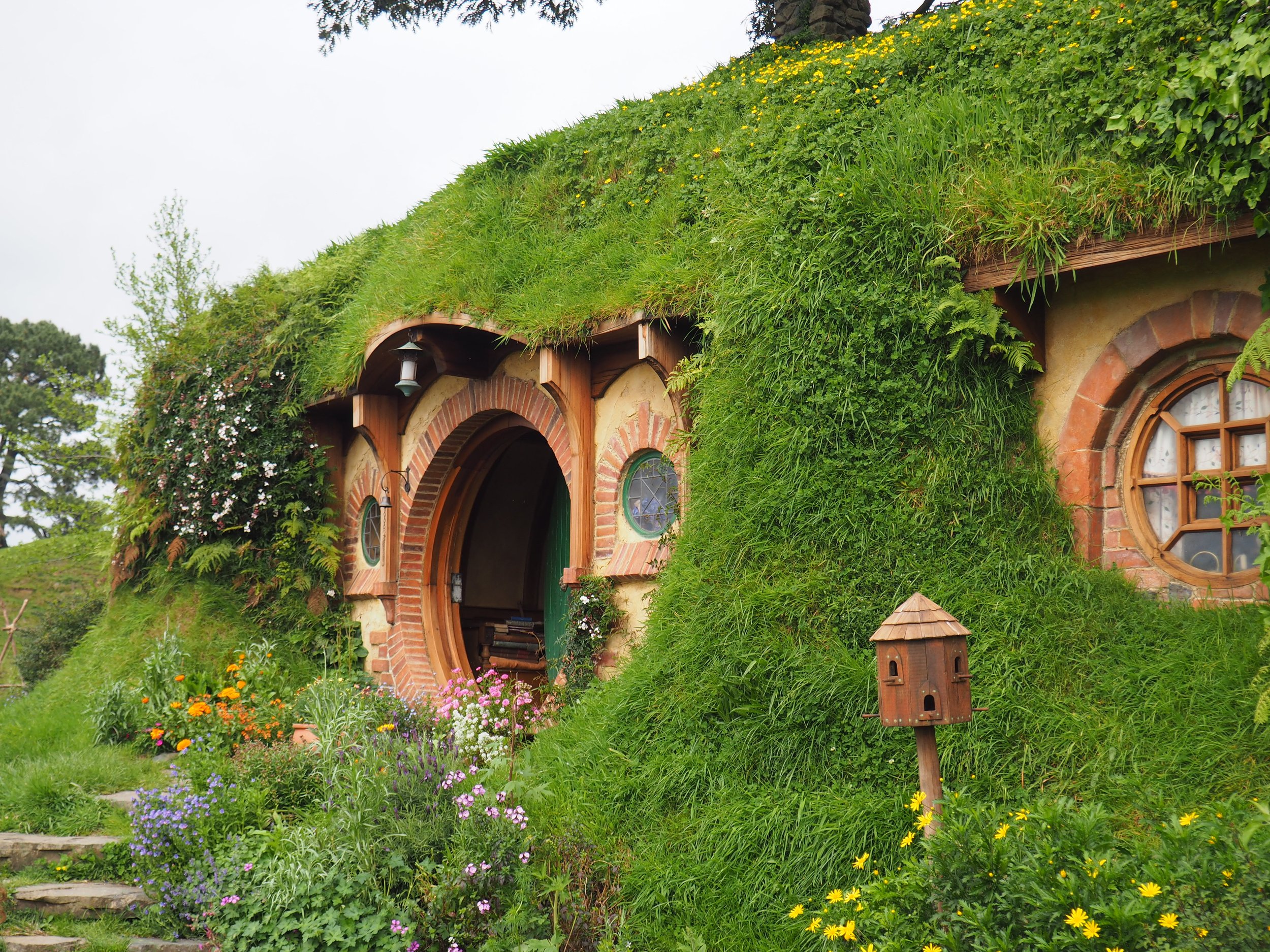
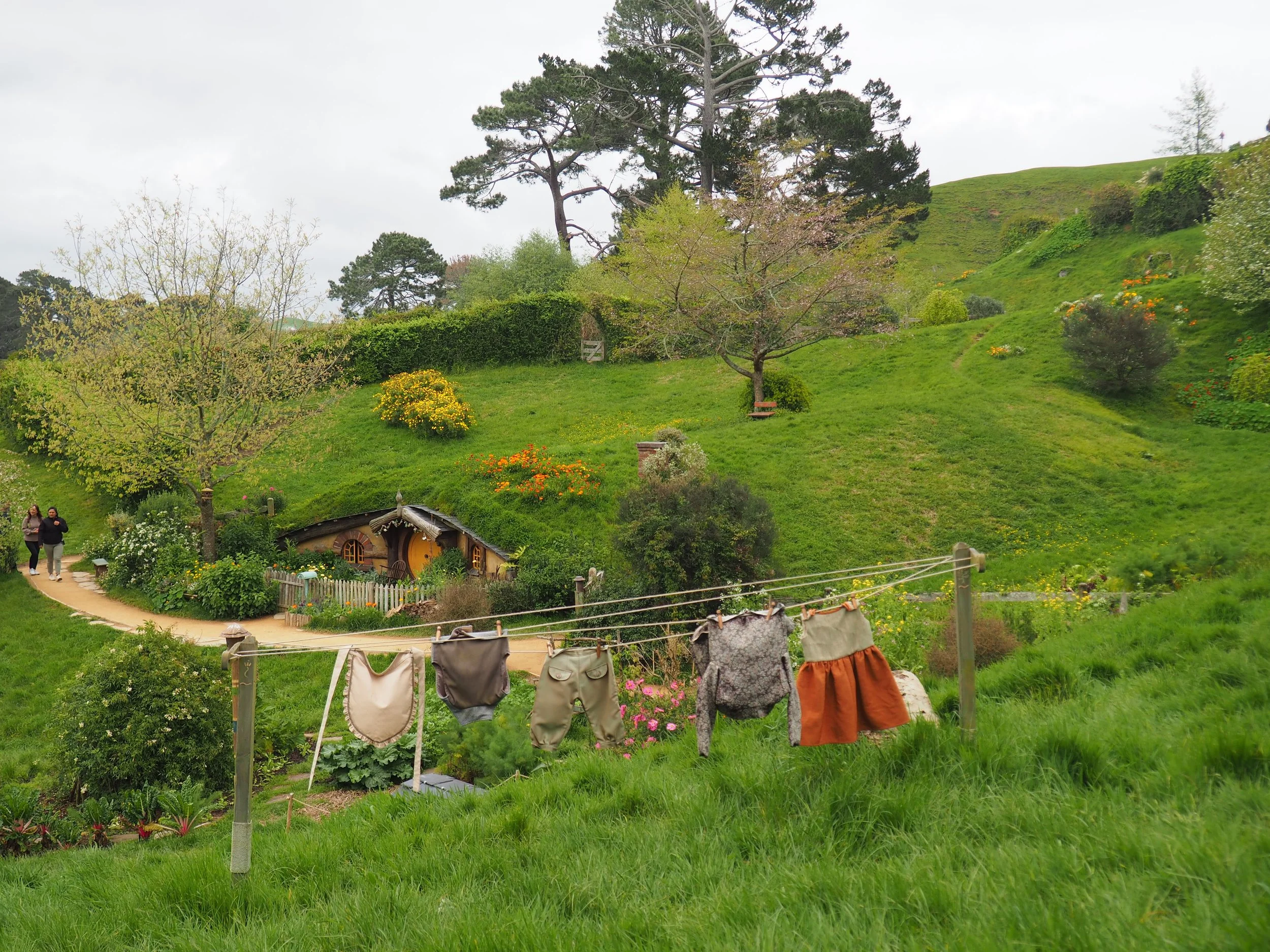
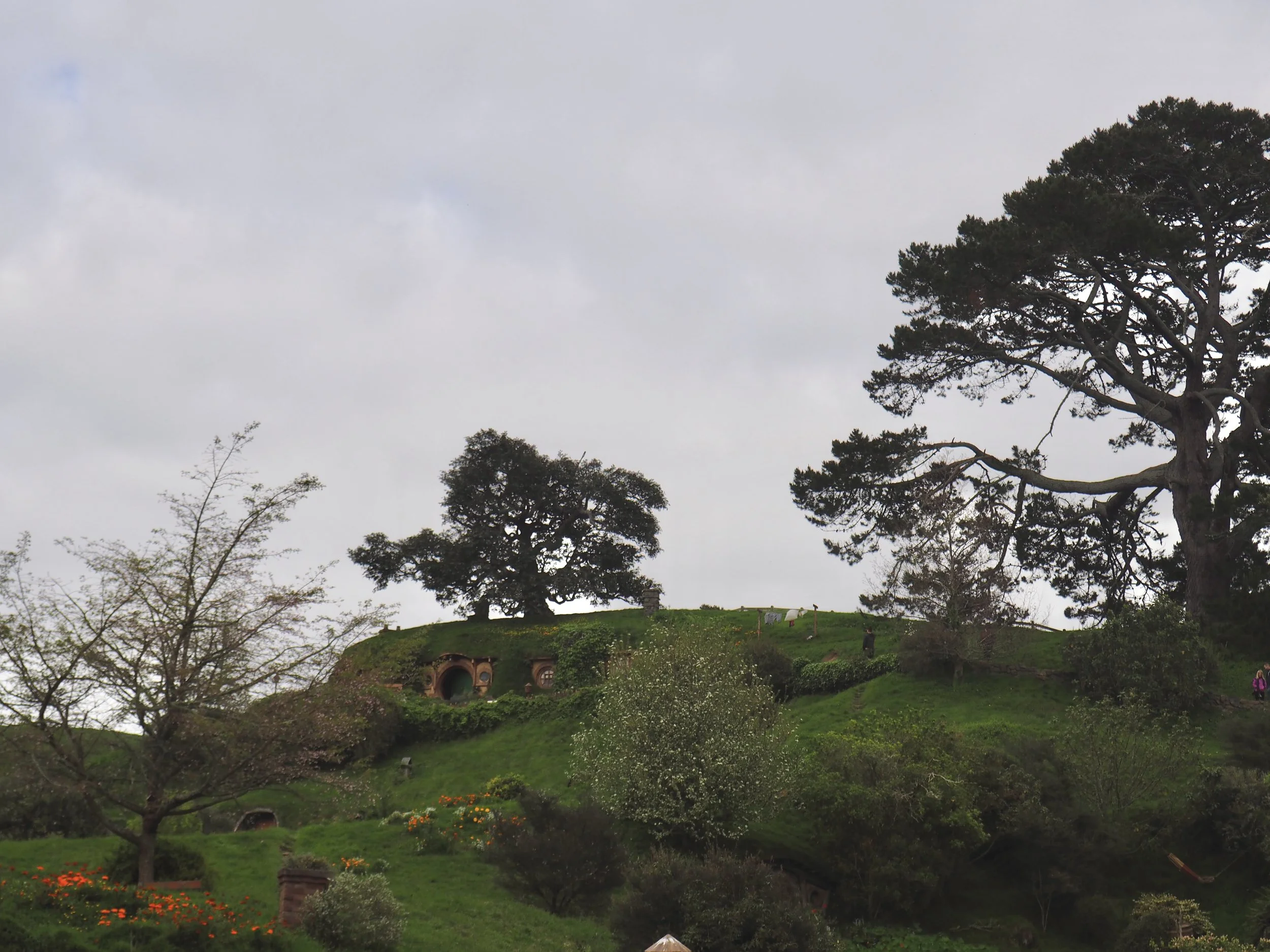
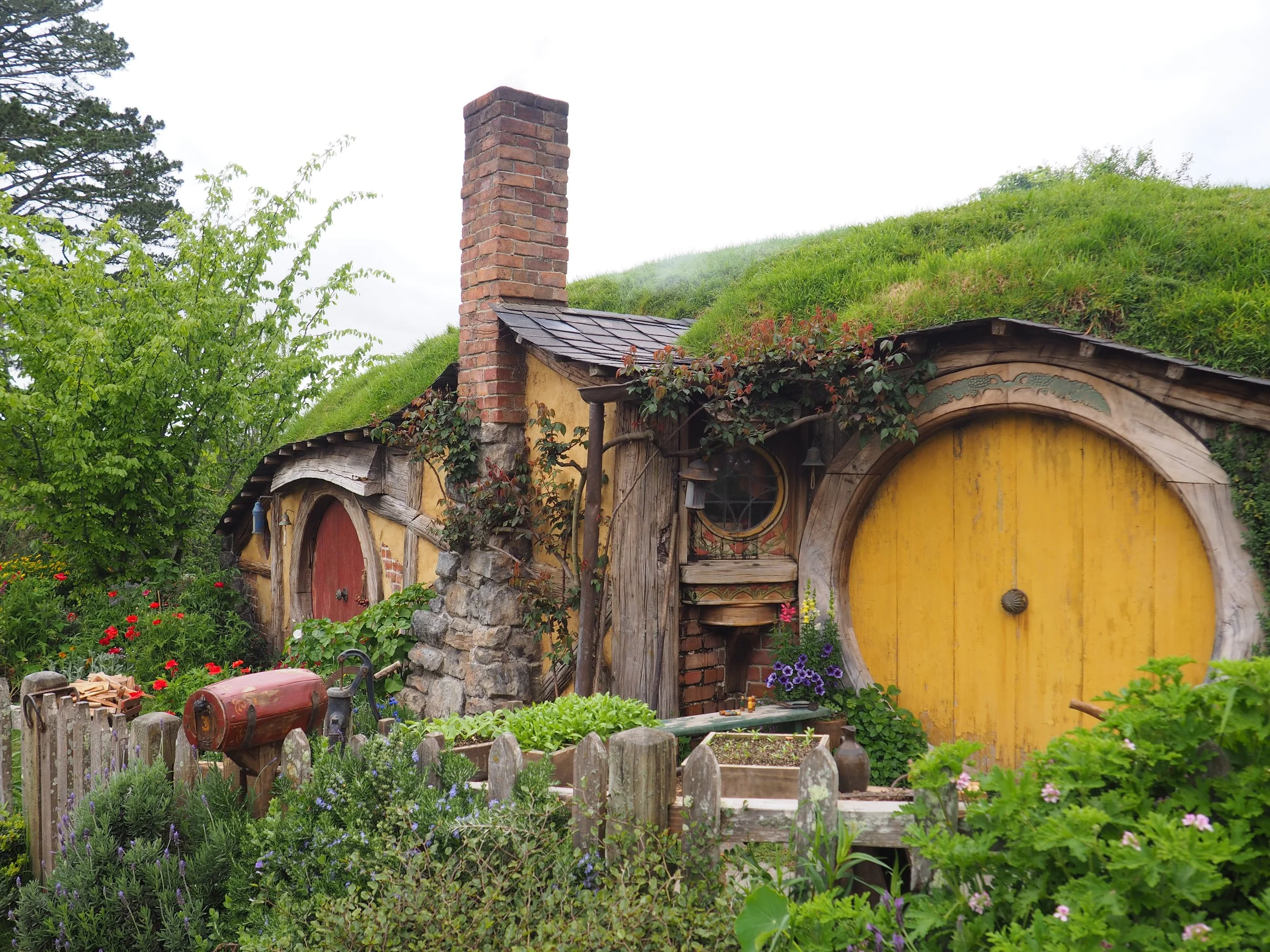
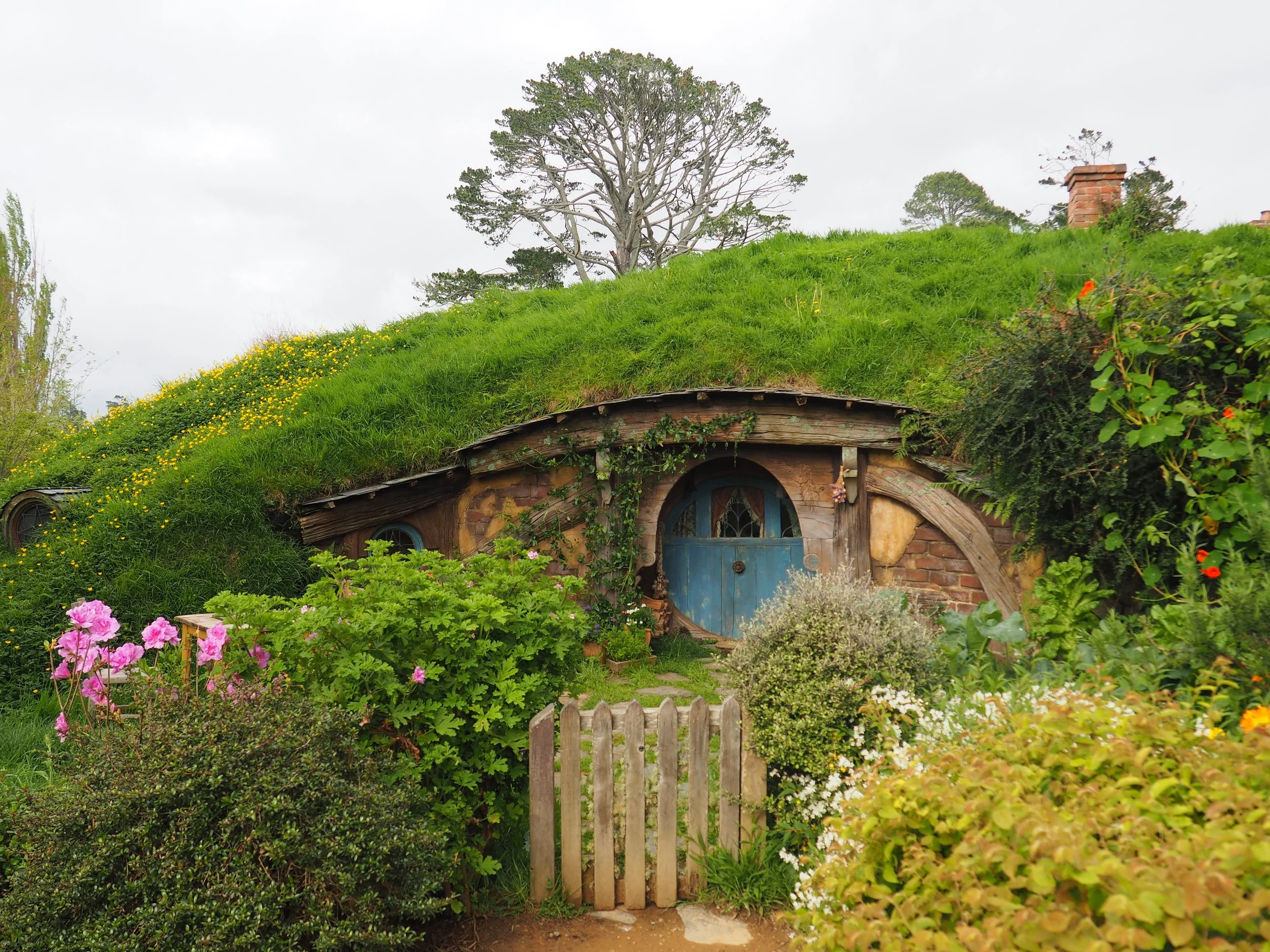
If you want to include one of New Zealand’s most famous movie locations, Hobbiton fits perfectly into this route. Located on a picturesque working sheep farm near Matamata, it makes sense as a natural stop between Auckland, Rotorua and Taupō.
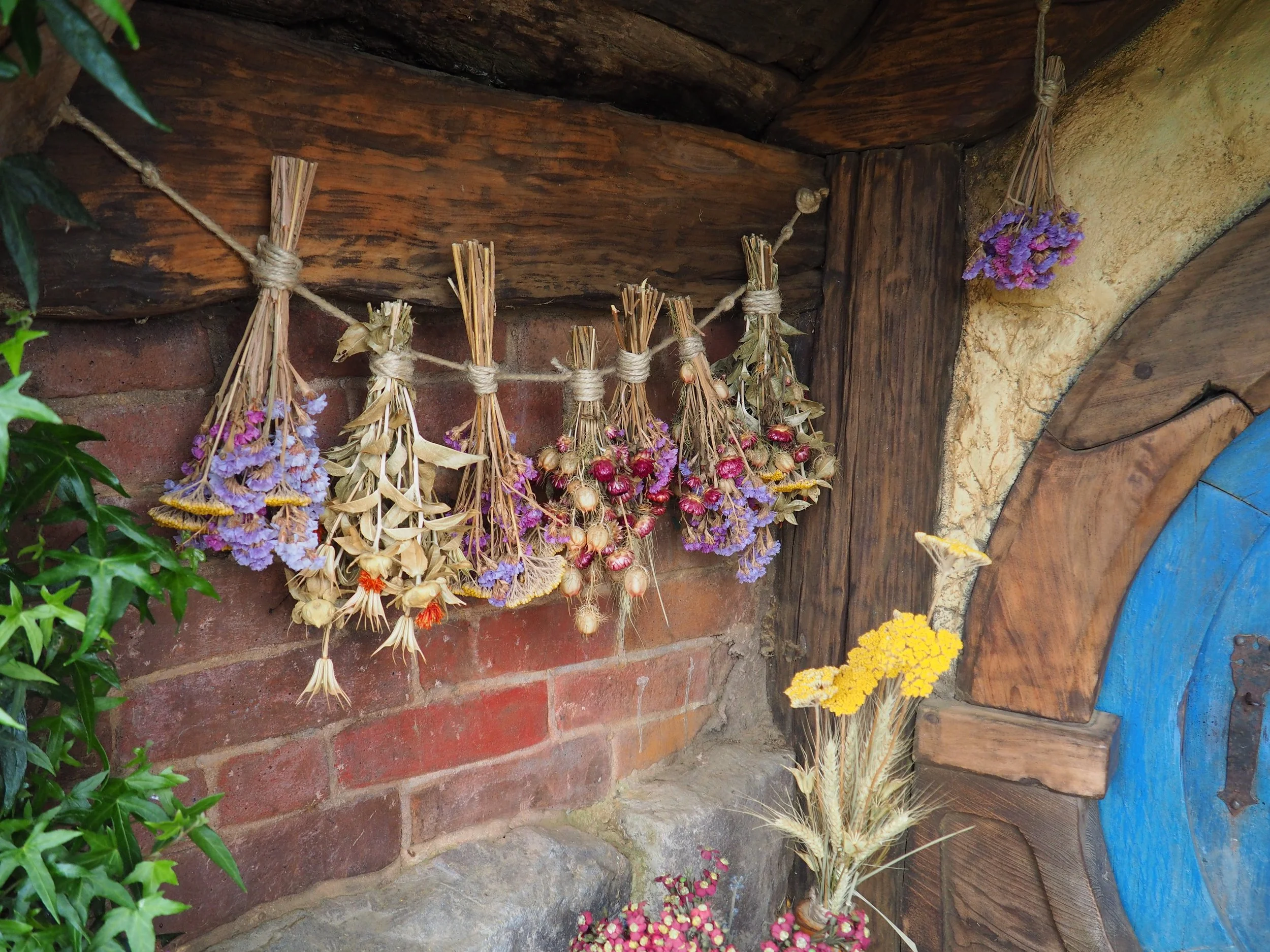
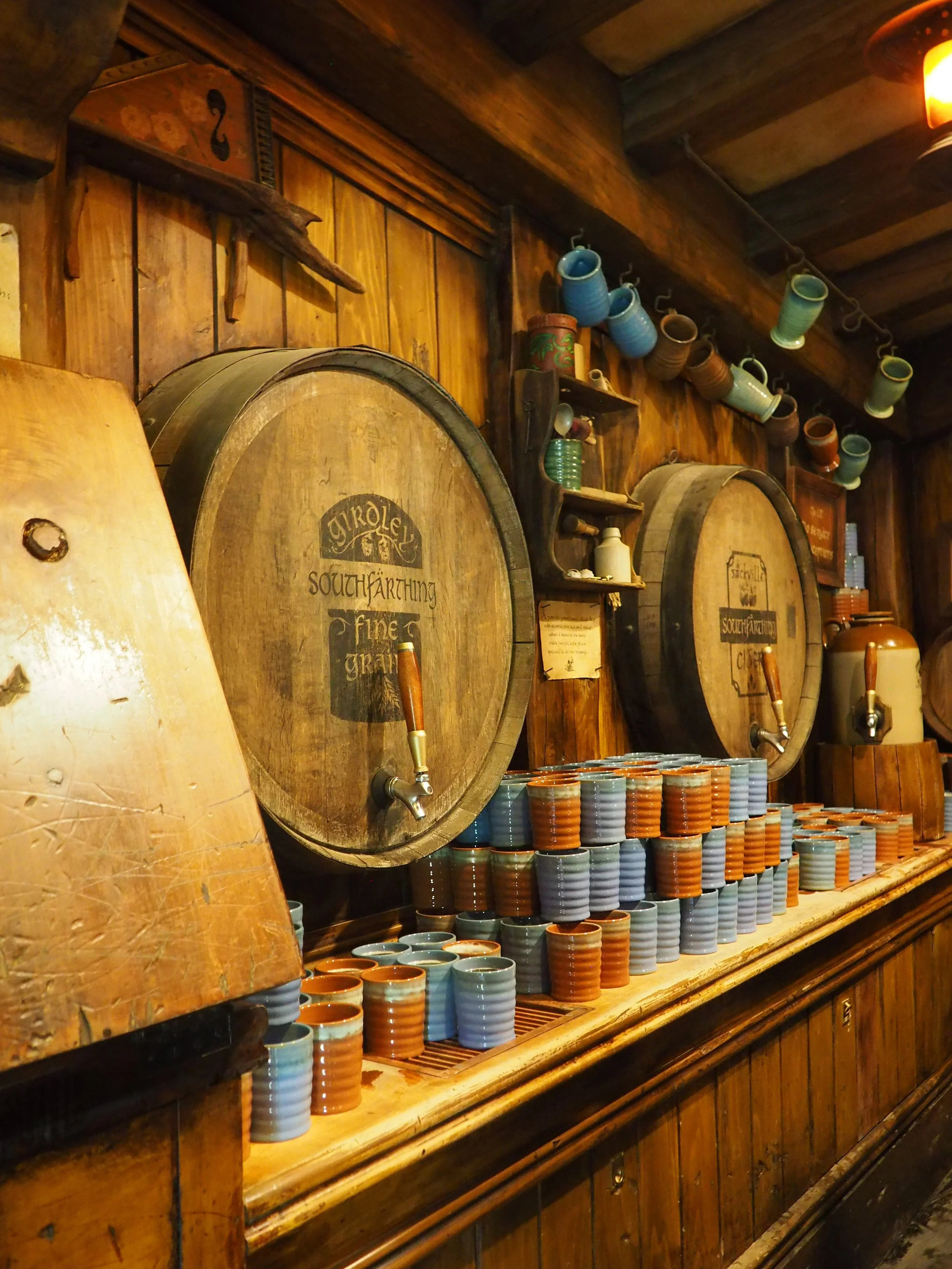
Even if you are not a huge Lord of the Rings fan, Hobbiton is one of those places that is hard not to appreciate. The set is incredibly detailed, the rolling green farmland feels almost unreal and the whole experience is very polished. They recently opened up fully furnished, life-sized Hobbit hole interiors, adding a whole new level of detail. It is touristy, yes, but it is touristy in a way that still feels worth it if you are curious about the films or simply want to see one of New Zealand’s most recognizable attractions while sipping a complimentary ginger beer at the Green Dragon Inn.
Because visits are only possible as part of a guided tour, it is essential to book ahead, especially in peak season when spots sell out weeks in advance. I would not necessarily build the entire day around Matamata unless you are a big fan. Instead, use it as a half-day stop before continuing toward the geothermal landscapes of Rotorua or Taupō.
Suggested time: Half a day
Best for: Film fans, photography, iconic New Zealand stops
Slow travel tip: Combine it with Rotorua rather than making it a rushed day trip from Auckland.


Rotorua
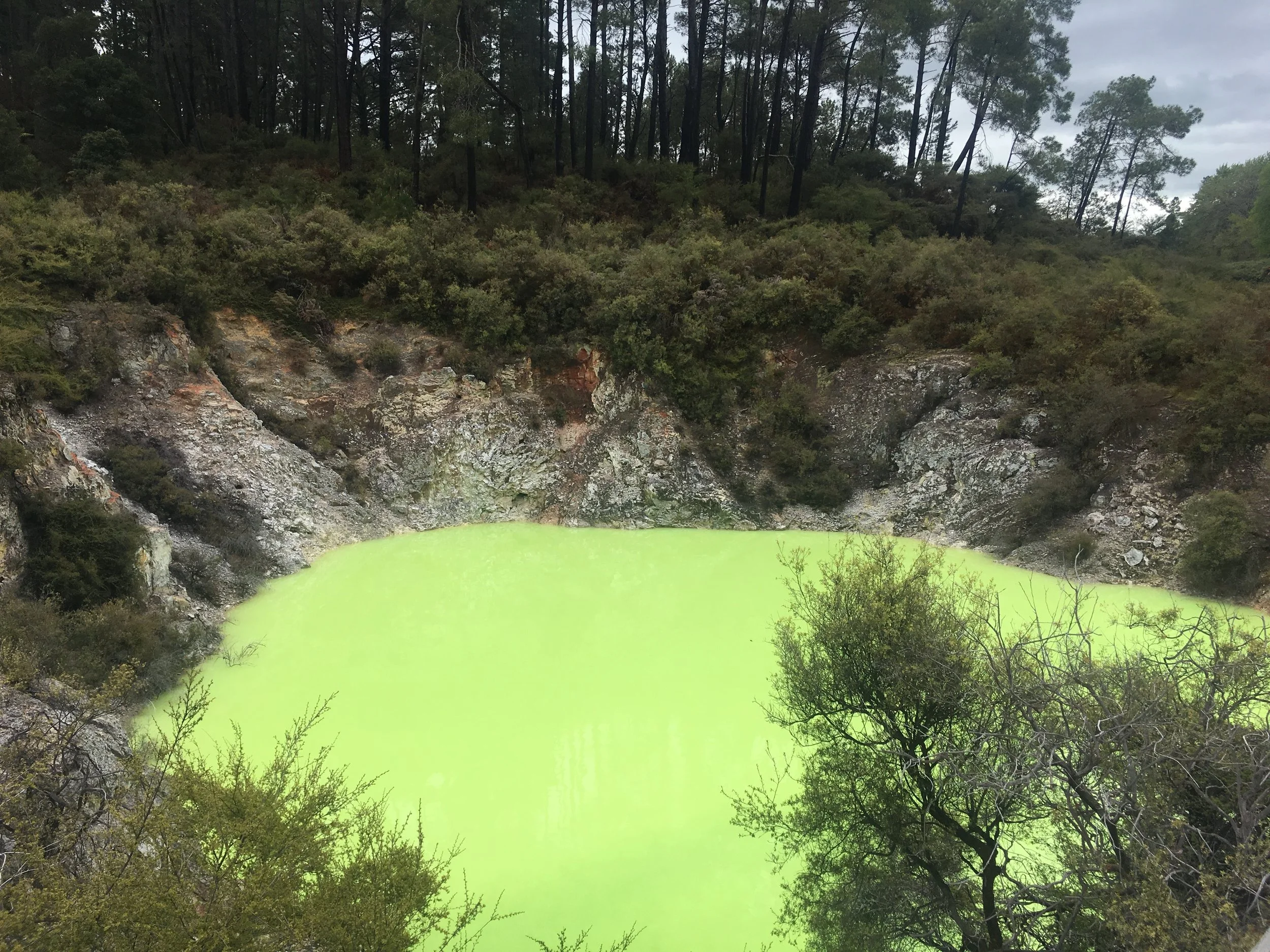
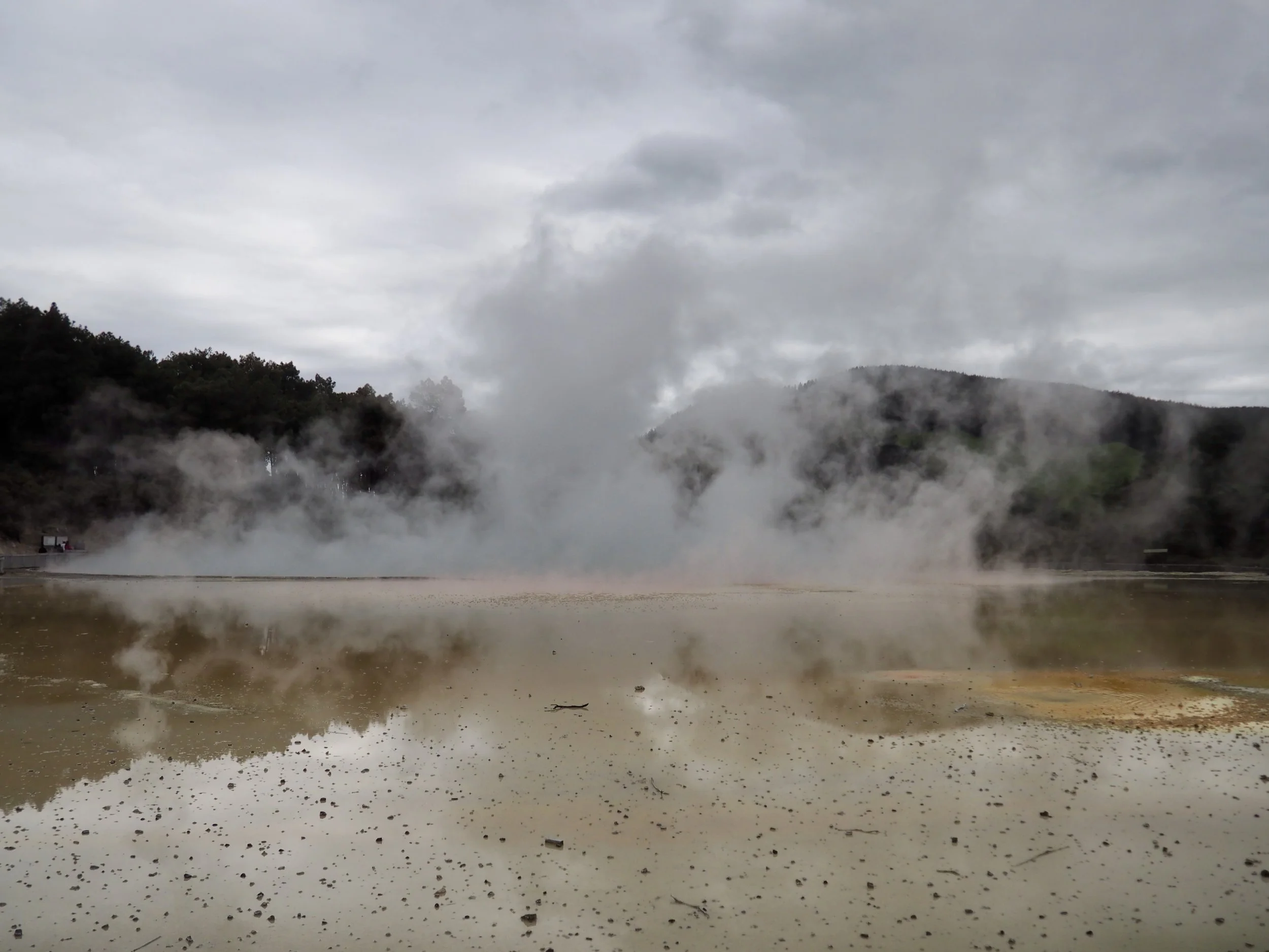
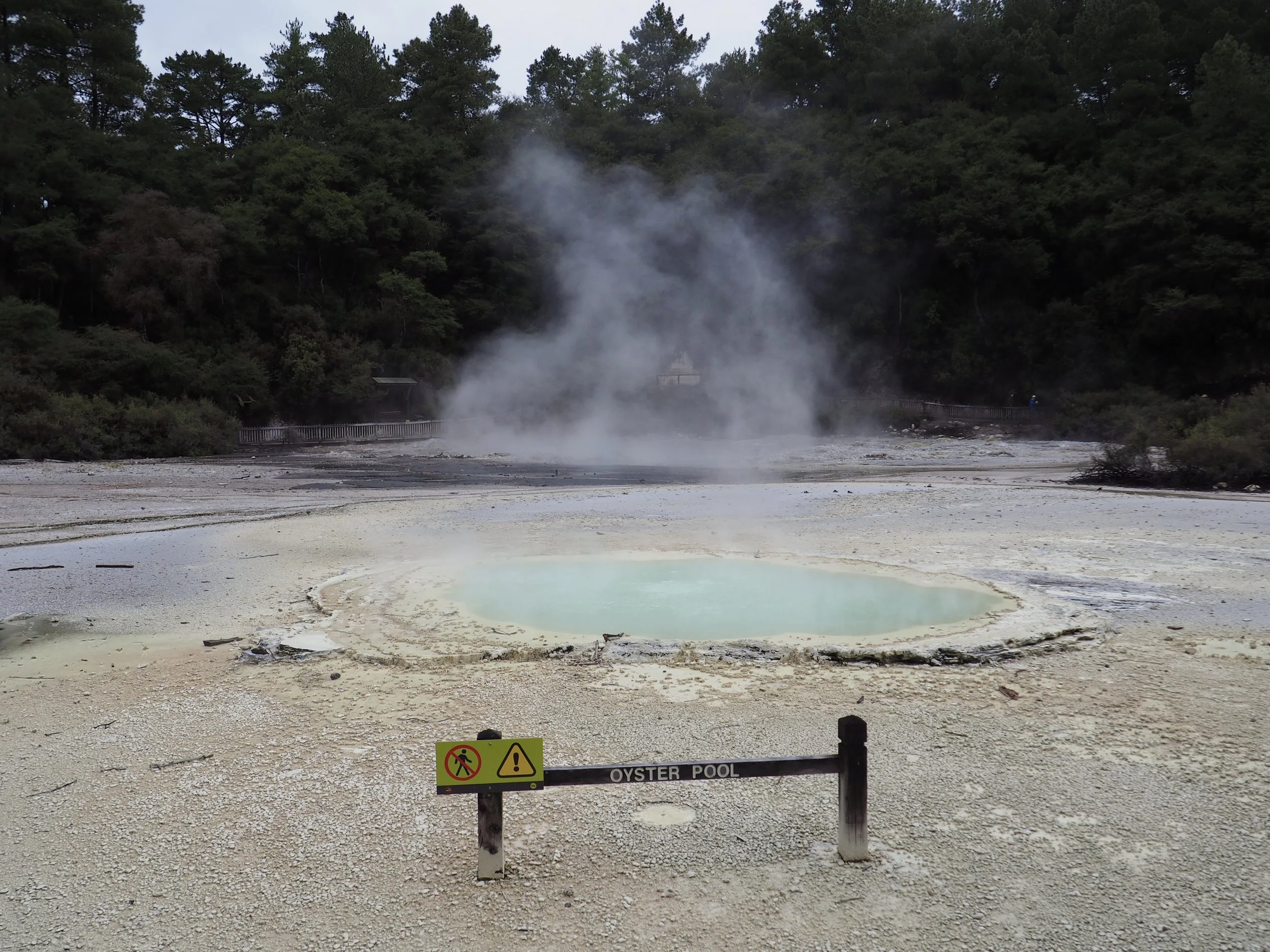
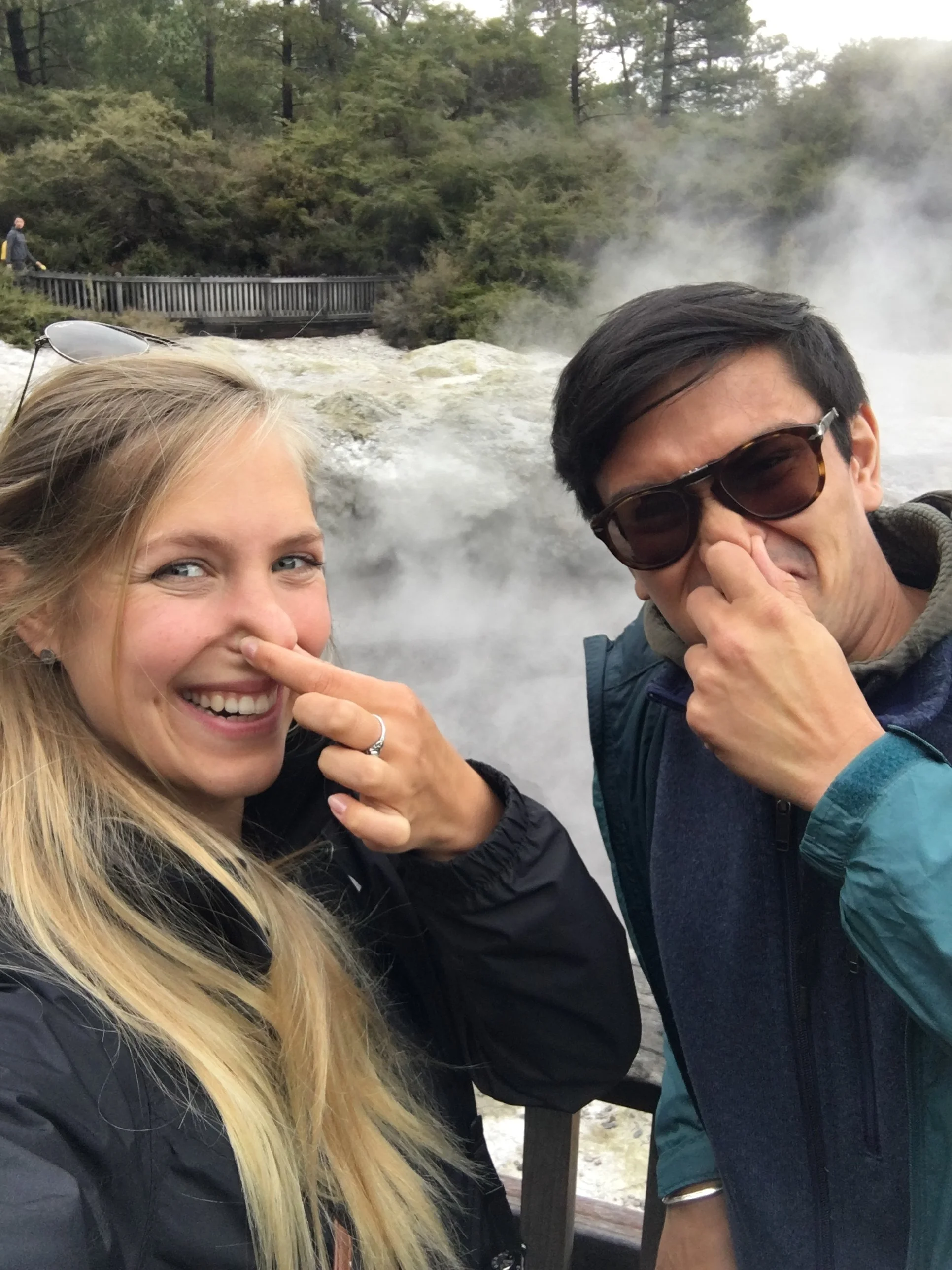
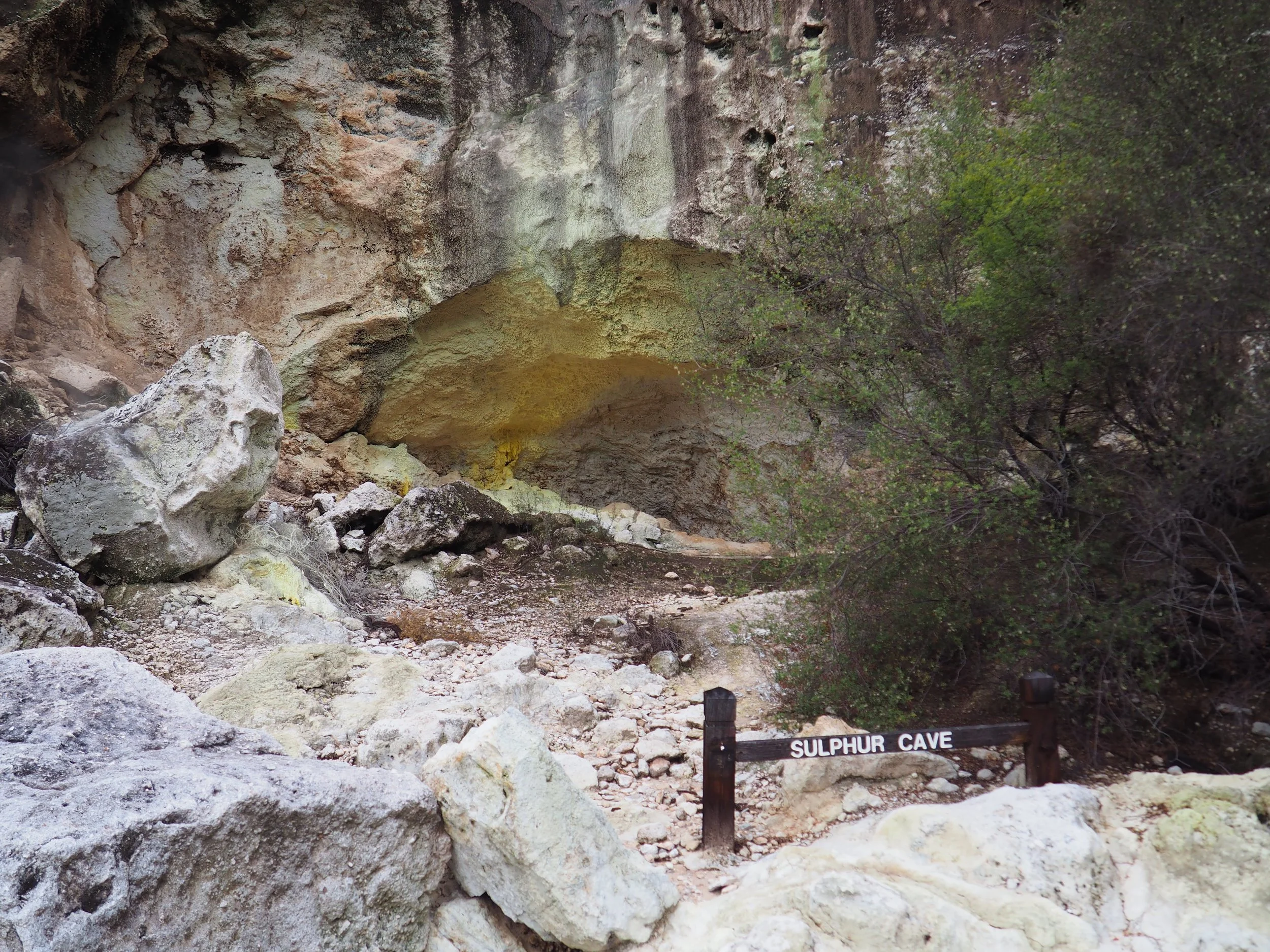
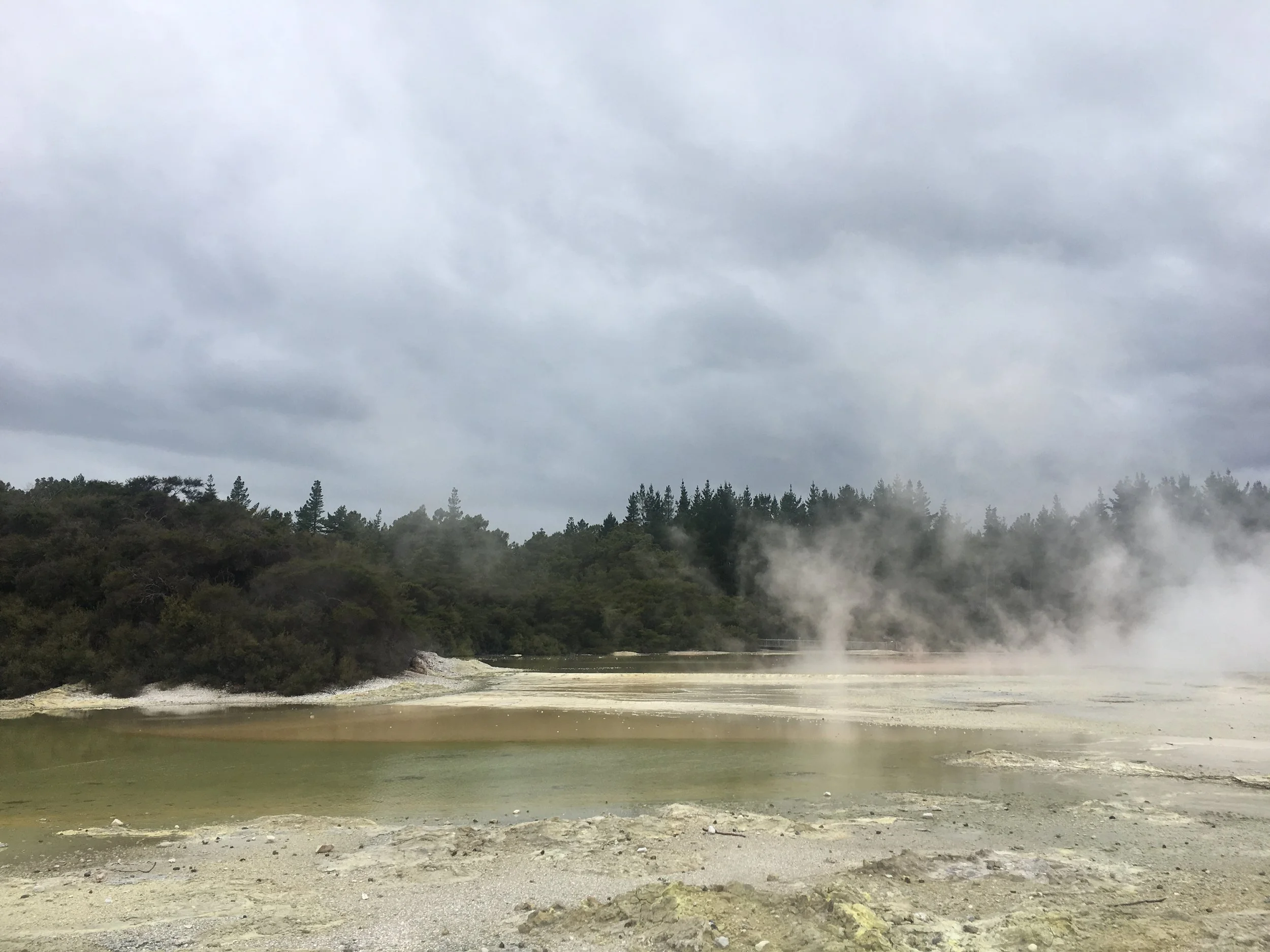
Rotorua is one of the most distinctive places on the North Island. It is geothermal, steamy, earthy and at times a little surreal. You smell the sulphur before you even fully understand the landscape around you and bubbling mud pools, hot springs and steaming vents quickly become part of the experience. This is also one of the best places on the North Island to learn more about Māori culture, explore geothermal areas and add a few classic New Zealand experiences to your road trip. Some of the best things to do in and around Rotorua include visiting a geothermal park like the neon-hued Wai-O-Tapu, walking through the towering Whakarewarewa Redwoods, soaking in hot pools and learning about Māori traditions at immersive centers like Te Pā Tū or Te Puia.
Rotorua can feel more commercial than some of the quieter places on this route, but that does not mean it should be skipped. The key is to choose experiences intentionally rather than trying to do everything. Pick one geothermal area (or simply stroll through the free bubbling mud pools at Kuirau Park right in town), one cultural or wildlife experience and one nature-based activity. Then, leave space for a slower morning or a quiet walk around the nearby Blue and Green Lakes (Tikitapu and Rotokakahi) to escape the buzz before hitting the road again.
Suggested time: 1 – 2 nights
Best for: Geothermal landscapes, Māori culture, hot pools and forest walks
Slow travel tip: Do not overpack your days. Rotorua is better when you balance paid attractions with free or low-key nature stops.
Taupō
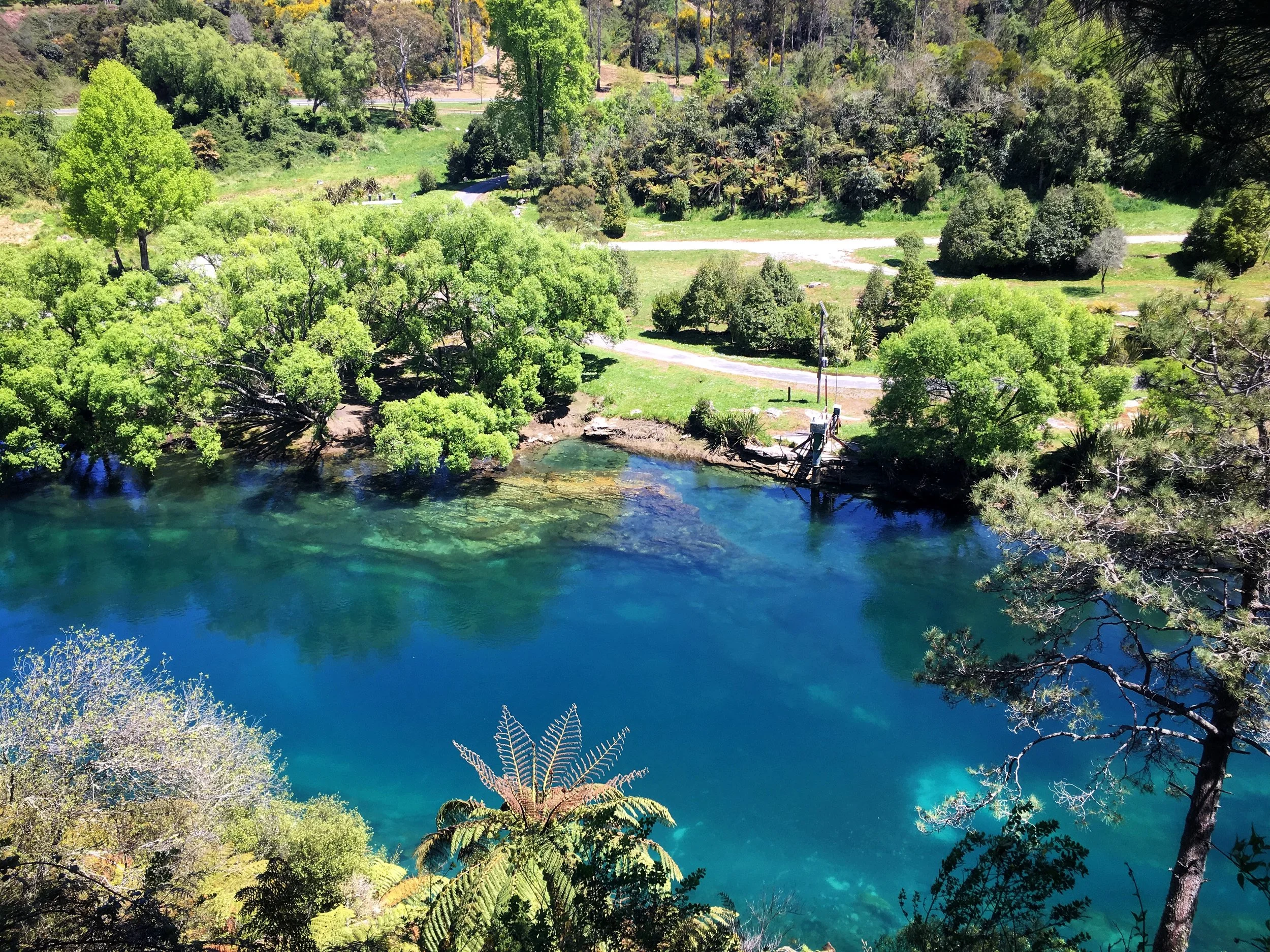
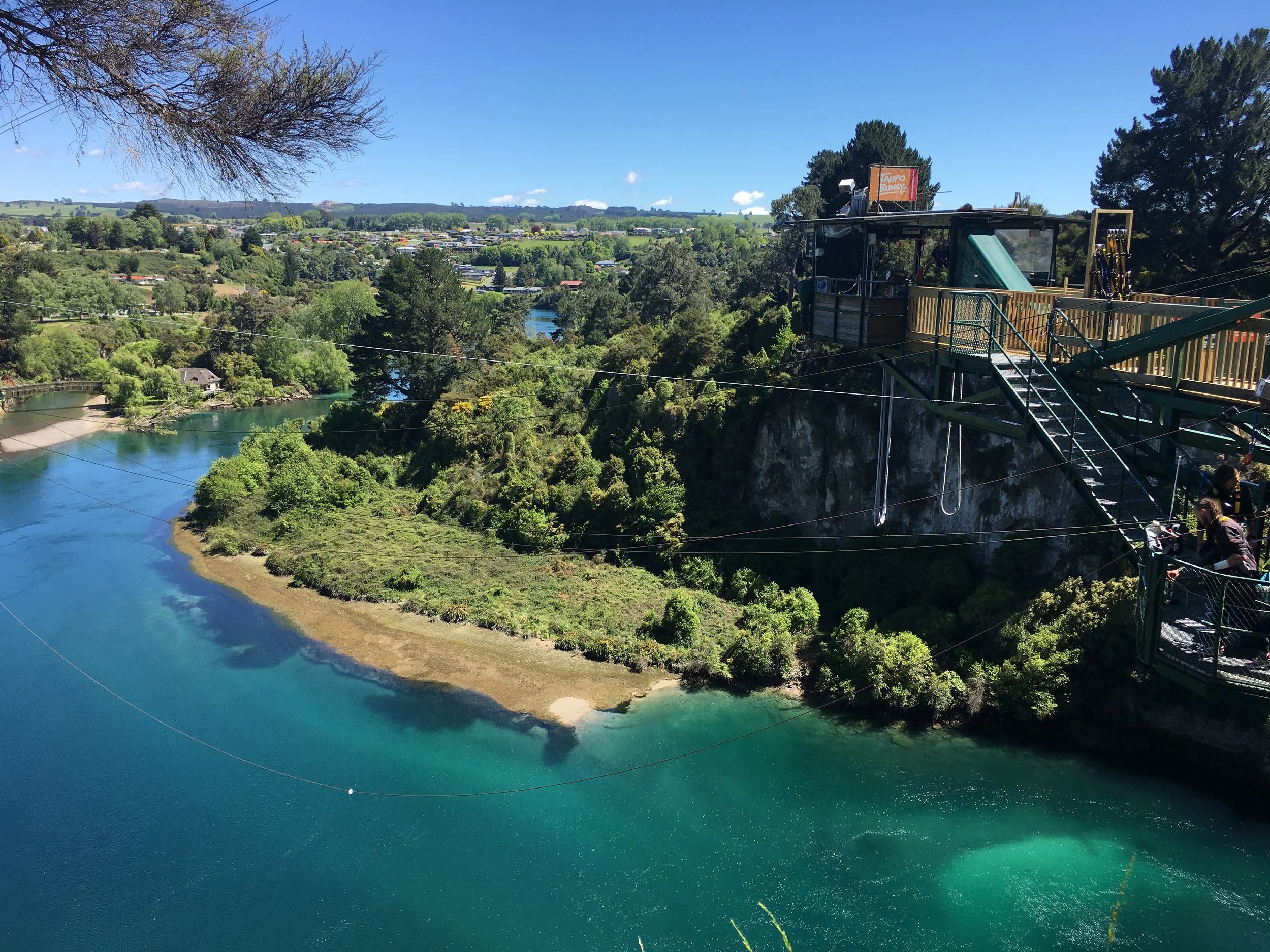
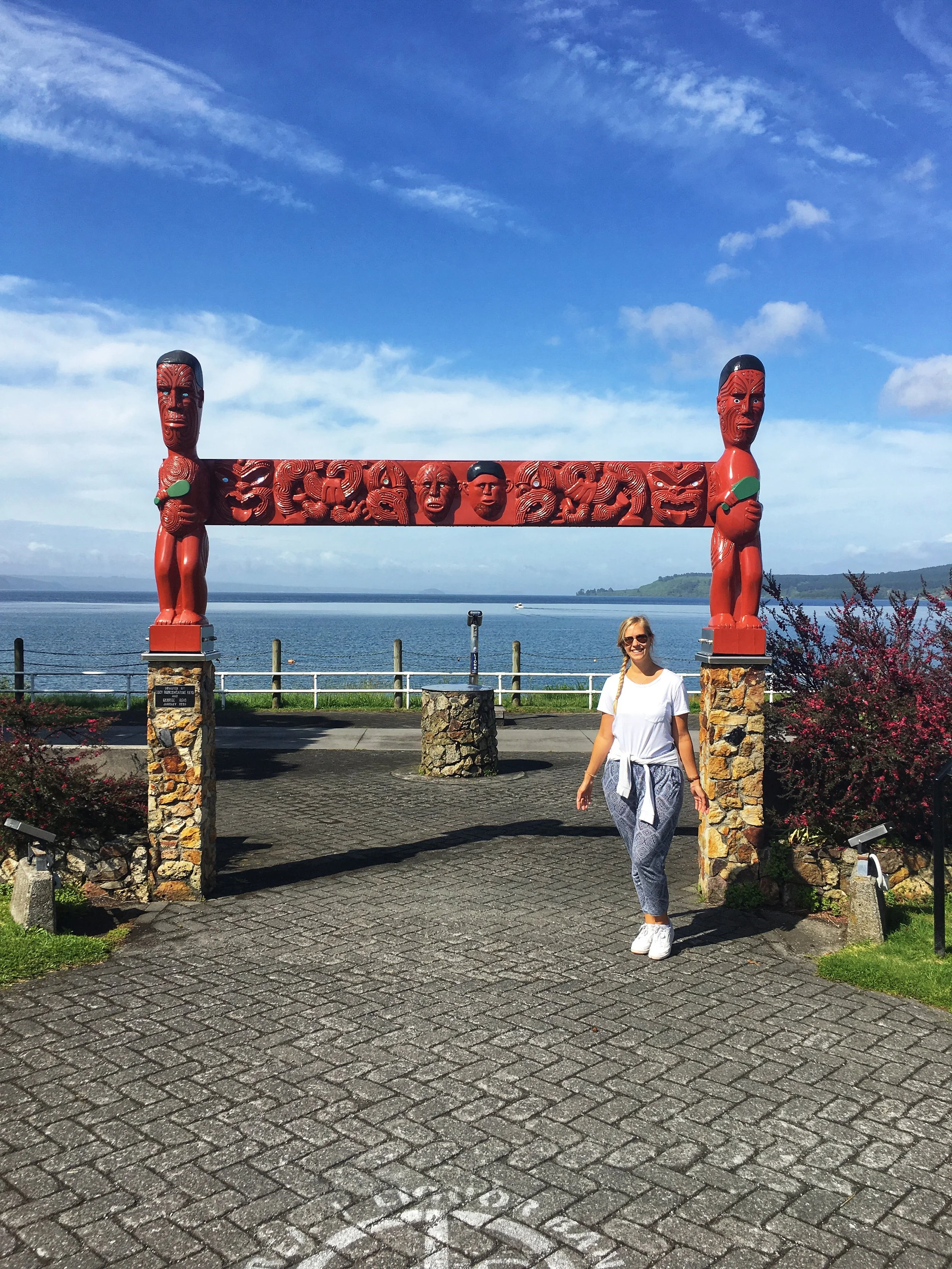
Taupō was our first real base in New Zealand and we quickly fell in love with the town. For travelers planning this route, it is a natural stop between Rotorua, Tongariro National Park and Hawke’s Bay. The town sits on the edge of Lake Taupō, New Zealand’s largest lake, which fills the massive caldera of the Taupō volcano. It has an easy, outdoorsy energy and is known for everything from trout fishing and geothermal attractions to skydiving, lake cruises and hot pools. Taupō is lively without feeling overwhelming, practical without feeling boring and there is plenty nearby to fill a few days.
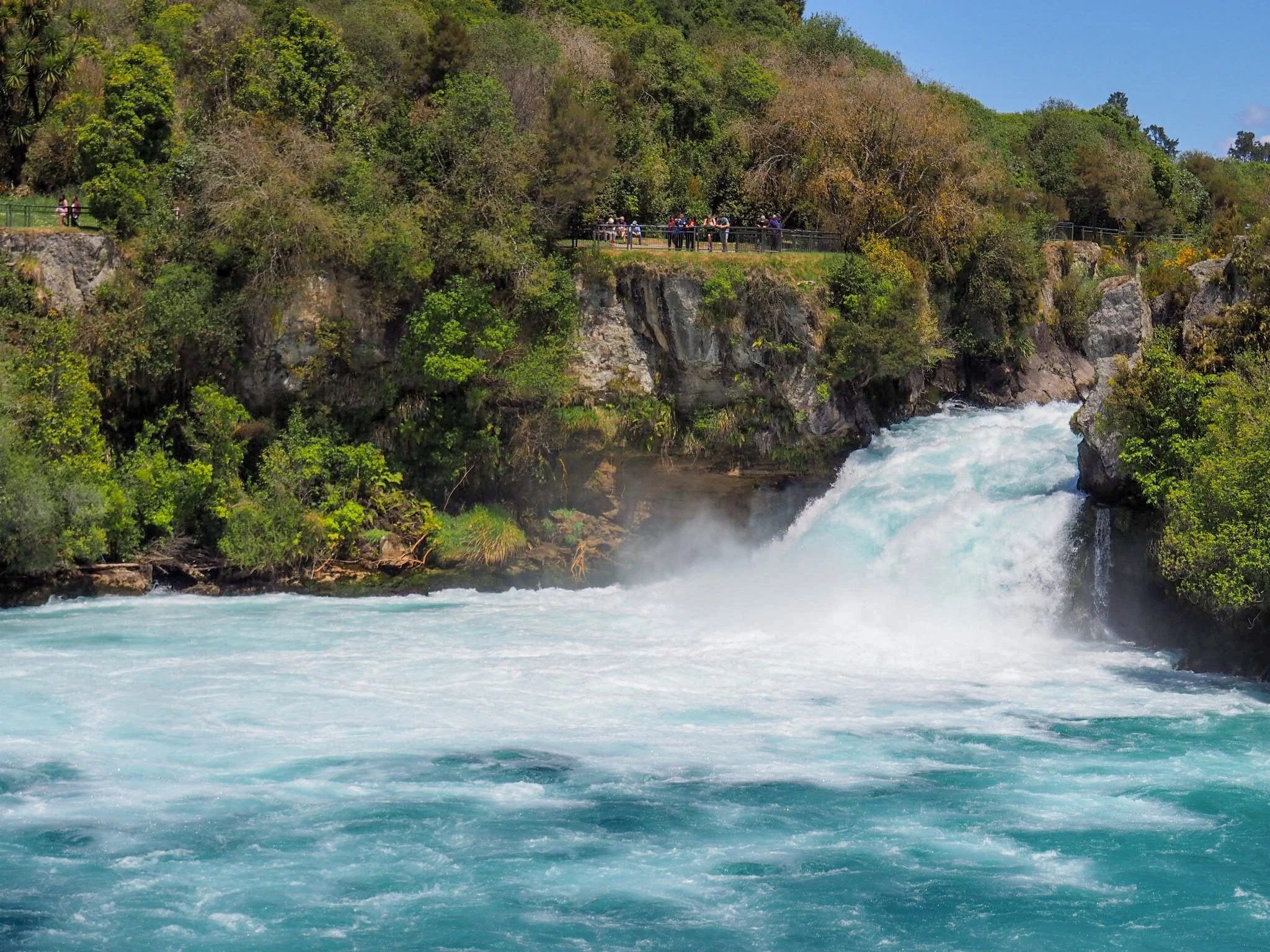
One of the easiest and most impressive stops close to town is Huka Falls, an 11-metre-high waterfall where bright blue water rushes through a narrow section of the Waikato River with incredible force. Nearly a quarter of a million litres of water pass through here every second, which explains why you can hear the falls before you even see them. You can visit the viewpoints, walk along the river and continue toward Spa Thermal Park for a free, natural soak at Otumuheke Stream, where warm thermal water flows into the cold river. If you want to experience the falls from the water, there are also jet boat tours that take you close to the base of the falls.
Another fun stop nearby is Huka Honey Hive, especially if you like picking up edible souvenirs. We stopped here for honey products, tastings and a few gifts before continuing our road trip. It is an easy add-on if you are already visiting Huka Falls or exploring the Wairakei area.
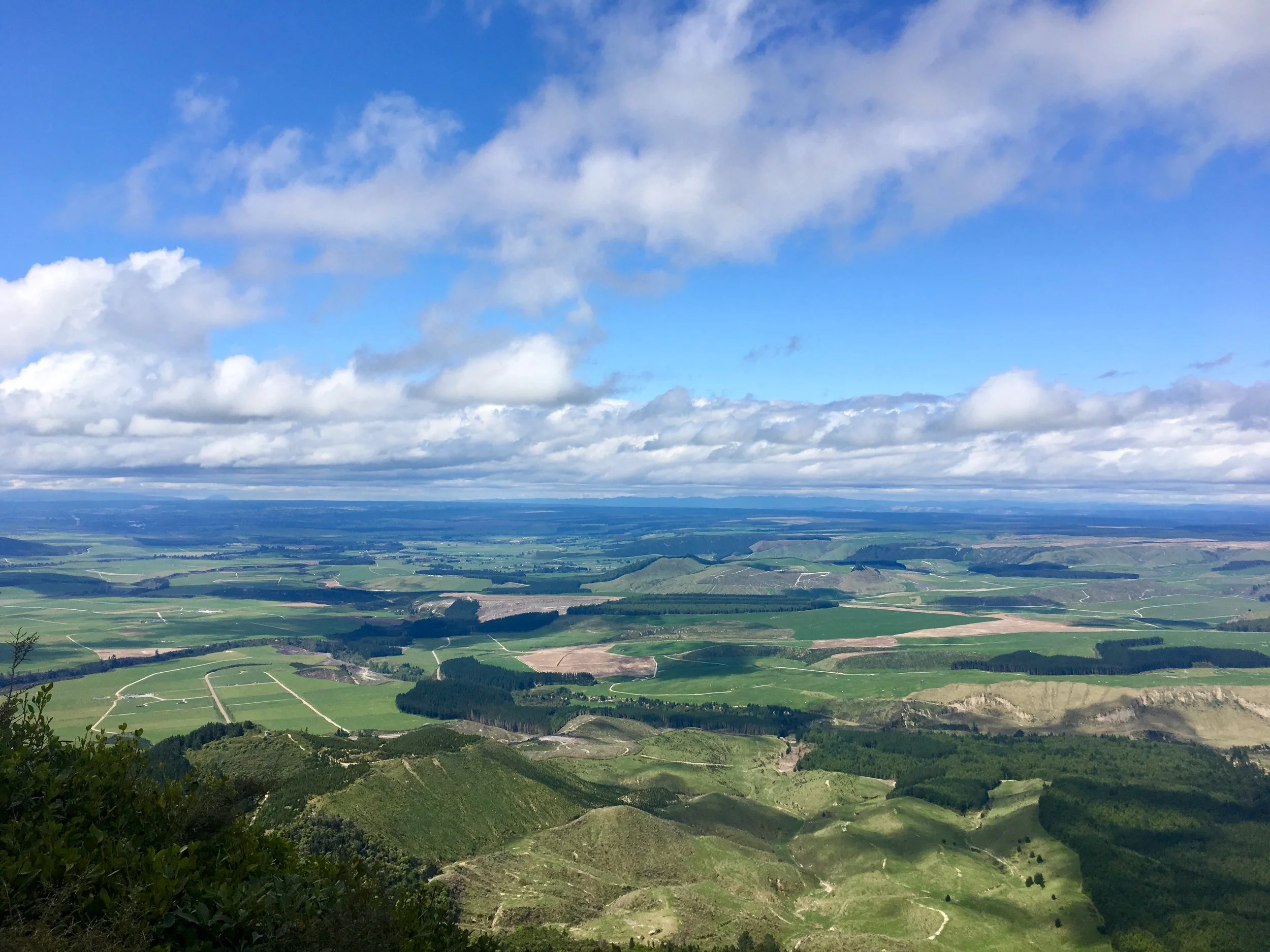
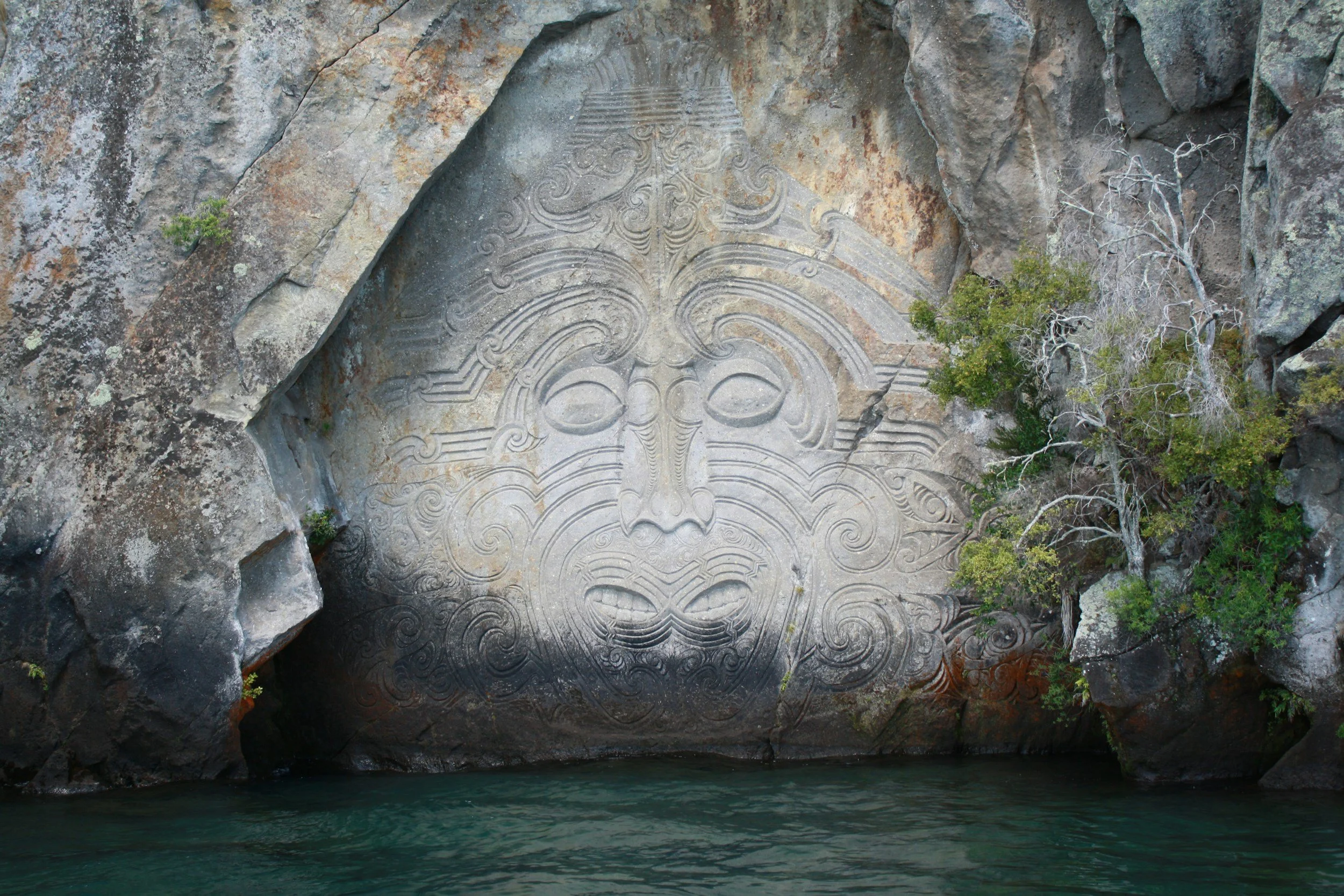
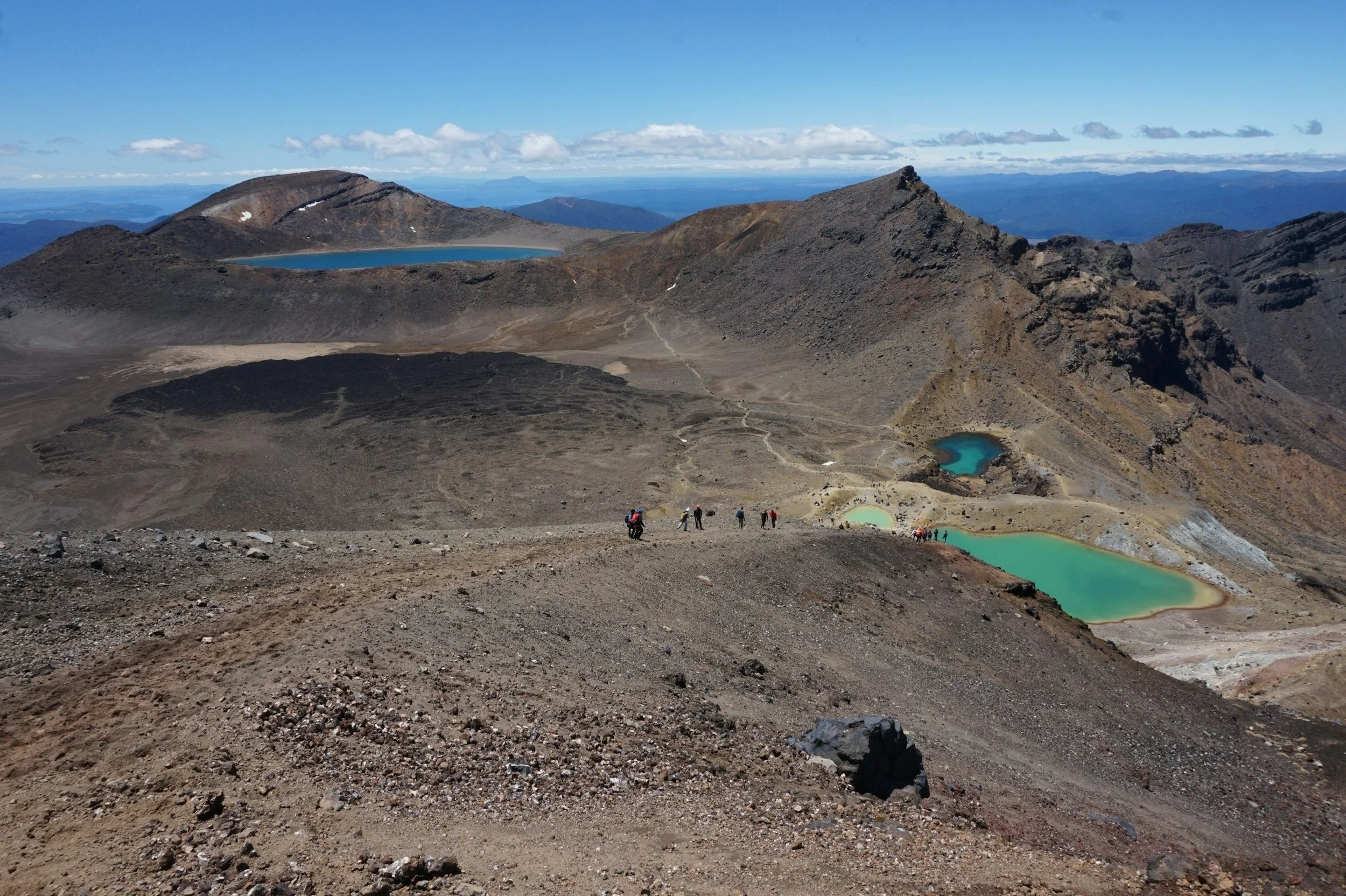
If you want a hike with lake views, Mount Tauhara is a rewarding, sweat-inducing option close to town. Down at water level, you can take a scenic sailing cruise or kayak out to the impressive Mine Bay Māori Rock Carvings. Unfortunately, we did not get to hike in Tongariro National Park because of the weather, but if you have a clear day and the right gear, the Tongariro Alpine Crossing is one of New Zealand’s big bucket-list day hikes. Just make sure to check the conditions carefully for this 19.4-kilometre one-way hike, arrange shuttle transport in advance and do not underestimate the alpine weather.
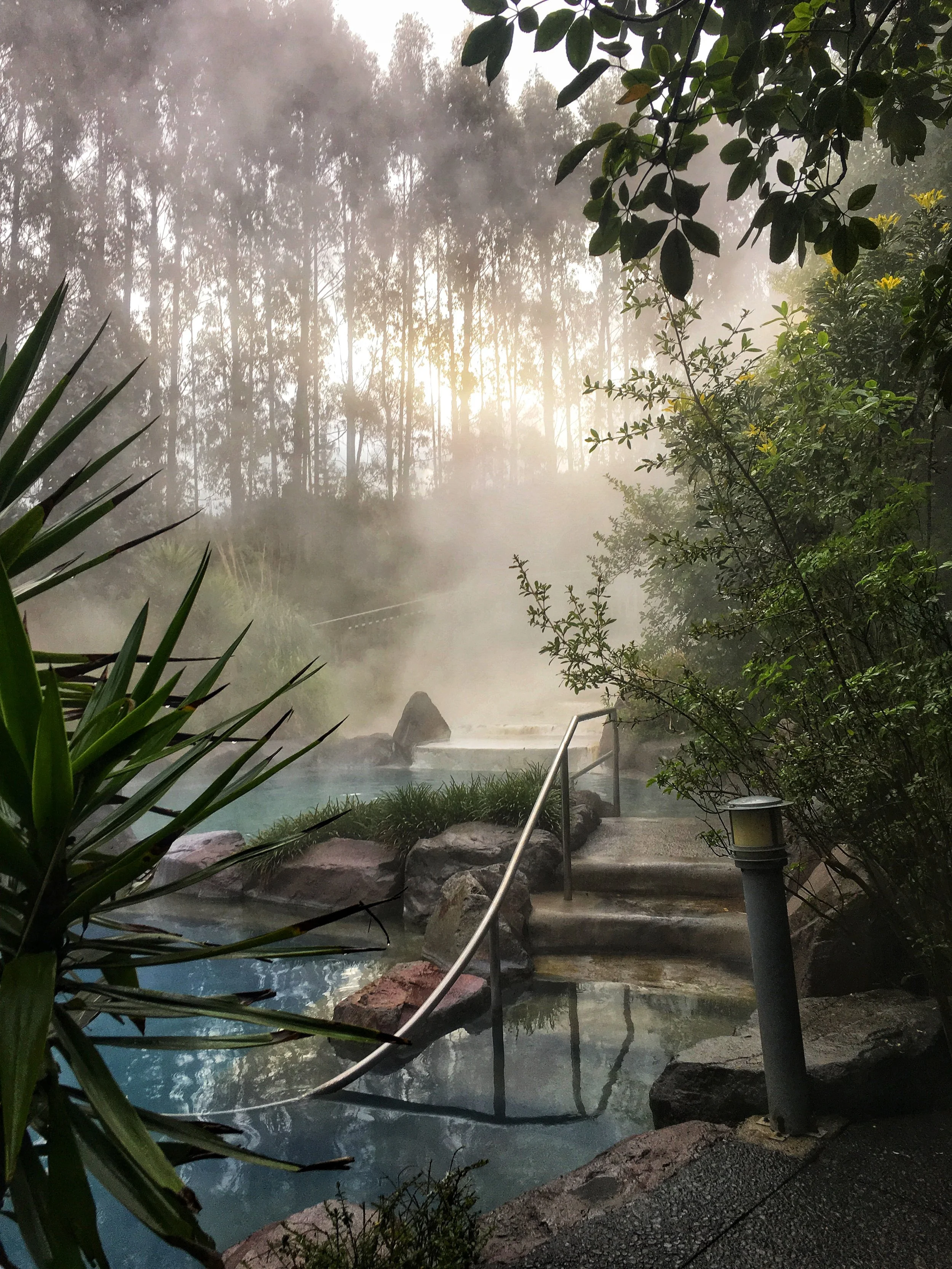
If you are looking for a slower, more relaxing experience after a few active travel days, Wairakei Terraces & Thermal Health Spa is where you’ll find it. The geothermal setting makes it feel more atmospheric than a regular hot pool, with mineral-rich thermal water, steam and silica terraces surrounding the pools. It is a peaceful stop to recharge after hiking, driving or running van-life errands. Just note that the thermal pools are 14+ only, so this is not the best option for families with younger children.
Taupō is also a good practical stop for groceries, fuel, cafés, laundry and all the little things that matter when you are living out of a van. For us, it was where Wallace finally became road-trip ready. Once the conversion was done and we had our self-contained certificate, the trip properly began.
Suggested time: 2 – 4 nights
Best for: Lake views, waterfalls, hot pools, practical campervan errands and access to Tongariro National Park
Slow travel tip: Use Taupō as a reset point before heading toward more remote coastal areas.

Hawke’s Bay — Hastings, Napier and Wine Country
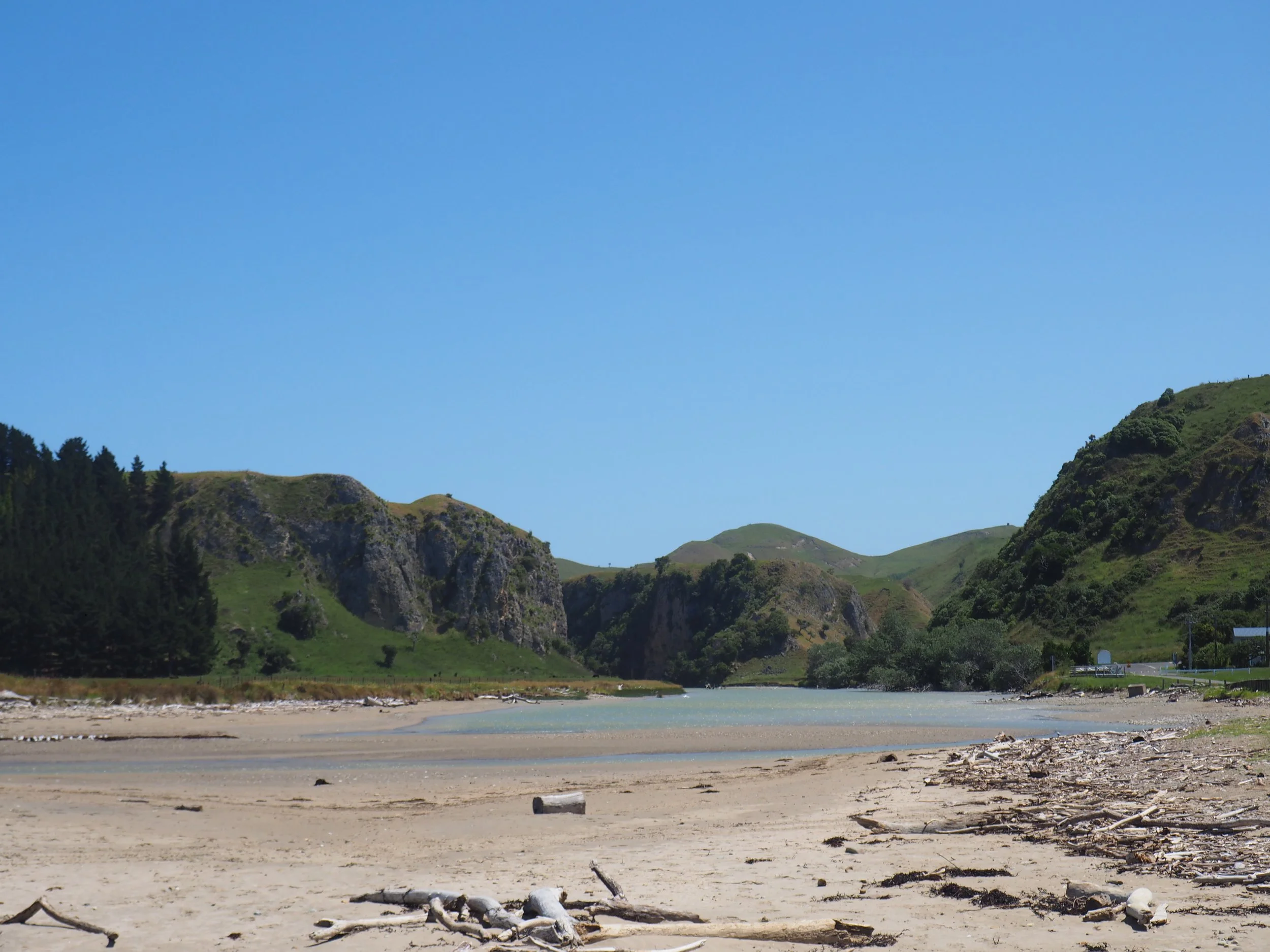
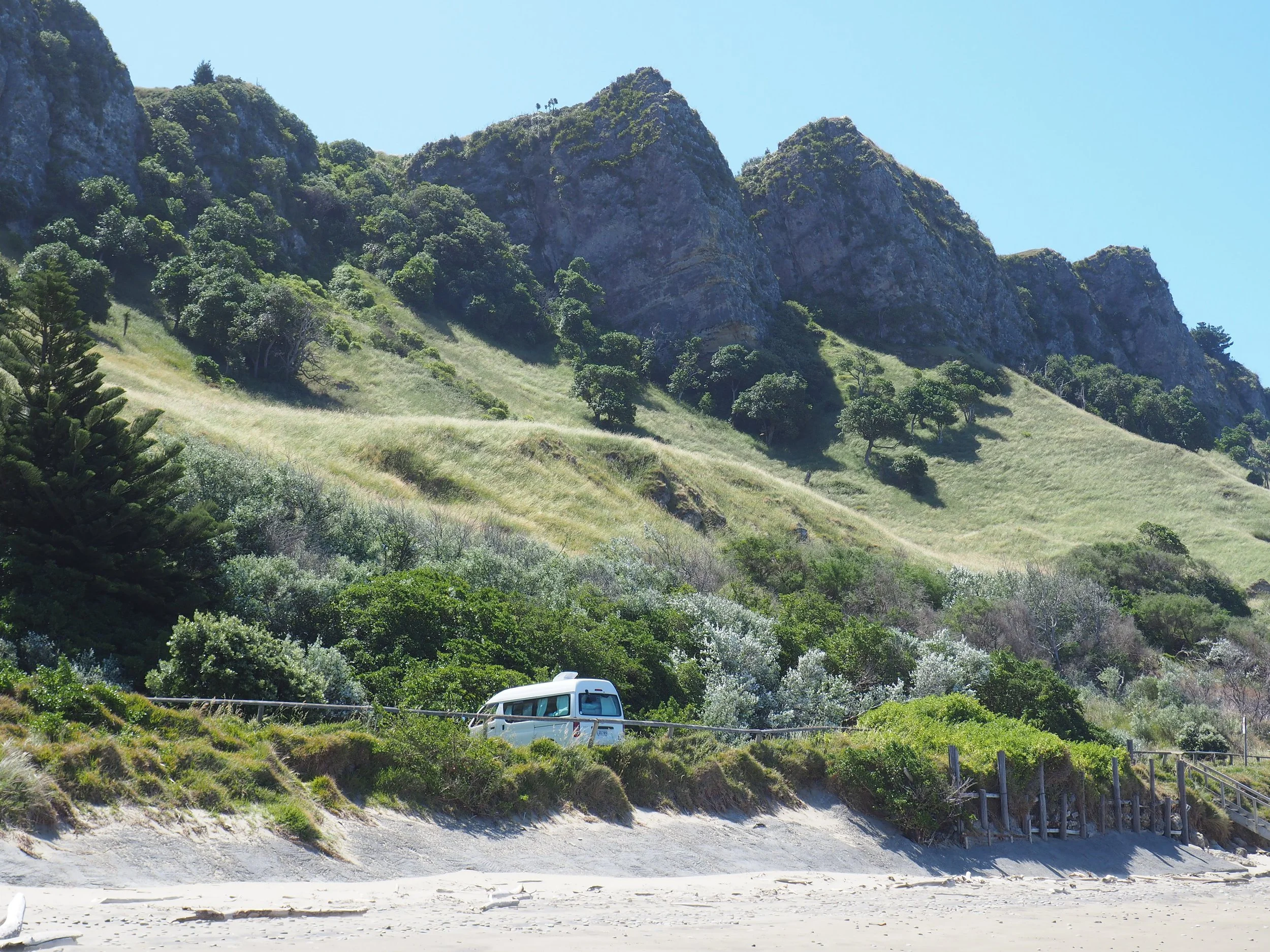
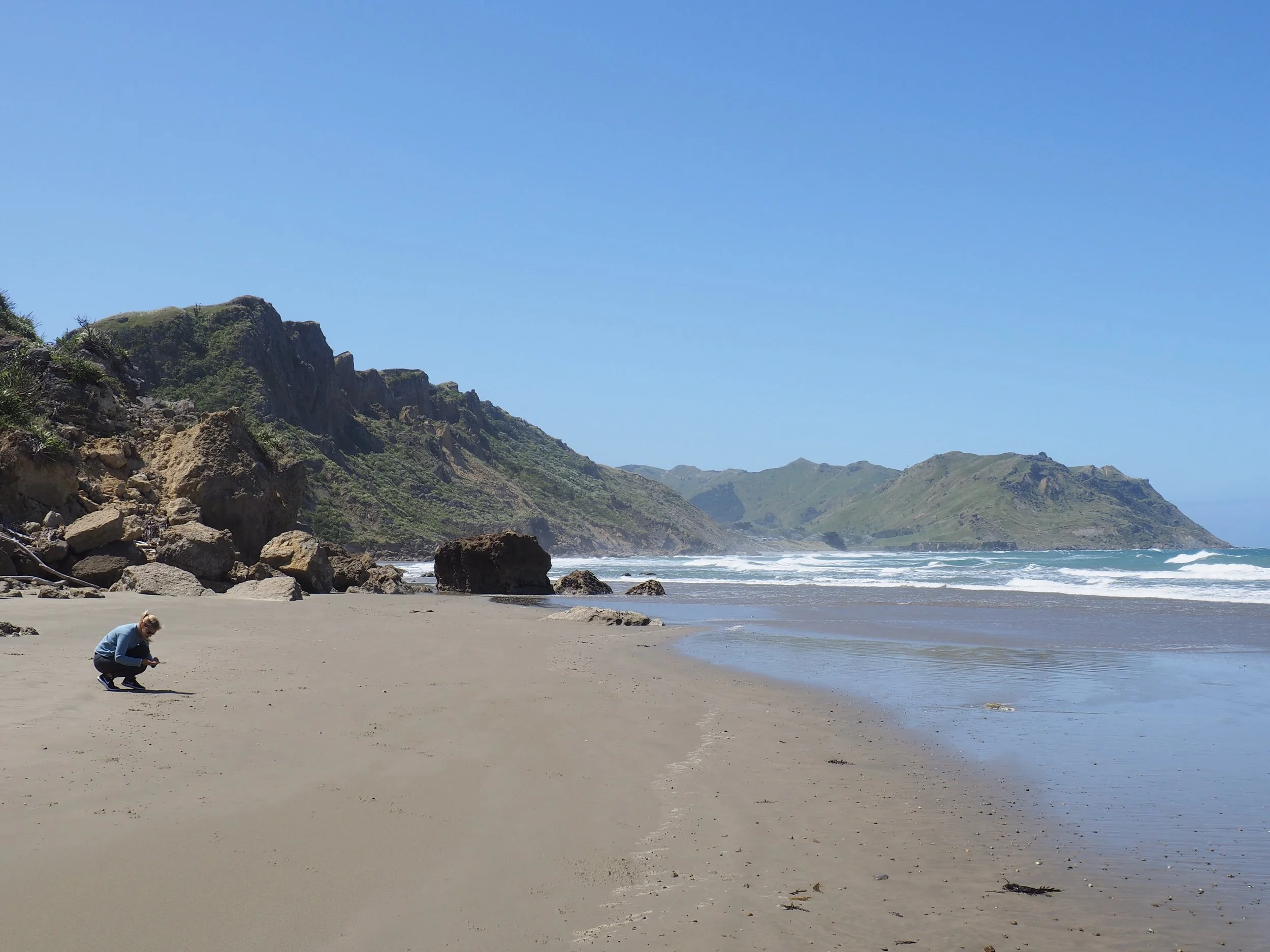
From Taupō, we drove south toward Hawke’s Bay. This was the first stretch where the road trip started to feel open and spacious. The landscapes shifted from inland hills to rugged coastline and eventually we reached Kairakau Beach, our first campsite and still one of the places we remember most fondly from this part of the trip.
Kairakau Beach was remote, quiet and exactly the kind of place that makes campervan travel feel special. It was not about ticking off a major sight. It was about waking up by the rugged coast, slowing down and realizing that this was the kind of freedom we had hoped to find.
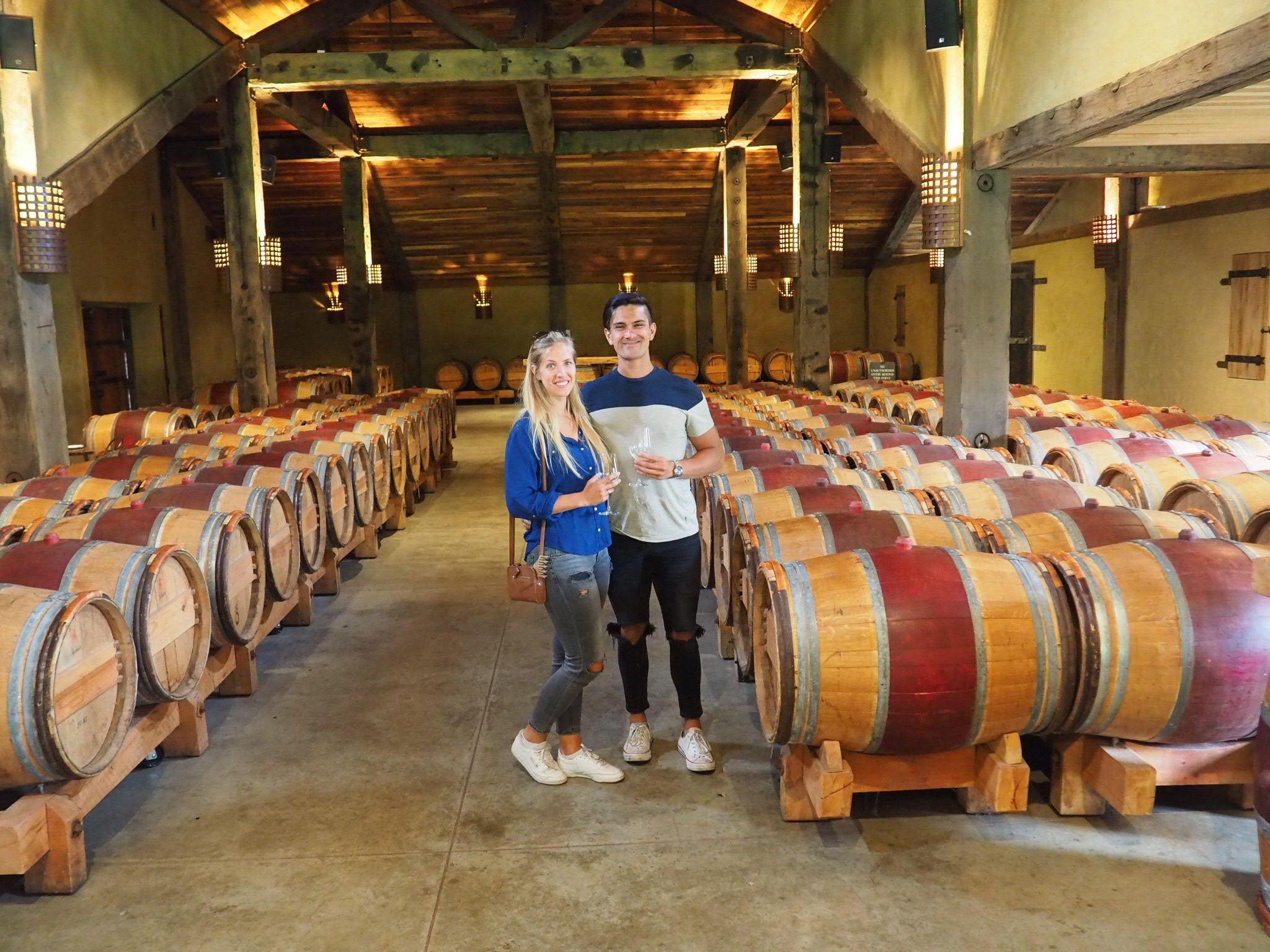
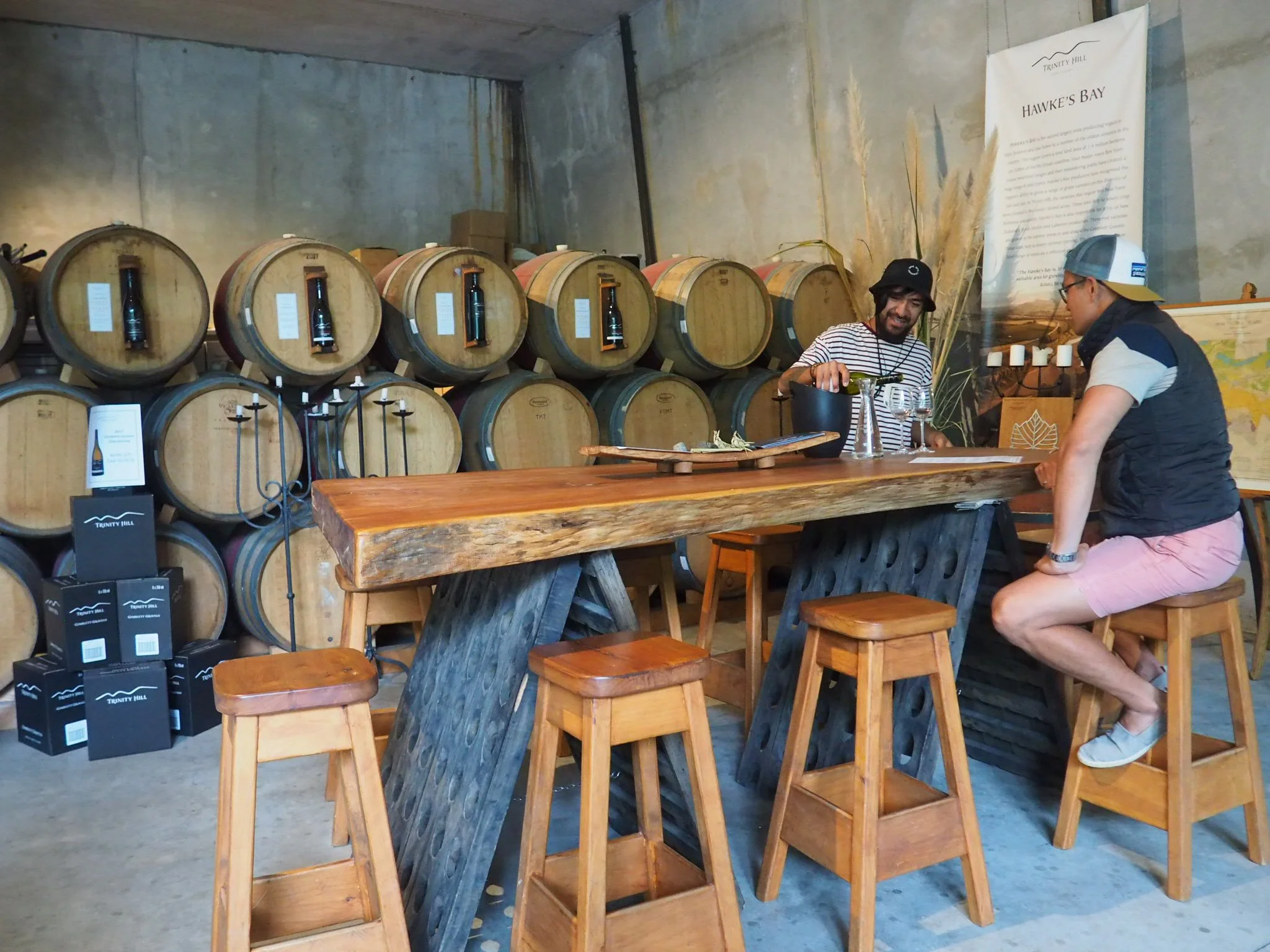
From there, Hawke’s Bay brought a completely different mood. Hastings and Napier sit in one of New Zealand’s best food and wine regions, making this a great stop if you enjoy vineyards, farmers markets, fresh produce and good cafés. We went on our first New Zealand wine tasting here, visiting smaller wineries around the region and sampling everything from crisp whites to richer reds.
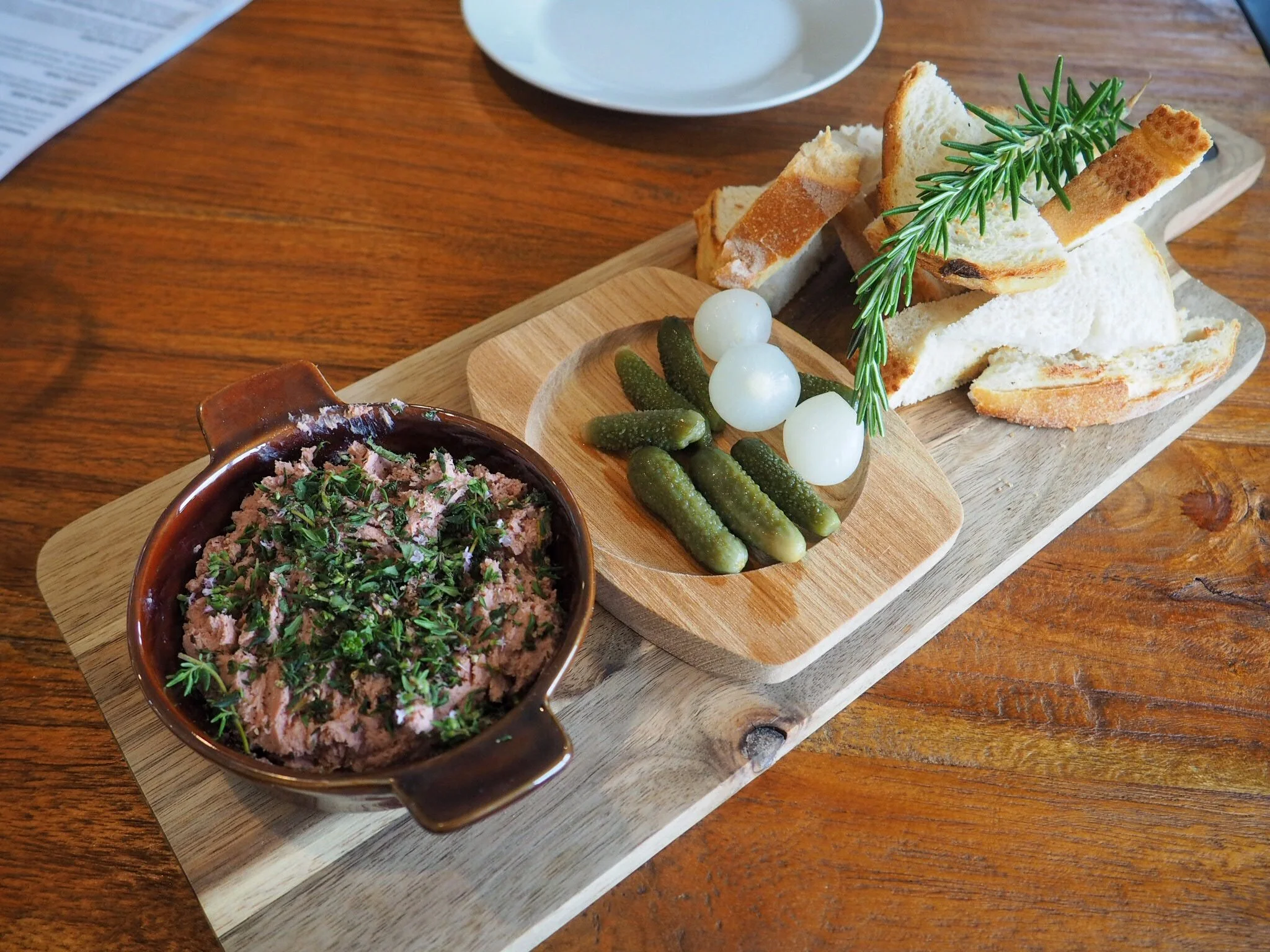
One of our favorite stops was the Hawke’s Bay Farmers Market. Even after visiting many markets across New Zealand, this one stayed with us. It had that perfect mix of local produce, good food, coffee and a relaxed weekend atmosphere.
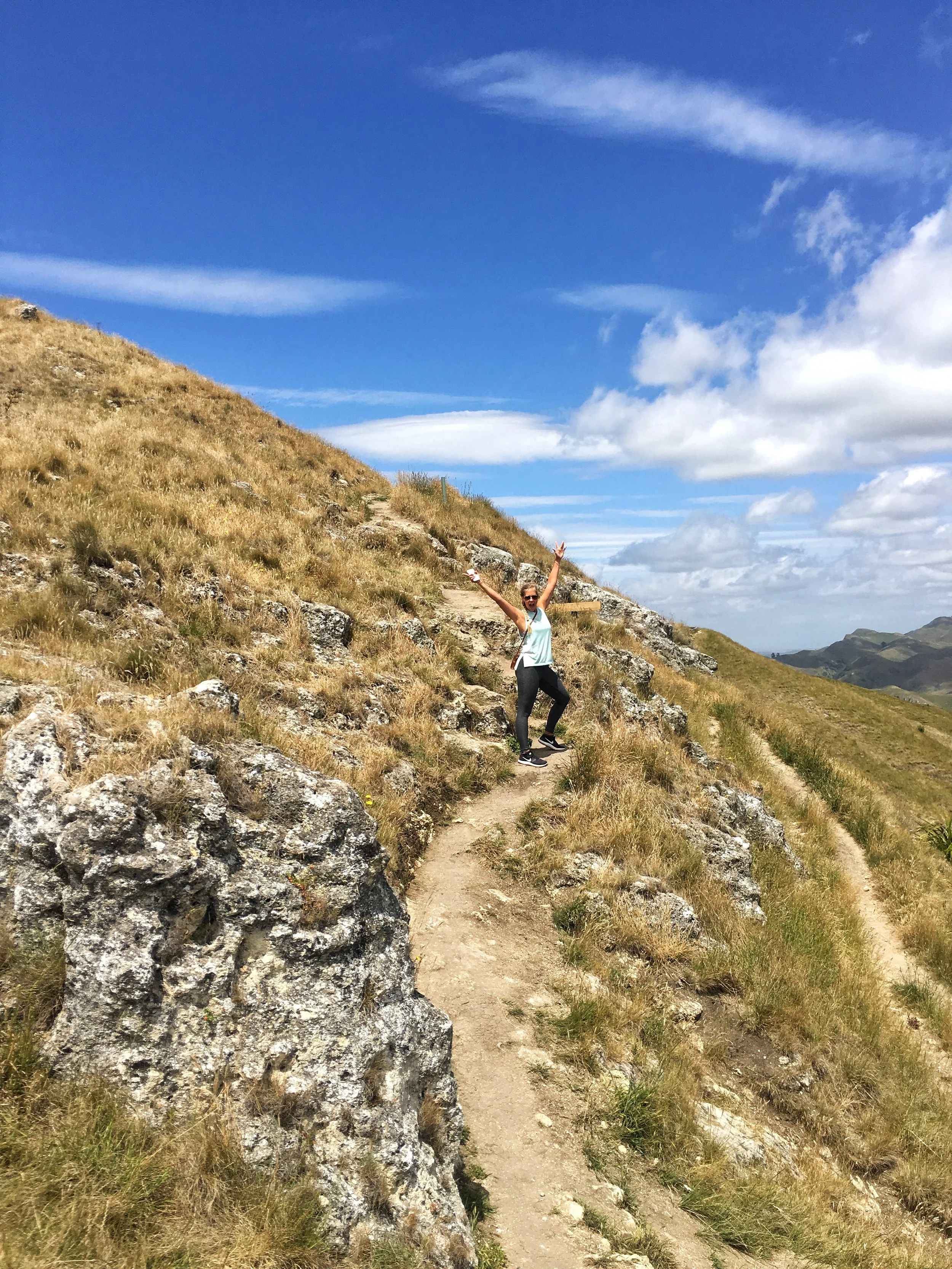
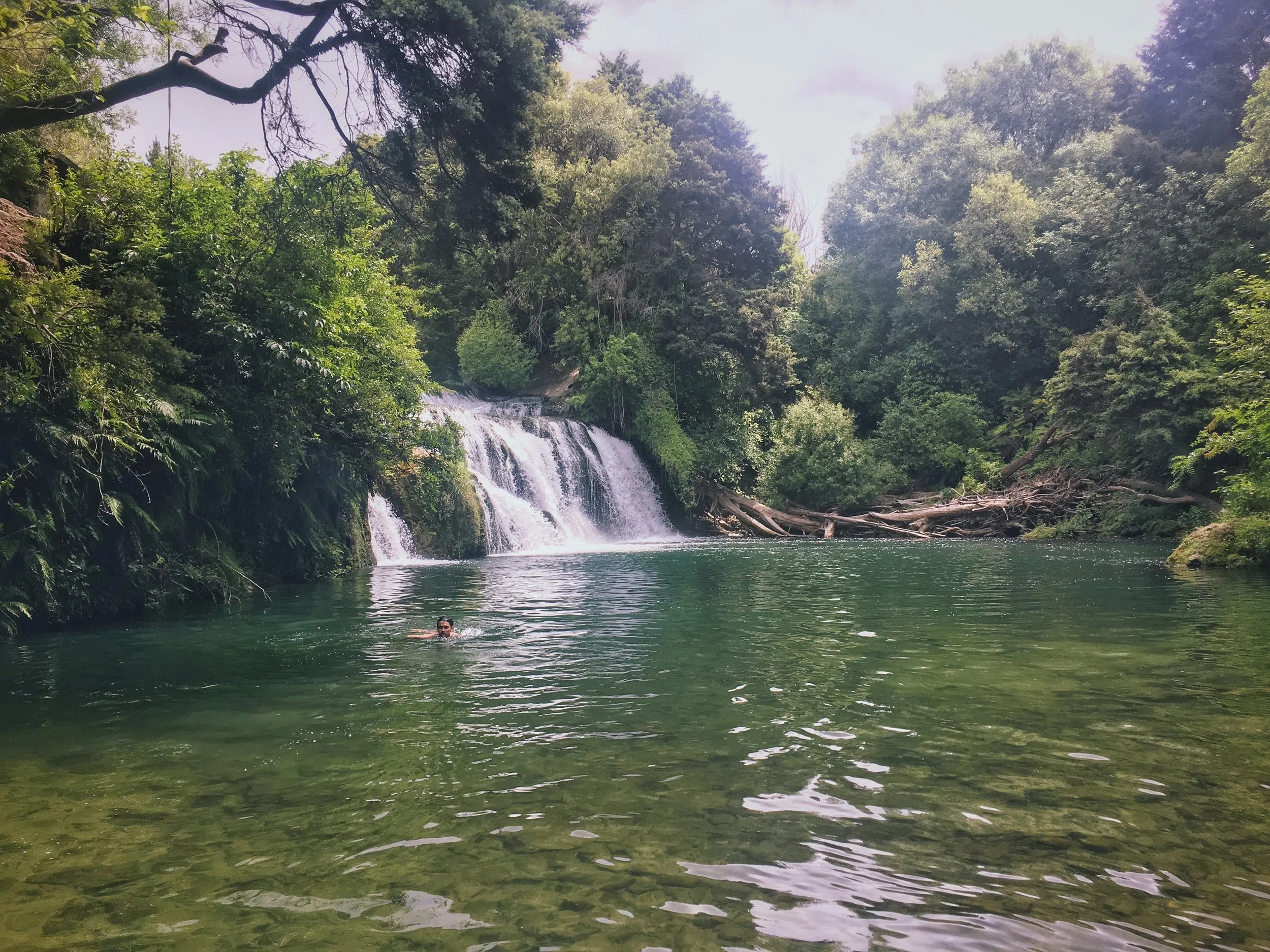
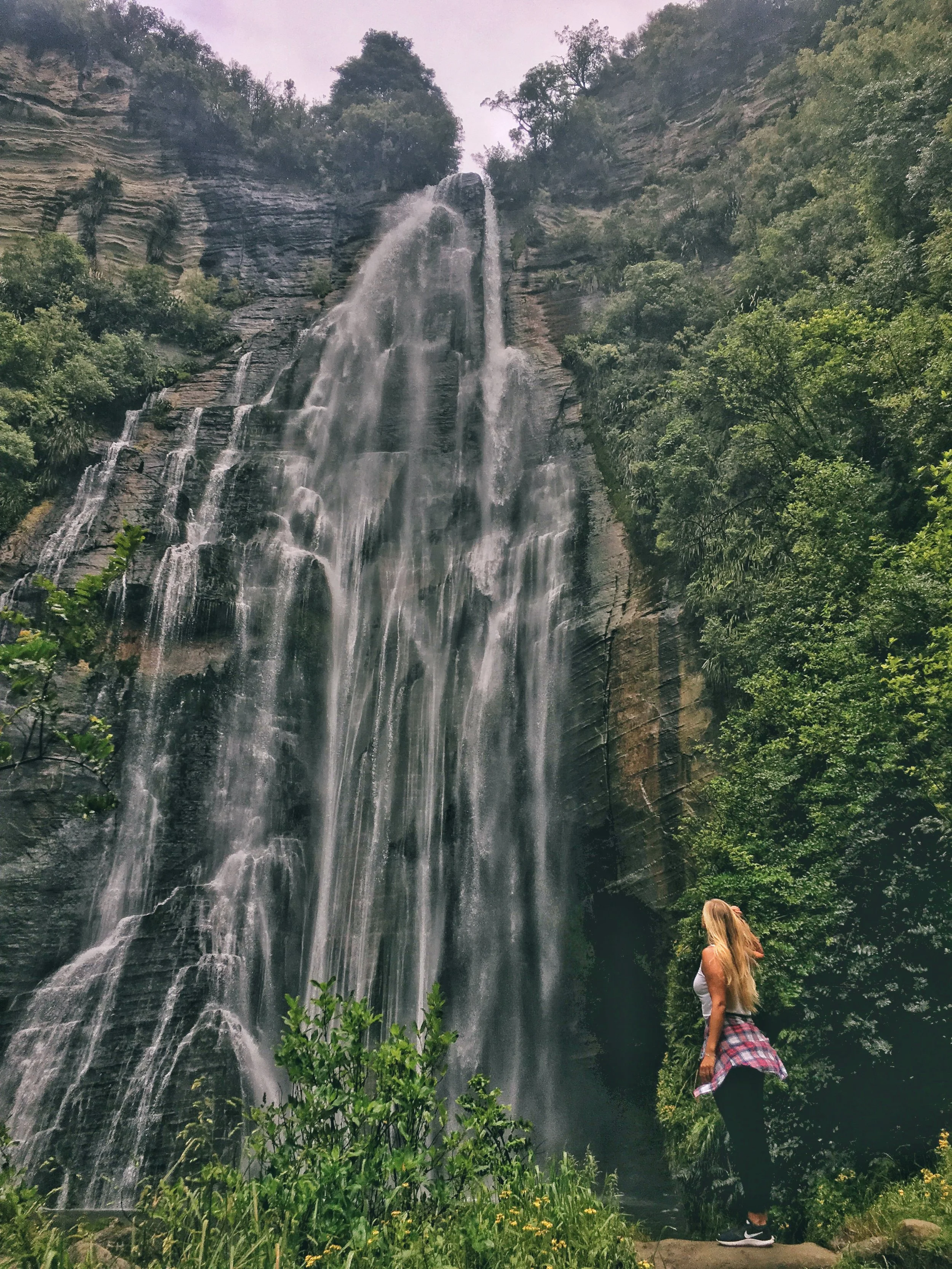
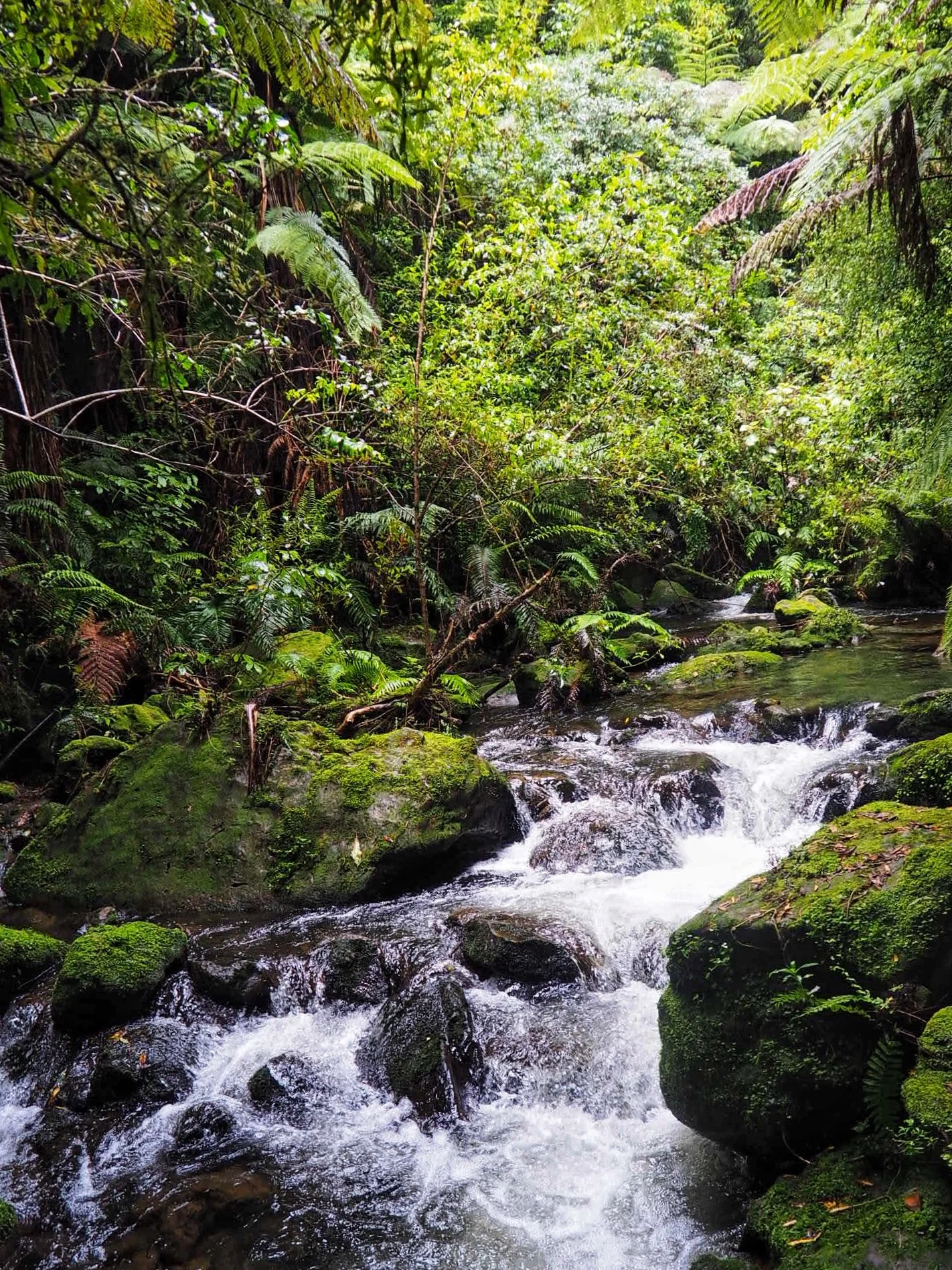
Napier is known for its striking Art Deco architecture, much of it rebuilt after the devastating 1931 earthquake, while Hastings has a more understated, local feel. If you want a view over the region, Te Mata Peak is well worth including. You can drive up or hike to the summit for wide 360-degree views over Hawke’s Bay. For waterfalls, Maraetotara Falls is great for a quick summer swim, while Shine Falls makes a more dramatic nature stop depending on your route and timing.
Suggested time: 3–4 nights
Best for: Wine, farmers markets, Art Deco, beaches, waterfalls and food
Slow travel tip: Try to time your stay around the farmers market.

Gisborne & the East Cape
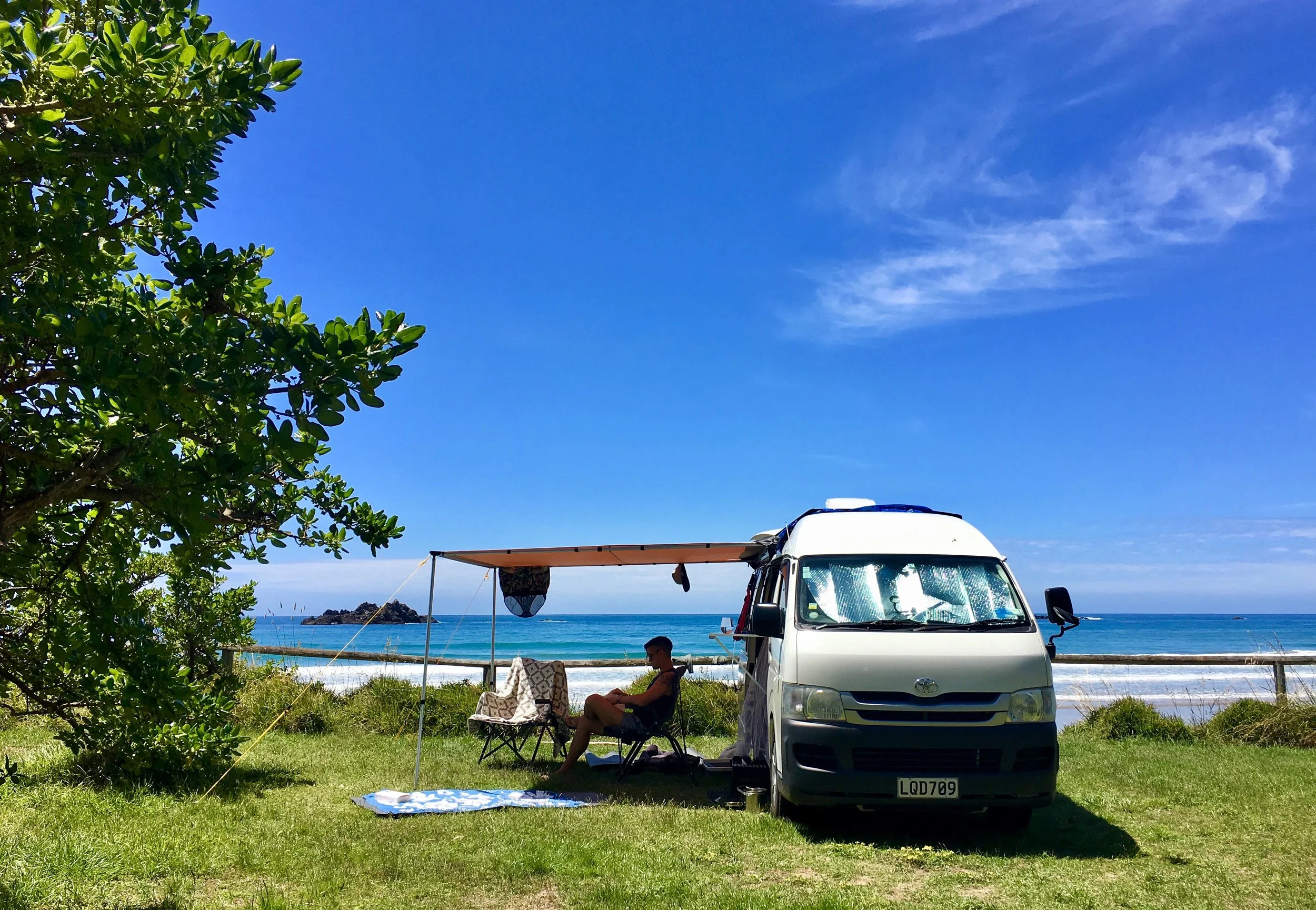
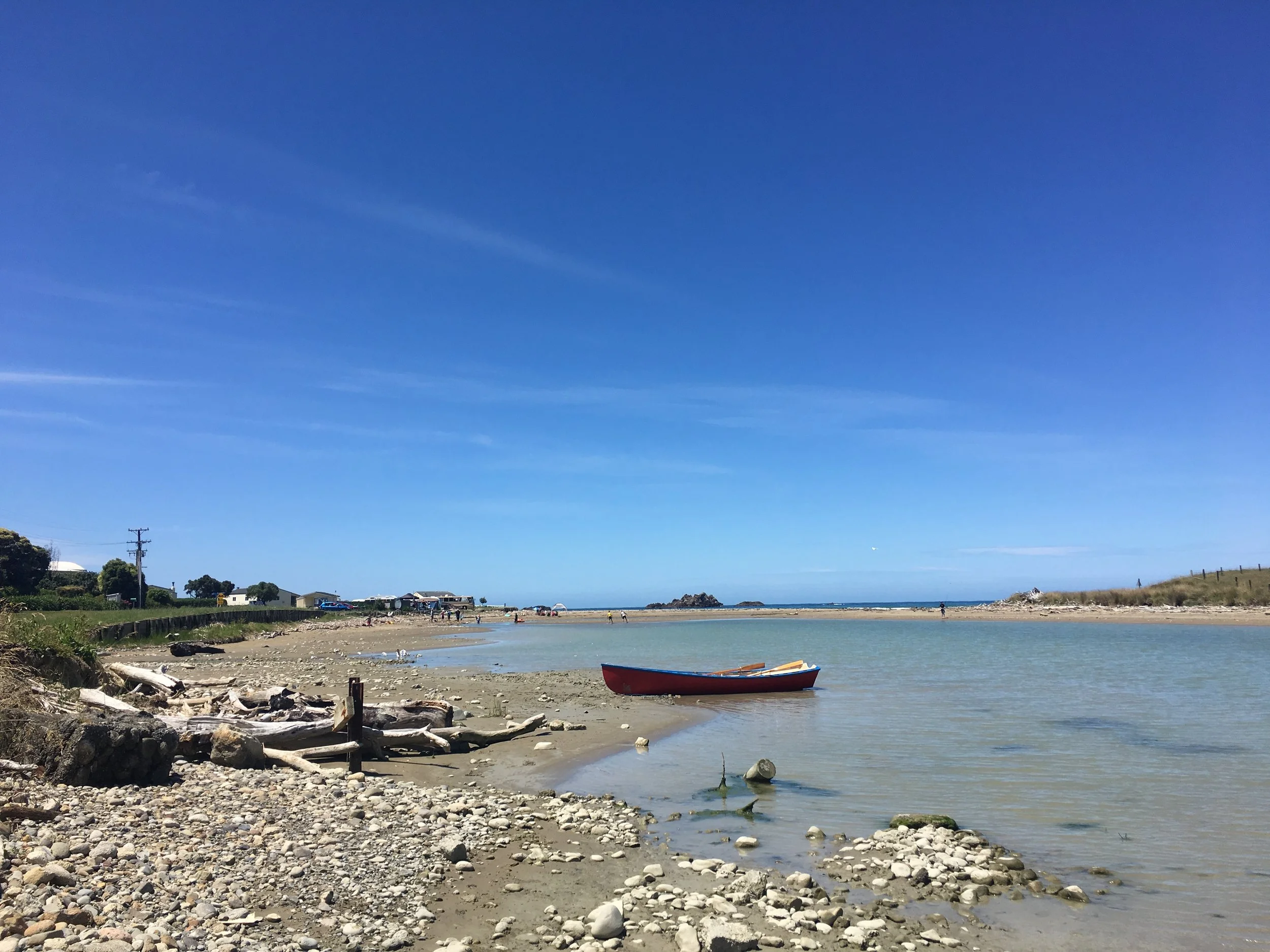
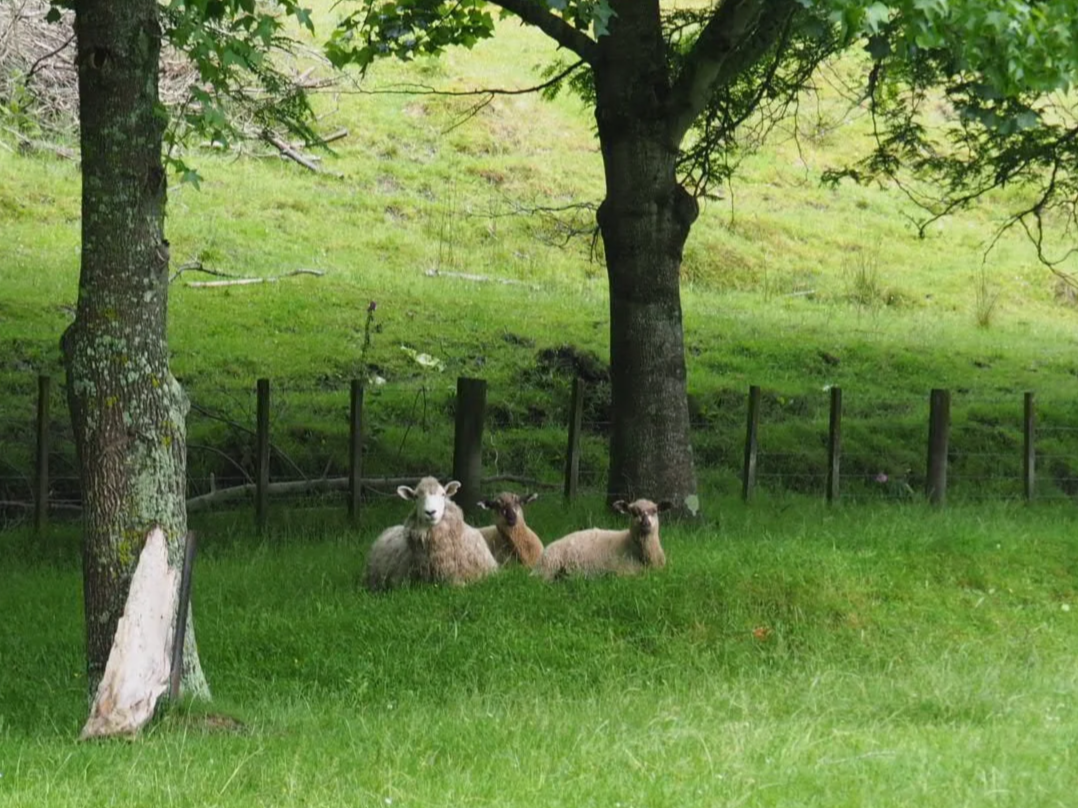
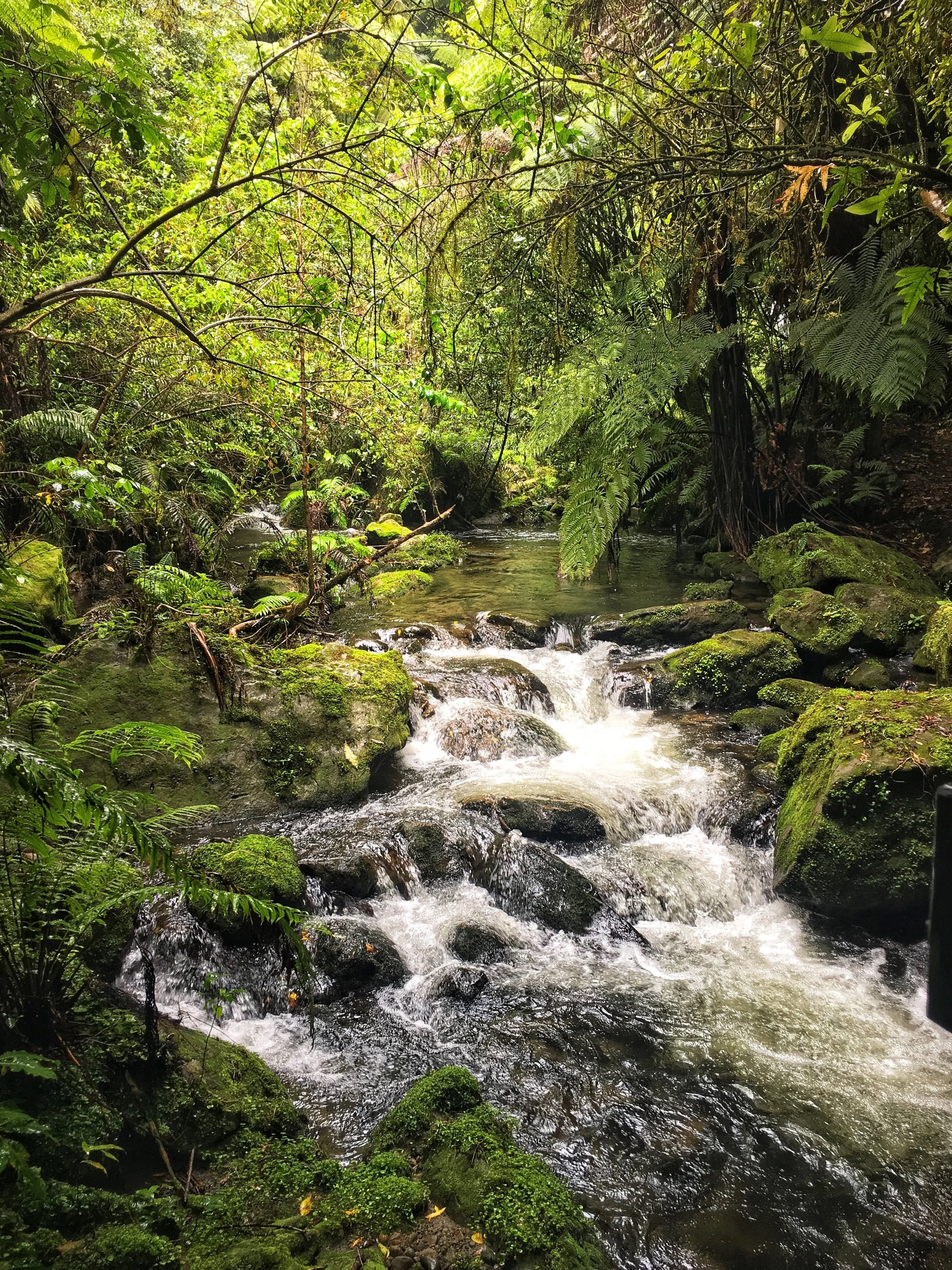
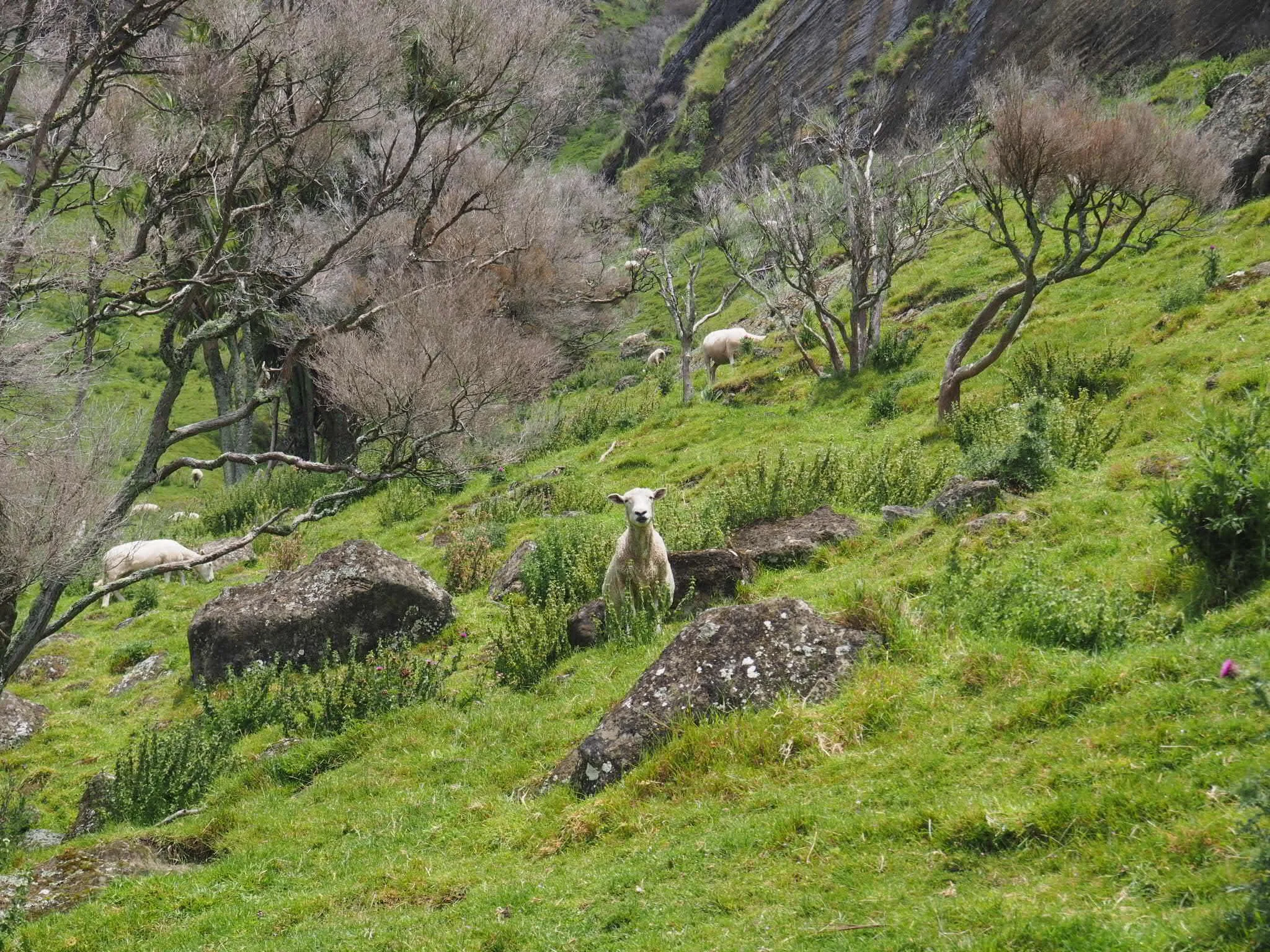
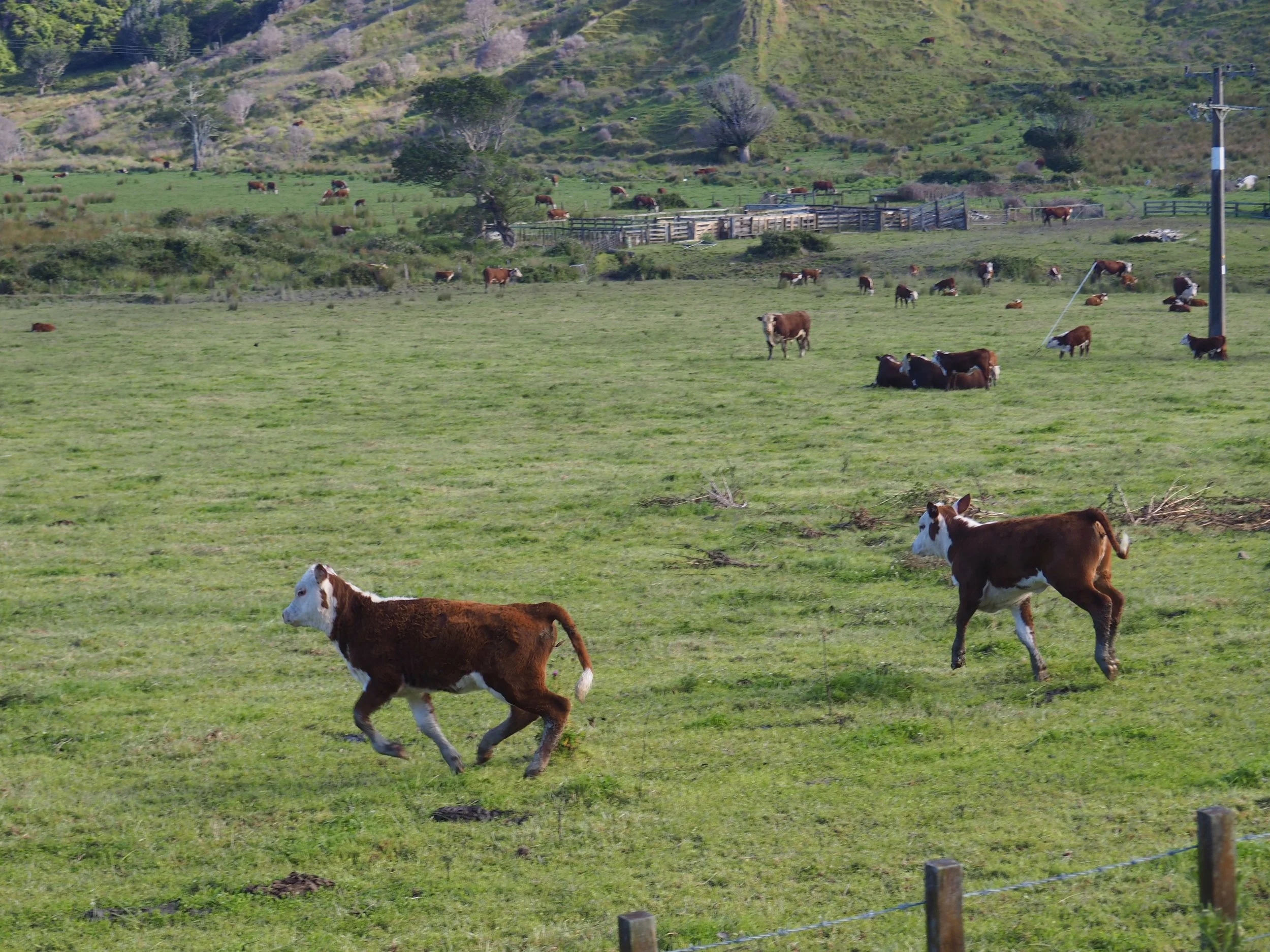
From Hawke’s Bay, the route continues north toward Gisborne. This stretch feels less polished and less visited than the classic Auckland–Rotorua–Taupō loop, which is exactly why it is interesting. On the way, we stayed at a few memorable campsites, including one by Lake Tūtira and another near Wairoa. Some were beautiful, some were muddy, some were slightly odd, but that is part of the reality of campervan travel. Not every stop is perfect and often those imperfect places become the ones you remember most.
Gisborne itself is not necessarily a picture-perfect town at first glance. It has an industrial side and a working-port feel, but it also has great surf beaches, a Saturday farmers market and a sense of being just far enough away from the busiest parts of the North Island. For us, Gisborne became the gateway to the East Cape, a detour we had not really planned until locals recommended it. If you enjoy a more raw and less manicured version of New Zealand, this is where the route starts to become especially interesting.
The East Cape is not the most efficient route. That is part of the point.
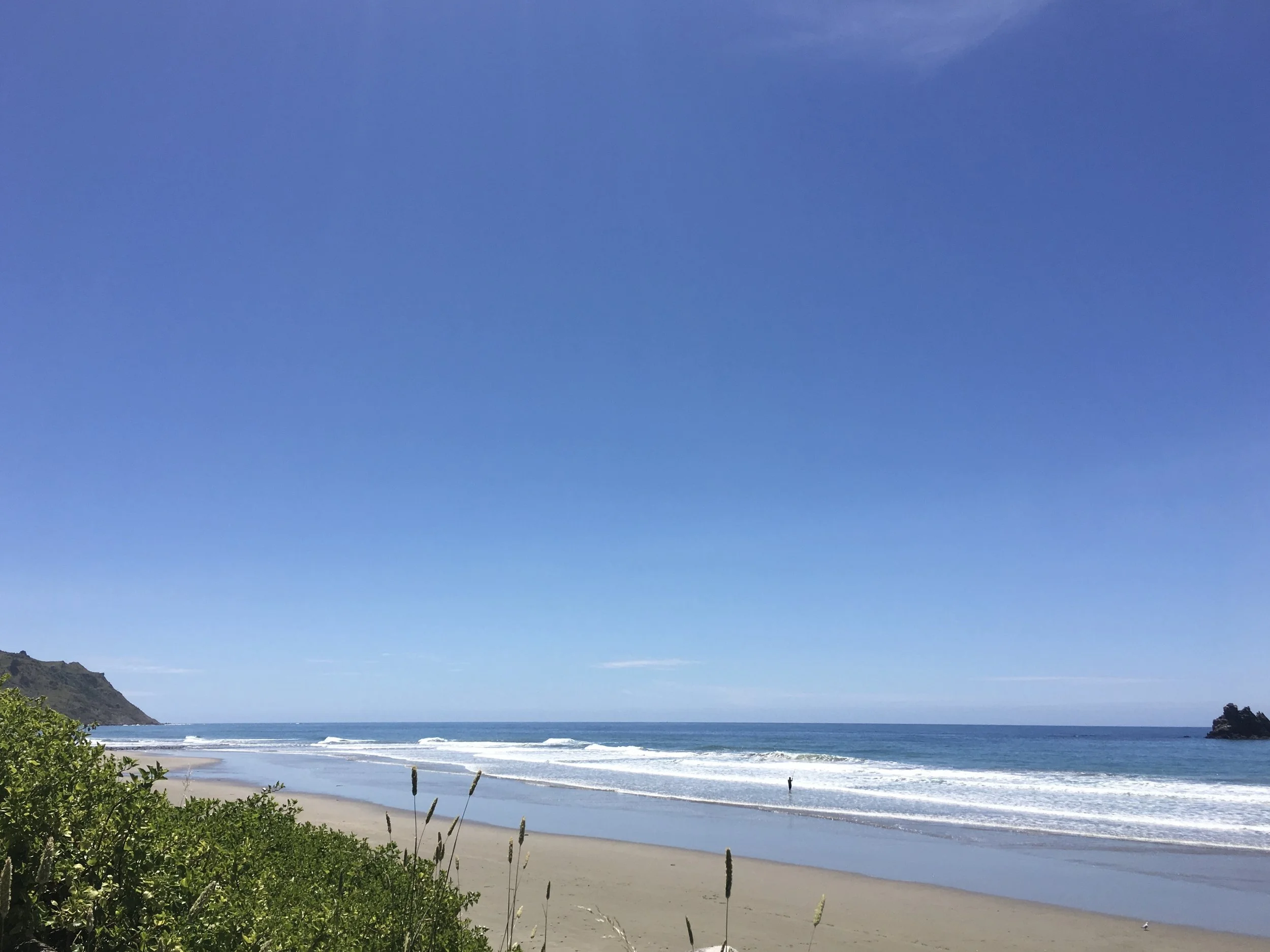
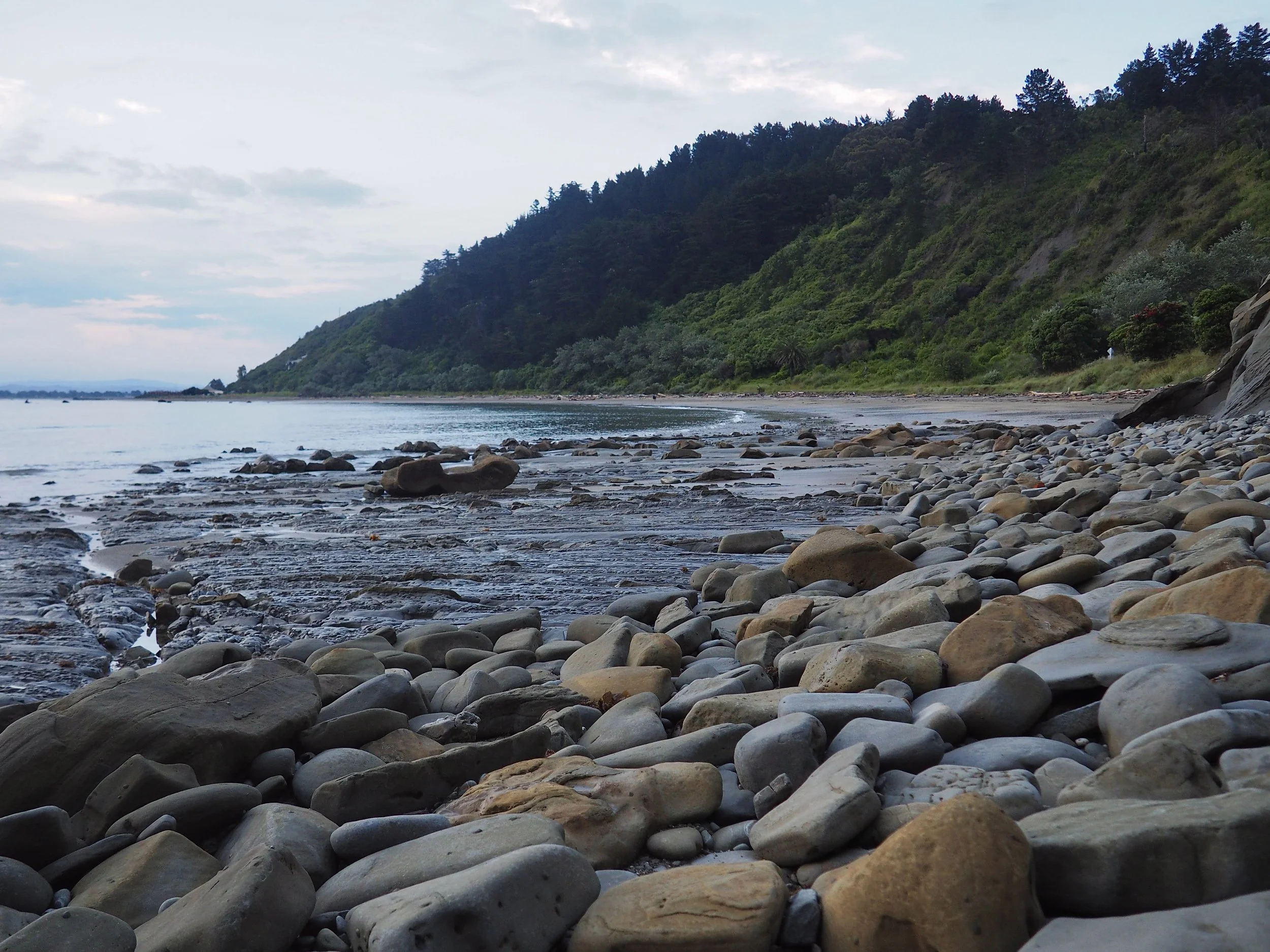
Many travelers skip State Highway 35 because it is a long detour, but we were so glad we continued beyond Gisborne and followed the coast. This part of the North Island feels quieter, wilder and more removed from the usual tourist trail. The roads are slower, the beaches feel emptier and the atmosphere is completely different from places like Rotorua or the Coromandel.
Driving through the East Cape felt like stepping into a different rhythm. It was unpolished, deeply atmospheric and always memorable. We passed remote bays, windswept beaches, small settlements and stretches of coastline that felt far removed from the more curated version of New Zealand many visitors see. The region also has a strong cultural identity and you can feel that this is not just a scenic detour, but a lived-in landscape with its own history and rhythm.
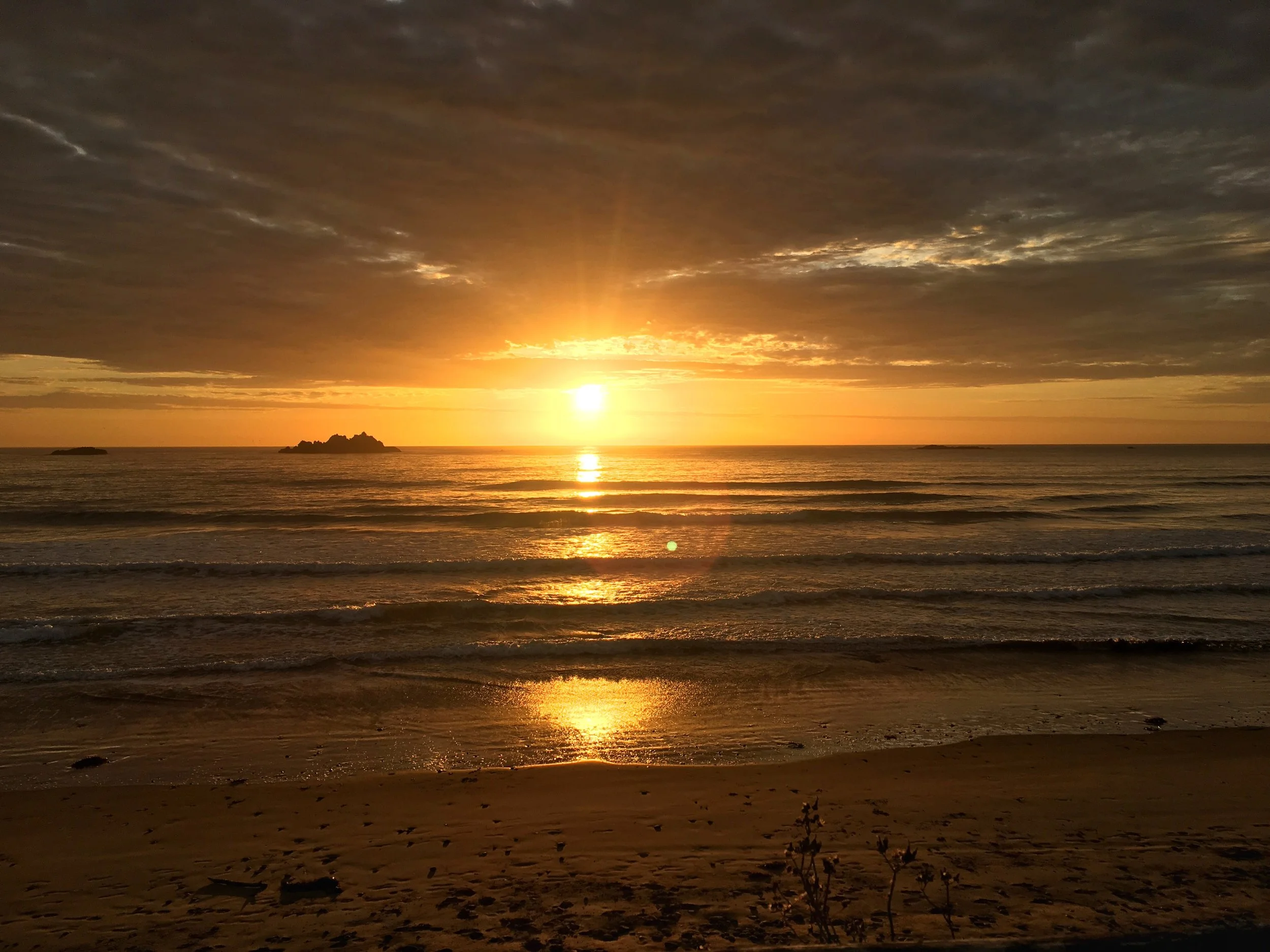
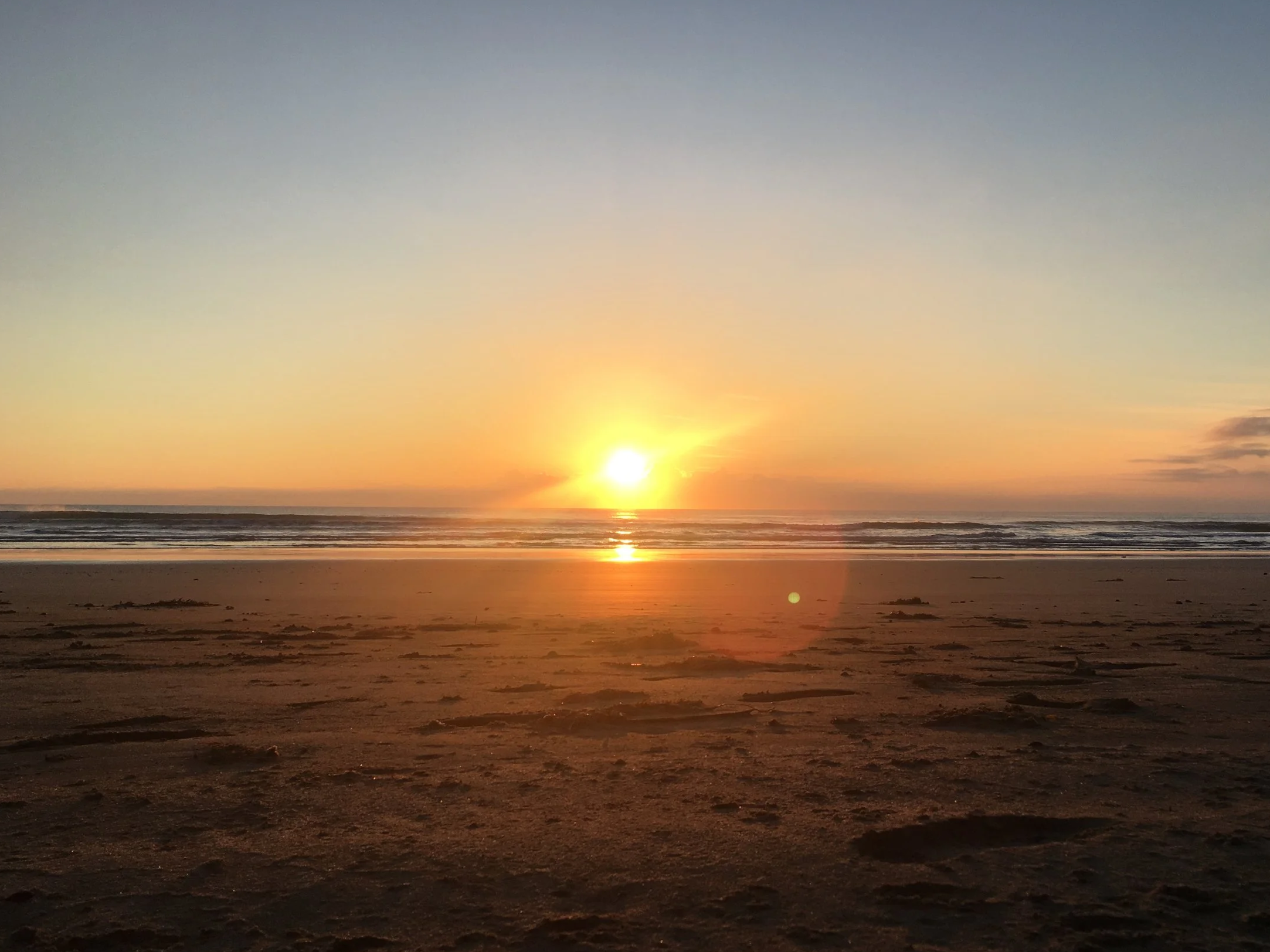
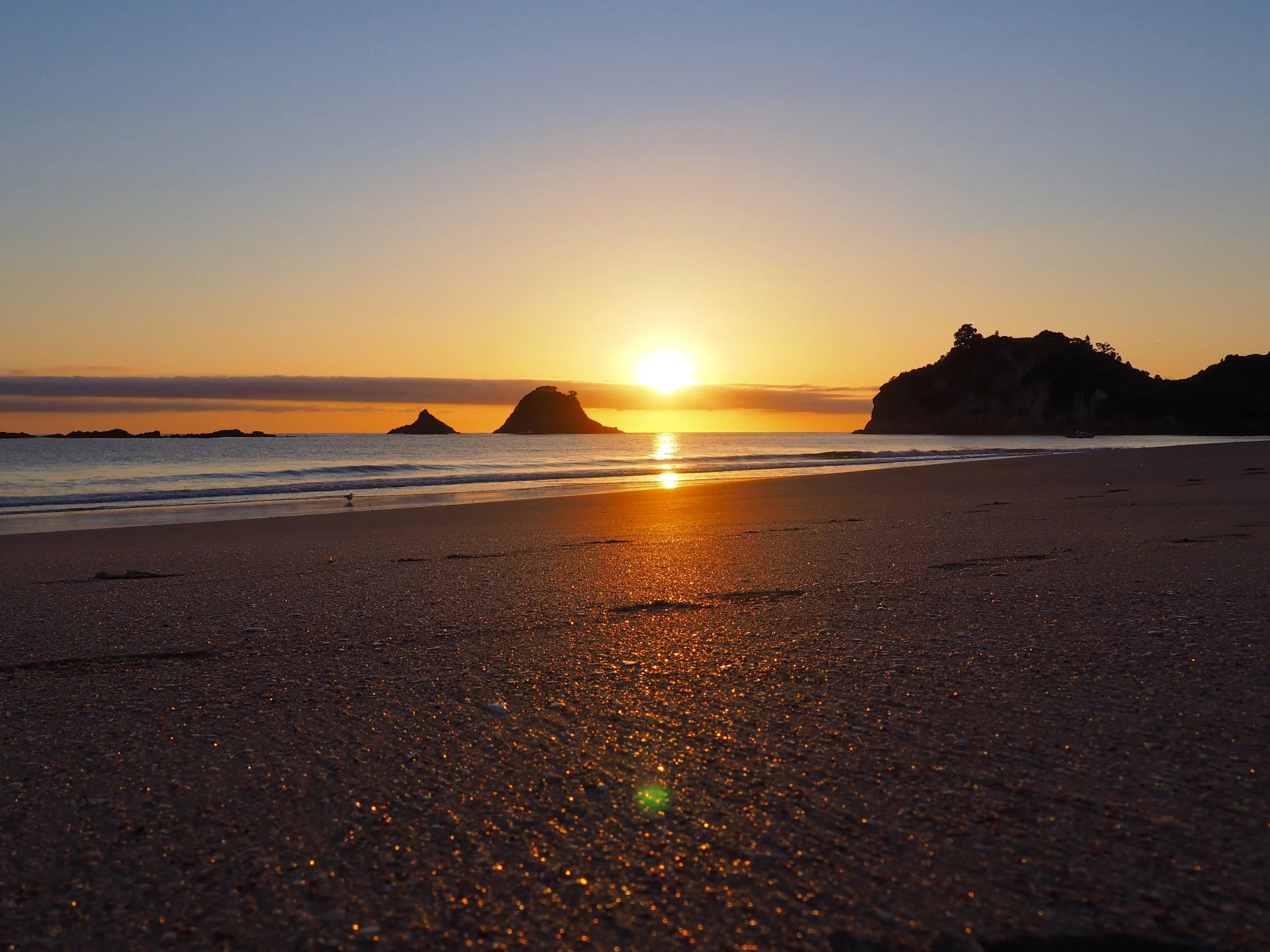
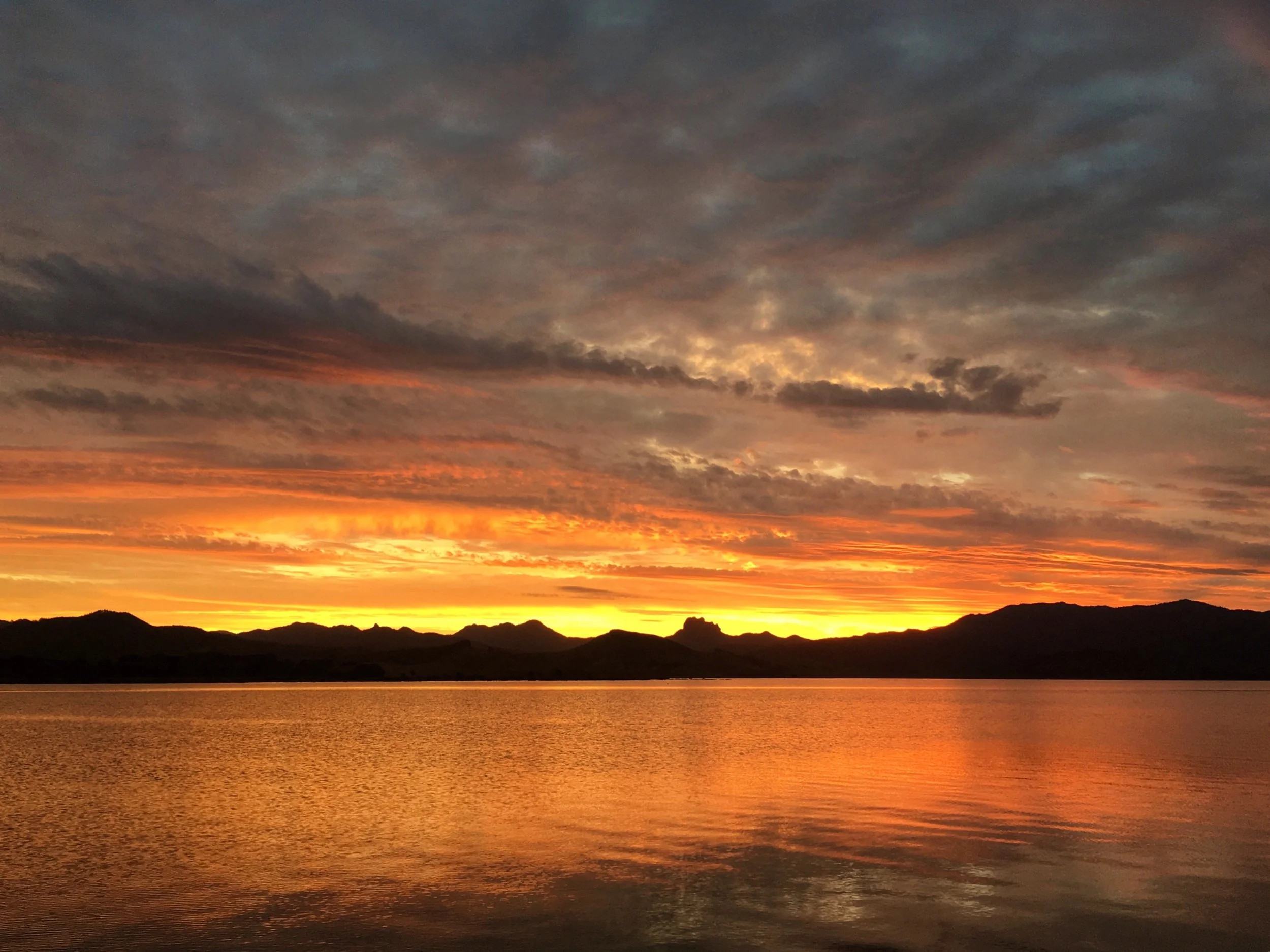
Because this is one of the first places on the New Zealand mainland to see the sunrise, waking up in your campervan here can feel like a genuine event. It is not the section to rush through at the end of a long driving day. Give yourself time, keep fuel in the tank, check road conditions and do not expect everything to be convenient. The reward is a stretch of coastline that feels atmospheric and deeply different from the rest of the route.
Suggested time: 2 – 3 nights to cover Gisborne and the East Cape loop
Best for: Surf beaches, uncrowded coastal driving, remote camping and sunrise views
Slow travel tip: Ask locals for current road and beach recommendations, as coastal weather can change access quickly. This region rewards flexibility and a full tank of fuel.


Bay of Plenty
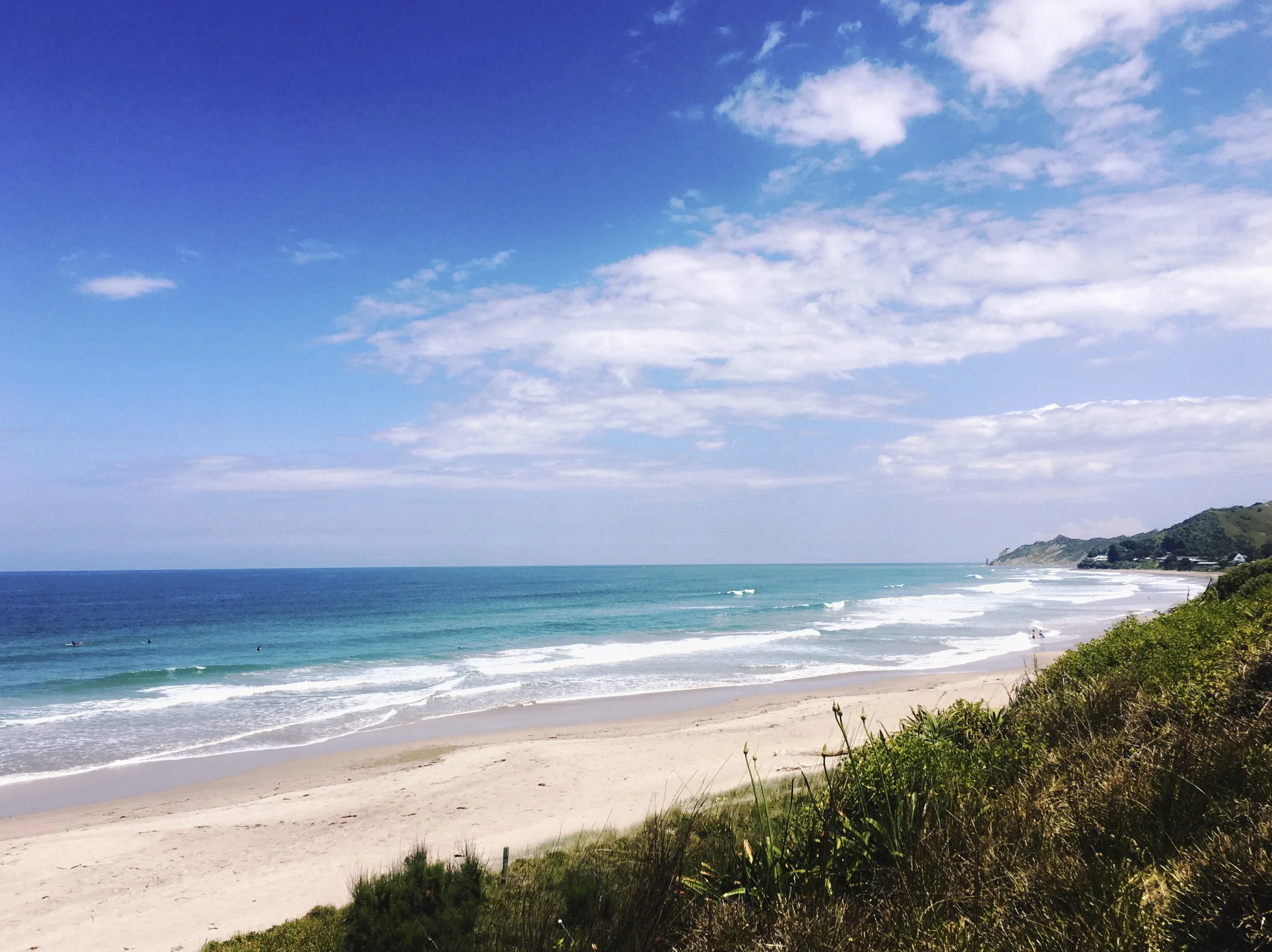
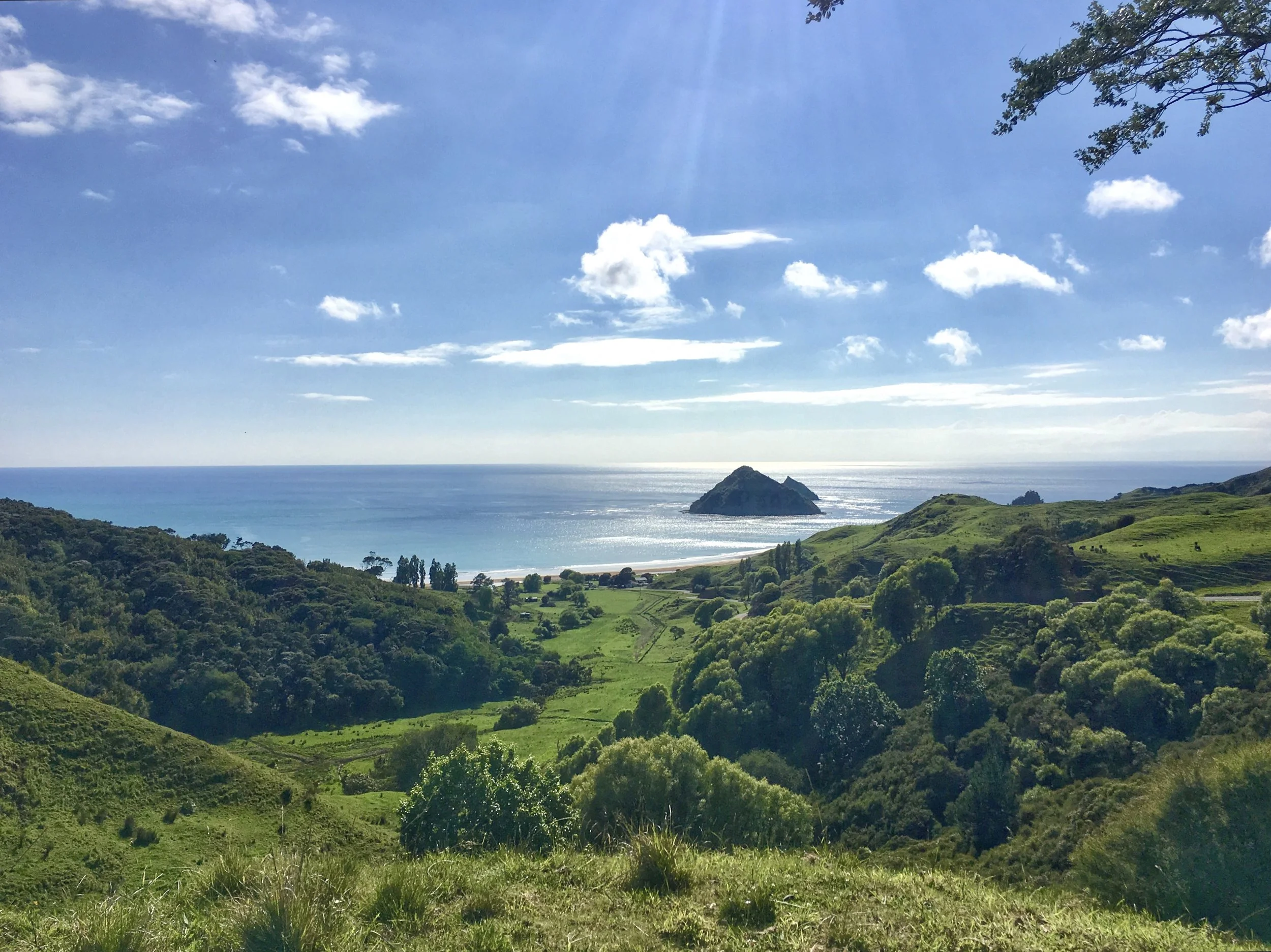
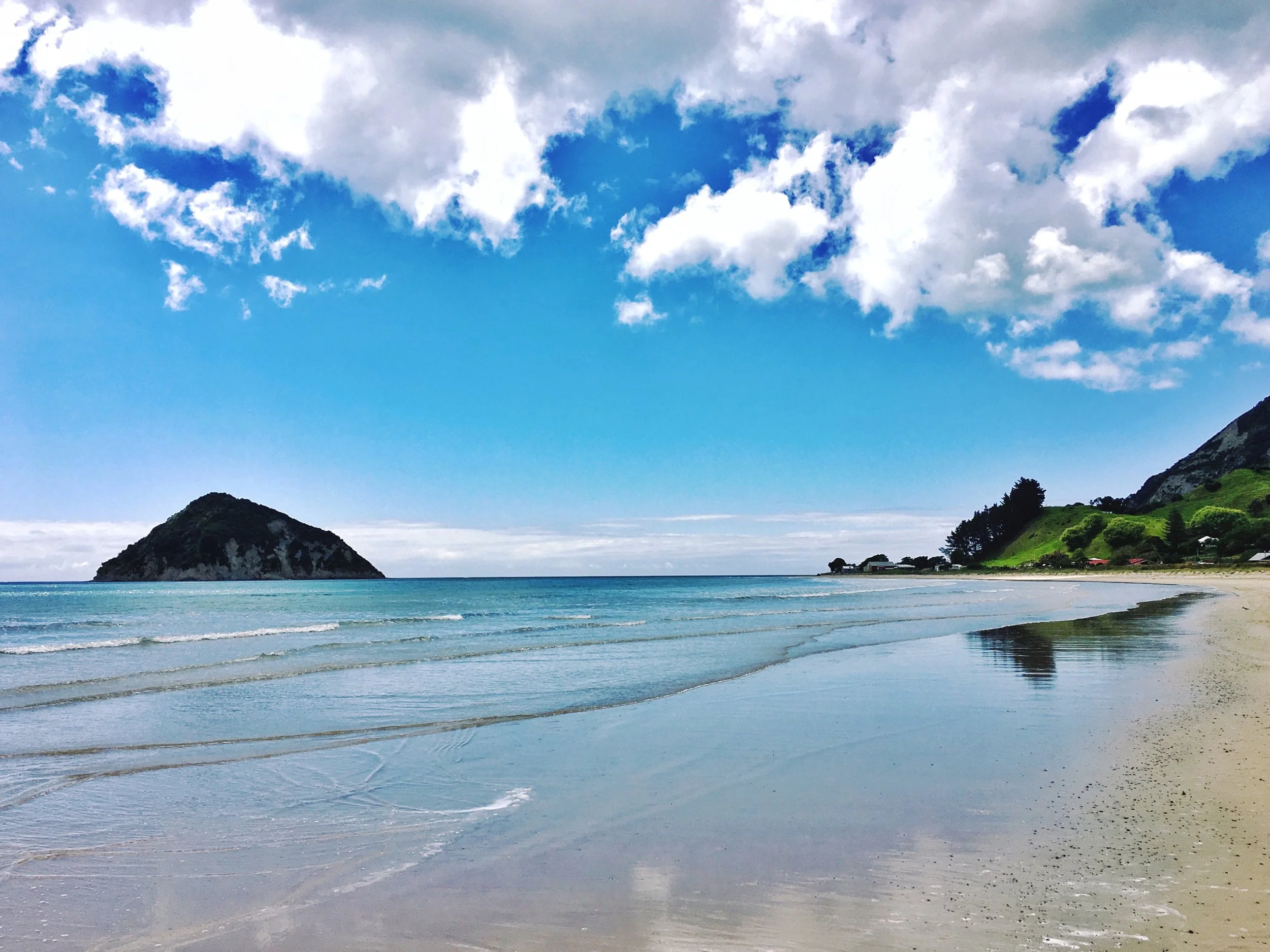
After the wildness of the East Cape, reaching the Bay of Plenty feels like shifting back toward classic beach-town New Zealand. The coastline opens up, the swimming becomes easier and the route starts to feel lighter again.
We camped near Ōhope Beach, where we thought we heard the distinctive call of a kiwi in the nearby bush. Although we couldn't see anything, we were pretty sure that's what it was. We later found out that the Whakatāne and Ohope area is actually known as the kiwi capital of the world, thanks to local conservation efforts. Realizing that distant call was probably genuine made it even more special.
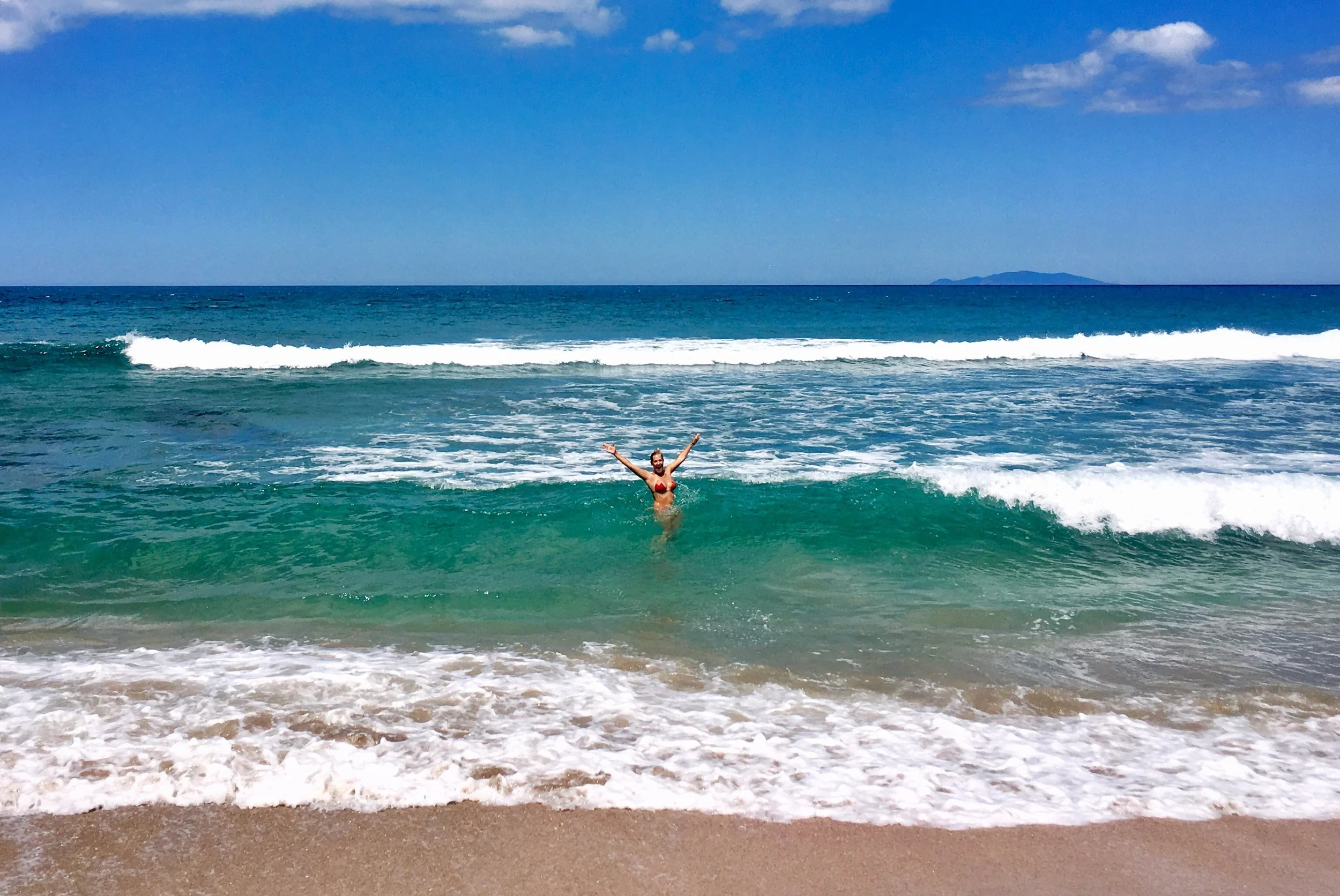
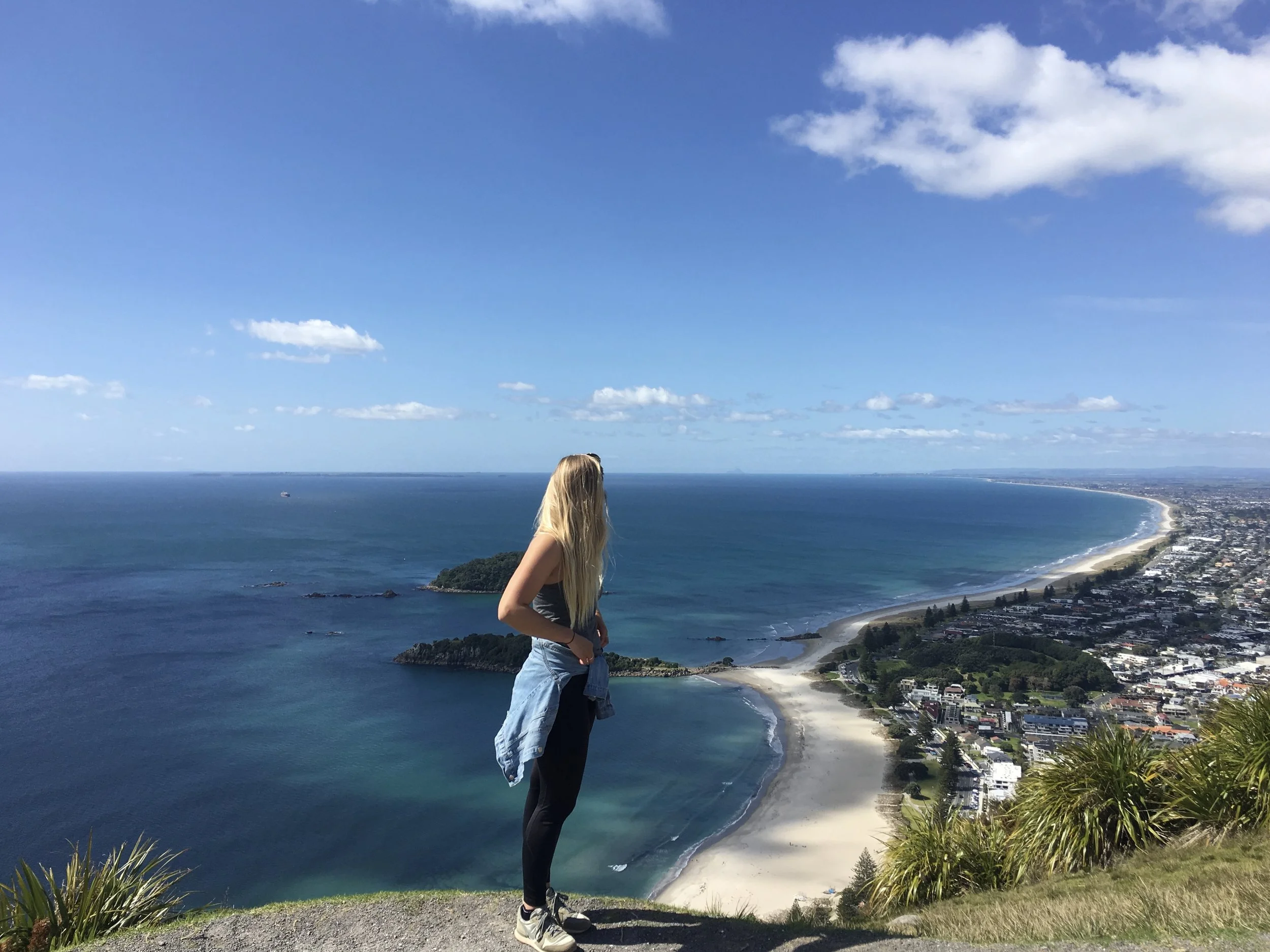
Following the coast further, one of our first stops in this transition area was around Onemana Beach. The beach itself was beautiful, with strong waves, white sand and a relaxed feel. Nearby, we walked to Octopus Bay, a quiet, secluded spot reached by a short hike through pine forest and coastal scrub. We had it almost entirely to ourselves and spent hours in the water being tossed around by the surf.
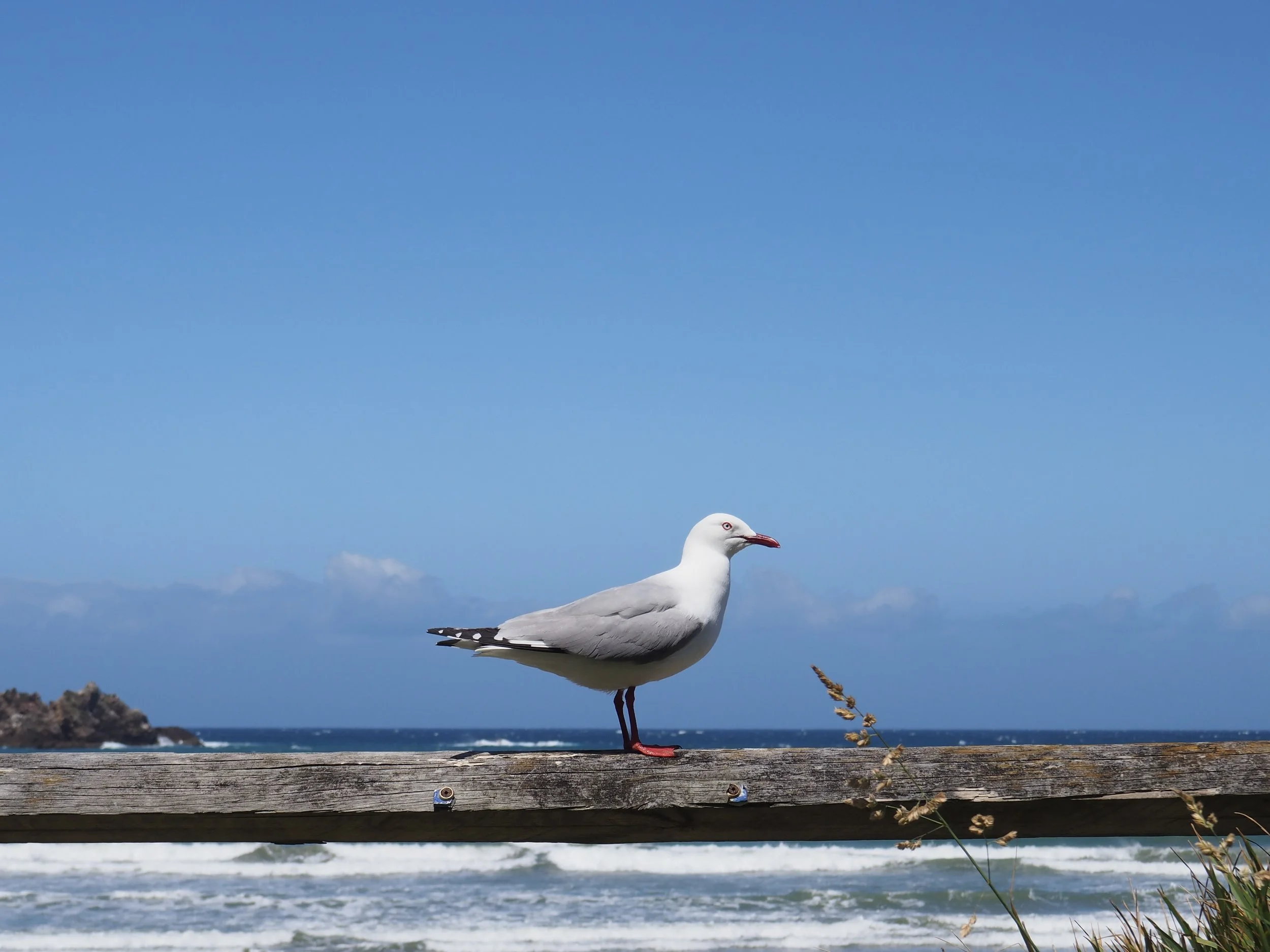
This was also the area where we became more aware of New Zealand’s coastal birdlife, especially the striking oystercatchers and the endangered New Zealand dotterels. Many beaches here have protected nesting zones and it is crucial to pay attention to them. Because these birds nest directly on the sand in shallow scrapes, keeping your distance and walking below the high-tide mark is a vital part of traveling responsibly.
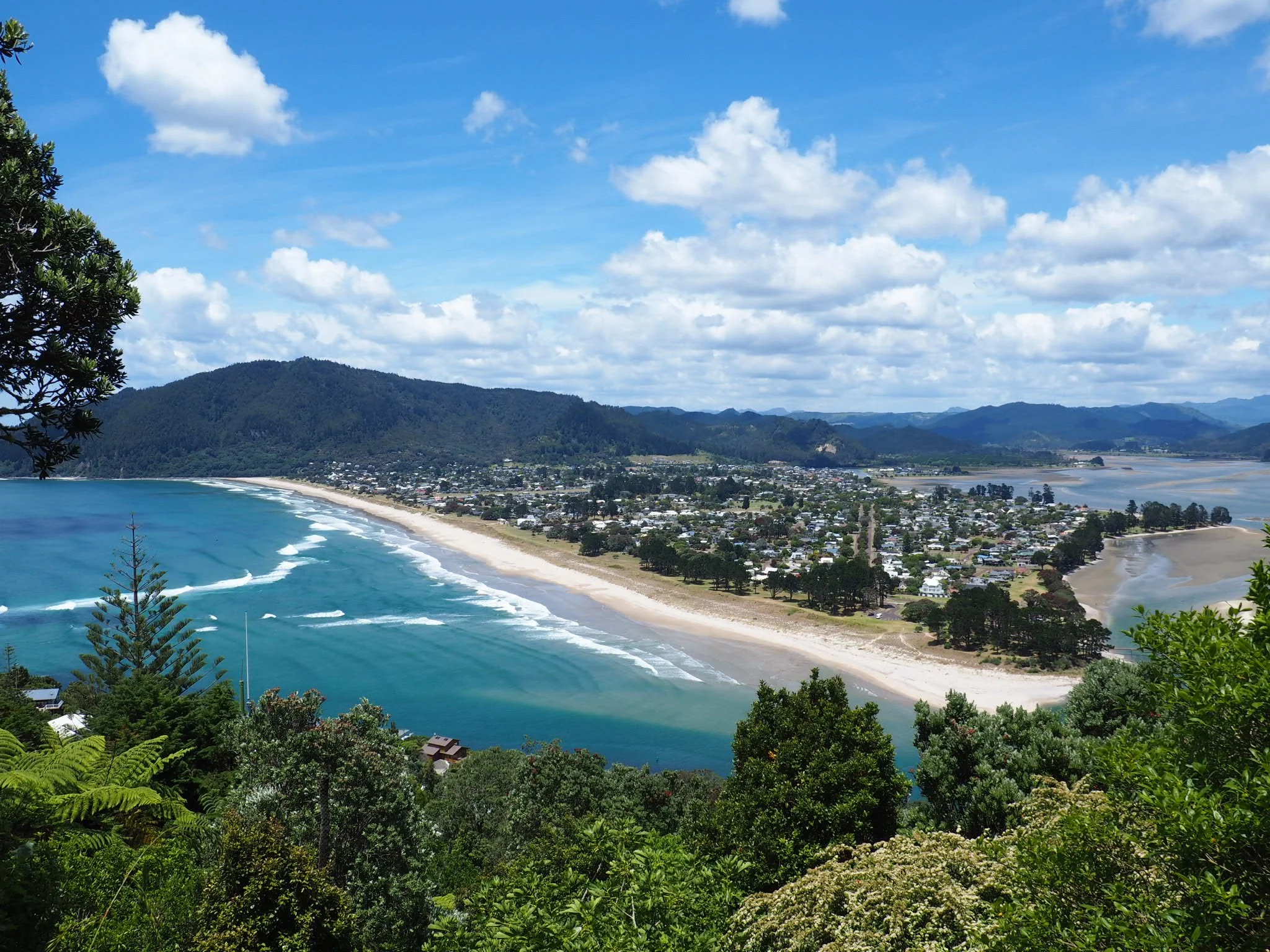
Paku Summit near Tairua is a short, steep walk in the area, with wide views over the coast and the twin beach towns below. It is exactly the kind of quick, high-reward hike that fits easily into a driving day and gives you a much better sense of the landscape from above.
Suggested time: 1 – 3 nights
Best for: Long beach walks, swimming and listening for kiwis at night
Slow travel tip: Choose one beach base rather than hopping too quickly between towns.
Coromandel Peninsula
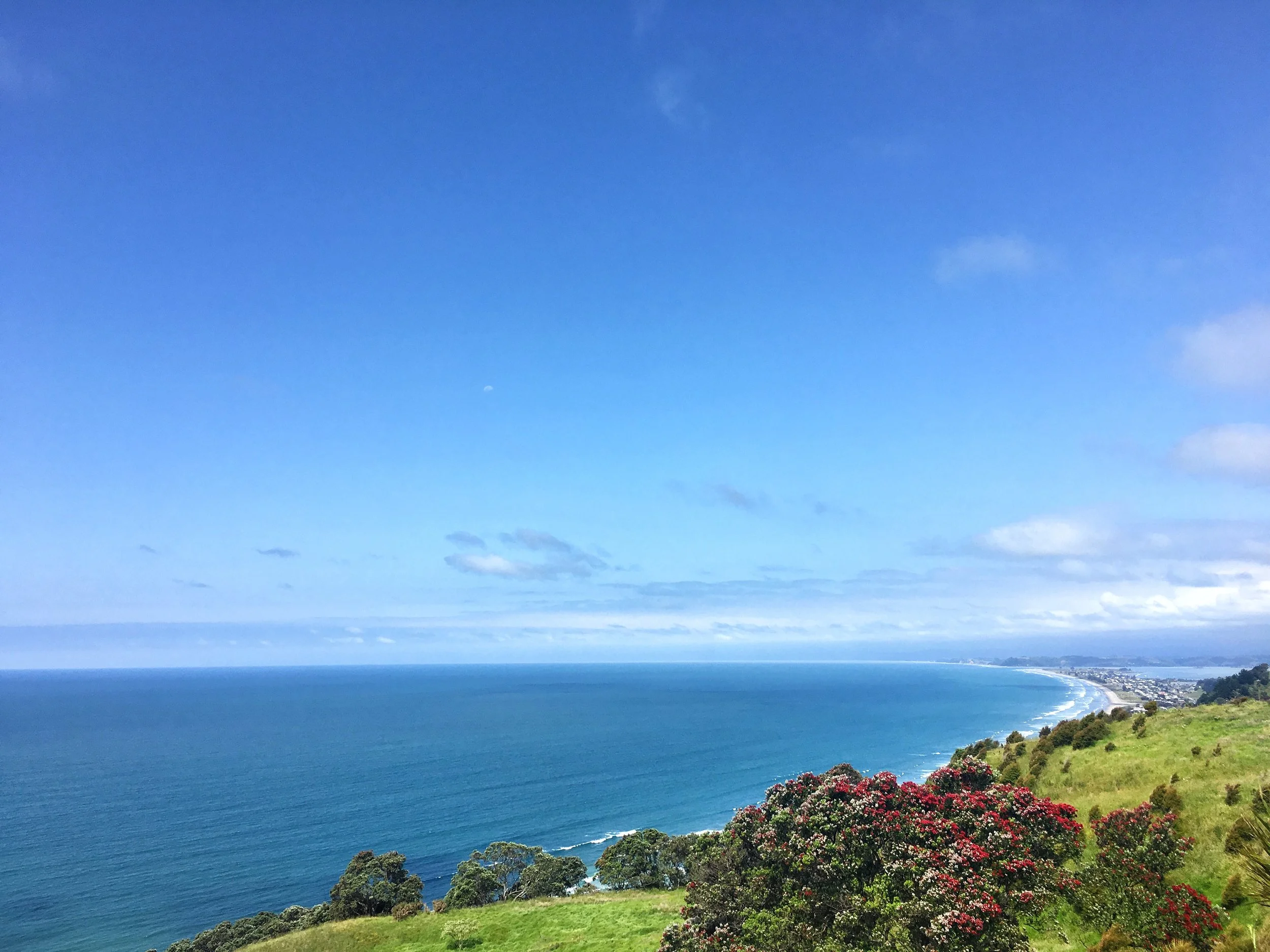
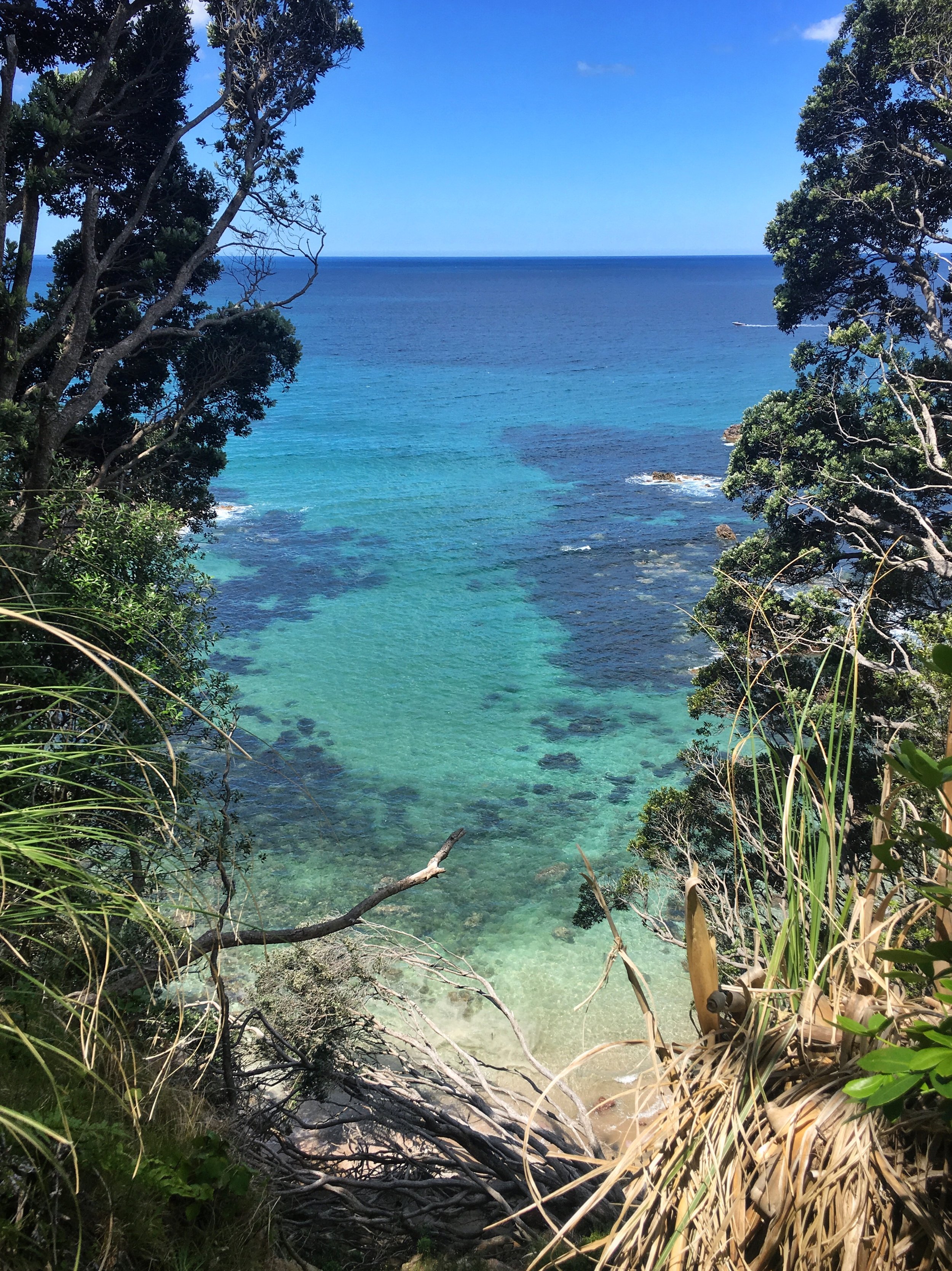
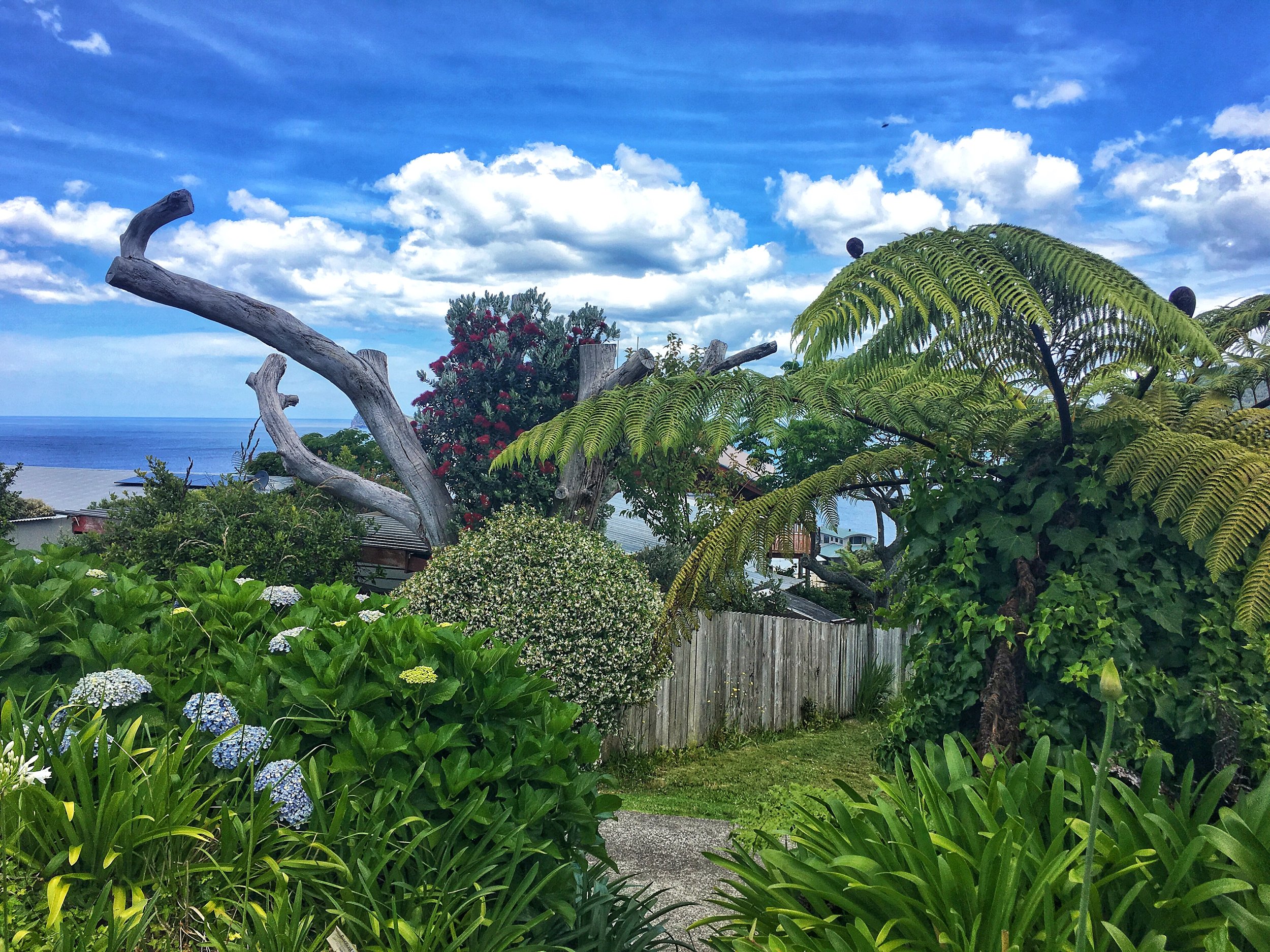
The Coromandel was one of the places everyone told us to visit when we first arrived in New Zealand. It sounded almost mythical and while it is more popular than some other parts of this route, it really is one of the most beautiful areas of the North Island. This is where you get turquoise water, forested hills, winding coastal roads, small towns and some of the best campervan moments of the trip.
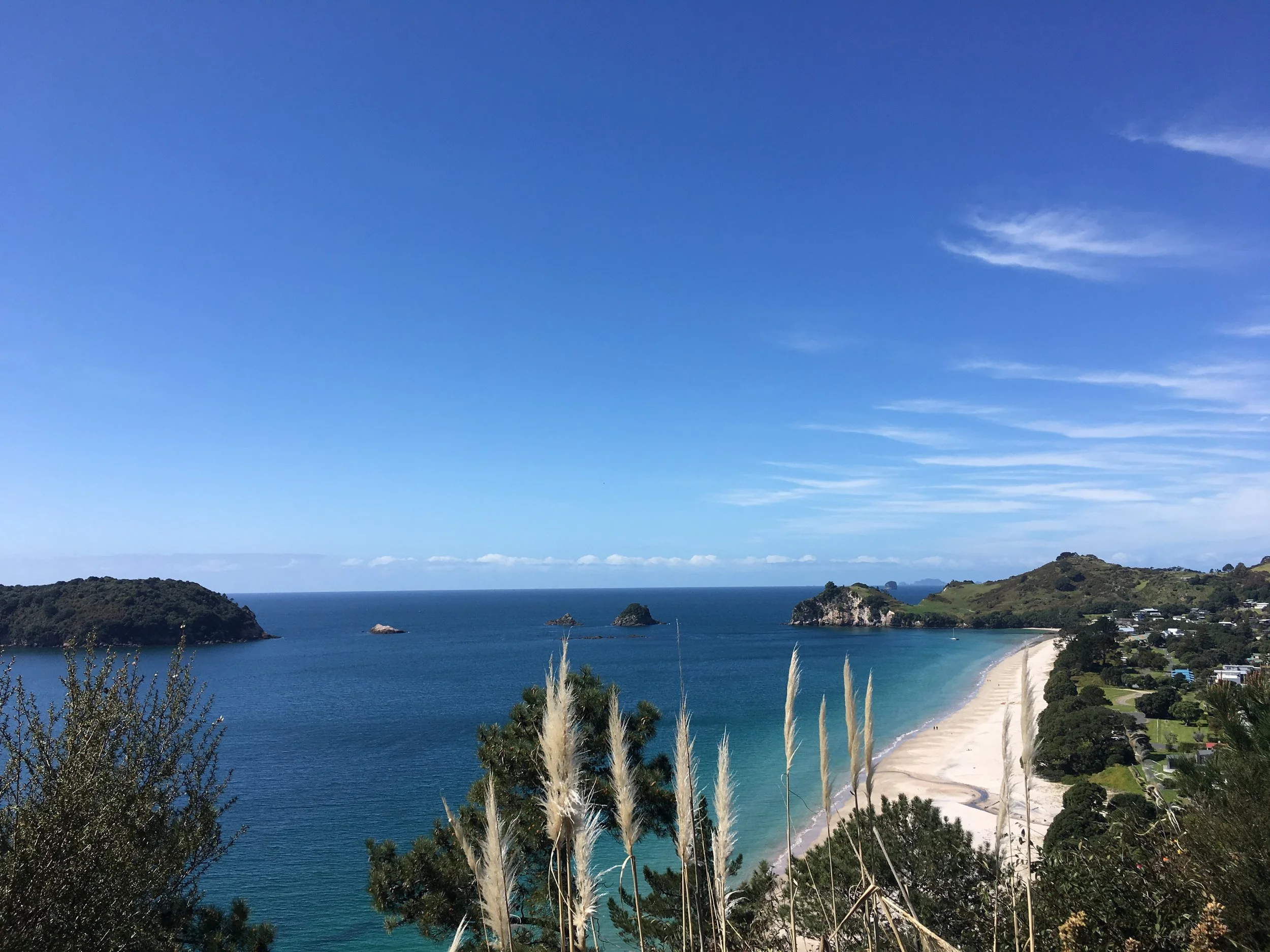
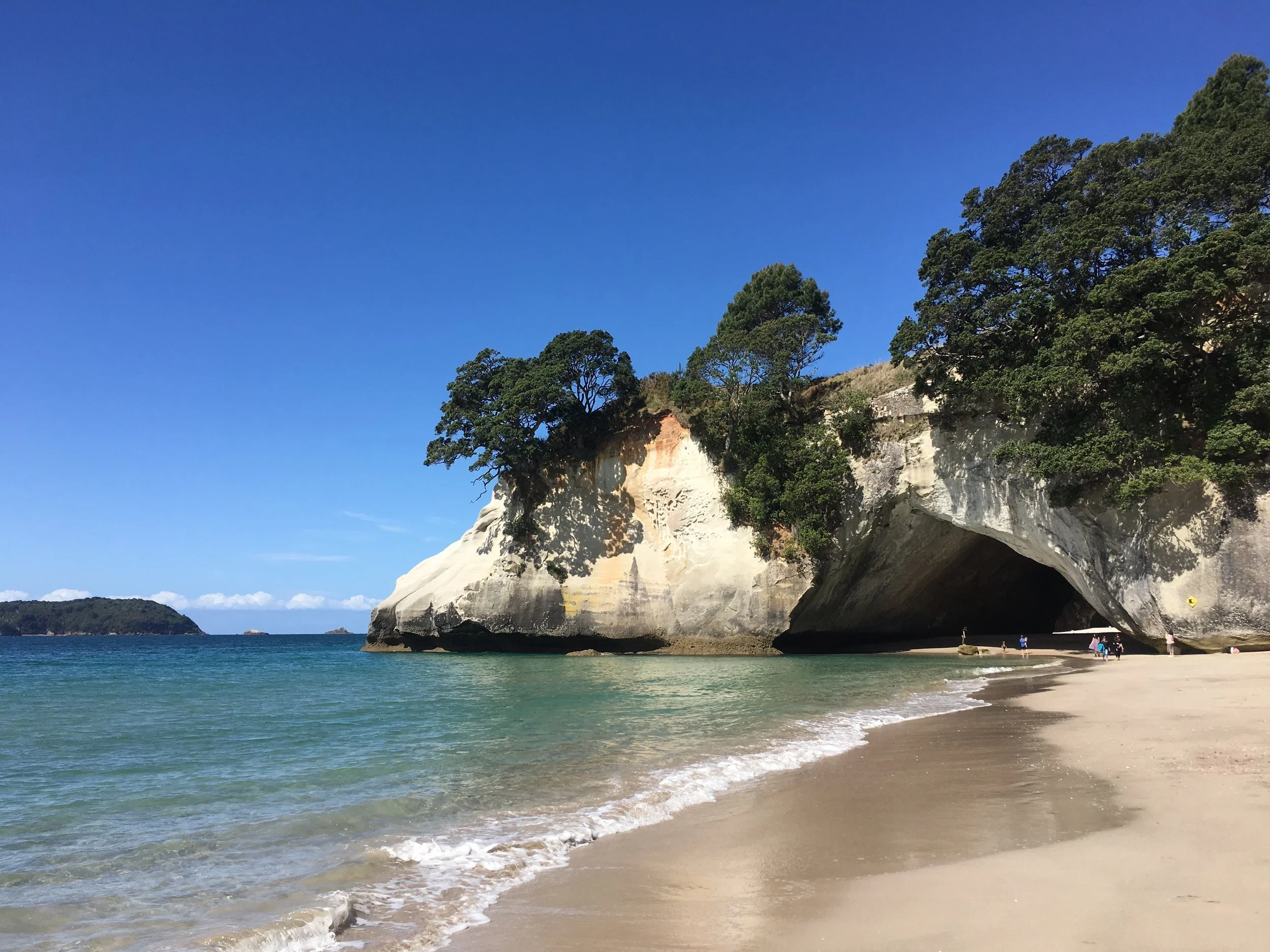
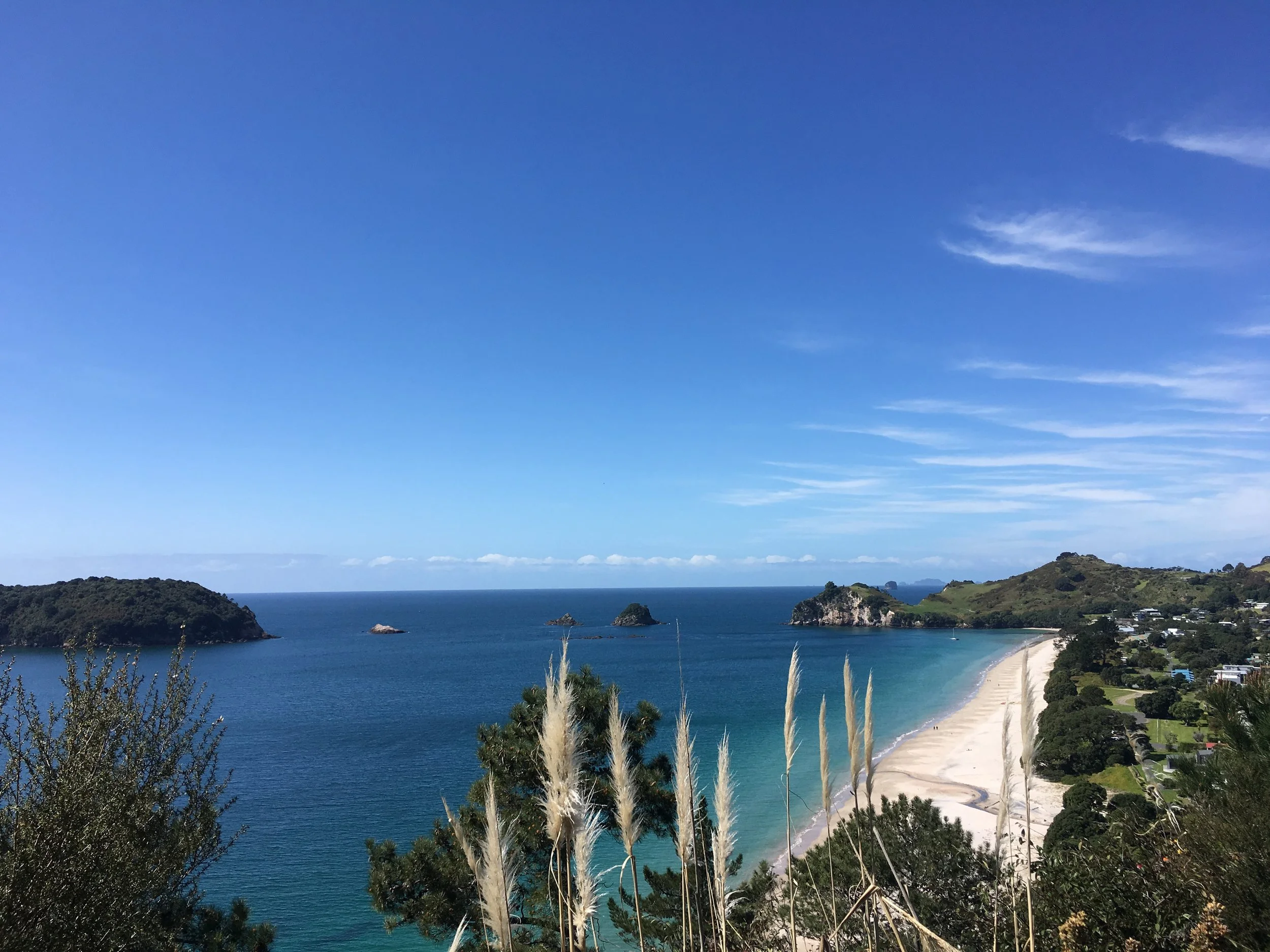
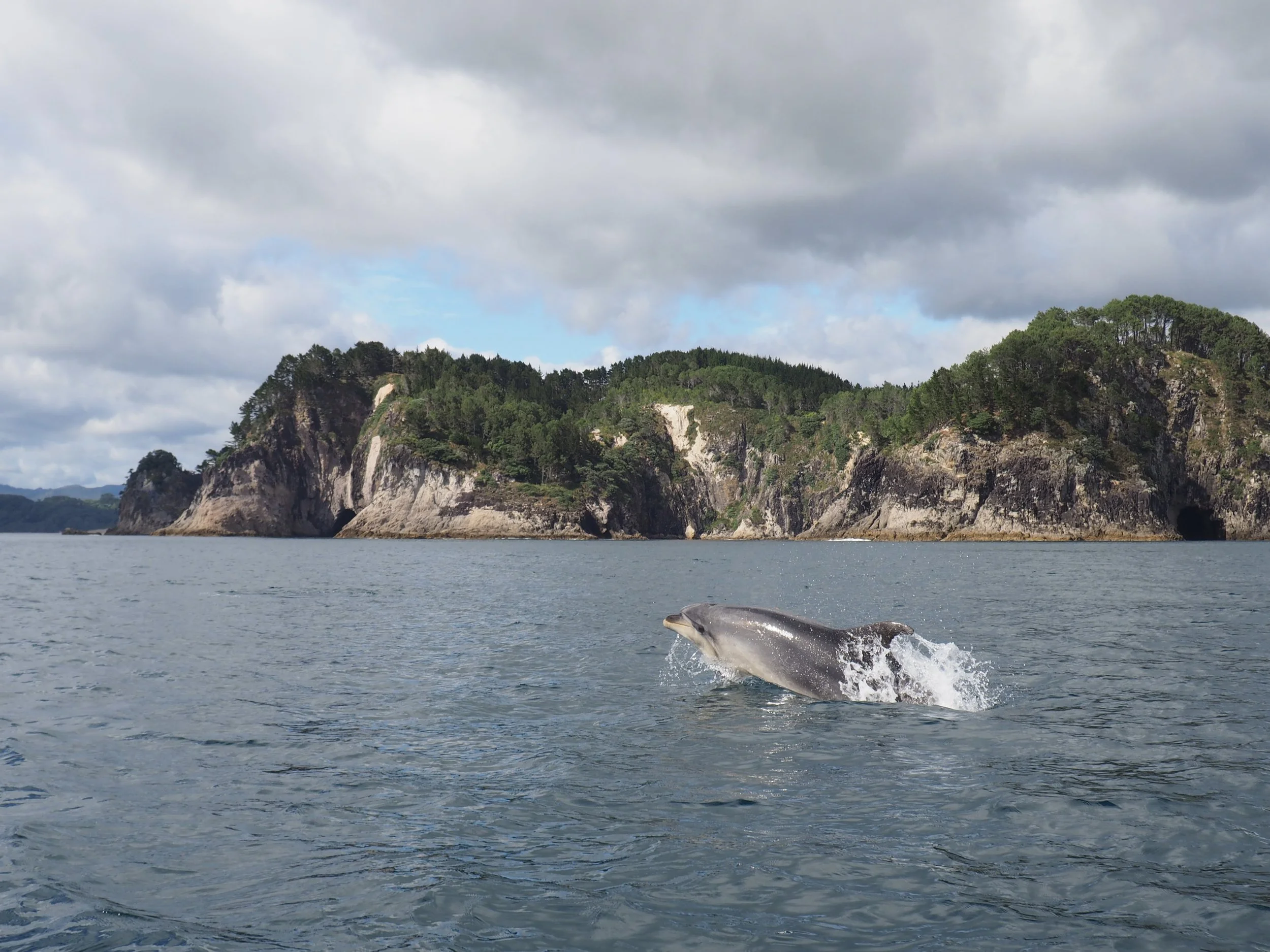
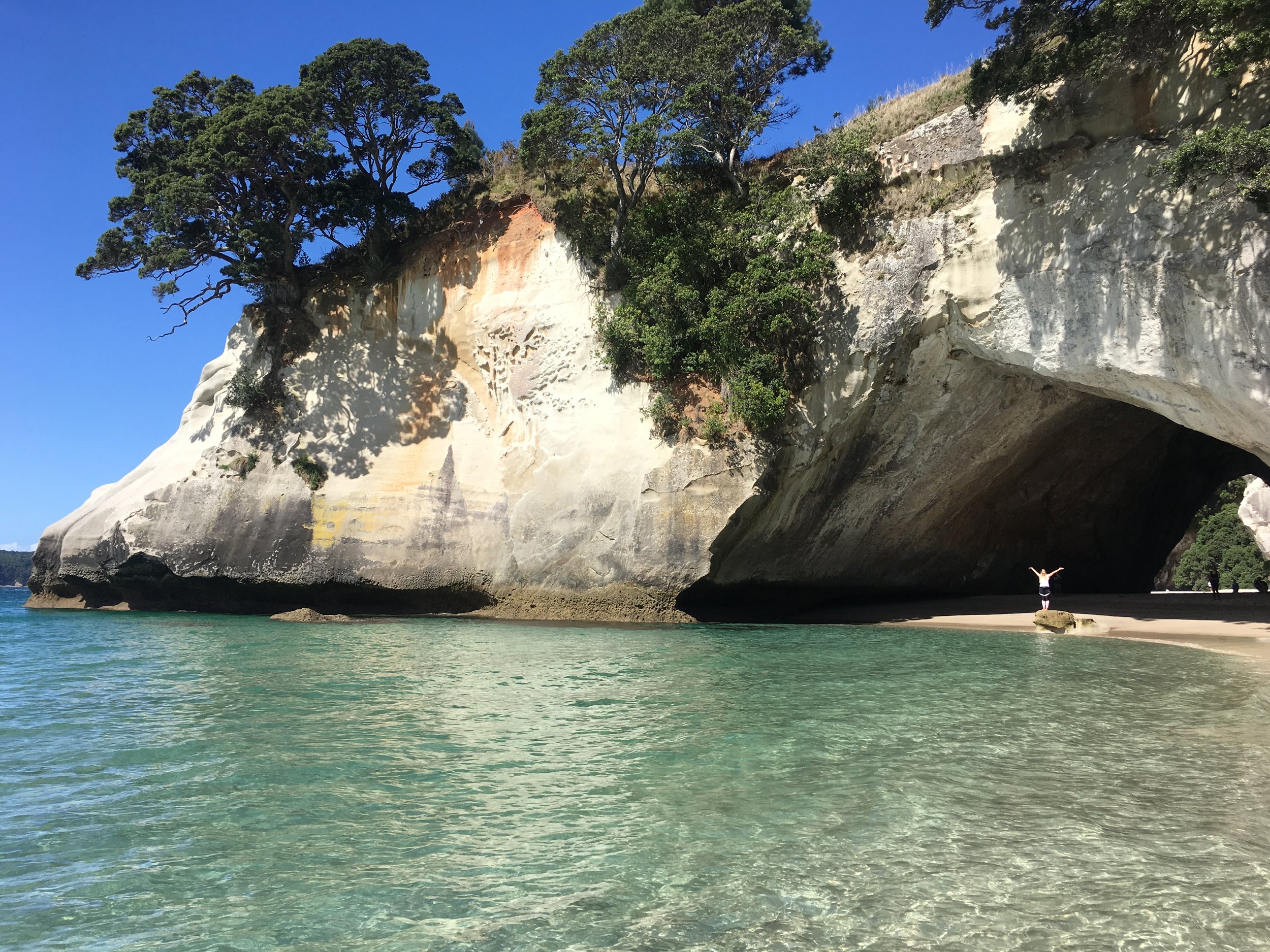
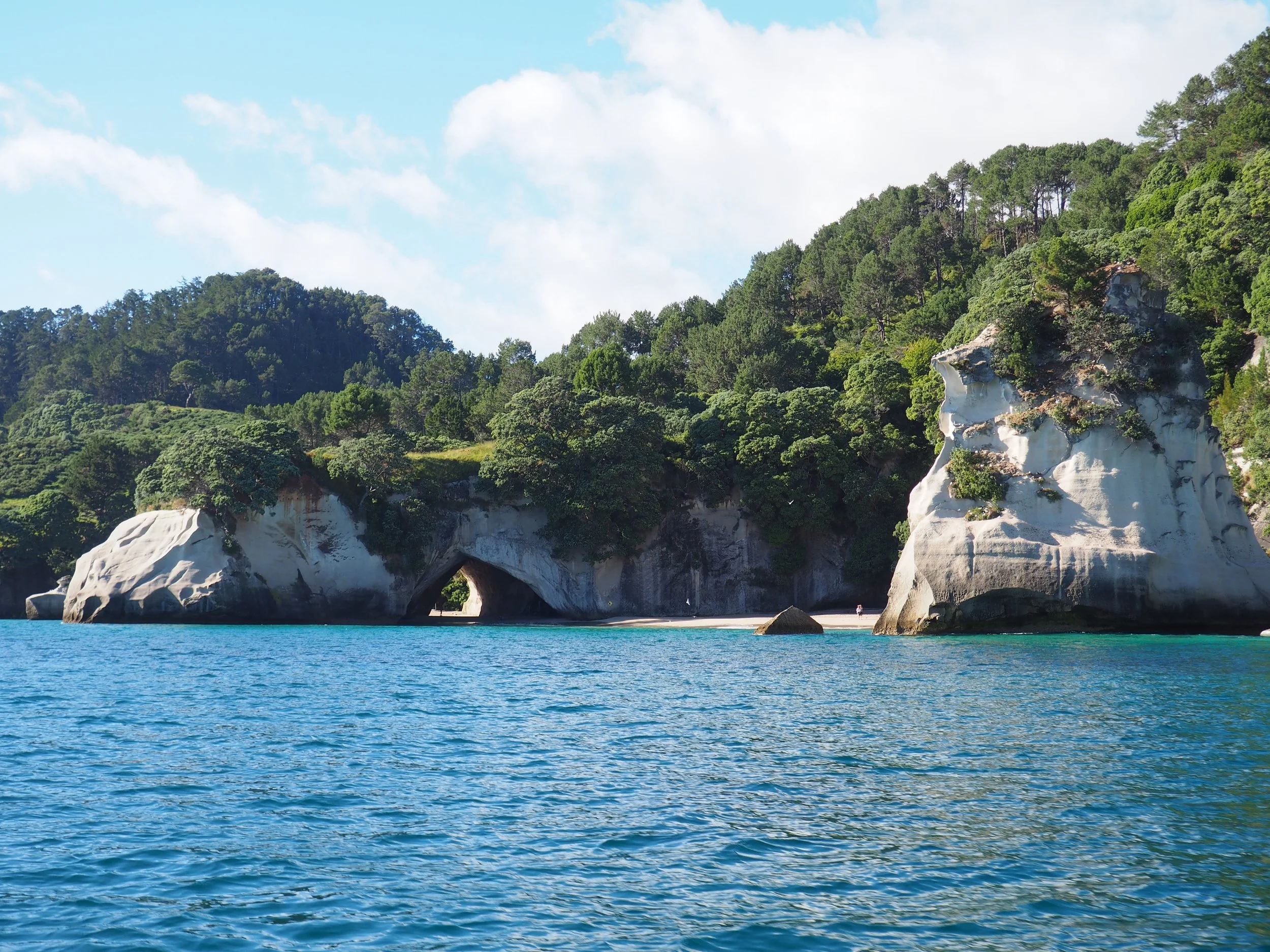
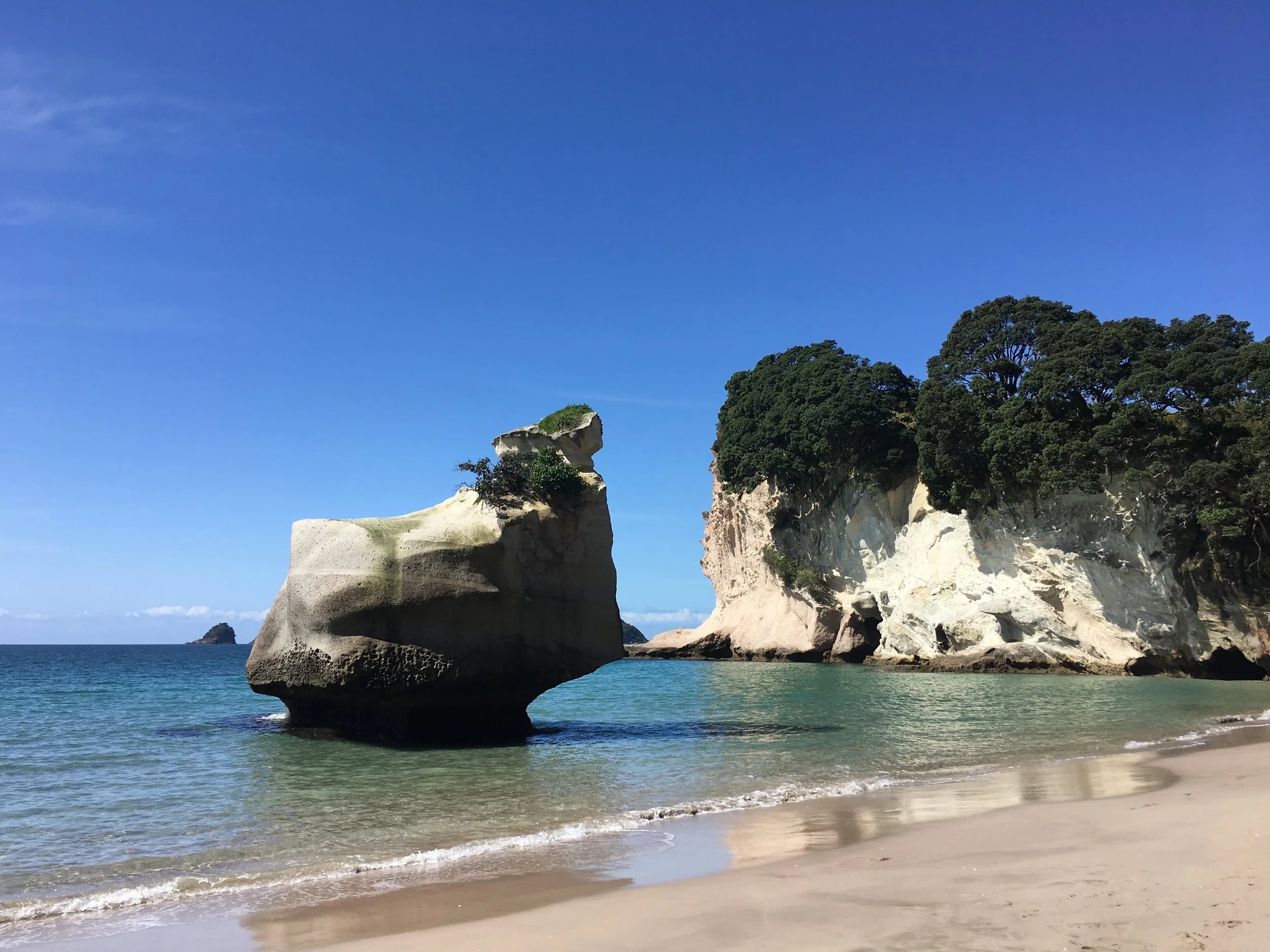
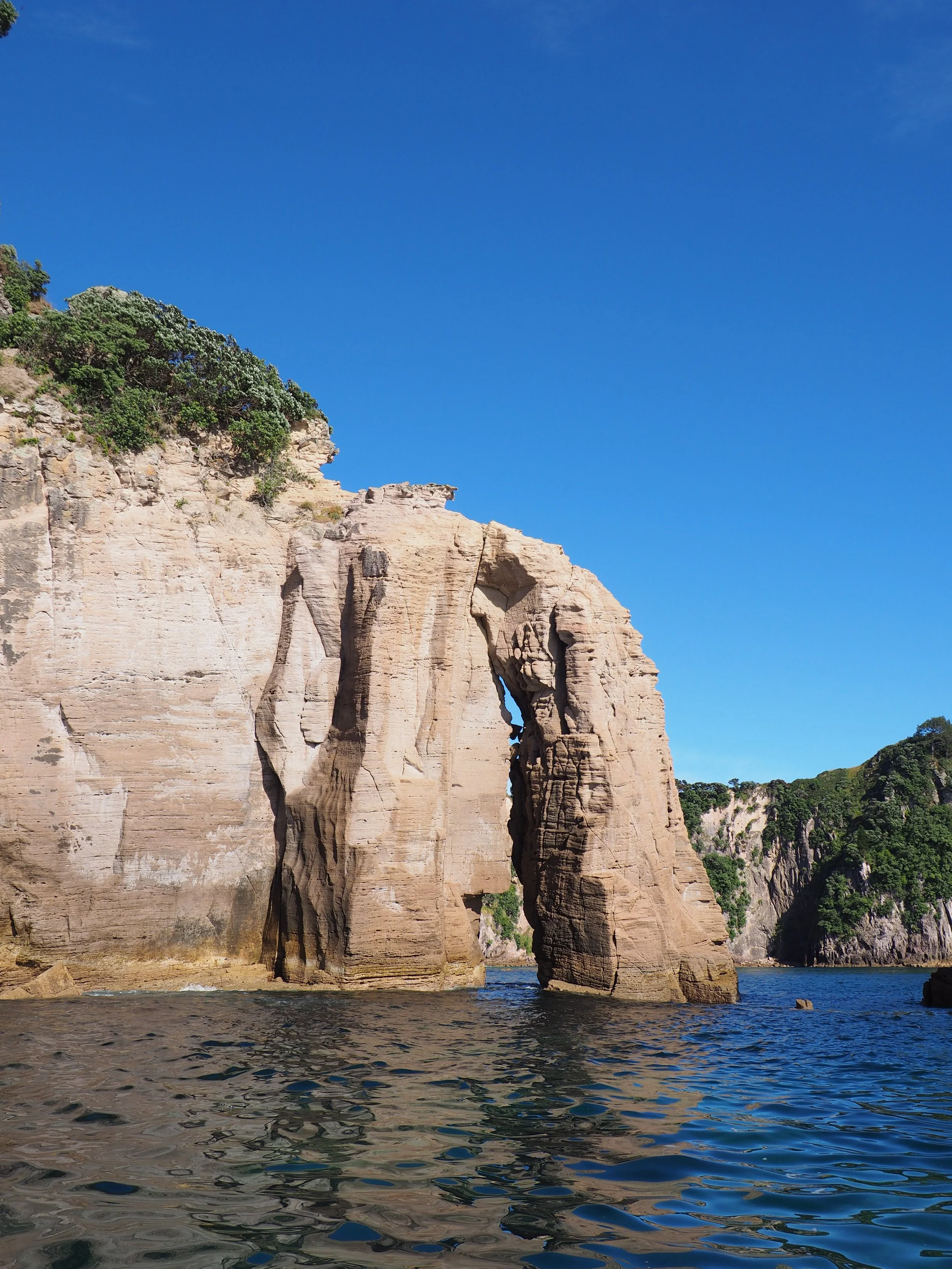
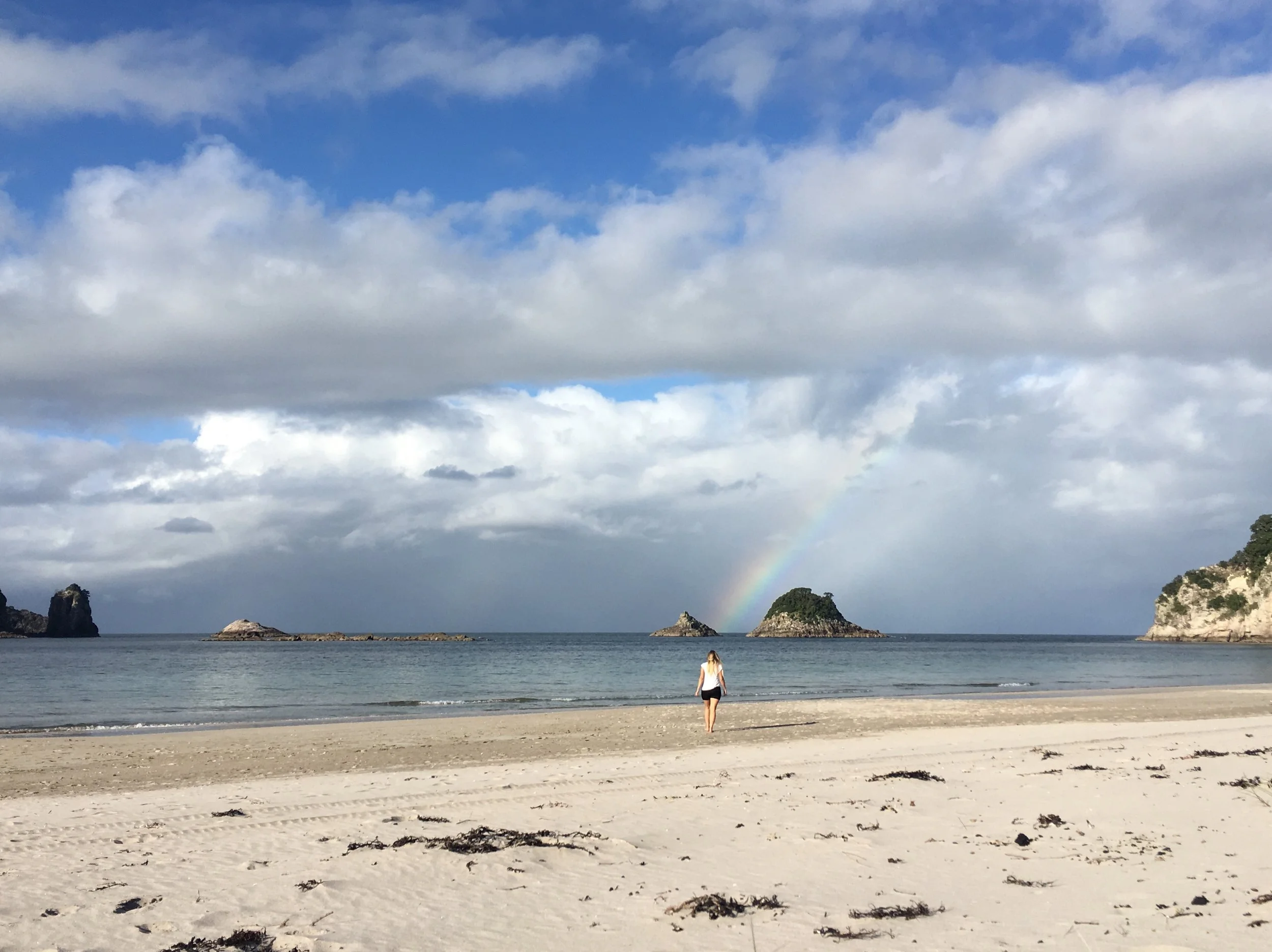
From Whitianga, we joined a small coastal boat tour toward Cathedral Cove, one of the Coromandel’s most iconic coastal spots. Set within the Te Whanganui-o-Hei Marine Reserve, it is known for its sculpted rock arch, white-sand bays, clear water and dramatic cliffs. You can visit by boat or kayak and when conditions allow, there is also a walking track from the Hahei area. For us, the boat tour became unforgettable when we encountered a large pod of bottlenose dolphins along the way. Seeing them move through the water so close to the boat was one of those moments that made the Coromandel feel as magical as everyone had promised. Depending on the day and a bit of luck, you may also spot fur seals, penguins or other marine life.
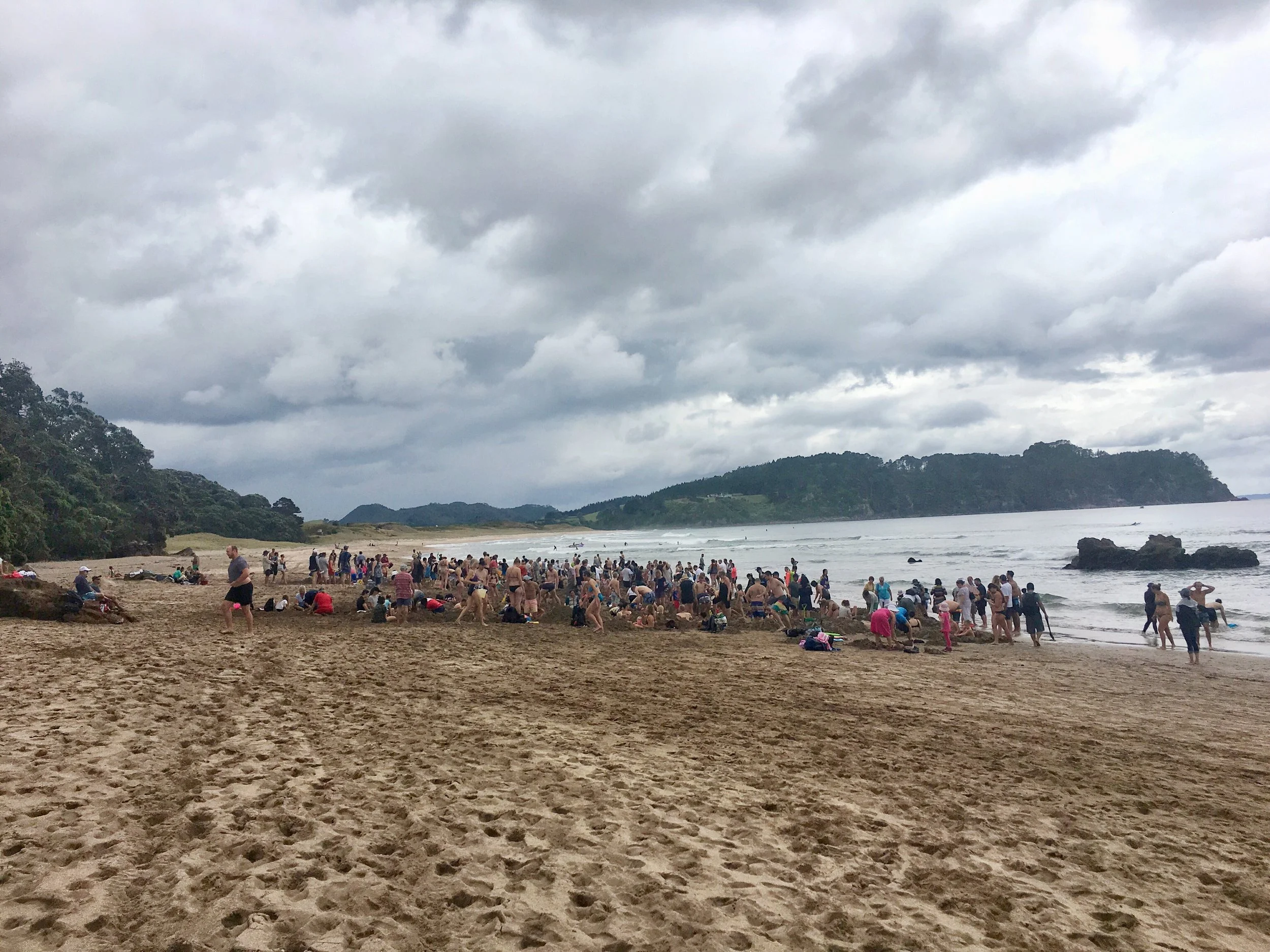
Hot Water Beach is one of the Coromandel’s most iconic stops, famous for the natural hot water bubbling up through the sand at low tide. In the right section of the beach, you can dig your own little hot pool or use one someone else has left behind. The weather was not amazing when we visited and honestly, we thought the main hot-pool area felt a little crowded and overrated. The better part of the experience was walking farther down the beach away from the crowds, jumping into the ocean and spotting more dolphins swimming past us. Sometimes the famous thing is not the real highlight. Sometimes the better memory happens just next to it. To be fair, the hot pools were quite nice for warming up after a cold ocean swim.
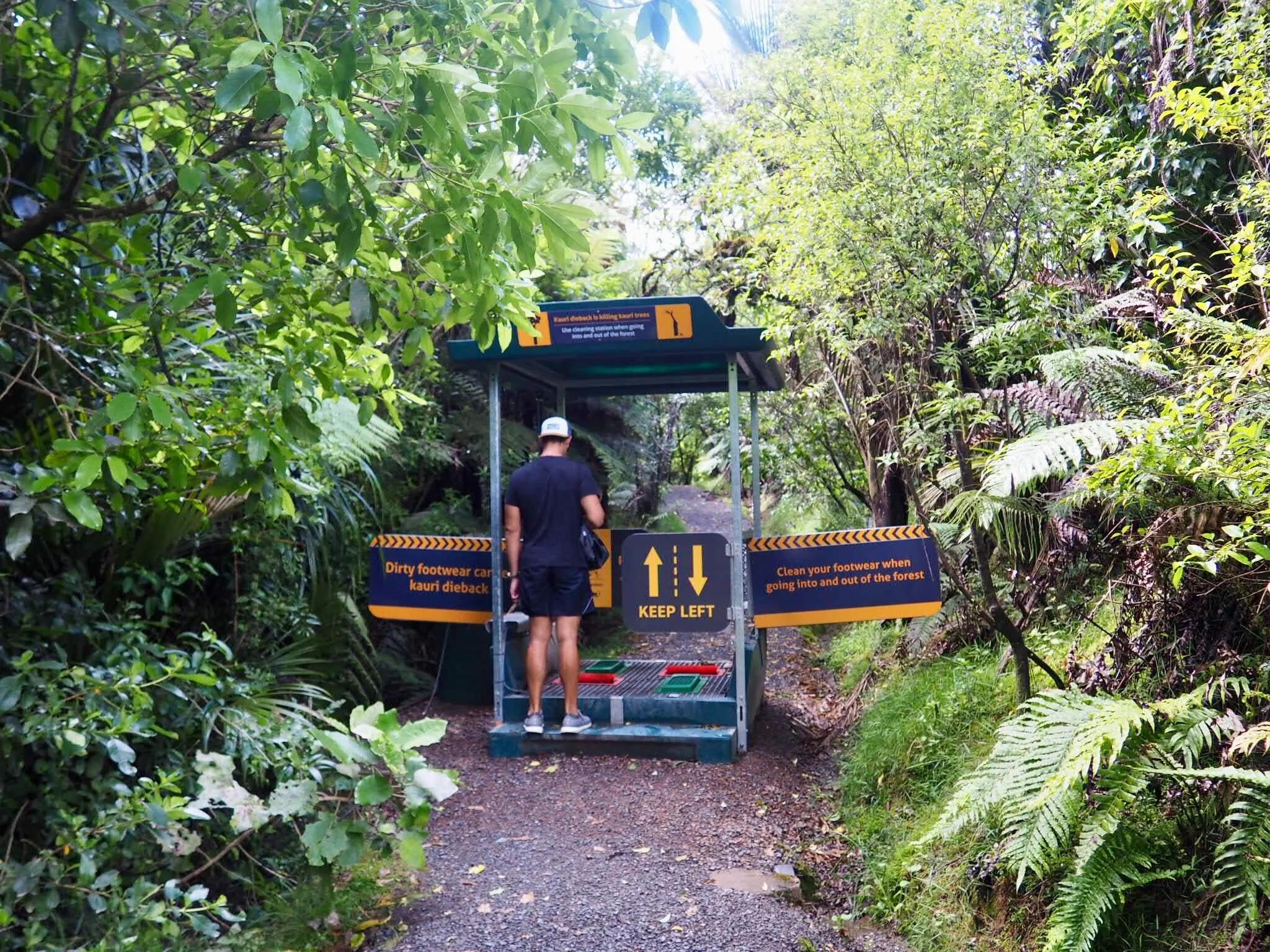
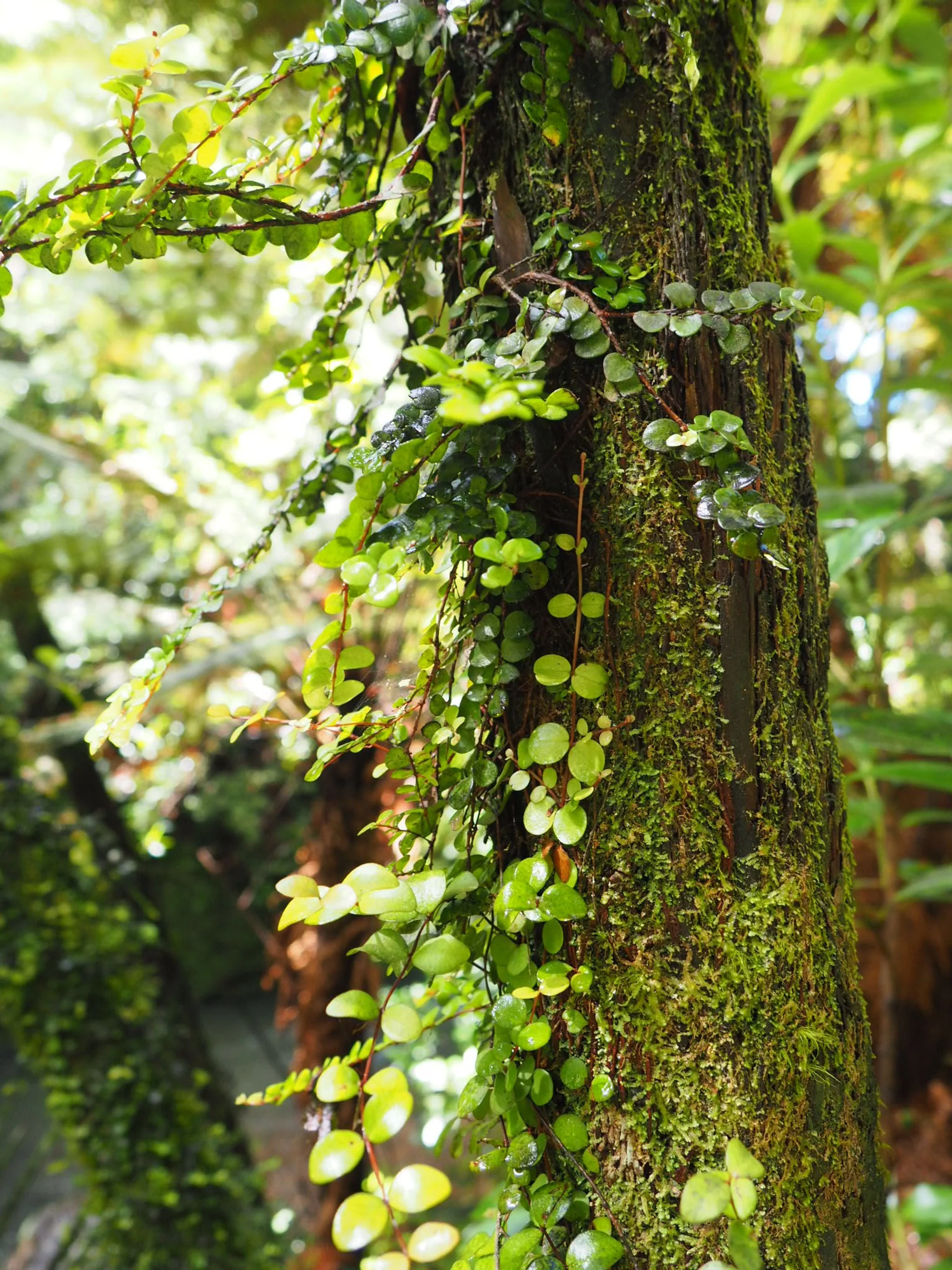
Cooks Beach made a peaceful base, but we also loved heading more north to places like Matarangi, Opito Bay and Coromandel Town. This northern stretch is where we had some of our favorite simple camping moments: eating tacos with homemade guacamole, embracing rainy Christmas weather, stopping at roadside produce stalls and having slow evenings by the water. Coromandel Town is a useful base for cafés, supplies and nearby walks like the Kauri Block Track, Waiau Falls and Waiau Kauri Grove. If you visit any of the kauri forest areas, always use the footwear cleaning stations at the trailheads. Kauri dieback disease is a serious threat to these ancient trees, and taking two minutes to scrub your boots really matters.
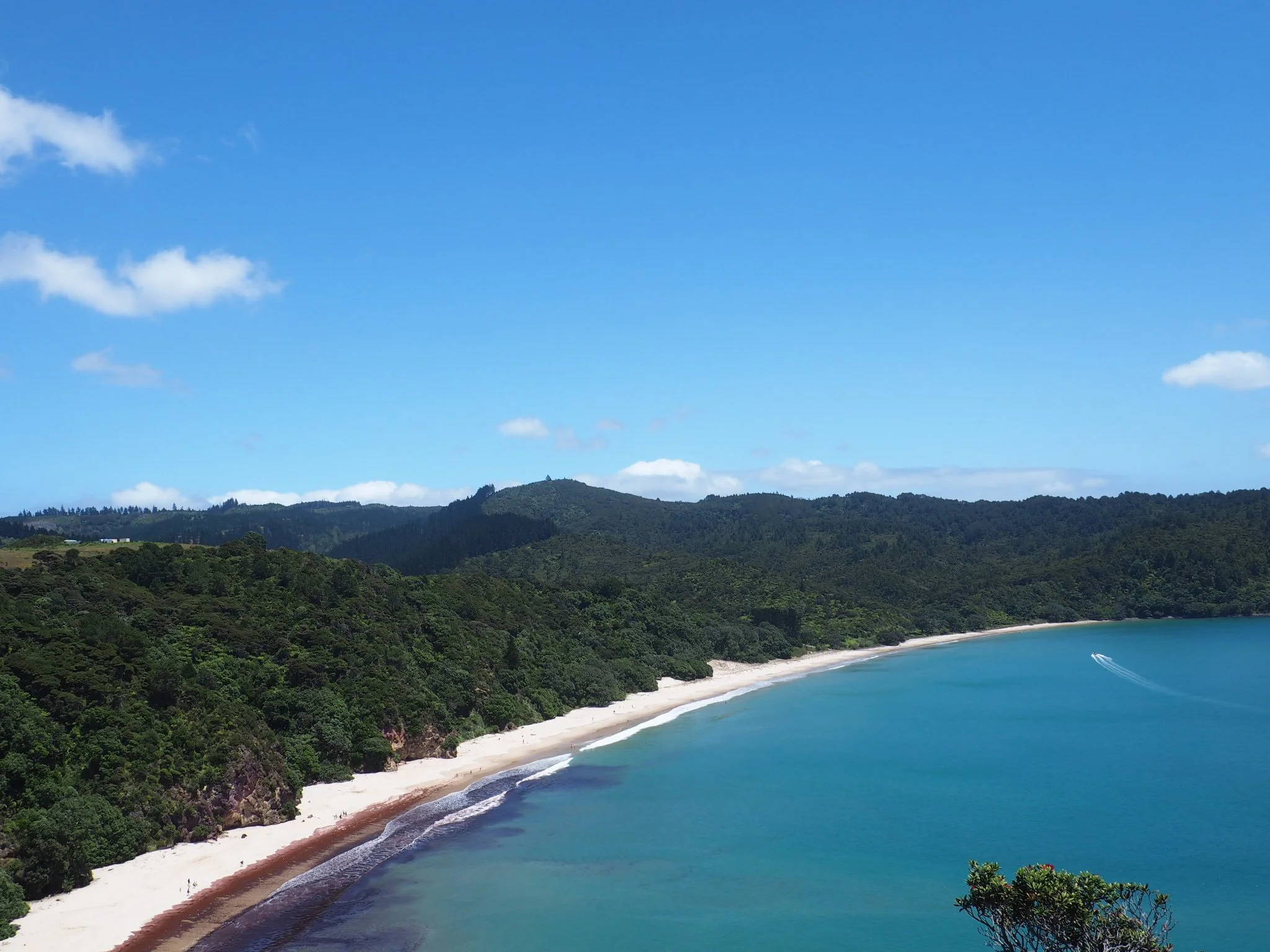
New Chums Beach was a clear highlight of the north. The walk there is short but rewarding, and once you reach the sand, it looks exactly like the untouched New Zealand coast people dream about. If you have the energy, climb up the unmarked track to the viewpoint for the full perspective.
Suggested time: 4 – 6 nights
Best for: Beaches, coastal roads, boat trips, hiking, cafés and campervan camping
Worth it? Absolutely, but expect more people in peak season.
Slow travel tip: Do not only visit Hot Water Beach and Cathedral Cove. The northern Coromandel deserves time.
Inland detours and practical stops
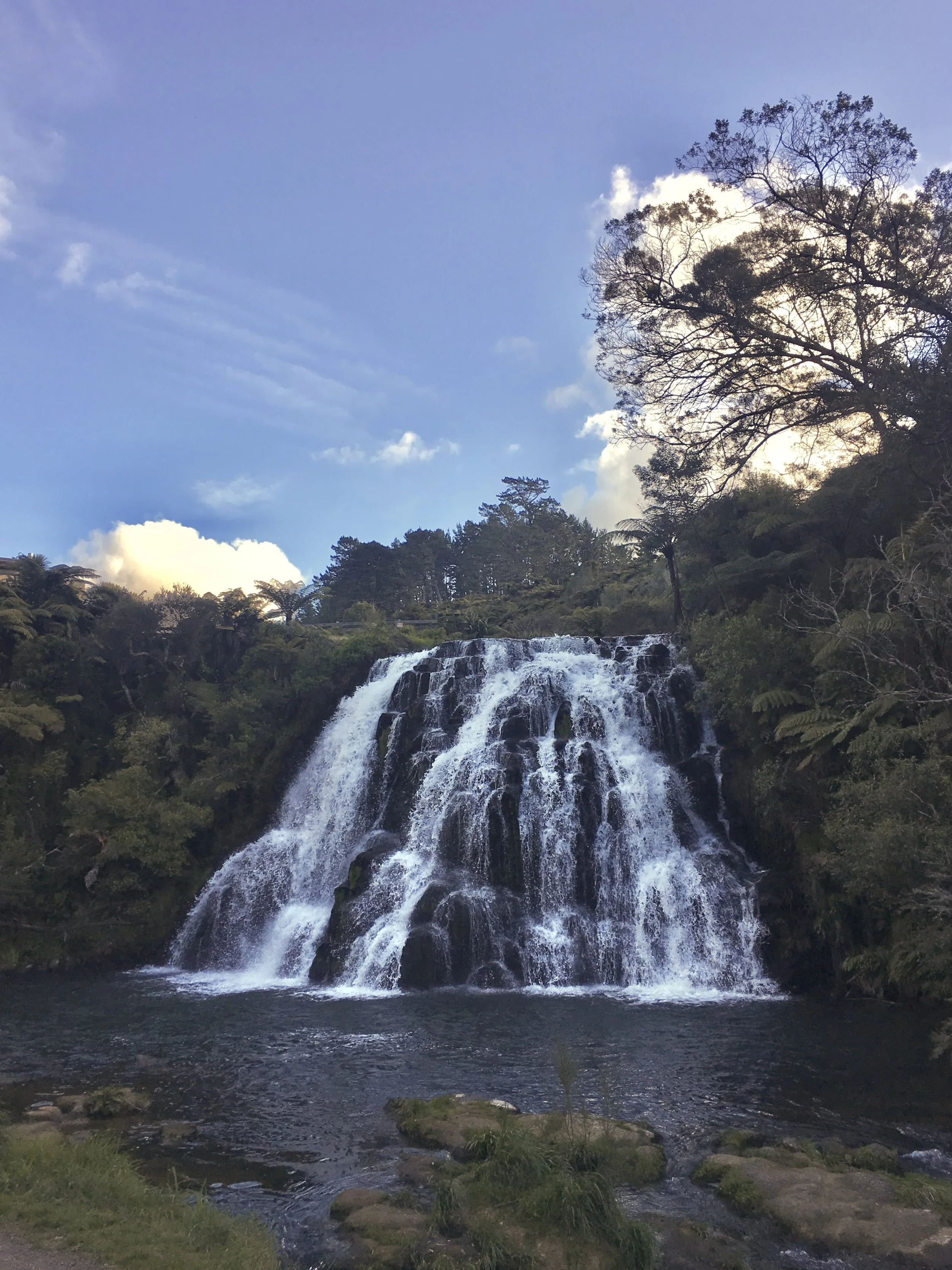
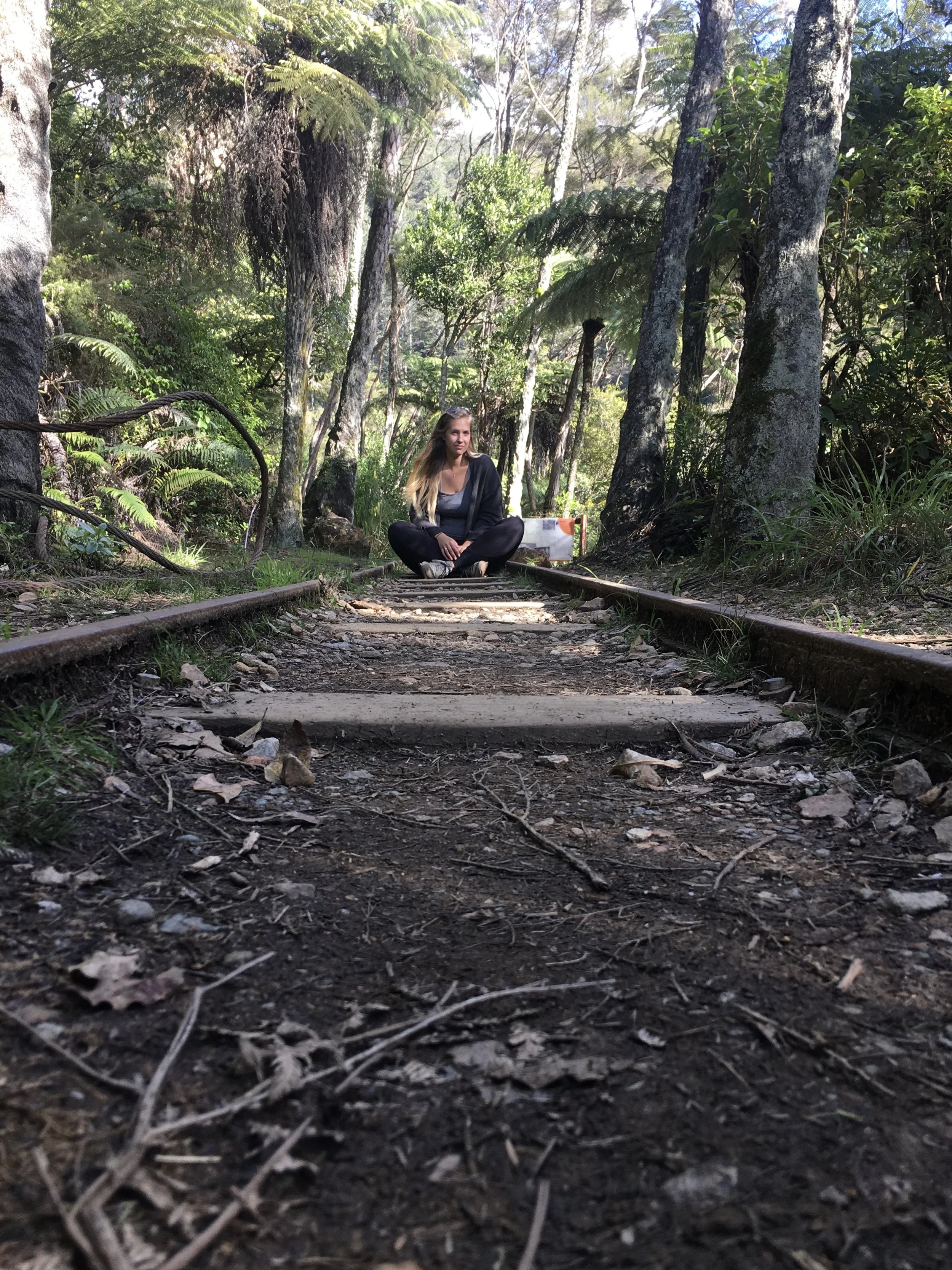
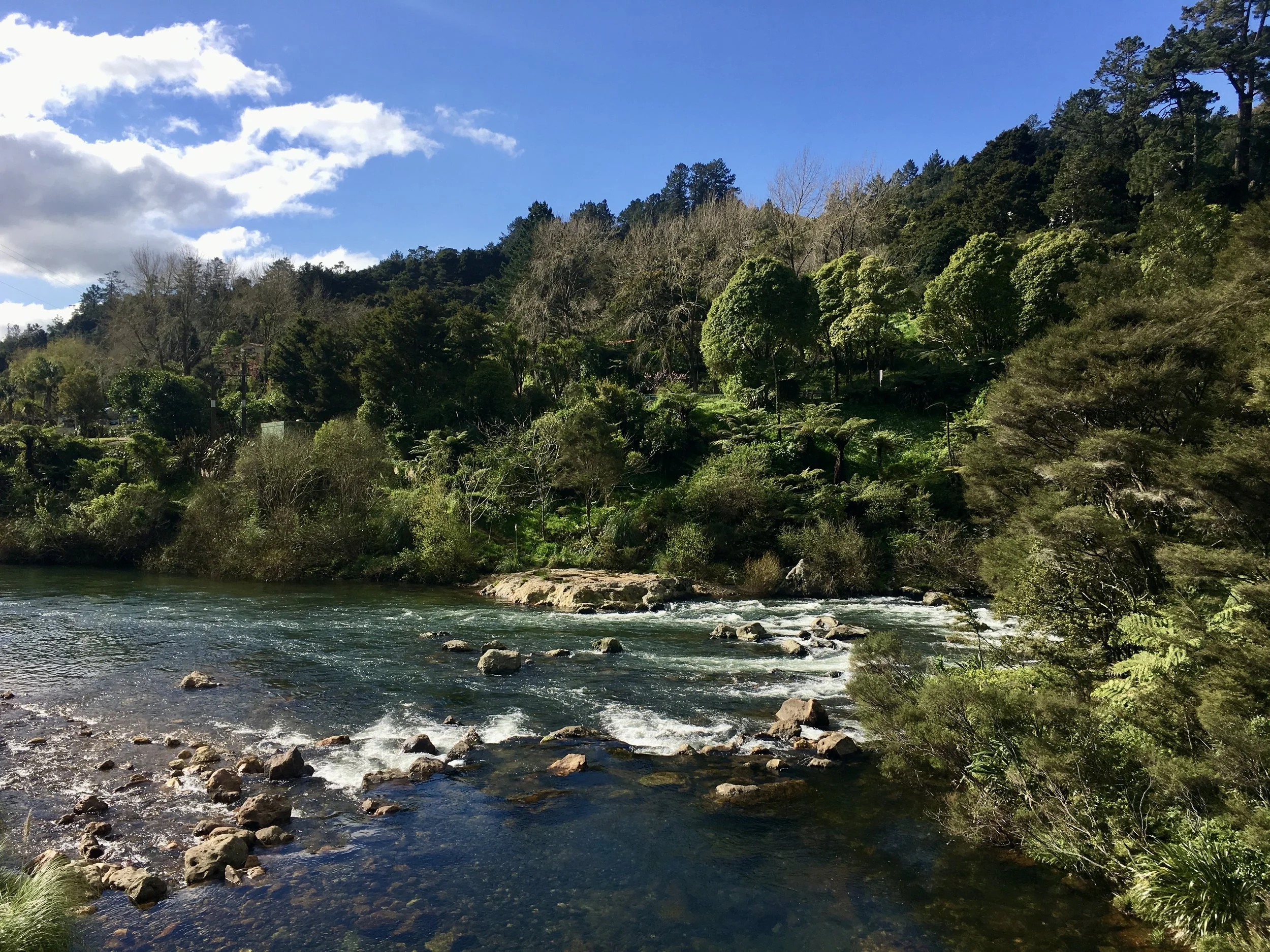
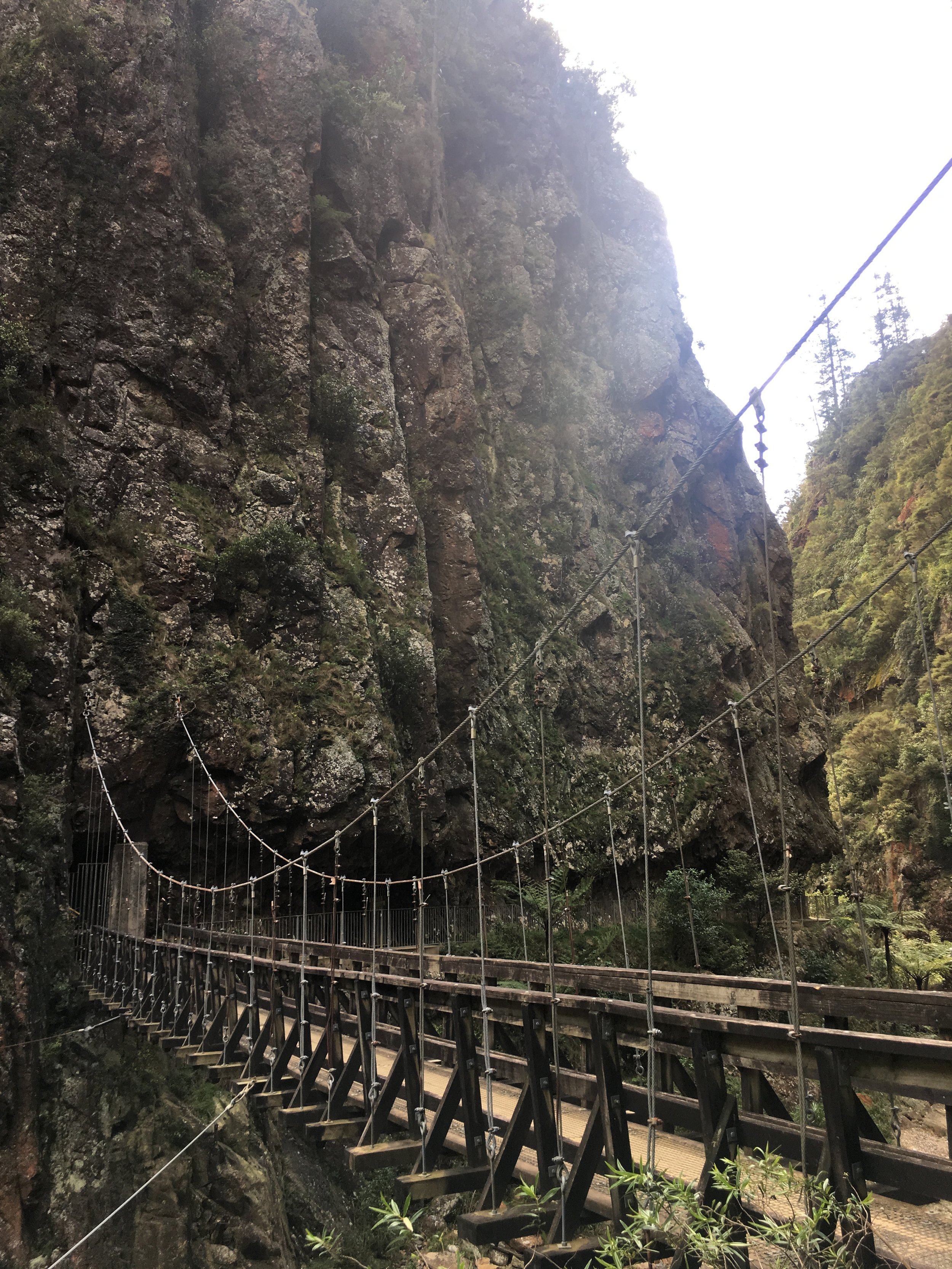
If you have extra time around the southern or western side of the peninsula, Owharoa Falls and Karangahake Gorge are worth adding to your route. We visited the gorge and the waterfall at another point, but it fits well geographically if you are driving between the Bay of Plenty, Waihi and the Coromandel. The old railway tunnels, river scenery and mining history make it a very different kind of stop from the beach towns.
Another hike worth considering is The Pinnacles in the Kauaeranga Valley near Thames. We did not do this one ourselves, but friends did and thought it was amazing. It is a more serious hiking day than many of the short coastal walks in this section, so it is best saved for clear weather and if you have enough time. Thames itself also makes a useful stop for coffee, groceries and a reset before heading farther north or looping back toward Auckland.
Coromandel Coastal Walkway & Fletcher Bay
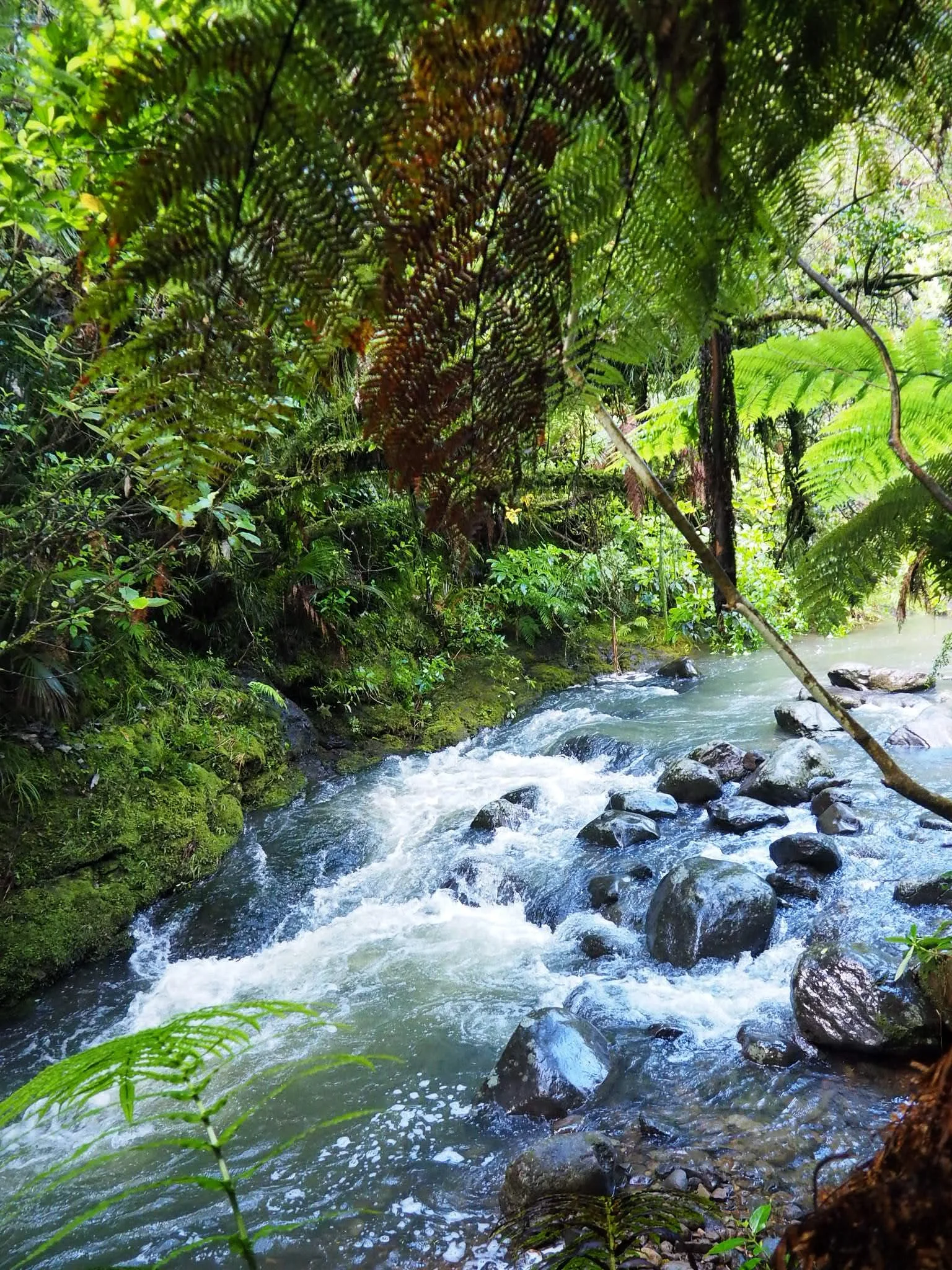
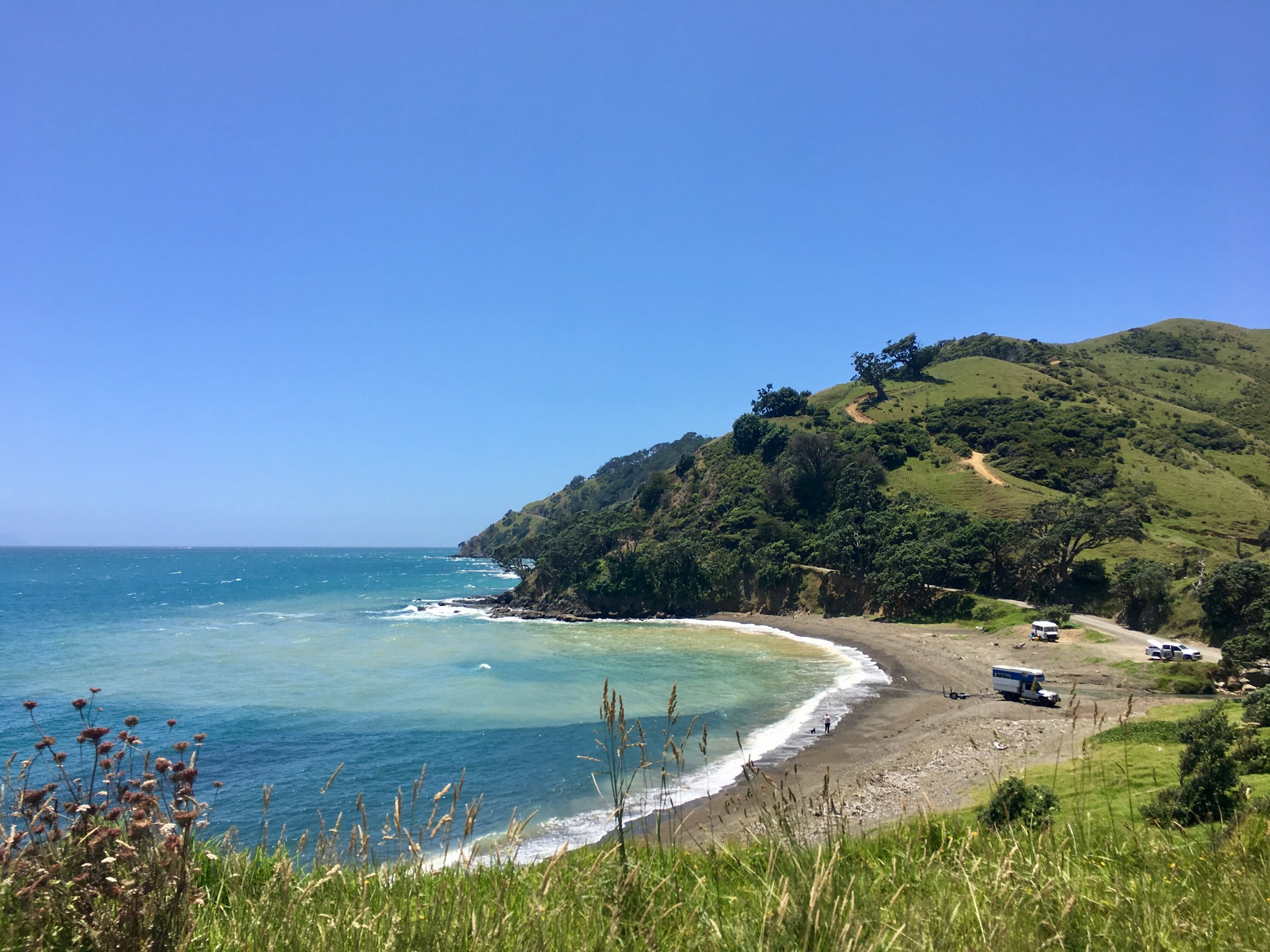
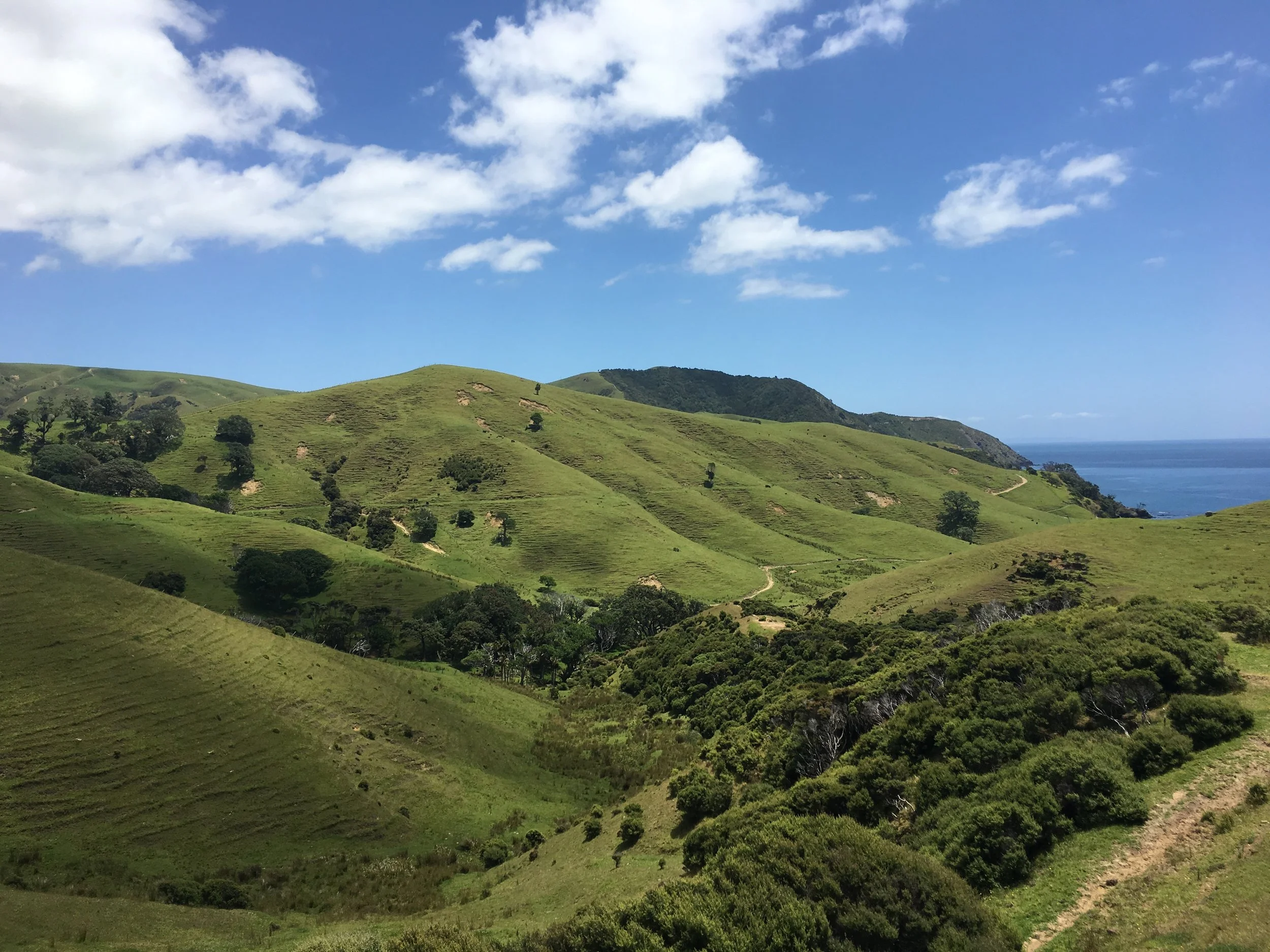
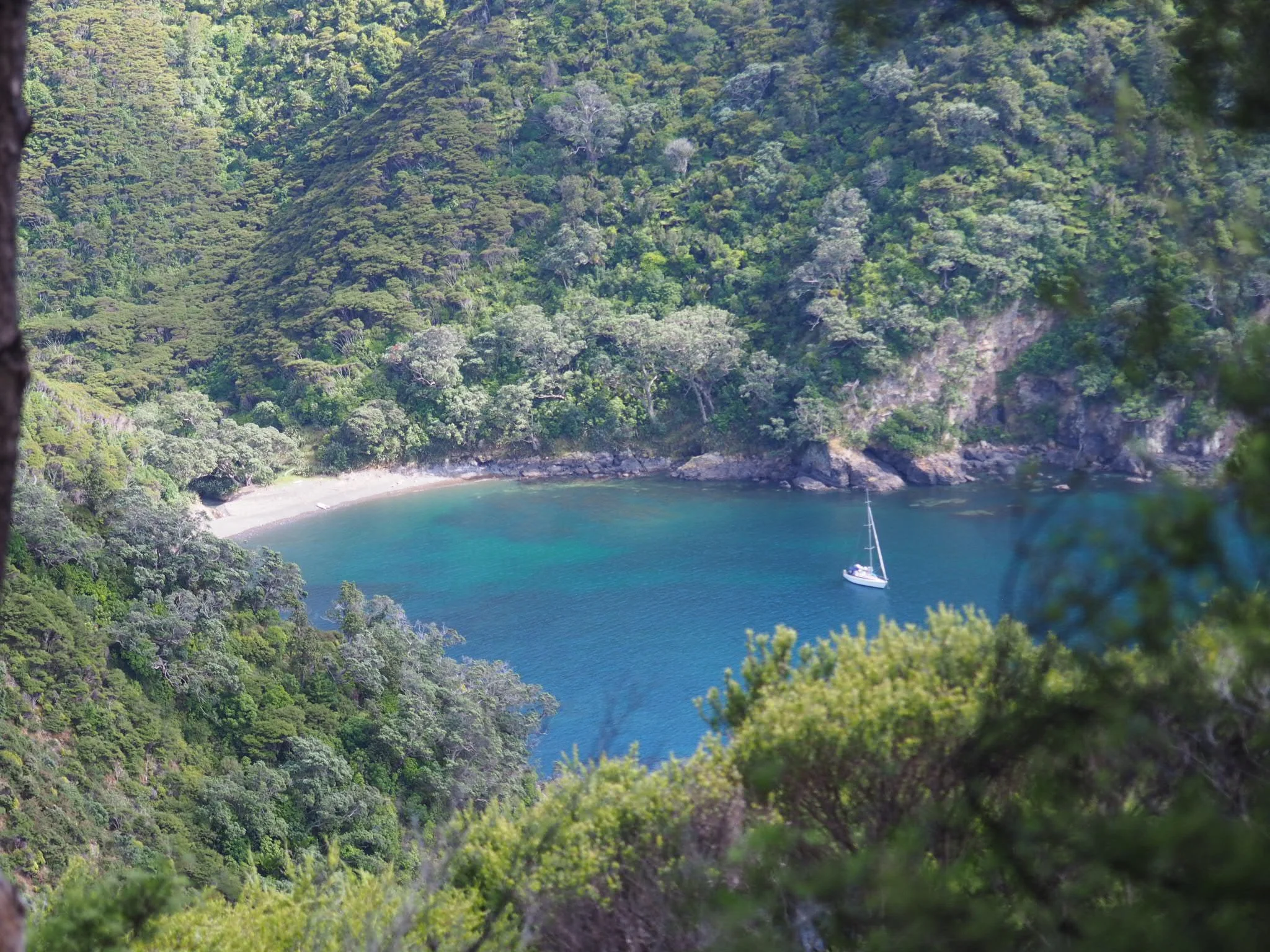
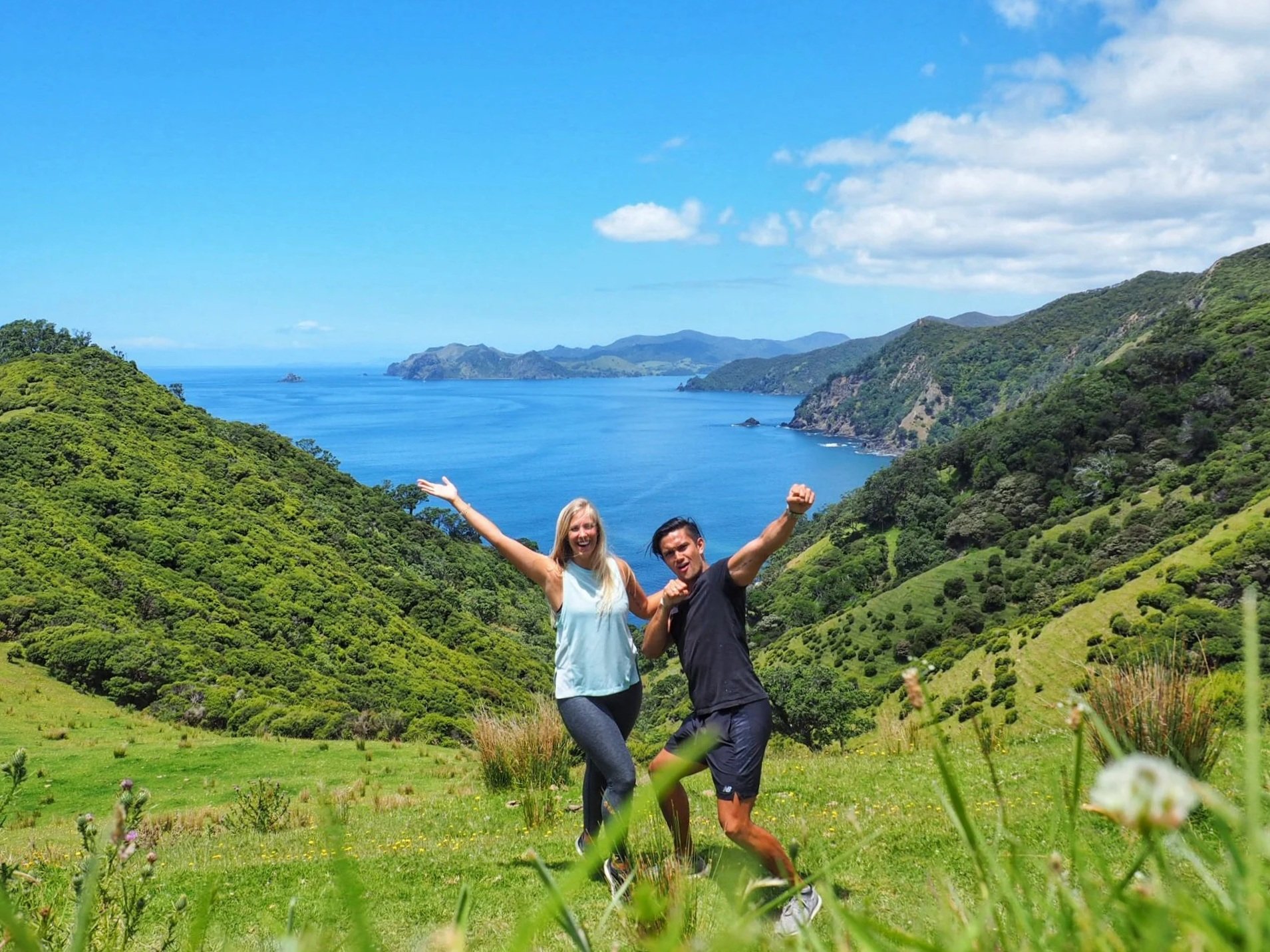
If you want one bigger hiking day on this route in a very remote area, the Coromandel Coastal Walkway is a strong choice. The scenic drive up to Fletcher Bay takes you along a small country road beside the ocean. It was just off this coastline where we spotted a pod of orcas, a perfect reminder of how wild this part of the Coromandel really is.
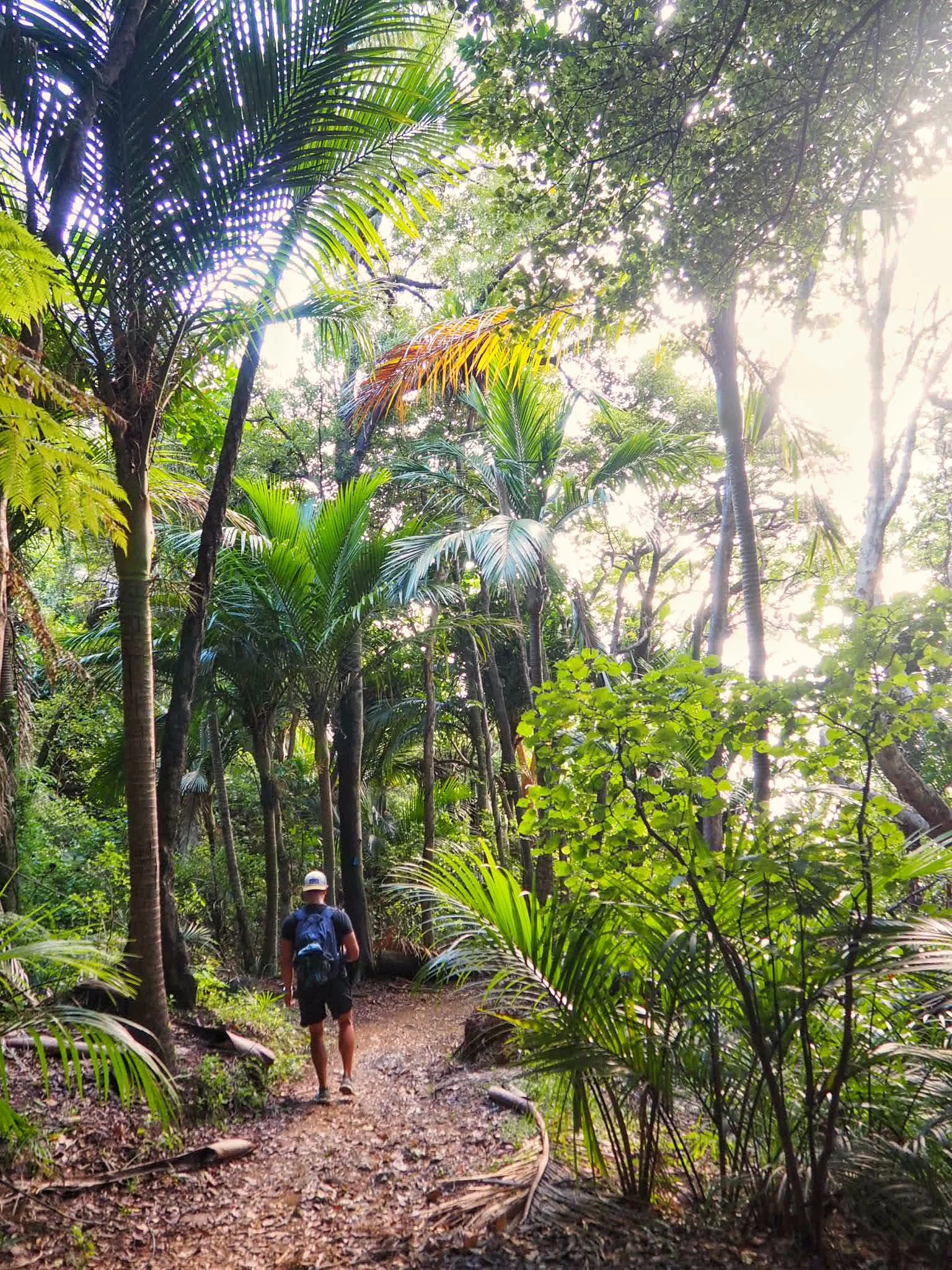
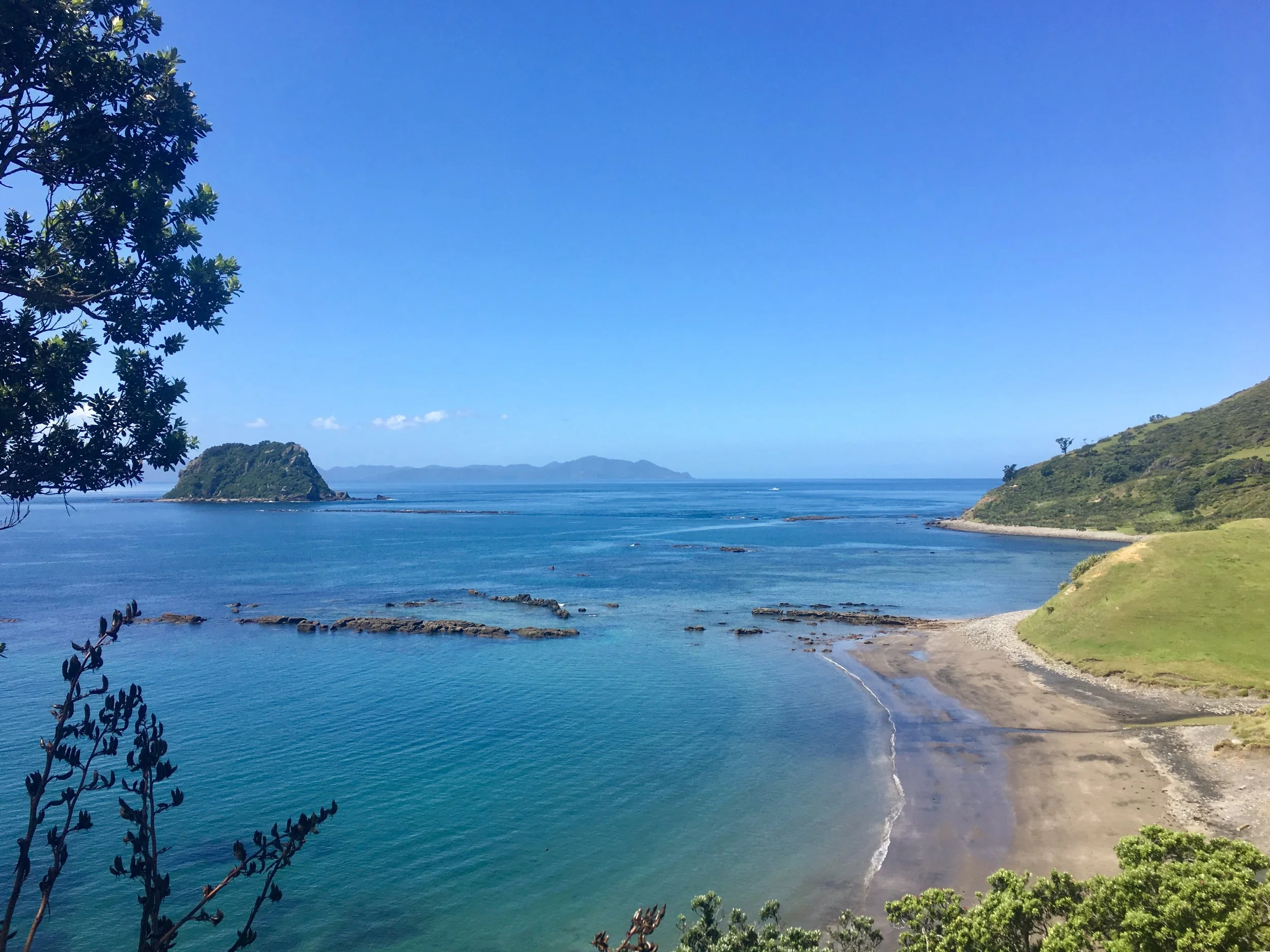
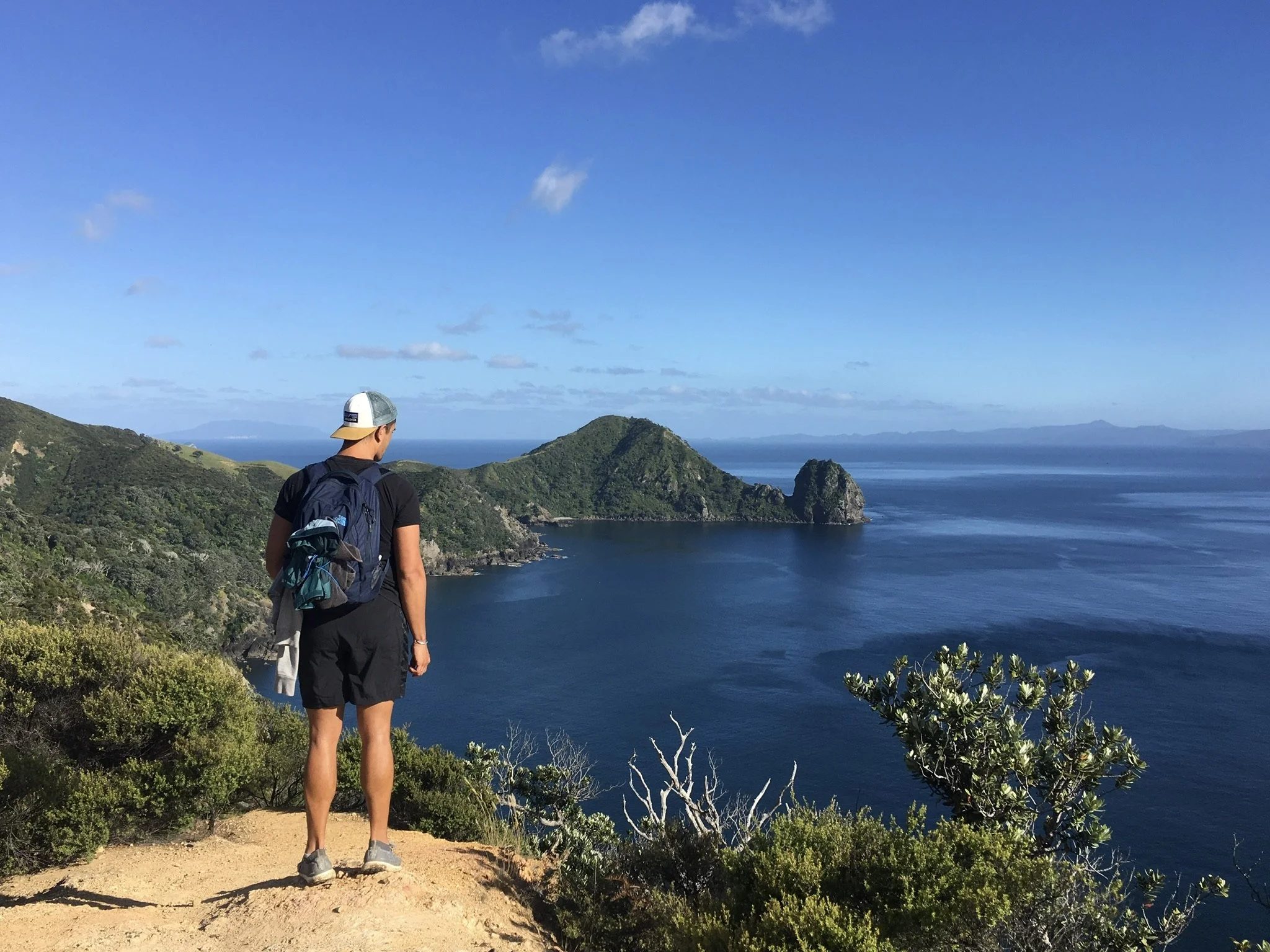
We camped at Fletcher Bay, right by the beach and set off early the next morning. It was our first longer day hike in New Zealand and it delivered what we had hoped for: open coastal views, farmland, forest, blue water and that feeling of being far away from everything.
But don't underestimate the length! The track between Fletcher Bay and Stony Bay is about 10 km each way. It can be done as a one-way walk if you book a private transfer with a local tour company in advance, but most travelers just tackle it as a 20-kilometer return hike. It was a long, hot day, but also a deeply rewarding one. Along the way, the landscape shifted between pasture, coastal forest and exposed viewpoints over the Pacific. Near the end of the hike, a small sheltered bay gave us the perfect excuse to swim and we even spotted a stingray in the clear water.
This is not a hike to squeeze in casually without checking conditions. The northern Coromandel is remote, the roads are slow and weather can affect the track. But if you have the time, a full tank of fuel and enjoy coastal walks, it is one of the best active experiences on this route.
The night before our hike, we sat outside for a while to watch the sky. We saw the Milky Way and shooting stars, and it was one of the clearest nights we have ever witnessed.
Suggested time: 1 – 2 nights around Fletcher Bay
Best for: Coastal hiking, remote camping, stargazing, ocean views and a bigger outdoor day
Worth it? Yes, if you enjoy hiking and have enough time.
Slow travel tip: Camp nearby the night before so you can start early.
3-week itinerary
This 3-week slow travel itinerary is best treated as a flexible framework rather than a strict day-by-day plan. The East Cape and northern Coromandel are both remote enough that extra time helps and weather can easily change the best order for hikes, beach days and boat tours.
-
Arrive in Auckland, pick up your campervan or rental car and take time to get organized before heading out. Auckland is worth exploring, so this can either be done at the beginning or end of the trip.
-
Drive south from Auckland and stop at Hobbiton on the way to Rotorua. Spend the evening in Rotorua and settle in for a couple of nights.
-
Use Rotorua as your base for geothermal landscapes, Māori culture, redwood forest walks, lakes and hot pools. It is one of the more classic North Island stops, but still worth including.
-
Continue to Taupō for Huka Falls, Otumuheke Stream, Mount Tauhara, lake views, hot pools and a practical campervan reset. This is also the natural base for anyone hoping to add the Tongariro Alpine Crossing, weather permitting.
-
Drive south toward Hawke’s Bay, stopping at Kairakau Beach or another coastal campsite along the way. Spend time around Napier and Hastings for wine tasting, the Hawke’s Bay Farmers Market, Te Mata Peak, Art Deco architecture and nearby waterfalls.
-
Continue north toward Gisborne, with possible stops around Lake Tūtira or Wairoa. Spend time around Gisborne for surf beaches and the Saturday farmers market, then continue along State Highway 35 around the East Cape. This is a slower, more remote section of the route, so keep fuel in the tank and give yourself enough time.
-
After the wildness of the East Cape, follow the Bay of Plenty coast toward Ōhope, Whakatāne and onward toward the Coromandel. This is a good reset section for beach walks, swimming, restocking and possibly listening for kiwi calls at night.
-
Continue toward Onemana Beach, Octopus Bay and Tairua. Add Paku Summit for a short, steep walk with wide coastal views. This part of the route works well as a softer transition into the Coromandel Peninsula.
-
Base yourself around Cooks Beach, Hahei or Whitianga. Take a boat tour toward Cathedral Cove, visit Hot Water Beach around low tide and leave room for slower beach time rather than only ticking off the famous stops.
-
Head farther north toward Matarangi, Opito Bay, New Chums Beach and Coromandel Town. This is where the peninsula starts to feel quieter again, with roadside produce stalls, simple campervan meals, cafés, coastal walks and kauri forest stops.
-
For a more adventurous ending, spend one night around Fletcher Bay and hike part or all of the Coromandel Coastal Walkway. For a more relaxed version, use this day to visit Thames, Karangahake Gorge or the Kauaeranga Valley before looping back toward Auckland.
Practical campervan tips for this route
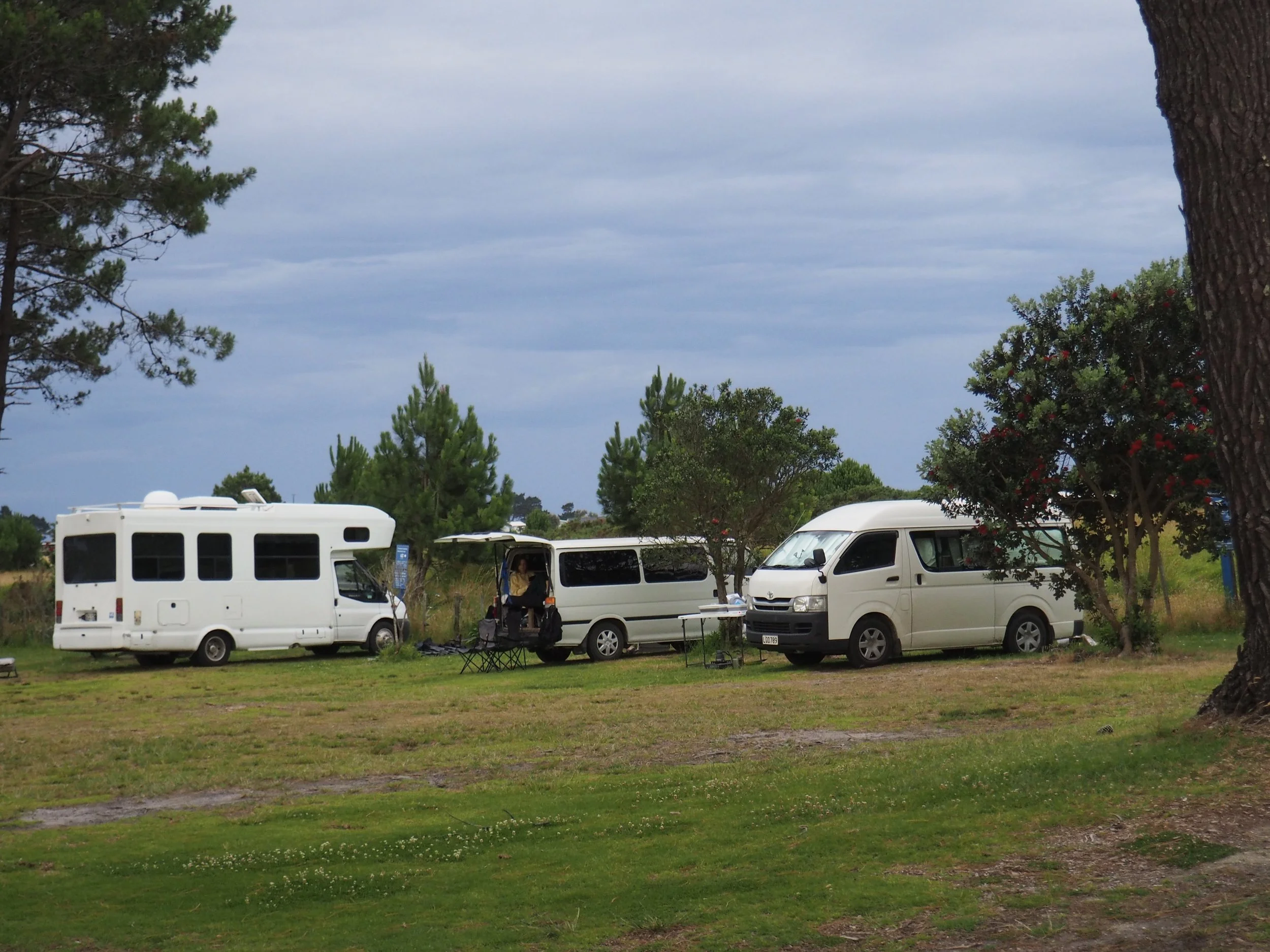
Campervan travel in New Zealand is incredible, but it is not as simple as parking anywhere beautiful and calling it a night. Freedom camping rules vary by region and some places allow only properly certified self-contained vehicles. Always check current rules, local signs and reliable camping apps before choosing where to sleep.
It is also worth mixing freedom camping with paid campsites and holiday parks. Freedom camping gives you beautiful locations and flexibility, while paid campsites give you showers, laundry, power, kitchens and the chance to properly reset.
A few things we learned quickly:
Always refill water and fuel when you can
Do not wait until the last minute to empty grey water
Keep snacks in the van, especially around holidays
Have a backup campsite in peak season
Download offline maps before remote drives
Respect nesting birds, kauri cleaning stations and local restrictions
Allow more time than Google Maps suggests, especially on narrow coastal roads
Final thoughts
This route is not the fastest way to see the North Island. That is exactly why it works. It gives you the classic stops like Rotorua, Hobbiton, Taupō and Coromandel, but also leads you into quieter areas like Kairakau Beach, Gisborne, the East Cape and the northern Coromandel. It balances the iconic with the unexpected, which is what made our first New Zealand road trip so memorable.
If you are planning a slow travel camping trip through the North Island, give yourself enough time to leave room for the unplanned parts. Some of our favorite memories were not the famous stops, but the quiet campsites, rainy beach walks, local recommendations, roadside stalls, freezing swims and moments when we had no real plan beyond following the road a little farther.
That is the beauty of traveling New Zealand by campervan. The route matters, but the freedom between the stops is what makes it unforgettable.
Coromandel Coastal Walk
If you are looking for a faster paced itinerary, check out this post:
If you are planning more of the North Island, read next: