Cape Town: A Slow Travel Guide with a 5-Day Itinerary
Practical tips on where to stay and how to get around safely, with beaches, hikes, the Cape Peninsula and an optional two-day extension including the Cape Winelands.
Cape Town had been on our travel list for years before we finally visited in October and November 2025. Apart from a brief day trip to Morocco, this was our first extended trip on the African continent. I have to be honest: sitting in the Uber from the airport, I felt excited but also a little uneasy and unusually aware of everything around me. We had read plenty of safety warnings beforehand and heard about some negative experiences from other travellers, so it was difficult not to arrive with that in mind. As traffic thickened near rush hour, we passed police vehicles, people walking along the highway and several open-backed vehicles carrying workers. Because we were already on alert, even ordinary scenes initially felt more charged than they really were. Our driver was friendly, told us about life in Cape Town and explained some of the local driving habits, and before long we had reached our accommodation.
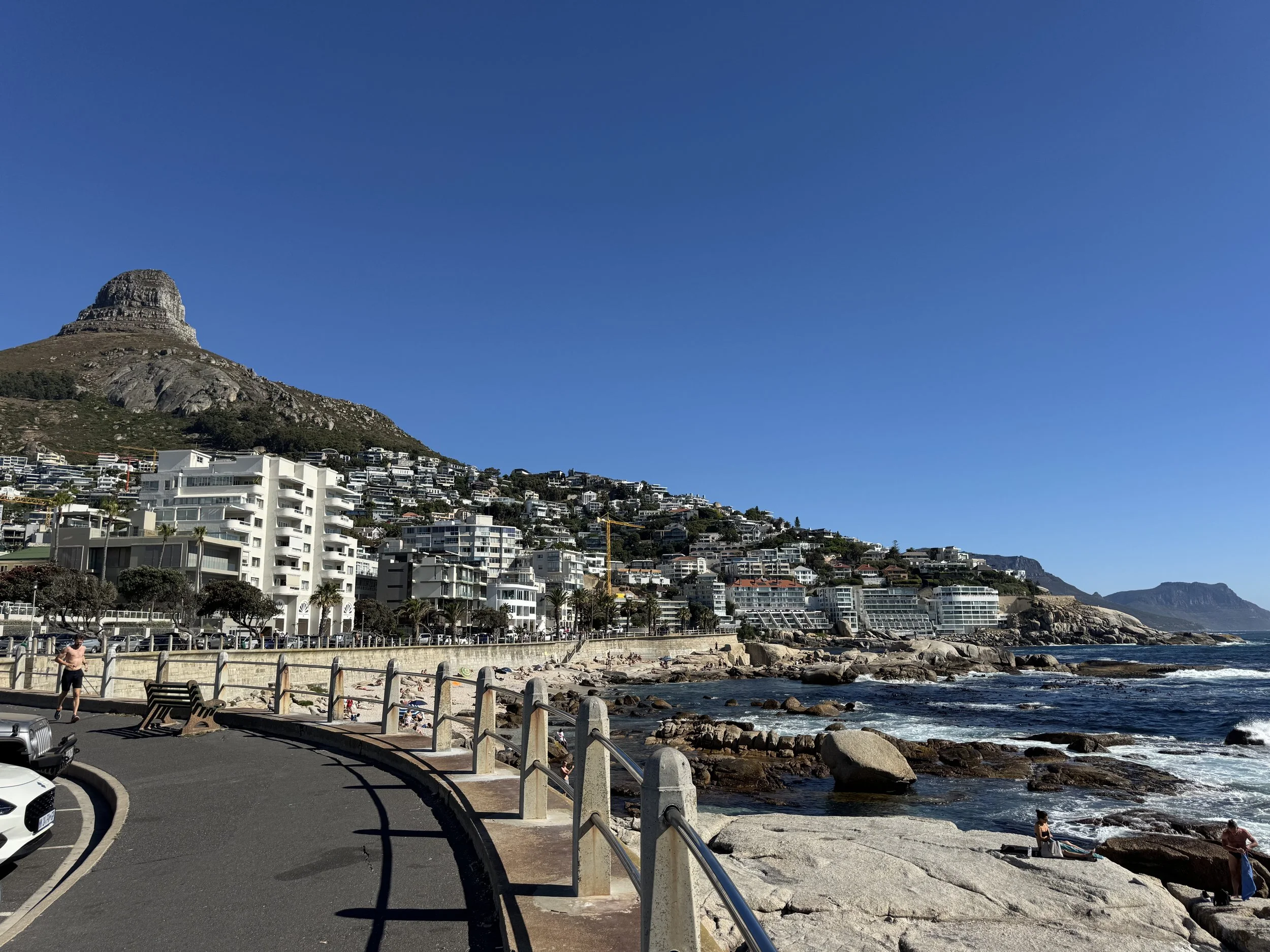
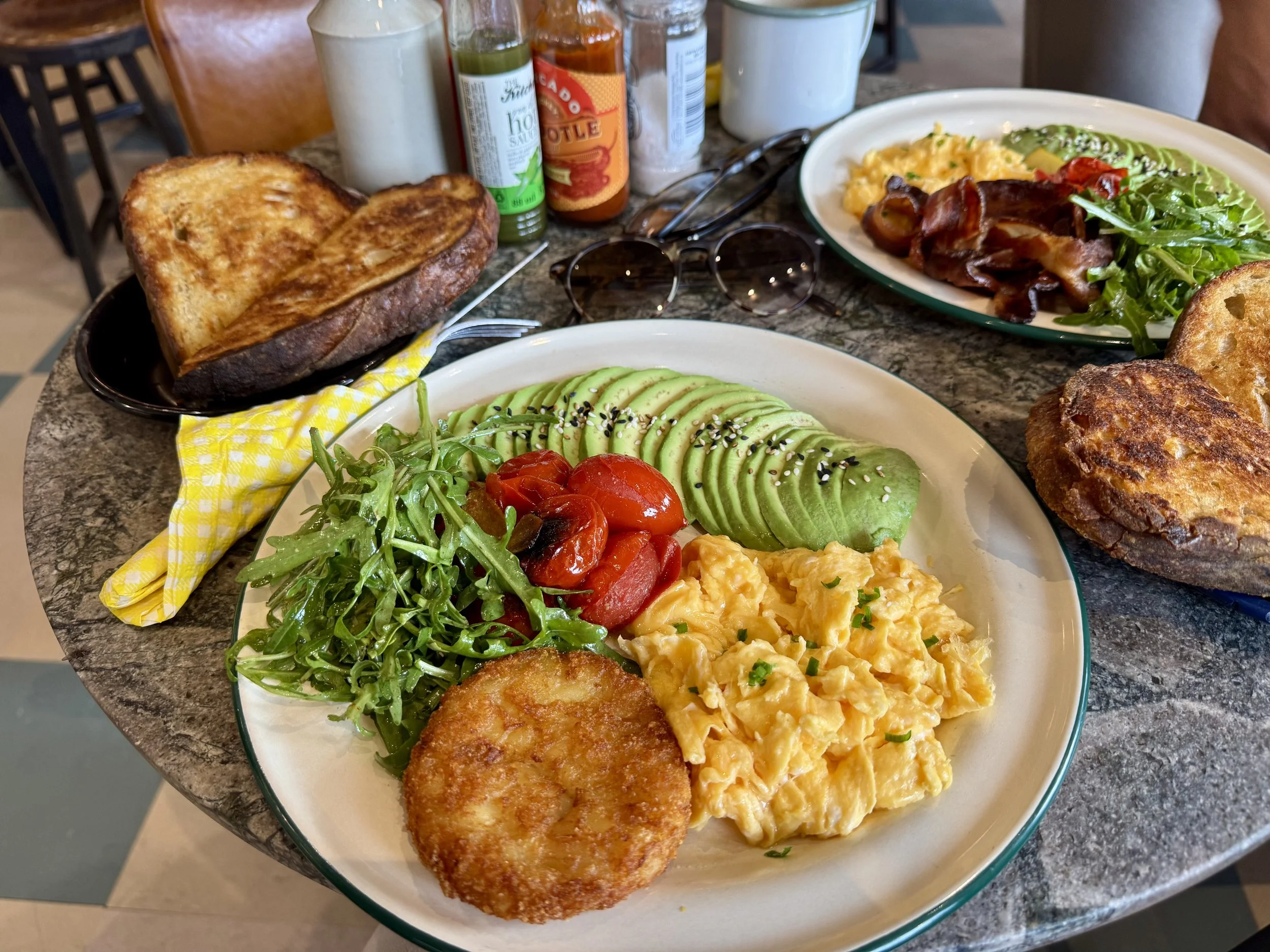
The following morning, we walked to breakfast near our Airbnb in Sea Point, still paying close attention to our surroundings. That tension largely disappeared after the first day. The more time we spent walking around and observing everyday life, the more relaxed and familiar the city began to feel. In some ways, Cape Town reminded us of San Francisco, with people hurrying to yoga classes, working from specialty coffee shops and fitting outdoor time around the weather. What ultimately stood out most was the combination of city life and nature. Table Mountain and Lion’s Head are visible from almost everywhere, while the beaches are only a short drive away. Cape Town also has an excellent food and coffee scene, we found eating out surprisingly affordable for the quality, whether we were having brunch in Sea Point, visiting a weekend market or going somewhere nicer for dinner.
At the same time, Cape Town is not a city where you can move around without giving it much thought. Its history and social inequality remain highly visible, neighbourhoods can feel very different from one another and choosing where to stay has a noticeable effect on the experience. We enjoyed the city more once we understood its layout and became intentional about how we planned each day.
In this guide, we share everything you need to know before your trip, from choosing where to stay and getting around to visiting at the right time and remaining aware without allowing safety concerns to dominate the trip. We have also included a five-day itinerary with two optional extra days, covering many of the places and experiences that made us fall in love with Cape Town. By the time we left, it had become one of our favourite cities in the world.
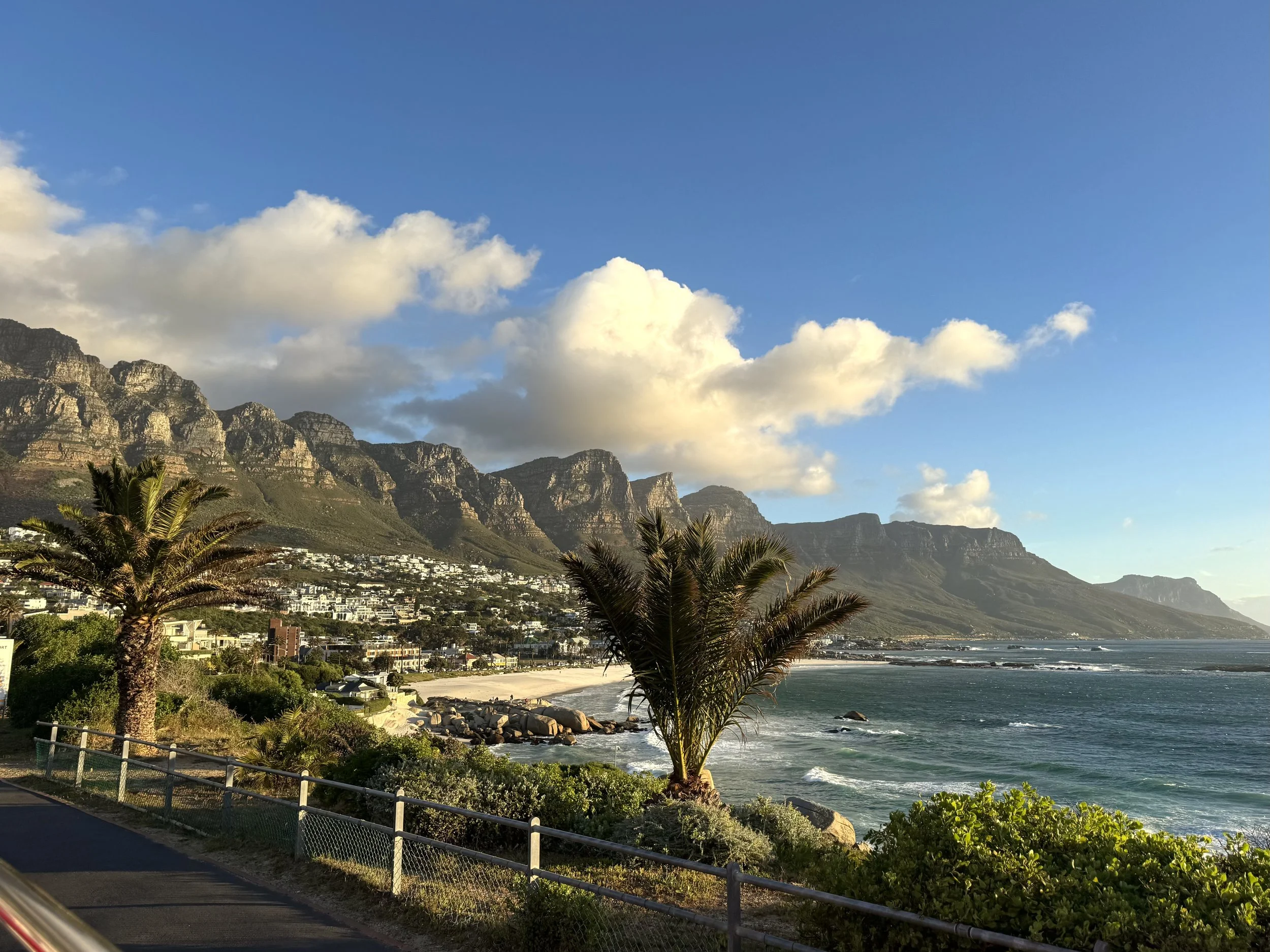
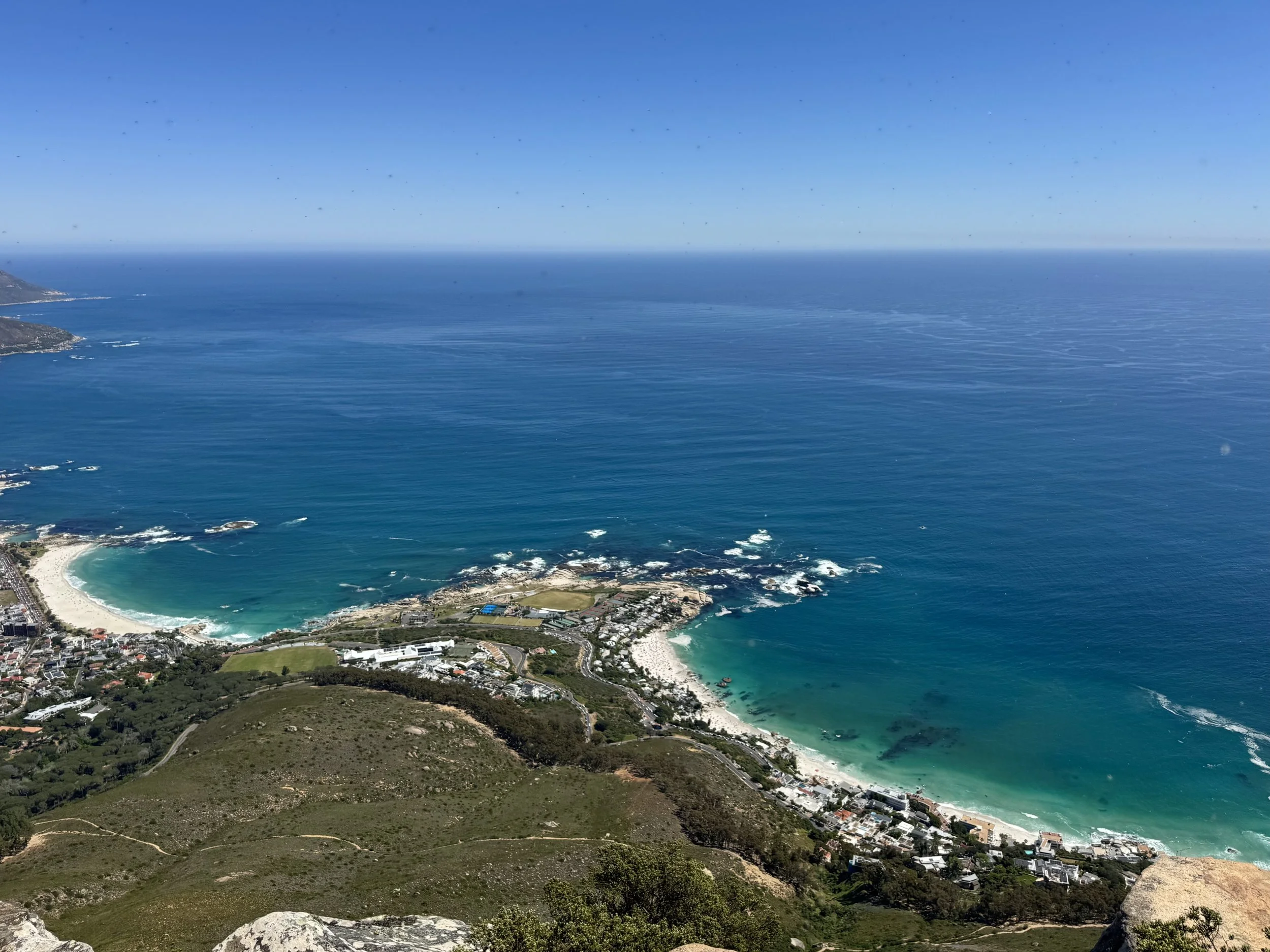
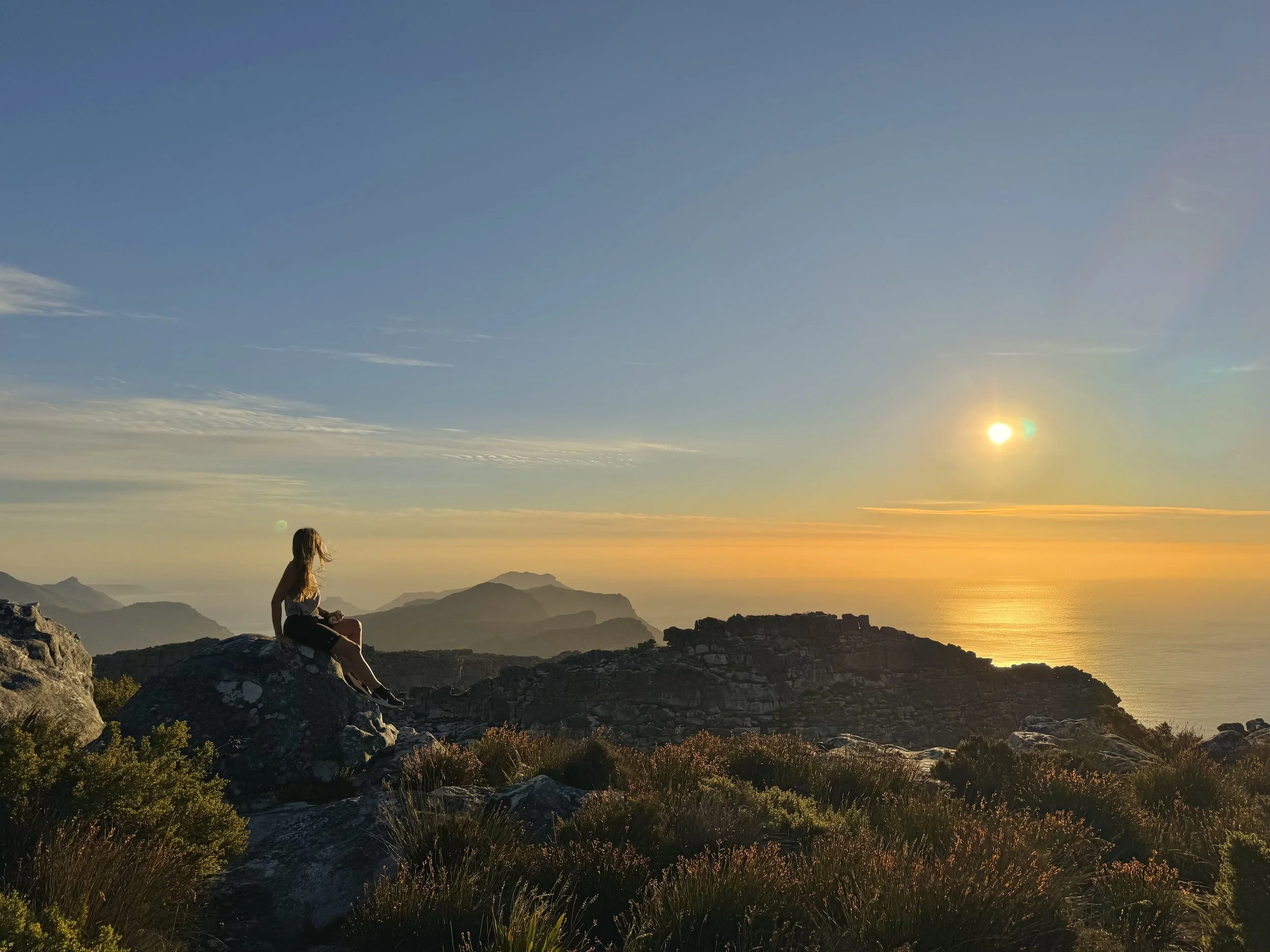
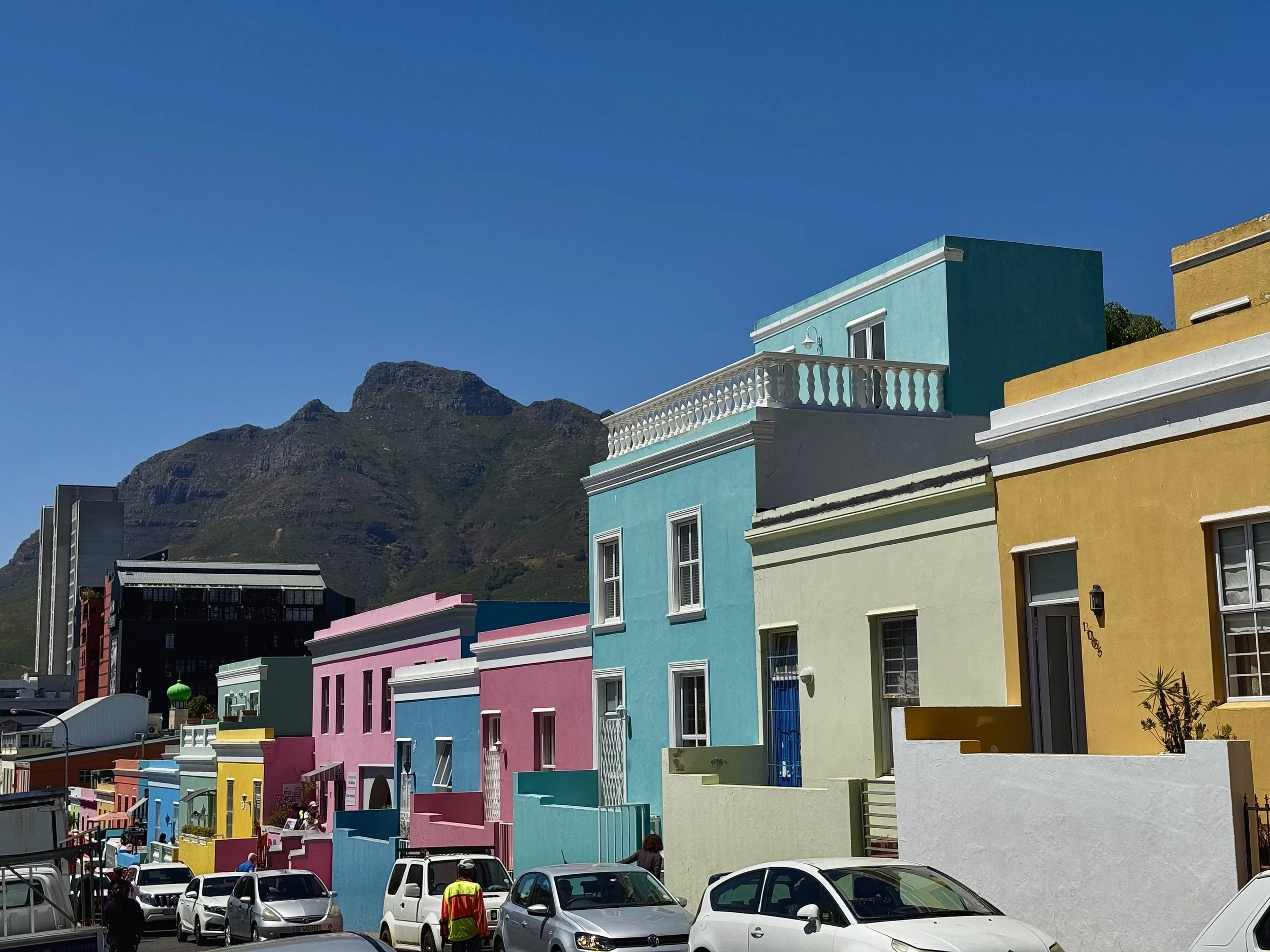
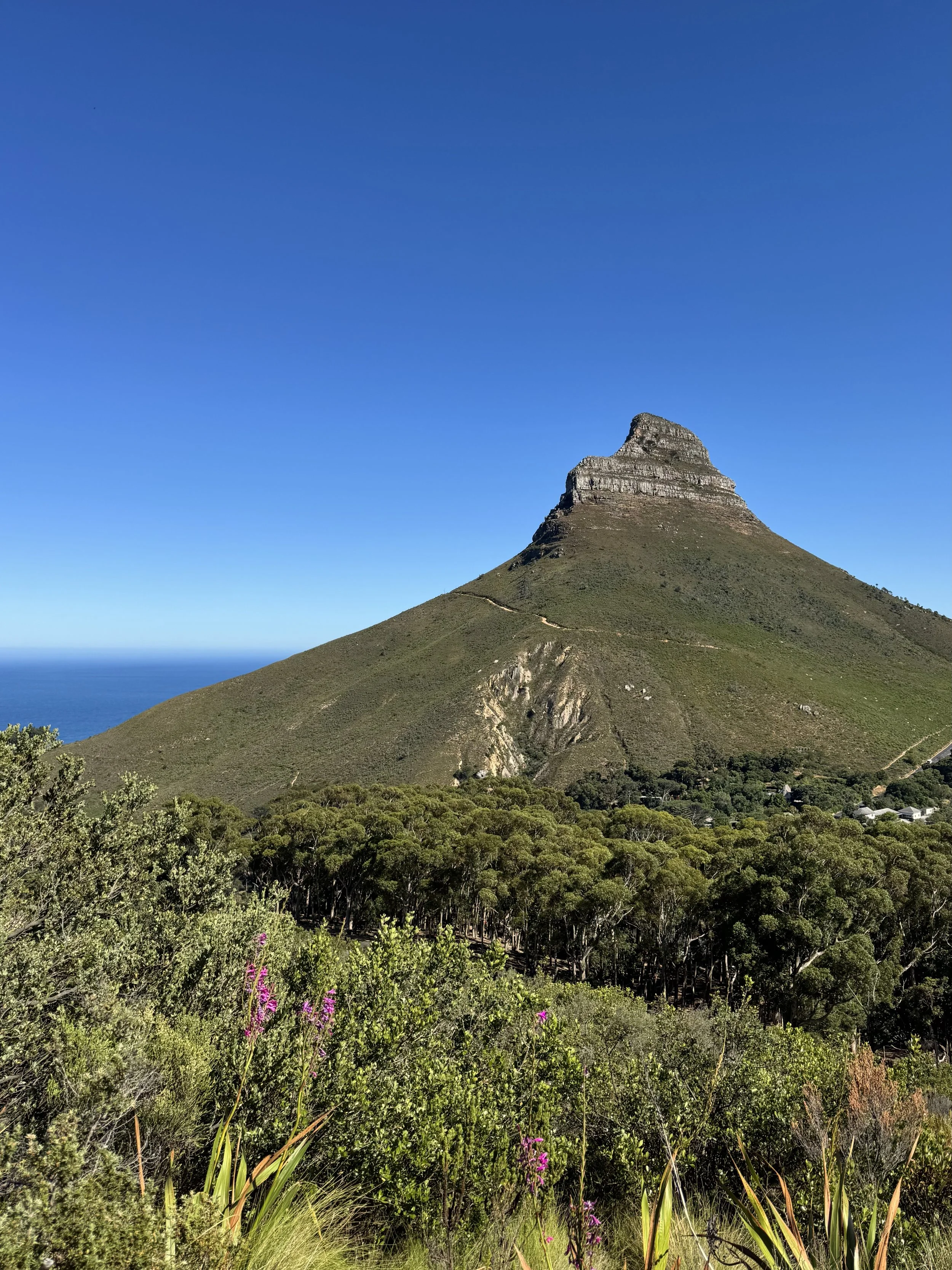
Table of Content
Cape Town travel planning
5-Day Cape Town Itinerary
Optional 2-Day Extension
Best Time to Visit Cape Town
Cape Town has a Mediterranean-style climate, but the weather can be less predictable than many visitors expect. For warmer days and longer evenings, mid-October to mid-March is generally the best time to visit. When we arrived in early October, the city felt as though it were waking up for summer: wildflowers were blooming, crowds were still light and temperatures were pleasant. The conditions were ideal for hiking, although strong winds, cooler spells and sudden changes reminded us of San Francisco in summer, so packing layers is essential. By mid-November, days were warmer and sunnier, often reaching 20°C to 25°C, but the Cape Doctor, Cape Town’s strong southeasterly wind, was also becoming more common. The Atlantic remains cold year-round, while beaches along False Bay tend to be slightly warmer.
Crowds and prices rise from mid-November and peak between December and February. October and March are good shoulder-season alternatives if you prefer milder weather, fewer visitors and better value.
From April, temperatures cool and rain becomes more likely. June to August are the wettest months, while September marks the beginning of spring but remains changeable. These months offer fewer crowds and lower prices, though conditions are less reliable for hiking and beach time.
Where to Stay
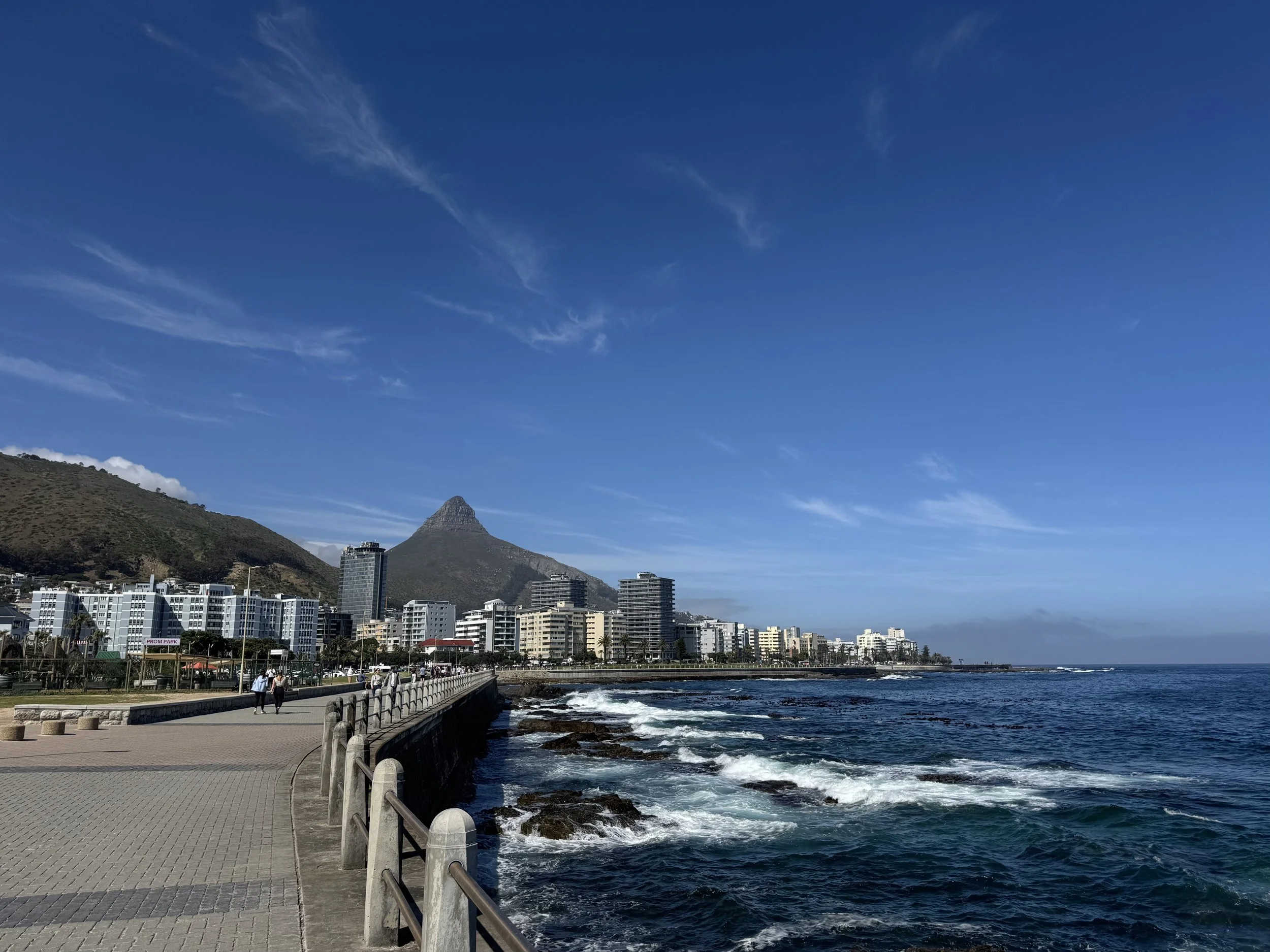
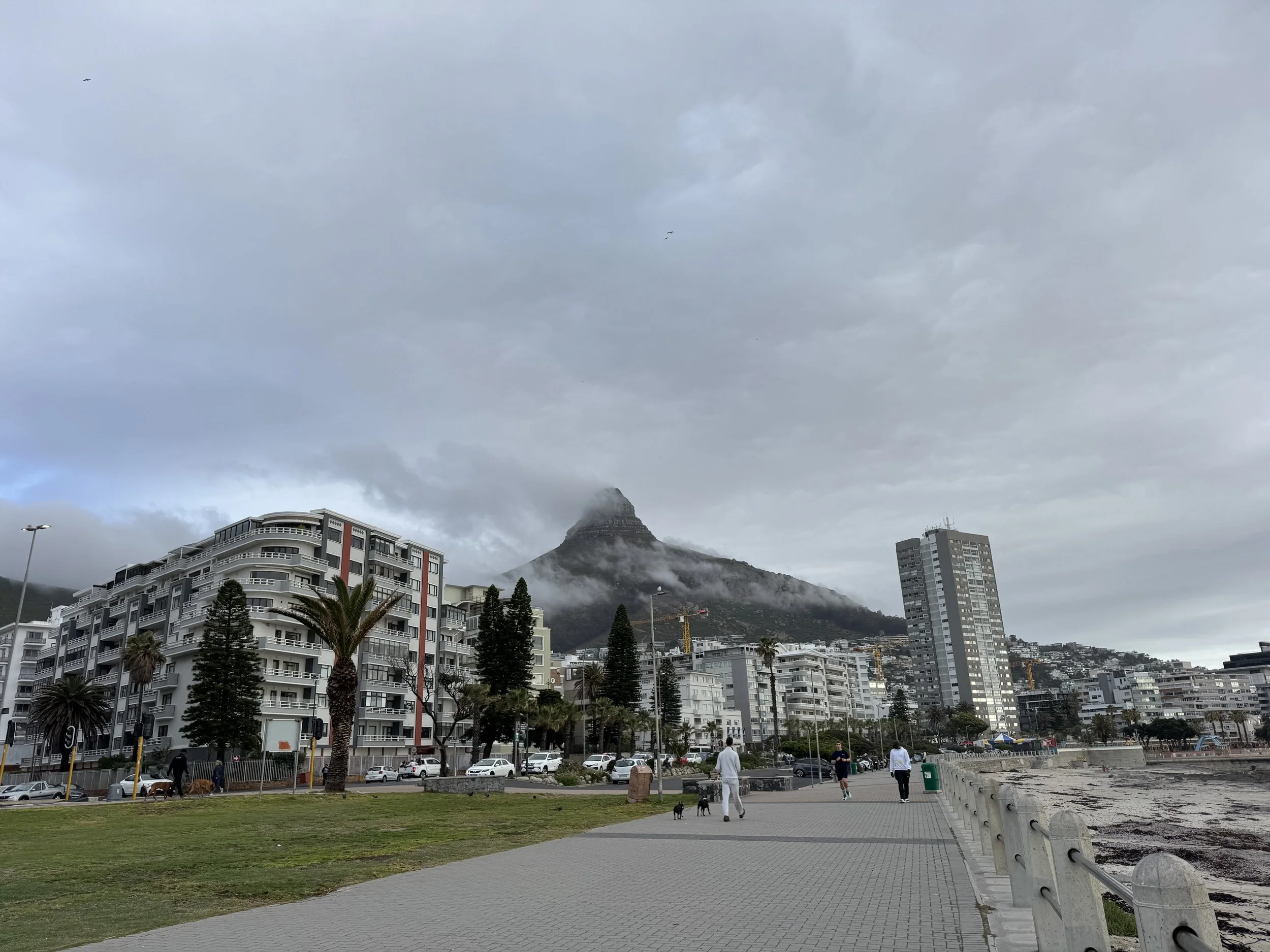
Cape Town is spread out and built around Signal Hill and Lion’s Head, which gives the city its distinct shape. Where you stay has a big impact on how you experience the city, as neighbourhoods can feel different depending on their location and connection to the coast, the mountains and the city centre.
For a first visit, Sea Point and Green Point felt like the easiest and most comfortable bases for us. Both are central, lively and practical, with cafés, supermarkets and the promenade within walking distance. They also work well if you plan to rely on Uber, with quick and affordable access to the city centre, beaches and trailheads.
Neighborhood Overview
Sea Point & Green Point: Both areas are central, generally safe and easy to explore on foot during the day. Sea Point feels more like everyday Cape Town, with a lively promenade and casual places such as Mojo Market, while Green Point is a little quieter and closer to the V&A Waterfront and Green Point Urban Park. Together, they offer a practical base for balancing city life with coastal access.
Clifton & Camps Bay: These areas are further from the city centre but closer to some of Cape Town's most famous, glamorous beaches. They are more residential and upscale, and you still have easy access to starting many of the great local hikes.
Gardens & Downtown: If you want to be in the heart of the city's creative and nightlife scenes, these areas put you close to museums, excellent restaurants on Kloof Street and a very central vibe.
V&A Waterfront: This is the most tourist-oriented area. It’s highly secure, packed with shops and restaurants, but it can feel a little bit disconnected from the authentic local life.
A Word on Safety
Safety is one of the questions almost everyone asks about Cape Town, and it is a genuine concern. The city does come with challenges and pretending otherwise does not help. Incidents can happen, and the level of risk varies considerably by neighbourhood, route and time of day.
During our visit, however, we generally felt secure. A few basic habits went a long way and being informed allowed us to relax and enjoy the city without becoming overly cautious.
What worked for us
Use Uber at night: Don’t walk alone after dark, even for short distances. Uber is affordable and reliable.
Be discreet: Don't wear flashy jewellery or expensive valuables. Keep your phone tucked away.
Don't hike alone: There are plenty of hiking groups, both free and paid, which are a much safer option.
Car safety: Keep windows up and doors locked at traffic lights. Never leave anything visible in the car. Use designated parking attendants with yellow vests and tags.
Stay aware: Pay attention to your surroundings and avoid quiet side streets, particularly after dark. If an interaction makes you uncomfortable, keep moving towards a busier area or request an Uber.
Who Cape Town is for (and who it isn’t)
Cape Town works well for a wide range of travellers, from first-time visitors and classic holidaymakers to outdoor enthusiasts, digital nomads and slow travellers. If you enjoy combining city life with nature, starting your day with an oceanfront walk or an easy hike and ending it with a genuinely good meal, you’ll likely feel at home here. The city suits people who enjoy variety, appreciate good food and coffee and are comfortable planning their days with a bit of intention.
At the same time, Cape Town will not suit every traveller. If you prefer a destination where you can wander for hours without thinking about routes or neighbourhoods, the city can feel restrictive. It requires more day-to-day awareness than many popular destinations, so travellers who find that stressful may not feel completely at ease. Cape Town’s stark inequality is also highly visible across the city and in the surrounding townships. This can be confronting, but it is an important part of understanding the city’s history and present-day reality.
Practical Notes for Cape Town
Airport transfer: From the airport, we recommend taking Uber Black. This was recommended by several Airbnb hosts and locals, and felt like the smoothest option after a long flight.
Getting around: Once in the city, standard Uber and Bolt rides work very well, are affordable and reliable.
Sightseeing without a car: The hop-on hop-off bus is a great option for sightseeing days if you don’t want to drive. It’s well organised and useful for reaching places like Table Mountain, Camps Bay and the Constantia wine region.
Food delivery: Uber Eats is extremely convenient and widely used, especially on evenings when you don’t feel like going out.
Car rental: Renting a car gives you the most flexibility, especially for scenic drives and day trips beyond the city. Driving is on the left and distances are often longer than they look on the map.
Payment: Credit and debit cards are widely accepted, but carrying some cash is useful for tips or parking attendants.
Power supply: Load shedding has become far less common than in previous years, but local outages can still occur. Check the situation before your trip rather than treating backup power as an essential booking requirement.
Having reliable mobile data made navigation, transport and route planning much easier. We have used Airalo eSIMs on several trips and they have consistently worked well for us. If you are new to Airalo, you can use our discount code NORA7107 to receive $3 off your first plan.
*This is an affiliate code, which means we may receive a small benefit if you use it, at no extra cost to you.
How to Spend 5 Days in Cape Town: An Itinerary with Options to Extend
This itinerary is designed for first-time visitors who want to experience Cape Town’s highlights in a thoughtful way without trying to squeeze everything in. It balances time outdoors with good food, neighbourhood exploration and a bit of history and works especially well if you’re staying centrally and using a mix of walking and Uber. Each day leaves room to adjust based on weather, energy levels or simply lingering somewhere longer than planned.

Cape Town Itinerary at a Glance
Day 1: Sea Point, Oranjezicht Market, the V&A Waterfront, Company’s Garden and Kloof Street
Day 2: Lion’s Head, Camps Bay or Clifton Beach and a relaxed evening
Day 3: Kirstenbosch, Constantia, Hout Bay and a scenic hop-on hop-off bus journey
Day 4: Bo-Kaap, optional District Six Museum and Table Mountain at sunset
Day 5: Cape Peninsula road trip via Muizenberg, Kalk Bay, Boulders Beach, Cape Point, the Cape of Good Hope and Chapman’s Peak Drive
Optional Day 6: Guided Cape Winelands tour through Paarl, Franschhoek and Stellenbosch
Optional Day 7: A flexible final day to revisit a favourite place or catch up on plans affected by the weather
Day 1 | Sea Point Promenade, Oranjezicht Market & V&A Waterfront
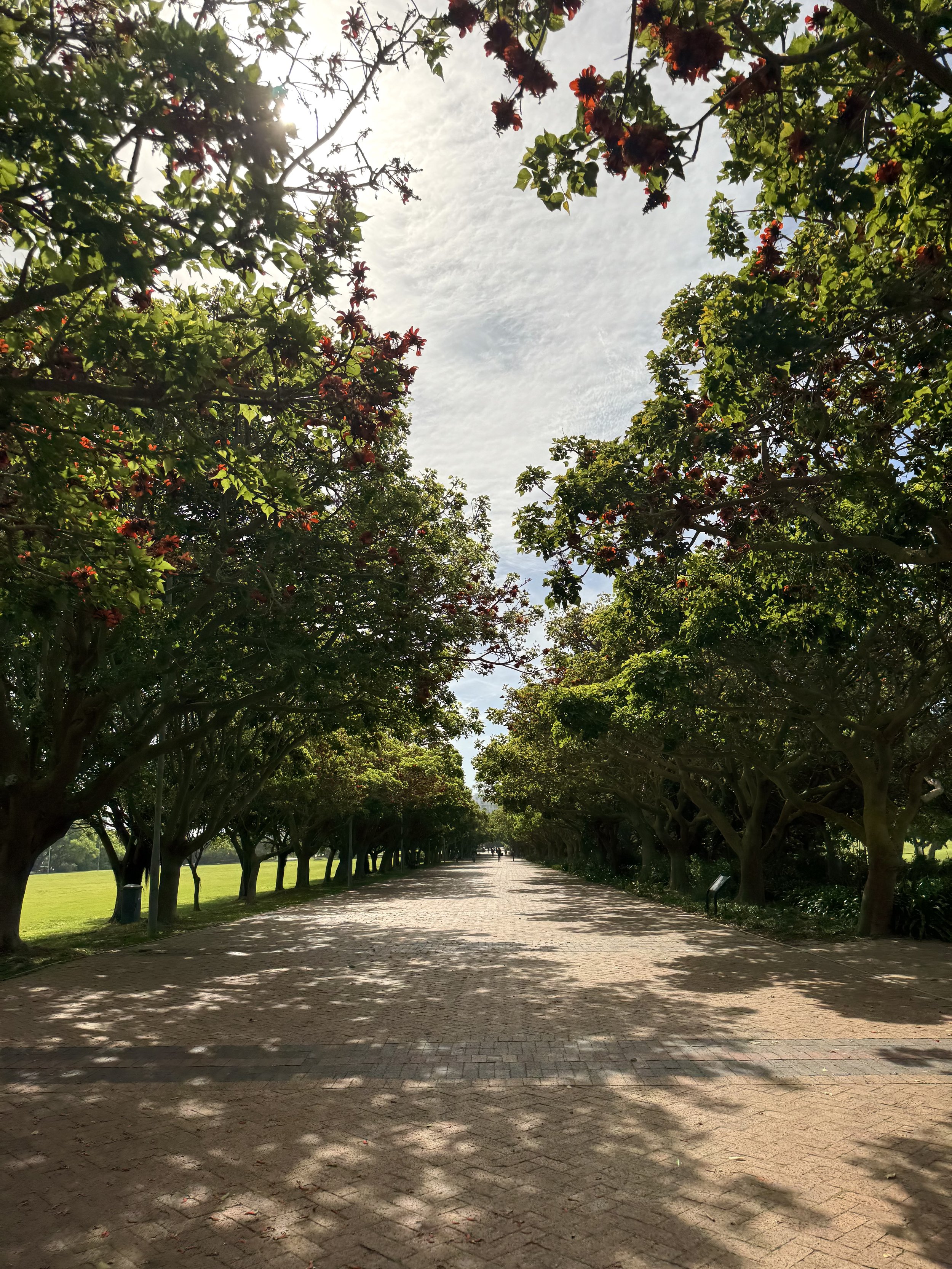
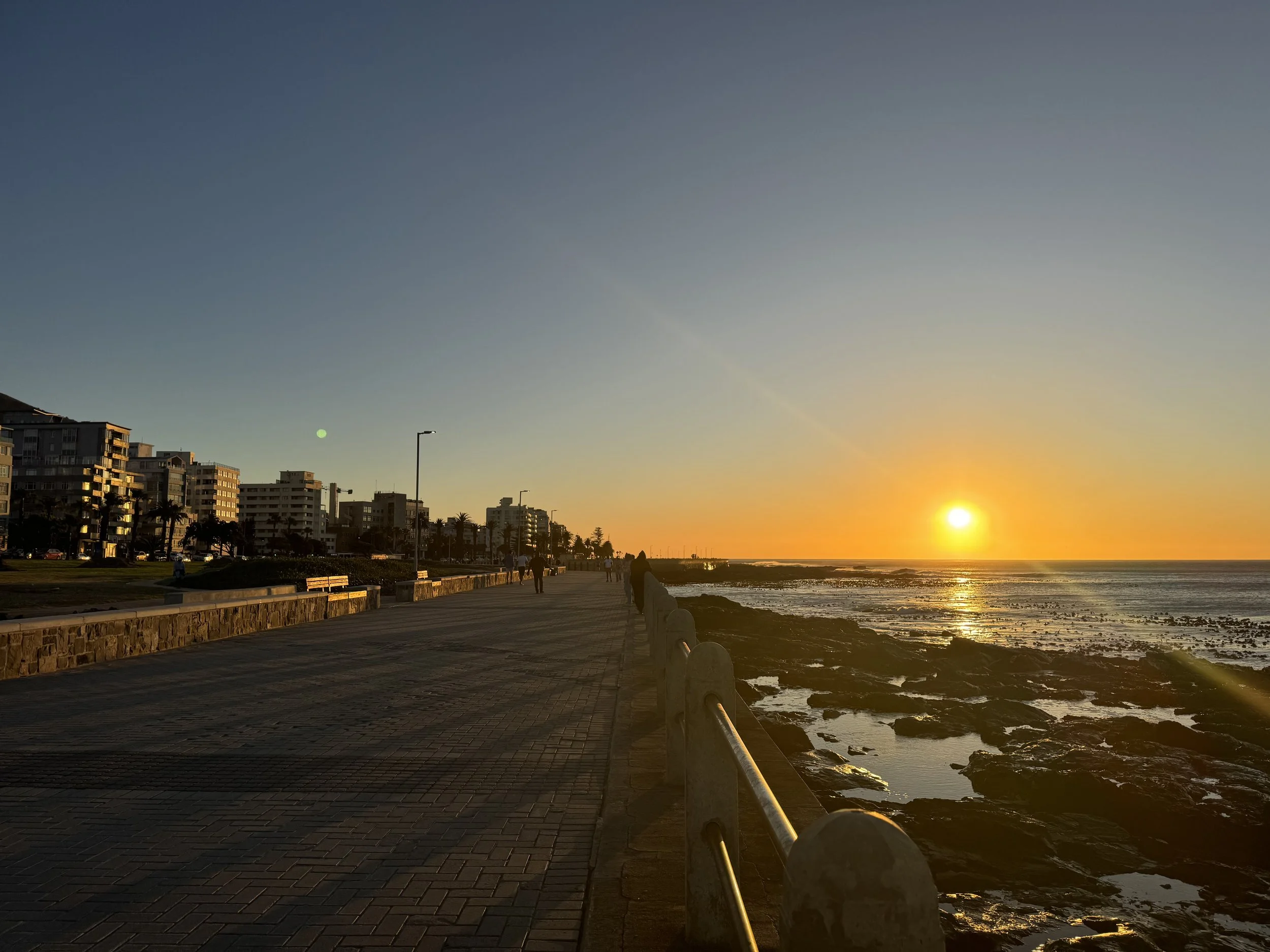
Ease into Cape Town by starting the morning with a walk along the Sea Point Promenade, which quickly becomes part of daily life here. It’s flat, scenic and one of the easiest ways to get a feel for the city. We loved coming here in the mornings and again around sunset, simply walking, people-watching and feeling part of Cape Town’s natural rhythm. Locals meet up to exercise or catch up with friends, while families explore the tidal pools or play a round of miniature golf near Green Point. Along the promenade you will also find a few cute little coffee vendors.
From the promenade, continue towards the Oranjezicht City Farm Market, which works perfectly for a late breakfast or early lunch. We came here several times for brunch and loved the lively, sociable atmosphere. At the time of writing, the market is open on Saturdays from 08:00–14:30 and Sundays from 08:30–14:30. A Wednesday night market runs from 16:00–21:30, except during June and July. Because it does not operate every day, plan this part of the itinerary for a market day and check the current opening hours before visiting. Expect a lively mix of food vendors, bakeries, coffee stands and small design stalls. It is dog-friendly and very popular with locals, so arriving early helps you avoid the busiest period.
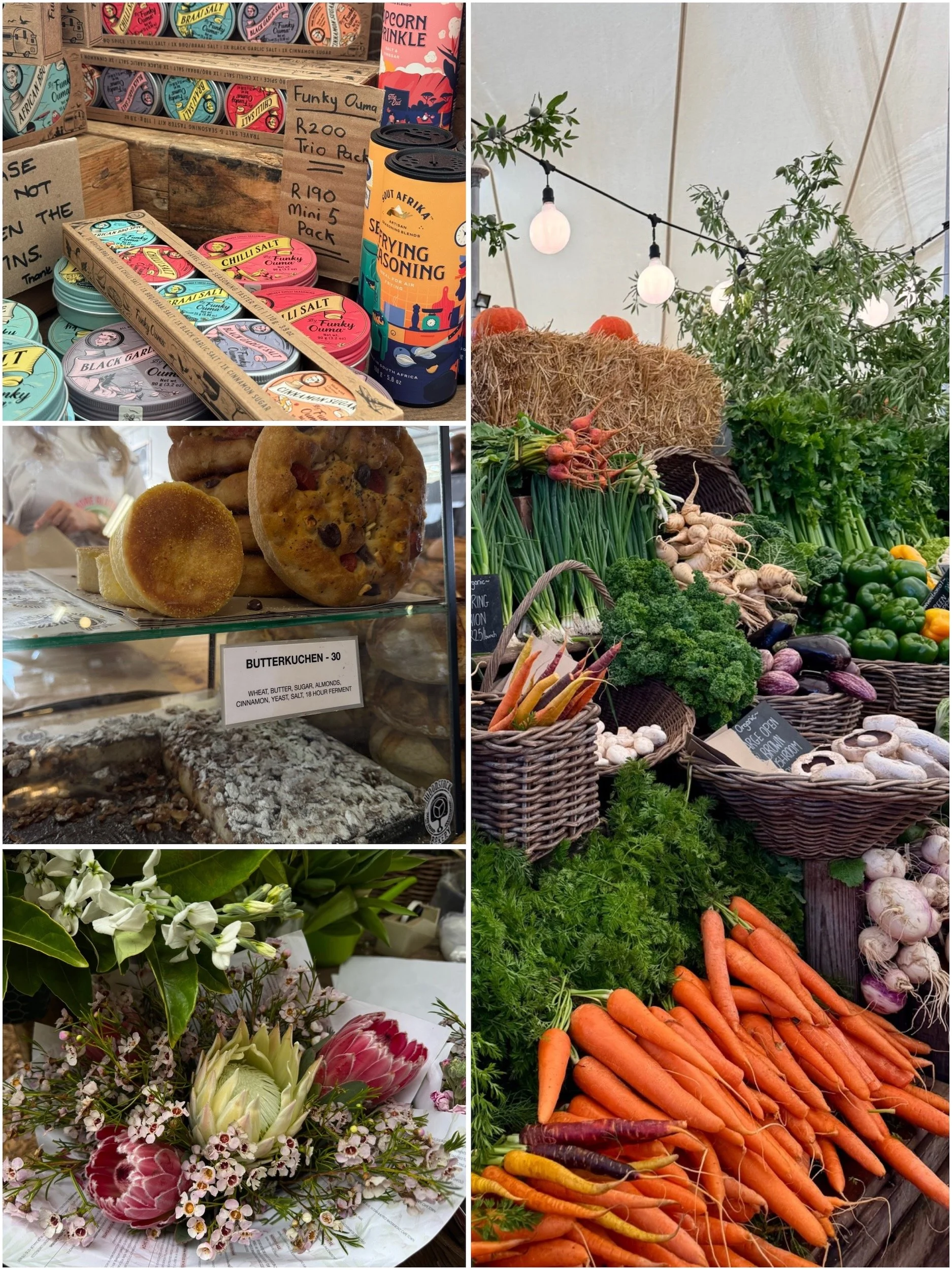
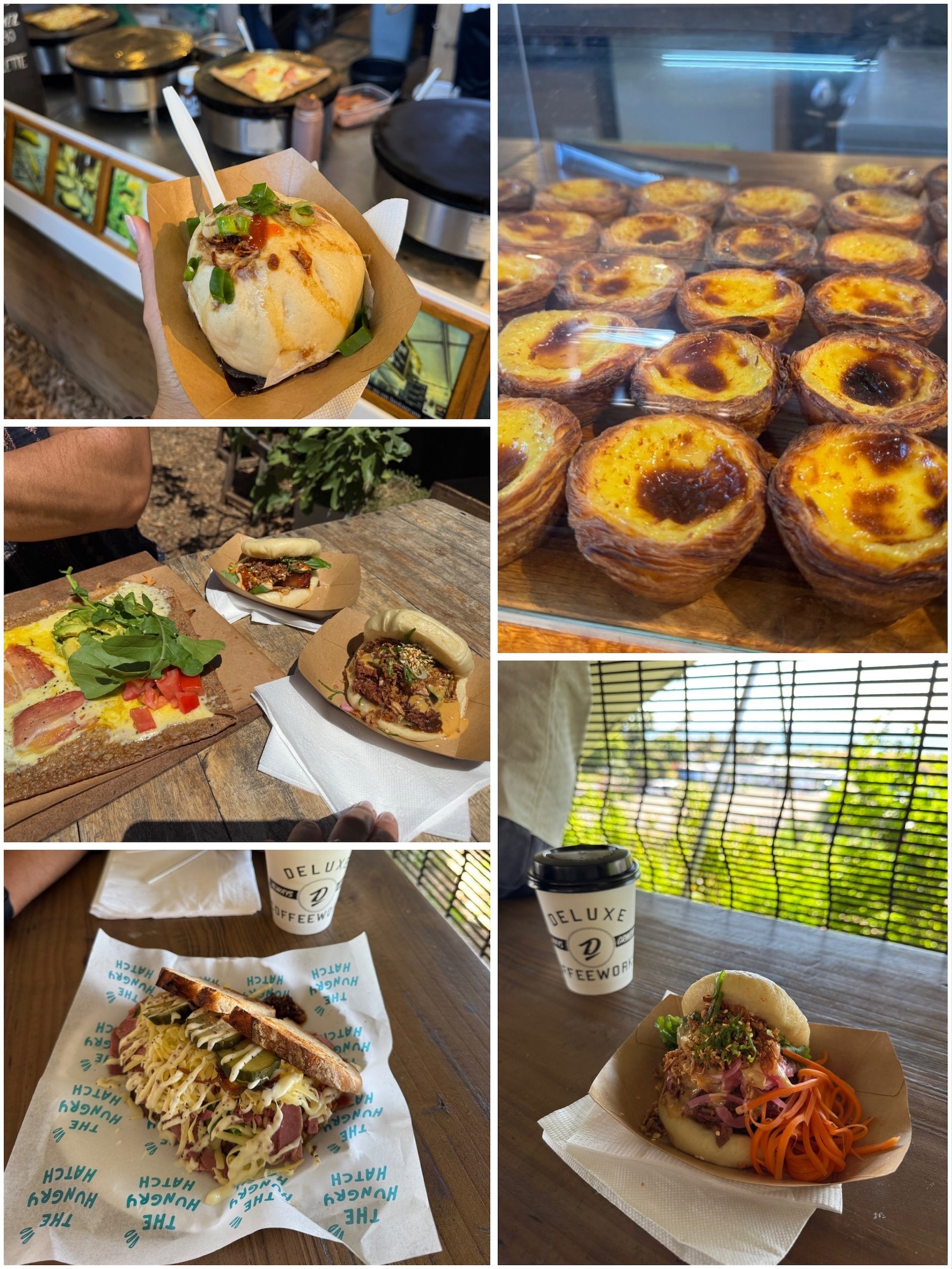
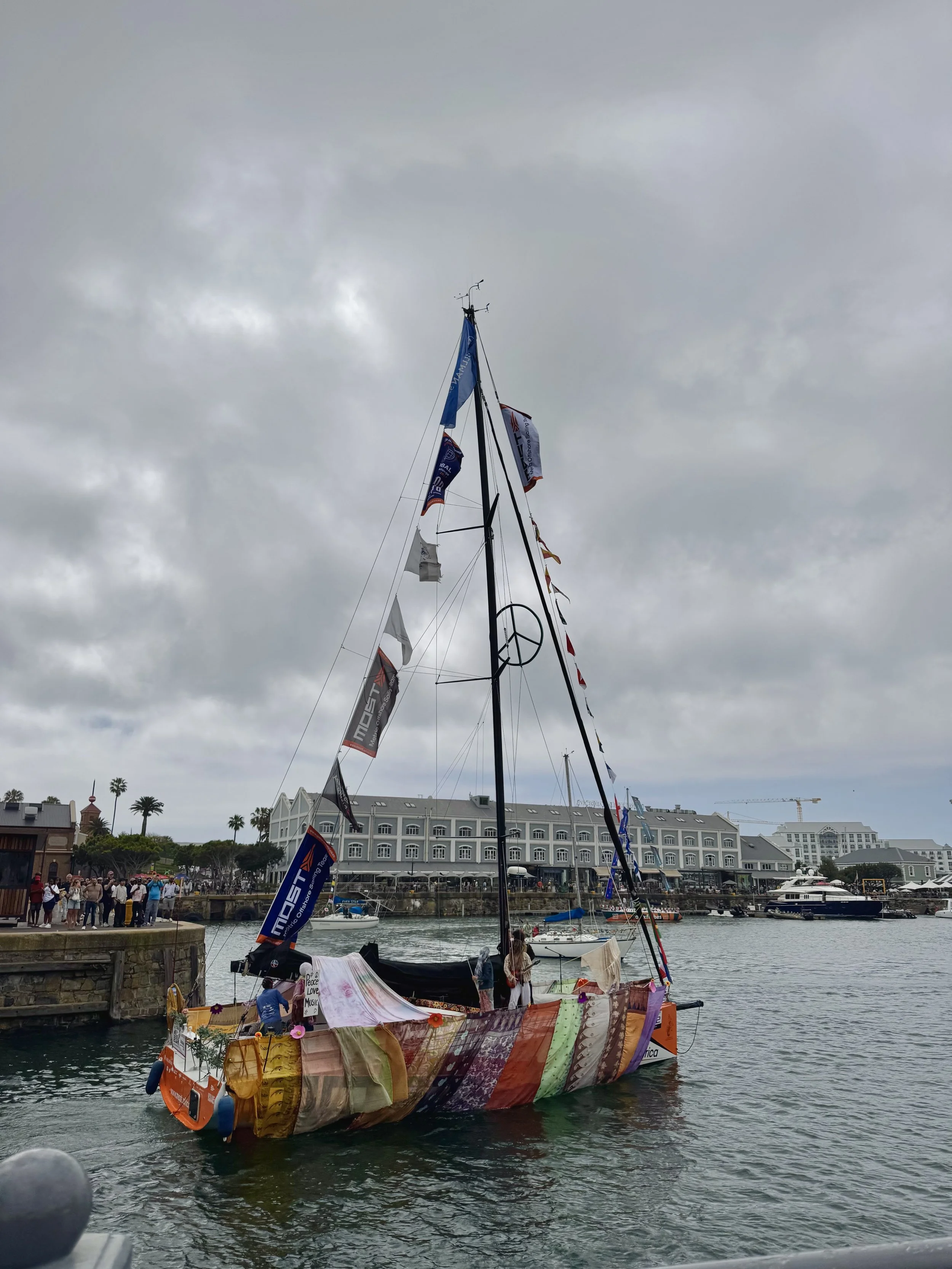
Afterwards, walk over to the V&A Waterfront, a hub that blends its history as a working harbour with modern leisure and cultural experiences. While touristy, it’s pleasant and easy to explore, especially around the marina. There is also a wide range of food here, including Time Out Market Cape Town, where several local restaurants are gathered under one roof. Cape Town ranked 11th on Time Out’s 2026 list of the world’s best cities for food, making it the highest-ranked African city. We enjoyed strolling through the Waterfront and watching a boat parade rather than planning a fixed activity.
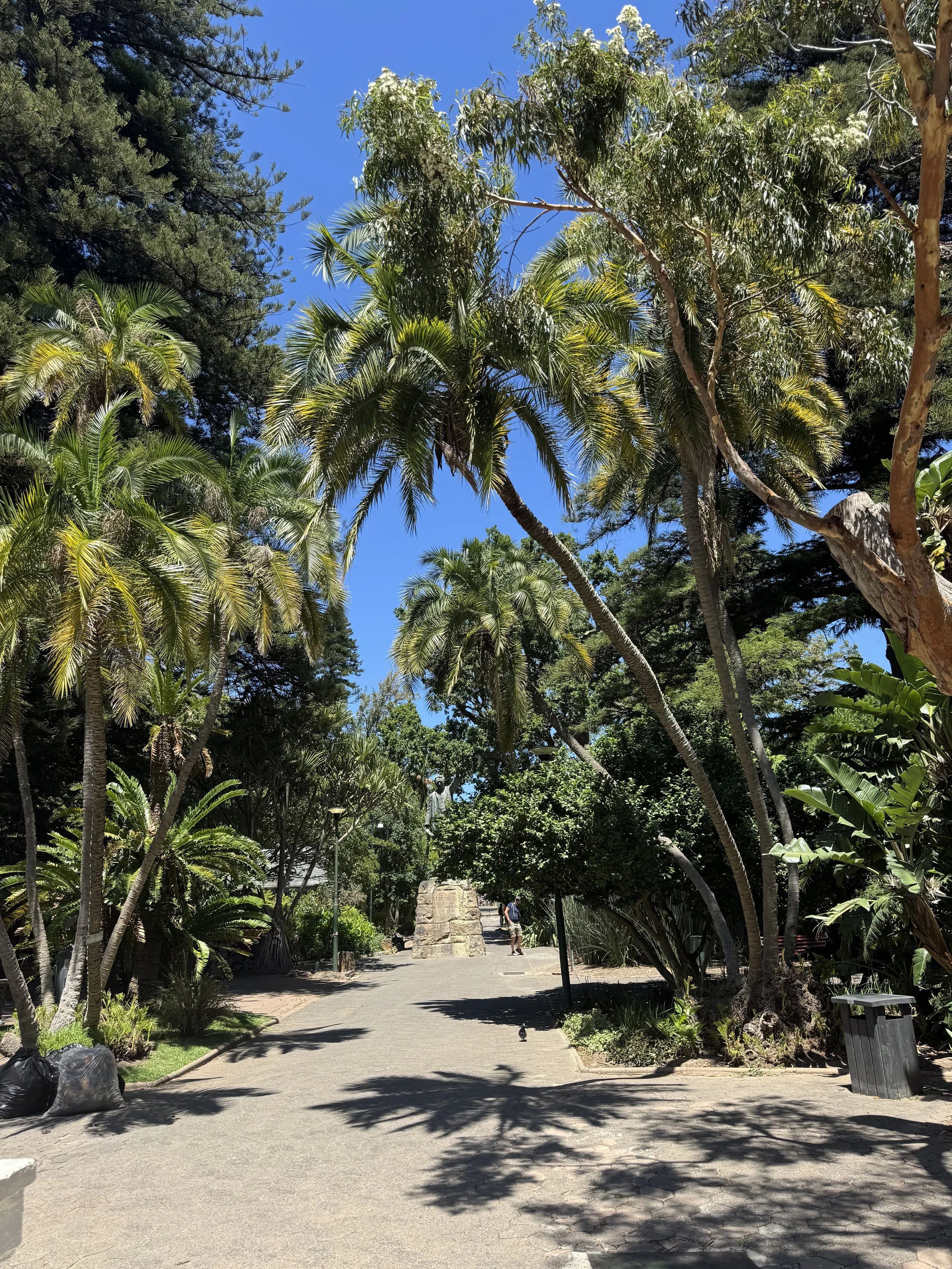
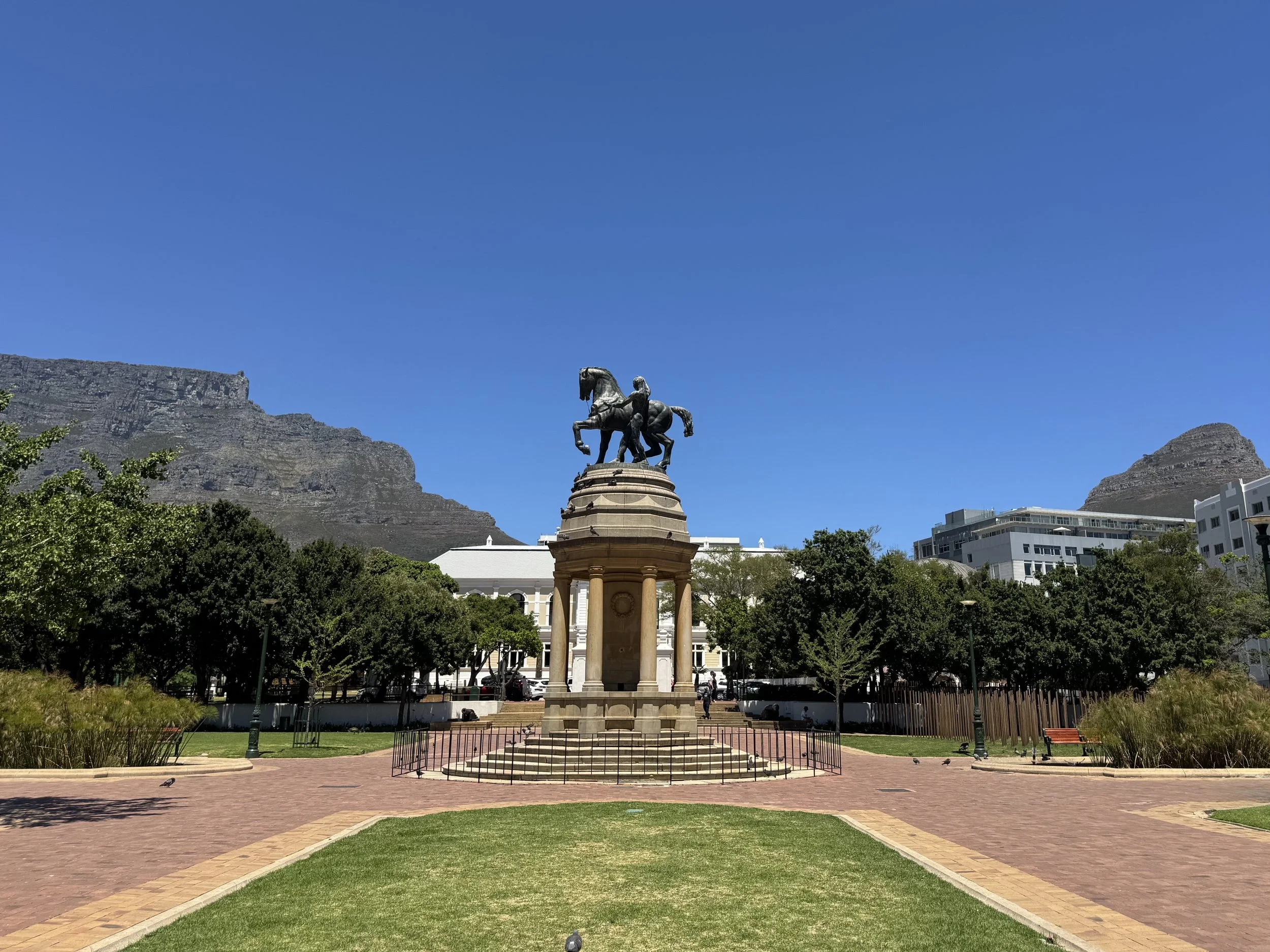
After exploring the Waterfront, continue into the City Bowl for a short walk through Company’s Garden. Its shaded paths and benches offer a welcome break from the busier harbour area, particularly on a warm afternoon.
From there, Kloof Street is a convenient place to end the day. The street has plenty of restaurants and bars within a relatively compact area, so you can choose between a casual meal and something more planned. During the busier summer months, it is still worth reserving a table if you have a particular restaurant in mind.
Some good food and coffee options are: Zuney Wagyu Burgers, Noodle Box Kloof Street, Kloof Street House, THE 777 COFFEE ROASTERY or Florentin
Optional stops at the V&A Waterfront:
If you have more time or are travelling with kids, the Two Oceans Aquarium, the Zeitz MOCAA, harbour boat tours and the Watershed design market are all located here. Ferries to Robben Island also depart from the Waterfront, making it a practical base if you plan to include this on another day.


Day 2 | Lion’s Head, Beach Time and a Relaxed Evening
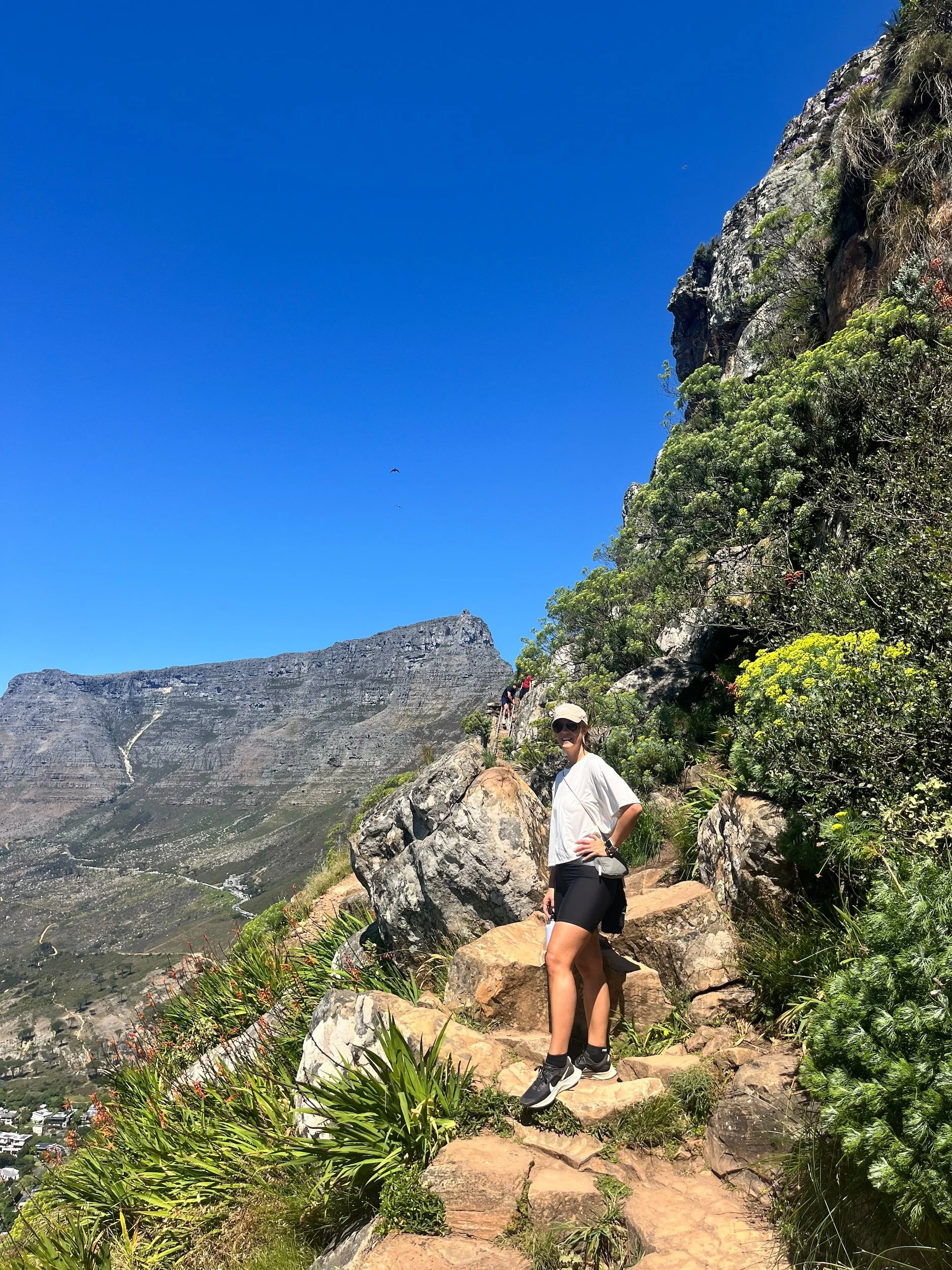
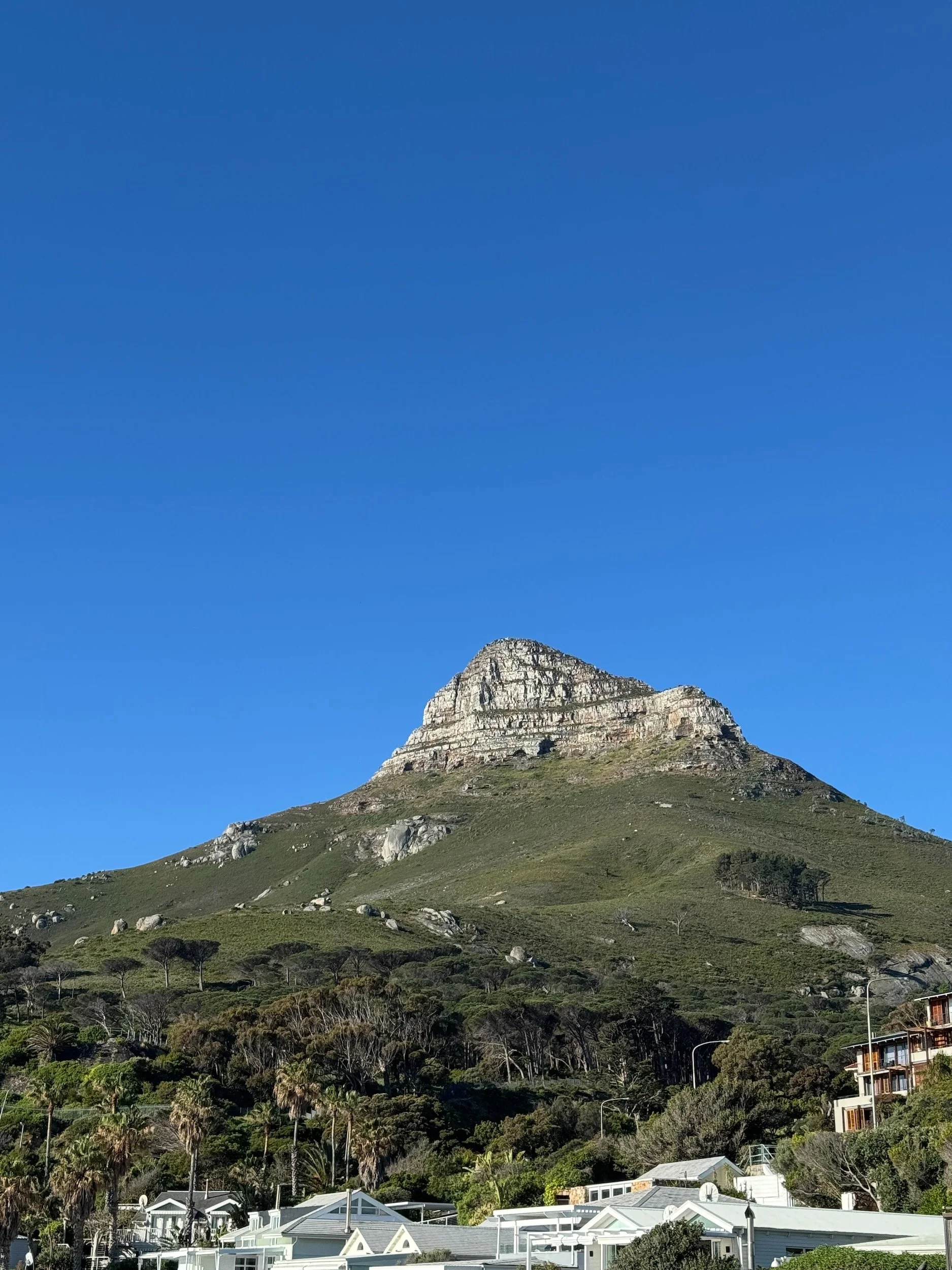
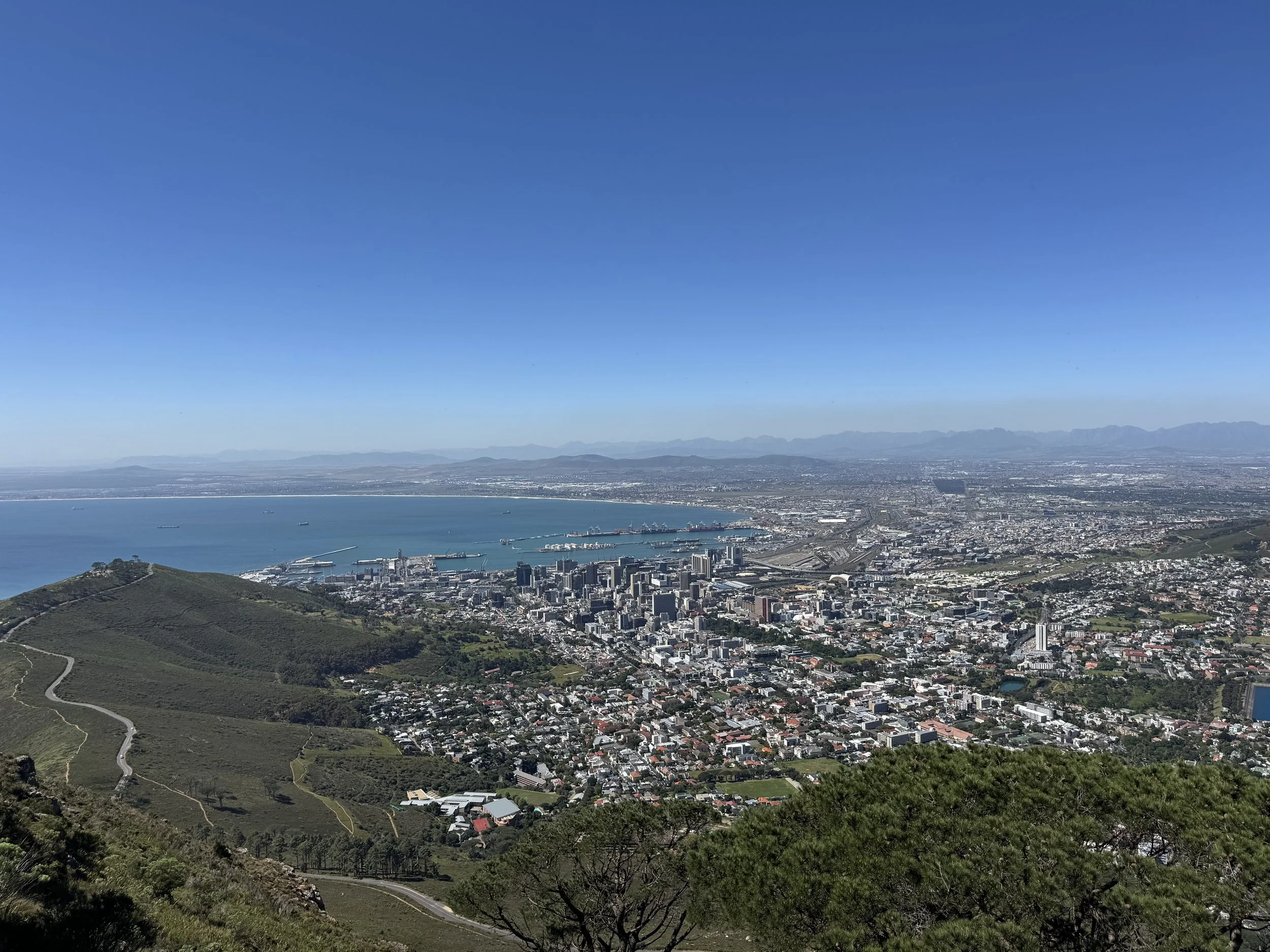
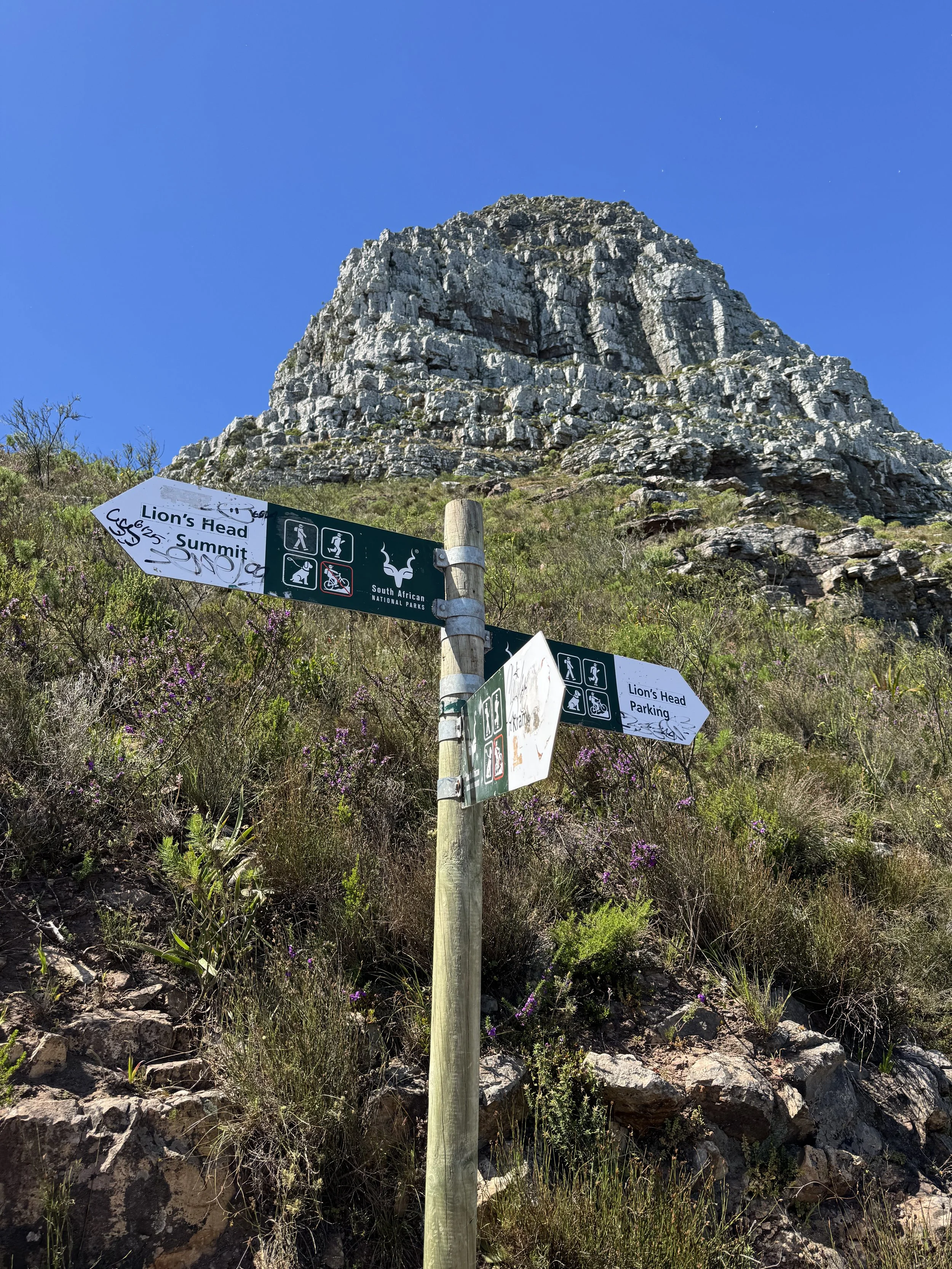
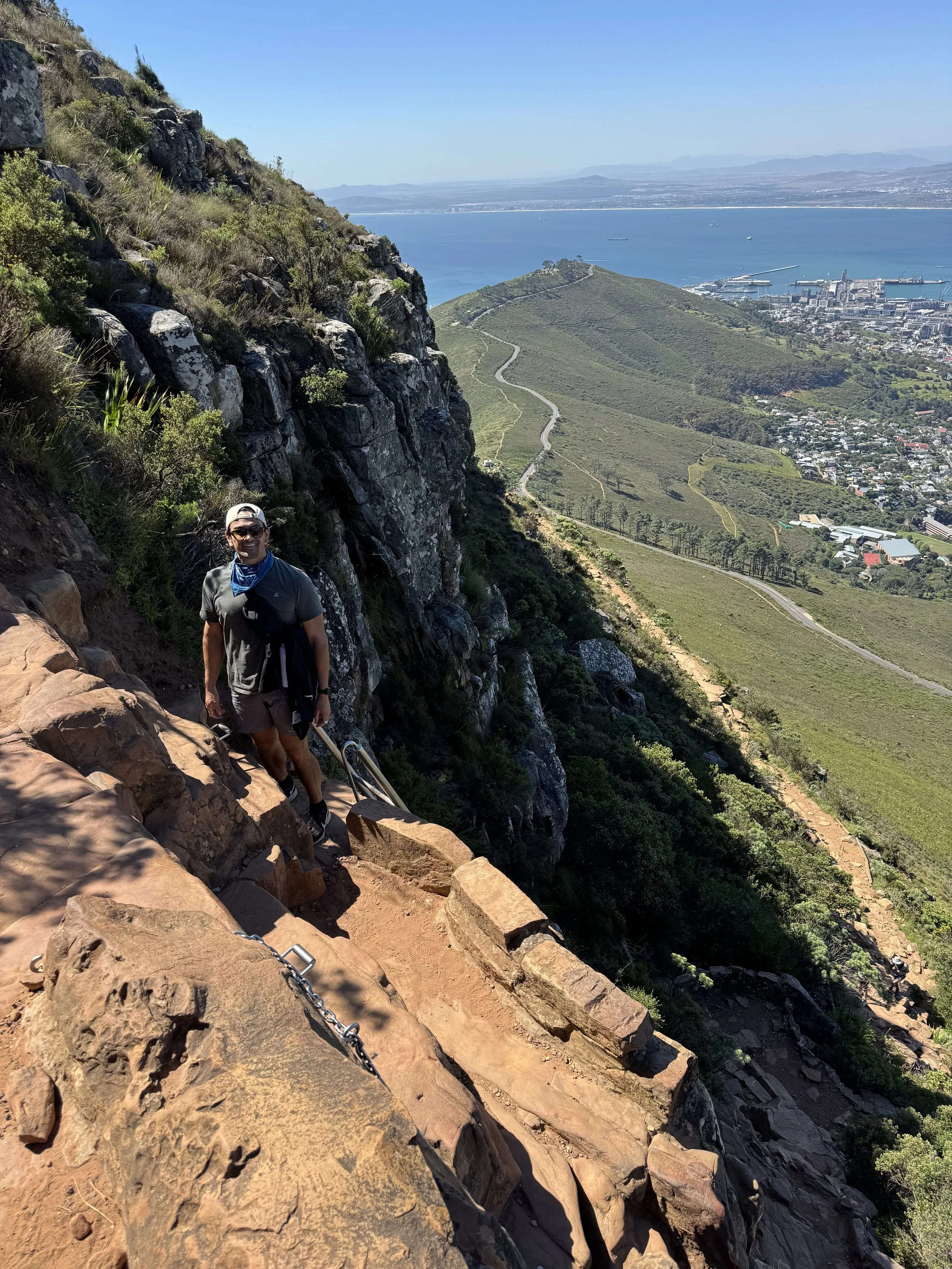
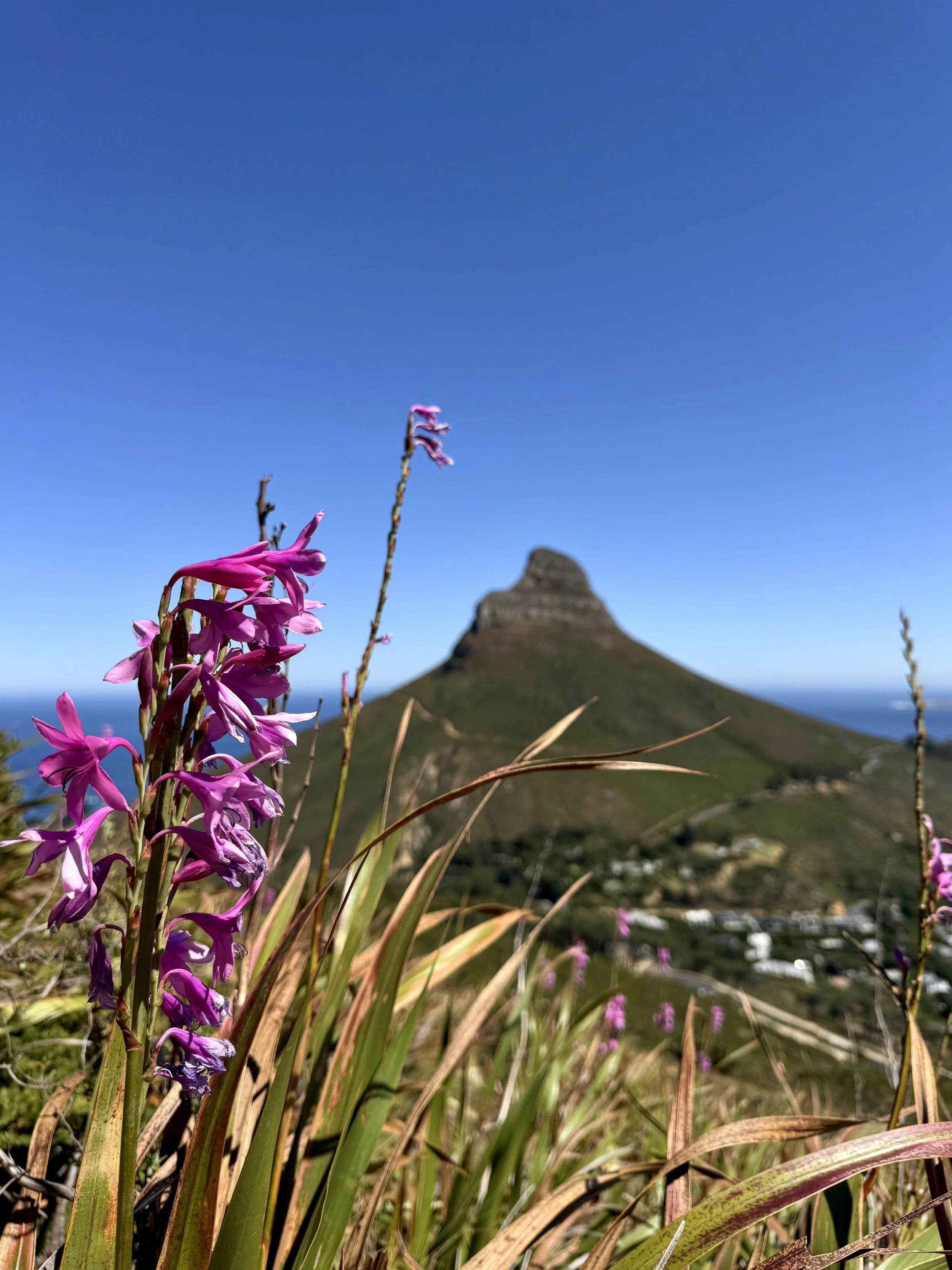
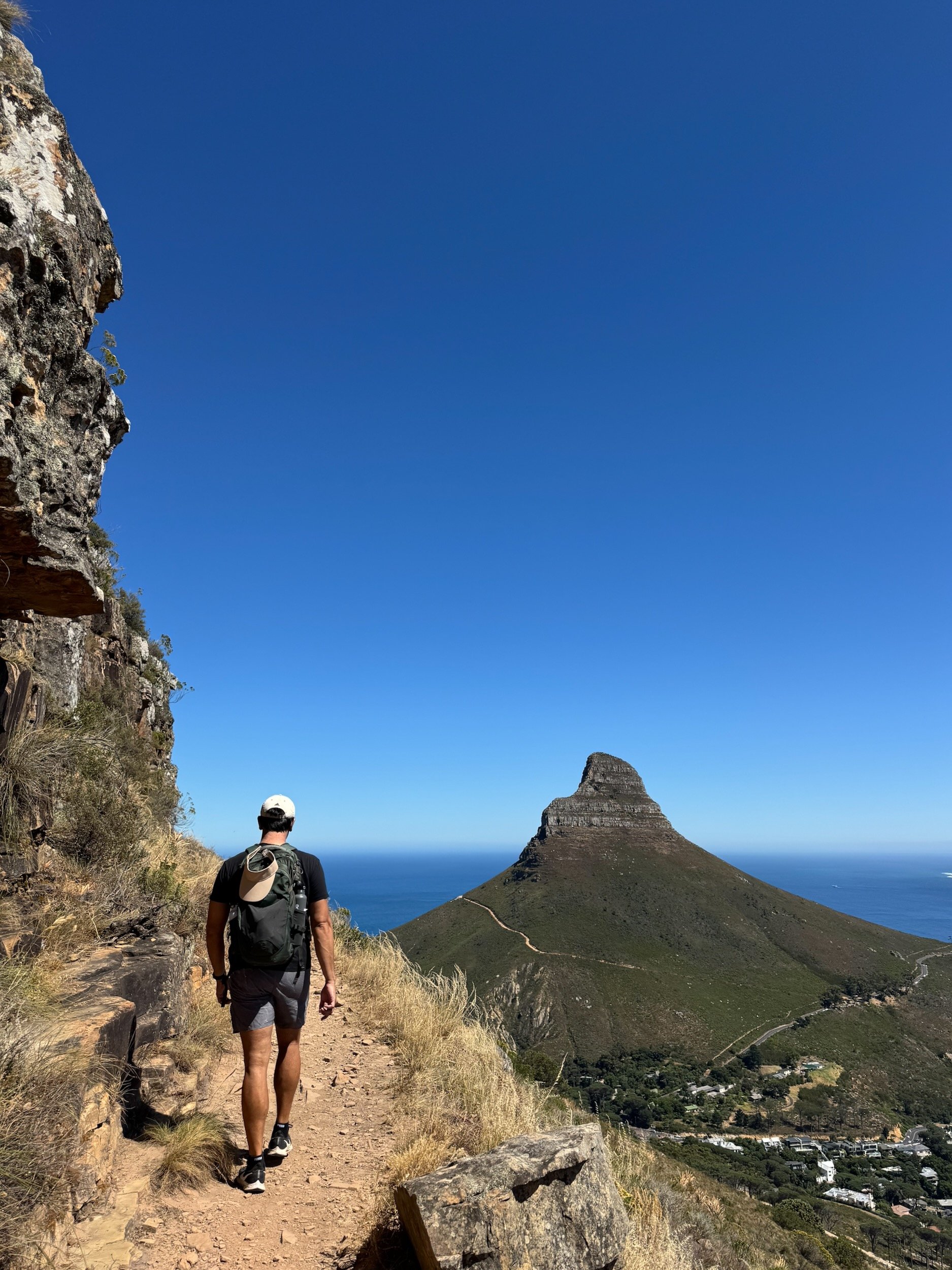
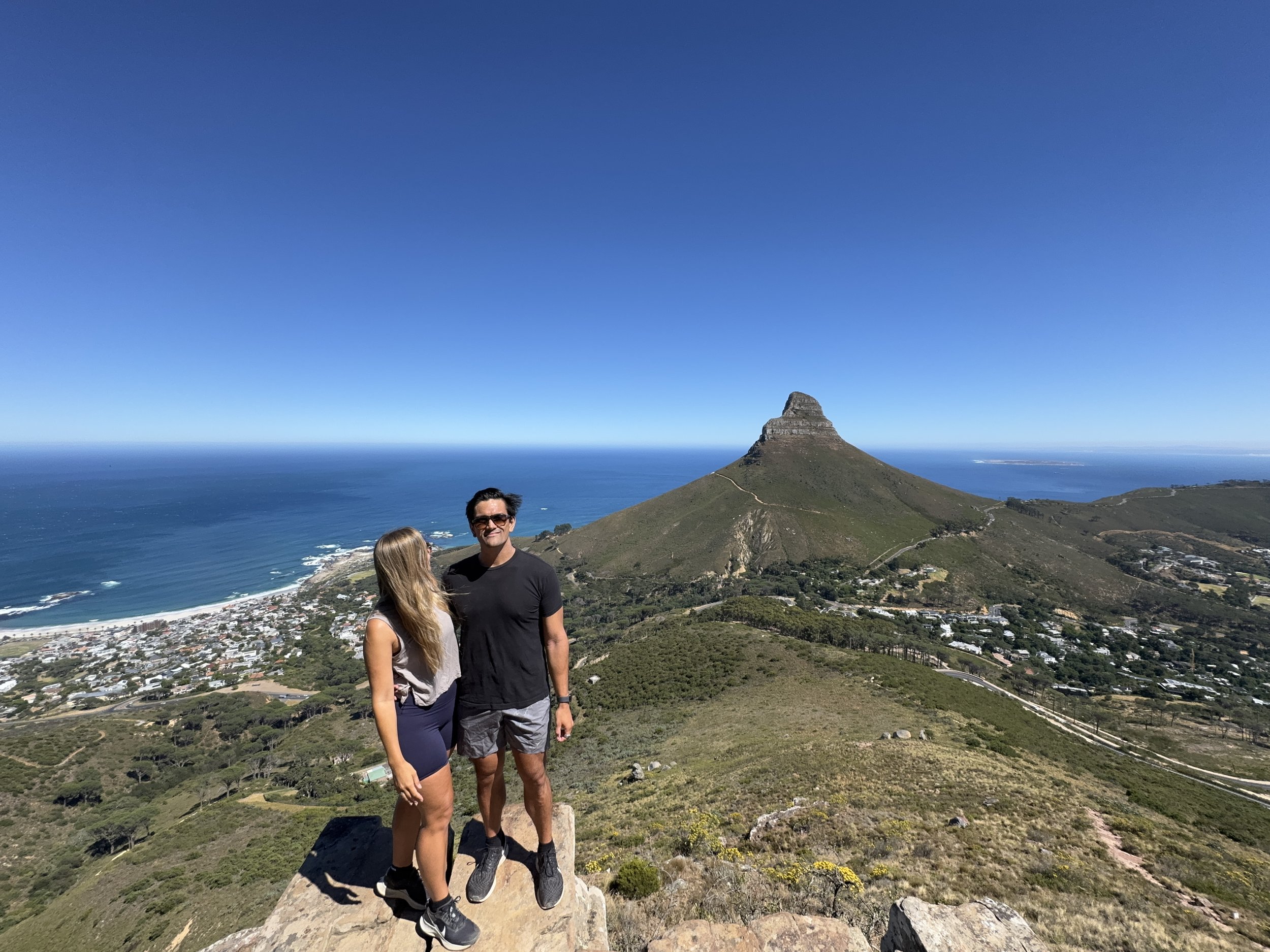
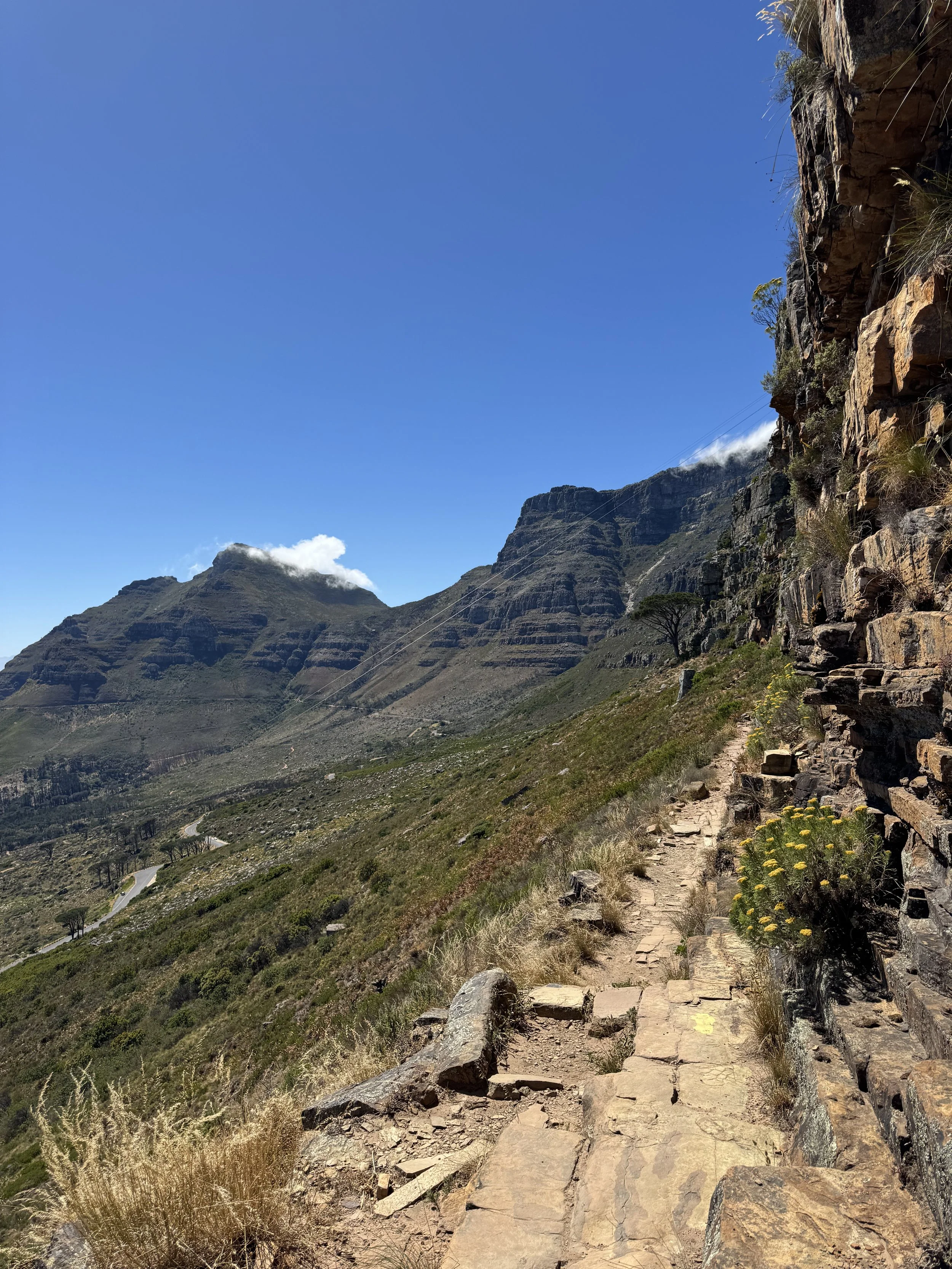
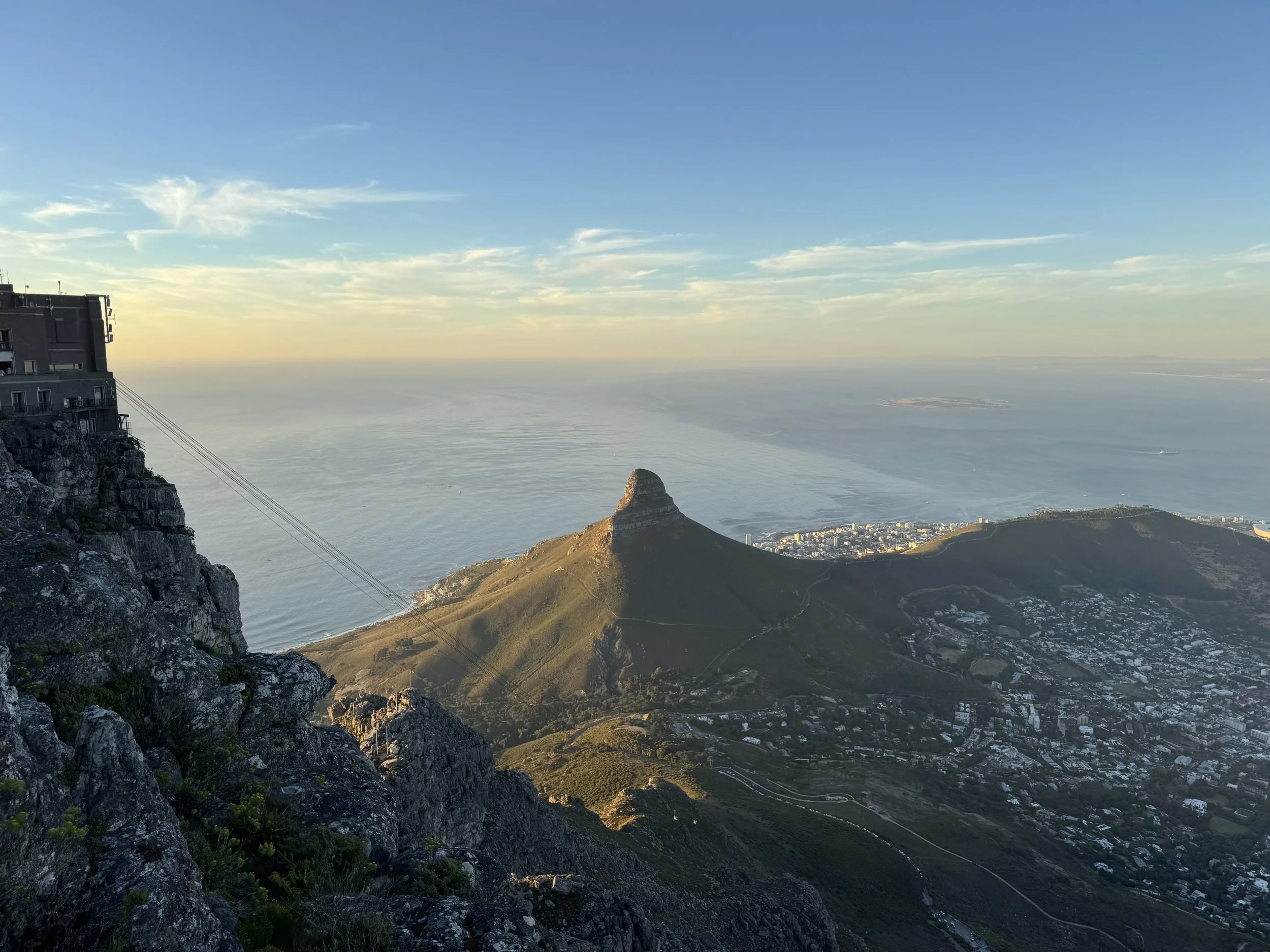
Start the day with an early hike up Lion’s Head. The trail is not particularly long, but it climbs almost continuously and becomes steeper as you approach the summit. As you circle the mountain, the views gradually open up across Cape Town, Table Mountain and the Atlantic coastline.
Sunrise and sunset are the most popular times to hike, particularly during peak season, so expect the trail to be busy. The upper section involves some scrambling and a few exposed passages, but there are alternative paths around the chains and ladders. Anyone with reasonable fitness should be able to complete the hike, although it is more demanding than its relatively short distance might suggest. Wear proper shoes, bring enough water and take extra care if you are uncomfortable with heights.
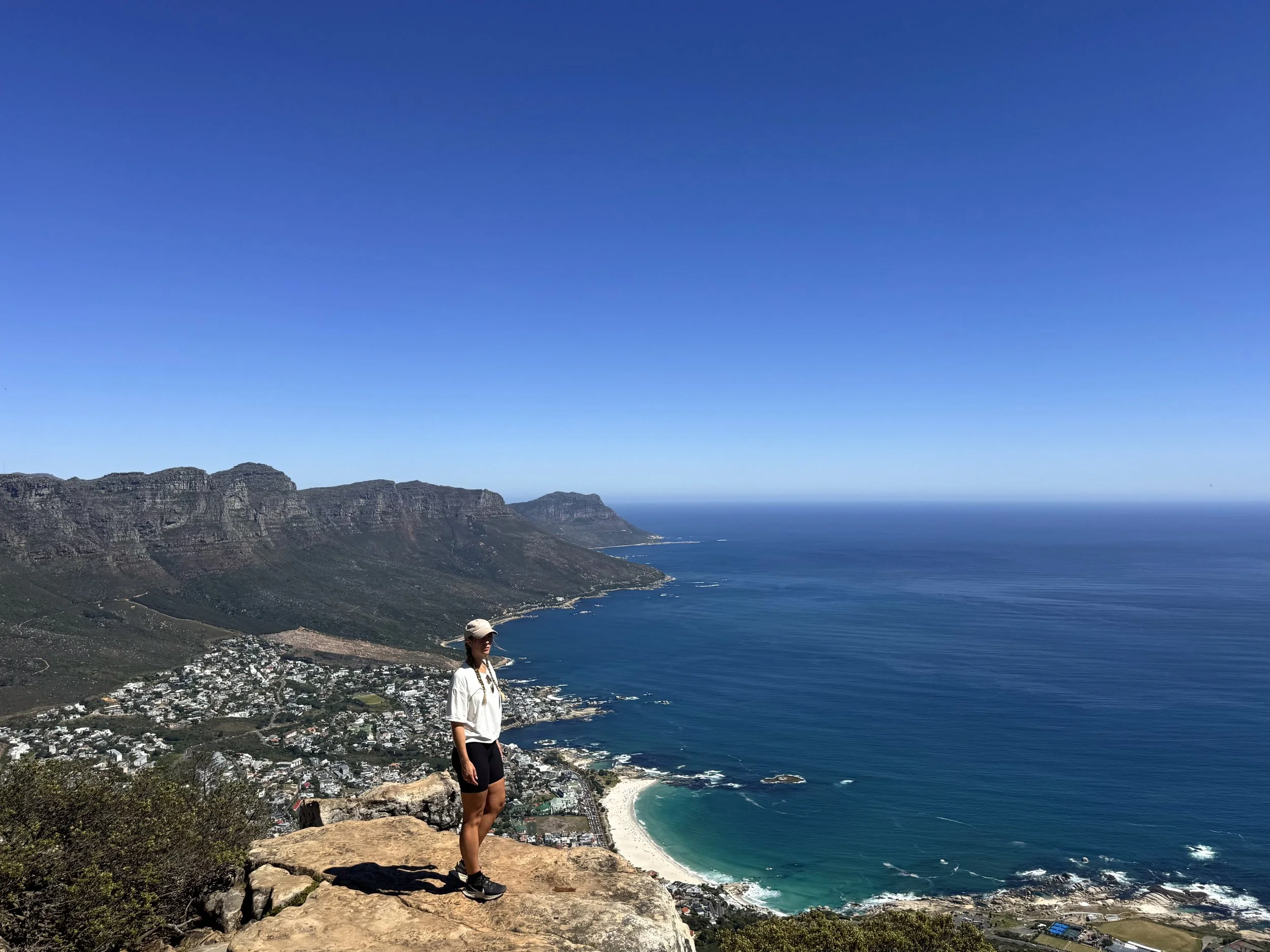
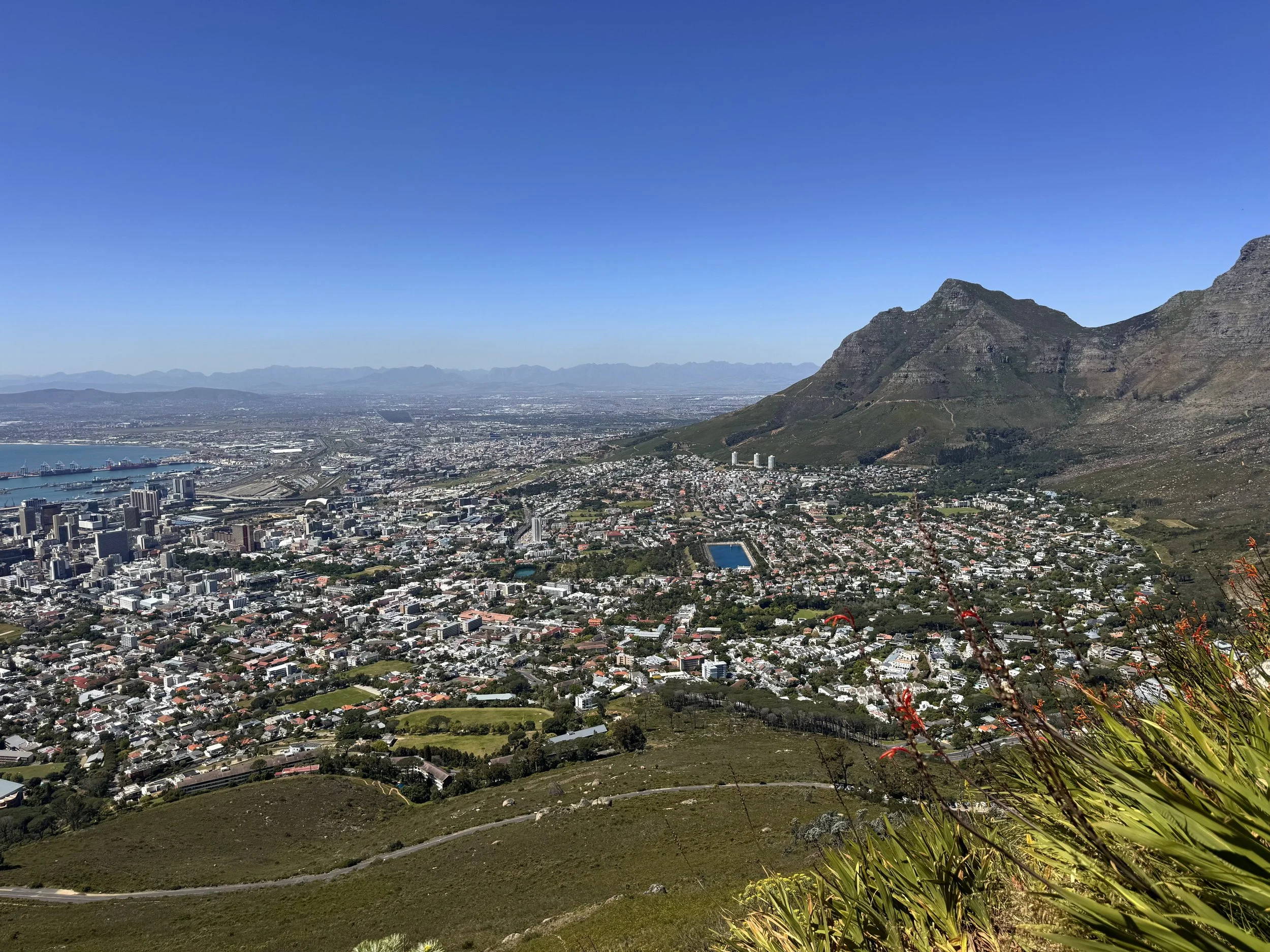
We started later in the morning, when the trail was quieter but the temperature was already climbing. Unfortunately, a swarm of tiny flies had gathered around the summit, possibly because there was hardly any wind that day. They made it difficult to sit and enjoy the view for long, although this does not appear to be a regular problem. Despite that, Lion’s Head remains one of our favourite viewpoints in Cape Town and we would happily hike it again.
Afterwards, keep the rest of the morning easy. Sea Point and Green Point have plenty of relaxed places for breakfast, lunch or coffee, making them convenient stops before spending the afternoon at the beach.
Coffee and Breakfast Options: JARRYDS, Brad's Grill Sea Point, Mojo Market, Ollies specialty coffee, COOKED Sea Point
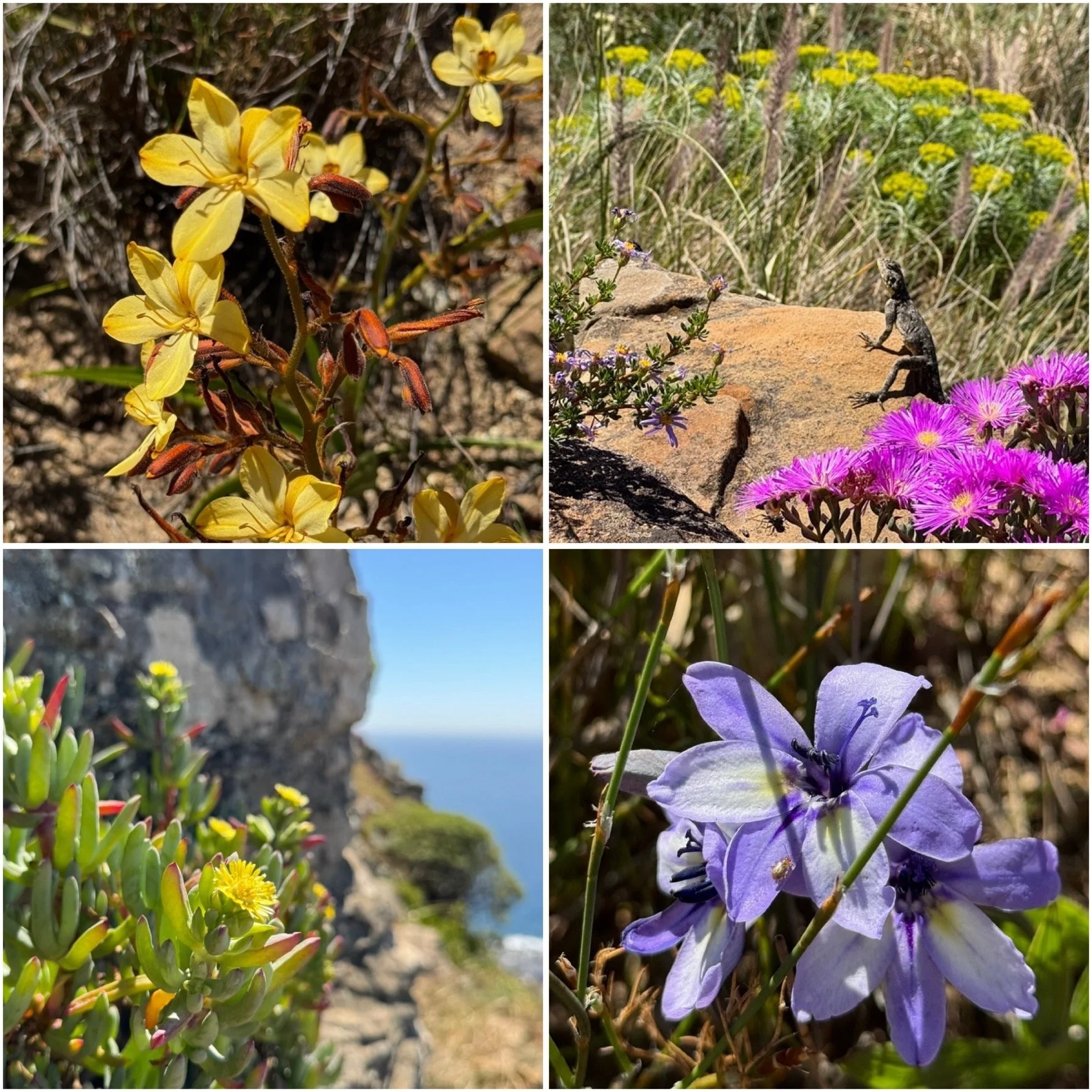
Alternative hike option: Kloof Corner
If Lion’s Head feels too busy or you want something shorter, Kloof Corner is a great alternative. The walk is much shorter, still offers excellent views and works well at any time of day. The trail starts along Tafelberg Road, near the Kloof Nek area and is easy to reach by Uber. Black Box Coffeeworks is right nearby and makes a good stop before or after the hike. This is also a great sunset spot!
Camps Bay and Clifton Beaches
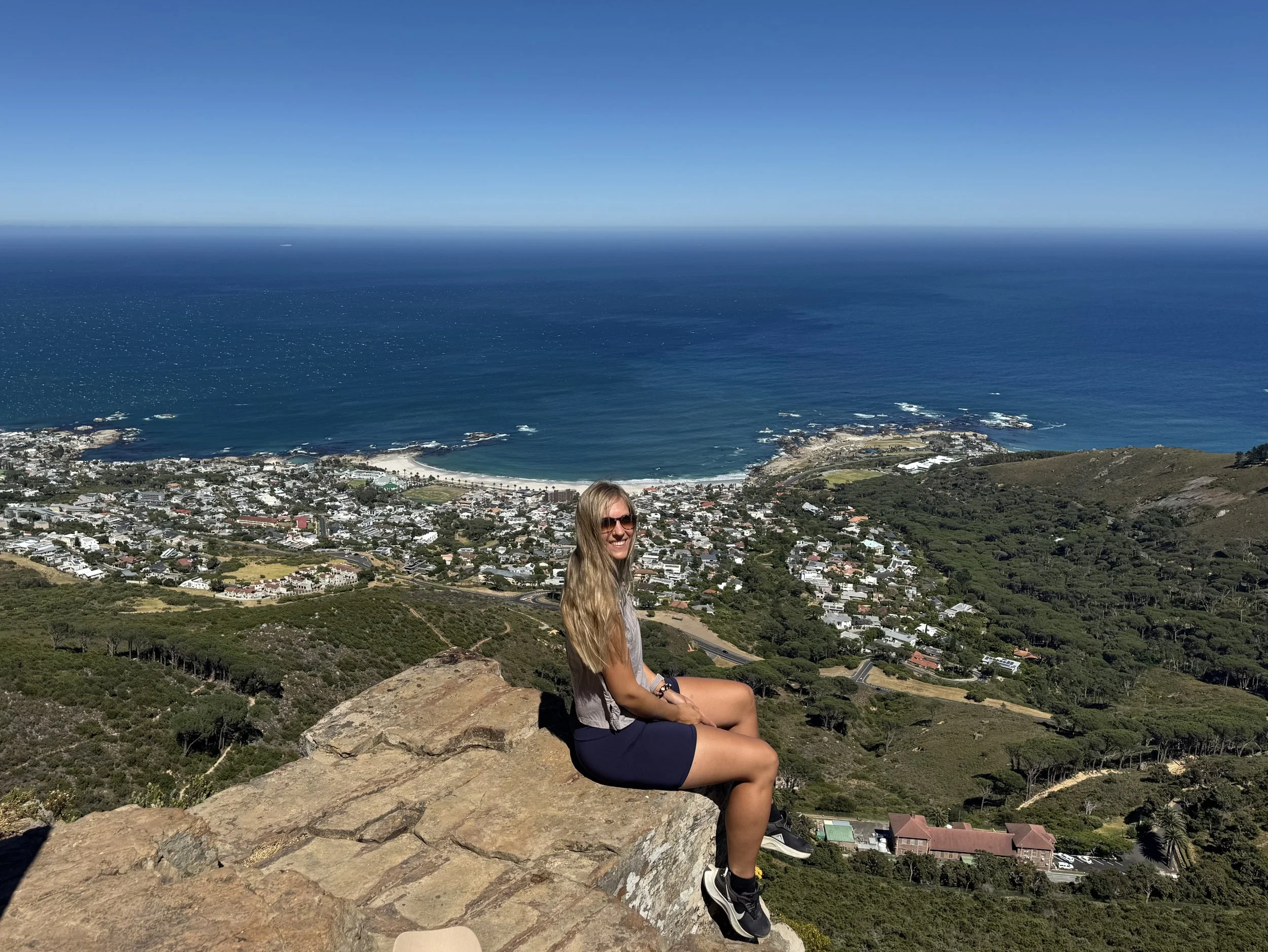
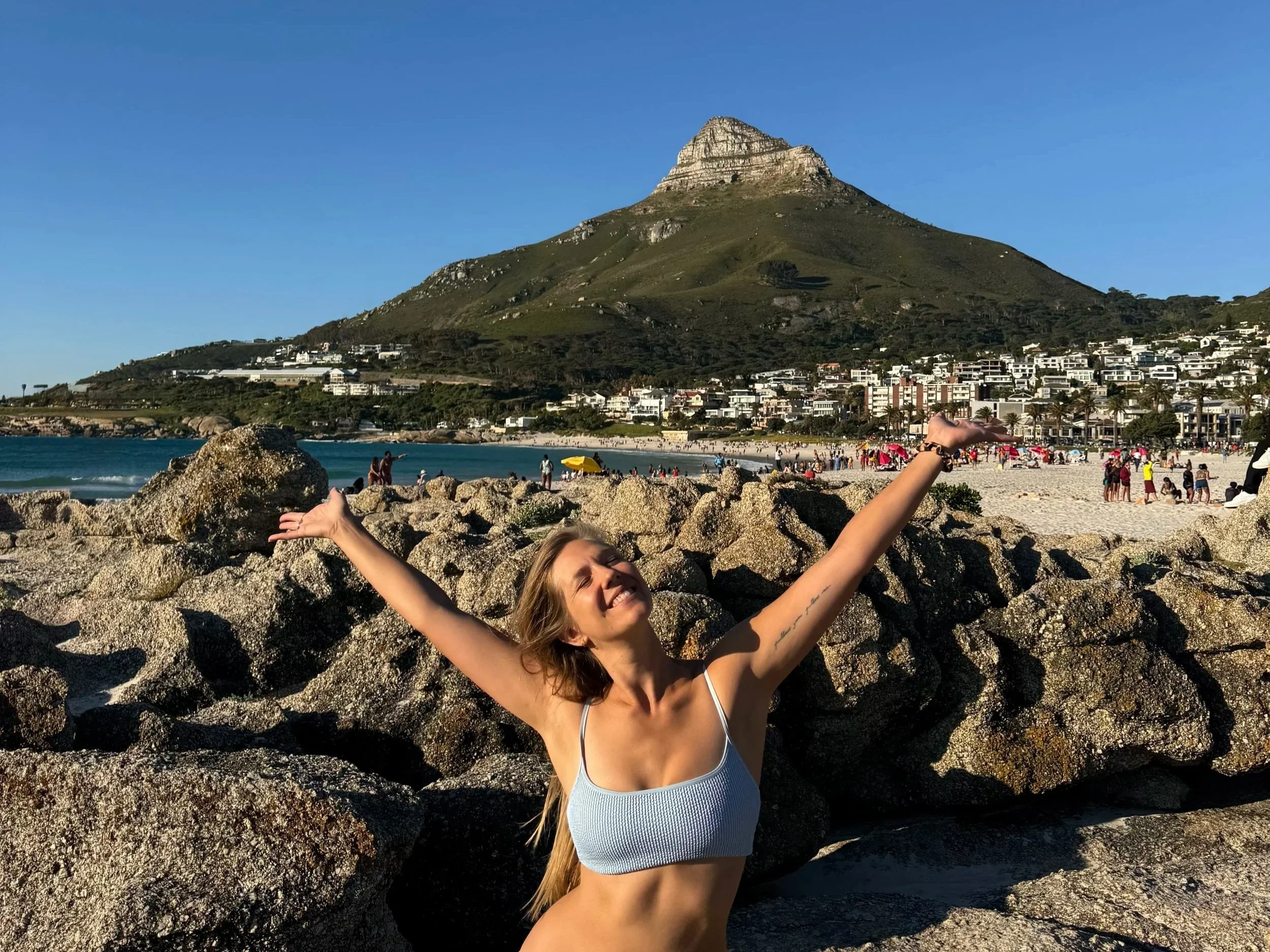
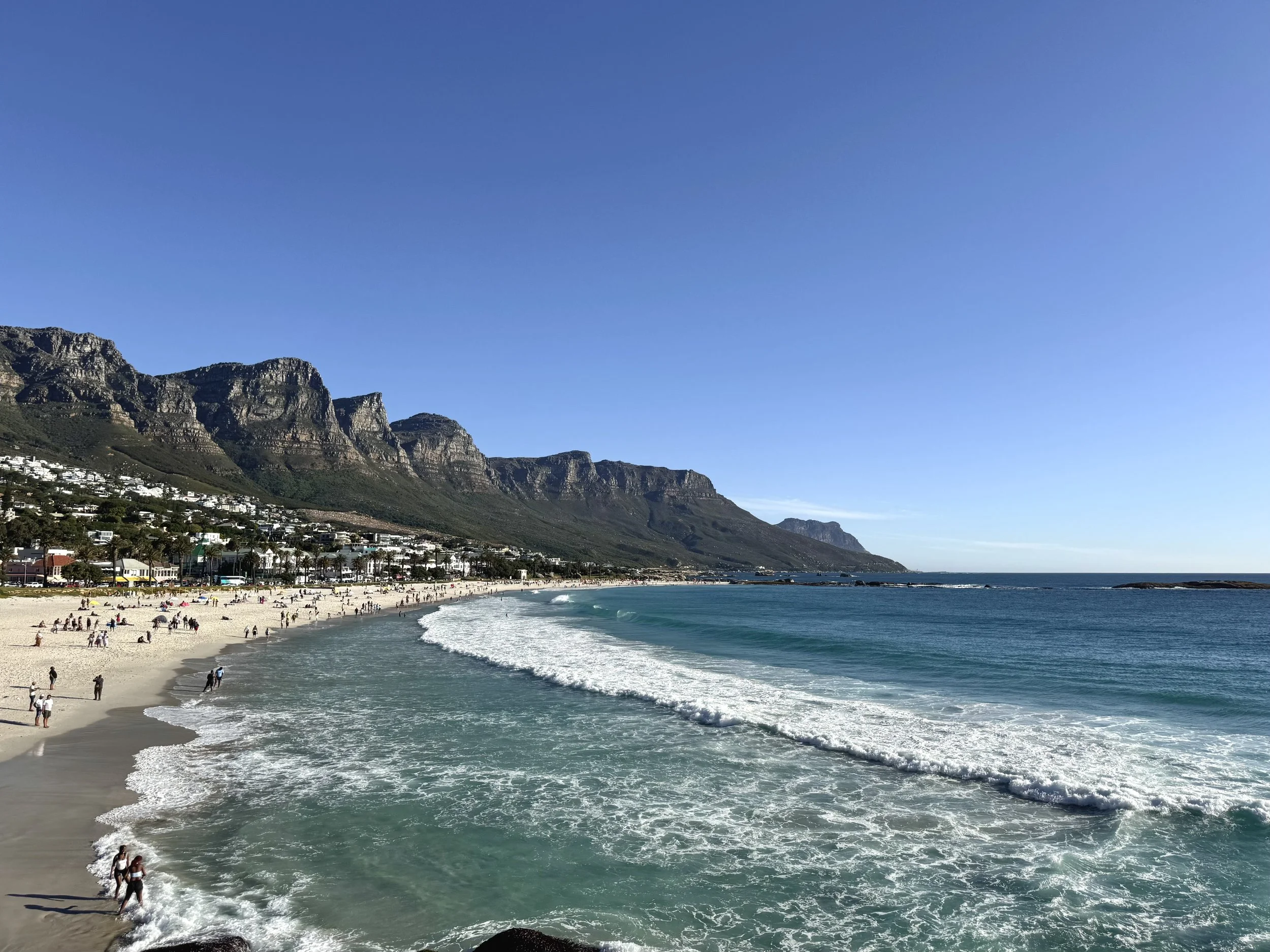
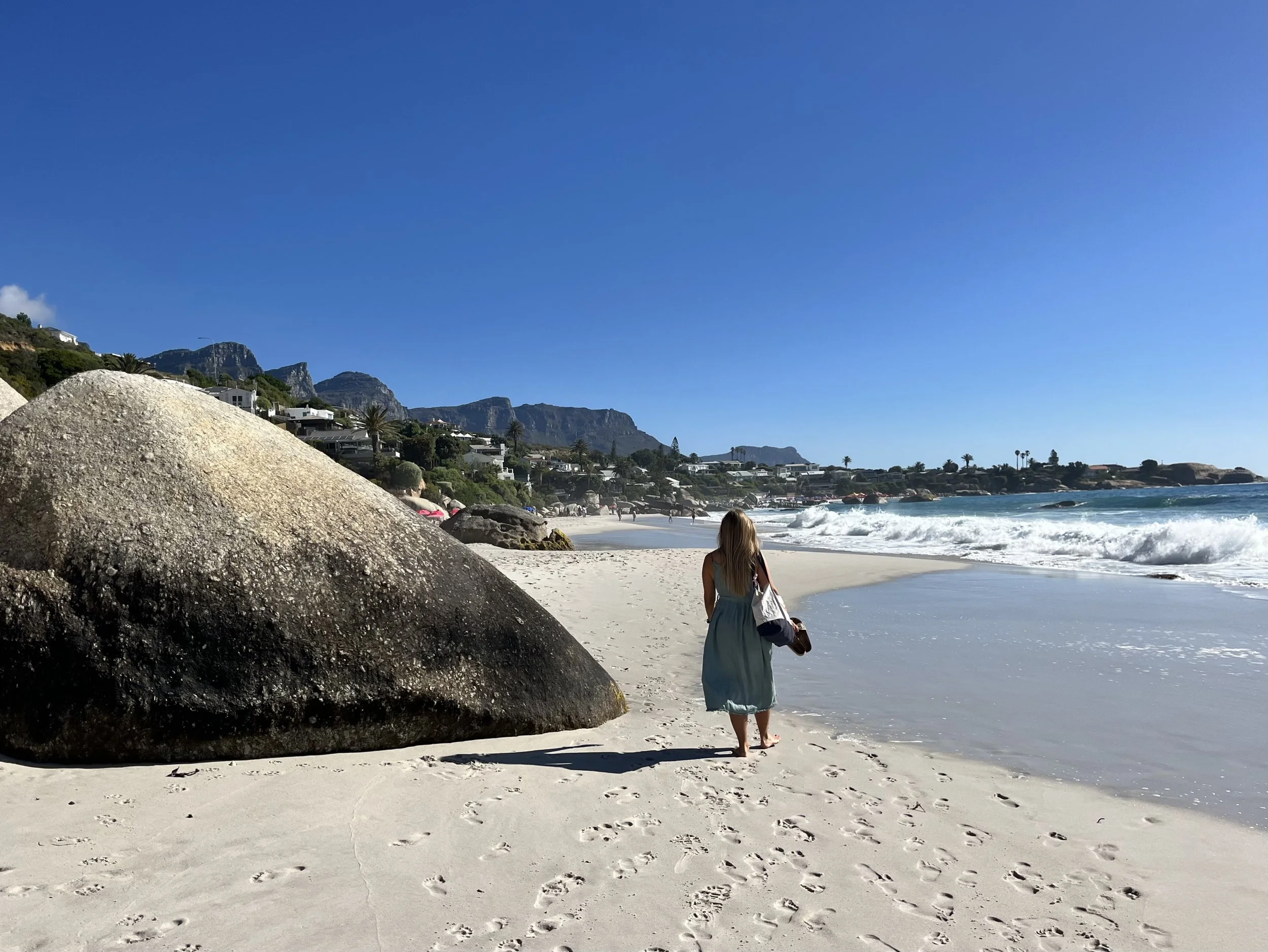
Spend the afternoon at Camps Bay or one of Clifton’s four beaches. Although they are only a short drive from the city centre, both feel surprisingly removed from it. Clifton’s beaches sit in a series of smaller coves, some of which are better sheltered from the wind. Camps Bay feels livelier, with a wide stretch of sand and plenty of cafés and restaurants directly across the road.
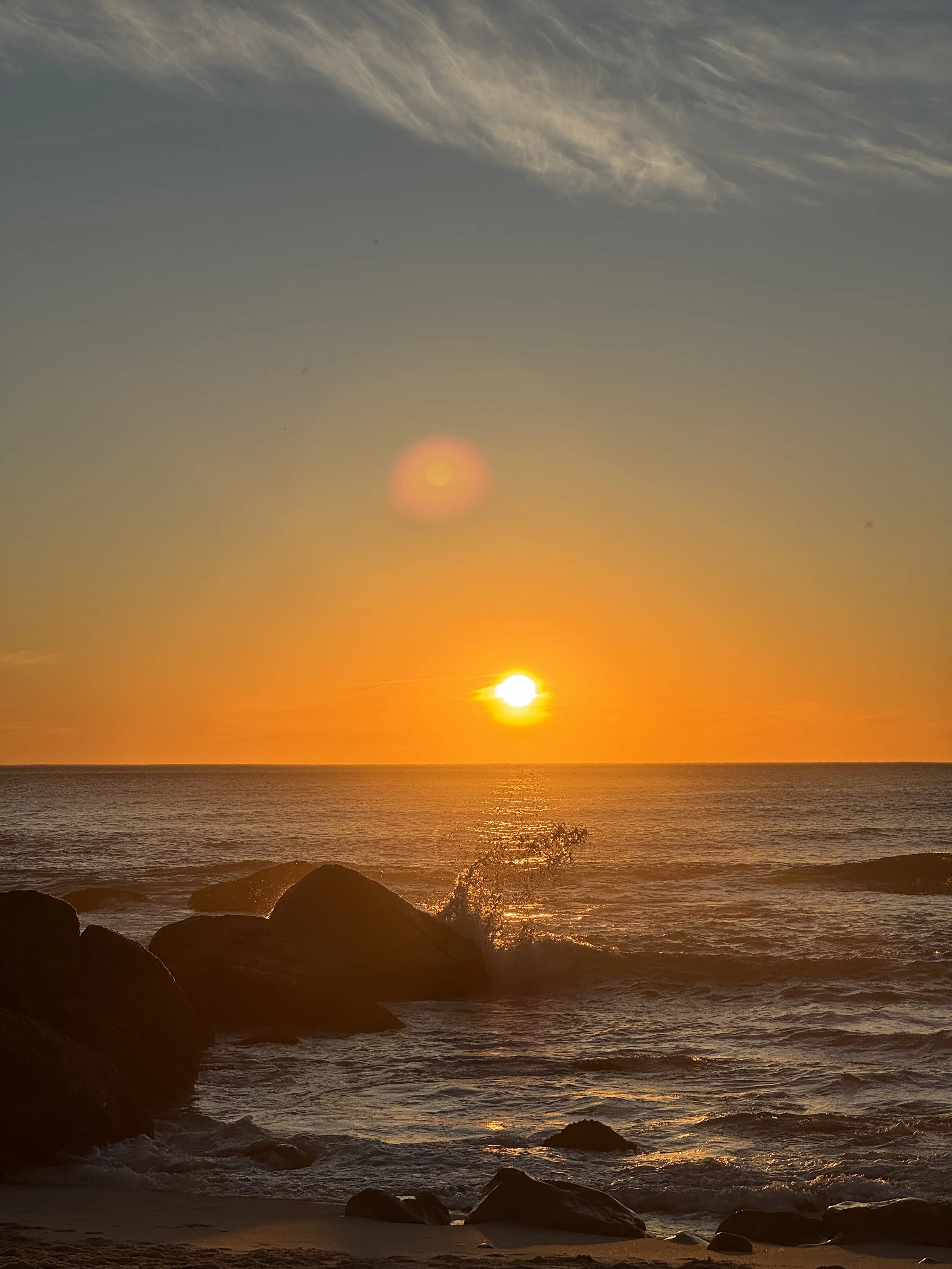
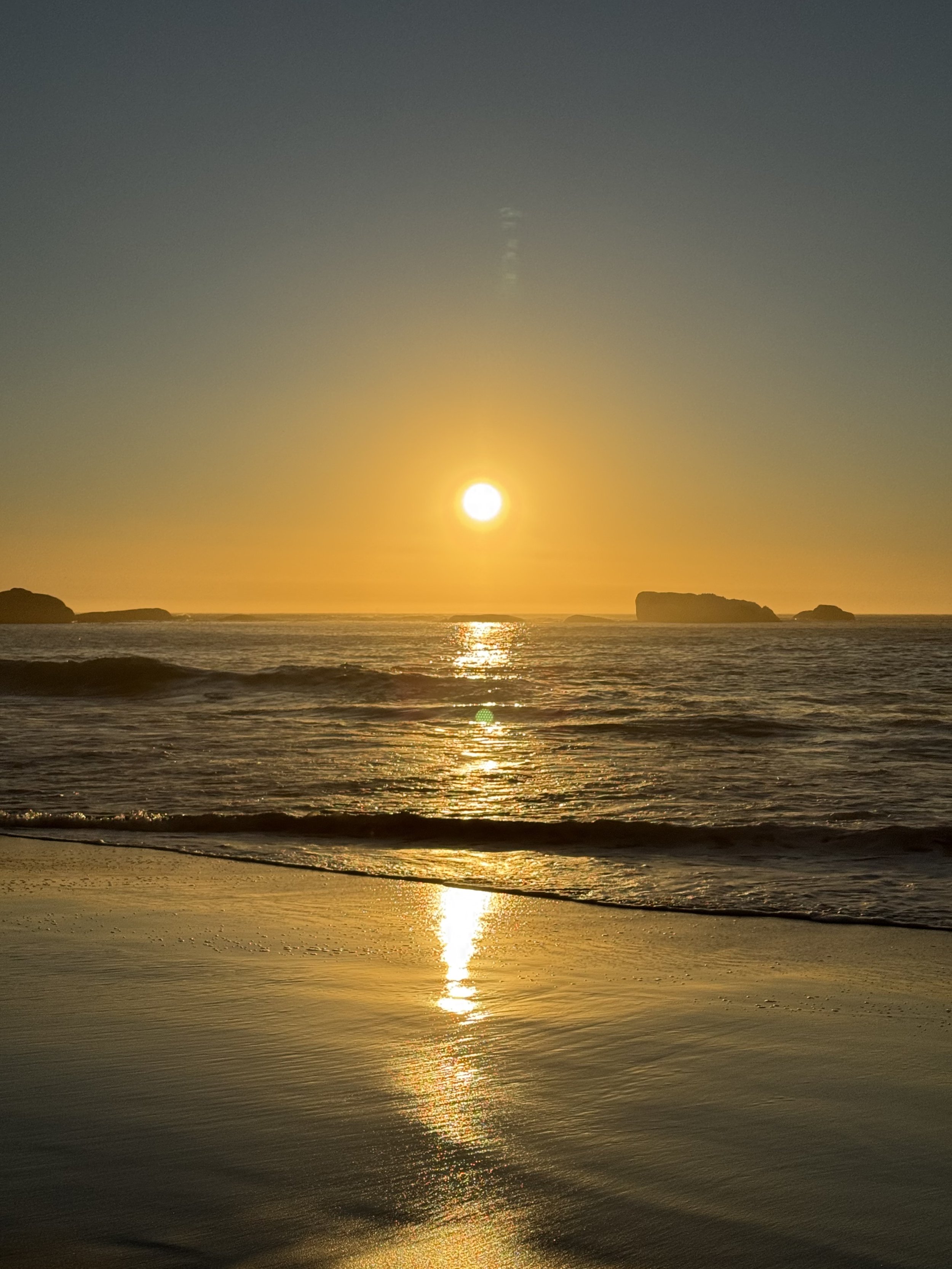
During the afternoon, we saw families spreading out on the sand and groups playing volleyball. Closer to sunset, more people arrived with takeaway food and found a place on the beach or among the rocks. The Atlantic is cold even in summer, but you do not need to swim to enjoy the setting. The white sand, clear water and views of Lion’s Head and the Twelve Apostles make this a beautiful place to spend a few unhurried hours.
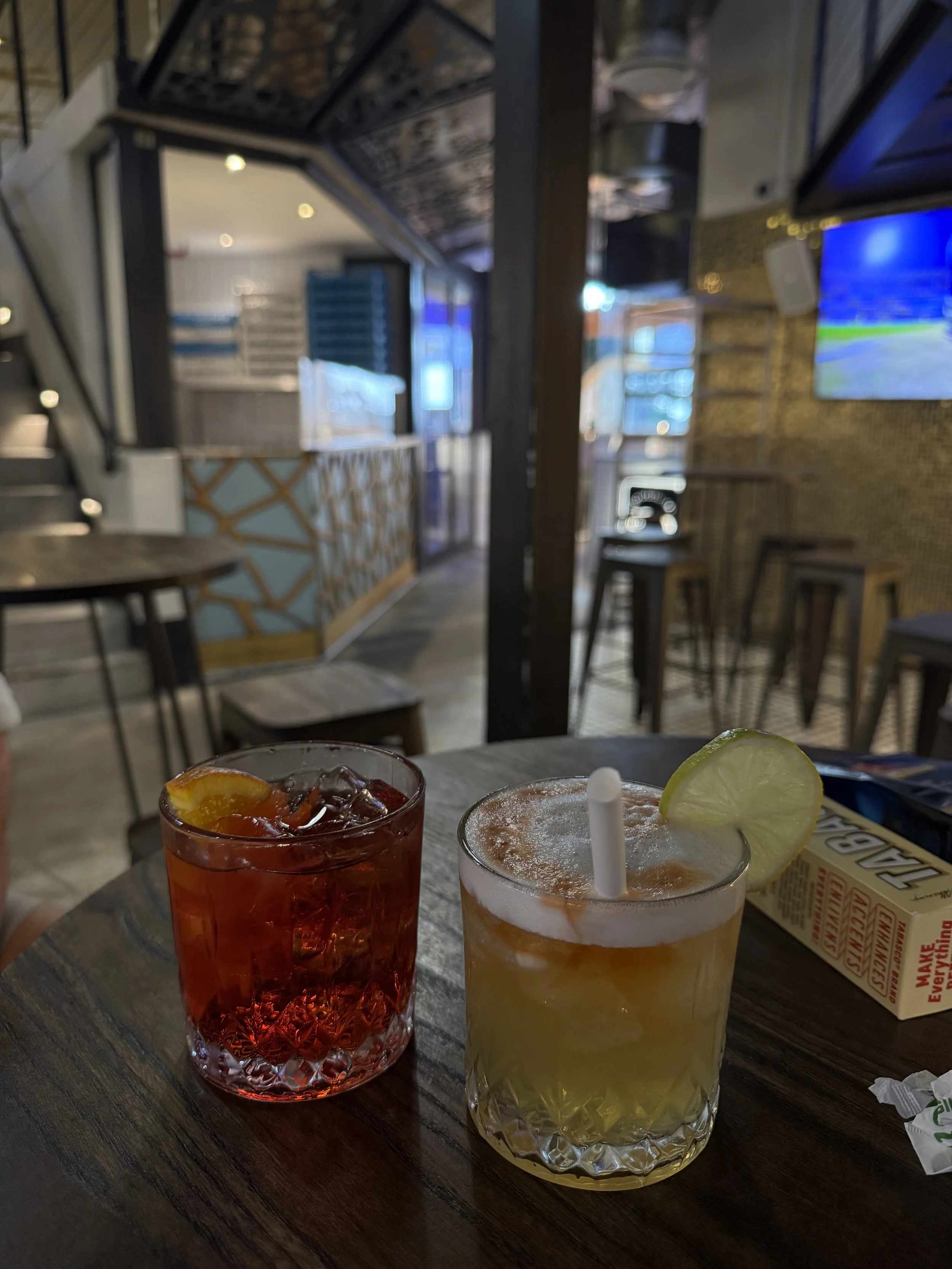
If you choose Camps Bay, you can stay for a sunset drink or dinner. Alternatively, head back towards Sea Point for a more casual evening.
Day 3 | Kirstenbosch and Constantia via the Hop-On Hop-Off Bus
To get the most out of the day, start early and grab breakfast along the way. Maggie Lou’s or Kushty’s are both easy and relaxed options before boarding the blue line of the hop-on hop-off bus. Tickets are easy to buy online in advance.
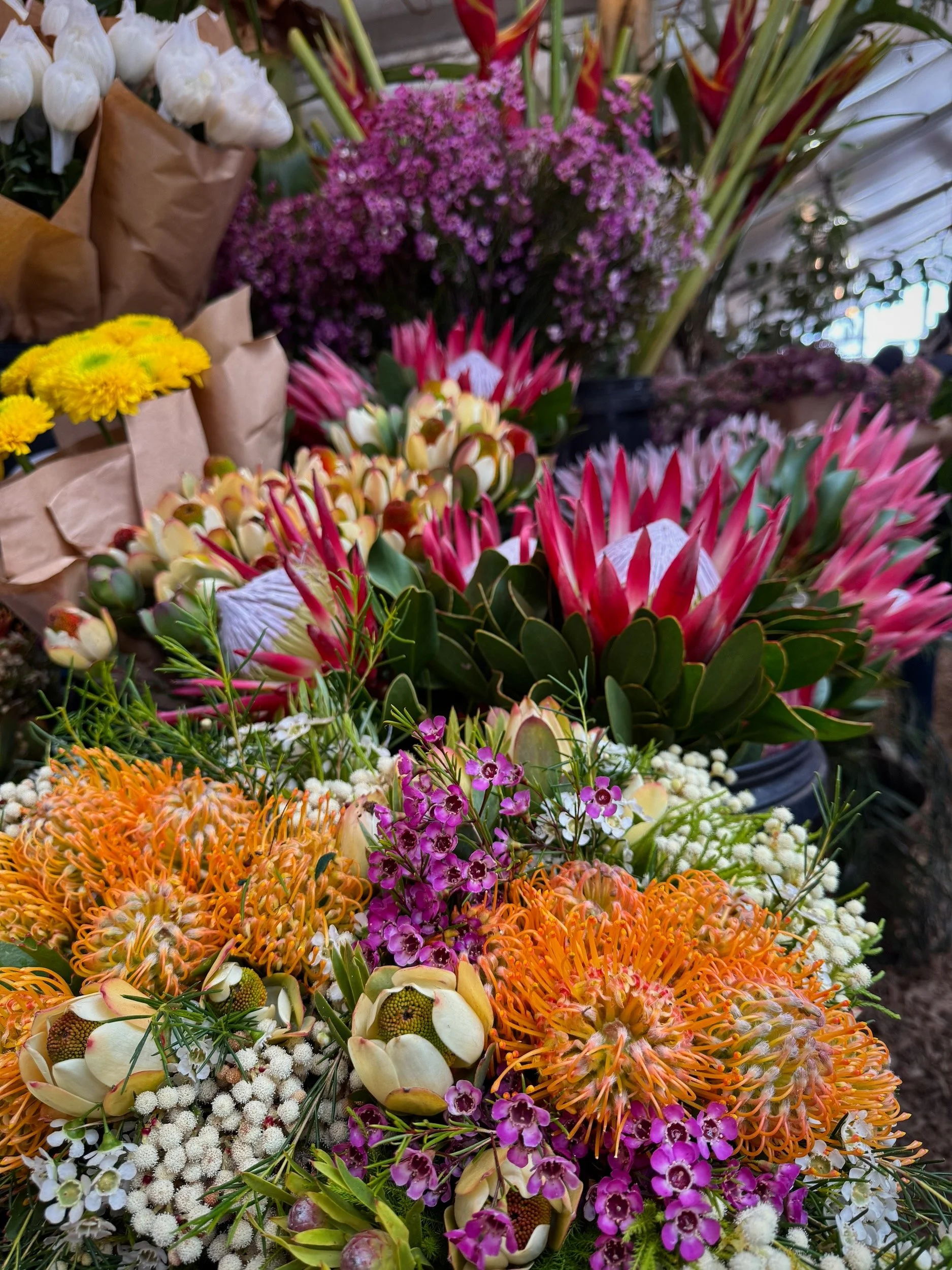
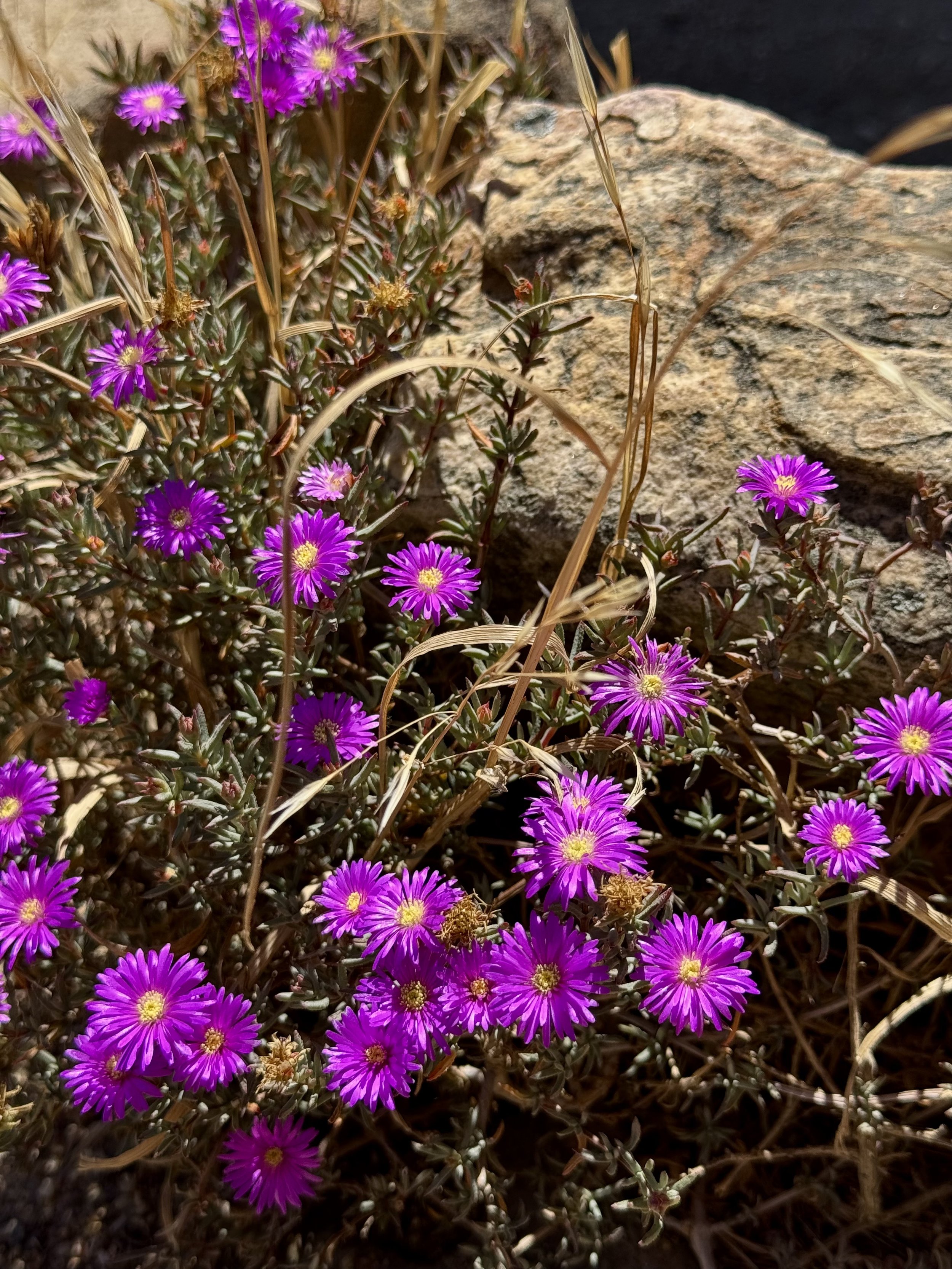
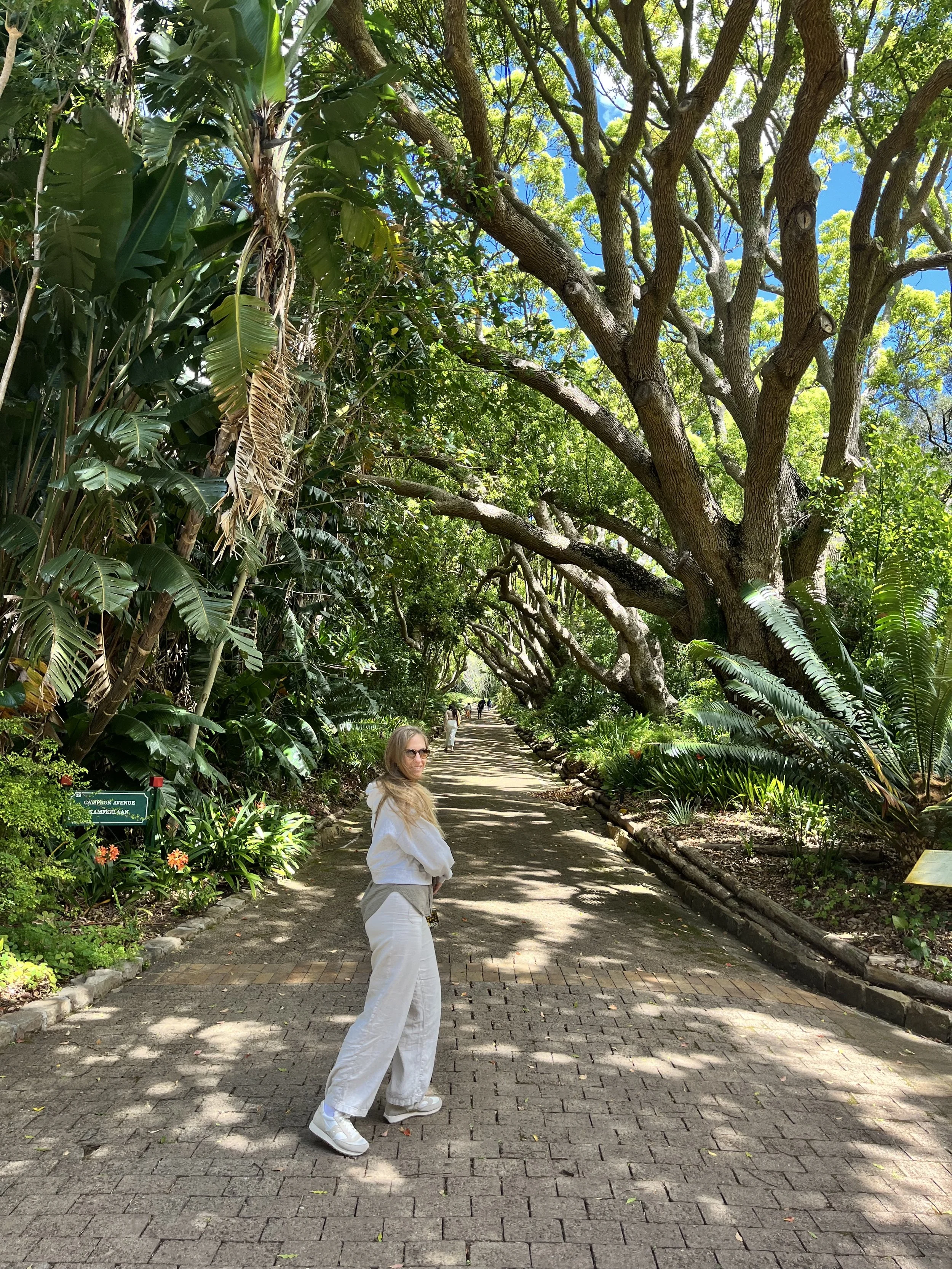
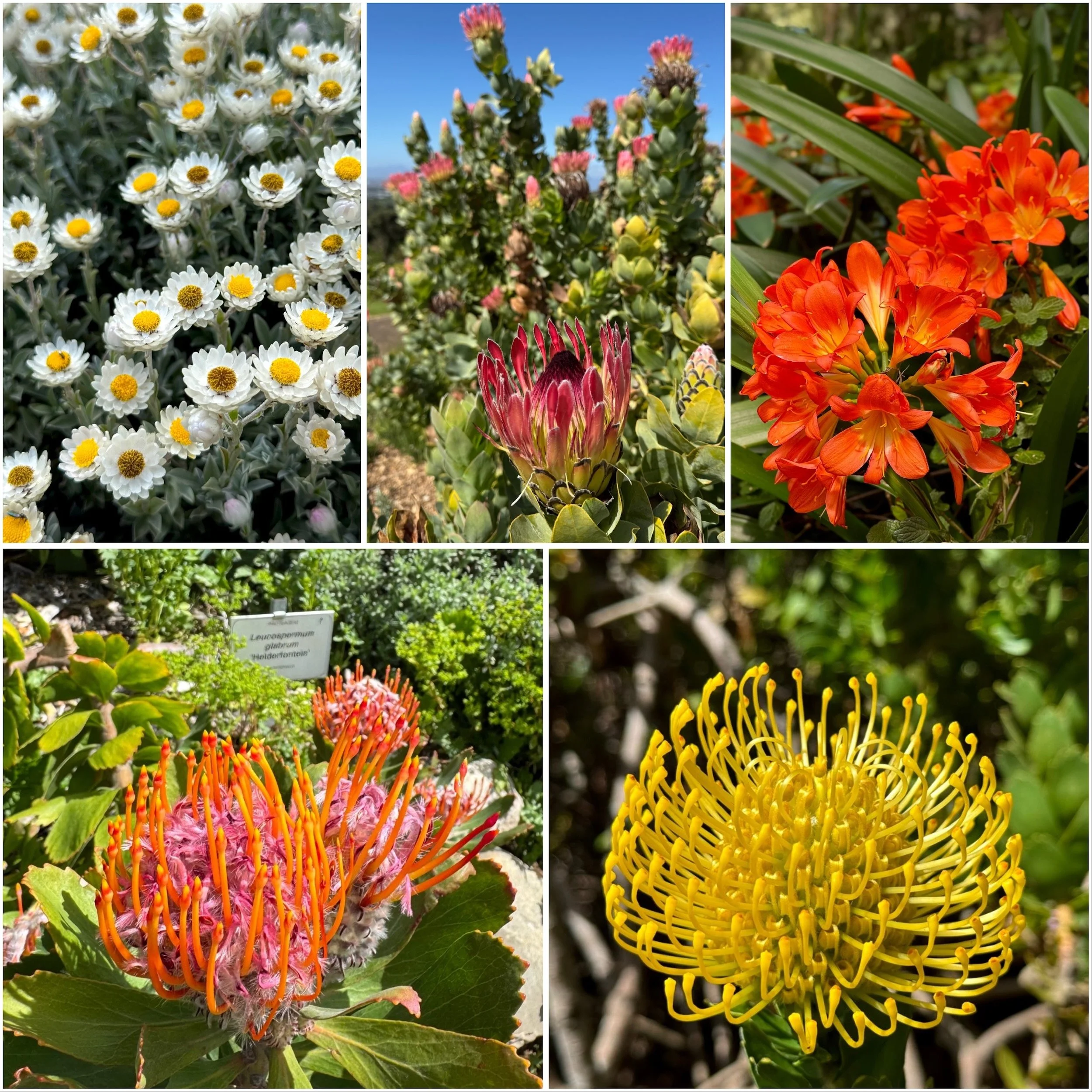
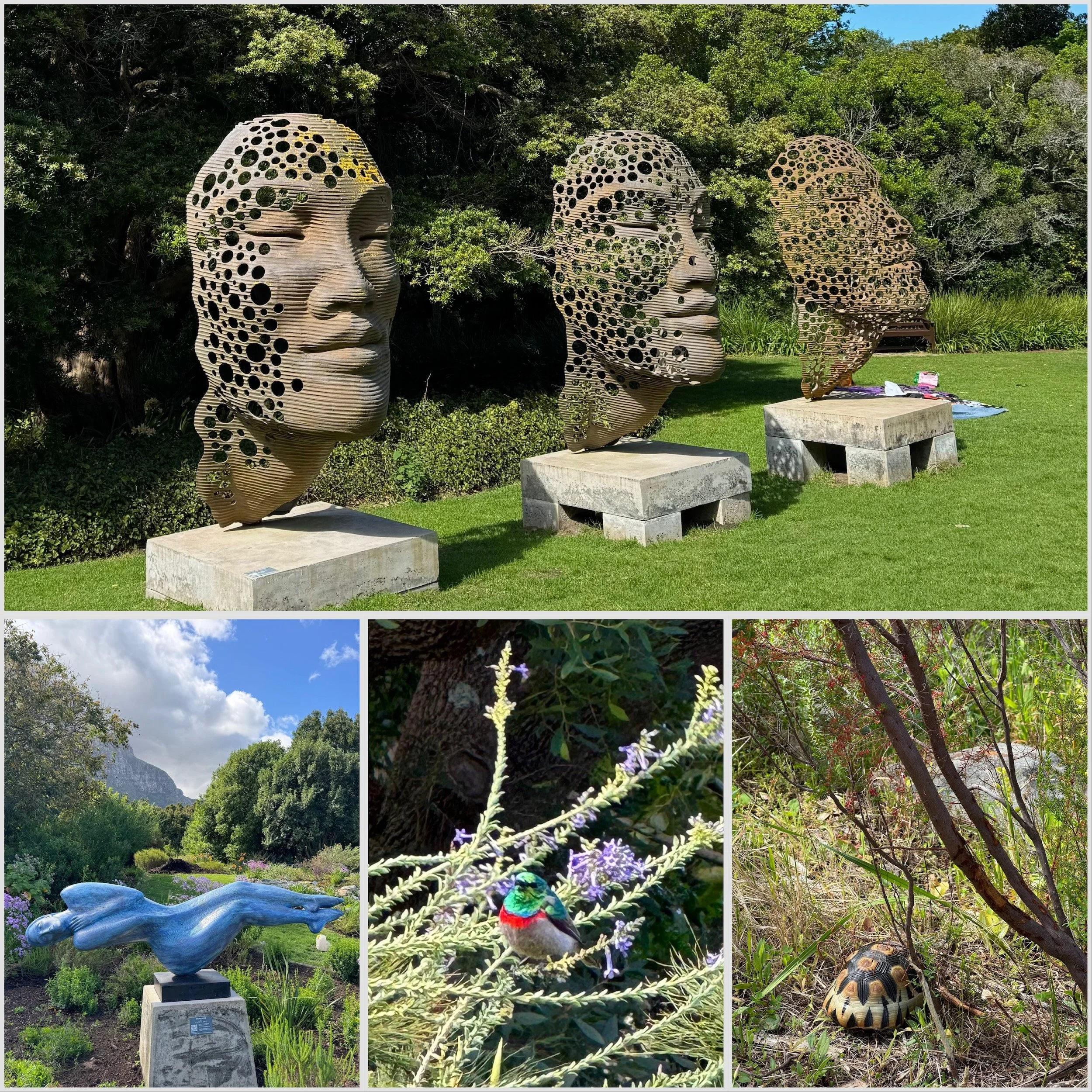
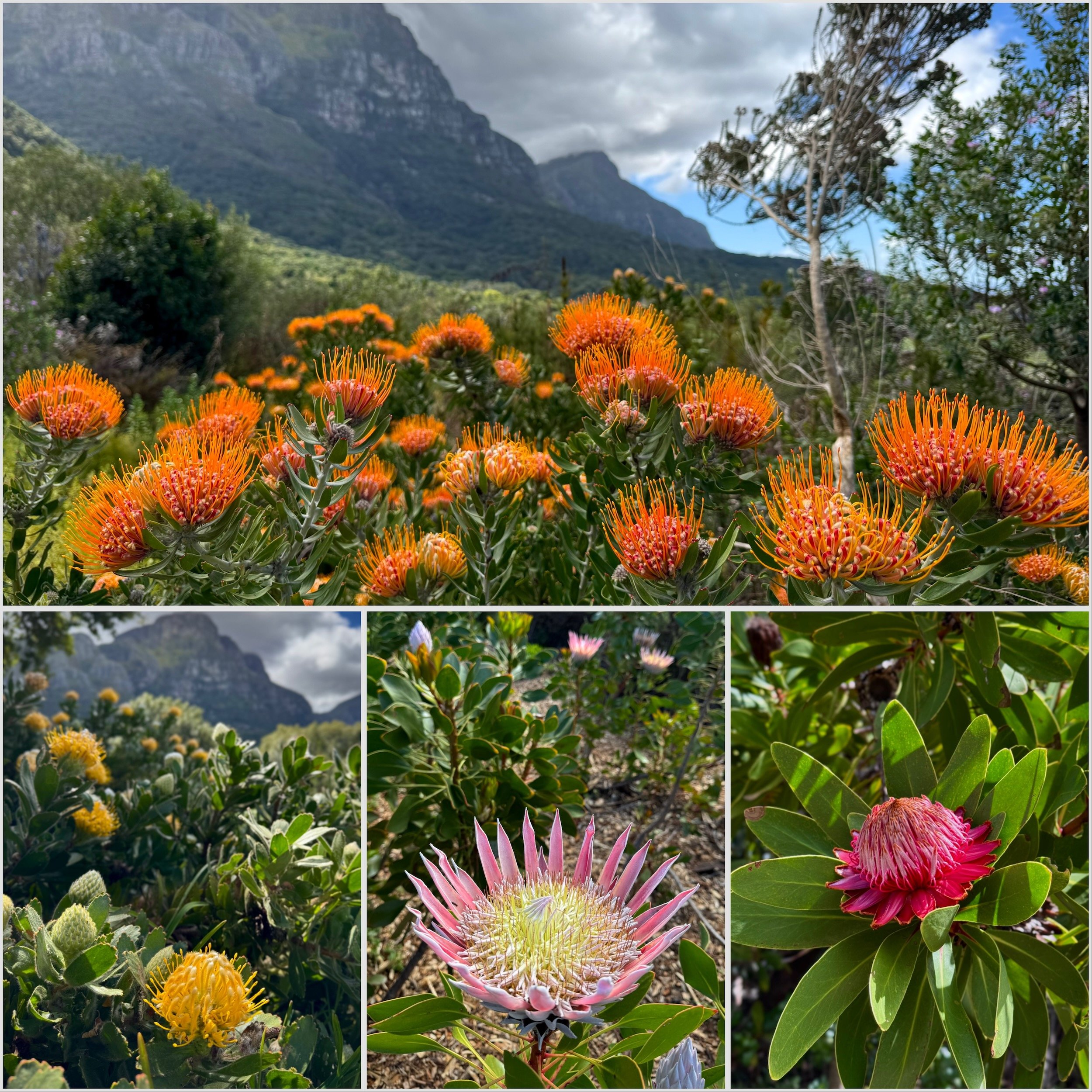
Begin with Kirstenbosch National Botanical Garden, beautifully set against the eastern slopes of Table Mountain. Plan to spend a couple of hours wandering the gardens, taking in the variety of plant life and enjoying a slower pace. During our visit in October, proteas and other fynbos were in full bloom, including South Africa’s national flower, the king protea.
Constantia
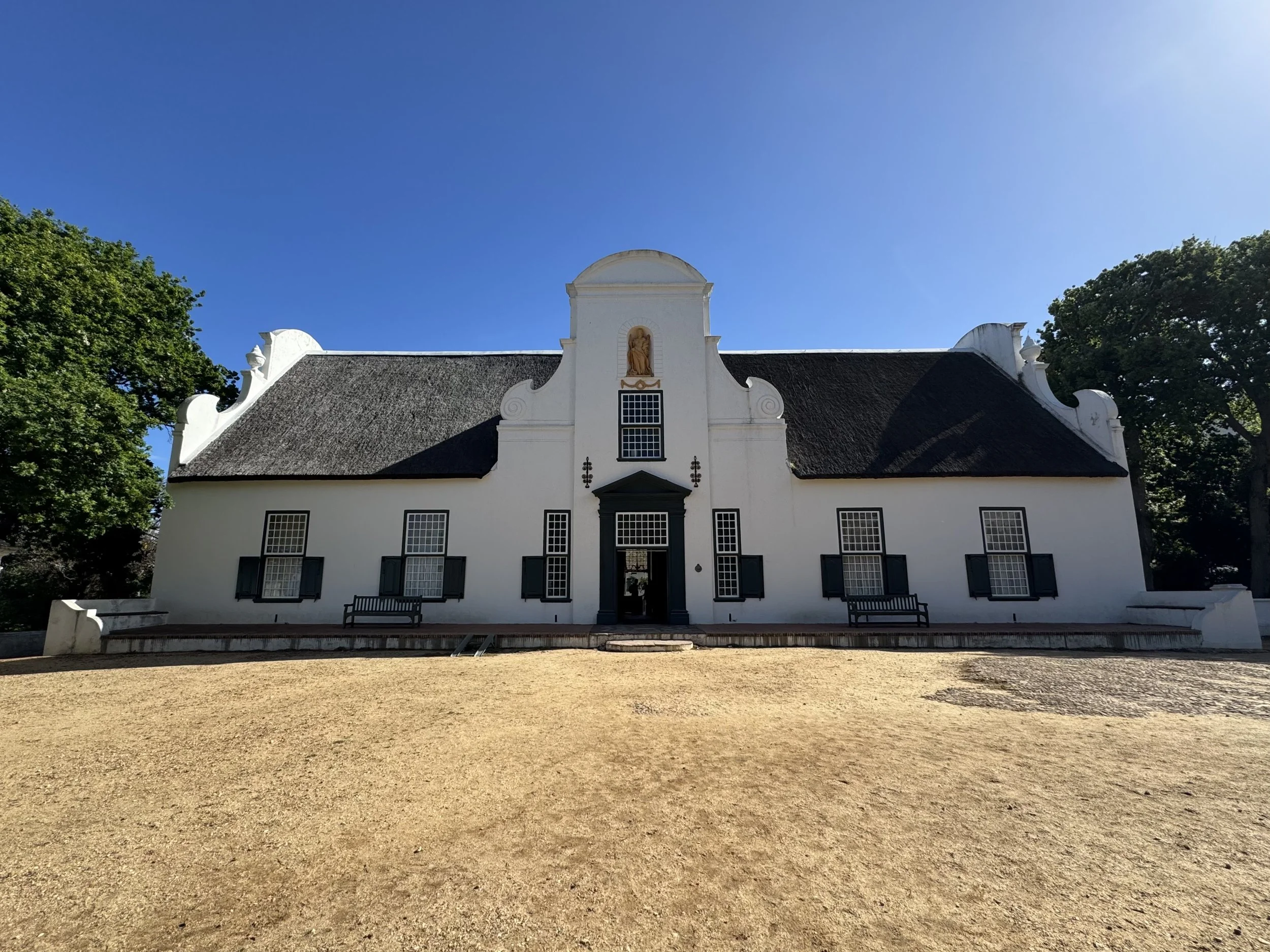
From Kirstenbosch, continue toward the Constantia wine region. To reach Groot Constantia, you’ll need to switch to the smaller Constantia loop, marked as the purple line. The transfer is straightforward and makes it easy to visit one of South Africa’s oldest wine estates without driving.
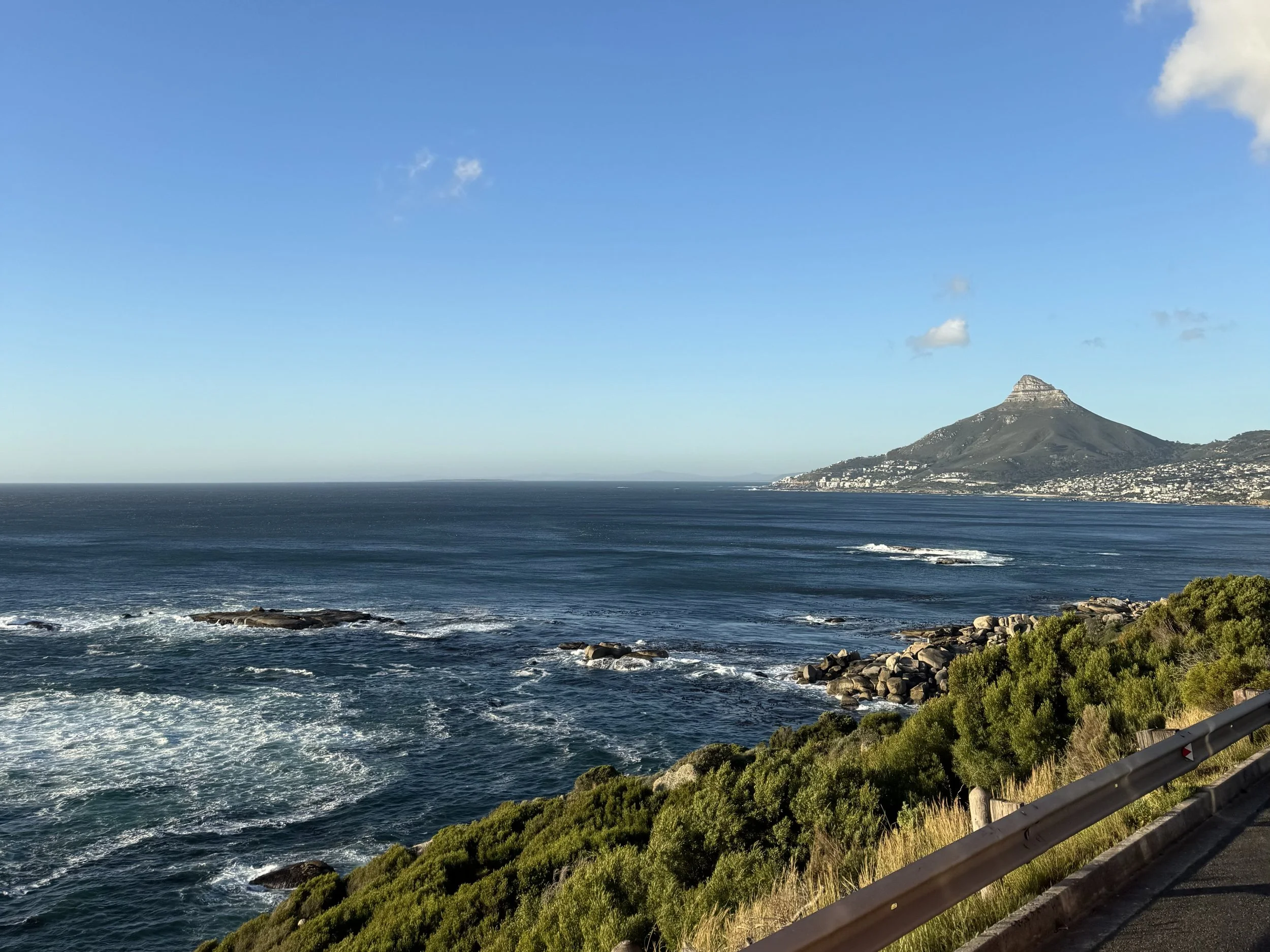
After visiting Groot Constantia, return to the blue bus route for the journey back towards Cape Town. The bus continues through Hout Bay before following the Atlantic coast past Llandudno and Camps Bay, so there is still plenty to see even if you remain on board.
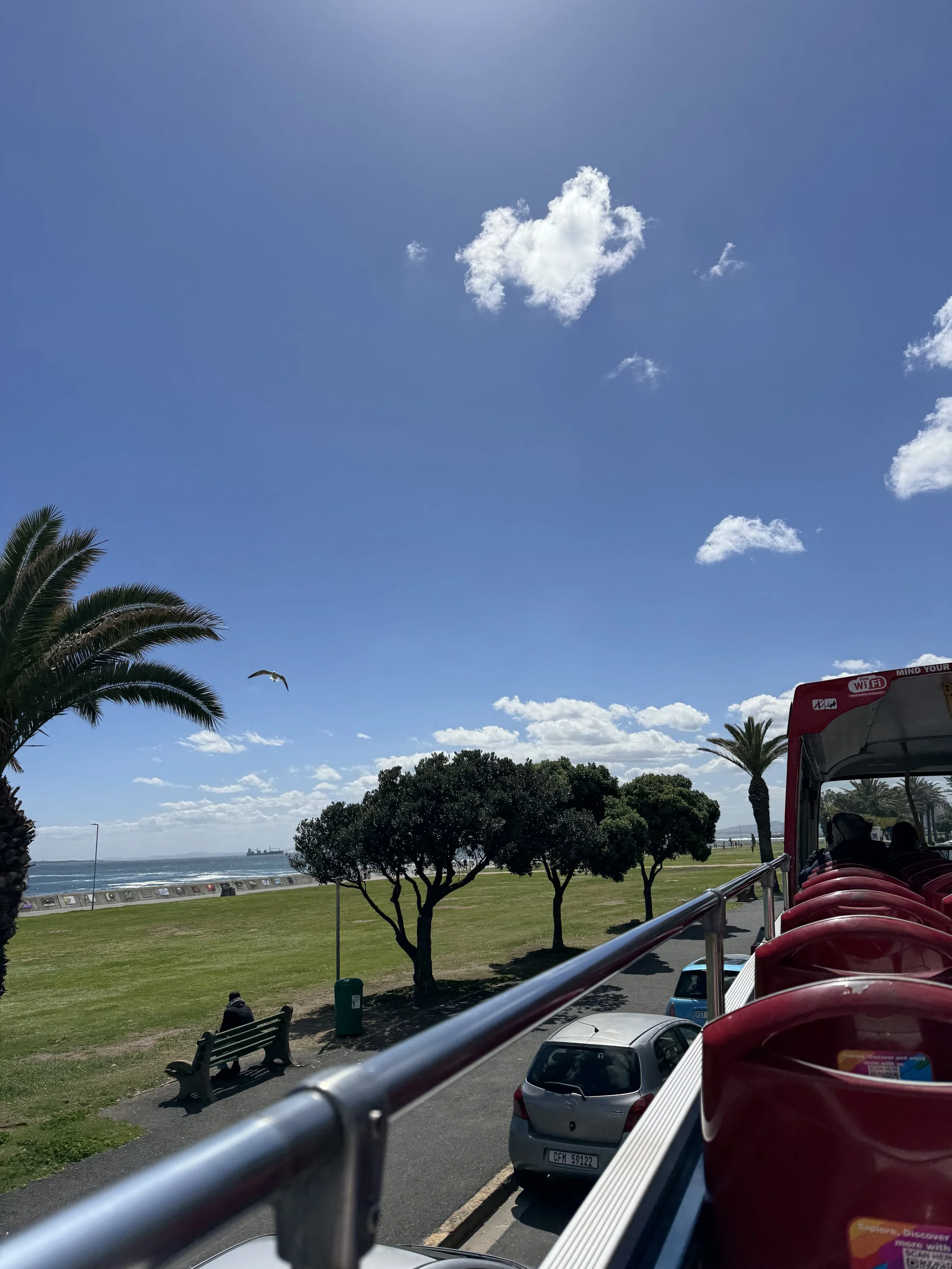
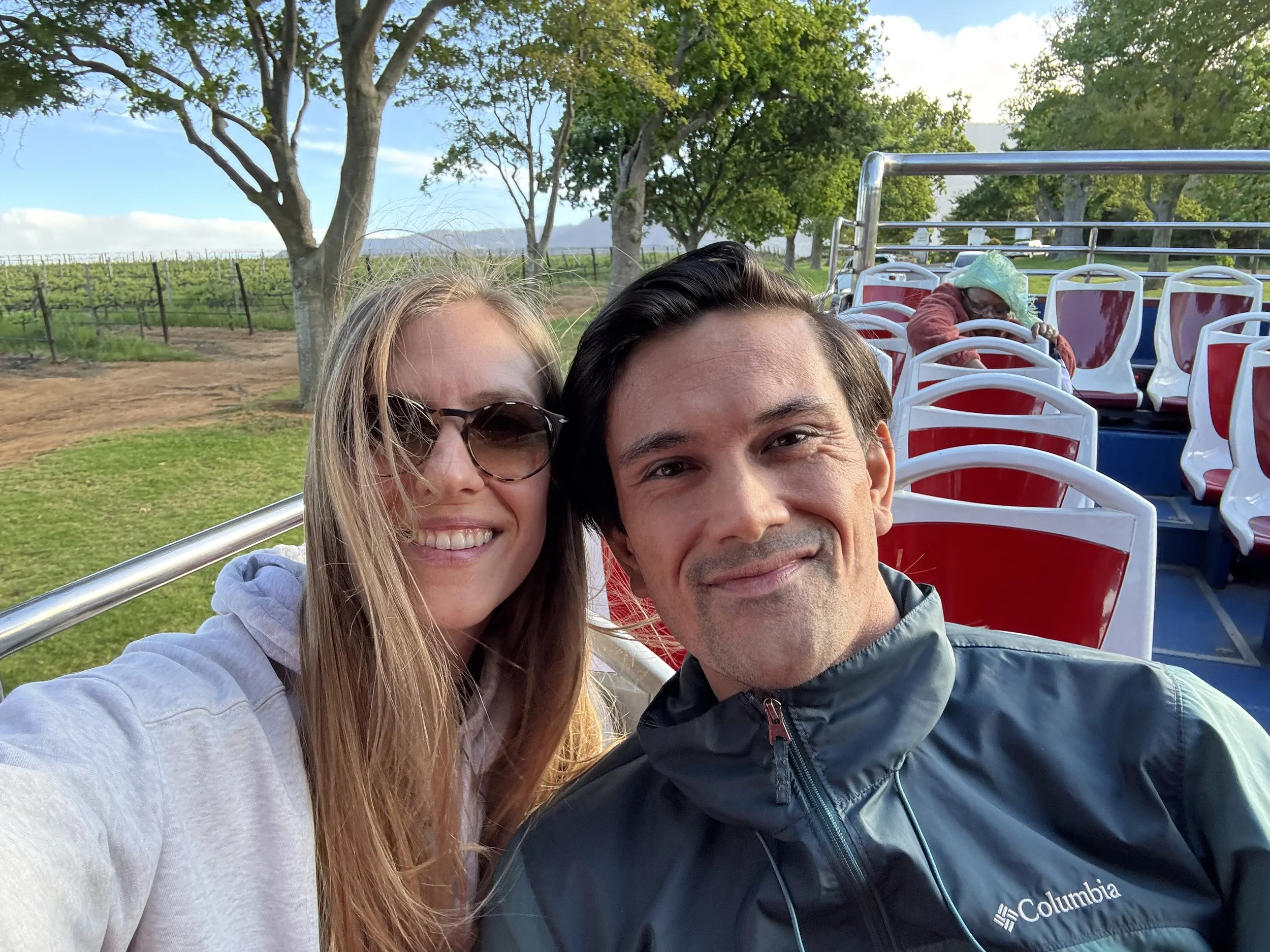
I had forgotten my jacket and became pretty cold on the open upper deck, so bring an extra layer even when the day starts warm. By late afternoon, the coastline was lit by the setting sun and we could simply enjoy the views without thinking about directions or parking. Depending on the time, you can get off in Camps Bay or remain on the bus until it returns to the city.
Despite the chill by the end of the ride, the bus was a convenient way to combine several sights without worrying about driving or parking.

Day 4 | Bo-Kaap, District Six Museum & Table Mountain at Sunset
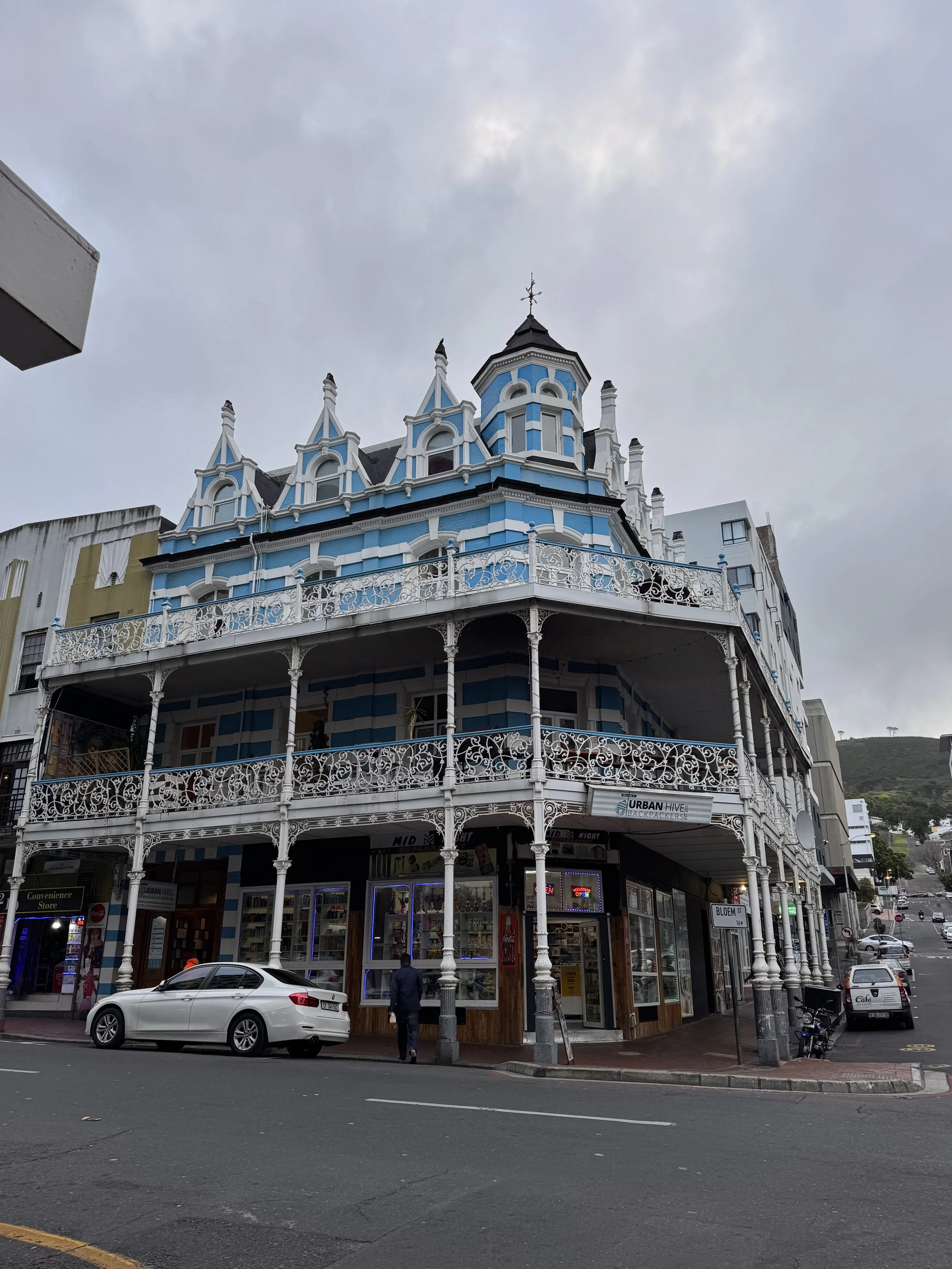
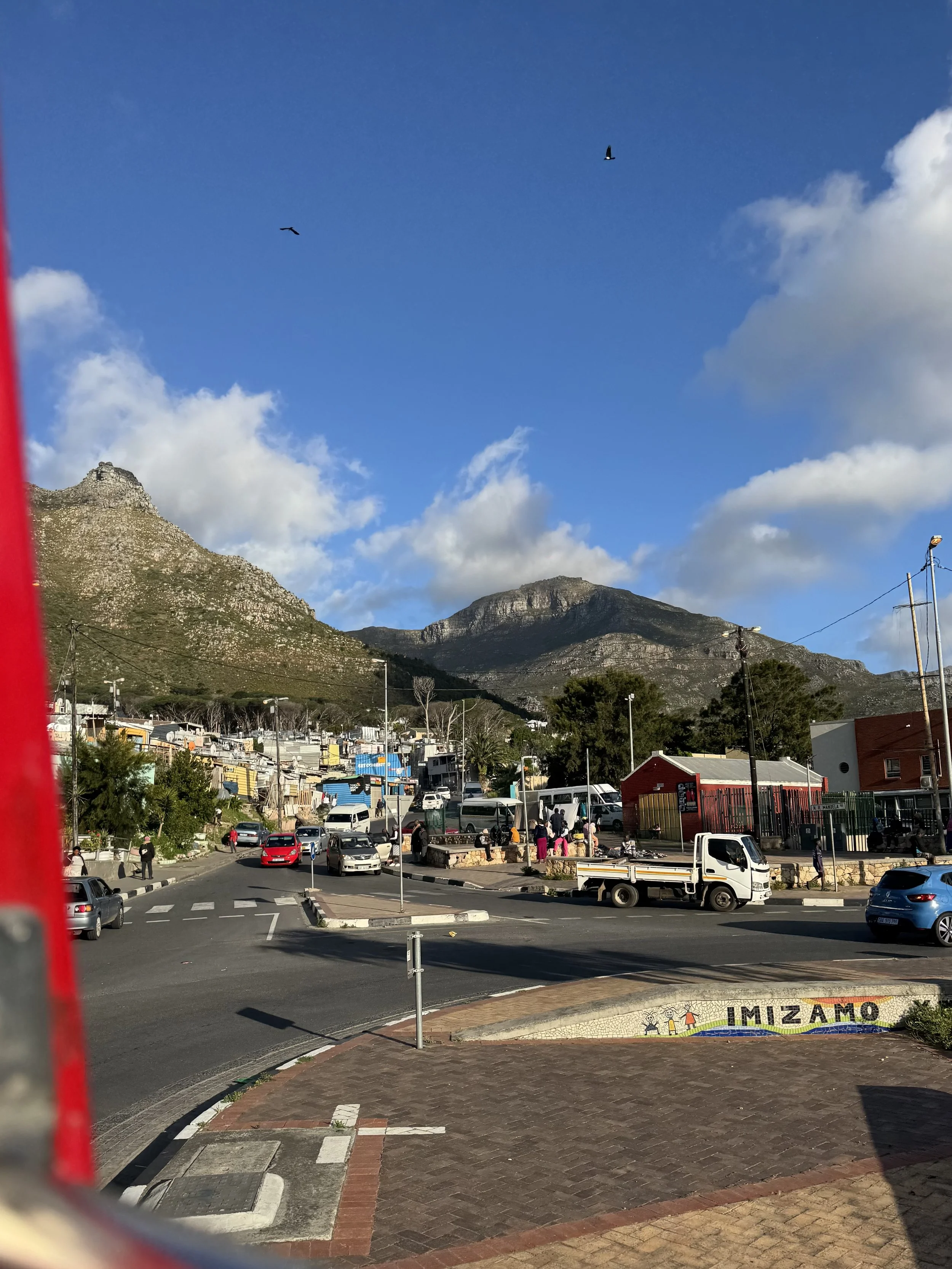
After a slower day exploring Kirstenbosch and Constantia, today combines culture with one of Cape Town’s most iconic experiences. Bo-Kaap is best explored in the morning when the light brings out the colours and the streets are still relatively quiet. We joined a free walking tour, which was short but very informative and gave helpful insight into the area’s history. Even without a tour, it’s worth allowing yourself some time to wander through the neighbourhood at an easy pace.
Beyond its colourful houses, Bo-Kaap has deep historical and cultural significance. The neighbourhood dates back to the 18th century and became home to enslaved people brought to the Cape from Southeast Asia, East Africa and other parts of the Indian Ocean world. Many were Muslim, which is why the area is closely associated with Cape Malay culture today. The brightly painted houses are often seen as a symbol of identity and freedom and reflect a strong sense of community that has endured despite ongoing pressures from gentrification. Visiting with this context in mind makes the experience far more meaningful than just walking through for photos.
Our guide also pointed us towards a local woman known for selling Cape Malay koesisters, soft, spiced doughnuts sweetened with syrup and rolled in coconut. She had almost sold out by the time we got there. When she realised we did not have the right change, she kindly gave us one anyway. It was delicious, but her generosity is what we remember most.
For more historical context, consider adding the District Six Museum before lunch. Through photographs, maps and personal accounts, it tells the story of the diverse community that was forcibly removed from the area under apartheid. We did not visit the museum ourselves, but it fits naturally alongside a morning in Bo-Kaap. Check the current opening hours before visiting.
Afterwards, enjoy a late breakfast or early lunch nearby, then head back to your accommodation for a bit of rest. This break makes the second half of the day feel much more relaxed and gives you time to shower and change before heading back out.
Lunch and Coffee Options: Truth Coffee Roasting, Belly of the beast, Nish Nush SA, Ground Art Caffe and Halō Coffee
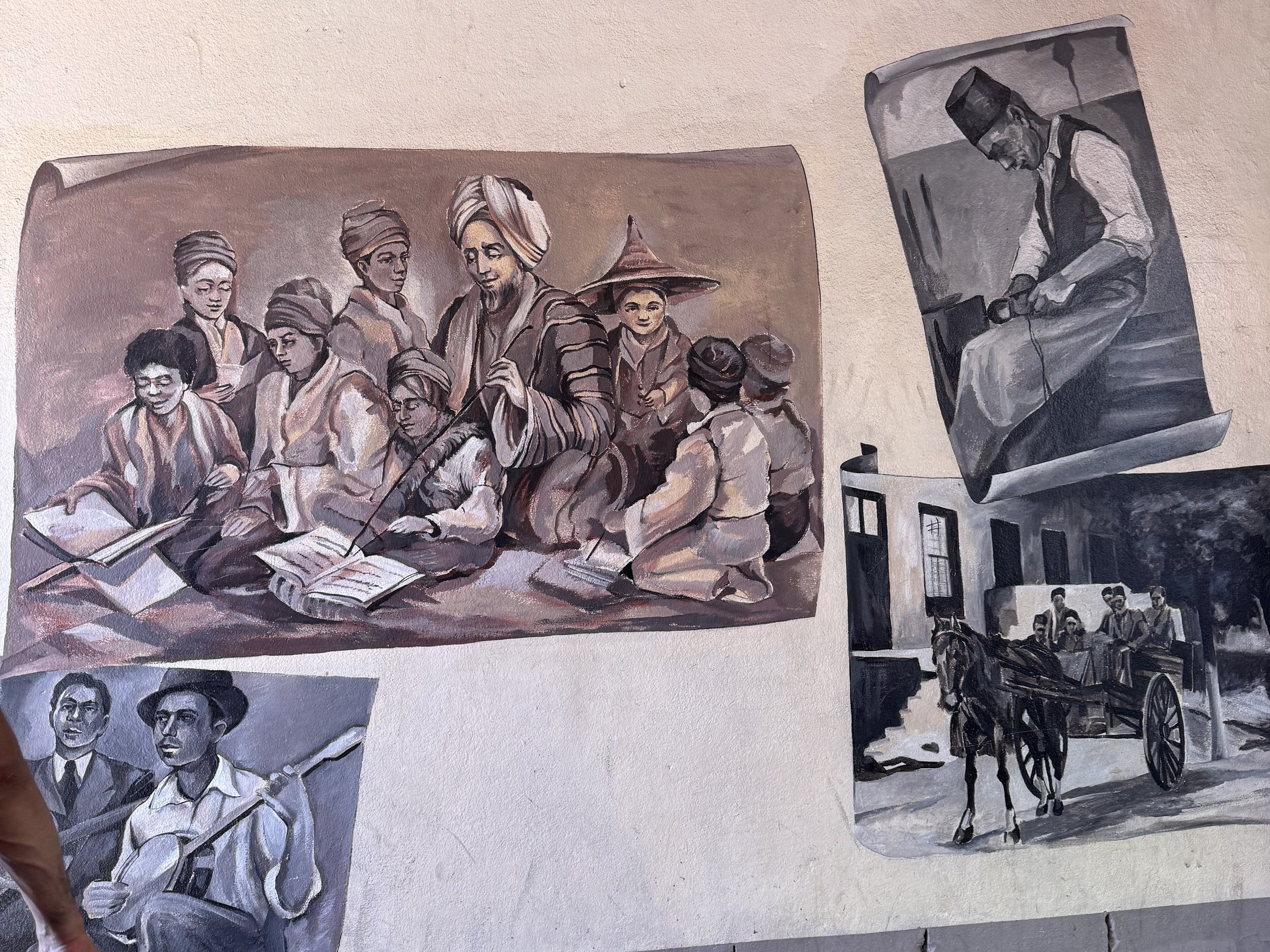
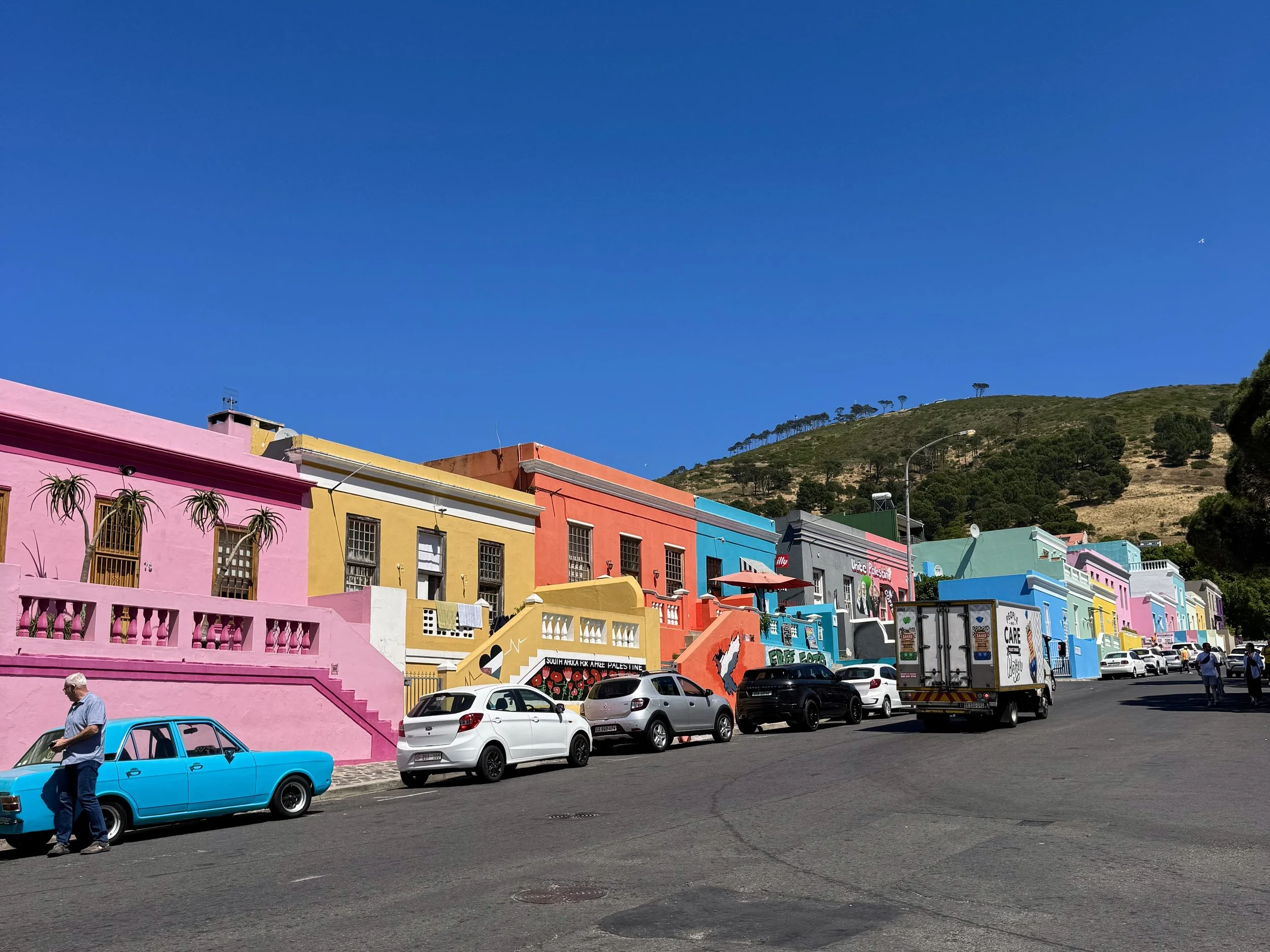

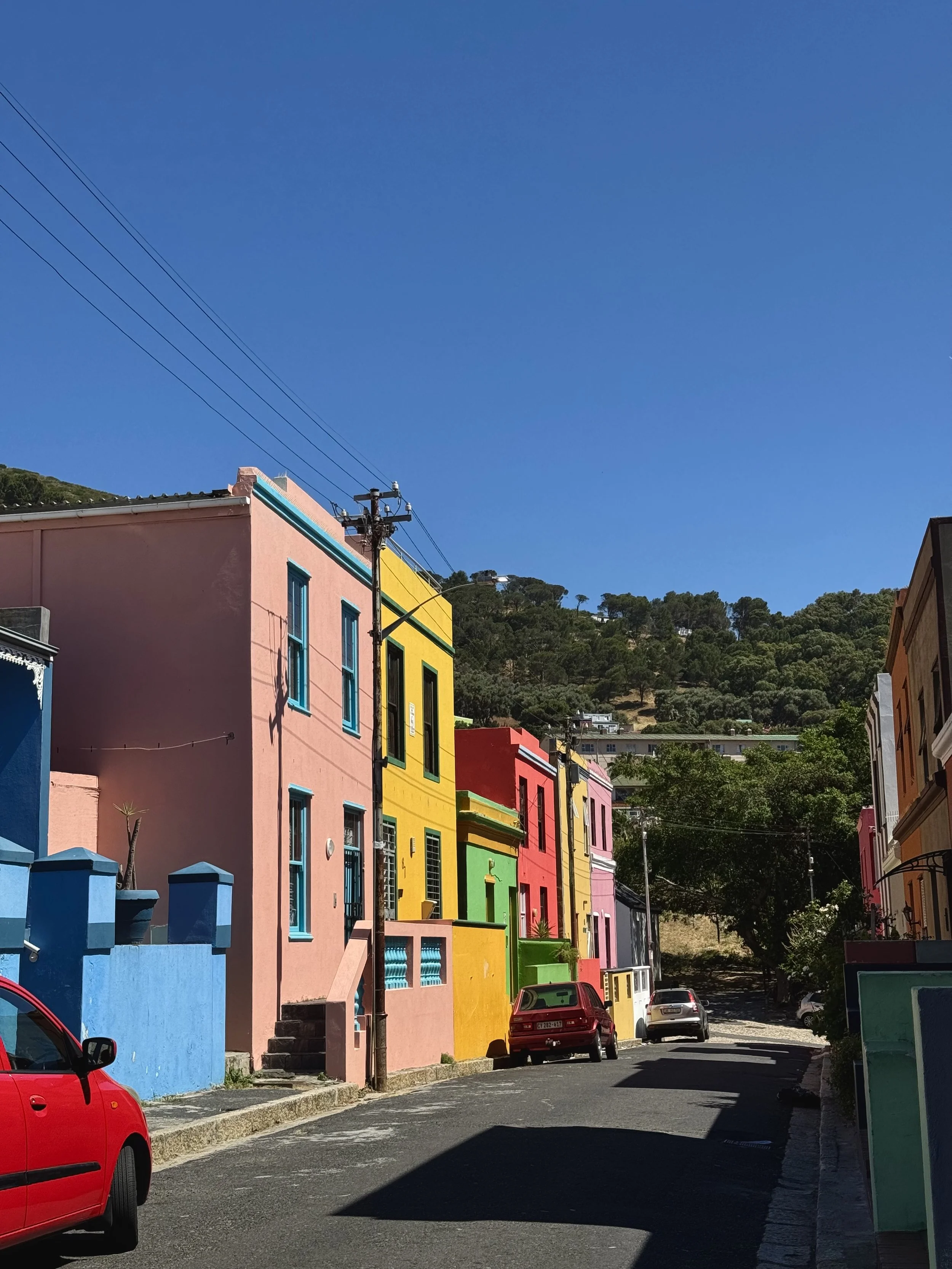
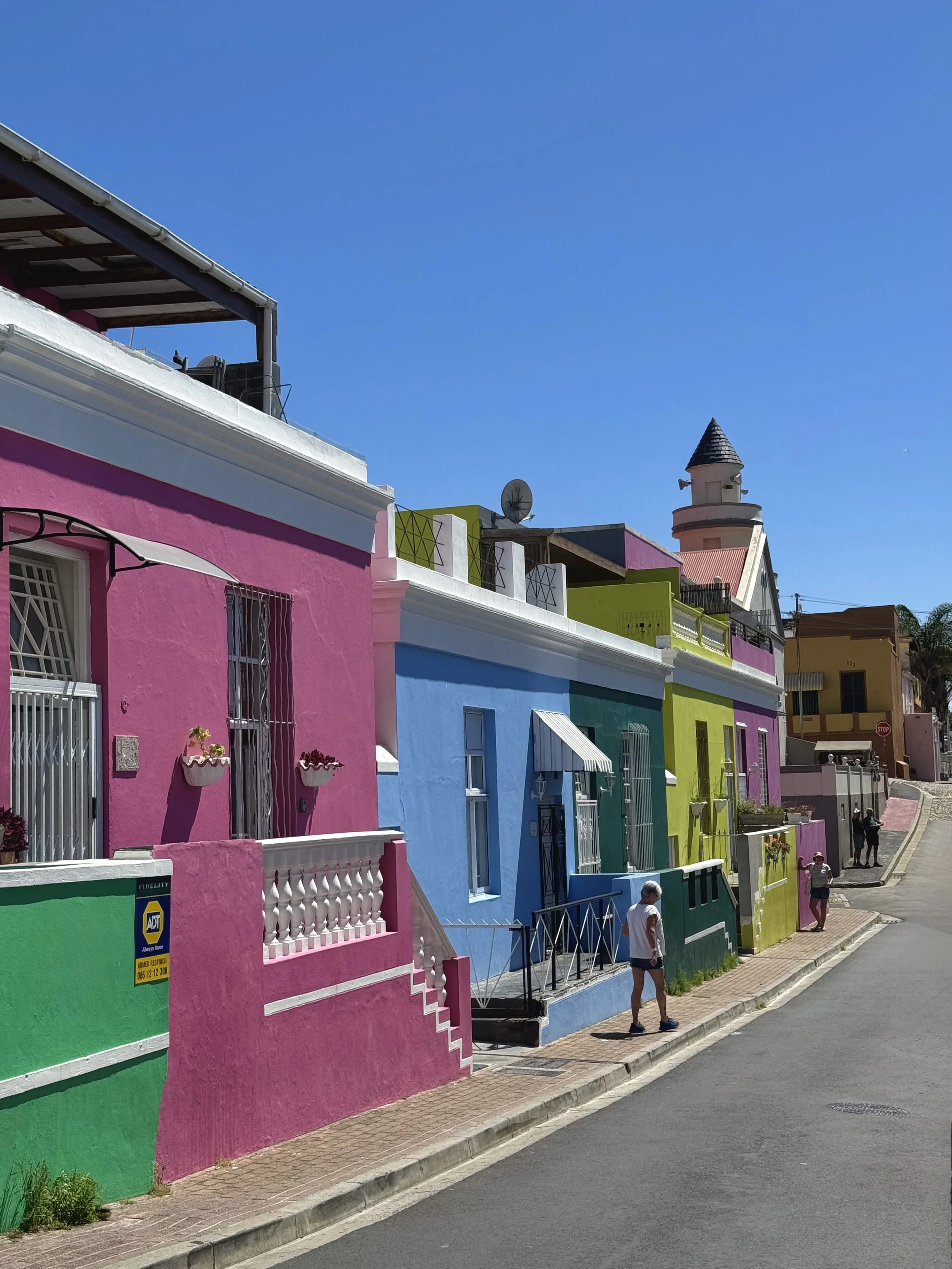
Table Mountain
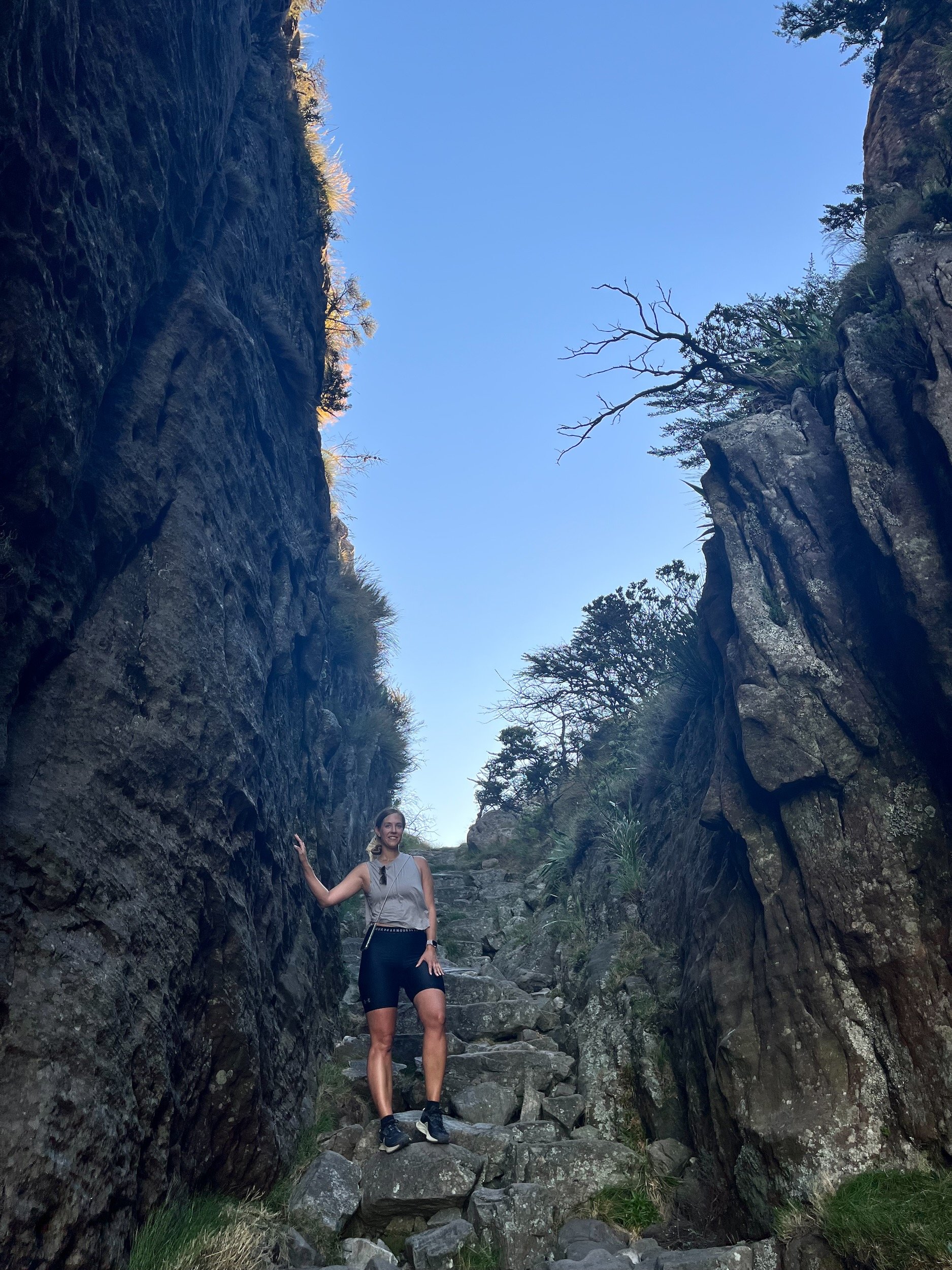
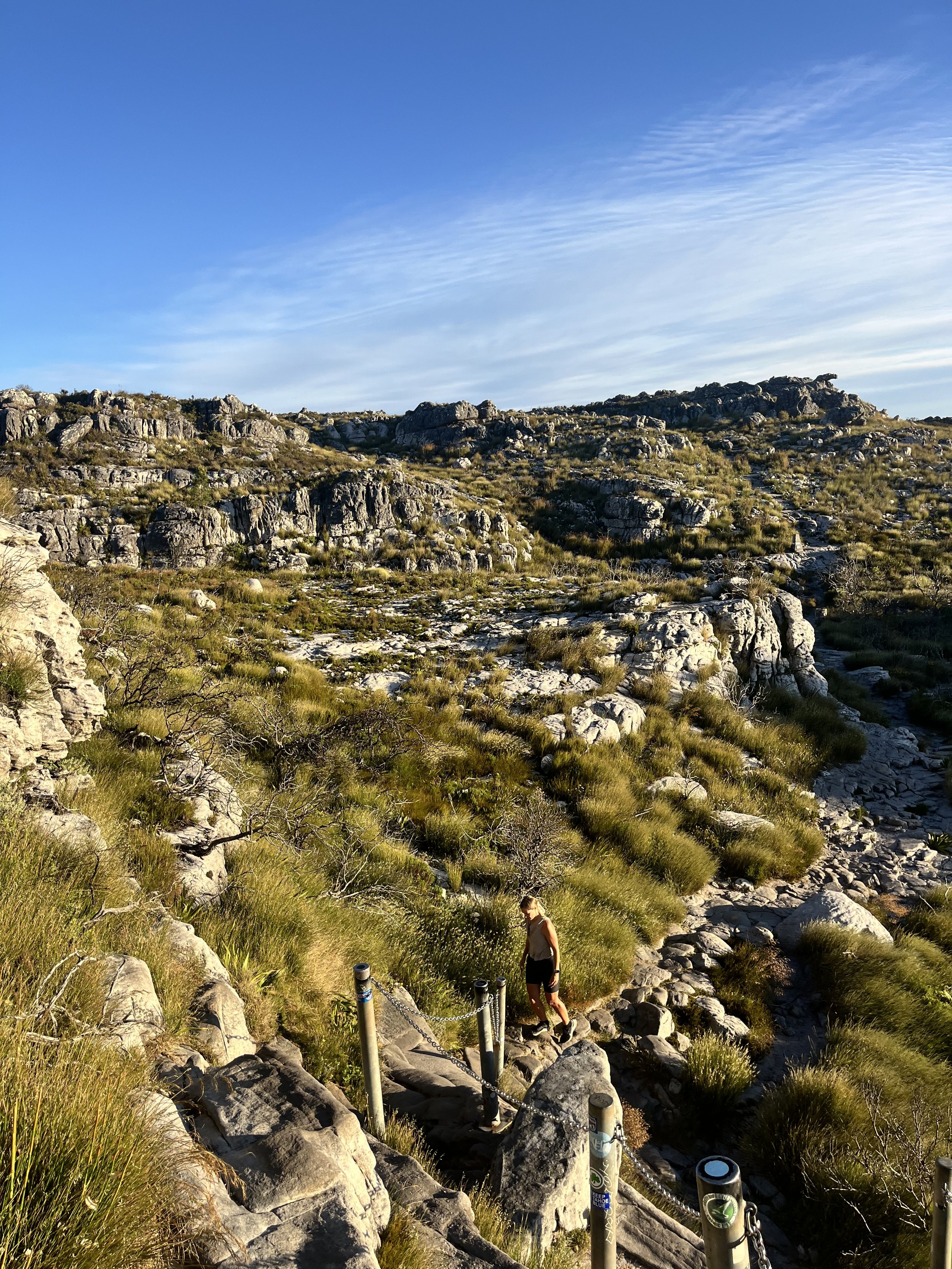
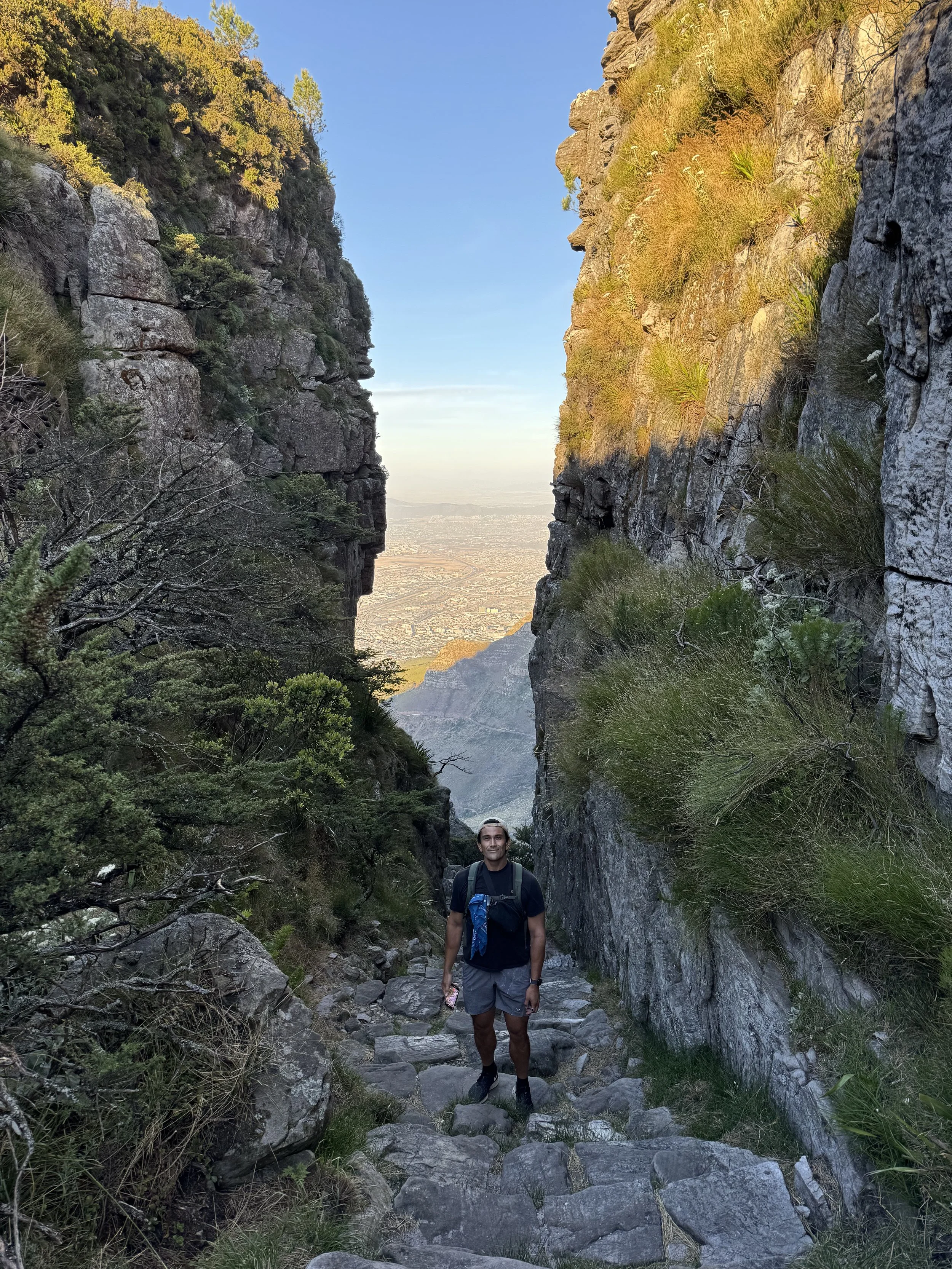
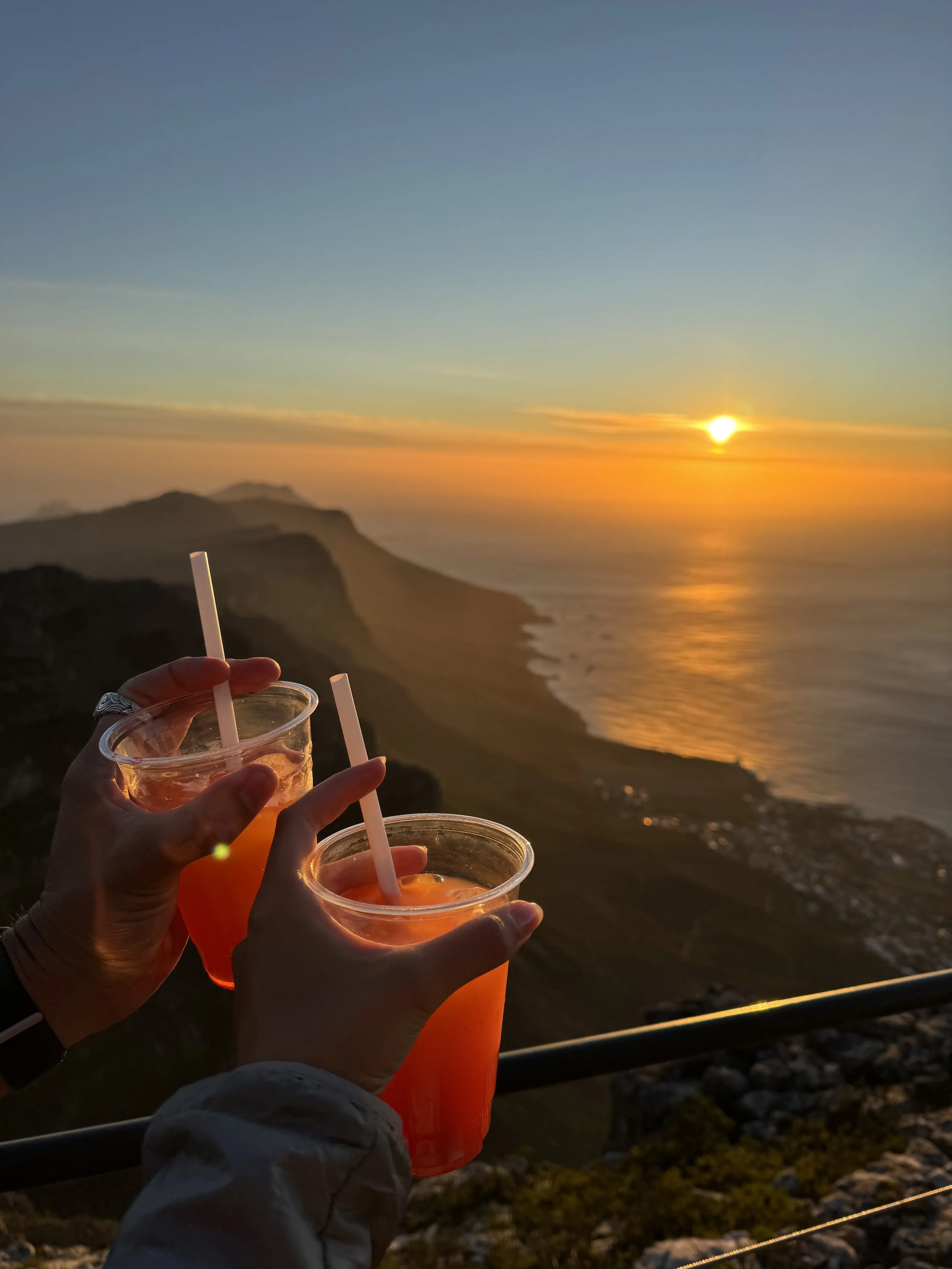
In the late afternoon, make your way to Table Mountain. We hiked up via Platteklip Gorge, the most direct route to the plateau. The climb is steep and exposed, but the path is straightforward to follow and the views become increasingly expansive as you gain elevation. It took us around 1.5 hours to reach the top. Arriving in time for sunset was one of the most memorable experiences of our stay.
Once on the plateau, take some time to walk around and enjoy the changing light. You can also grab a drink or a small bite to eat before heading down. However, this is not a plan to follow casually. Conditions on Table Mountain can change quickly and the cableway may close at short notice. Check the live operating status, weather and final descent time before starting. Hike in a group and carry sufficient water, sun protection, warm layers and a headlamp. Do not plan to hike back down after dark. If the weather is uncertain or sunset is your priority, the safer option is to take the cableway both ways or complete the hike earlier in the day.

Day 5 | Cape Peninsula, Penguins and Chapman’s Peak Drive
Route Overview:
Cape Town → Muizenberg → Kalk Bay → Boulders Beach → Cape Point & Cape of Good Hope → Noordhoek → Chapman’s Peak Drive → Hout Bay or Camps Bay → Cape Town
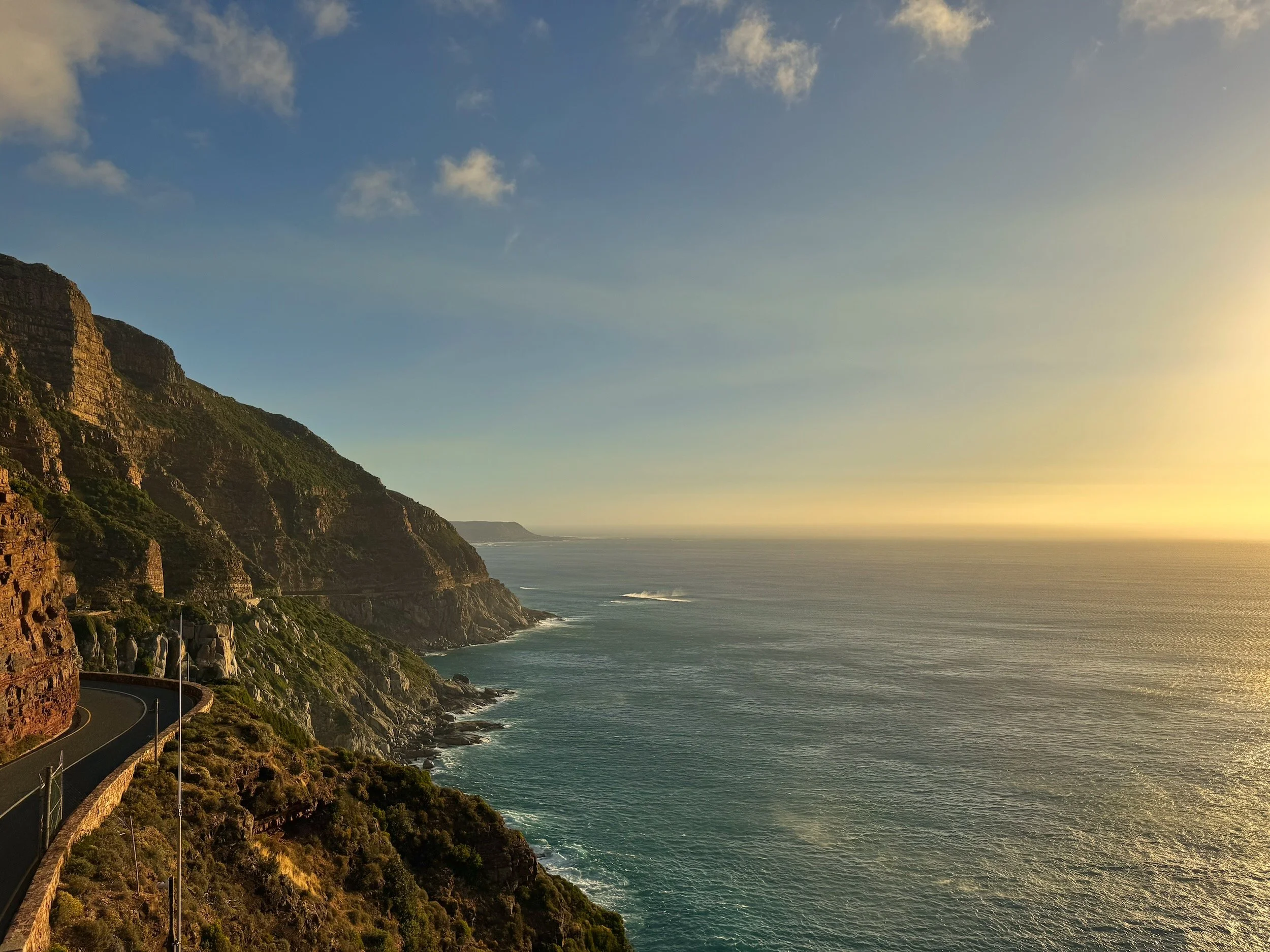
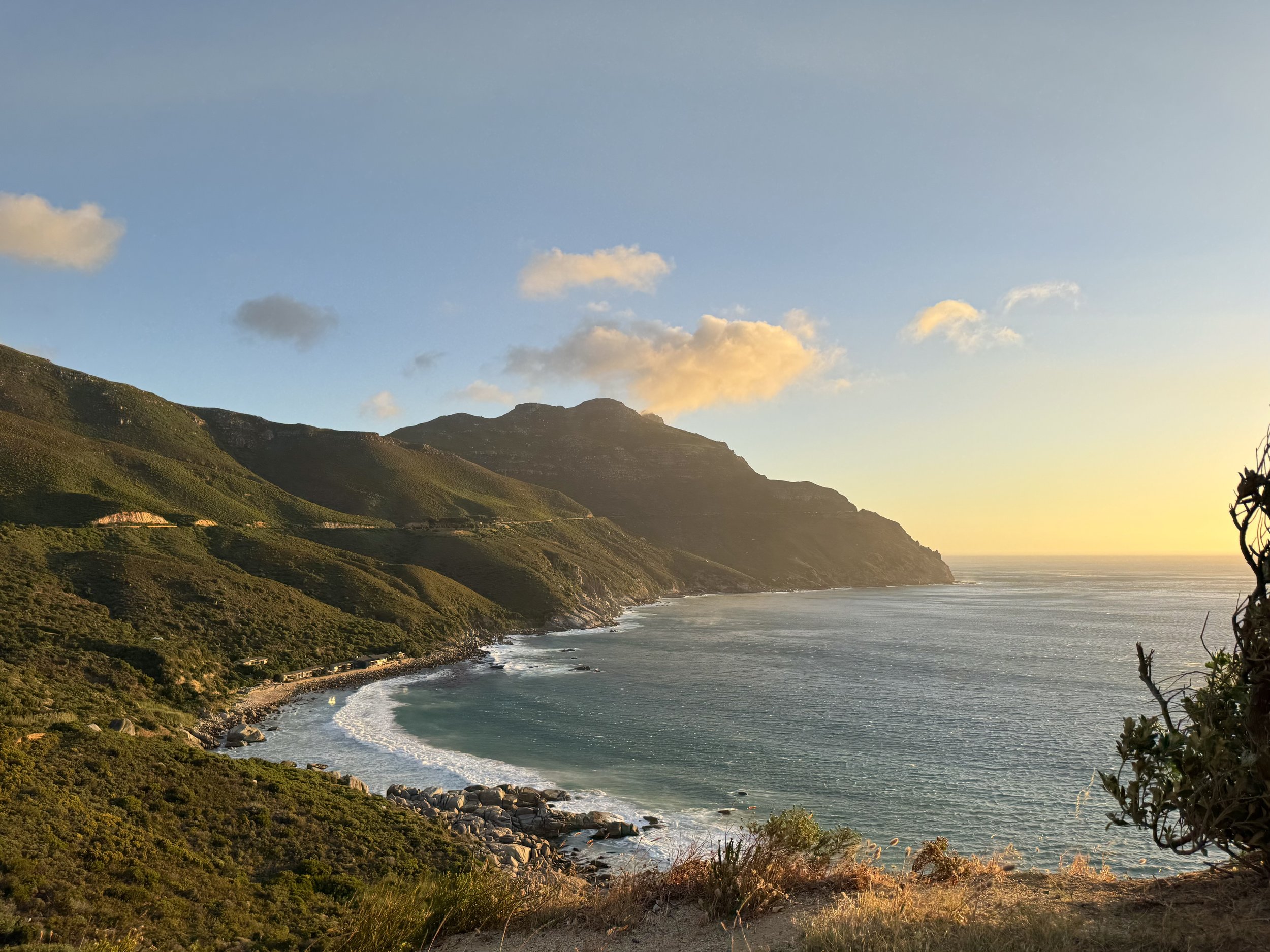
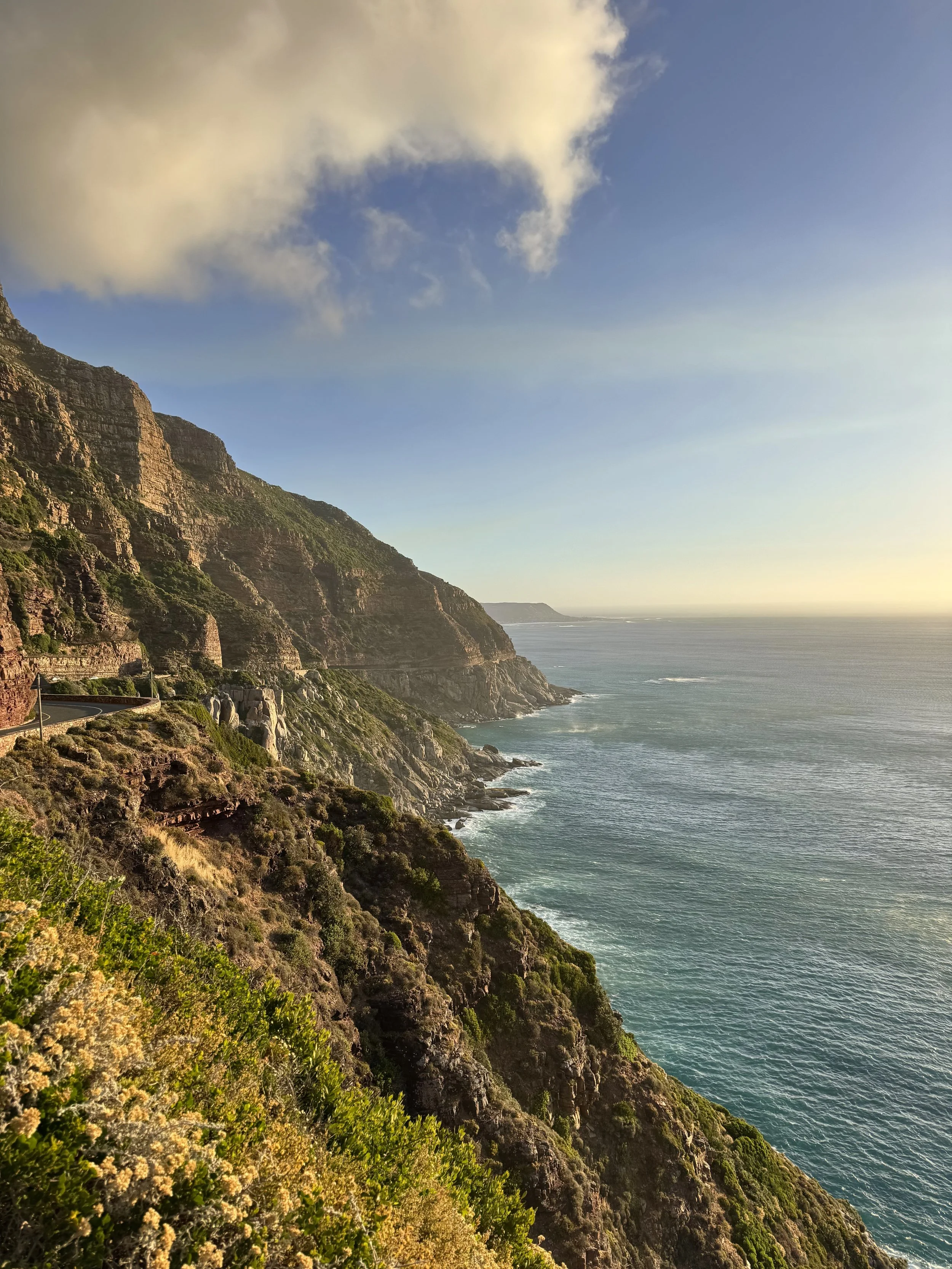
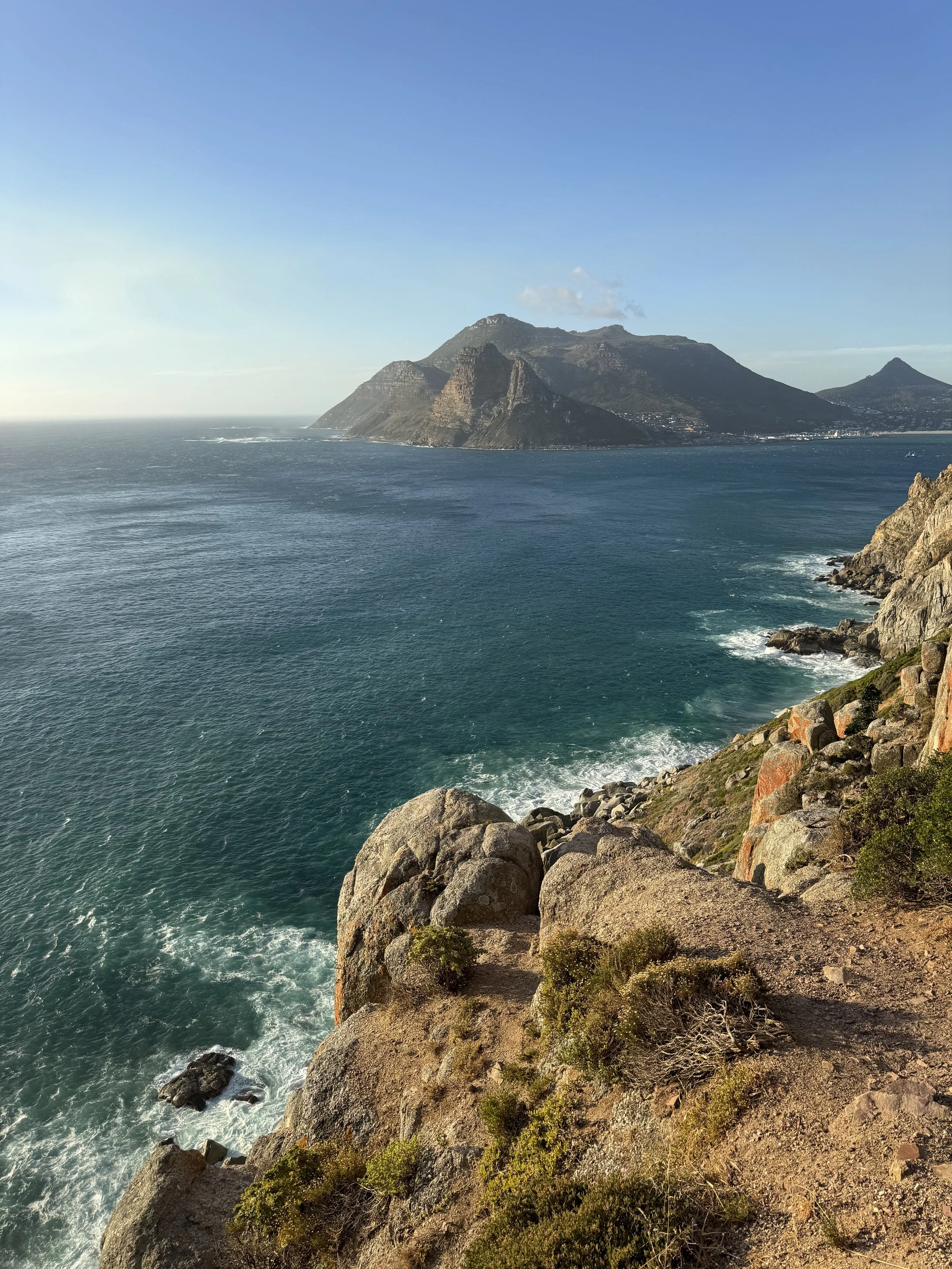
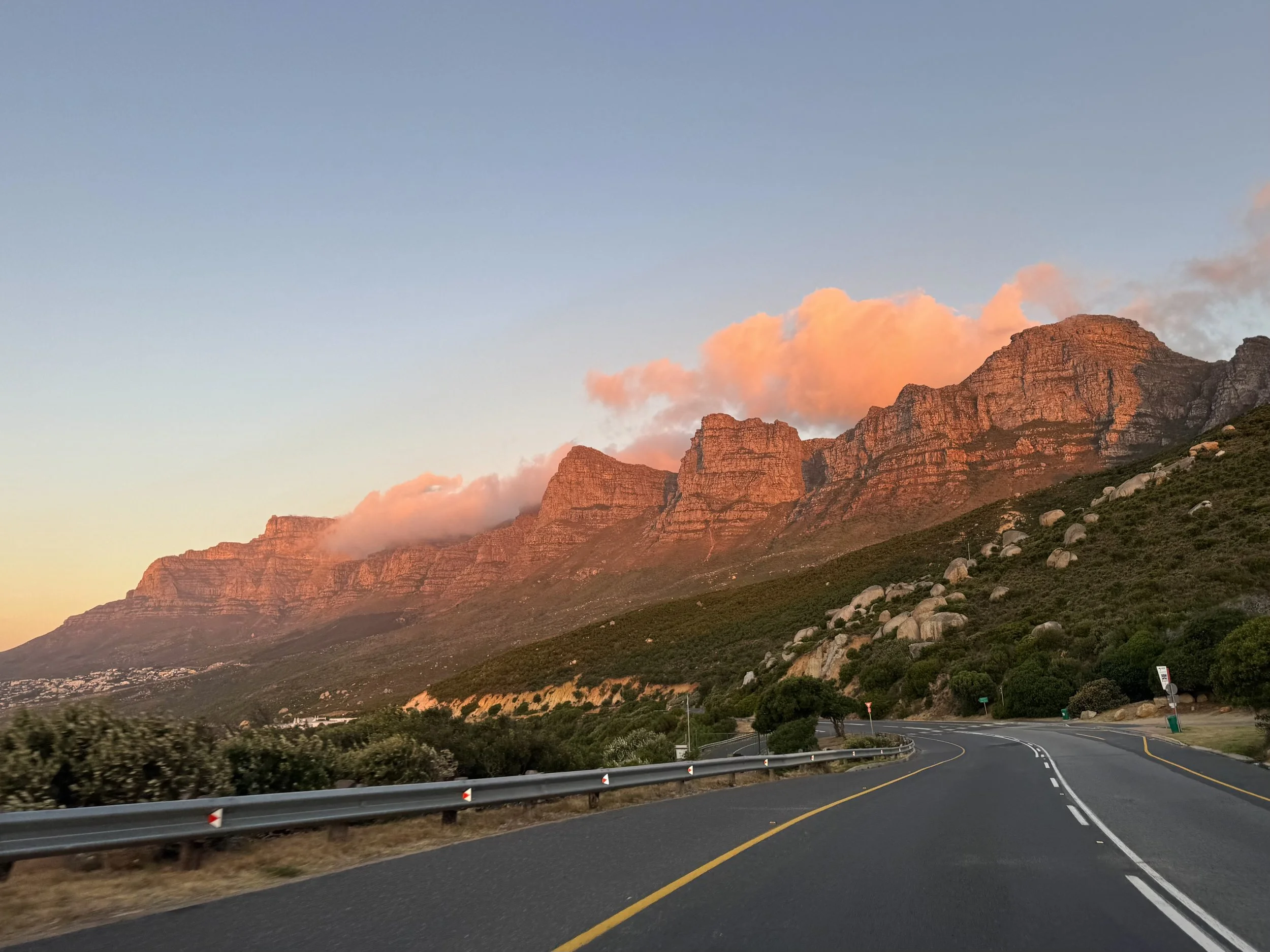
This is the day when having a car makes the biggest difference. The Peninsula loop covers a considerable distance, so leave early and avoid adding too many stops simply because they appear close together on the map. We followed the eastern side of the peninsula south before returning via Chapman’s Peak Drive, reaching it in the late afternoon. Seeing the coastline in the lower light was one of the highlights of the day.
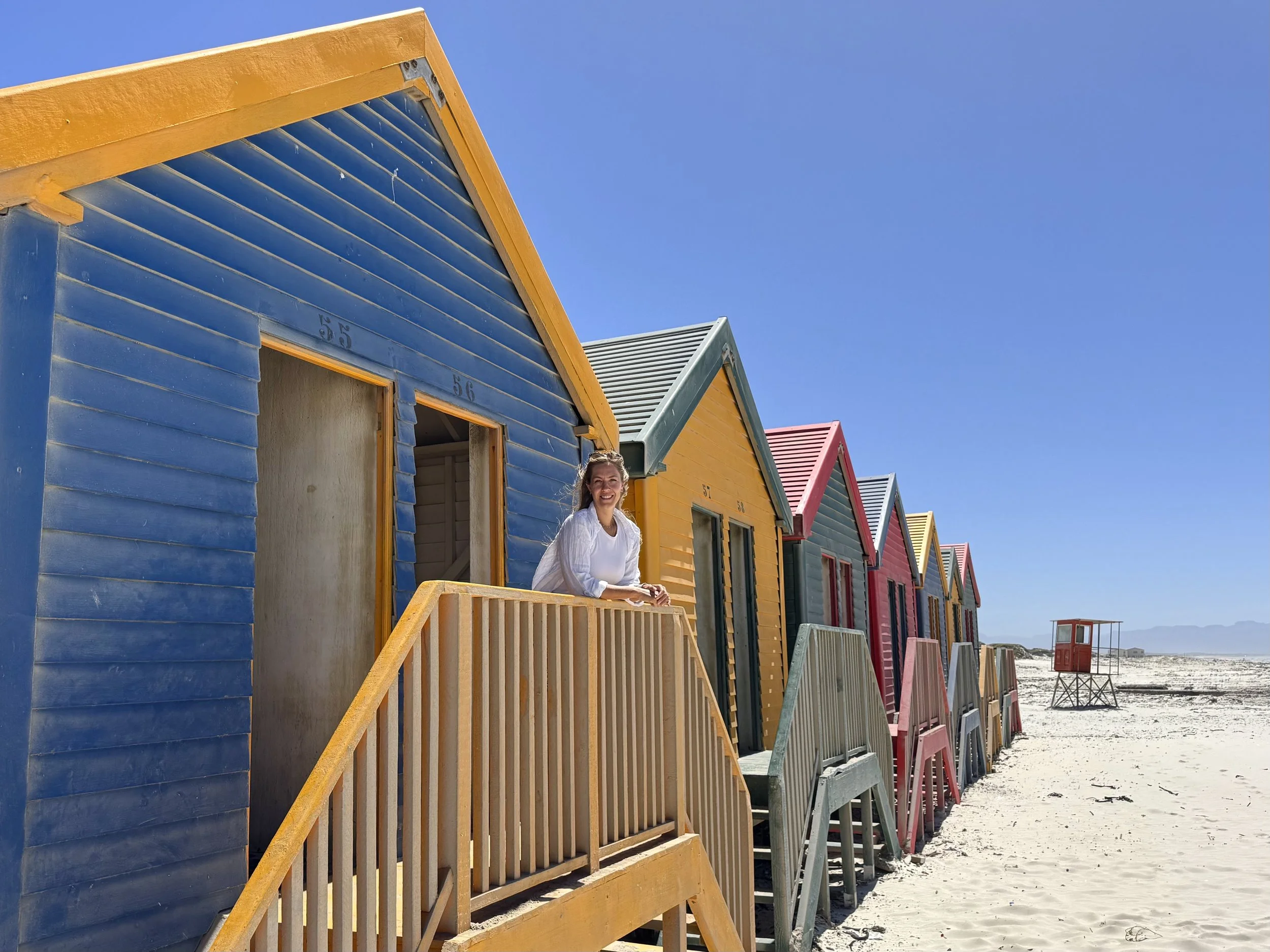
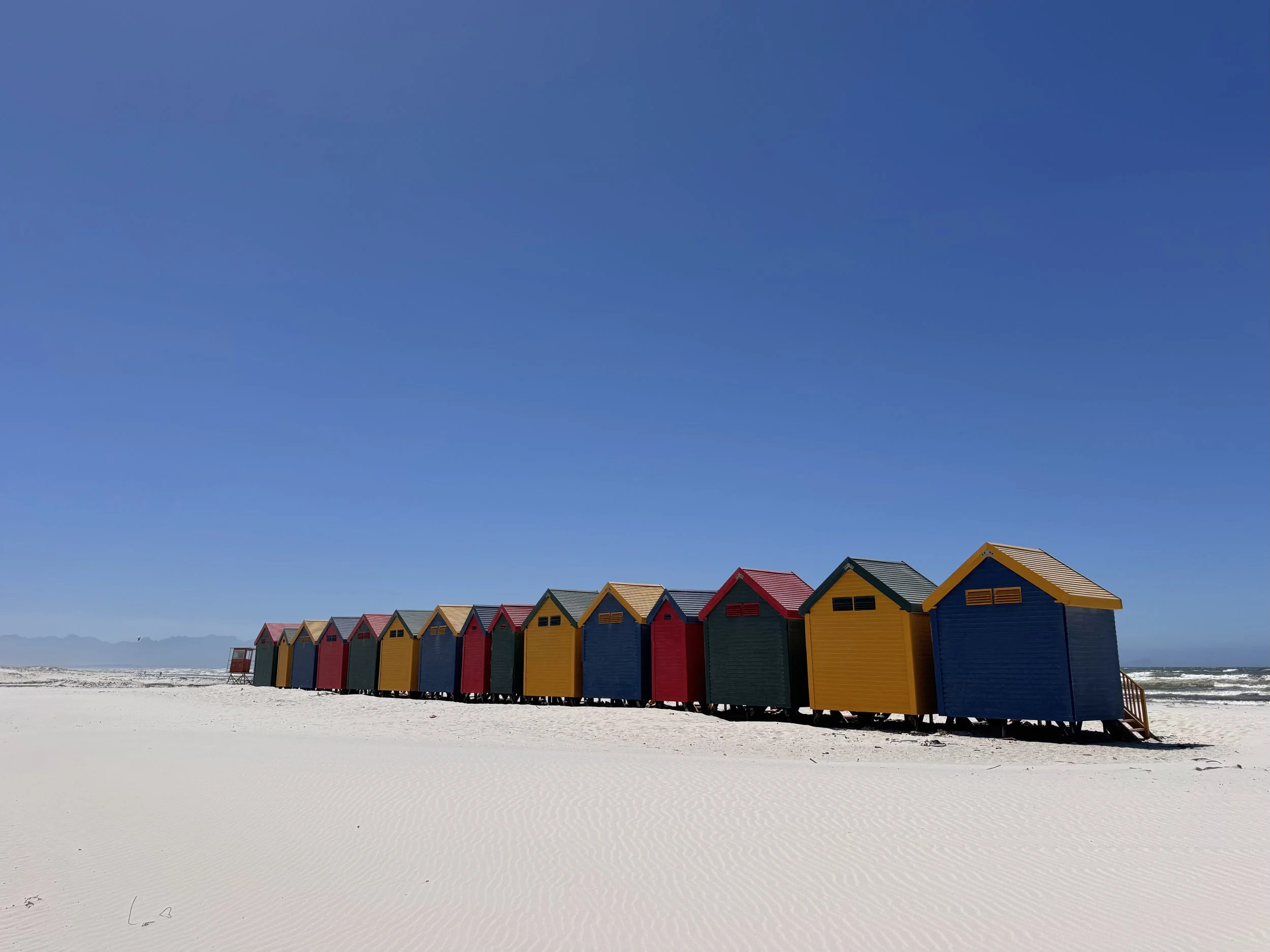
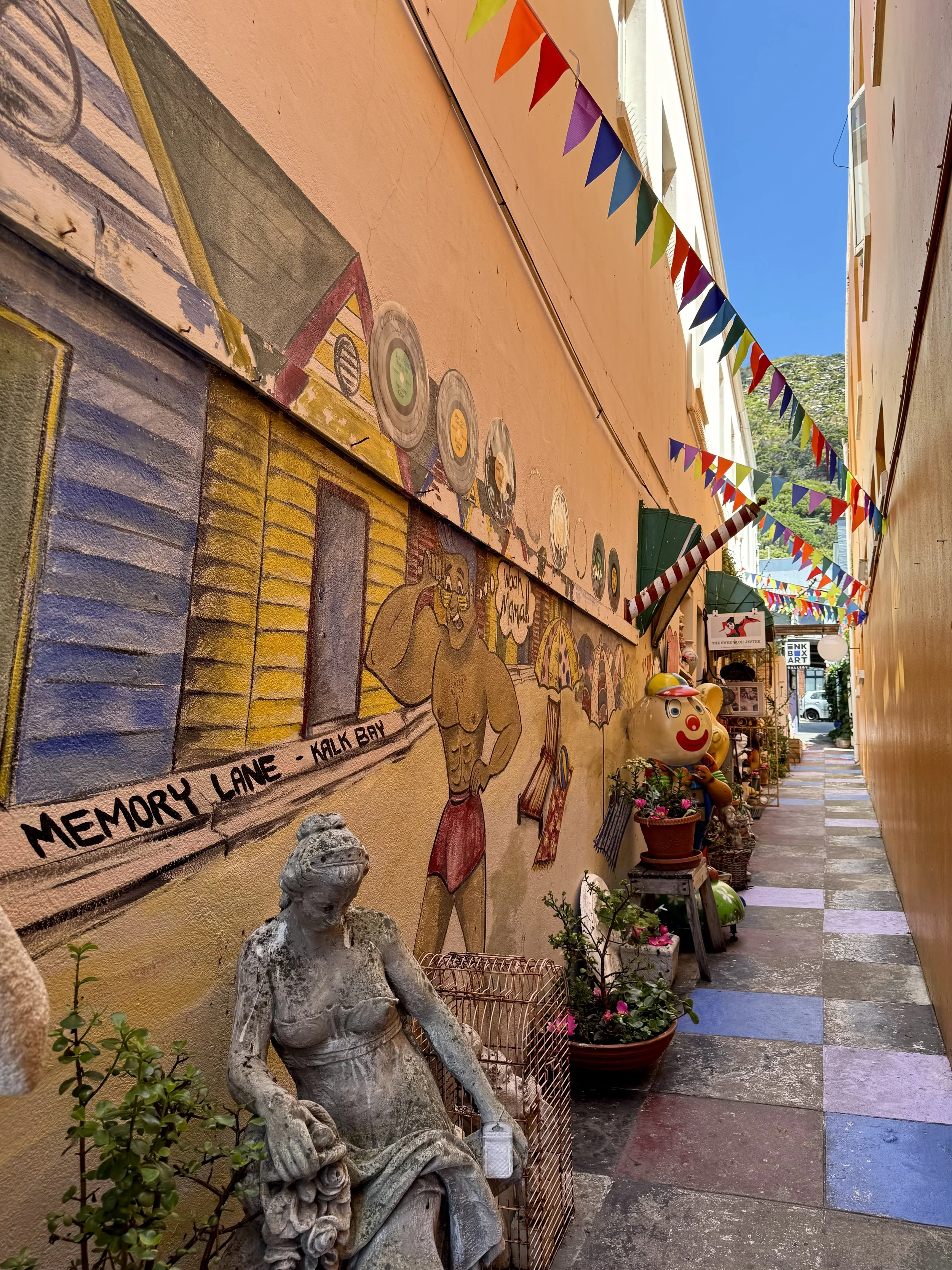
Head south towards Muizenberg, stopping at Frank’s Coffee & Bagel Bar near Marina da Gama for breakfast along the way. The colourful beach huts are Muizenberg’s most recognisable sight and worth a brief stop, unless you also want to walk along the beach or spend time watching the surfers. Continue along the coast to Kalk Bay, where it is worth allowing a little more time for the working harbour, antique shops, independent boutiques and cafés. You can also walk along the harbour wall for views back towards the town and coastline.
Boulders Beach
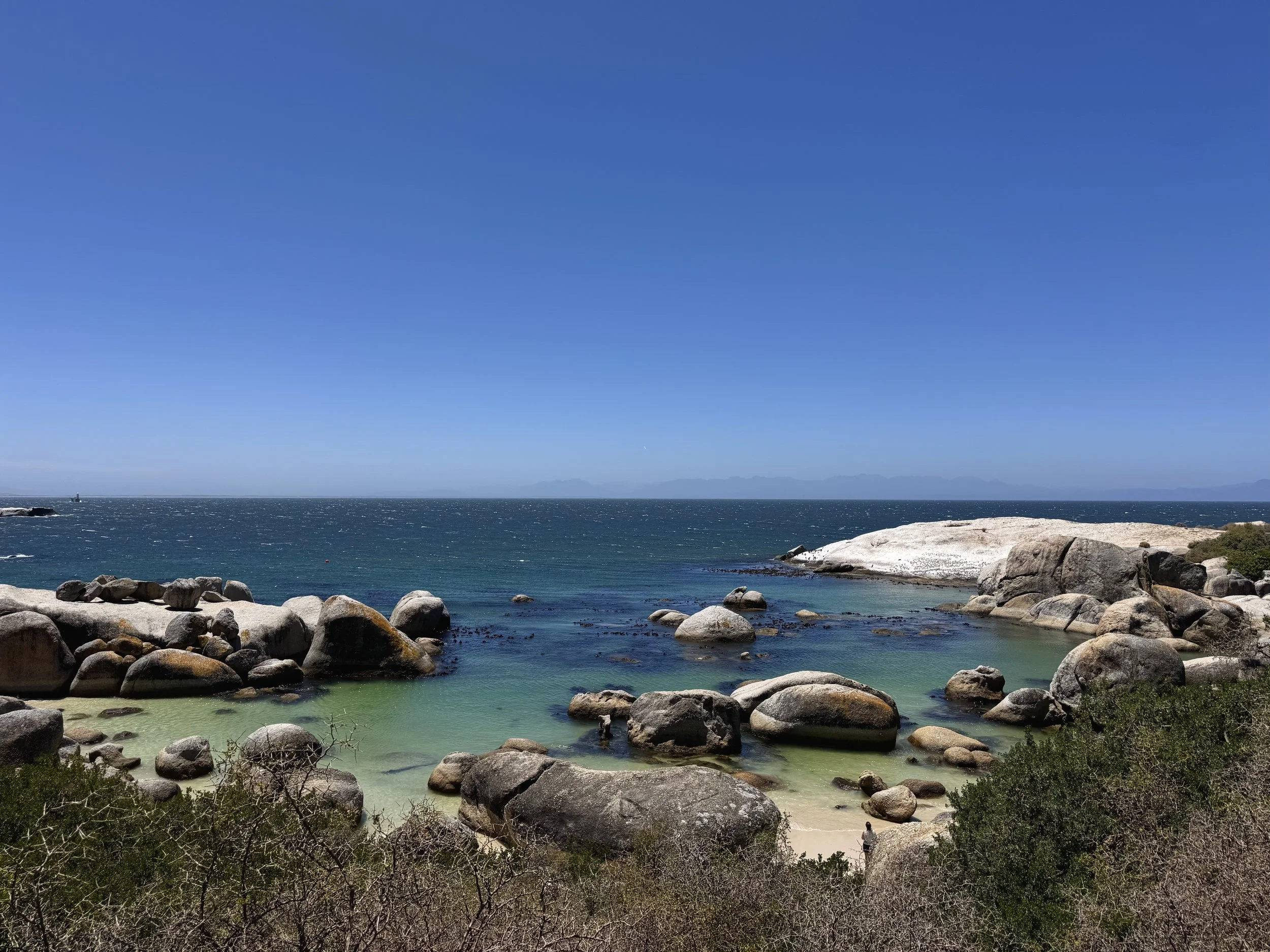
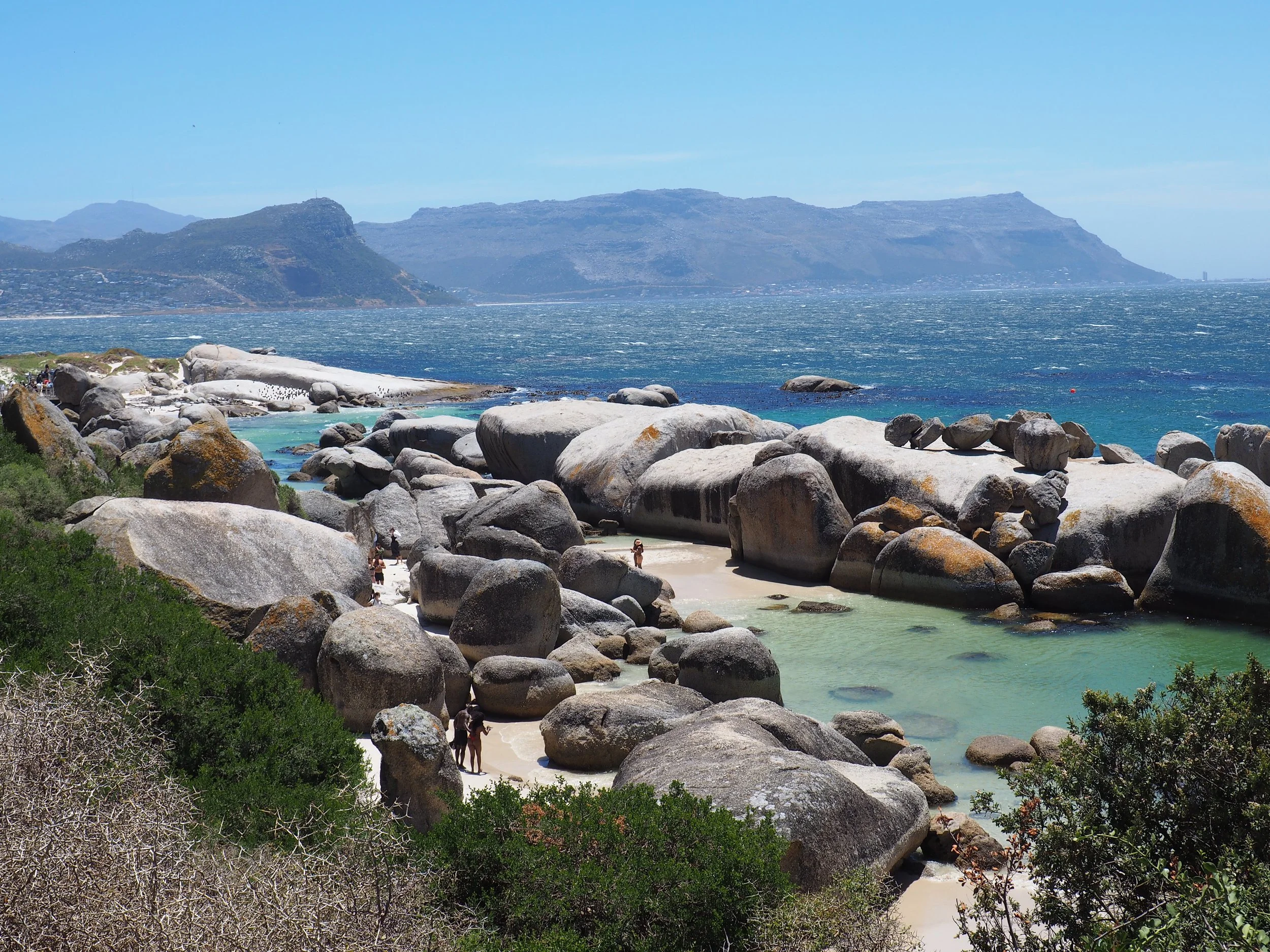
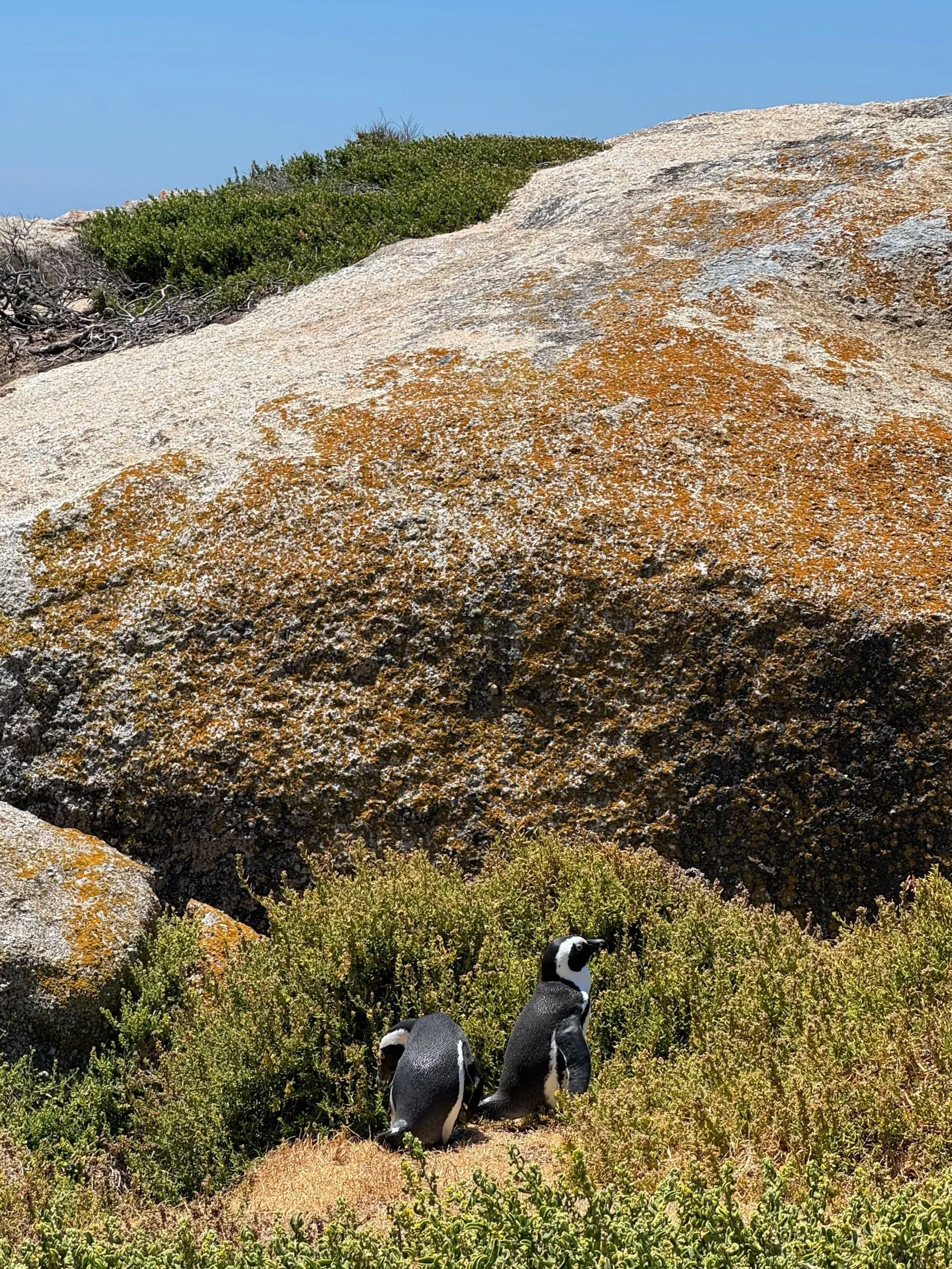
From there, continue towards Boulders Beach, home to a protected colony of African penguins. The boardwalk makes it easy to observe them up close without disturbing them. The experience can feel busy and quite structured, but it remains a memorable stop if seeing penguins is high on your list. For a quieter alternative, consider Stony Point Nature Reserve in Betty’s Bay. However, Betty’s Bay lies in the Overberg and does not fit naturally into this Cape Peninsula loop, so it works better as a separate day trip.
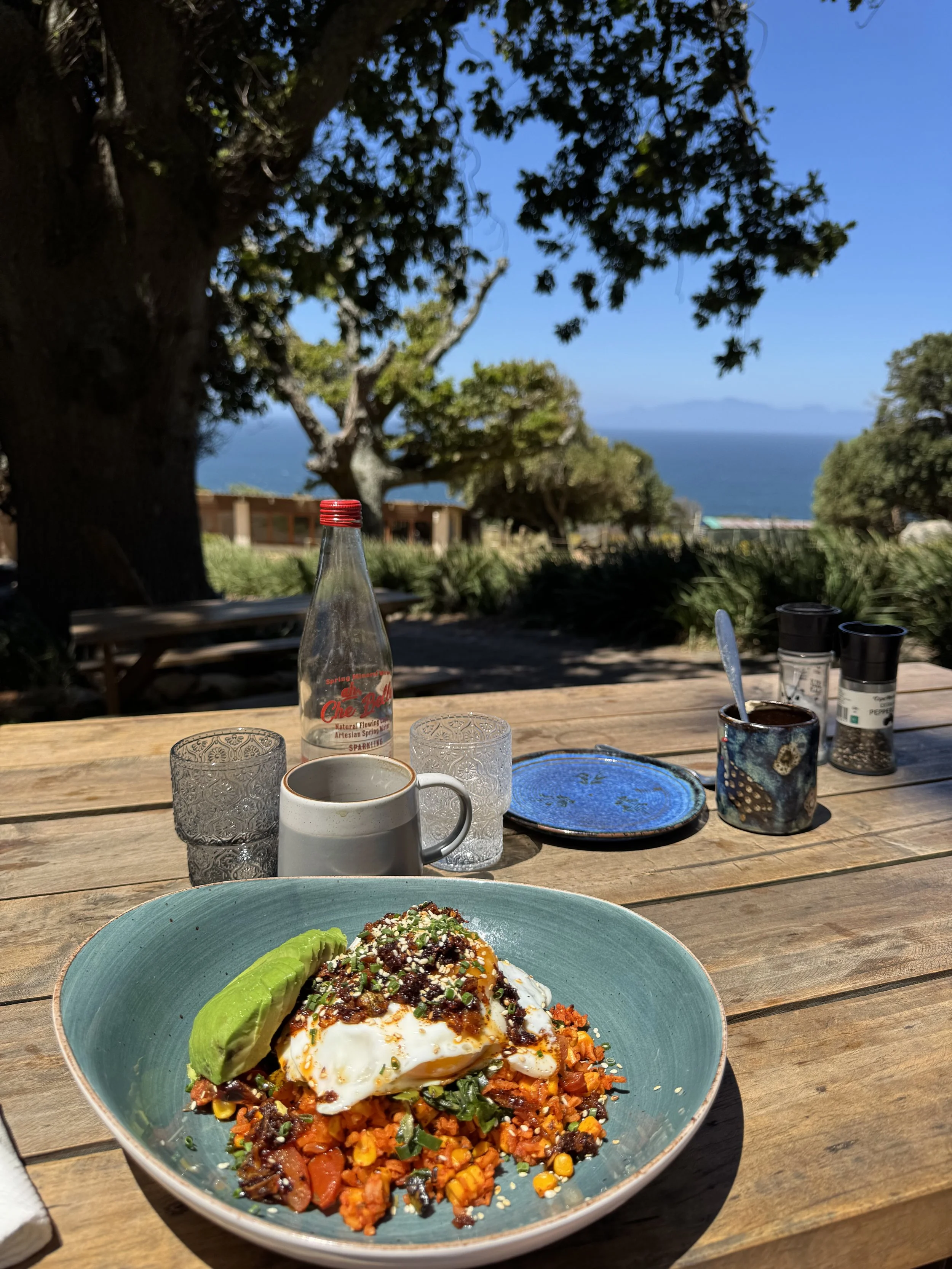
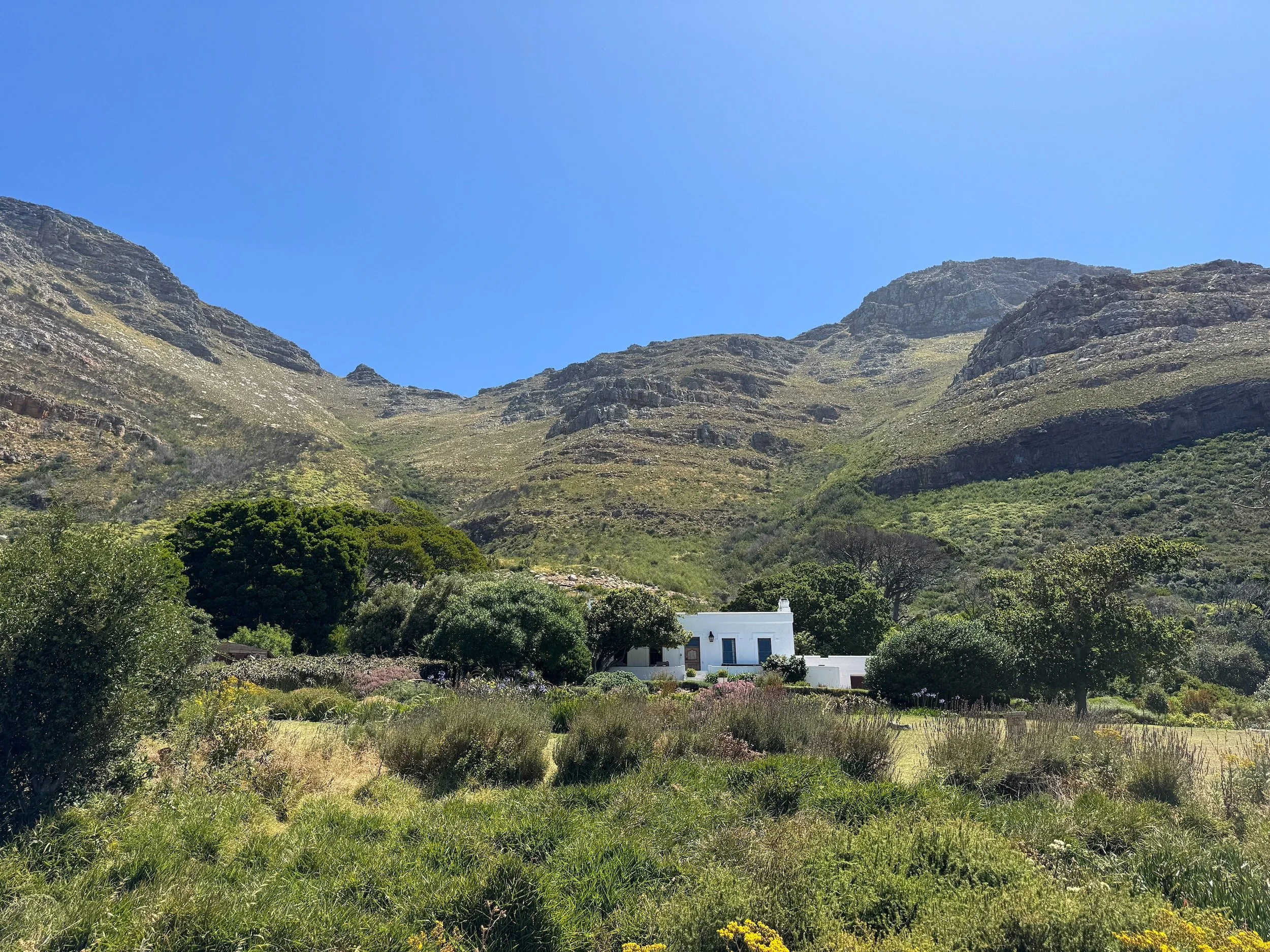
After visiting Boulders Beach, we stopped for lunch at Barefoot Café on Rocklands Farm in Murdoch Valley, conveniently located along the route towards Cape Point. The café occupies an open, elevated plateau with wide views across False Bay and the surrounding landscape. Its menu focuses on fresh, farm-to-table breakfasts and lunches, while chickens roam freely around the outdoor seating area. The views and informal farm setting made it a particularly memorable lunch stop, especially since the earlier stops were quite busy. As we were leaving, the local baboon patrol arrived to chase away a group of baboons, which was an unexpected reminder of how close the farm is to the surrounding wildlife.

Cape of Good Hope & Cape Point
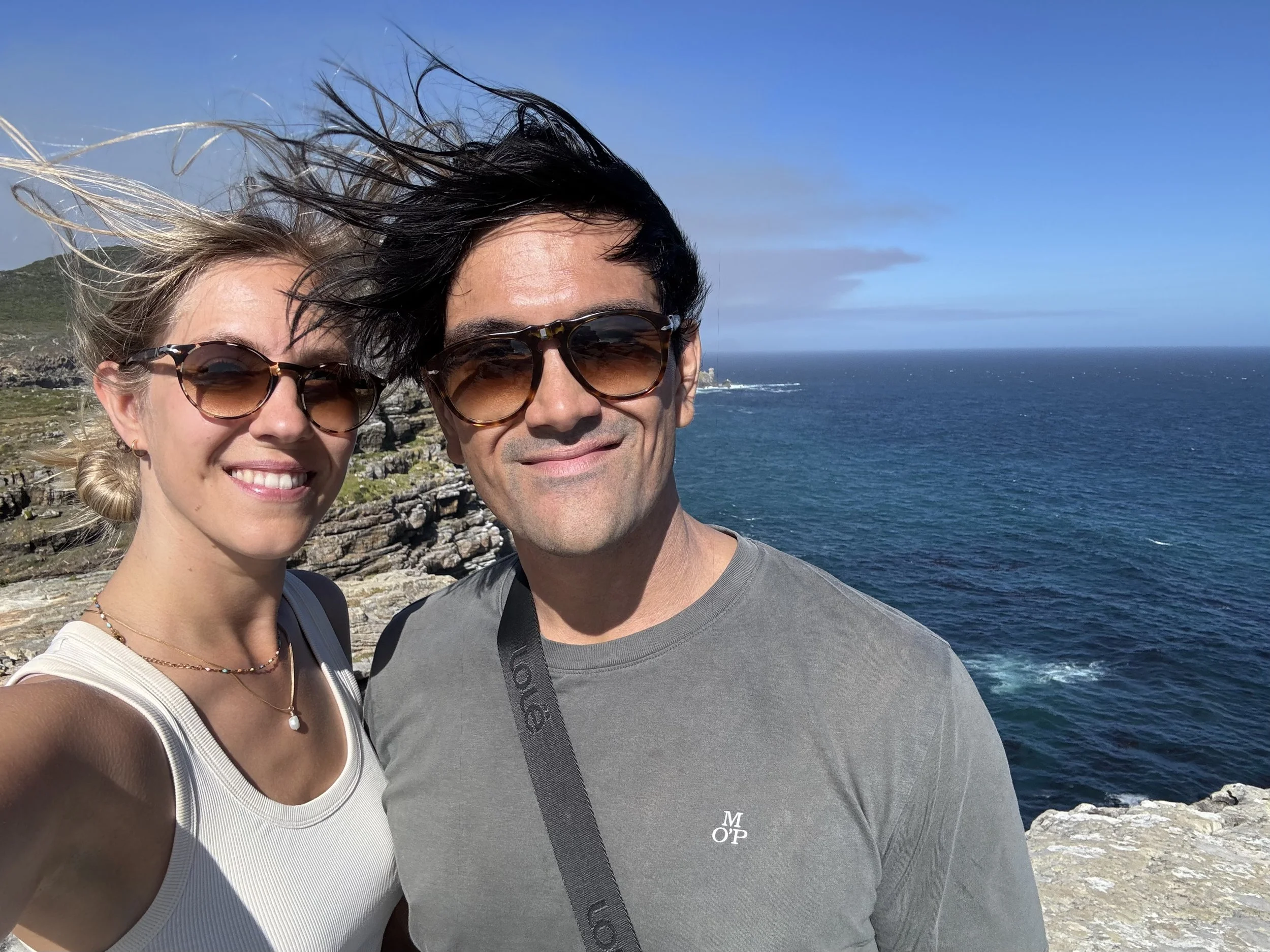
After lunch, continue south into the Cape of Good Hope section of Table Mountain National Park. This part of the Peninsula feels very different from the city and even from the coastal towns visited earlier in the day. Wide stretches of fynbos, rugged cliffs and crashing waves dominate the landscape, while the roads often feel relatively empty. You’ll need to pay a conservation fee to enter the reserve, but the scale and rawness of the scenery make it worthwhile.
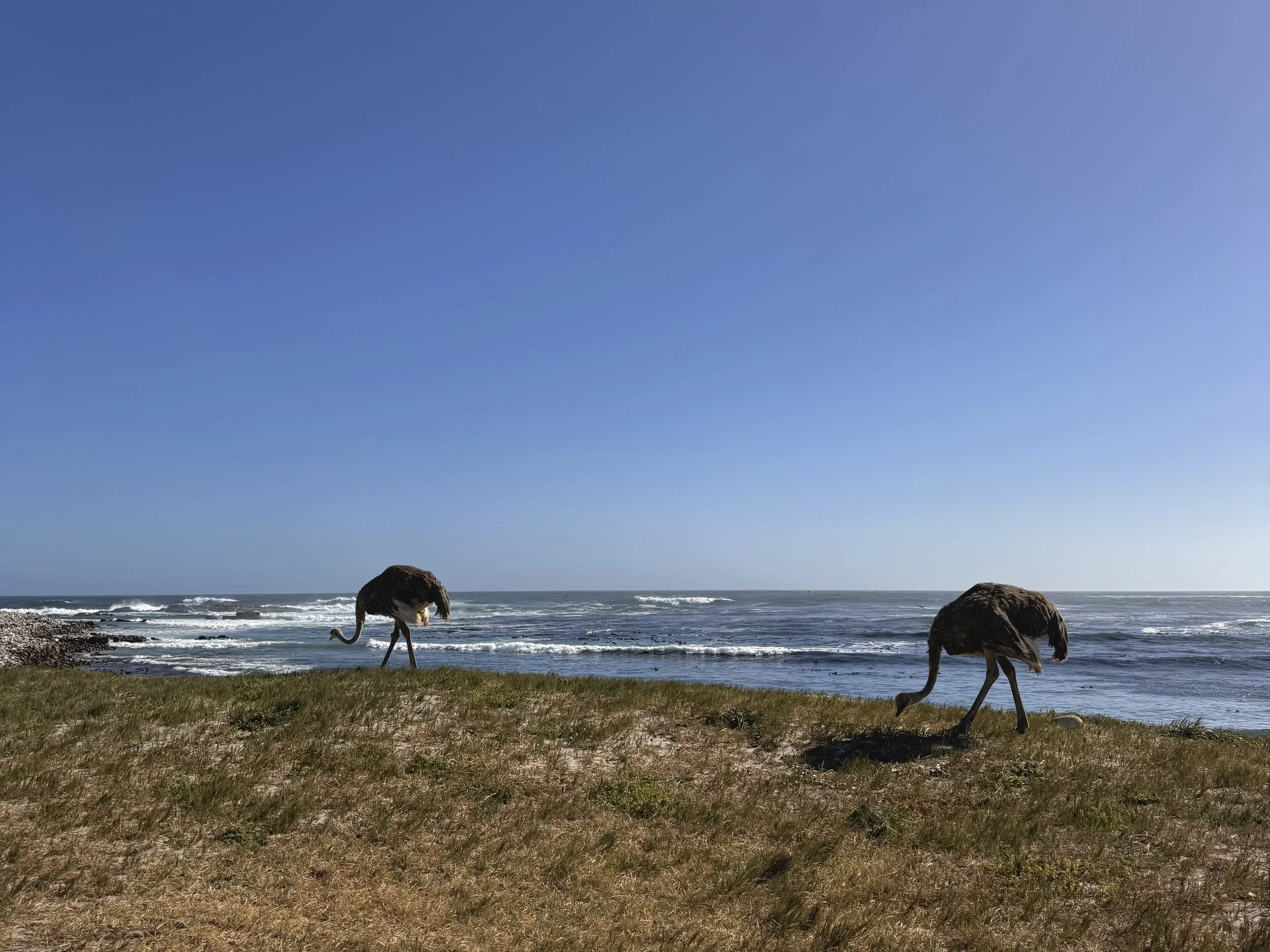
The reserve is fenced because it supports more wildlife than other parts of Table Mountain National Park. On our way back we spotted several wild ostriches running through the open landscape near the coast, which was pretty cool. Eland, red hartebeest, bontebok and zebra also live in the reserve, although sightings are never guaranteed. Drive slowly, give any animals plenty of space and never feed them.
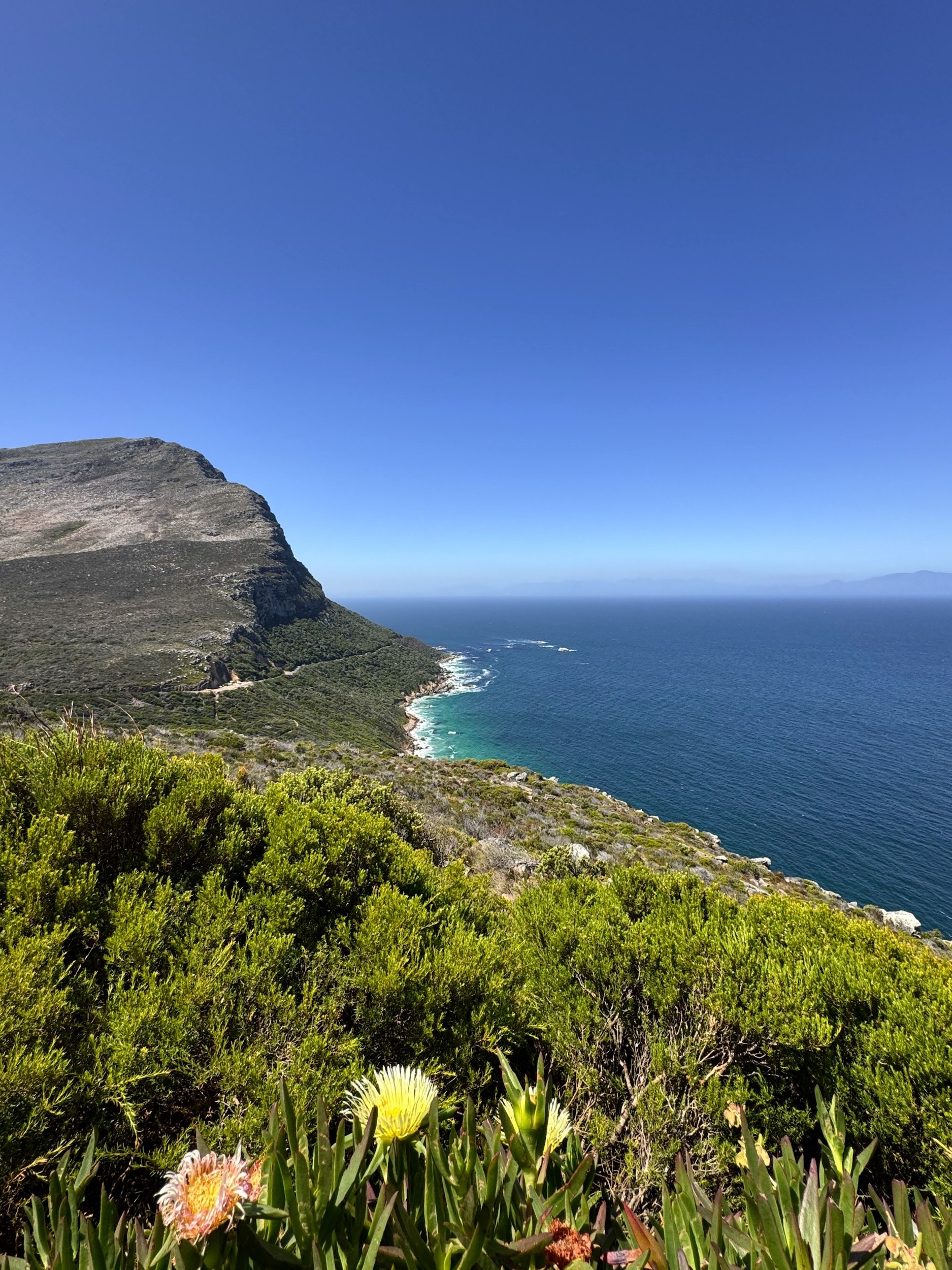
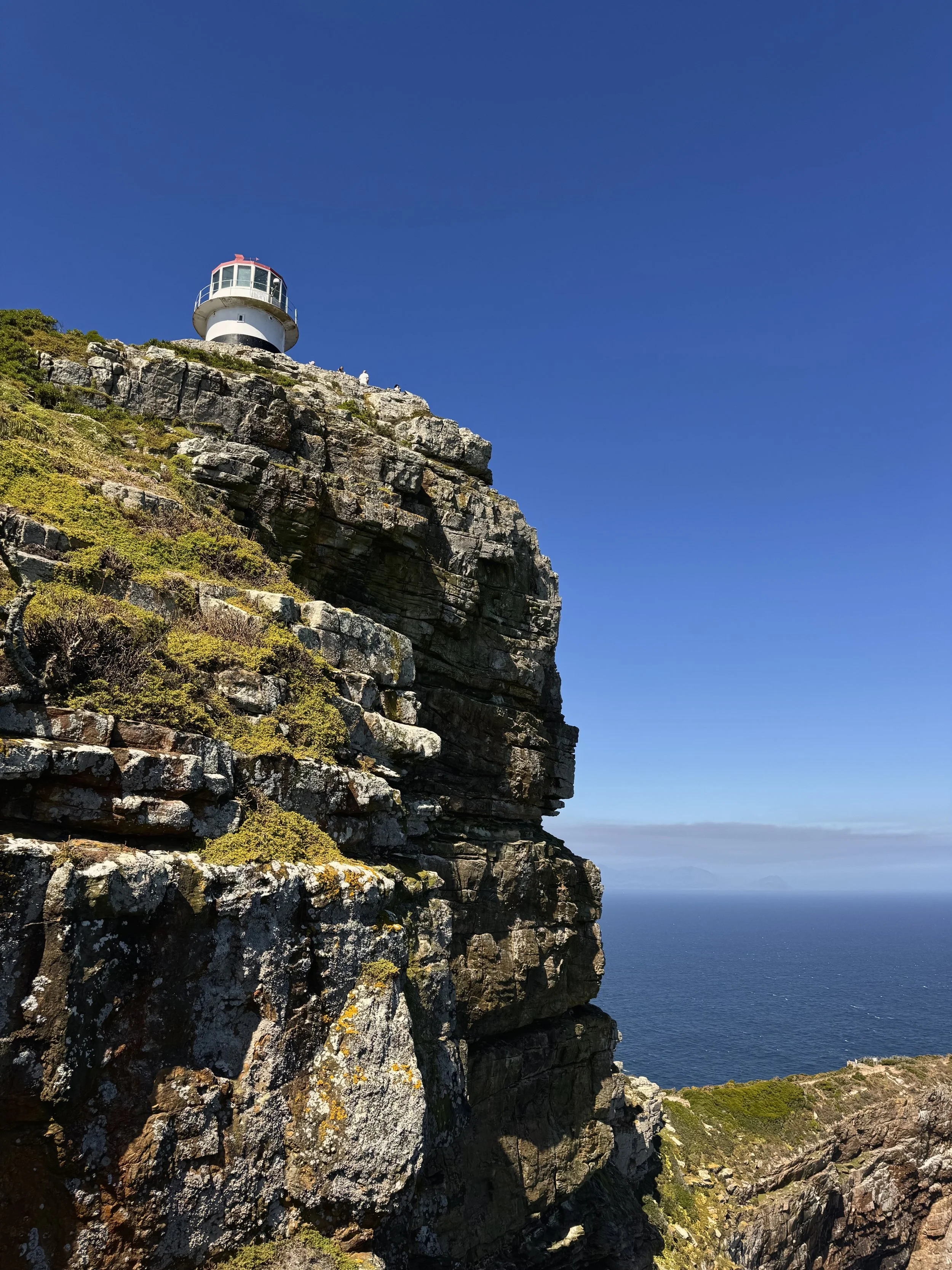
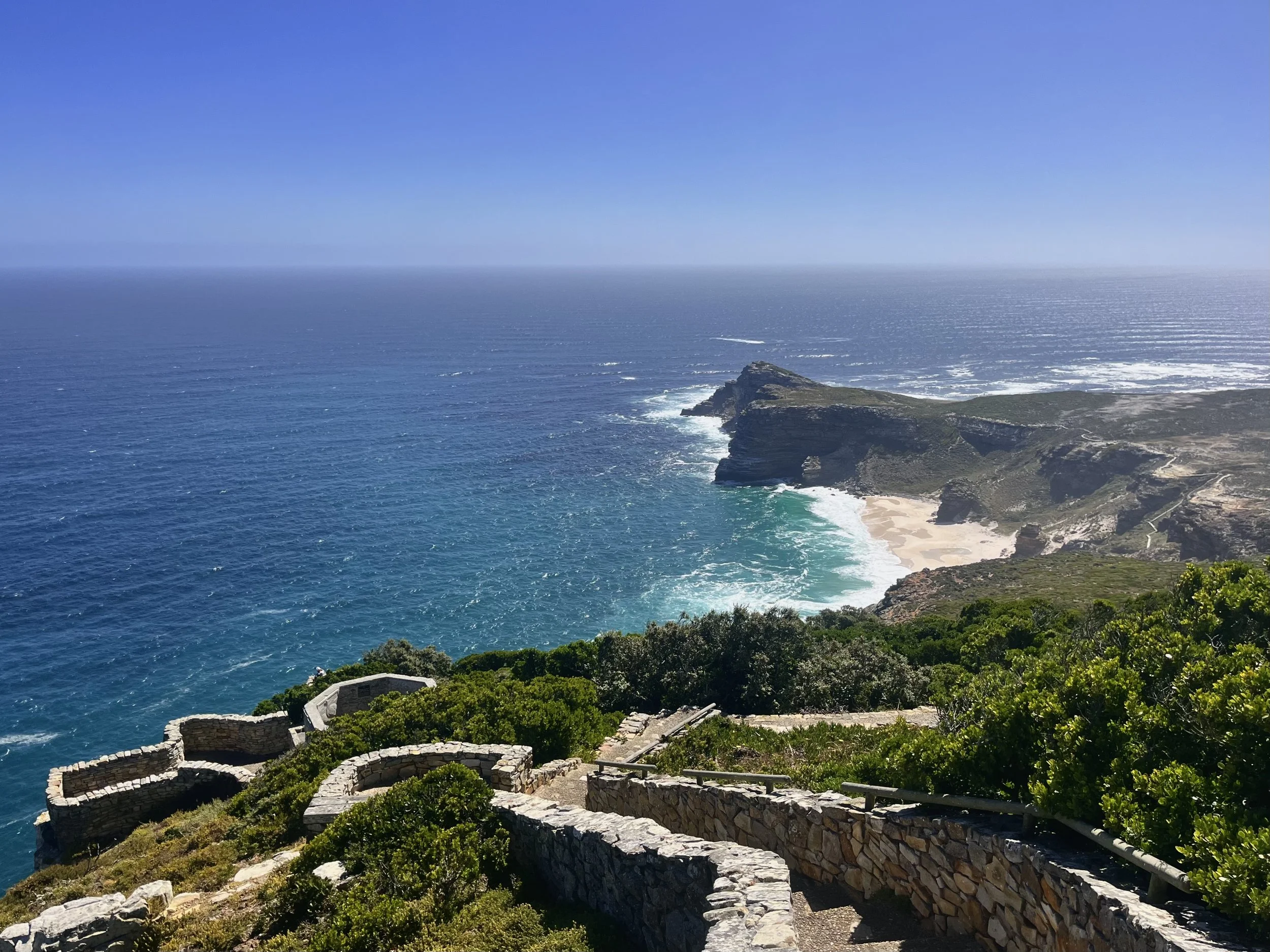
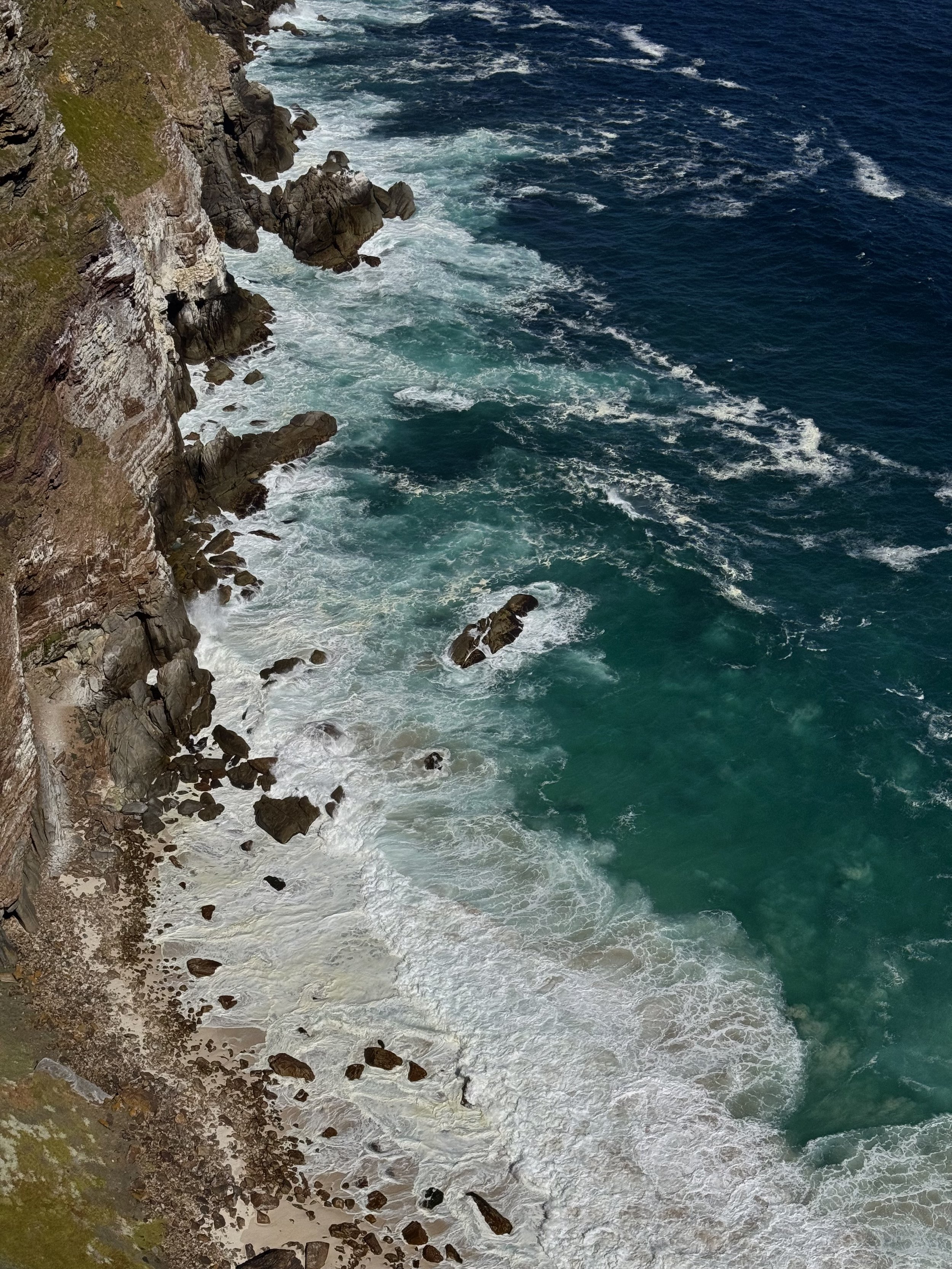
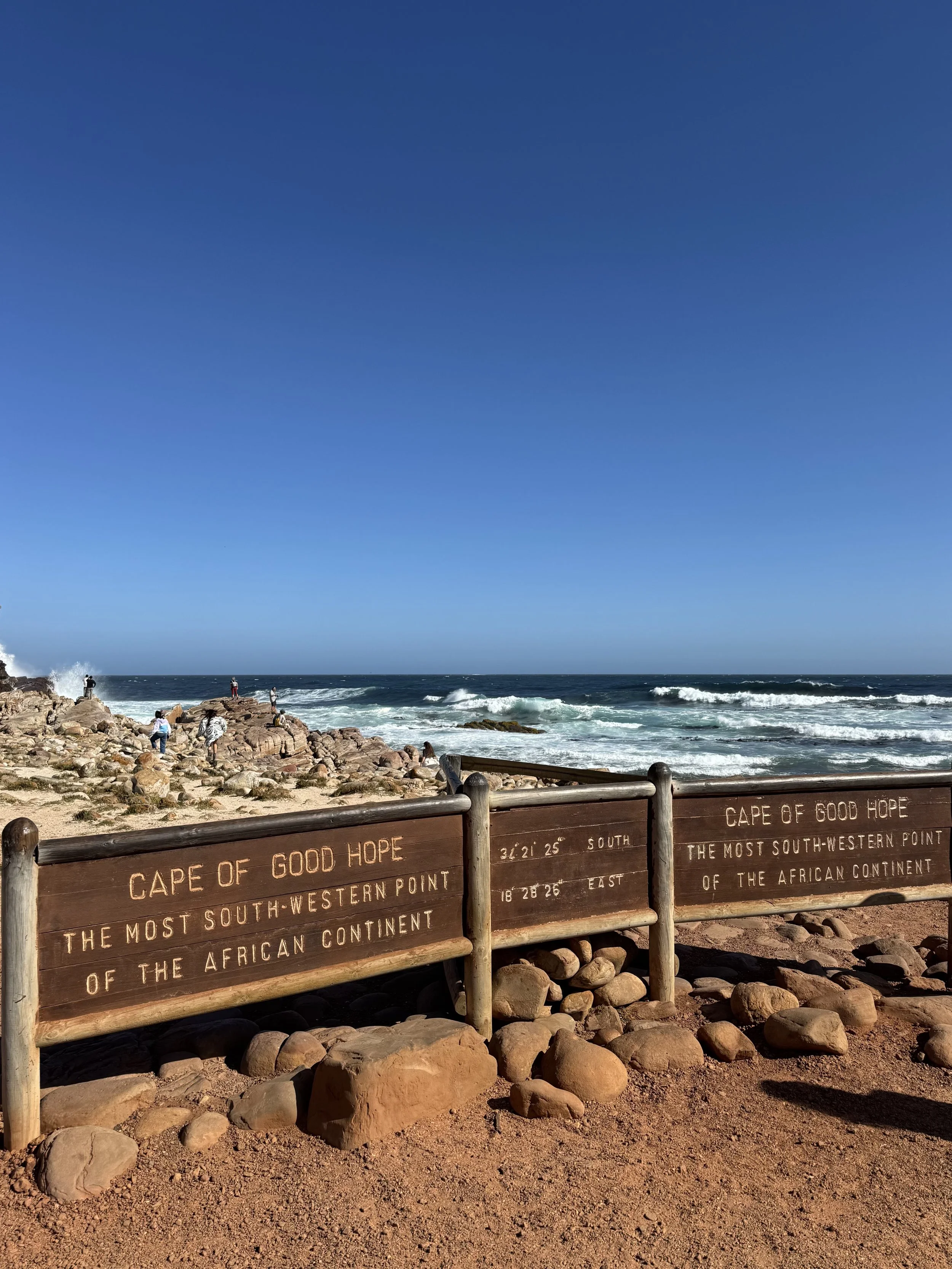
Cape Point and the Cape of Good Hope are separate stops within the reserve. With Cape as our last name, we couldn’t help feeling that Cape Point was something of a family landmark. Cape Point is the higher and more dramatic viewpoint, with a short uphill walk or funicular ride towards the lighthouse. The Cape of Good Hope lies lower along the coast and marks the most southwestern point of the African continent. Despite a common misconception, it is not the southernmost point of Africa, which is Cape Agulhas.
Rather than trying to cover every beach, trail and viewpoint, focus on the lighthouse and one or two additional stops. The reserve is larger than it first appears, so allow time for driving between the two main landmarks. Wind is often a factor here, even on sunny days. Check the current conservation fee and gate closing time before setting out, particularly if you still want to reach Chapman’s Peak Drive in the late afternoon.
Chapman’s Peak Drive
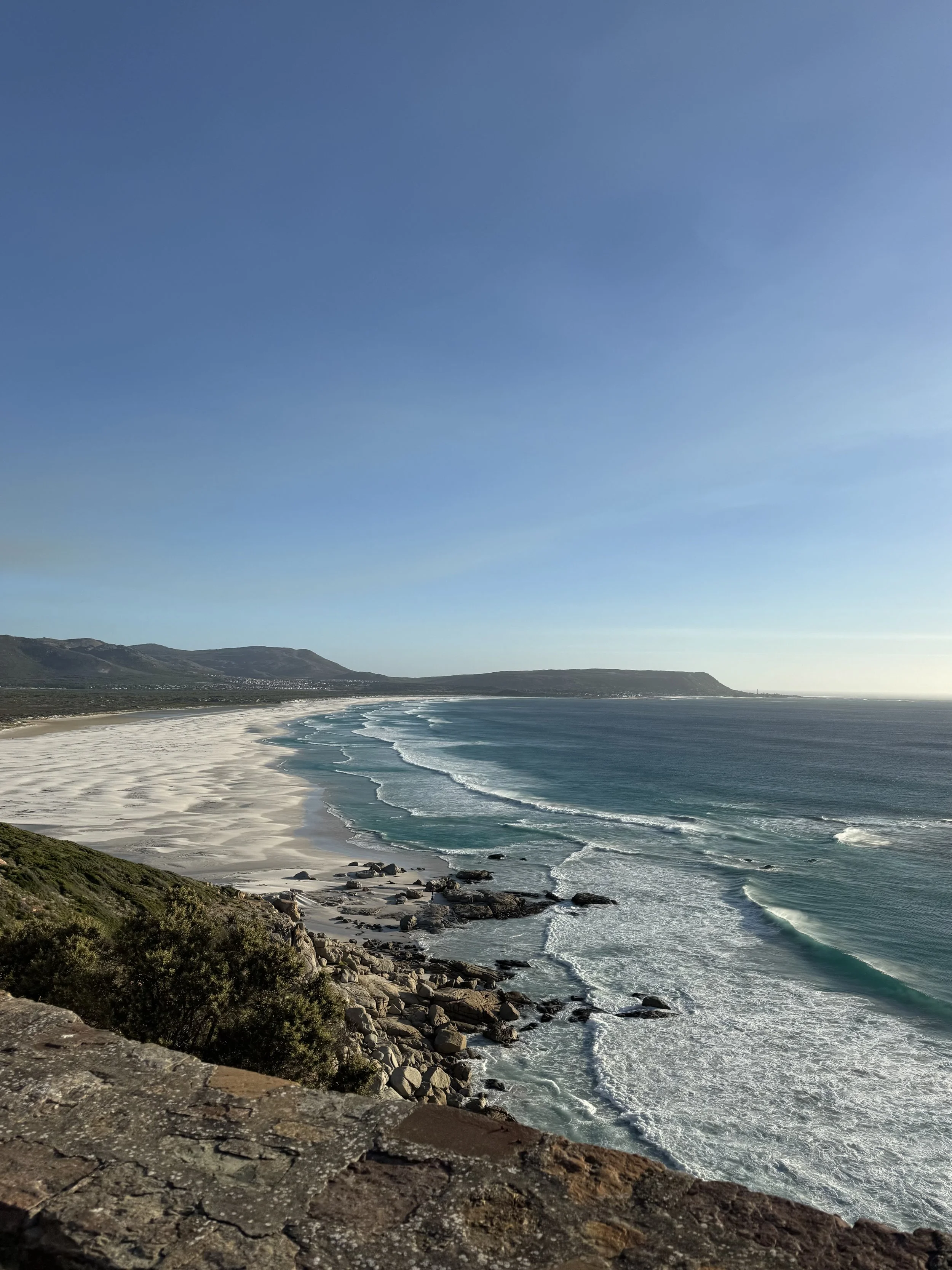
On the return journey, stop in Noordhoek for a short break before beginning Chapman’s Peak Drive. You can grab something to eat or simply stop at the viewpoint overlooking the long stretch of Noordhoek Beach. After several hours in the car, it is a good opportunity to stretch your legs before continuing north towards Hout Bay.
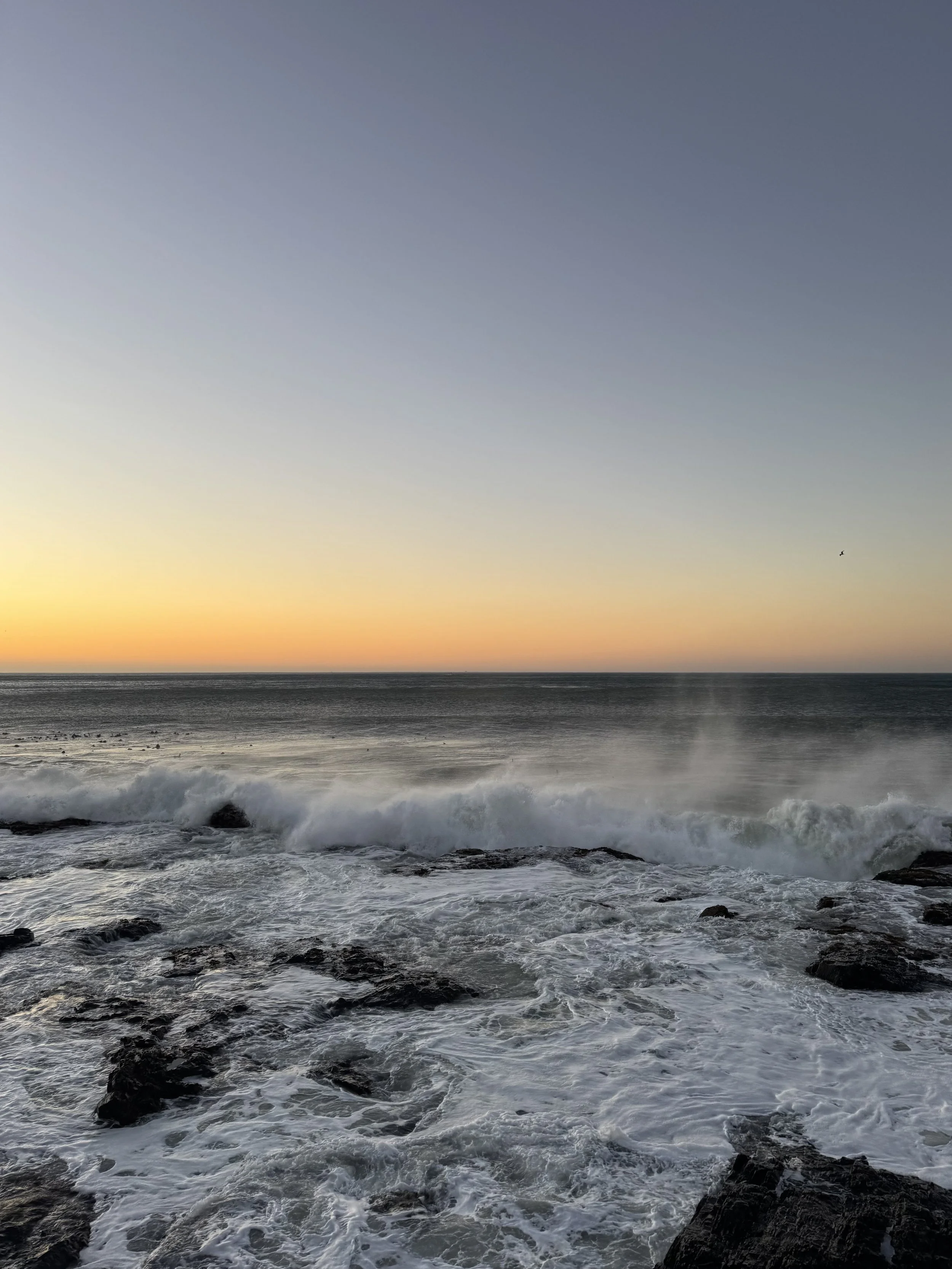
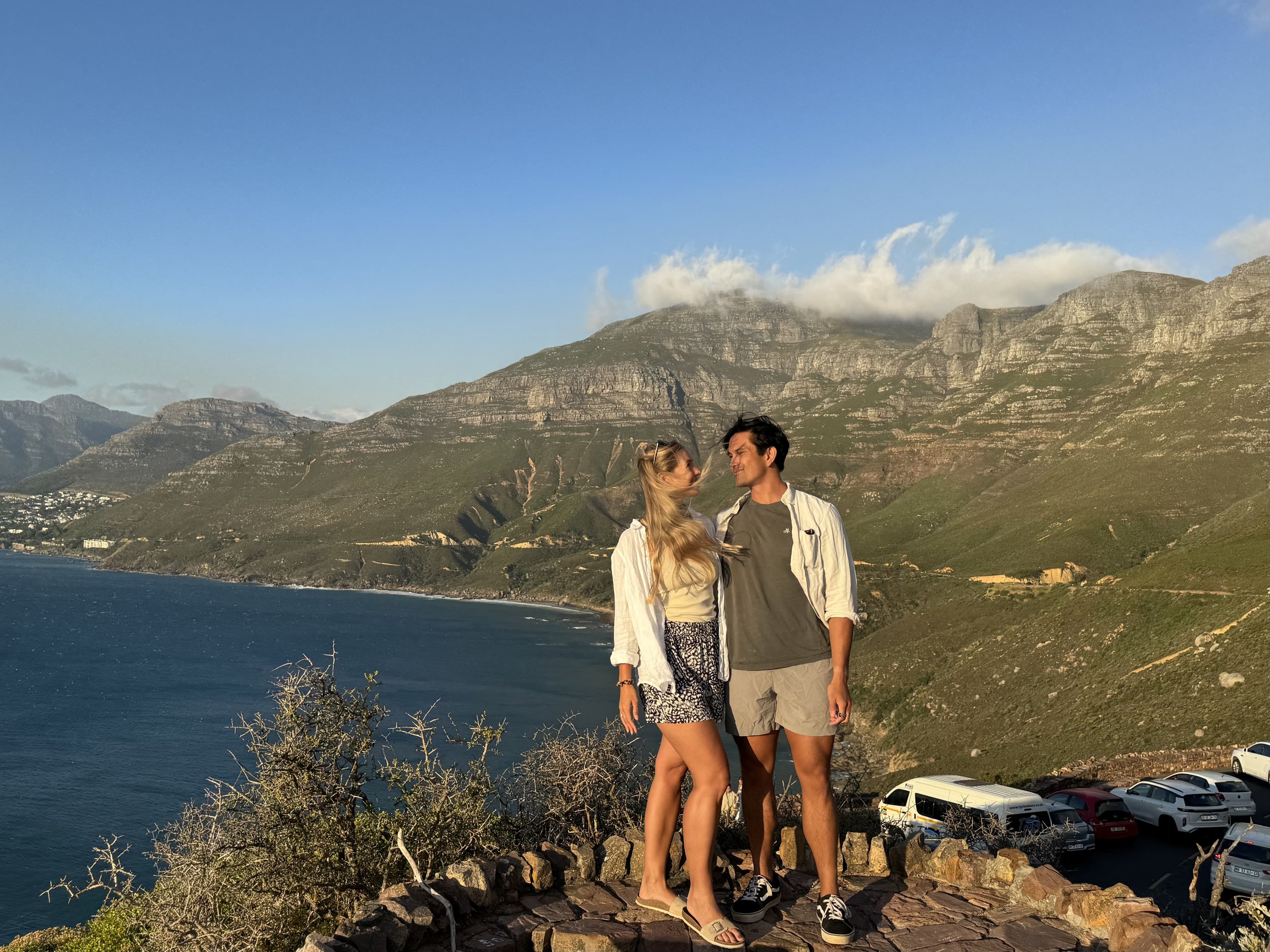
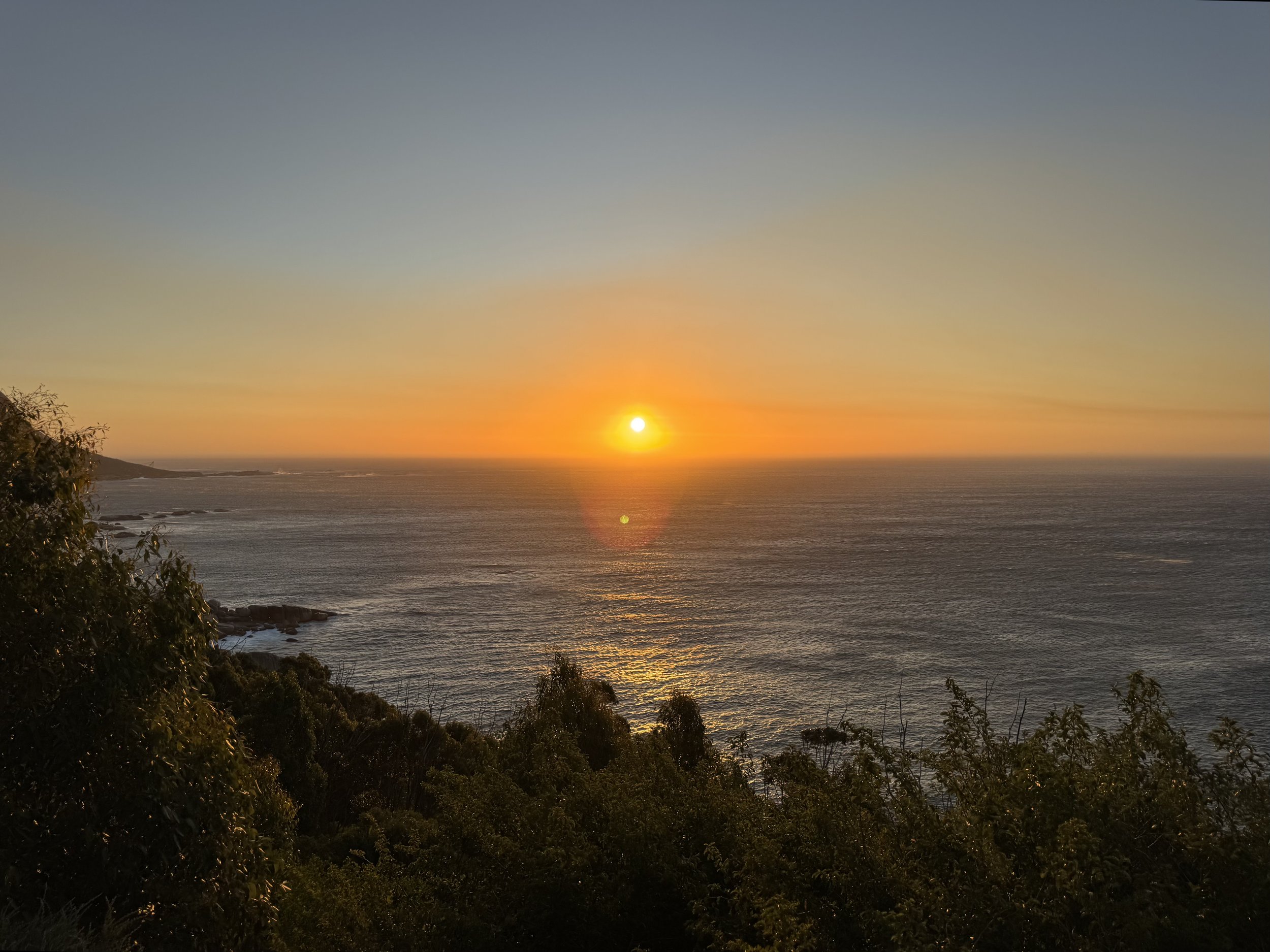
Try to reach Chapman’s Peak Drive in the late afternoon, when the lower sun brings out the shape of the cliffs and coastline. There are several designated viewpoints along the road, so allow enough time to stop rather than treating it as the quickest route back to Cape Town. If you reach Hout Bay with some daylight remaining, Llandudno Beach is on the way back and makes a beautiful place to watch the sunset, although parking can be difficult later in the day. Otherwise, continue towards the city after what will probably be one of the longest days of the itinerary.
Optional 2 Day Extension
Day 6 | A Guided Day in the Cape Winelands
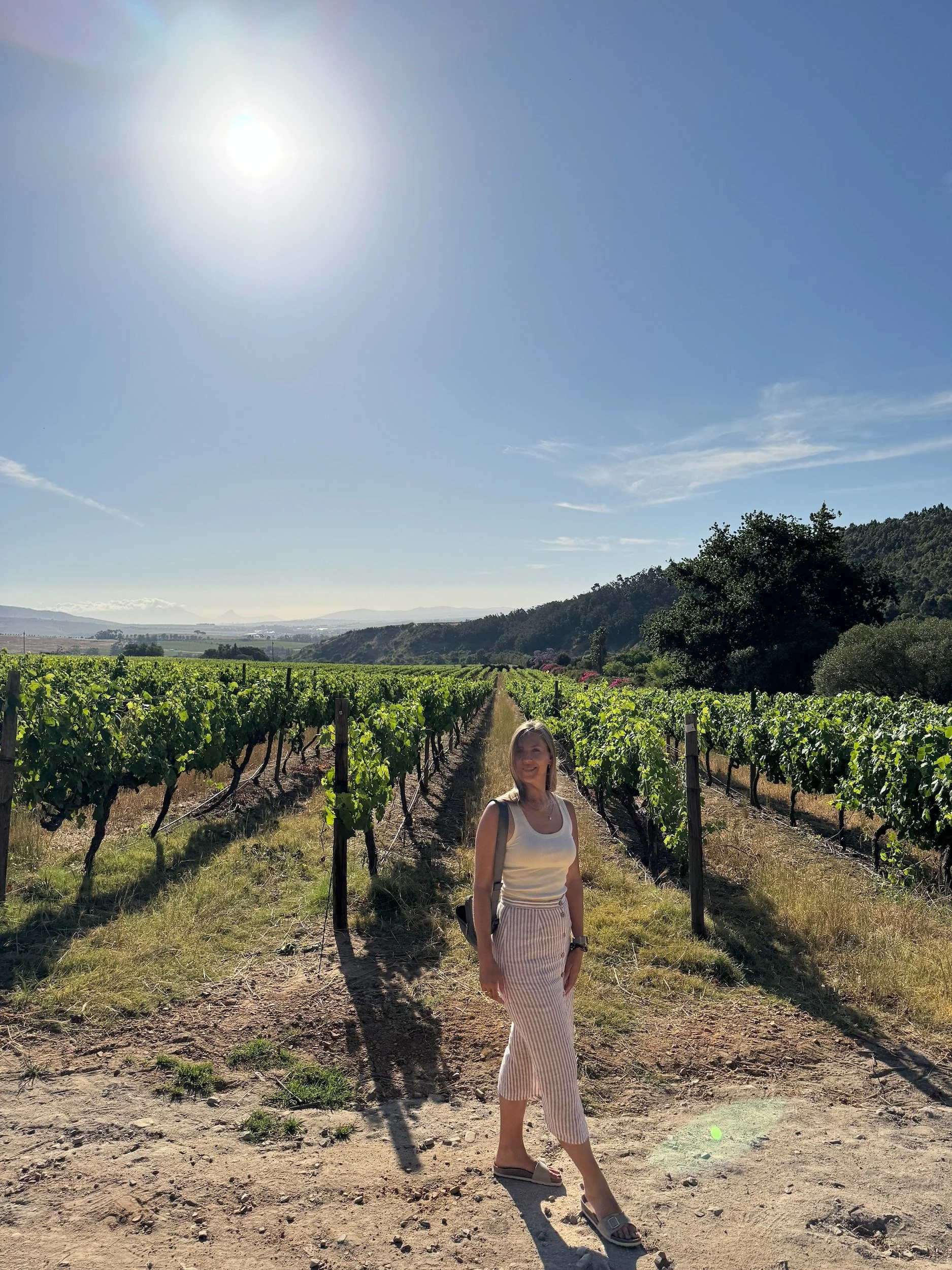
After several active days, the Cape Winelands offer a complete change of pace. We booked this full-day Cape Winelands tour through GetYourGuide because neither of us wanted to drive after the tastings. The route travels through the wine regions of Paarl, Franschhoek and Stellenbosch, allowing you to experience several estates without having to plan the day yourself.
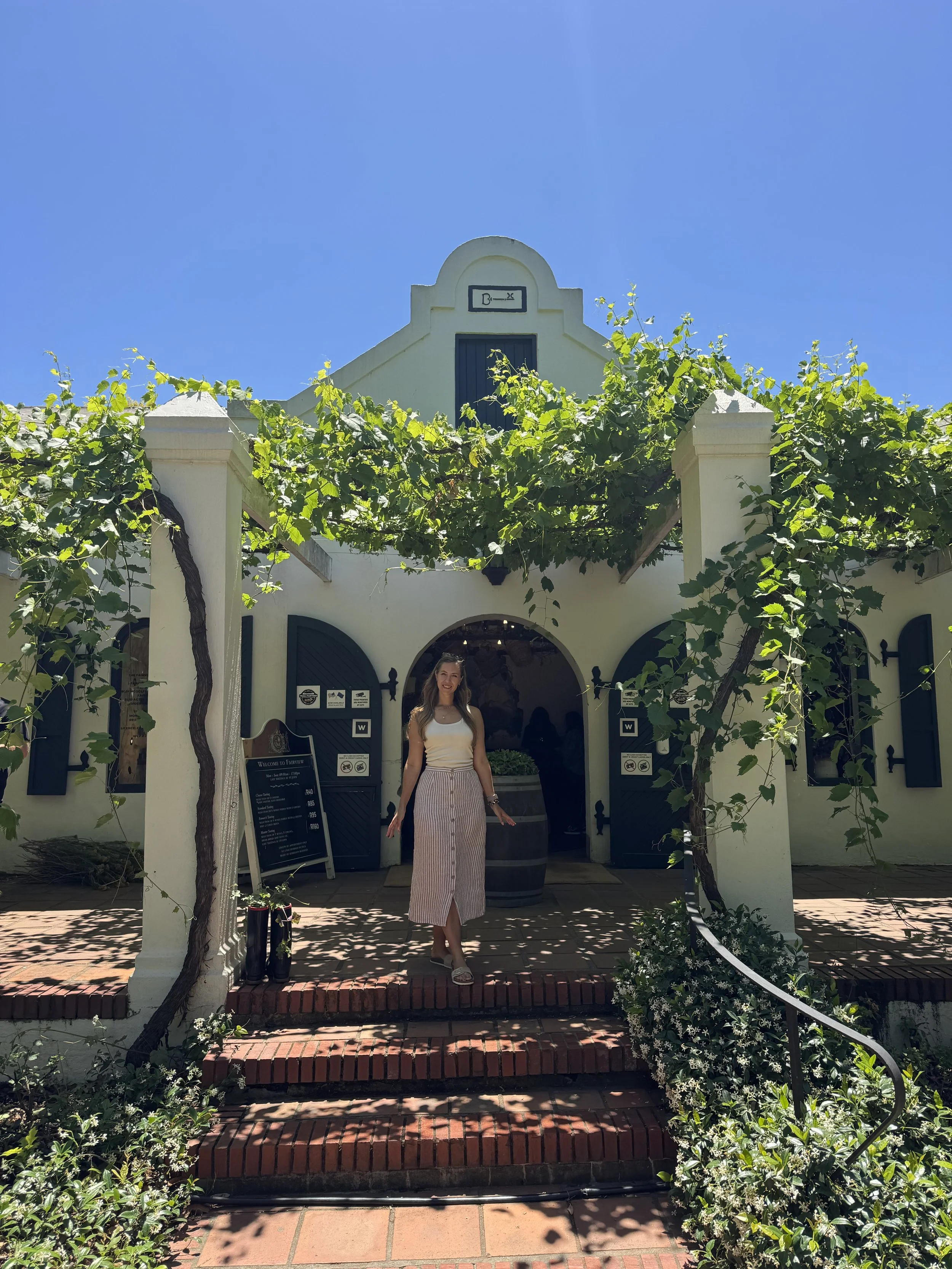
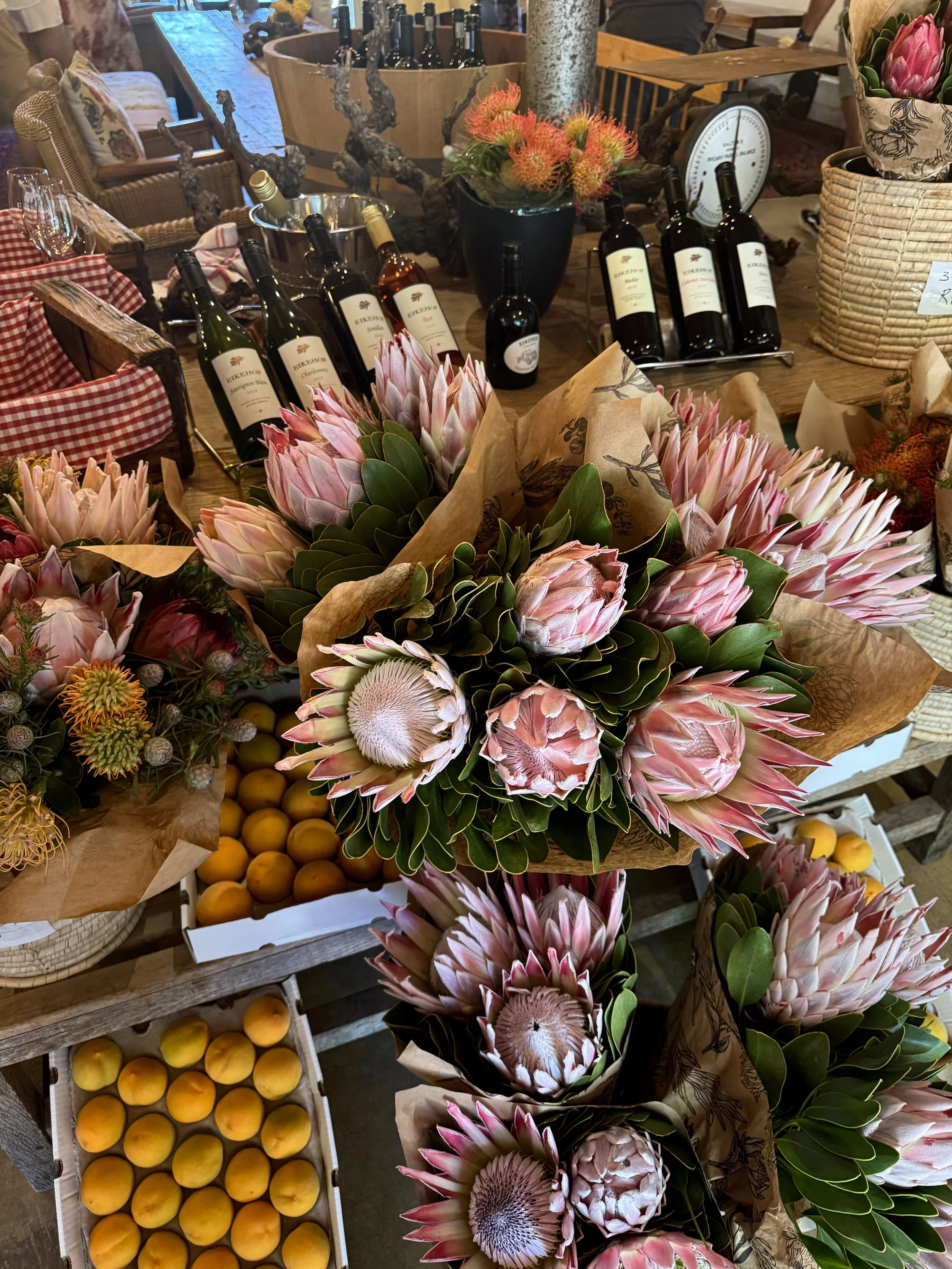
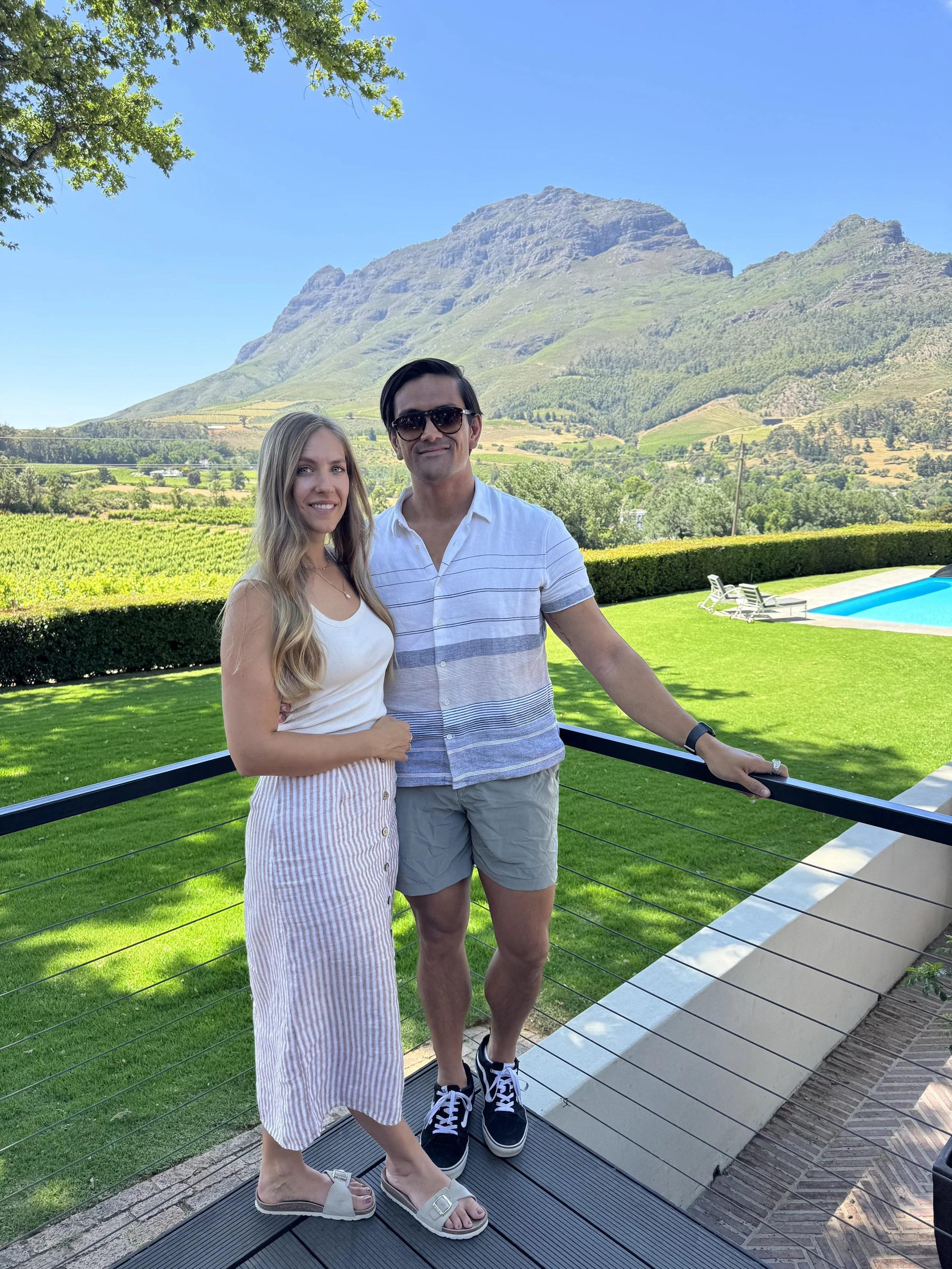
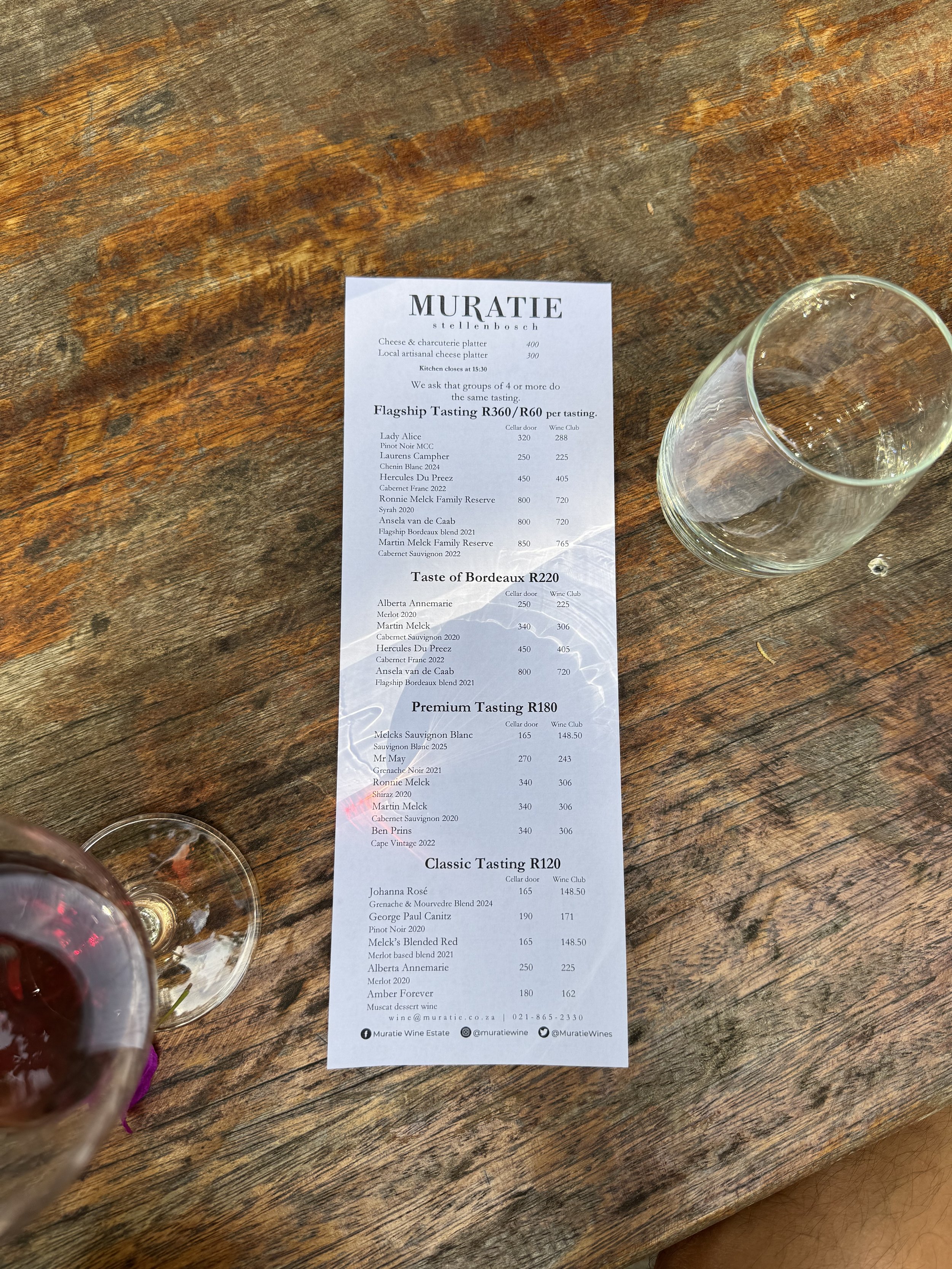
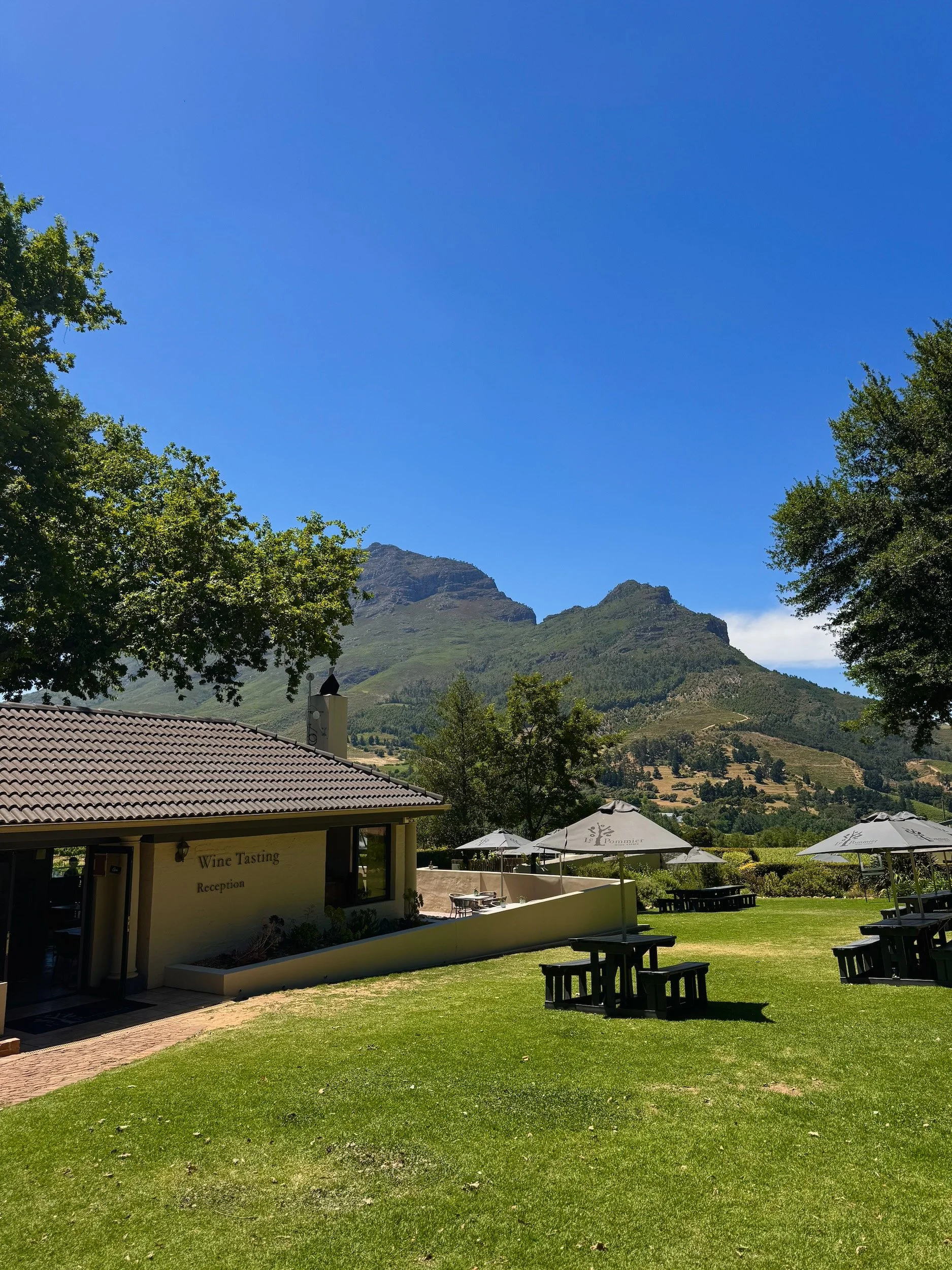
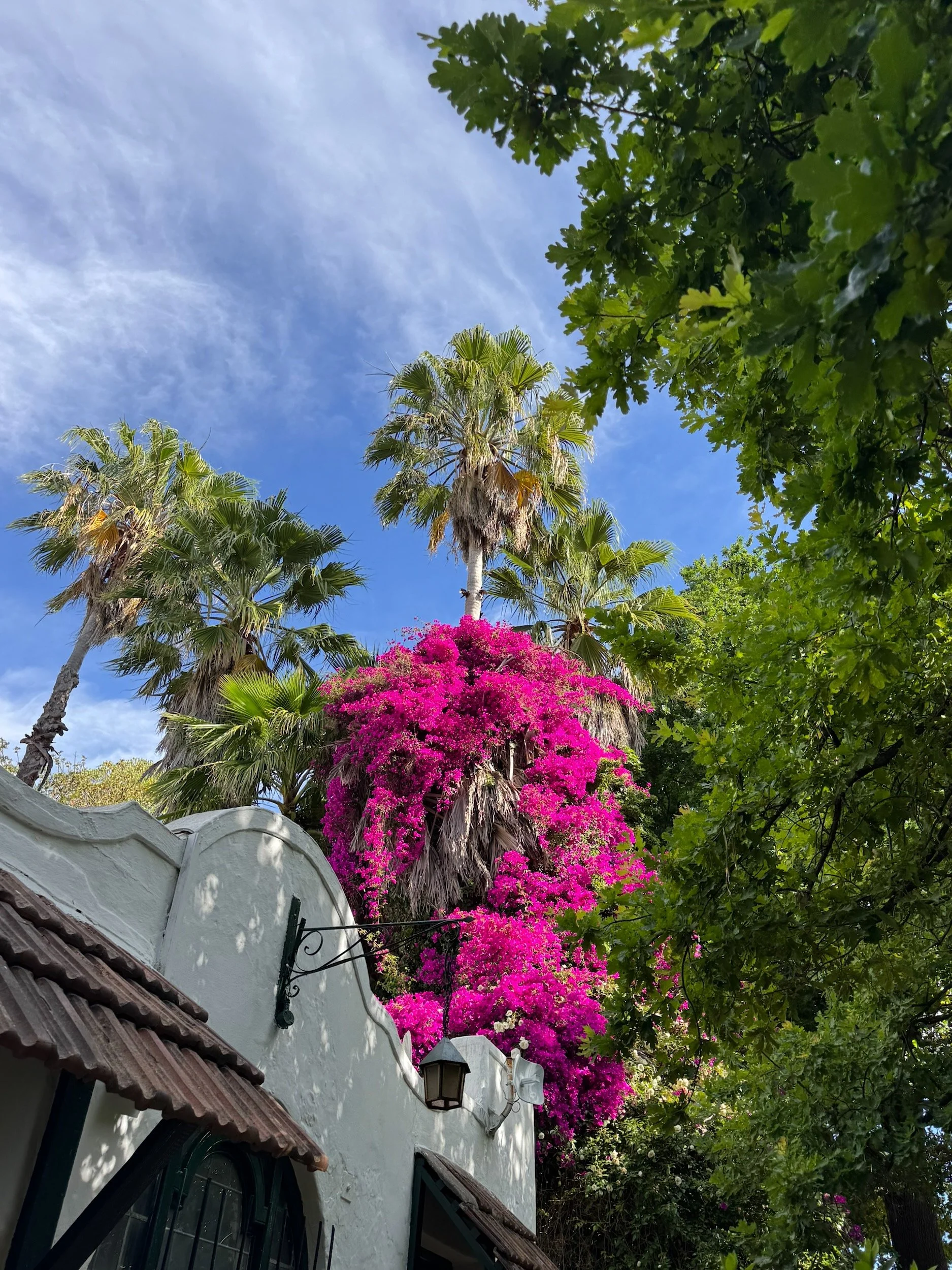
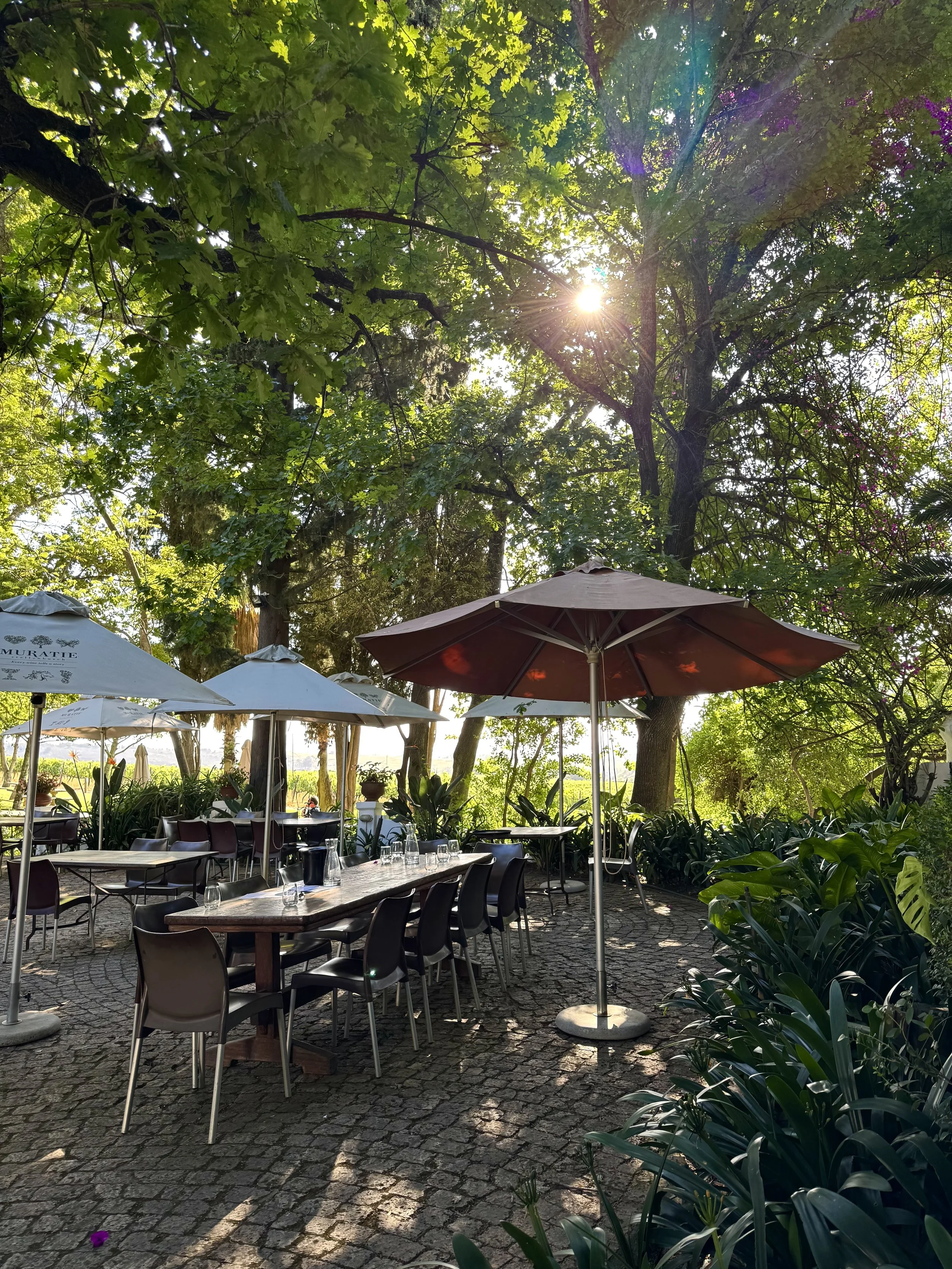
We were picked up from our accommodation and drove for around an hour to the first stop. Over the course of the day, we visited four wineries, each with a different setting and selection of wines. We began at Fairview with a wine and cheese pairing before continuing to Eikehof Wine Estate, where we sat on an outdoor terrace overlooking the surrounding mountains. There, we also had the chance to feed an ostrich named Joey, which was an unexpected and funny addition to the day. Lunch at Le Pommier provided a welcome break between the tastings, while our final stop was Muratie, one of South Africa’s oldest wine estates, with a history dating back to 1685. The entire day was well organised and our guide shared plenty of useful background on the region, its vineyards and South African wine.
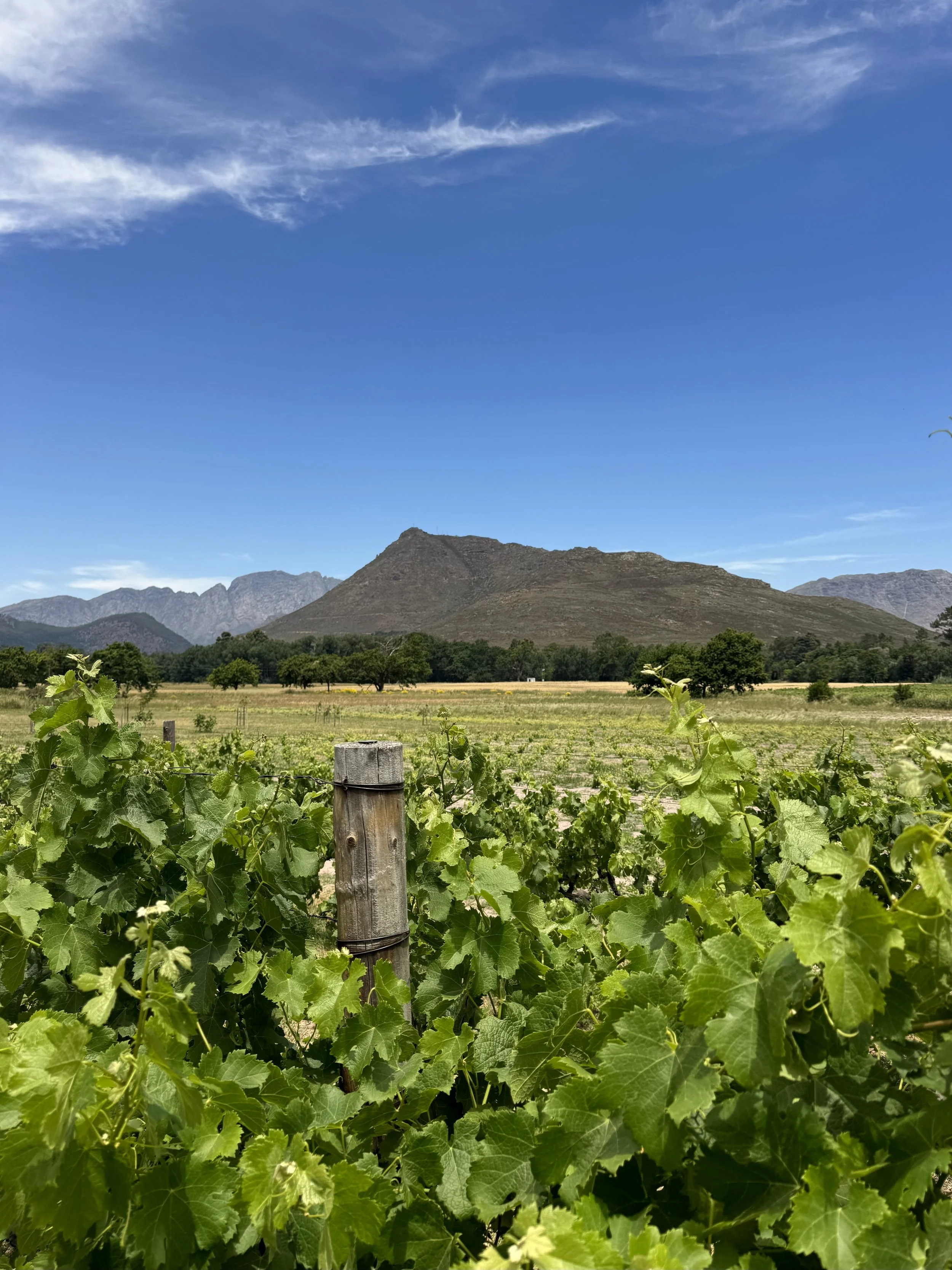


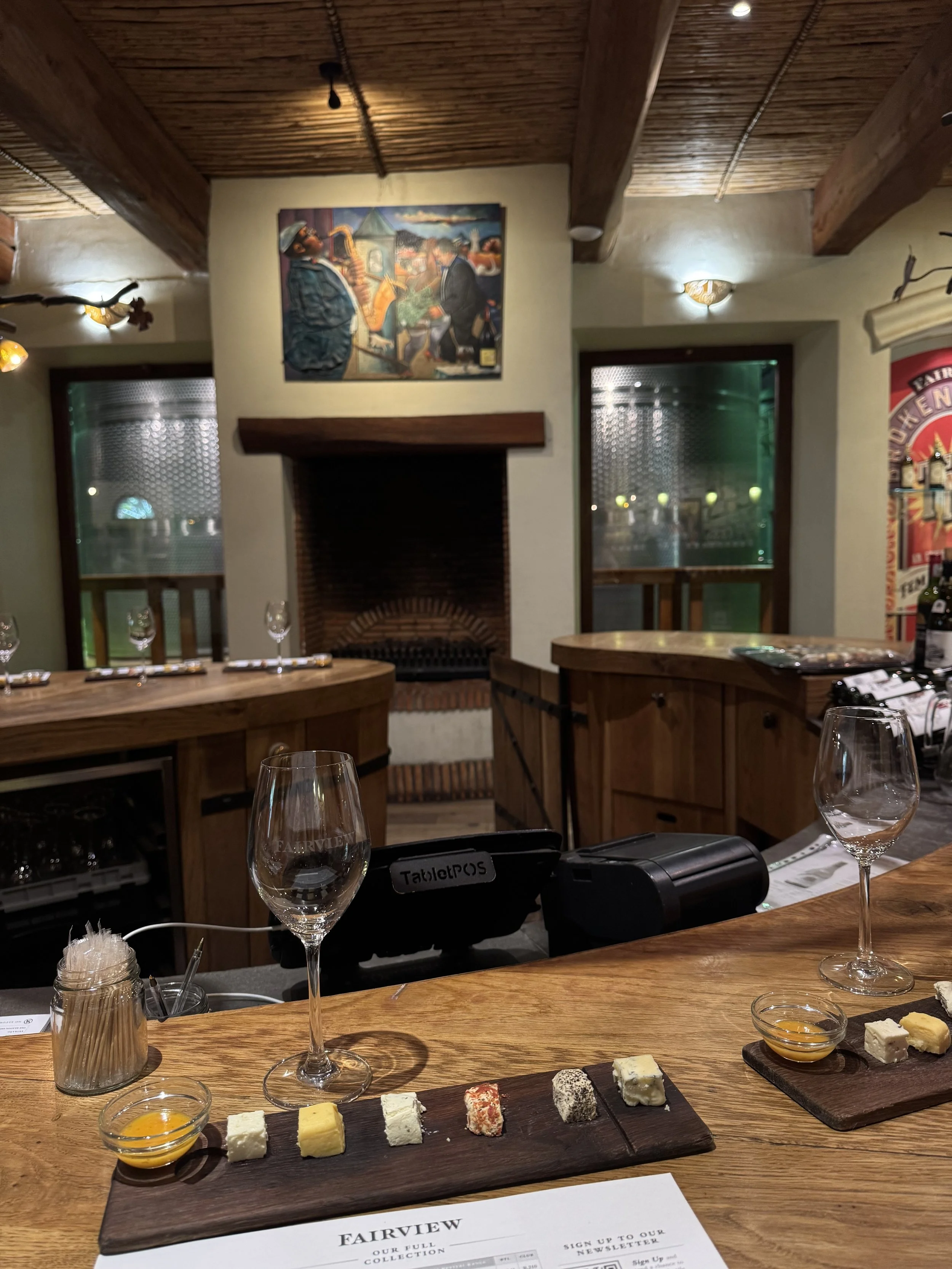
Because the tour is centred on wine, the day is spent visiting estates and travelling through the surrounding countryside rather than exploring the town centres. We saw plenty of the Winelands, but the experience also left us curious to return and see more of Stellenbosch and Franschhoek themselves. If you would also like to wander through their historic streets, visit the cafés or browse the shops, consider adding a separate visit or choosing a tour that specifically includes time in town.
Another popular option is the Franschhoek Wine Tram, which connects wine estates across several hop-on, hop-off routes. It offers more flexibility to choose your stops within the Franschhoek Valley, while a guided tour like ours provides a broader introduction to the wine regions around Paarl, Franschhoek and Stellenbosch.
For travellers primarily interested in wine tasting and the scenery of the Cape Winelands, this was an easy, stress-free experience that we would happily recommend. If exploring the towns or lingering at one or two estates is more important to you, a private driver or independent day trip may be a better fit. Whichever option you choose, keep the evening simple once you return to Cape Town.
Day 7 | A Flexible Final Day in Cape Town
After a full day in the Winelands, keep the final morning relaxed. Sleep in, return to a favourite café or take one last walk along the Sea Point Promenade. This day also gives you some flexibility if wind, cloud or changing conditions disrupted an earlier plan. You could use it for the beach, Table Mountain or another area you did not get to see, but there is no need to fill the day simply because it is available.
If everything went to plan, spend a few more hours somewhere you particularly enjoyed. Clifton and Camps Bay are easy choices for another afternoon by the ocean, while Mojo Market works well for casual food or drinks without making a reservation. Leave enough time to pack and rest, then finish the trip with a sunset walk or dinner somewhere familiar. After several busy days, returning to a place you already liked can be more enjoyable than trying to fit in one final attraction.
Cape Town quickly became one of our favourite cities because of how much variety it offers. We could begin the day on a mountain trail, spend the afternoon by the ocean and still have an excellent choice of places for dinner. The city requires more planning than some destinations because of the weather, distances and safety considerations, but once we understood its layout, it became much easier to enjoy. Five days are enough for the main highlights, while a full week gives you more room to adapt your plans and experience the city without rushing.
We left Cape Town feeling that there was still far more to see and with every intention of returning.