Cape Town: A Slow Travel Guide to the Mother City 2026
A slow-paced 5-day itinerary with optional extensions
Cape Town in South Africa is easily one of the most beautiful cities in the world and one of our favourite places we’ve visited. There are many reasons for that. First of all, our last name is Cape, so it somehow felt fitting. Jokes aside, Cape Town has a magnetic pull that goes far beyond the name.
What stands out right away is the vibrant atmosphere. Cape Town feels lively, international and diverse, with an excellent food scene that is genuinely good without being pretentious or expensive. The city is frequently highlighted as one of the world’s most affordable destinations for high-quality dining, which explains why eating out here feels both special and accessible. Coffee culture is strong, service is warm and connections often happen naturally.
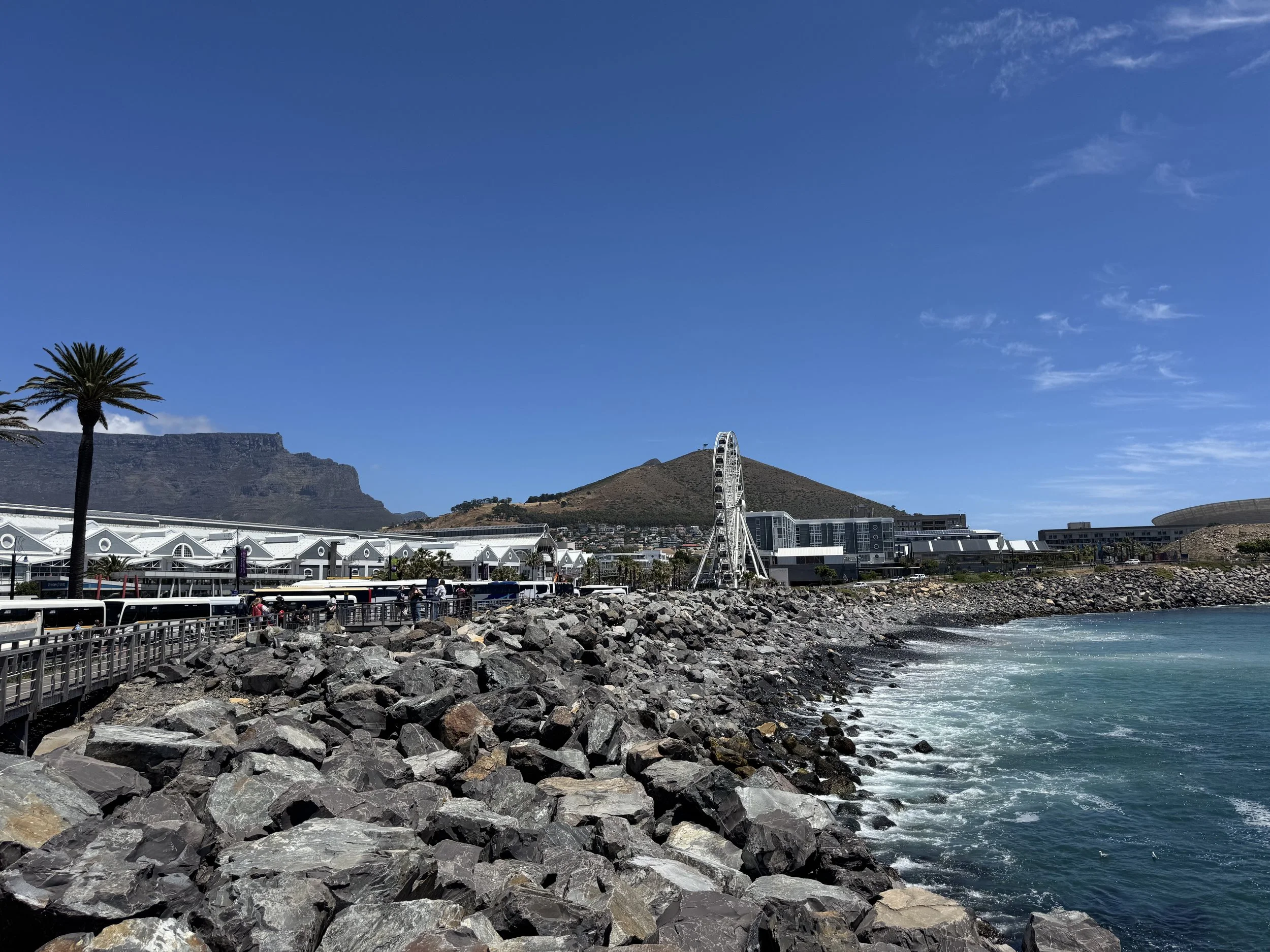
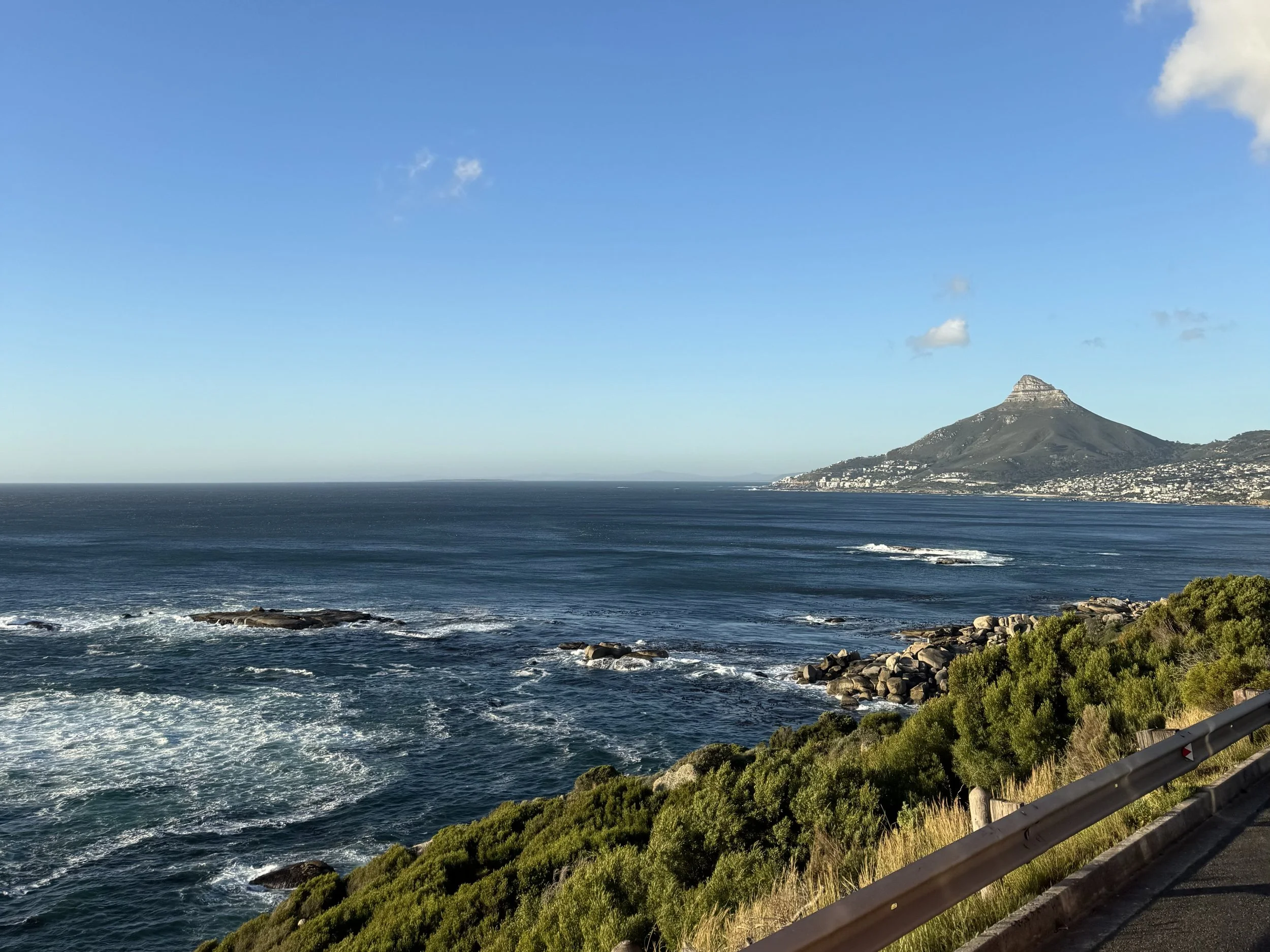
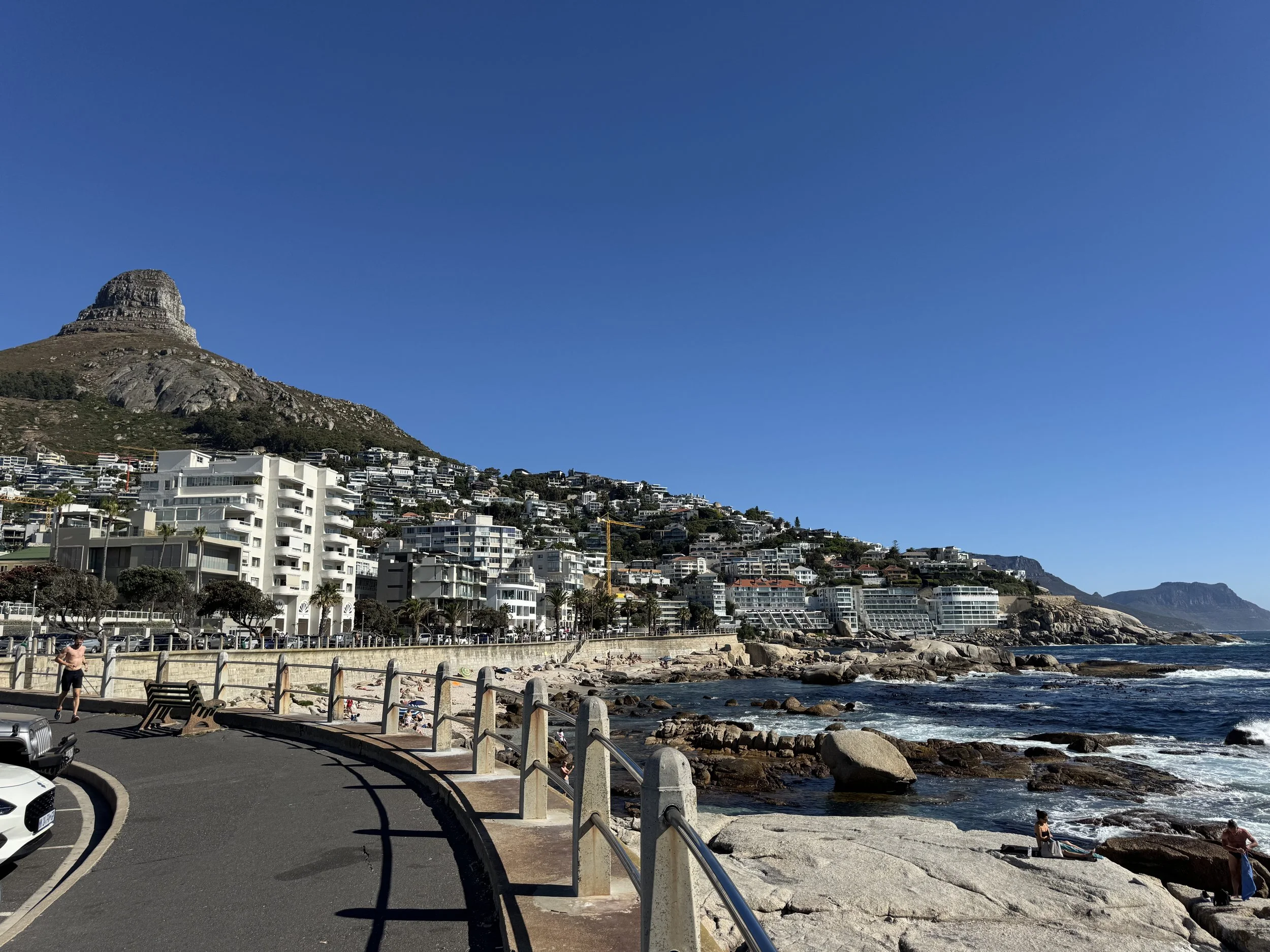
The city is deeply shaped by its surroundings. You’re never far from the ocean or the mountains. Lion’s Head and Table Mountain are constant landmarks in the background, beaches are close to the city, and the landscape influences how people plan their days. At the same time, Cape Town carries a complex history that still shapes the city today, from its neighbourhoods to its social realities. Where you stay and how you move through Cape Town matters, and experiencing it well often means being intentional rather than trying to see everything at once.
In this post, we’ll share practical insights on where to stay, how to get around, the best time to visit and realistic safety considerations. We’ll also explain why Cape Town works so well as a base for slow travel or a shorter stay and include a sample 5 - 7 day itinerary to help you plan your own time in the Mother City without rushing.

Where to Stay
Cape Town is spread out and built around Signal Hill and Lion’s Head, which gives the city its distinct shape. Where you stay has a big impact on how you experience the city, as neighbourhoods can feel surprisingly different depending on their location and connection to the coast, the mountains and the city centre.
For a first visit, Sea Point and Green Point felt like the easiest and most comfortable bases for us. Both are central, lively and practical, with cafés, supermarkets and the promenade within walking distance. They also work well if you plan to rely on Uber, with quick and affordable access to the city centre, beaches and trailheads.
Neighborhood Overview:
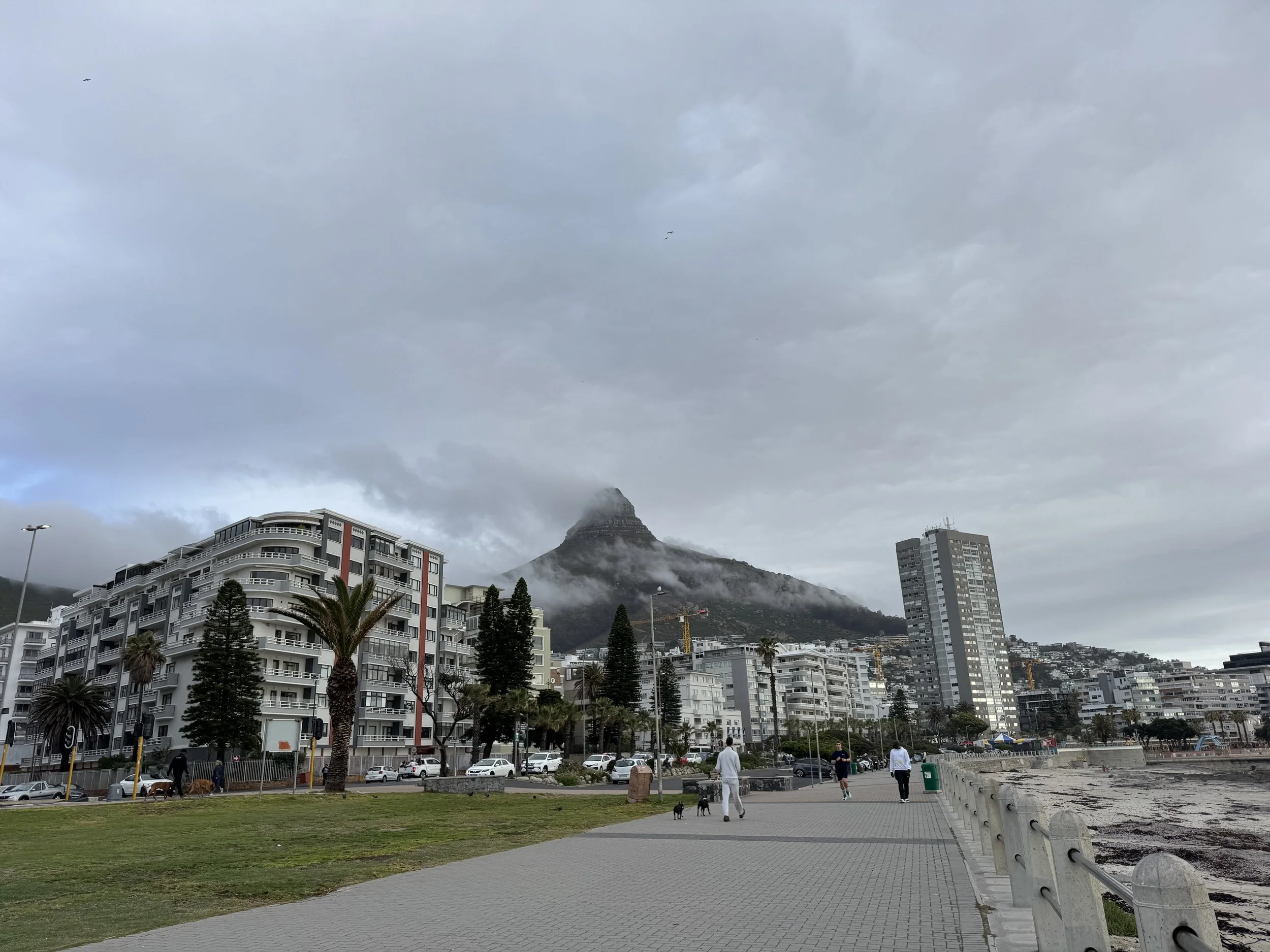
Sea Point & Green Point: This is where we based ourselves. They are central, generally safe and very walkable during the day. Sea Point feels a bit more like "everyday" Cape Town with a lively promenade and casual spots like the Mojo Market, while Green Point is a little quieter and closer to the V&A Waterfront and a lovely park. They are the great base for balancing city life with coastal access.
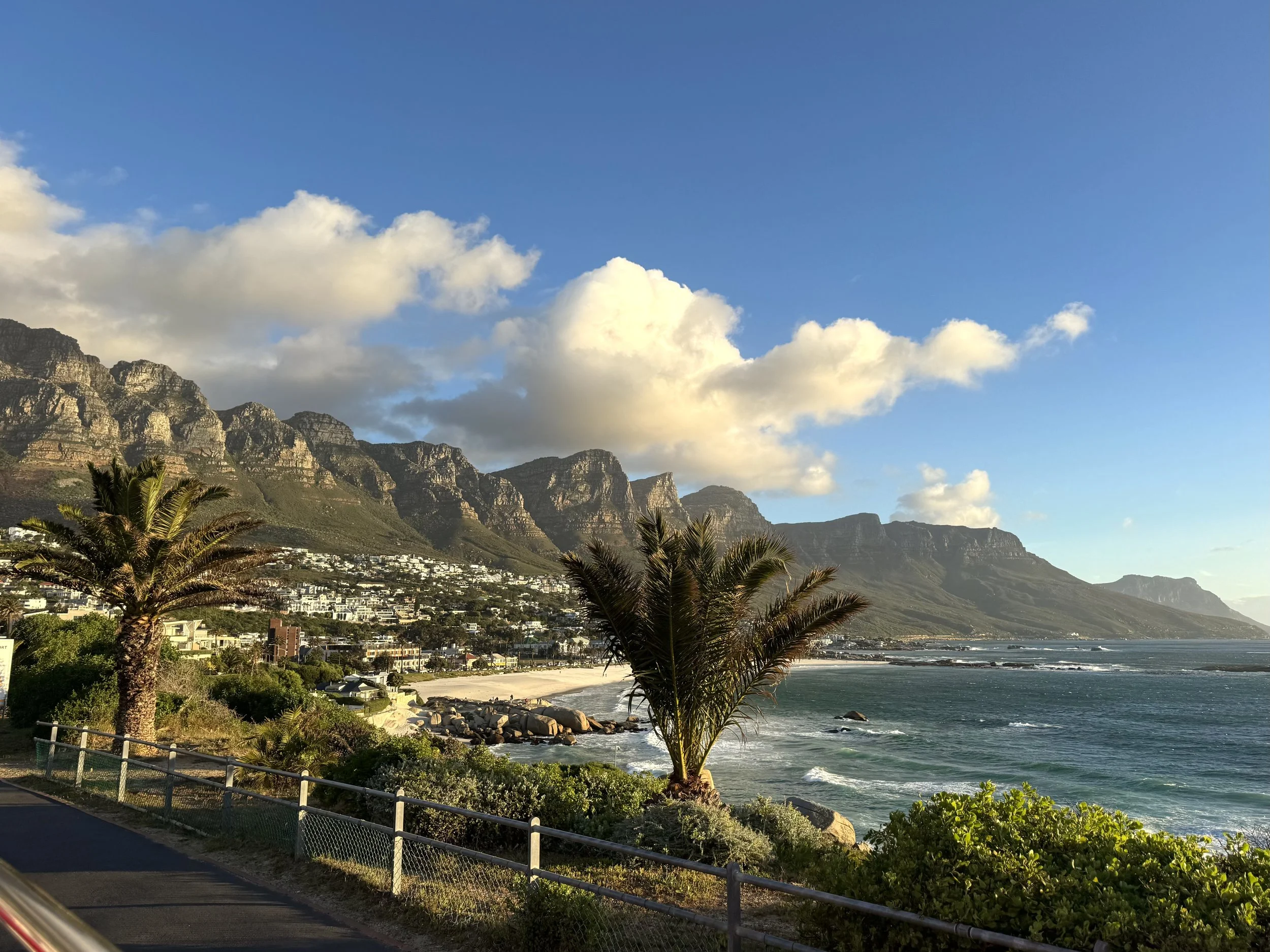
Clifton & Camps Bay: These areas are further from the city centre but closer to some of Cape Town's most famous, glamorous beaches. They are more residential and upscale, and you still have easy access to starting many of the great local hikes.
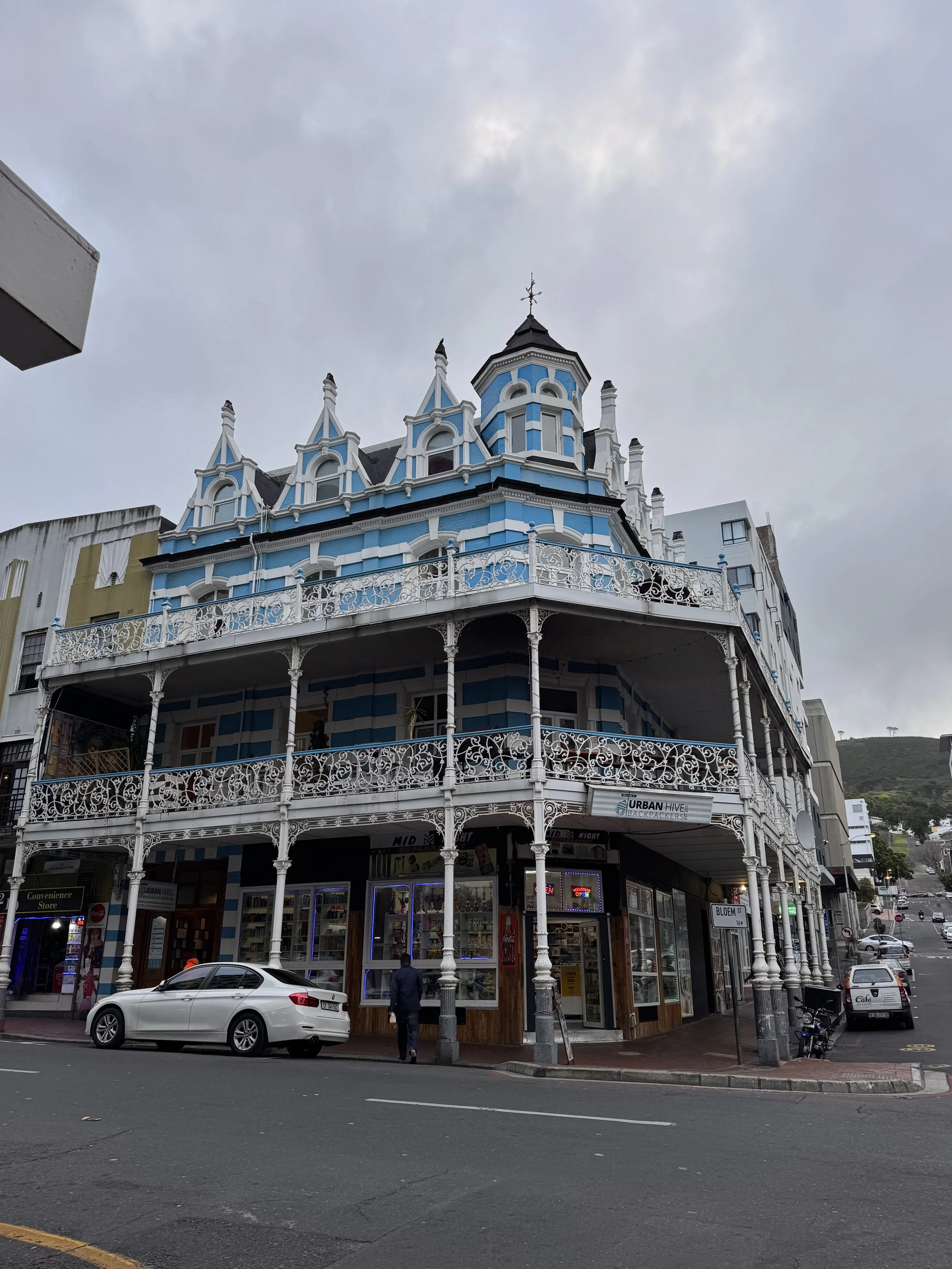
Gardens & Downtown: If you want to be in the heart of the city's creative and nightlife scenes, these areas put you close to museums, excellent restaurants on Kloof Street and a very central vibe.
V&A Waterfront: This is the most tourist-oriented area. It’s highly secure, packed with shops and restaurants, but it can feel a little bit disconnected from the authentic local life.
When to Go
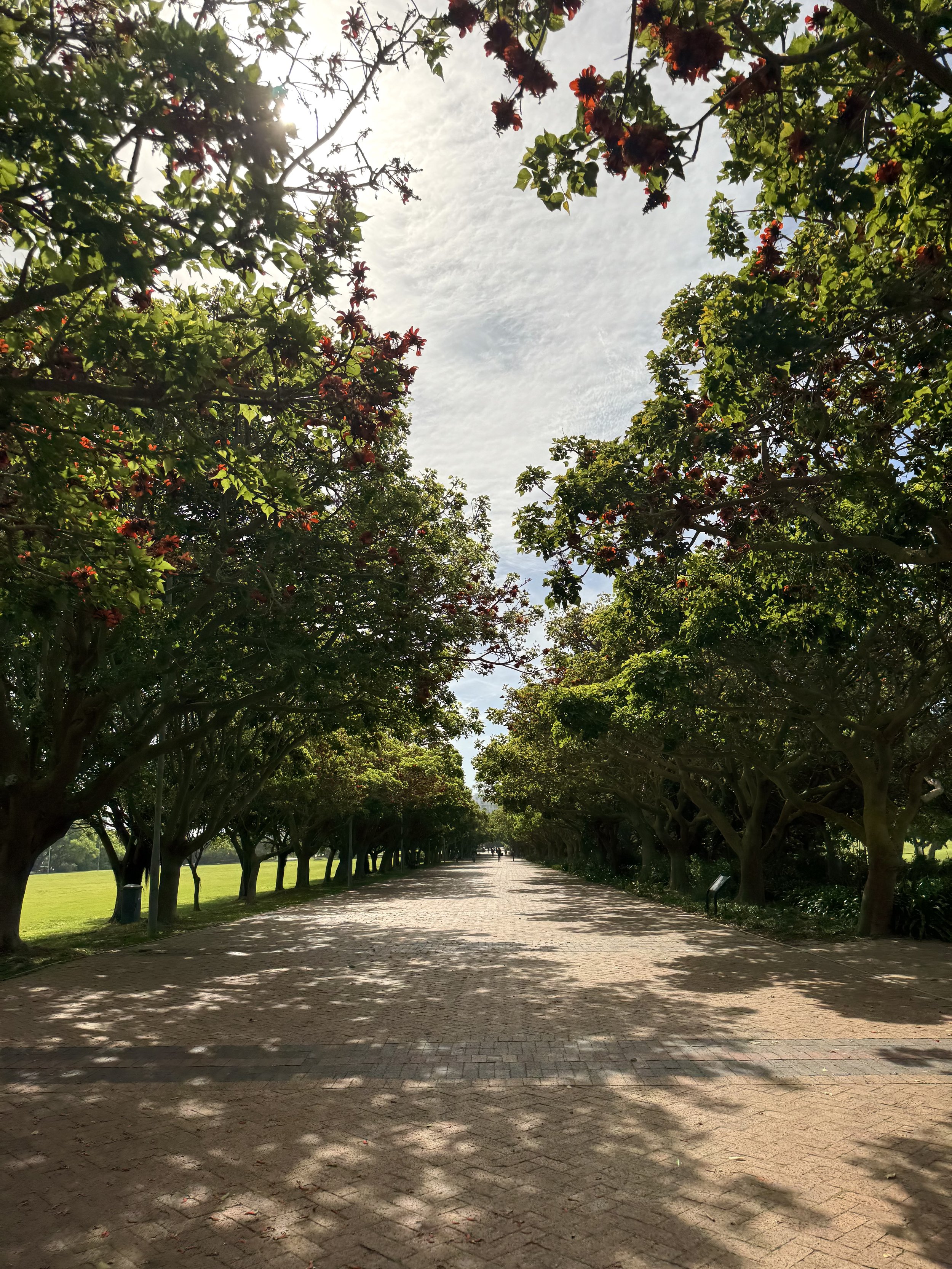
Cape Town has a Mediterranean-style climate, but conditions can be less predictable than many expect. In general, the best time to visit is from mid October to mid March, when days are longer and temperatures are warmer.
When we first arrived in early October, we were surprised by how chilly it could feel at times. It reminded us of San Francisco in summer, with strong winds, cooler temperatures and fast-changing conditions. Some days were pleasant, others unexpectedly cold or brought a short downpour. Packing layers is essential. The Atlantic Ocean stays cold year-round, adding to the cooler coastal feel. If swimming in warmer water is a priority, beaches further east along the Indian Ocean are noticeably warmer.
In October the city felt like it was waking up, wildflowers were starting to bloom and crowds were still light. Temperatures usually ranged between 12°C and 22°C, which made hiking and exploring comfortable.
By mid November, days were warmer and sunnier, often reaching 20°C to 25°C, with longer daylight hours ideal for beach time and sunset dinners. This is also when the “Cape Doctor” wind becomes more common. While peak season starts around mid November and runs through February, October or March remain great shoulder months for fewer crowds and lower prices.
A Word on Safety: Better Safe Than Sorry
It’s the question everyone asks and safety is a genuine concern. Cape Town does come with challenges and pretending otherwise doesn’t help. It’s not uncommon to hear about incidents, especially from visitors who were unprepared or in the wrong place at the wrong time. To be honest, before we arrived we were a little nervous because of so many different opinions and stories we've heard from others.
At the same time, during our visit we felt very secure. A few basic habits went a long way and being informed and prepared allowed us to relax and enjoy the city with confidence rather than paranoia or over-caution.
What Worked Well for Us
Use Uber at night: Don’t walk alone after dark, even for short distances. Uber is affordable and reliable
Be discreet: Don't wear flashy jewellery or expensive valuables. Keep your phone tucked away
Don't hike alone: There are plenty of hiking groups, both free and paid, which are a much safer option
Car safety: Keep windows up and doors locked at traffic lights. Never leave anything visible in the car. Use designated parking attendants with yellow vests and tags
Stay aware: Don’t wander into side streets alone. There are many homeless people and it’s usually best to ignore them and let them be
Be kind: A friendly smile goes a long way
Having reliable mobile data made navigation, transport and route planning much easier. We’ve been using Airalo eSIMs on many trips and they’ve consistently worked well for us. Feel free to use our *discount code: NORA7107 to get $3 off your first plan.
*This is an affiliate link, which means we may earn a small commission at no extra cost to you.
Who Cape Town Is For (and Who It Isn’t)
Cape Town works well for a wide range of travellers, from first-time visitors and classic holidaymakers to outdoor enthusiasts, digital nomads and slow travellers. If you enjoy combining city life with nature, starting your day with an oceanfront walk or an easy hike and ending it with a genuinely good meal, you’ll likely feel at home here. The city suits people who enjoy variety, appreciate good food and coffee and are comfortable planning their days with a bit of intention.
At the same time, Cape Town isn’t for everyone. If you prefer to wander aimlessly for hours without thinking about routes or neighbourhoods, the city can feel restrictive. It also requires a certain level of awareness, so if personal security is your top priority above all else, it may feel stressful at times. You’ll also encounter the reality of townships around Cape Town, which are home to a large part of the population and reflect the city’s complex social and historical context. Their presence highlights the stark contrasts between wealth and poverty that shape everyday life in and around the city.
Practical Notes for Cape Town
Airport transfer: From the airport, we recommend taking Uber Black. This was recommended by several Airbnb hosts and locals and felt like the smoothest option after a long flight.
Getting around: Once in the city, standard Uber/ Bolt rides work very well and are affordable and reliable.
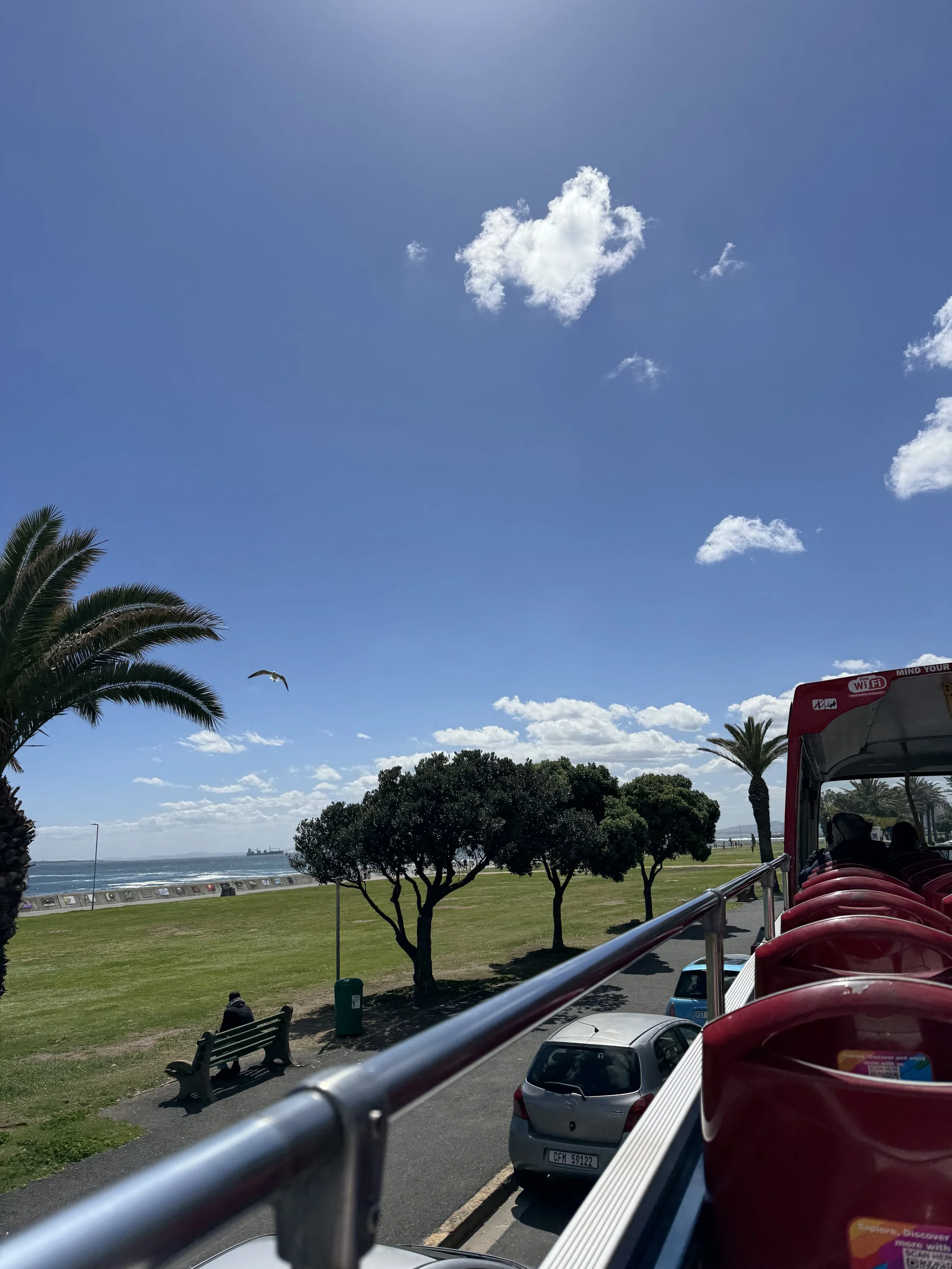
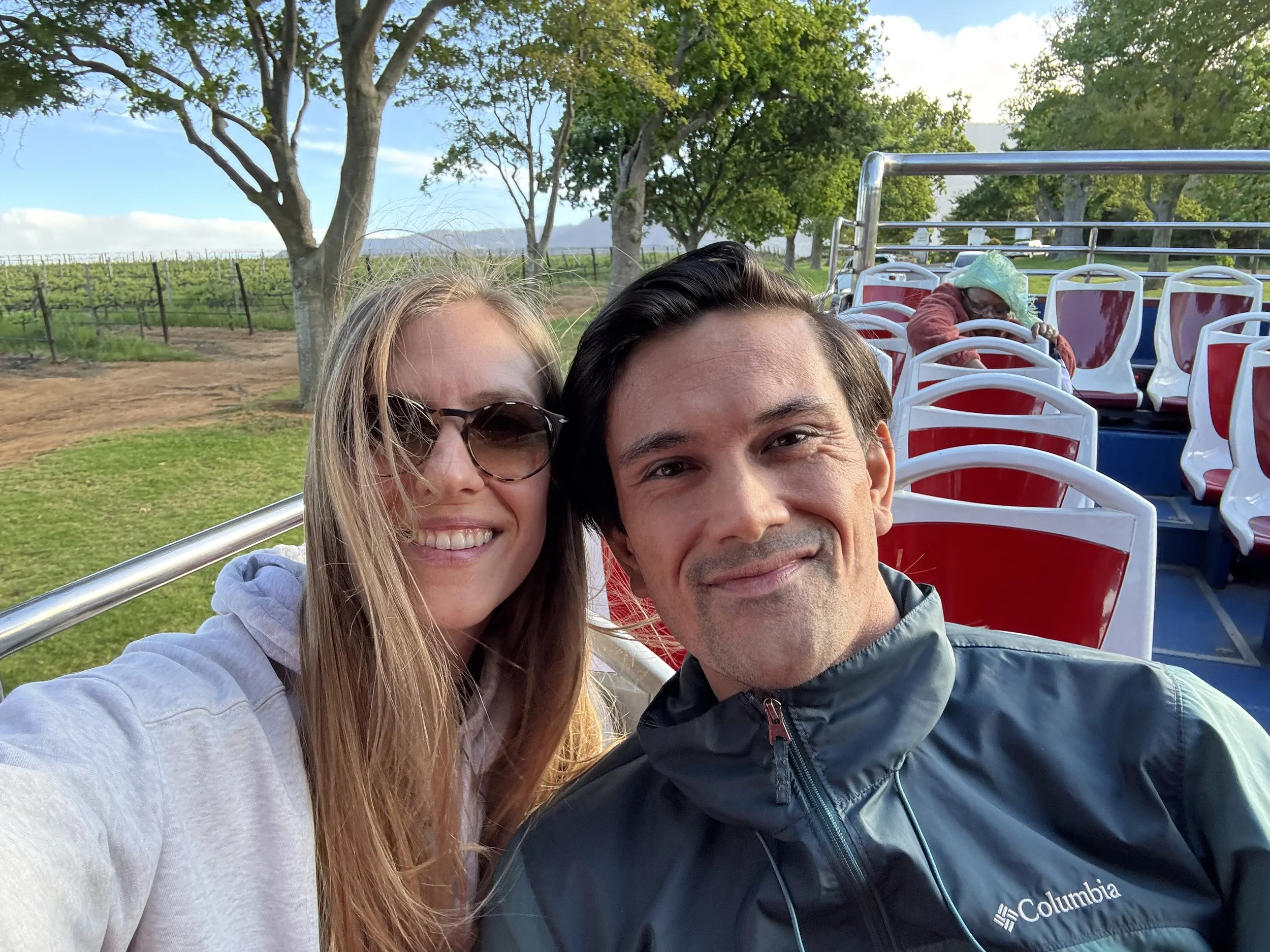
Sightseeing without a car: The hop-on hop-off bus is a great option for sightseeing days if you don’t want to drive. It’s well organised and useful for reaching places like Table Mountain, Camps Bay and the Constantia wine region.
Food delivery: Uber Eats is extremely convenient and widely used, especially on evenings when you don’t feel like going out.
Car rental: Renting a car gives you the most flexibility, especially for scenic drives and day trips beyond the city. Driving is on the left and distances are often longer than they look on the map.
Payment: Credit and debit cards are widely accepted, but carrying some cash is useful for tips or parking attendants.
Power supply: Load shedding can still happen occasionally, so choosing accommodation with backup power makes a big difference.
Drinking water: Tap water in Cape Town is safe to drink.
How to Spend 5 Days in Cape Town: Our Authentic Itinerary & Travel Guide 2026
(with options to extend)
This itinerary is designed for first-time visitors who want to experience Cape Town’s highlights in a thoughtful way without trying to squeeze everything in. It balances time outdoors with good food, neighbourhood exploration and a bit of history and works especially well if you’re staying centrally and using a mix of walking and Uber. Each day leaves room to adjust based on weather, energy levels or simply lingering somewhere longer than planned.
Day 1: Sea Point Promenade, Oranjezicht Market & V&A Waterfront
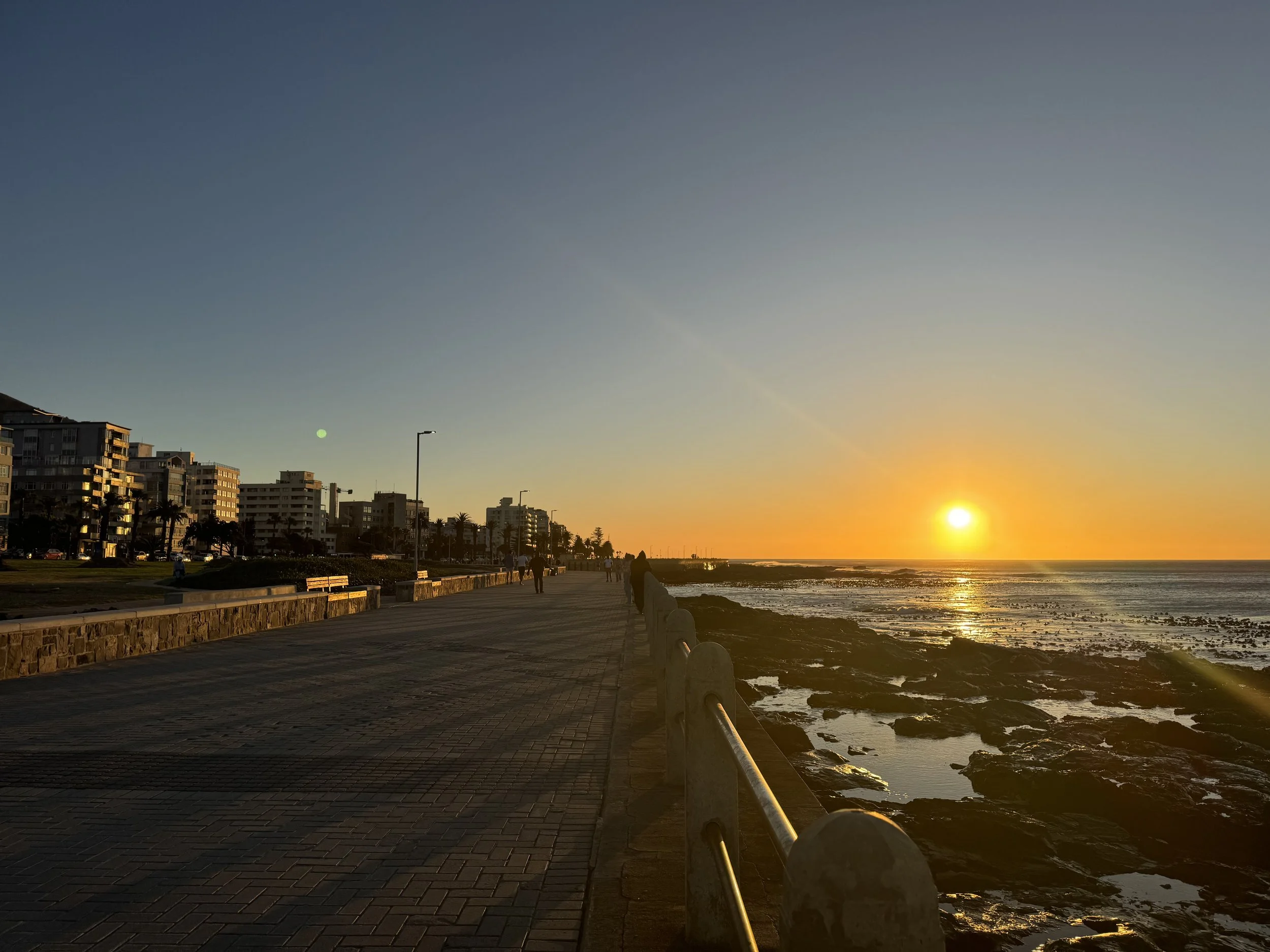
Ease into Cape Town by starting the morning with a walk along the Sea Point Promenade, which quickly becomes part of daily life here. It’s flat, scenic and one of the easiest ways to get a feel for the city.
We loved coming here in the mornings and again around sunset, simply walking, people-watching and feeling part of Cape Town’s natural rhythm. Locals meet up to exercise or catch up with friends, while families explore the tidal pools or play a round of miniature golf near Green Point. Along the promenade you will also find a few cute little coffee vendors.
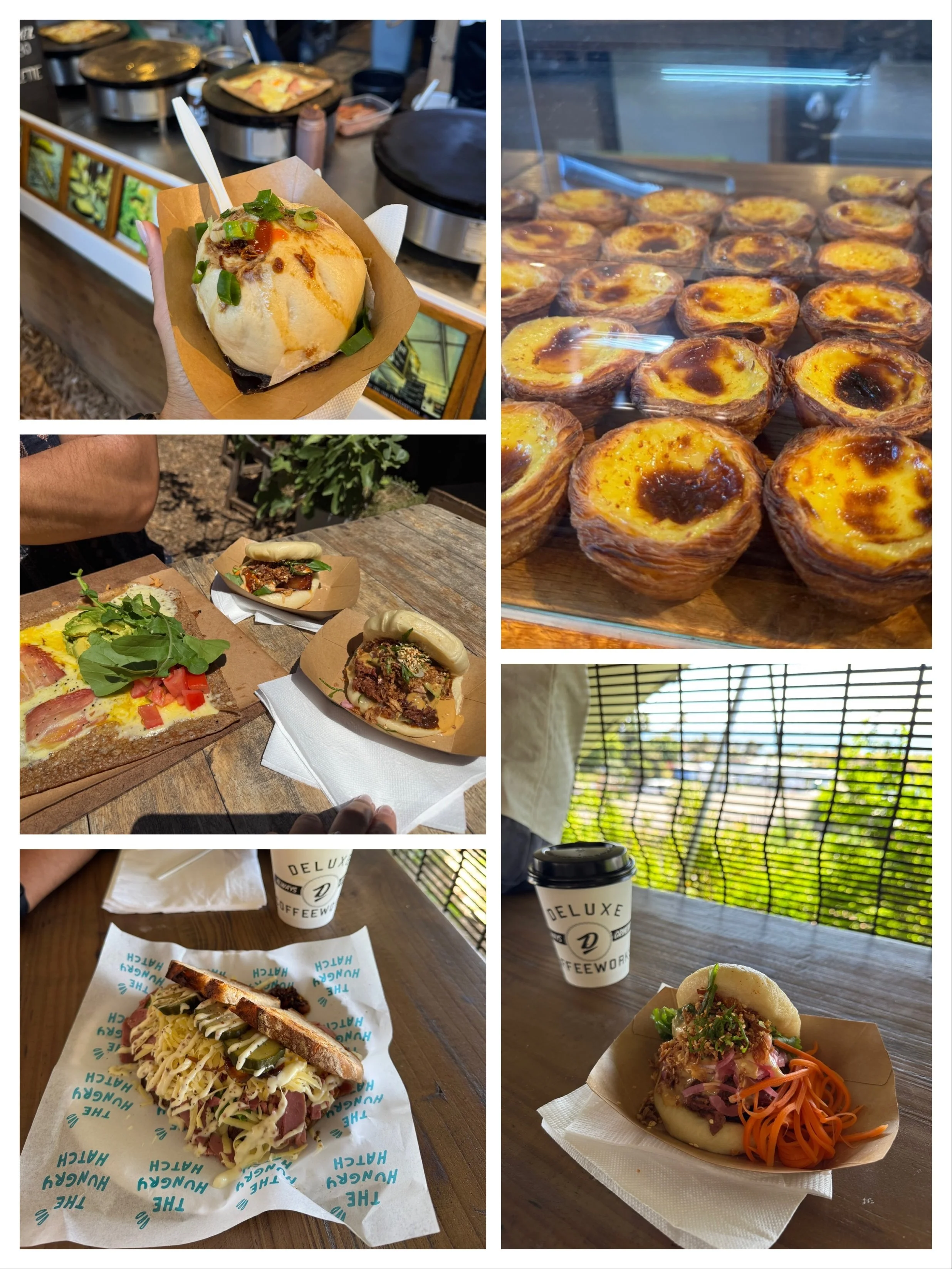
From the promenade, continue toward the Oranjezicht City Farm Market, which works perfectly as a late breakfast or early lunch. We came a few times for brunch and absolutely loved the vibe. The market is open Fridays from 16:00–20:00 and Saturdays and Sundays from 08:00–14:00. Expect a lively mix of food vendors, bakeries, coffee stands and small design stalls. It’s social, dog-friendly and very popular with locals, so arriving early helps avoid the busiest times.
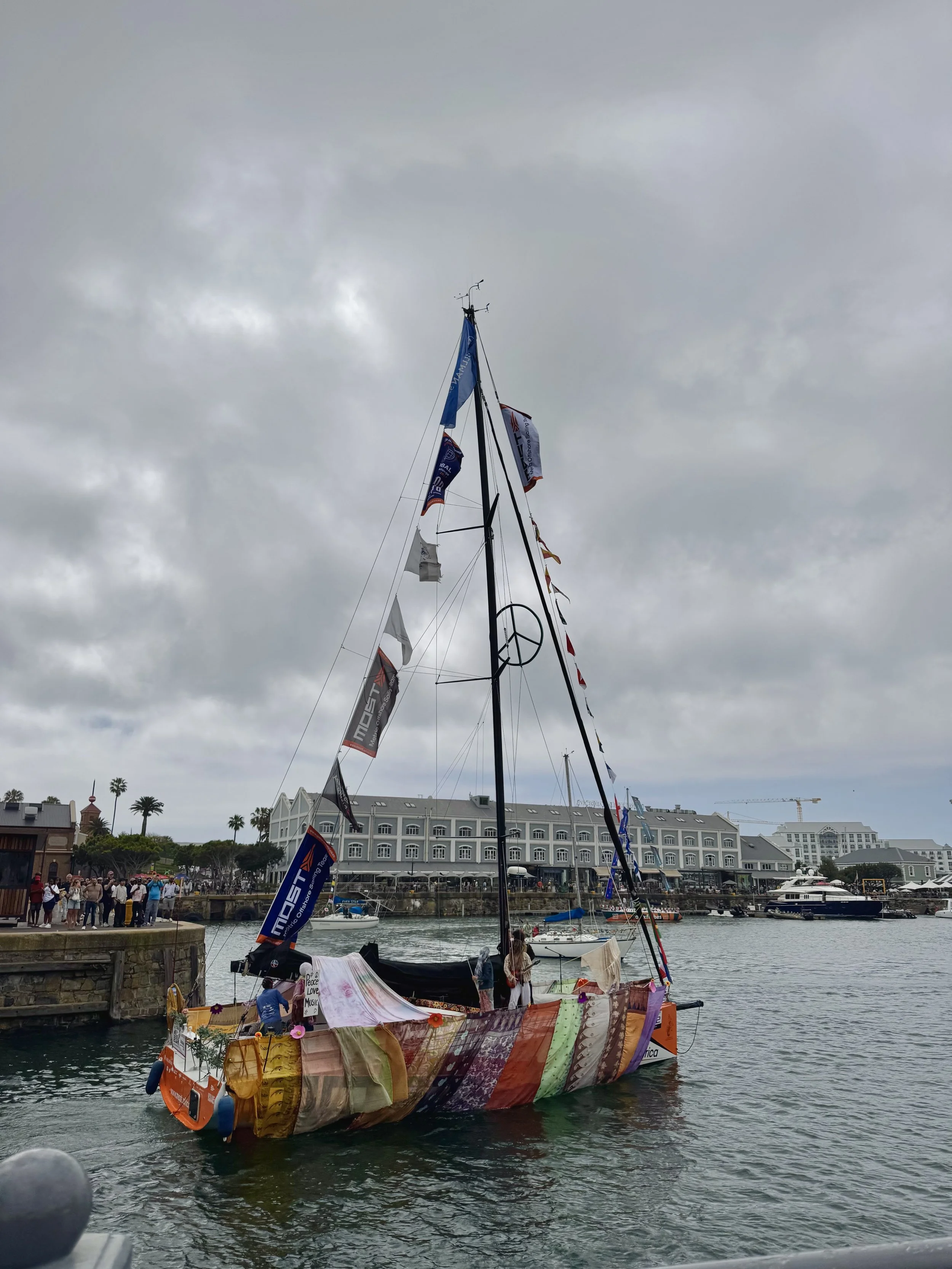
Afterwards, walk over to the V&A Waterfront, a hub that blends its history as a working harbour with modern leisure and cultural experiences. While touristy, it’s pleasant and easy to explore, especially around the marina. There’s also a wide range of food options here, including the Time Out Market Cape Town, which is convenient if you’re looking for something casual with plenty of choice. We enjoyed strolling through and watching a boat parade rather than planning a fixed activity.
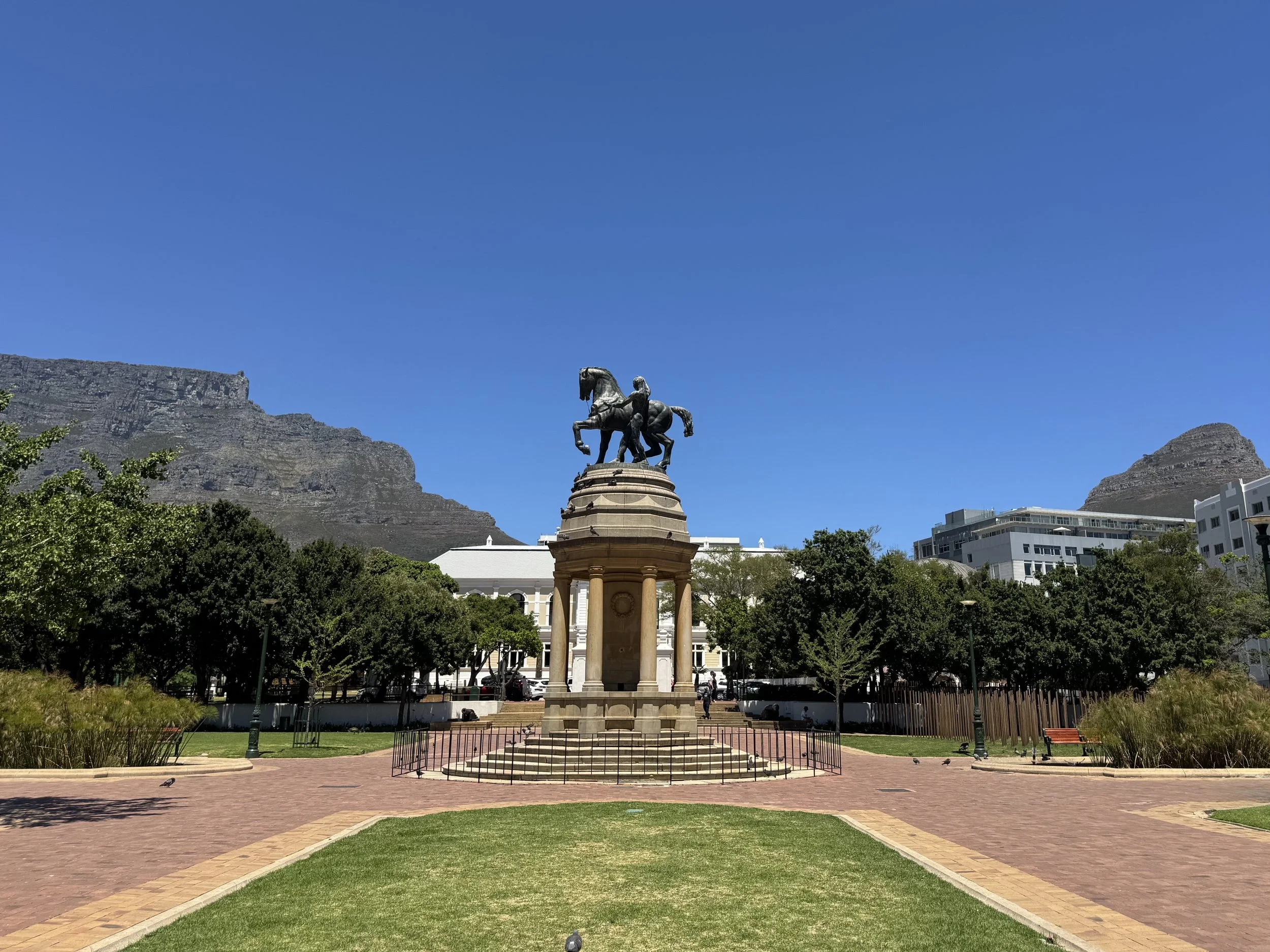
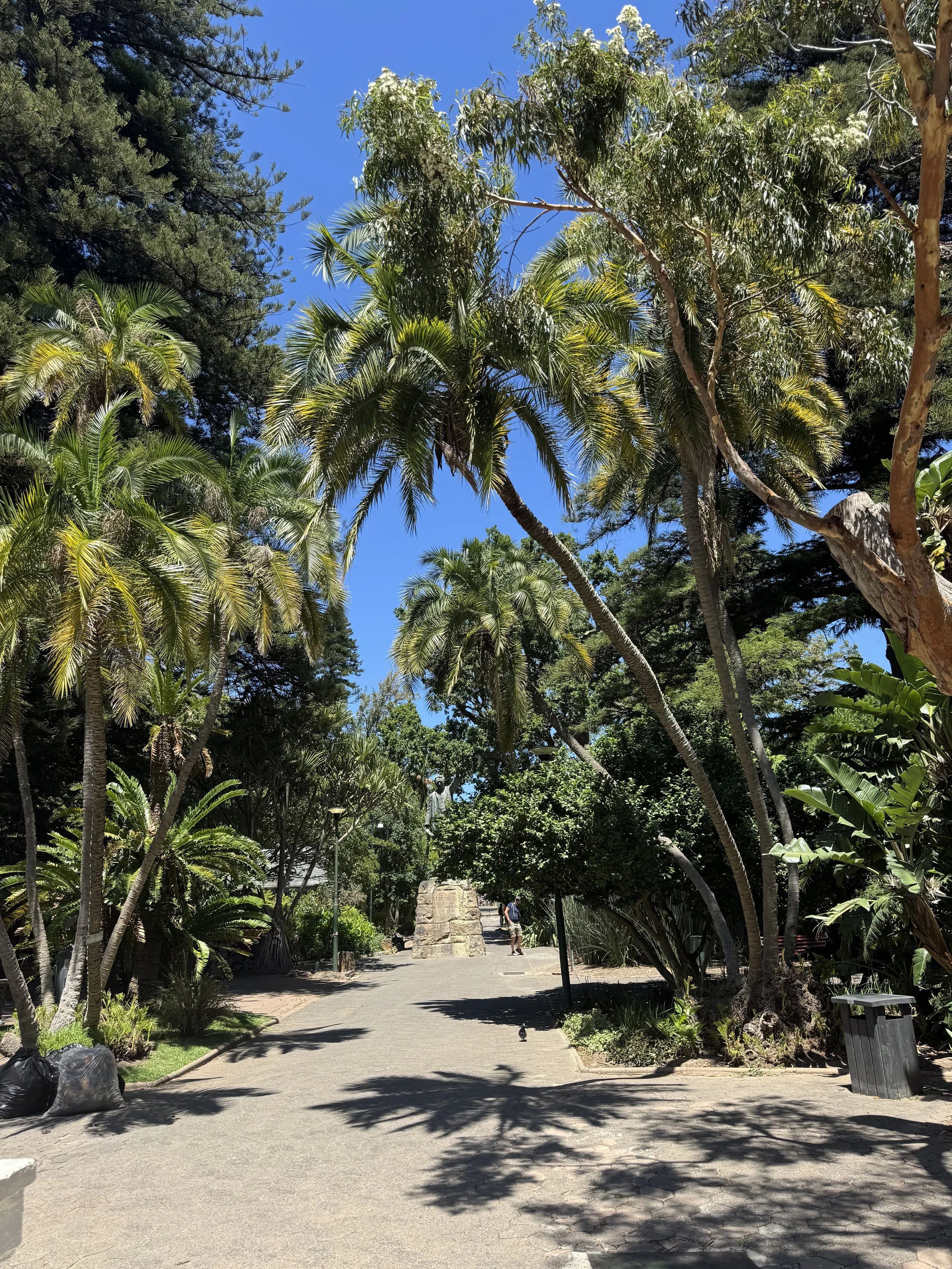
After spending some time at the V&A Waterfront, make your way into the city bowl for a slower afternoon. Company’s Garden is an easy stop and a nice contrast to the busier waterfront area. The park sits right in the middle of the city and feels calm and green, with shaded paths that are perfect for a short walk or a break on a bench.
From there, continue toward Kloof Street, which works well for dinner on your first evening. The area has a relaxed but lively feel and offers plenty of good restaurant options without needing to plan too much in advance. Ending the day here keeps things central and easy and sets you up well for the days ahead.
Optional stops at the V&A Waterfront:
If you have more time or are travelling with kids, the Two Oceans Aquarium, the Zeitz MOCAA, harbour boat tours and the Watershed design market are all located here. Ferries to Robben Island also depart from the Waterfront, making it a practical base if you plan to include this on another day.




Day 2: Lion’s Head, Beach Time and a Relaxed Evening
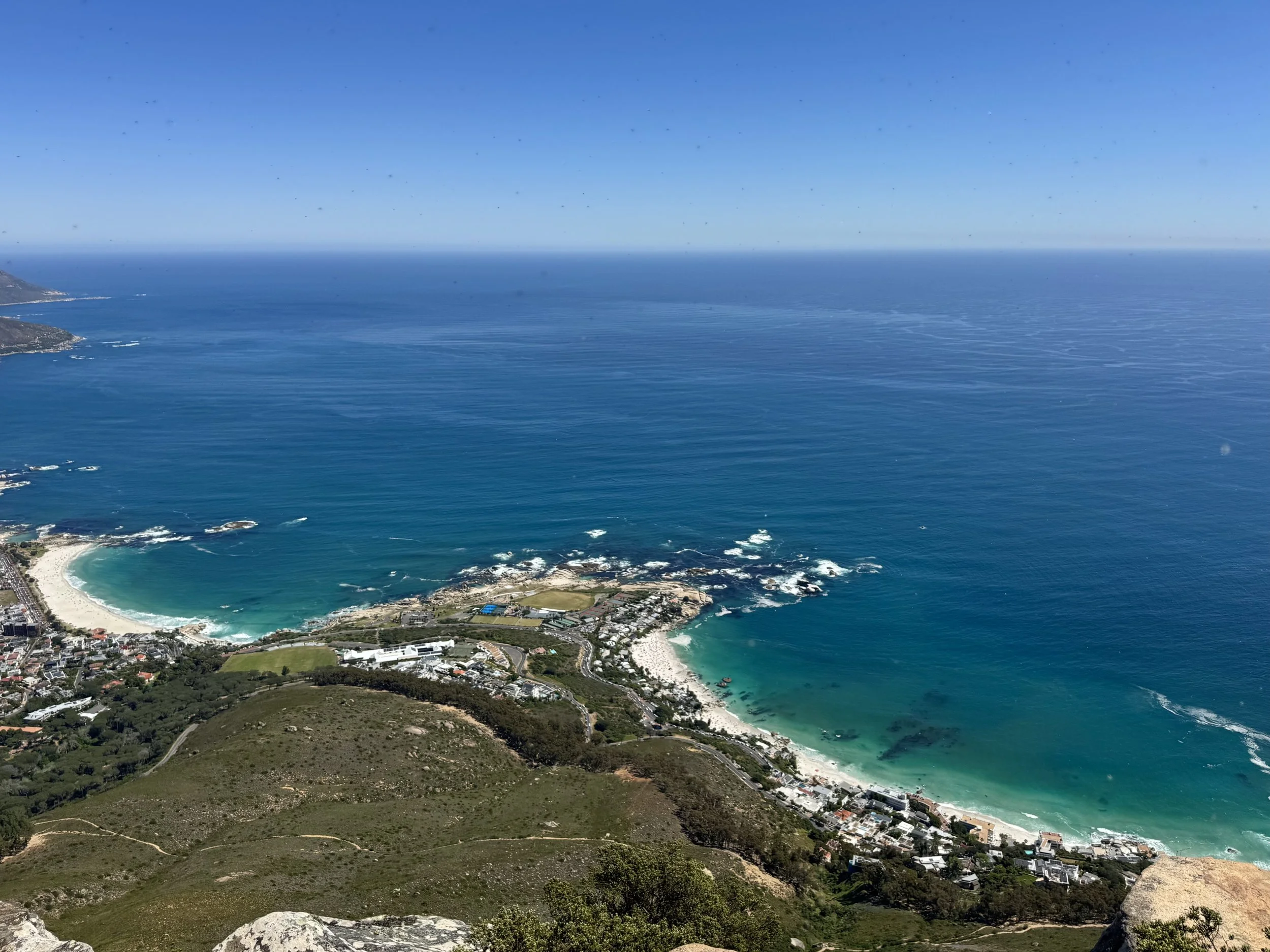
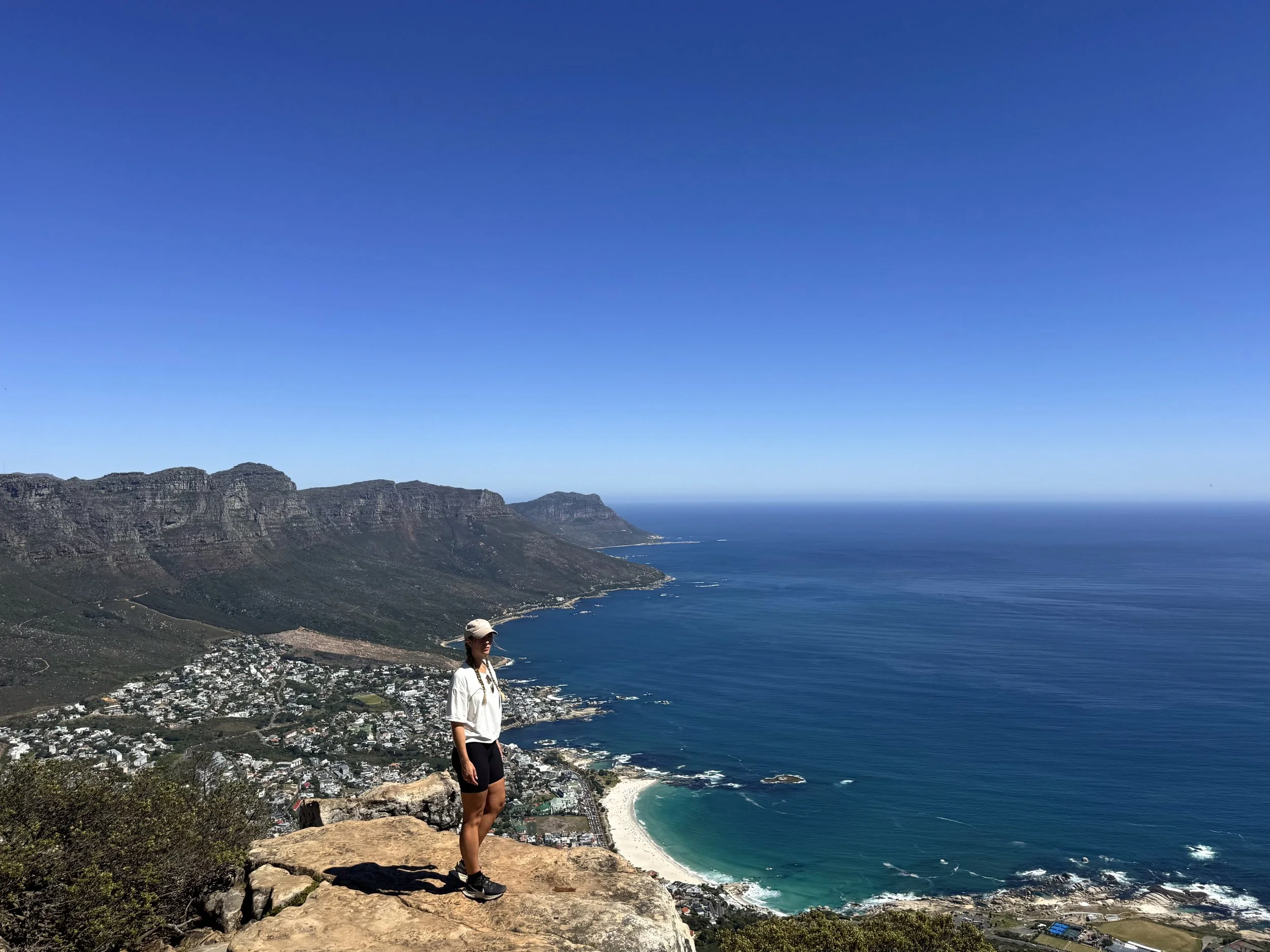
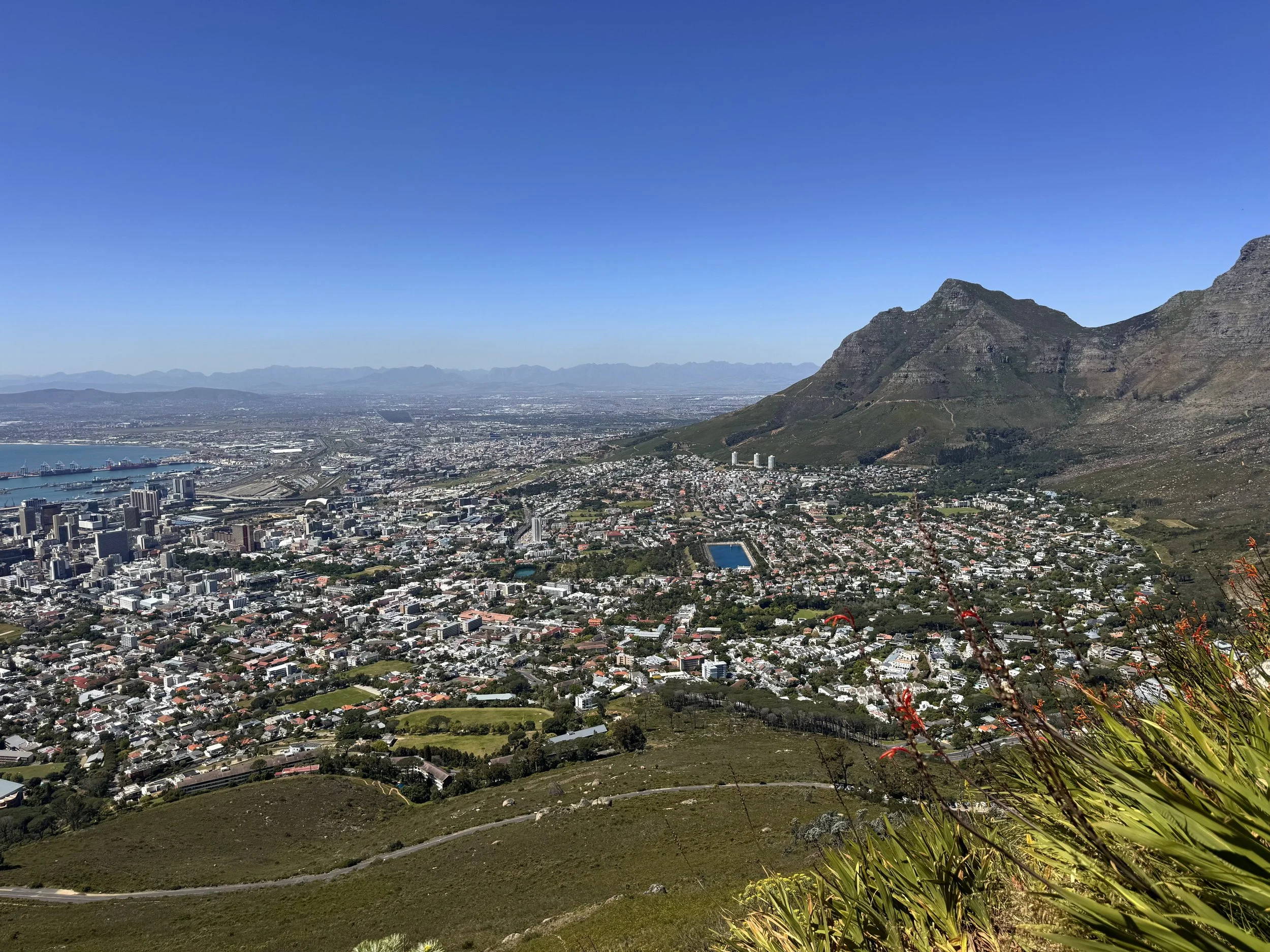
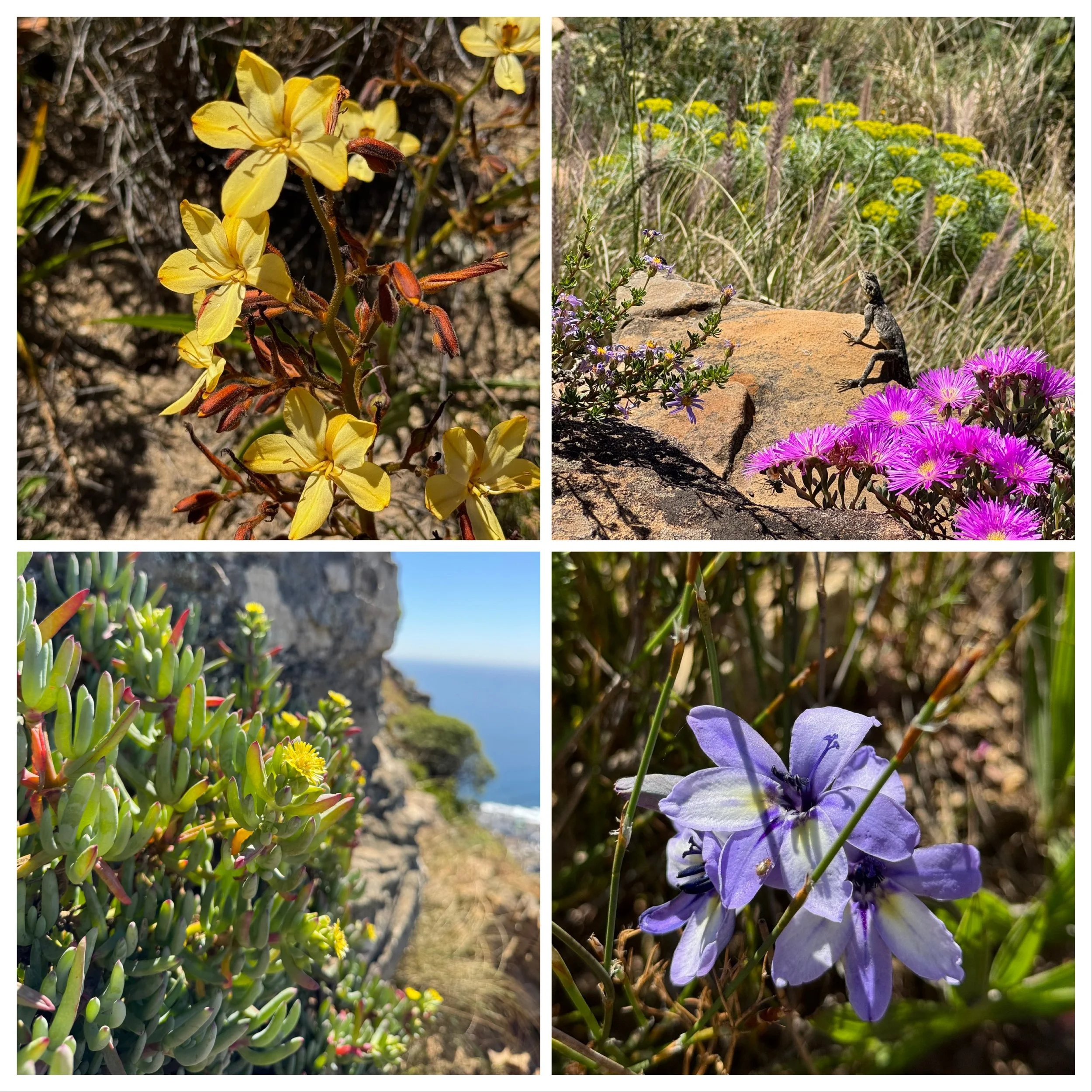
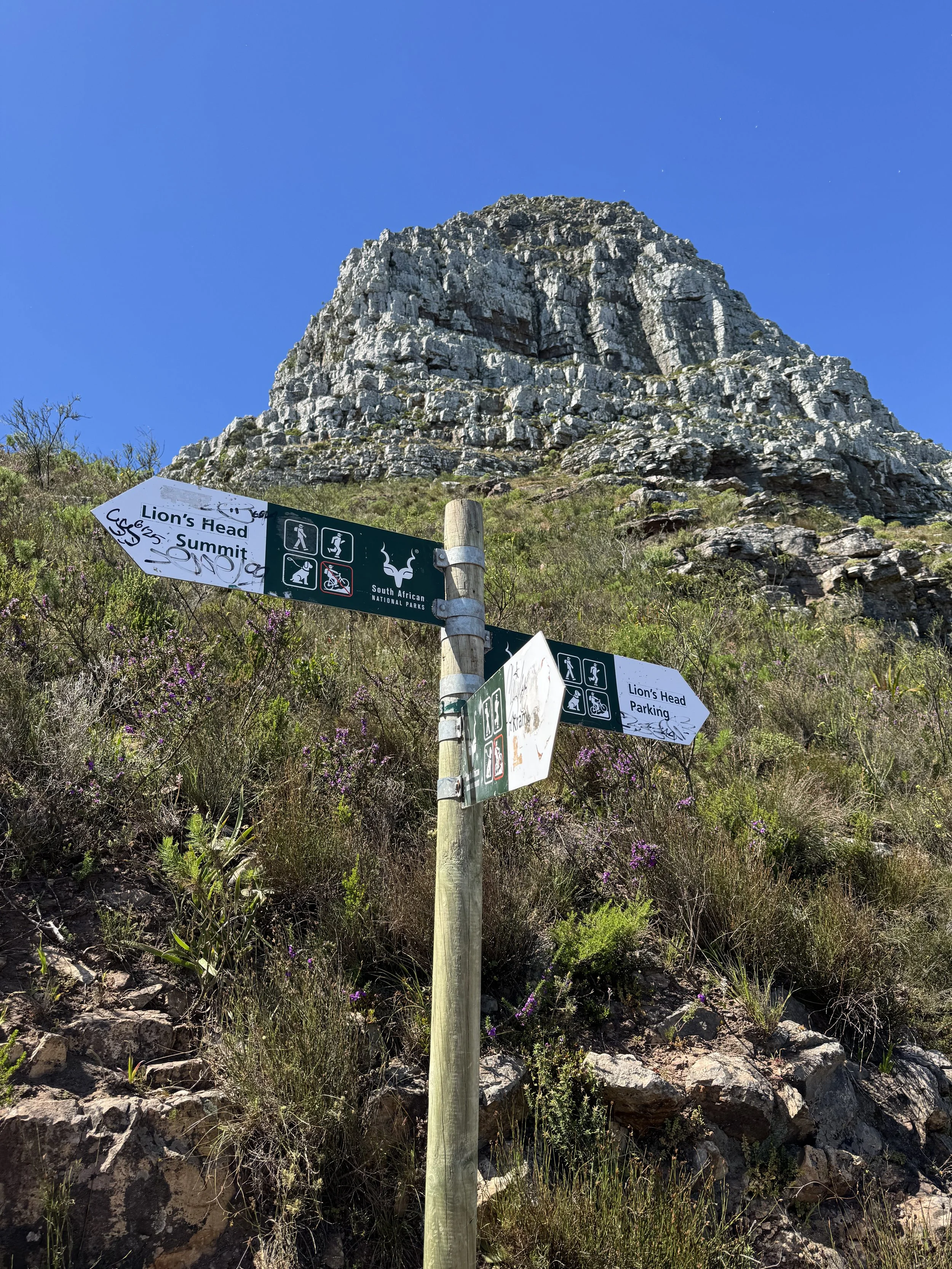
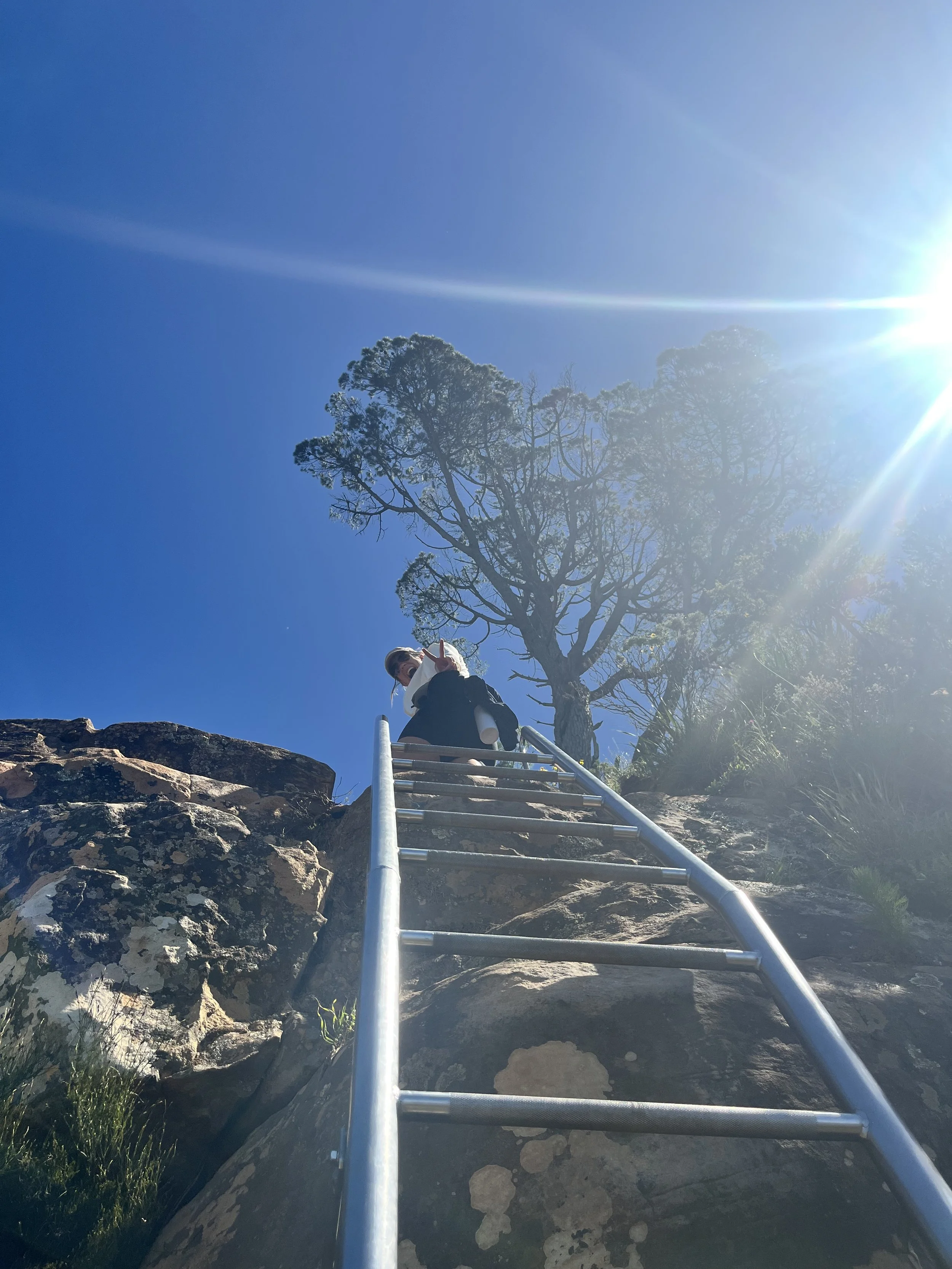
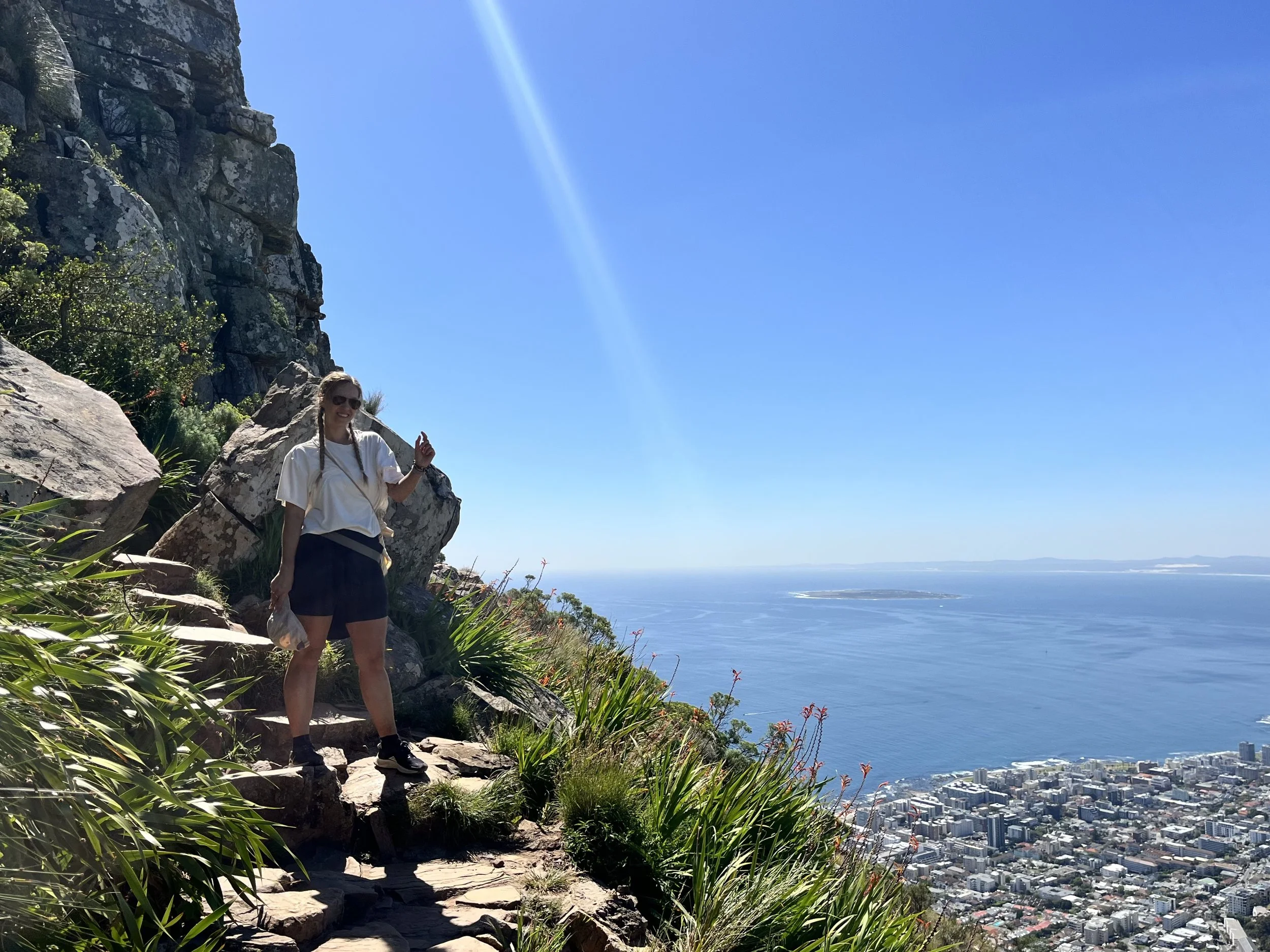
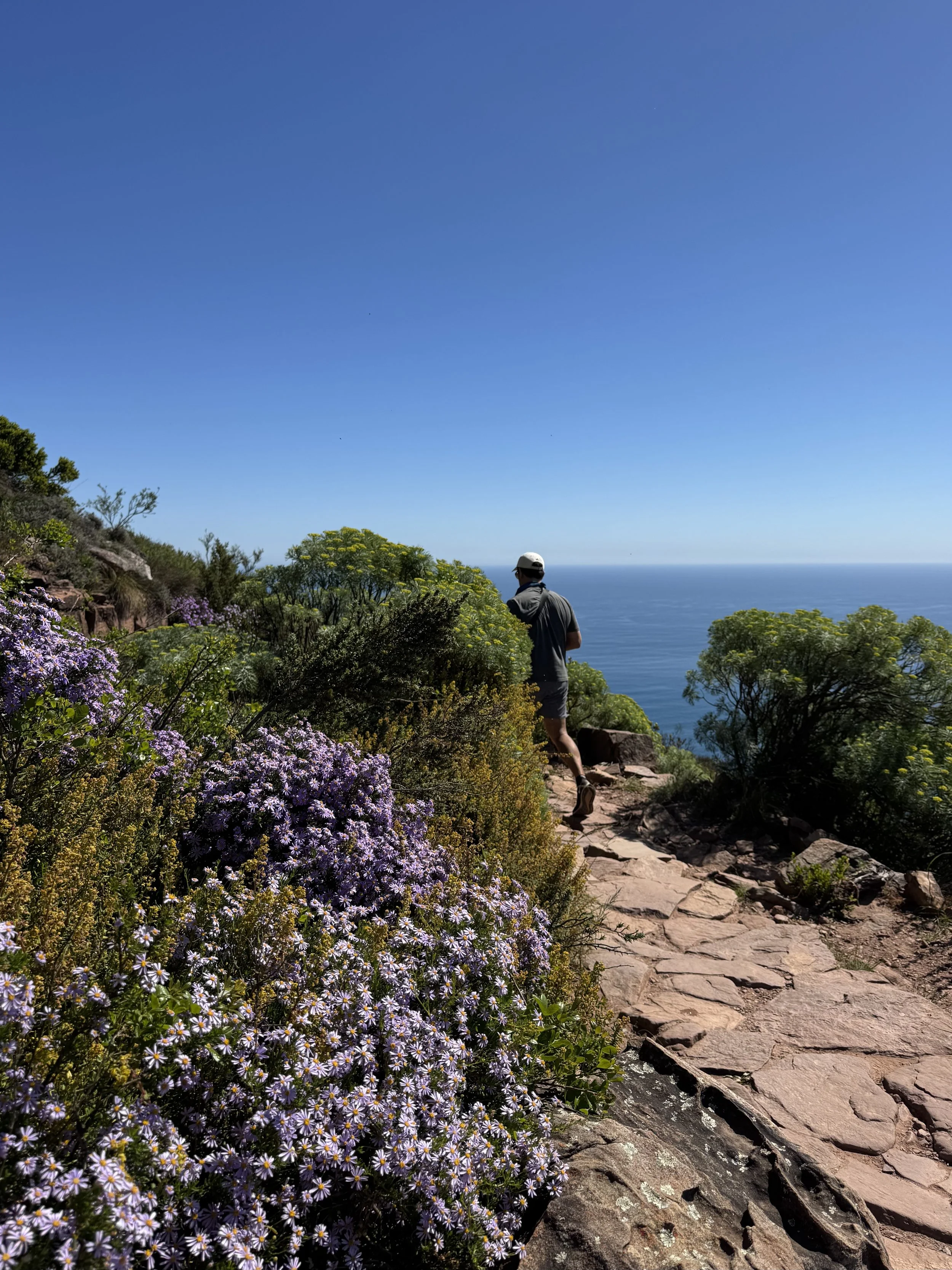
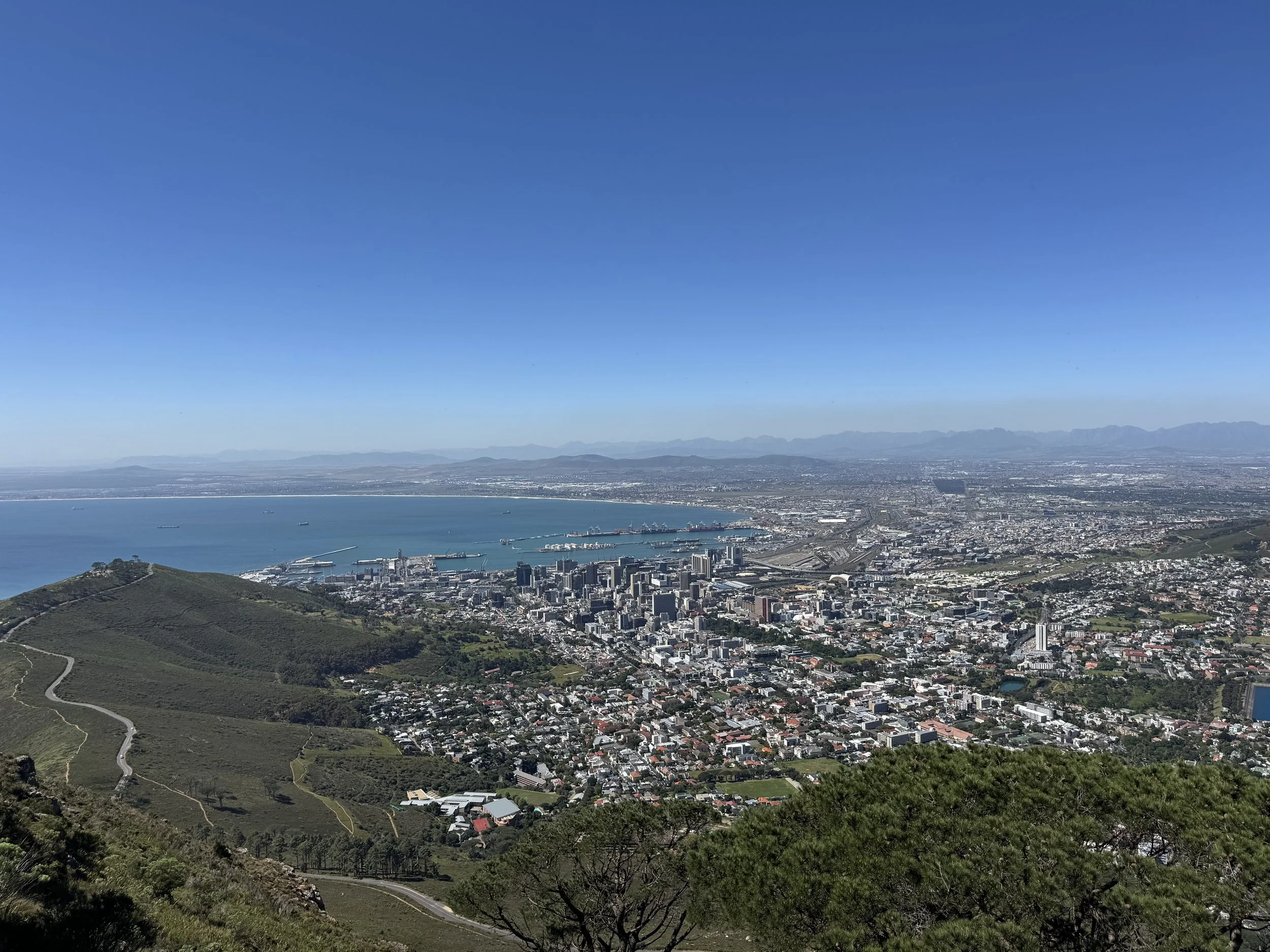
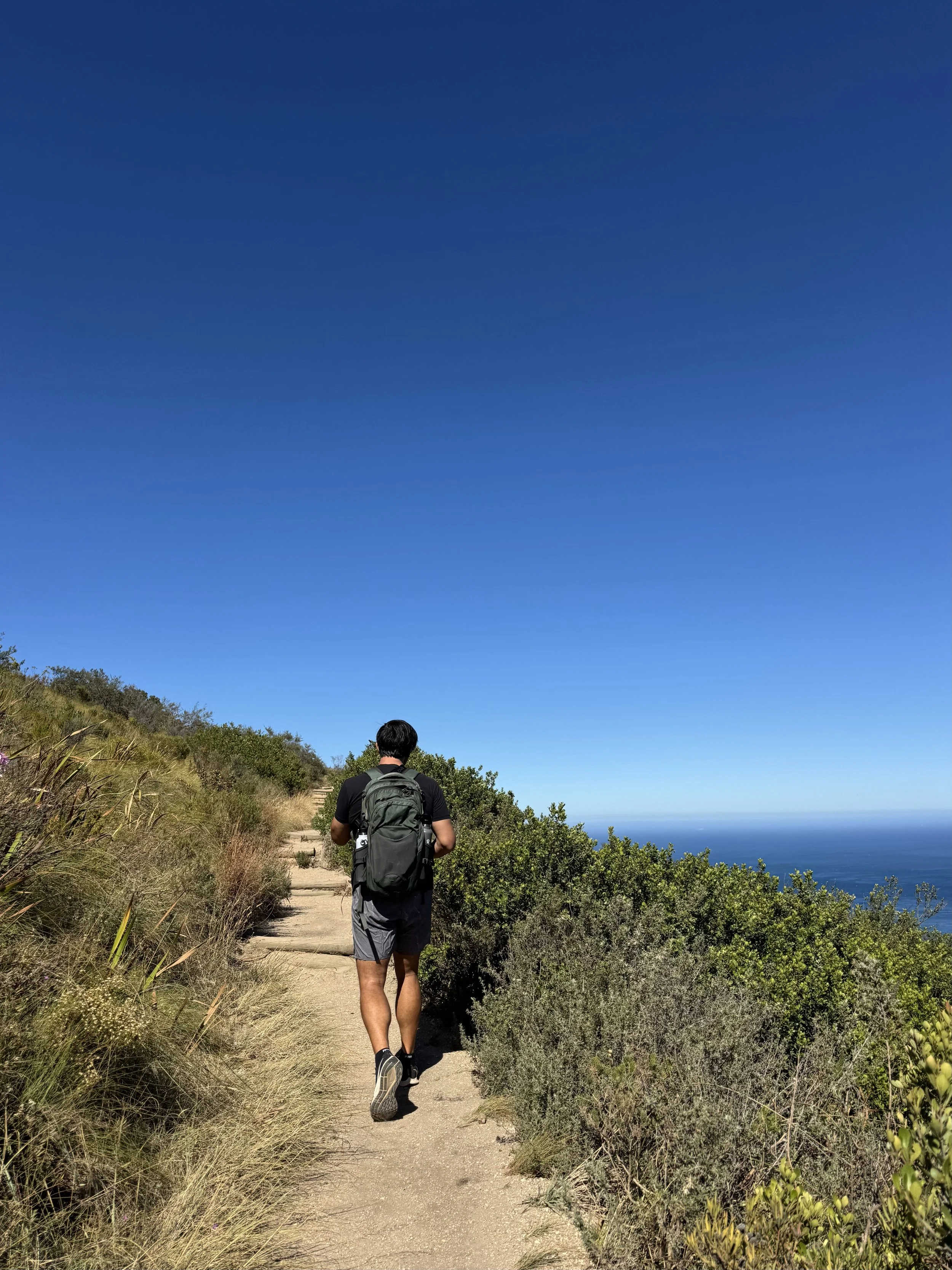
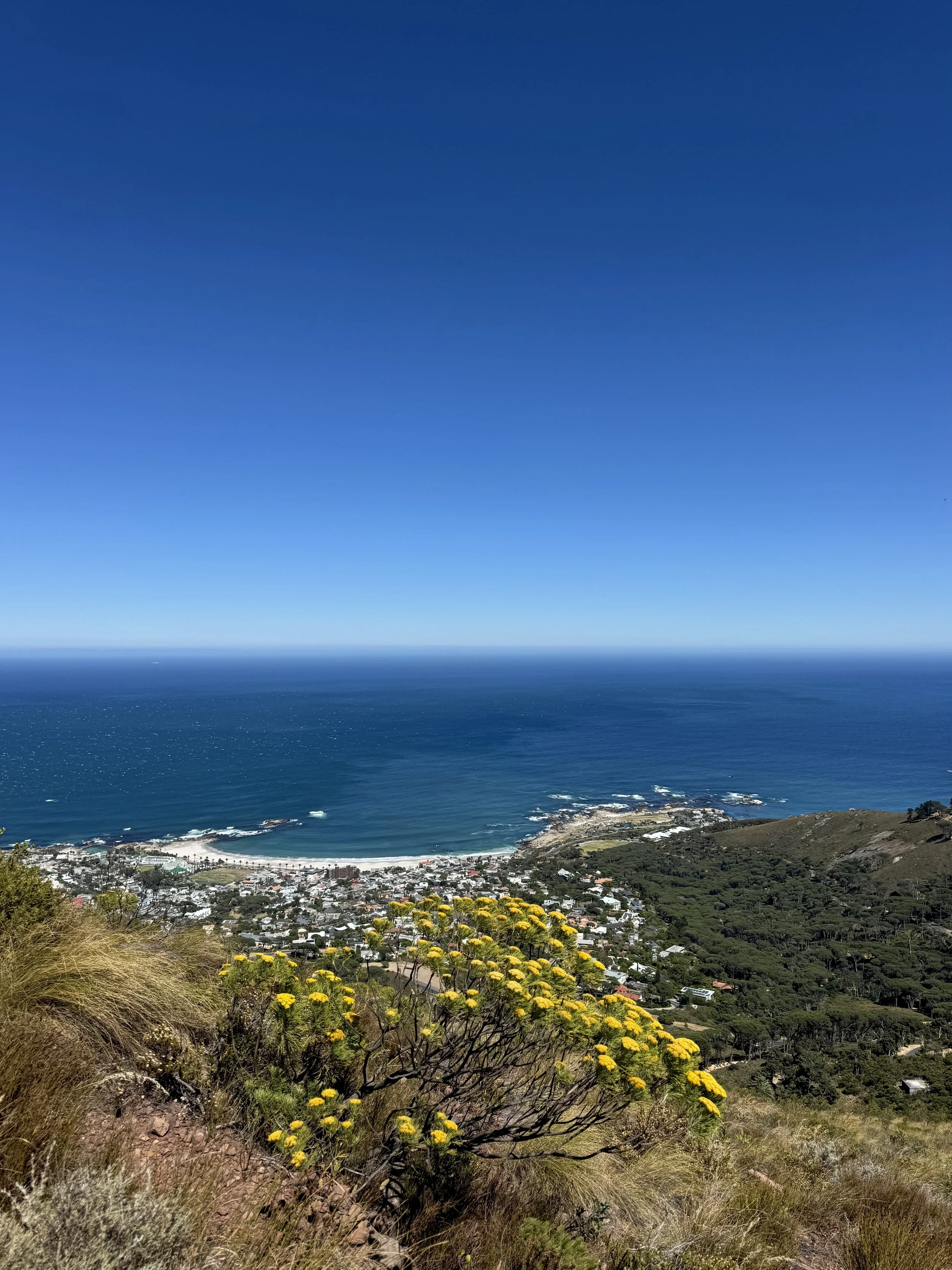
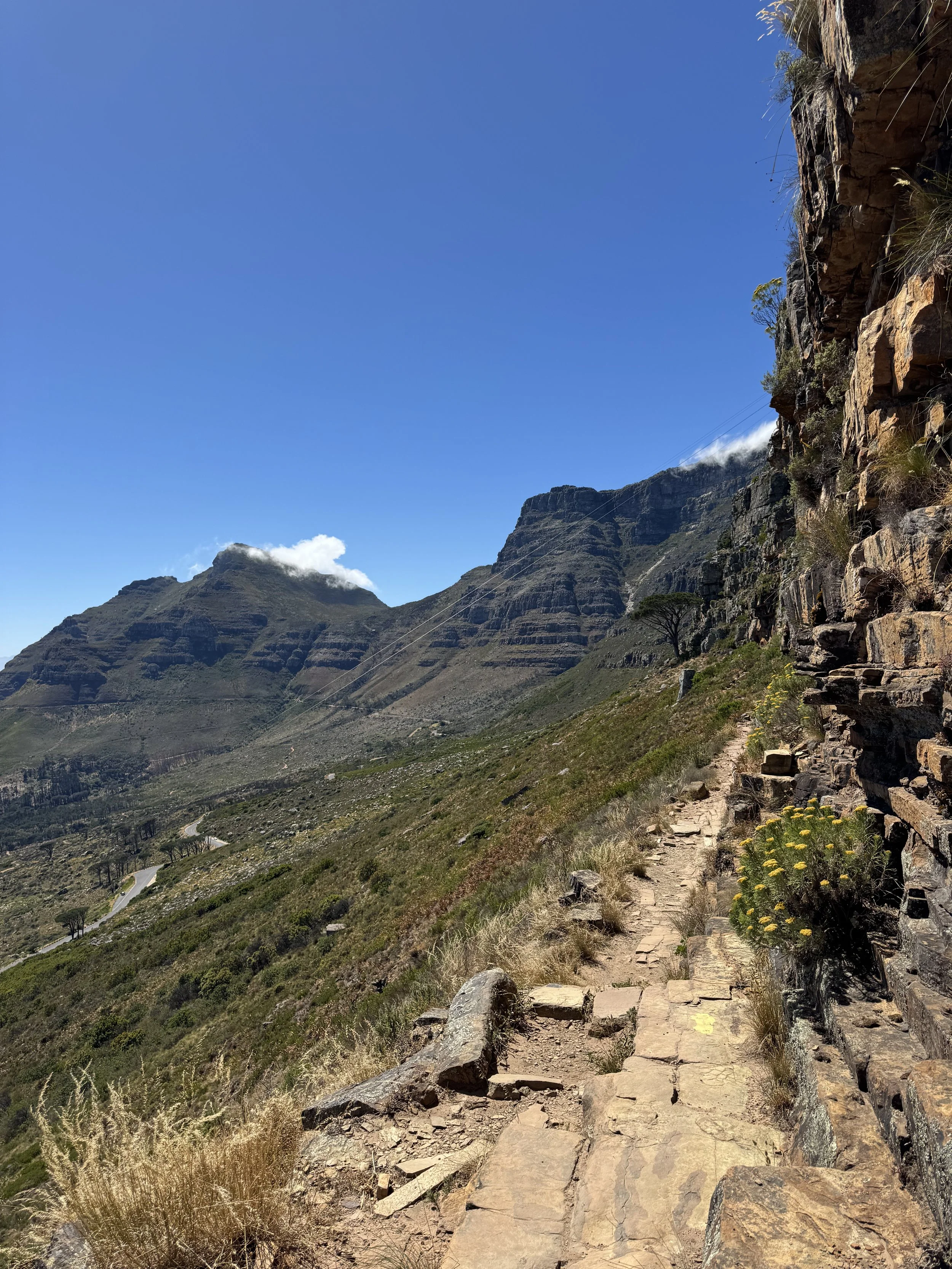
Start the day early with a hike up Lion’s Head. It’s one of the most rewarding hikes in Cape Town for the effort involved and offers panoramic views over the city, Table Mountain and the Atlantic. The trail is short but steady and feels very achievable even if you’re not an experienced hiker.
Lion’s Head is especially popular at sunrise and sunset and gets very busy during peak season, so timing matters. The path becomes steep in places and a few sections are exposed, which means taking your time and wearing proper footwear is important. If you’re comfortable with heights and move carefully, the hike feels very manageable and absolutely worth it.
We went later in the morning, which meant fewer people but much hotter conditions. At the top, we ran into a swarm of small flies which made lingering less enjoyable. It wasn’t very windy that day and this doesn’t seem to be typical. We’ve since seen many visits with clear conditions. Overall, it remains one of our favourite viewpoints in Cape Town and a hike we’d highly recommend.


Alternative option: If Lion’s Head feels too busy or you want something shorter, Kloof Corner is a great alternative. The walk is much shorter, still offers excellent views and works well at any time of day. The trail starts along Tafelberg Road, near the Kloof Nek area and is easy to reach by Uber. Black Box Coffeeworks is right nearby and makes a good stop before or after the hike. This is also a great sunset spot!
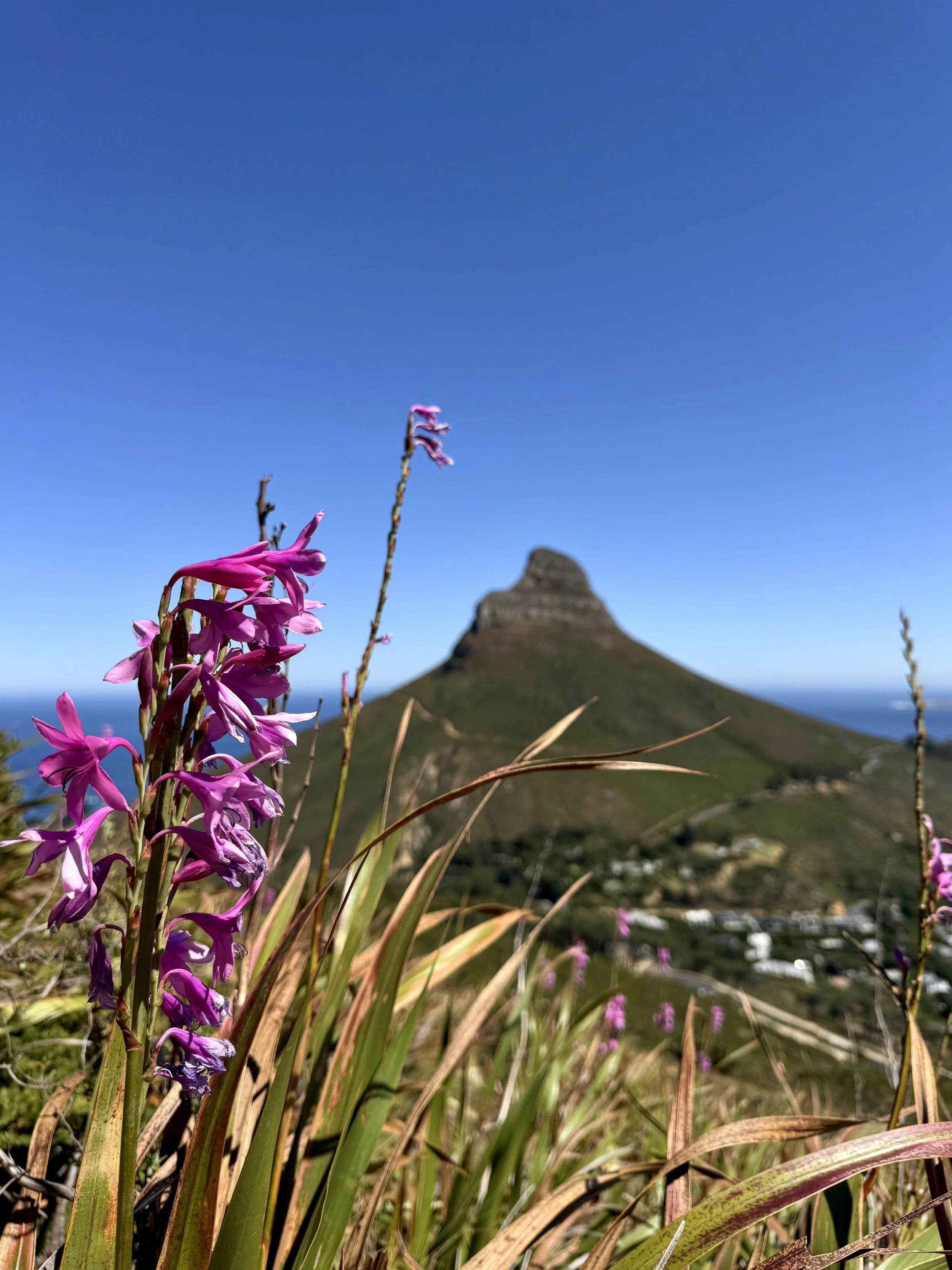
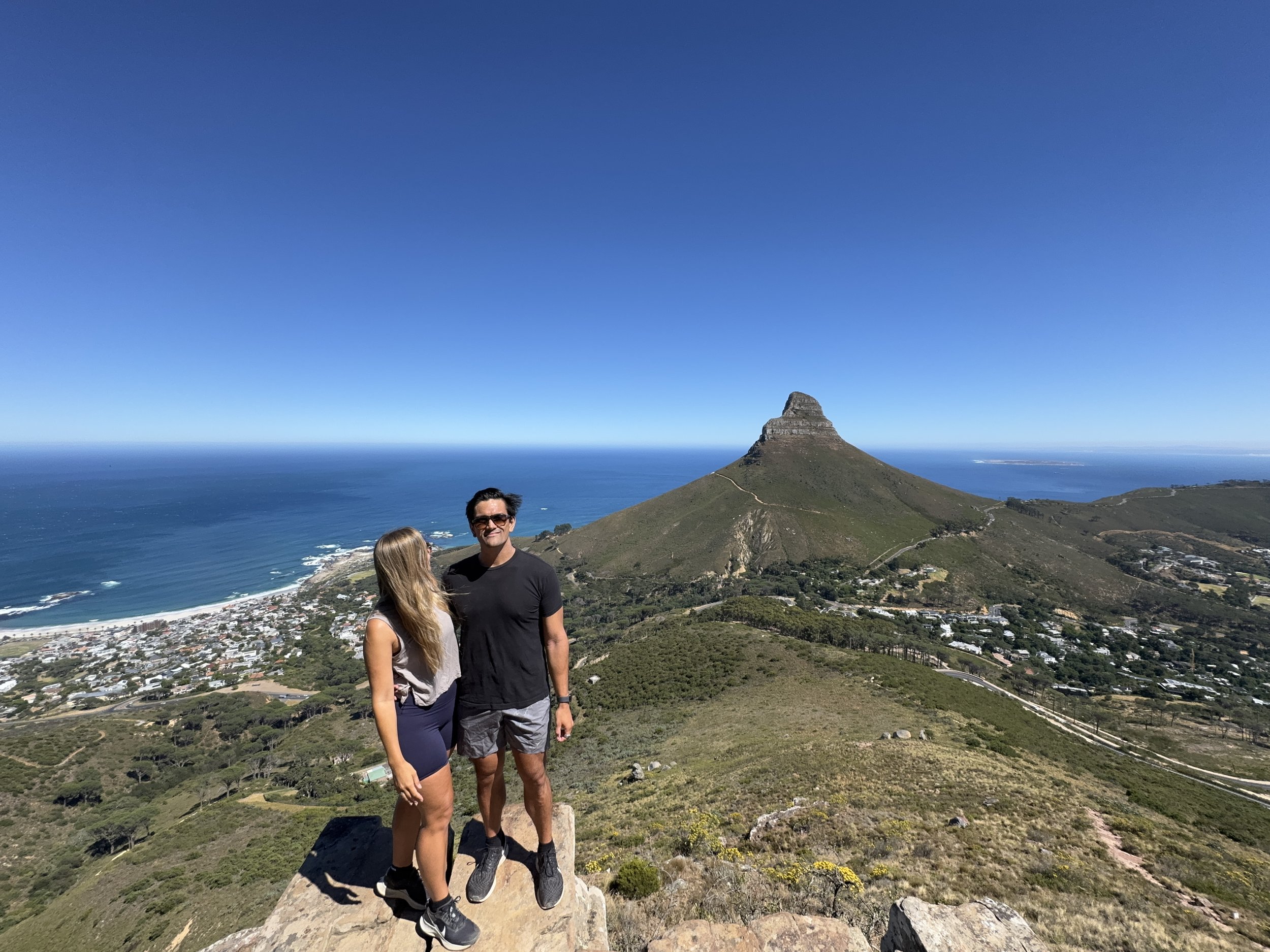
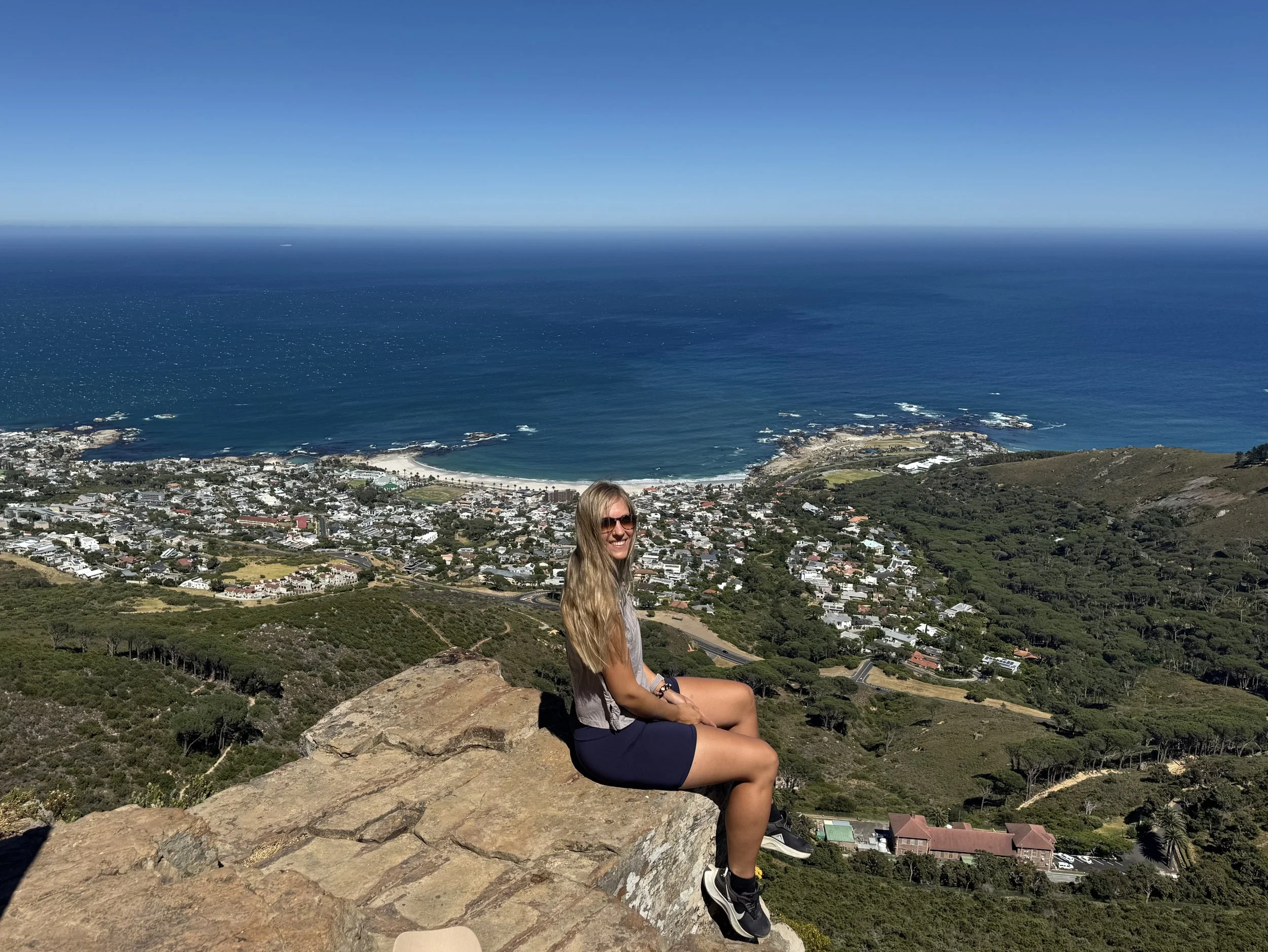
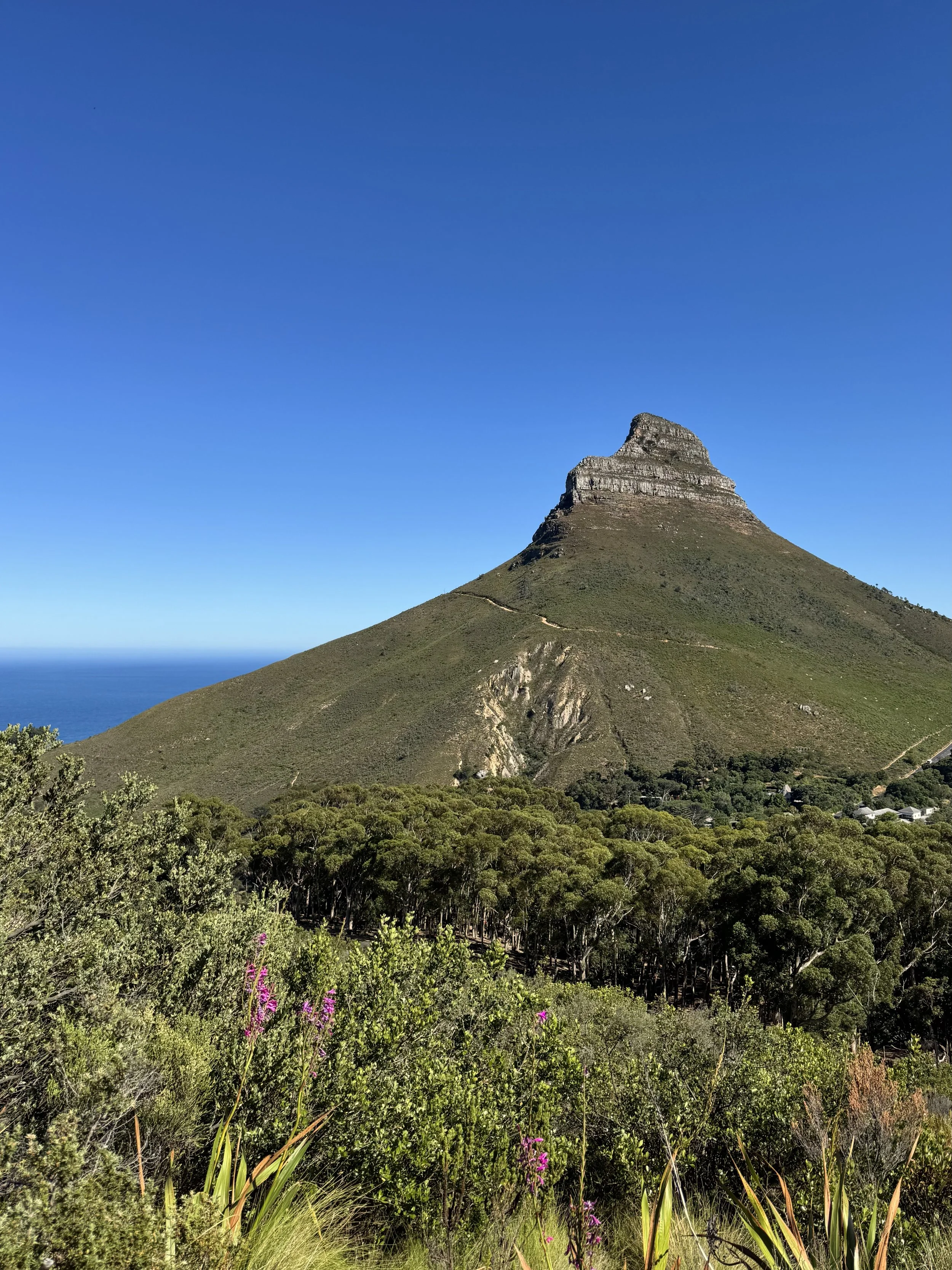

After the hike, take it slow. Head back to Sea Point or Green Point for a late breakfast or early lunch, or simply grab a coffee and something light. This is a good moment to rest your legs and reset before the afternoon.
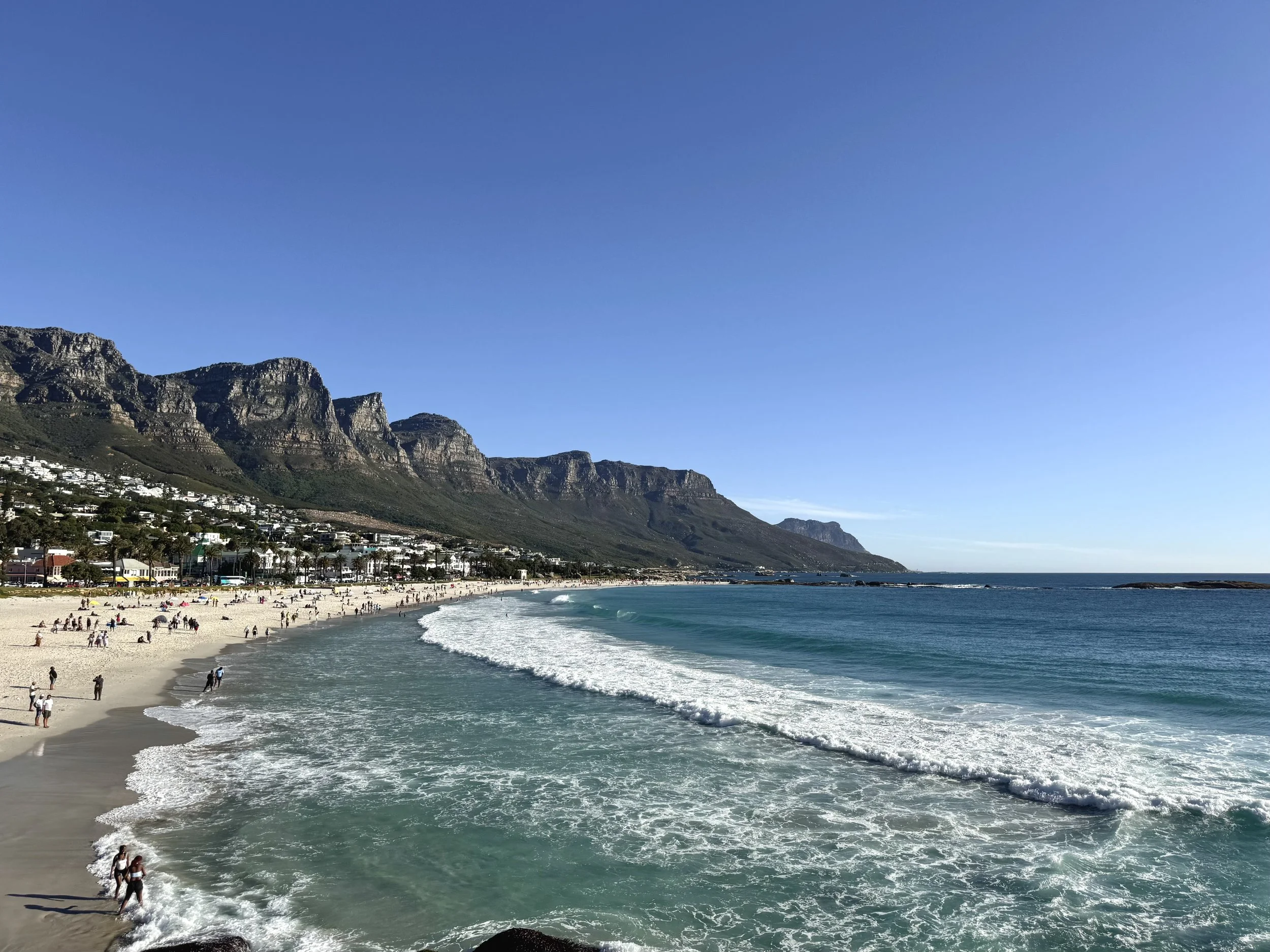
Later, head to the beach. Camps Bay or Clifton Beaches both work well and feel very different from the city despite being so close. Clifton is split into several smaller coves, each with its own feel and varying shelter from the wind, while Camps Bay has a long open shoreline with cafés and restaurants right across the road. White sand, clear water and the dramatic backdrop of Lion’s Head and the Twelve Apostles set the scene. We saw families settling in for the afternoon, people playing volleyball and younger adults arriving closer to sunset, sitting on the rocks and sharing takeaway pizza as the light softened. Even though the Atlantic is cold, it hardly matters. Walking along the sand, soaking up the sun or lingering into golden hour feels like a natural way to wind down.
If you’re in Camps Bay, it’s easy to stay for a drink or dinner or head back toward Sea Point for something more casual.

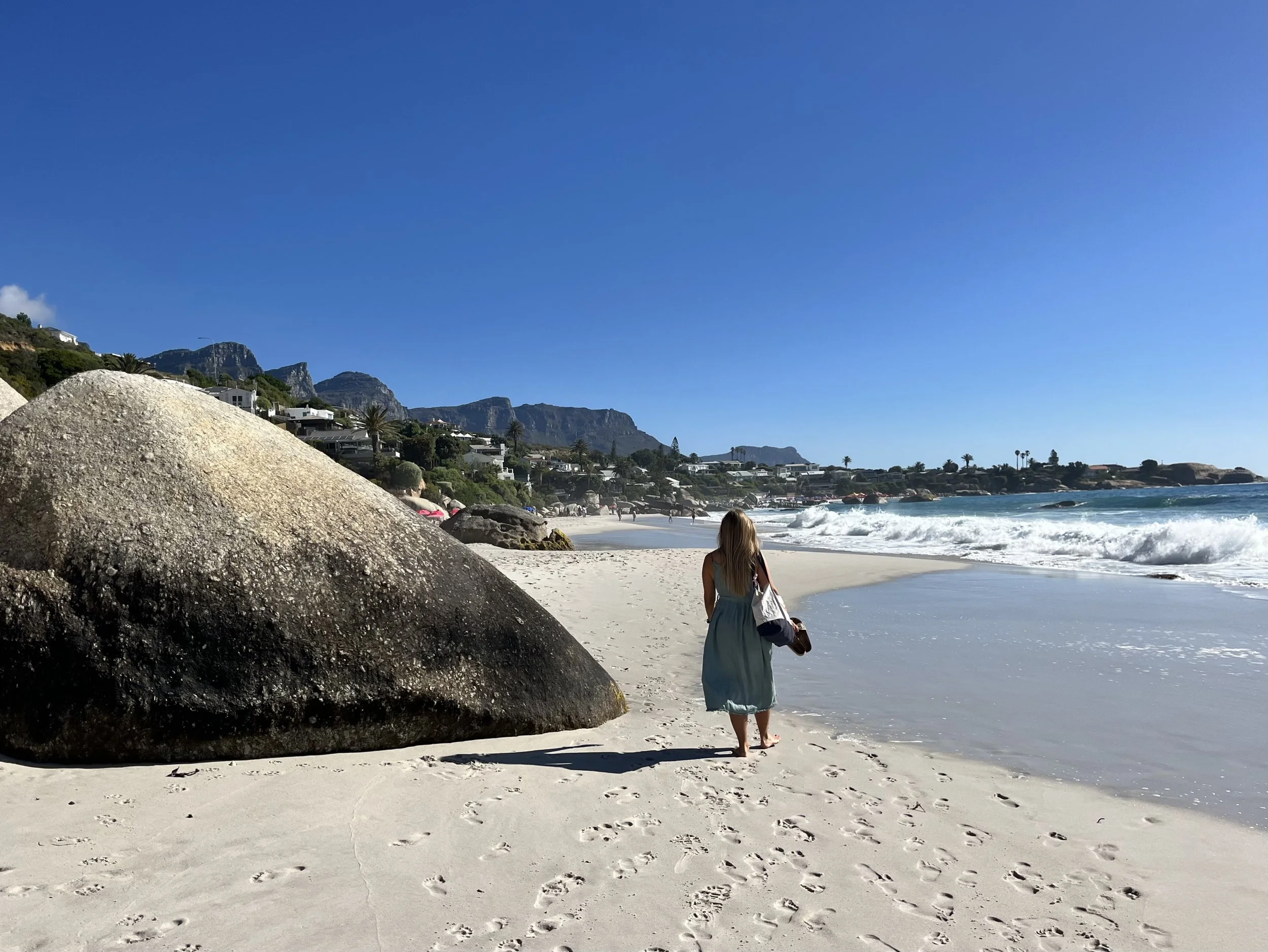

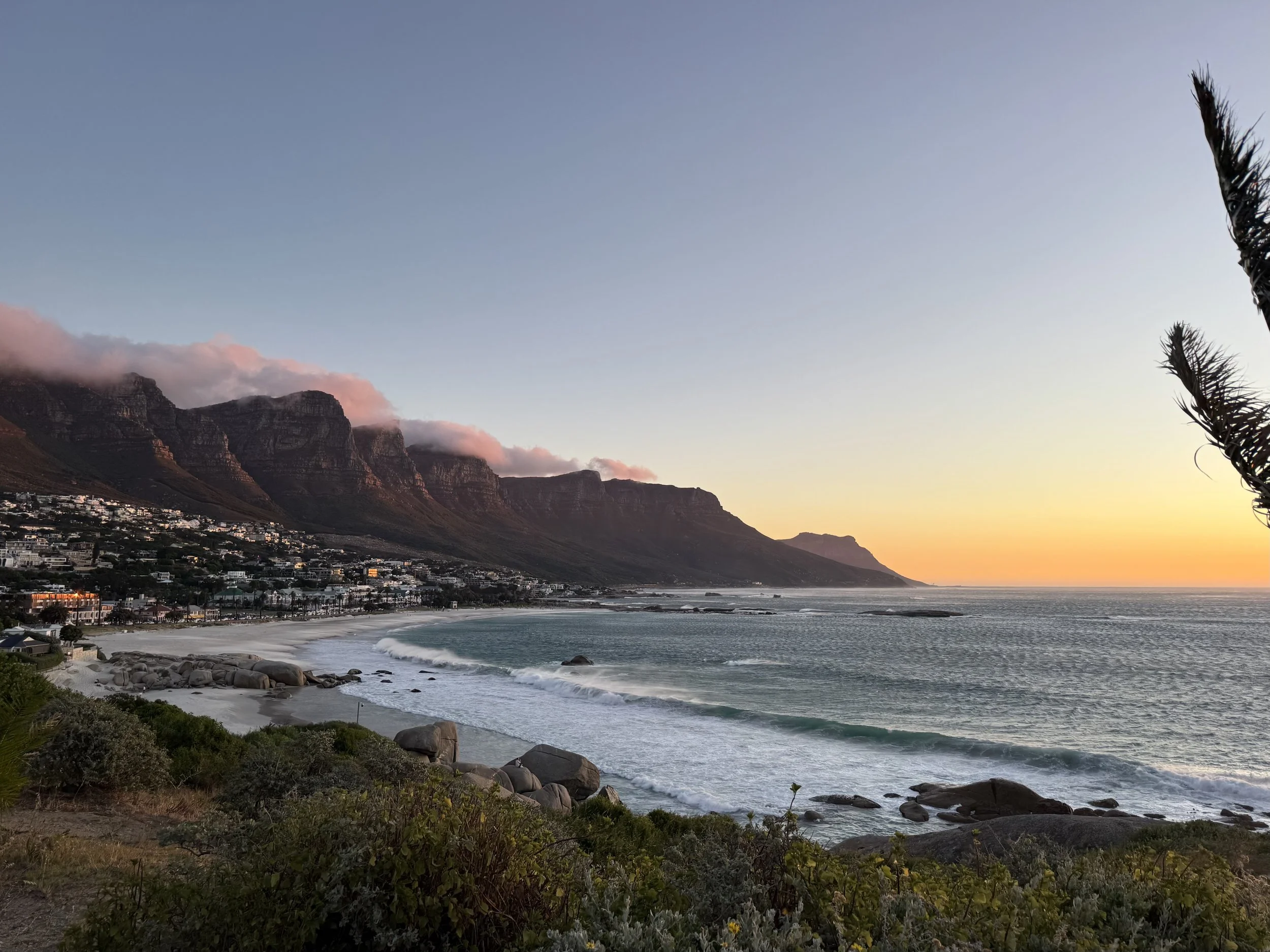

Day 3: Kirstenbosch, Constantia and an Easy Day on the Hop-On Hop-Off Bus
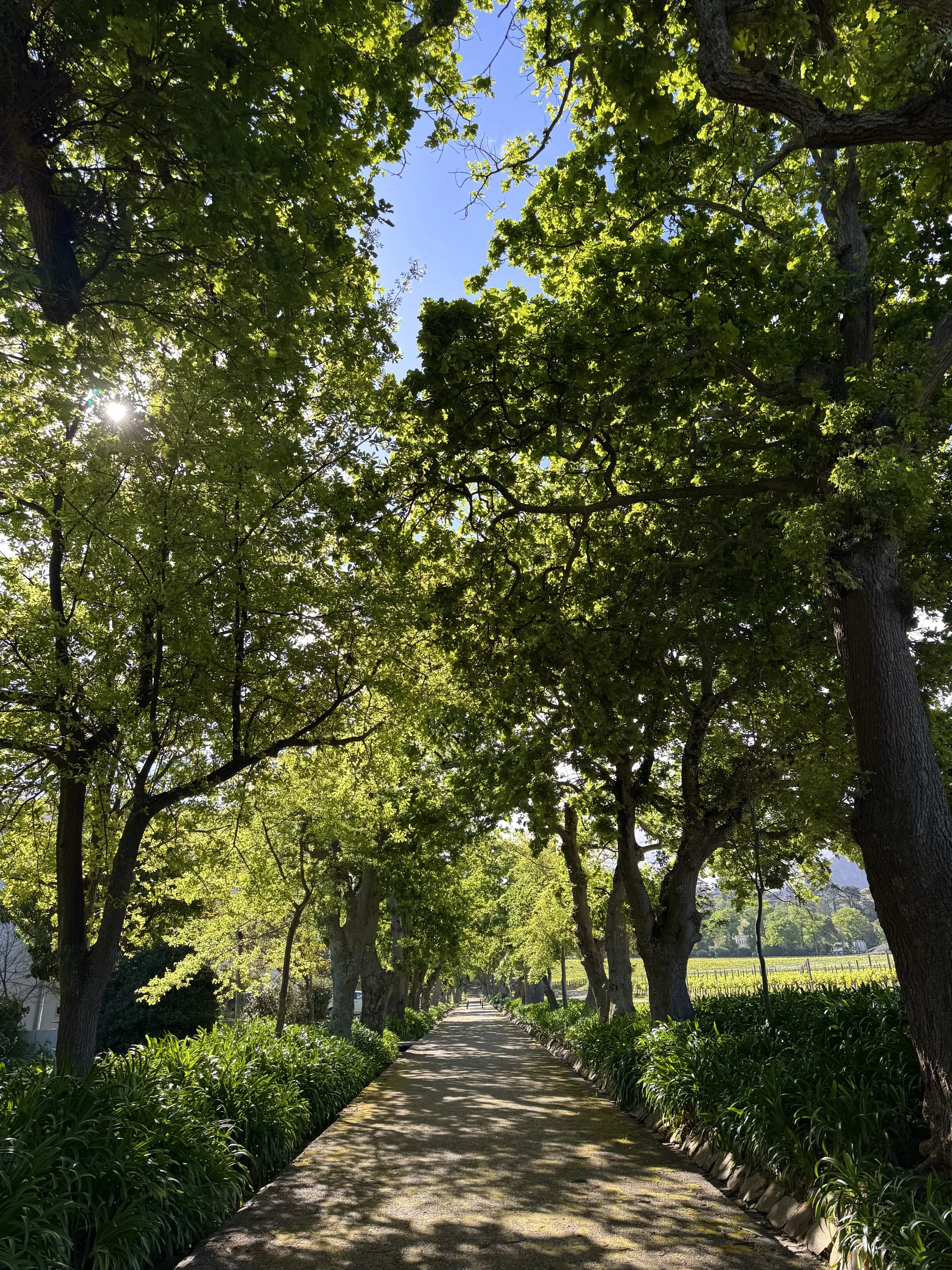
To get the most out of the day, start early and grab breakfast along the way. Maggie Lou’s or Kushty’s are both easy and relaxed options before boarding the blue line of the hop-on hop-off bus. Tickets are easy to buy online in advance.
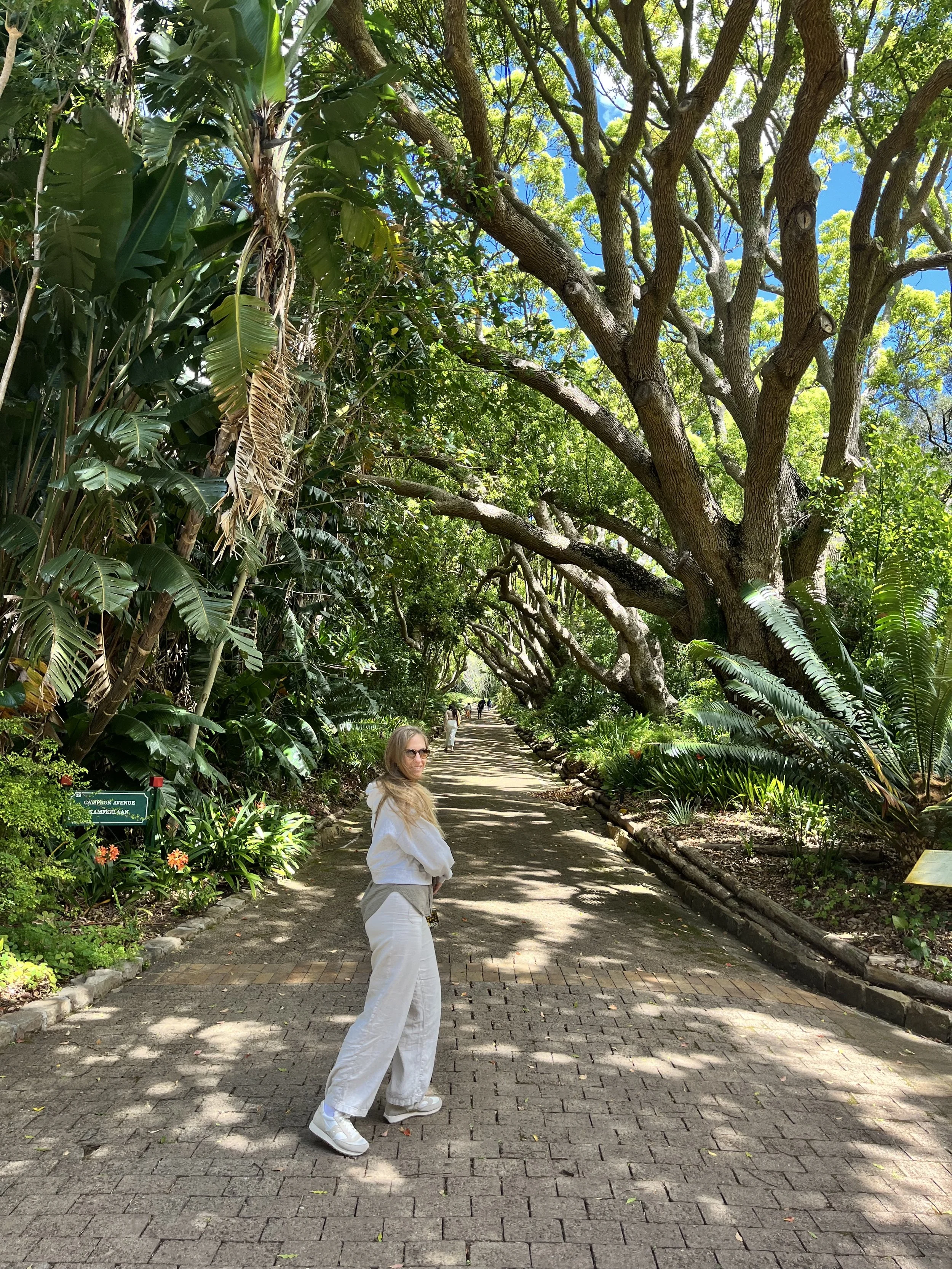
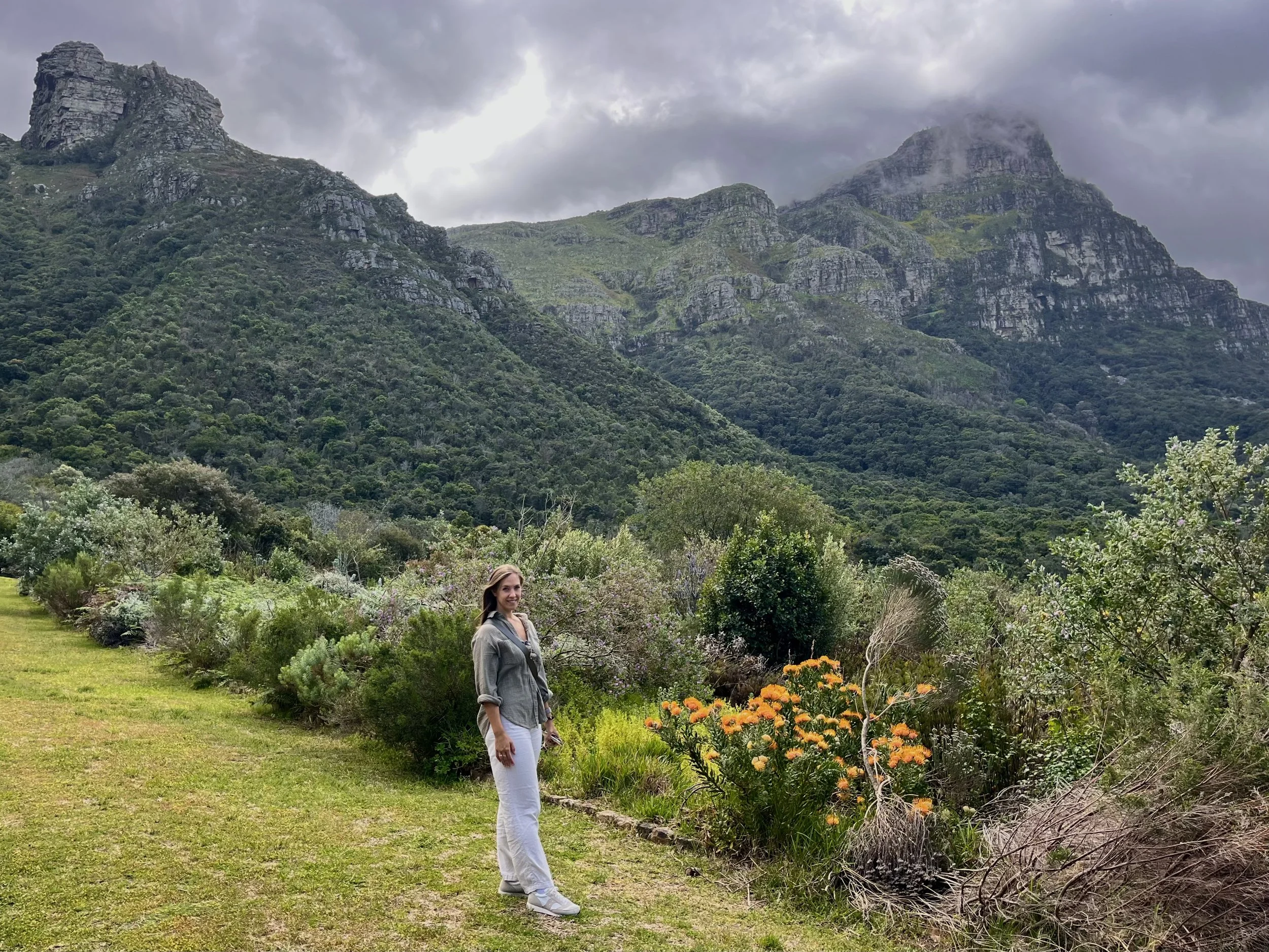
Begin with Kirstenbosch National Botanical Garden, beautifully set against the eastern slopes of Table Mountain. Plan to spend a couple of hours wandering the gardens, taking in the variety of plant life and enjoying a slower pace. During our visit in October, proteas, South Africa’s national flower and fynbos were in full bloom.
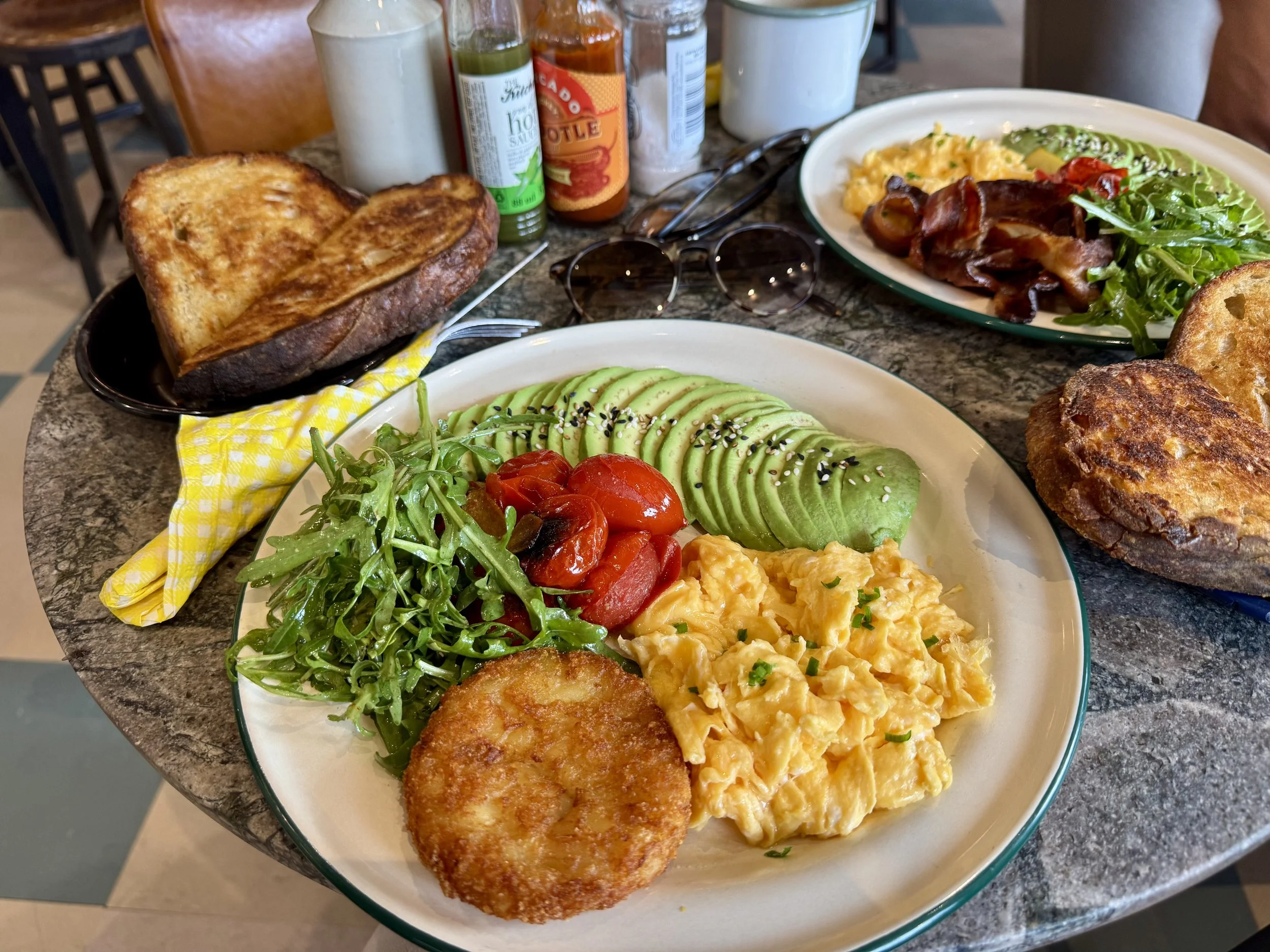
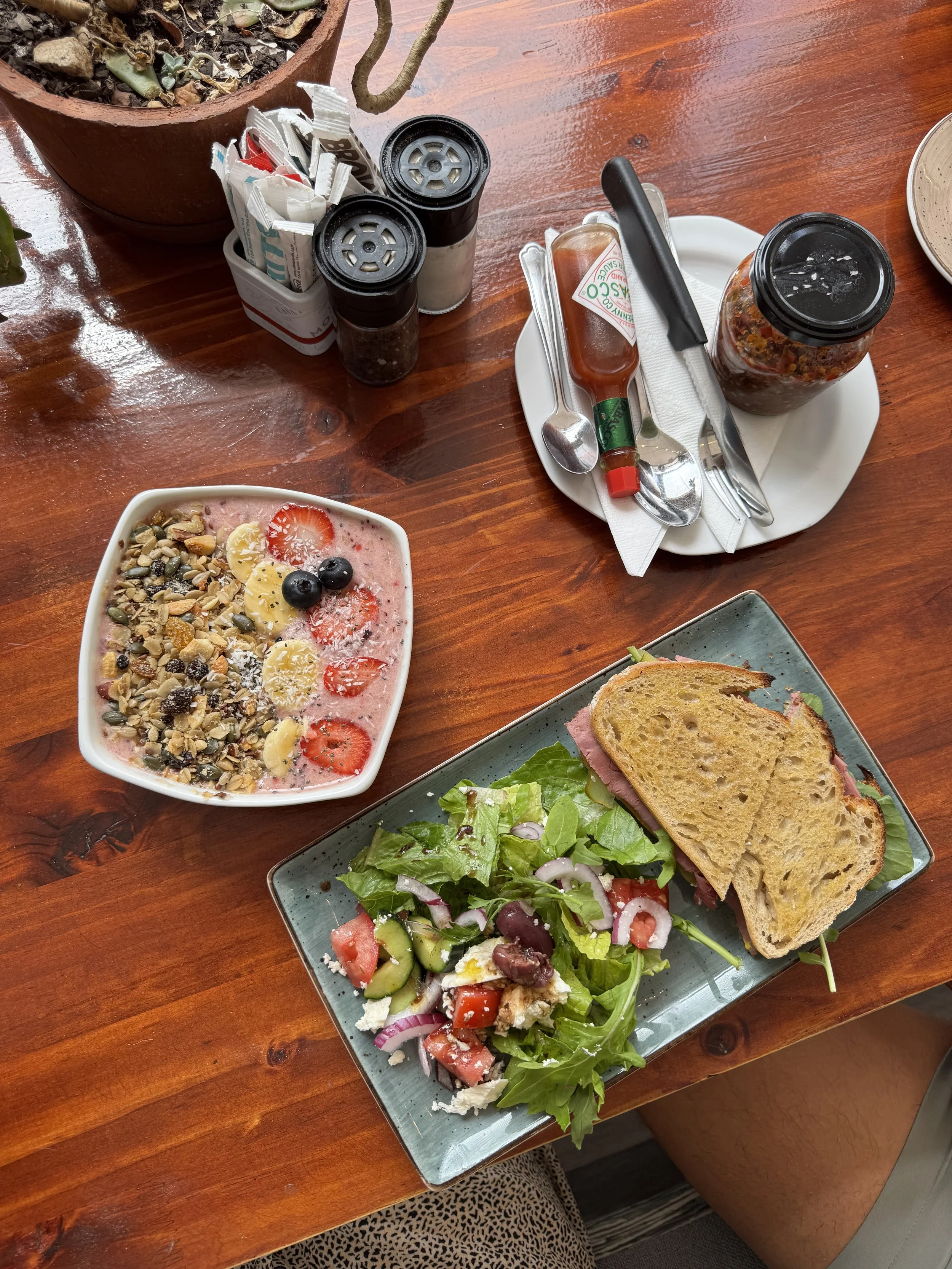


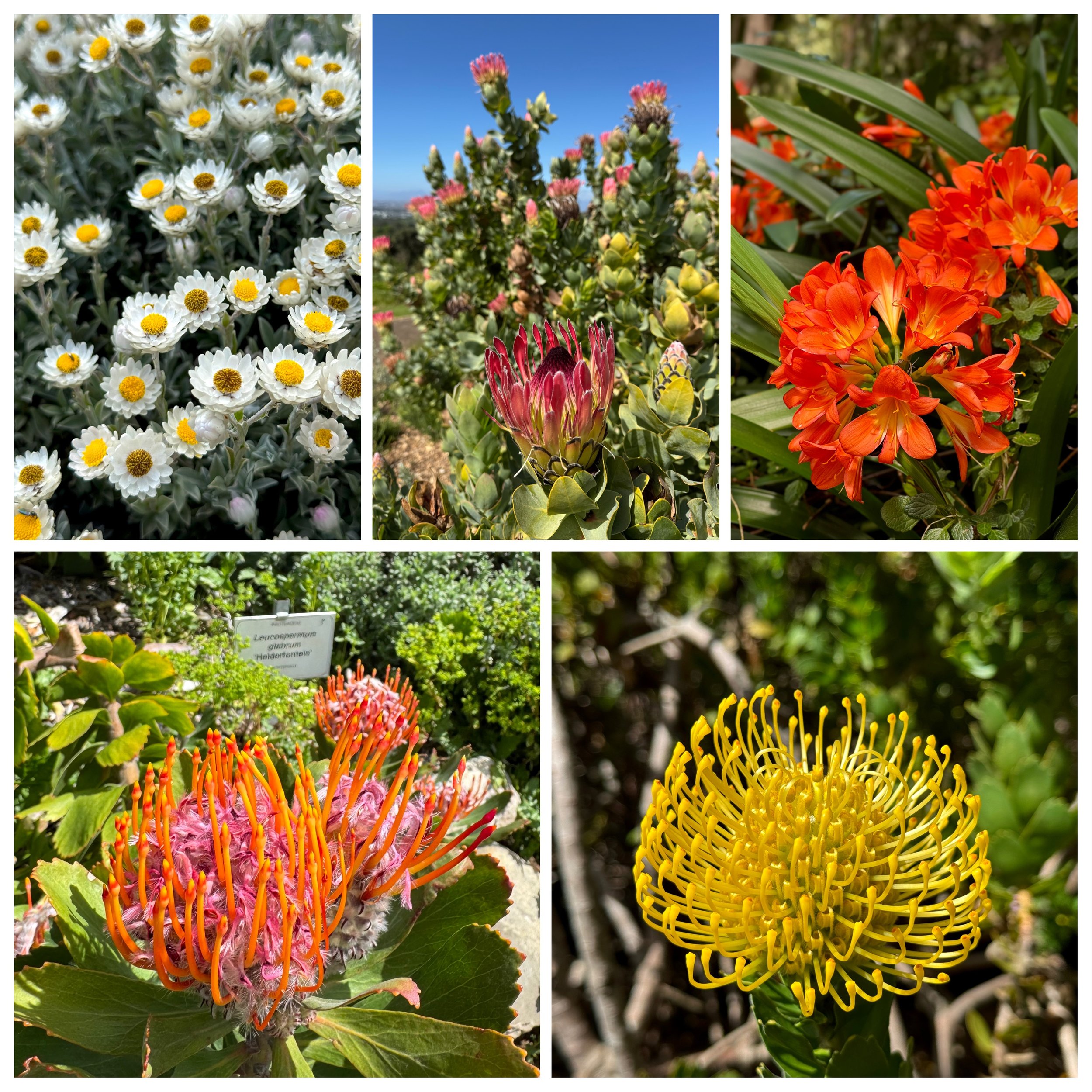
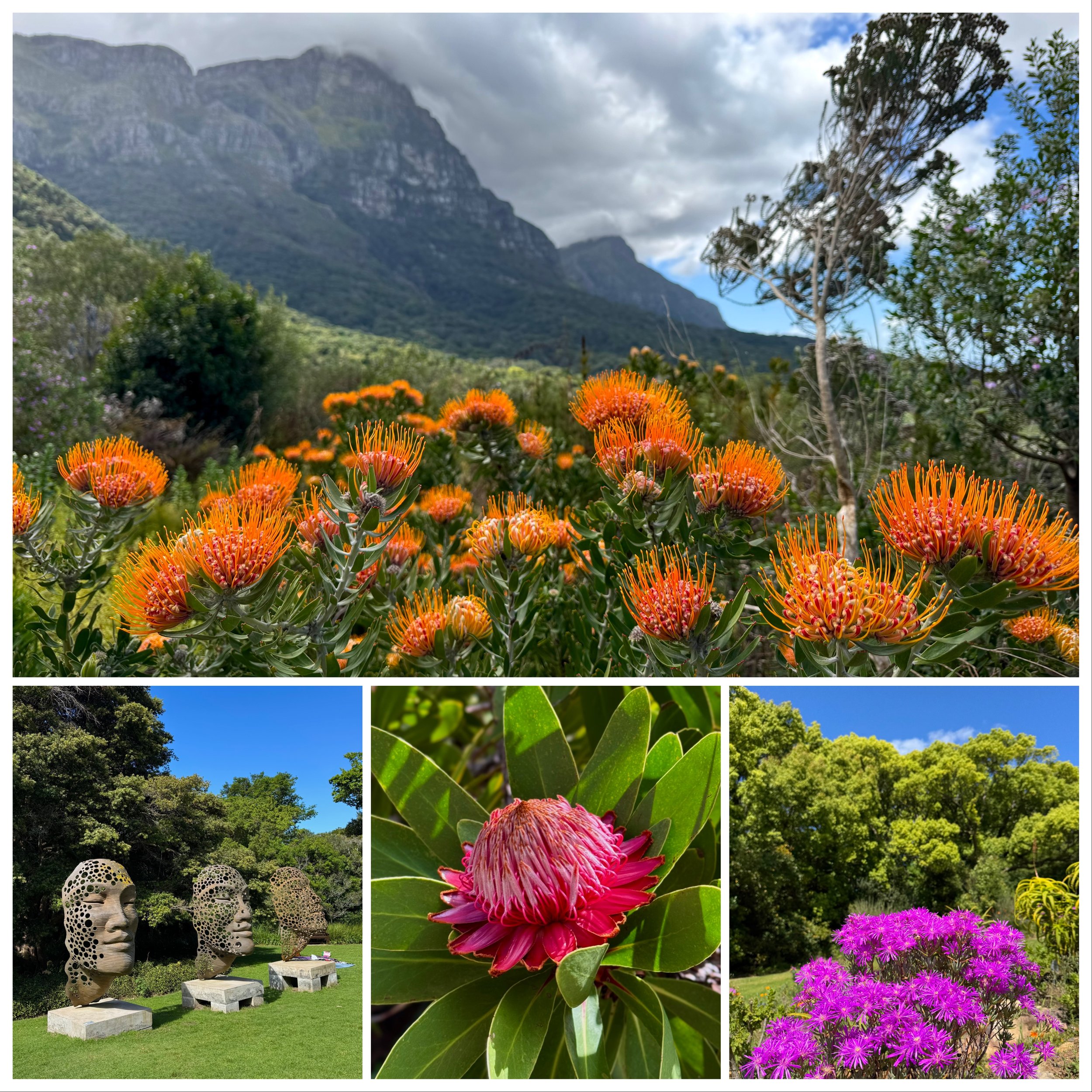
From Kirstenbosch, continue toward the Constantia wine region. To reach Groot Constantia, you’ll need to switch to the smaller Constantia loop, marked as the purple line. The transfer is straightforward and makes it easy to visit one of South Africa’s oldest wine estates without driving.
After your stop in Constantia, stay on the bus as it loops back toward the city. This part of the ride is enjoyable in itself and offers a different perspective on Cape Town without any planning or navigation. The audio guide adds useful context along the way. Despite being cold as we’d forgotten our jackets, we loved this stretch in the late afternoon when the road winds along the coastline and the sun starts setting over the ocean.
Depending on timing and energy levels, you can hop off closer to the city centre or head straight back.



Day 4: Bo-Kaap in the Morning and Table Mountain at Sunset
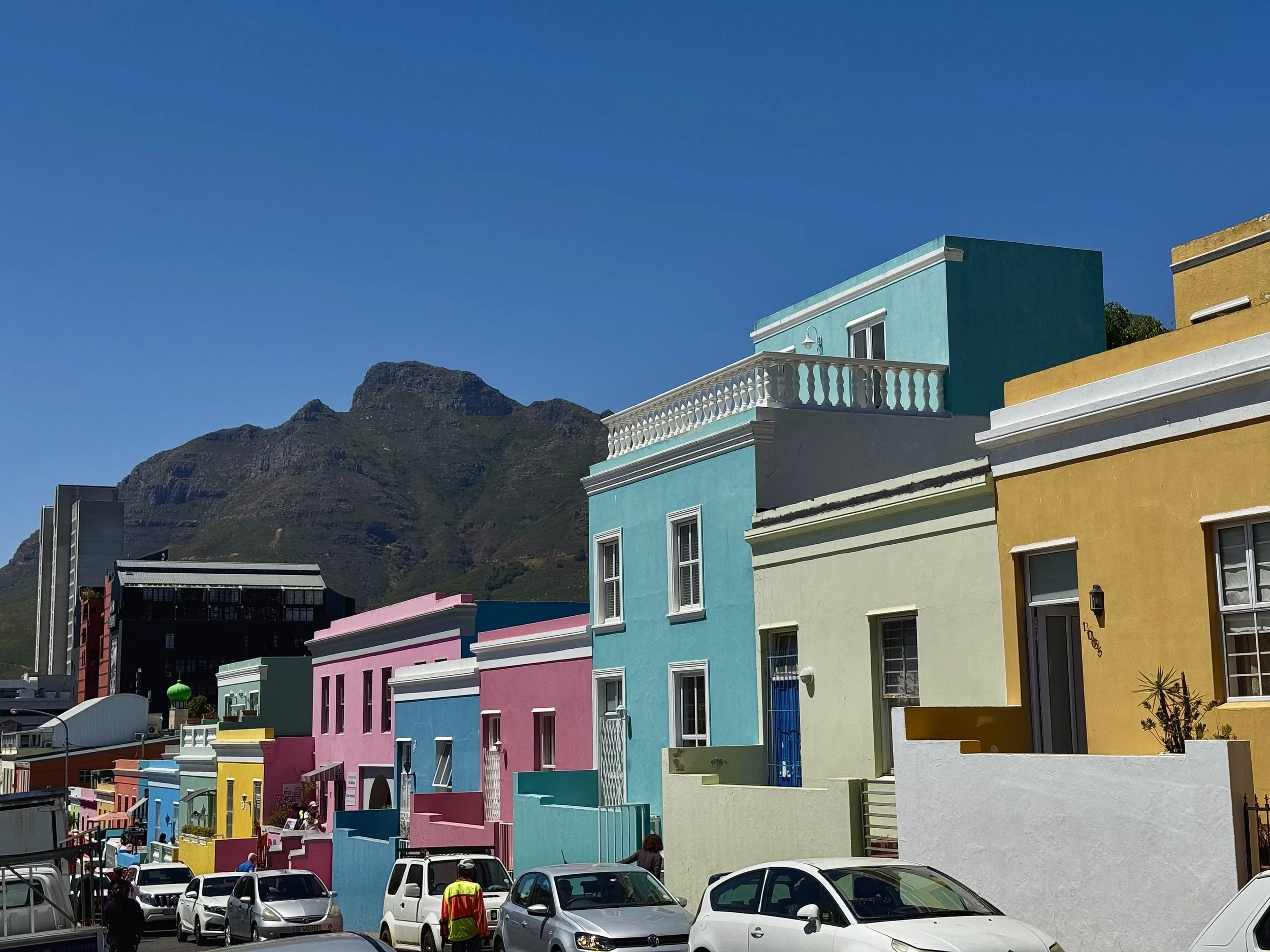
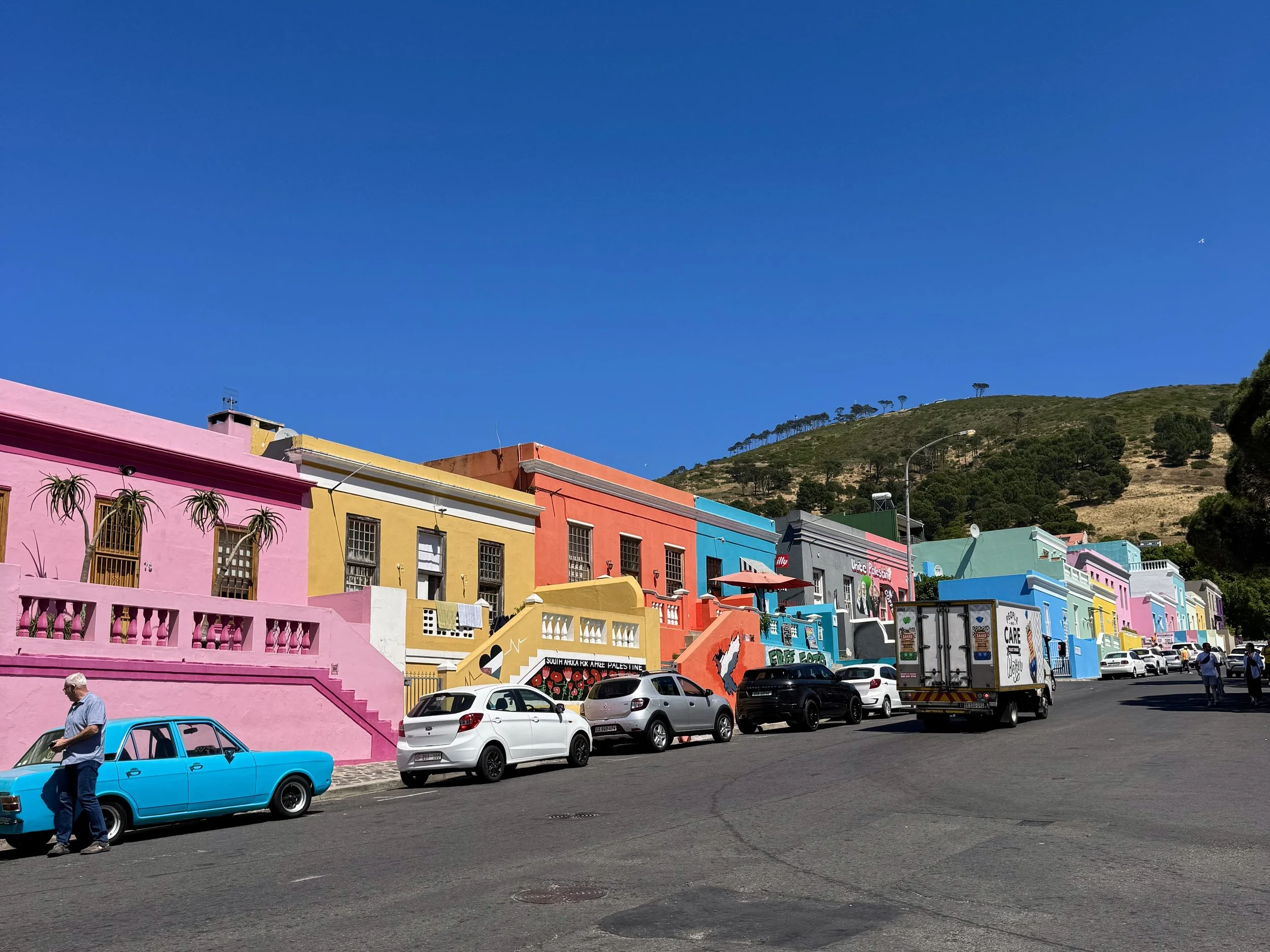
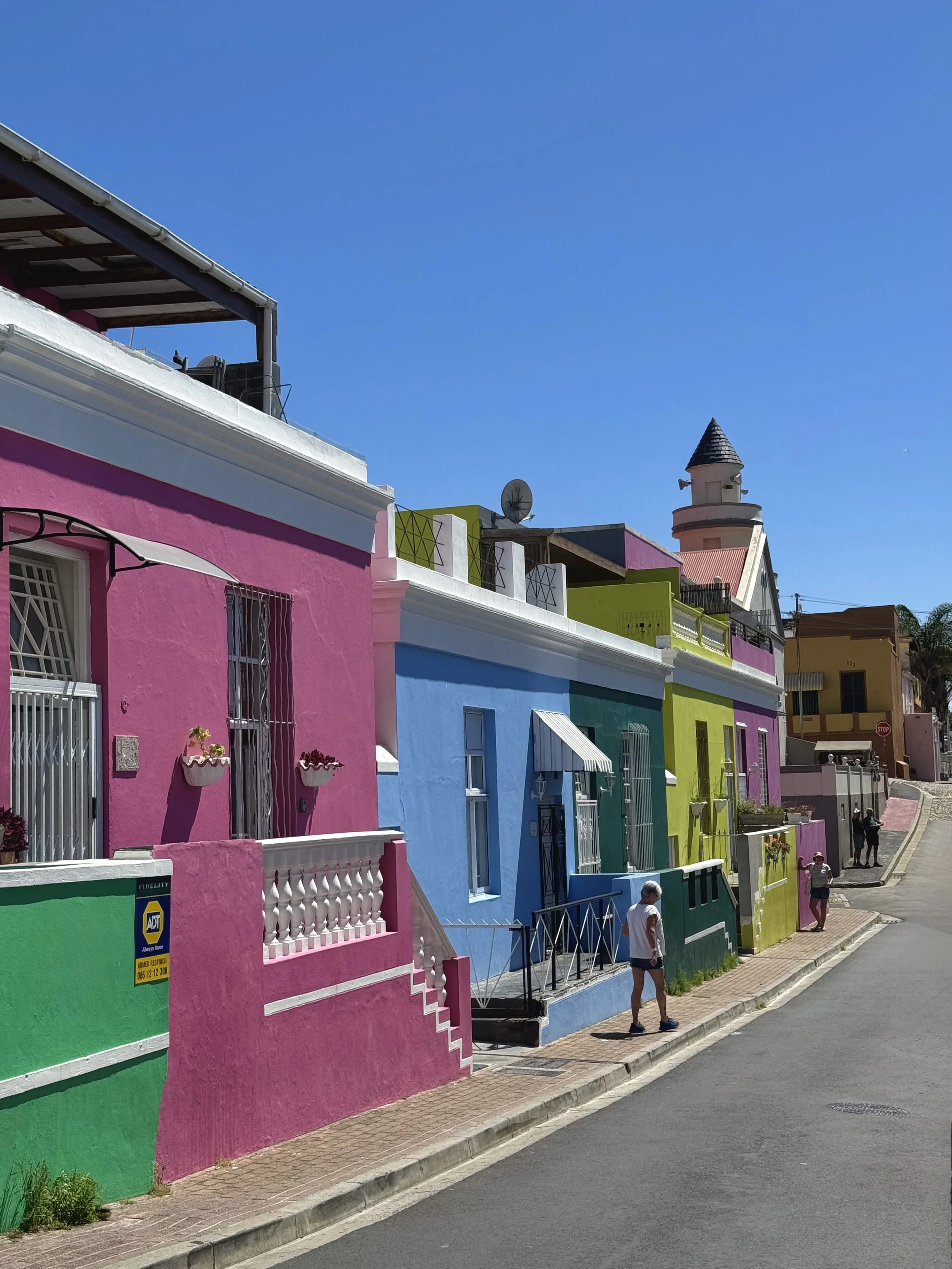
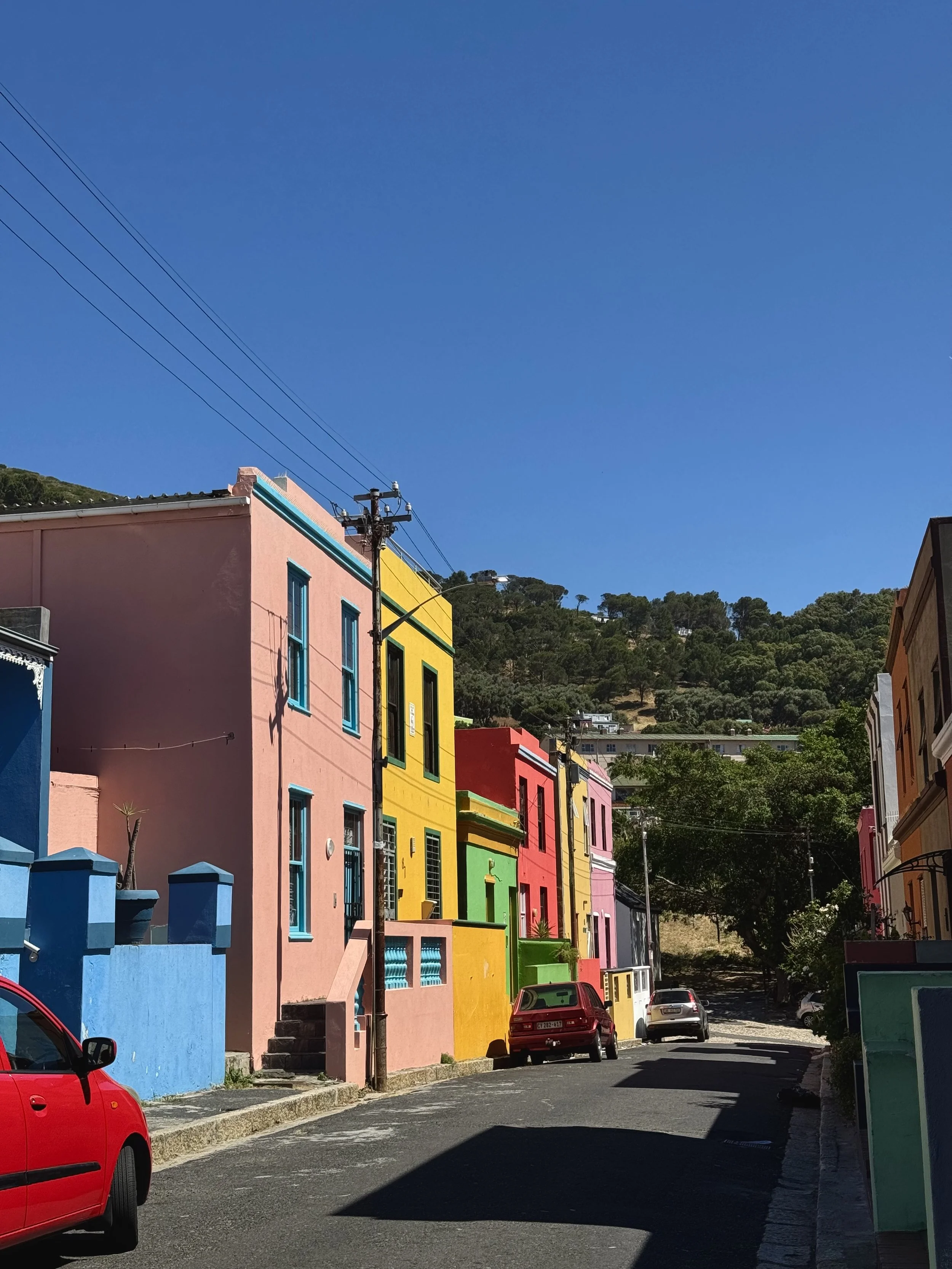
After a slower day exploring Kirstenbosch and Constantia, today combines culture with one of Cape Town’s most iconic experiences. Bo-Kaap is best explored in the morning when the light brings out the colours and the streets are still relatively quiet. We joined a free walking tour, which was short but very informative and gave helpful insight into the area’s history. Even without a tour, it’s worth allowing yourself some time to wander through the neighbourhood at an easy pace.
Beyond its colourful houses, Bo-Kaap has deep historical and cultural significance. The neighbourhood dates back to the 18th century and became home to enslaved people brought to the Cape from Southeast Asia, East Africa and other parts of the Indian Ocean world. Many were Muslim, which is why the area is closely associated with Cape Malay culture today. The brightly painted houses are often seen as a symbol of identity and freedom and reflect a strong sense of community that has endured despite ongoing pressures from gentrification. Visiting with this context in mind makes the experience far more meaningful than just walking through for photos.
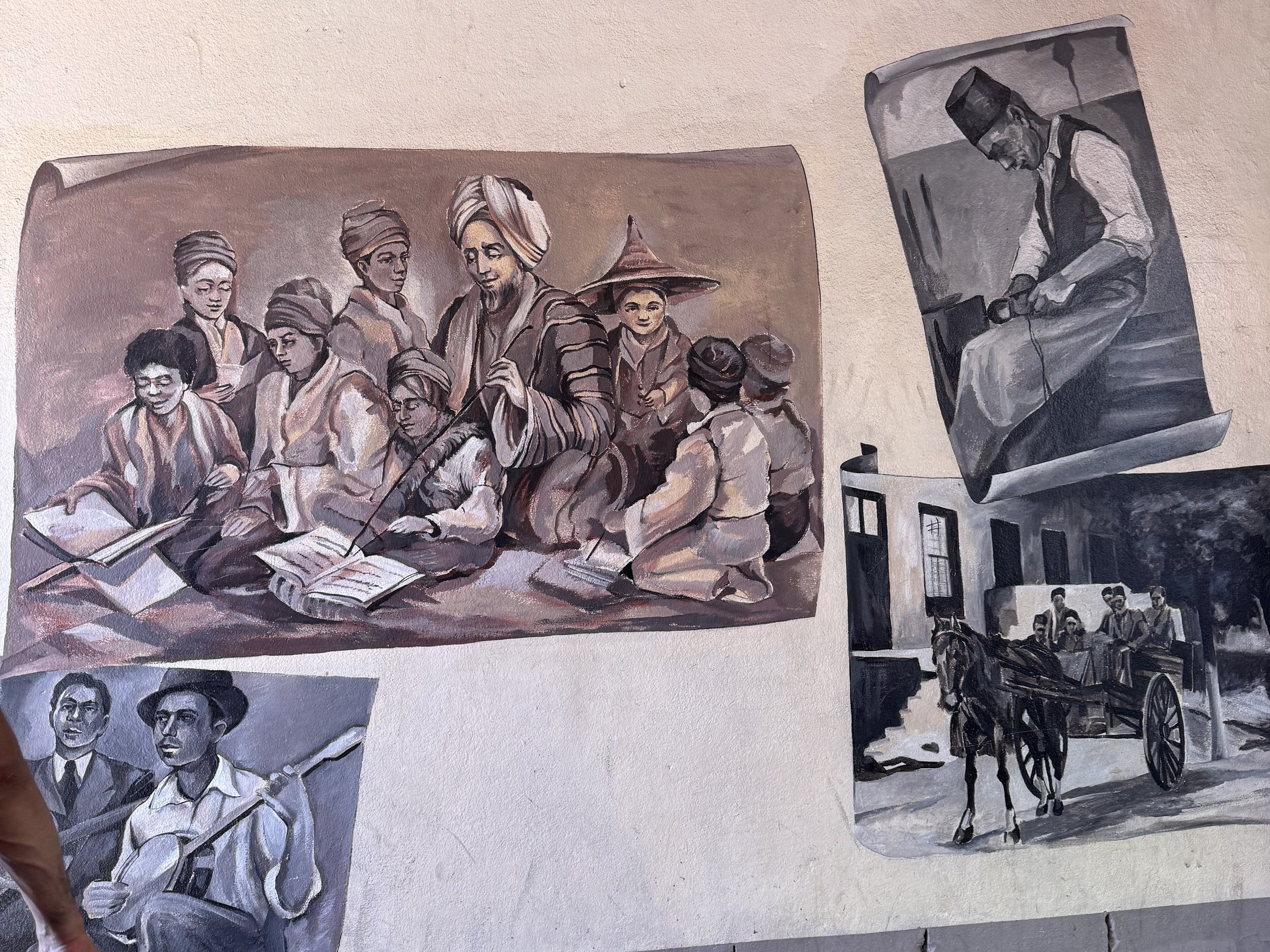

Afterwards, enjoy a late breakfast or early lunch nearby, then head back to your accommodation for a bit of rest. This break makes the second half of the day feel much more relaxed and gives you time to shower and change before heading back out.
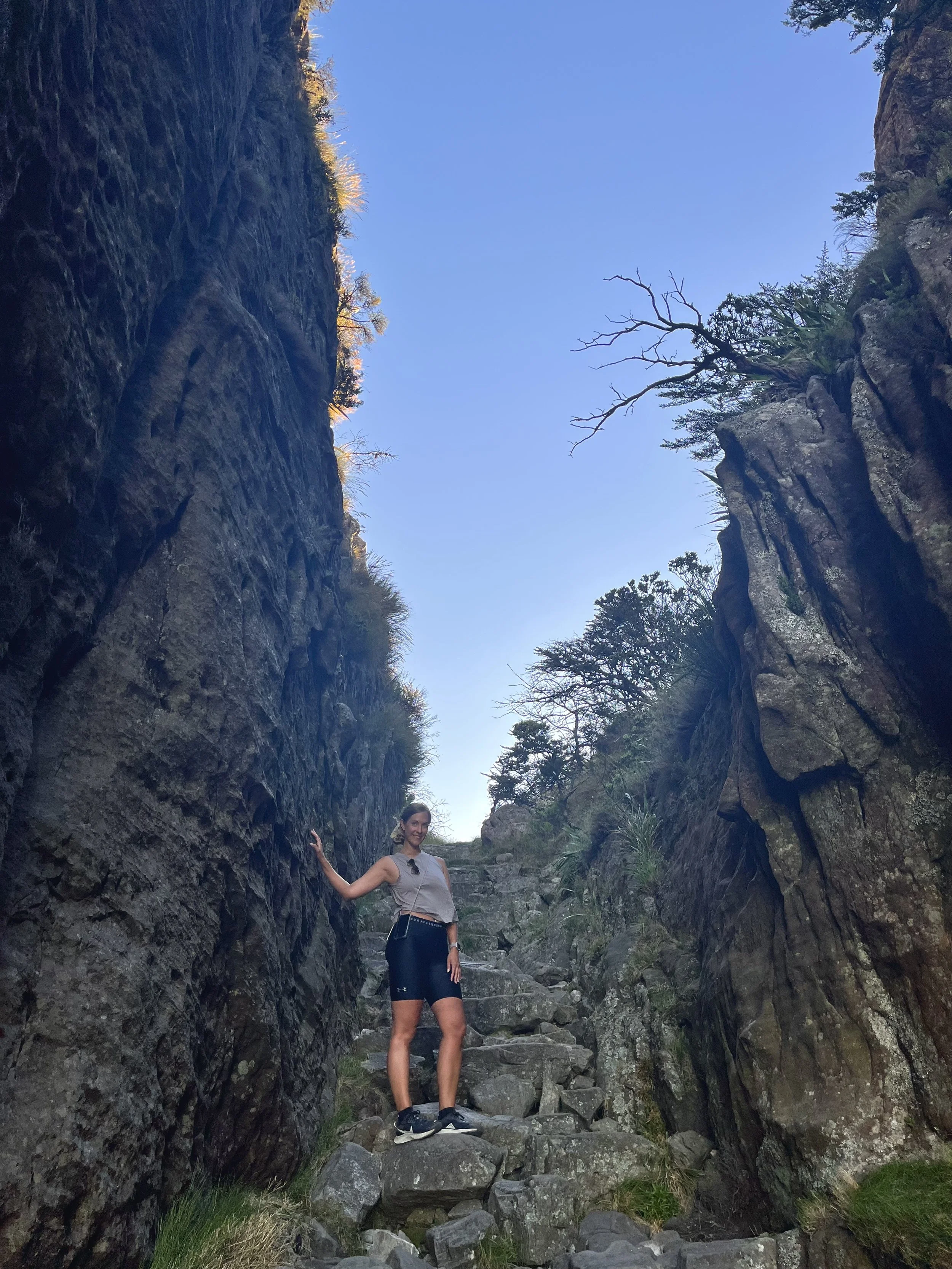
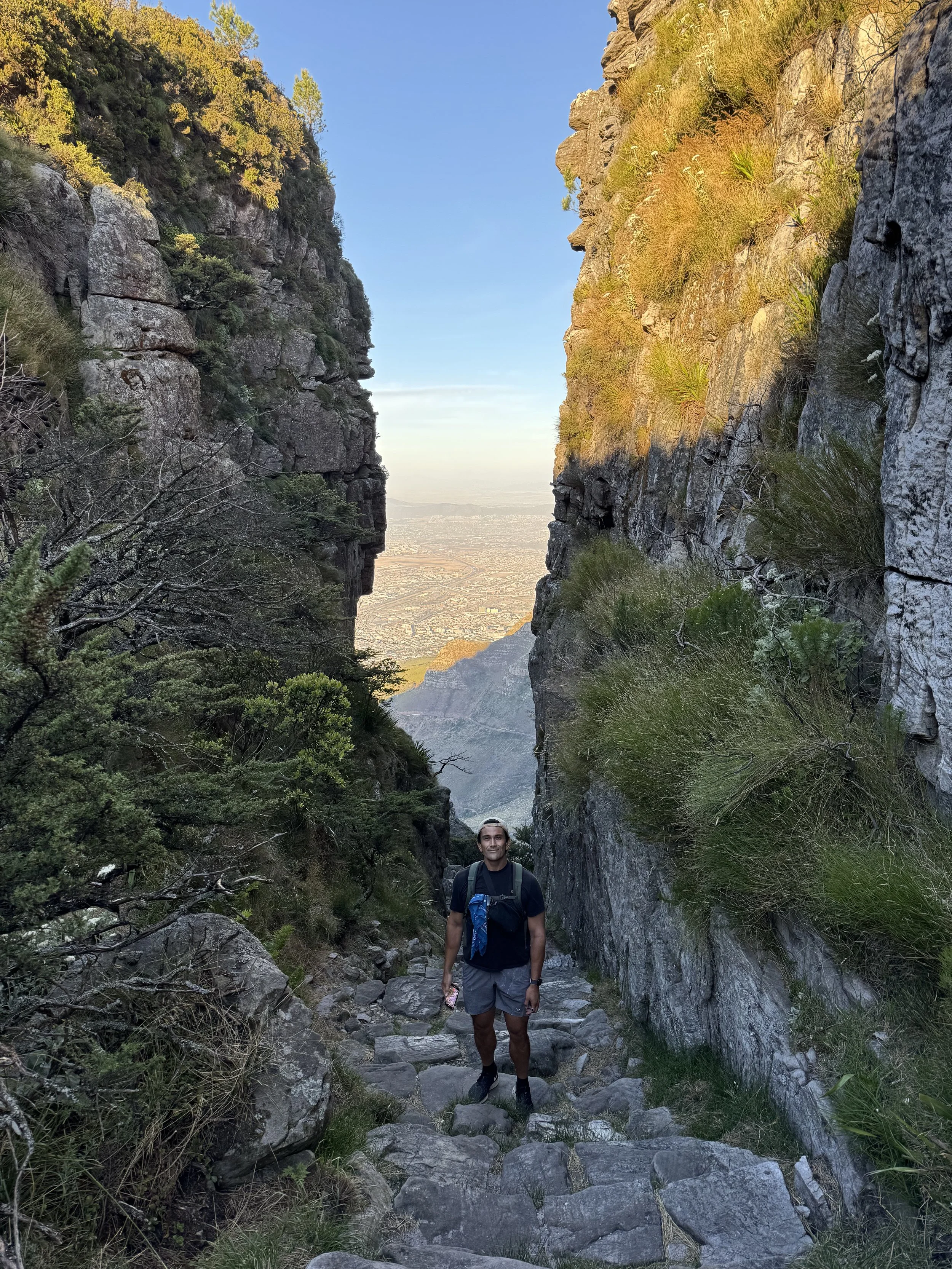
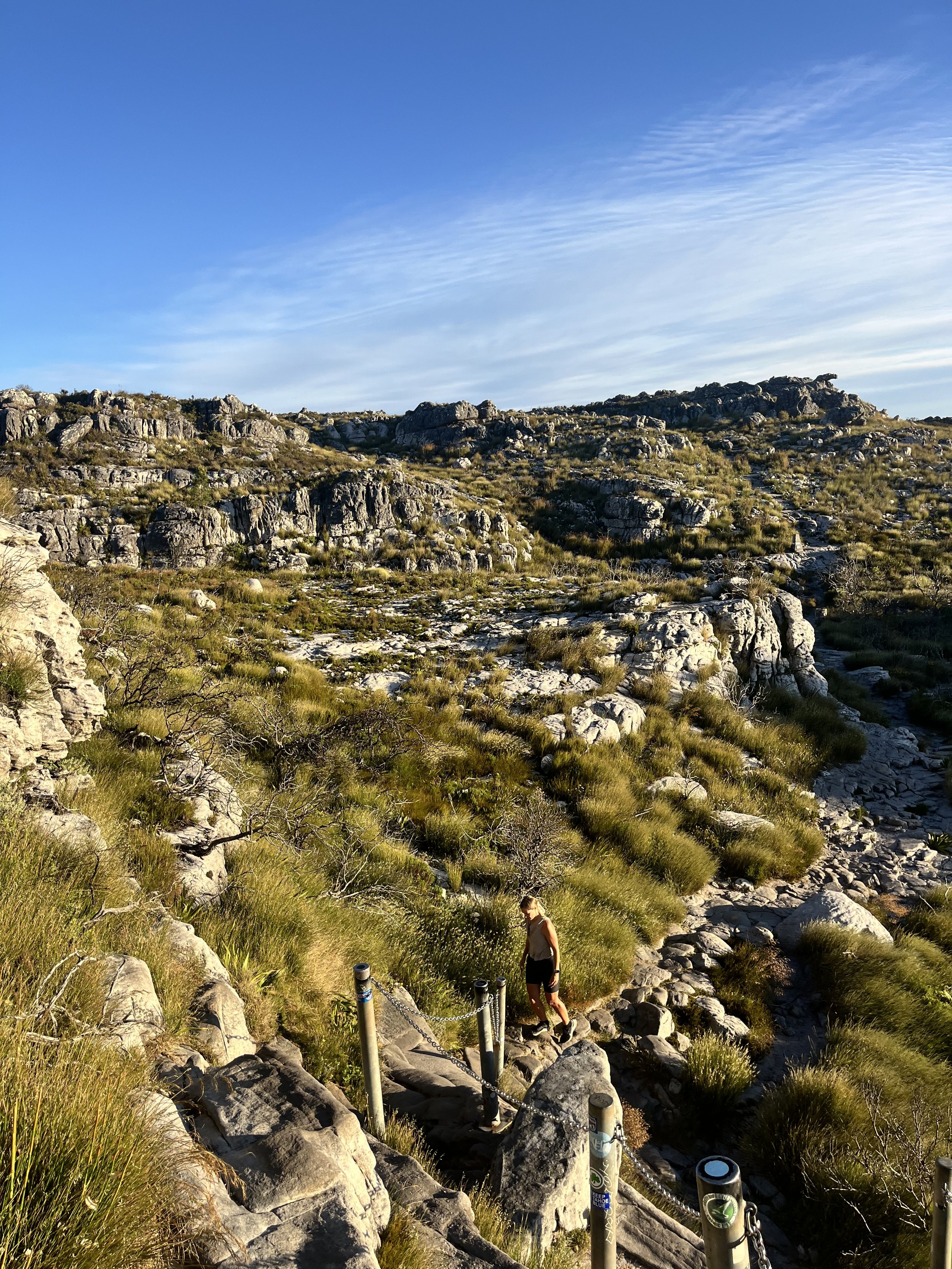
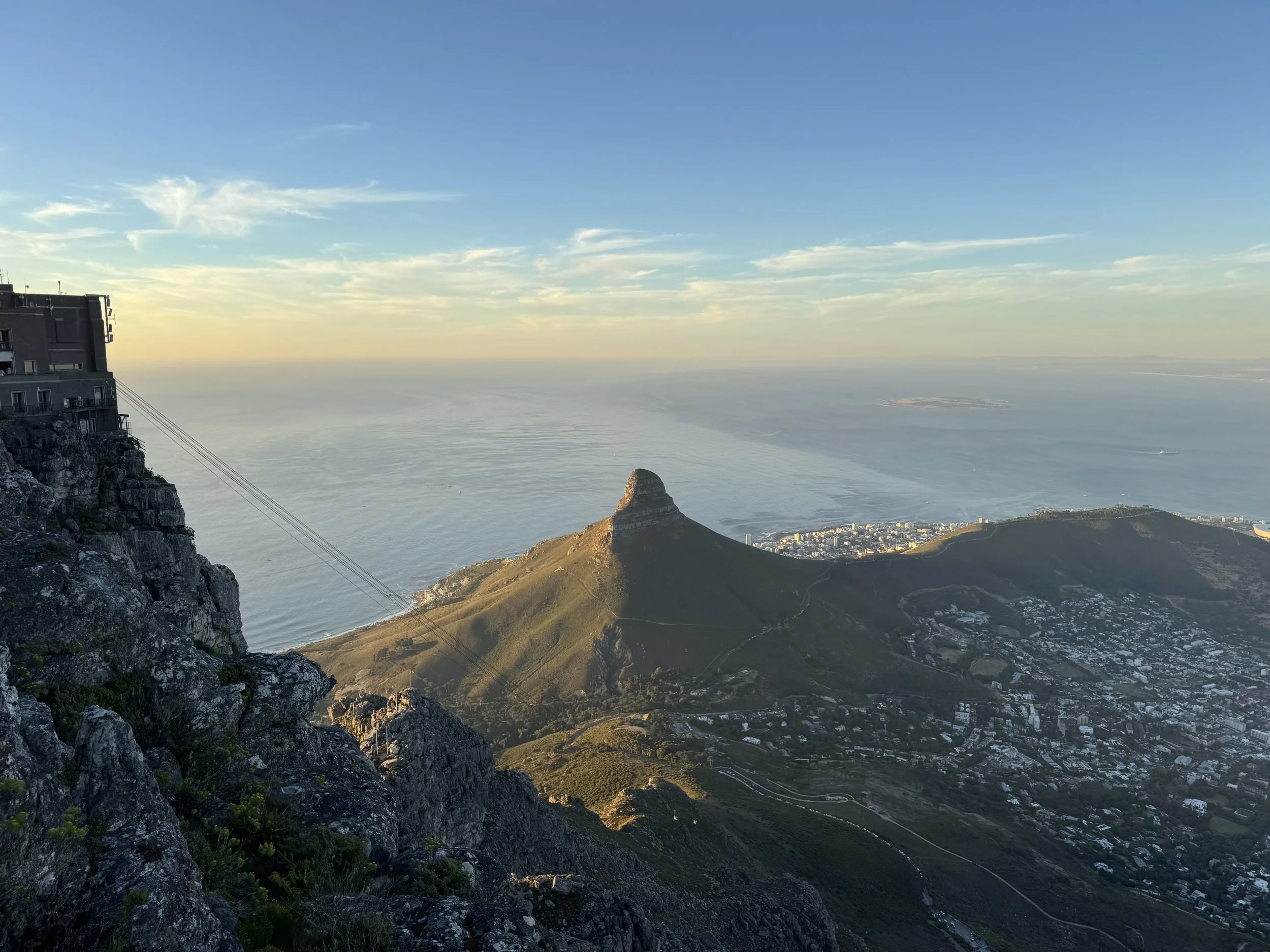
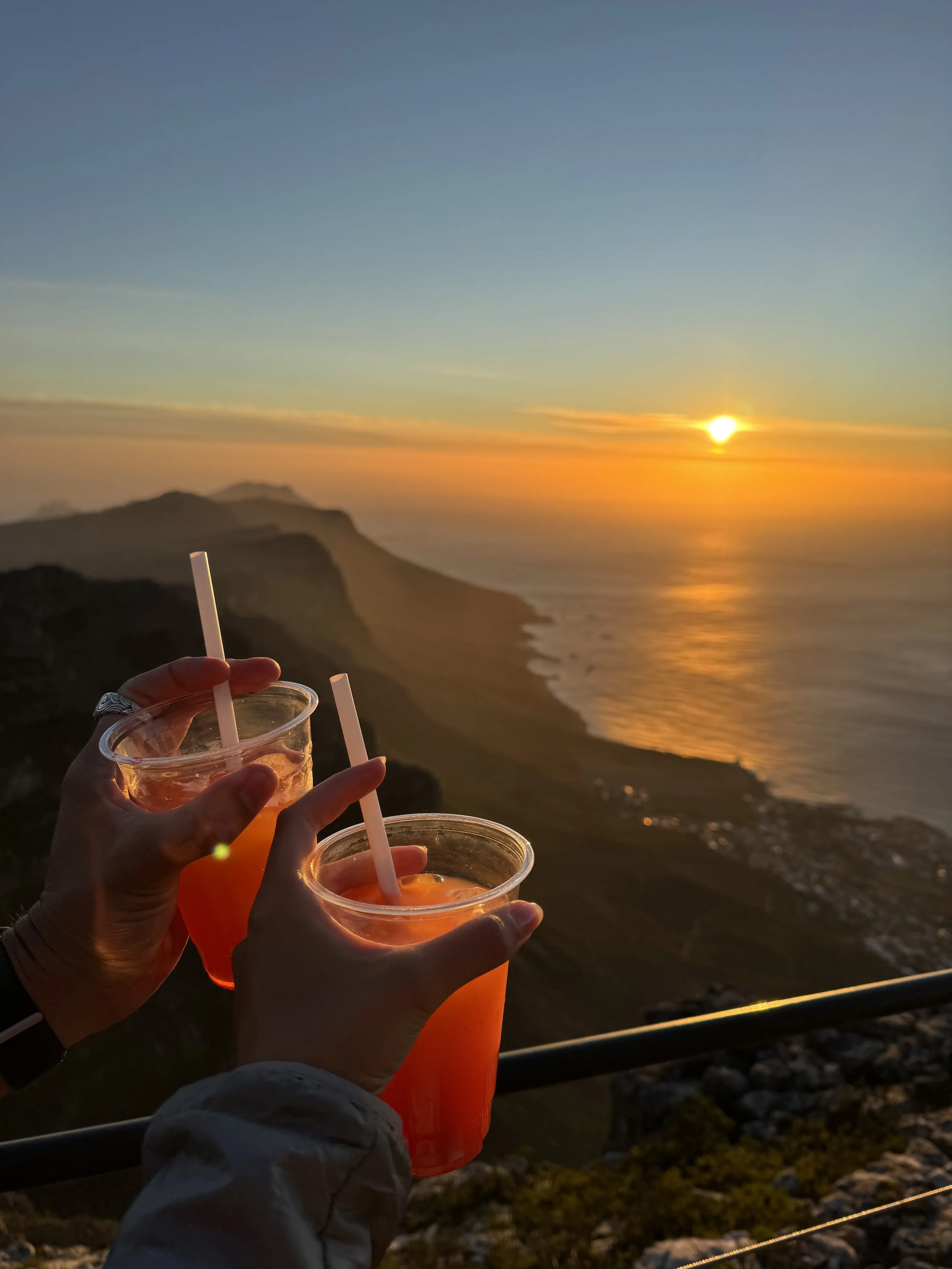
In the late afternoon, make your way to Table Mountain. Make sure to buy your cable car ticket for the way down in advance. We hiked up via Platteklip Gorge, the most direct route. The climb is steep but straightforward and rewards you quickly with expansive views as you gain elevation. Hiking later in the day allowed us to stay on top for sunset, which was absolutely stunning. It took about 1.5h to the top.
Once on the plateau, take time to walk around and enjoy the changing light. You can even grab a drink or a small bite to eat up there. Temperatures drop quickly after sunset and the cable car ride down can take longer than expected, so warm layers are essential. Always check the official website on the day, as strong winds can lead to trail or cable car closures at short notice.




Day 5: Cape Peninsula, Penguins and Chapman’s Peak Drive
Route Overview:
Cape Town → Muizenberg → Kalk Bay → Boulders Beach → Cape Point & Cape of Good Hope → Noordhoek → Chapman’s Peak Drive → Hout Bay or Camps Bay → Cape Town
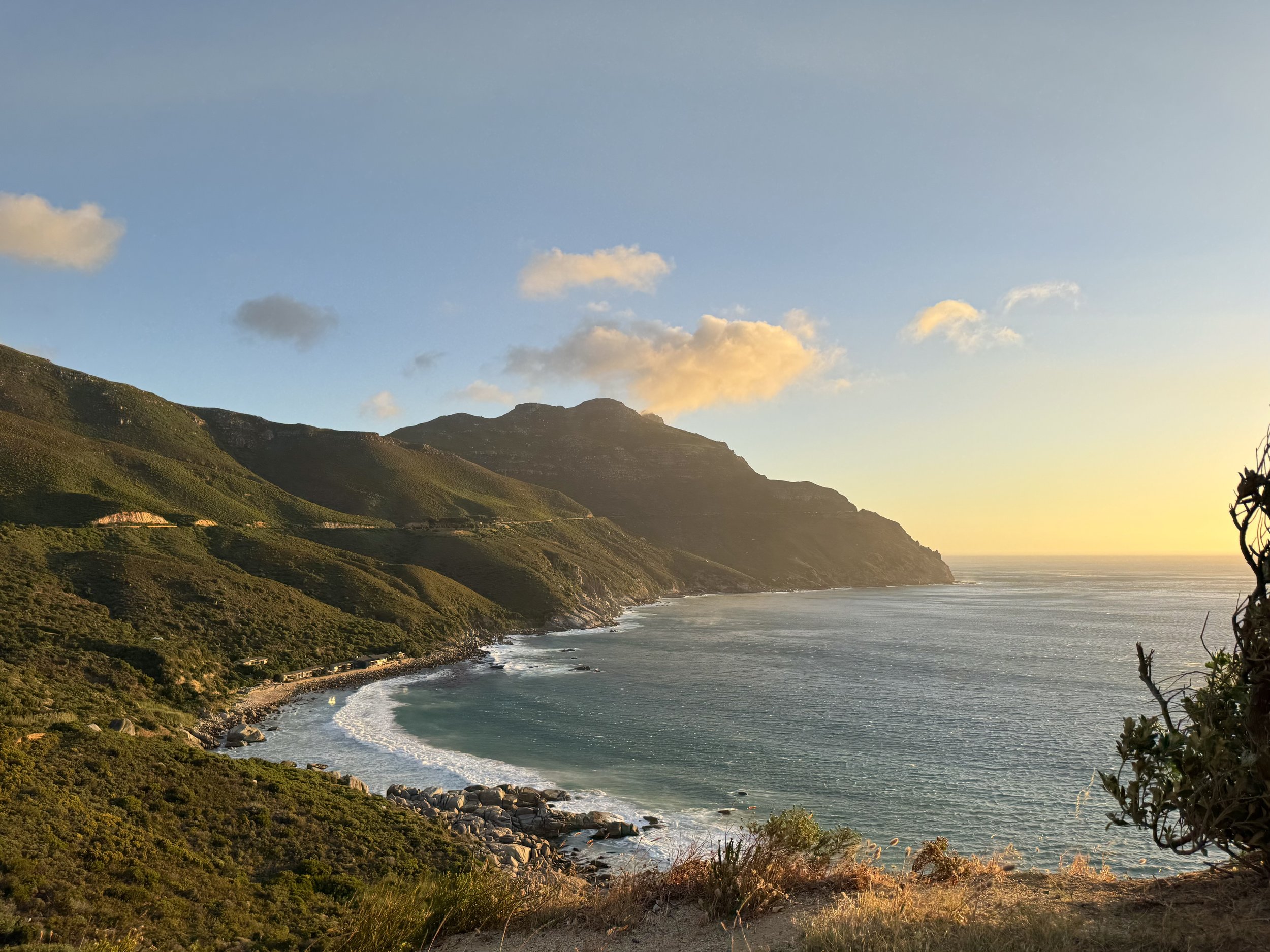
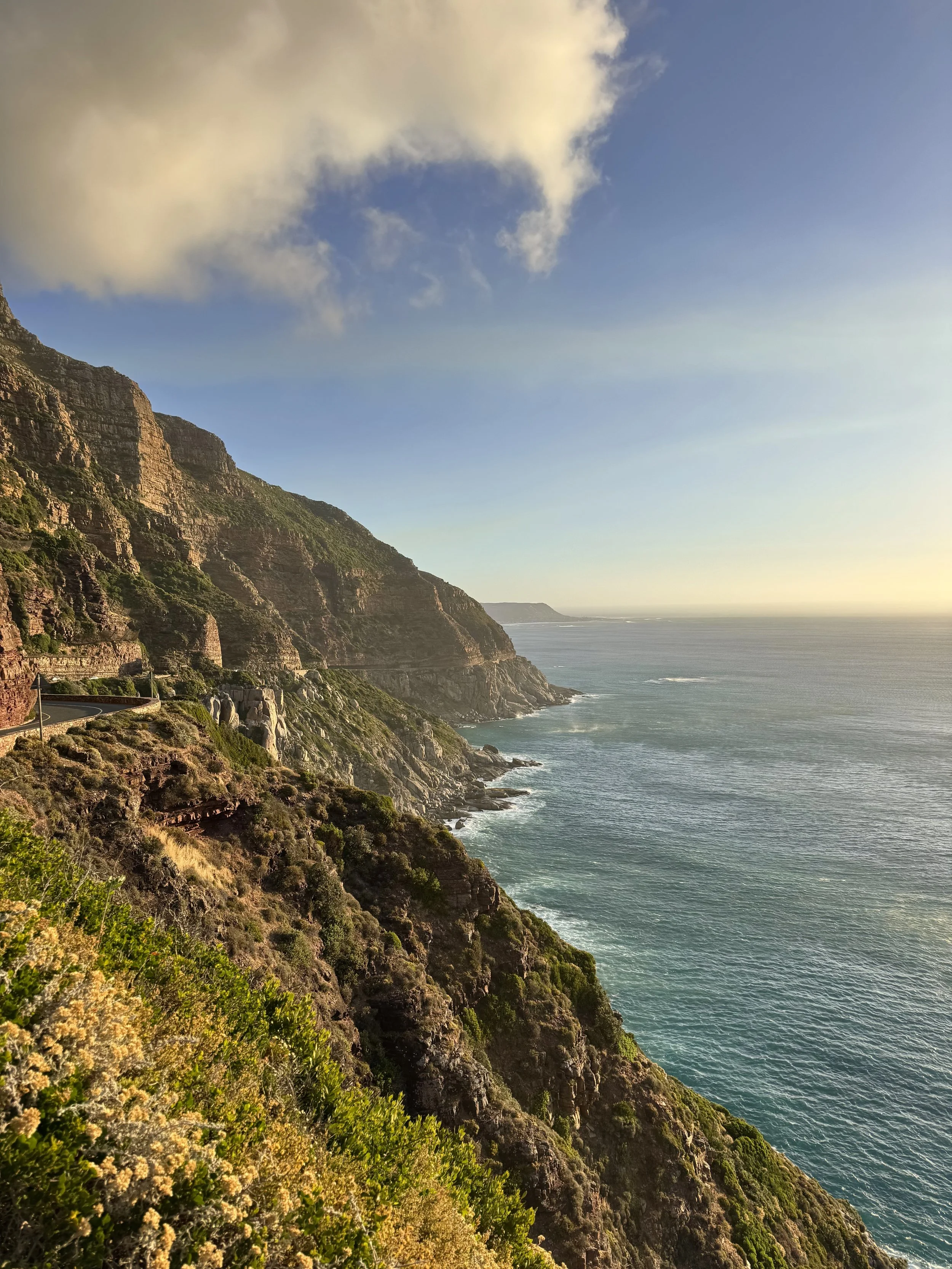
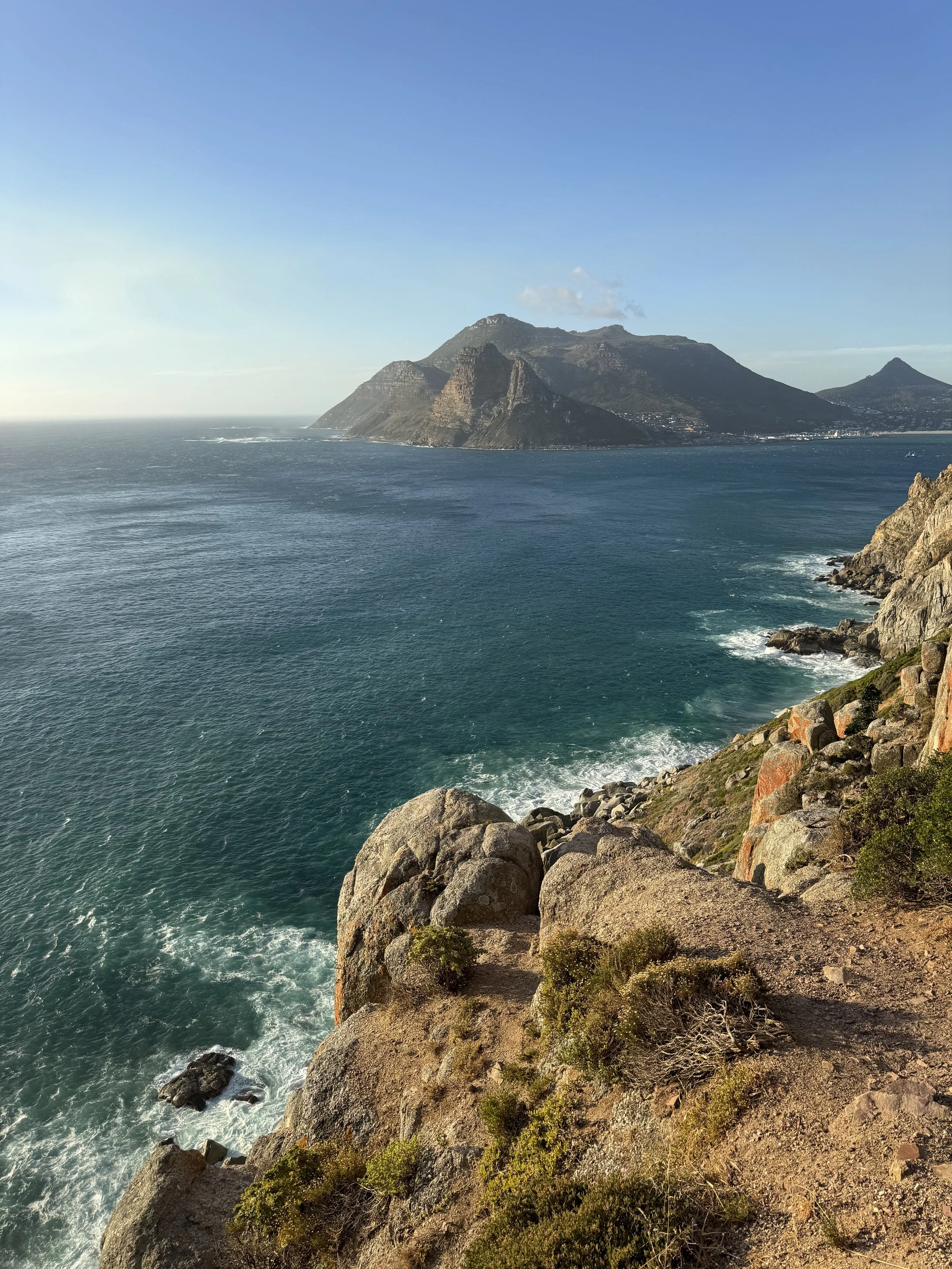
This is the day where having a car really makes a difference. The Peninsula loop is one of those classic drives and it’s best enjoyed without rushing. Planning the route so you can end the day on Chapman’s Peak at golden hour makes a noticeable difference and was easily one of the highlights for us.
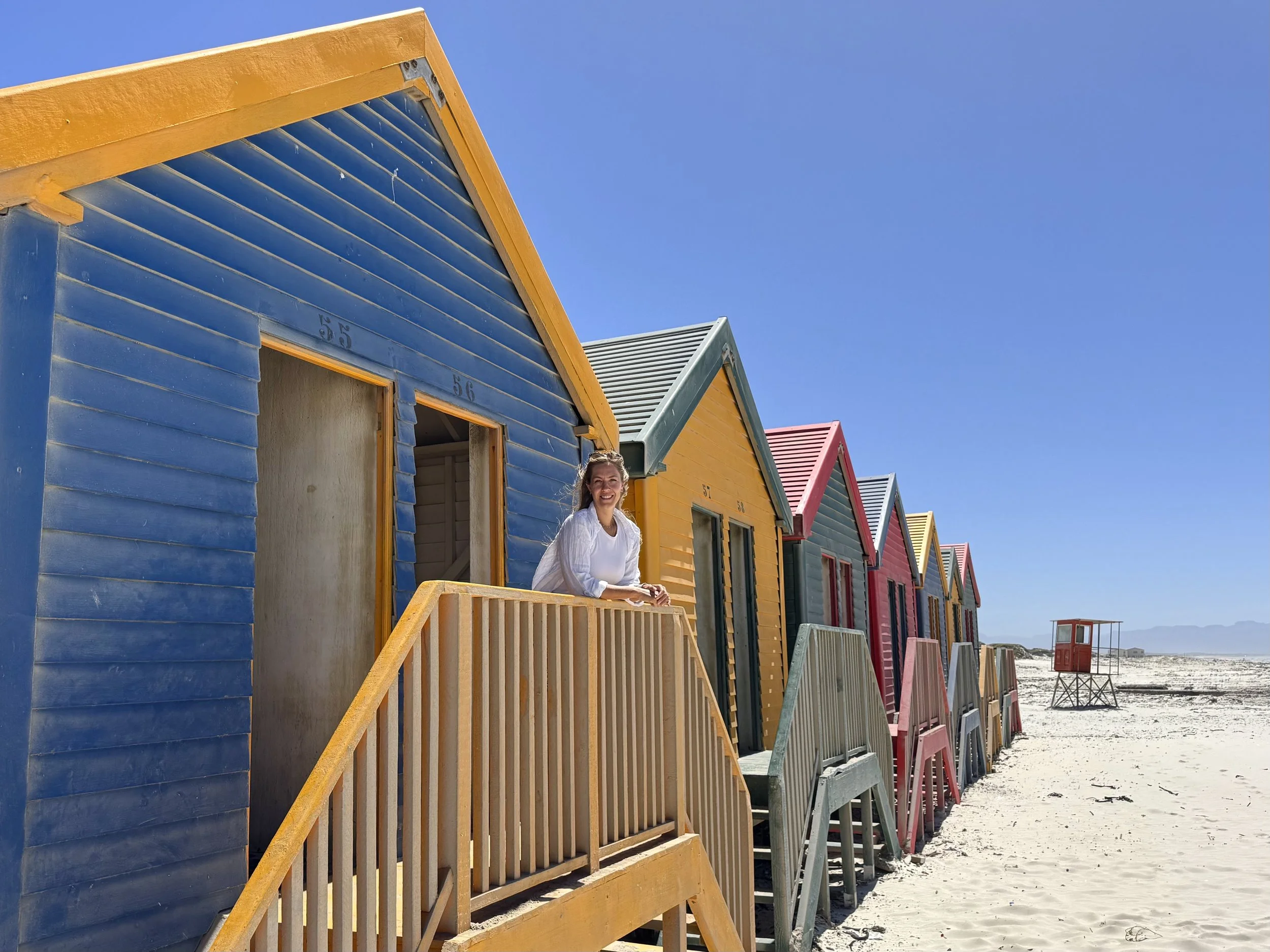
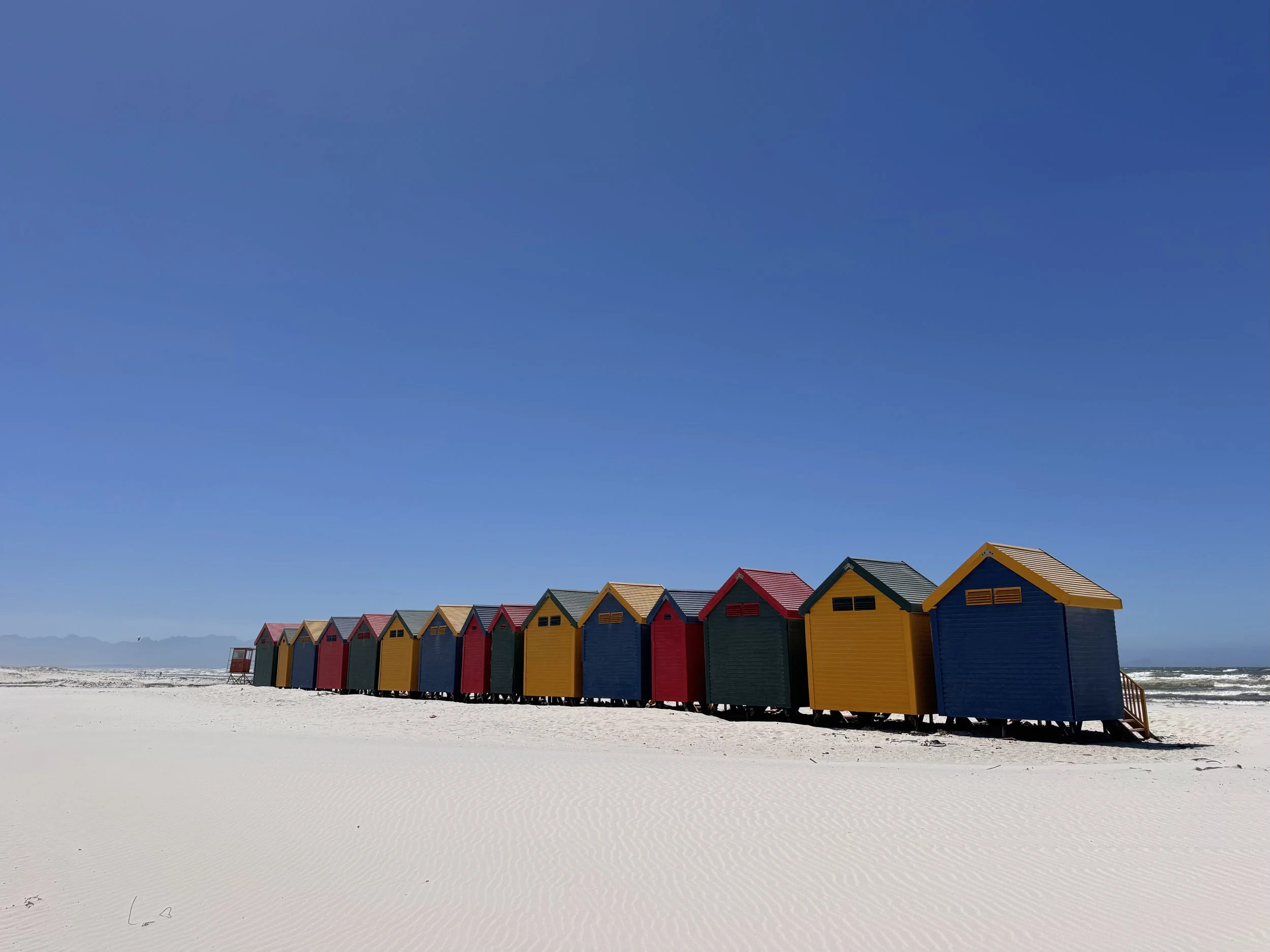
Start the morning early by heading south toward Muizenberg. On the way, stop at Frank’s Coffee & Bagel Bar for a convenient breakfast before the longer stretches of driving. The colourful beach huts in Muizenberg are the main attraction and worth a quick photo stop before continuing along the coast to Kalk Bay. This small harbour town has a slightly nostalgic, boho feel, with antique shops, boutiques and a pier that’s nice for a short photo stop.
From there, continue toward Boulders Beach, home to an African penguin colony. The boardwalk makes it easy to see the penguins up close. It can feel busy and quite structured, but it’s still a memorable stop if penguins are on your list. If you prefer something quieter, Betty’s Bay is a more low-key alternative where viewing the penguins from a respectful distance feels calmer and more in tune with the surrounding landscape.
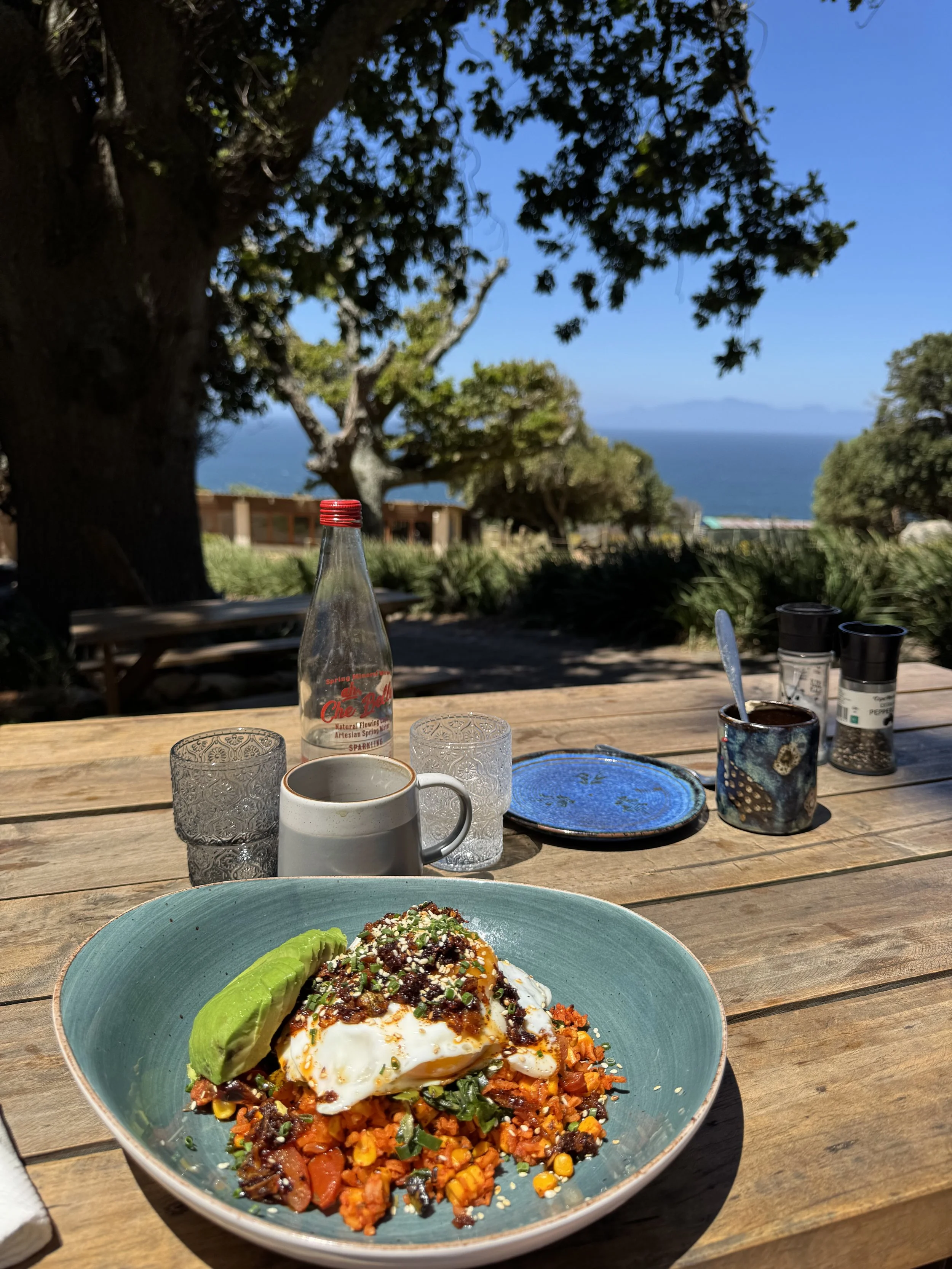
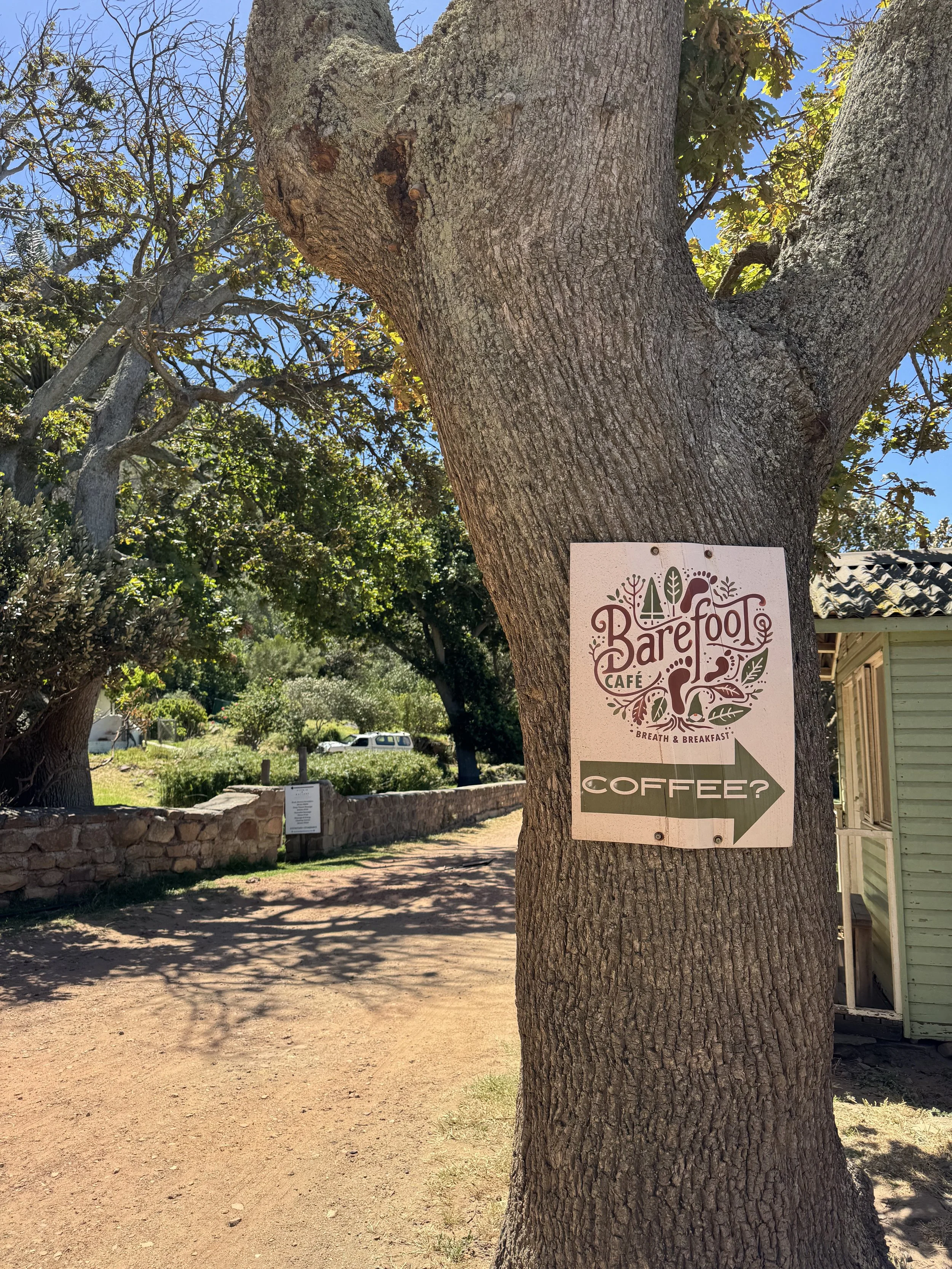
At Barefoot Cafe we found the kind of place where shoes come off, the pace naturally slows and an unhurried meal in a leafy, sun-drenched garden feels exactly right after a busy morning.
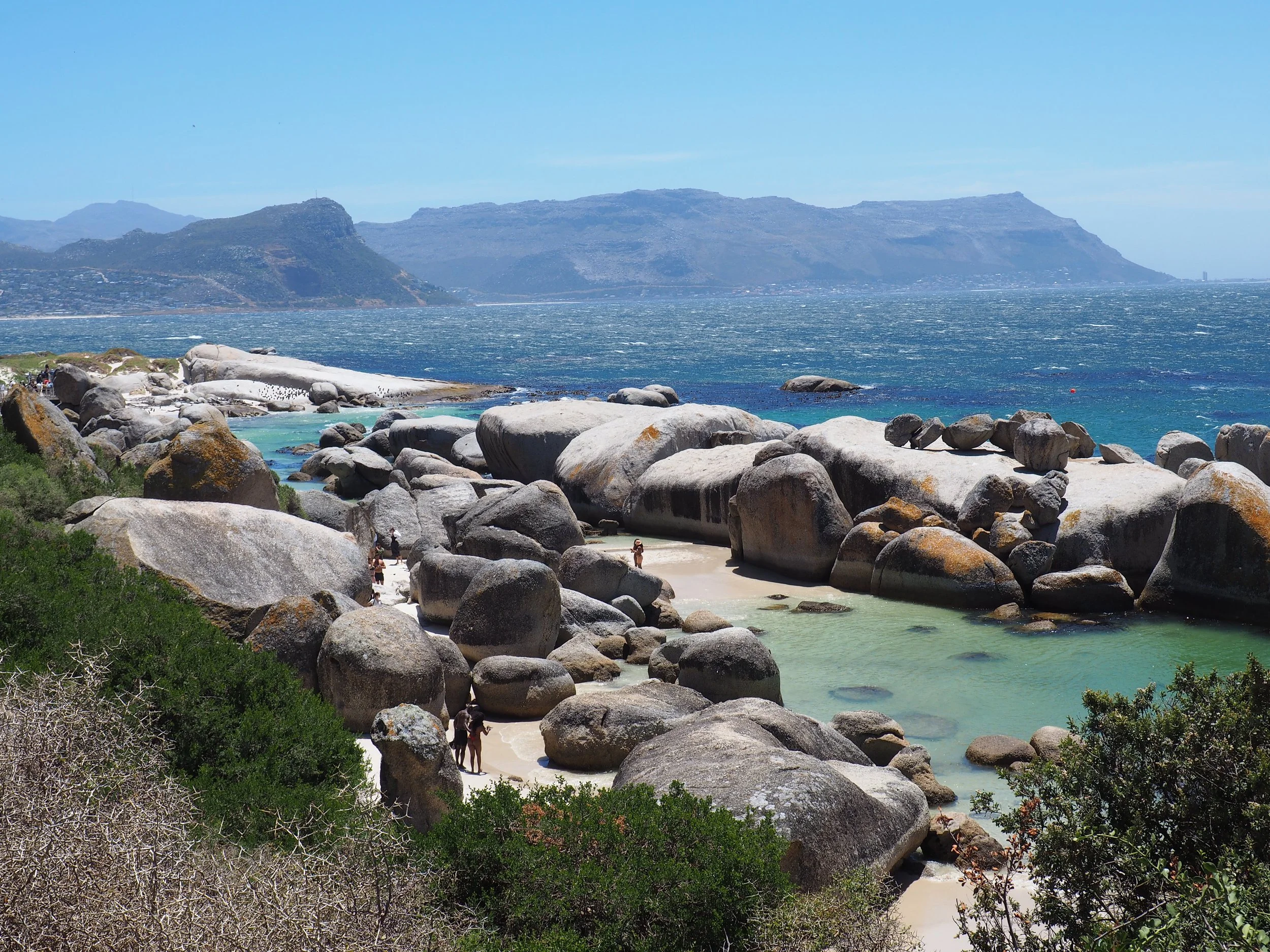
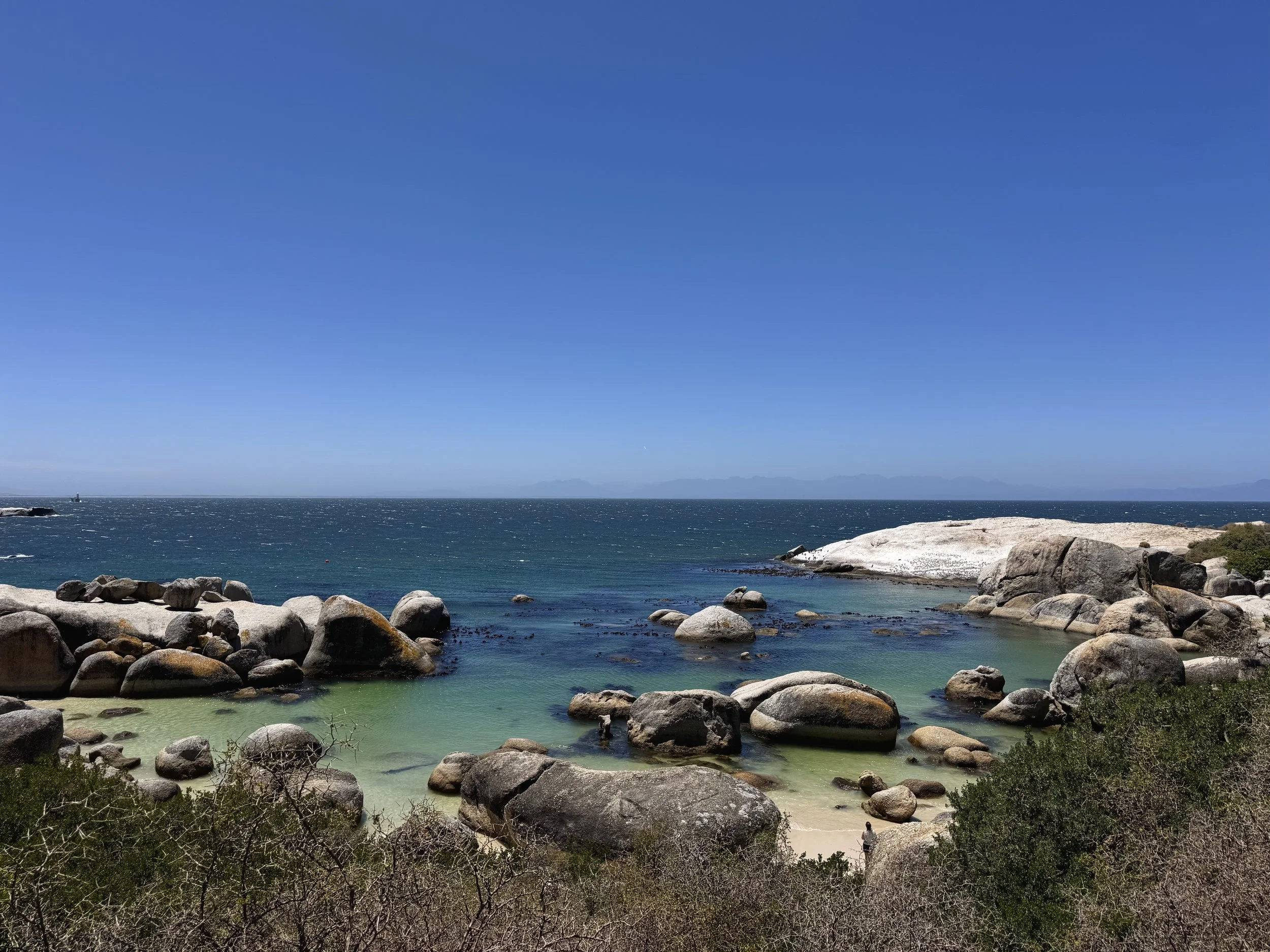
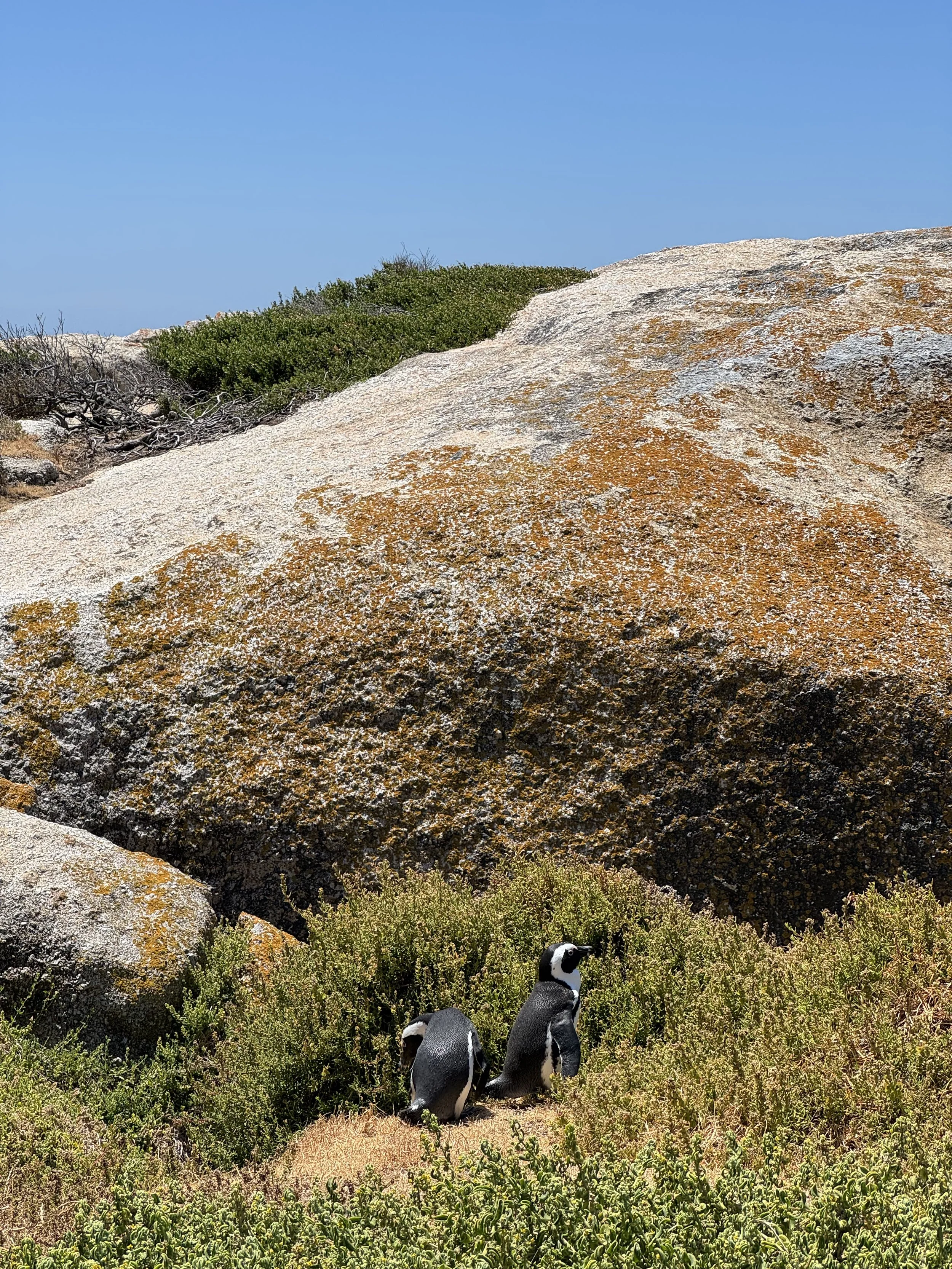

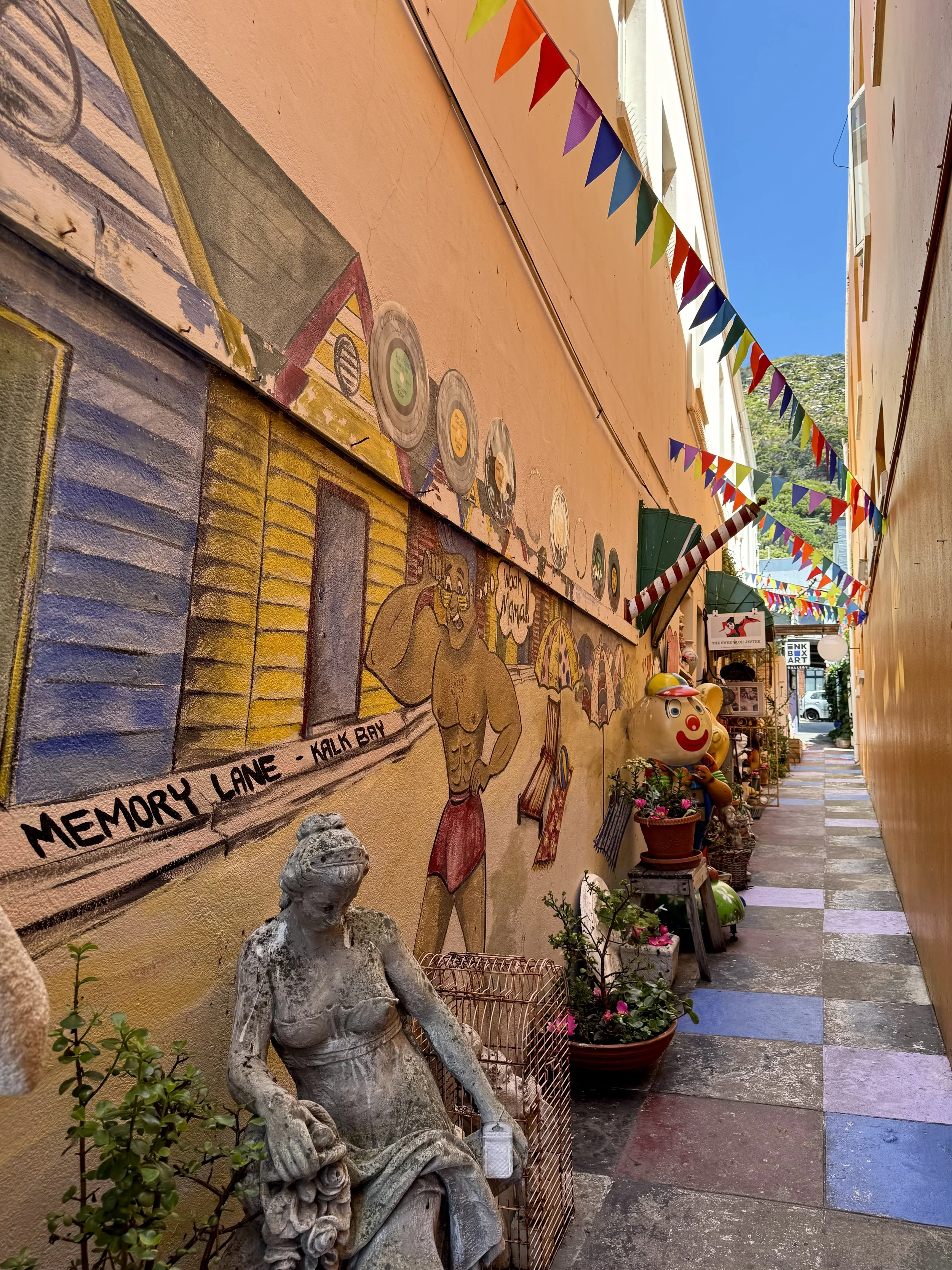

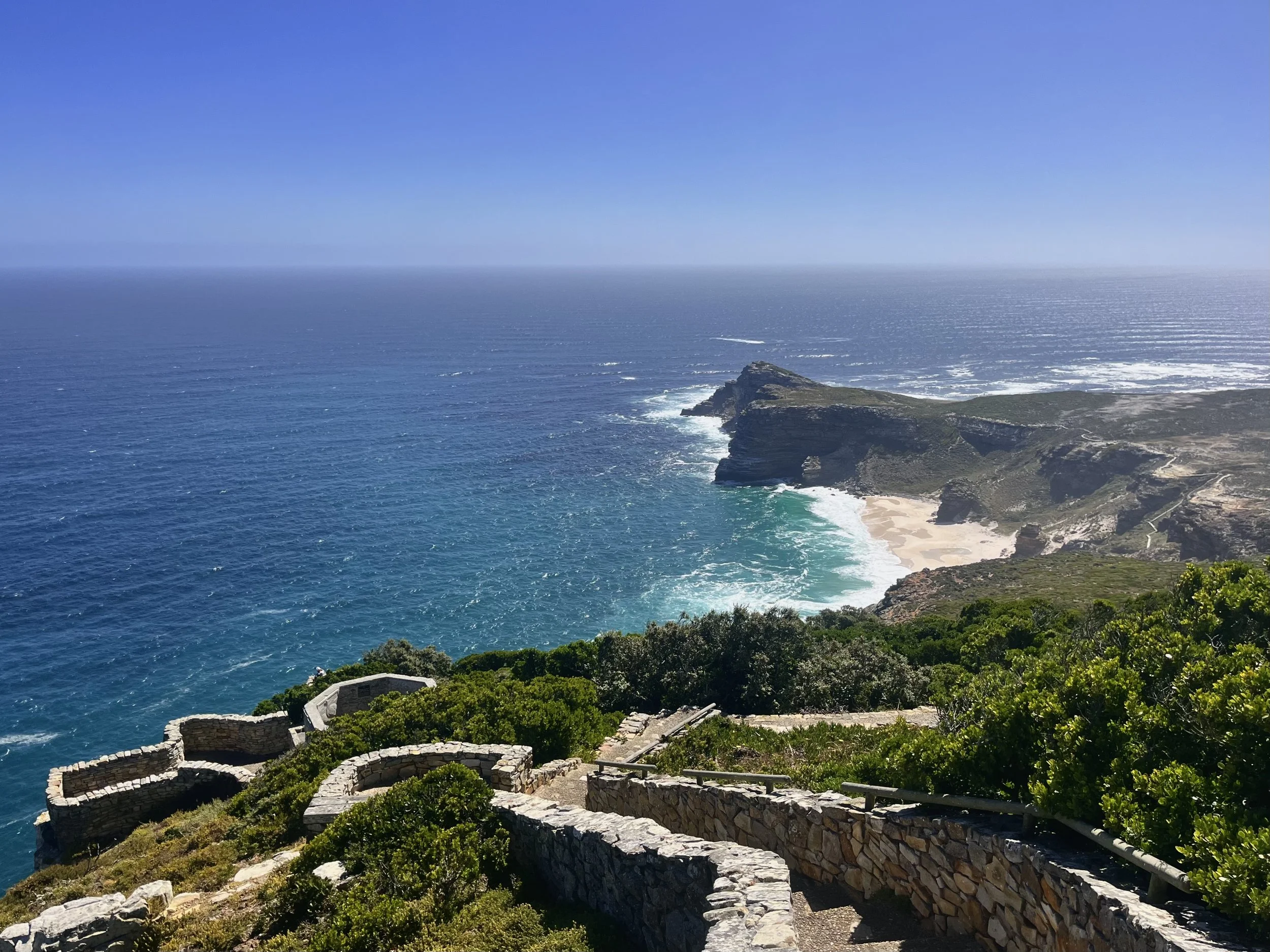
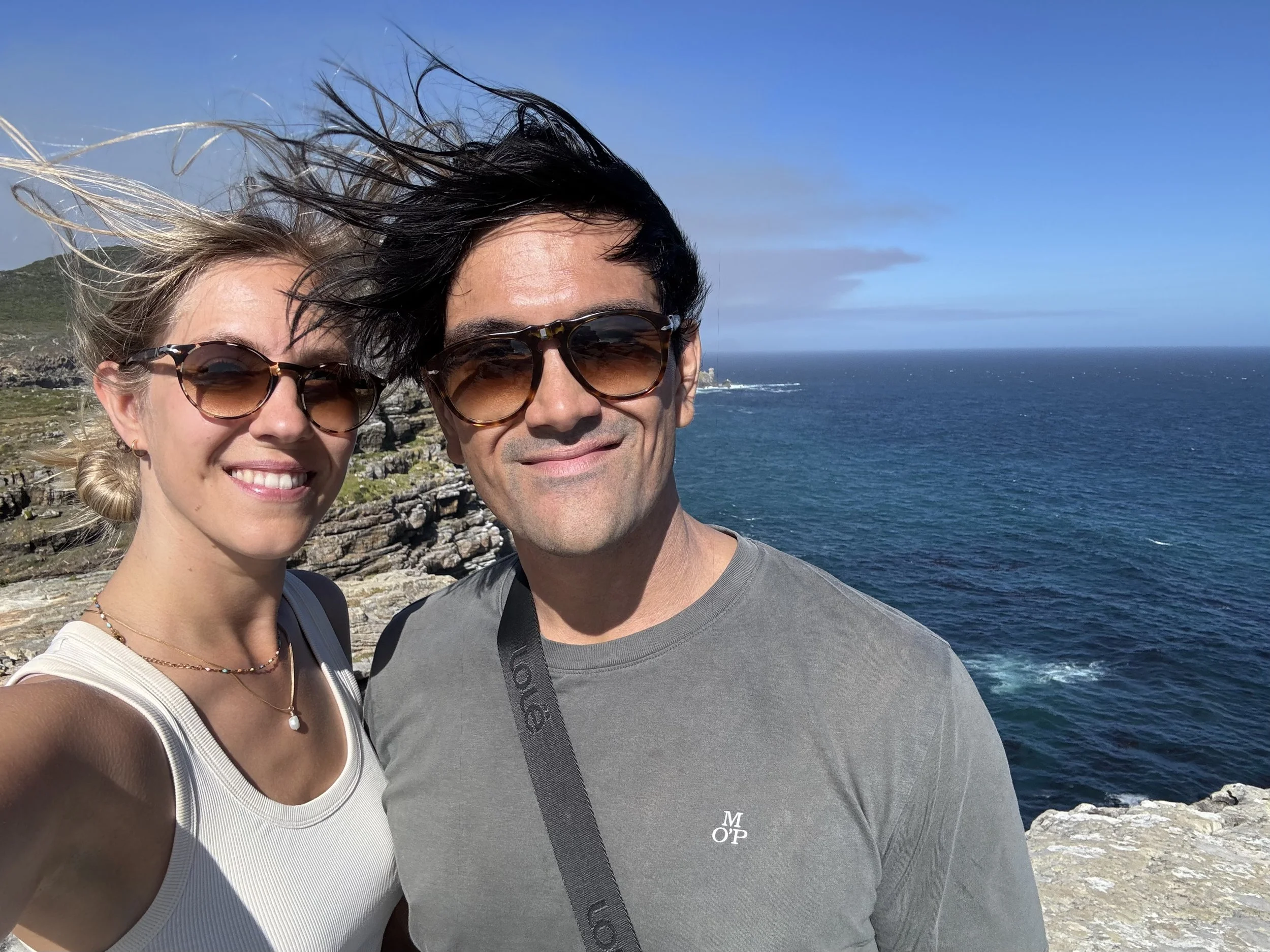
After a quick pause, continue south into the Cape of Good Hope and Cape Point area. This part of the peninsula feels very different from the city and even from the earlier coastal towns. Wide open landscapes, rugged cliffs and crashing waves define the scenery here and it’s easy to see why this area is protected as a national park. You’ll need to pay an entrance fee to access the reserve, but the scale and rawness of the landscape make it worthwhile.
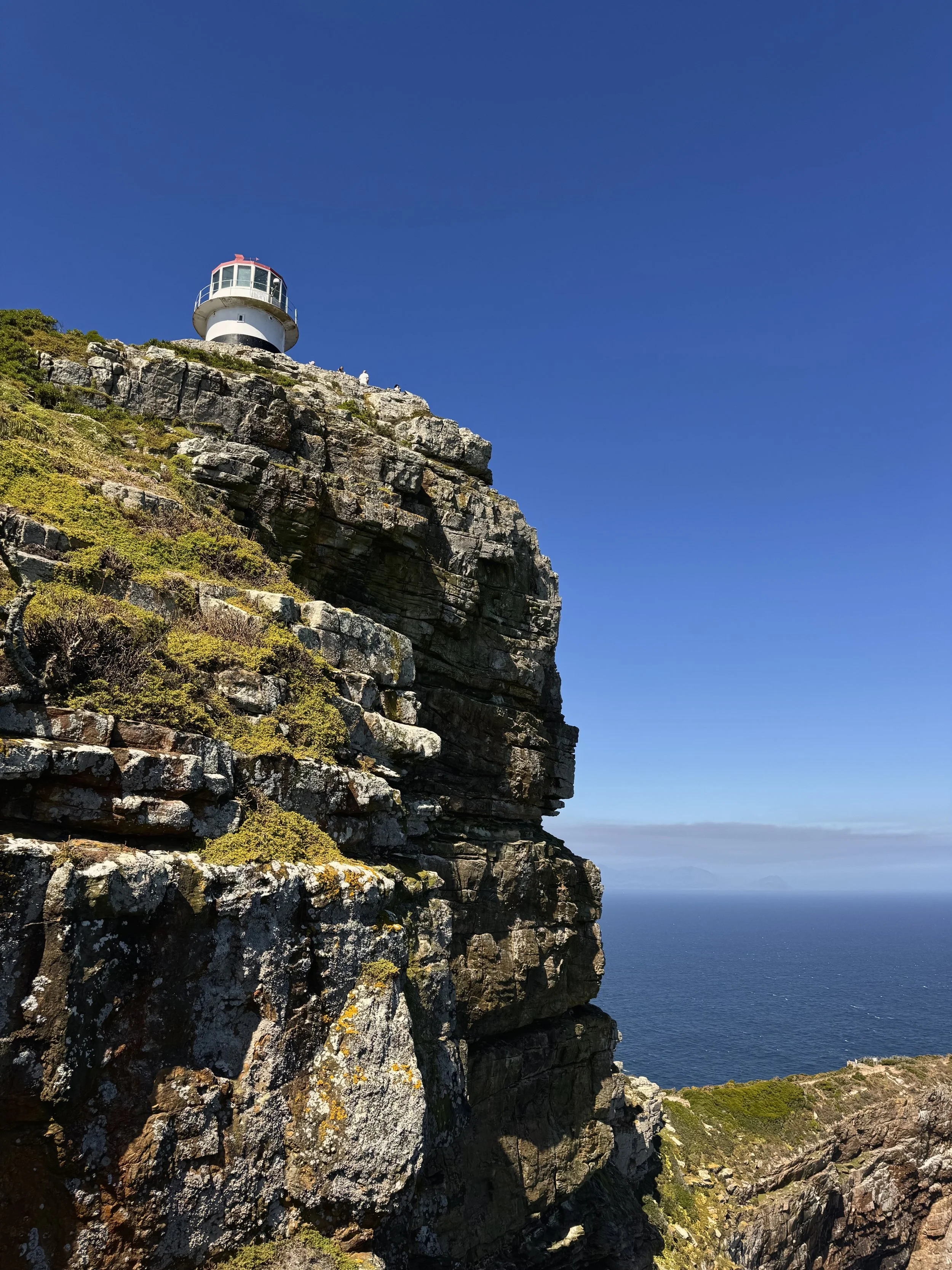
Rather than trying to cover everything, it works best to focus on one or two highlights. The walk up to the Cape Point lighthouse is the most popular option and offers expansive views over the coastline. There are also several shorter trails and viewpoints throughout the park if you prefer something less exposed. Wind is almost always a factor here, even on sunny days, so warm layers are essential.
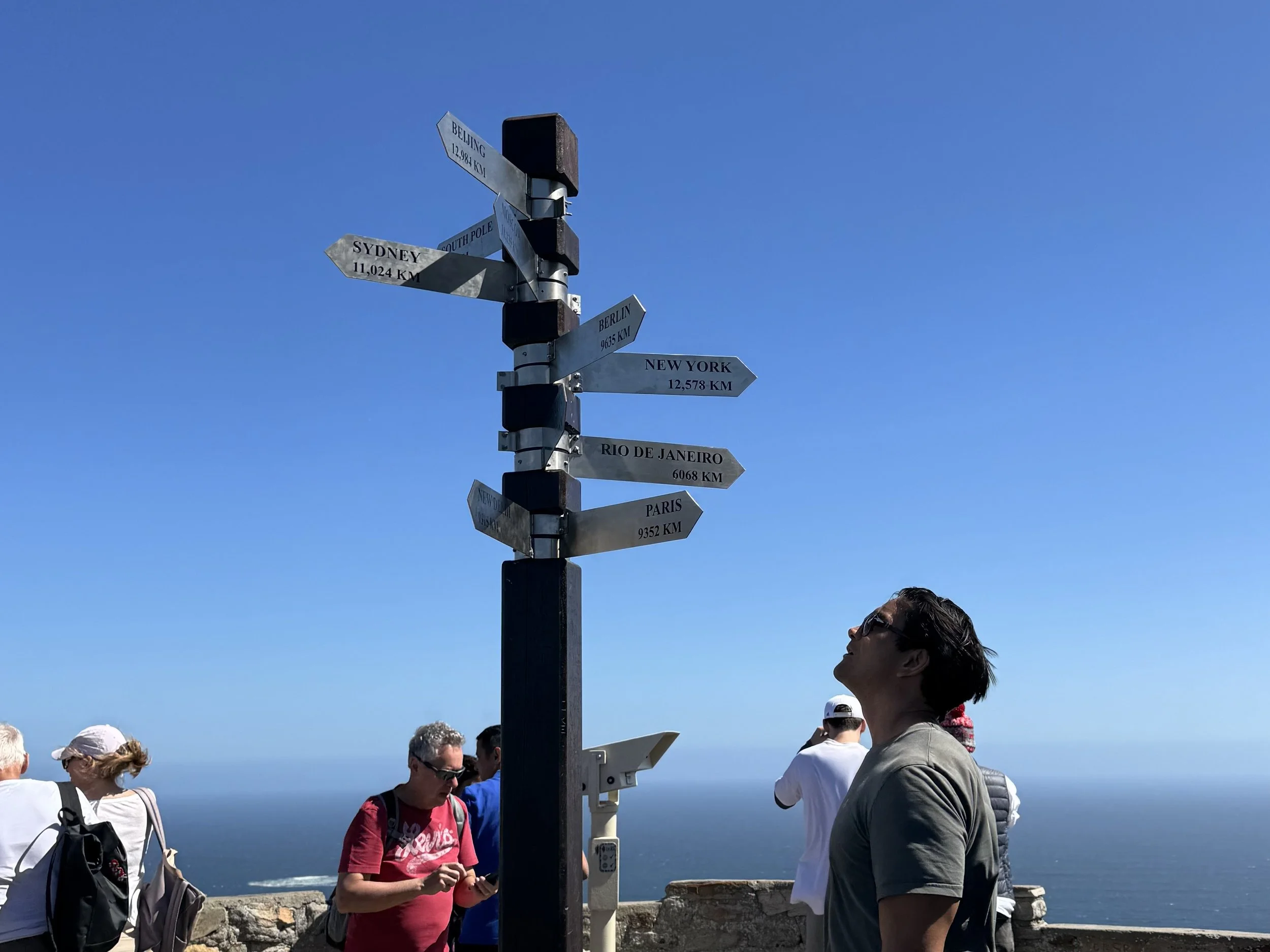
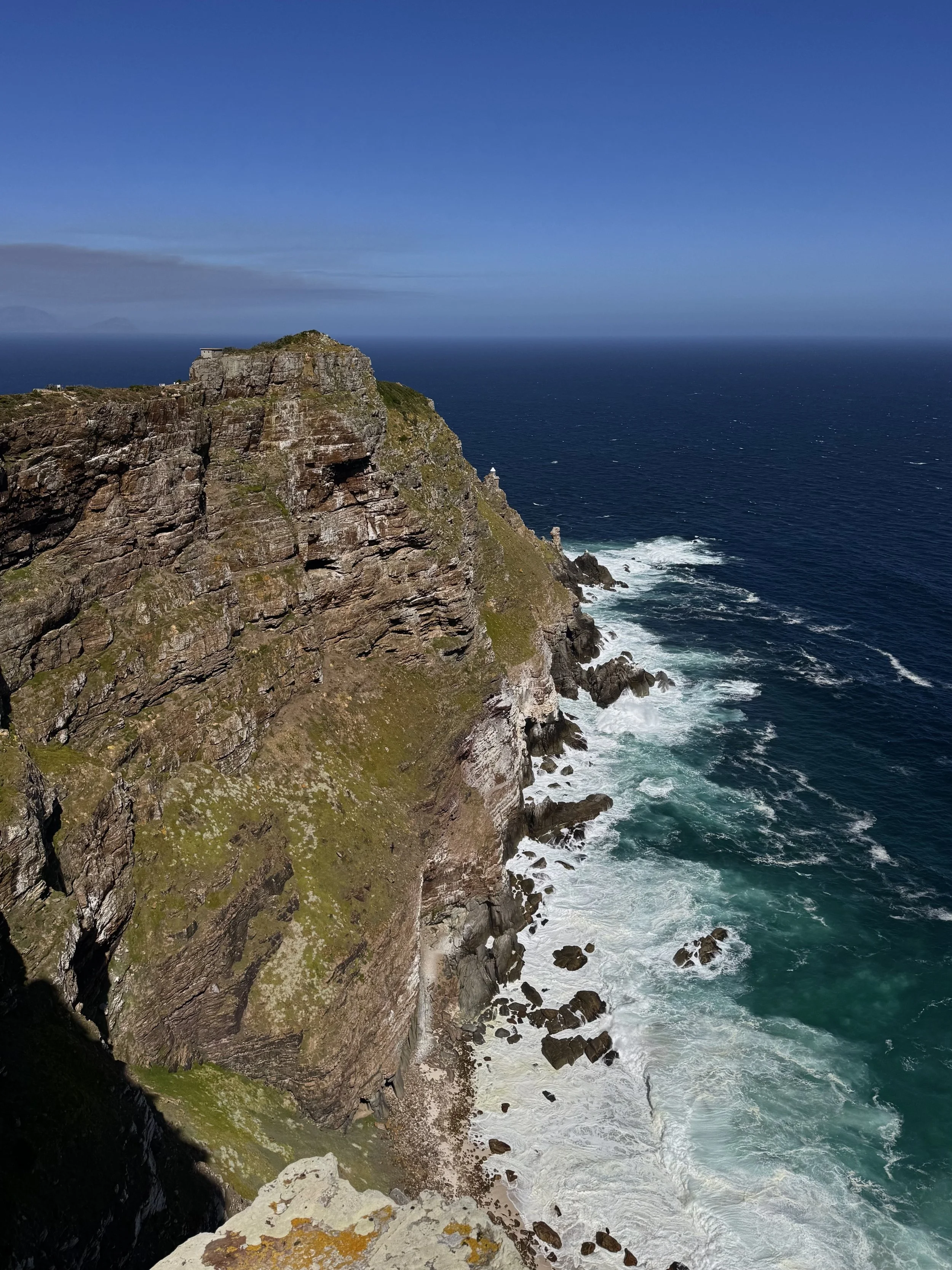
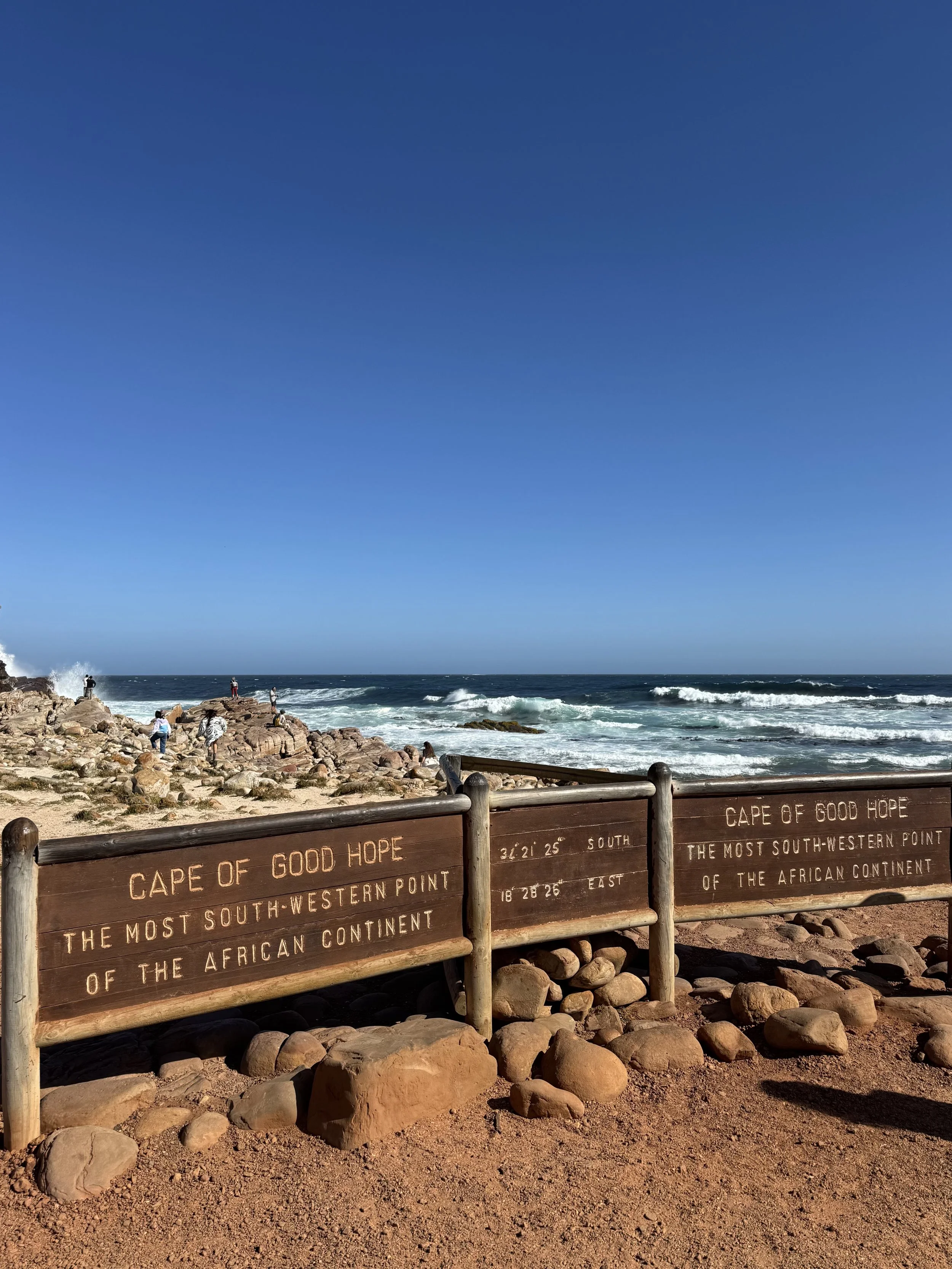
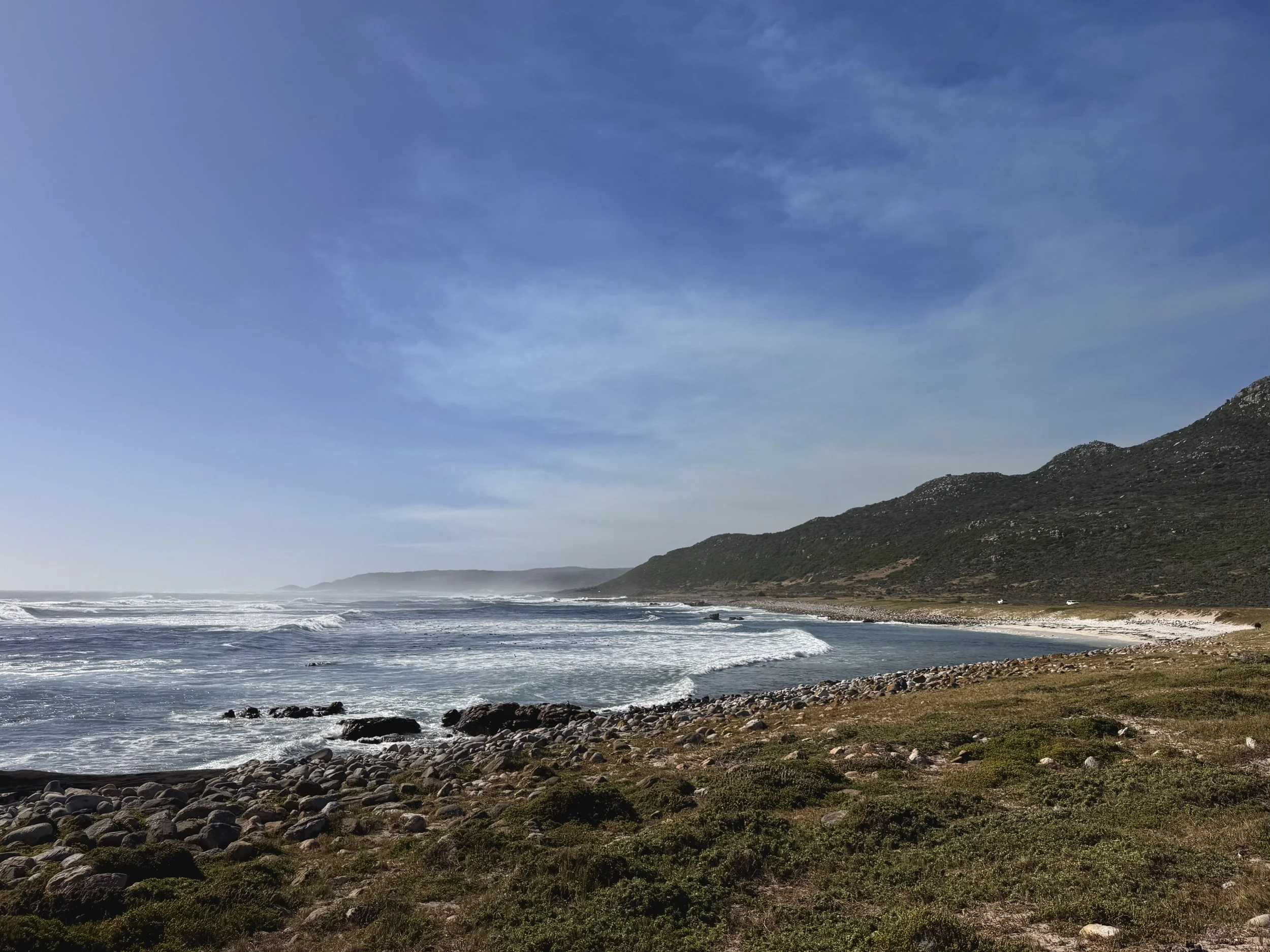
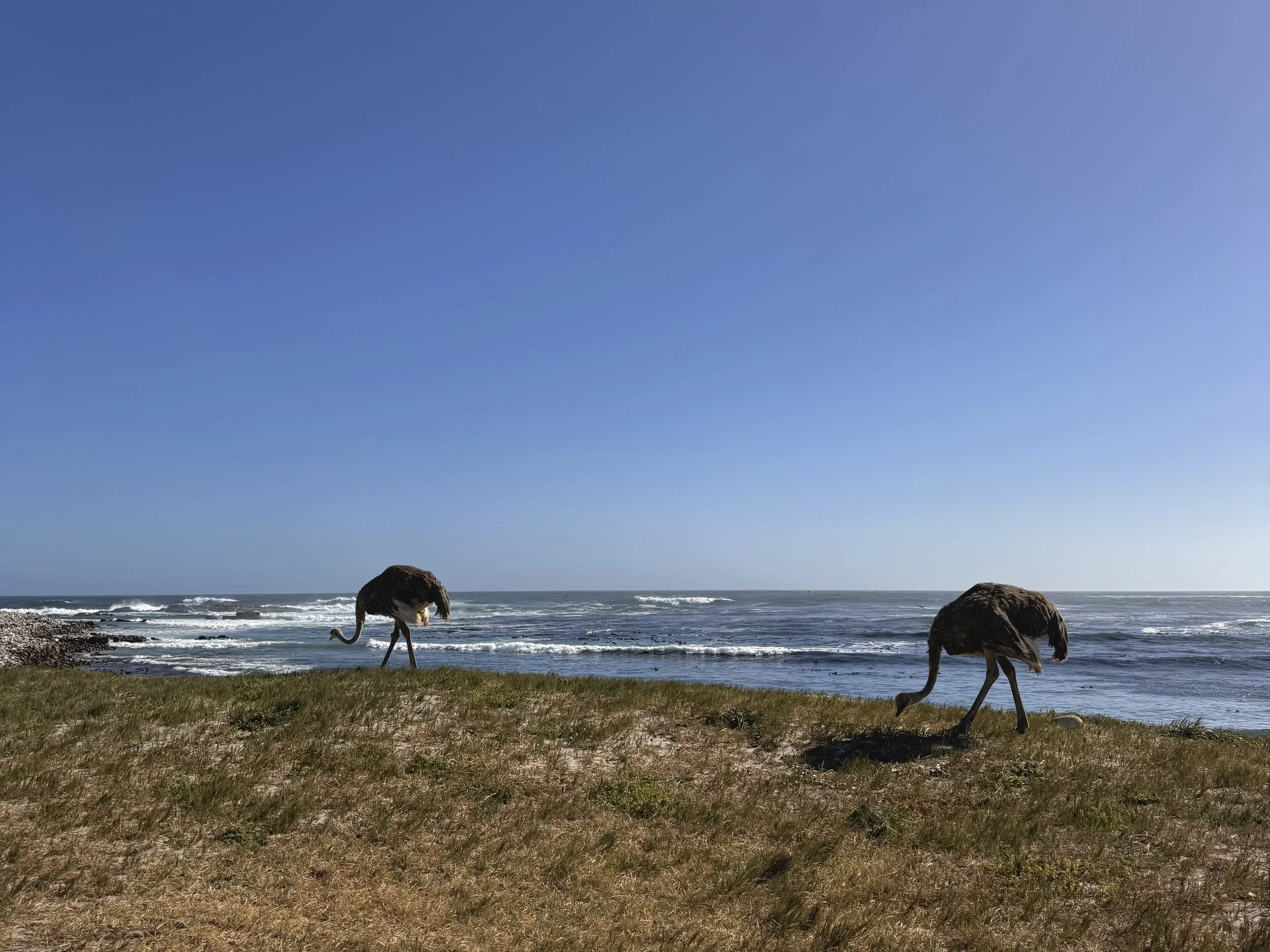
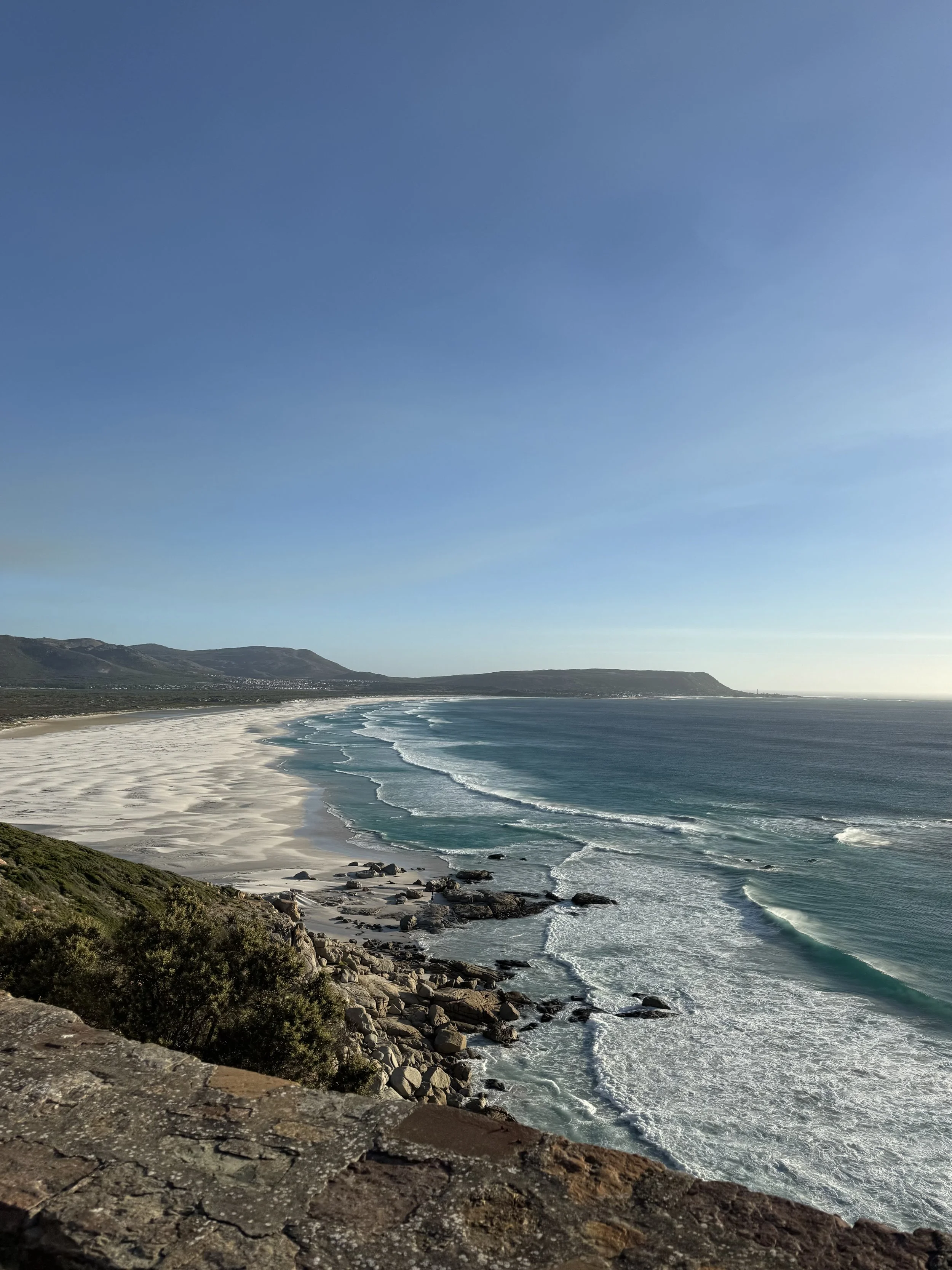
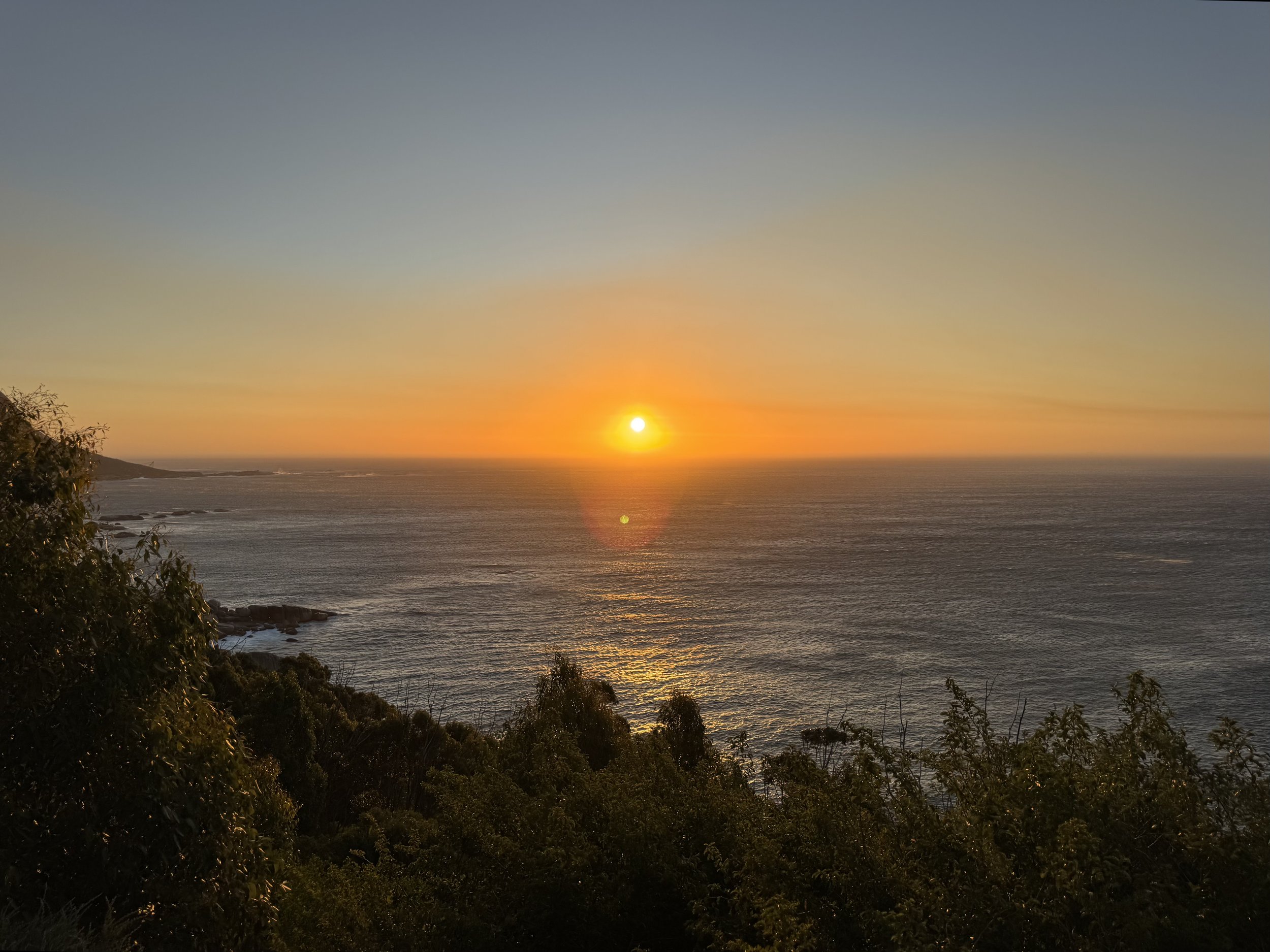
On the way back north, Noordhoek makes a natural pause before the final stretch. It’s also another great place to grab a bite to eat before slowly returning to the city. The viewpoint over the long sandy beach feels calm and spacious and works well as a short break after a full day of driving. From here, plan to time Chapman’s Peak Drive for late afternoon or early evening. Driving north toward Cape Town at golden hour offers the most dramatic views, with cliffs rising on one side and the ocean opening up on the other. This stretch easily feels like the natural finale of the day.
If conditions are right and you still have energy, Llandudno Beach is often mentioned as a beautiful alternative for catching the actual sunset. Otherwise, it’s an easy drive back to the city after a long but well-paced day.


Optional 2 Day Extension:
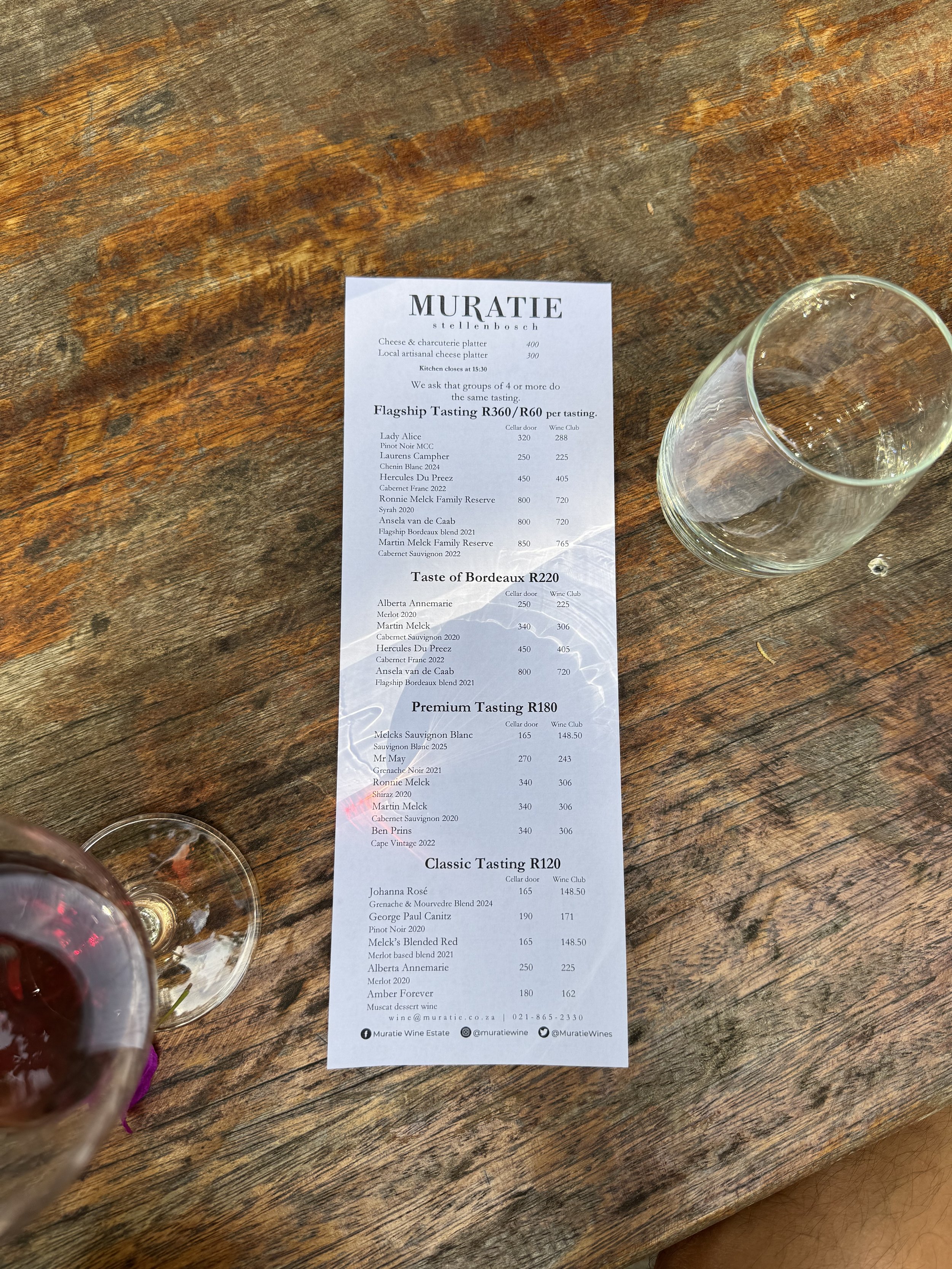
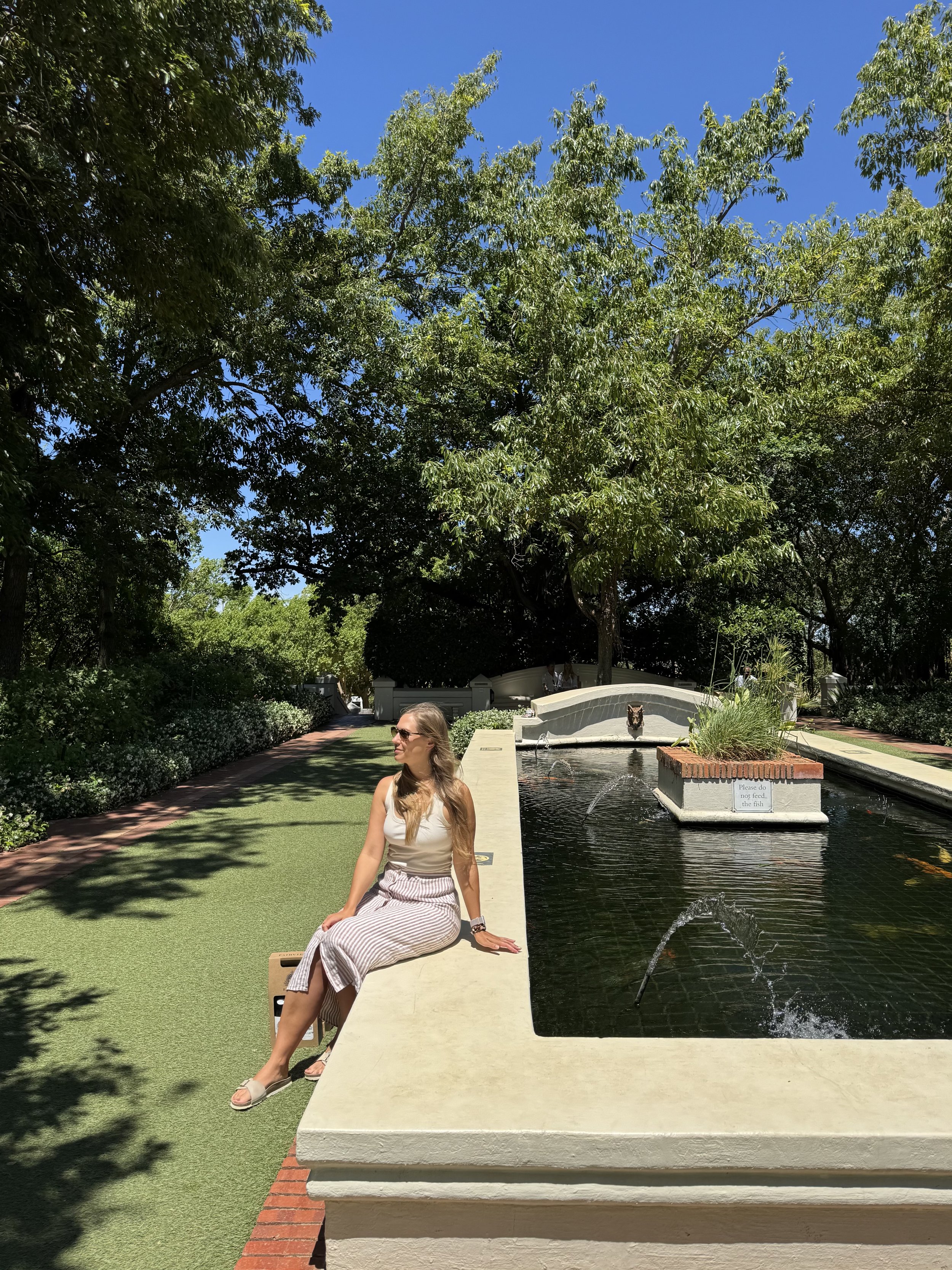
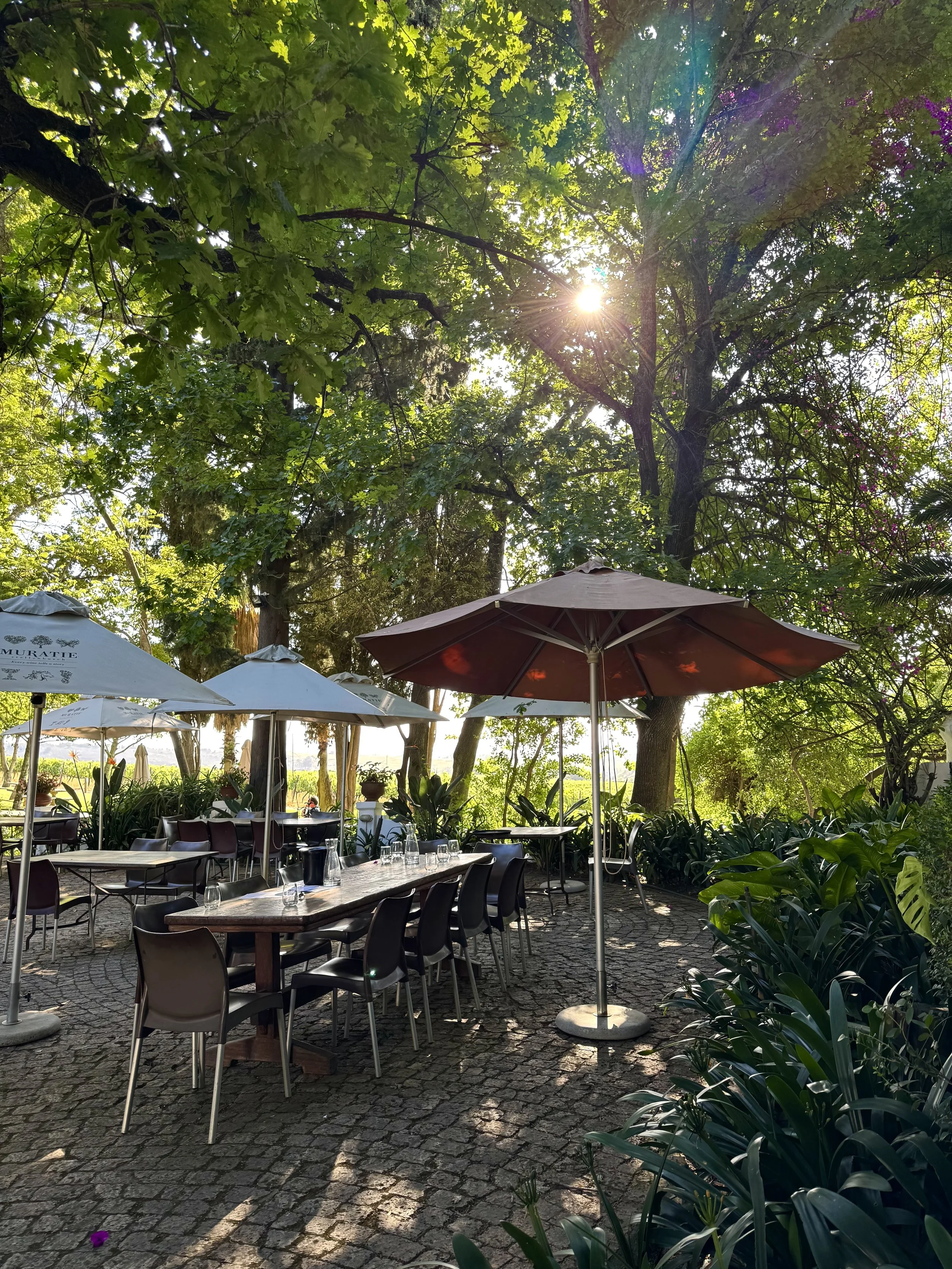
Day 6: Stellenbosch Wine Tour — Slow Tasting Without Driving Stress
After several active days, this is a good moment to slow things down. Spending a day in the nearby wine regions offers a very different pace and is best done without driving yourself.
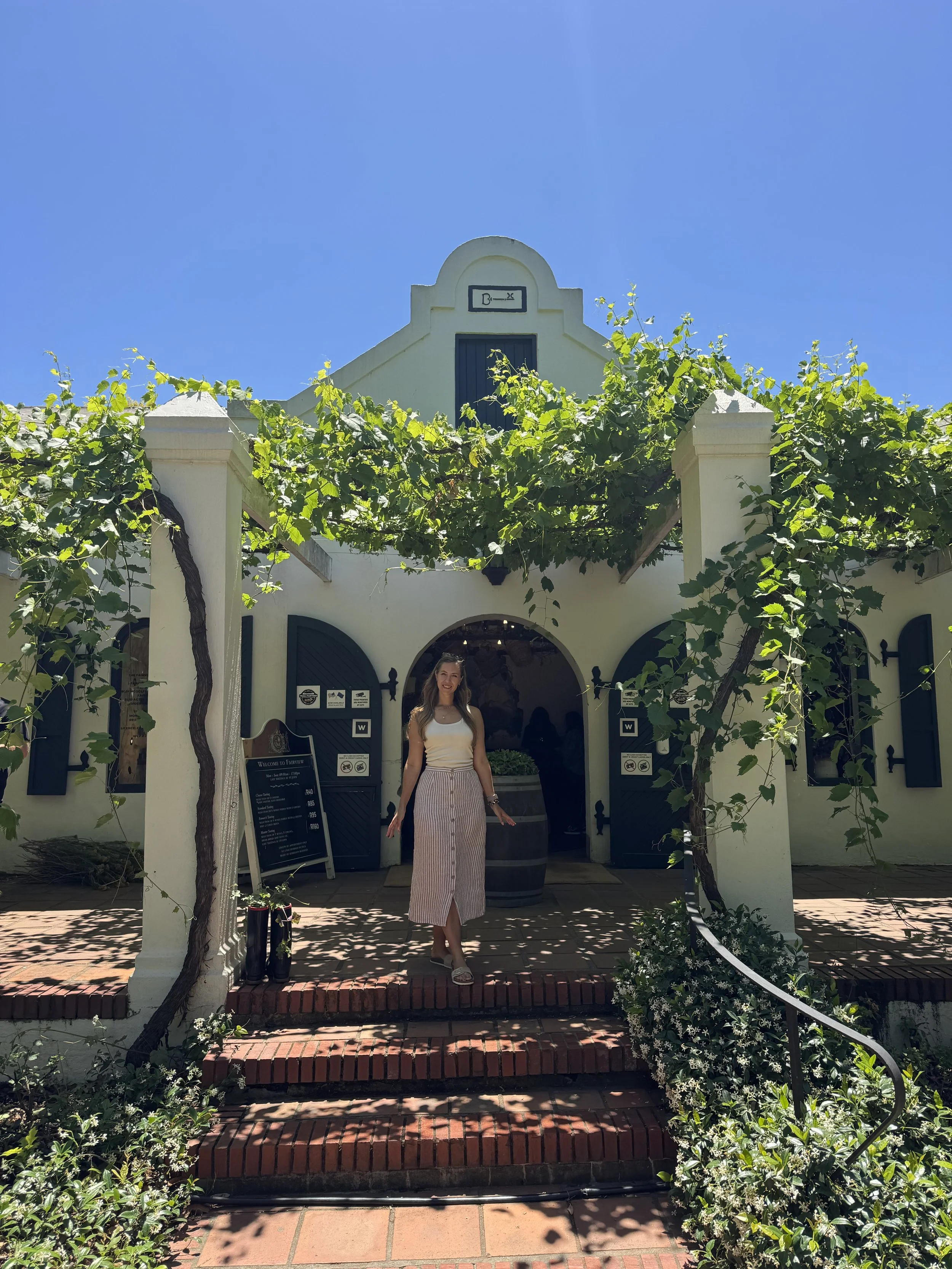
Booking a guided wine tour through platforms like GetYourGuide works well, especially if you want to enjoy tastings without worrying about logistics. Most tours focus on Stellenbosch, Franschhoek or Paarl, with a mix of historic estates and more modern wineries.
Expect scenic drives, a relaxed lunch stop and a good balance between structure and free time. After a full day of tasting, keep the evening simple back in Cape Town. A casual dinner near where you’re staying works best.





Day 7: Slow Goodbye — Beach, Views or One Last Sunset Walk
Keep your final day intentionally light. This works well as a buffer if weather changed plans earlier in the week, or simply as a chance to enjoy Cape Town at a slower rhythm.
Spend the morning walking along the Sea Point Promenade one last time, grabbing coffee at a favourite spot or revisiting a neighbourhood you enjoyed. If you didn’t get enough beach time earlier, this is a good moment for Clifton or Camps Bay. If you’re in the mood for something easy and social later in the day, Mojo Market works well for a casual bite to eat or just some drinks. It’s relaxed, informal and a nice way to soak up everyday local life one more time.
In the afternoon, rest, pack and keep things unstructured. For a final moment, choose either a sunrise or sunset walk or short hike, depending on energy levels. After a wine-heavy day before, sunset tends to feel like the better option.
End the trip with a goodbye dinner somewhere familiar rather than chasing a final highlight. Cape Town rewards returning to places you already enjoyed.
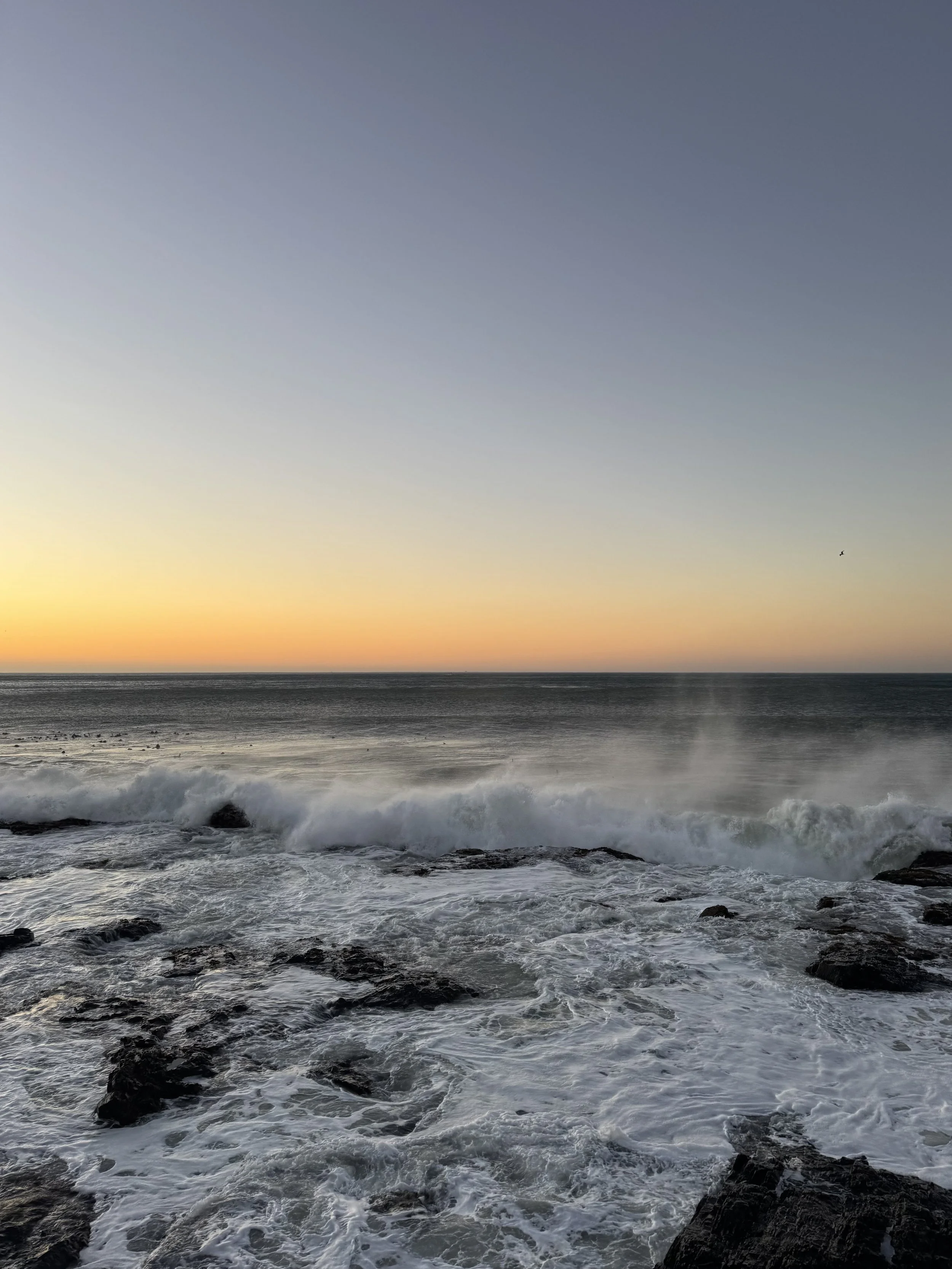

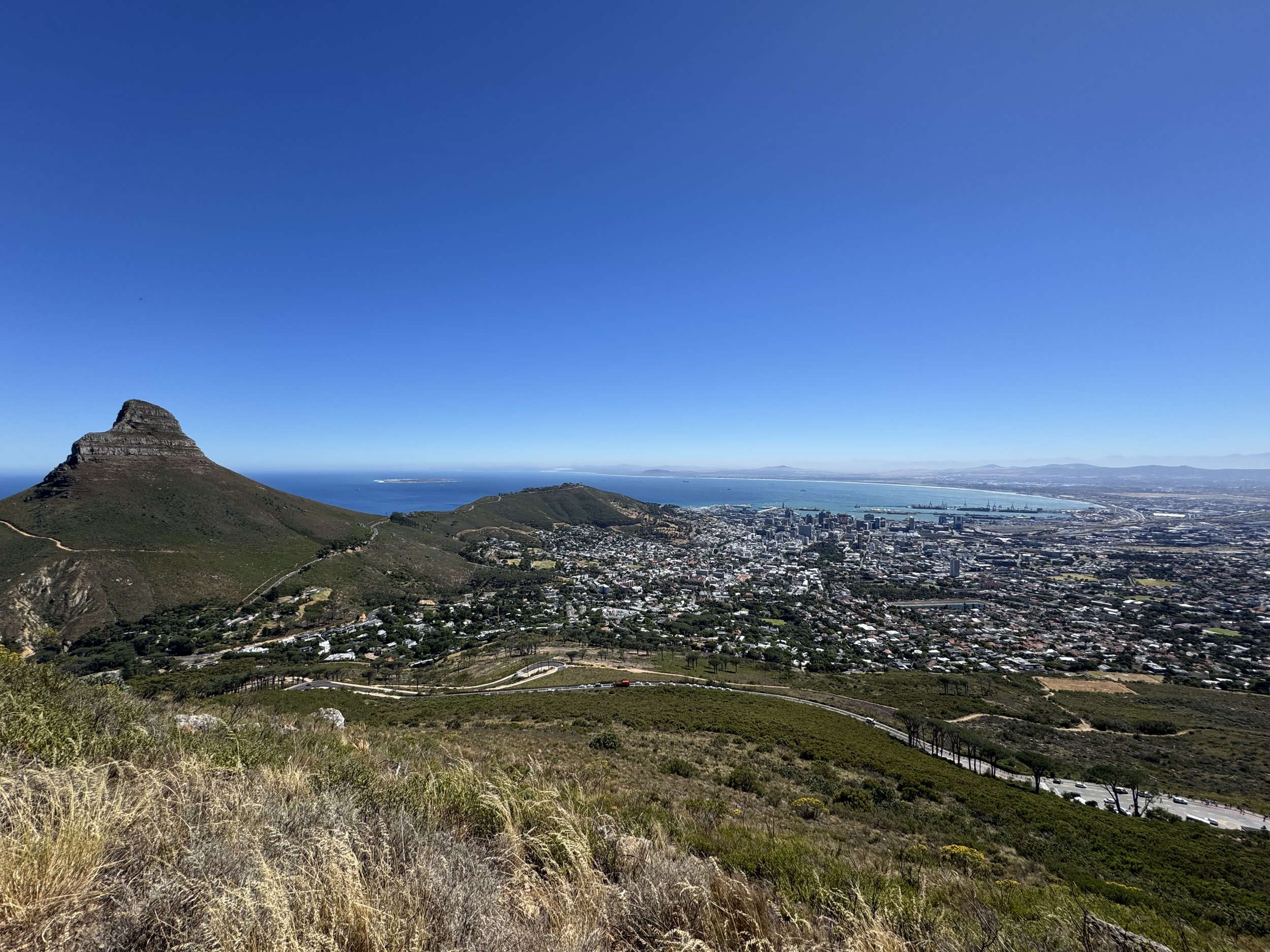
Cape Town is a city that rewards staying present rather than trying to see everything. Plans shift with the wind, light and energy levels and that’s part of the experience. Whether you follow this itinerary closely or use it as a loose framework, the moments that tend to linger are often the simplest ones – a walk along the promenade, shared food and changing light over the ocean.
Leave space for those moments. Cape Town has a way of meeting you where you are.
*Some links in this post are affiliate links. If you book through them, we may earn a small commission at no extra cost to you.