From Auckland to Wellington: Taranaki, Glowworms & the Forgotten World Highway
After around five weeks on the road exploring the north and east of New Zealand’s North Island in our self-converted campervan, we felt ready for a short pause. Before continuing south, we spent a few days in Auckland to slow down, recharge and step out of vanlife for a moment. Booking an Airbnb felt like a luxury. Being able to shower and use the bathroom whenever you want instead of planning around the next well-rated public one was something we appreciated more than ever.
From there, we continued our journey south. For almost two weeks, we traveled from Auckland to Wellington, exploring glowworm caves, rugged coastlines, Mount Taranaki and driving one of New Zealand’s most memorable roads, the Forgotten World Highway. This stretch marked the end of our first chapter on the North Island.
Route Overview: Auckland → Wellington (13 days)
Auckland → Waitomo Caves → Three Sisters & Elephant Rock → New Plymouth → Surf Highway 45 (Mount Taranaki loop) → Hollard Gardens → Egmont National Park (Wilkies Pools & Dawson Falls) → Forgotten World Highway (SH43) → Whangamomona → Whanganui National Park → Wellington → Cook Strait Ferry
A Weekend in Auckland
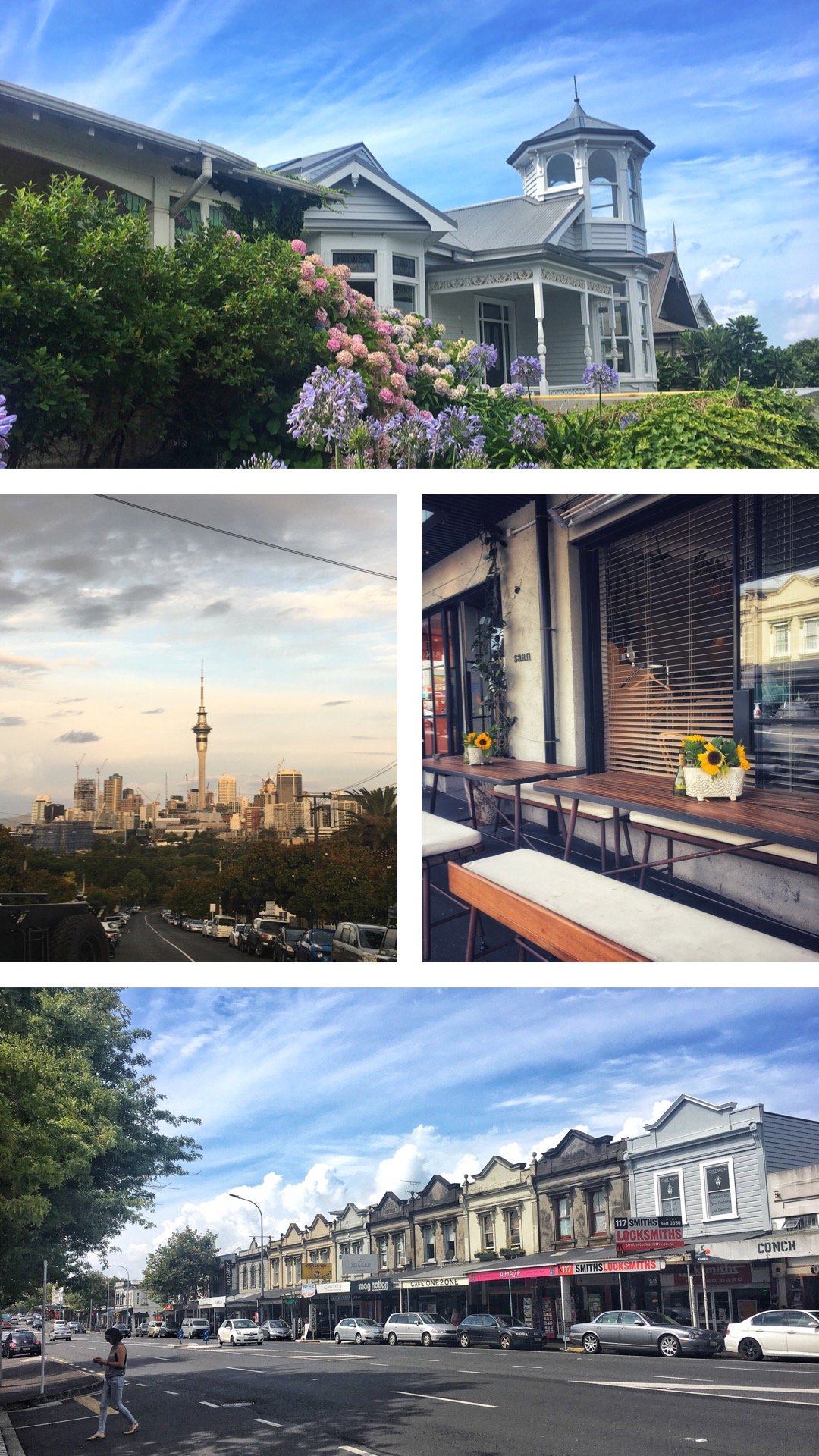
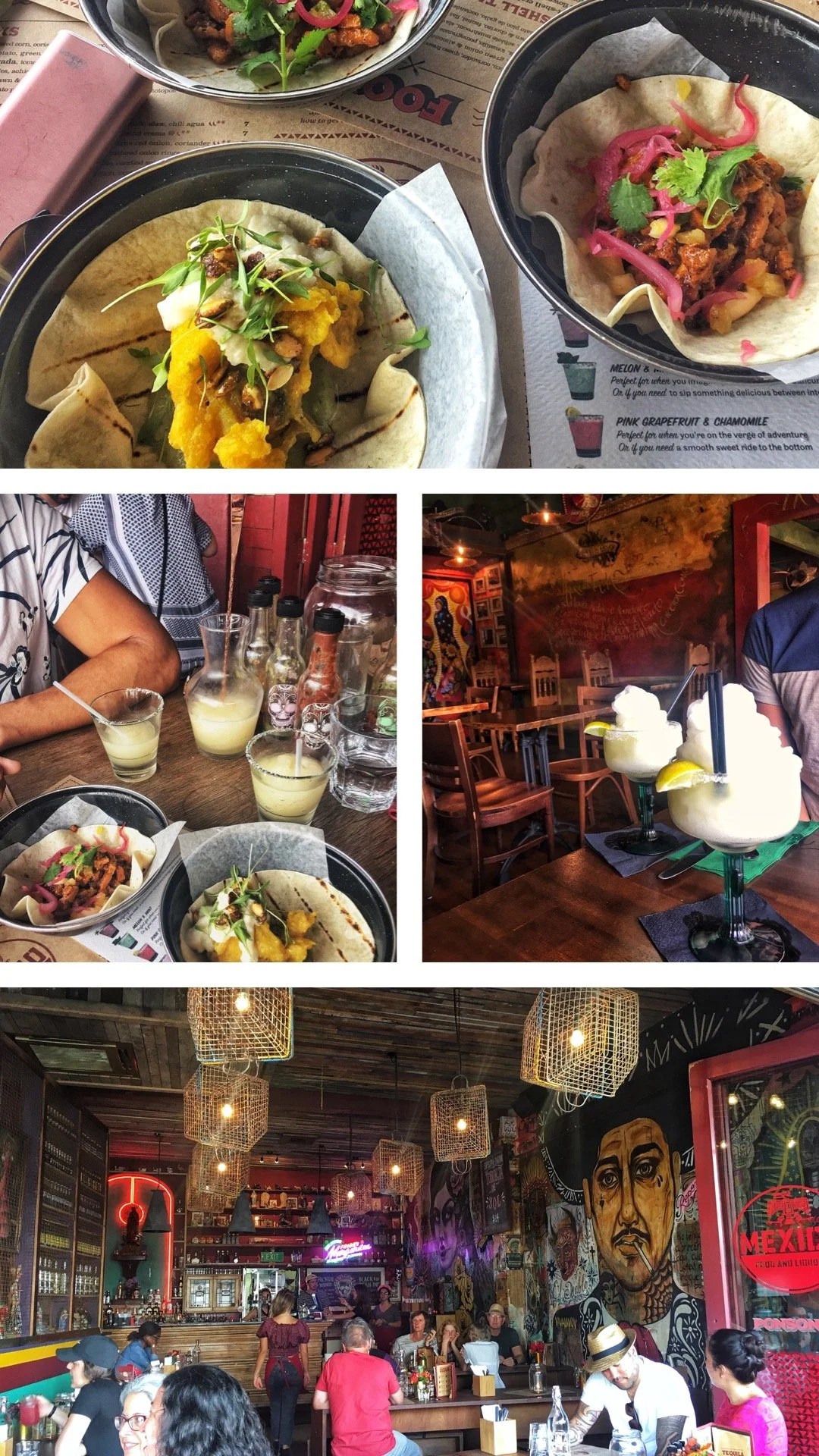
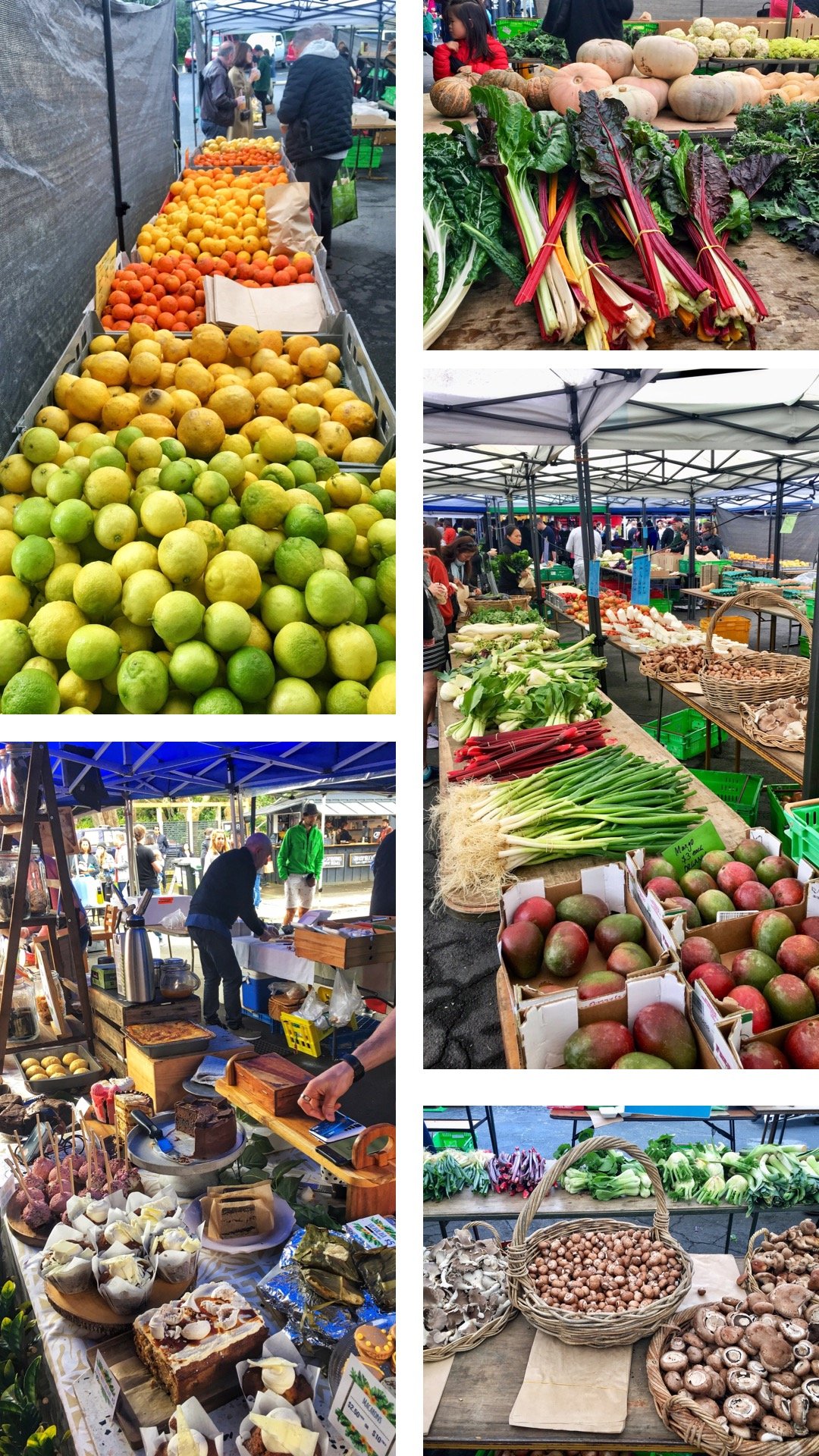
Like any big city, Auckland is vibrant and has a lot to offer. We wandered through the city center, visited La Cigale Farmers Market and indulged in Ponsonby’s food scene. Ponsonby quickly became one of our favorite neighborhoods. It’s lively, creative and full of young people. We liked it so much that we returned there again on later trips around Auckland. We also reconnected with an old classmate of mine who had ended up on the other side of the world as well. He had already welcomed us when we first arrived in New Zealand and introduced us to some of his mates, making Auckland feel instantly more familiar.
Before leaving the city, we needed to deal with something less exciting. Since we were still driving on a spare tire, we wanted to get all tires checked. It turned out it was only a matter of time before they would have blown. They were in bad shape, so all of them needed replacing. An unexpected but necessary expense, that comes with owning a car. With new tires and a lighter wallet, we continoued our way further south towards New Plymouth.
Waitomo Caves: More Than Just Glowworms
The Waitomo Caves are famous for their glowworms, but there is far more to experience than the classic boat ride. From adventure caving and abseiling to climbing and exploring limestone formations deep underground, this area offers one of the most unique cave experiences in New Zealand and was easily one of the highlights of our journey south.
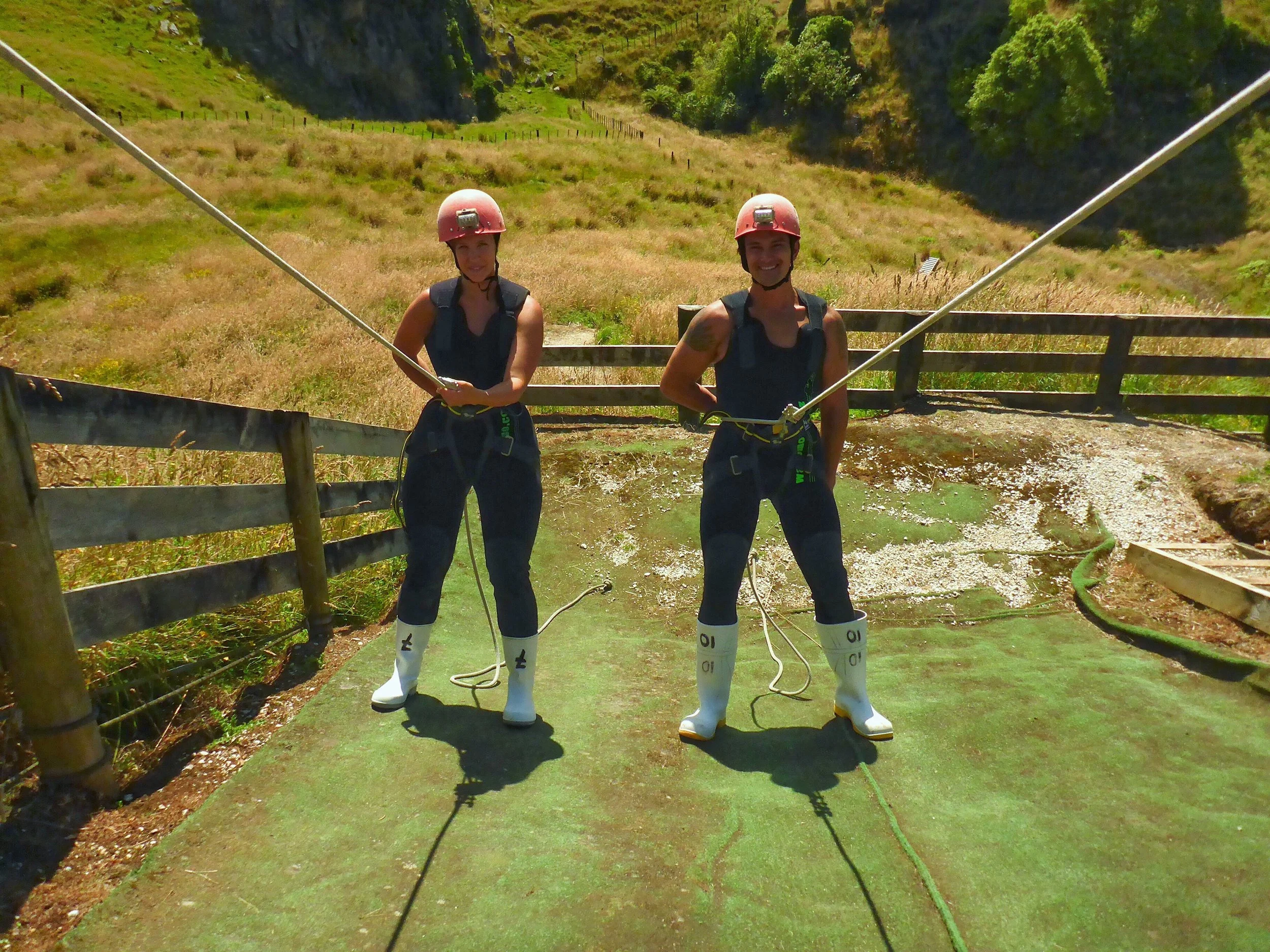
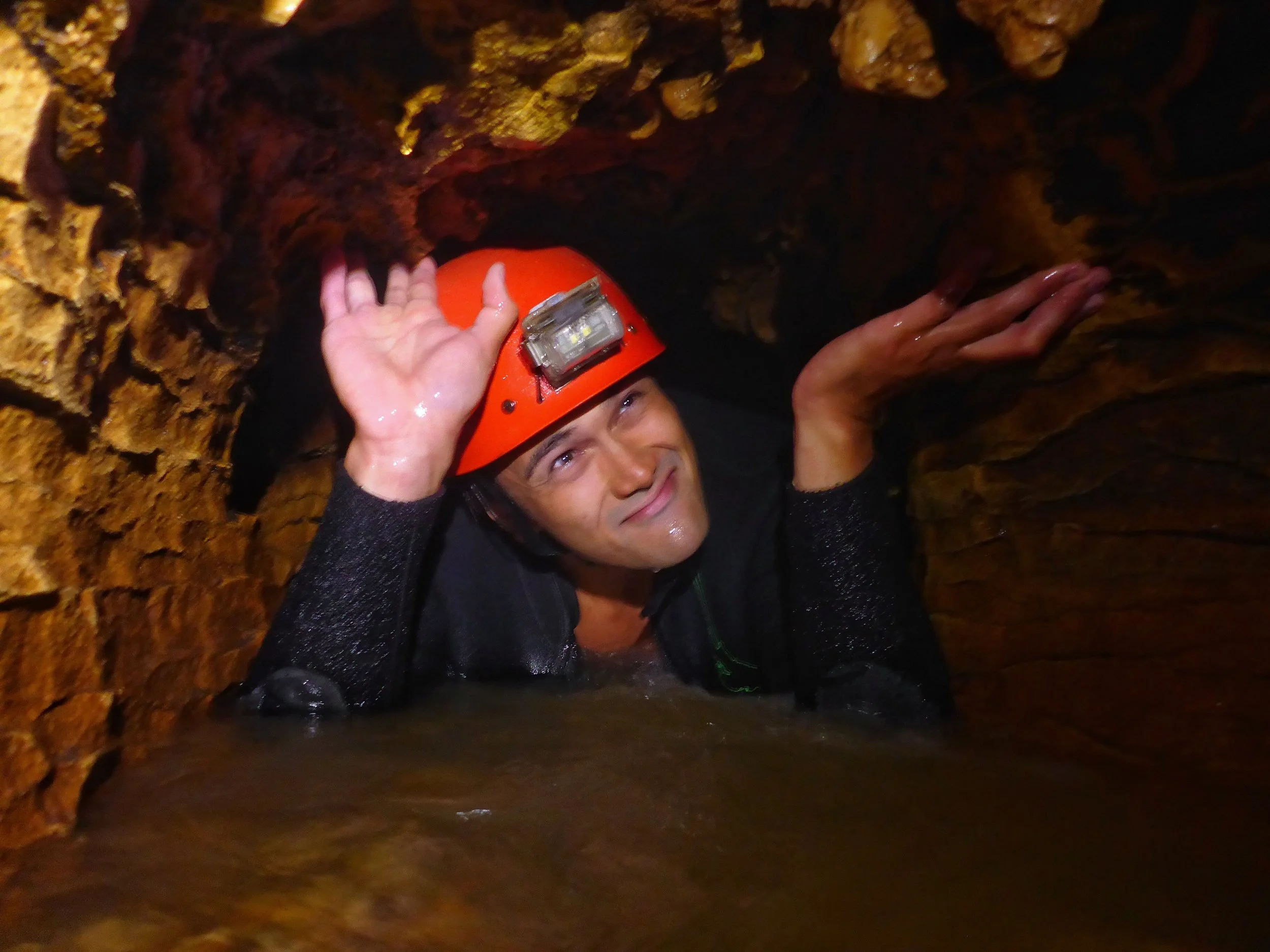
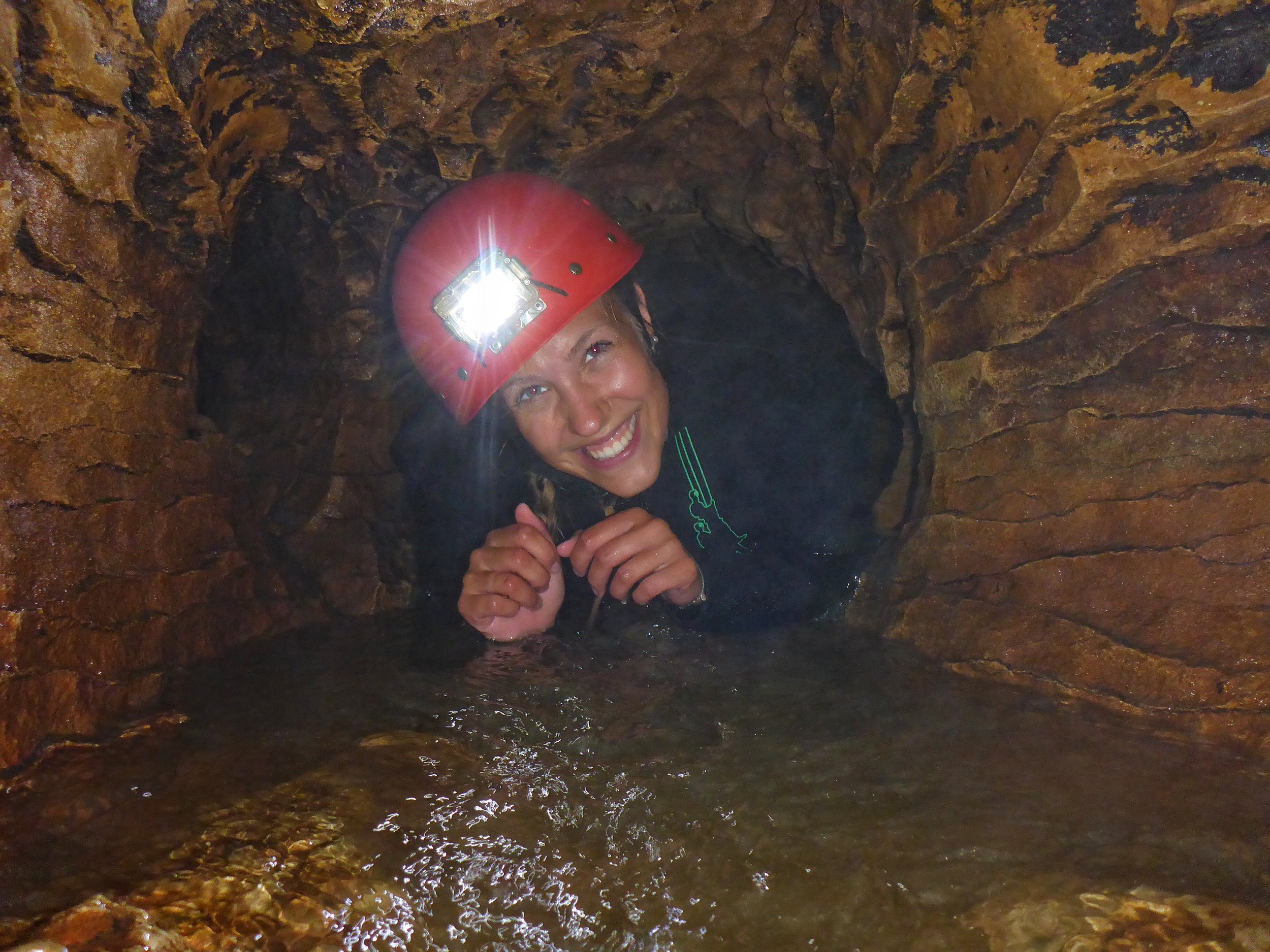
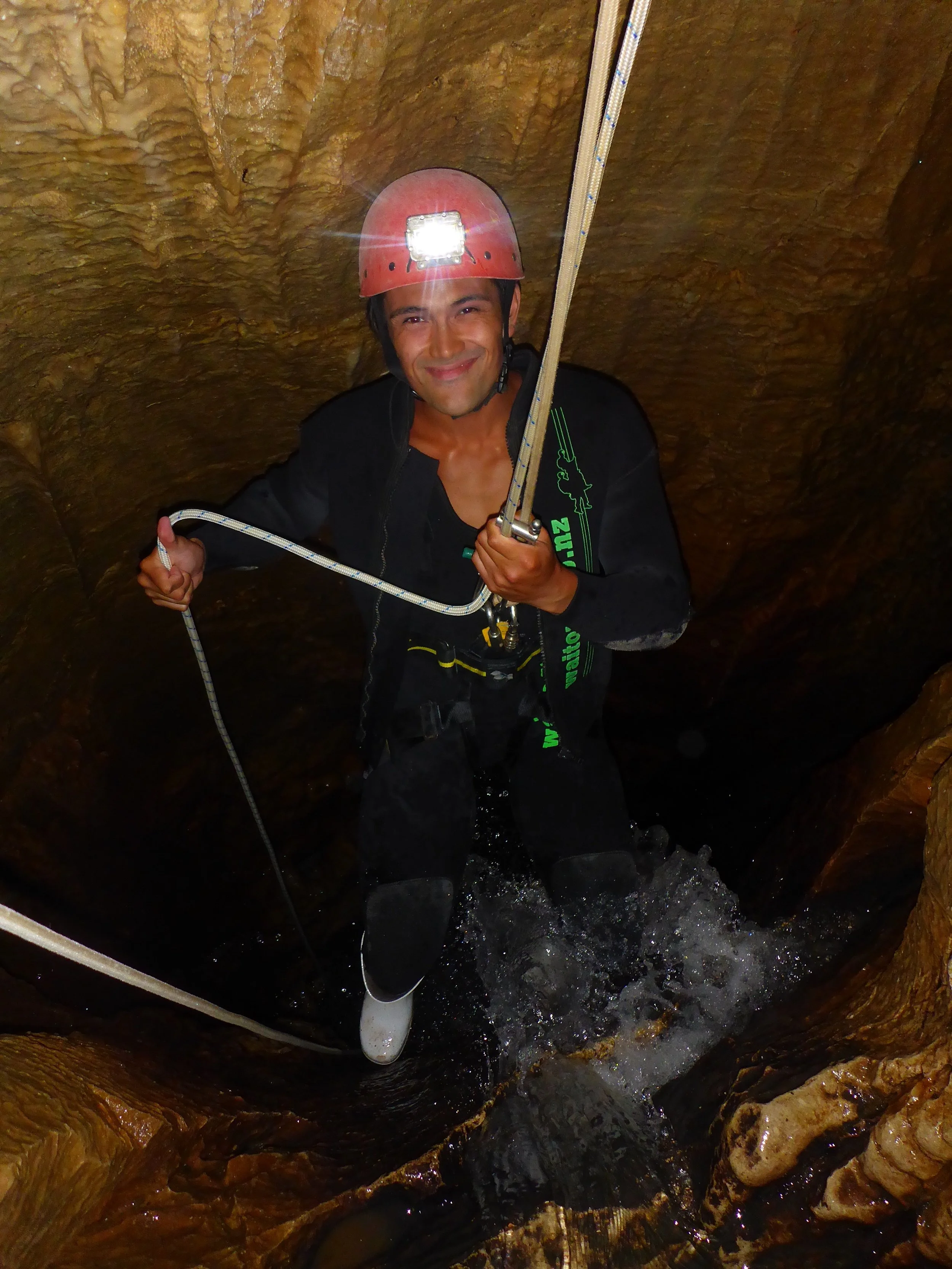
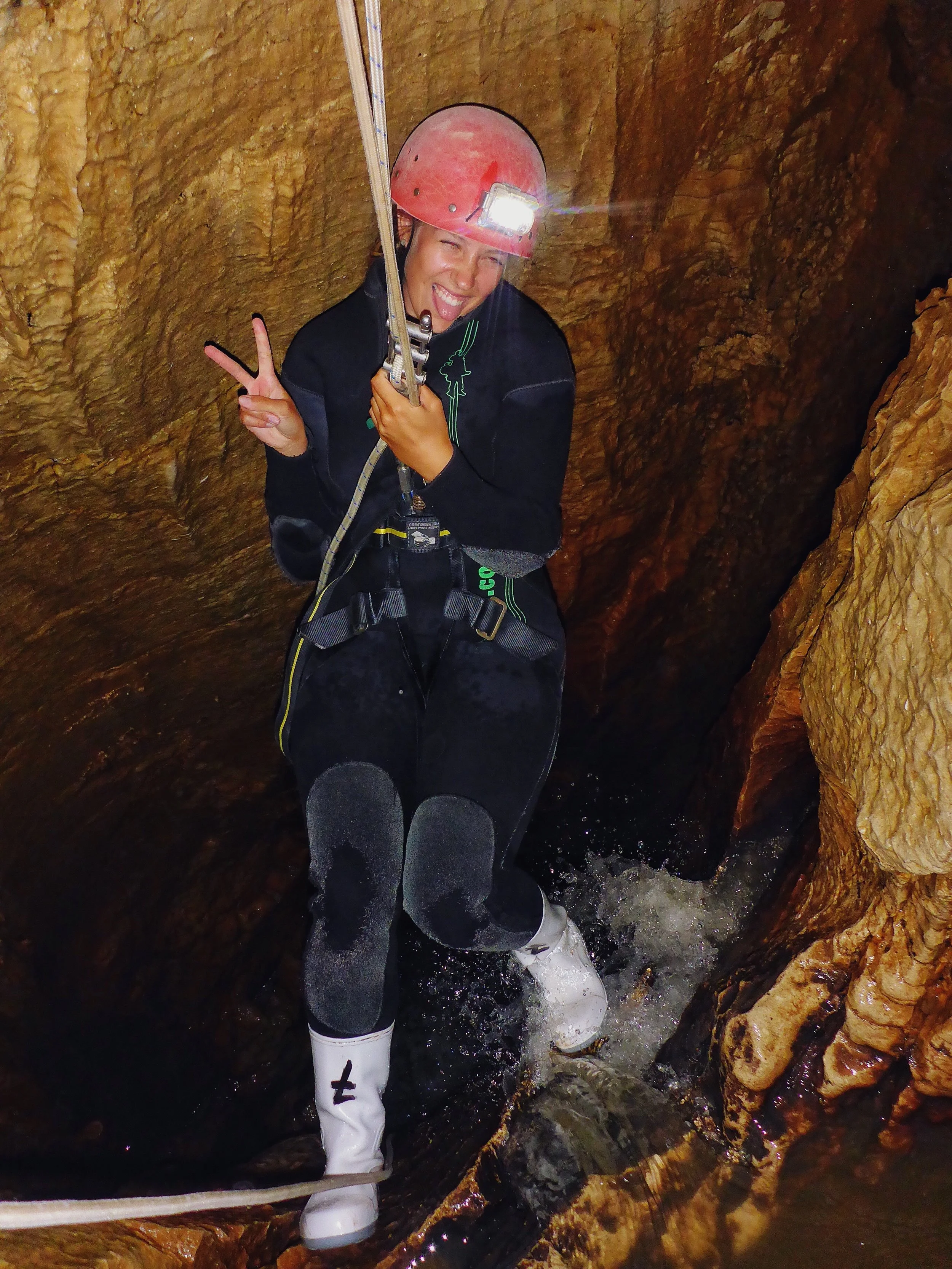
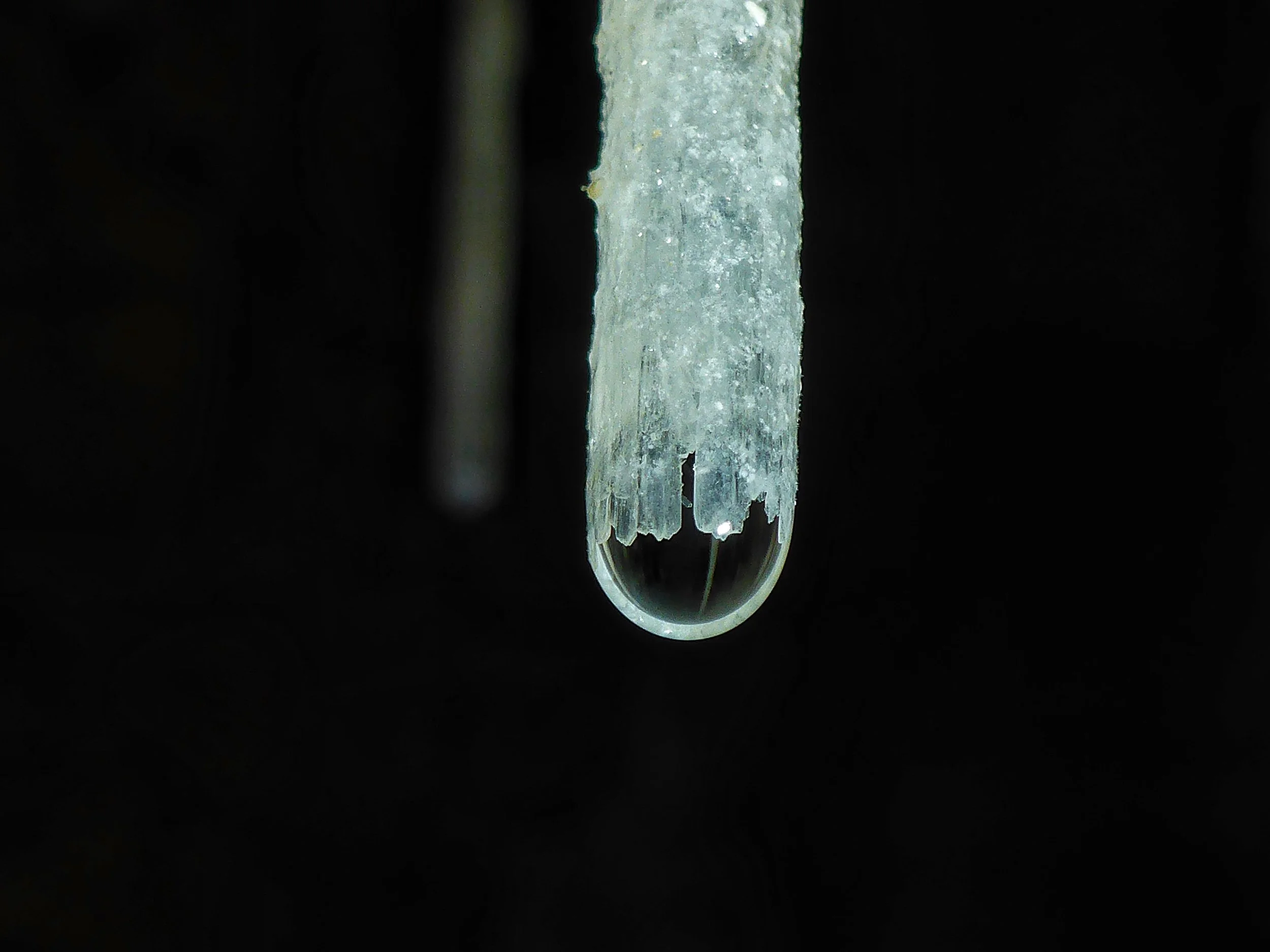
Therefore another absolute must-do on this stretch were the Waitomo Caves. We found a deal on Bookme for our very first caving tour and were ready for the adventure. After squeezing ourselves into extremely tight wetsuits and putting on jackets, helmets and gumboots, we received a short introduction before heading underground. Starting with a 30 meter abseil, followed by a few more abseils down small waterfalls and climbing deeper into the cave system, we suddenly stood almost in complete darkness, lit only by our torches. About 80 meters below the surface, we explored the caves, climbing over rocks and crawling through narrow, water-filled passages. Above and around us, limestone formations and stalactites dripped with water, catching the light of our torches. When we turned our torches off, the cave ceiling slowly lit up with glowworms, creating a surreal, star-like scene above us. Although we didn’t see huge amounts of glowworms, we still got to observe them up close. Fun fact, glowworms are technically glow maggots, though “worms” definitely sounds a bit nicer.
We were lucky that we were the only guests on the tour which meant we didn’t need to wait for anyone and had plenty of time to explore the caves. At one point, our guide challenged us to climb up a waterfall that most people usually ascend using a ladder, roughly around ten meters high. Feeling safe and in good hands, we accepted the challenge.
It was one hell of a climb. Not just physically but mentally exhausting too. Cold, numb fingers, soaked socks, heavy water-filled boots and a wetsuit that allowed very little movement made every step harder. Water kept splashing into my face and at one point I slipped, hurting my knee when it got stuck between rocks. I wanted to give up badly, but I was too eager to make it to the top. Trevor, of course, seemed to have an easier time or at least made it look that way. Filled with pride and a huge sense of accomplishment, we finally climbed out of the cave, relieved to see daylight again and even more relieved to take off those uncomfortable wetsuits. What a thrilling experience!
Continuing towards New Plymouth…
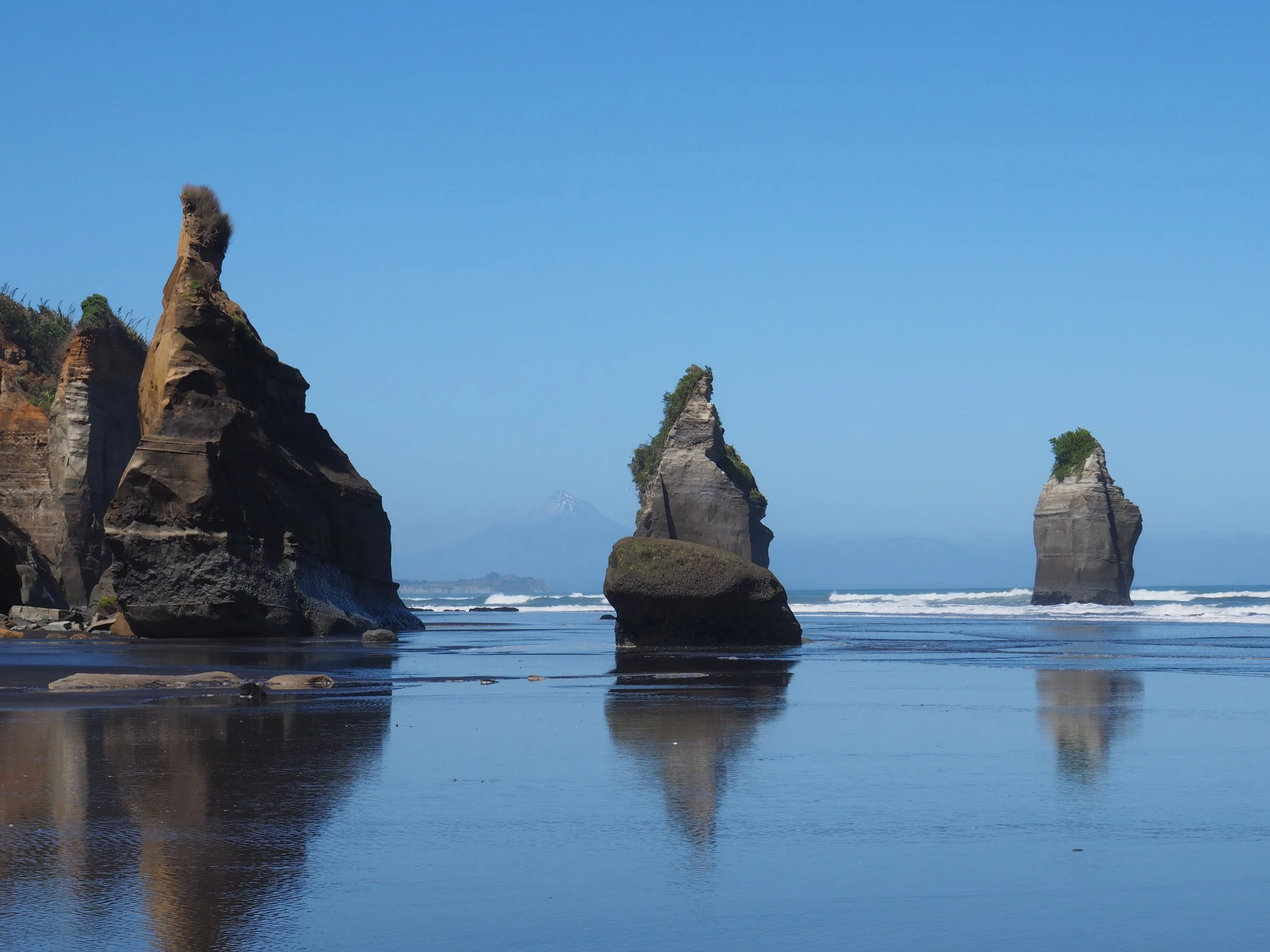
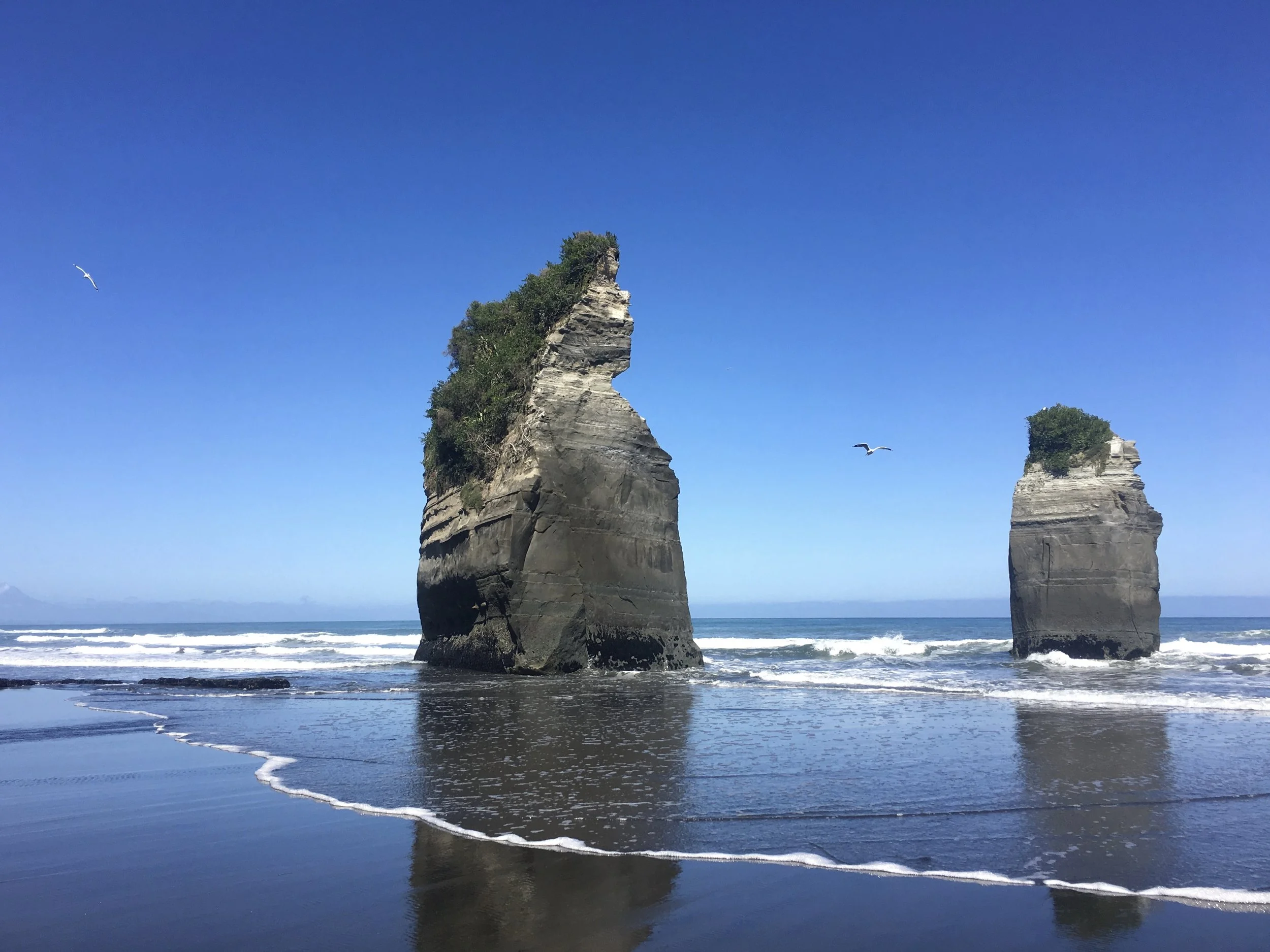
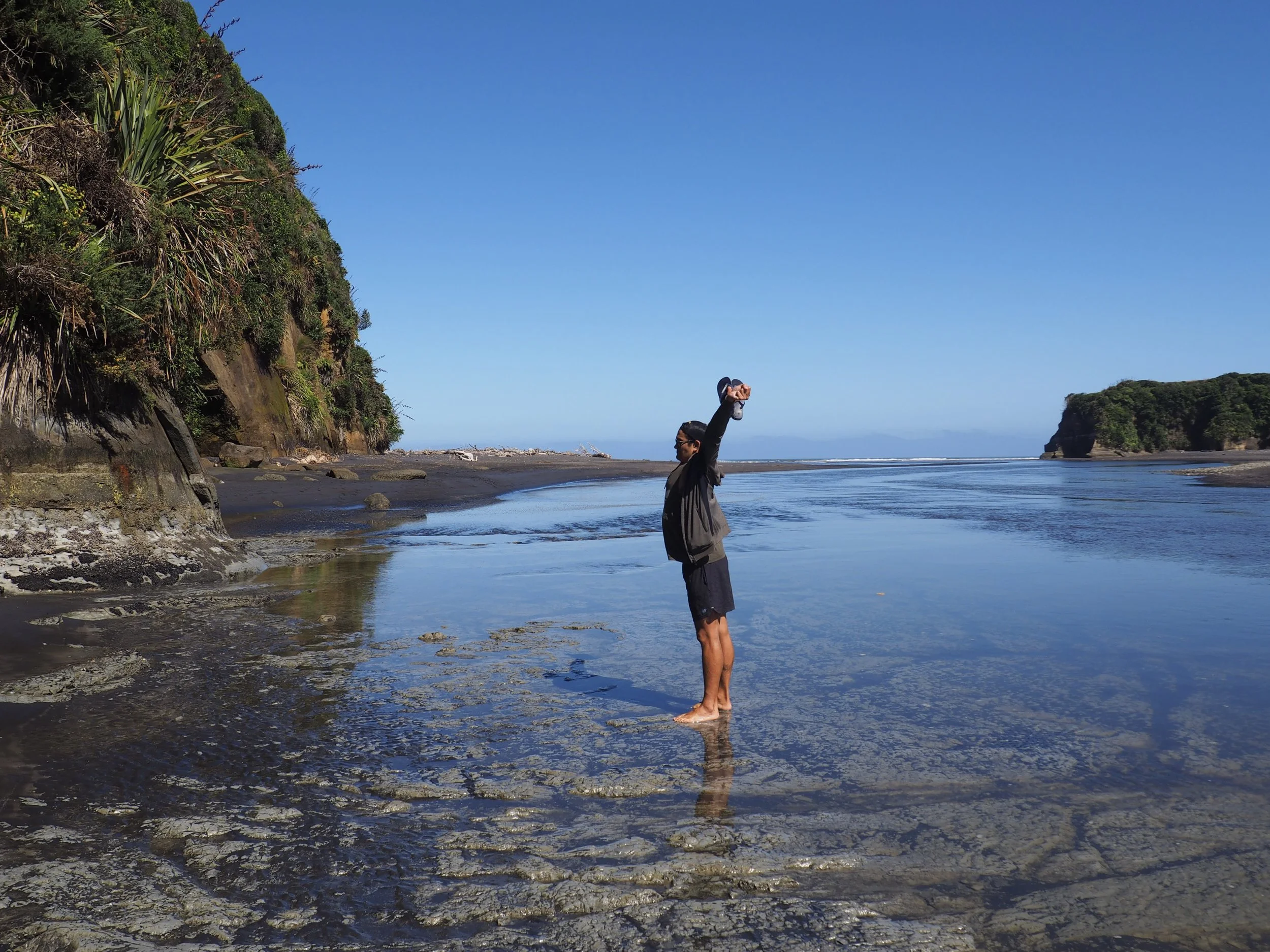
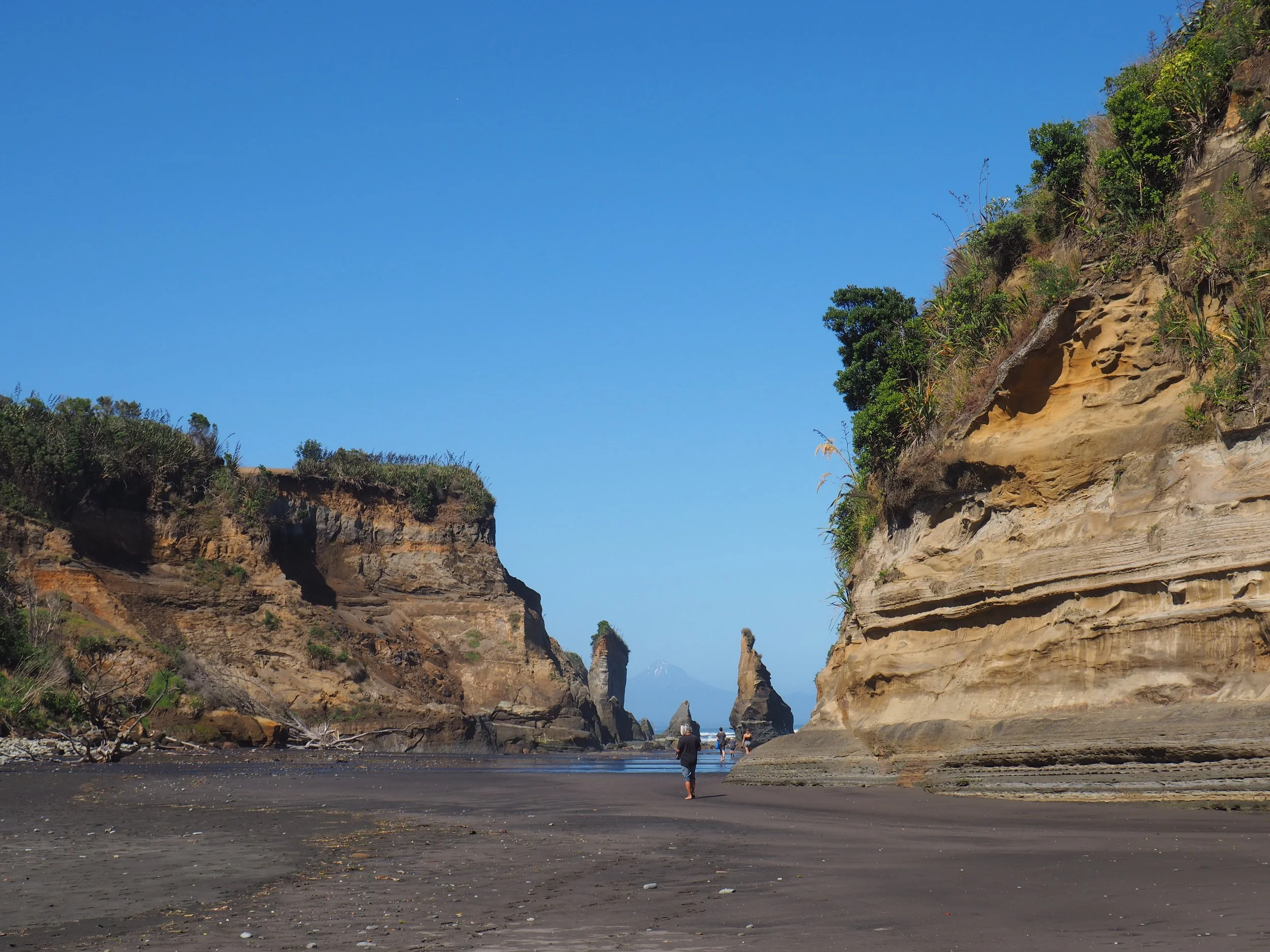
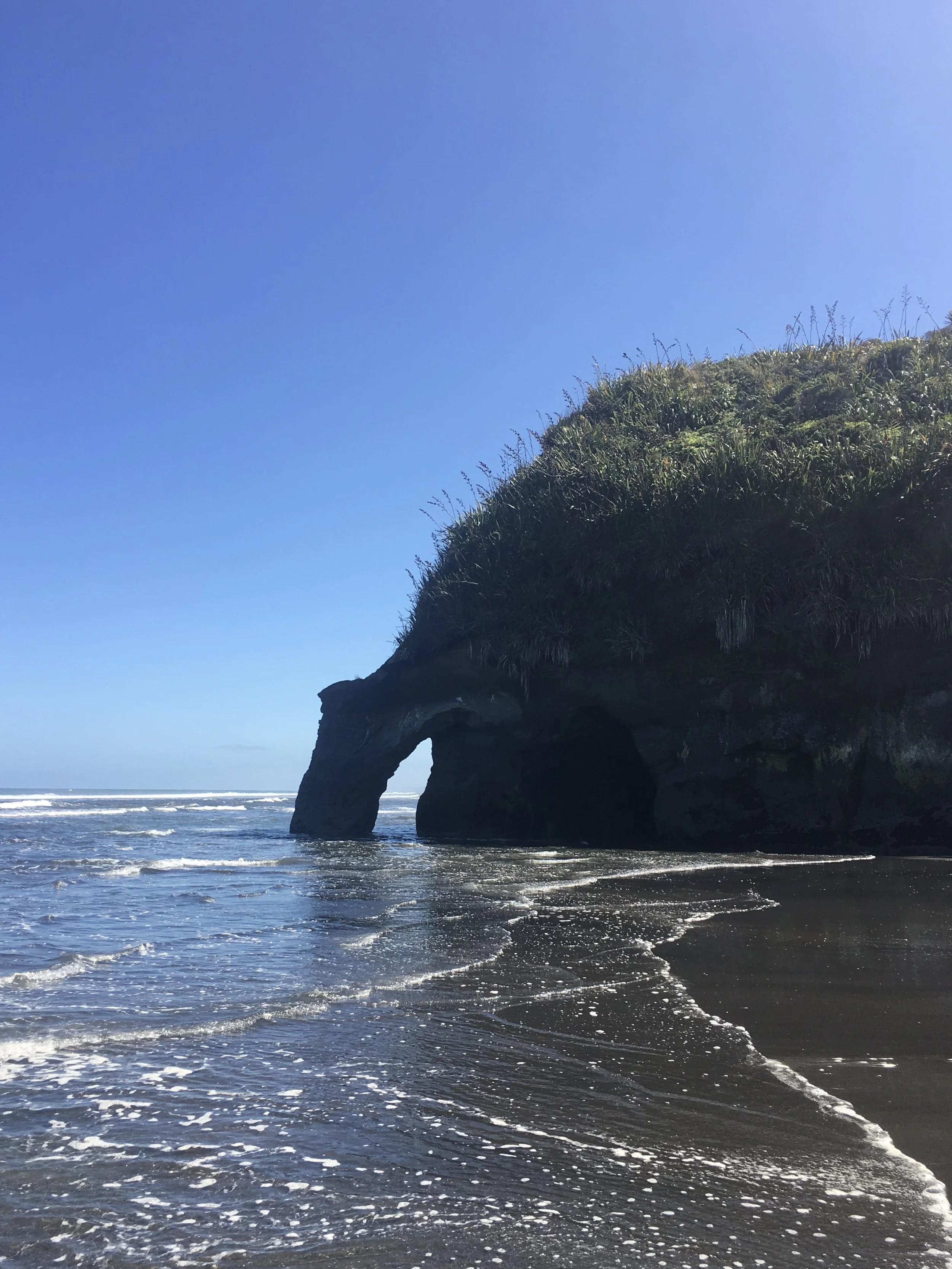
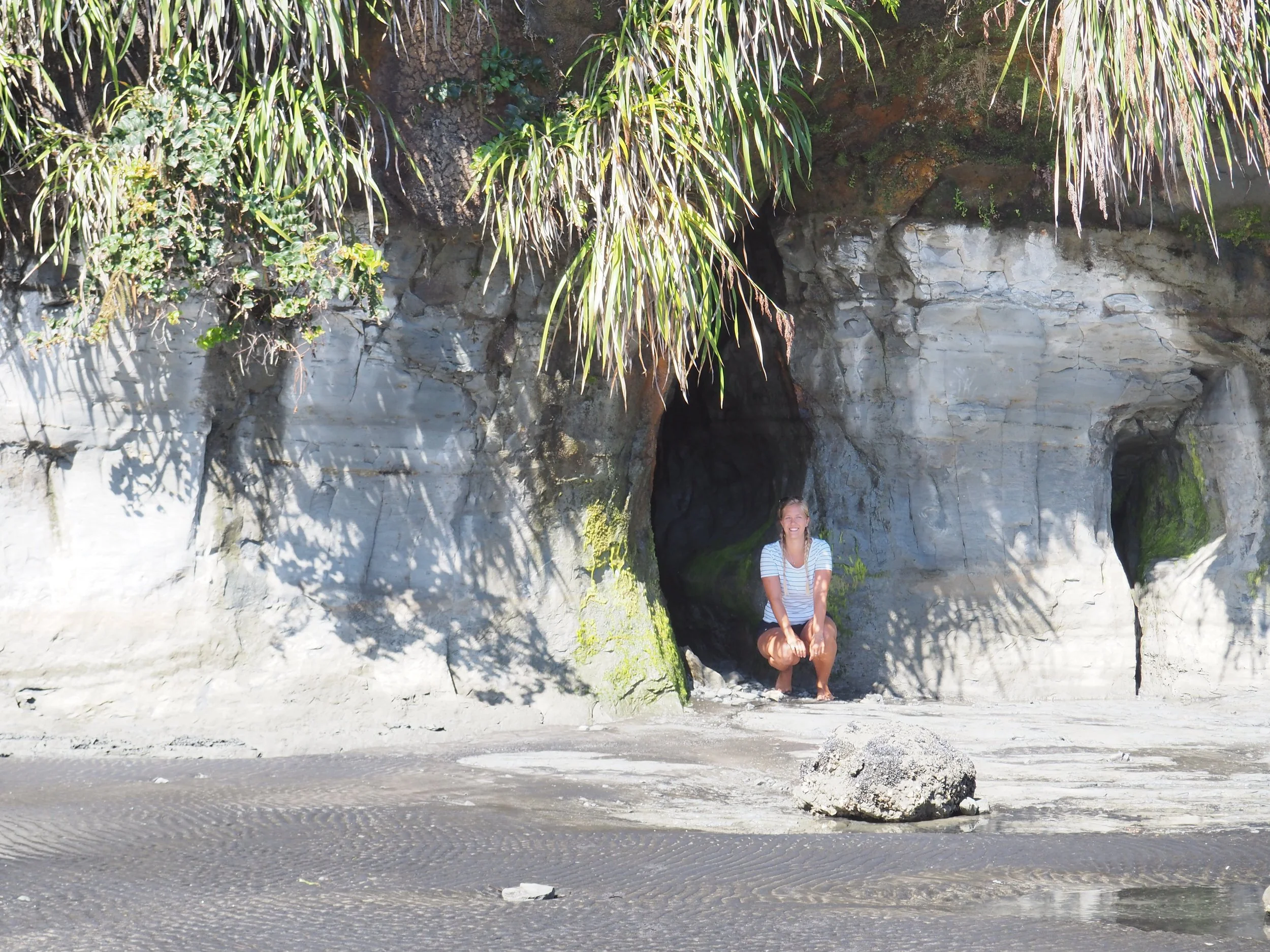
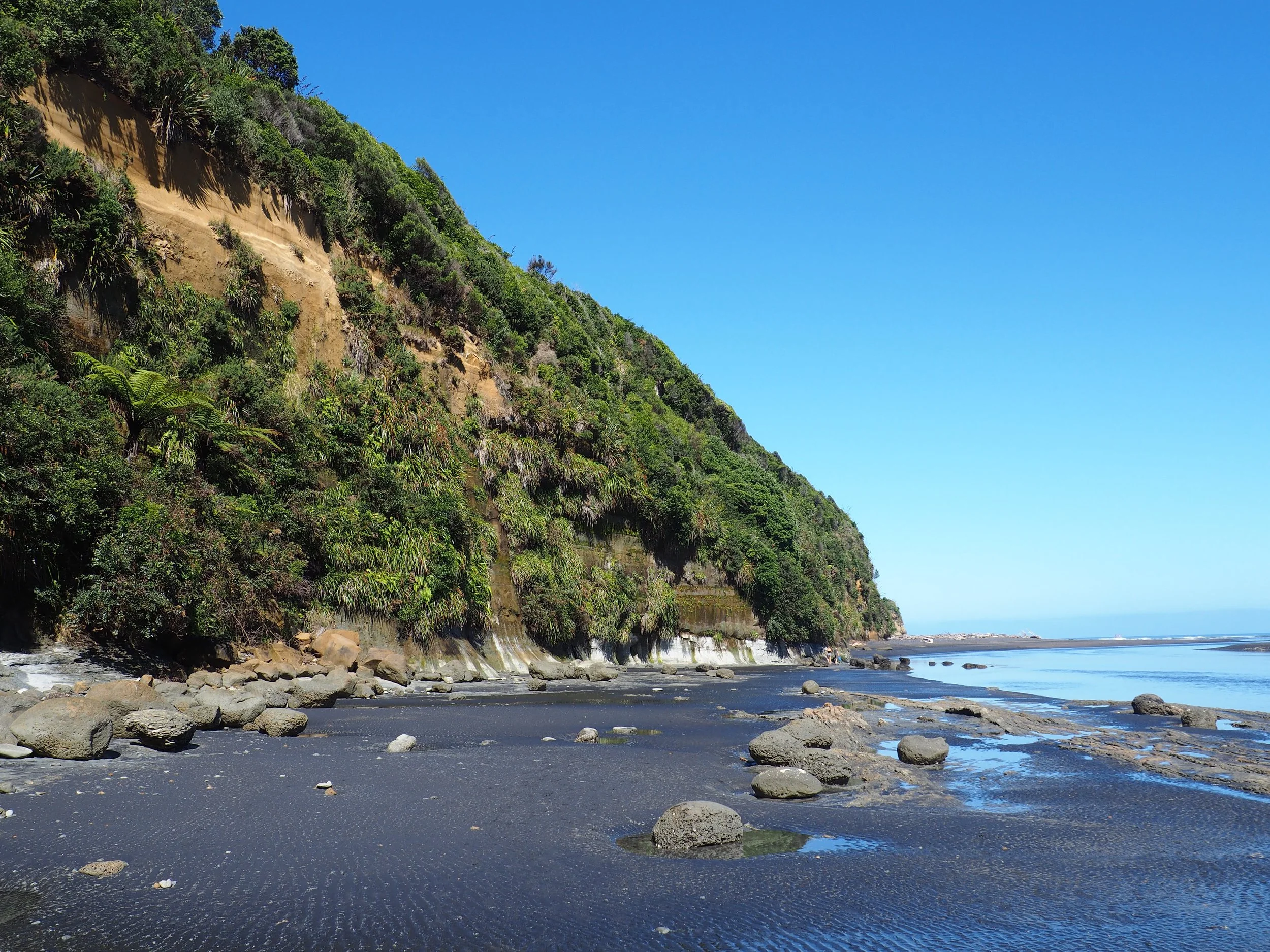
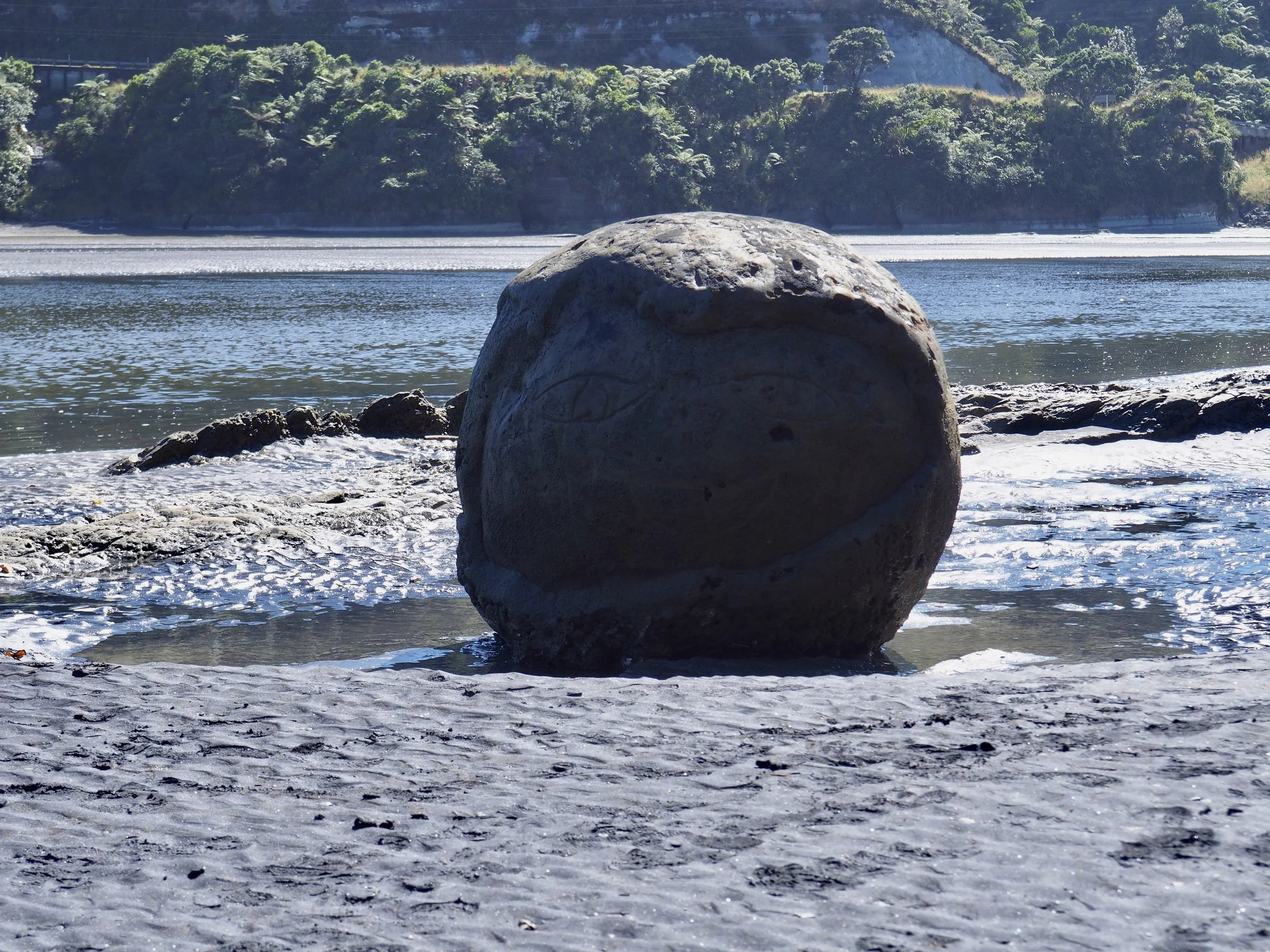
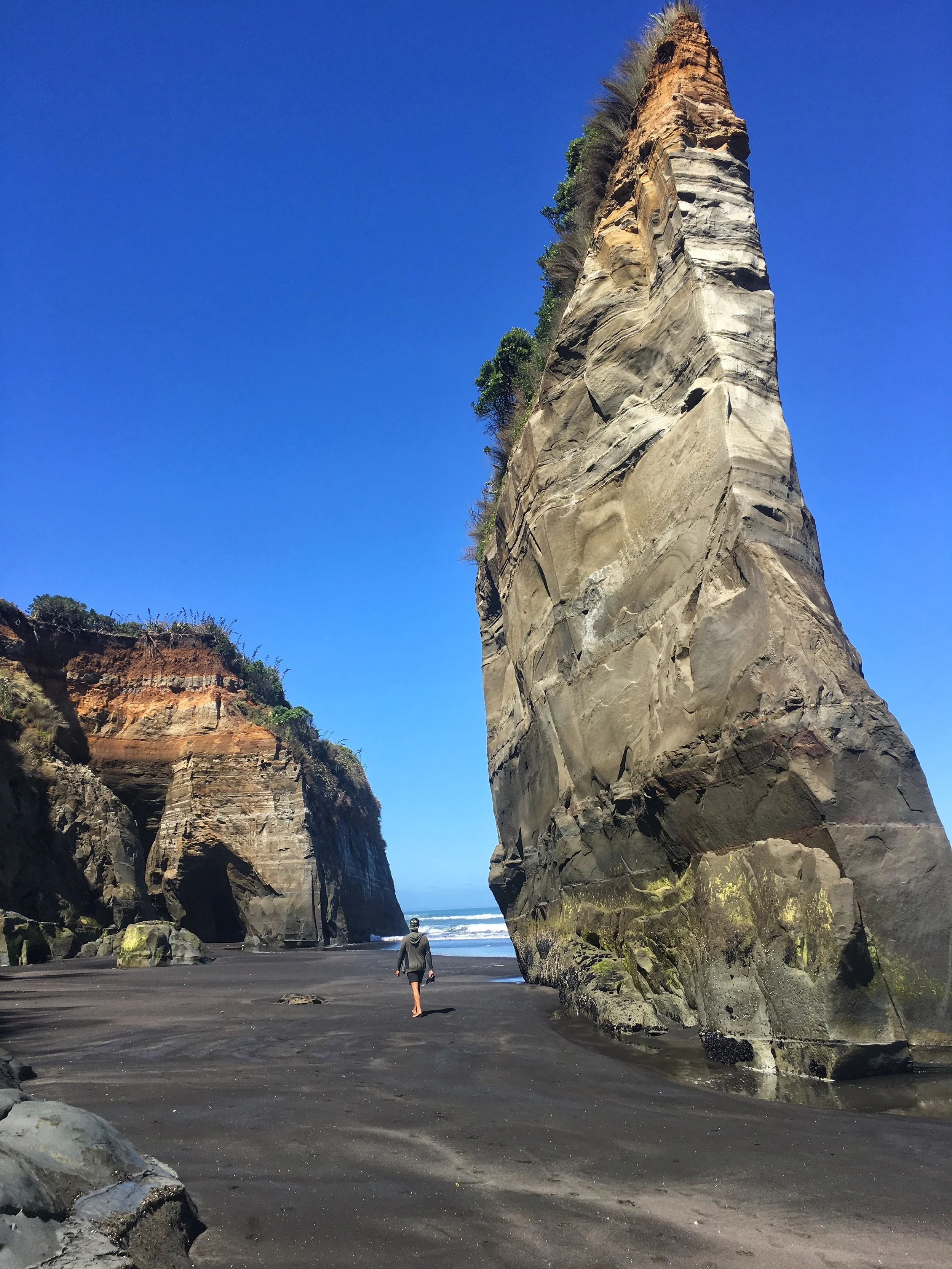
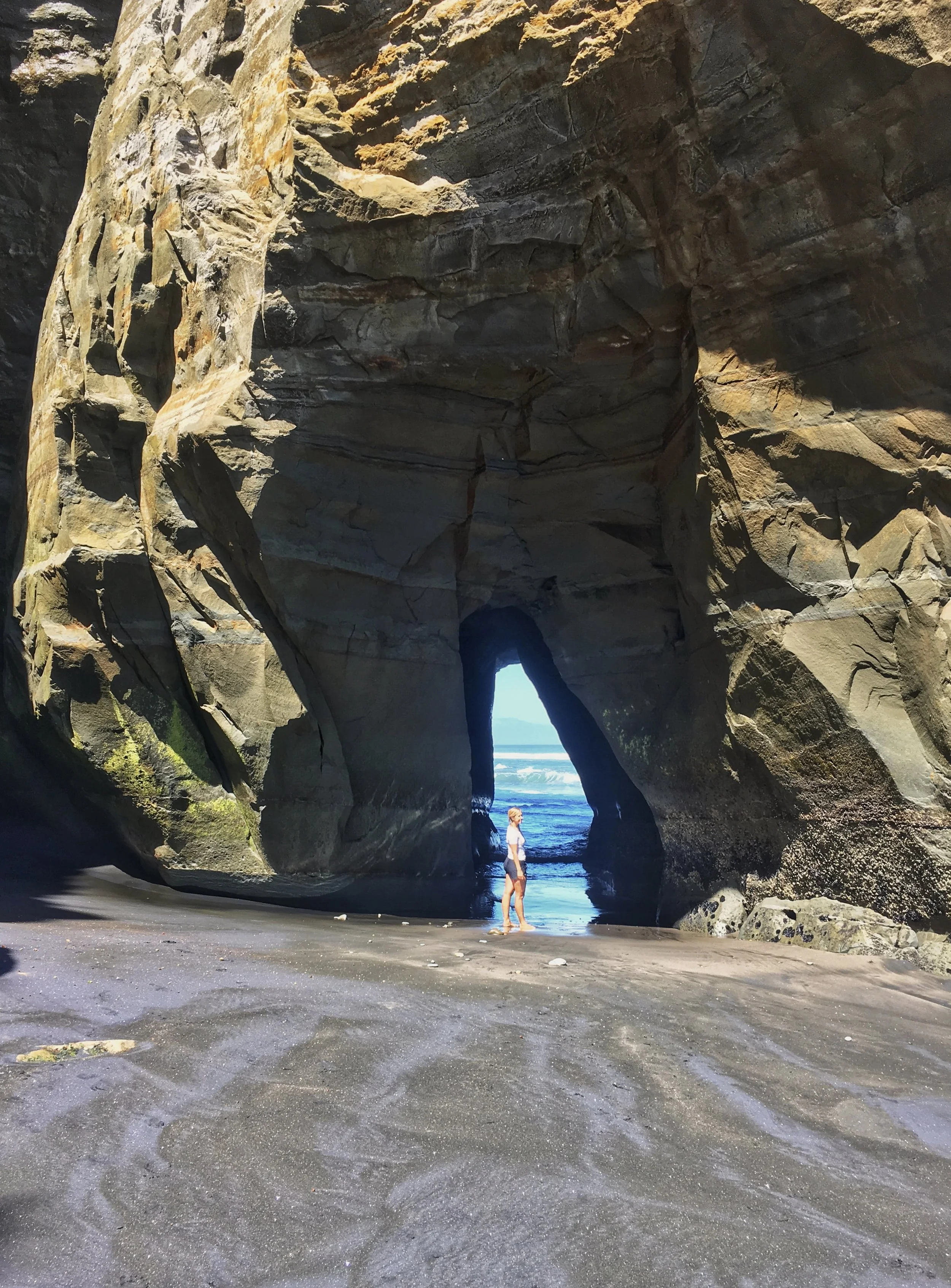
Through Instagram we discovered Three Sisters and Elephant Rock, the photos looked promising and it was on our way. The tide was low which allowed us to walk through the tunnel of the Elephant Rock and other tide creeks along the beach. We explored the unique limestone formations and spotted Mount Taranaki in the far distance, our next destination.
New Plymouth and Mount Taranaki
Arriving in New Plymouth, the town immediately felt laid-back and easygoing, likely influenced by its strong surf culture. First stop was the Pukeiti Garden where we went for a short walk.
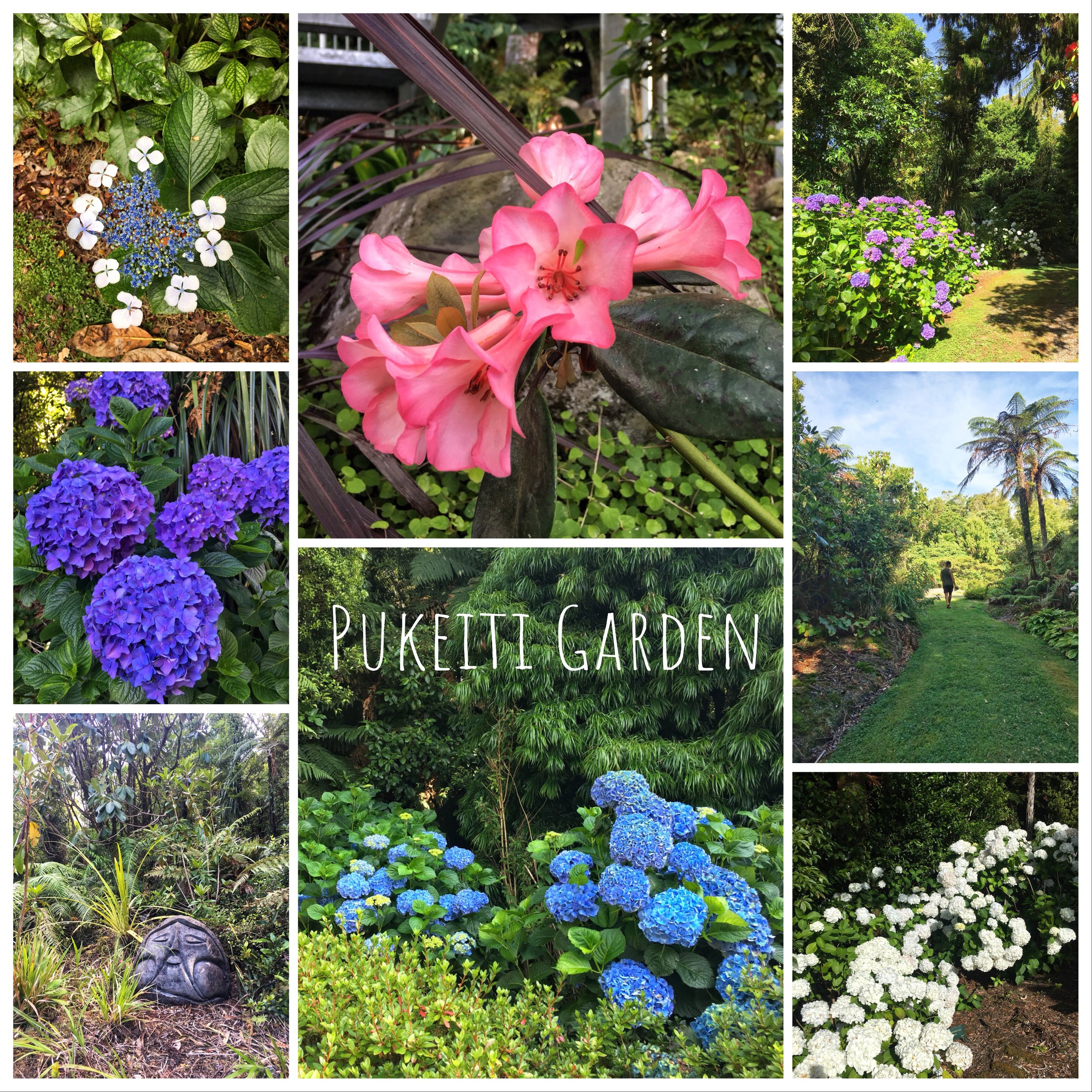
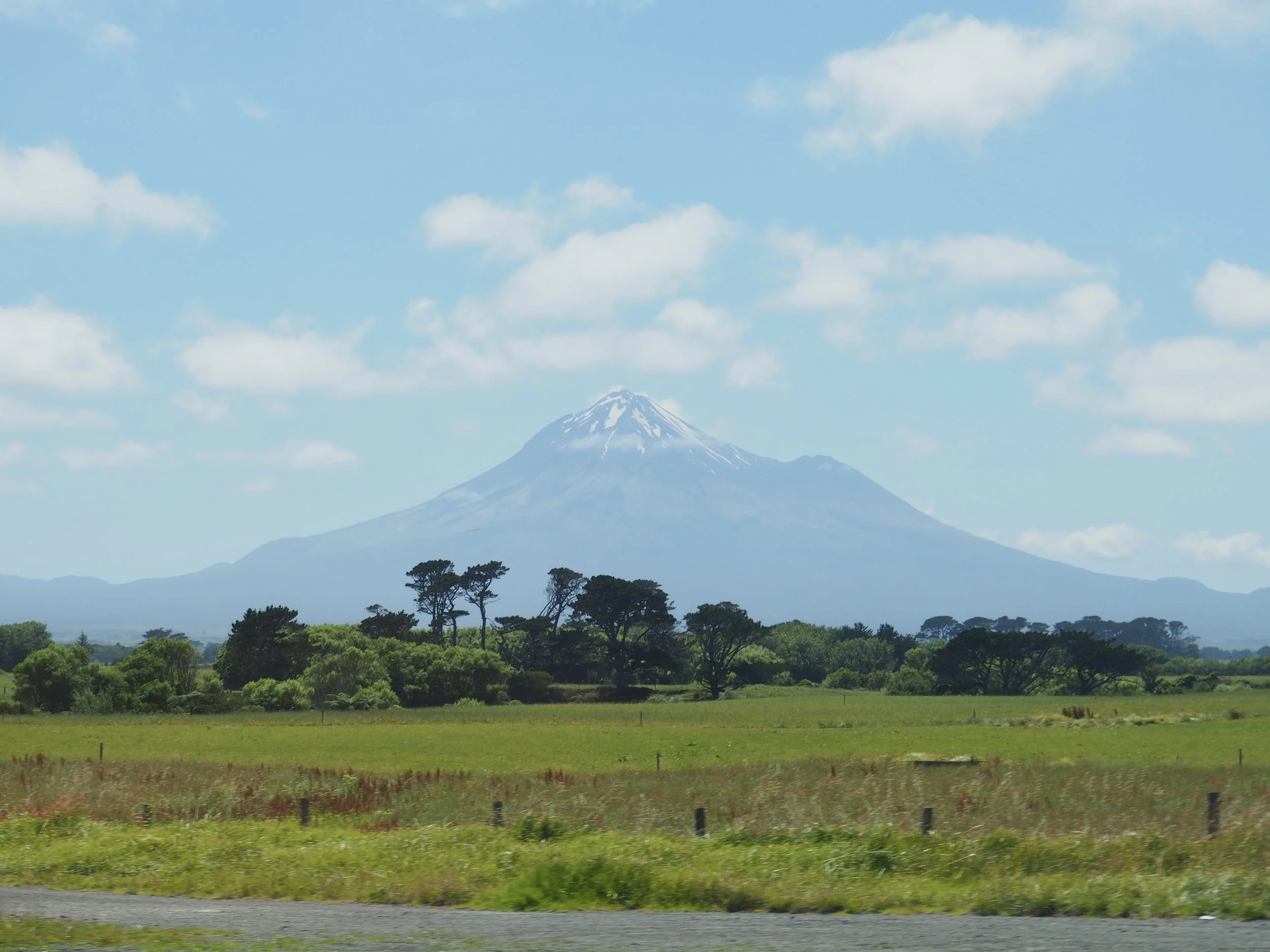
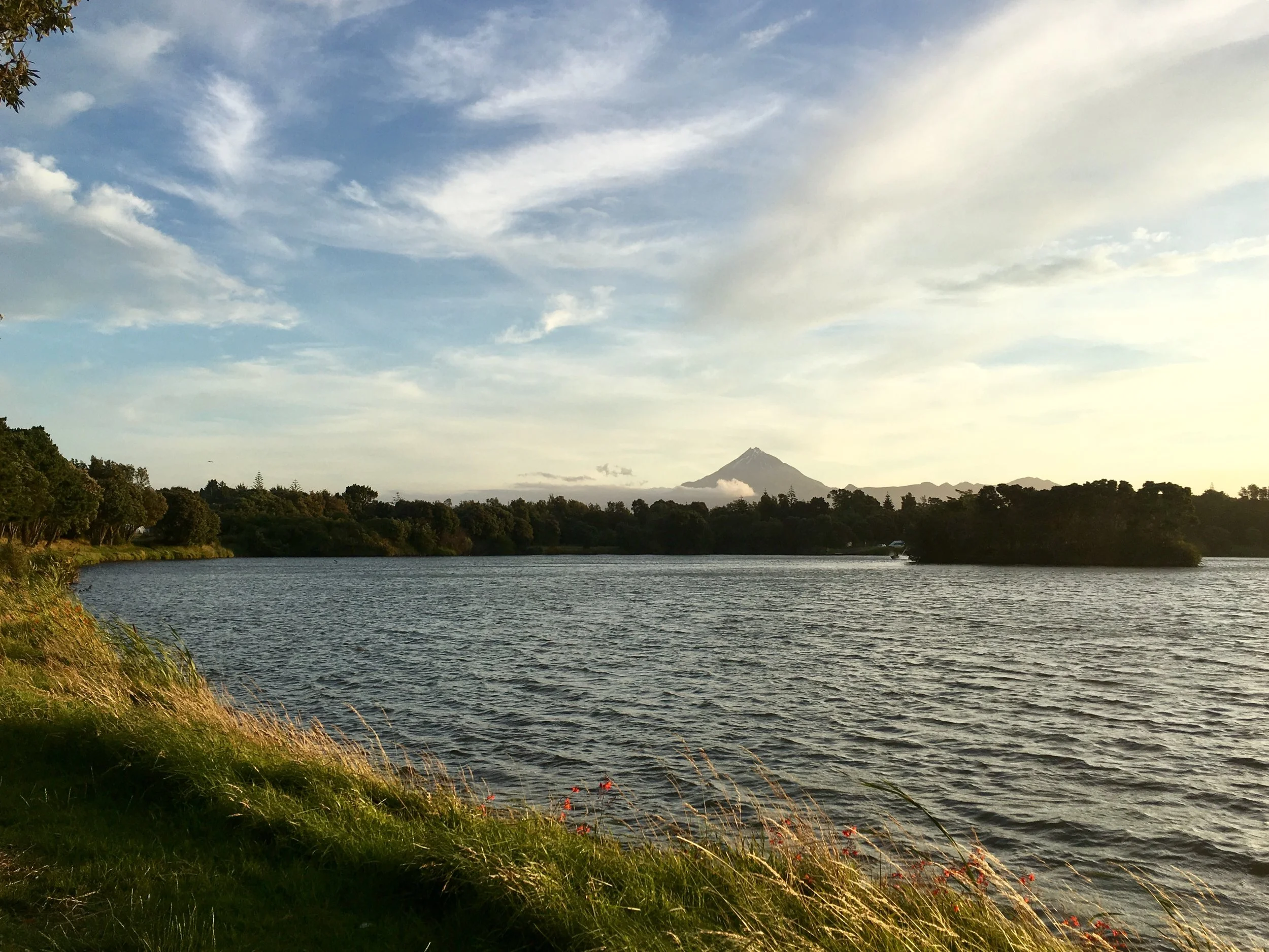
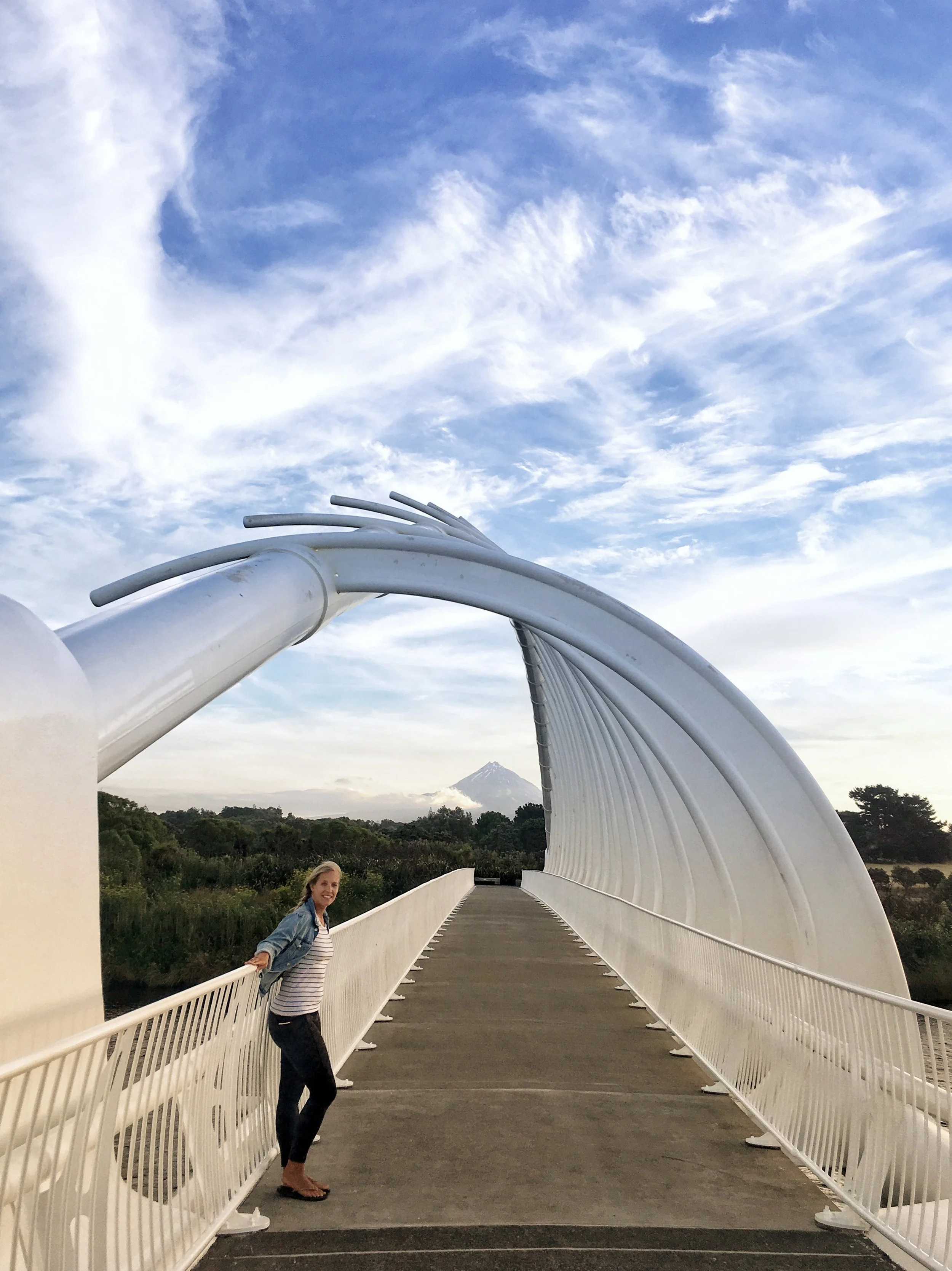
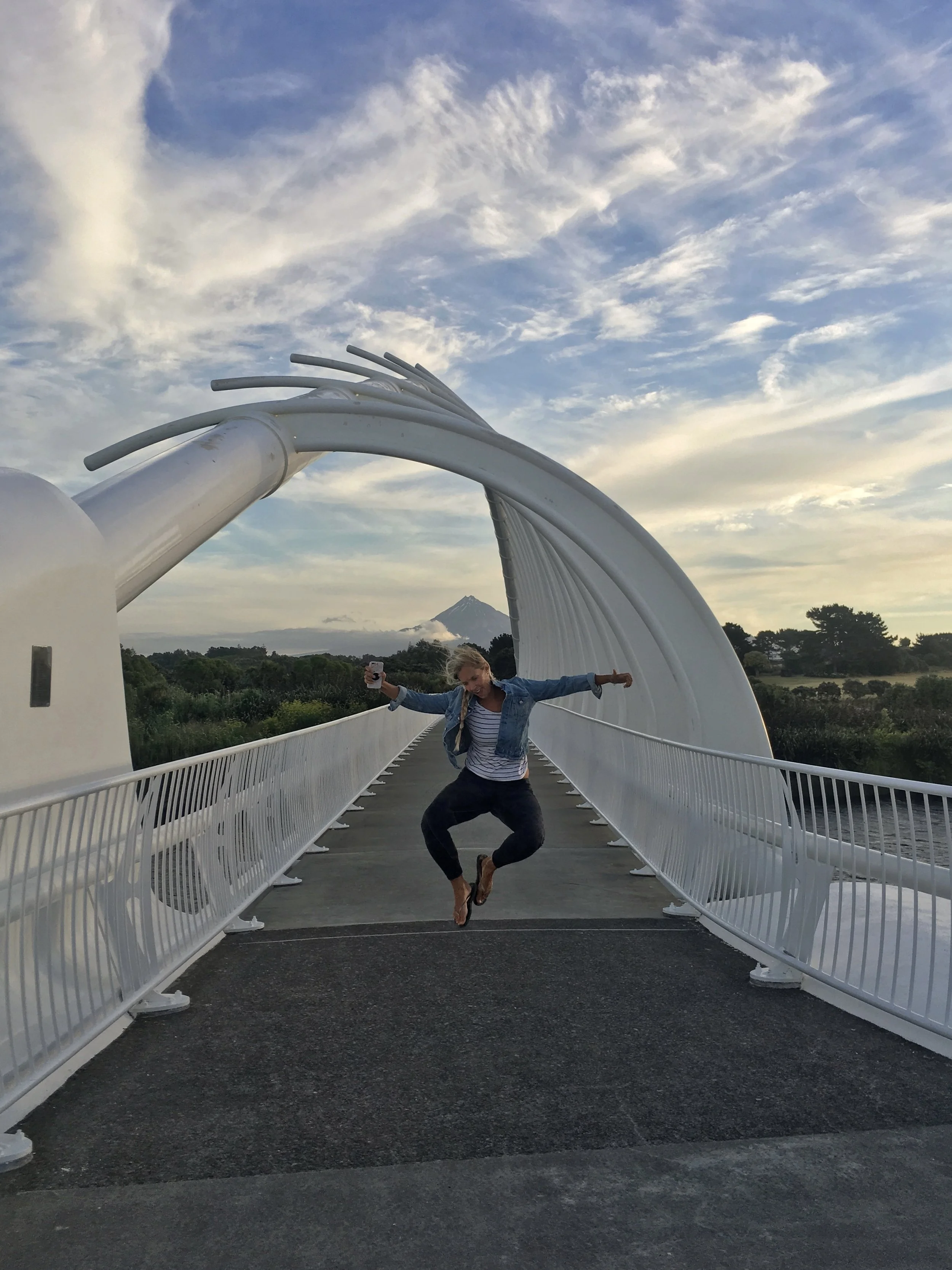
New Plymouth is best known for its surf culture, creative energy and its dramatic location right on the coast with Mount Taranaki rising almost perfectly symmetrical in the background. The city sits between rugged black sand beaches and lush countryside, giving it a strong outdoor focus. One of the highlights is the Coastal Walkway, a long, flat path that follows the ocean and is ideal for walking or renting bikes.
New Plymouth also has a strong arts and culture scene, with street art and galleries like the Govett-Brewster Art Gallery and the Len Lye Centre. Thanks to its proximity to the mountain, winter visitors can even go skiing or snowboarding at Taranaki Ski Area, which makes New Plymouth one of the few places where surfing and skiing are possible within a short drive. Combined with good cafés and quick access to Egmont National Park for hikes and waterfalls, the city works well as both a short visit and a longer stay.
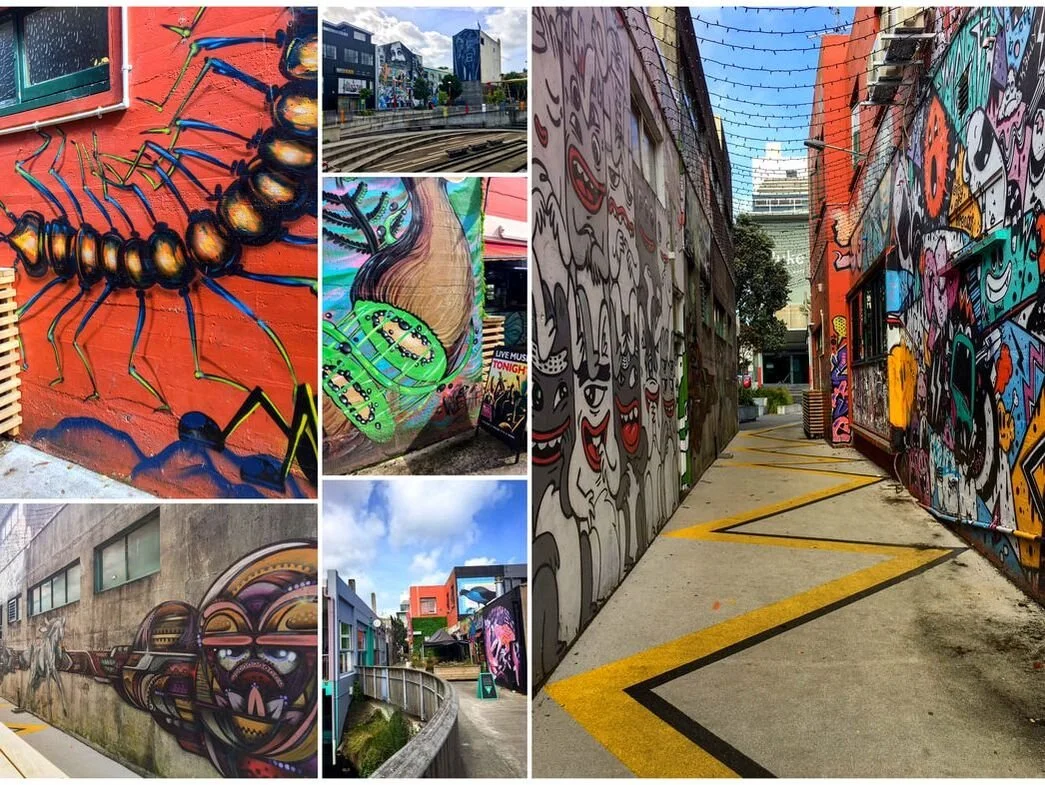
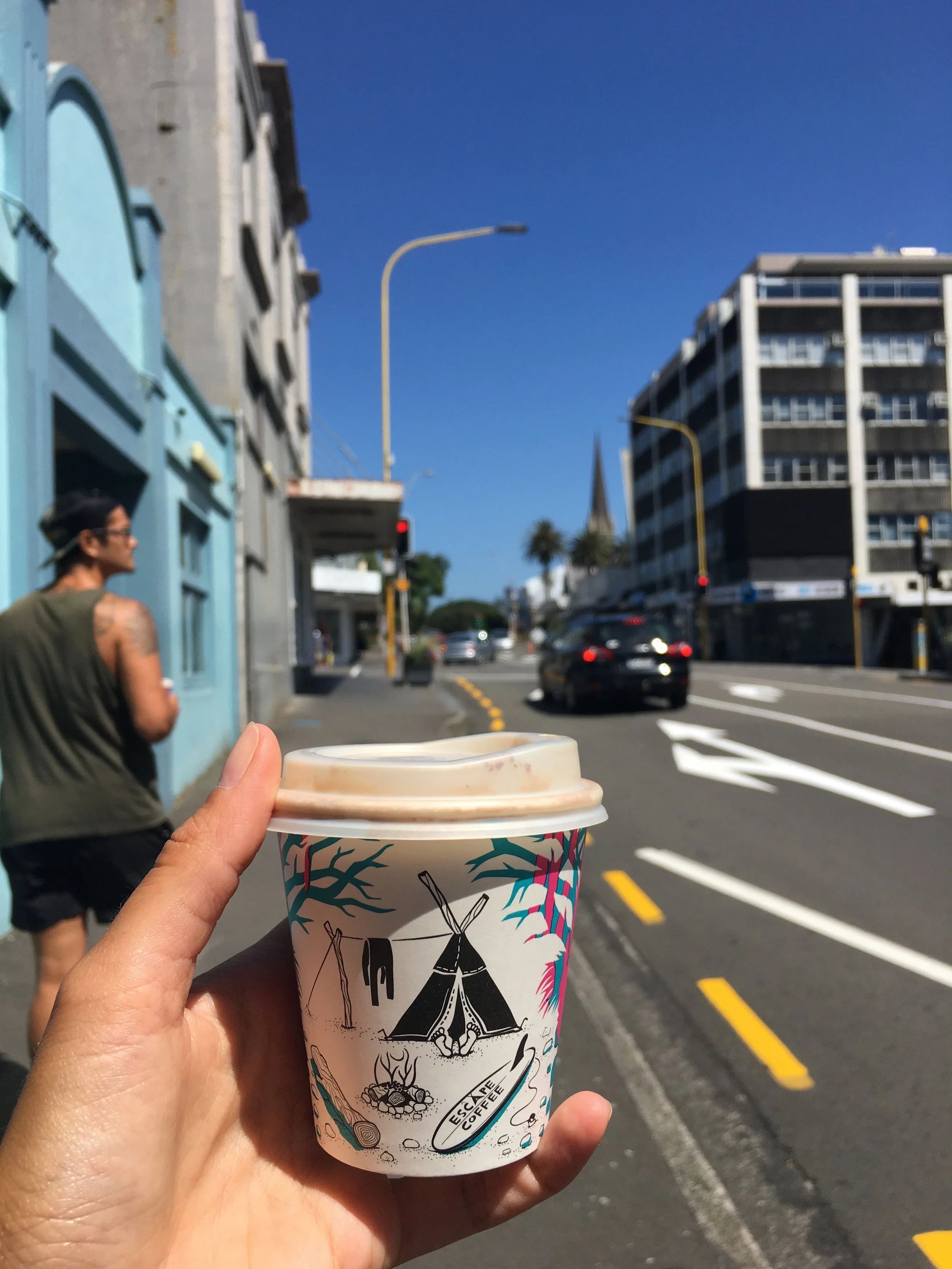
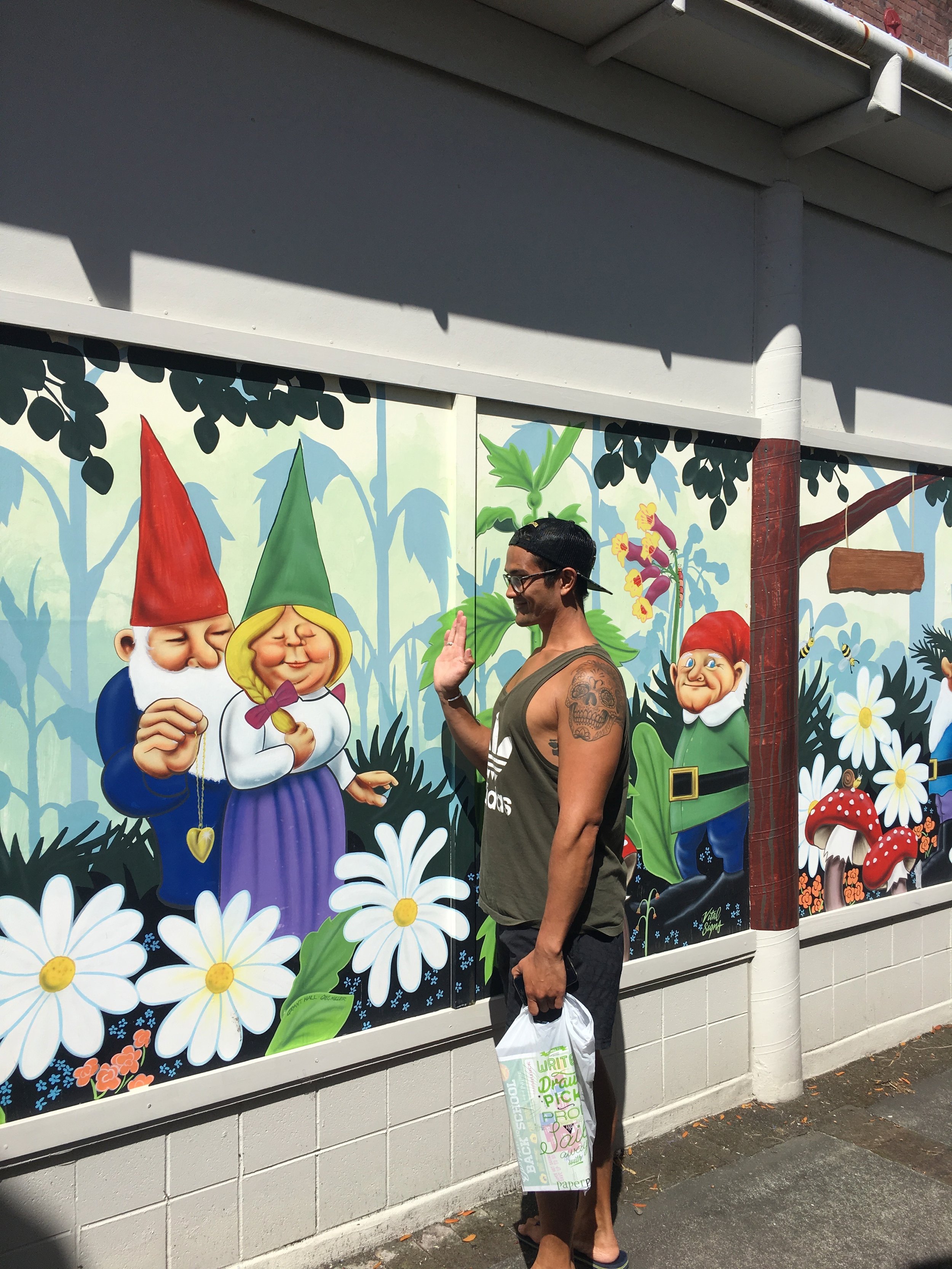
In downtown we picked up some coffee at a cool little spot called Escape Coffee and strolled through town. There is a surprising amount of well-done graffiti scattered throughout the city. Good street art is something we noticed all over New Zealand. Almost every city or town seems to have its own collection of creative murals and wall art.
On our way to the national park, we drove along the Surf Highway, which follows the coastline around Mount Taranaki. To the right, the rough Tasman Sea, to the left, farmland with Mount Taranaki always in sight. Fun fact: The Last Samurai was actually filmed in this area because the landscape offers better views of a perfectly conical, snow-covered volcano than Mount Fuji in Japan.
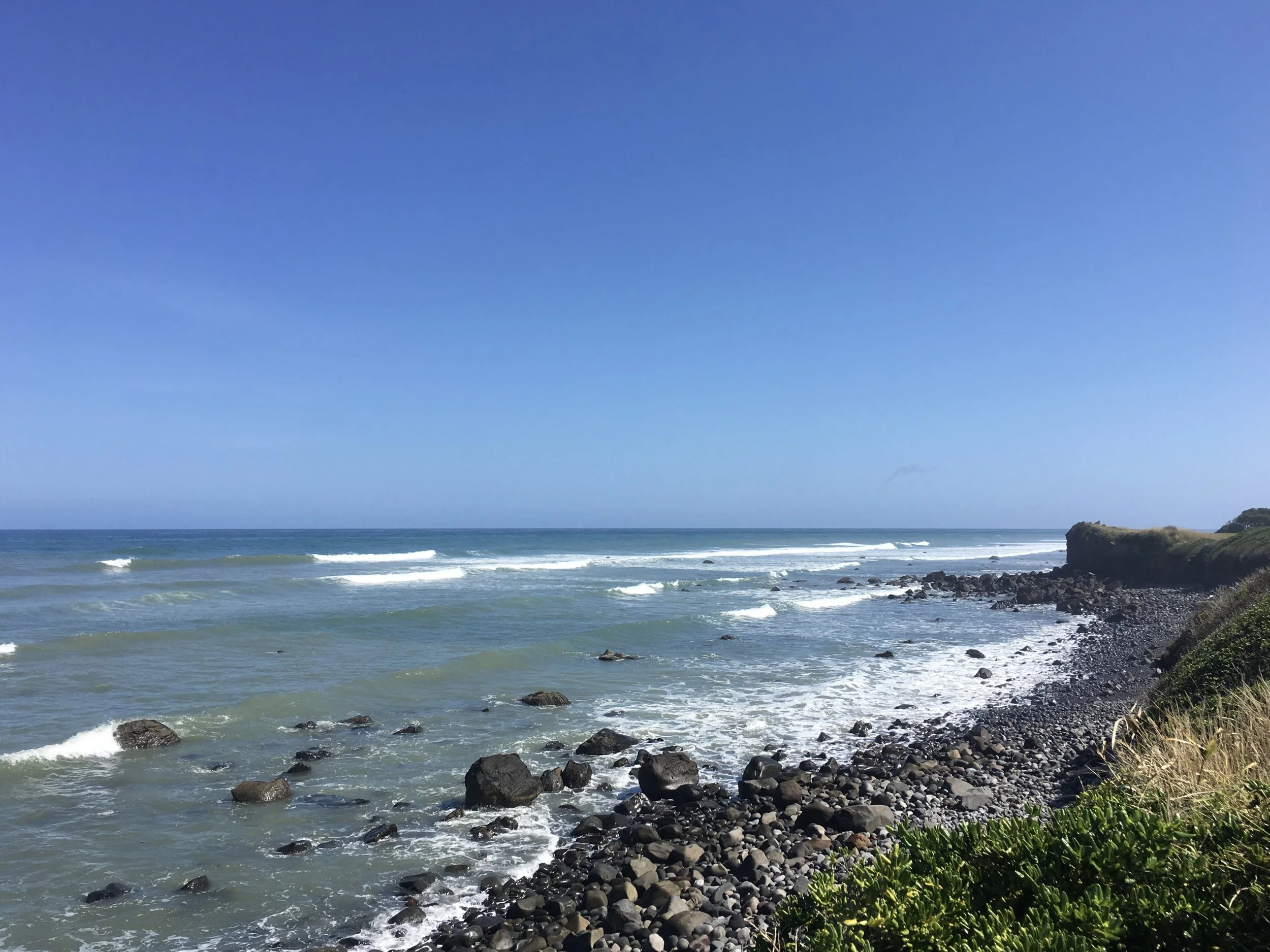
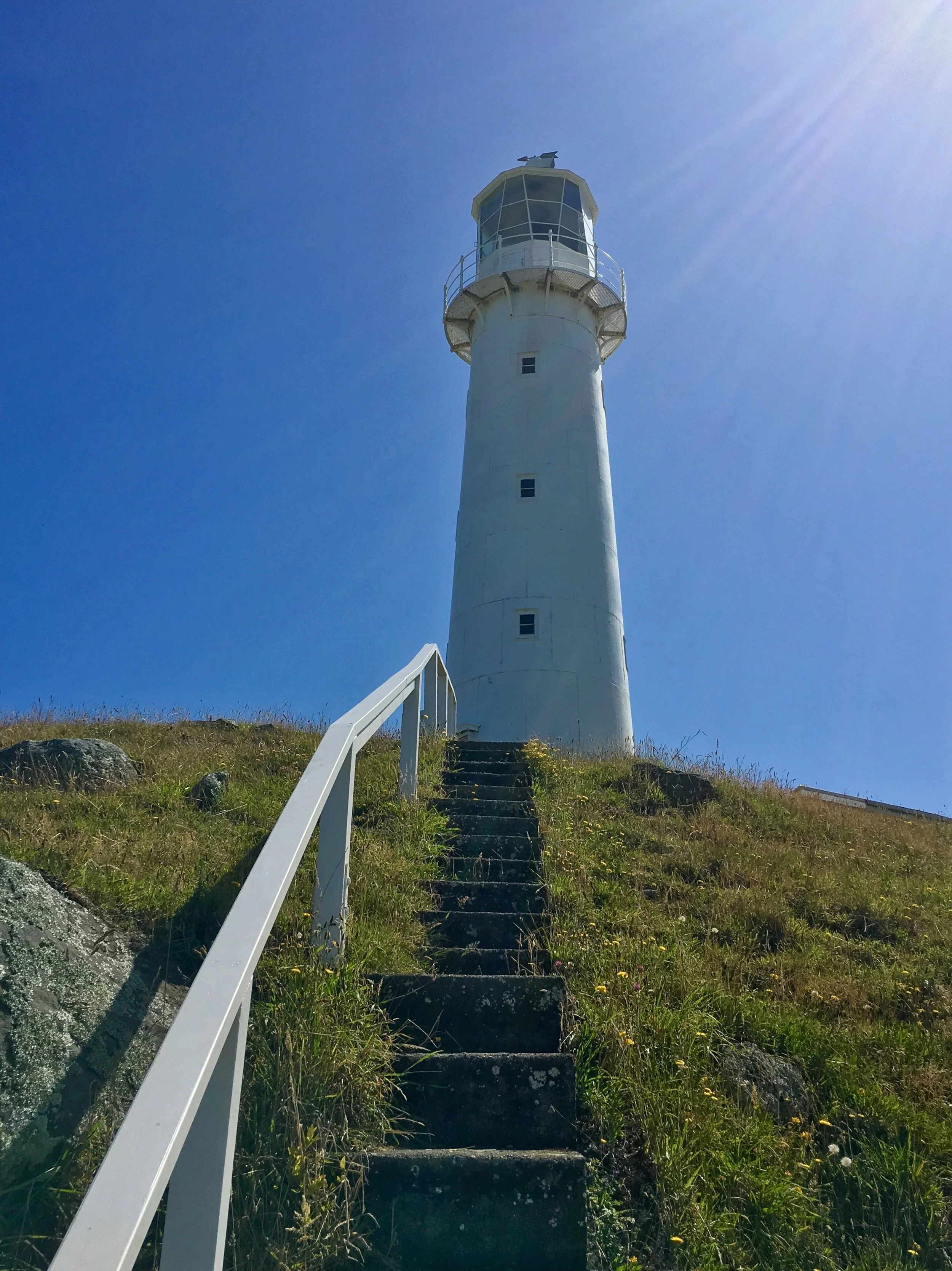
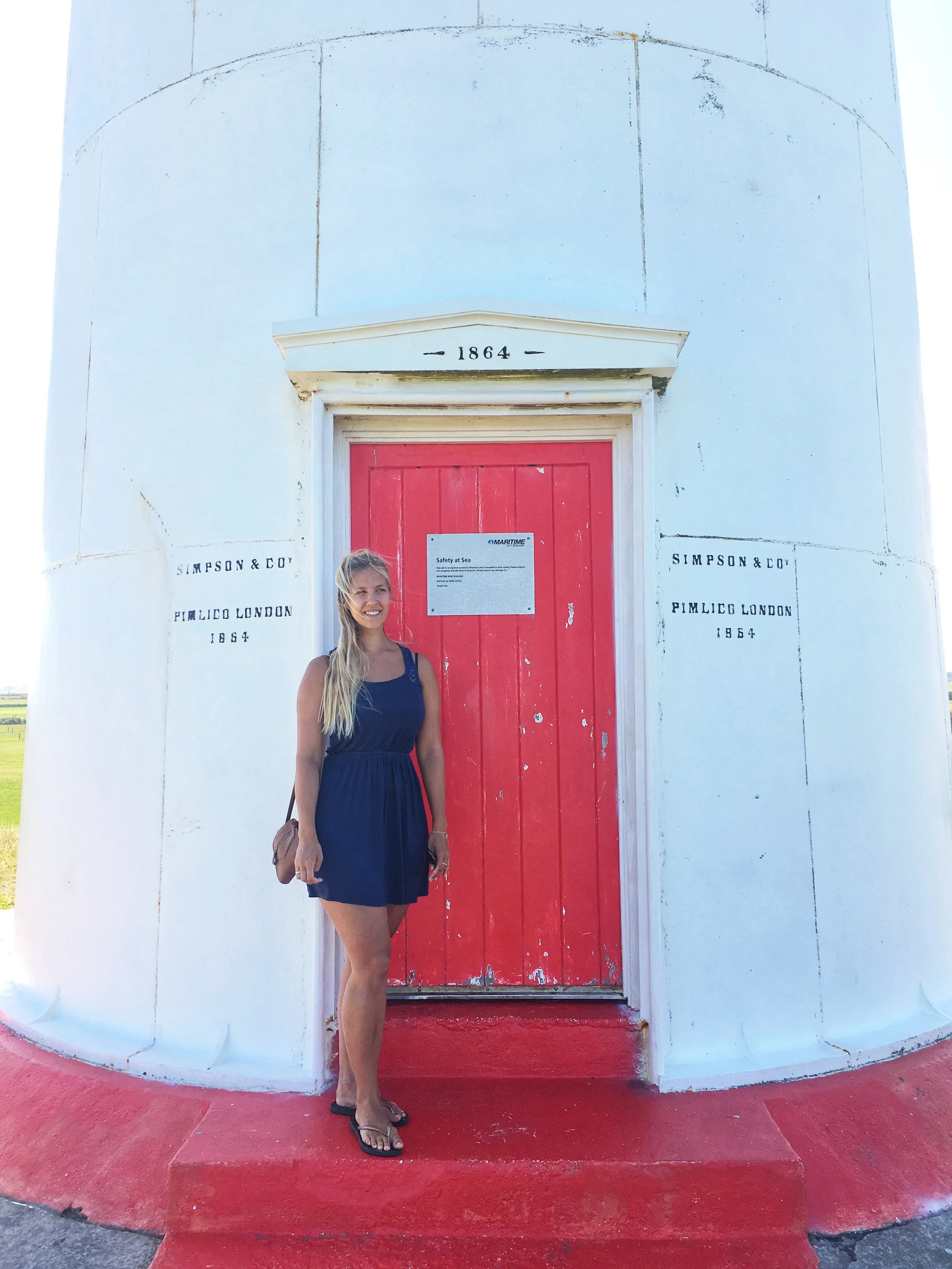
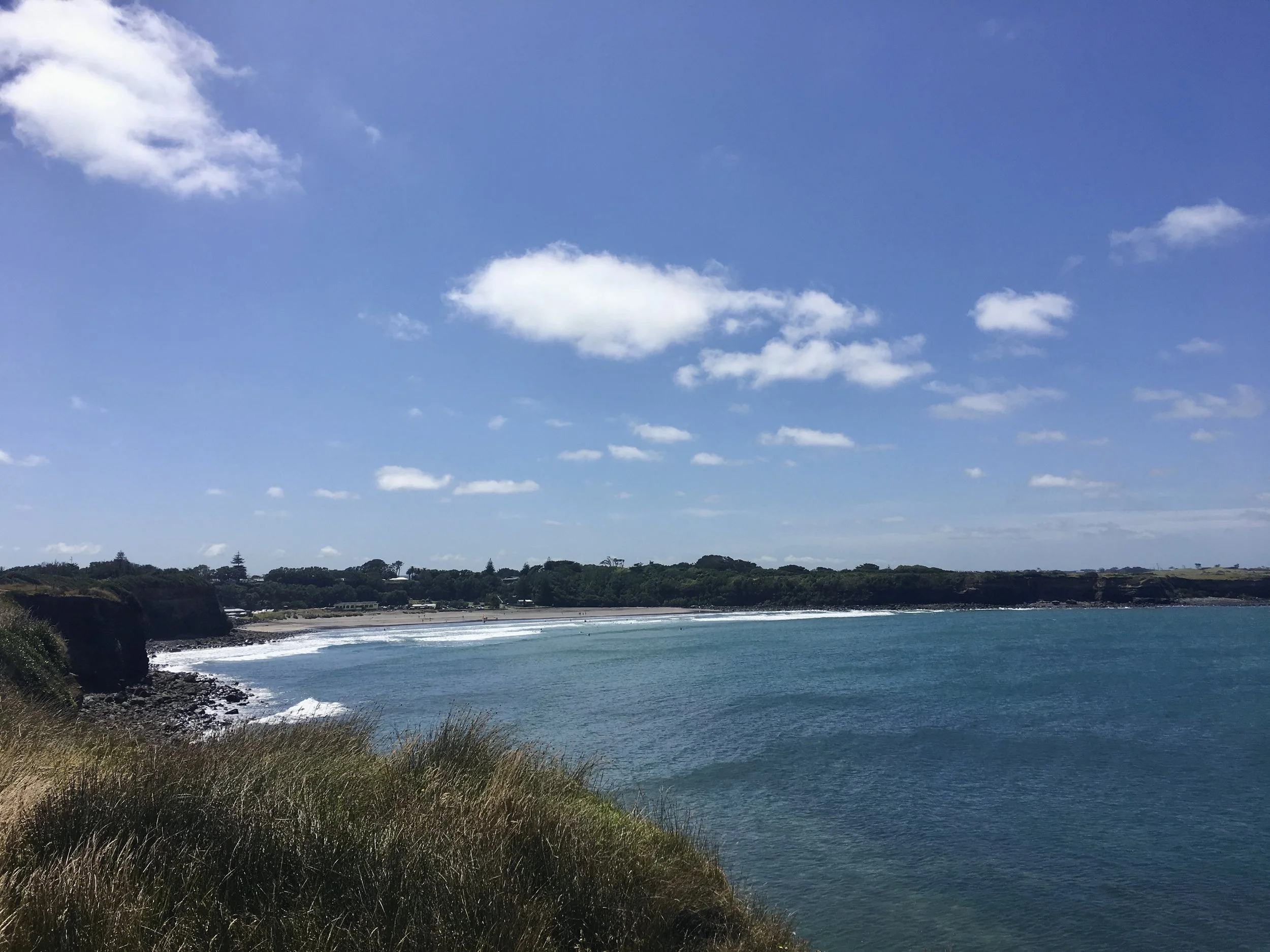
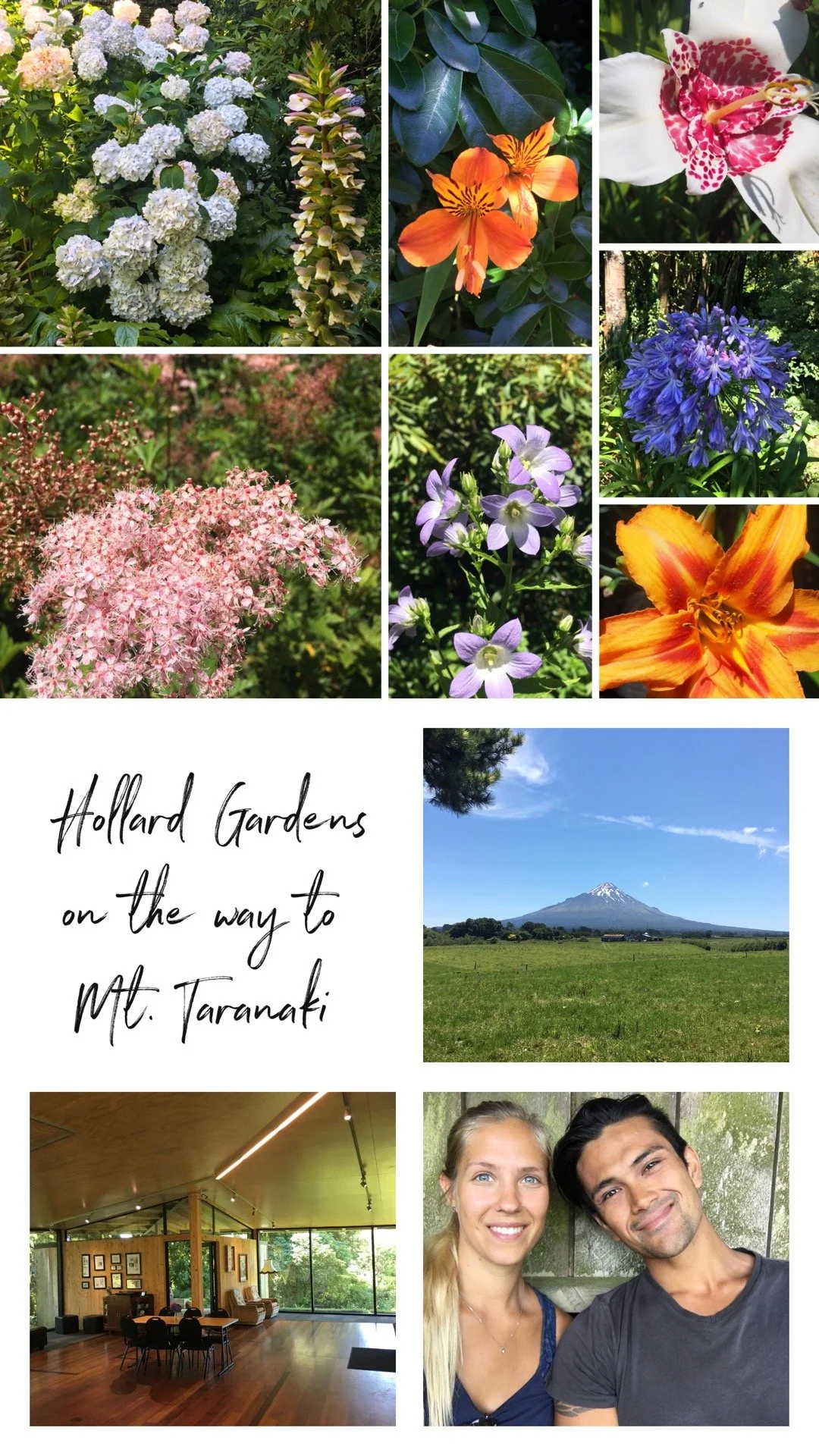
Hollard Gardens
Shortly before reaching the park, we stopped at Hollard Gardens. This place felt like a quiet oasis, filled with native and exotic plants and plenty of hidden corners to explore. In the center is a small building with a spacious lounge, a gardening library, complimentary coffee and water, comfortable sofas and a short film about the gardens.
The gardens are beautifully maintained and managed by the city council. Entry is free, though donations are welcome and well deserved. With views of Mount Taranaki, birdsong all around and flowers in bloom, it’s an easy place to linger or enjoy a picnic.
With Mount Taranaki, also known as Mount Egmont, growing closer, we drove higher into the national park, ready to get out for a hike. We walked to Wilkies Pools and Dawson Falls, but decided not to stay overnight at the nearby car park. Instead, we drove to another campsite further up, planning to start our Mount Taranaki hike early the next morning.
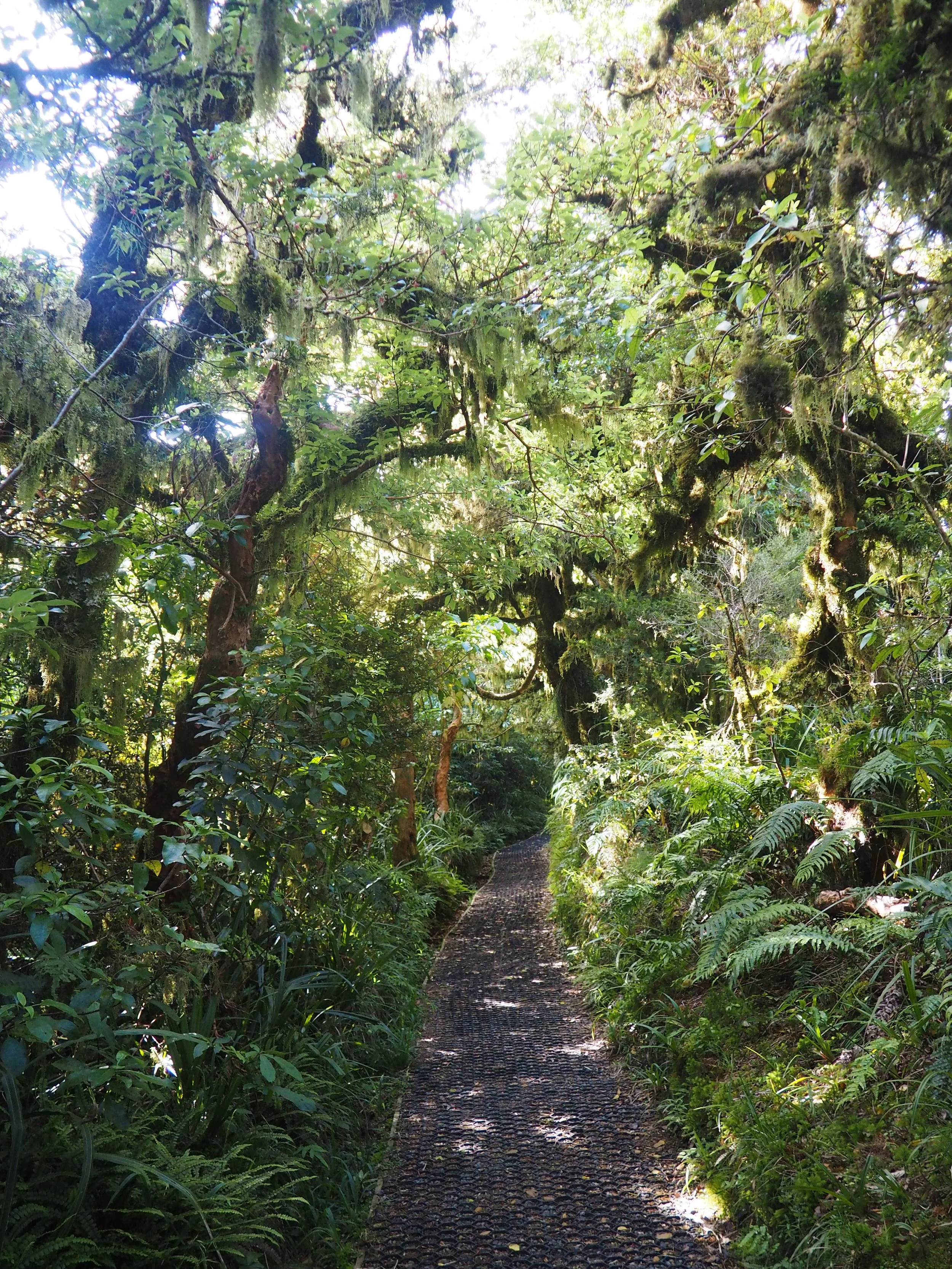
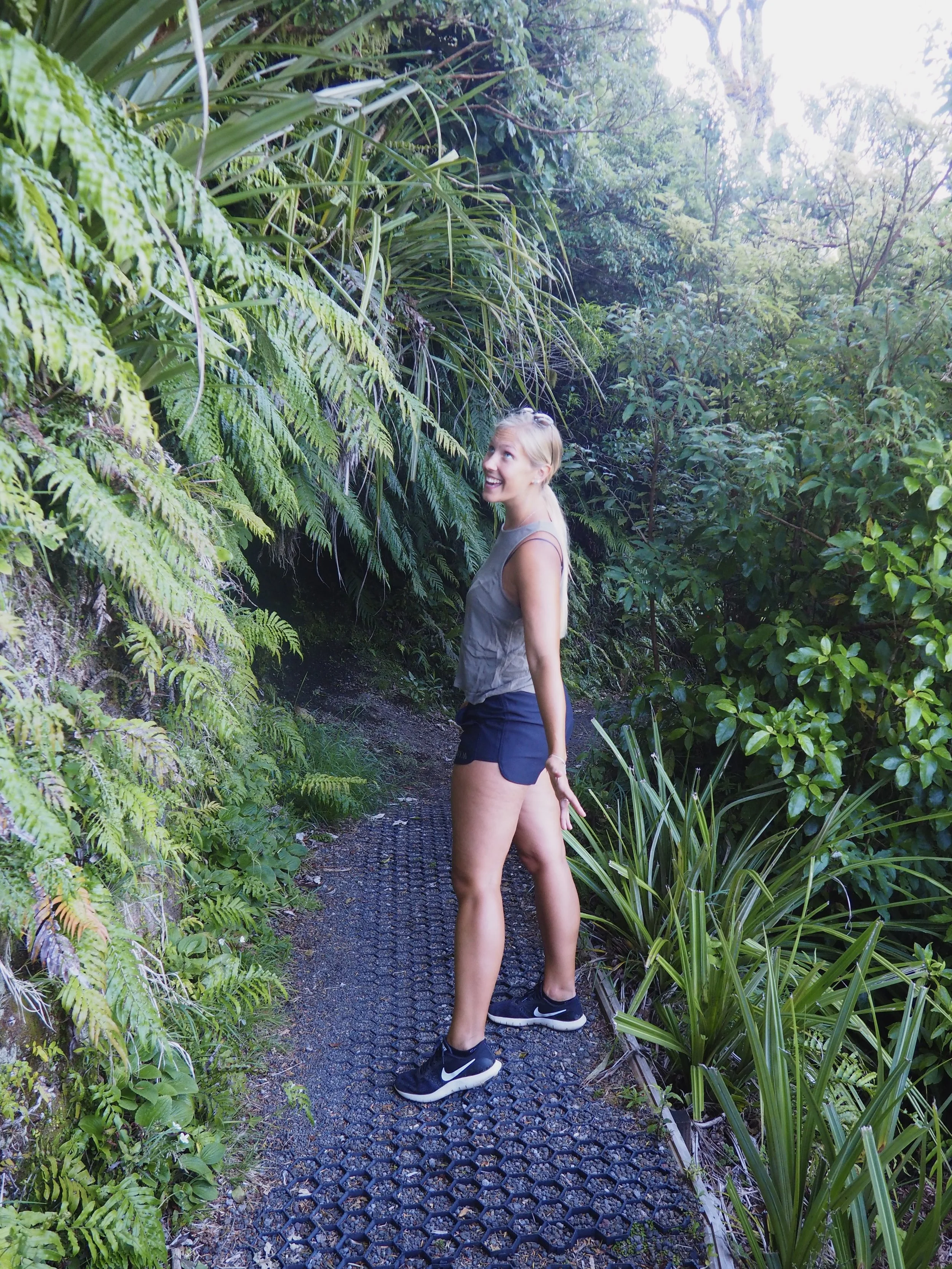
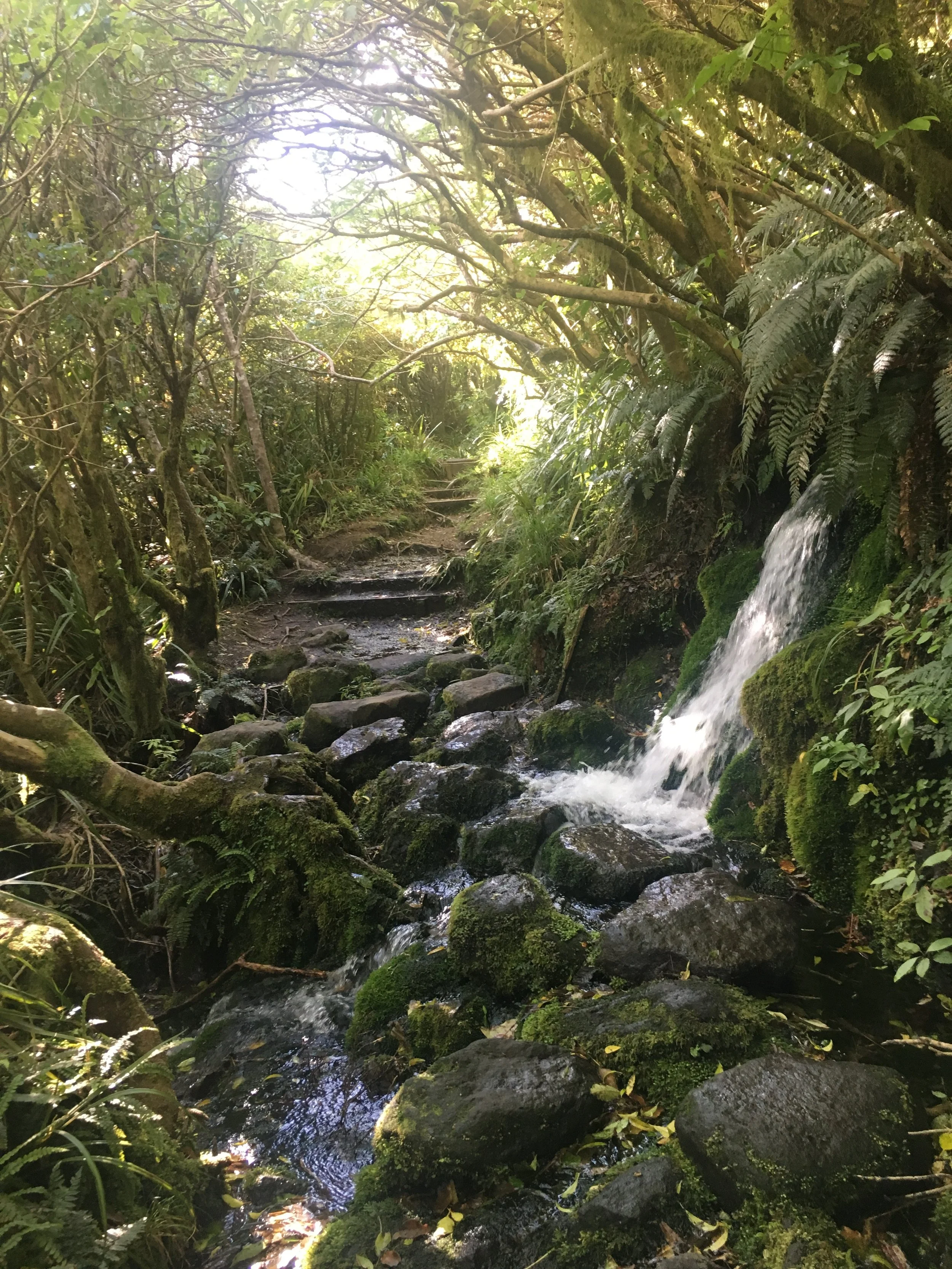
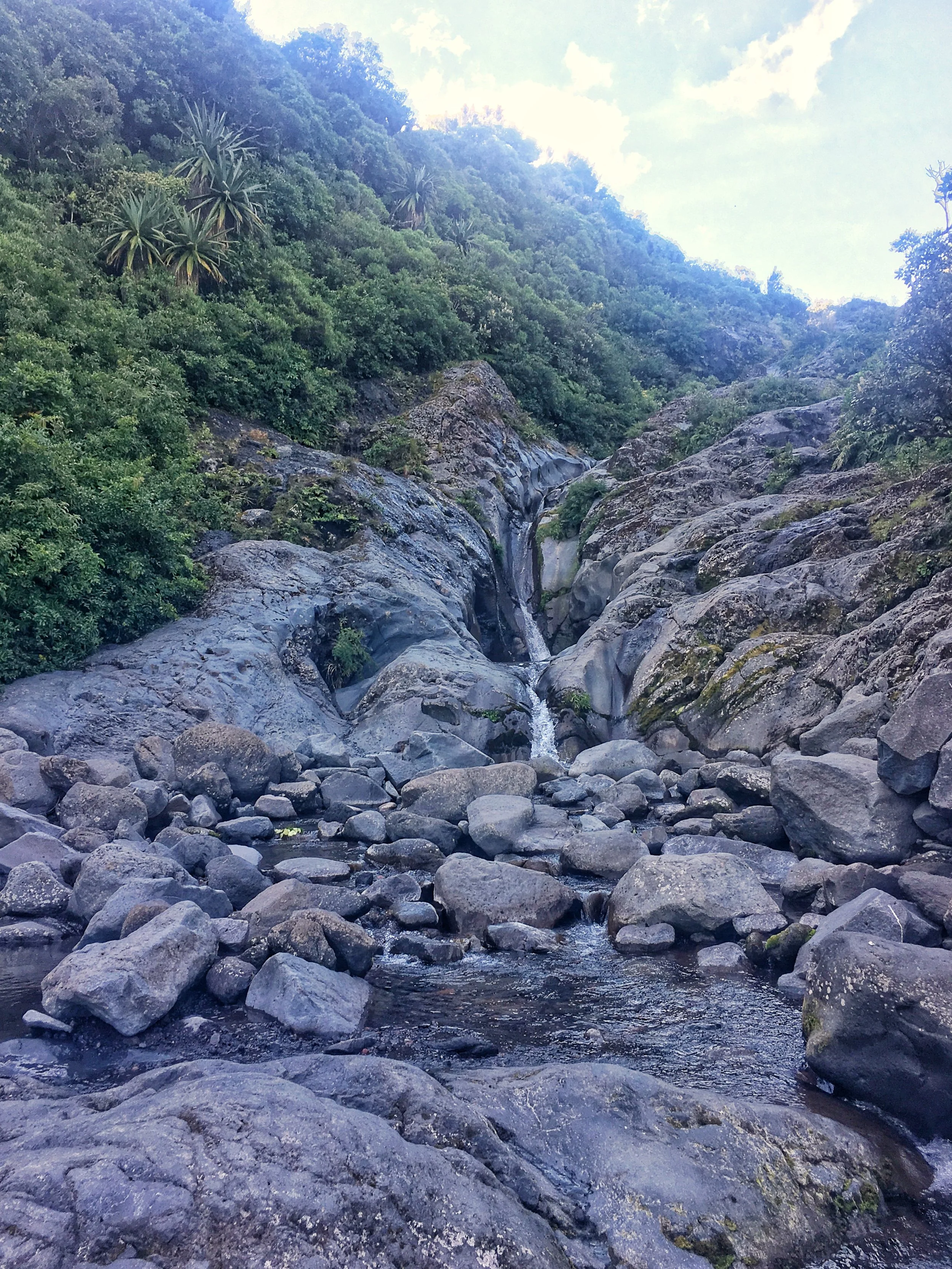
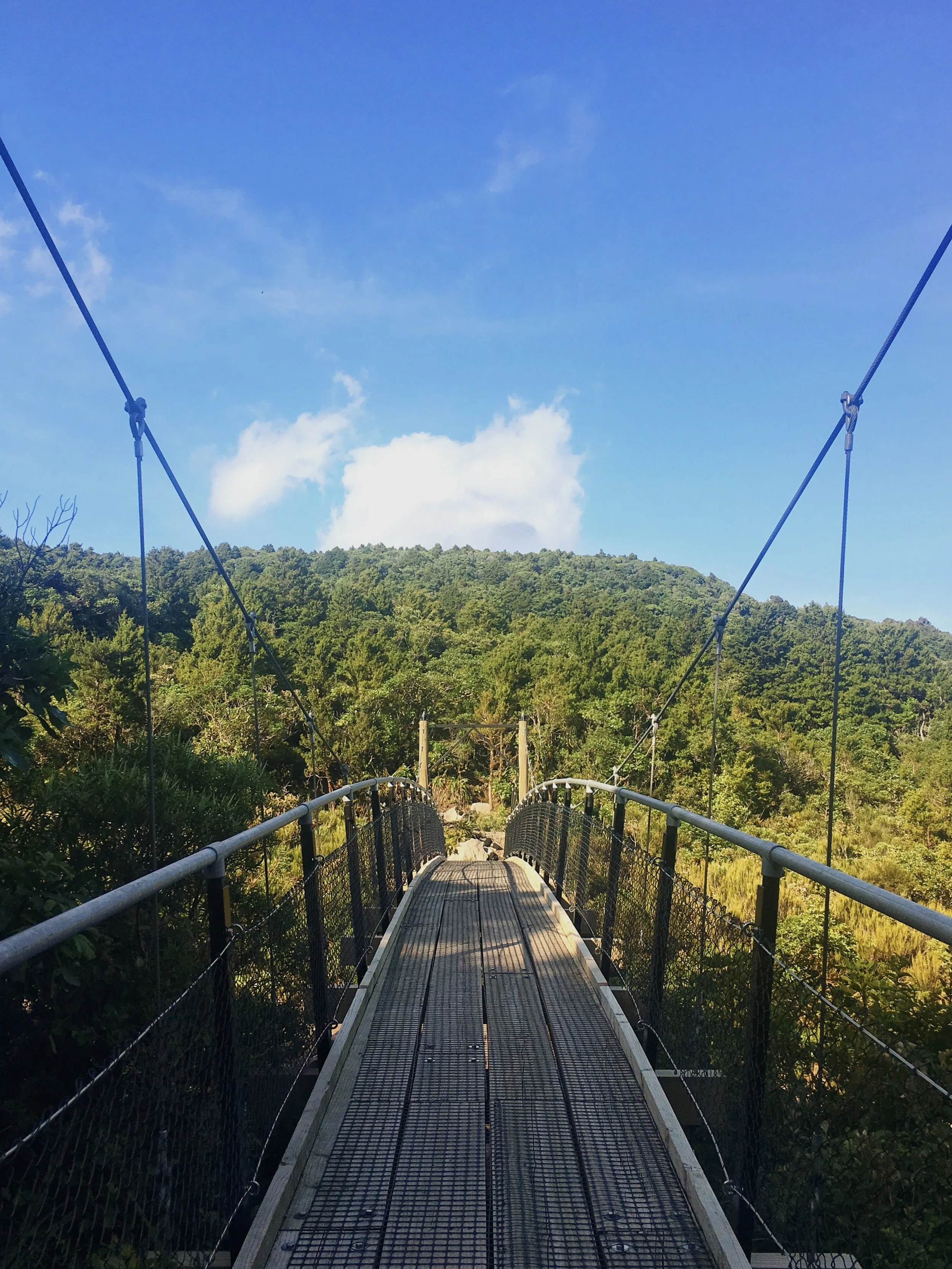
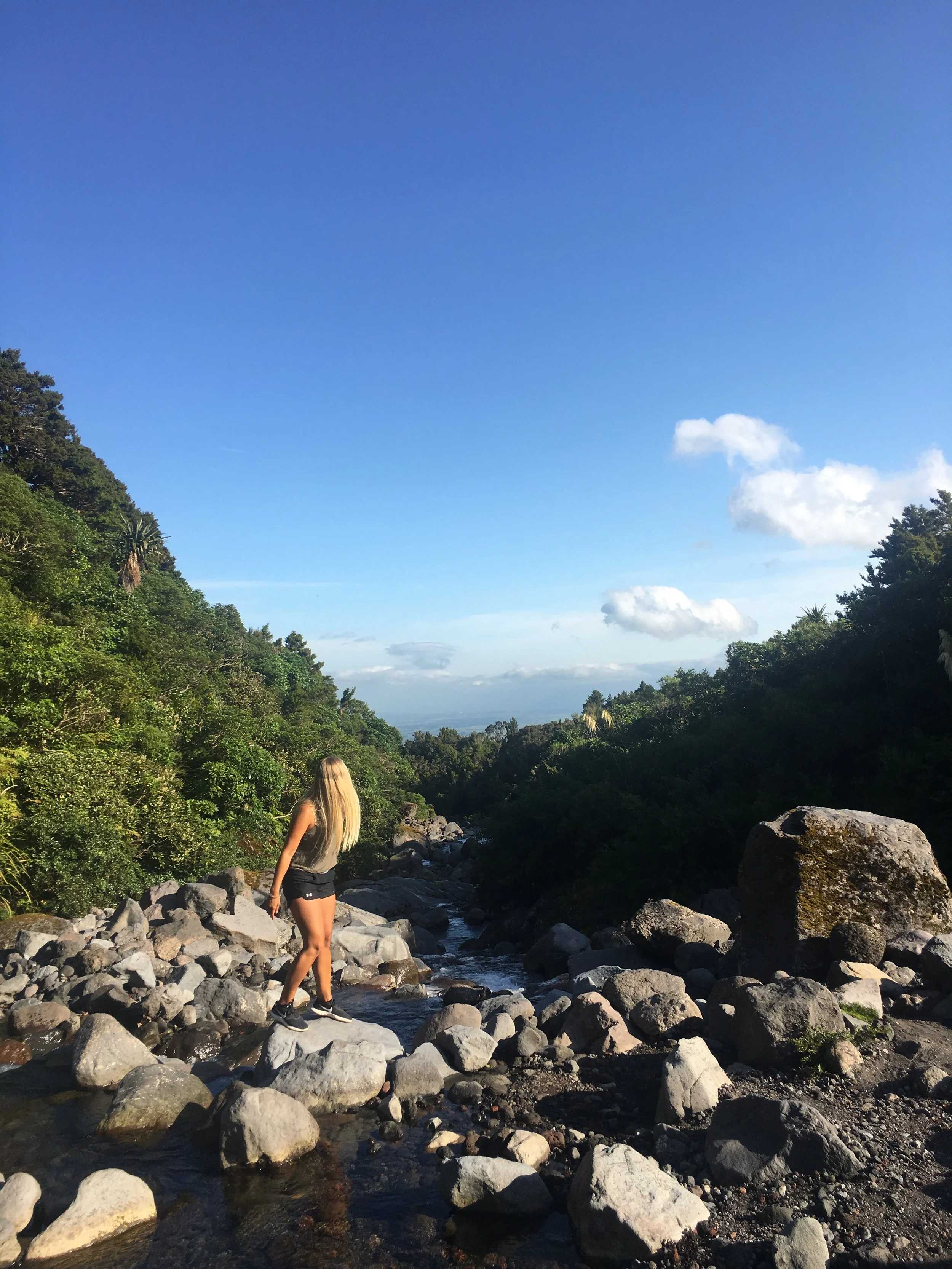
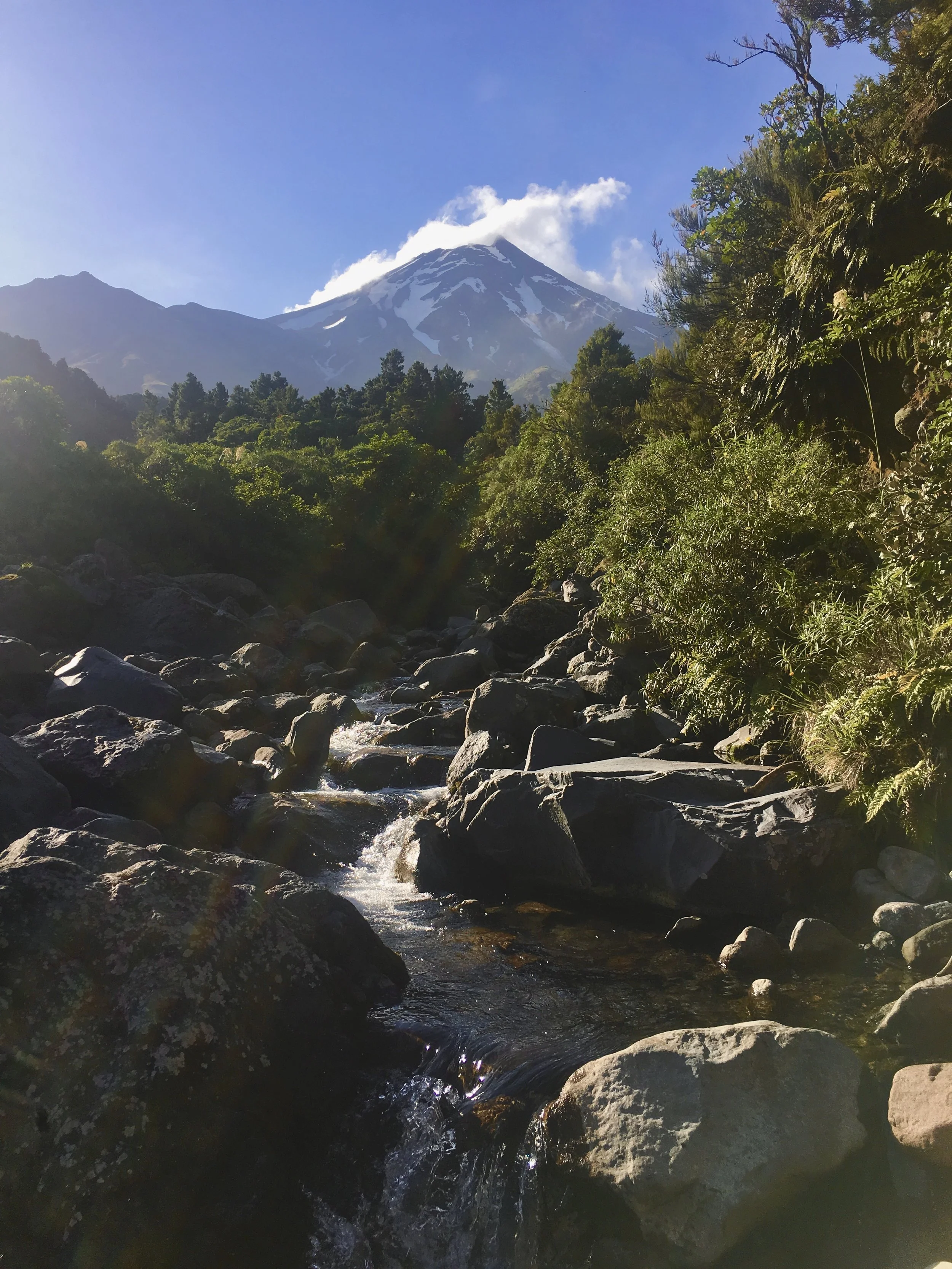
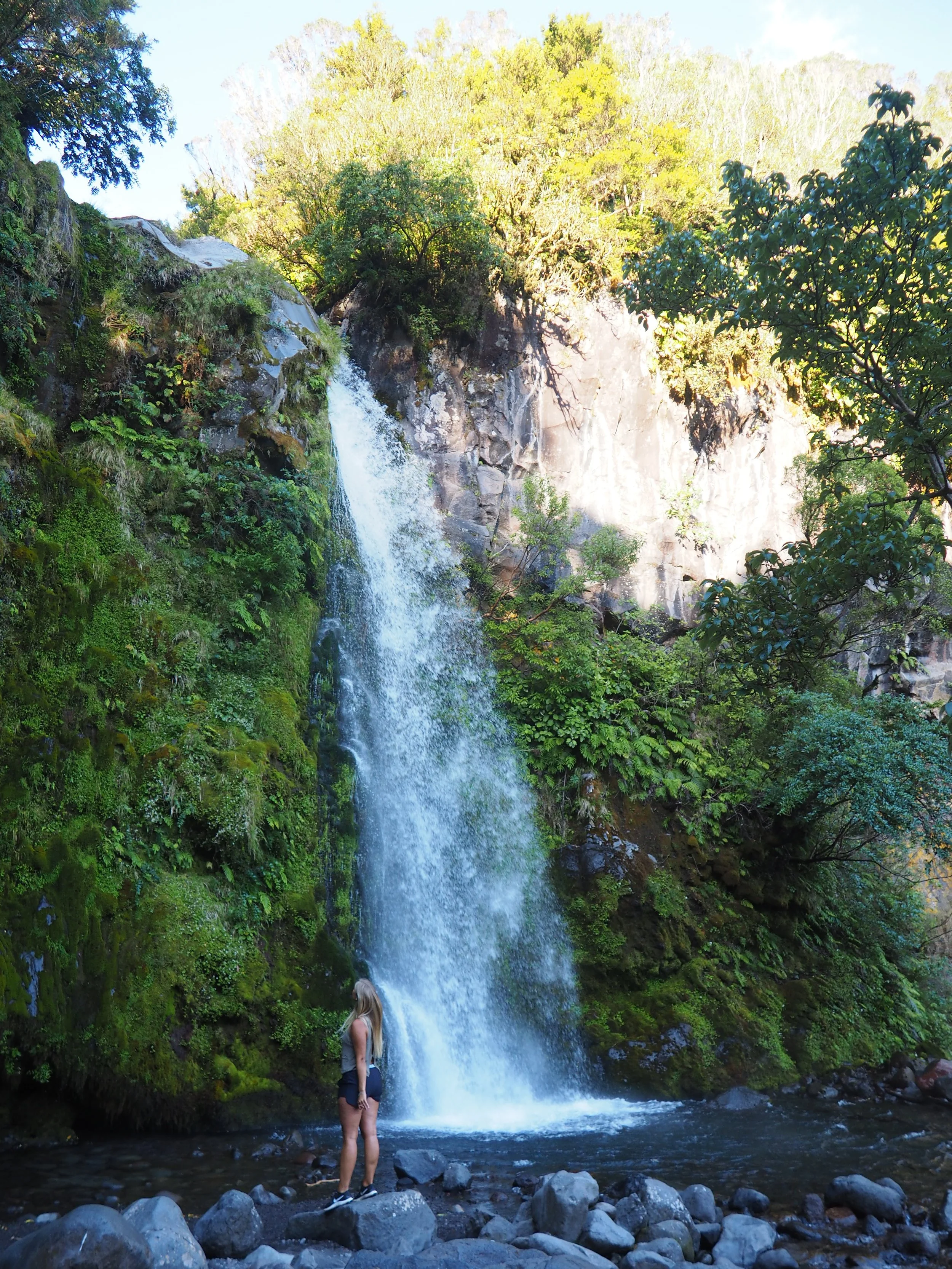
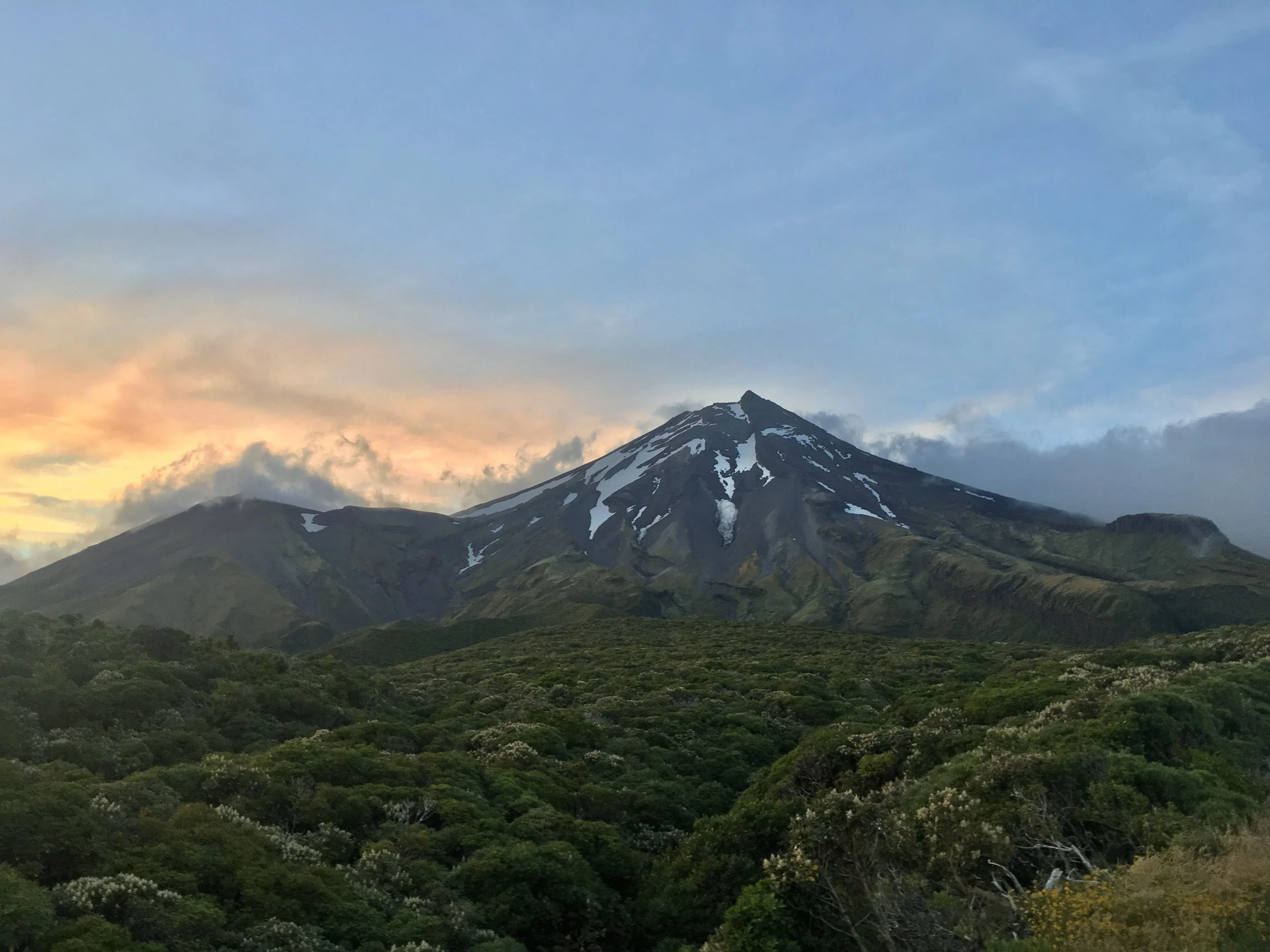
Once we arrived, it became immediately clear why there were so few other cars. It was incredibly windy. Clouds raced across the mountain as the sun set offering a stunning view across the hills, ocean and coastline. The only problem was that we could barely stand outside. A few other cars pulled in, took a look and turned around. Trying to get some sleep while Wallace was being shaken by the wind felt unsettling, while Trevor was clearly enjoying the chaos. Around 1am, rain started to fall and a storm warning popped up on our phones. It was time to leave. We tried, but it simply wasn’t meant to be. On the way down, we were relieved not to encounter any fallen trees. Just a few branches and a possum that seemed completely unbothered by us almost running it over.
After a short night at our old campsite near the Rawea Bridge, we desperately needed caffeine. We got our fix at Ozone Coffee before hitting the road again, this time heading toward the Forgotten World Highway. With the weather still stormy, the hike was officially off the table.
New Plymouth to Wellington via the Forgotten World Highway
To reach Wellington, we chose the Forgotten World Highway, one of the most remote and scenic drives on the North Island. This 150 km stretch of State Highway 43 connects Stratford and Taumarunui, leading through quiet farmland, rolling hills and isolated backcountry landscapes. The first part of the drive is fairly uneventful, especially when motorcycles keep overtaking you, but things get more interesting as you head deeper inland.
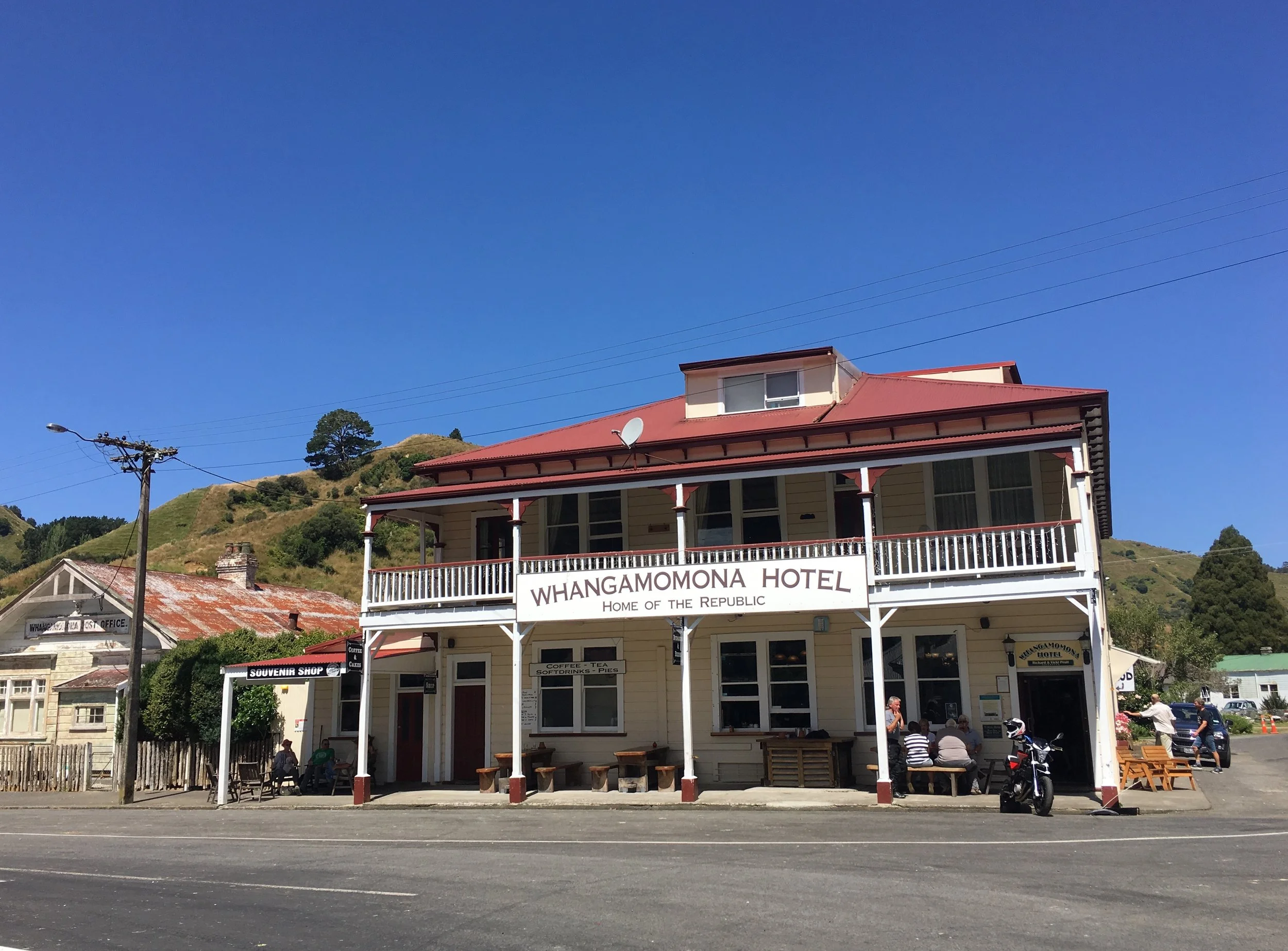
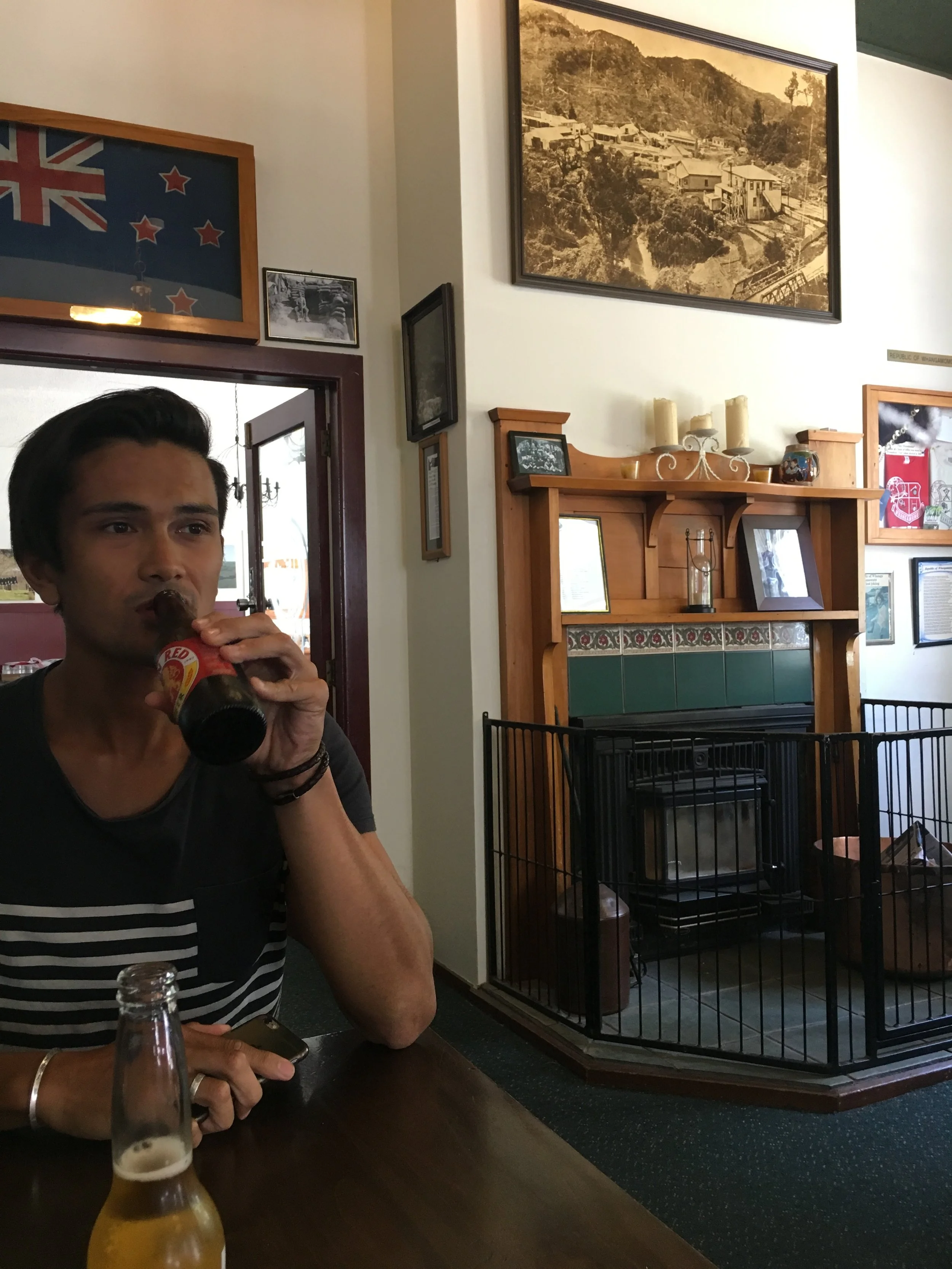
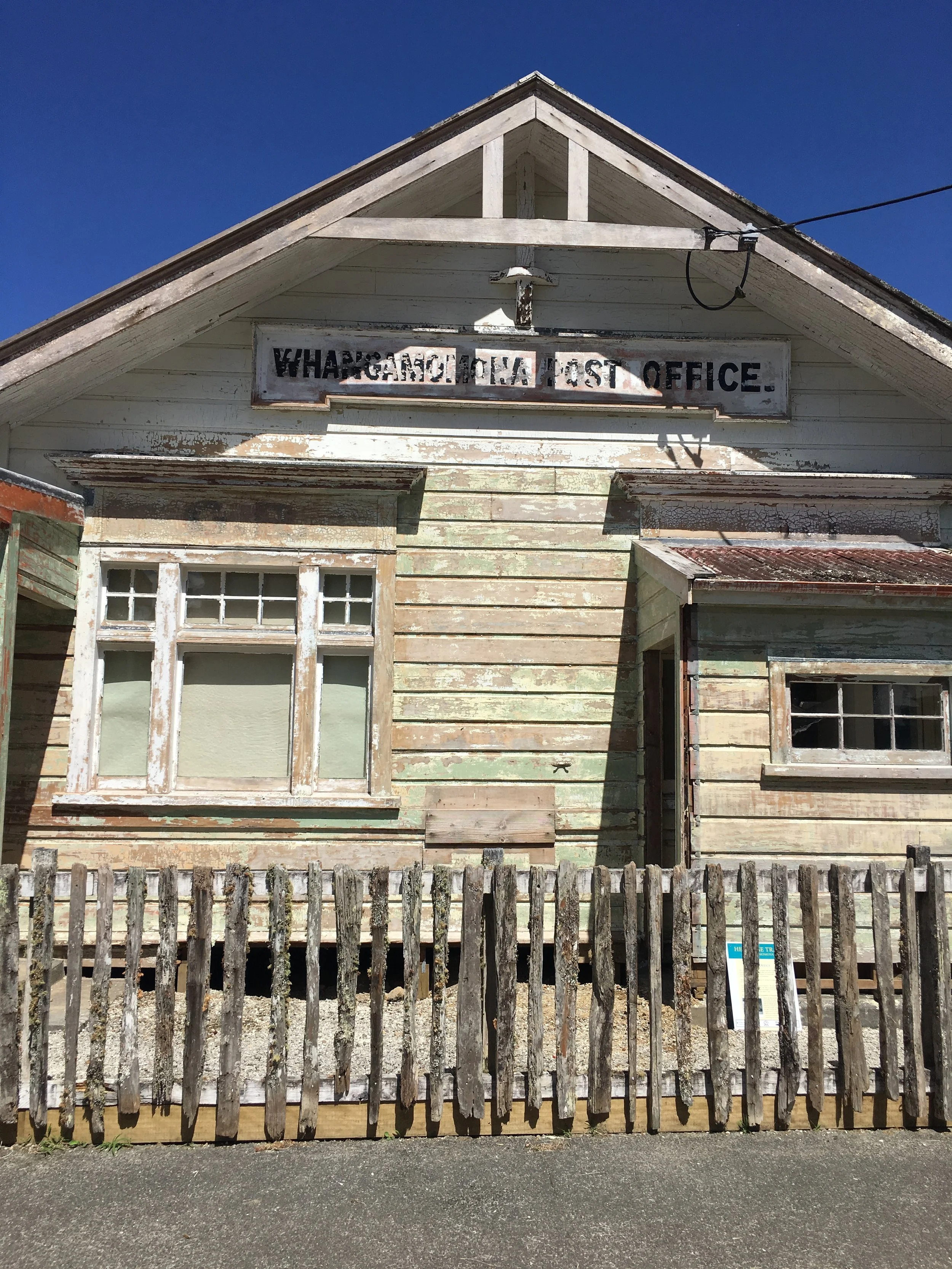
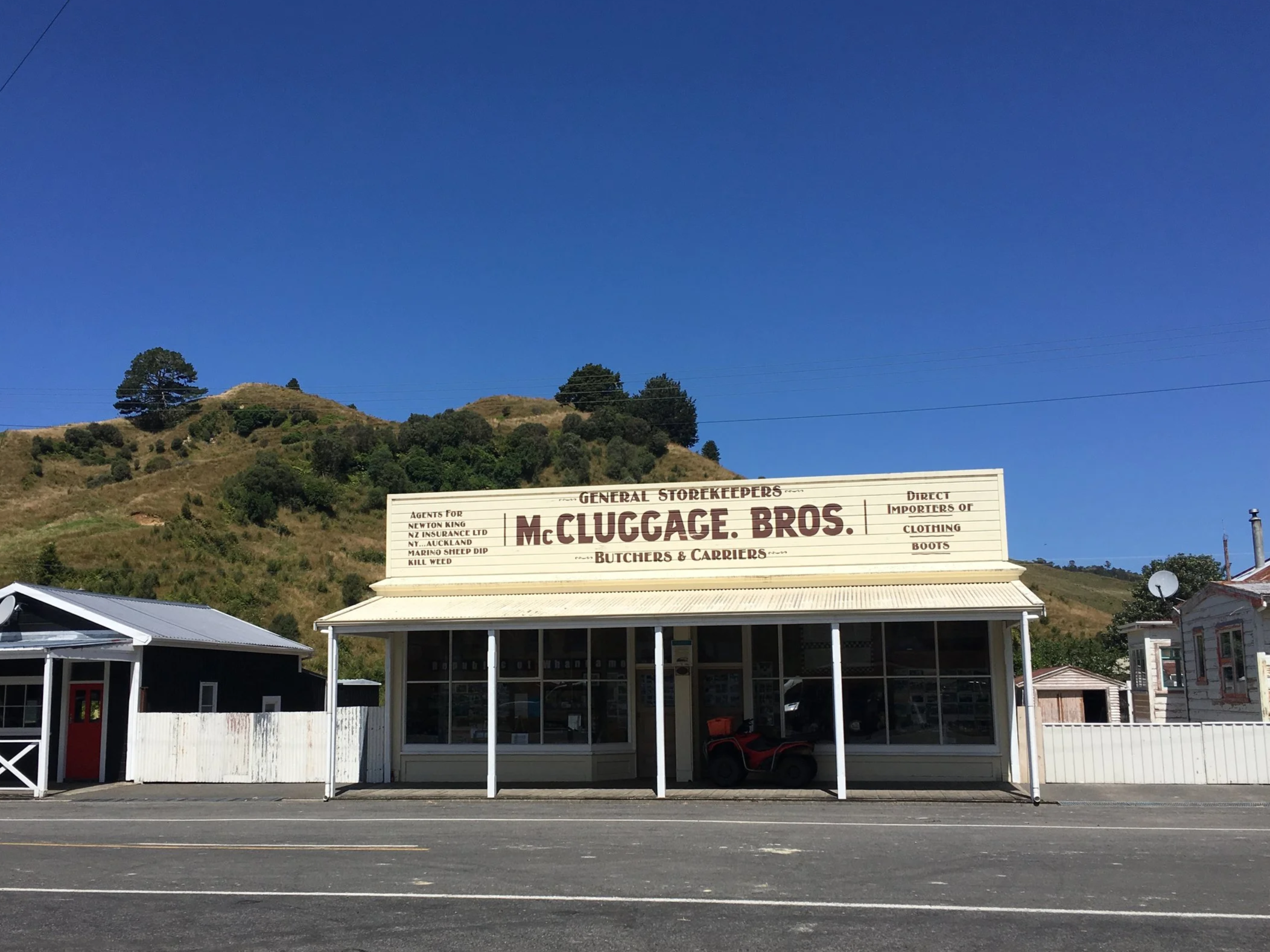
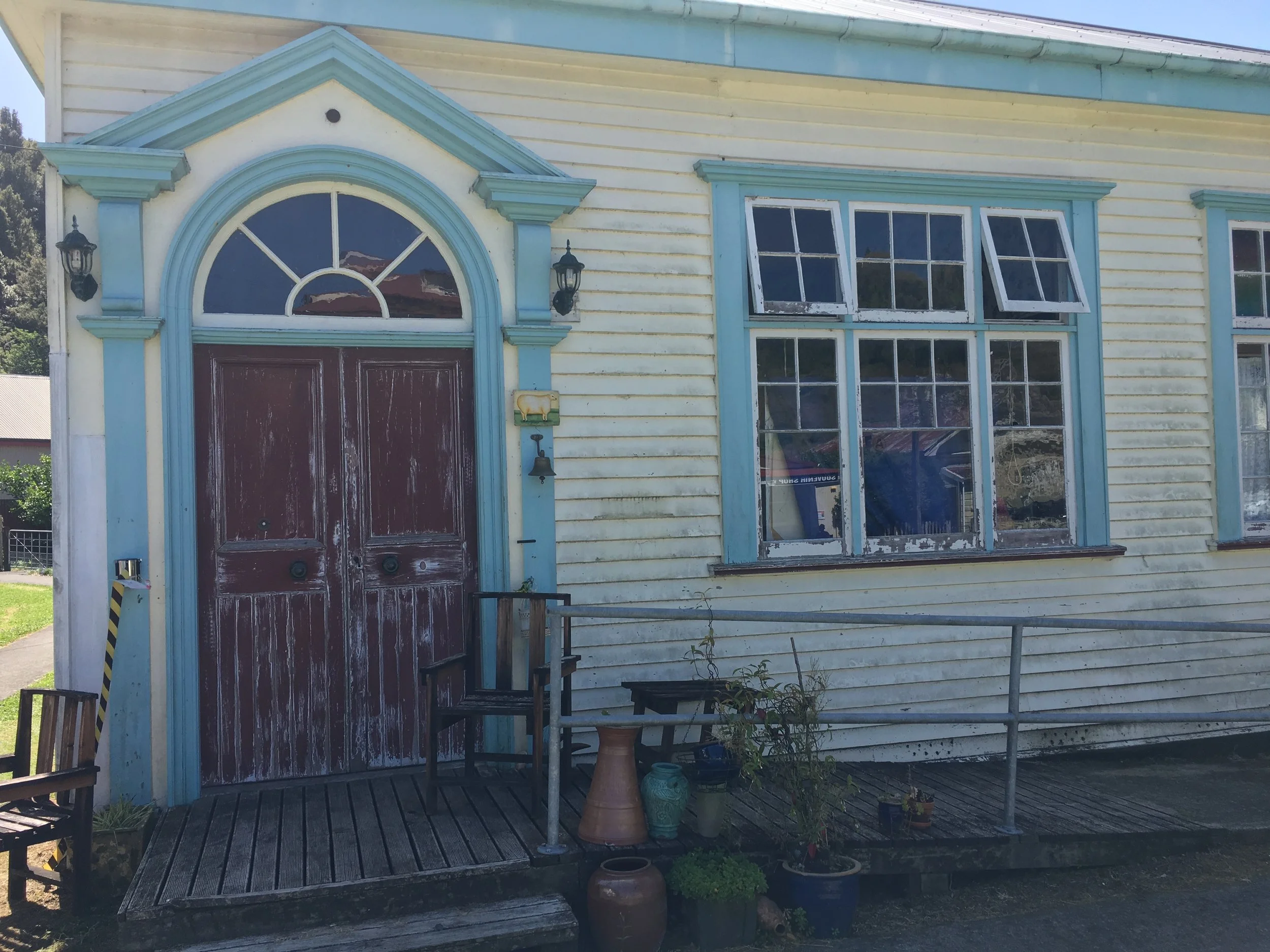
About halfway along the route, you reach Whangamomona, one of the most remote towns in the country. Due to its isolation, the residents declared it an independent republic in the late 1980s. The town feels like stepping back in time with a clear Wild West vibe. Stopping here is a must. The Hotel Whangamomona is the heart of the settlement and a great place for a drink or a meal. We only found out later that you can even buy a Whangamomona passport.
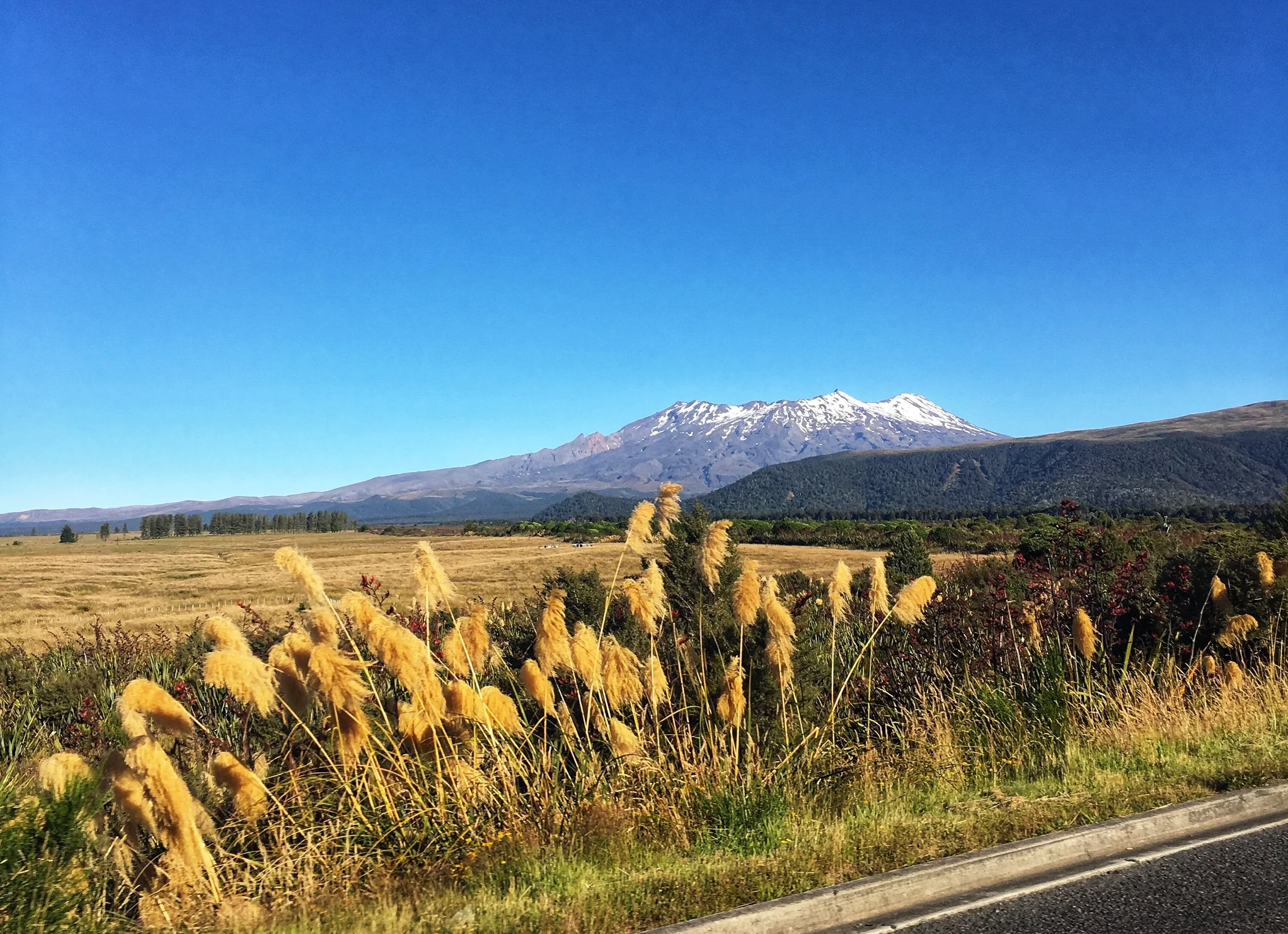
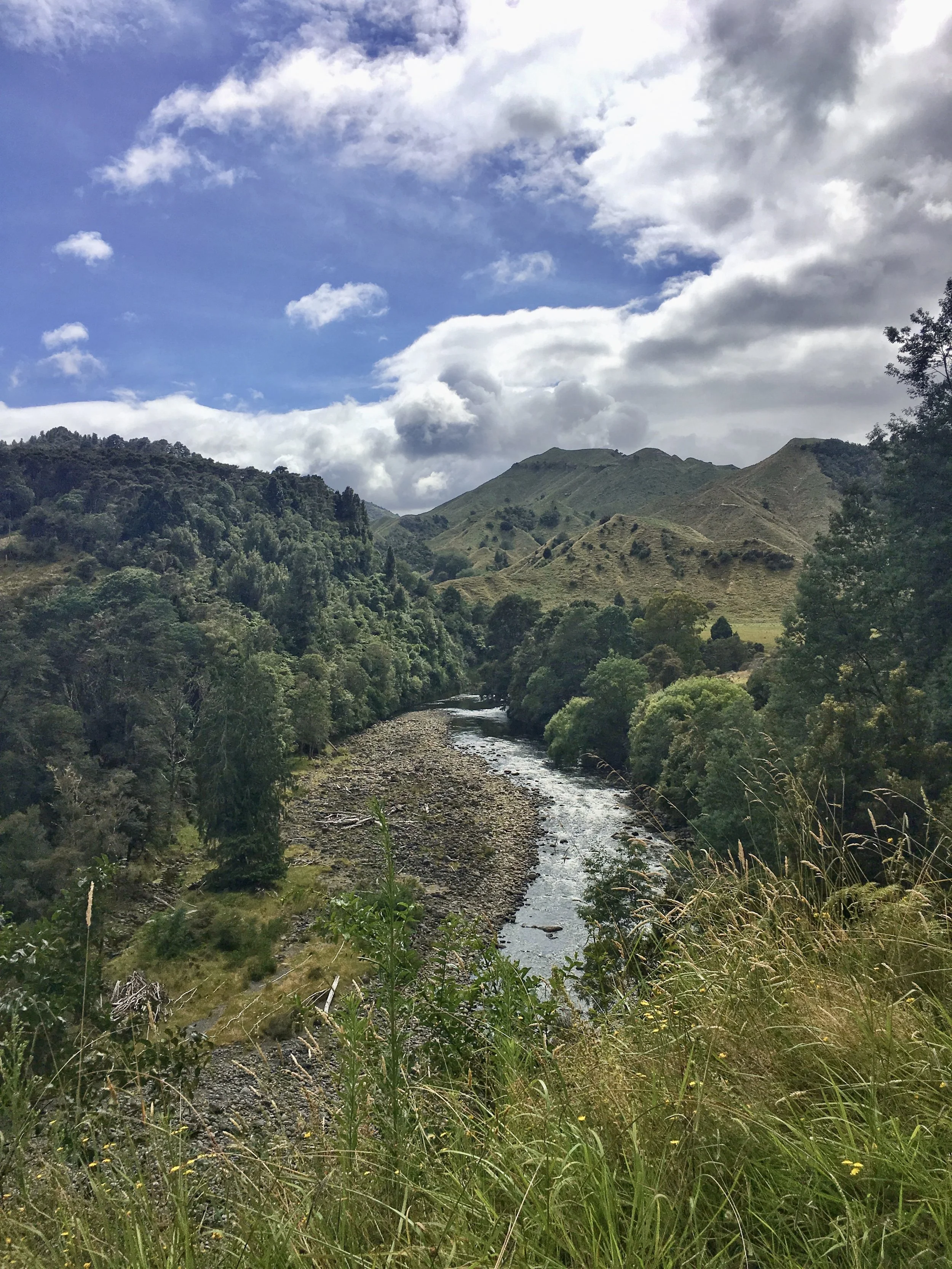
Beyond Whangamomona, the road becomes narrower and more winding with several unsealed sections. One highlight is passing through the 180 meter long single-lane Moki Tunnel. On clear days, you may spot Mount Tongariro in the distance as the road continues through Whanganui National Park before reaching Whanganui.
Forgotten World Highway – Good to know
Fill up with fuel before you start as there are no gas stations along the route
Expect narrow roads and unsealed gravel sections
Watch for livestock like cows, horses and sheep on the road
Limited phone reception, download maps in advance
Allow extra time if you plan to stop in Whangamomona

Last stop before Wellington
Our last campsite before reaching Whanganui National Park was, like many others we stayed at, quite remote and about half an hour off the main road.
Driving in New Zealand often means sharing the road with livestock such as sheep and cows and occasionally hawks and other animals, so staying alert is essential. Roads frequently wind through mountain ranges and can get quite narrow. And if they aren’t winding, they tend to stretch straight ahead for what feels like a very long time.
Around this time, we started having issues with our auxiliary battery. Once we arrived in Wellington, we parked at a central car park and tried charging it with a smart charger, our last hope. Even after three days, nothing changed and we knew a replacement was unavoidable. . The owner of the company where we had bought the battery online was incredibly helpful and offered us a brand new replacement, which we picked up later after arriving on the South Island in Nelson. Luckily, we had power banks to keep our phones going for the moment.
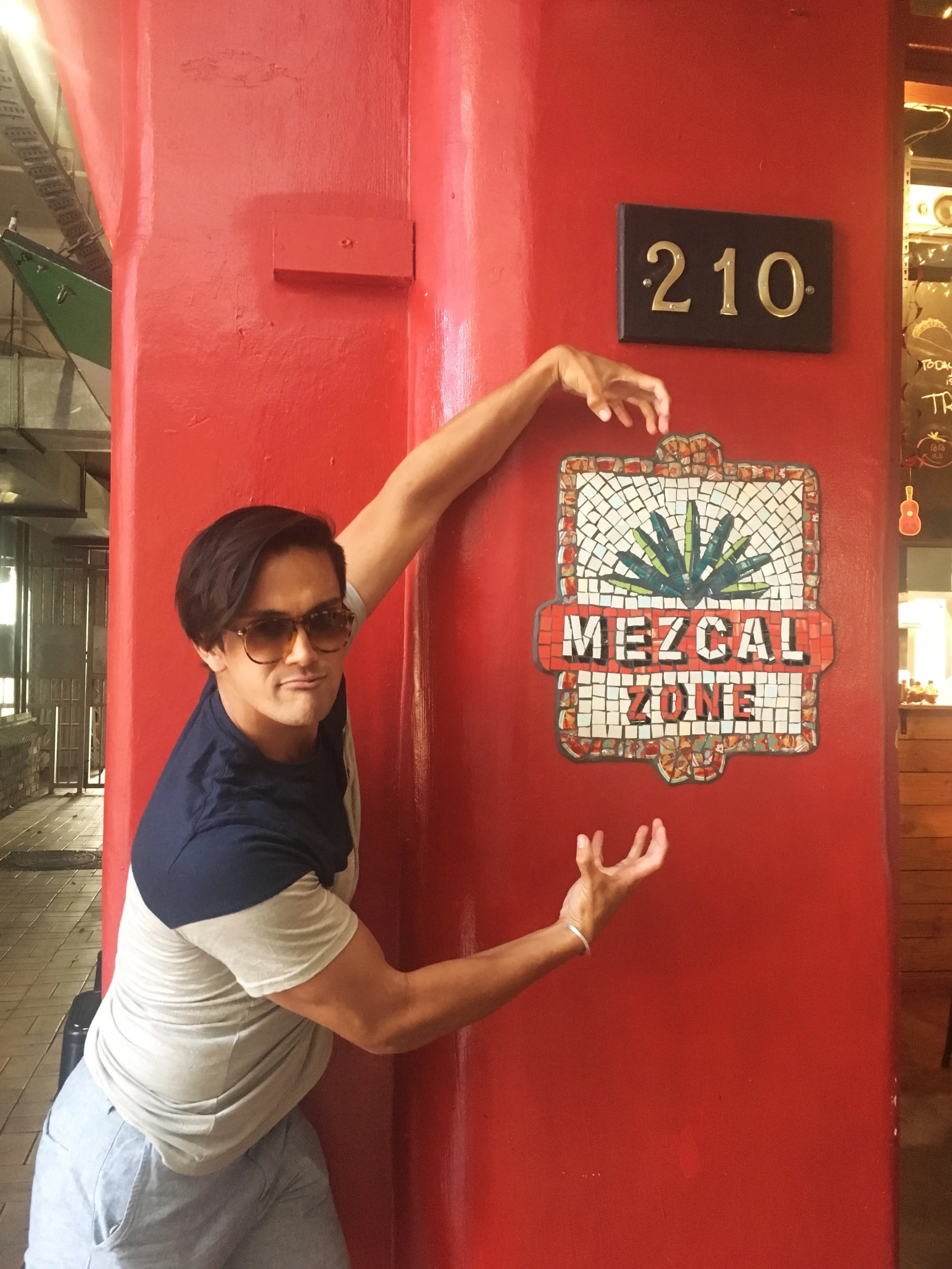
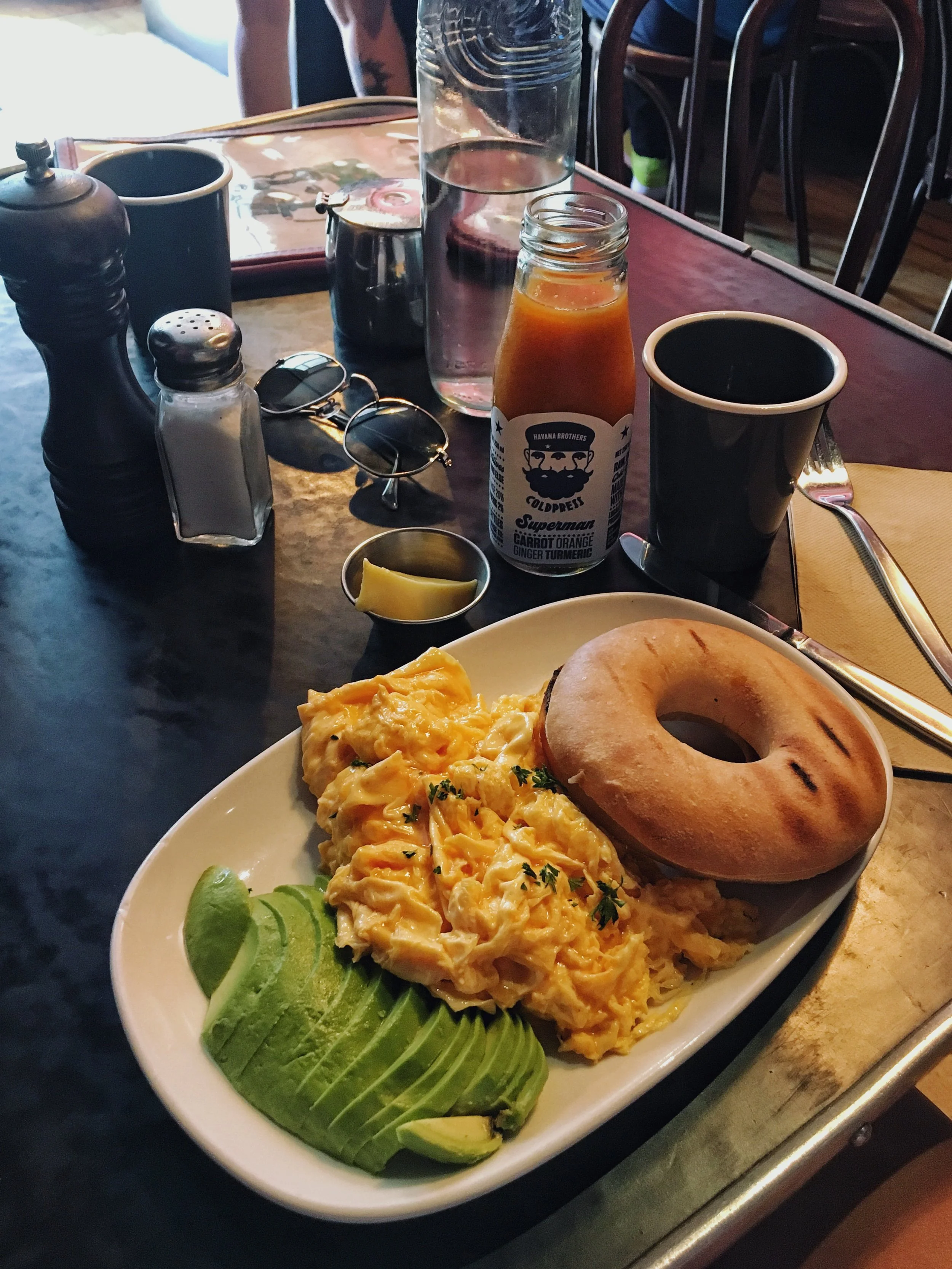
Staying so close to Cuba Street, one of Wellington’s main pedestrian streets known for its cafés, shops and lively atmosphere, gave us an immediate feel for the city. Wellington felt lively and creative, with a strong café culture and an easygoing buzz that made it very approachable. There was something familiar about it too, a certain urban energy mixed with openness that made us feel comfortable right away. The food scene is absolutely worth mentioning. From casual eateries to great coffee spots, you can find almost anything you’re craving. As always, we explored mostly on foot, walking along the waterfront and through the compact city center of New Zealand’s capital.

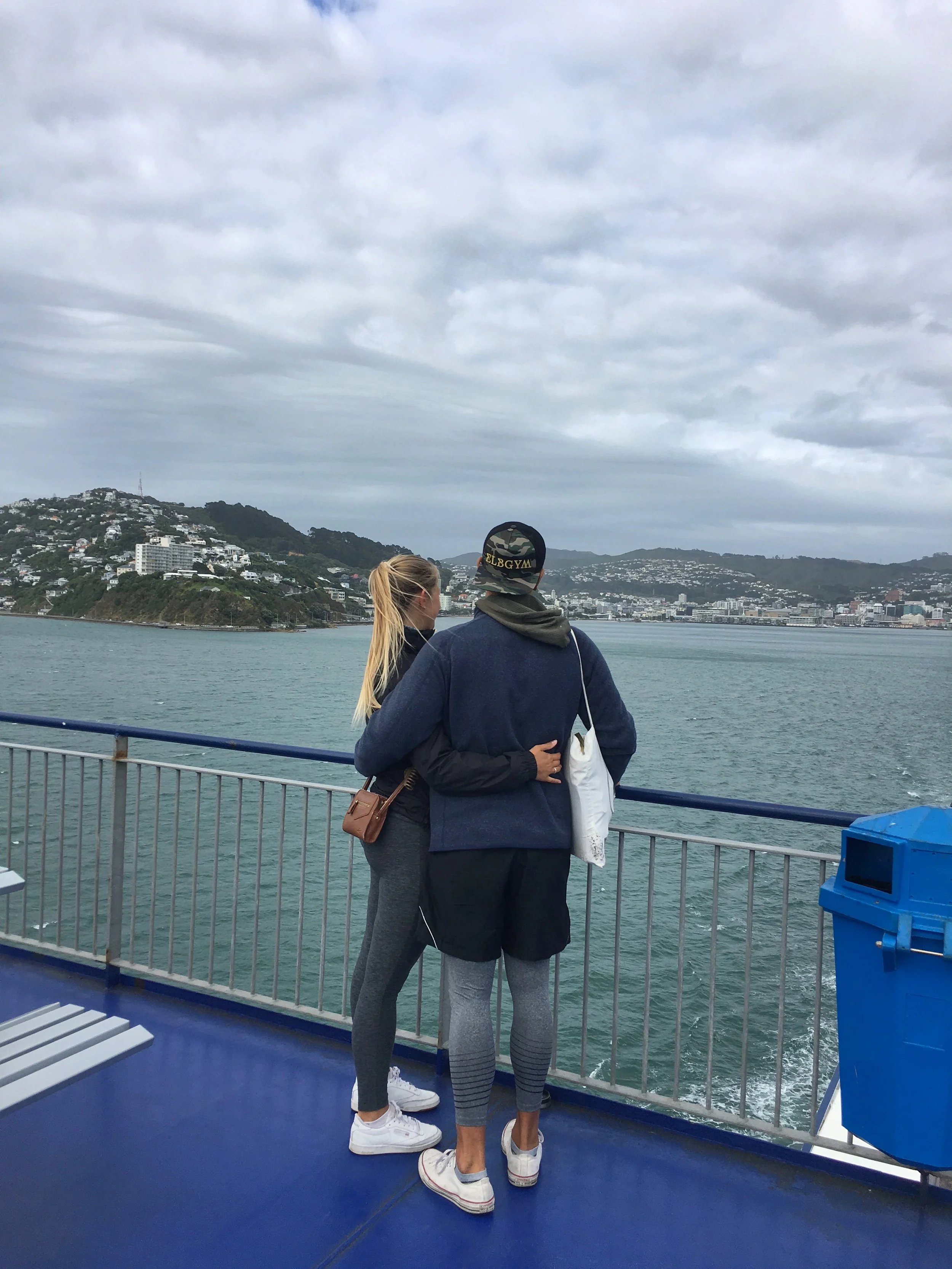
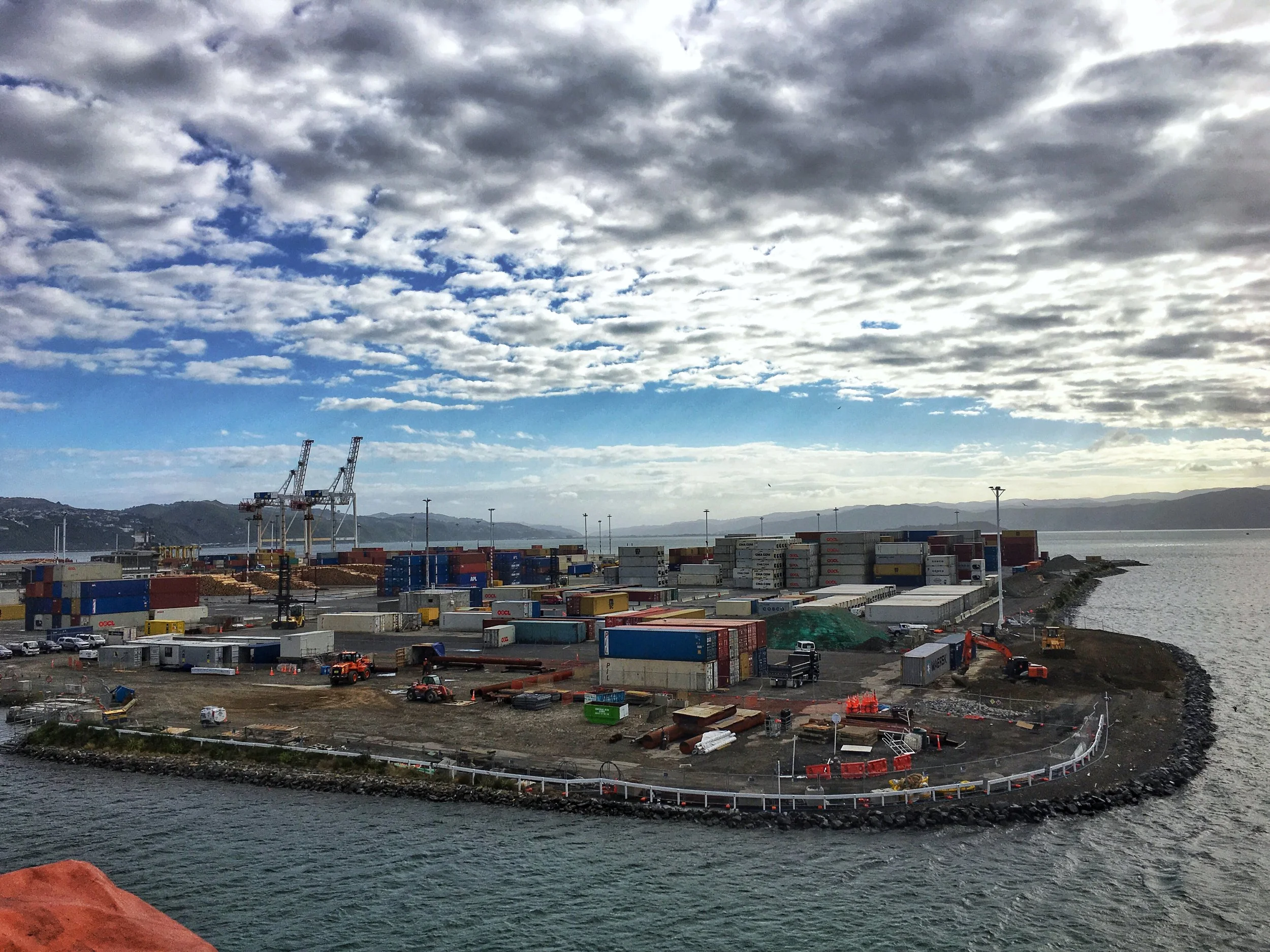
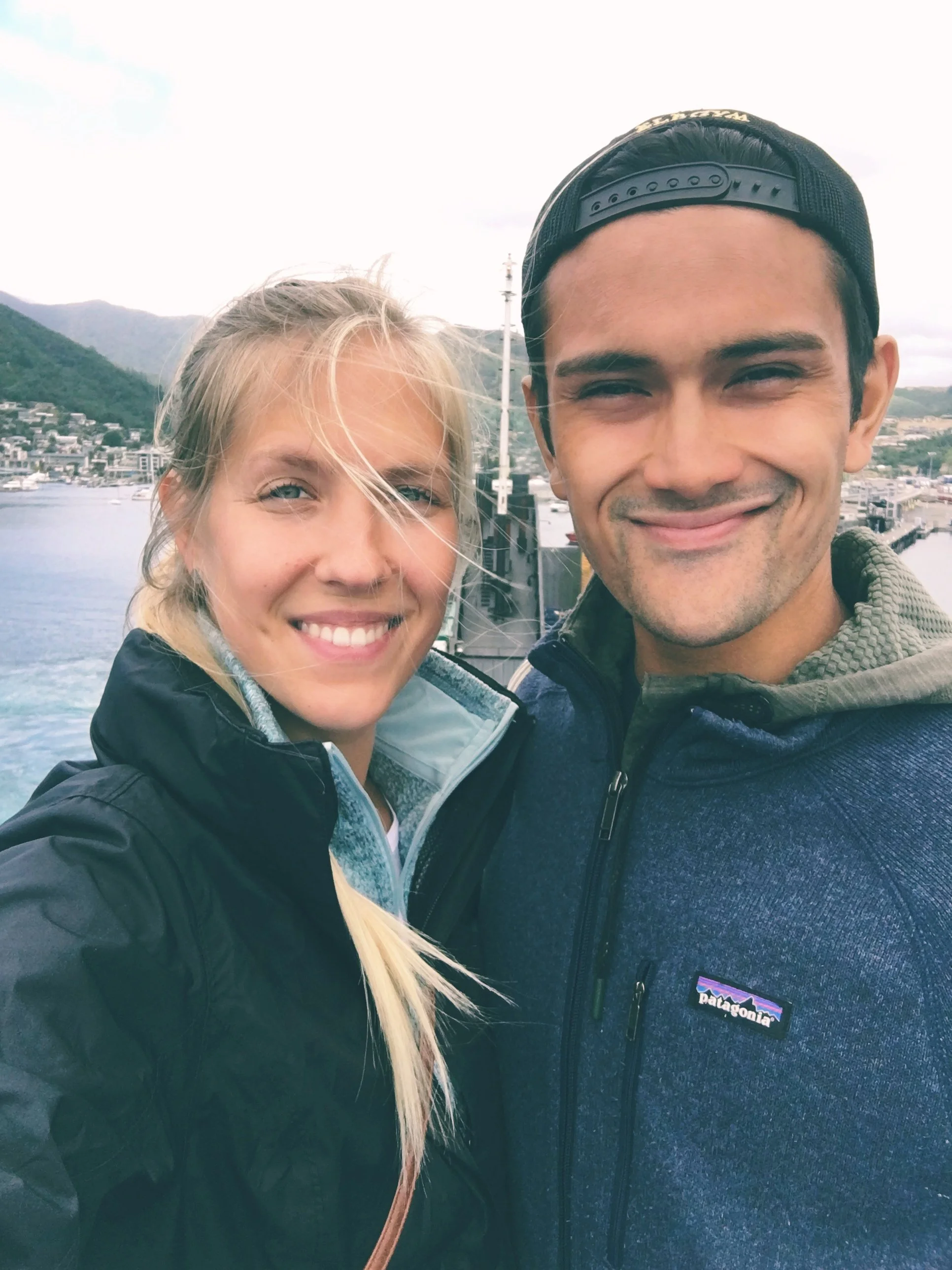
After three days in Wellington and almost three months on the North Island, it was time to board the ferry across the Cook Strait. We left the North Island behind and headed toward the South Island, the next chapter of our journey. The North Island had already blown us away, yet everyone kept telling us the South Island was even better. Our excitement grew with every mile, and we couldn’t wait to start exploring.
Bye bye for now, North Island. You were amazing.
Route Highlights: Auckland → Wellington
Auckland – Short city break to recharge and restock
Waitomo Caves – Adventure caving, abseiling, glowworms and limestone cavesThree Sisters and Elephant Rock – Coastal limestone formations and low-tide beach walk
New Plymouth – Surf town vibes, coastal walkway, cafés and creative scene
Mount Taranaki – Waterfalls, forest walks, alpine hikes, summit climb in summer and skiing or snowboarding in winter in Egmont National ParkSurf Highway 45 – Scenic coastal drive with constant mountain views
Forgotten World Highway & Whangamomona – Remote backcountry drive and self-declared republic with historic hotel stop
Whanganui – Gateway town after the Forgotten World Highway
Wellington – Walkable capital, café culture, waterfront and ferry crossing