New Zealand North Island Road Trip: Taupo, Hawke’s Bay and Coromandel Coast
From 2018 to 2019, we had the chance to travel through New Zealand on a work and holiday visa, something we had dreamed about for years before finally making it happen.
This was our first road trip in New Zealand, a time when everything felt new and wide open. After converting our camper van, Wallace, into a small home on wheels, we set off through wine country, along remote stretches of coast and toward places we hadn’t planned much beyond a rough direction. Some days followed loose plans, others unfolded entirely on their own. Looking back, it wasn’t just the places we had marked on the map that defined this trip, but the unplanned highlights in between.
This post is part personal road trip story, part practical inspiration. It follows the route we drove and the moments that stood out to us, with reflections, observations and a few helpful notes along the way.
Route Overview:
Auckland → Taupō → Hawke’s Bay (Hastings & Napier) → Gisborne → East Cape → Bay of Plenty → Coromandel → Kawau Bay
Arriving in New Zealand
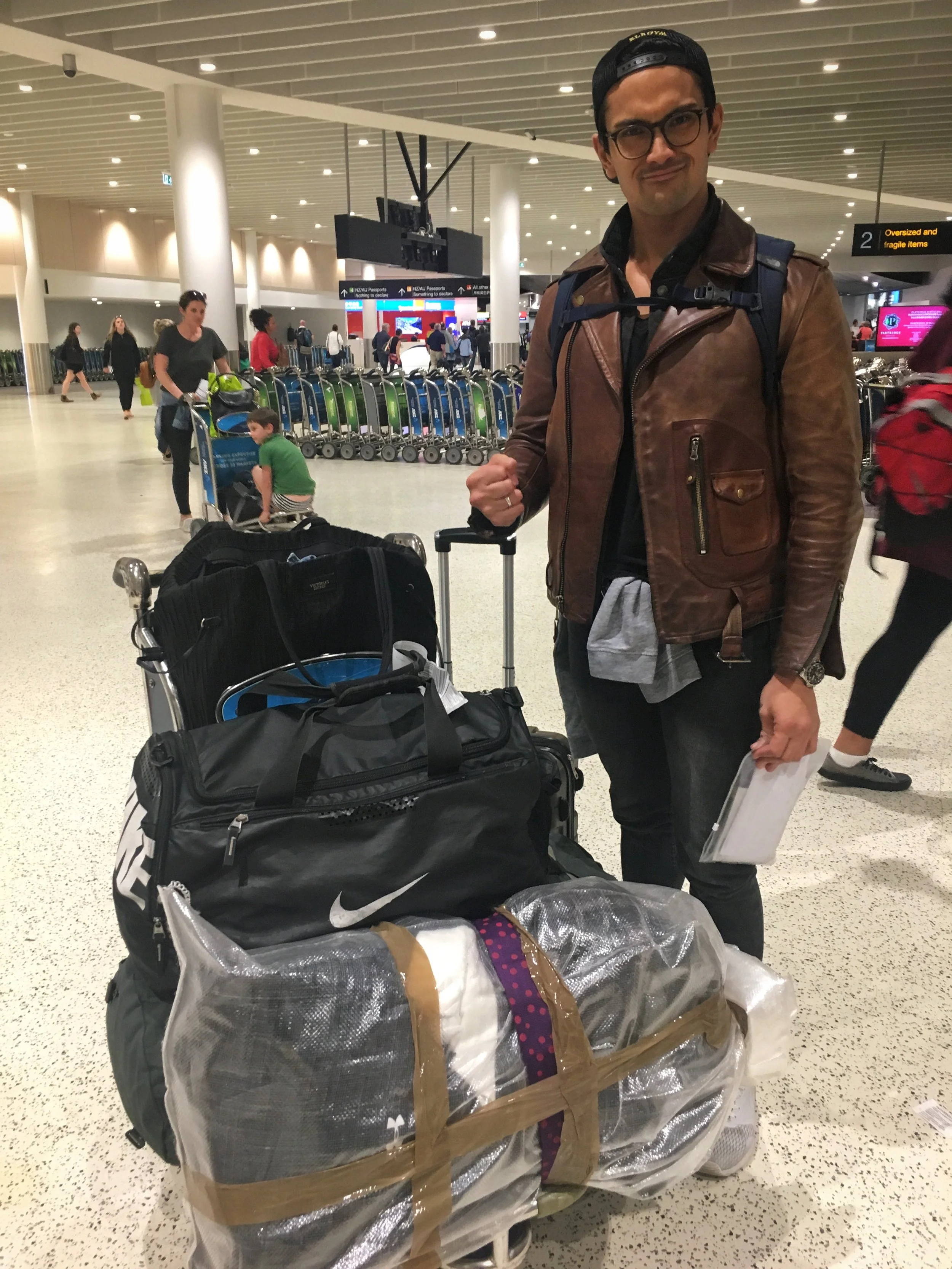
Arriving in New Zealand felt surreal in a quiet way. After months of planning, paperwork and imagining what life on the other side of the world might look like, we suddenly found ourselves there, jet-lagged, slightly overwhelmed and very aware that this wasn’t just a holiday. The Airbnb we had booked cancelled while we were still in the air, leaving us scrambling for an alternative on arrival, something that later turned out to be a blessing in disguise.
We didn’t arrive with a perfectly clear plan. What we had was a work and holiday visa, a rough idea of places we wanted to see and the feeling that this year would be different from anything we had done before. The early days were a mix of excitement and uncertainty, figuring out everyday basics while adjusting to the scale of the landscape and the slower pace of life around us.
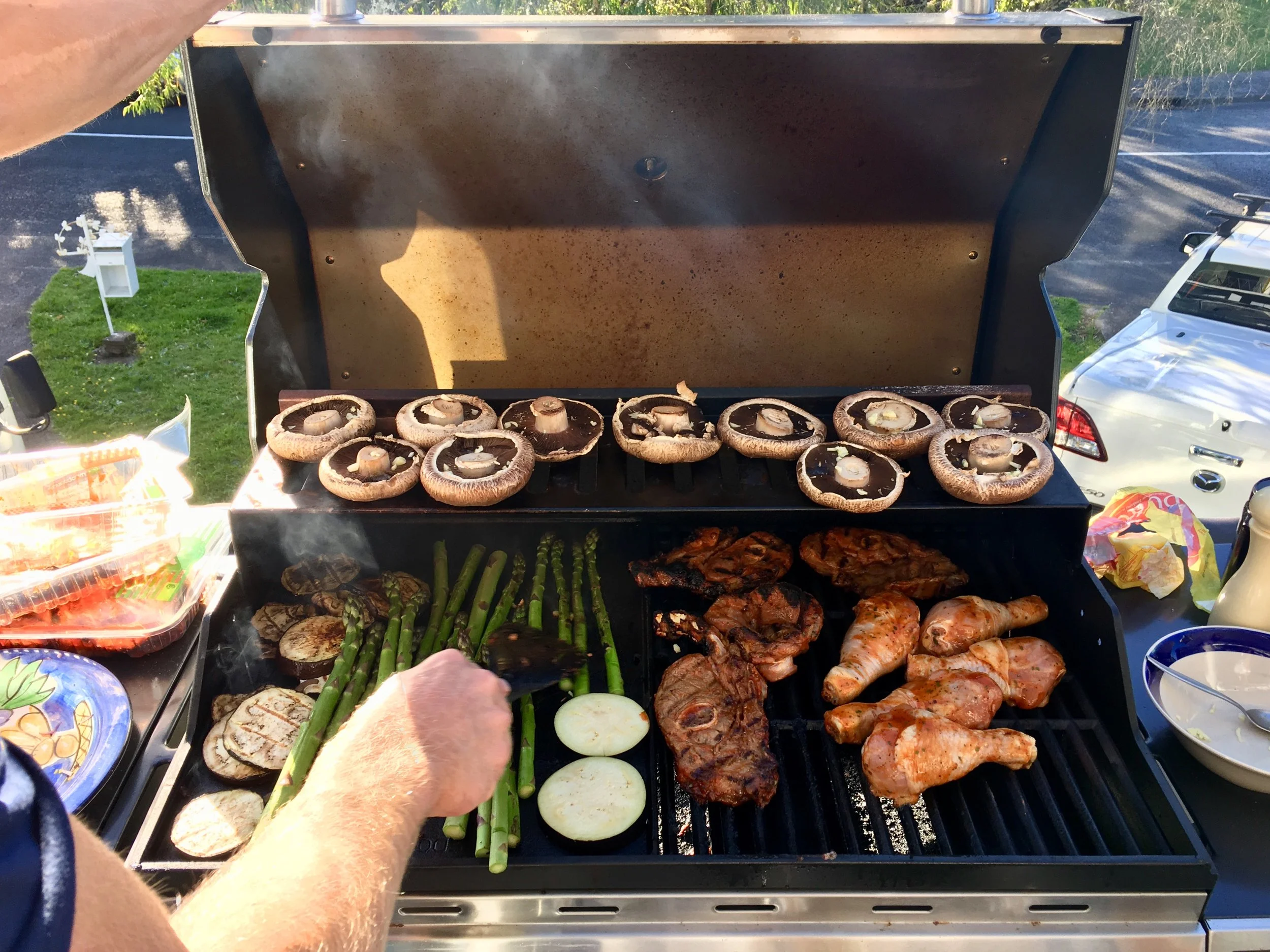
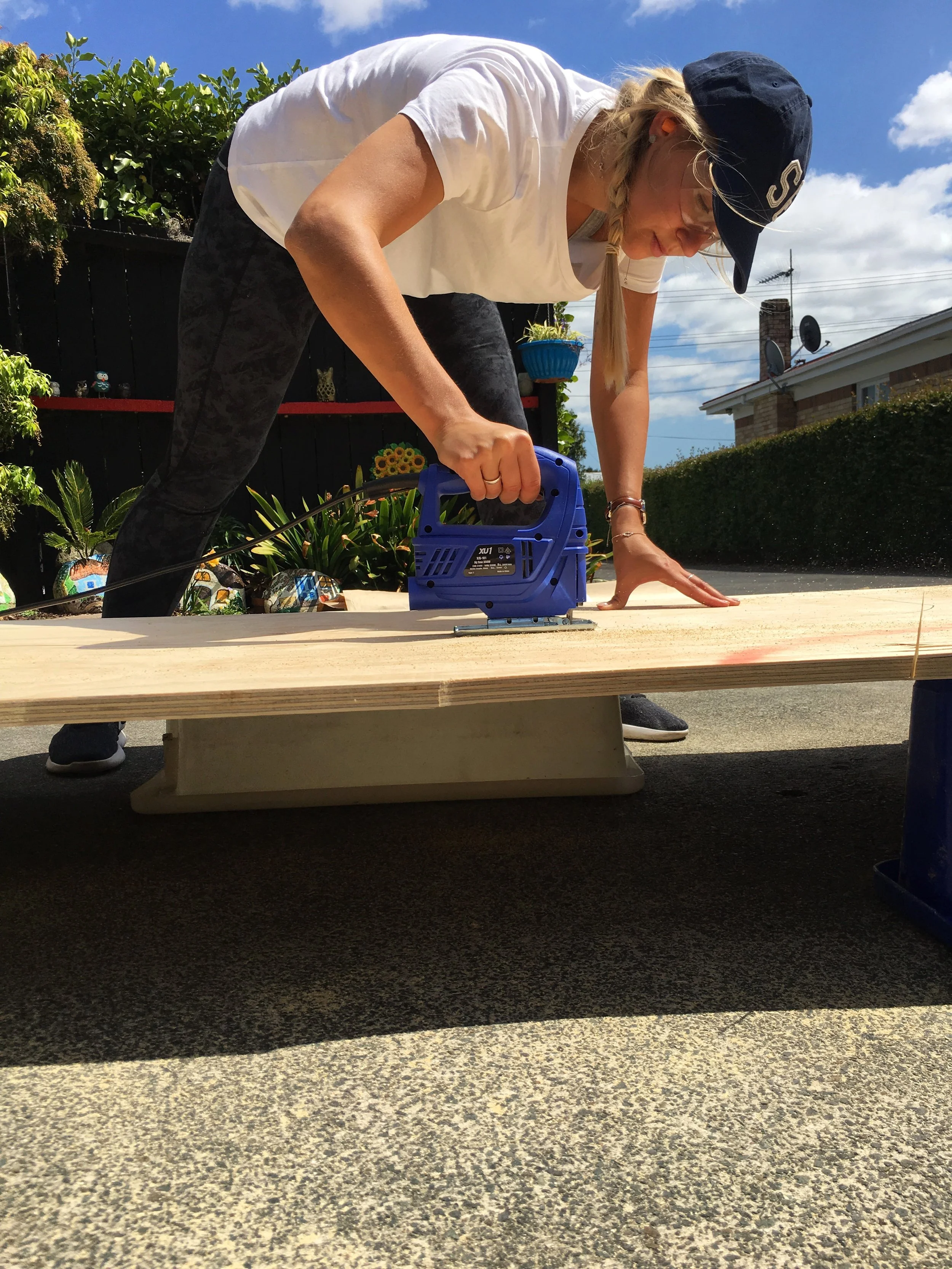
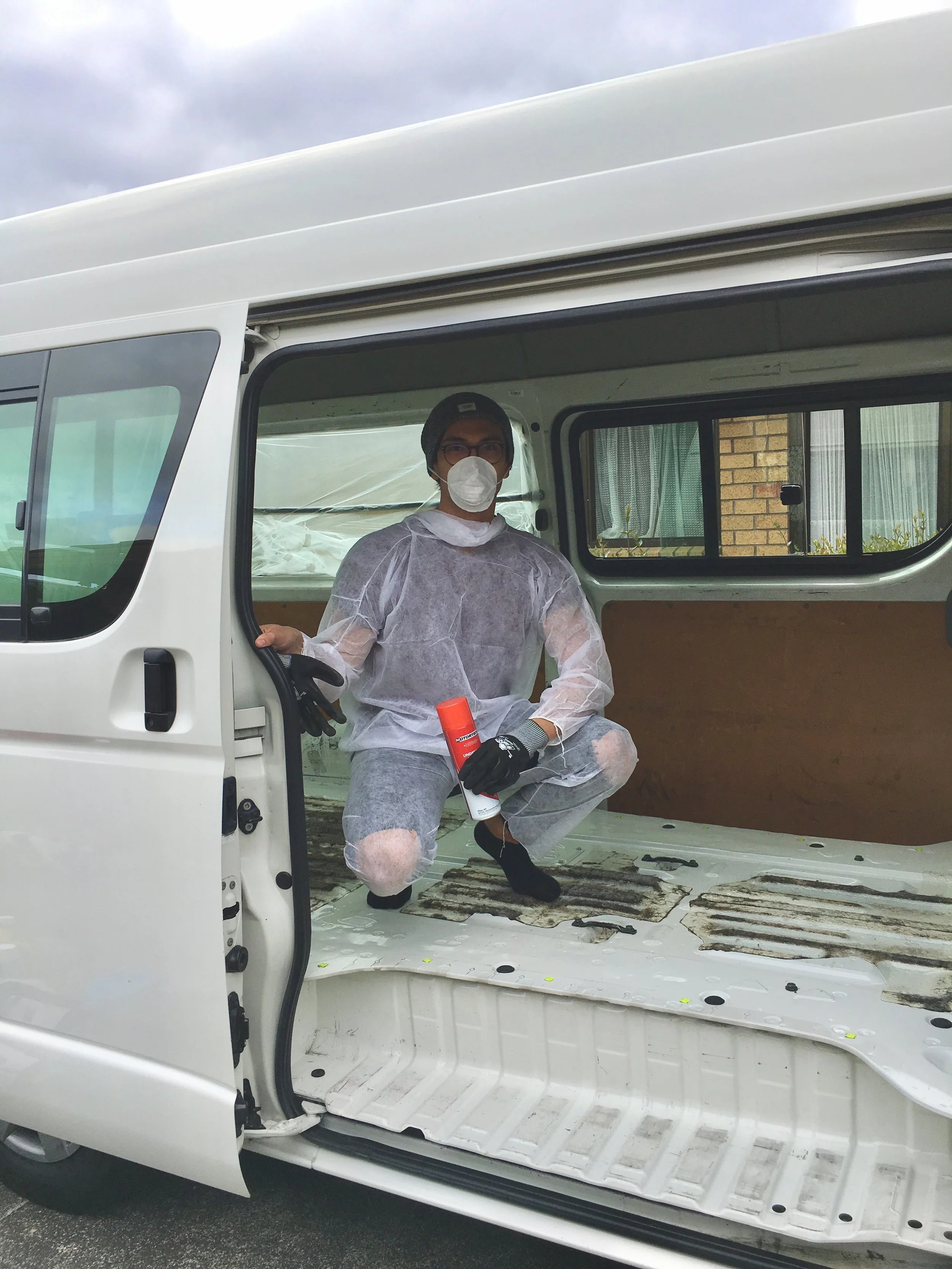
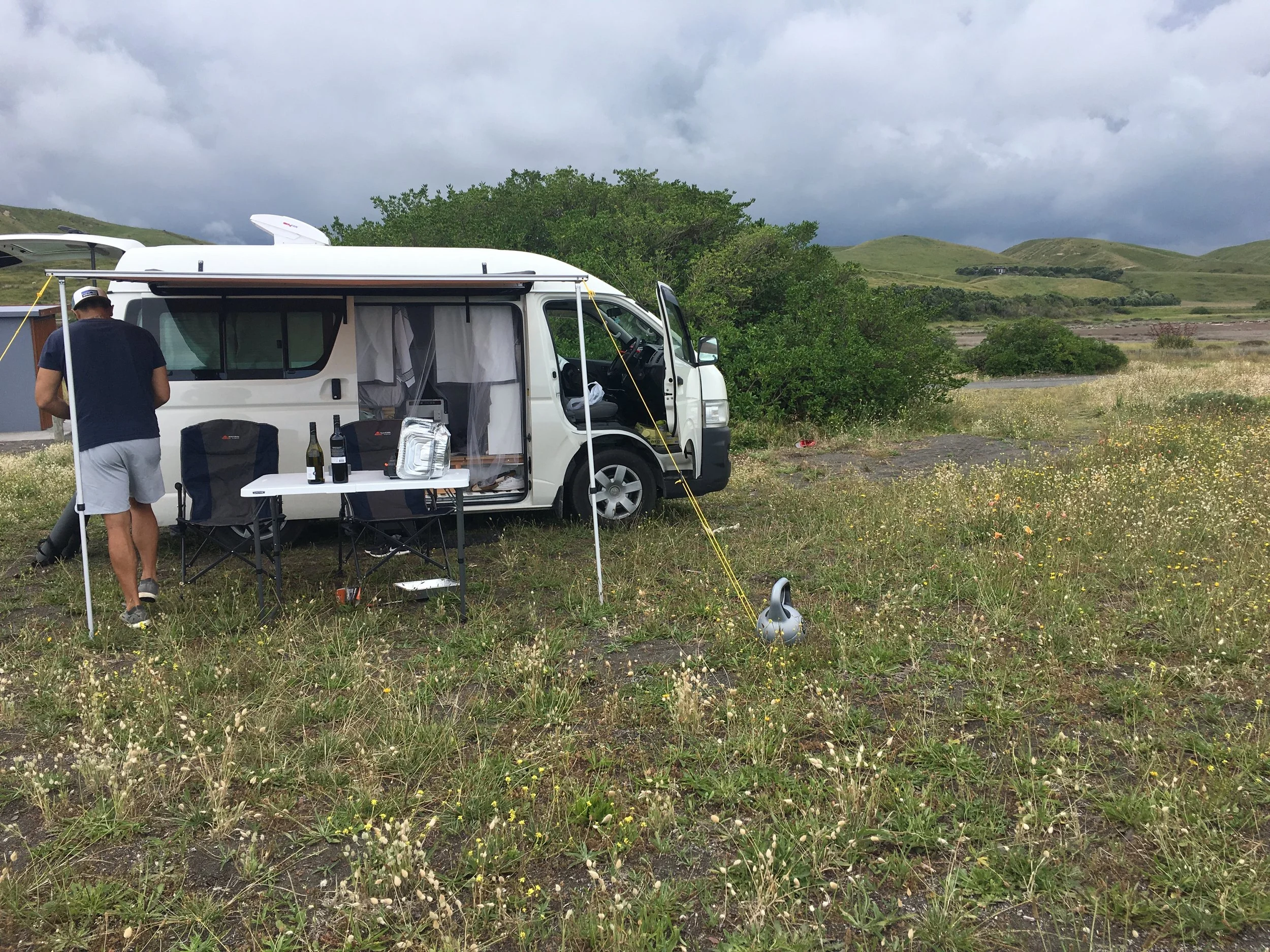
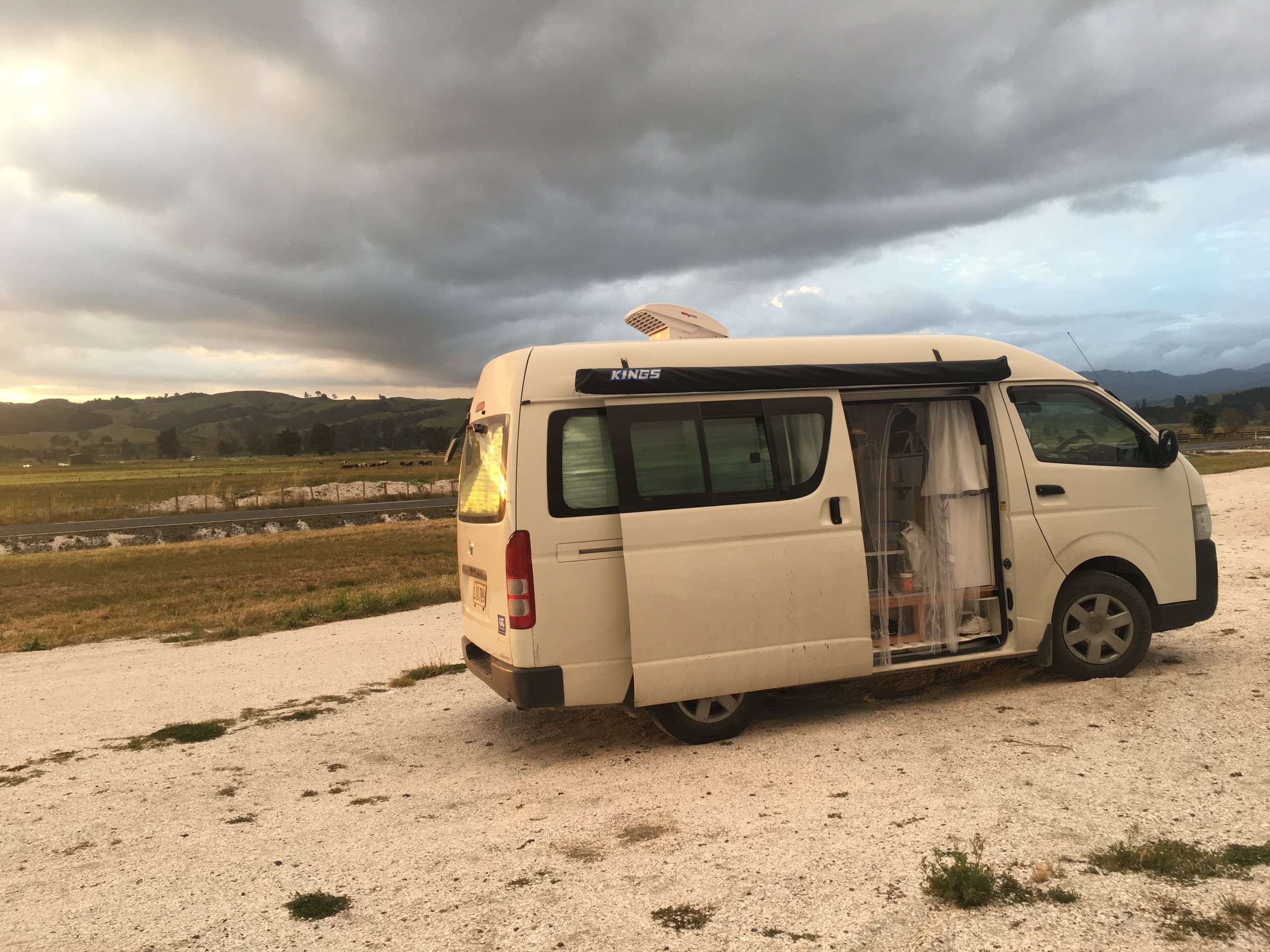
Buying and converting a camper van without any previous experience became our first real project. Wallace slowly turned from a practical purchase into a small home on wheels and with that came a sense of independence. Once the van was ready, New Zealand started to open up in a different way. We weren’t tied to one place and didn’t feel rushed to follow a set route. The road became an option rather than a plan.
Looking back, those first weeks were less about seeing highlights and more about settling into a new way of living. Getting comfortable with uncertainty, learning to trust our decisions and easing into the idea that this year would unfold one stop at a time.



Taupō & the First Miles on the Road
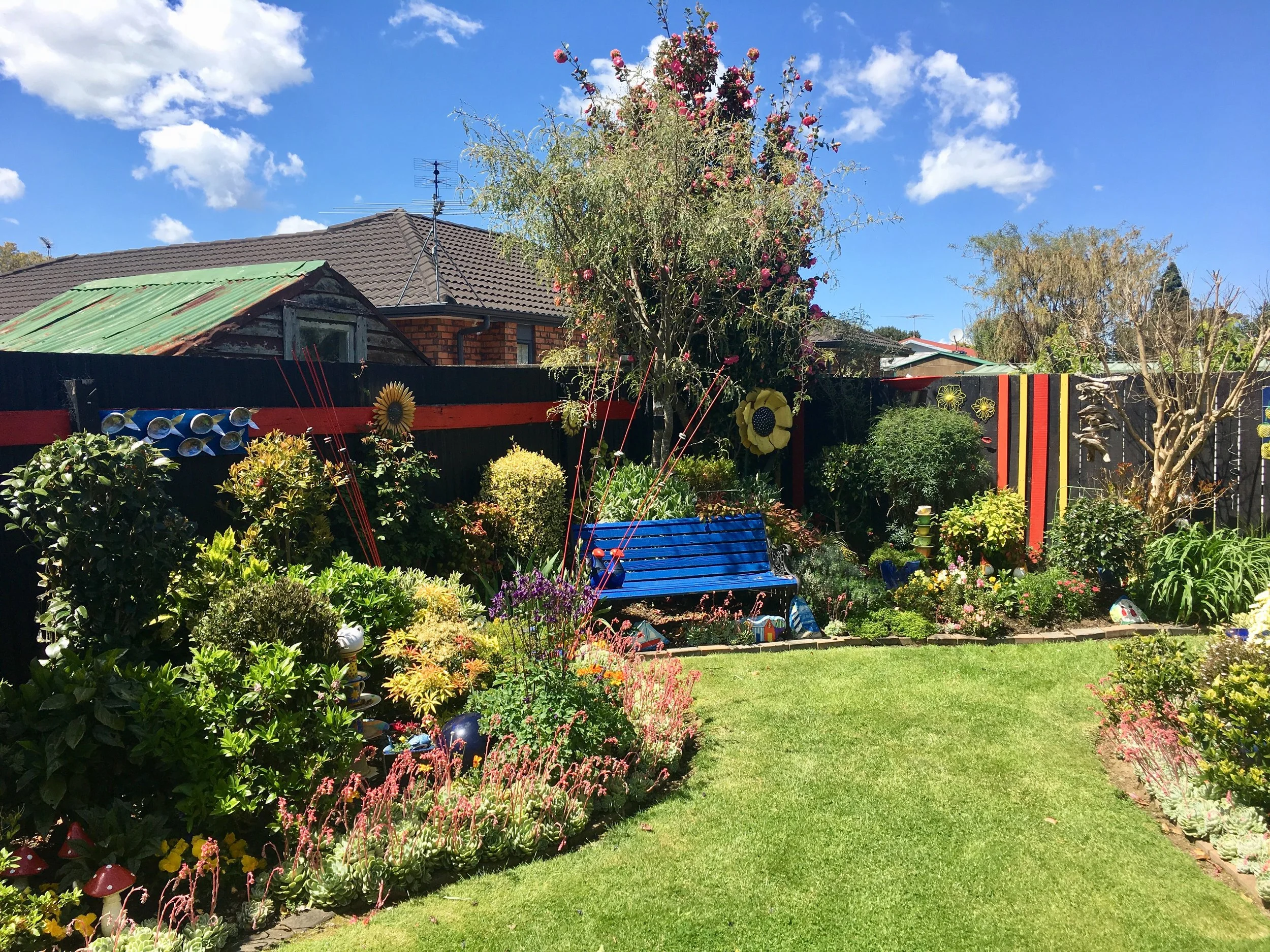
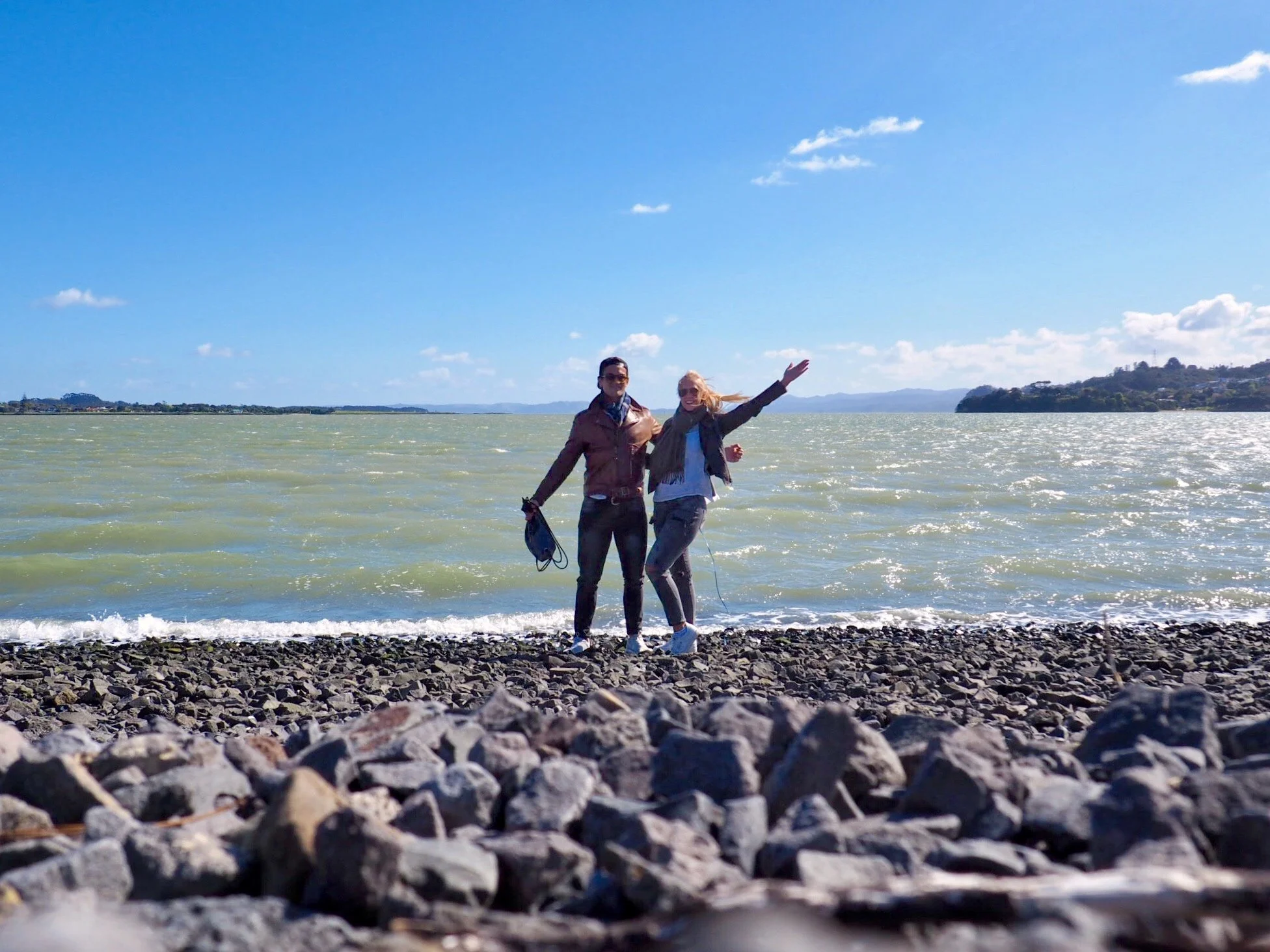
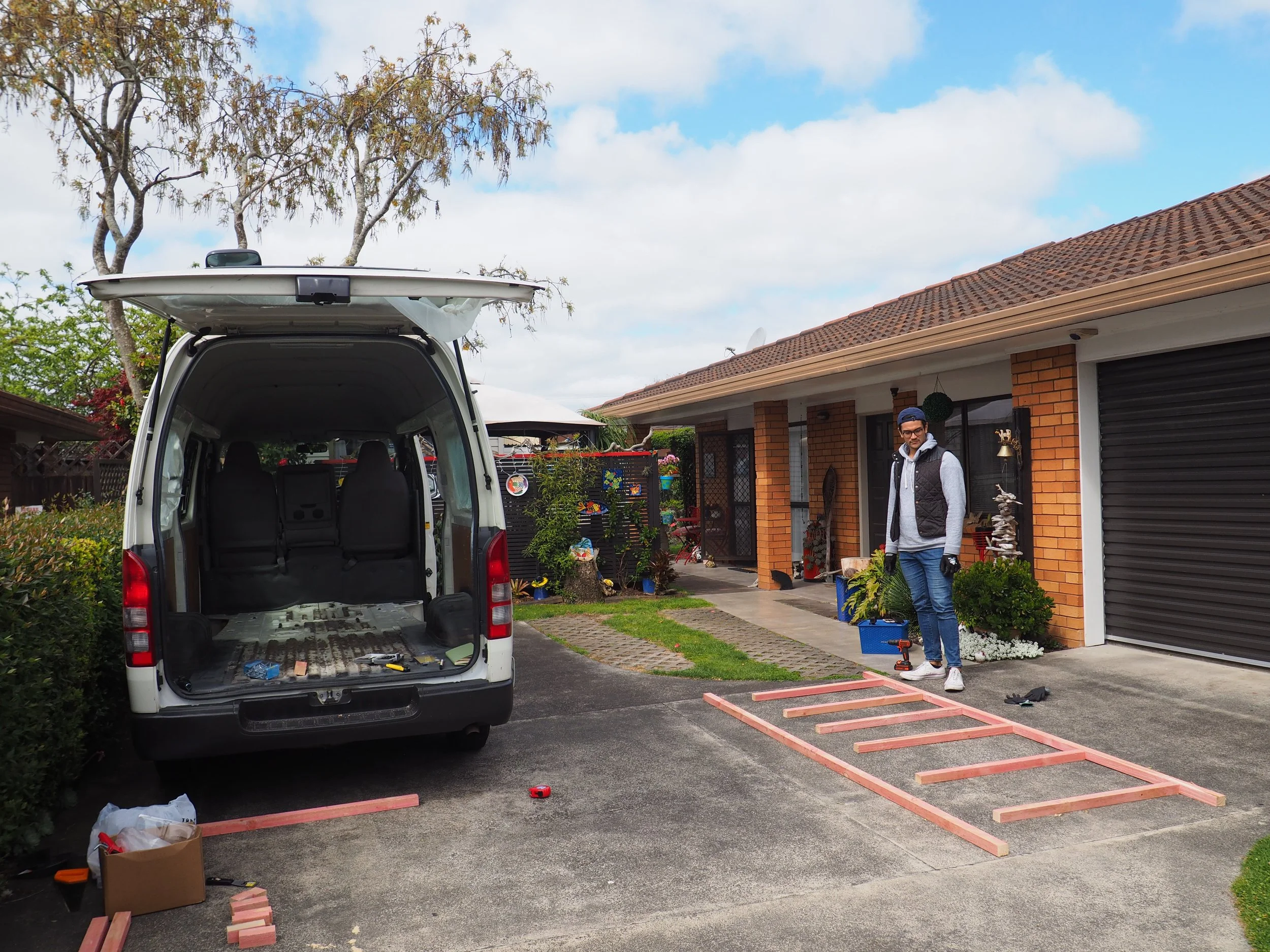
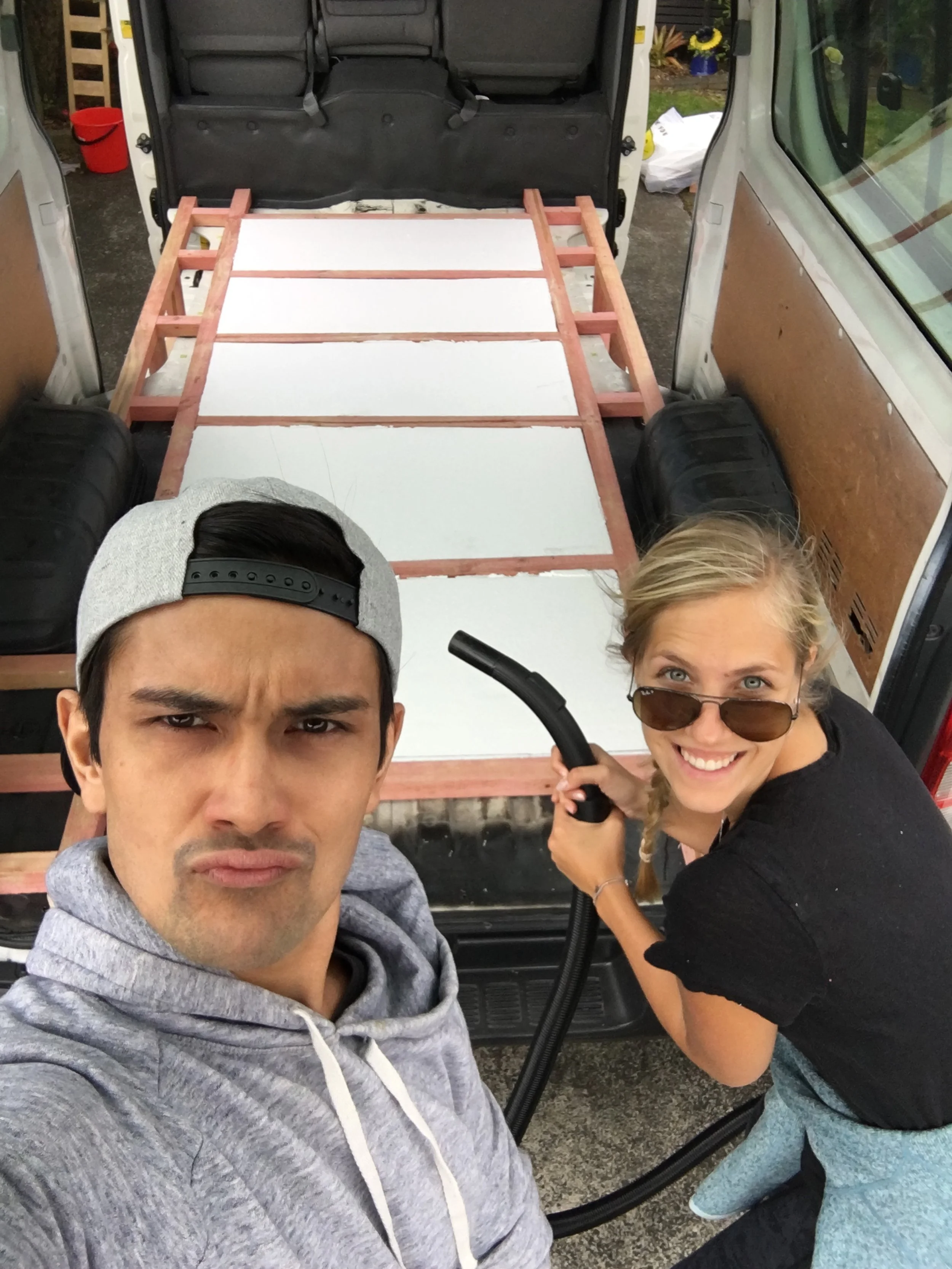
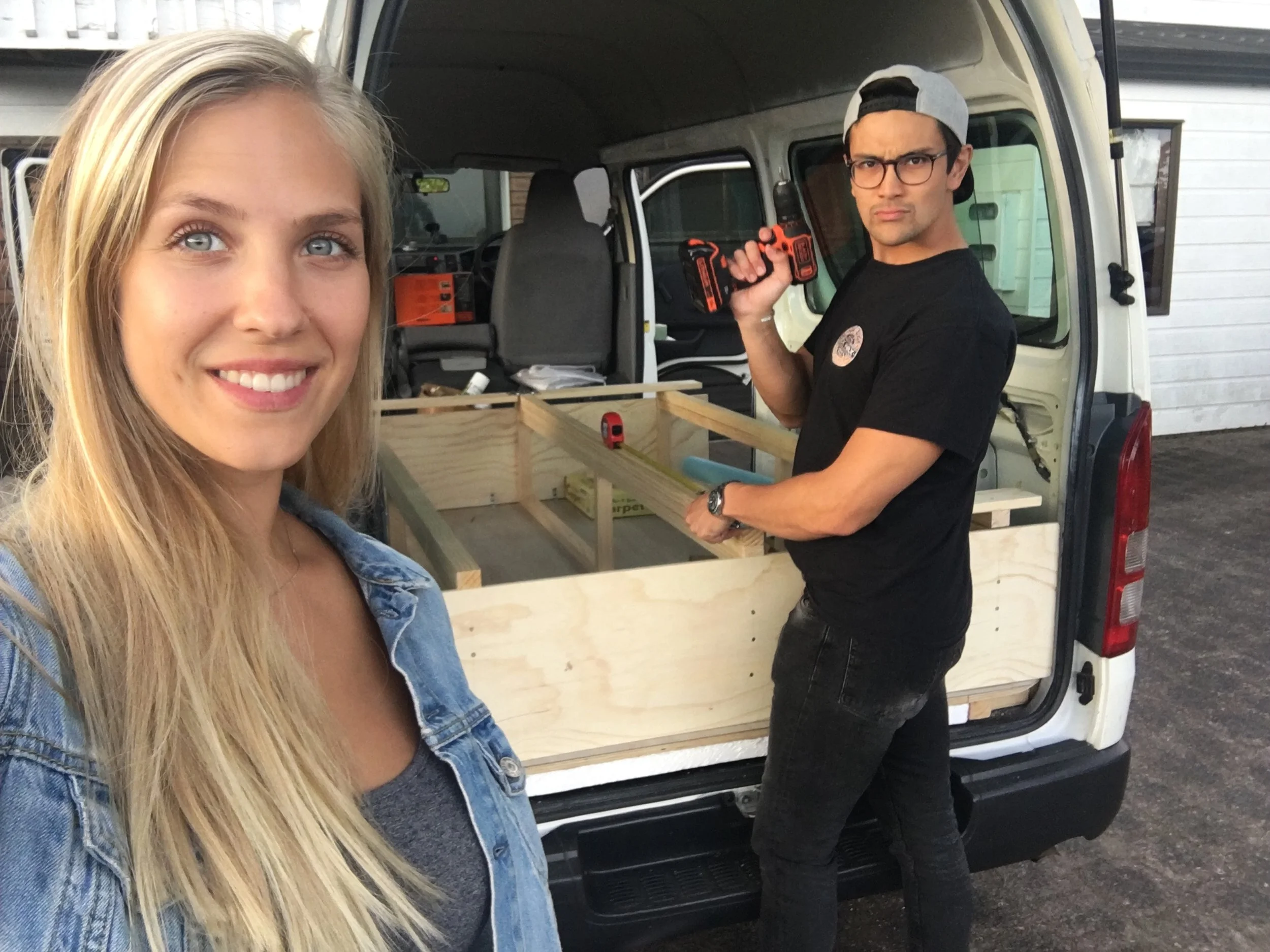
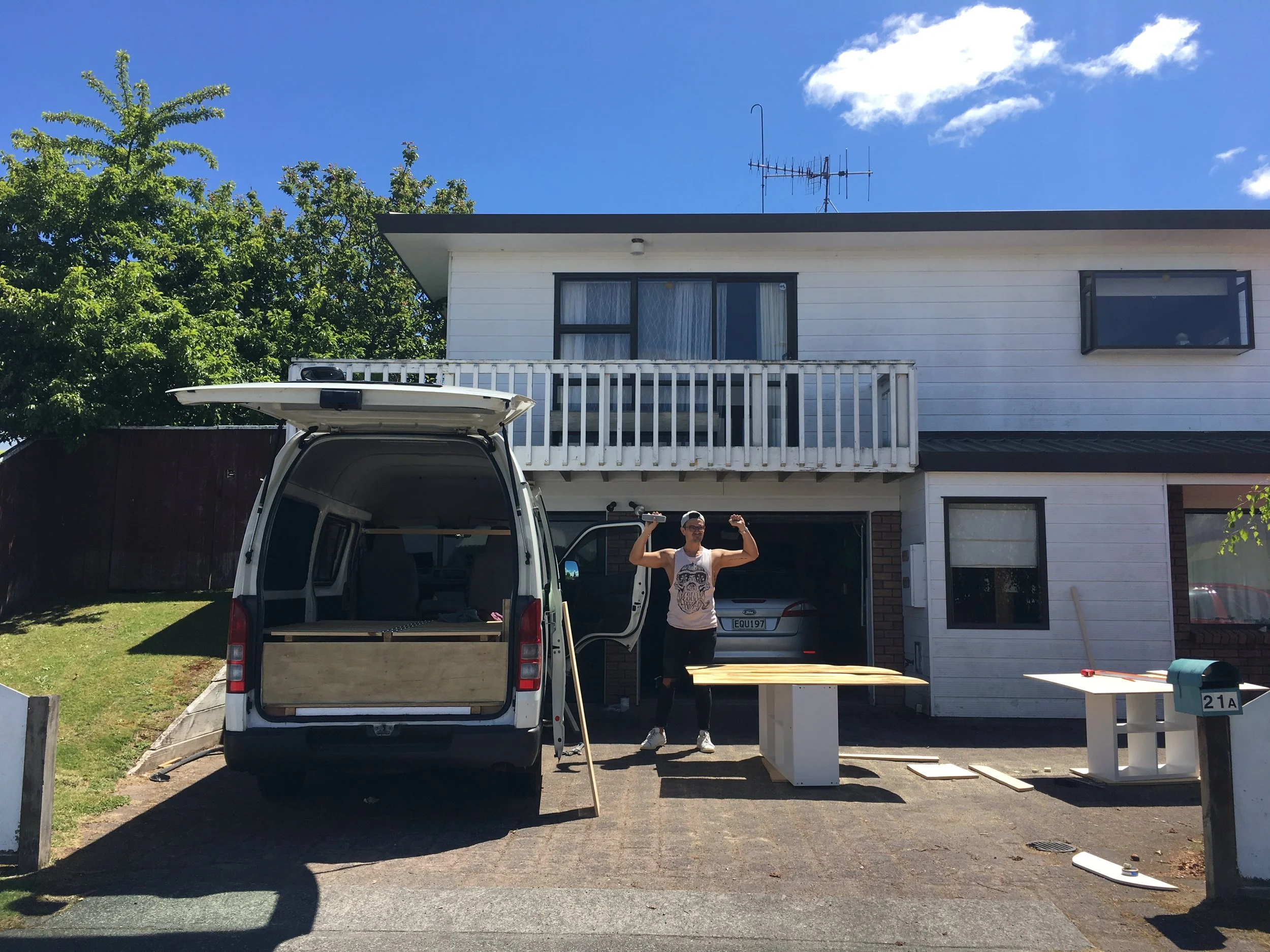
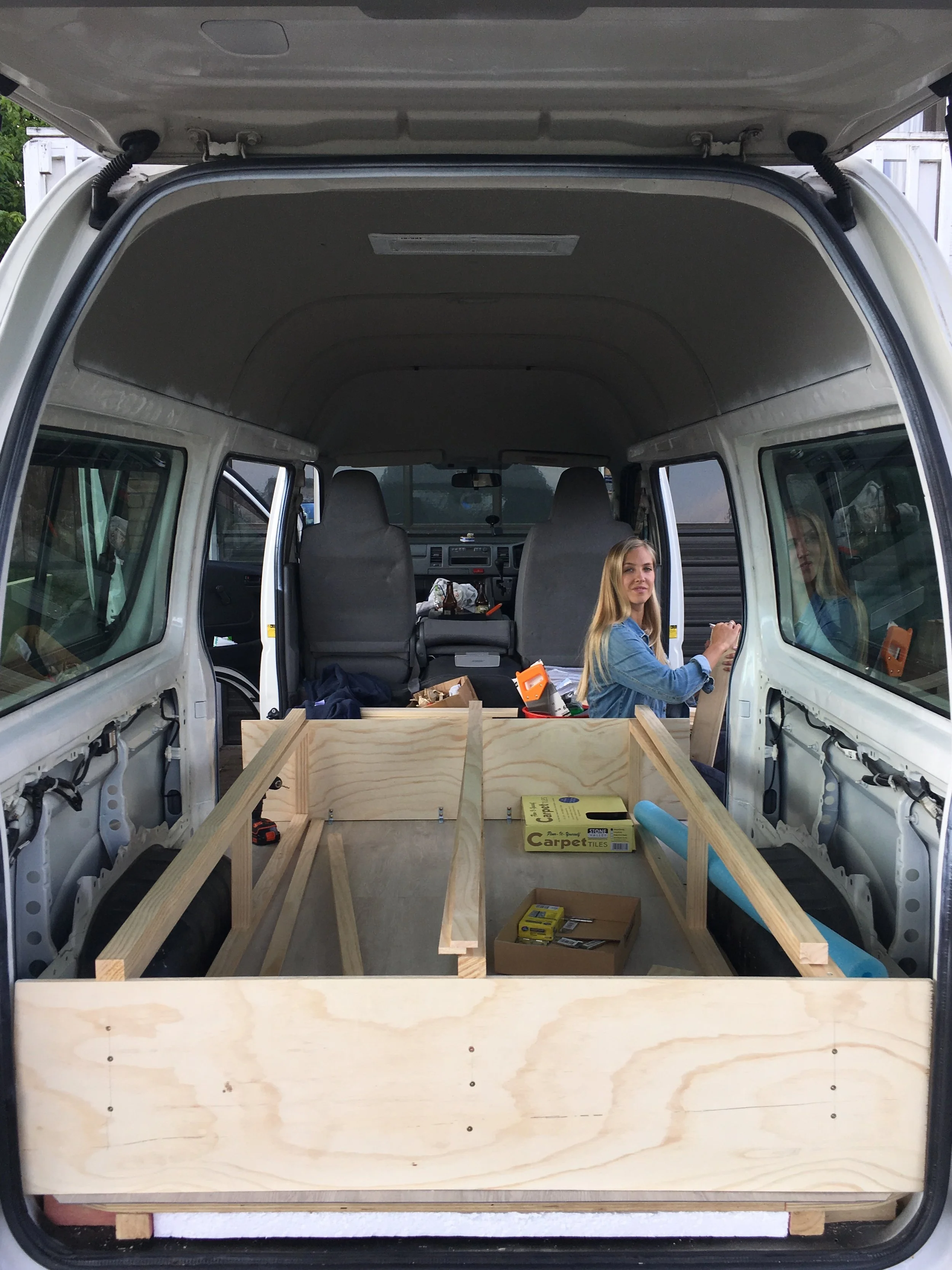
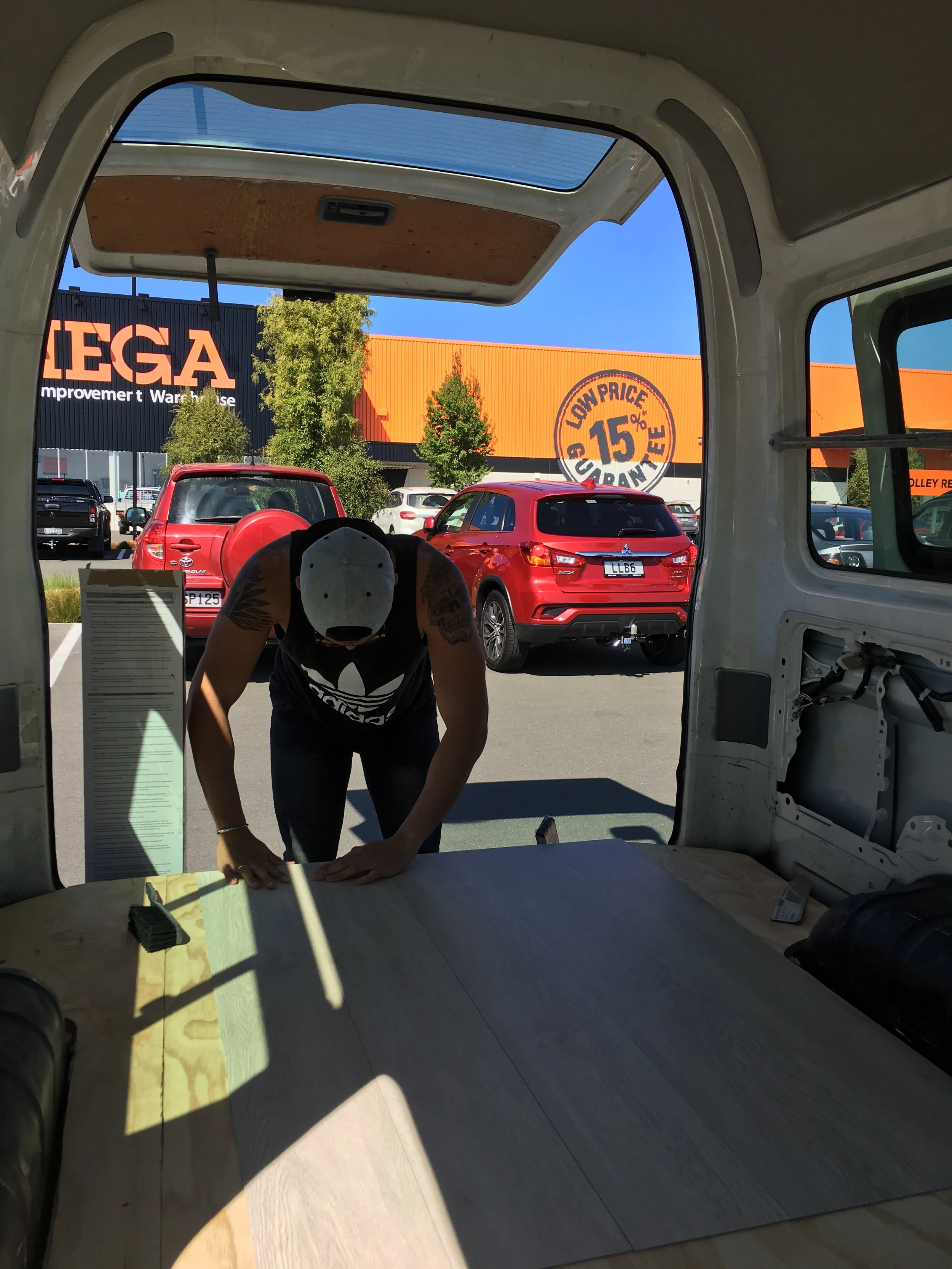
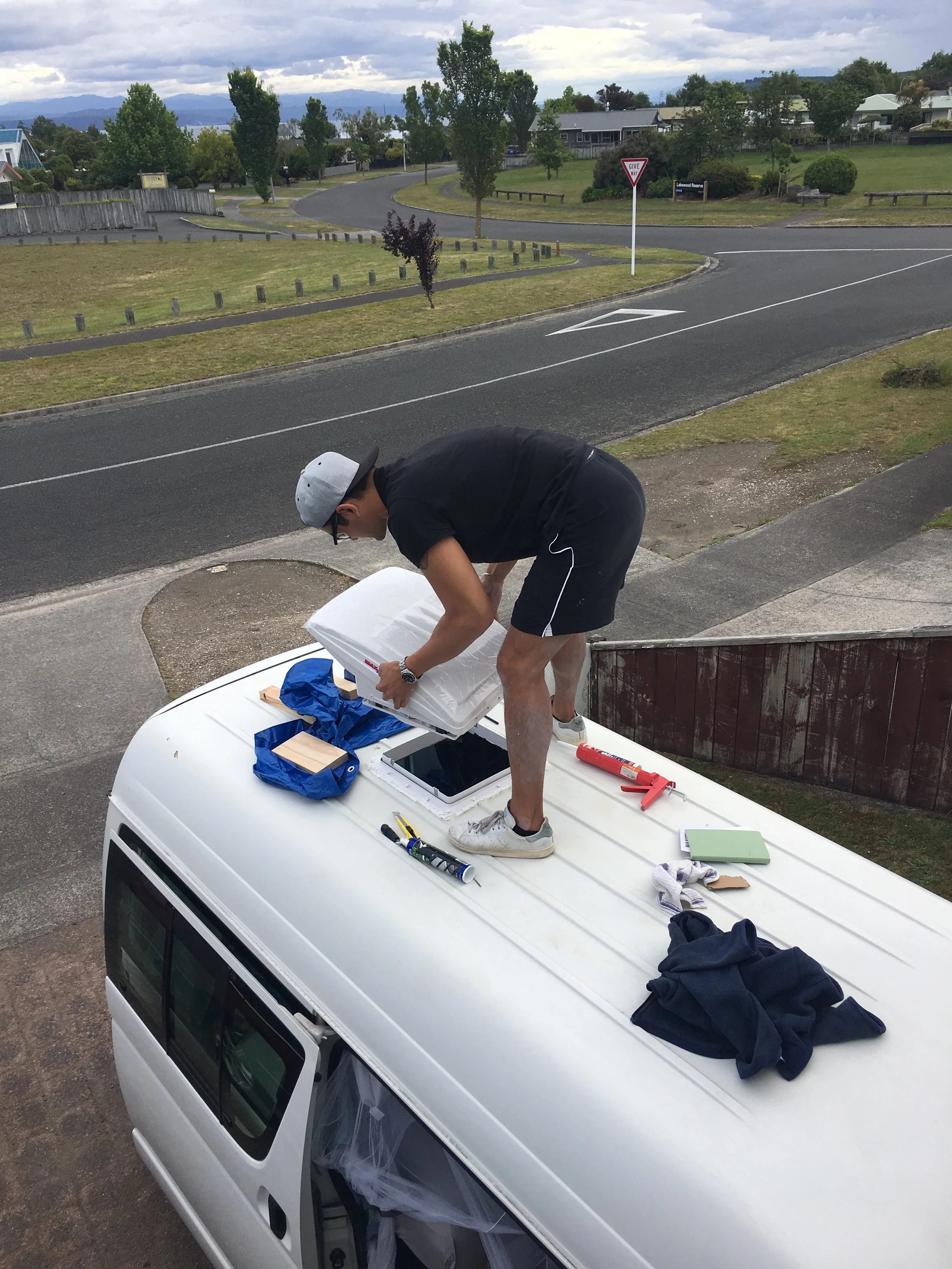
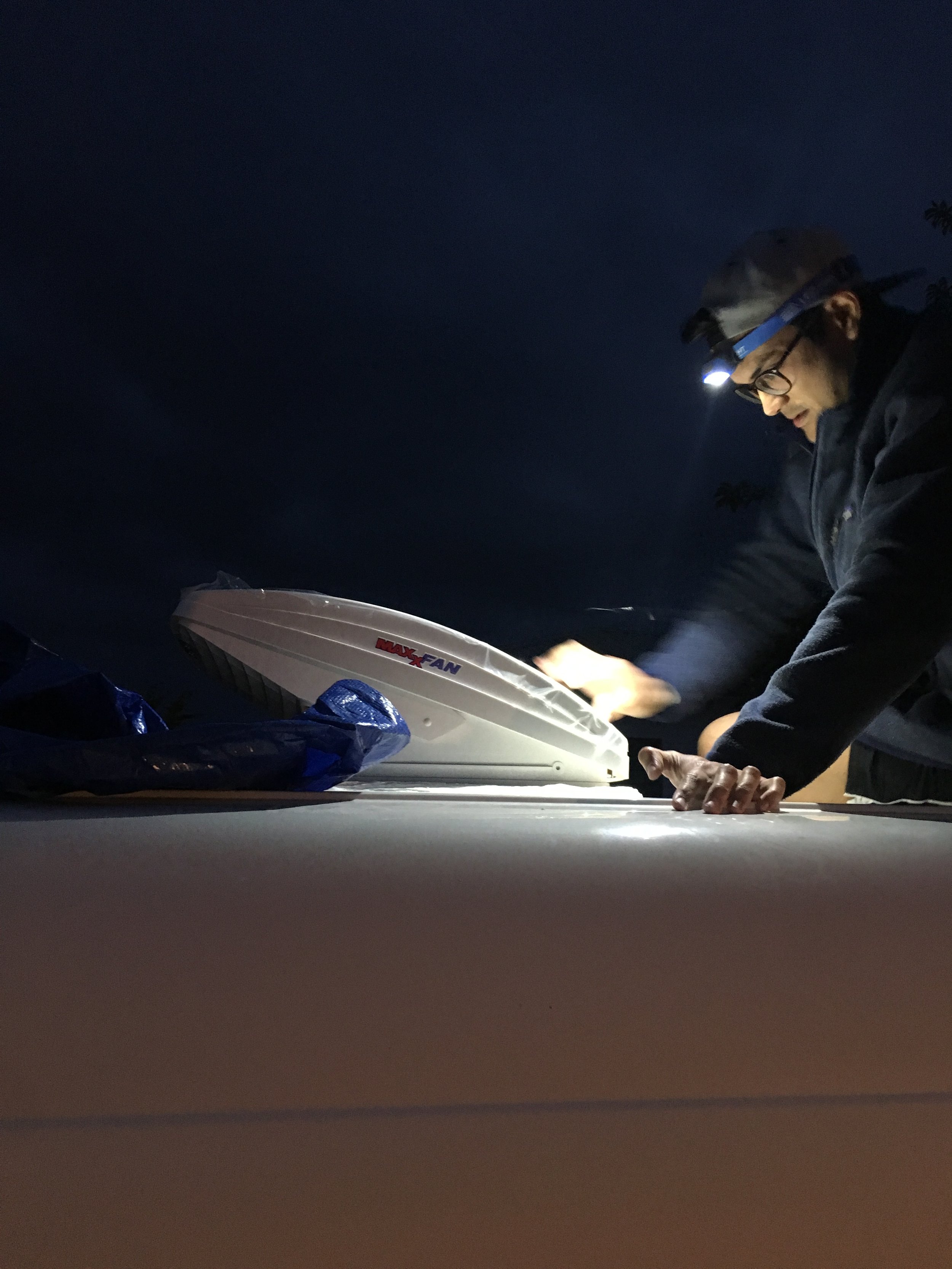
After spending our first days settling in Papakura, Auckland, we drove south to Taupō, where we stayed with a family friend to finish converting Wallace. Taupō quickly became more than just a practical stop, it became the place where everything finally came together. Designing and building our soon-to-be home came with its fair share of trial and error, including a few moments of frustration.
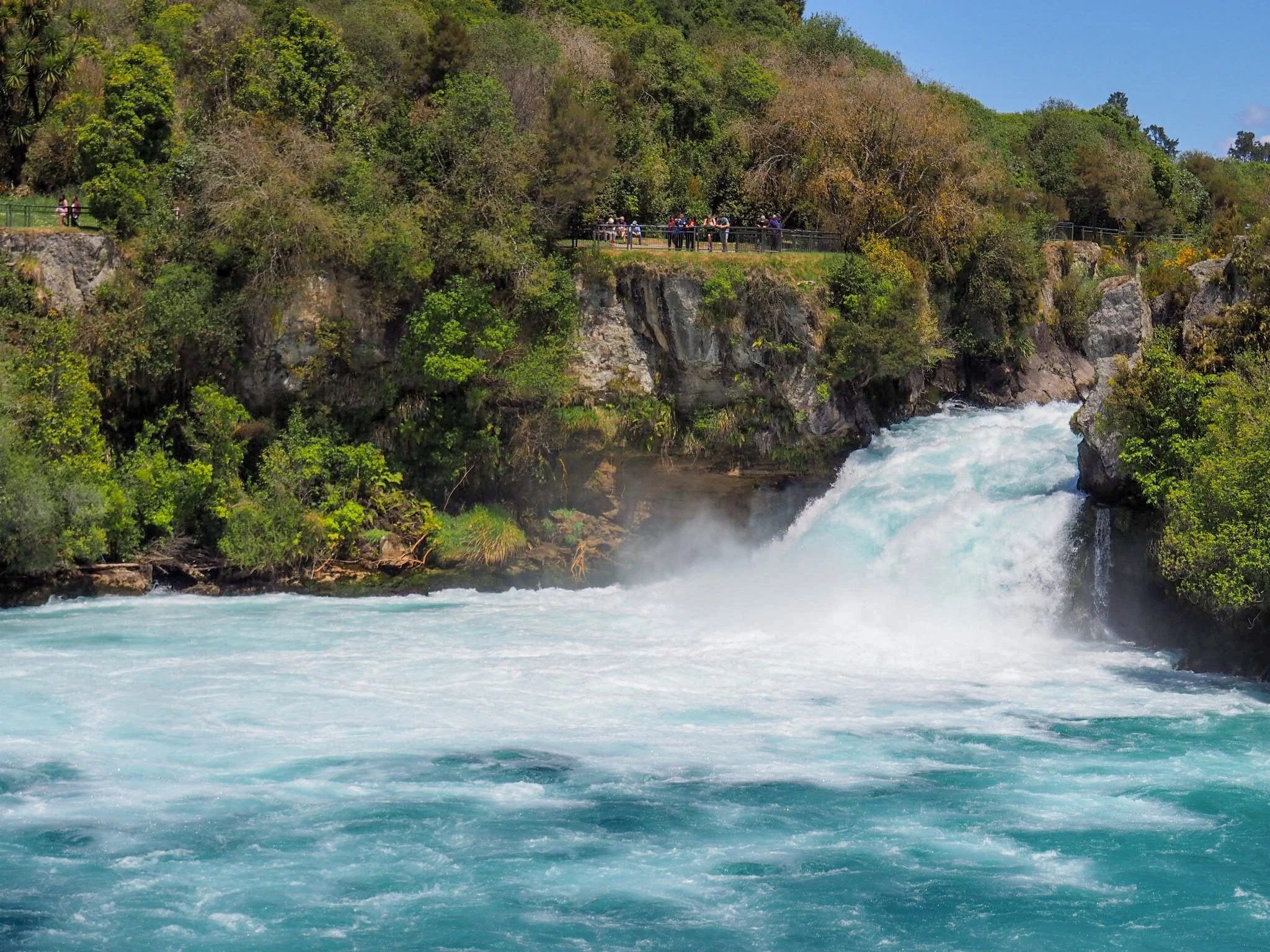
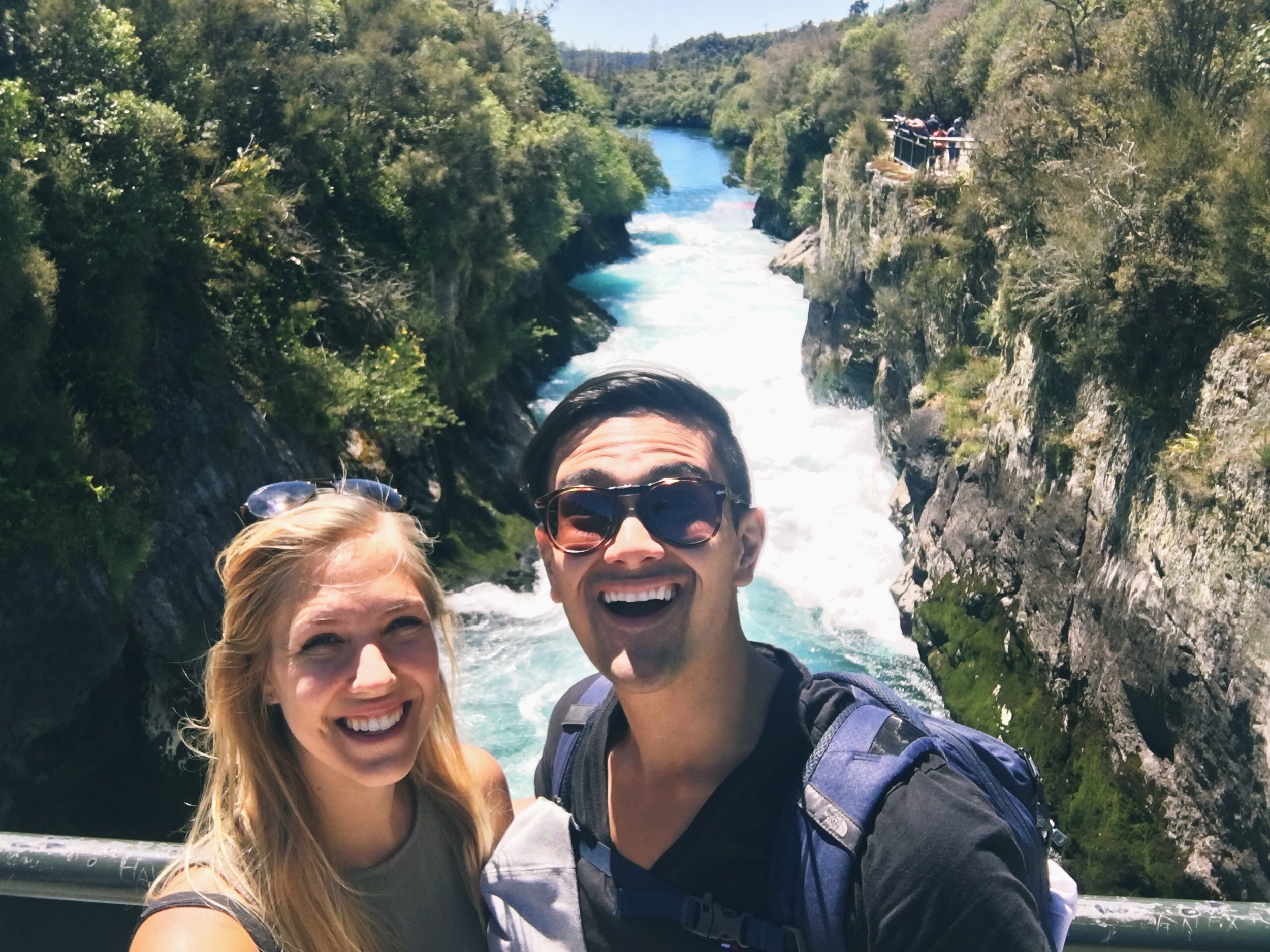
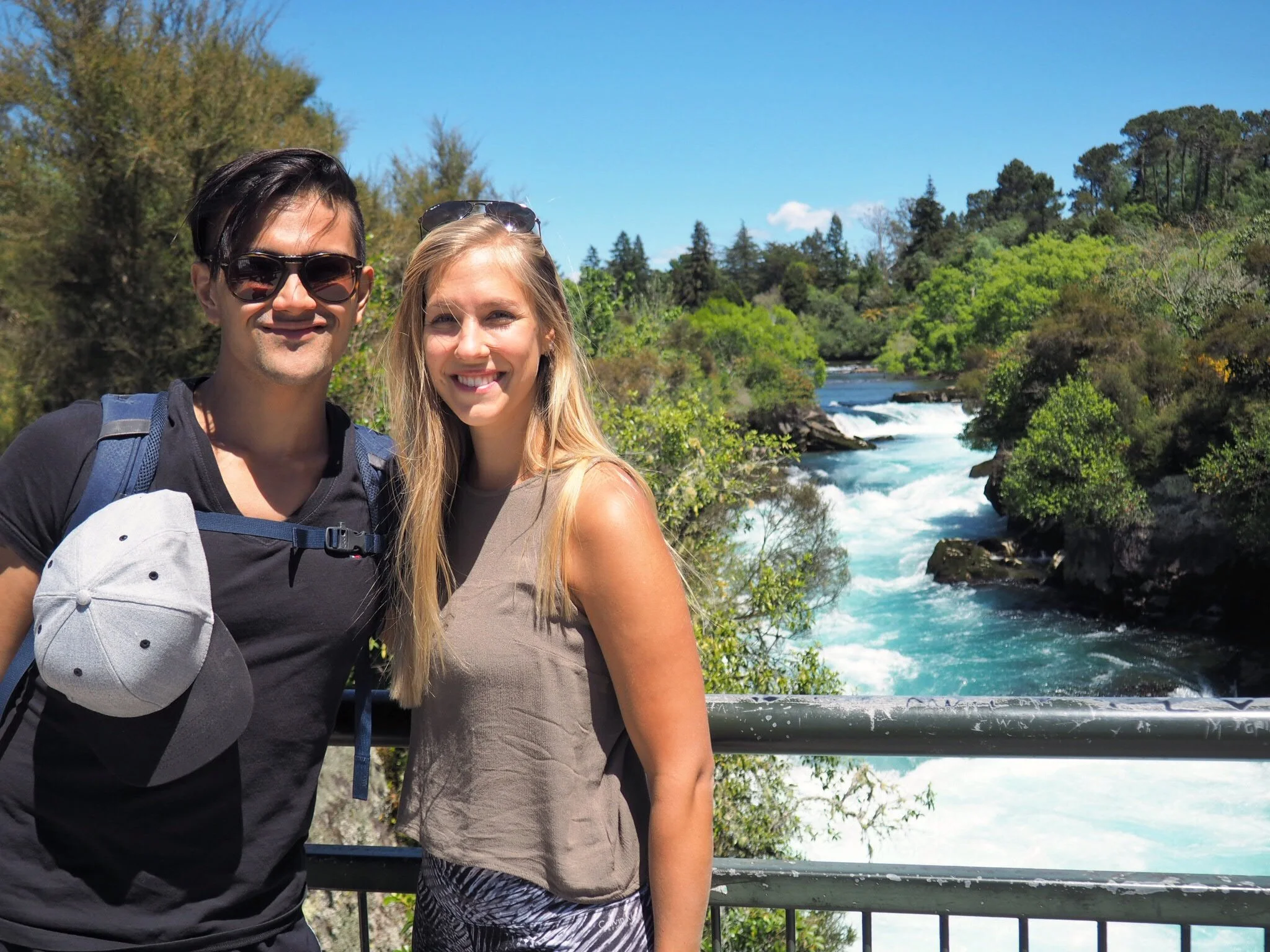
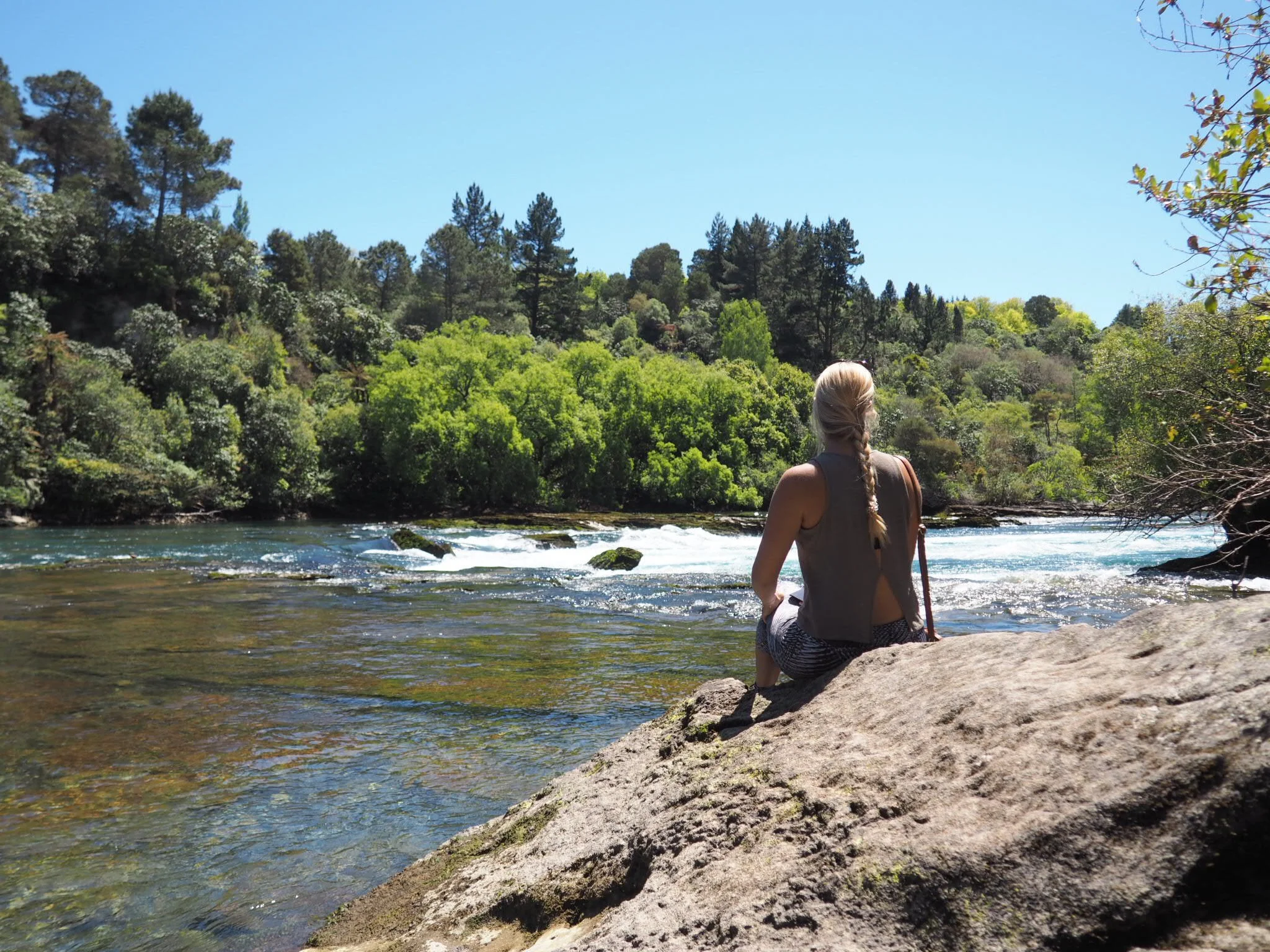
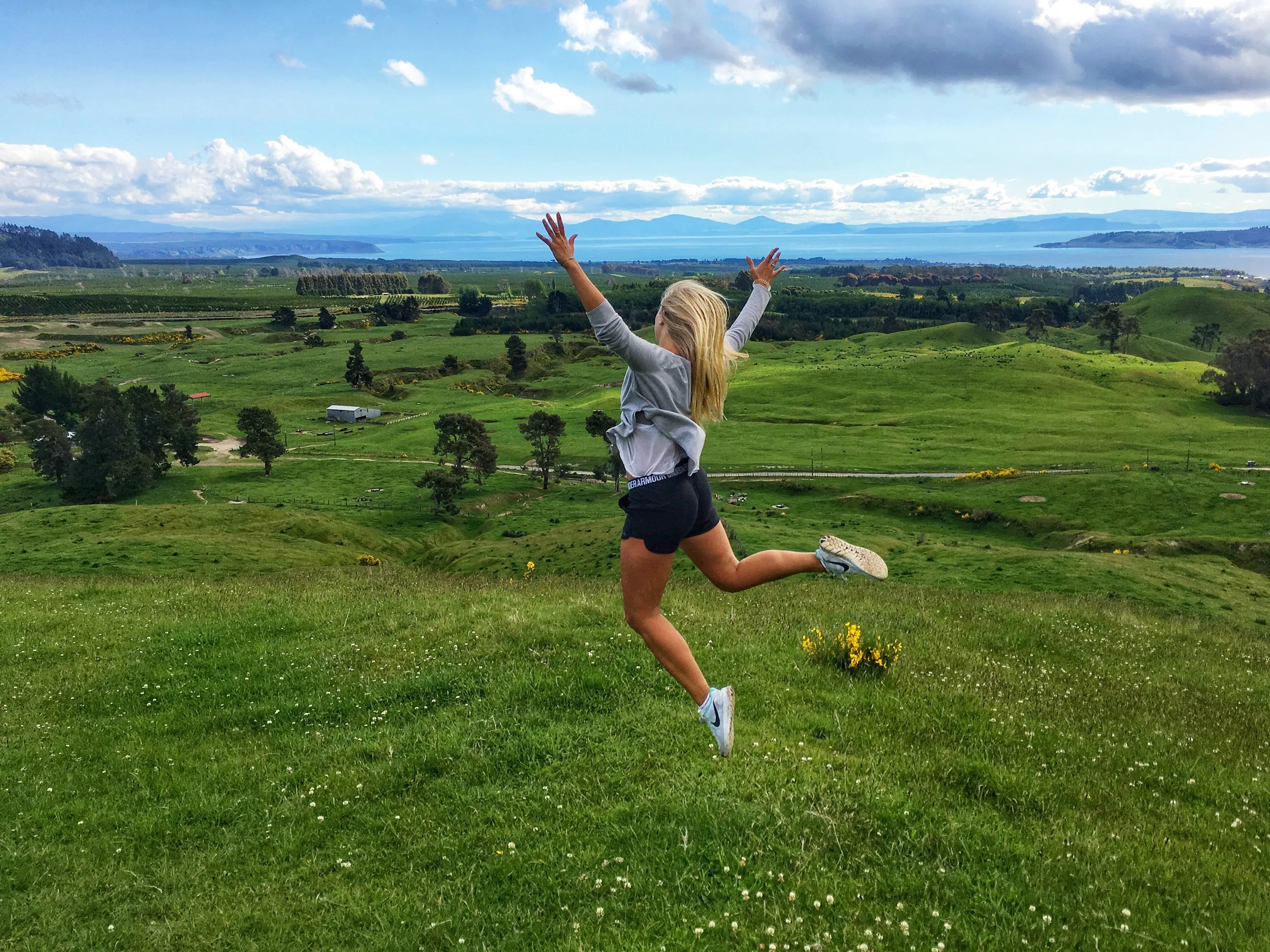
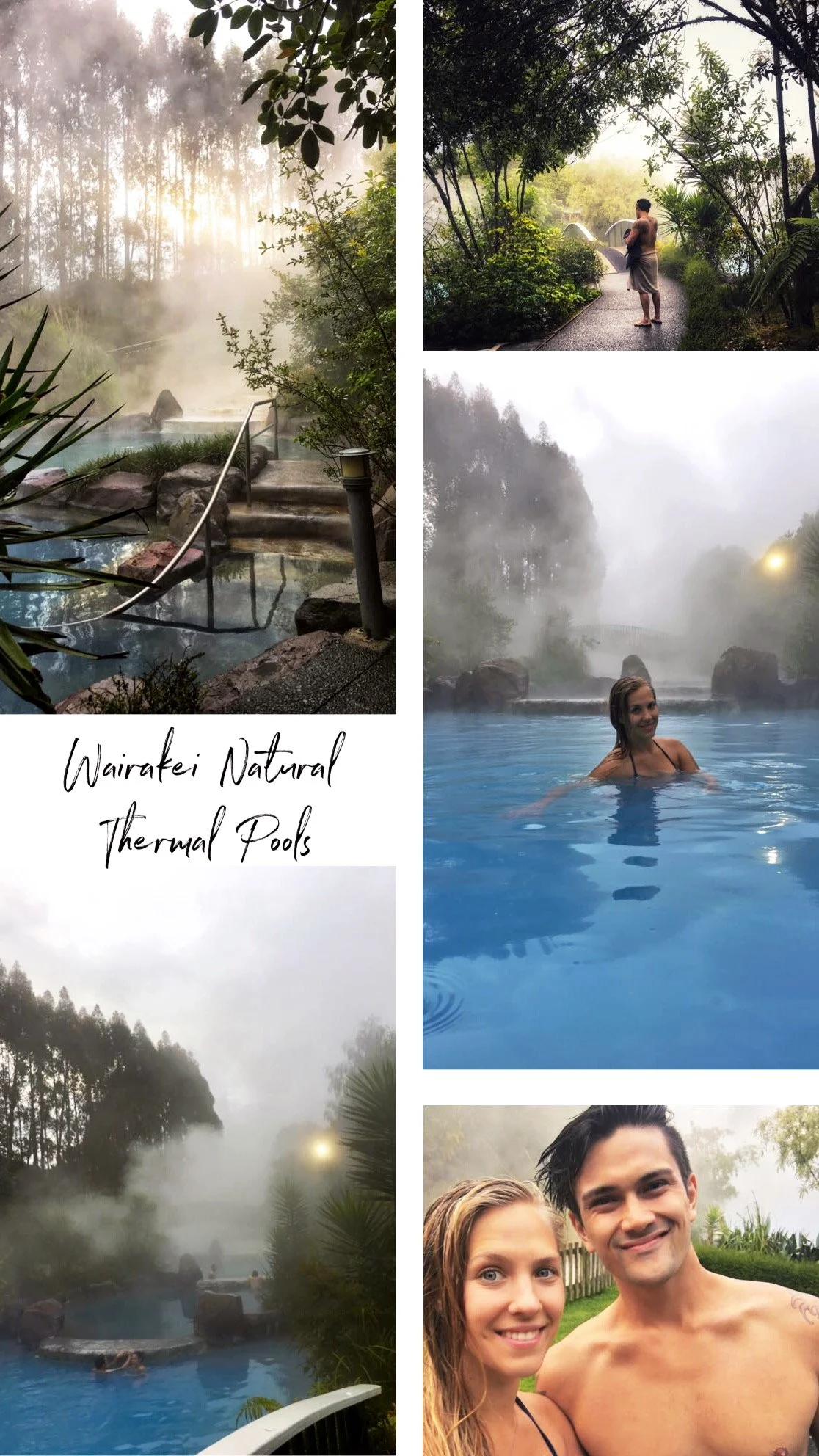
Taupō is a lively town with lots of young people, a social atmosphere and no shortage of things to do, making it an easy place to settle into for a while. Between working on the van, we explored as much as we could. Taupō is the kind of place where nature and activity are always close by. From standing at the edge of Huka Falls to soaking in natural hot pools right by the riverbed, it never felt hard to fill a day. We hiked up Mount Tauhara for views over Lake Taupō, checked out thermal pools and watched people jump out of planes to skydive over the lake. And with Tongariro National Park nearby, it felt like we were surrounded by possibilities.
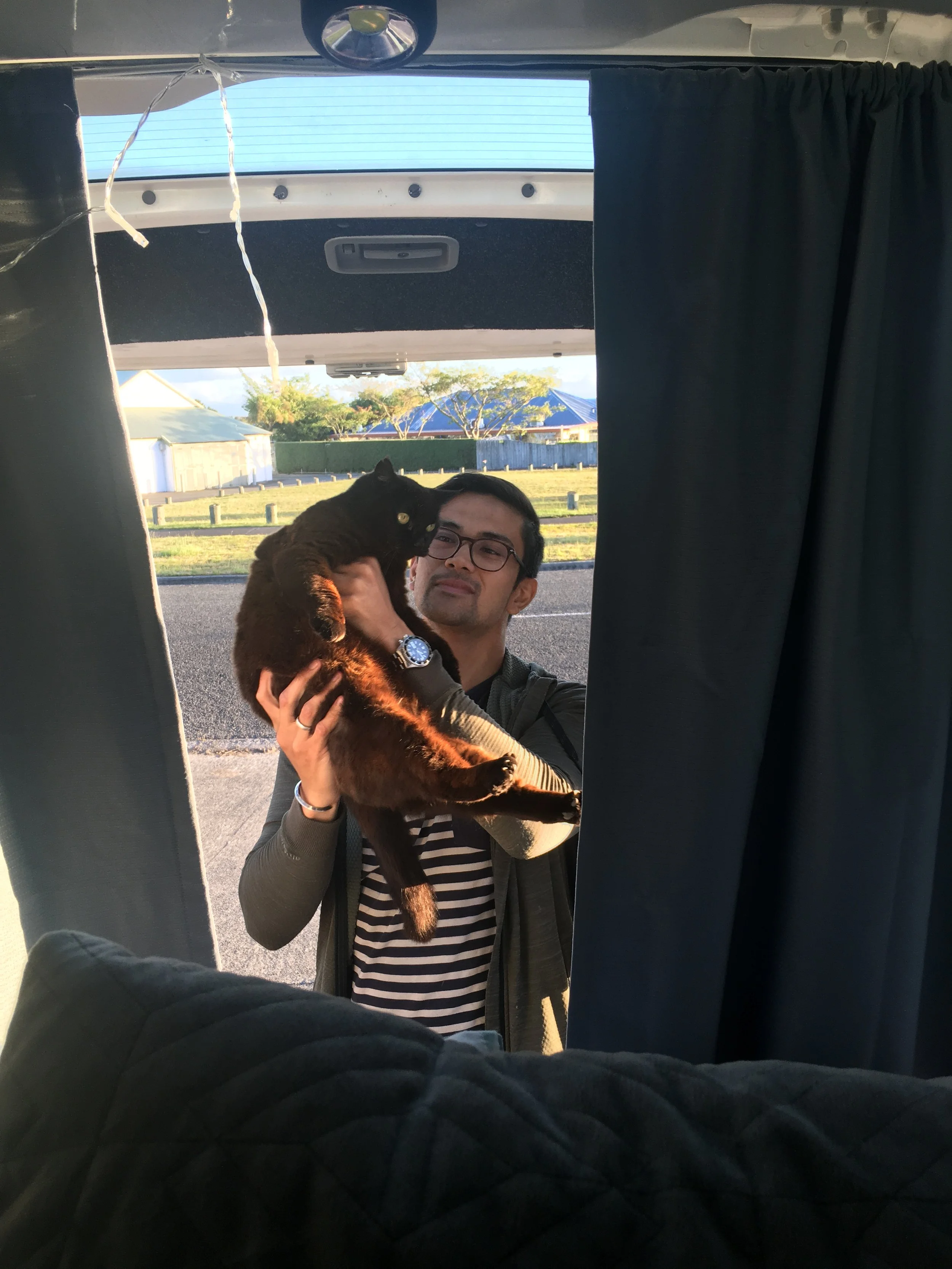
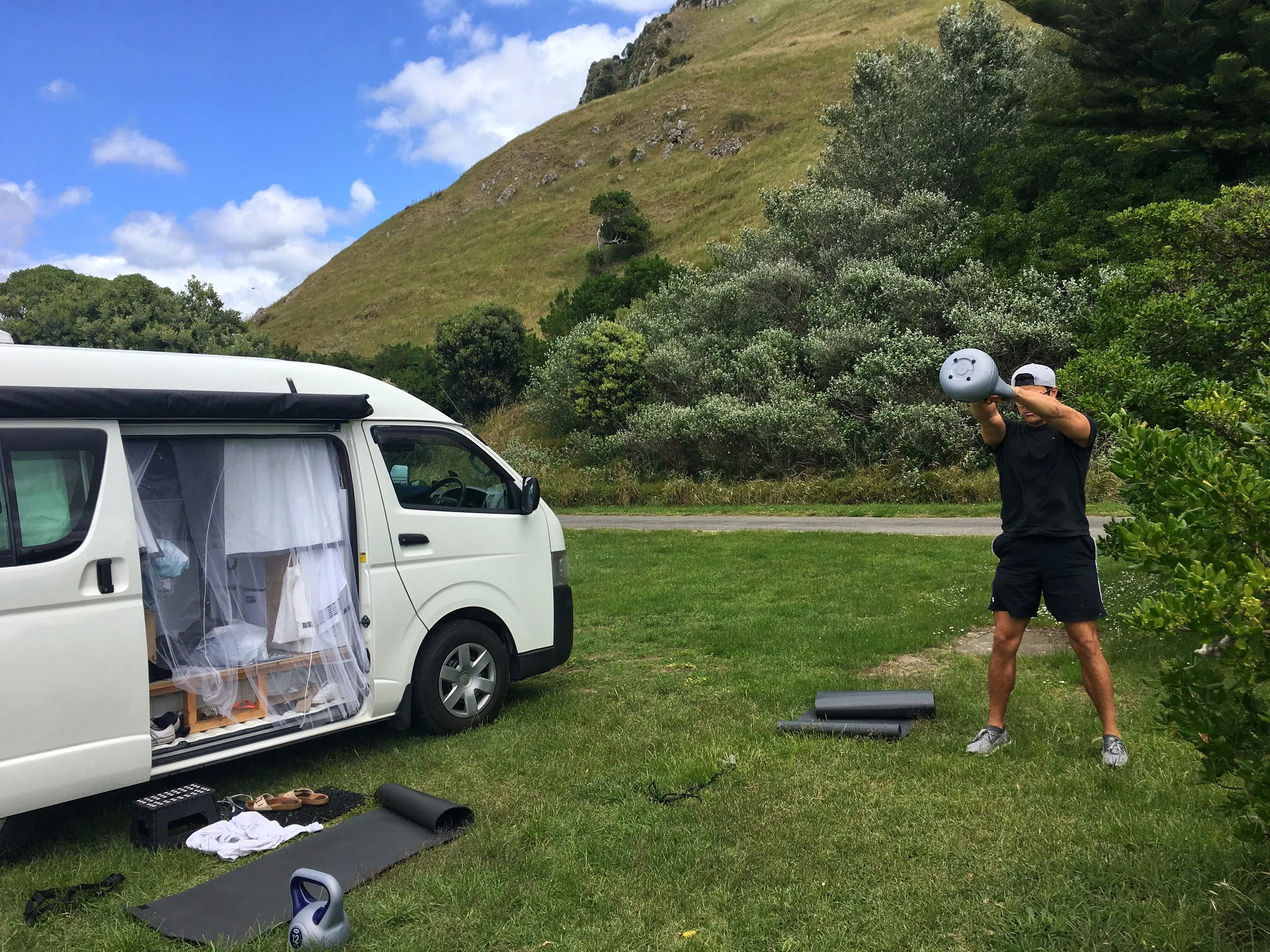
Before we knew it, the conversion was done and we got our self containment certificate, which allows to freedom camp in New Zealand . One last carpet square to attach to the ceiling and Wallace was finally ready. That moment marked the real beginning of our road trip. With no fixed route and plenty of curiosity, we set off knowing that whatever came next would unfold along the way.


Leaving the Nest
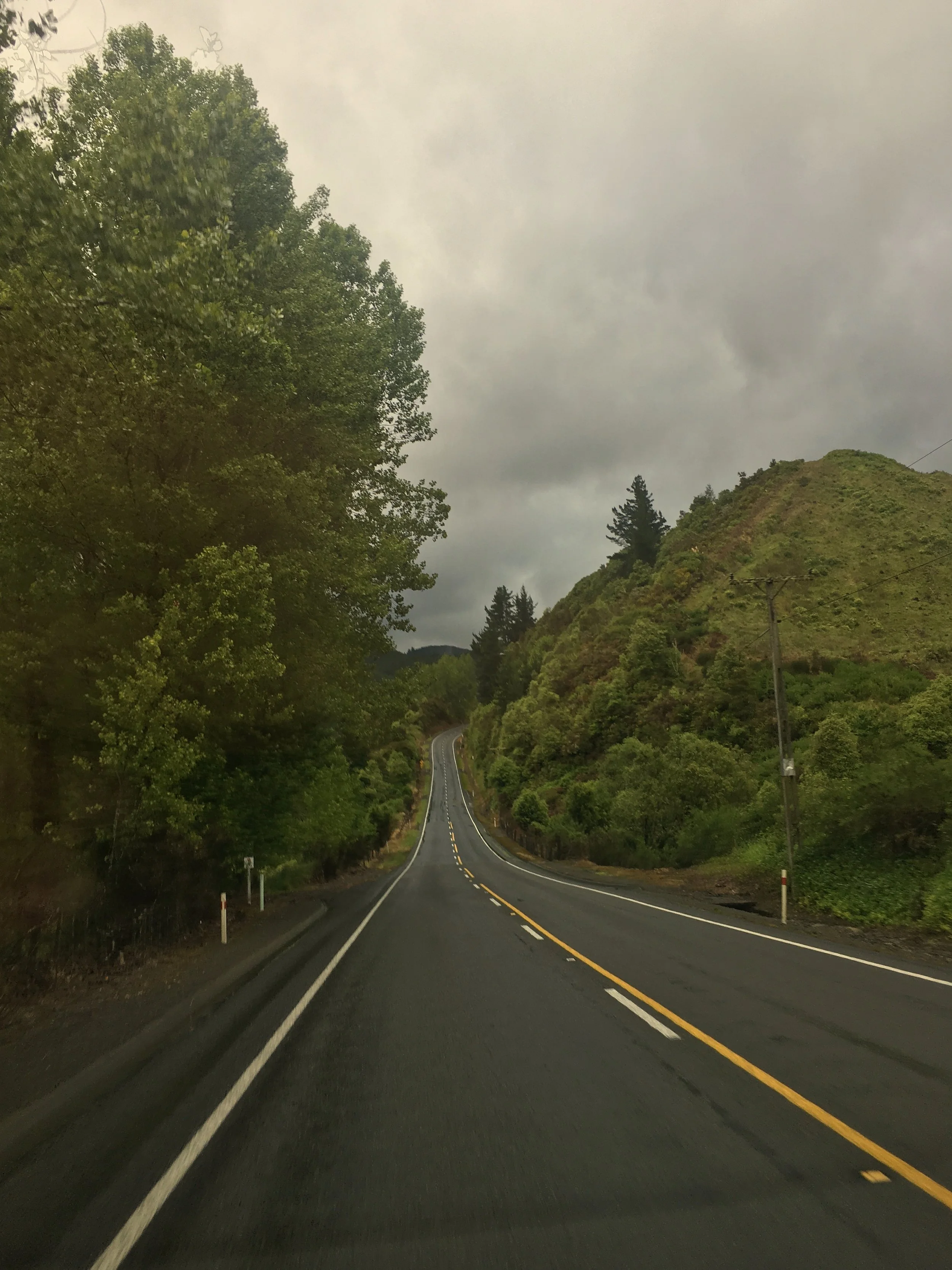
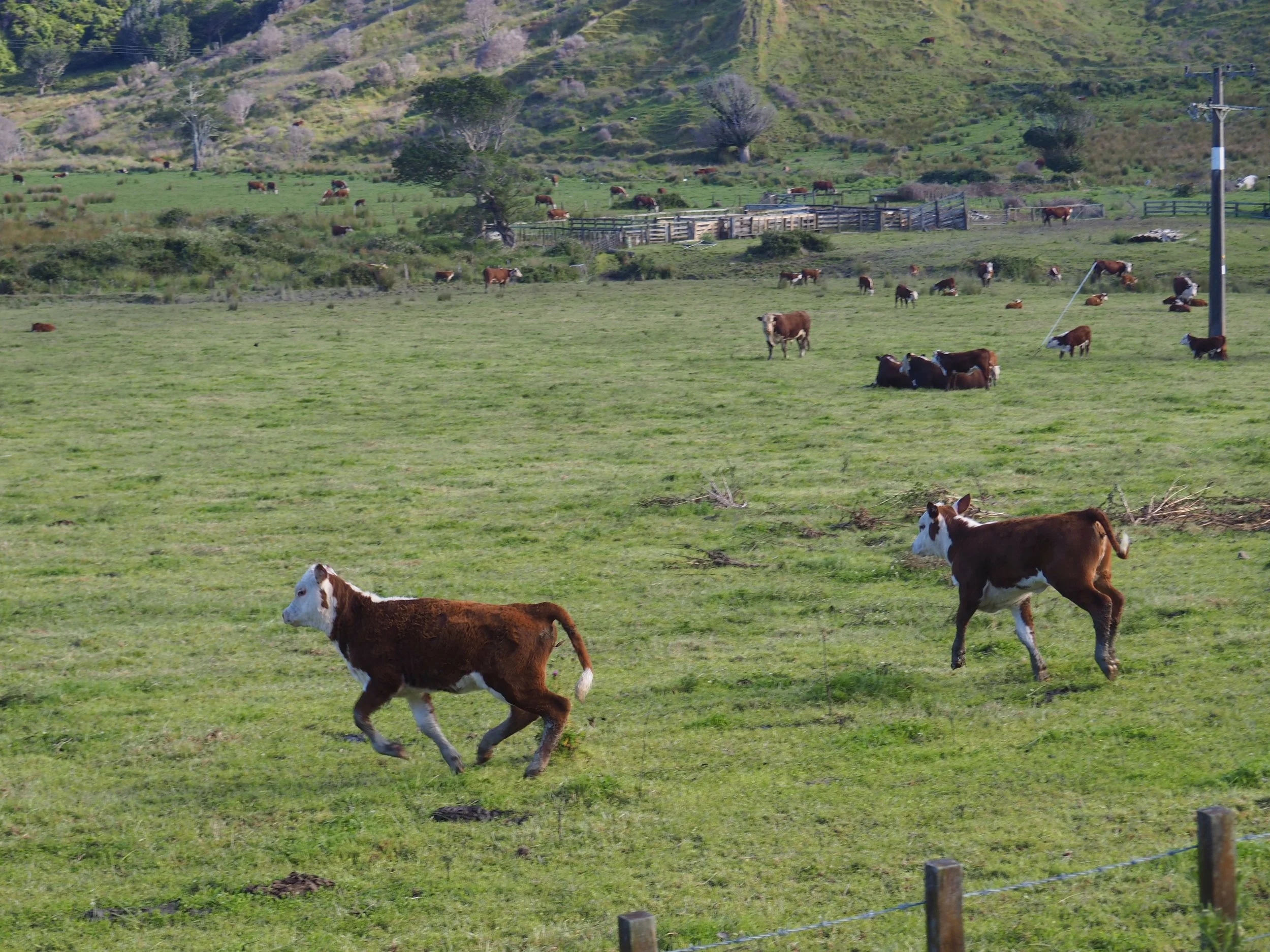
In early December we left Taupō behind and headed toward Hawke’s Bay. As this was our first real road trip in New Zealand, we hadn’t seen much of the country yet and were a little surprised by what unfolded along the way. Instead of sheep everywhere, which we somehow expected, we found ourselves driving past endless fields of cows in all directions. Maybe times had changed since sheep ruled New Zealand, or maybe our assumptions were simply off.
Rain accompanied us for most of the drive, falling steadily as we made our way south. Then, almost suddenly, a rainbow appeared, stretching across the sky and framing the rainforest-covered mountains ahead. Not long after, Kairakau Beach slowly came into view.
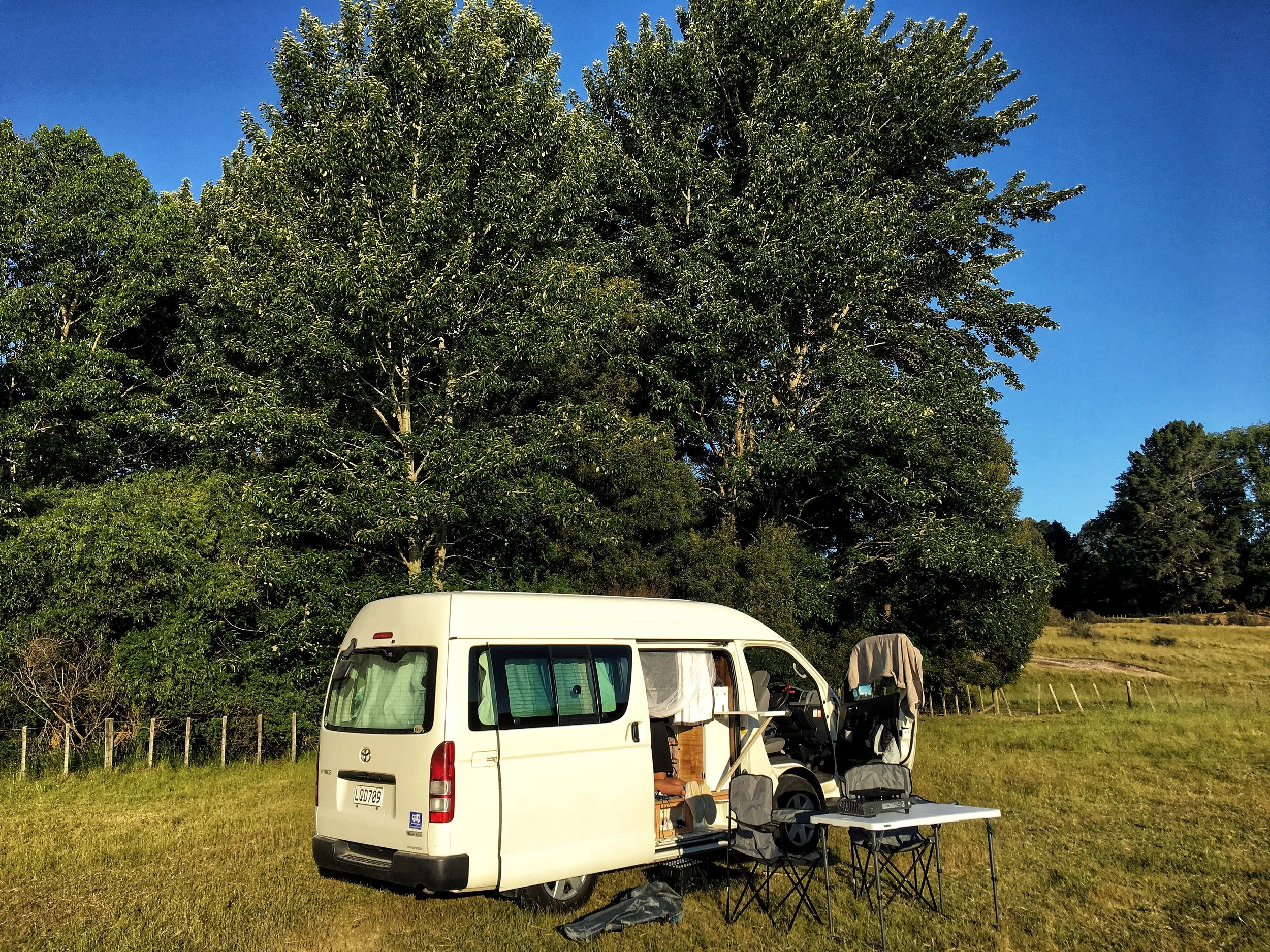
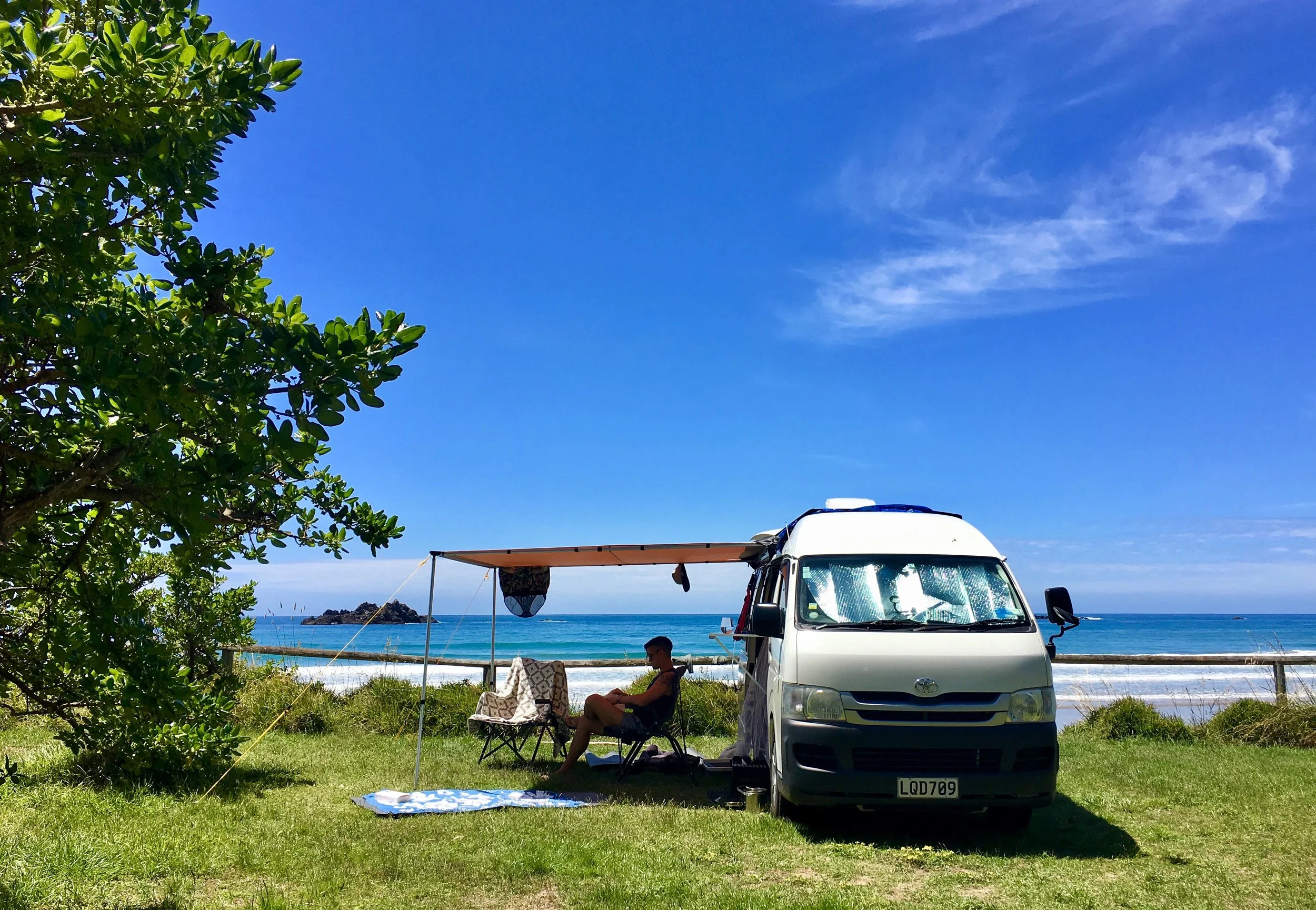
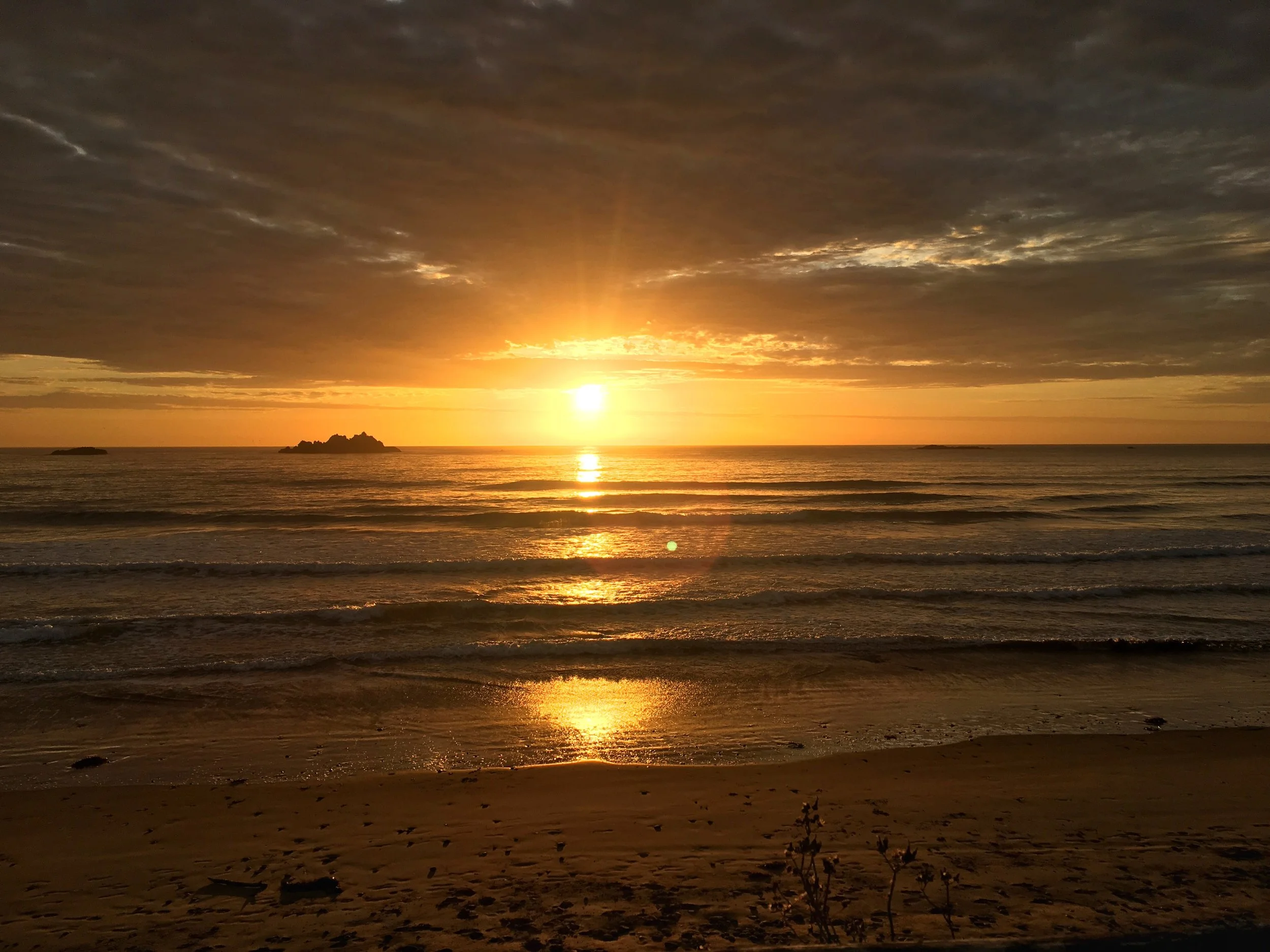
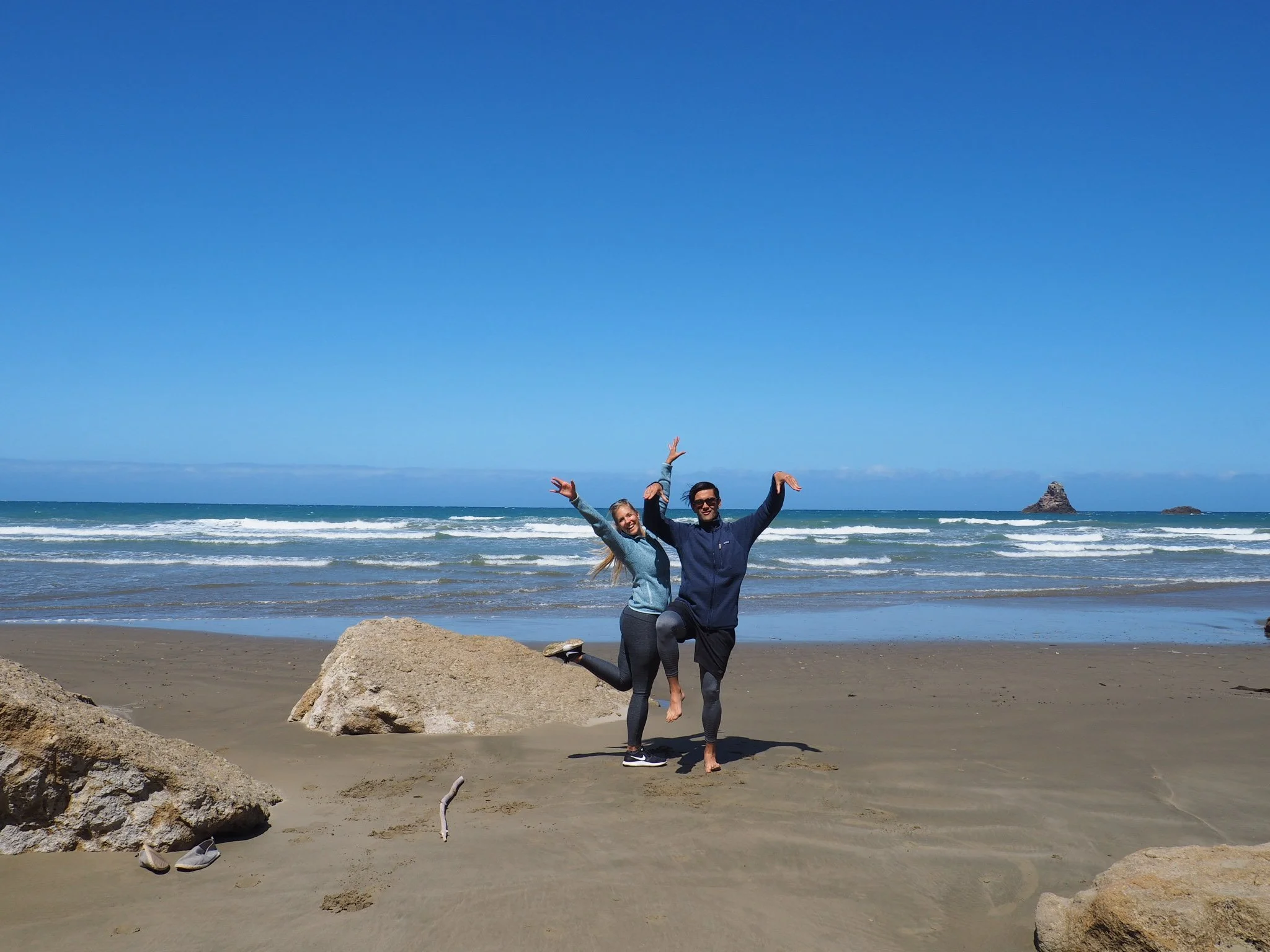
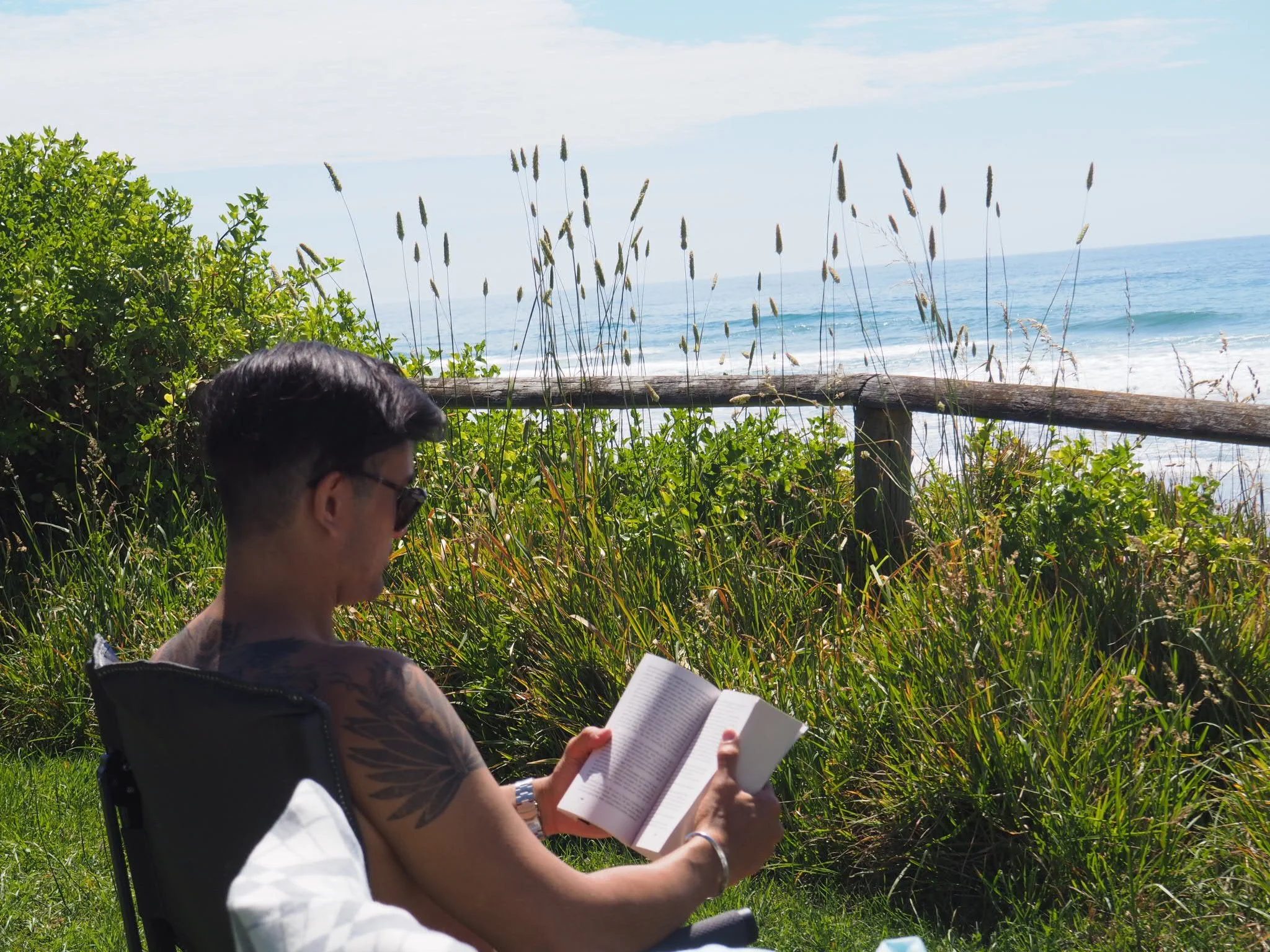
Kairakau Beach became our first campsite and one we still hold close to our hearts. Remote and quietly beautiful, it felt like a hidden gem we had stumbled upon by chance. We spent a few wonderful days there, easing into life on the road and realizing that this was exactly what we had hoped this journey would feel like.
Hawke’s Bay & Wine Tasting
After a few quiet days at Kairakau Beach, we continued on toward Hawke’s Bay. The landscape opened up quickly, vineyards replacing coastline and the pace shifted almost without us noticing.
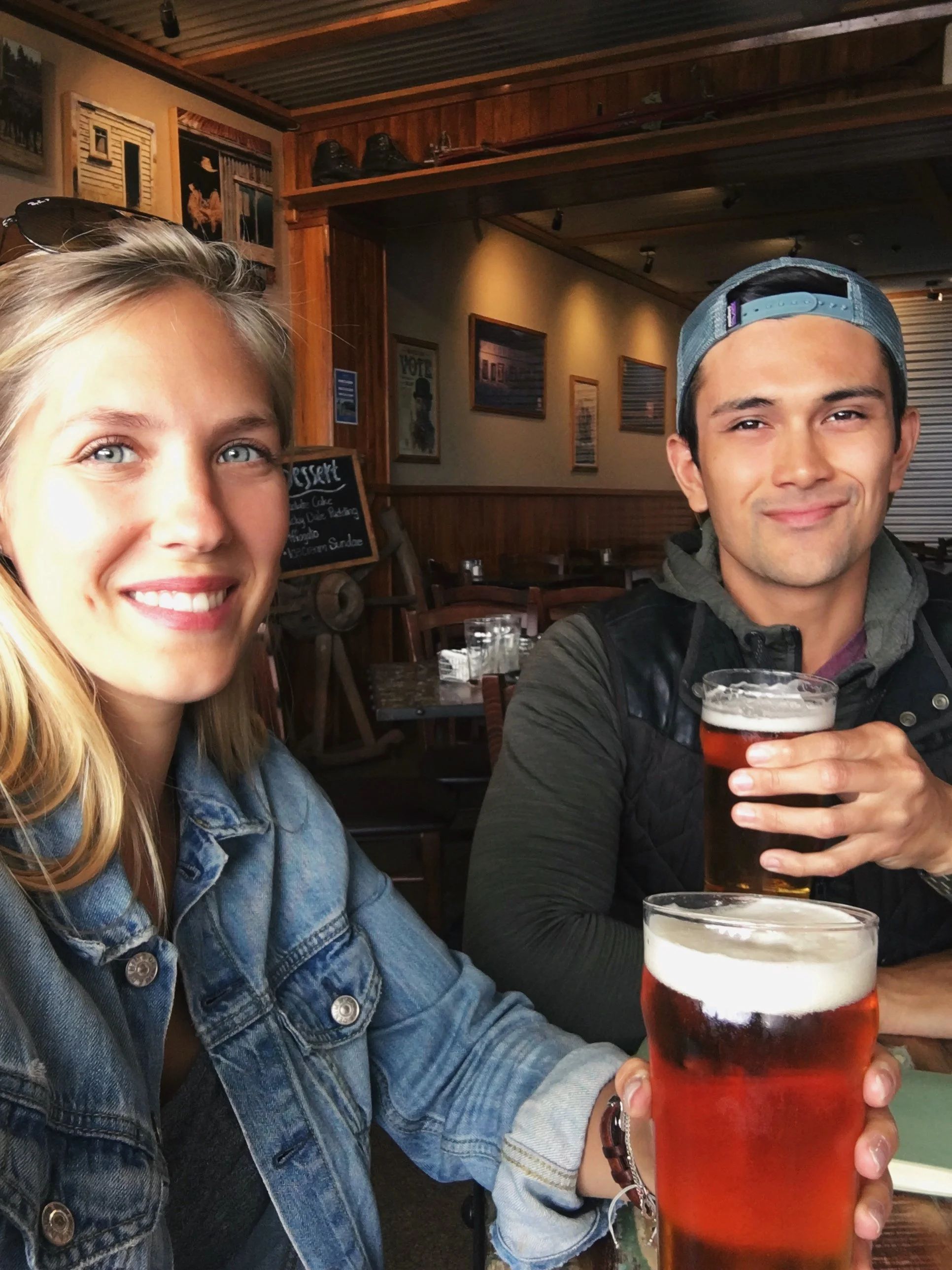
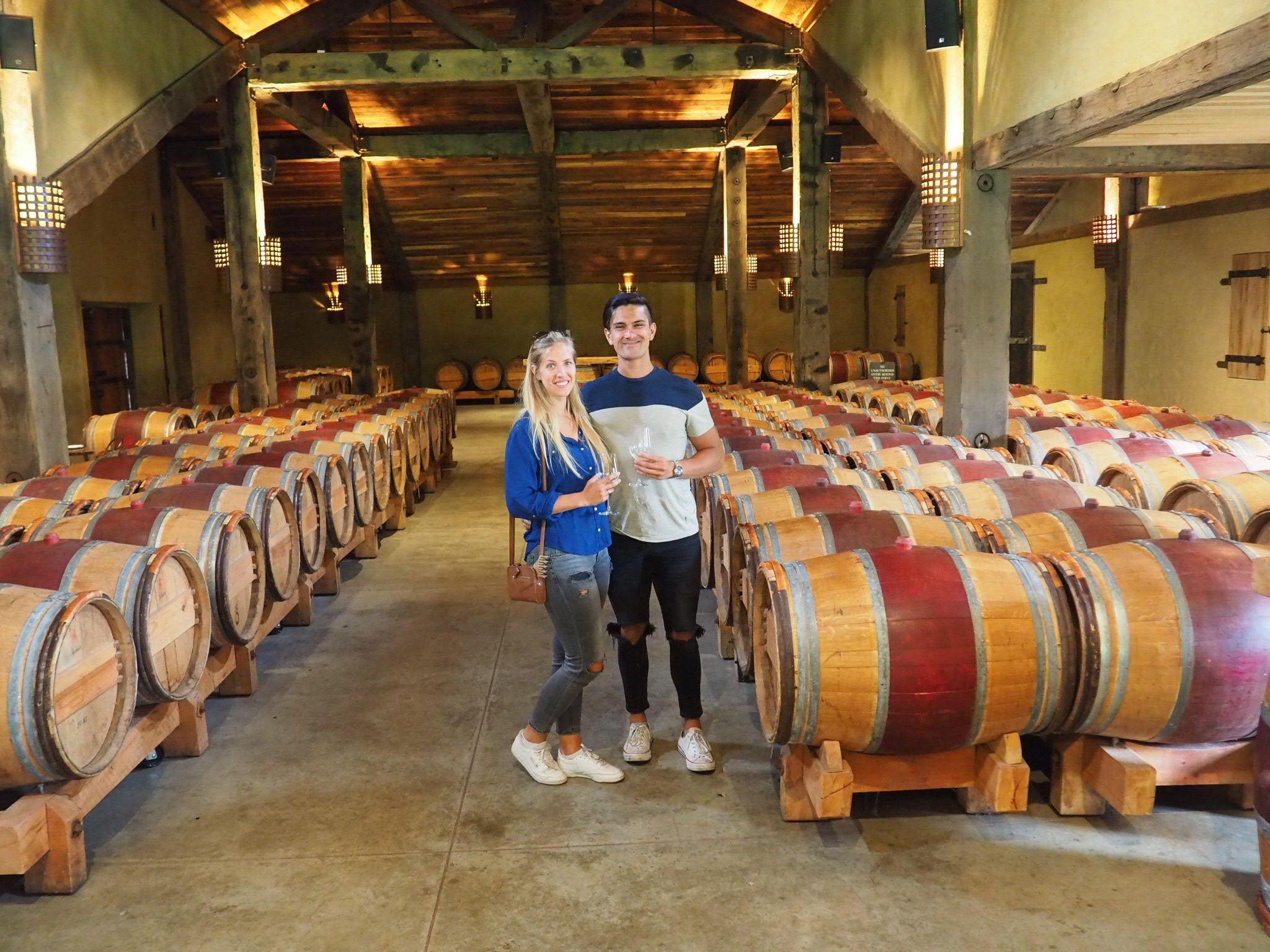
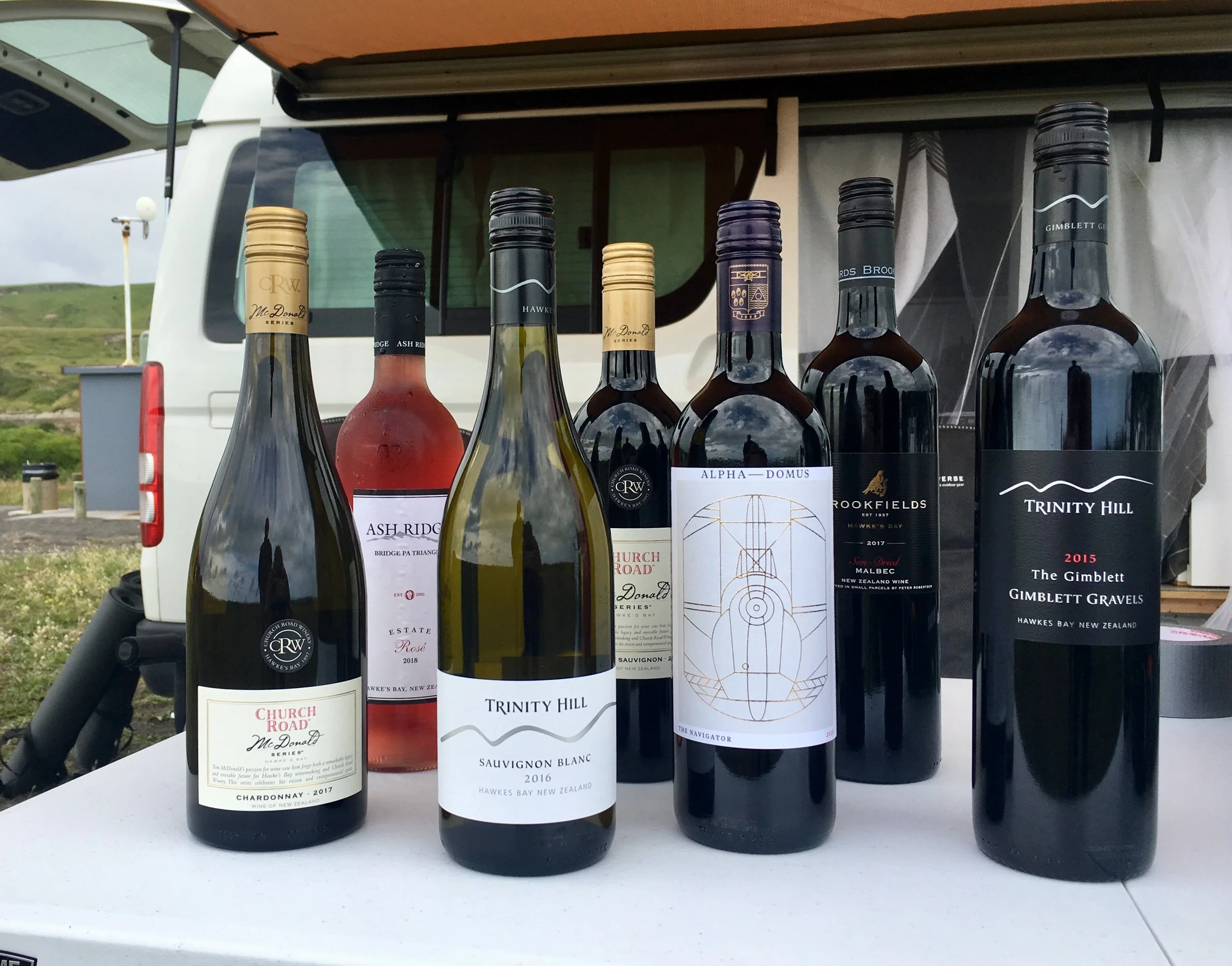
Trevor and I have always shared a passion for wine, making Hawke’s Bay with Hastings and Napier the right place for our first wine tasting ever! It is the biggest wine region on the North Island with many excellent smaller and family run vineyards, almost no mass producers. We looked up a few well-rated vineyards on Google Maps and sampled a range of wines, from crisp Sauvignon Blanc to richer Cabernets. Wandering through the vineyards and learning more about the region felt less about indulgence and more about curiosity.
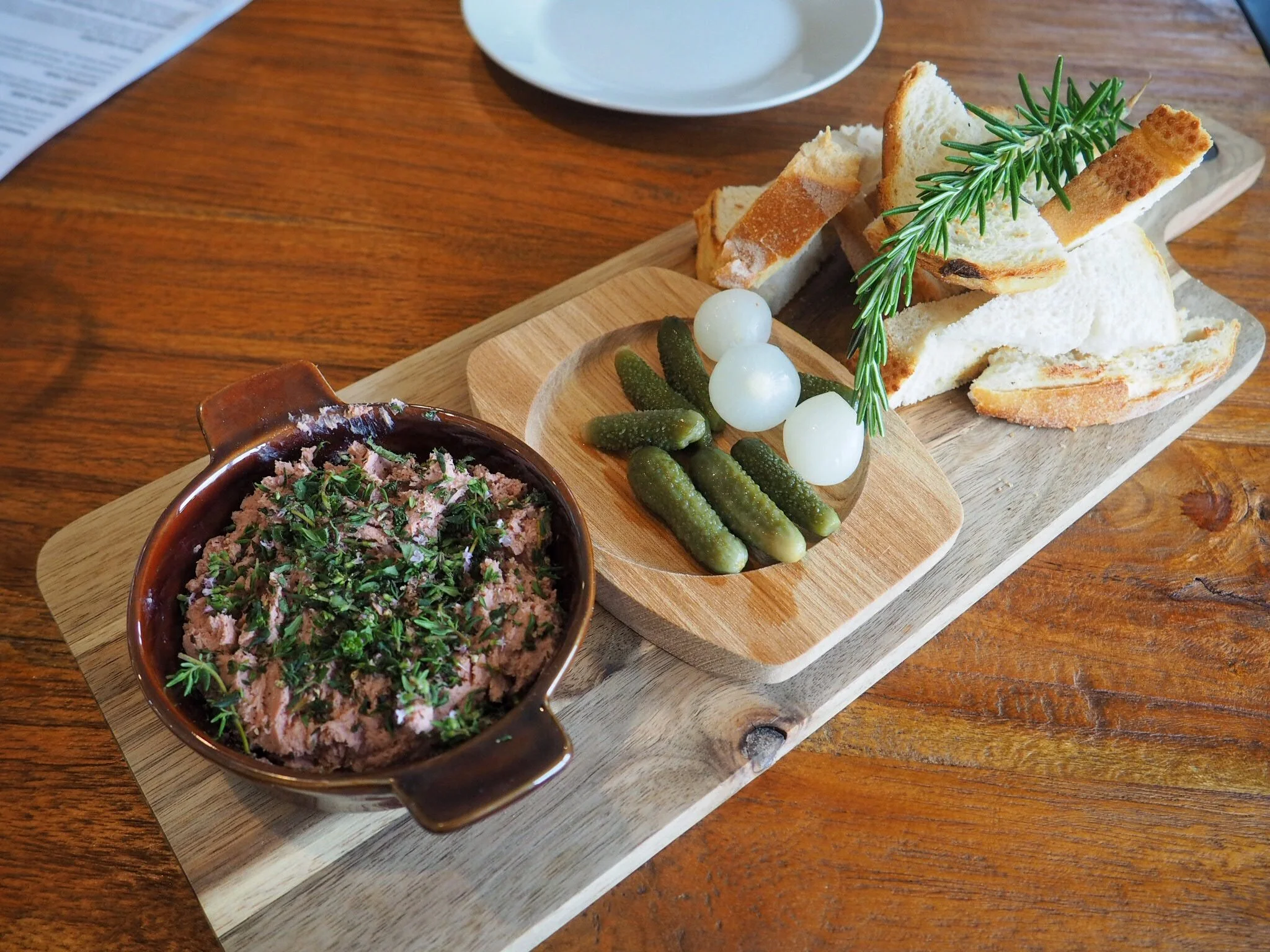
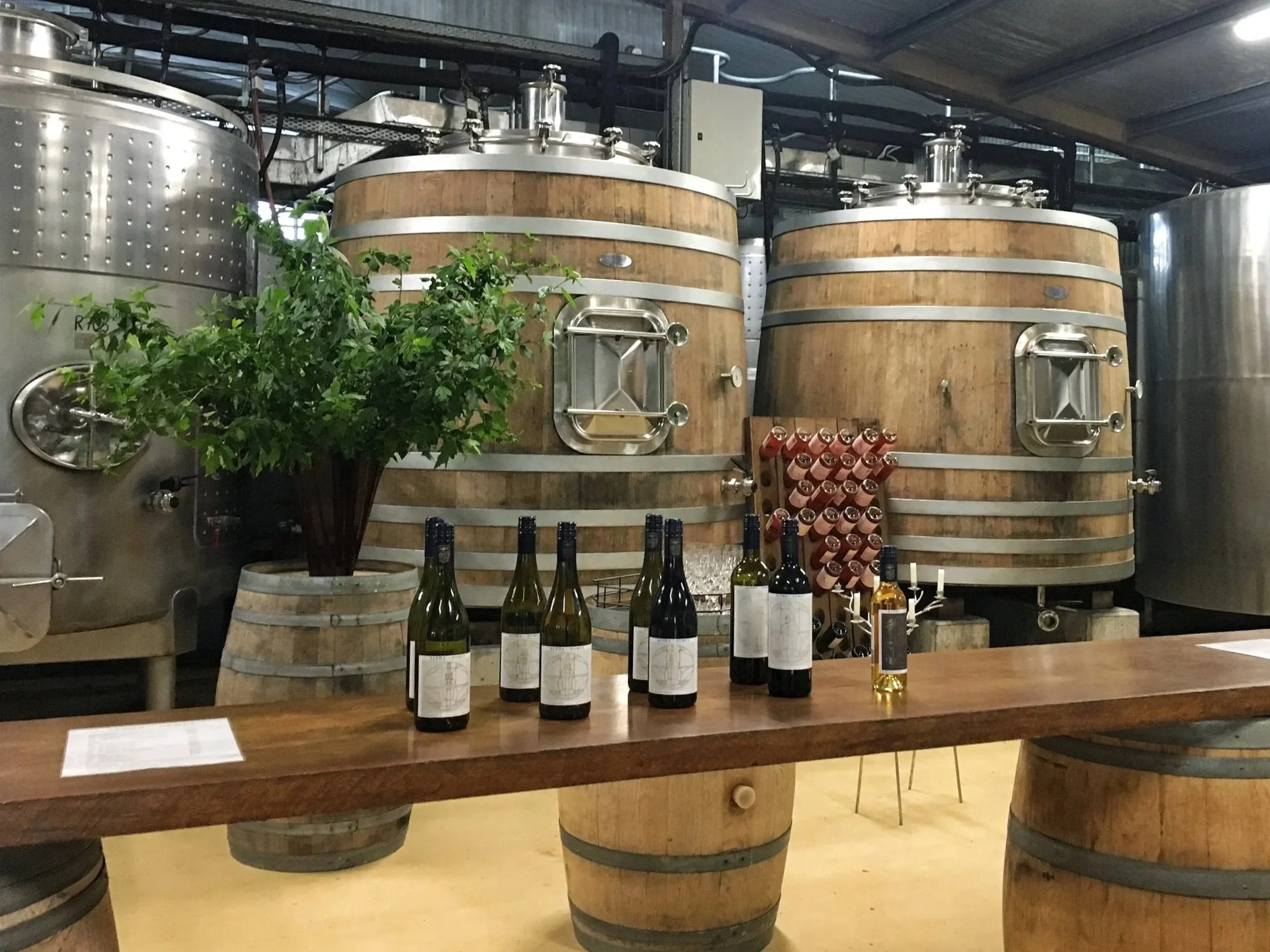
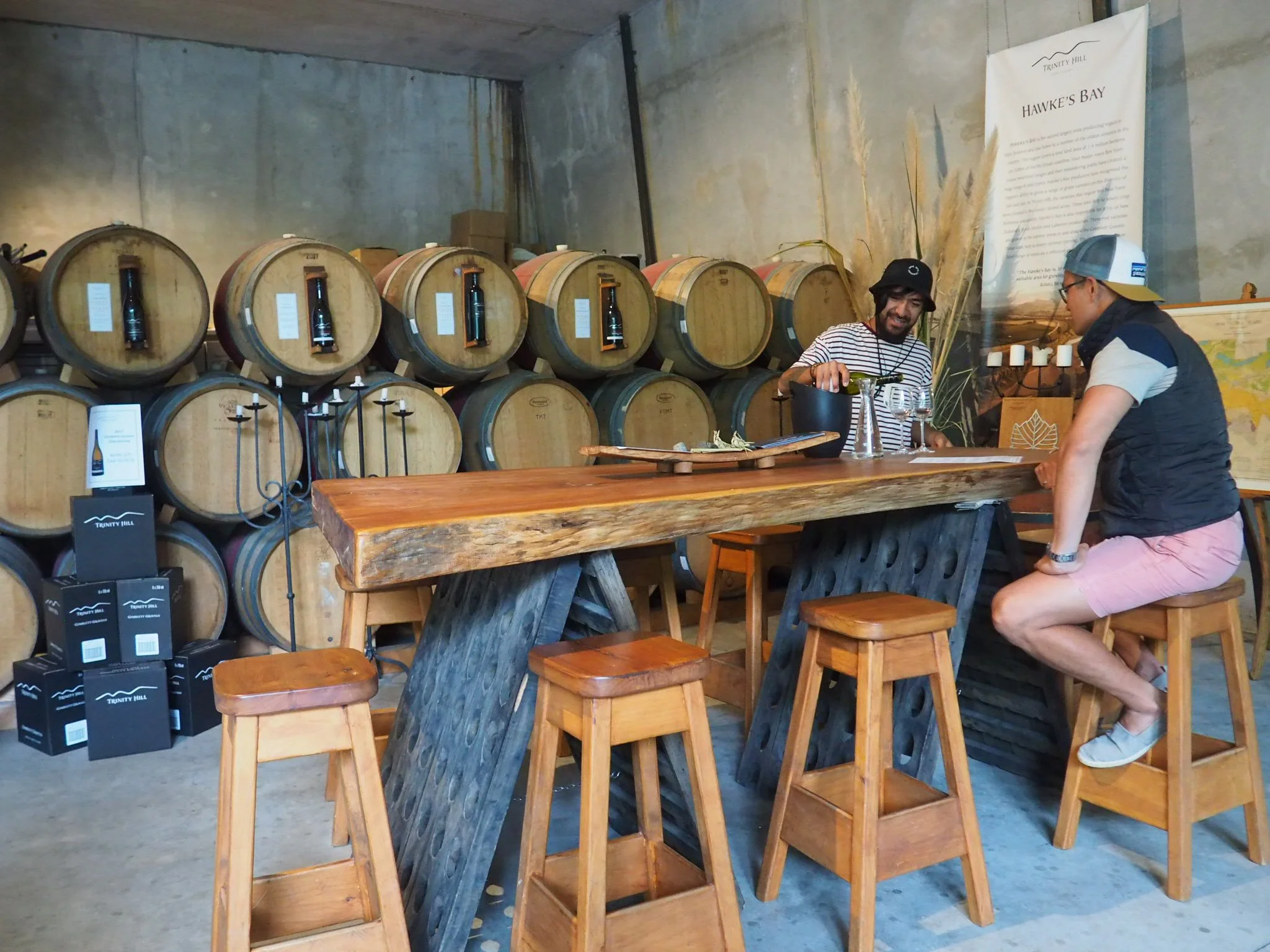
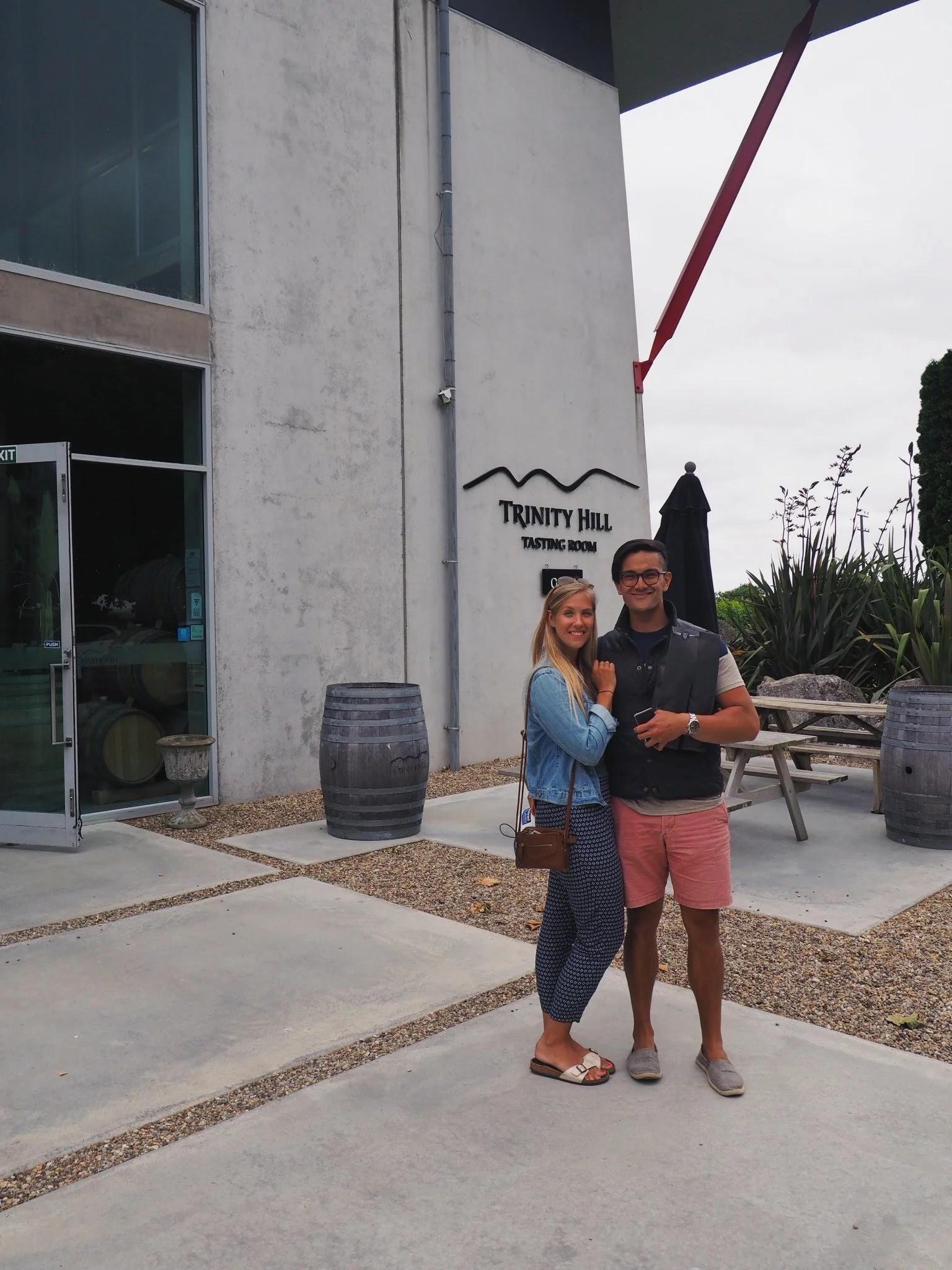
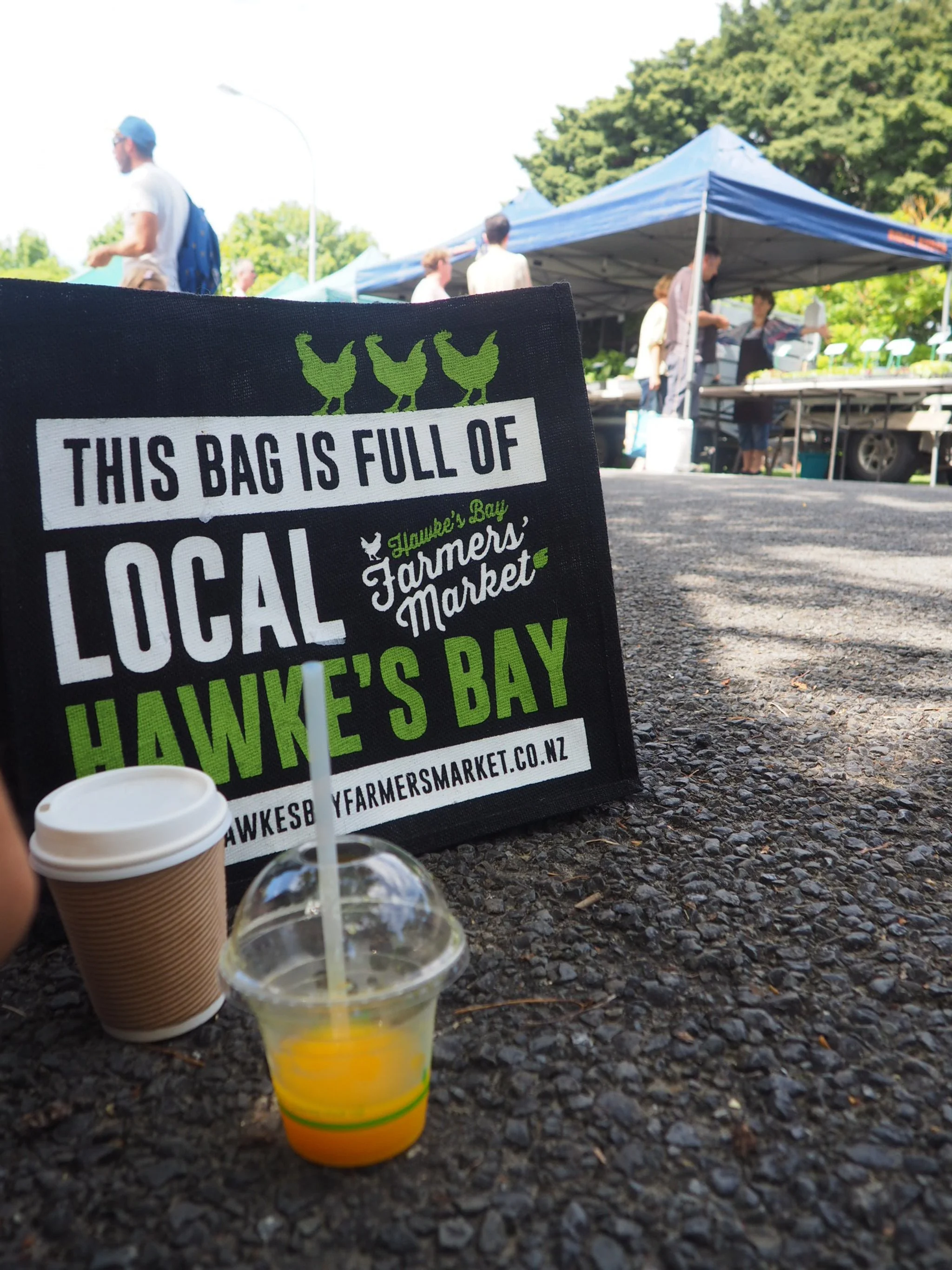
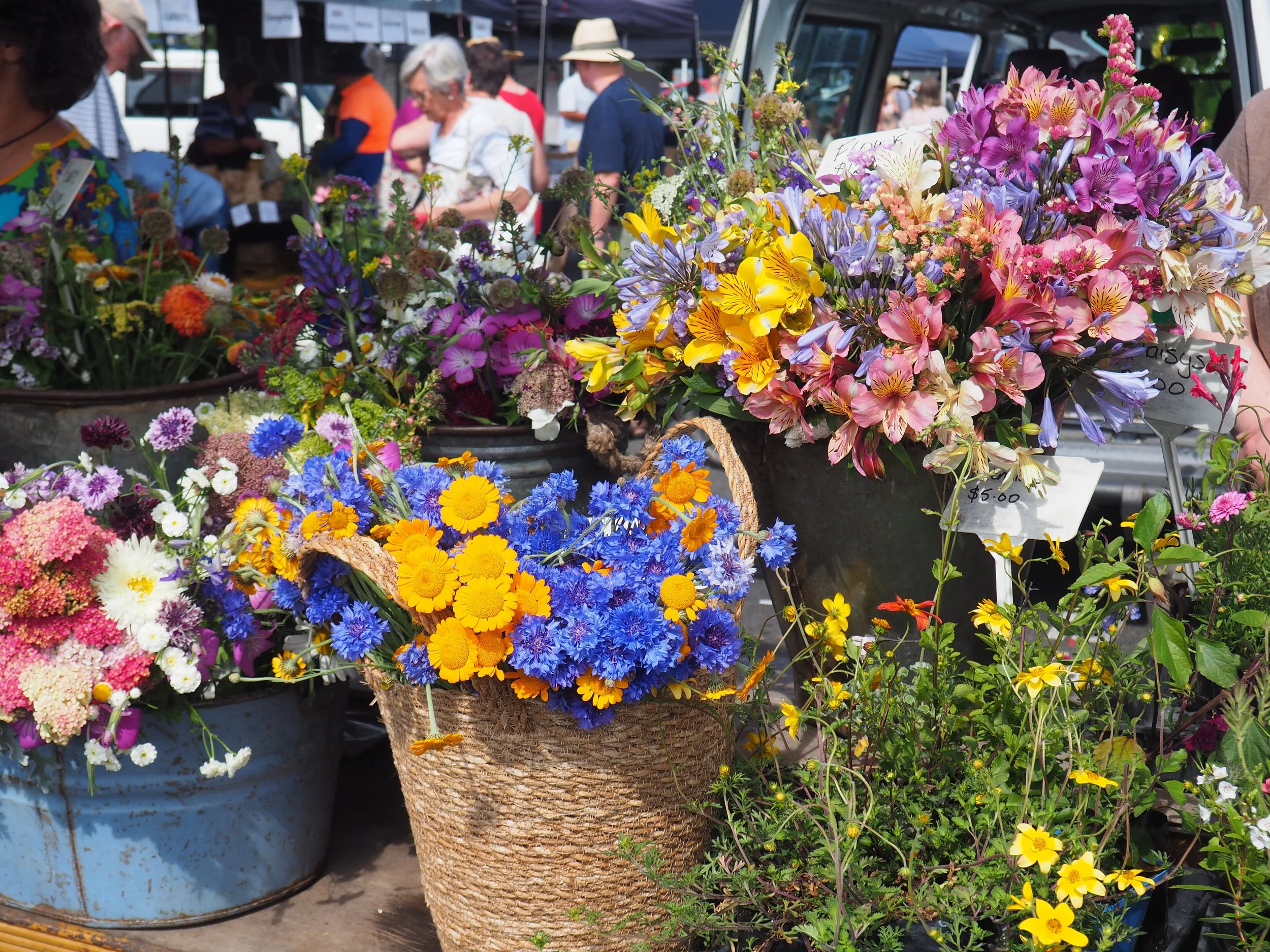
Another highlight was the Hawke’s Bay Farmers Market. It’s New Zealand’s oldest and largest weekly farmers market and offers an impressive selection of locally grown produce. Even after visiting many great farmers markets across the country, this one is still my personal favorite.
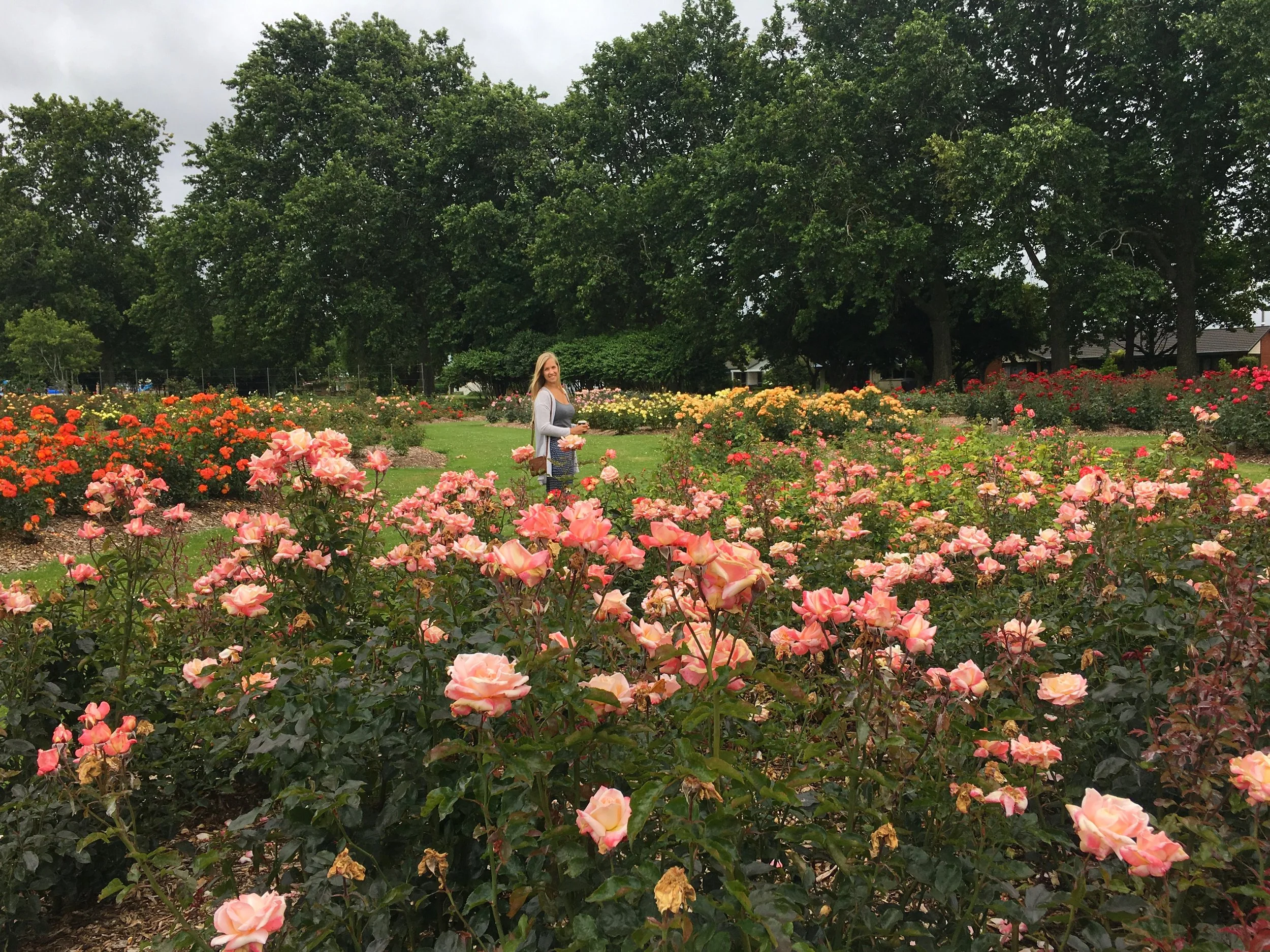
Hastings itself is well worth spending time in. The surrounding fruit orchards, interesting architecture and relaxed atmosphere made it an enjoyable place to explore. Highlights include the world-class rose garden, Frimley Park, Art Deco influences and plenty of street art. We also had some great coffee and snacks at The Artisan Café and Cupple
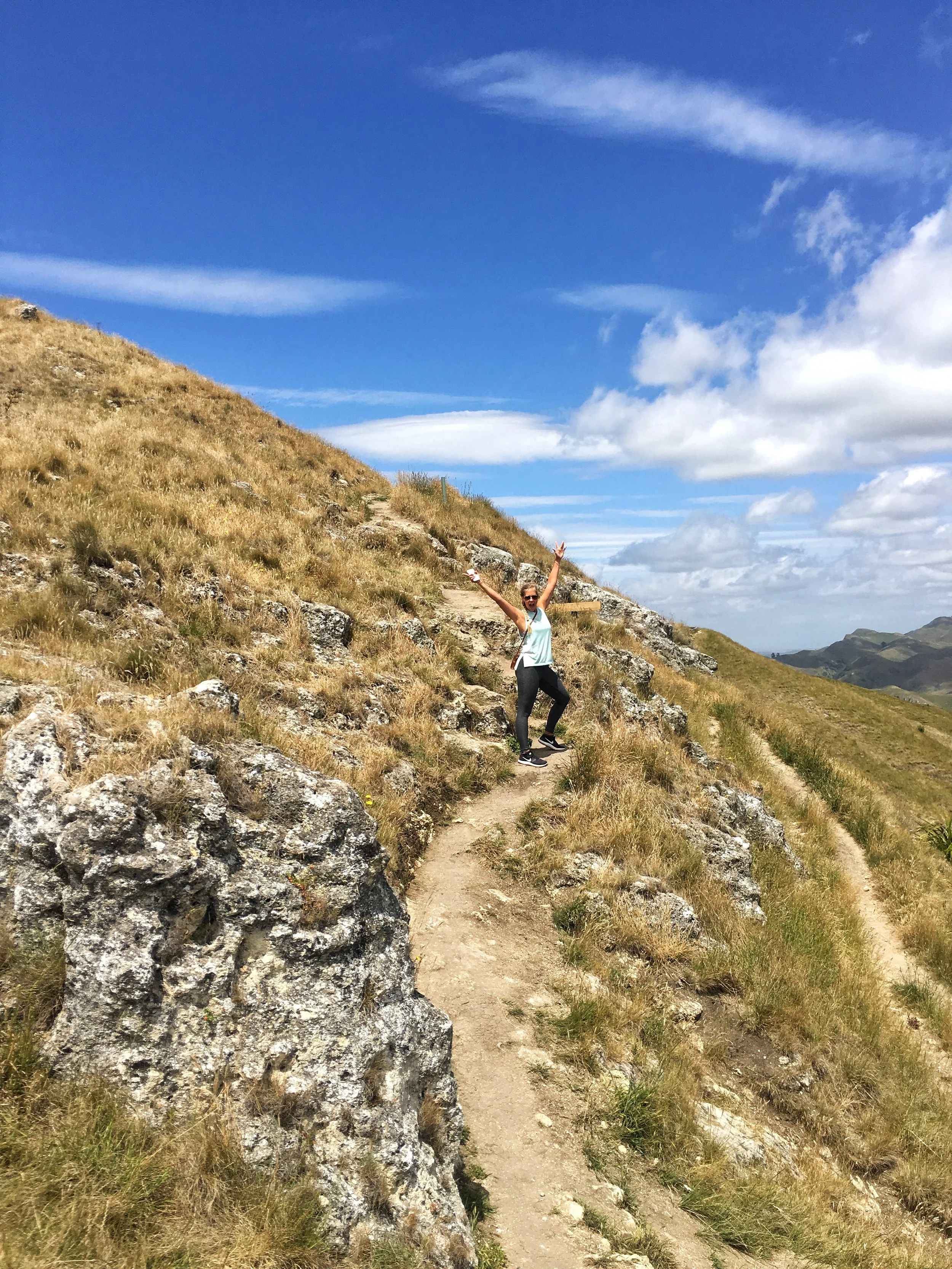
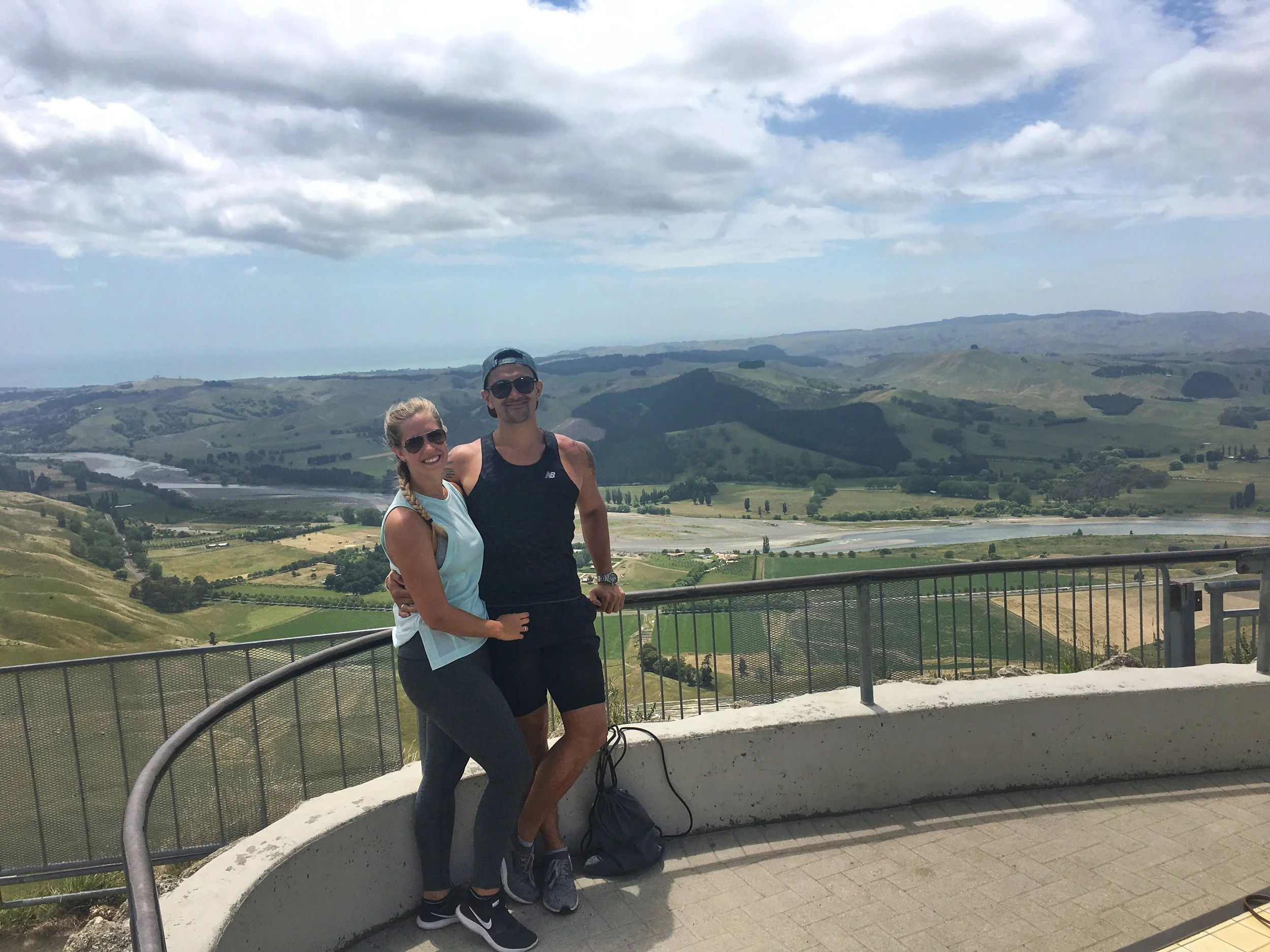
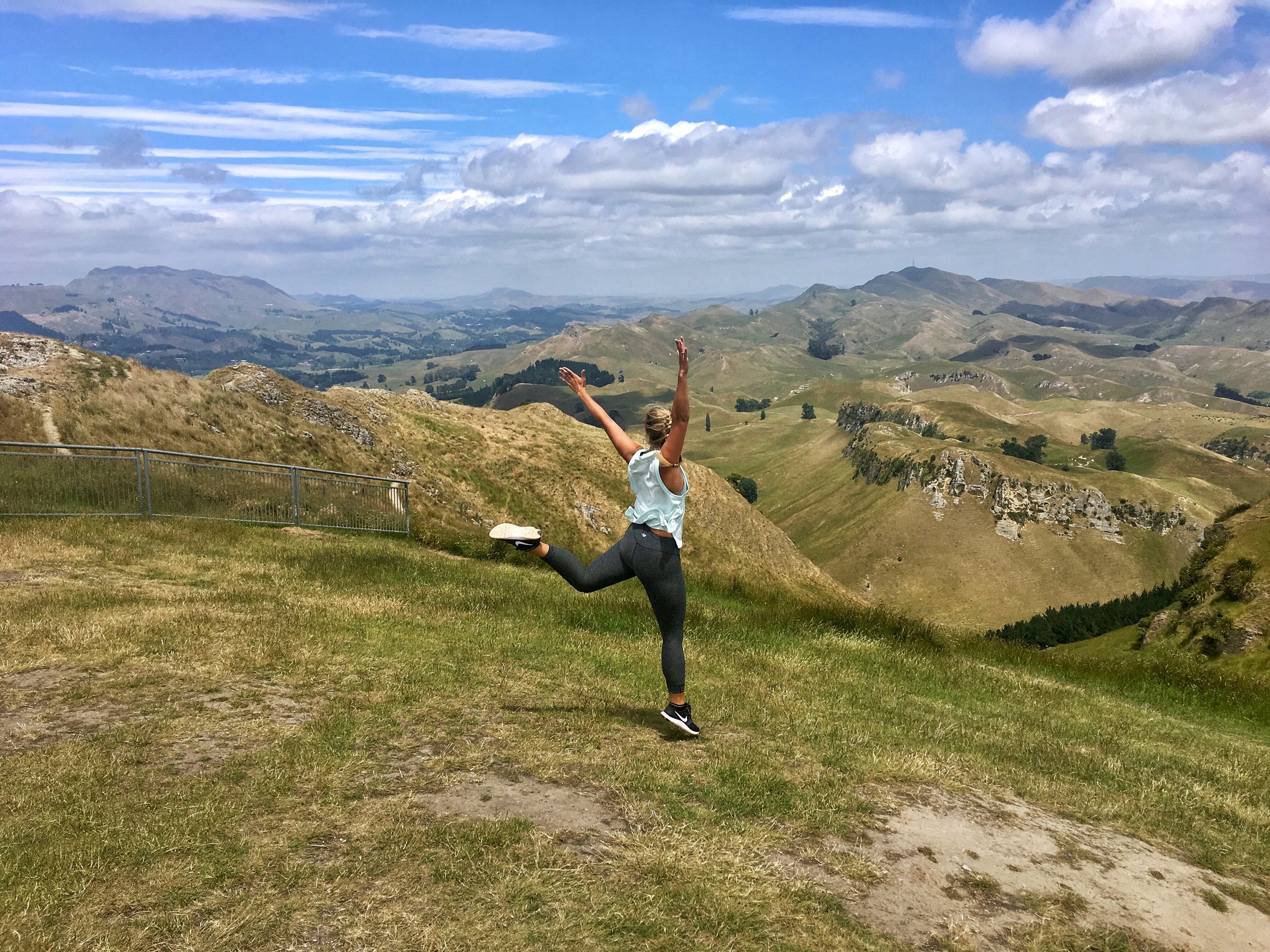
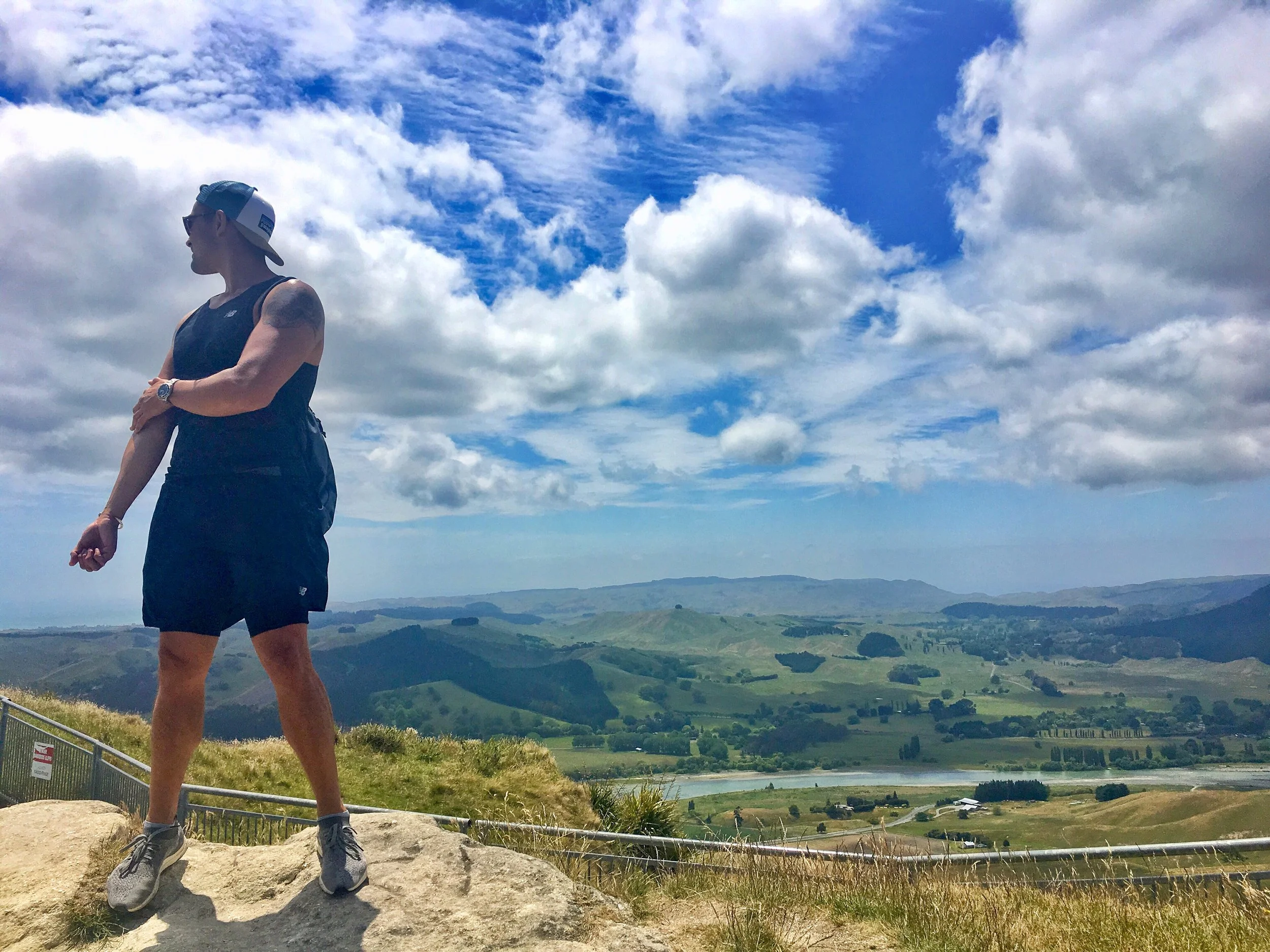
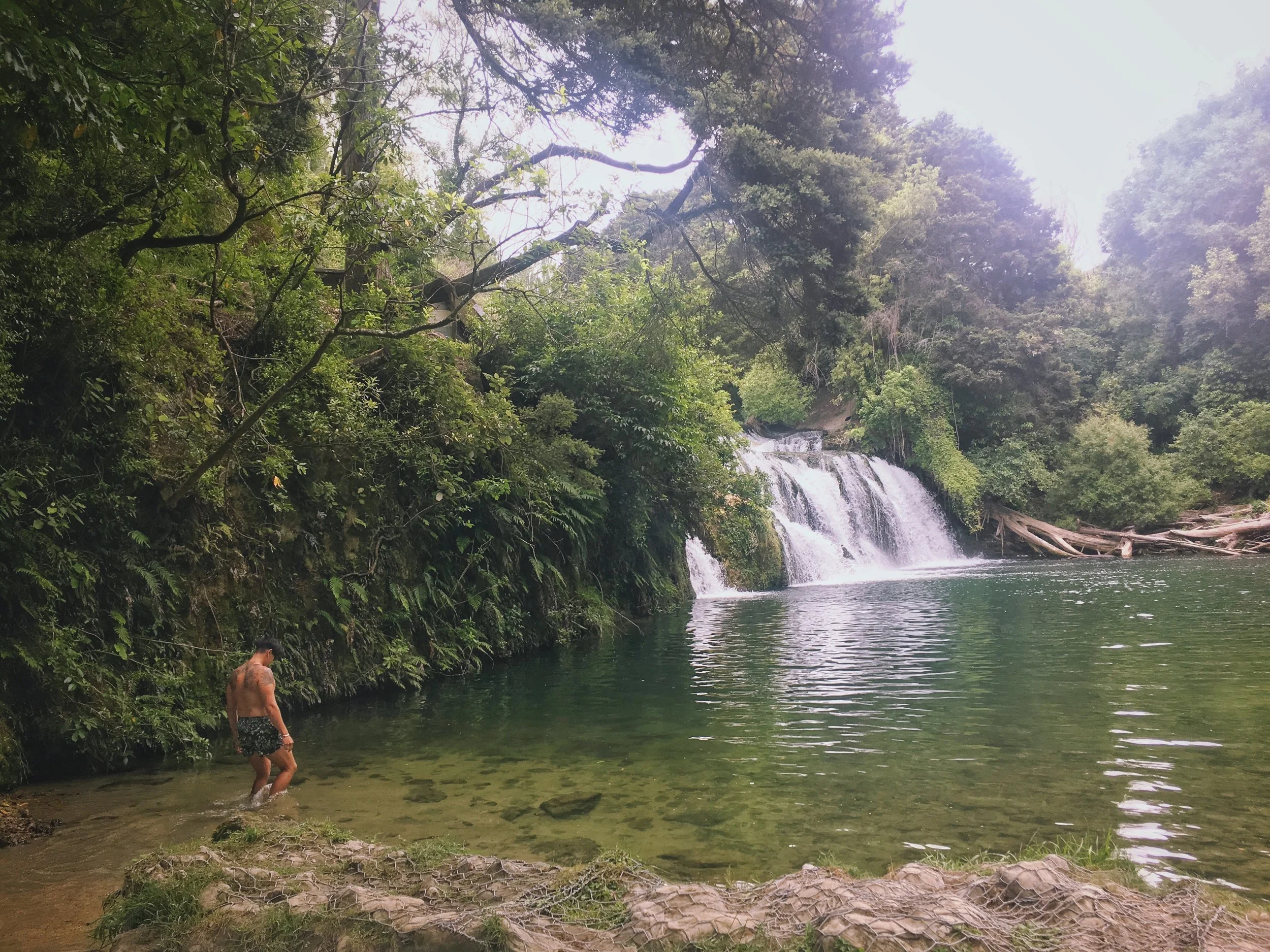
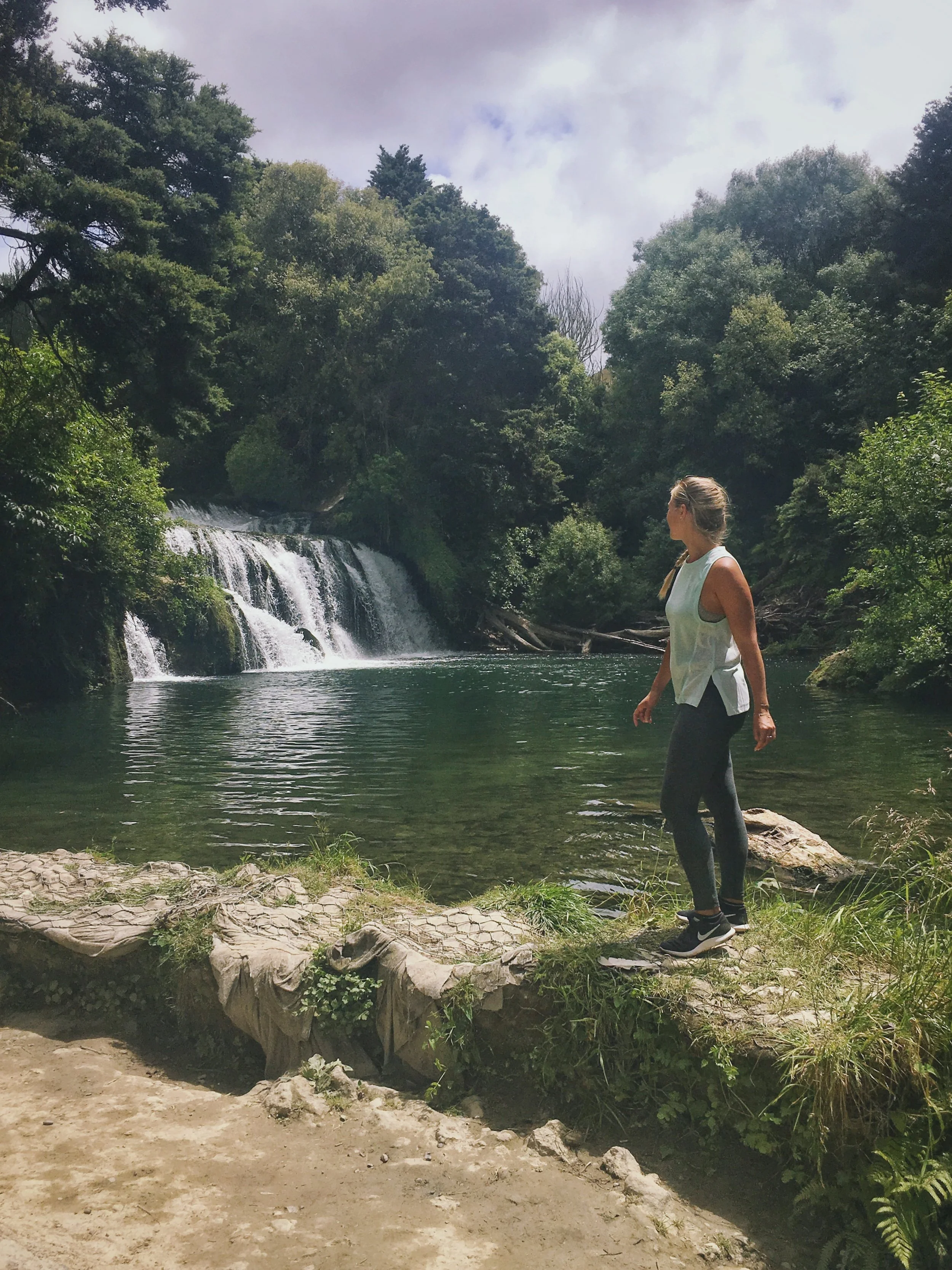
For anyone looking to stretch their legs, Te Mata Peak is a rewarding hike with wide-open views over the region. Maraetotara Falls is another great stop. Trevor couldn’t resist a quick swim in the freezing water.
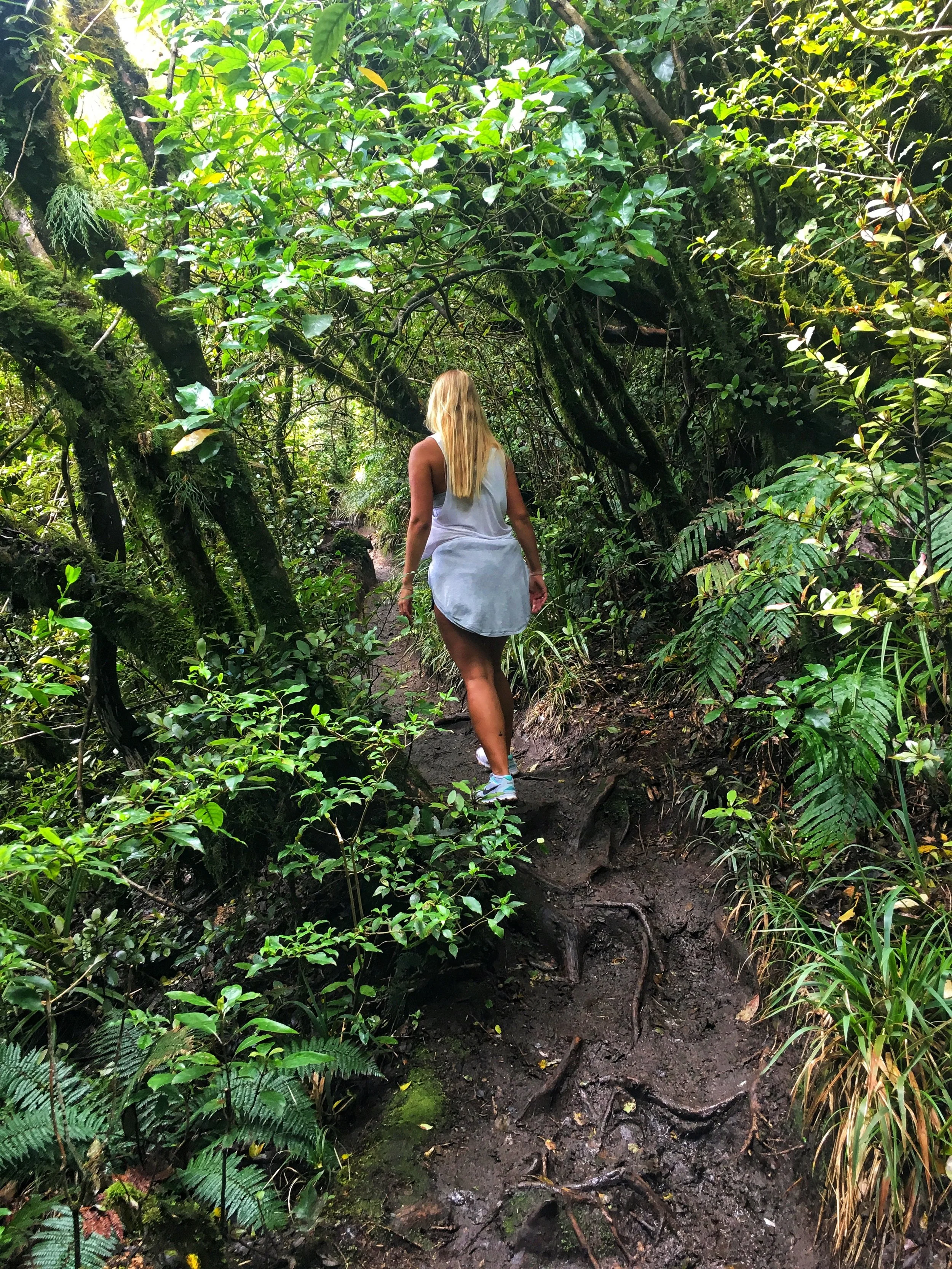
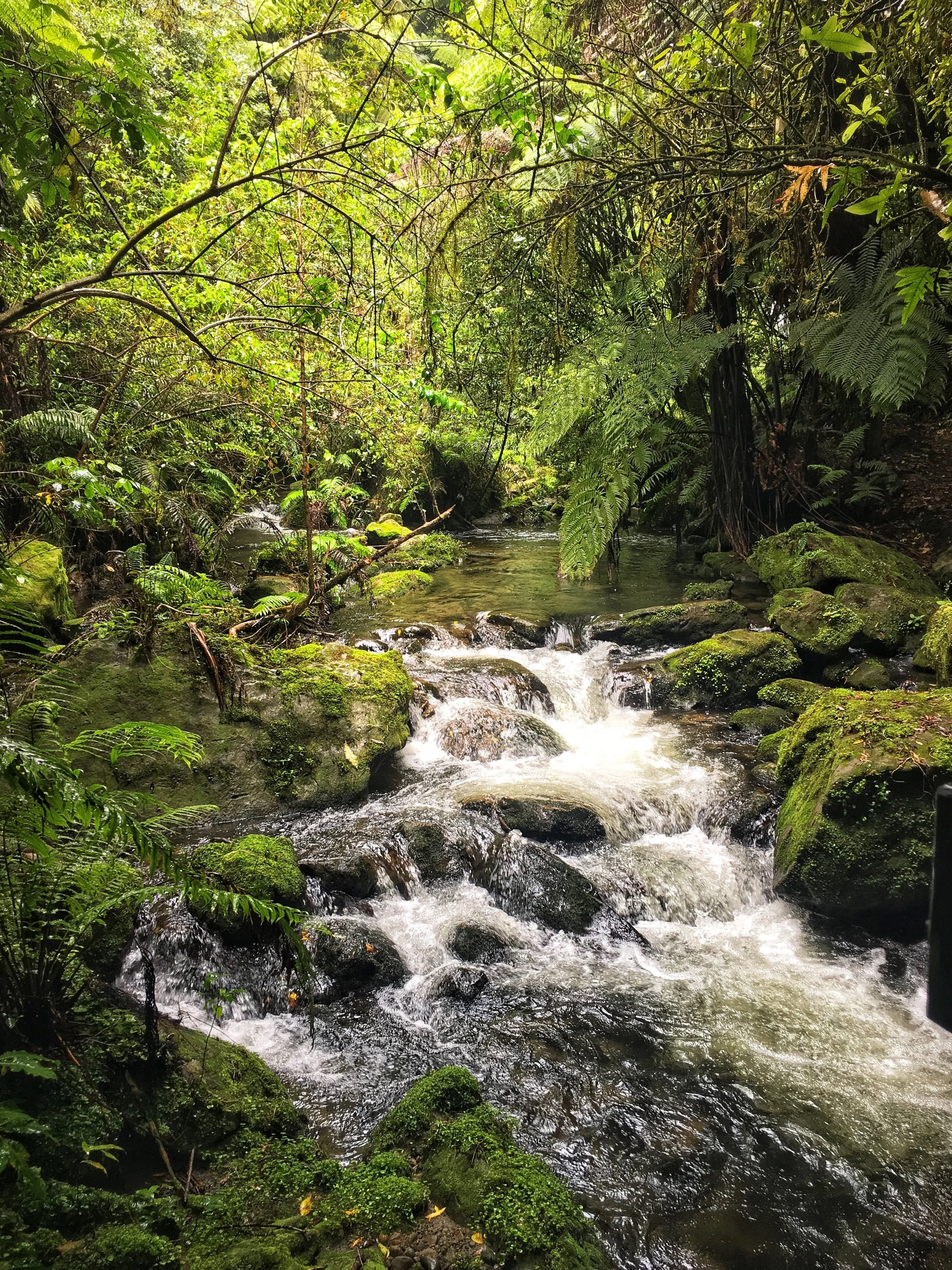
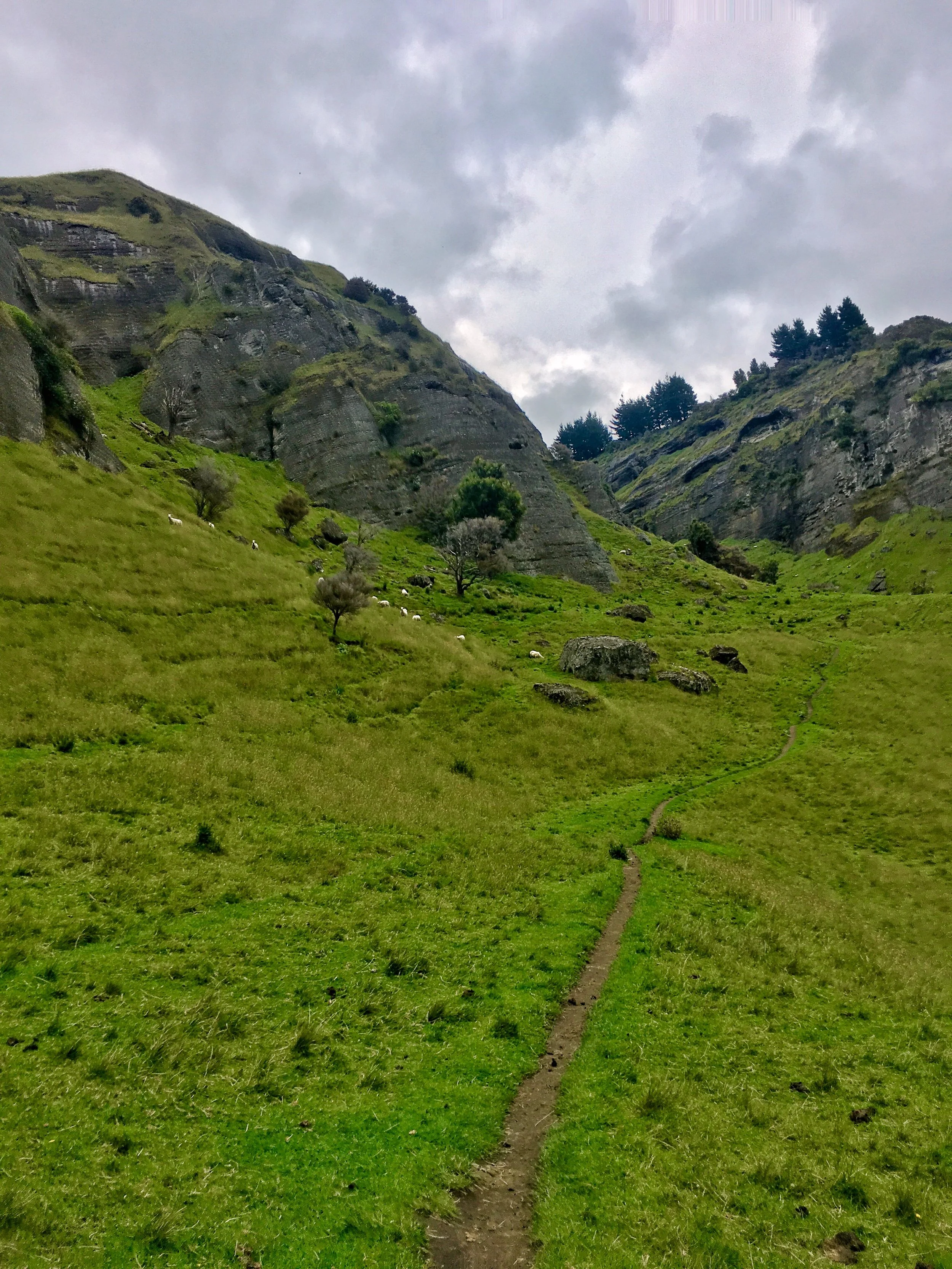
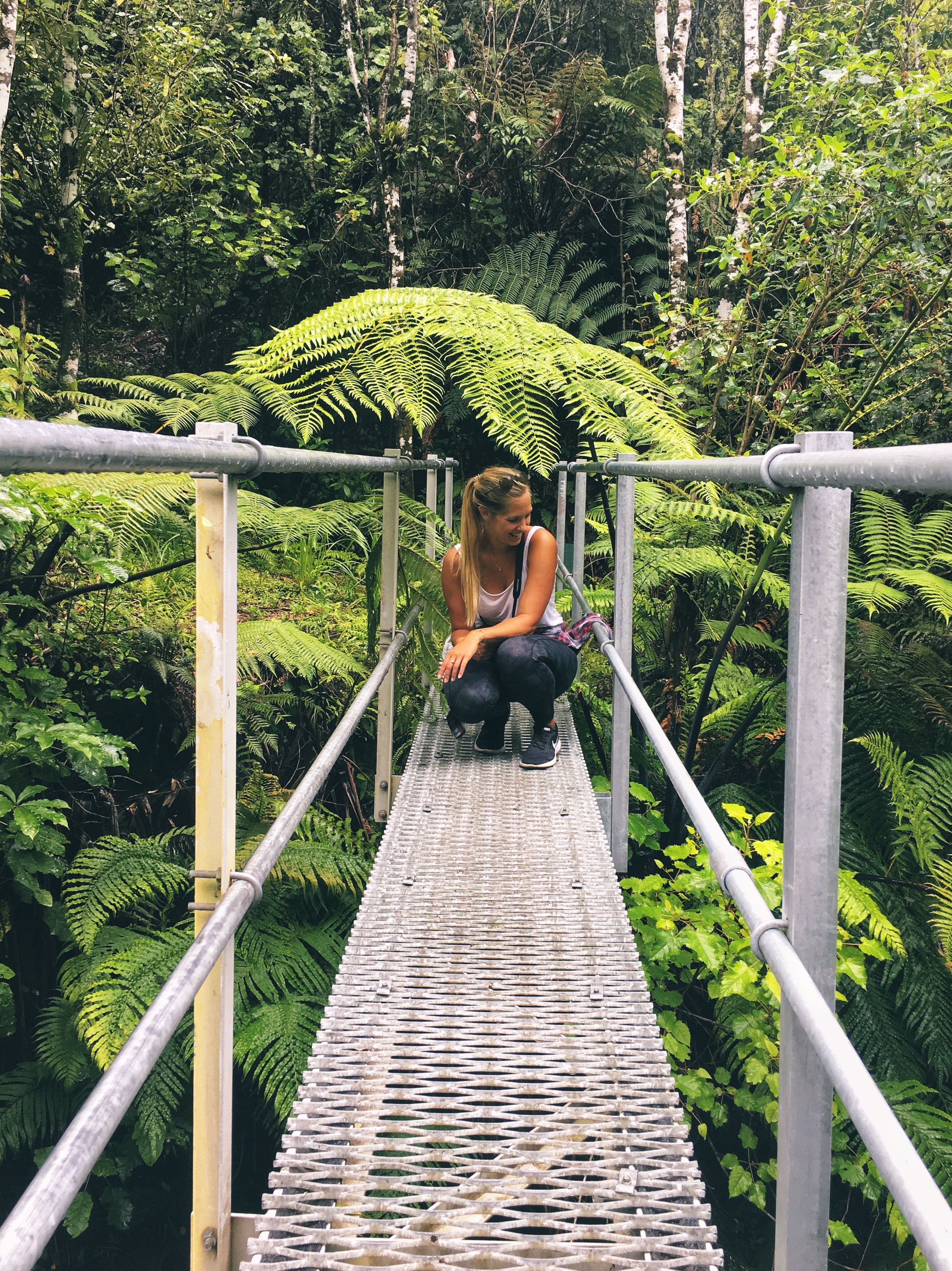
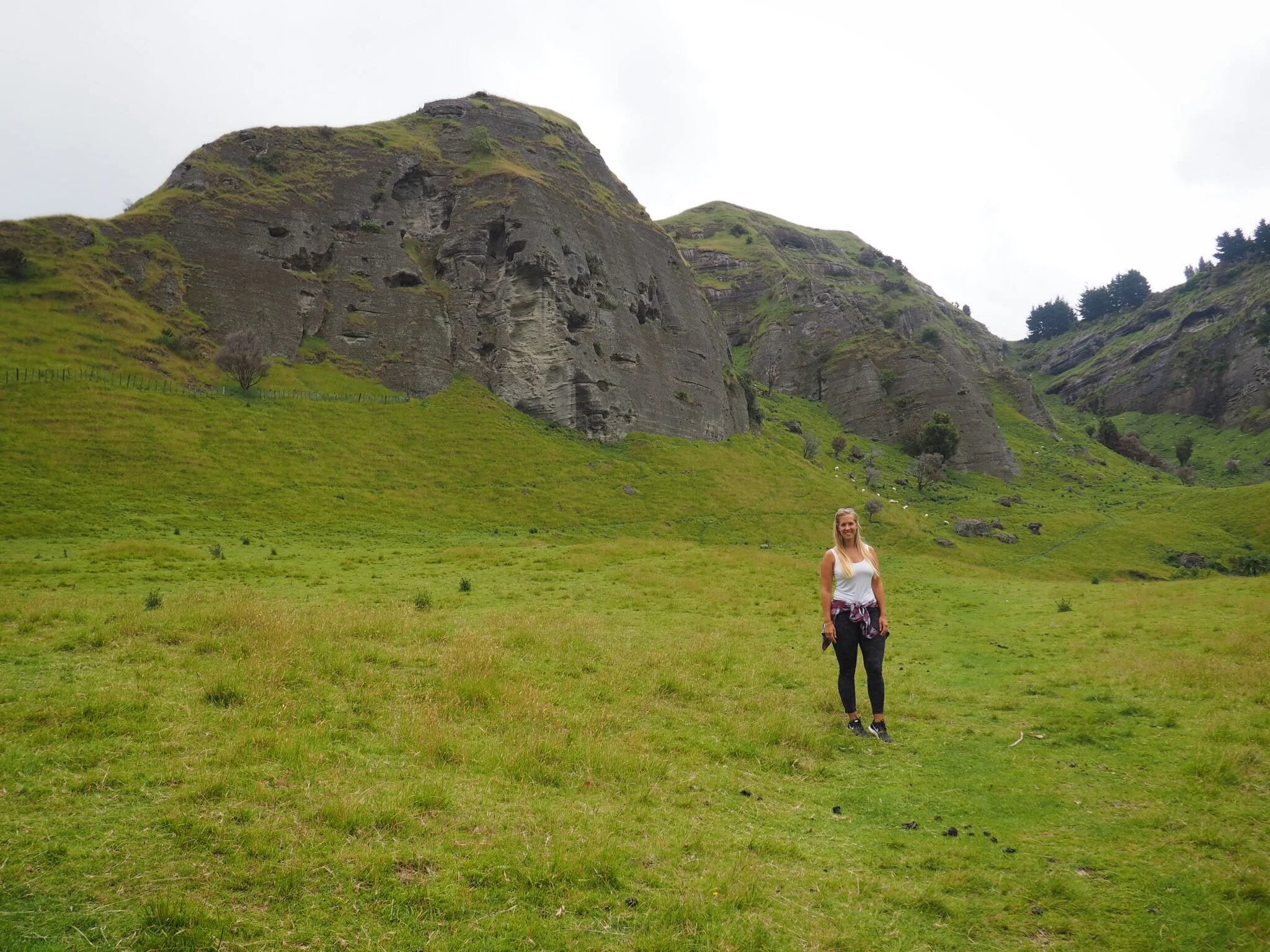
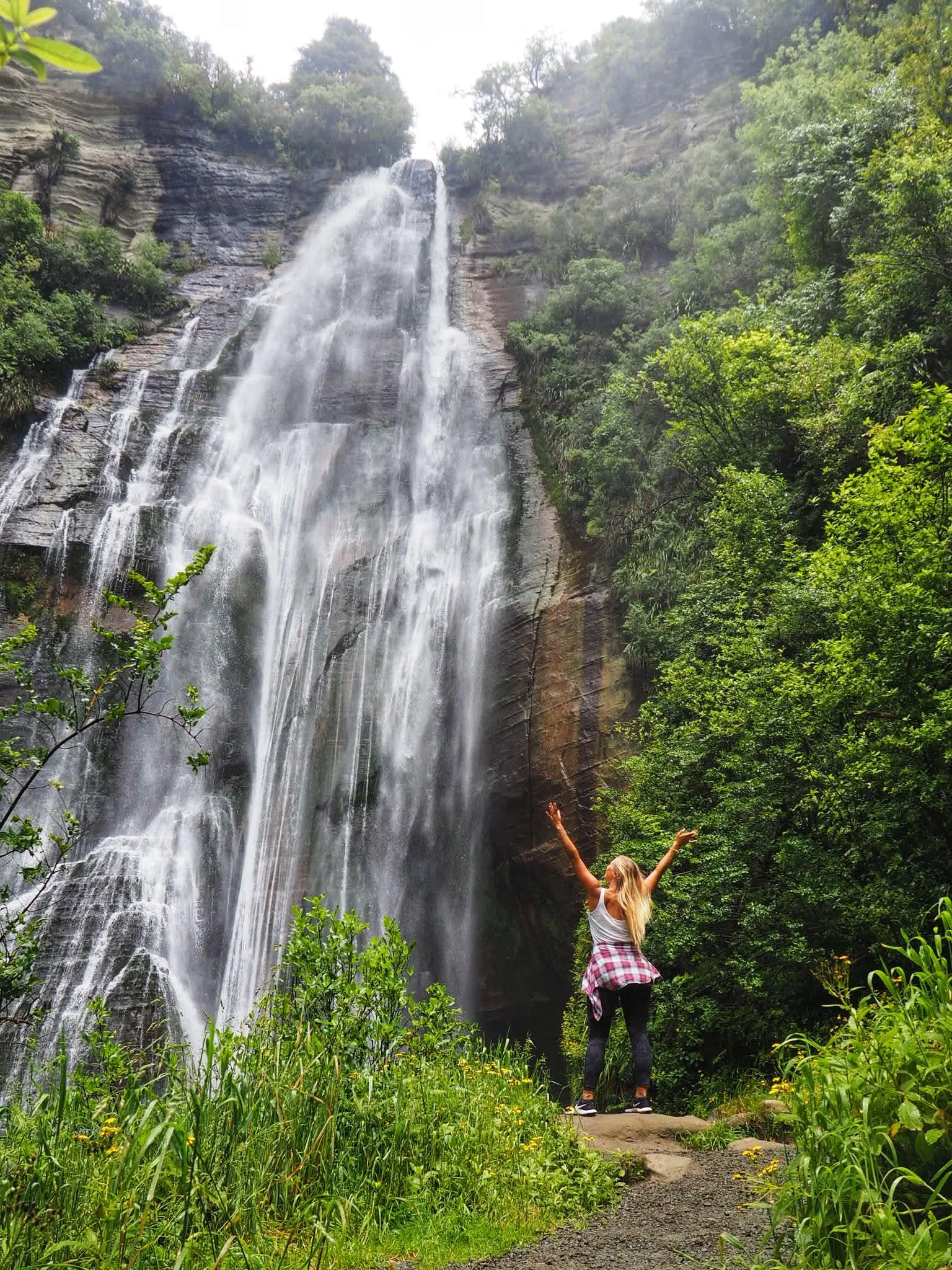
On our way out of Napier, we stopped for a short hike to Shine Falls. The walk starts across a sheep field before leading into a forest that offered some shelter from the rain. The combination of mist, trees and steady rainfall created a surprisingly atmospheric setting. After about 30 minutes, we reached the waterfall, a dramatic cascade that felt almost unreal, like the entrance to an ancient temple hidden in the forest.
Since time and weather weren’t optimal we didn’t get to do the Lake Waikaremoana Walk, which is one of New Zealand’s Great Walks. Maybe we’ll have the chance to do it at another point.
Hawkes Bay to East Cape
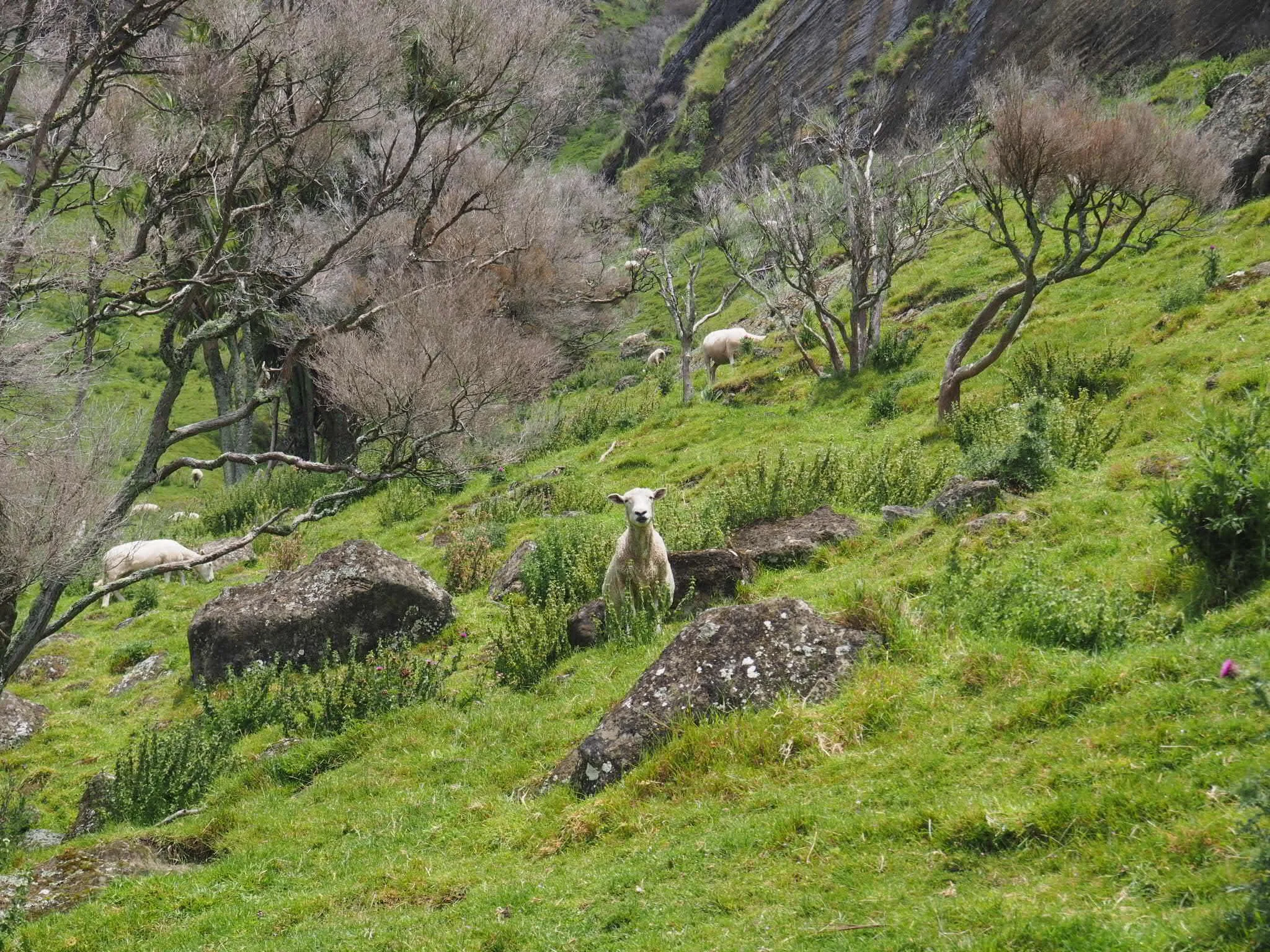
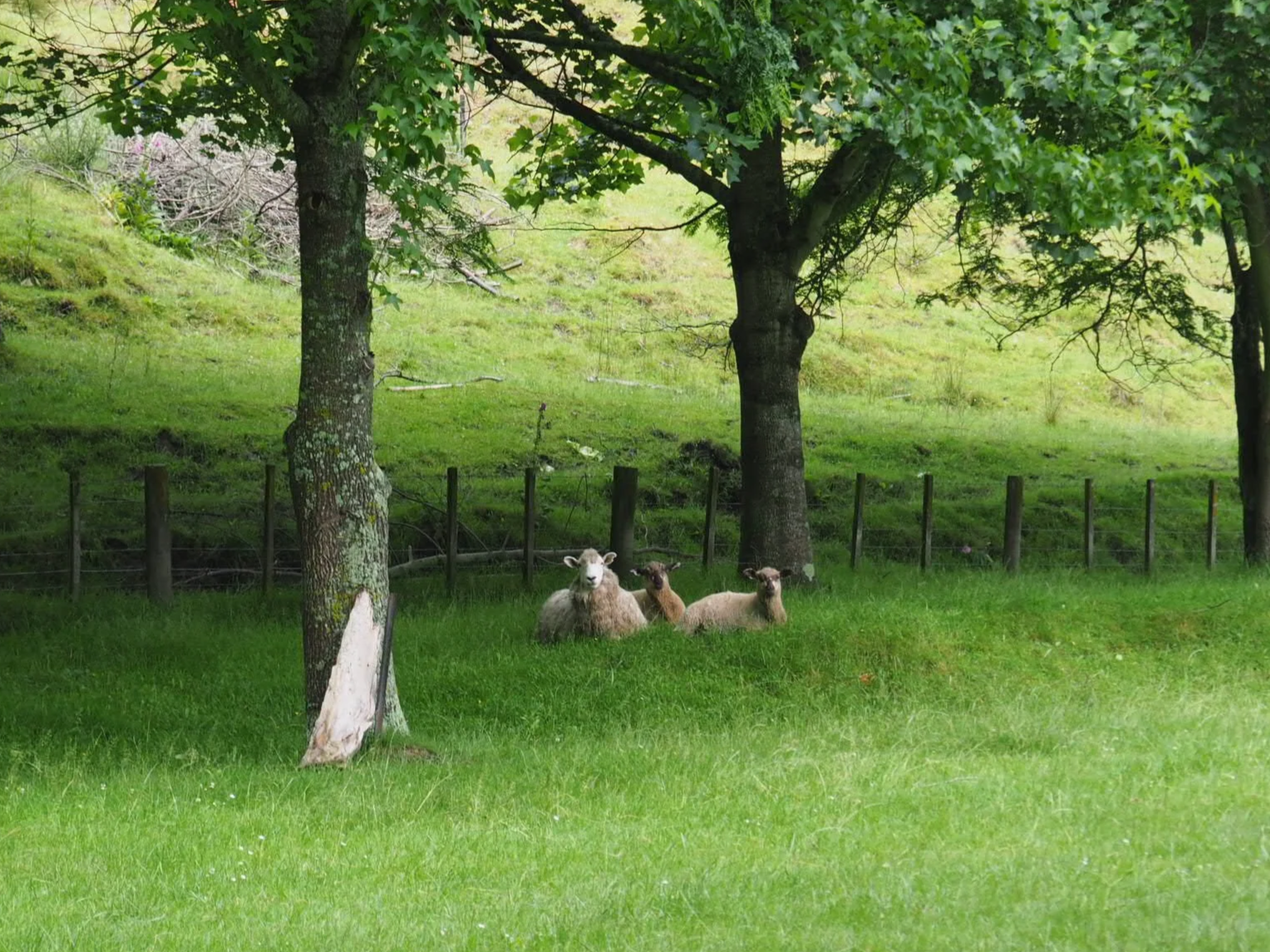
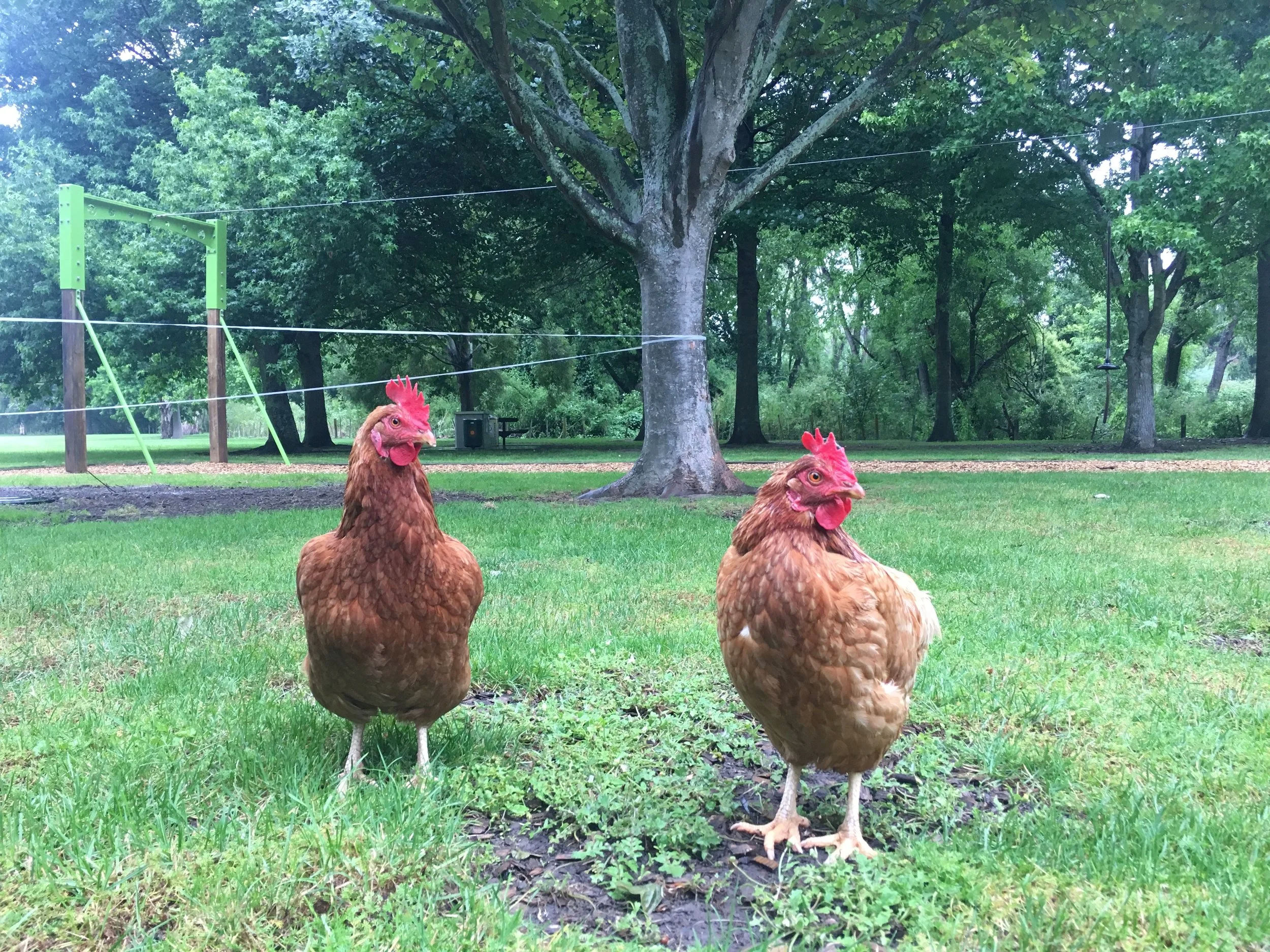
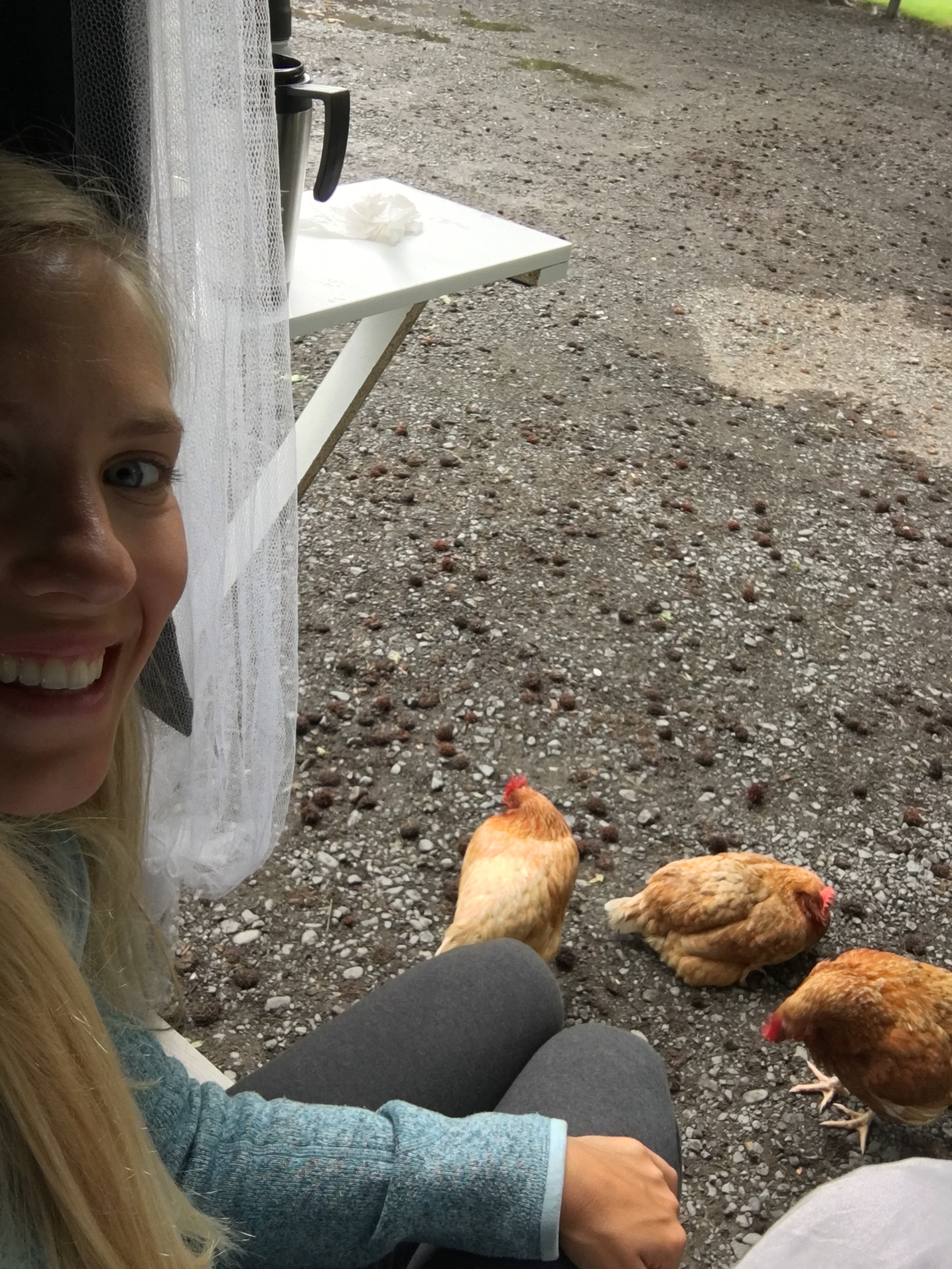
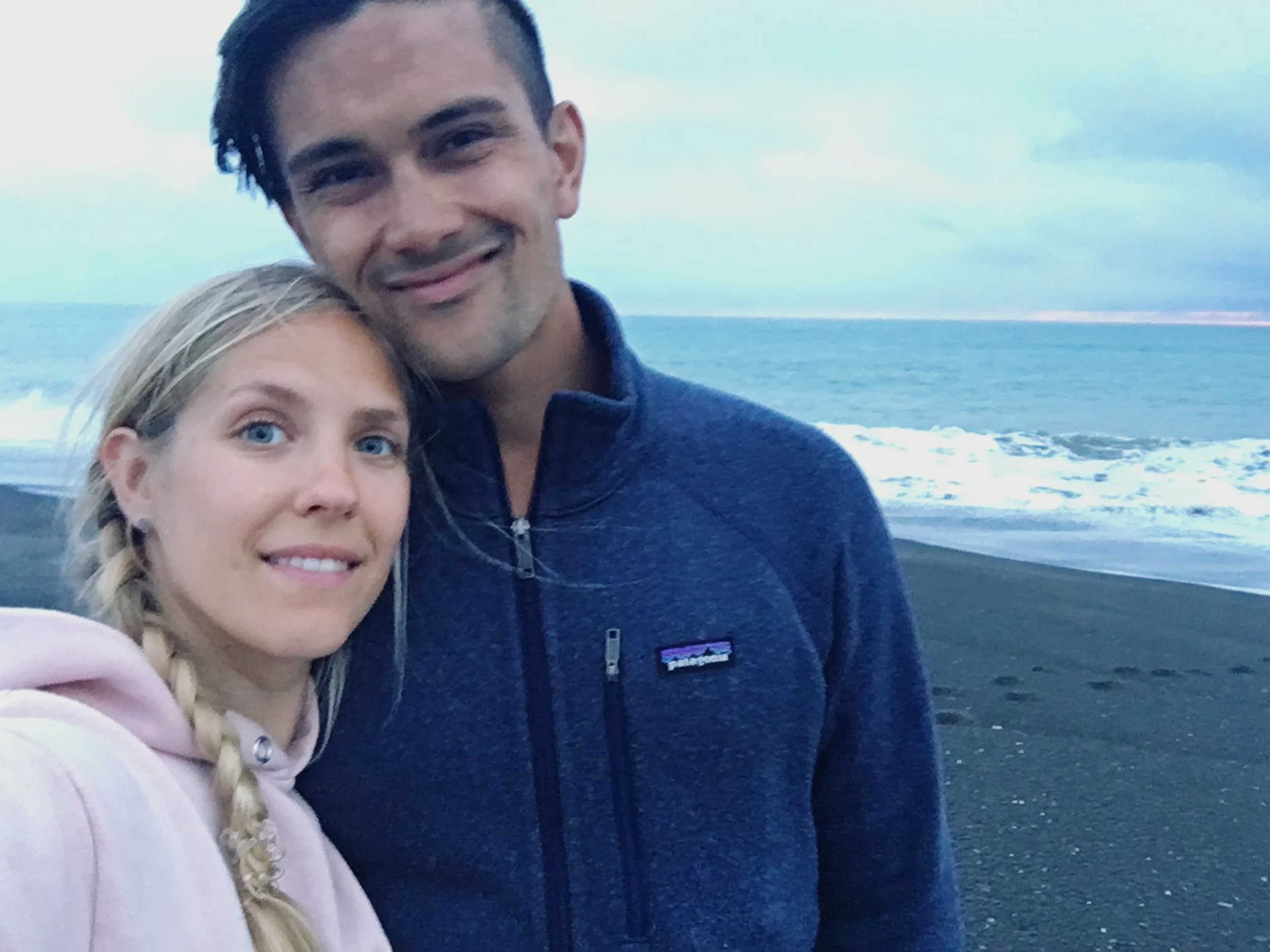
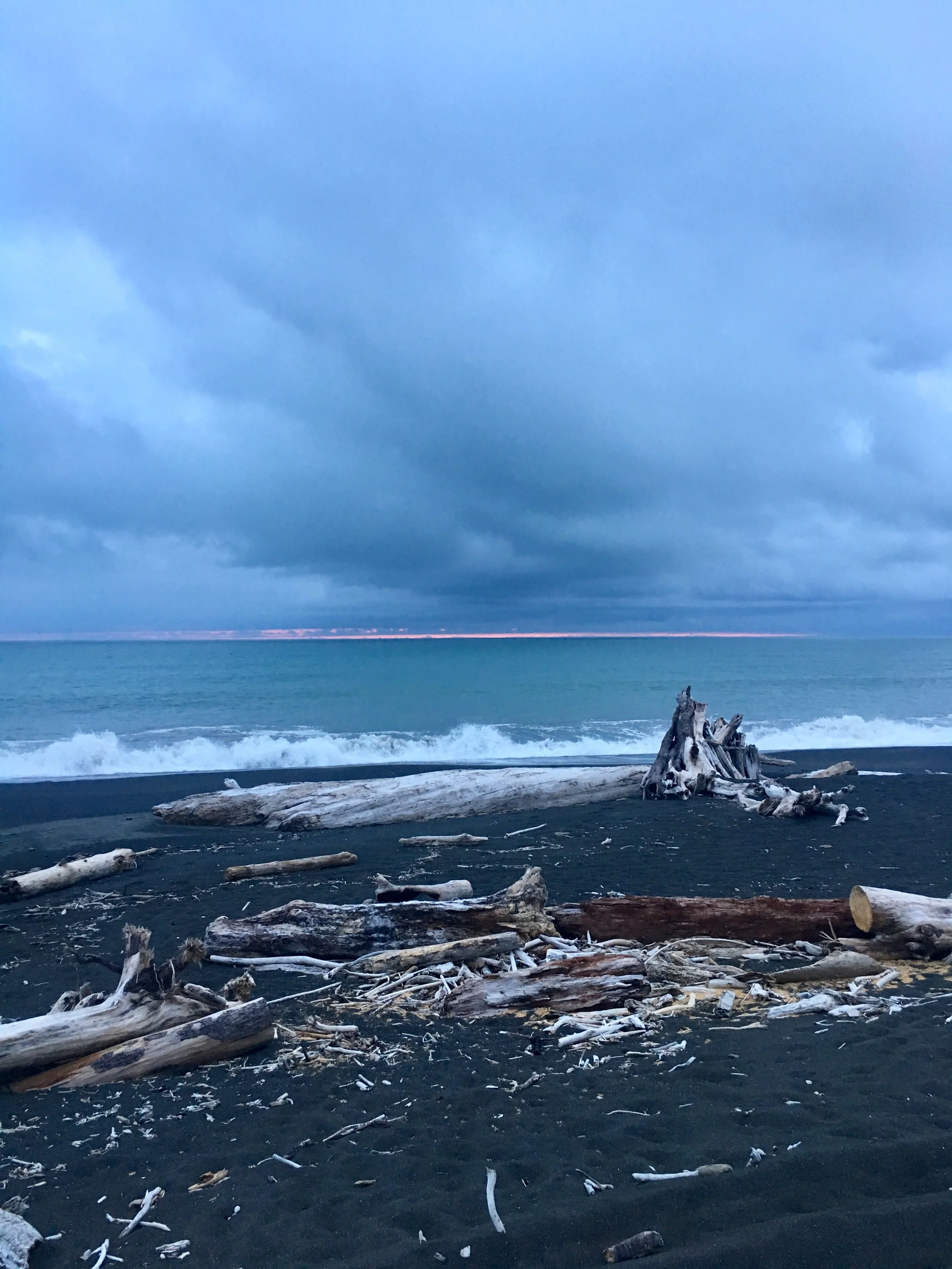
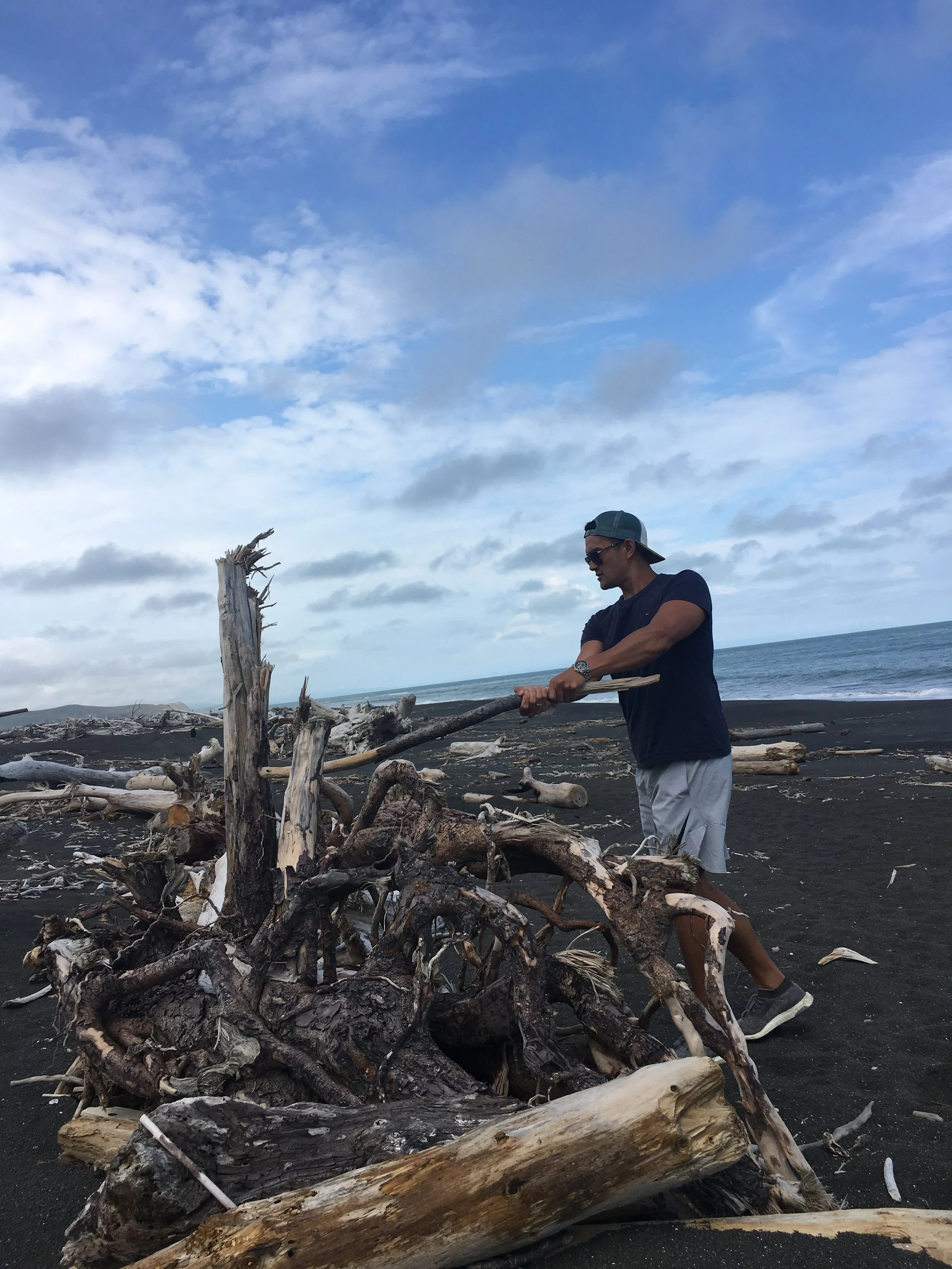
On route to Gisborne, we stayed at a few memorable campsites, from a playground taken over by chickens to a muddy sheep field by Lake Tutira, where we woke up surrounded by curious furry onlookers. In Wairoa, we found a quiet beachfront campsite scattered with driftwood, remote in every sense except for unexpectedly good and free wifi.
Gisborne itself is an old industrial town with a small port but you also find pristine beaches for surfing and swimming. Saturdays were best spent at the local farmers market, sampling regional produce, coffee and wine. For us, Gisborne was also the gateway to the East Cape, a detour we hadn't planned but was recommended by locals.
East Cape to Bay of Plenty
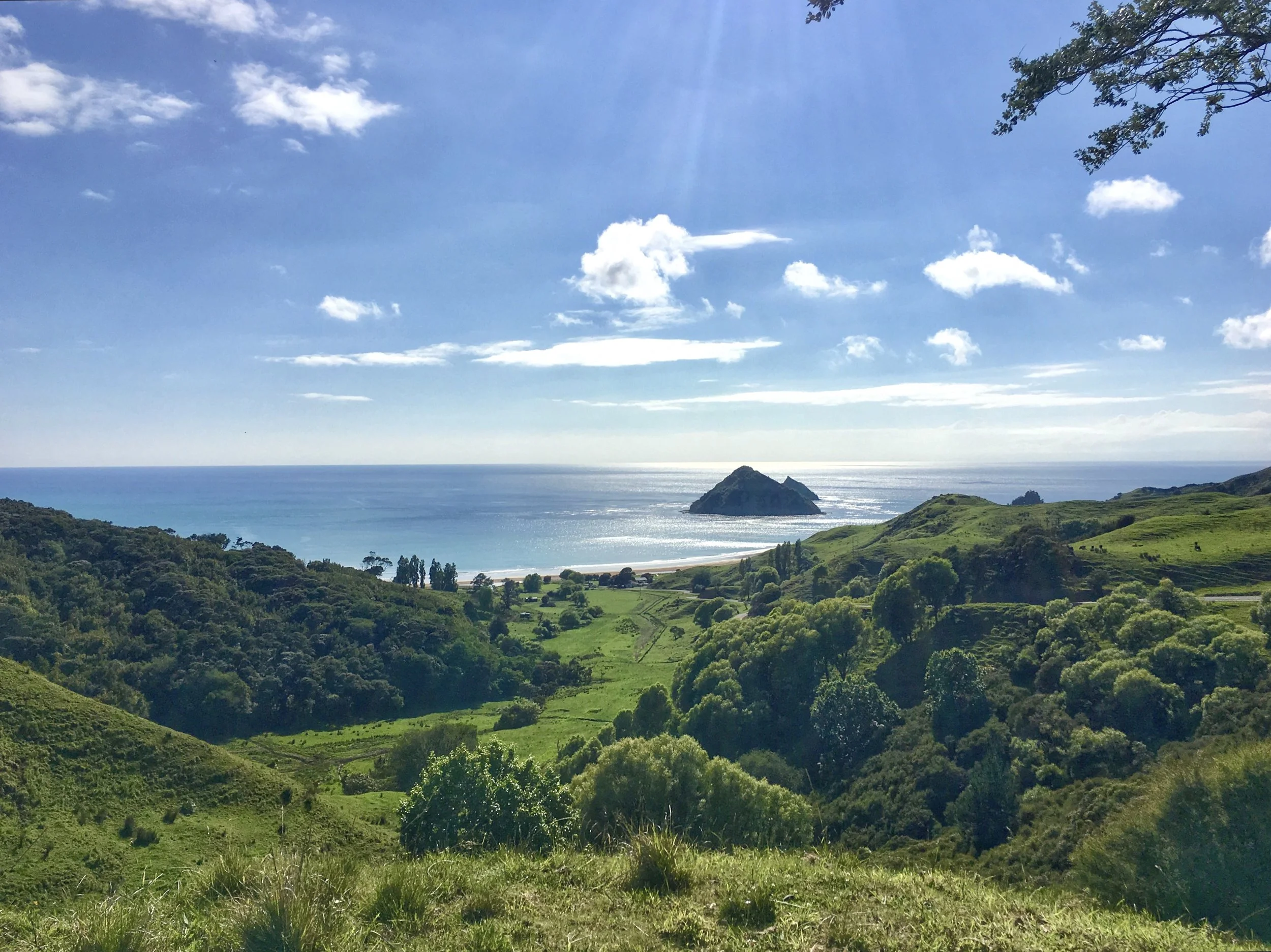
Most campers skip the East Cape since it’s a bit of a detour, but we were so glad we continued past Gisborne and followed the road along the coast. It’s an impressive and largely untouched part of New Zealand, far removed from the busier, more touristic regions. We’d recommend this stretch to anyone who enjoys quieter roads and unexpected moments.
Driving through the East Cape felt like stepping into a different rhythm. Along the roadside, we passed abandoned cars and even old school buses slowly being reclaimed by nature, sometimes tipped over, sometimes half hidden by vegetation. Front yards featured unexpected sights too, like a truck stacked with logs or rusty shipping containers sitting casually in the grass. It felt unpolished and unconcerned with appearances.
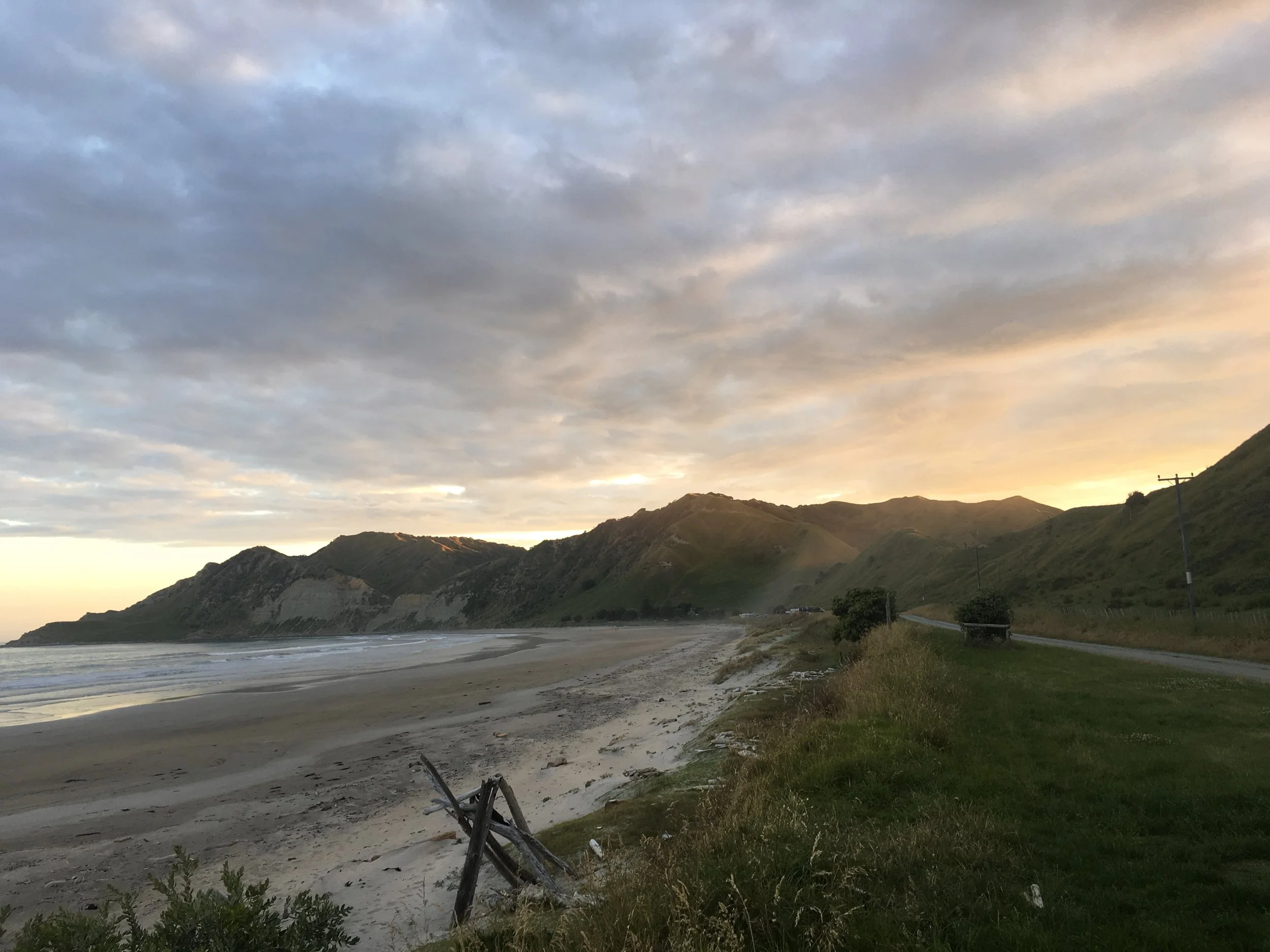
Before reaching the East Cape, someone had told us it would feel like going back 20 years and in many ways, that was true. The area felt eerie, atmospheric and mystical at times, removed from the rest of the world yet still calm and safe. Along the way, we discovered empty beaches that felt almost untouched.
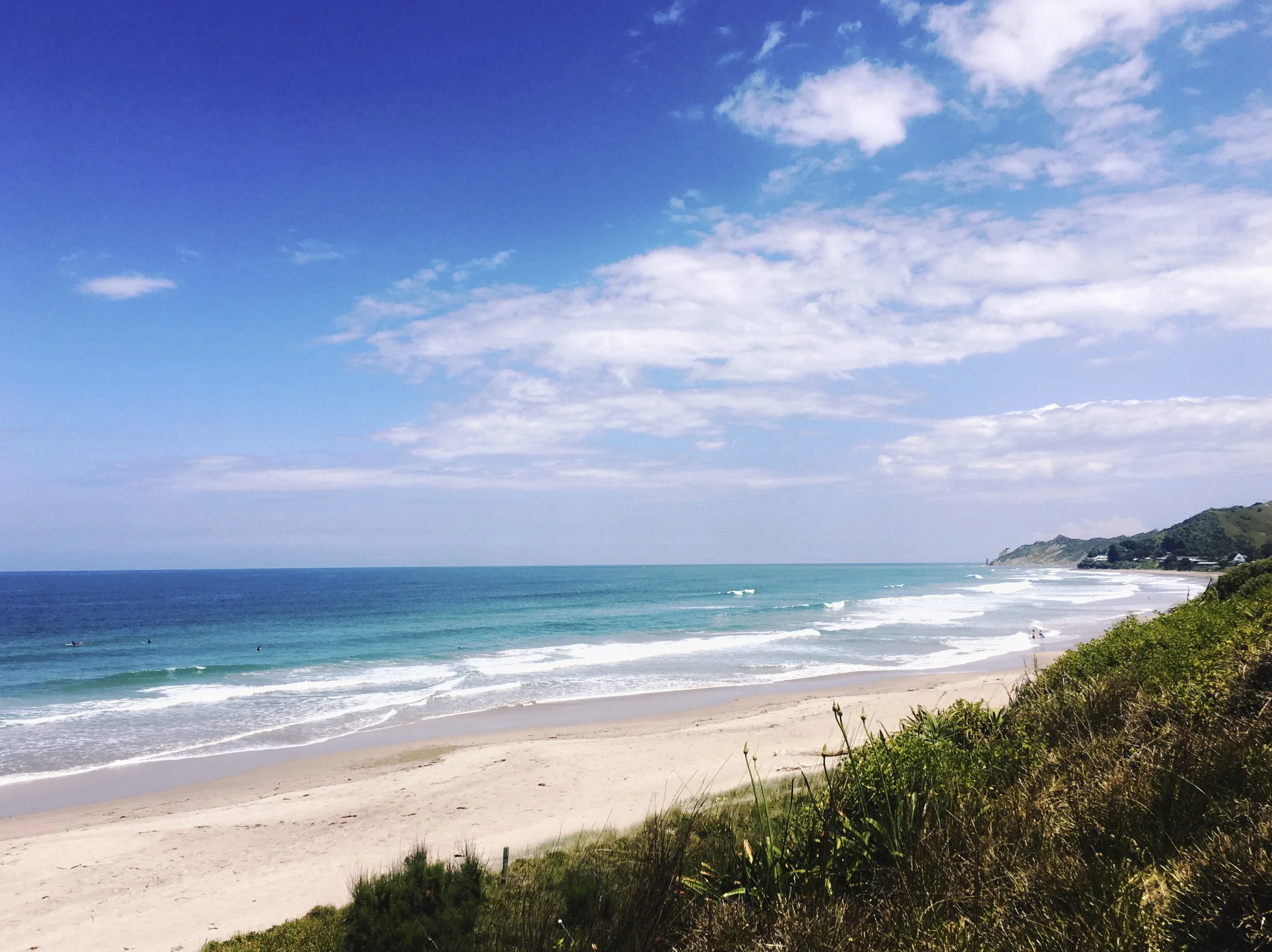
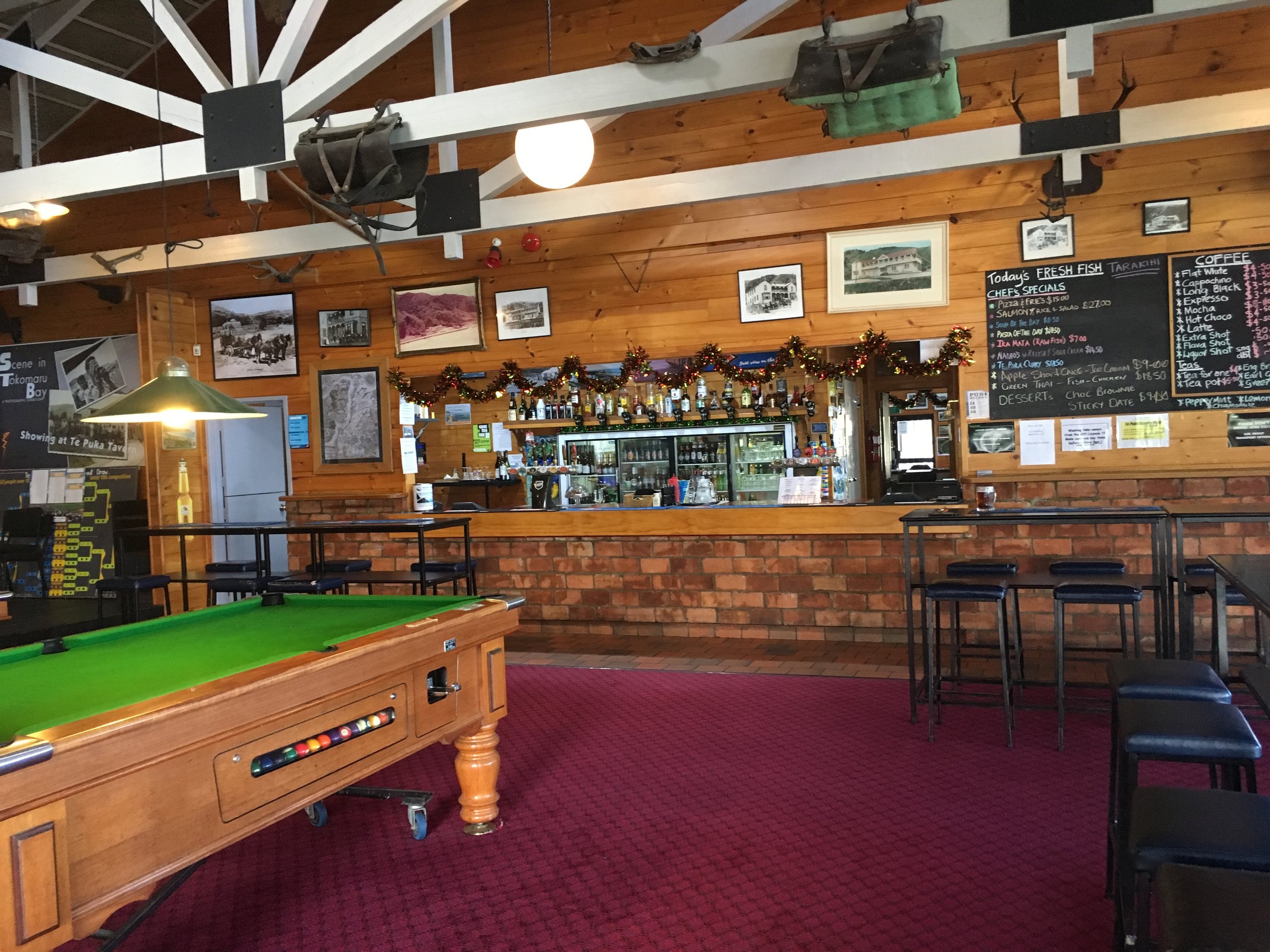
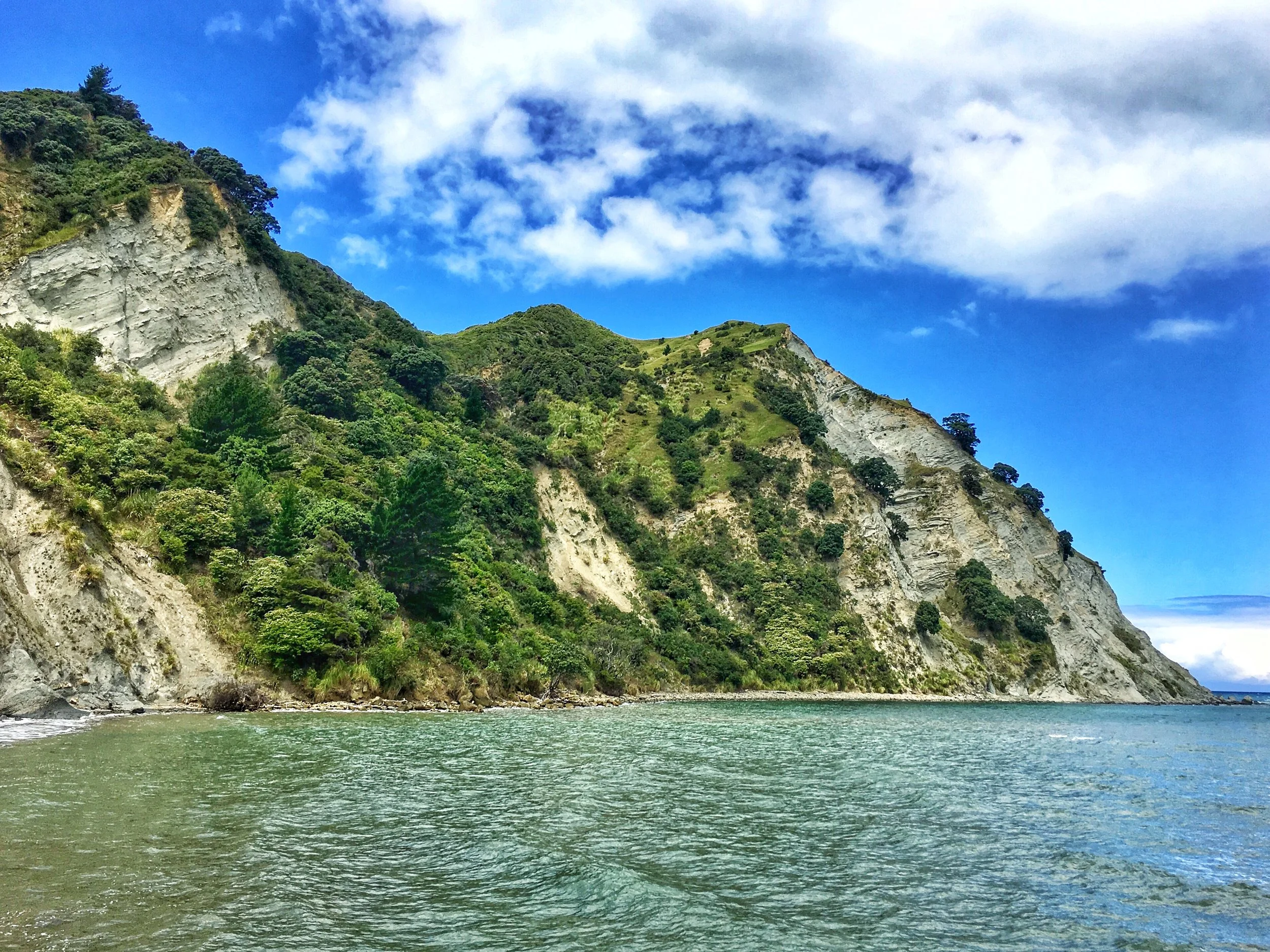
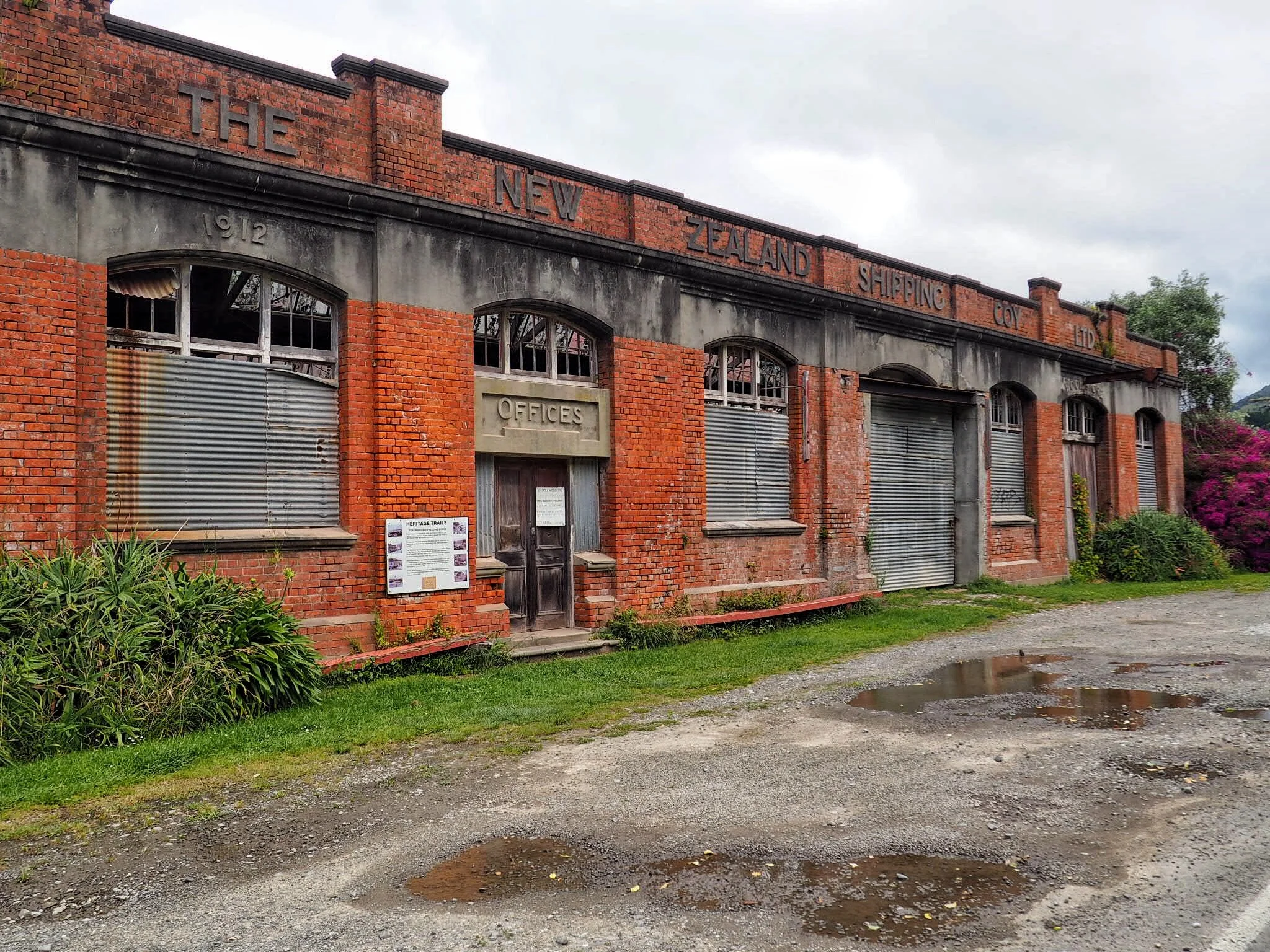
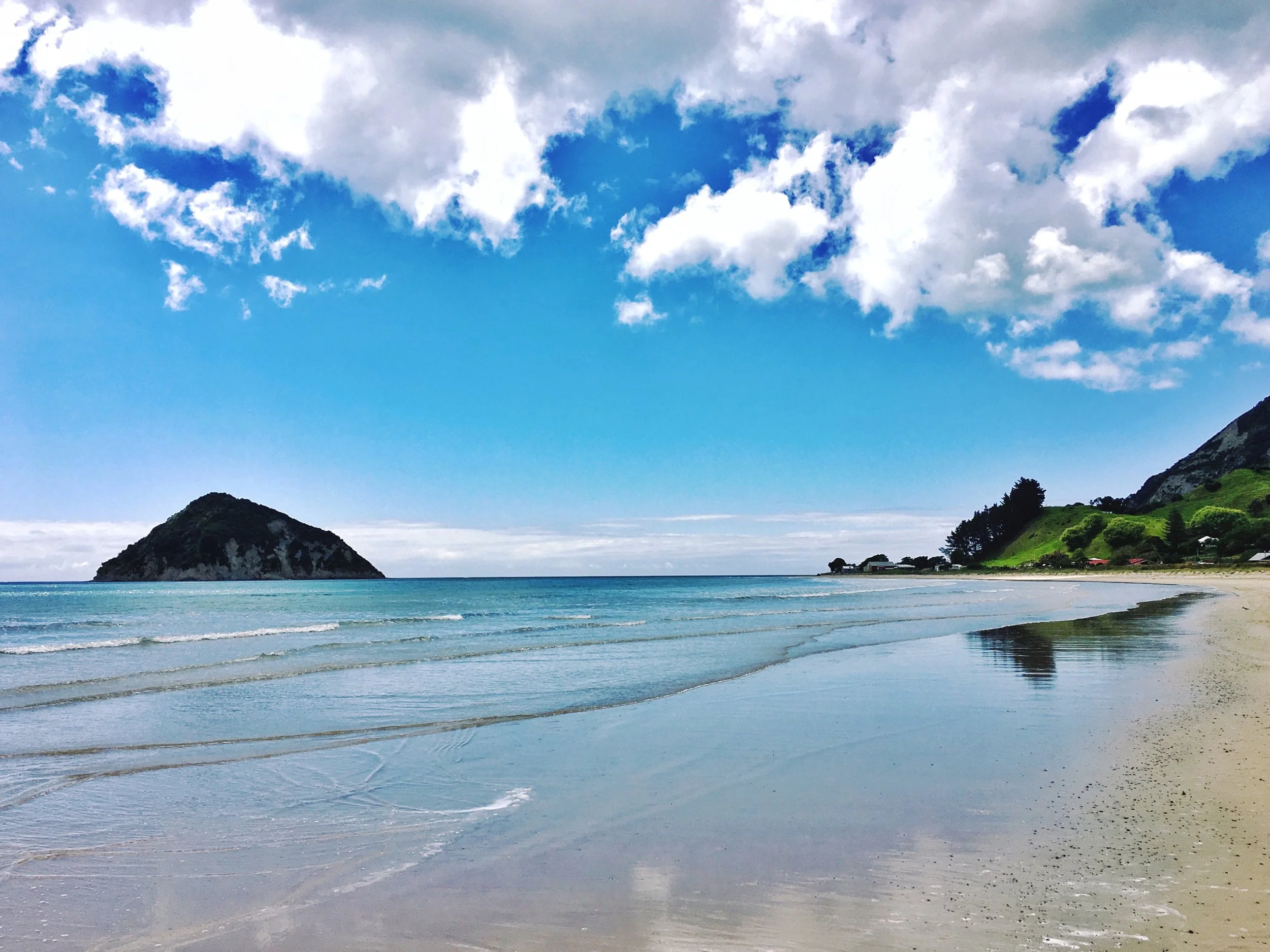
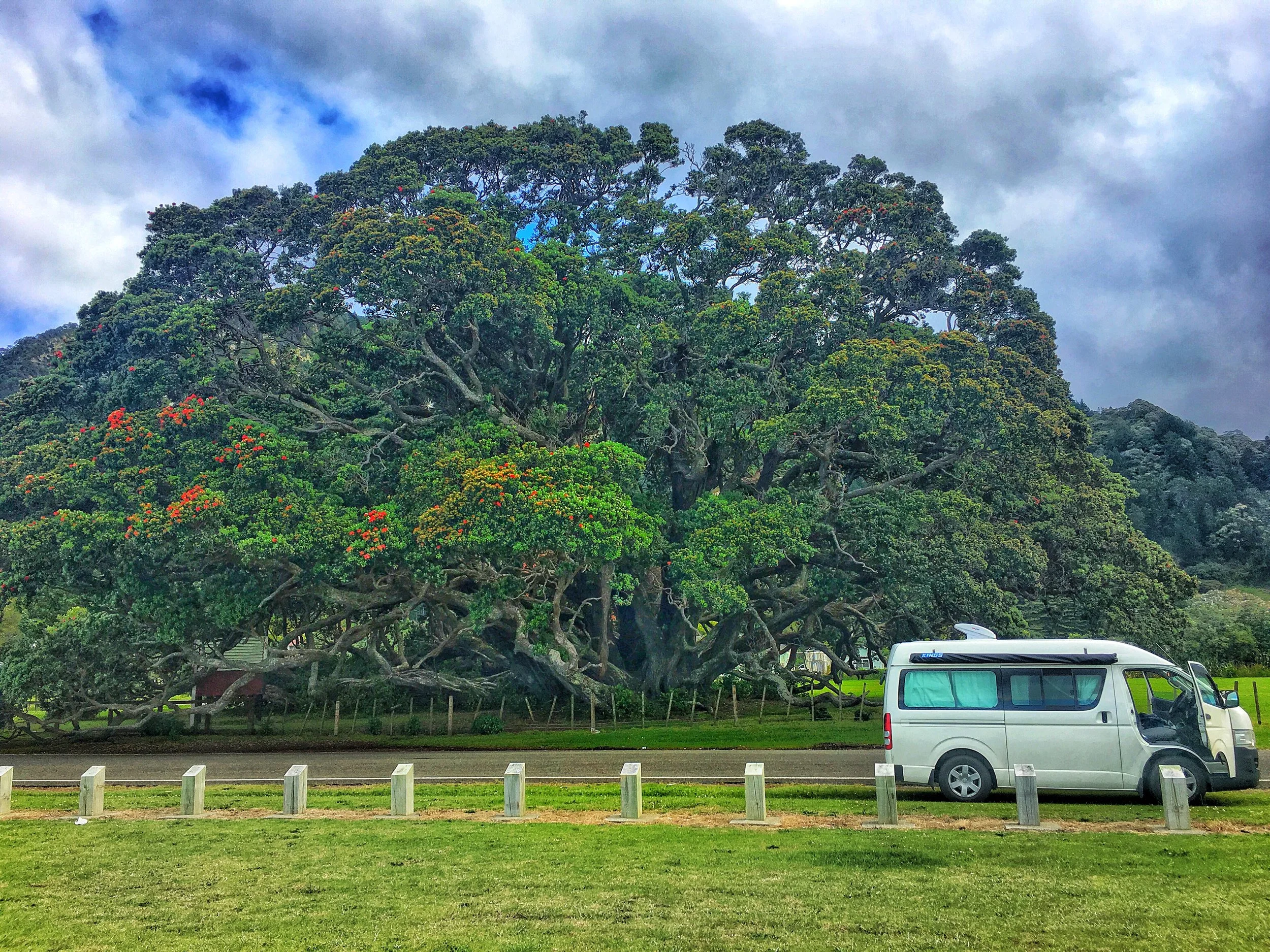
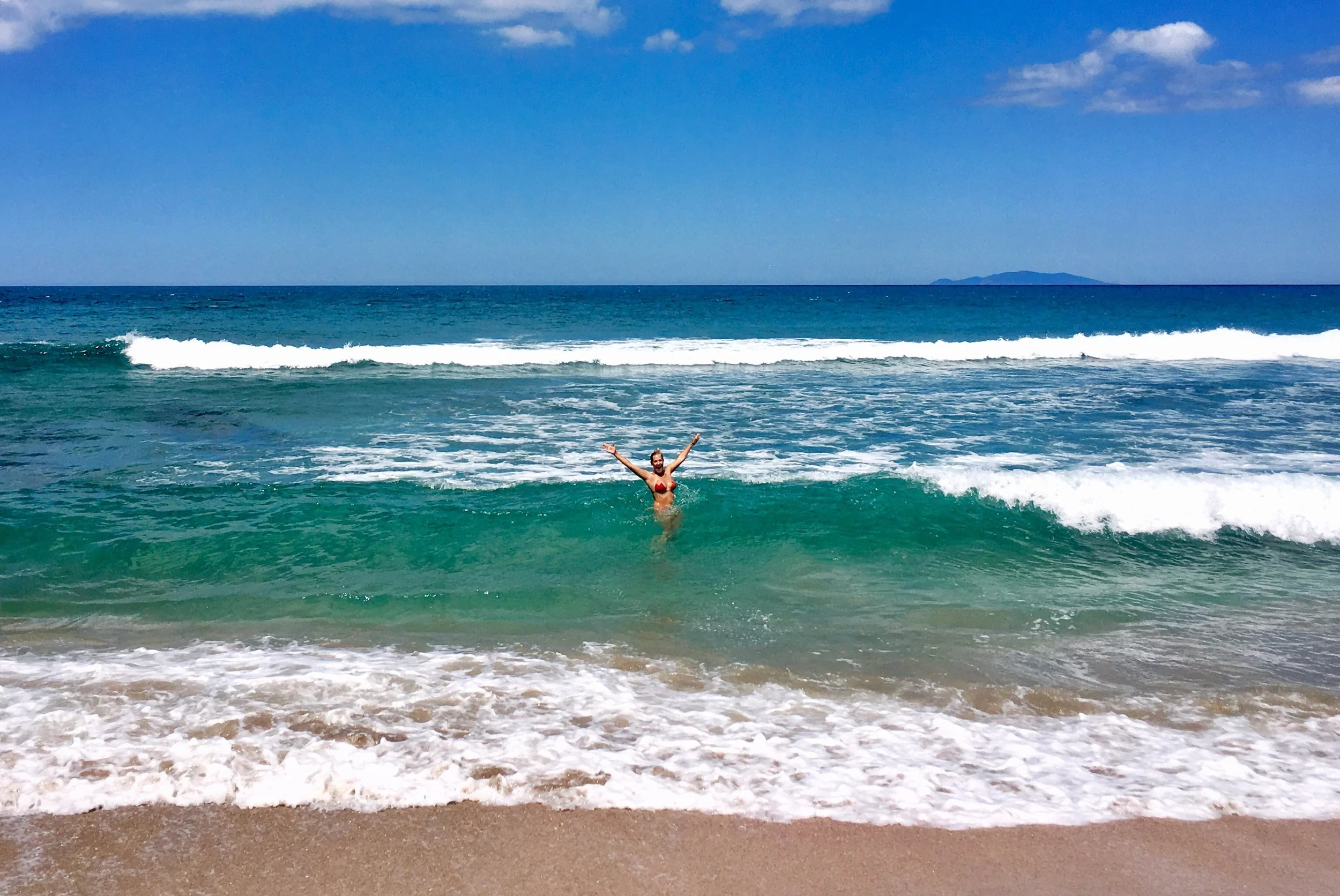
As we reached the Bay of Plenty, the focus shifted to swimming and beach time. One night, we stayed near Onemana Beach, a beautiful stretch of sand with powerful waves and a relaxed feel. Nearby Octopus Bay was reached by a short 30 minute walk through forest and open fields. We had the place almost to ourselves and spent hours in the water, getting tossed around by the waves.
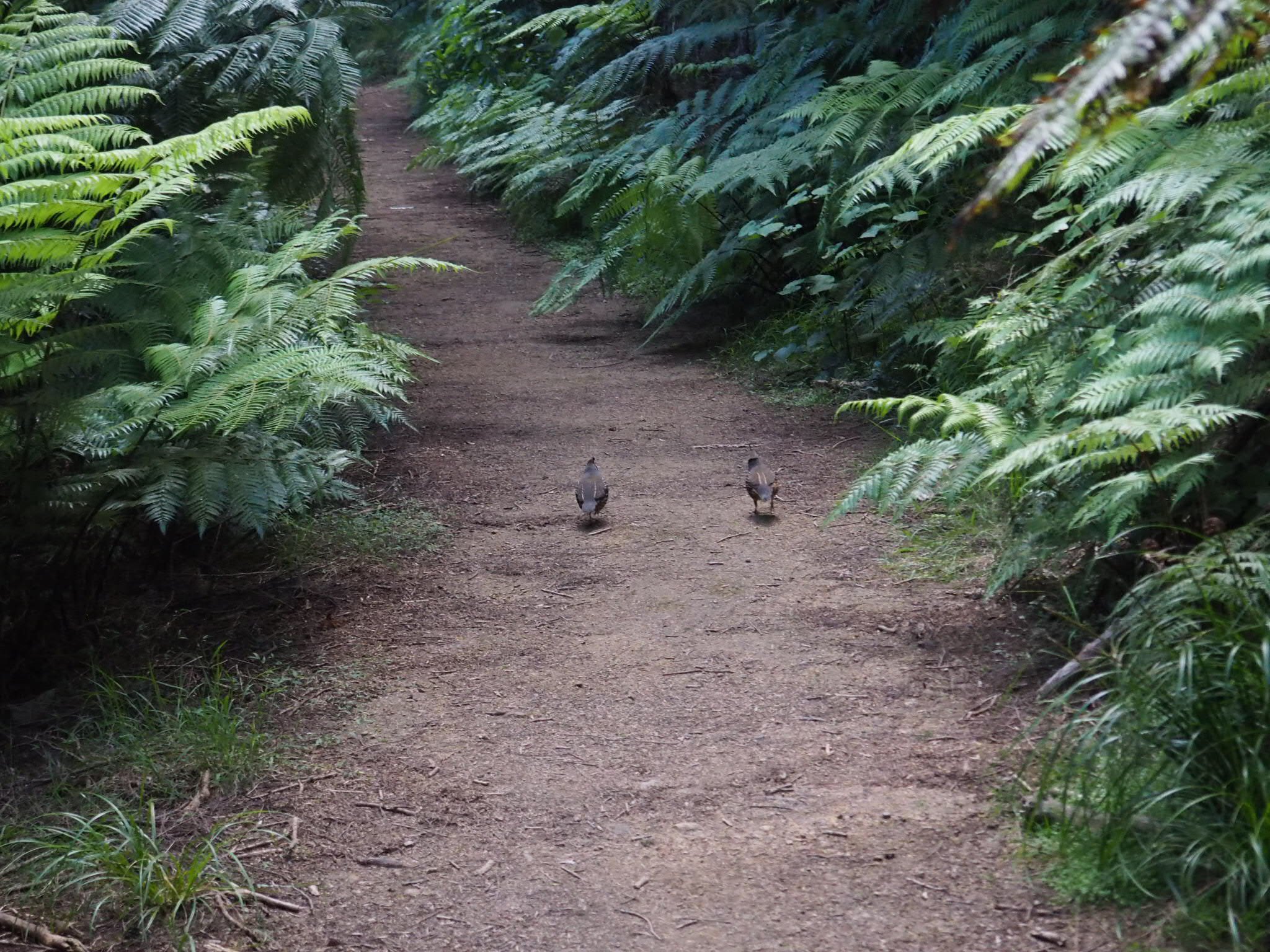
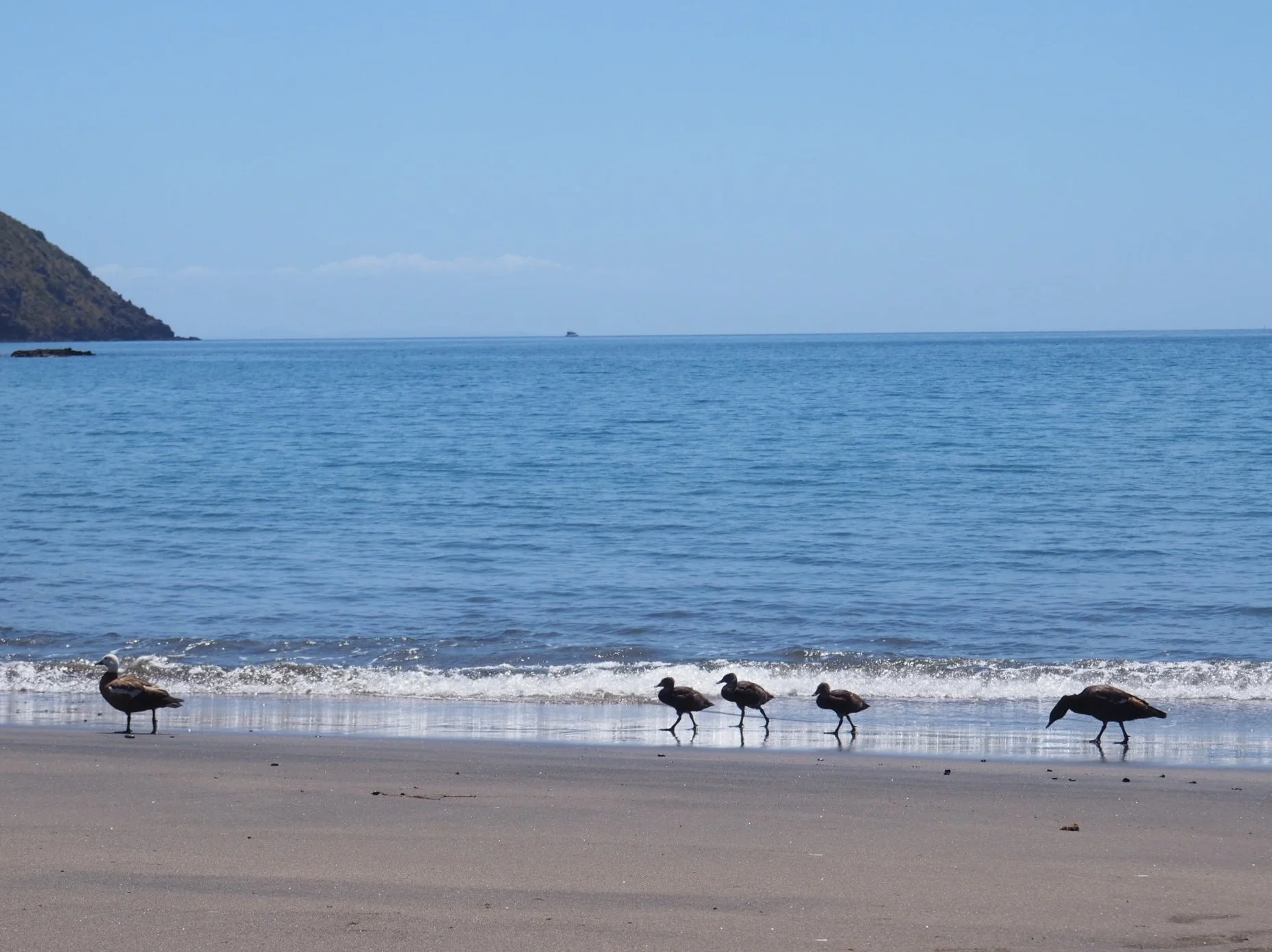
It was also around Onemana that we became big fans of the New Zealand Oystercatcher and the NZ Dotterel. These quirky, rare coastal birds have a distinctive way of speeding along the beach, searching for food with their long beaks. Because they nest directly on the sand, they’re especially vulnerable, which makes the protected breeding zones marked along many beaches all the more important and reassuring.
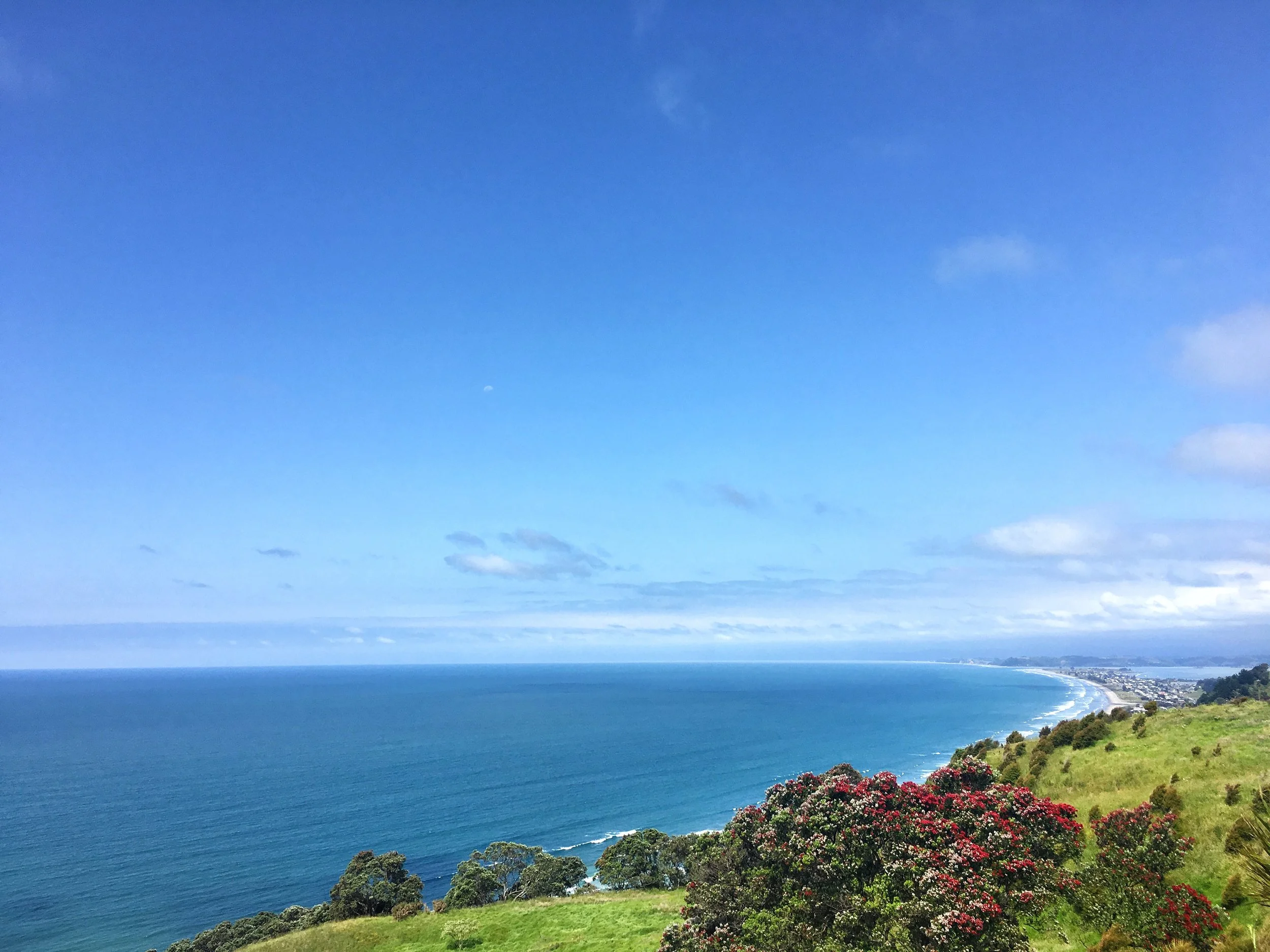
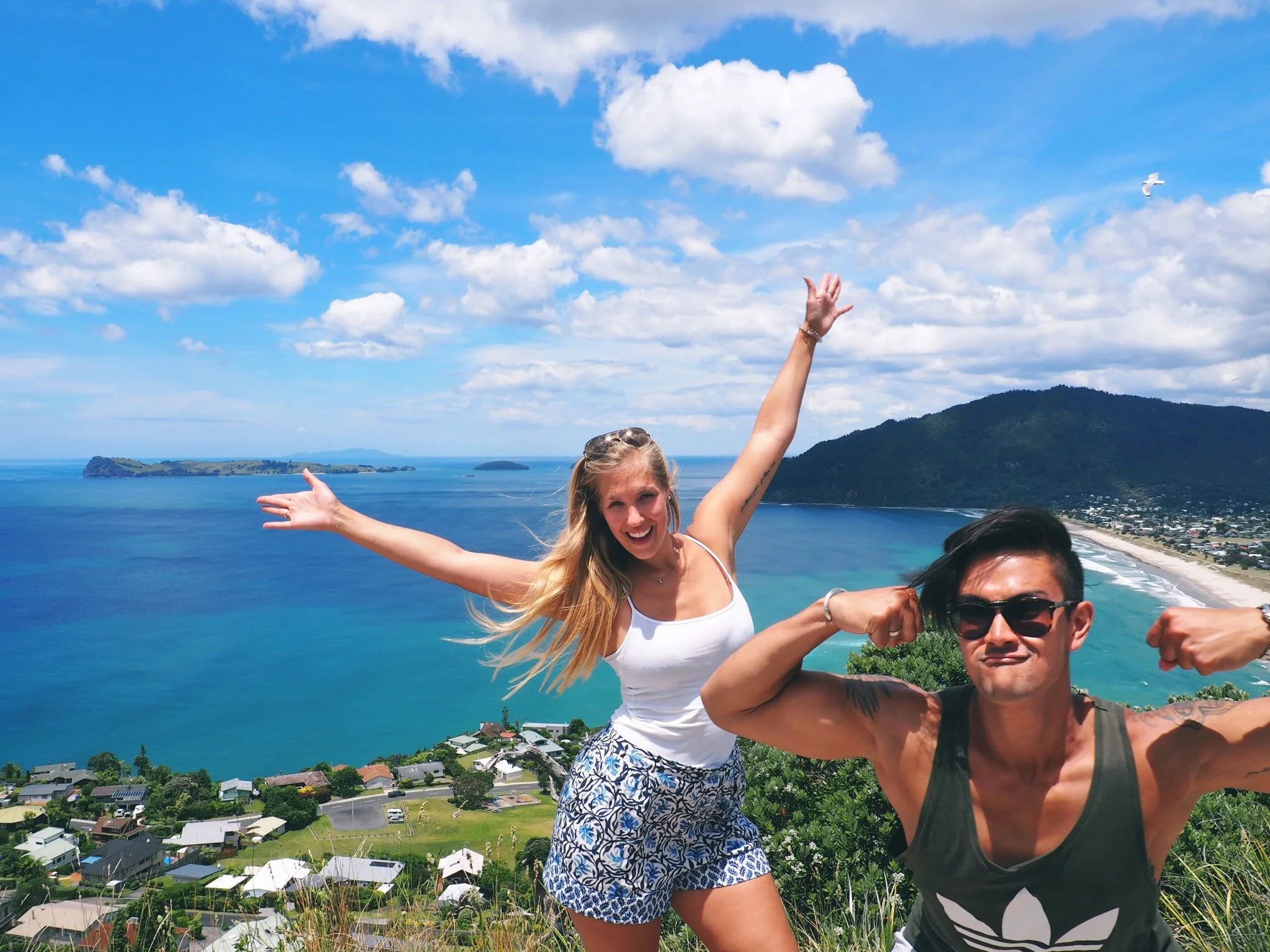
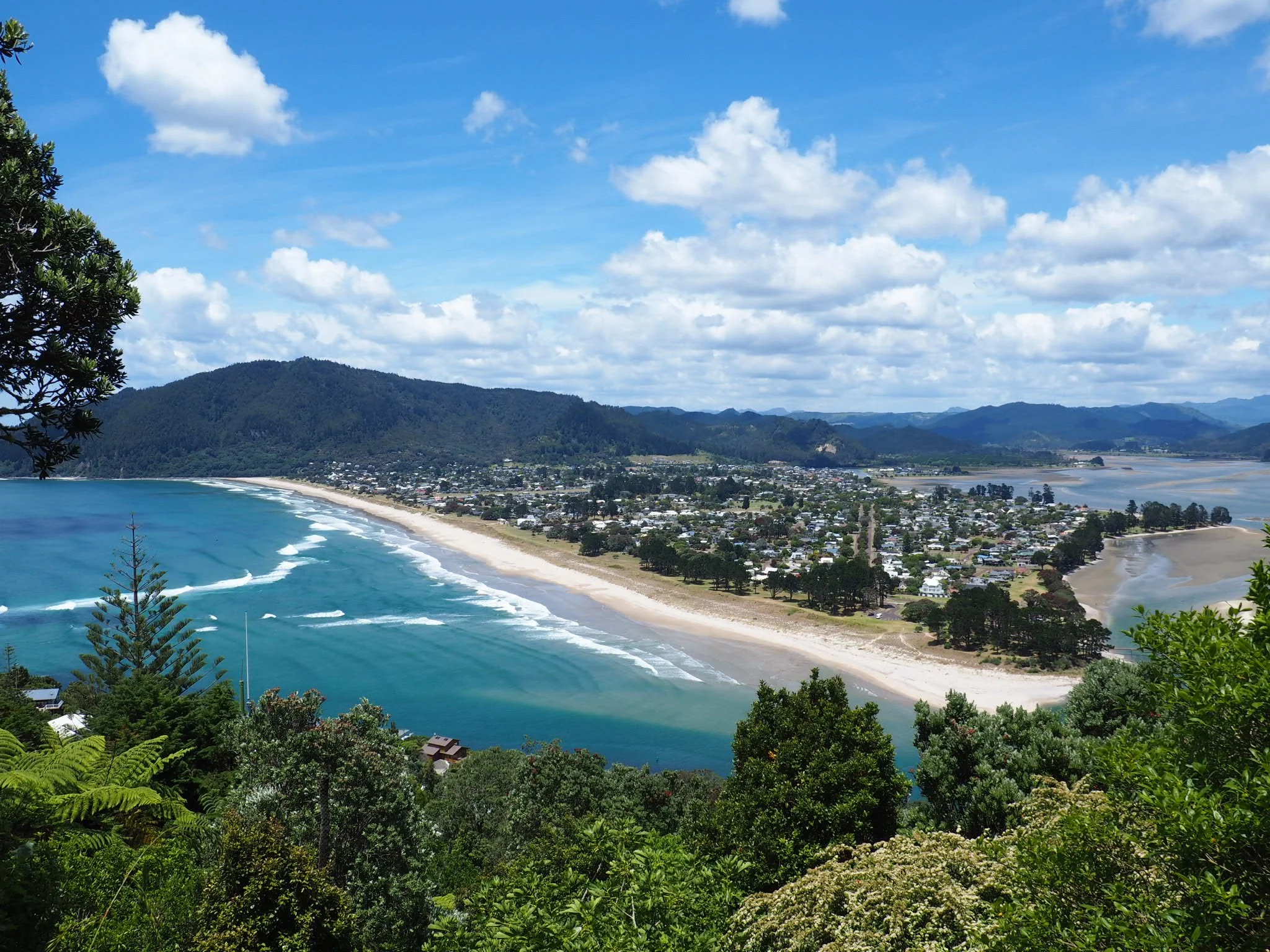
Before leaving the region, we squeezed in a short hike up Paku Summit for wide, open views over the Bay of Plenty. From there, we continued on toward the Coromandel, ready for the next stretch of the road.
Coromandel to Kawau Bay
When we first arrived in Auckland, everyone recommended visiting the Coromandel. At the time, it sounded almost mythical. As it turns out, it’s one of New Zealand’s most beautiful peninsulas and being so close to Auckland makes it a popular weekend and holiday escape.
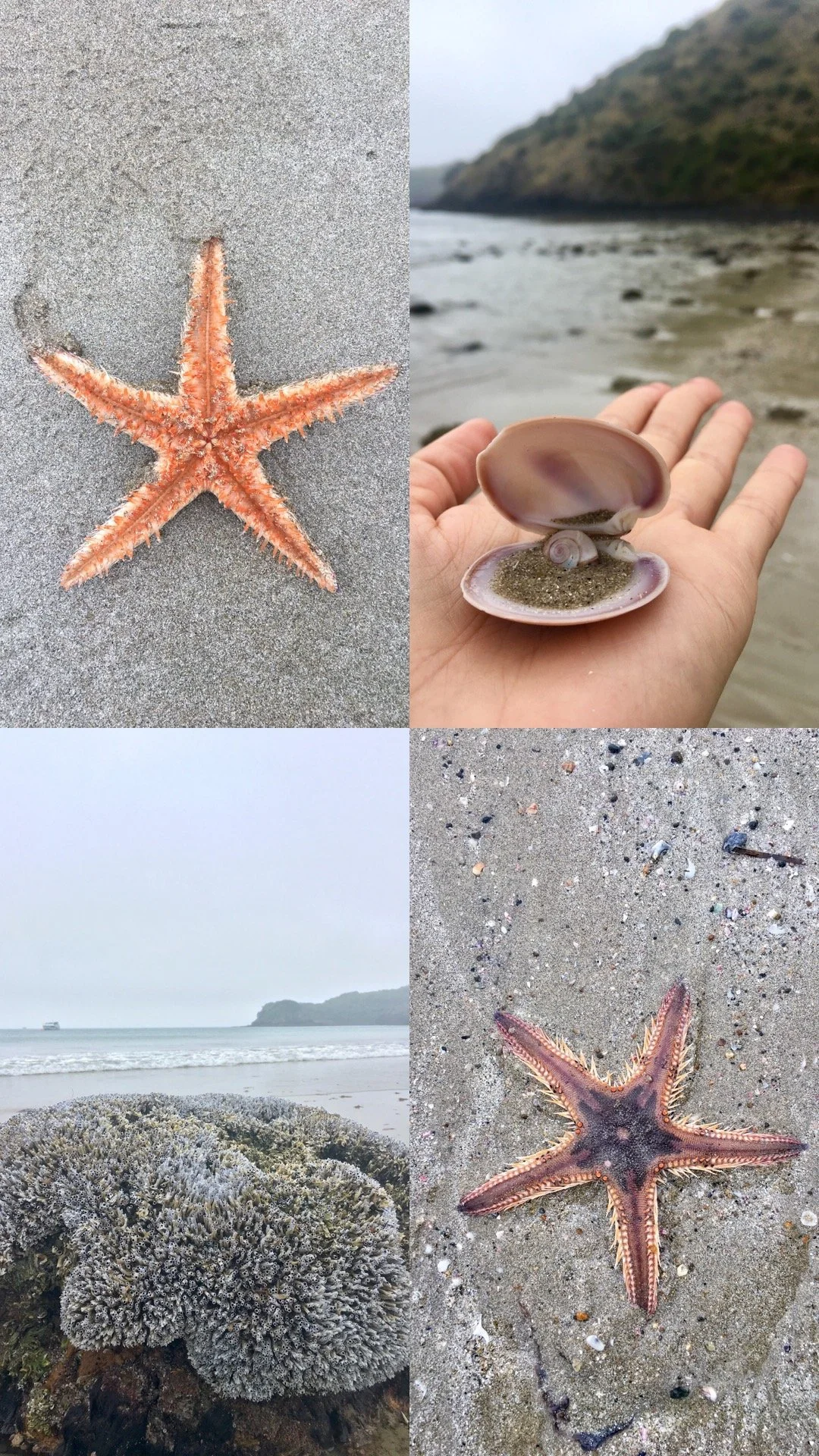
Our first stop was Cooks Beach, where we found a quiet campsite, enjoyed an evening stroll along the exposed seafloor at low tide and had a curious bunny stop by during dinner. As the sun set, around forty oystercatchers joined us, busy hunting along the shore.
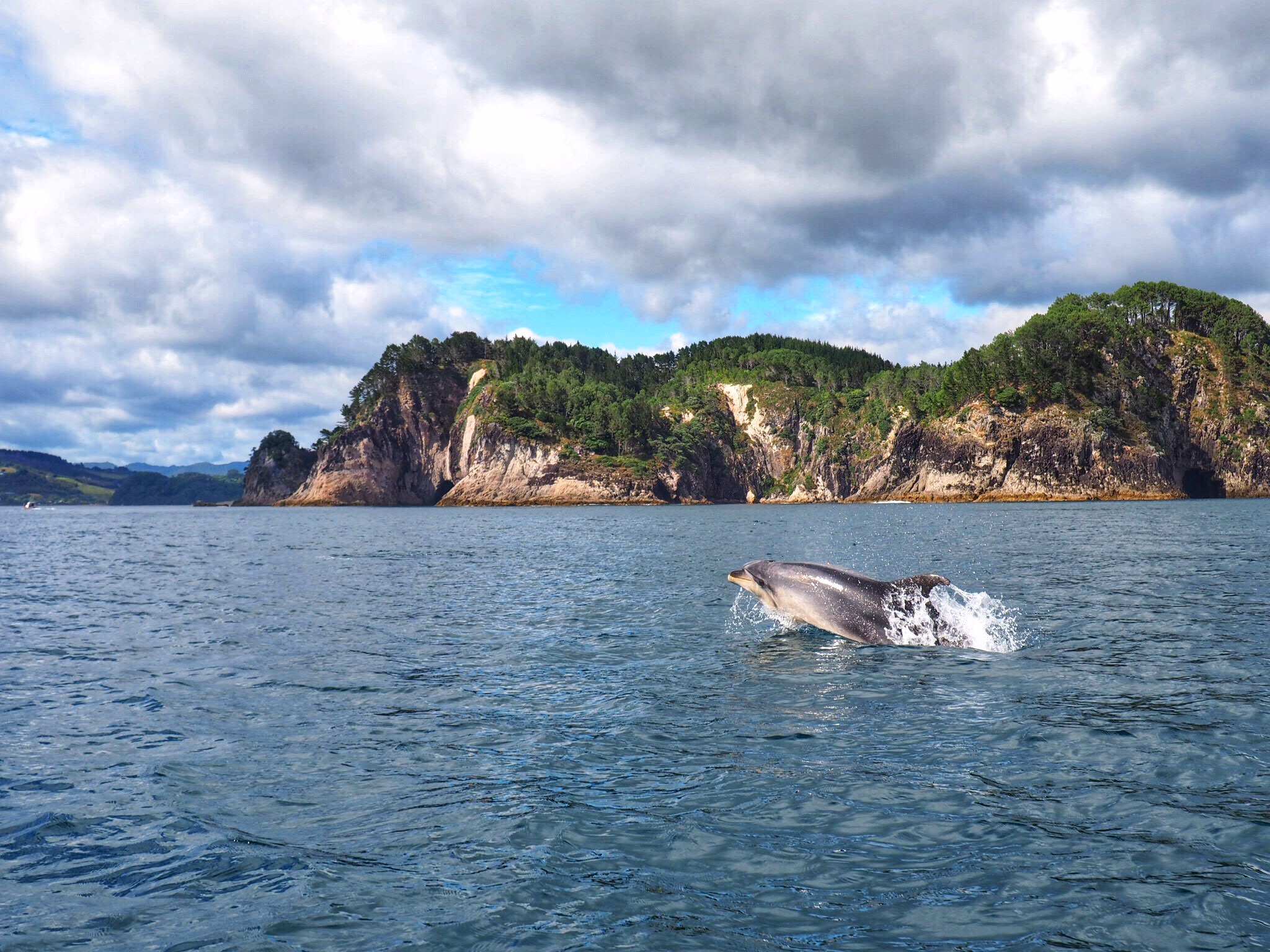
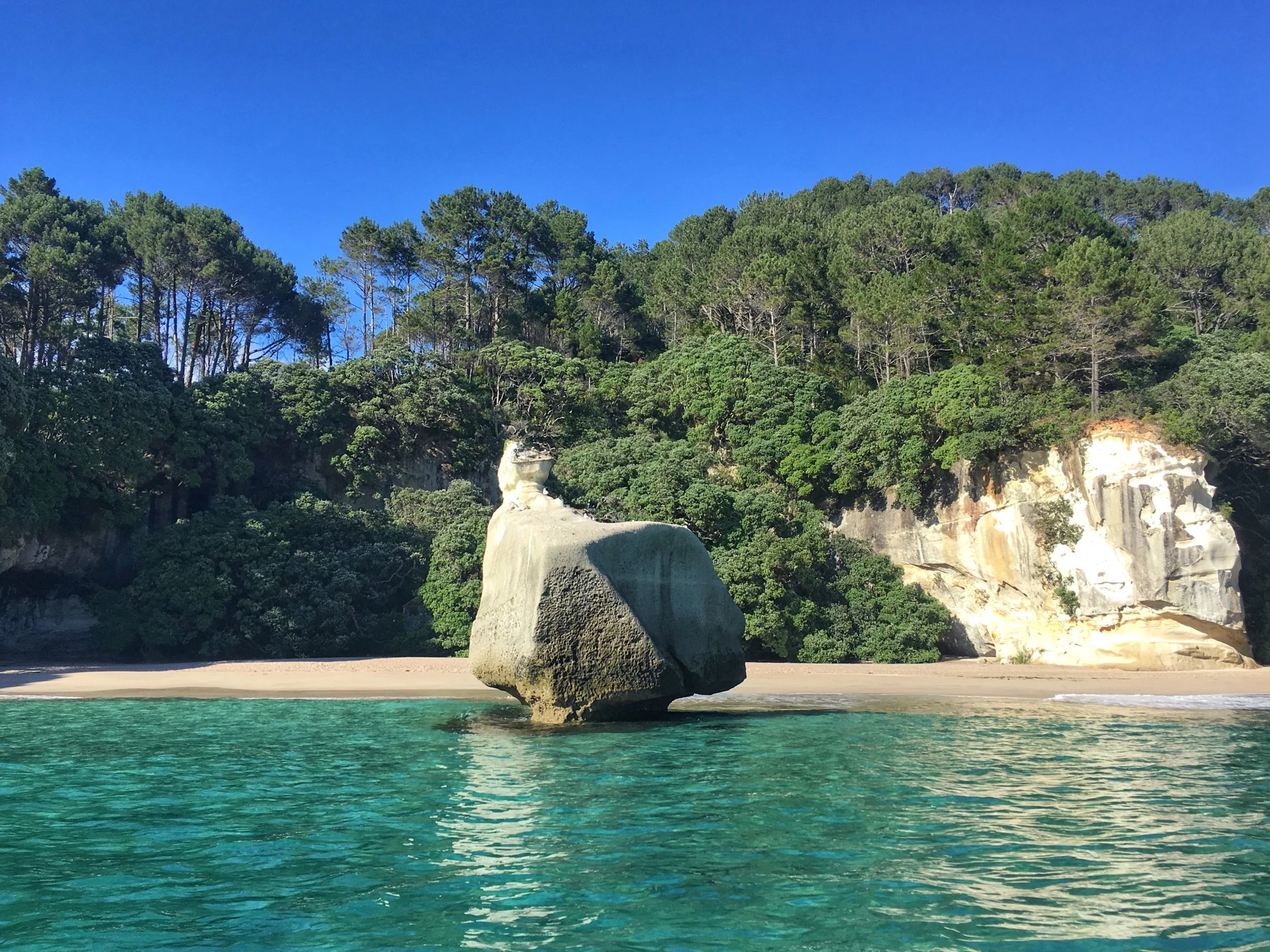
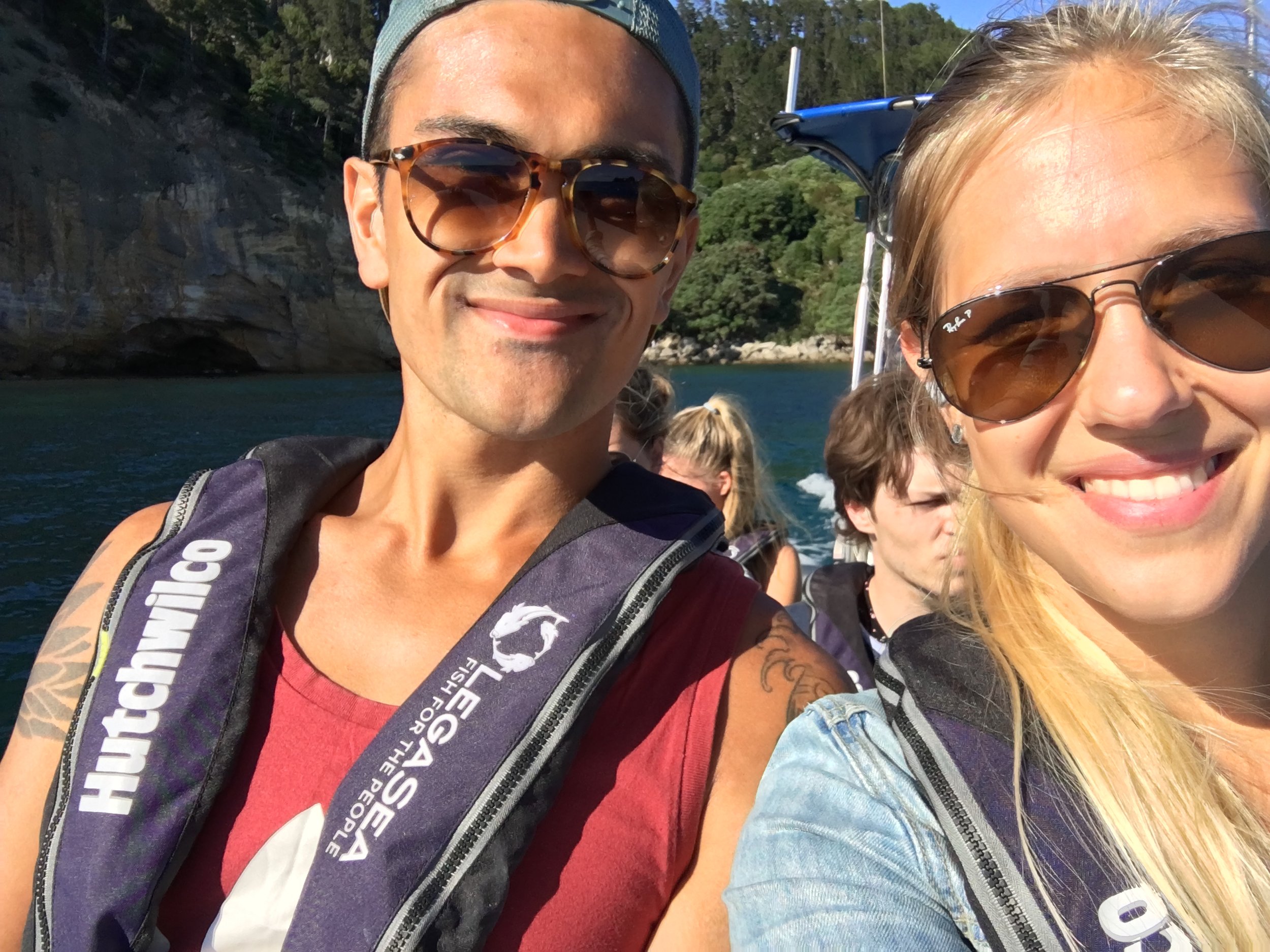
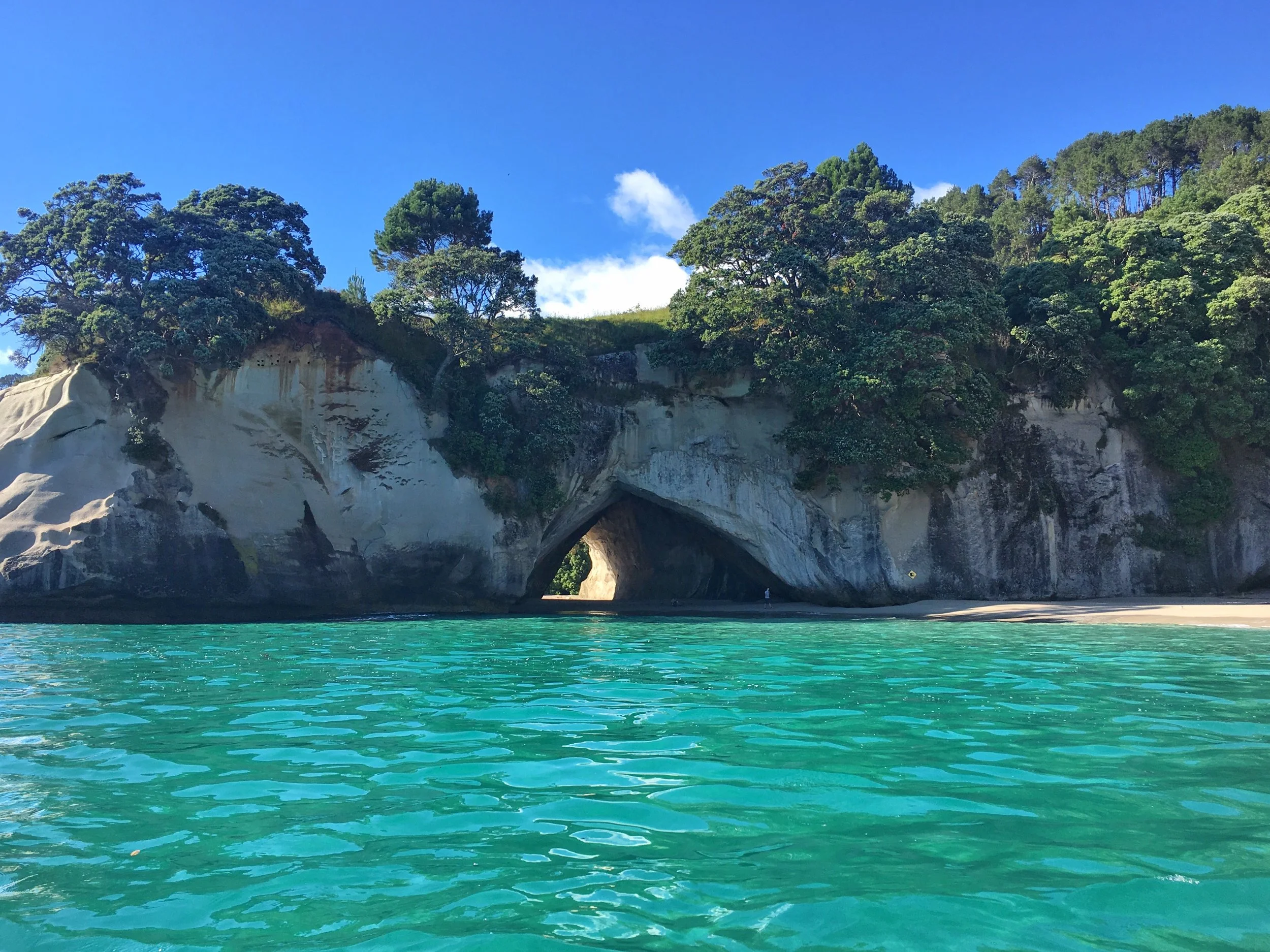
One of the highlights in this area was a two-hour coastal cruise in a rubber dinghy. Early in the morning, we set off from Whitianga with a small group and a knowledgeable guide who shared insights about the coastline and the many coves we passed. Crossing Mercury Bay toward Cathedral Cove, we took in white sandy beaches, turquoise water and rugged cliffs. On the way back, we were suddenly surrounded by a pod of around seventy bottlenose dolphins, jumping and surfing in the boat’s wake. It was our first dolphin encounter in New Zealand and one we won’t forget.
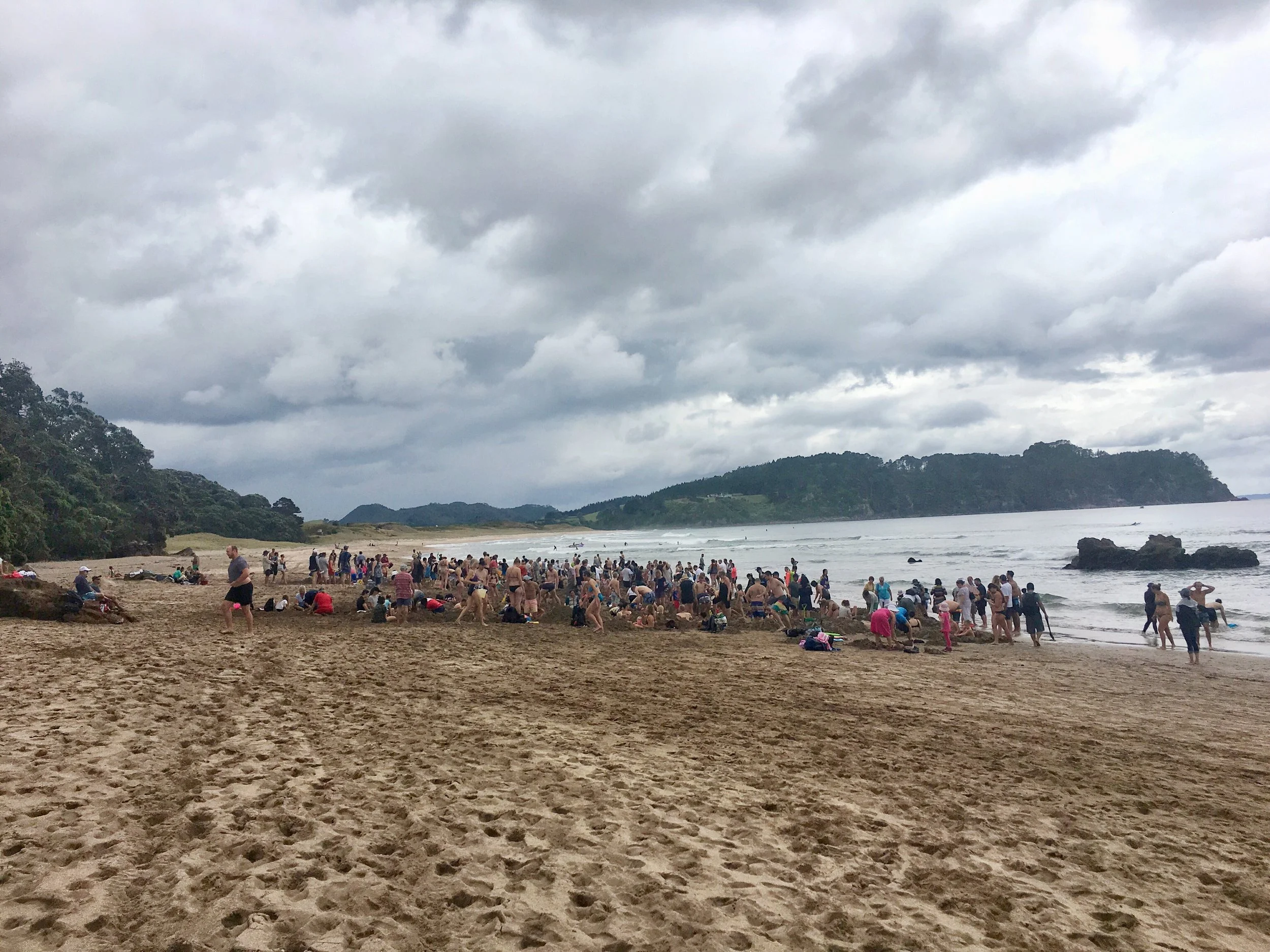
Hot Water Beach was one of those places everyone said we had to see. To be honest, it didn’t quite live up to the hype. A small stretch of sand was crowded with people digging holes to reach the warm water beneath. After watching for a bit, we decided to keep walking along the beach. That turned out to be the better choice. Despite the light rain we jumped into the water and joined the surfers out there. We got really close to some more bottlenose dolphins! Overwhelmed by the feeling we stayed in the water until shivering. We spotted dolphins close to shore and, despite light rain, jumped into the water alongside the surfers to get even closer. Cold, exhilarated and happy, we eventually warmed up in the already-dug hot pools.
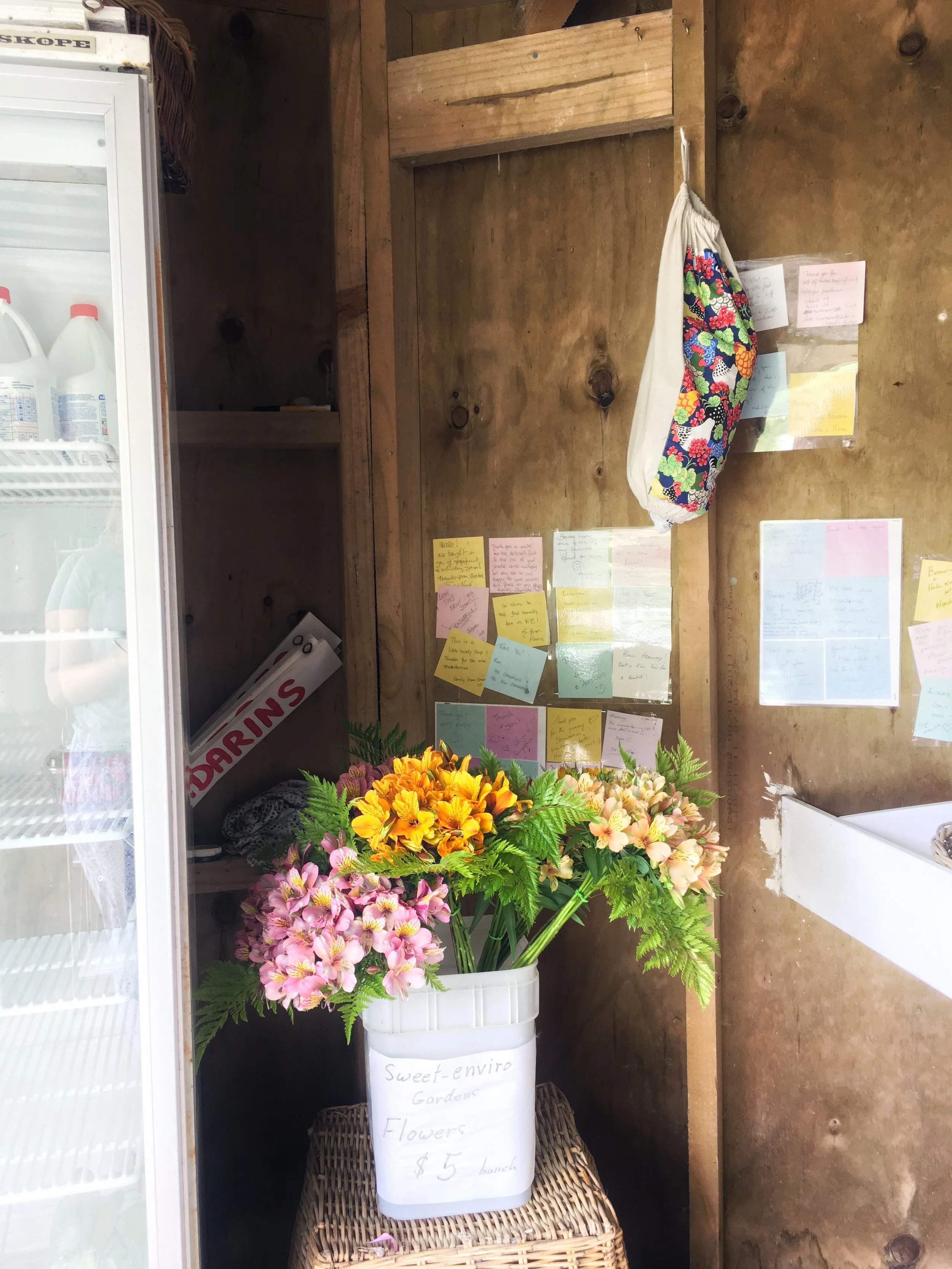
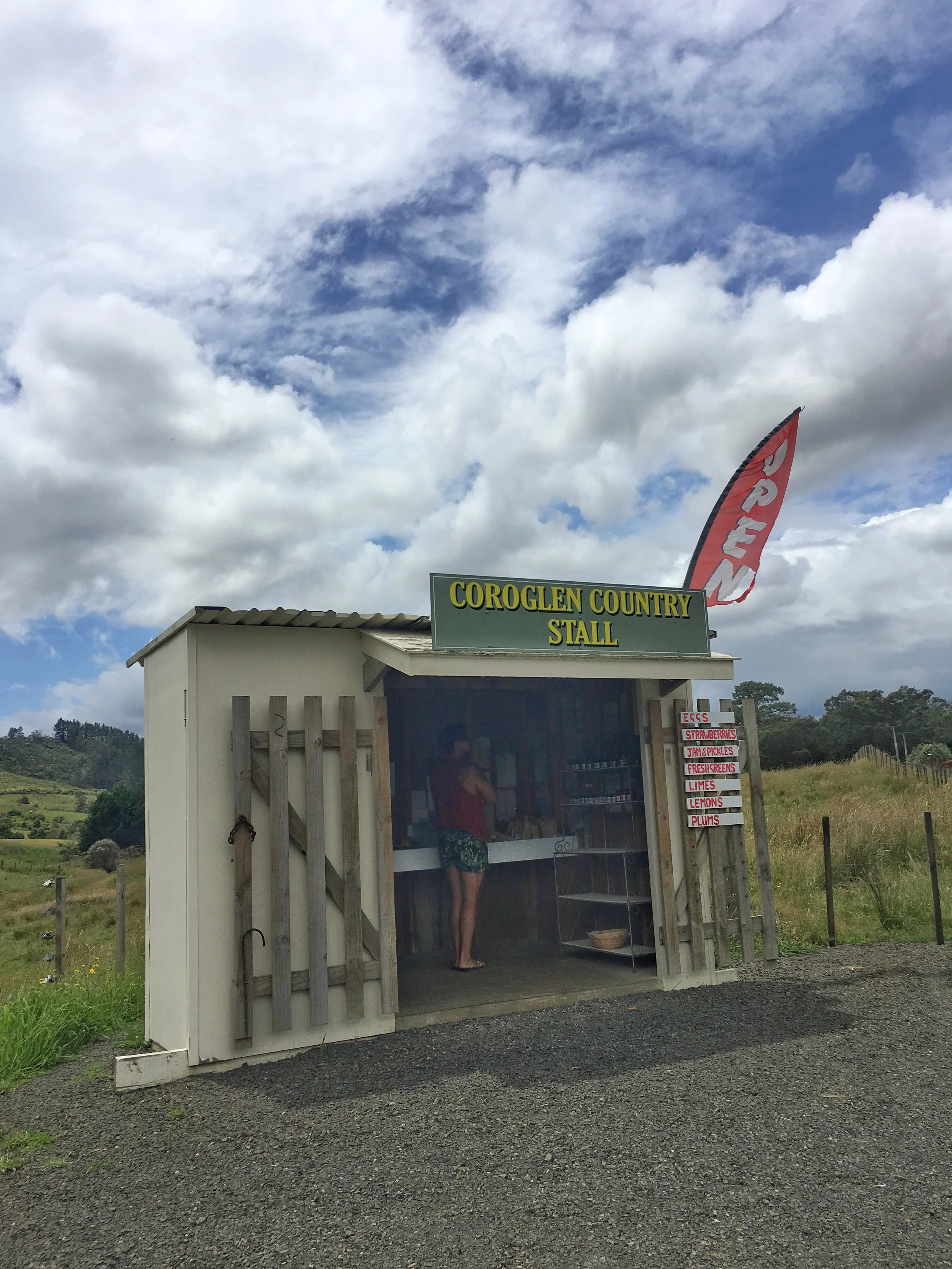
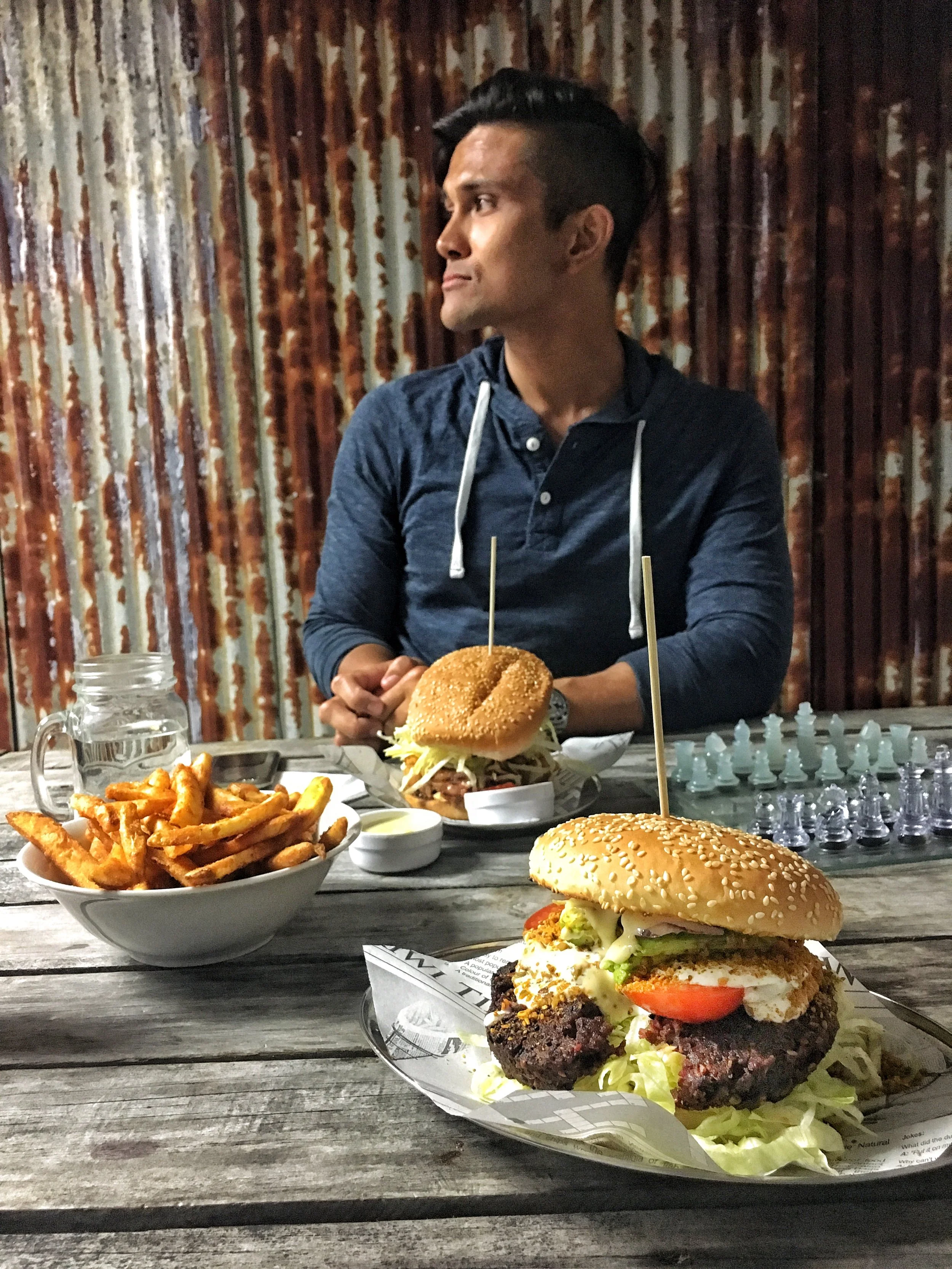
Driving further north, we noticed small roadside stalls selling local produce. They may look unassuming, but they’re well worth stopping for. After a long beach day, we headed to Hangry Burger and had some of the best burgers of the trip.
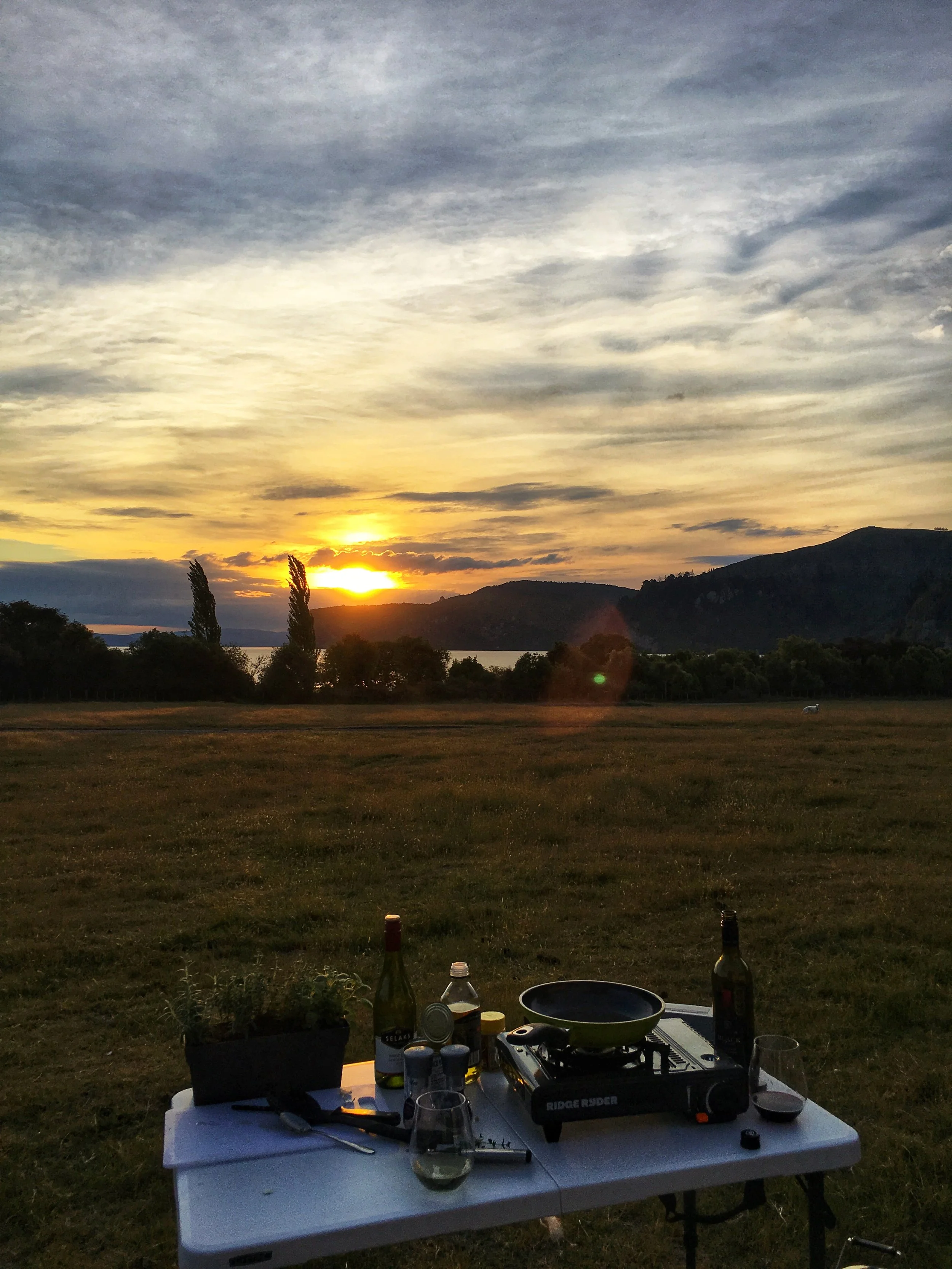
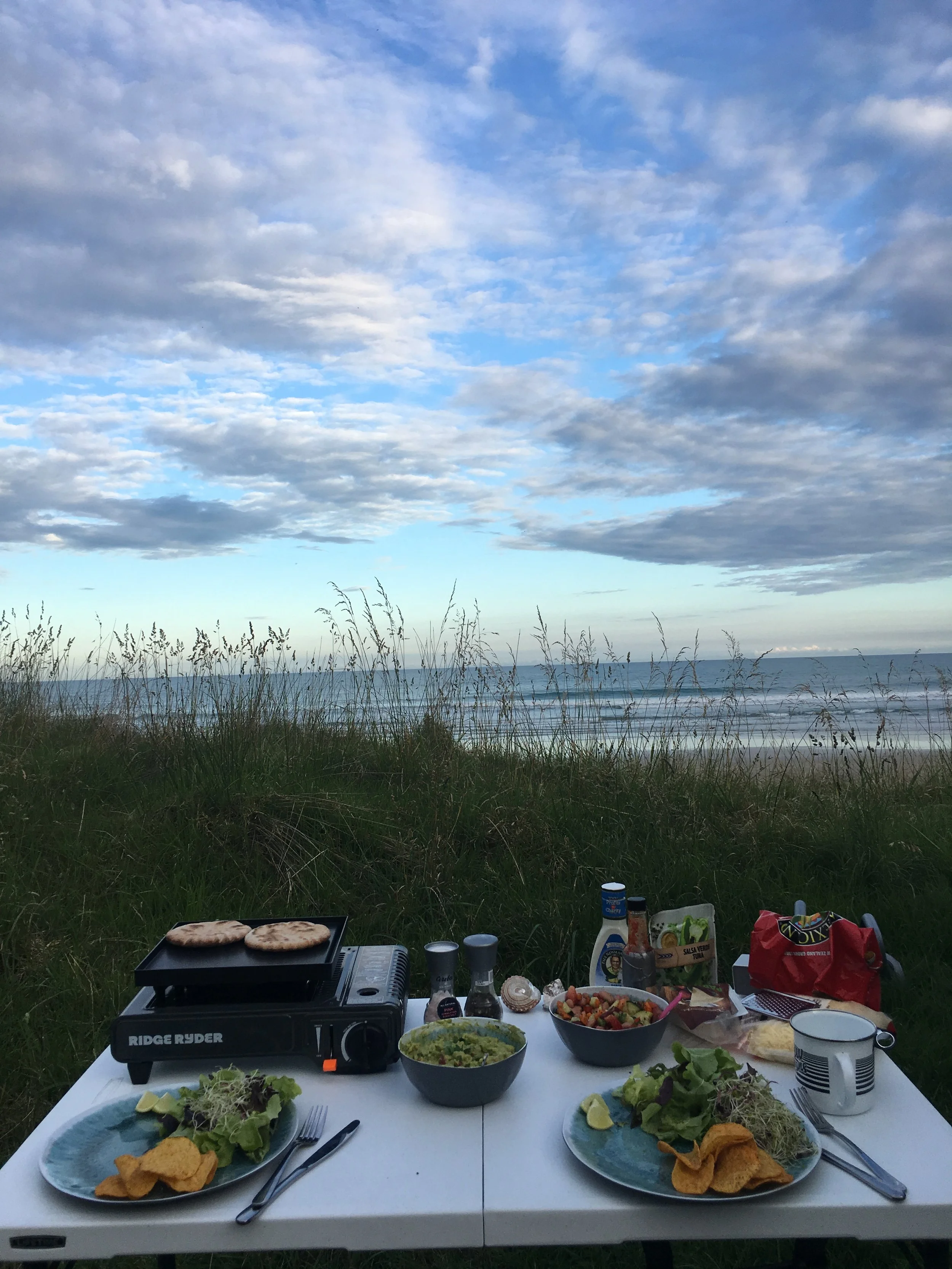
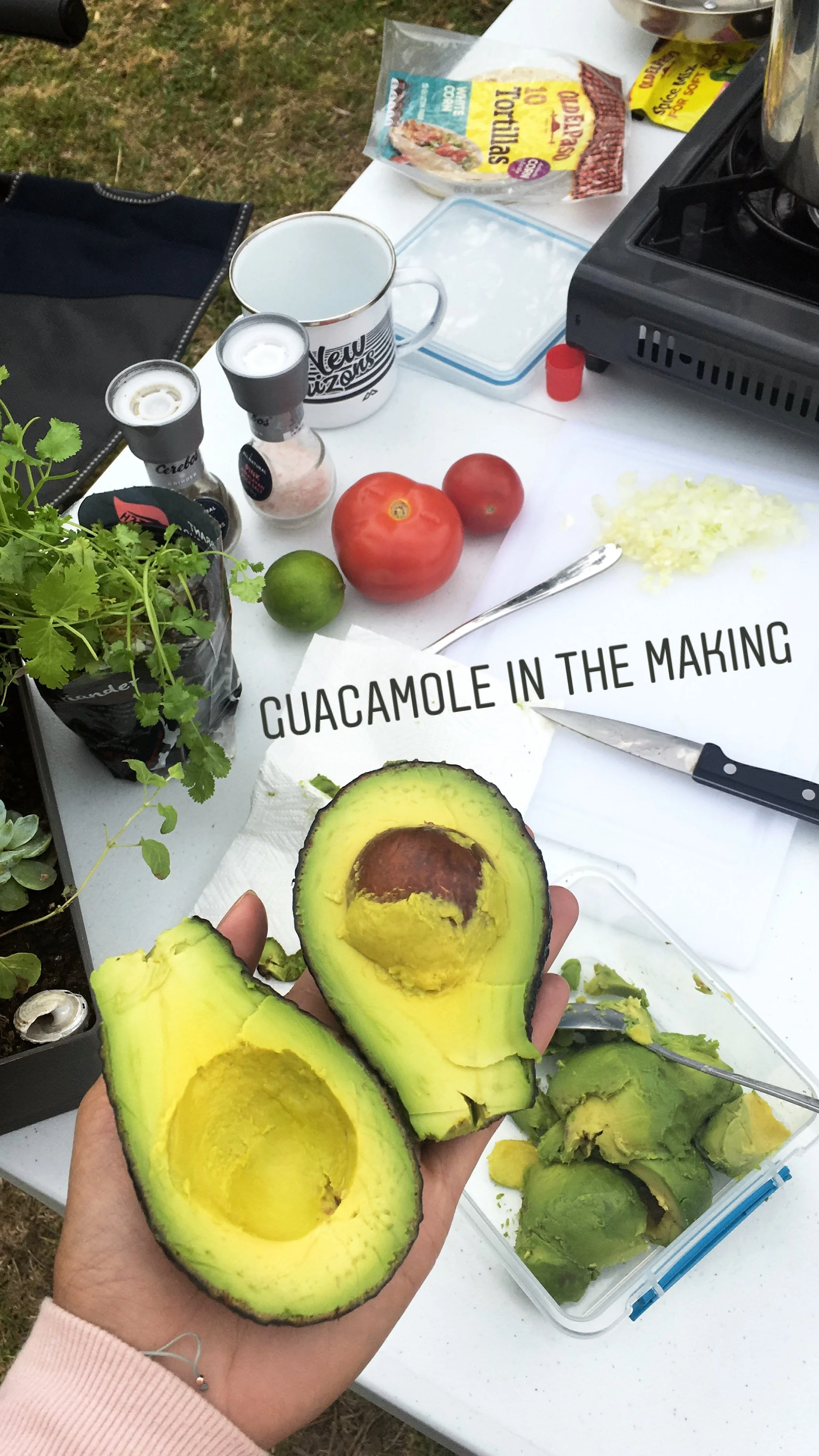
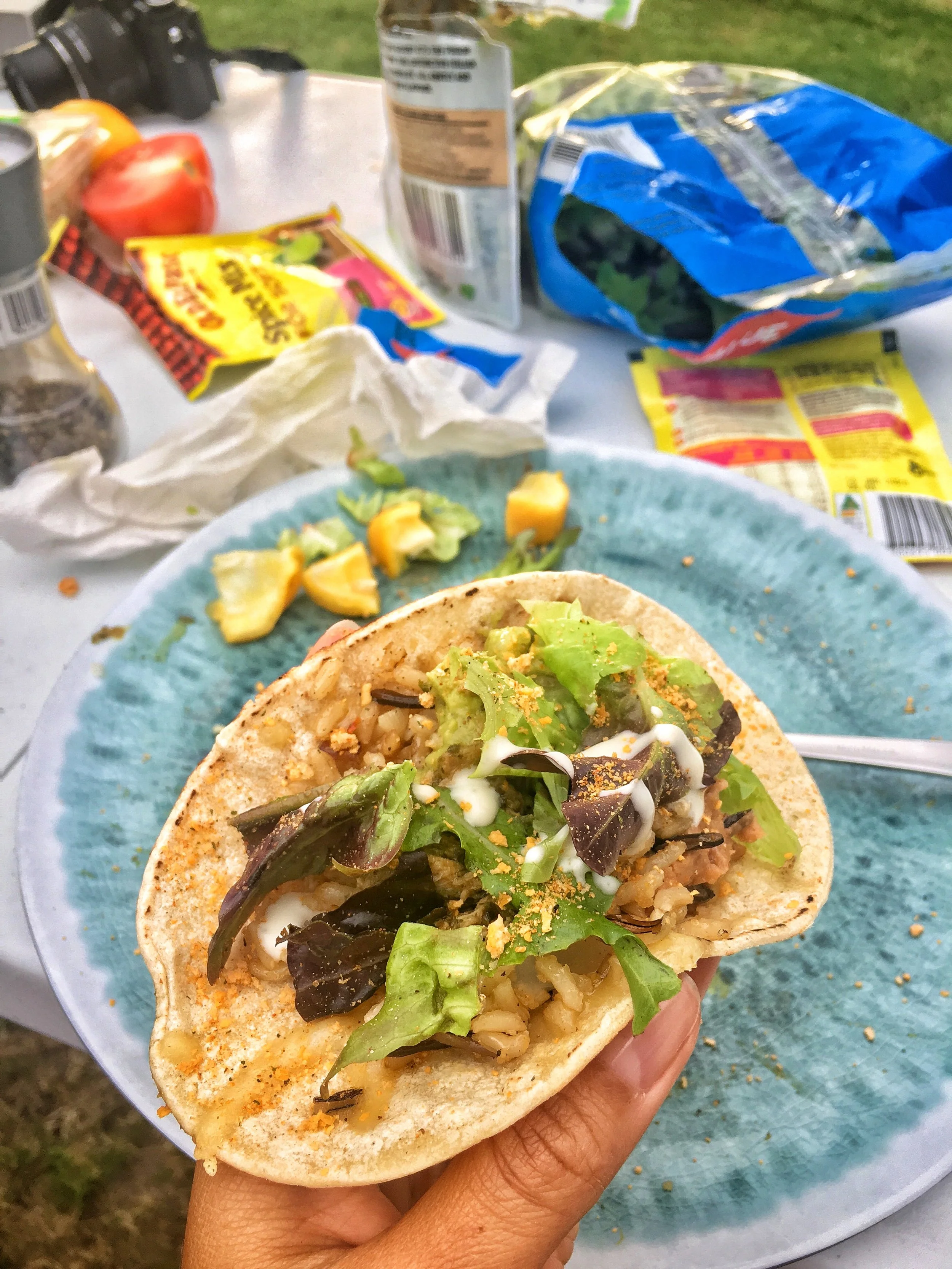
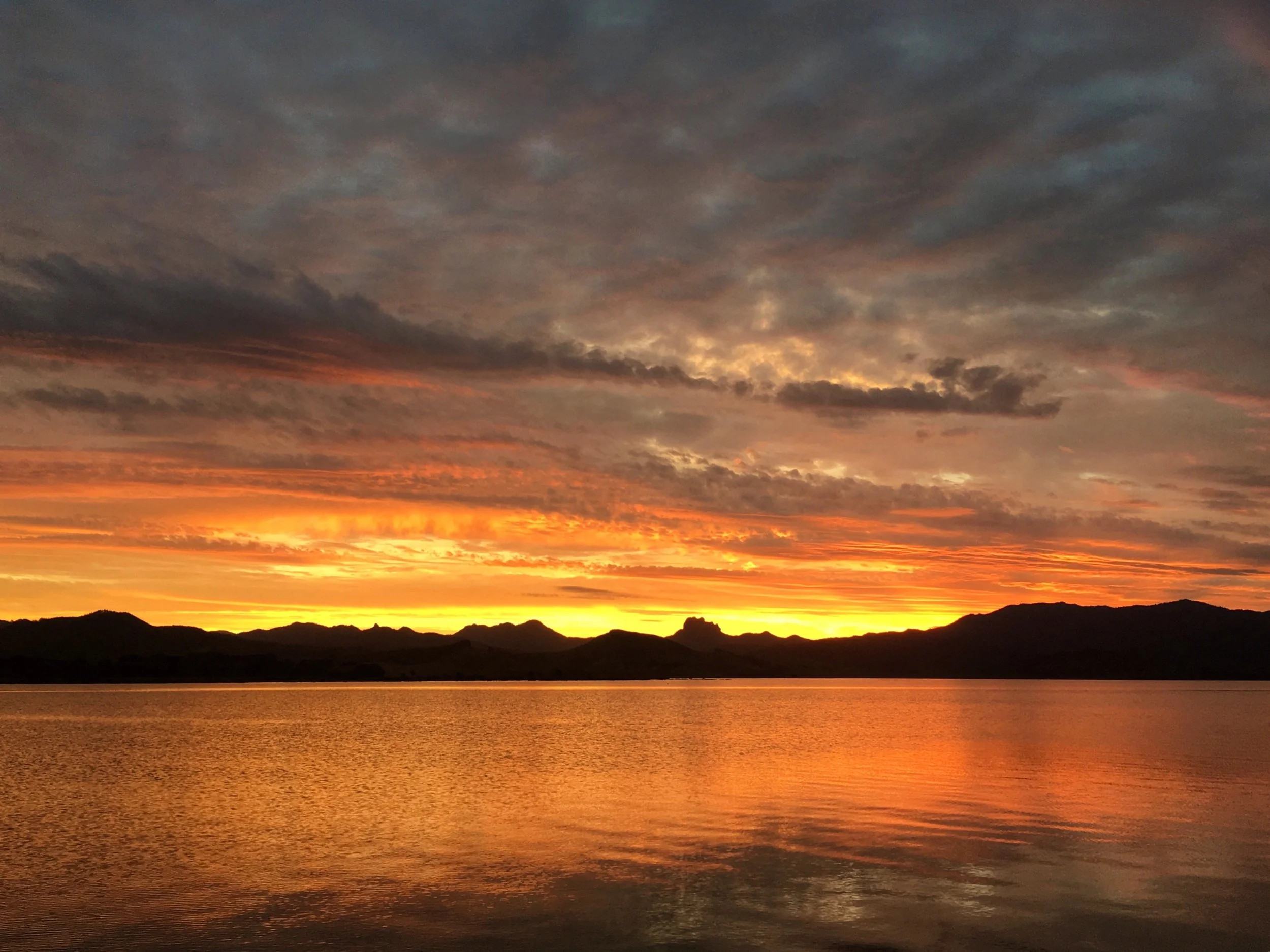
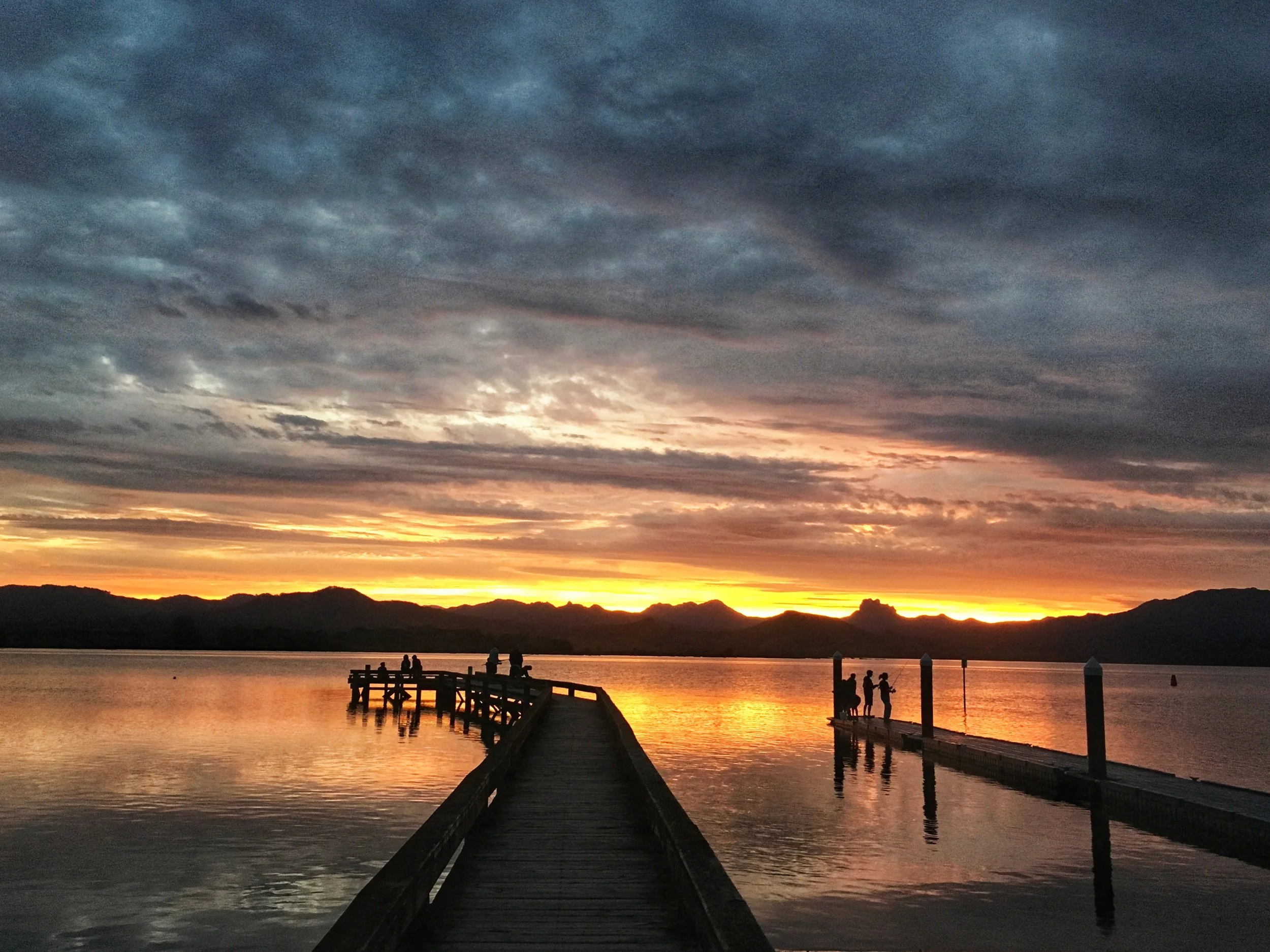
Our next stop was Matarangi. We had an empty campsite, tacos with homemade guacamole and a beautiful sunset over the lagoon and surrounding hills, simple and perfect.
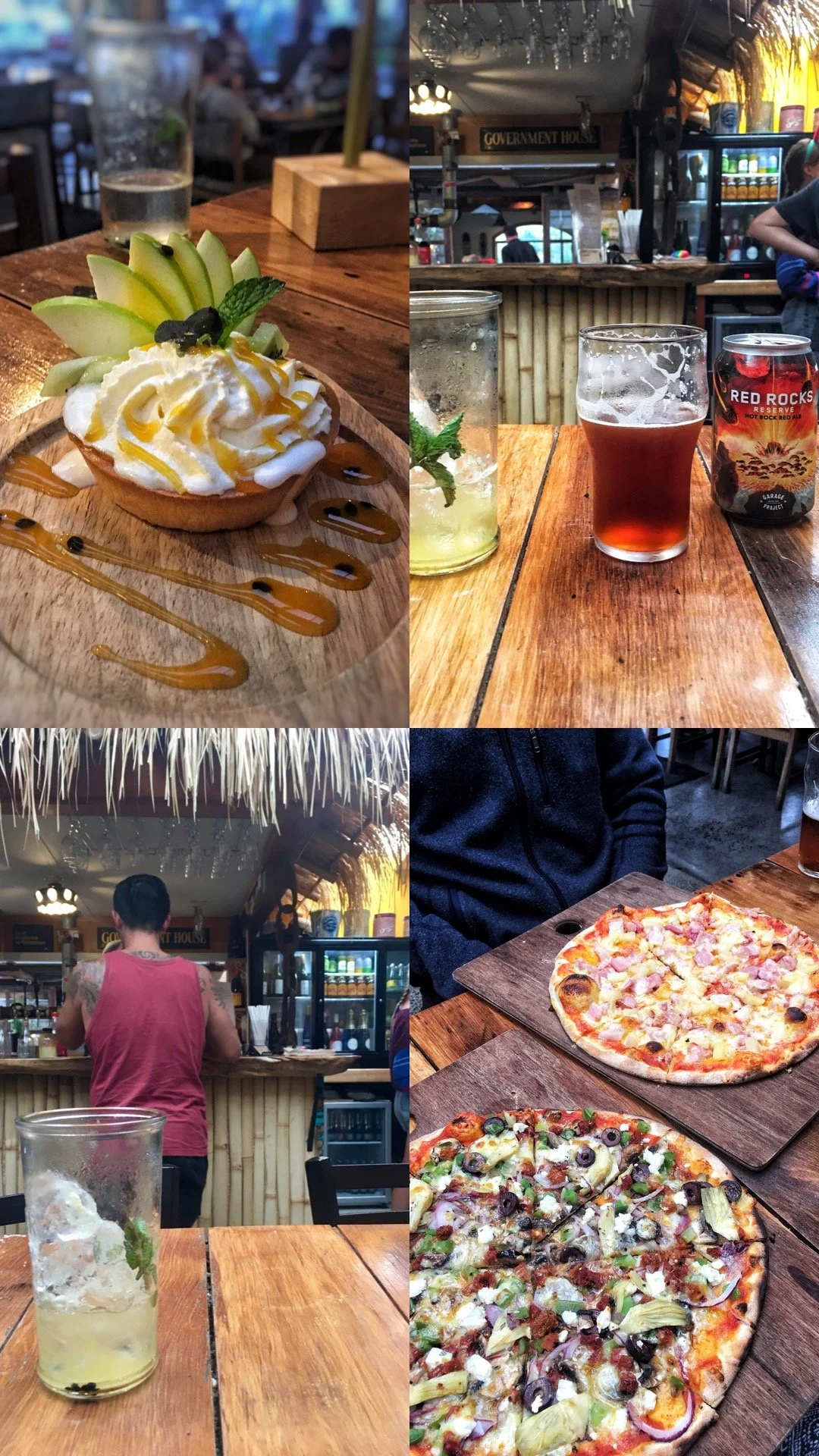
We briefly made it to Opito Bay, but rain and mist limited the views. A return visit will have to happen someday. Luke’s Kitchen on the way back provided a welcome break with good pizza, relaxed music, drinks and wifi.

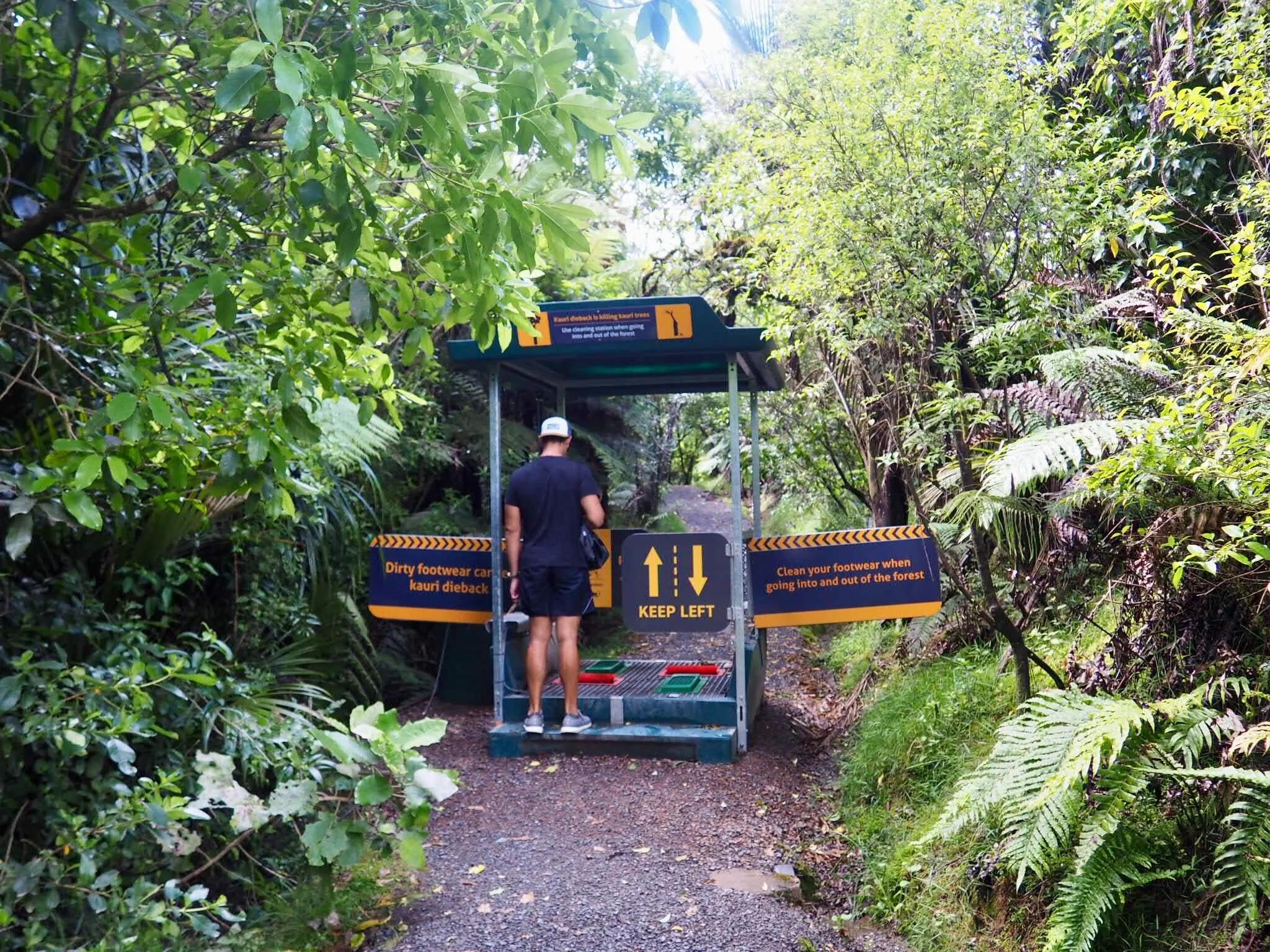
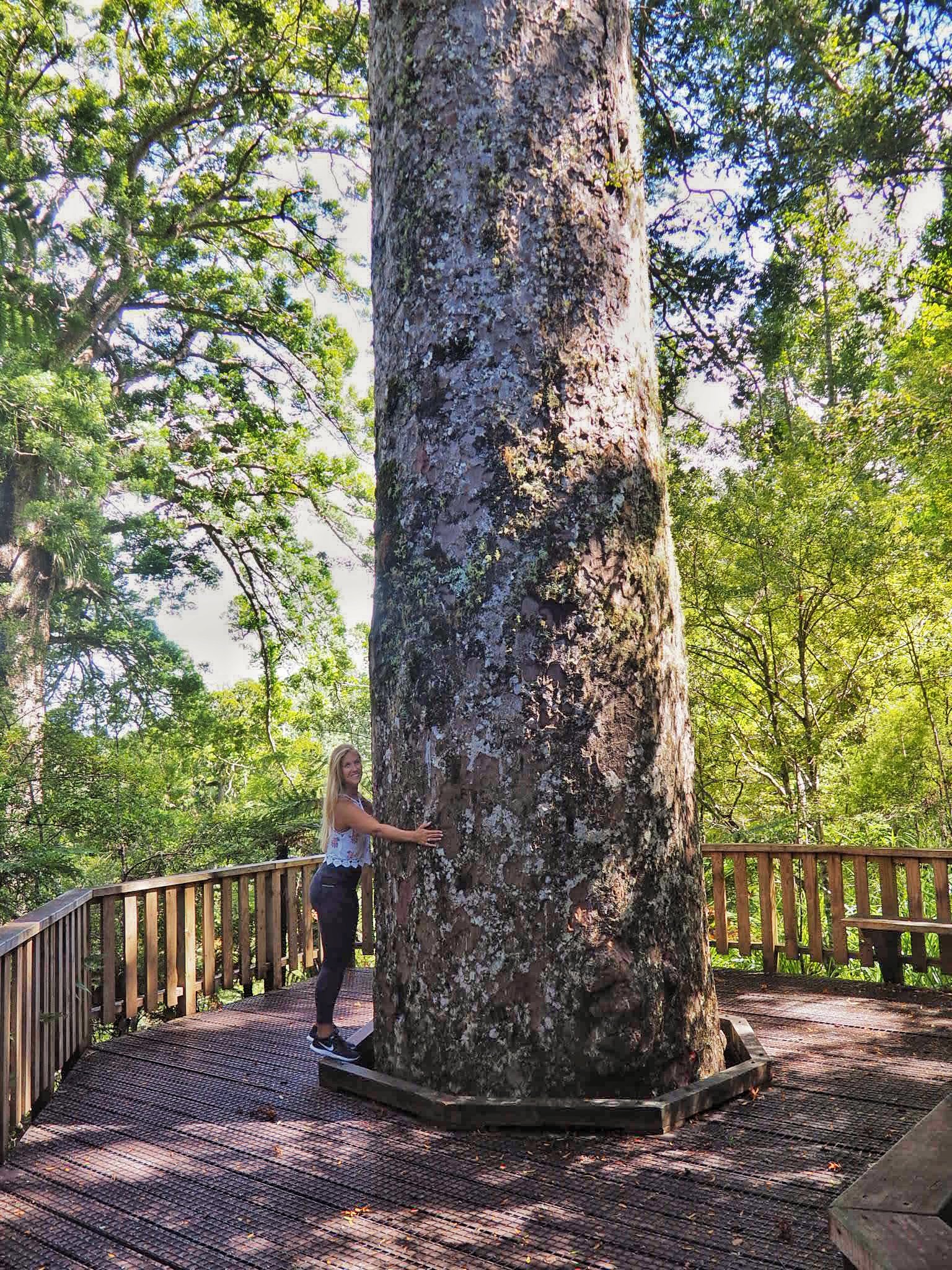
Christmas arrived with heavy rain and we spent Christmas Eve inside the van, parked near the street in Coromandel Town. Dinner consisted of candy, wine and a bit of whisky, shared with the knowledge that other campers nearby were doing much the same. The weather improved slightly on Christmas Day, allowing for short walks like the Kauri Block Track, Waiau Falls and the Waiau Kauri Grove, where we hugged a 700-year-old tree. Kauri trees are New Zealand’s largest and standing next to one puts things into perspective. Sadly, most were logged in the past and today kauri dieback poses a serious threat. Cleaning your shoes before entering kauri forests is essential and a small step toward protecting what remains.
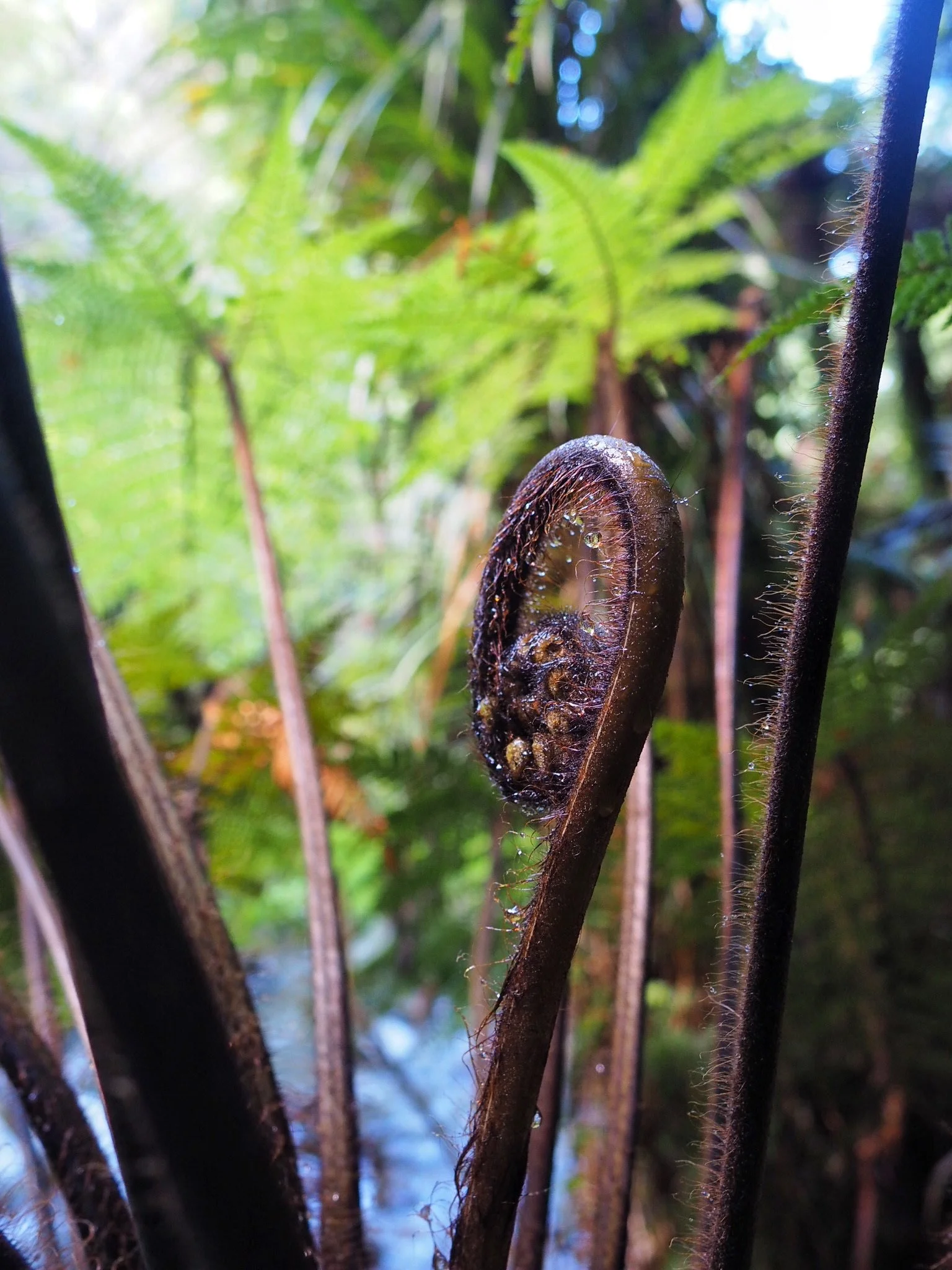
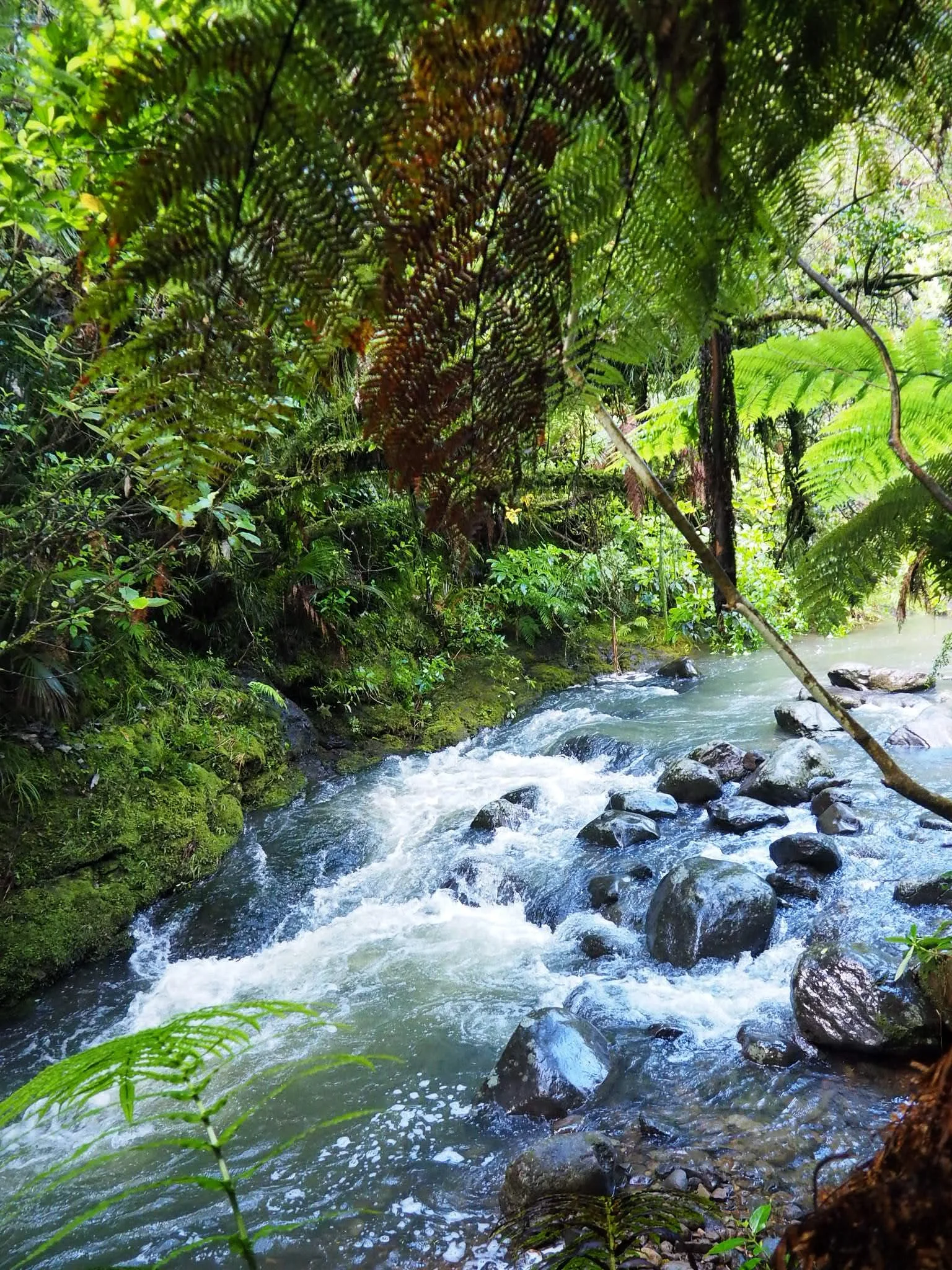
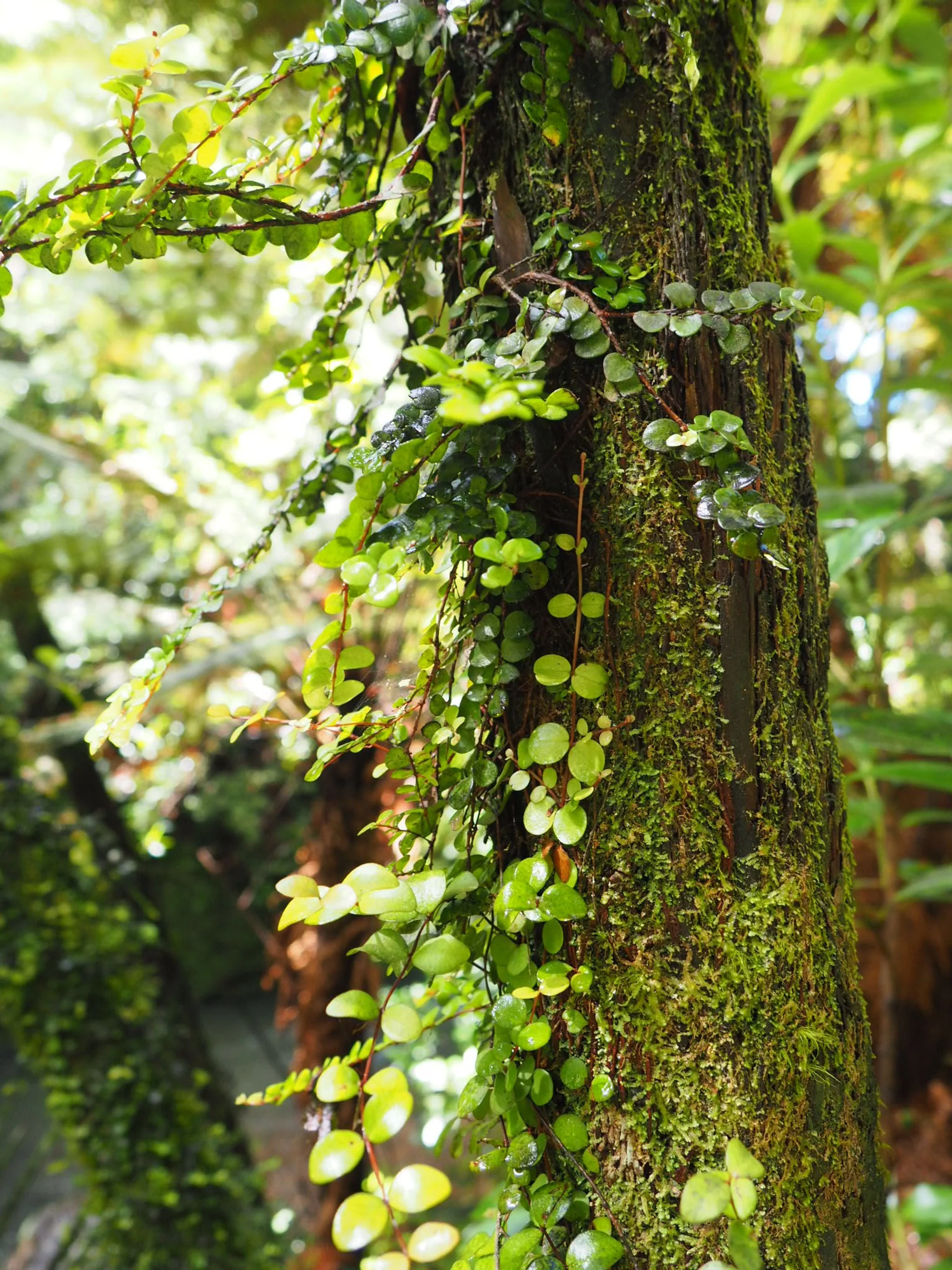
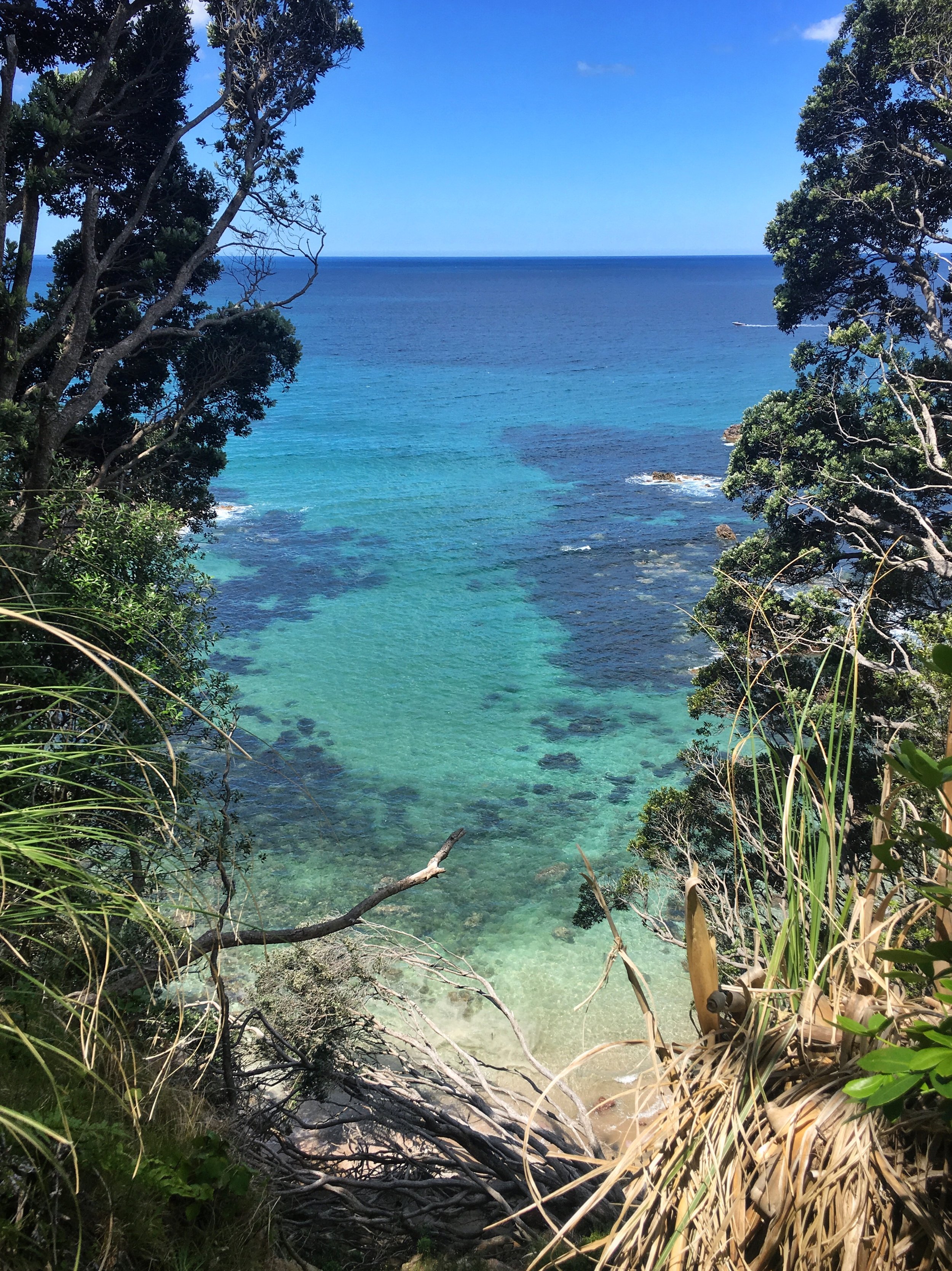
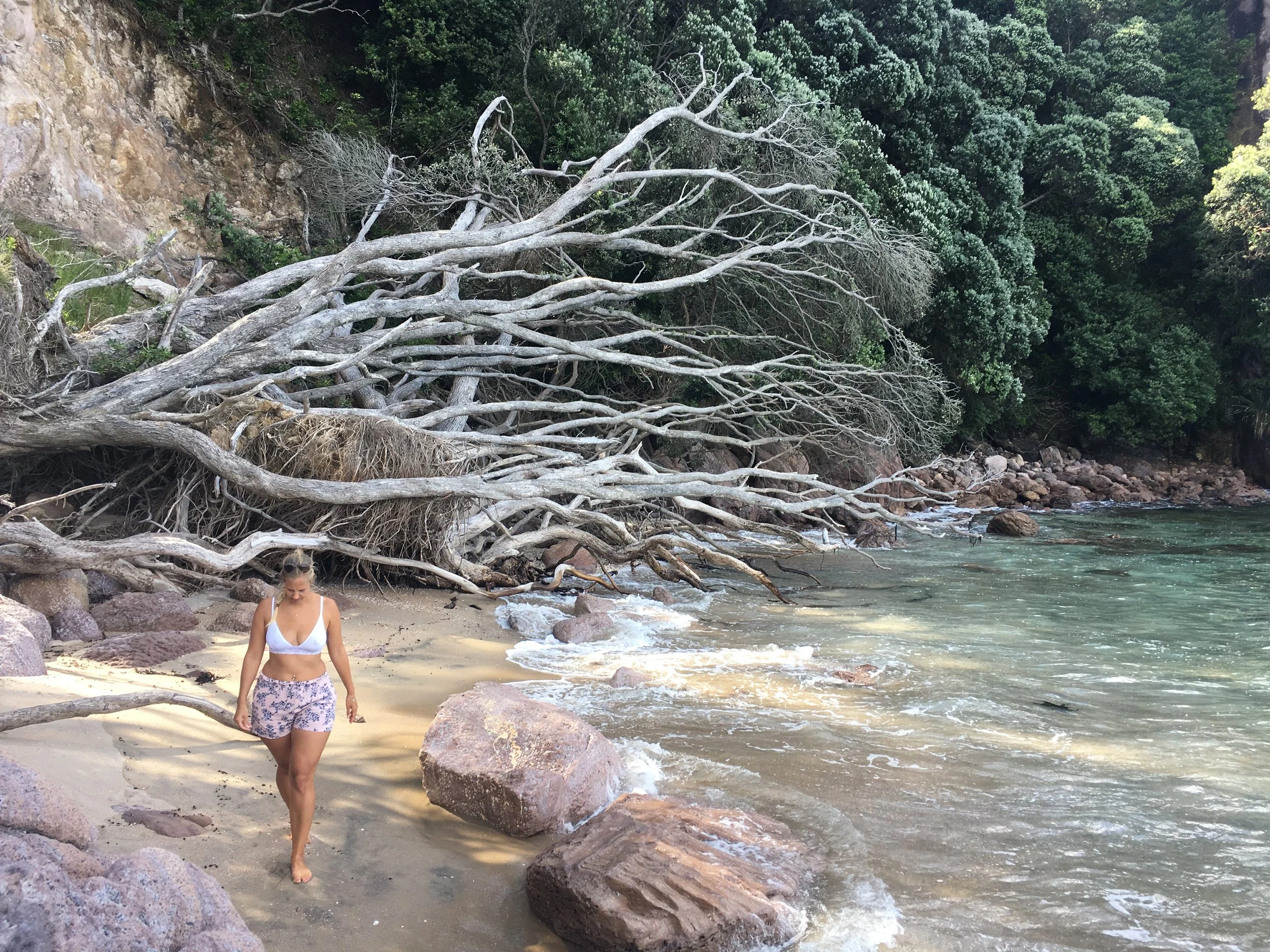
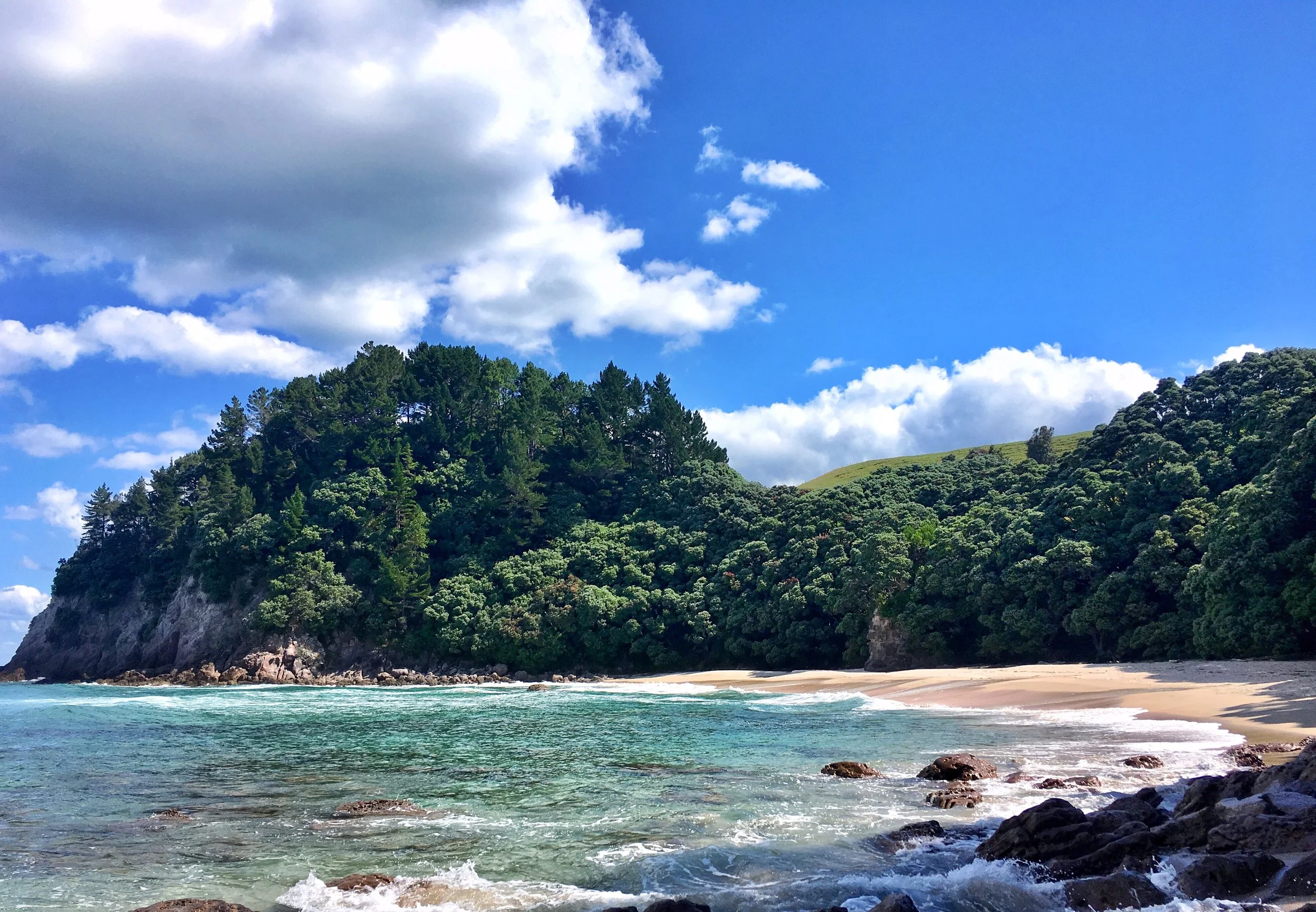
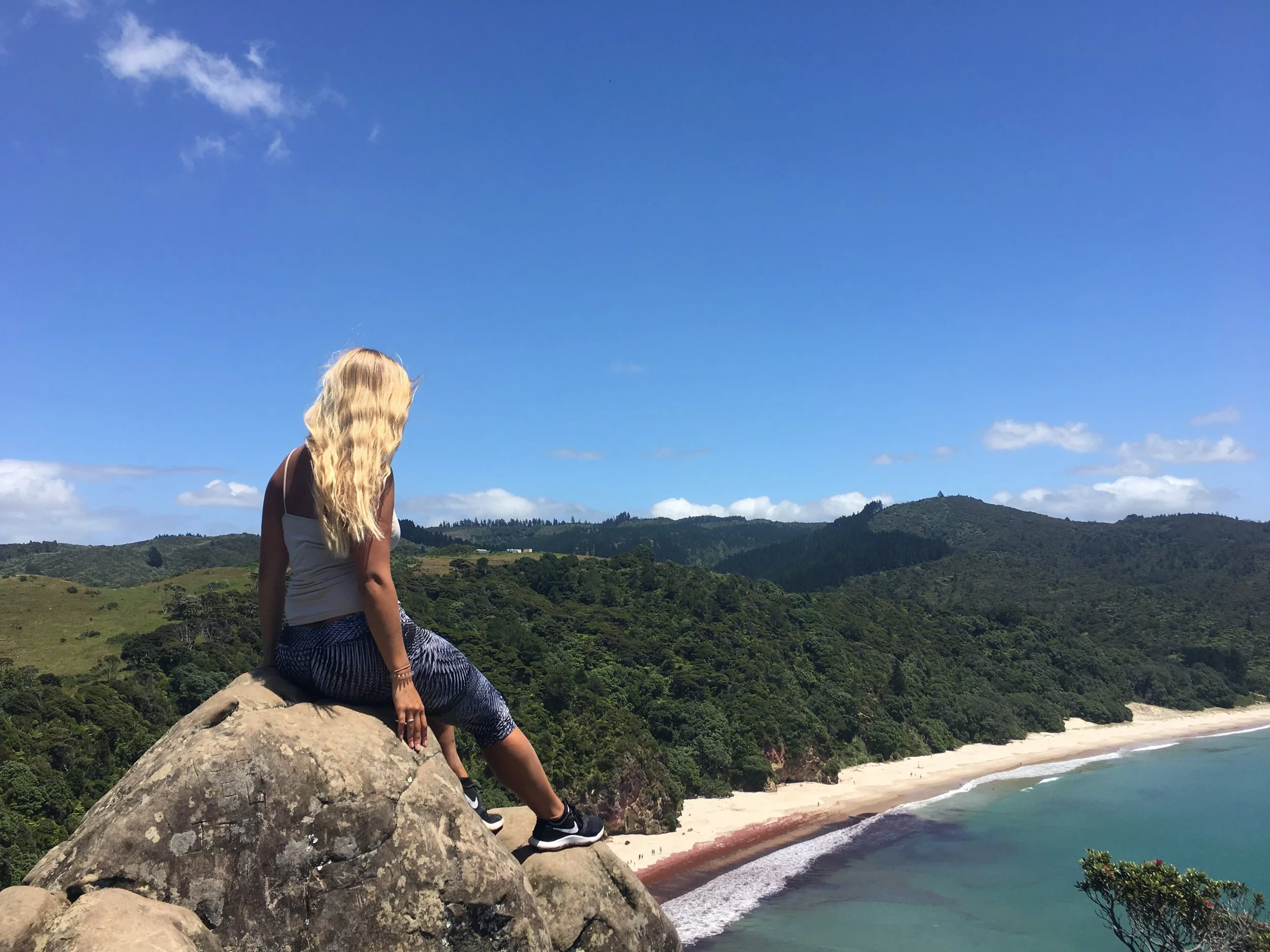
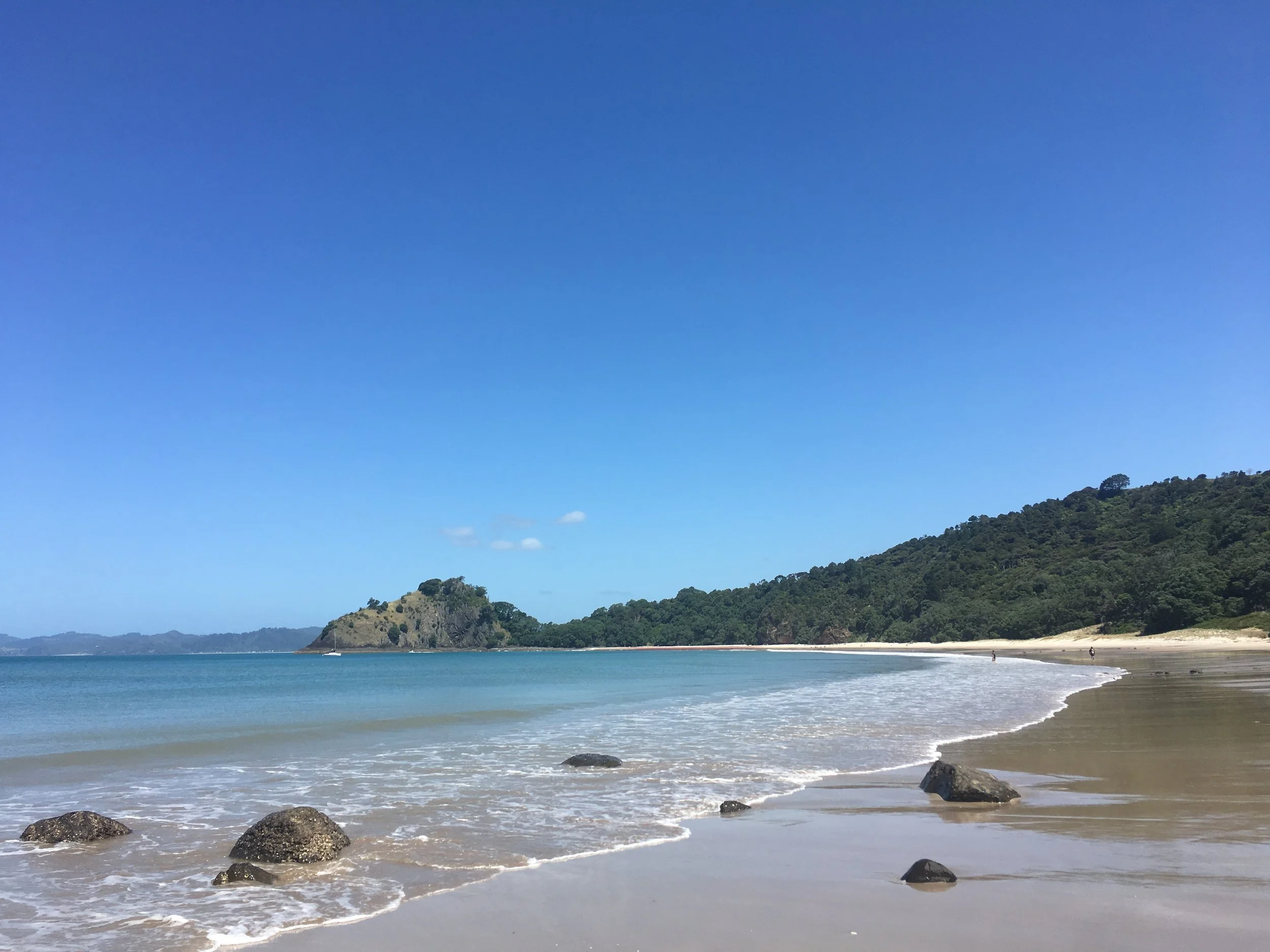
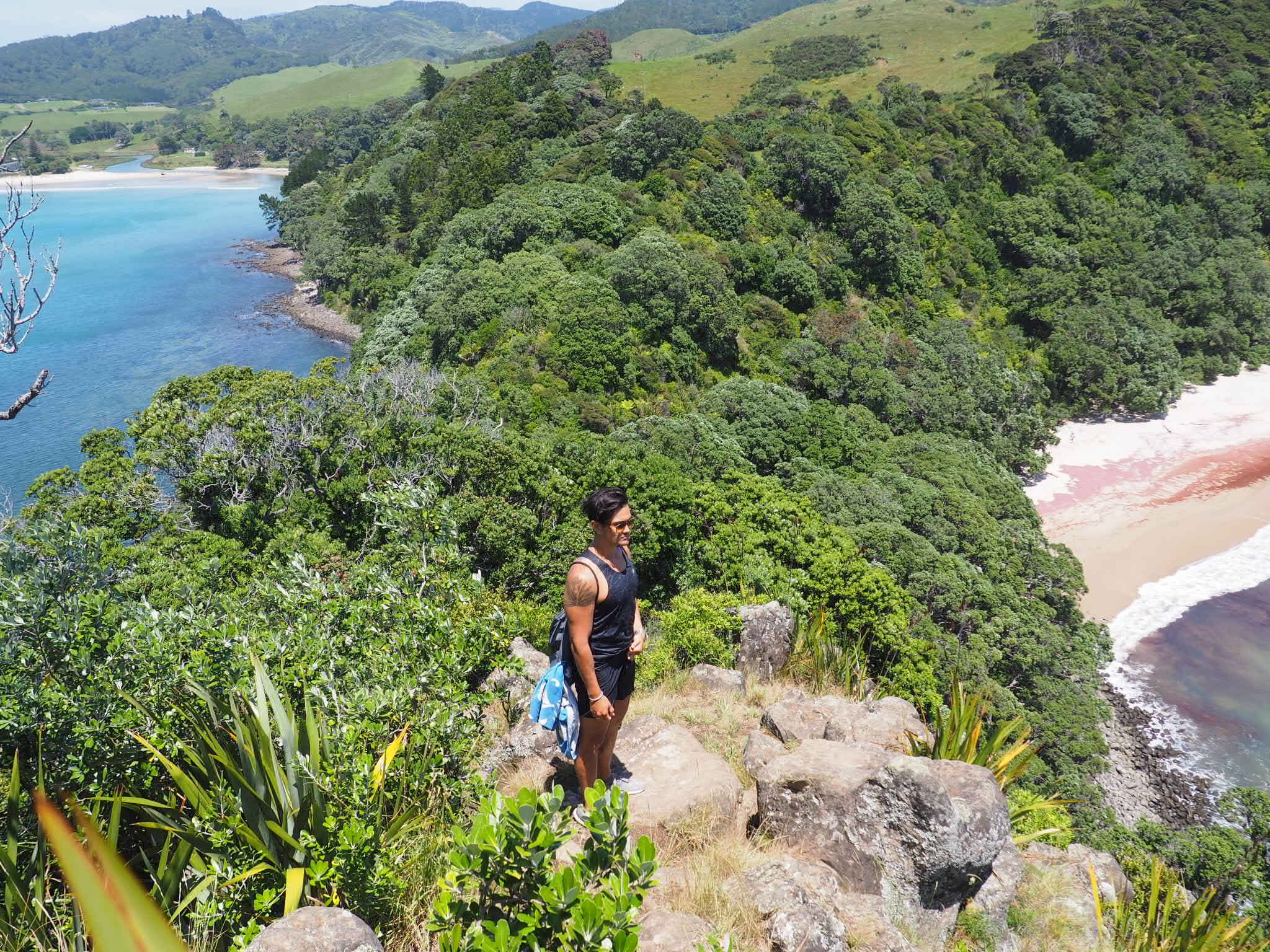
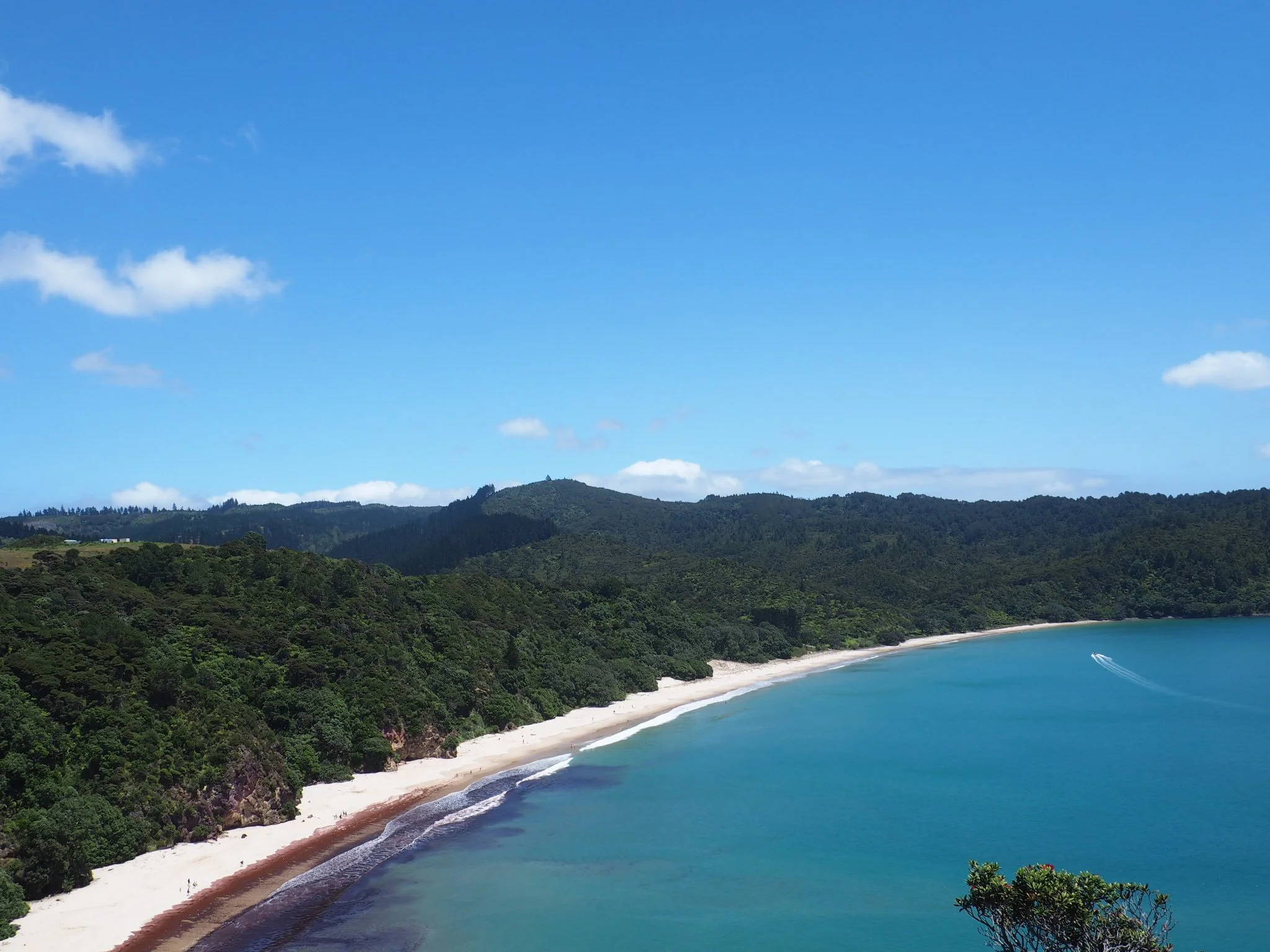
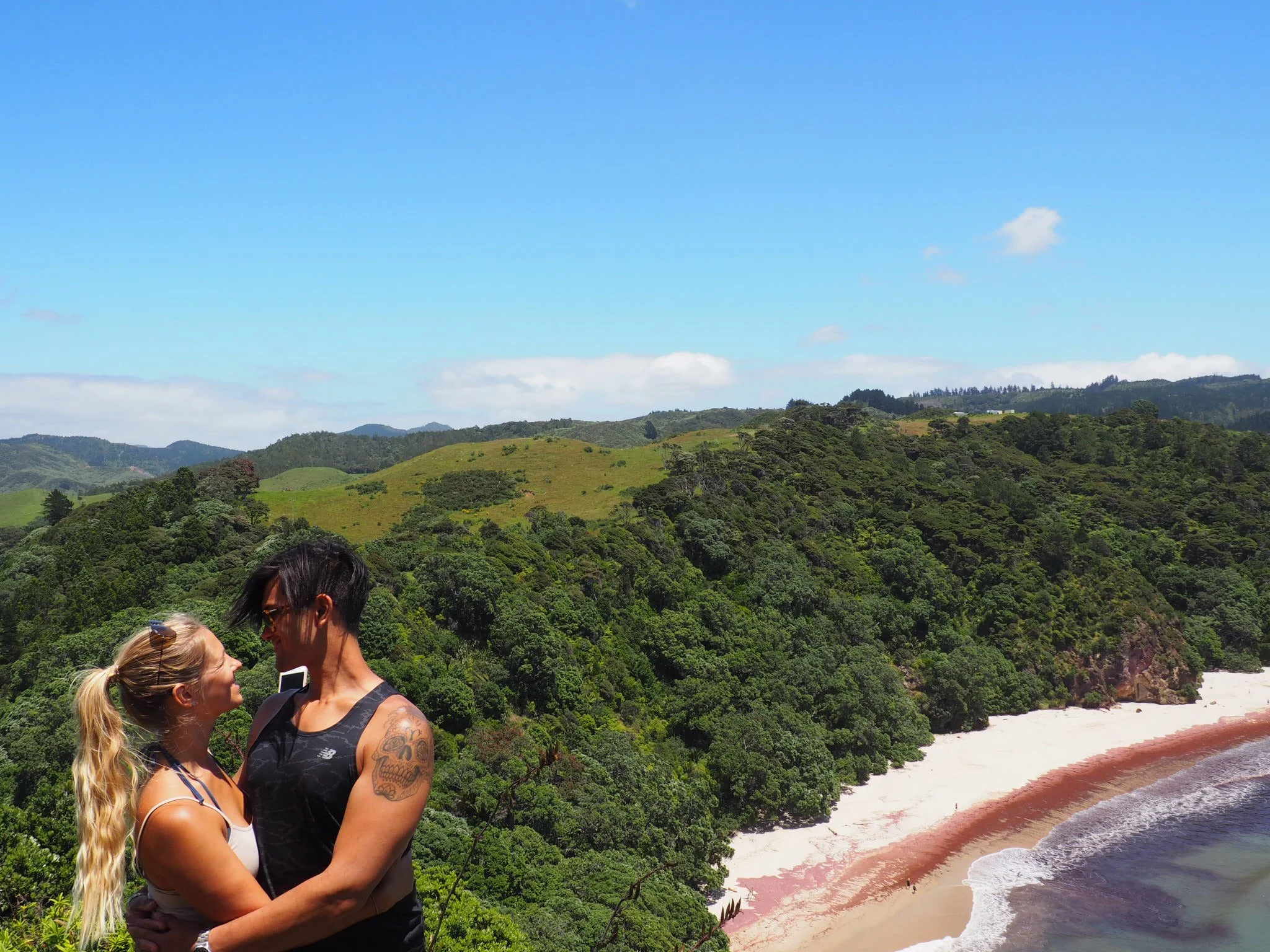
Once the weather cleared, we walked out to New Chums Beach. The 30 minute walk was well worth it. Sun, clear water and a near-perfect setting made it feel like paradise. A short detour to the viewpoint above rewarded us with incredible views and completely saved Christmas.
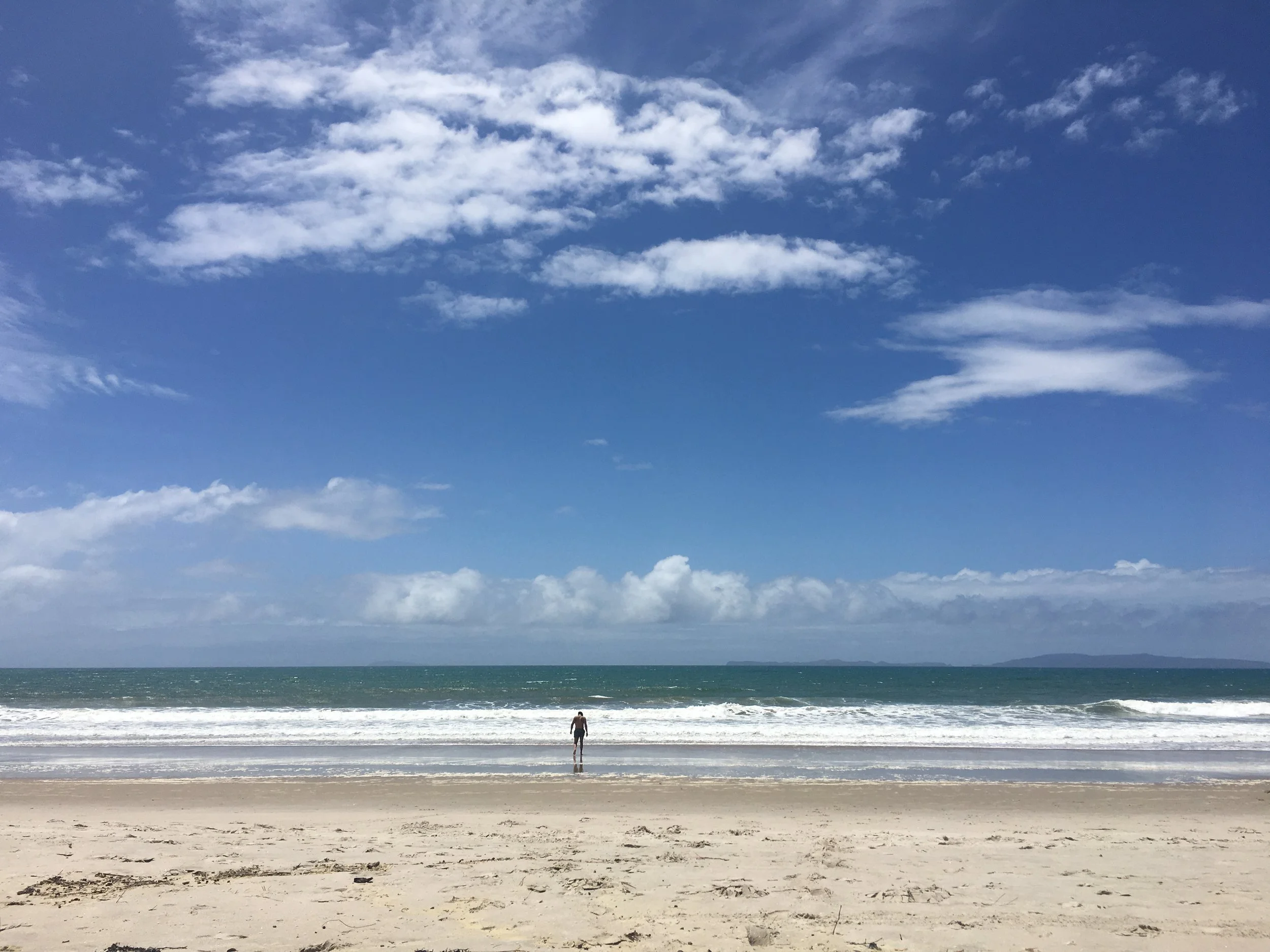
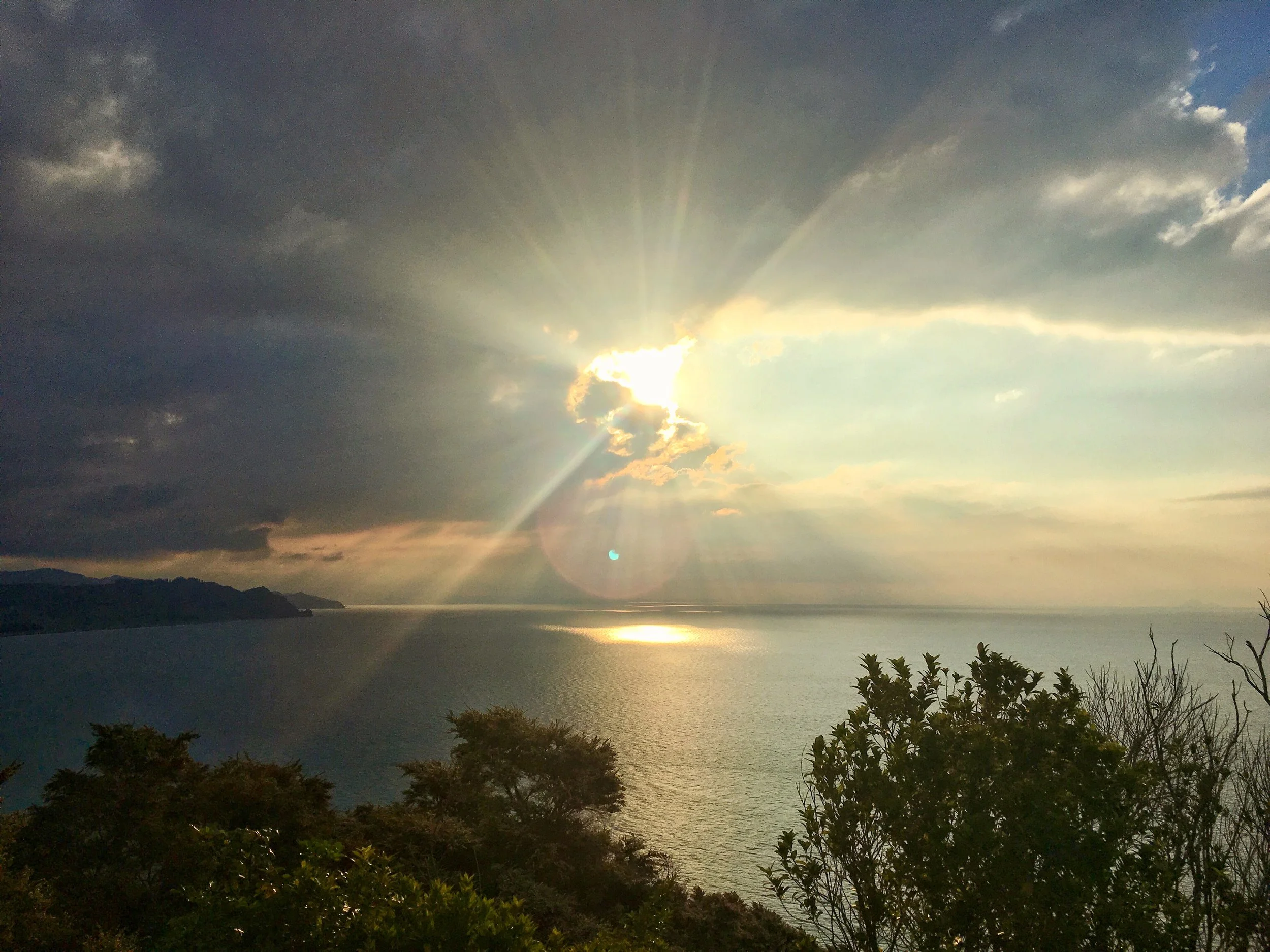
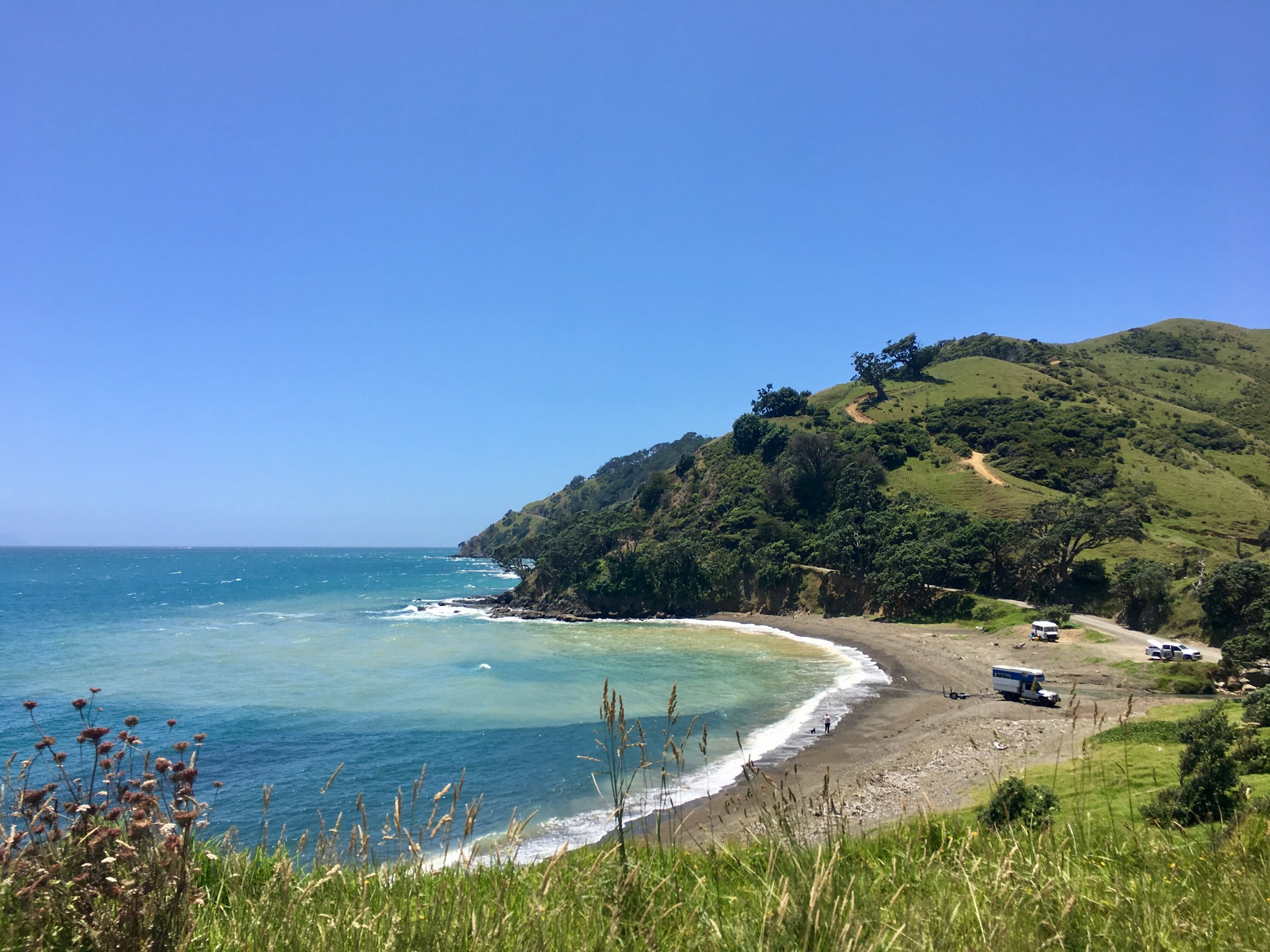
After a final stop at Wharf Café in Coromandel Town, we drove north toward Fletcher Bay. The drive itself was incredible, driving along the coastline on the narrow road, beneath us the blue Pacific Ocean clashing against the cliffs, sandy beaches, some islands in the far distance.
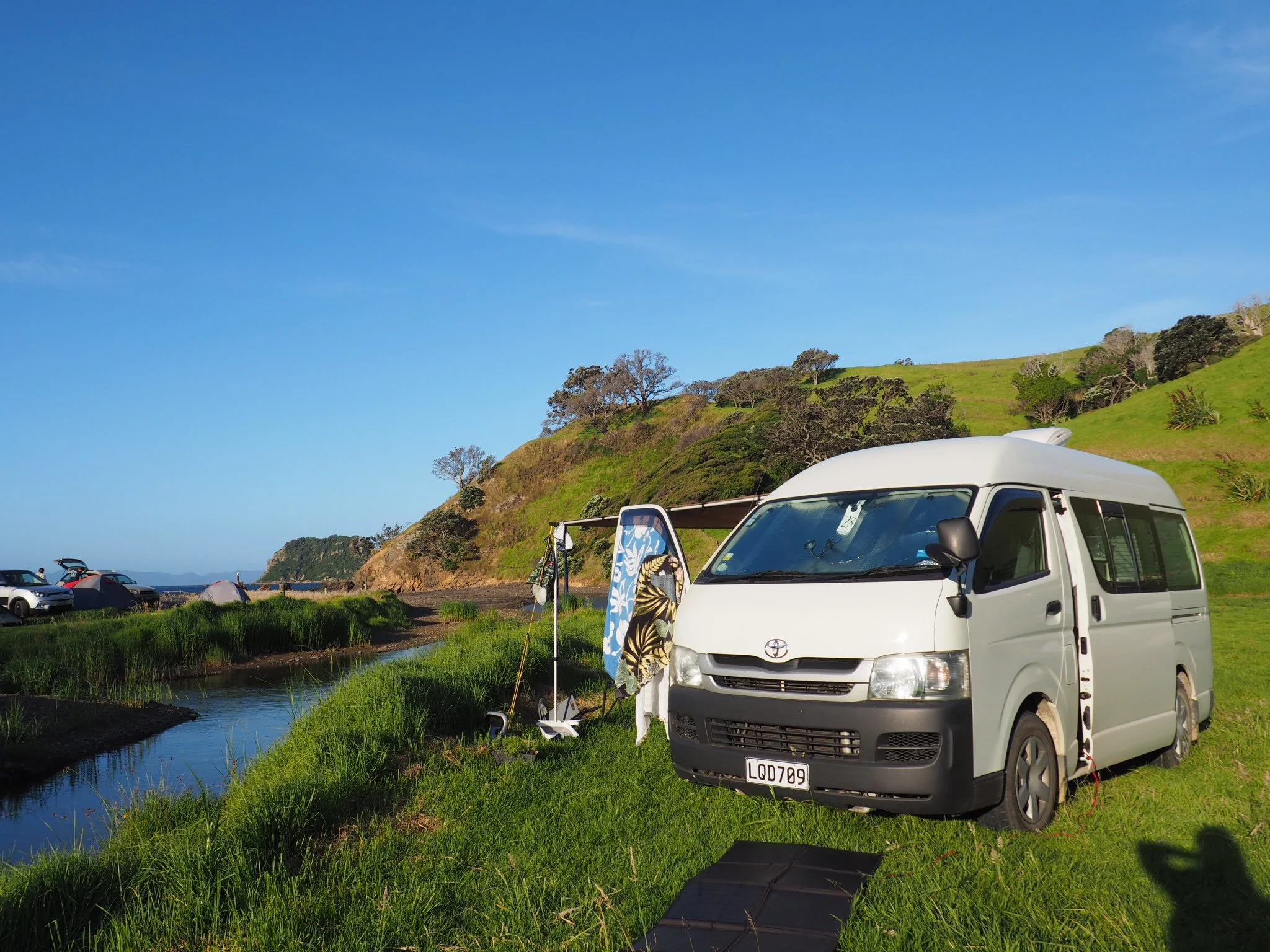
Our campsite at Fletcher Bay sat right by the beach. We went for a quick swim, finally enjoyed our belated Christmas dinner and spent the evening outside under a clear sky, watching the Milky Way and counting shooting stars. Feeling small in the vastness of it all, but also grateful for the freedom to be exactly where we were, we eventually turned in for the night.
Coromandel Coastal Walk
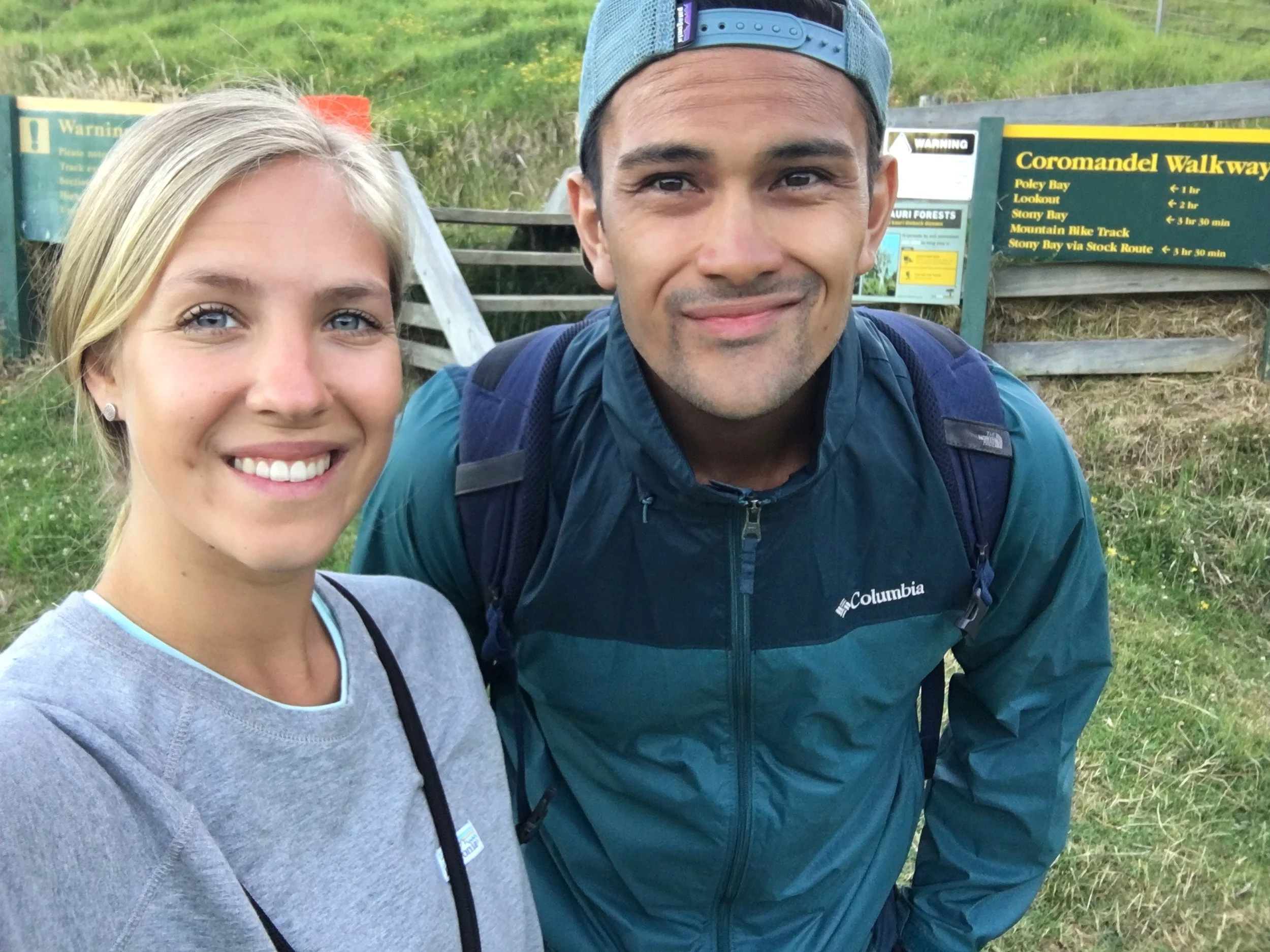
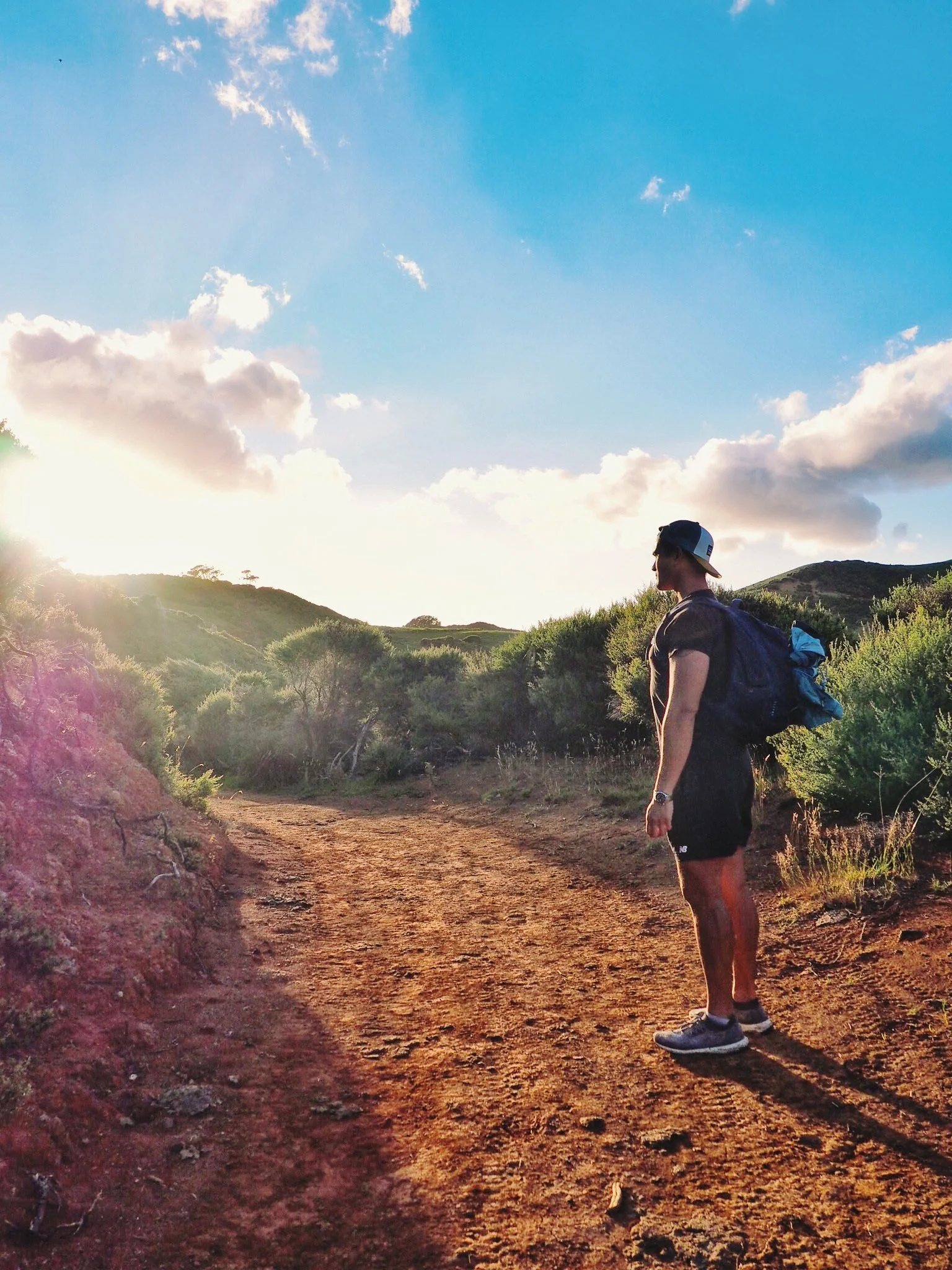
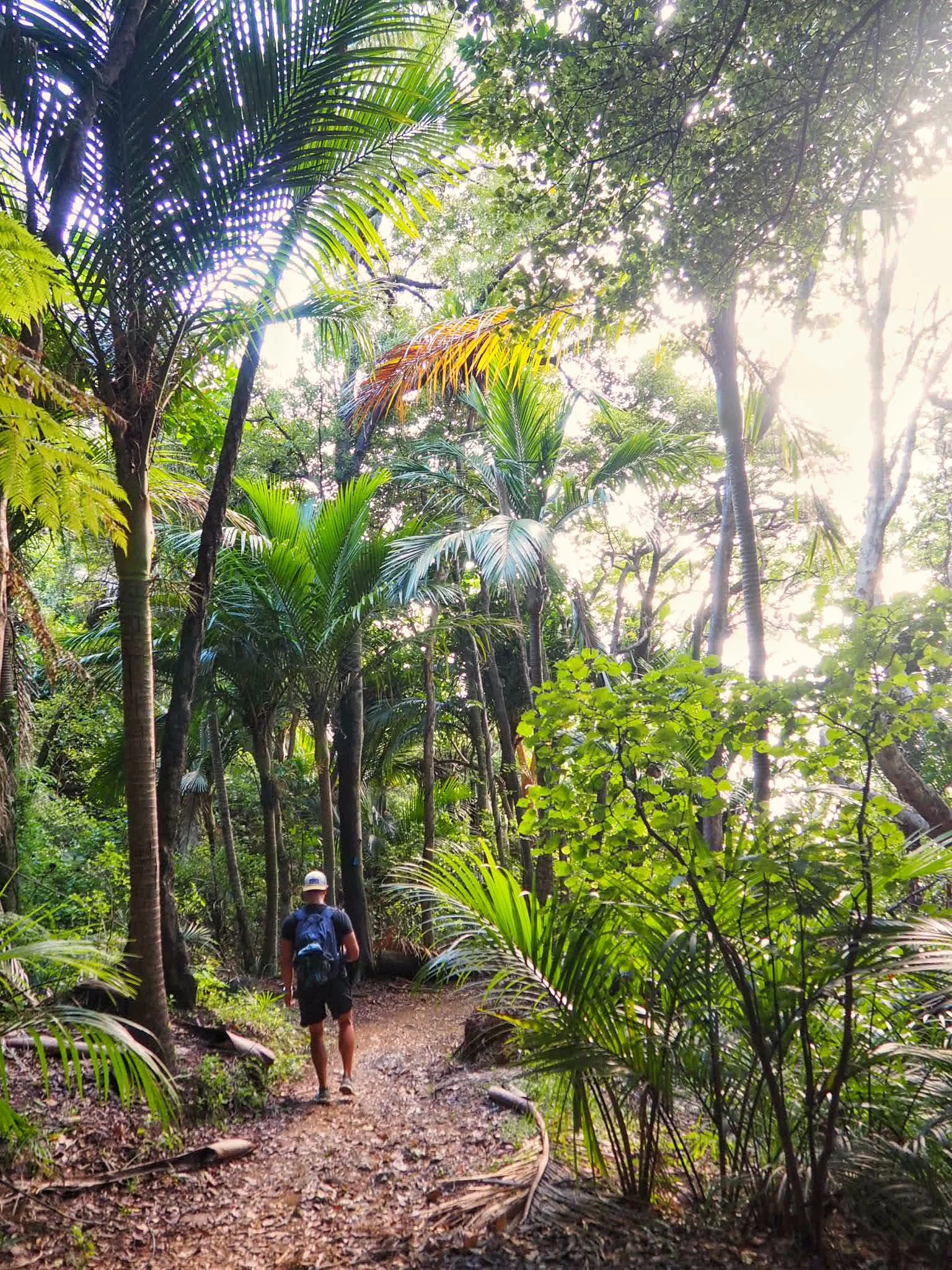
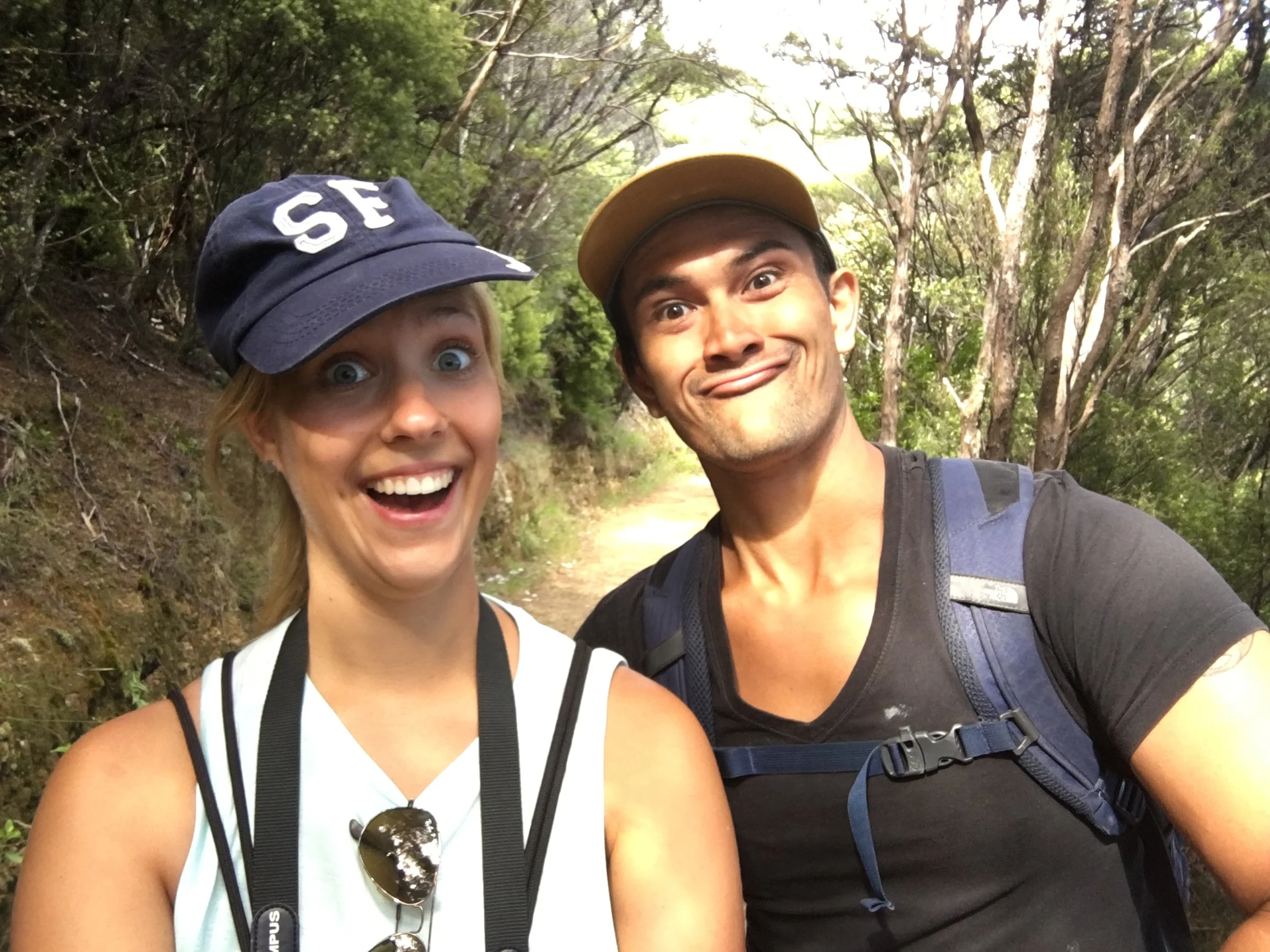
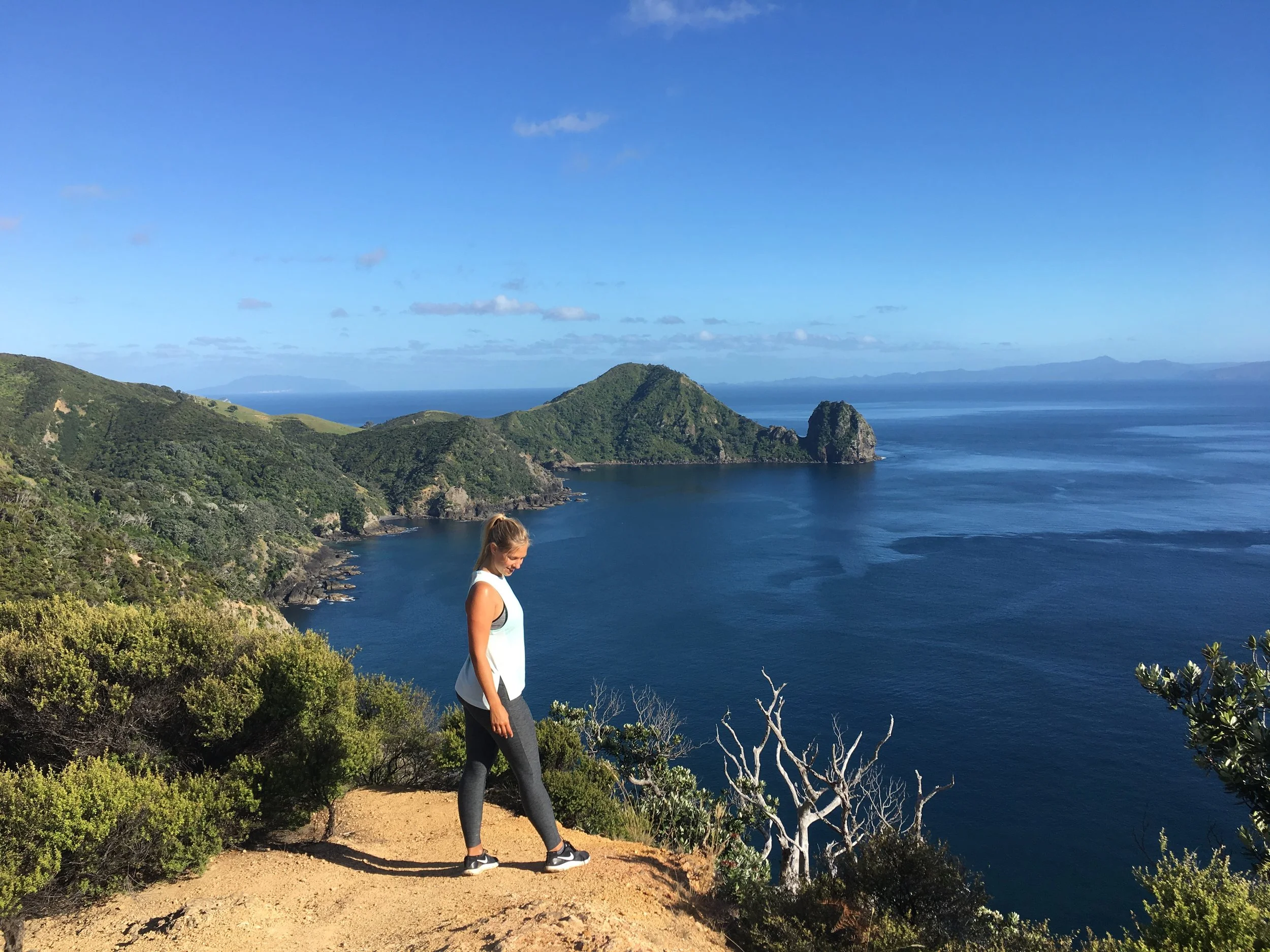
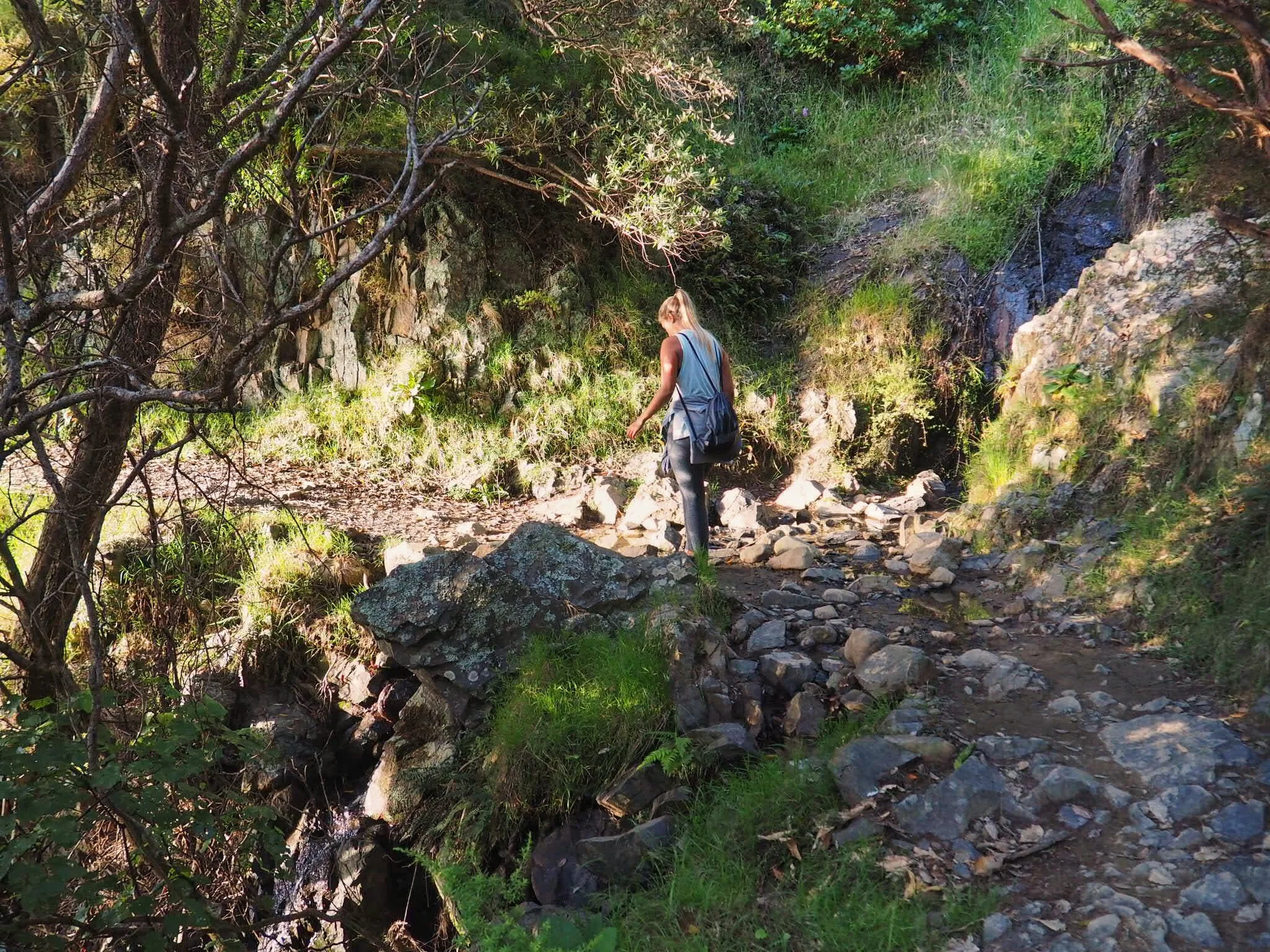
The next morning, we set off early for the Coromandel Coastal Walkway, our first long day hike in New Zealand. With backpacks packed the night before, we started just as the sun came up.
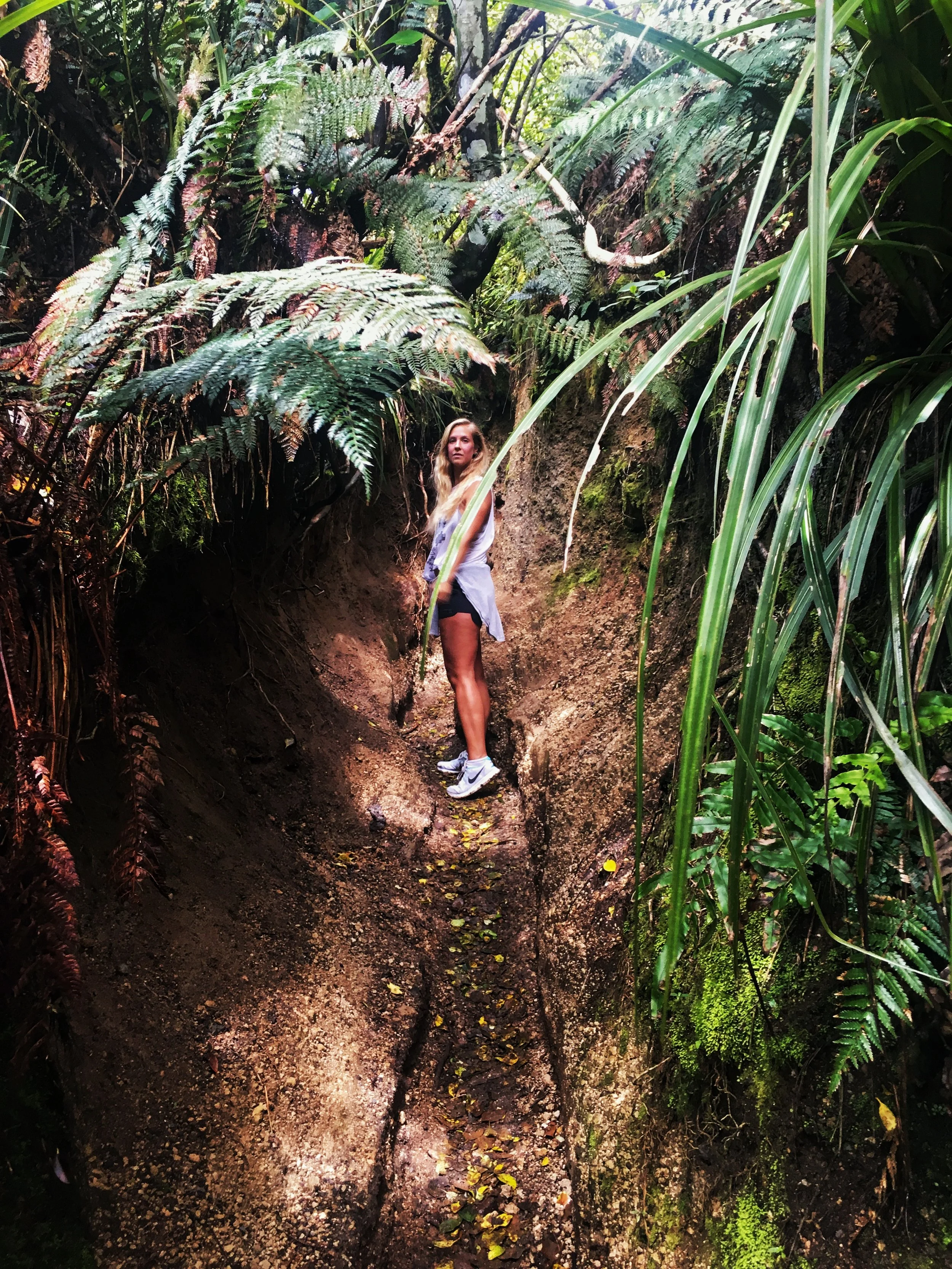
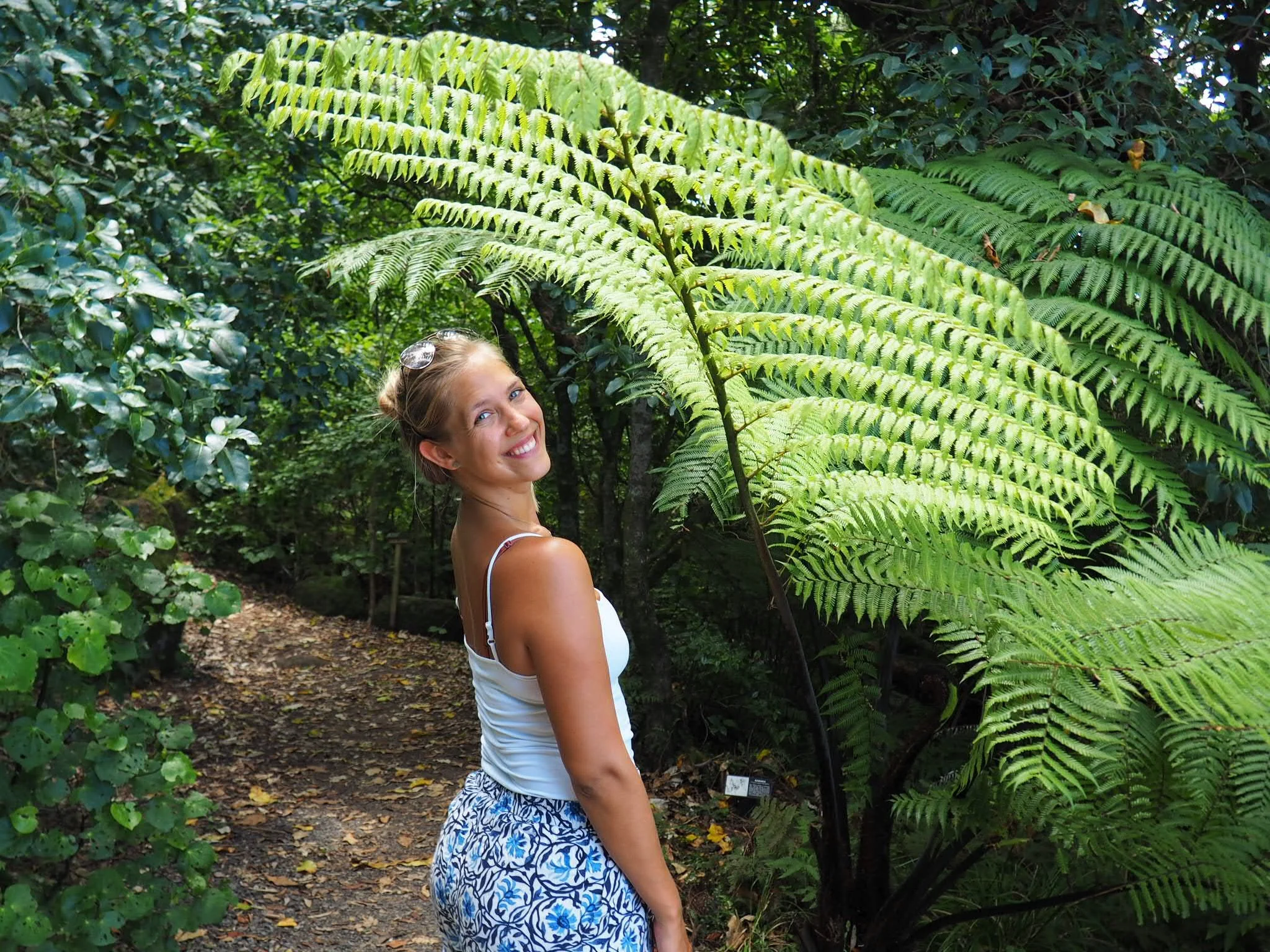
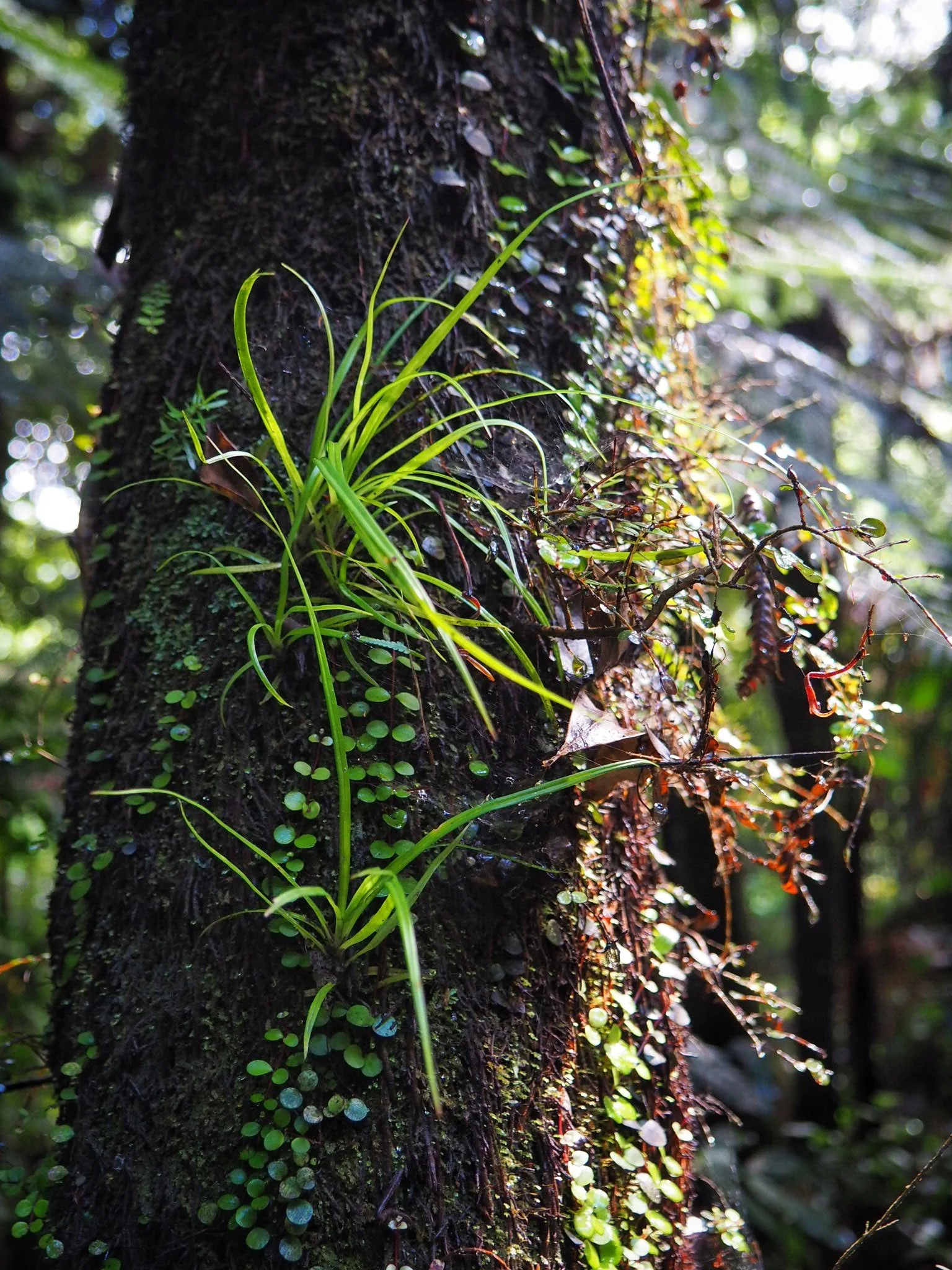
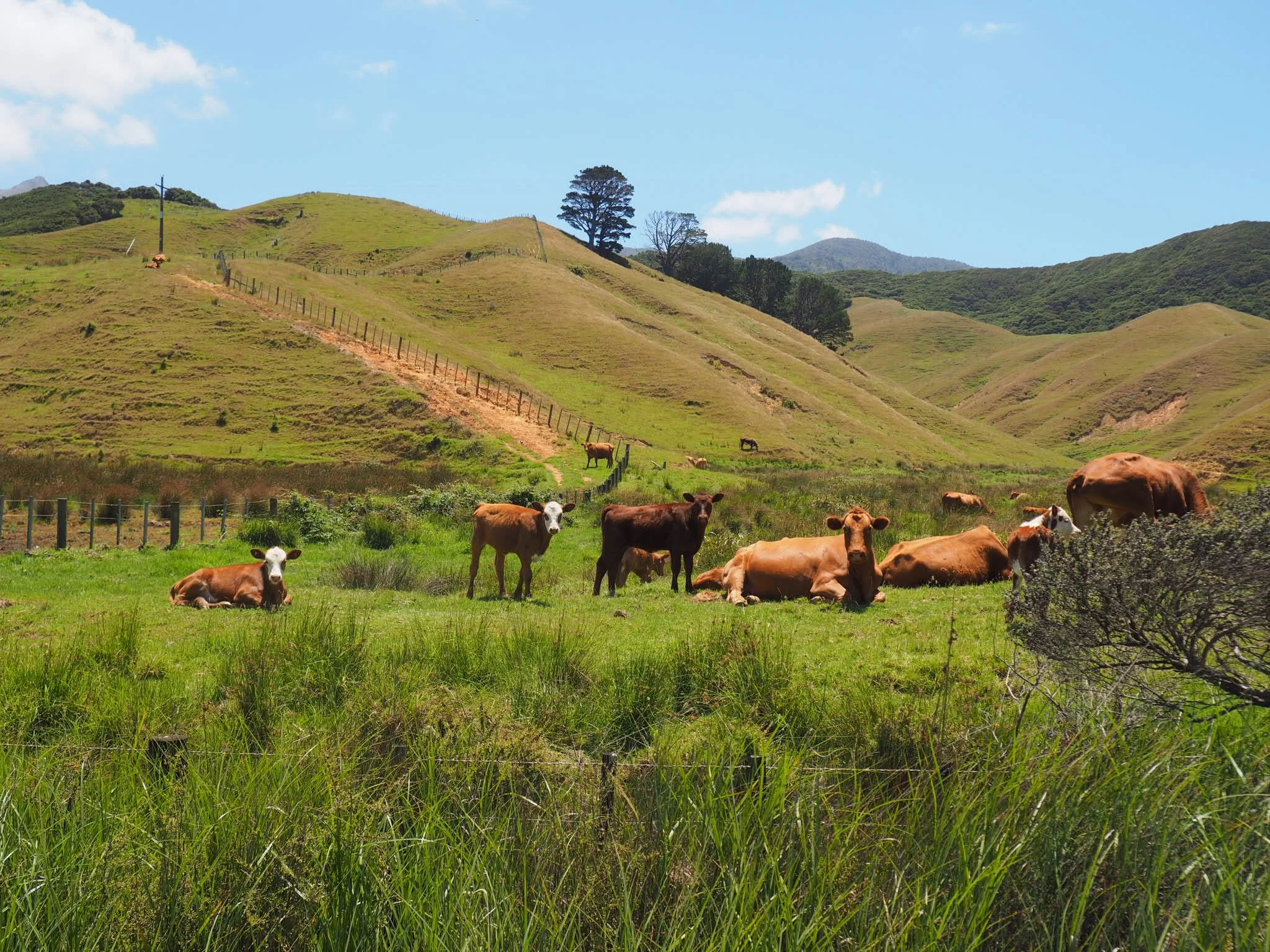
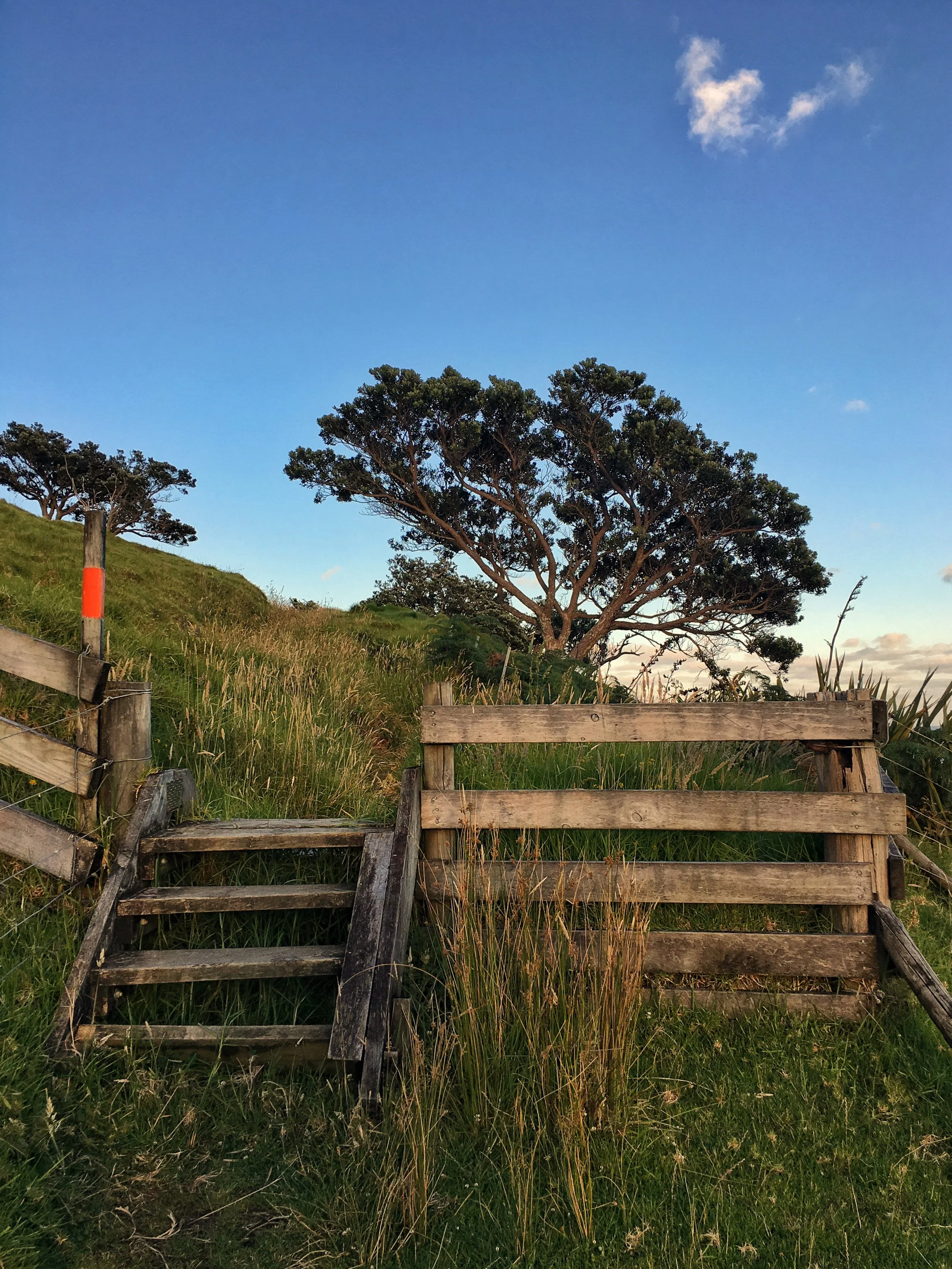
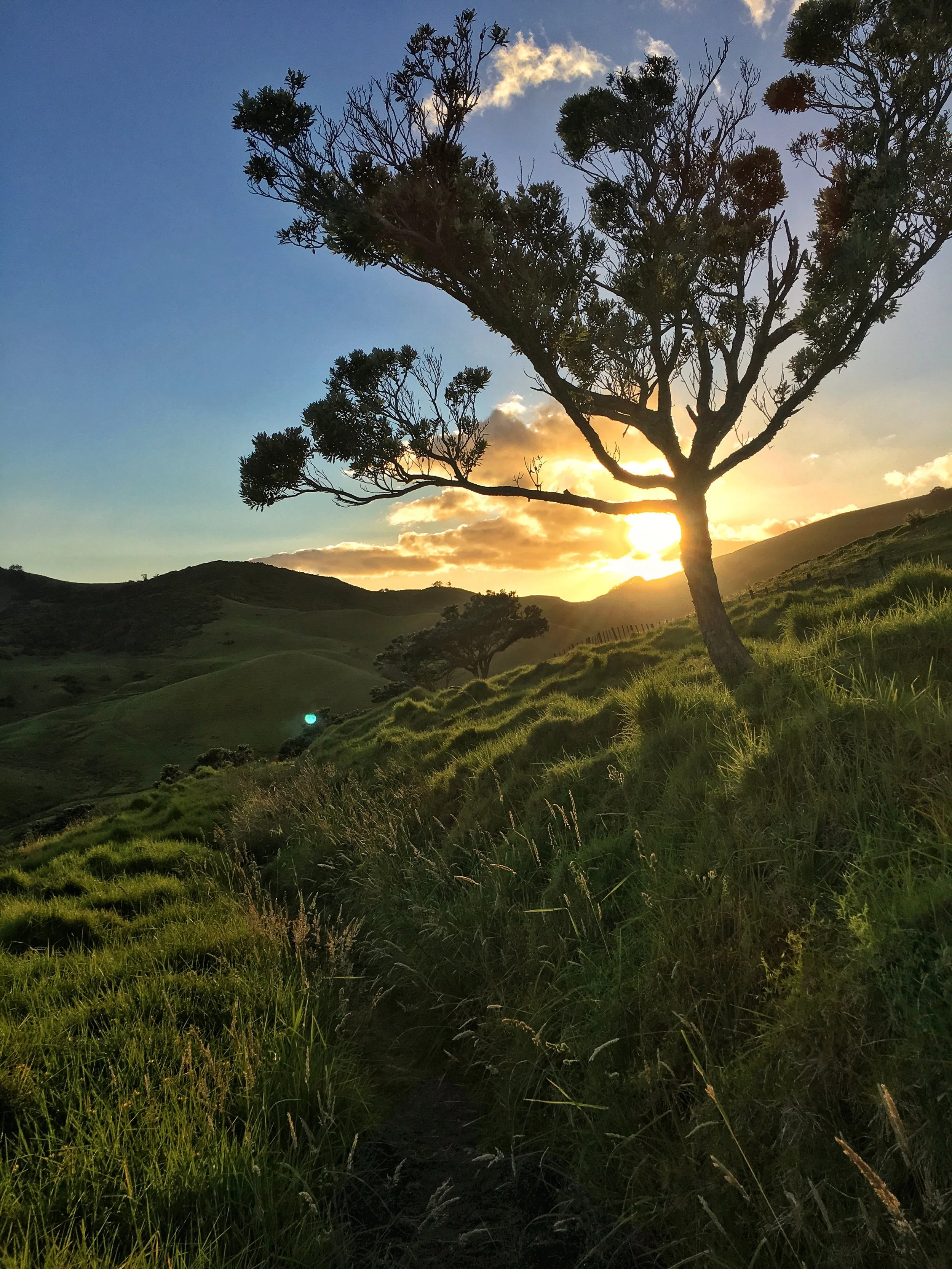
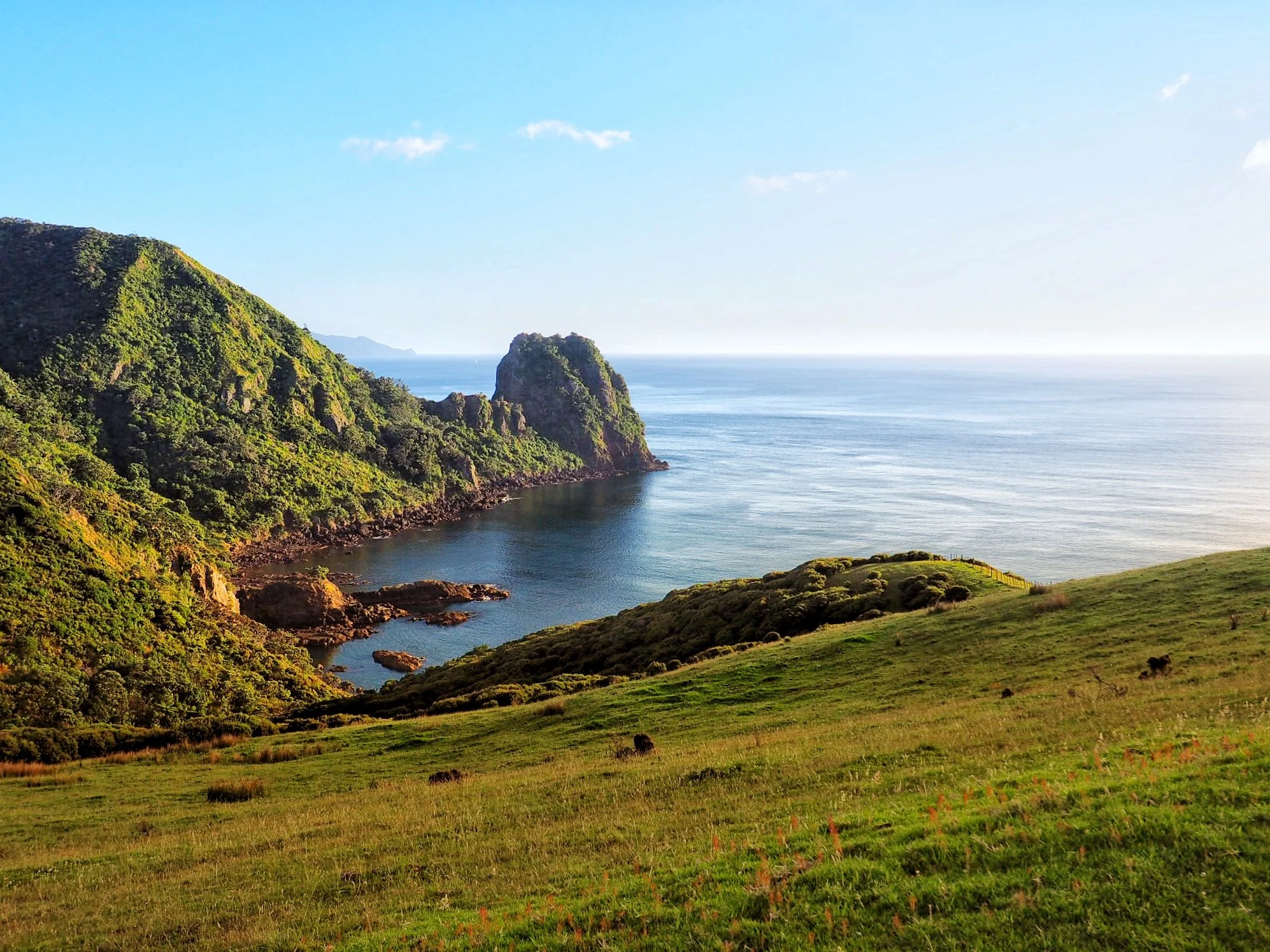
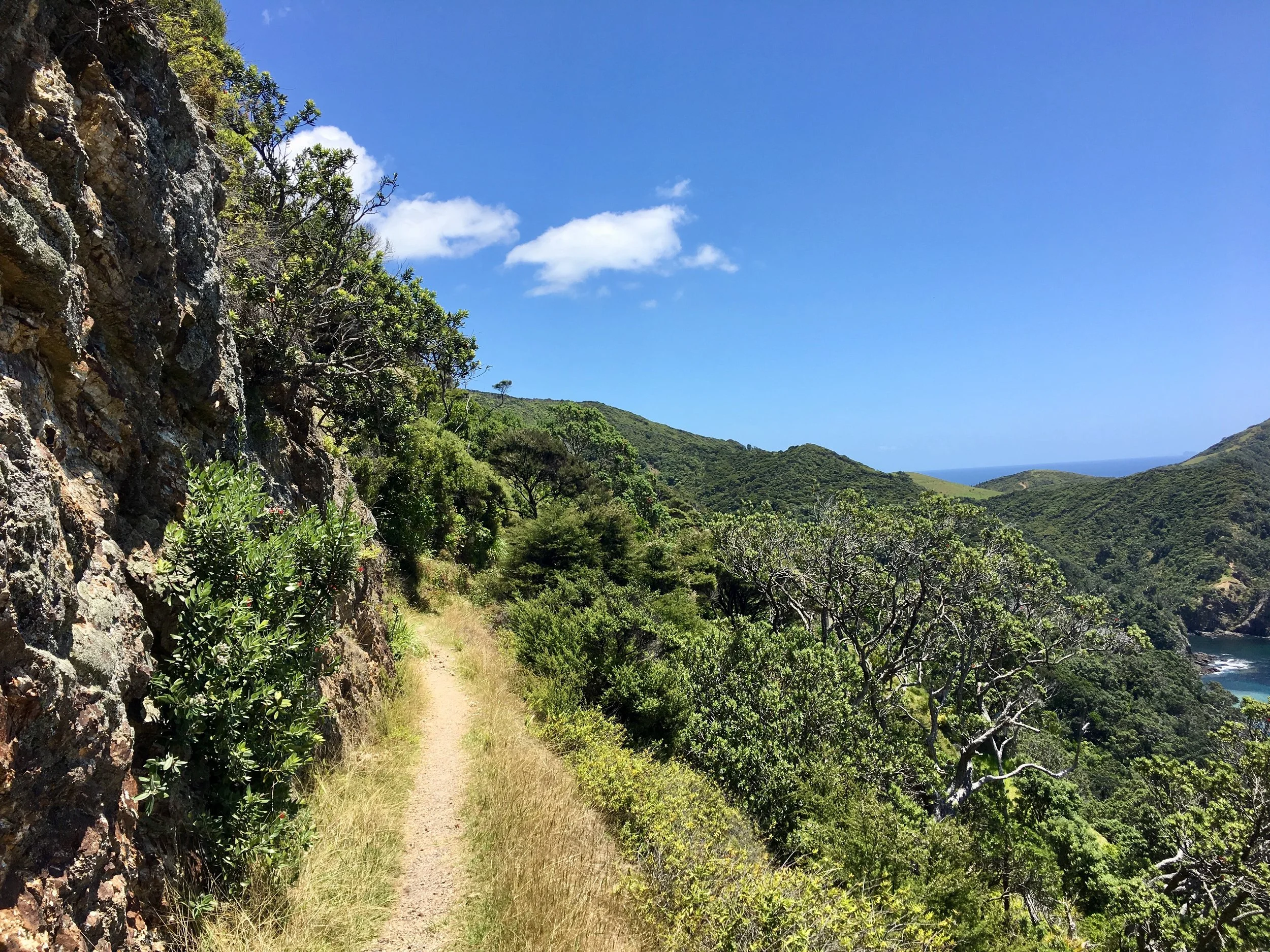
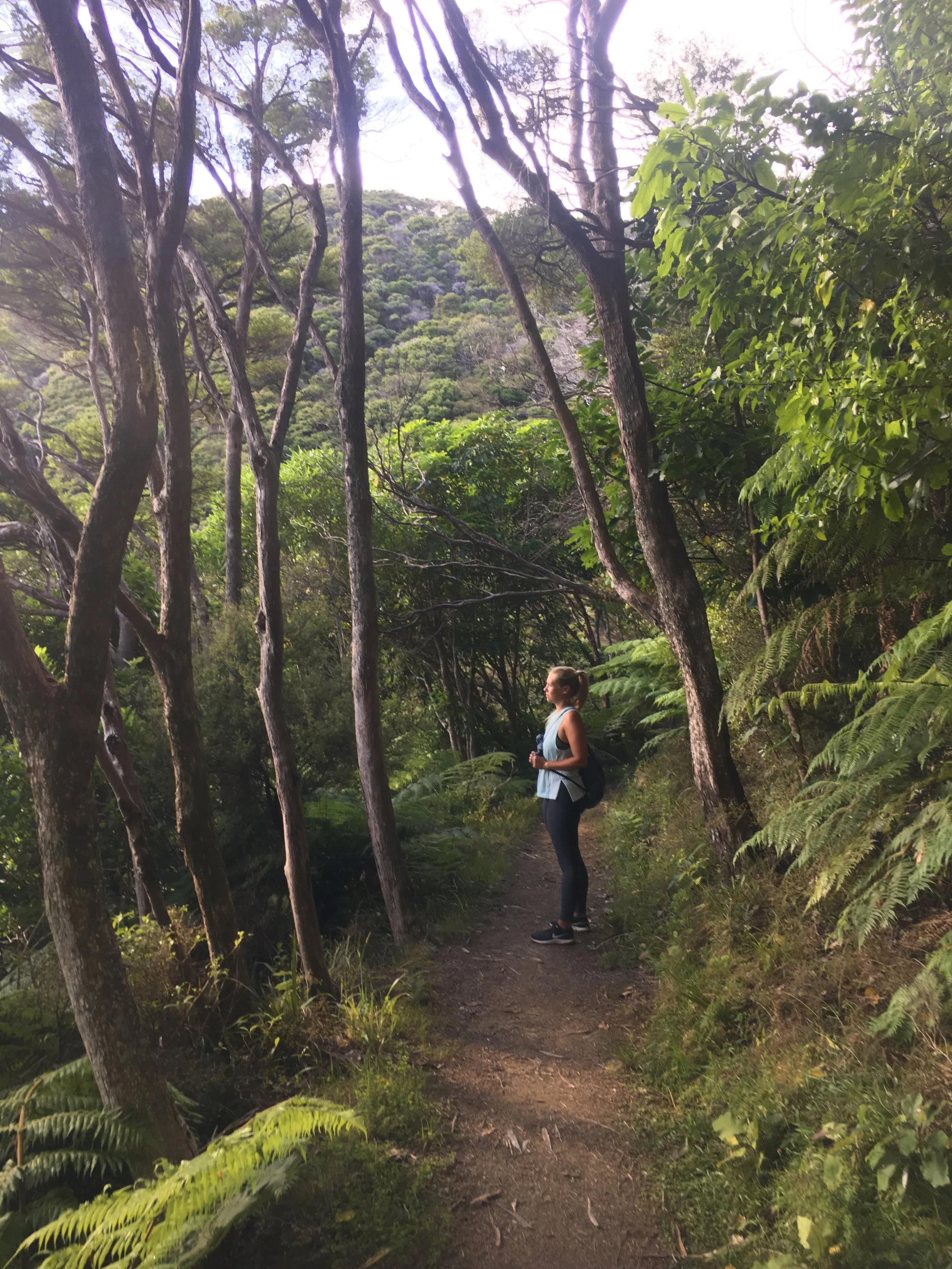
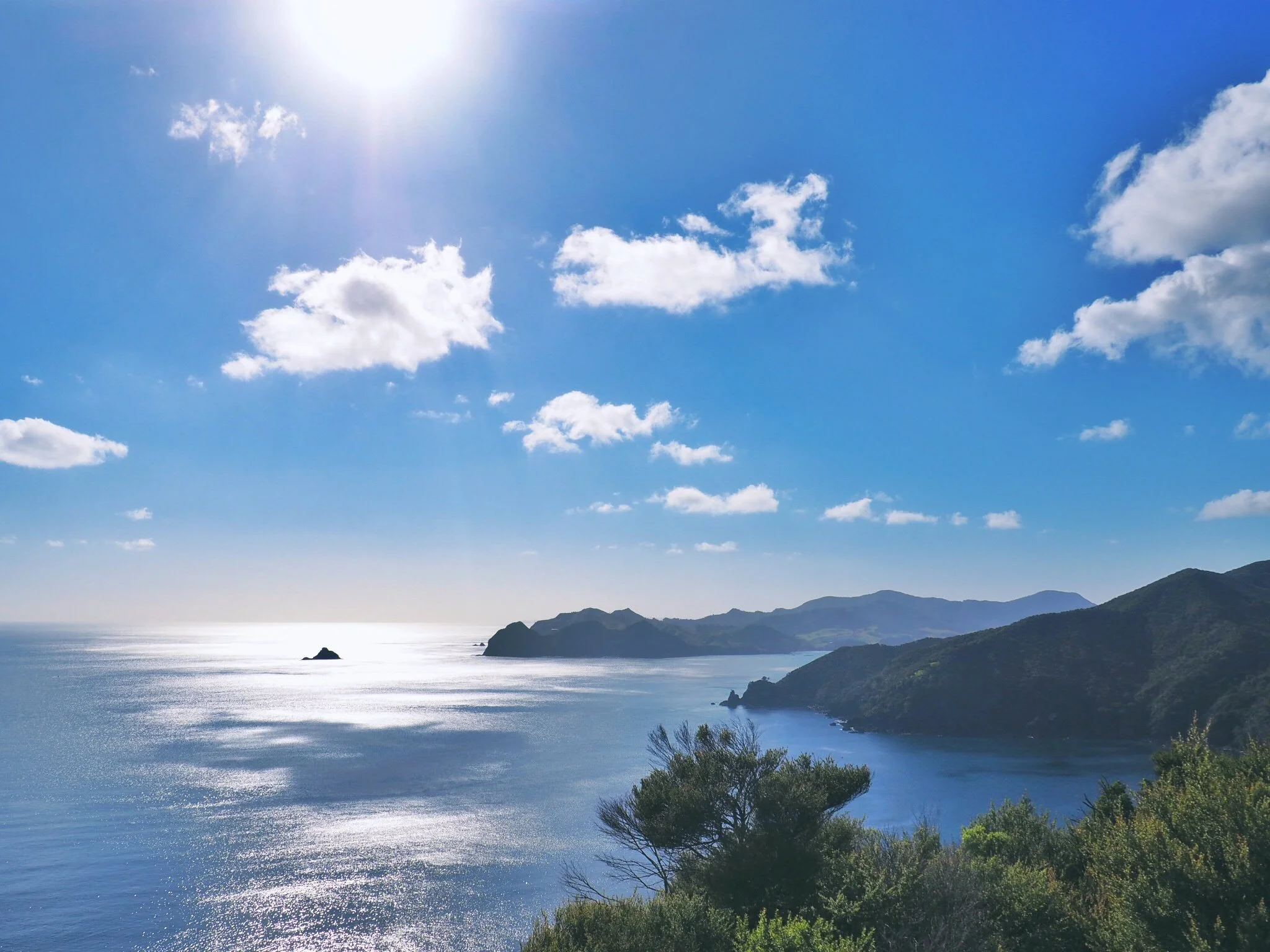
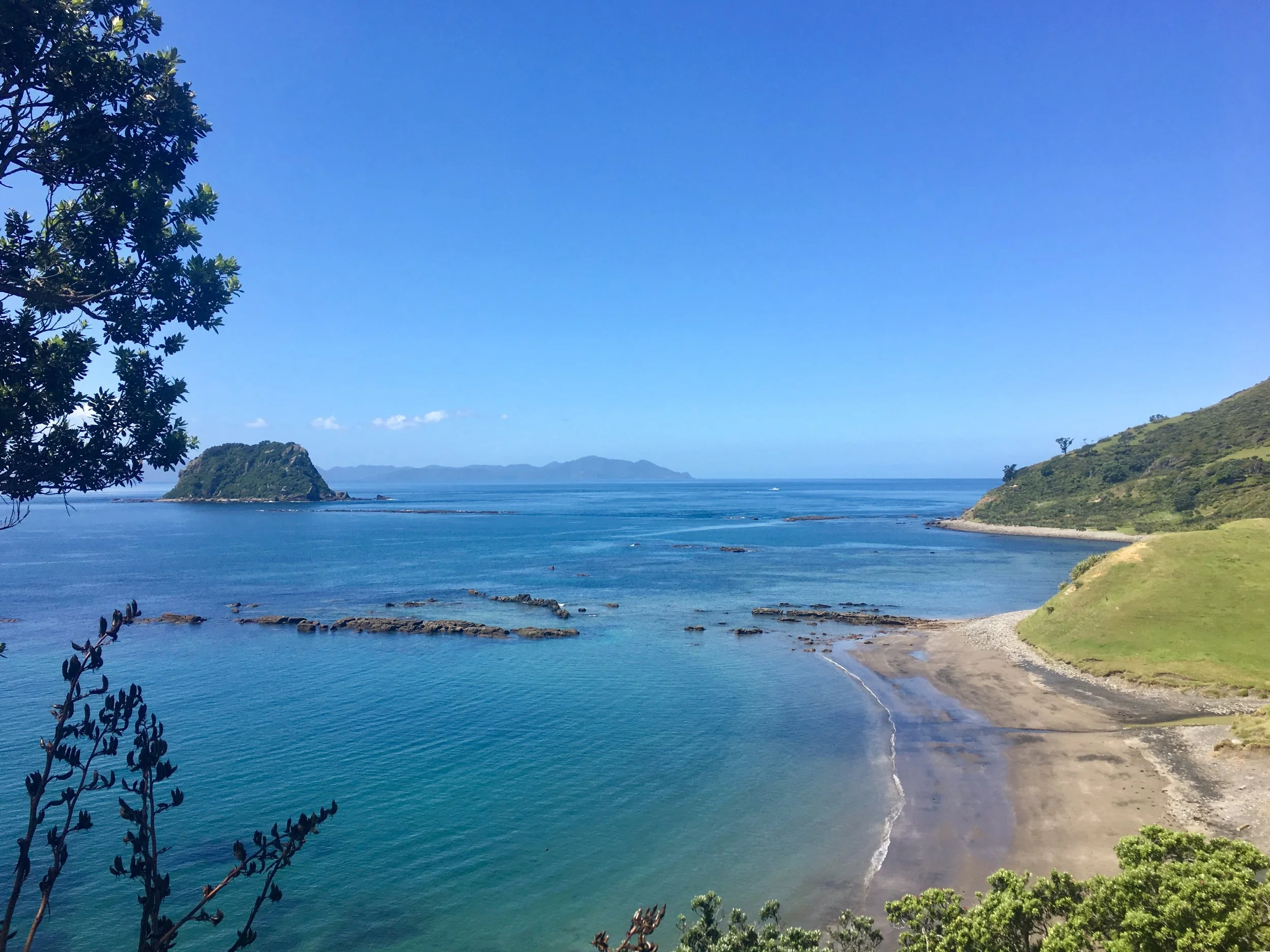
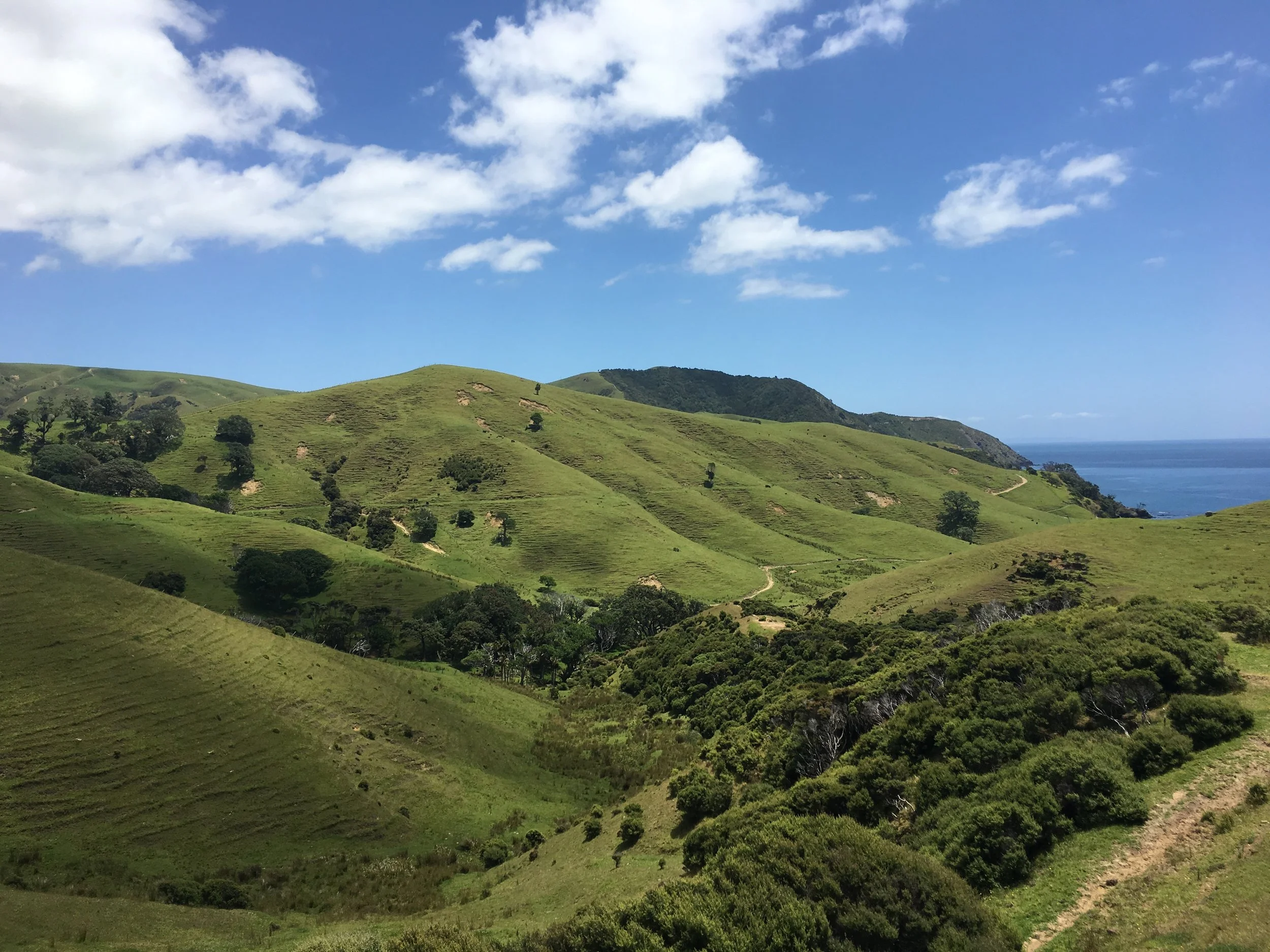
The trail begins gently through pastureland, with the coast on one side and fields of cows on the other. As the path continued, the views opened up to long stretches of pristine coastline and the vast Pacific Ocean beside us. Further along, the landscape shifted into forest, with kānuka, mānuka, ferns and small palms lining the track.
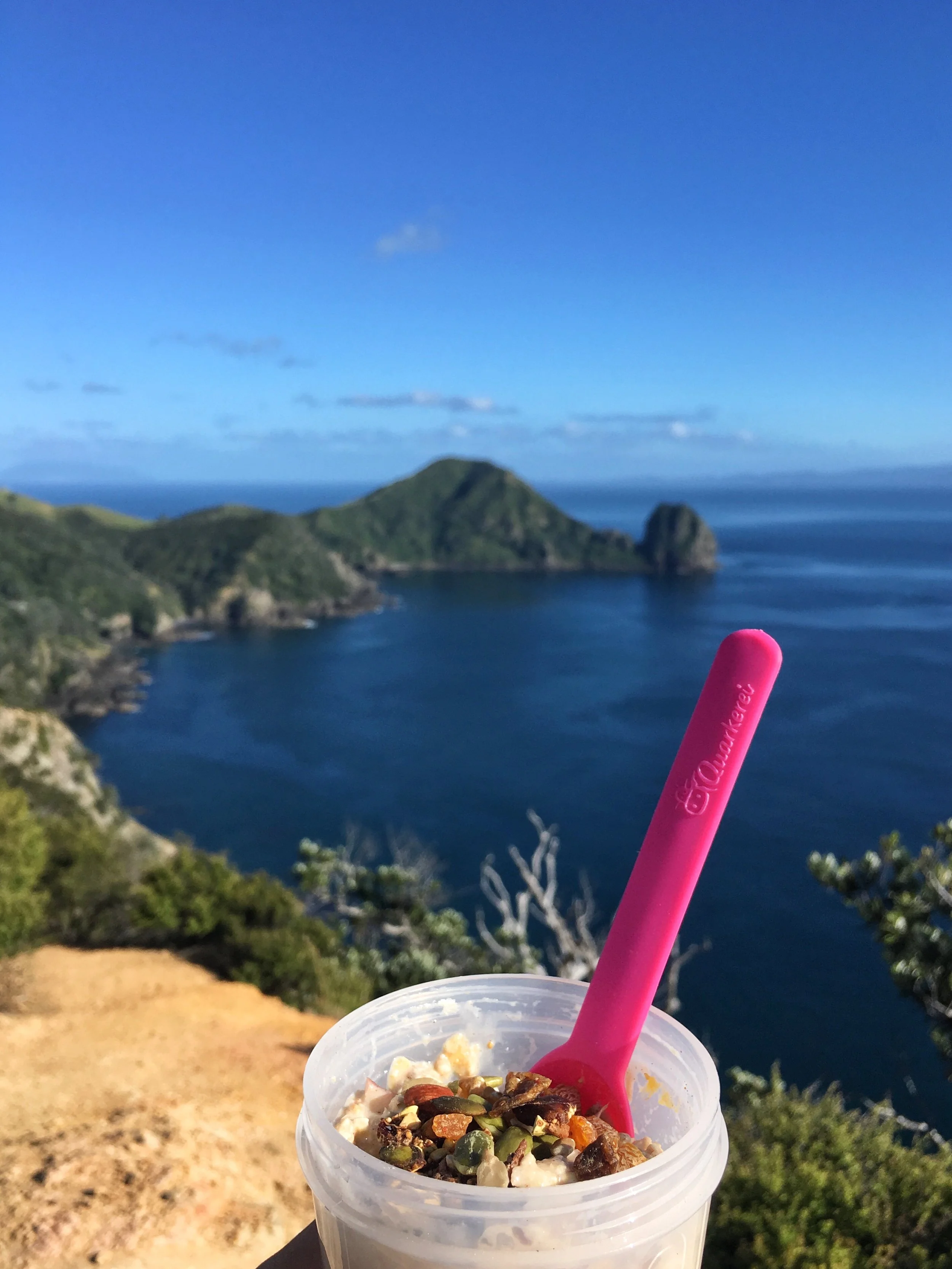
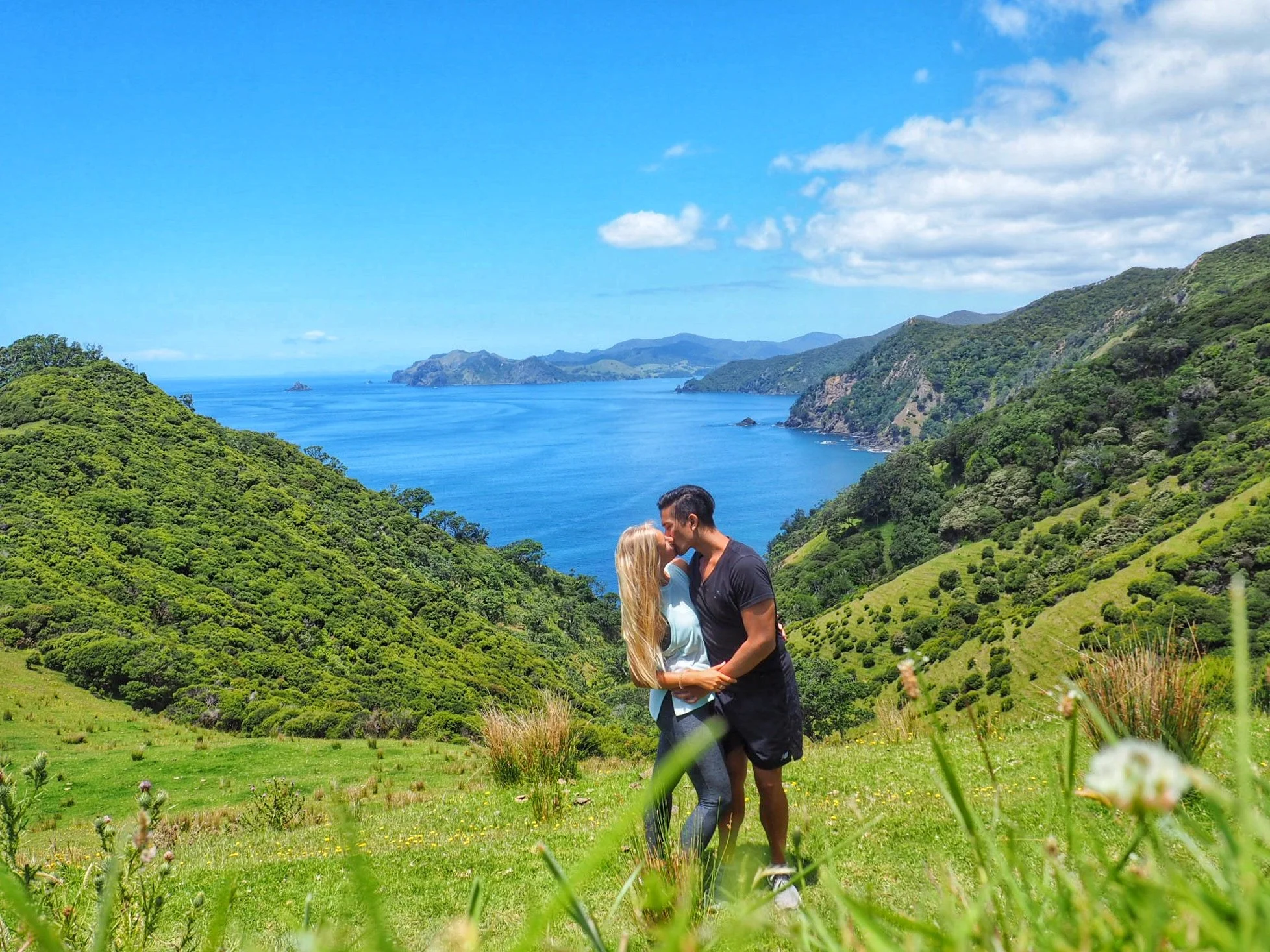
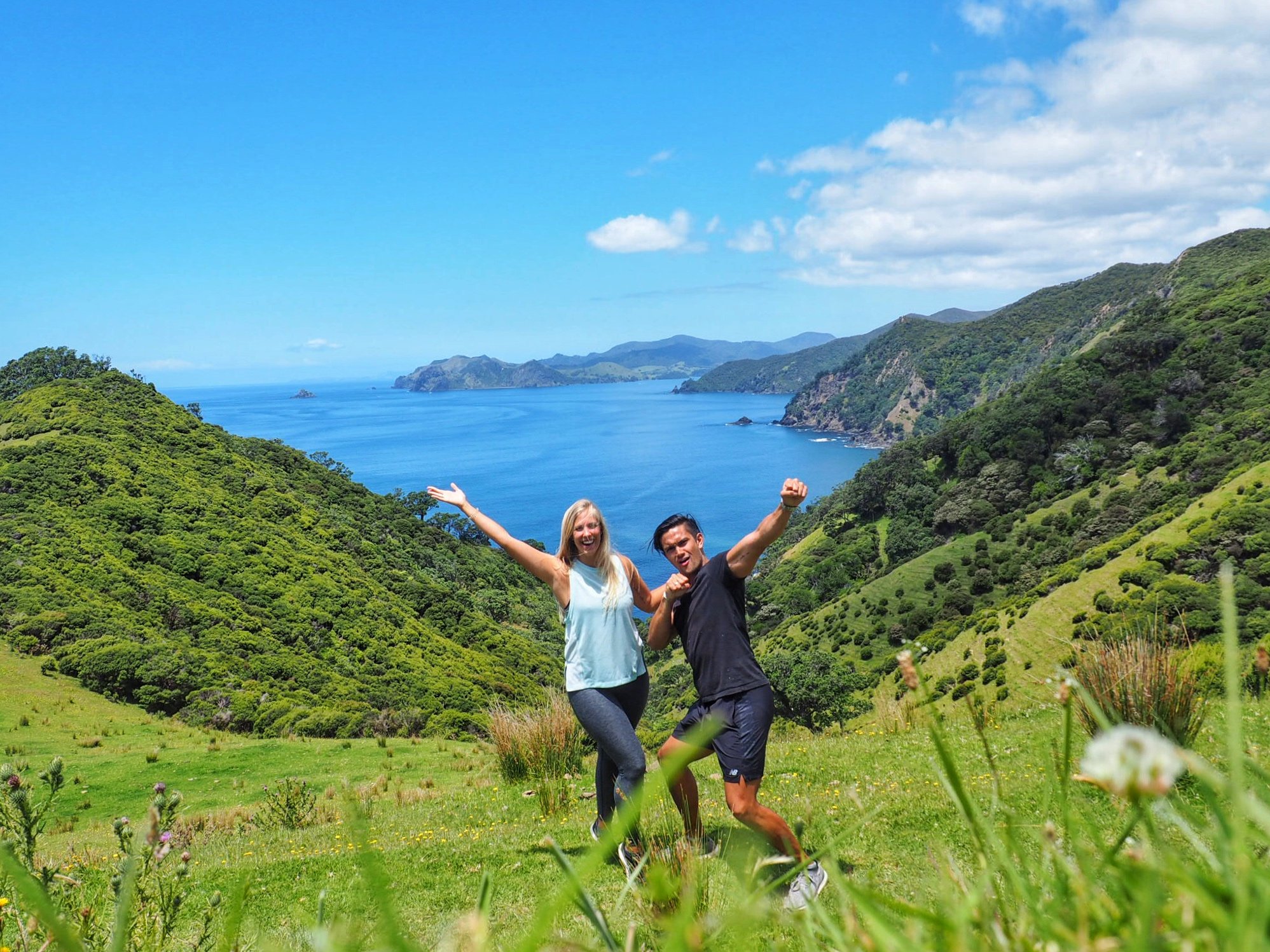
About halfway through, we took a steep side trail to a lookout where the forest breaks open to reveal deep blue water below. Standing there, it was hard not to feel small in the best possible way.
After several hours, we reached Stony Bay, took a short break and then turned around for the return journey. The way back felt tougher, with the afternoon heat and plenty of climbing still ahead. Near the end, a small sheltered bay offered the perfect excuse to stop. We jumped into the clear water and even spotted a stingray gliding past.
For a first long hike, the Coromandel Coastal Walkway delivered everything we hoped for. Challenging, beautiful and deeply rewarding, it’s a place we know we’ll return to and one that deserves its own story.

Back to Auckland
Not long before this hike, we had seen a video of a woman swimming alongside a mother orca and her calves in this area. While we didn’t spot any on our boat tour near Hahei, luck was on our side later. Driving along the coast from Fletcher Bay, Nora noticed movement in the water below. We pulled over just in time to watch three orcas and a calf moving along the shoreline. One of those moments that feels almost unreal and impossible to plan.
Our next campsite was in Tapu, right by the beach, where Wallace promptly got stuck in the sand. Thankfully, locals came to help almost immediately. Nora dug the wheels free while others pushed and within minutes we were back on solid ground. Two more vans got stuck shortly after and we made sure to warn the next one.
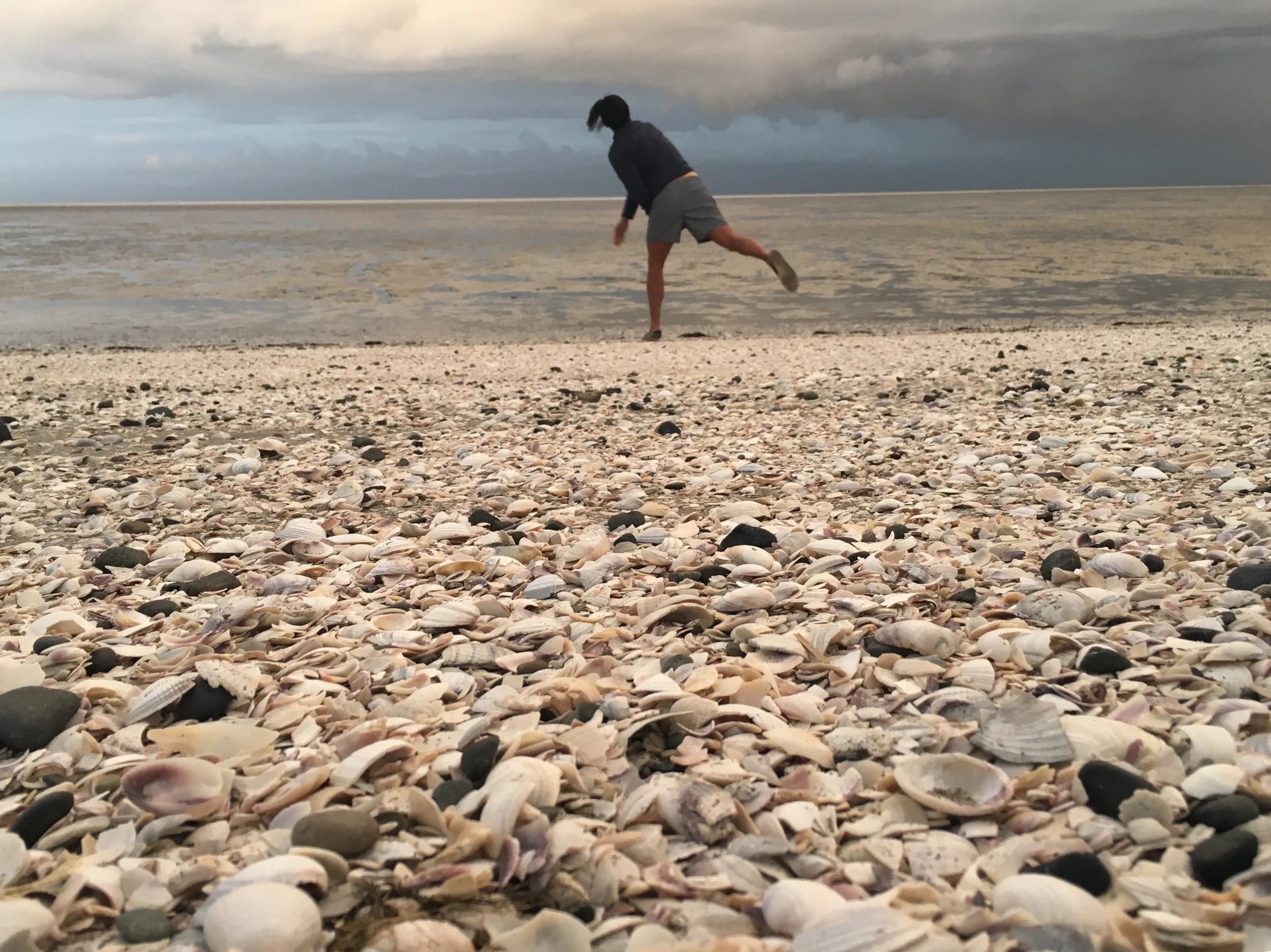
In Kaiaua, Trevor was skipping stones by the water when two young twin girls joined in, eagerly helping him collect rocks. They were not ready to say goodbye when it was time for us to leave, but bedtime and a tired throwing arm eventually won. Their parents, from Tasmania and France, snapped a few photos before we said goodbye.
Moments like these are what make travel so rewarding. Brief connections, shared laughter and small experiences that stay with you long after the road moves on.
North Island Road Trip Highlights
Taupō – A great starting point with plenty of outdoor activities including Huka Falls, Mount Tauhara, natural hot pools by the river and easy access to Tongariro National Park (Tongariro Crossing)
Rotorua — best known for its geothermal activity, steaming vents, bubbling mud pools and naturally heated lakes, as well as its strong Māori cultural presence and forested surroundings that make it a popular base for outdoor activities
Kairakau Beach – A remote, quiet coastal campsite and one of our favorite early stops on the road
Hawke’s Bay – Wine country, orchards and relaxed towns with highlights like the Hawke’s Bay Farmers Market, Hastings and Napier
Te Mata Peak – A rewarding hike near Napier with wide views over the region
Shine Falls – A short forest walk leading to a dramatic waterfall, especially atmospheric in wet weather
Gisborne – Surf beaches, a lively farmers market and the gateway to the East Cape
East Cape – One of the most remote and memorable stretches of road with empty beaches and a slower rhythm of life
Onemana Beach – Powerful waves, beautiful sand and a great place to spend time in the water
Mount Maunganui (Mauao) – A beautiful summit walk offering wide views over the Bay of Plenty and an easy way to add a rewarding hike to the route
Coromandel Peninsula – Known for its rugged coastline, native forest and white-sand beaches, the Coromandel offers a mix of short coastal walks, longer hikes and tucked-away bays. Highlights include places like New Chums Beach, Cathedral Cove & Hot Water Beach, each showing a different side of the peninsula.
Coromandel Coastal Walkway – A full-day hike with expansive ocean views and constantly changing scenery along the coast